


Abstract
This study investigates how environmental consciousness motivations—grounded in Corporate Social Responsibility (CSR) theories (instrumental, political, integrative, and ethical)—influence environmental management performance (MP) and indirectly affect operational performance (OP). Specifically, the research examines these motivations under the intensifying pressure of the Carbon Border Adjustment Mechanism (CBAM) within manufacturing firms in Türkiye. From a cost–benefit perspective, the study addresses whether dominant instrumental (cost-oriented) consciousness acts as a barrier to innovation-led gains predicted by the Porter Hypothesis. Analyzing data from 400 managers using the PLS-SEM method, findings reveal that while ethical and political consciousness positively enhance MP and OP, instrumental consciousness—driven by short-term cost-compliance pressures—exerts a significant negative impact. Furthermore, the statistical insignificance of integrative consciousness highlights a strategic integration gap for manufacturing enterprises in Türkiye. These results demonstrate that perceiving environmental regulations merely as a “cost burden” creates a structural barrier that breaks the strategic productivity cycle. The study concludes that to achieve a positive multiplier effect on competitiveness, firms must transition from instrumental compliance to integrated strategic commitment, guiding managers to distinguish between short-term instrumental efforts and long-term strategic commitments.
1. Introduction
The worldwide movement toward climate neutrality has shifted environmental sustainability from a discretionary Corporate Social Responsibility (CSR) endeavor into a fundamental operational requirement. In this transition, the instrumental, integrative, ethical, and political theories within the CSR literature offer an essential theoretical basis for interpreting the motivations behind the adoption of Environmental, Social, and Governance (ESG) frameworks. A primary driver of this evolution is the European Union’s (EU) Green Deal and the Carbon Border Adjustment Mechanism (CBAM), which impose substantial compliance demands on emerging economies with deep EU trade integration, such as Türkiye [1]. As a proactive reaction to these global shifts, Türkiye has announced a 2053 net-zero emission target [2] and introduced a draft Climate Law to its national parliament [3]. Additionally, the adoption of international benchmarks through the Türkiye Sustainability Reporting Standards (TSRS 1 and TSRS 2) [4,5] and the consistent ESG disclosures by companies within the BIST Corporate Governance Index (XKURY) [6] signal a rapid institutional alignment with ESG principles. Nevertheless, despite these high-level policy transitions, the internal managerial motivations fueling this adaptation remain a multifaceted and under-investigated phenomenon. In the existing literature, the theoretical foundation of the ESG approach involves transitioning from a restrictive focus on instrumental objectives centered on profit maximization [7] toward a broader framework that integrates stakeholder expectations and long-term value generation [8]. While this progression represents a holistic strategy targeting both climate-related actions and strategic returns, it is often highlighted that such frameworks involve significant implementation expenditures [9]. Consequently, a core contradiction arises in the literature concerning the impact of financial and legal pressures on environmental compliance. On one hand, the Porter Hypothesis contends that rigorous environmental mandates stimulate innovation, thereby producing a positive effect on corporate competitiveness [10]. Conversely, critical perspectives argue that treating environmental compliance primarily as a short-term financial drain—defined here as instrumental consciousness—results in superficial adherence and eventually compromises environmental performance [11]. Although policymakers in Türkiye provide various incentives for energy efficiency, the 2024 EU Progress Report suggests that comprehensive strategic alignment has yet to be realized. This creates a significant dilemma for manufacturing enterprises in Türkiye: the conflict between an integrative perspective, where economic and environmental goals are seen as an inseparable unity, and instrumental consciousness, which views CBAM-driven investments solely as an external cost burden. Previous research in Türkiye has largely concentrated on the financial consequences of ESG practices or their attractiveness to international investors [12,13,14]. However, a notable research gap exists regarding how the prevalence of instrumental motivations may actually obstruct environmental management performance (MP) and operational performance (OP), and how internal “managerial barriers” might disrupt the productivity cycle predicted by the Porter Hypothesis. To fill this gap, this research aims to examine—from a cost–benefit standpoint—how diverse environmental consciousness motivations interact to shape the environmental management performance of manufacturing firms in Türkiye operating under CBAM pressure. Specifically, it investigates whether instrumental consciousness functions as a barrier to the innovation-led advantages envisioned by the Porter Hypothesis. By evaluating data from 400 manufacturing managers through PLS-SEM [15], this study contributes to the field by empirically testing whether CBAM-triggered pressures foster genuine strategic transformation or merely create “instrumental hurdles” that impede long-term operational excellence. The organization of this paper is as follows: Section 2 outlines the Theoretical Framework and Hypothesis Development. Section 3 discusses the Institutional Background of Türkiye as a case study. Section 4 details the research Methodology, while Section 5 presents the findings. The paper concludes with a Discussion (Section 6) and final Conclusions (Section 7).
2. Theoretical Framework and Hypothesis Development
2.1. Historical Evolution and Strategic Transformation of CSR
The conceptual foundations of Corporate Social Responsibility (CSR) were established by the pioneering work of Howard Bowen in 1953 [16]. This early framework emphasized the necessity for corporate decision-making processes to account for not only the economic dimension but also the broader social consequences stemming from business behaviors [17]. In its nascent stages, CSR was predominantly discussed as “social responsibility” and interpreted as a managerial approach to decision-making accountability [18]; it was characterized as the obligation of enterprises to pursue initiatives beneficial to society that transcend their basic economic and legal requirements [19]. Nevertheless, this inception period was heavily influenced by the instrumental views of Milton Friedman (1970) [7] and Theodore Levitt (1958) [20], who famously contended that the primary and sole responsibility of a business was the maximization of profit. In response to the abstract nature of CSR, the demand for an analytical and quantifiable framework triggered a transition toward the Corporate Social Performance (CSP) concept introduced by Sethi (1975) [21]. Subsequently, Carroll (1979) refined the behavioral dimension of managers—transitioning from reactive to proactive stances—and integrated the idea that CSP is defined not only by “what” is executed (the content of responsibility) but also by “when and with what intention” these duties are performed (mode of behavior/responsiveness). Accordingly, Carroll structured the responsibility content of CSP through four core pillars: “Economic, Legal, Ethical, and Philanthropic” [22]. The early conceptual (Bowen and Friedman) and managerial (Sethi and Carroll) debates provided a robust foundation for the evolution of corporate responsibility. Particularly from the 1990s onward, the global surge in environmental consciousness [23] catalyzed a strategic transformation of organizational performance within enterprises [24]. As a result of this evolution, environmental and social concerns have been synthesized with global economic challenges [25], eventually materializing as Environmental, Social, and Governance (ESG) principles [26]. ESG represents a more structured and measurable set of performance indicators compared to CSR, distinguishing itself by incorporating explicit actions such as climate change mitigation [27]. This paradigm shift clearly illustrates that the focus of corporate responsibility has undergone a definitive move away from mere legal compliance toward strategic performance management [28] and the pursuit of long-term value creation.
2.2. Conceptual Foundations of the Environmental, Social, and Governance (ESG) Approach
At the heart of corporate responsibility frameworks lies a fundamental philosophical tension between instrumental and ethical perspectives. While instrumental theory prioritizes immediate financial gains and the maximization of profit, the conceptualization of corporations as moral agents has established a solid ground for ethical theories, drawing inspiration from seminal philosophical works such as John Rawls’ (1971) A Theory of Justice [29], This philosophical bedrock was translated into the corporate domain by Donaldson and Dunfee (1994) through the integrative social contracts theory (ISCT) [30]. In the contemporary business environment, managers frequently encounter complex dilemmas where ethically driven actions and instrumental requirements do not coincide [31]. To address this challenge, the concept of a social contract [32] and Freeman’s (1984) stakeholder management theory [33] argue that enterprises must function as responsible moral actors. These foundational conceptual shifts have expanded the breadth and depth of the academic discourse, facilitating the rise of corporate citizenship (CC) [34], which synthesizes previously distinct schools of thought such as CSR performance and stakeholder theory. In articulating the concept of CC, Matten and Crane (2005) [35] introduced the political theory approach to the literature, highlighting the growing influence of businesses in political and civic affairs. These advancements suggest that theorists are increasingly seeking to define an expansive managerial role that balances shareholder interests in profitability with the holistic social and environmental value creation central to stakeholder theory [36]. The extent of environmental compliance is a collective outcome of both external regulatory mandates and the discretionary managerial preferences of firms [37]. The determination of businesses to transcend legal requirements (ethical motivation) and their pursuit of legitimacy (integrative motivation) stand at the core of strategic decision-making [8]. However, when managerial choices are motivated exclusively by short-term financial interests, there is a substantial risk that environmental compliance remains superficial and fails to bolster actual performance. At this juncture, the conflict between the Porter Hypothesis [10]—which contends that rigorous regulations stimulate innovation—and critical perspectives [11]—which argue that short-term instrumentality compromises performance—constitutes a significant research gap requiring empirical validation. Garriga and Melé (2004) [8] elevate the environmental consciousness of managers beyond a restrictive instrumental objective centered on profit maximization—as also emphasized by Margolis and Walsh [36]—toward a more moral and integrated dimension. This research investigates how the social responsibility initiatives of enterprises translate into tangible performance through the ethical values of managers and their adherence to ISO 14031 [38] and EPA [39] standards. This theoretical framework is applied specifically to the context of the manufacturing industry in Türkiye, which has implemented policy measures aligned with the European Union’s Green Deal [40] and is currently under the strategic pressure of the Carbon Border Adjustment Mechanism (CBAM).
2.3. Synthesis of CSR Theories and Hypothesis Formulation
Garriga and Melé (2004) [8] systematically mapped the multifaceted perspectives within the management literature, categorizing the underlying logic of Corporate Social Responsibility (CSR) by evaluating established theories. They classified CSR approaches based on their primary orientations: profit-driven motives, political power (encompassing the social influence and responsibilities of the firm), the integration of social and environmental demands (focusing on stakeholder responsiveness and corporate performance), and finally, moral values and ethical duties [8]. The theoretical framework of this research investigates how diverse environmental consciousness motivations of managers—defined as independent variables: instrumental theory (IT1-IT4), ethical theory (ET1-ET6), integrative theory (IG1-IG4), and political theory (PT1-PT5)—impact the dependent variables: environmental management performance (MP1-MP6) and operational performance (OP1-OP6). Within the structural model illustrated in described in Section 4 (Methodology), MP is conceptualized as the primary outcome reflecting the direct influence of various environmental consciousness dimensions, whereas OP represents the strategic consequences and operational refinements resulting from this process. Based on this conceptual architecture, the following hypotheses are formulated for the study.
2.3.1. Instrumental Theory: Shareholder Wealth Maximization
Instrumental theory interprets CSR as a strategic instrument utilized to bolster the financial health of enterprises, positioning profit maximization as the fundamental objective of the firm [41]. The exclusive voting rights held by shareholders on the Board of Directors place them in a prioritized position relative to all other stakeholders [42]. In this context, instrumental theory considers it inappropriate to approach the CSR concept through a lens that transcends profit maximization, even when motivated by ethical concerns [32].
The academic roots of this perspective are anchored in agency theory, which defines the enhancement of firm profitability as the paramount duty of management [41]. In alignment with this view, Friedman contends that the moral obligation of managers, as agents accountable to shareholders, is “to engage in activities designed to increase profits so long as it stays within the rules of the game” [43,44]. The narrow stakeholder orientation adopted under instrumental theory regards stakeholder demands as significant only to the degree that they yield economic advantages for the organization [45]. Within this framework, CSR initiatives are deemed ethically valid only when they remain consistent with the “social responsibility” of not diminishing shareholder returns [44]. However, this conventional profit-centric instrumental viewpoint stands in direct contrast to the Porter Hypothesis introduced by Porter and van der Linde (1995) [10]. Mandatory environmental mandates, such as the Carbon Border Adjustment Mechanism (CBAM), exert substantial cost pressures on enterprises in Türkiye [46]. The Porter Hypothesis posits that stringently formulated environmental mandates (such as CBAM) can act as a catalyst for innovation and generate a competitive edge, rather than being perceived merely as a financial drain [10]. This tension raises a pivotal research question: Do mandatory environmental regulations represent a simple cost burden (leading to superficial compliance) or a strategic opportunity for competitive advantage within the framework of instrumental theory? Accordingly, the instrumental environmental consciousness variable in this study is operationalized using the PRESOR (Perceived Role of Ethics and Social Responsibility) scale, originally established by Kraft and Jauch (1992) [47], further validated across different institutional contexts by Axinn et al. (2004) [48] and adapted to this theoretical framework by Huang et al. (2022) [11]. This perspective defines the primary raison d’être of a firm as the maximization of shareholder wealth, treating ethical or social duties as strategic tools only insofar as they enhance financial outcomes.
H1.
Instrumental environmental consciousness exerts a statistically significant negative influence on environmental management performance (MP).
2.3.2. Ethical Theory: Environmental Moral Imperative Obligation
Ethical theory scrutinizes the intersection of business and society through the lens of moral values, standing in direct opposition to instrumental theory. It is argued that enterprises which remain accountable solely to their shareholders are structurally incapable of demonstrating genuinely responsible moral behavior [49]. Ethics dictates an intrinsic moral duty toward society and stakeholders that transcends a firm’s basic economic and legal requirements [50]. Within this framework, ethical CSR is anchored in two core pillars of social responsibility: the social contract and moral agency [32]. Managers bear a moral obligation to ensure their decisions align with rigorous ethical benchmarks [44]. This duty often places leadership in the position of navigating complex trade-offs, requiring the allocation of financial capital even amidst economic constraints, particularly for issues regarding the preservation of environmental health [51]. Furthermore, it is critical that all corporate actions taken to fulfill ESG (Environmental, Social, and Governance) principles adhere to established ethical codes [11]. This ethical consciousness constitutes the foundation of international frameworks like the United Nations Framework Convention on Climate Change (UNFCCC) and the Rio Declaration, where stakeholder involvement is recognized as a fundamental right [52]. This stance is further reinforced by the evolution of social environmental consciousness; what began as a pragmatic need to protect the environment for human health has matured into a holistic understanding of humanity as an interconnected part of natural ecosystems [53]. The foundational framework for ethical responsibility is delineated by Freeman’s (1984) stakeholder theory, which significantly broadens the scope of accountability by defining “legitimate stakeholders” as any entity that affects or is affected by the firm [54]. In this light, enterprises must clearly map all stakeholders within these reciprocal power–dependence dynamics [45]. Within this ethical bond, managers are granted conditional authority by their stakeholders, a recognition facilitated through the social contract which defines the limits of managerial discretion and ensures alignment with broader societal values [44]. Consequently, climate change and environmental challenges are increasingly analyzed through diverse environmental ethics paradigms [55]. While these ethical dimensions are considered, the environmental management outcomes resulting from ethical consciousness under the pressure of mandates like CBAM form the empirical focus of this study. Building on the work of Chang (2011) [56] and the multidimensional framework of Huang et al. (2022) [11], the environmental moral imperative has been operationalized as the core of ethical consciousness. This represents a paradigm shift toward viewing environmental management as a non-negotiable moral duty. By integrating this view, the research assesses whether managers in Türkiye internalize environmental protection as an intrinsic value, independent of external pressures such as the CBAM.
H2.
Ethical environmental consciousness has a statistically significant and positive effect on environmental management performance (MP).
2.3.3. Political Theory: From Corporate Citizenship (CC) to Political CSR
Political theory contends that CSR has transcended its origins as a purely economic construct to incorporate sophisticated political and governance dimensions. It theoretically operationalizes the societal role of firms through the concept of corporate citizenship (CC), which is defined as a form of social and political governance [35]. While Carroll (1999) initially proposed that corporate citizenship integrates the philanthropic element of CSR—later characterized as “discretionary responsibility” [18]—Crane and Matten (2005) [35] interpret this as strategic philanthropy. They further argue that a proactive political engagement environment serves to guarantee enhancements in a firm’s economic outcomes [35]. The expansion of corporate citizenship to encompass business participation in political processes has facilitated the emergence of political CSR. This shift has sparked a theoretical discourse, as the evolving role of enterprises carries distinct meanings and connotations compared to traditional citizenship models. This phenomenon, labeled as “politicized CSR,” was conceptualized by Palazzo and Scherer (2006) as the integration of corporate decision-making with civil society discourse and the subsequent politicization of the private sector [57]. From a strategic management lens, this transition is identified as a mechanism to amplify operational performance (OP), representing a firm’s capacity to address social expectations and its obligation to satisfy the diverse needs of all stakeholders [58]. Consequently, from a managerial standpoint, this is framed not as a preference for a single position but as the disclosure of the underlying political justifications held by all parties involved [42]. Corporate citizenship (CC) is further delineated as a process where non-obligatory responsibilities—such as philanthropic contributions—are embraced to foster societal well-being [59,60,61]. It is predicated on the assumption that such engagements yield long-term profitability [59]. This approach, which enhances operational performance (OP) through responsiveness to social demands and the acceptance of a voluntary cost burden [59,61], reinforces the identity of companies as social institutions rather than mere economic units. Highlighting the existence of an implicit social contract between the state, society, and the business world [32], this perspective gains strategic depth with the premise of sustained financial viability [60]. In this research, following the multidimensional framework of Huang et al. (2022) [11], the political dimension of environmental consciousness is examined through the lens of corporate citizenship (CC). This viewpoint, primarily rooted in the conceptualization by Davenport (2000) [62], evaluates the degree to which managers perceive their enterprises as “political actors” accountable for social and environmental governance beyond statutory mandates. By operationalizing political environmental consciousness, this study investigates whether such a “citizenship” orientation effectively translates into enhanced environmental management performance.
H3.
Political environmental consciousness has a statistically significant and positive effect on environmental management performance (MP).
2.3.4. Integrative Theory: Strategic Stakeholder Integration for Global Legitimacy and Corporate Social Performance (CSP)
Integrative theory bridges the divide between ethical mandates and strategic execution by ensuring that normative requirements are converted into a functional and manageable performance framework. This motivation aims to transition CSR from a purely philosophical discourse into a core component of daily managerial processes [63]. Within this framework, stakeholder theory serves as the primary mechanism for such integration. Donaldson and Preston (1995) analyzed the descriptive, instrumental, and normative dimensions of stakeholder theory, concluding that the normative foundation provides the essential basis for all iterations of the theory [54]. Consequently, stakeholder theory is characterized as a robust normative justification for why CSR is recognized as a valid organizational perspective [49]. This approach steers managers away from restrictive, single-theory viewpoints by embedding ethical accountability at the heart of corporate decisions, necessitating a practitioner-oriented and pluralistic methodology [63]. This integrative logic was further developed by Donaldson and Dunfee as the integrative social contracts theory (ISCT), rooted in the contractarian tradition of John Rawls [64]. ISCT functions as a framework that provides a moral compass for productive economic activities [64,65]. In this context, Donaldson and Dunfee highlighted the significance of “hypernorms” as universal moral benchmarks, rather than seeking the validation of ethical principles solely through philosophical abstraction. These hypernorms are accepted as global limiting rules that delineate the boundaries of professional business ethics [66]. The normative and operational demands of integrative theory are operationalized through the Corporate Social Performance (CSP) model, originally proposed by Wartick and Cochran (1985) and refined by Wood (1991) [67]. This model—distinguished by its focus on guiding principles, behavioral processes, and tangible outcomes—offers a comprehensive structure for transforming the ethical foundations of ISCT into quantifiable managerial performance. Adopting the multidimensional framework of Huang et al. (2022) [11], this research utilizes the PRESOR scale, established by Kraft and Jauch (1992) [47] to evaluate this theoretical construct within the manufacturing enterprises of Türkiye. This scale operationalizes the viewpoint that firms should treat social responsibility and ethics as fundamental business objectives to satisfy societal demands and stakeholder interests. Integrative environmental consciousness reflects a firm’s persistent effort to harmonize and legitimize its environmental initiatives with the expectations of its stakeholders. As a result, this managerial endeavor, manifested through the CSP model, has evolved beyond a mere moral duty into a strategic imperative for sustaining legitimacy in the international market and mitigating external cost risks like the CBAM. It is anticipated that this strategic alignment will directly improve the environmental performance of firms. However, while integrative theory assumes that social and environmental requirements should be seamlessly fused with corporate strategy, the depth of this integration often hinges on the institutional maturity of the business environment. Accordingly, the following hypothesis is proposed:
H4.
Integrative environmental consciousness has a statistically significant and positive effect on environmental management performance (MP).
2.3.5. Environmental Management
Environmental management performance constitutes a pivotal metric reflecting the degree to which an organization monitors and mitigates its ecological footprint while attaining its broader environmental targets. By encompassing a deep-seated environmental consciousness, environmental management can be positioned as an essential strategic managerial capability that ensures the enduring nature of social and ethical accountability [68]. Historically, the environmental obligations of firms were primarily molded by a surge of regulatory mandates starting in the 1970s, which concentrated heavily on the regulation of air and water emissions [69] and culminated in the formation of the U.S. Environmental Protection Agency (EPA) [25]. However, numerous enterprises—striving to remain ahead of expensive and volatile environmental legislation [69]—have transitioned toward adopting voluntary pollution prevention strategies. These practices focus on neutralizing pollutant sources within production cycles rather than relying on reactive “end-of-pipe” solutions that merely treat emissions after they are generated [70]. Under the stakeholder theory framework, leadership is tasked with balancing shareholder interests with broader social and environmental imperatives [36]. Consequently, managers must apply ethical judgment to navigate and resolve divergent stakeholder expectations [58]. This trajectory is characterized in the literature as a political process, where the effective steering of these relationships is regarded as a fundamental managerial duty [63]. Such a responsibility is operationalized through the manager’s internalizing of ethical duties and the moral authority bestowed upon them by their stakeholders [44]. The efficacy of managers in embedding these ethical and social obligations into operational and governance workflows is viewed as the ultimate benchmark of environmental management performance. The methodical evaluation and governance of this success are reinforced by international benchmarks, specifically the ISO 14000 series, which offers a global architecture for environmental management systems (EMSs). The core intent of ISO 14000 standards is to empower organizations across all sectors to meet their critical environmental performance indicators while scaling and sustaining these advancements [71]. To this end, firms pursue certifications like ISO 14001, motivated by the desire to prevent ecological degradation, enhance employee environmental engagement, and address evolving consumer requirements [72]. It has been observed that standardization entities like ISO significantly influence the maturation of CSR outcomes by integrating environmental consciousness-driven practices into the core of corporate governance [73,74]. Furthermore, these frameworks bolster ESG (Environmental, Social and Governance) performance. While ESG provides a broad set of requirements, the structured support of ISO standards serves as a vital asset when procedural and methodological clarity is required [75]. To harmonize environmental compliance and evaluation, ISO 14031 (specifically its environmental management systems) and EPA standards have emerged as the most widely recognized criteria in the literature due to their global validity [11,76]. In line with these justifications, management performance indicators (MPIs) and operational performance indicators (OPIs) represent the managerial strategies and policies formulated within the ISO 14031 and EPA standards. In this research, the diverse dimensions of environmental consciousness held by managers are explored through their theoretical underpinnings (instrumental, ethical, integrative, and political). The MPI dimension of ISO 14031 constitutes the environmental management performance (MP) variable in the proposed model, whereas the OPI dimension serves as the operational performance (OP) variable. The structural model is designed to empirically test, within the comprehensive framework of the Porter Hypothesis, how varying degrees of environmental consciousness transcend corporate rhetoric to manifest first as robust management performance (MP) and subsequently as concrete operational results (OP).
H5.
Environmental management performance (MP) has a statistically significant and positive effect on operational performance (OP).
H6.
Environmental management performance (MP) plays a statistically significant mediating role in the relationship between environmental consciousness motivations (instrumental, ethical, political, and integrative) and operational performance (OP).
3. Institutional Background
Türkiye’s environmental management is undergoing a fundamental transformation aimed at aligning with international norms. This process evolves along two main axes: legal legislation and reporting standards. Türkiye’s 2053 net-zero emission target [2] and the adaptation process to the European Green Deal [40] have shifted environmental management legislation from traditional structures, such as Environmental Law No. 2872 [77], toward a more proactive and strategic framework. The draft Climate Law submitted to the parliament and the efforts to comply with the CBAM are the most concrete indicators of this determination [3]. Since European countries are Türkiye’s most important trading partners in terms of exports [1], the fact that embedded emissions in products exported to the Union will be priced at 75 Euro/tCO2e as of 2027 [78] makes it inevitable that Türkiye will be affected by CBAM both commercially and economically [1]. Türkiye’s emission trajectory lies at the heart of this global pressure. When examining the data presented in Figure 1, it is observed that Türkiye’s total greenhouse gas emissions increased by 6.9% in 2023 compared to the previous year, reaching the level of 598.9 million tonnes (Mt) of CO2 equivalent (CO2 eq.). The rise in per capita emission amounts from 4.2 tonnes in 1990 to 7.0 tonnes in 2023 [79] serves as a tangible indicator of the increase in carbon emissions linked to fossil fuel consumption.
Figure 1.
Total and per capita greenhouse gas emissions in Türkiye, 1990–2024 (Source: Prepared by the authors based on data from TurkStat, 2026 [80]).
According to the most recent data published by the Turkish Statistical Institute (TurkStat) on 27 March 2026, the manufacturing industry is directly responsible for 12.9% of total greenhouse gas emissions [80]. This historical and current carbon footprint necessitates a structural transformation in the industrial production model. The pinnacle of institutional transparency mechanisms in Türkiye is represented by the Turkish Sustainability Reporting Standards (TSRS), which are fully aligned with the IFRS Sustainability Disclosure Standards. TSRS 1 mandates that enterprises disclose their sustainability risks within the framework of governance and strategy [4], while TSRS 2 aims for enterprises to report their risks and opportunities related to climate change in a transparent manner [5]. Beyond regulatory pressure, the need to access global capital markets drives Turkish enterprises toward ESG practices [12,13,14]. Enterprises within the scope of the BIST Corporate Governance Index (XKURY) [81] have been reporting their sustainability performance in line with the Sustainable Development Goals (SDGs) since 2014 [6]. Traditionally, the CSR strategies of enterprises in Türkiye have been shaped by an instrumental perspective, where ESG practices serve commercial interests [82]. However, contemporary ESG factors have expanded this instrumental approach into an integrative structure. This strategic transformation necessitates the management of climate-related risks as both operational and financial threats while targeting direct financial returns [18,83]. As indicated by the OECD Economic Survey of Türkiye (2025), in the face of the necessity for continuous improvement of the policy framework [3], it is now a requirement for enterprises operating in Türkiye to develop a series of interconnected strategies related to pollution prevention, product stewardship, and sustainable development [84] to ensure the continuity of their exports and to prevent any disruption in their long-standing integration efforts with the EU [46]. The manufacturing enterprises, which are the subjects of this study, have been specifically selected due to their high environmental impact. These enterprises face more serious challenges in converting ESG efforts into profitability due to the higher costs associated with transitioning to sustainable [85]. The fact that the manufacturing sector has the highest number of enterprises in Türkiye with calculated ESG scores [86] demonstrates why this sector is a critical focal point for examining the transition process from intention to performance. Despite this, the implementation of ESG frameworks generally requires significant investments in data collection, reporting systems, and third-party audits [9].
Compared to EU member states, the cost pressure created by CBAM poses potential risks to Türkiye’s export competitiveness [46]. These risks signal a critical turning point for Türkiye as it adopts policy measures toward the scope of the European Green Deal [40]. Indeed, preliminary evidence indicates that Türkiye’s existing policies remain insufficient and that Türkiye’s emission curve is not aligned with the 2053 net-zero [3]; the 2024 Progress Report highlights ongoing non-compliance with Strategic Environmental Assessment Directives and a lack of progress in aligning national legislation with the EU acquis in the fields of industrial pollution and risk management [2].
4. Methodology
This section provides a detailed explanation of the research population and sample selection, the data collection process, the specifics of the measurement instruments used and the statistical analysis methods applied to test the hypotheses. The population of the research consists of manufacturing enterprises with a high potential to be directly or indirectly affected by the Carbon Border Adjustment Mechanism (CBAM) regulations. Accordingly, the study primarily focuses on manufacturing enterprises operating within Organized Industrial Zones (OIZs) in Türkiye and targets the senior executives of these enterprises. The deliberate focus on the manufacturing sector is a strategic choice driven by the sector’s pivotal role in international trade and its high exposure to environmental regulations. As Türkiye’s primary export engine to the European Union, the manufacturing industry stands at the “front line” of CBAM compliance. Consequently, manufacturing firms are the most directly impacted by upcoming carbon costs and mandatory sustainability transitions. By concentrating on this sector, the study ensures high internal validity, as it examines the very firms currently grappling with the strategic dilemma between short-term instrumental costs and long-term innovation-led gains, as predicted by the Porter Hypothesis. Since these zones primarily host medium and large-scale enterprises with high export volumes, the sample selection ensures access to key actors who feel the CBAM pressure most acutely, possess strategic decision-making authority, and have the managerial expertise to distinguish between short-term operational costs and long-term strategic environmental goals.
Unlike the traditional literature that evaluates managerial performance primarily through an instrumental lens [12,13,14,36,87,88,89,90], the current research explores managerial consciousness more profoundly by integrating various theoretical perspectives [8]. This approach accounts for the ethical demands of diverse stakeholders that extend beyond mere profitability and statutory mandates. Consequently, this work aligns with scholarly efforts that critique purely instrumental motivations and adopts a comparable theoretical architecture [11]. Driven by this multifaceted viewpoint, the research framework and assessment tools were organized as follows: The primary objective of this study is to empirically examine the causal pathways through which managers’ environmental consciousness motivations—categorized as instrumental (IT), ethical (ET), political (PT) and integrative (IG)—influence both management performance (MP) and operational performance (OP). The diagnostic instrument employed for this assessment is strategically synchronized with the theoretical framework detailed in Section 2. Specifically, the dimensions of environmental consciousness were operationalized using the PRESOR scale [47,48] encompassing the four Corporate Social Responsibility (CSR) pillars established by Garriga and Melé (2004) [8]: instrumental consciousness (4 items), ethical consciousness (6 items), political consciousness (5 items), and integrative consciousness (4 items). Furthermore, the environmental management performance (MP) and operational performance (OP) constructs were developed with 6 items each, adhering to ISO 14031 guidelines [38] and EPA environmental benchmarks [39]. To ensure high levels of methodological rigor and transparency, Table 1 delineates the representative items alongside their theoretical foundations, while the complete 30-item instrument is detailed in Appendix A. Based on these constructs, the theoretical model and the hypothesized relationships investigated in this research are illustrated in Figure 2.
Table 1.
Theoretical framework, sources, and conceptualization of environmental consciousness dimensions.
Figure 2.
Conceptual framework of the study.
4.1. Sample Characteristics and Data Collection
To ensure high representativeness and efficient access to the target population, a “Multi-Stage Sampling” strategy incorporating random selection was utilized to identify and engage participating managers [91,92]. The survey instruments were specifically directed toward senior executives in strategic roles responsible for formulating and executing their firms’ environmental policies [91]. A mixed-mode survey methodology was adopted to maximize data collection efficiency and ensure audit quality. This process involved a total of 400 managers. To bolster data integrity, the majority of respondents completed the digital survey (via Google Forms) during face-to-face sessions conducted under the researcher’s direct supervision. For participants facing geographical or scheduling constraints, the digital survey link was distributed via electronic mail (e-mail) for independent online completion. All measurement items were assessed using a 7-point Likert-type scale, ranging from 1 (strongly disagree) to 7 (strongly agree). Data processing and analysis were carried out using IBM SPSS V23 and SmartPLS v4. A significance threshold of p < 0.050 was established for all statistical evaluations. Within this analytical framework, the study hypotheses suggest that managers’ environmental consciousness motivations (IT, ET, PT, and IG) significantly affect environmental operational performance (OP). Furthermore, it is posited that this impact on OP is mediated through environmental management performance (MP). This hierarchical structure provides the theoretical justification for the statistical mediating role of the MP variable within our proposed model.
4.2. Common Method Bias and Collinearity Diagnostics
PLS-SEM offers a robust platform for examining intricate causal networks, enabling simultaneous model assessment, hypothesis testing, and discriminant validity checks [93]. To safeguard the structural integrity of the PLS-SEM results, potential systematic distortions were evaluated through the full collinearity VIF approach [94]. This technique is recognized as a more rigorous alternative to the conventional Harman’s single-factor test for identifying Common Method Bias (CMB) in PLS-SEM contexts. In accordance with this procedure, all factor-level Variance Inflation Factor (VIF) coefficients were monitored to ensure they remained beneath the conservative threshold of 3.3. Additionally, the overall fit of the structural model was verified using SRMR, d_ULS, and d_G indices to confirm the alignment between the empirical data and the theoretical constructs.
5. Results
5.1. Demographic Profile of the Participants
Descriptive Statistics of Demographic Characteristics: Of the 400 participants, 67% (n = 268) are male and 33% (n = 132) are female. Regarding marital status, 69.5% (n = 278) are married, while 30.5% (n = 122) are single. Analysis of education levels shows that 67.3% (n = 269) of the participants hold a Bachelor’s degree, 14% (n = 56) a graduate degree, 15.8% (n = 63) a high school diploma, and 3% (n = 12) have primary or secondary education. The demographic characteristics of the participants are summarized in Table 2. The mean age of the participants is 40.10 years. The average tenure in the sector is 14.65 years, while the average tenure in the current organization is 8.23 years.
Table 2.
Descriptive statistics of participants (N = 400).
5.2. Descriptive Statistics and Inter-Construct Relationships
To evaluate the perceptions of the participating enterprises concerning environmental motivations and to explore the associations between the research variables, Spearman correlation analysis was conducted. The empirical findings derived from this analysis are detailed in Table 3.
Table 3.
Descriptive statistics of scale scores and Spearman correlation analysis results.
A pronounced divergence in participants’ perceptions regarding different environmental motivations is evident. Specifically, the mean score for instrumental theory (M = 2.39 on a 7-point Likert scale) represents the lowest evaluation among all motivation types. This finding implies that the respondents do not primarily view environmental initiatives as a mechanism for direct financial gain or strategic profit-seeking. When considered in conjunction with the observed negative correlation of instrumental consciousness, it can be argued that managers within this sample perceive environmental performance as a financial liability that may negatively impact fiscal outcomes. Conversely, the elevated mean scores for political theory (M = 5.69), ethical theory (M = 5.55), and integrative theory (M = 5.52) indicate a robust inclination toward these dimensions. This suggests that, in contrast to instrumental theory, normative (ethical) and political-oriented motivations act as substantially more potent and positive drivers for environmental management among managers in Türkiye. Correlational Relationships: It was determined that instrumental theory (IT) exhibits a significant negative correlation with all constructs, including management performance (r = −0.387, p < 0.001) and operational performance (r = −0.322, p < 0.001). In contrast, normative and coercive motivations (ethical, political, and integrative theories) showed positive, significant, and strong relationships with environmental management performance, MP, and OP dimensions (ranging from r = 0.470 to r = 0.742). The highest correlations were identified between management performance and operational performance (r = 0.742, p < 0.001) and between management performance and ethical theory (r = 0.670, p < 0.001).
5.3. Measurement Model Analysis (Validity and Reliability)
The research model necessitates the execution of validity and reliability analyses to ensure the measurement accuracy of the constructs. The evaluation of the measurement model was conducted based on the convergent and internal consistency criteria proposed by Fornell and Larcker [95].
5.3.1. Assessment of Internal Consistency and Convergent Validity
As presented in Table 4, the findings indicate that the Cronbach’s Alpha (CA) coefficients for all constructs (≥0.761) and the composite reliability (CR) values (≥0.847) exceeded the acceptable threshold of 0.70 [96]. Furthermore, the Average Variance Extracted (AVE) values for all dimensions were found to be above the 0.50 limit, with values ranging from 0.560 to 0.694. These results confirm that both the convergent validity and internal consistency of all scales are robust [95]. Although the factor loading for item PT1 (0.661) was slightly below the preferred threshold of 0.70, it was retained in the measurement model because the AVE of the political theory construct (0.560) was above the 0.50 cutoff, and its removal did not significantly increase the composite reliability.
Table 4.
Examination of internal consistency and convergent validity of the measurement model.
5.3.2. Assessment of Discriminant Validity (Fornell–Larcker and HTMT Criteria)
To verify the structural integrity of the measurement model and ensure that each construct represents a statistically distinct concept, we evaluated the discriminant validity using established metrics based on the literature. Specifically, the Fornell–Larcker criterion and the Heterotrait–Monotrait (HTMT) ratio were utilized as primary diagnostic tools. According to the Fornell–Larcker principle, the square root of the Average Variance Extracted (AVE) for any given construct must be greater than its correlation with any other latent variable in the model. As demonstrated in Table 5, our analysis confirms that the square root of the AVE for each dimension consistently surpassed the correlation coefficients between that construct and all other variables [95].
Table 5.
Discriminant validity results according to the Fornell–Larcker criterion.
The HTMT ratios, which are a more stringent criterion for discriminant validity, are presented in Table 6. It was observed that all HTMT values remained below the recommended critical threshold value of 0.90 (HTMT max = 0.898). These results further support the discriminant validity of the constructs [15].
Table 6.
Discriminant validity results according to the HTMT criterion.
These results provide empirical evidence that the environmental consciousness motivations incorporated in the model—namely, instrumental, ethical, political, and integrative—are conceptually independent. This distinctness confirms the latent dimensionality and overall validity of the measurement framework.
5.3.3. Examination of Cross-Loadings
In accordance with the requirements for discriminant validity, each item’s loading on its designated latent construct must be substantially greater than its cross-loadings on any other constructs within the model [97]. The comprehensive results of this cross-loading assessment are detailed in Table 7.
Table 7.
Cross-loadings for discriminant validity.
The assessment of cross-loadings reveals that every individual item attained its peak loading on its designated latent construct, while simultaneously maintaining substantially lower coefficients on all other dimensions. Specifically, the factor loadings for the instrumental theory items fluctuated between 0.710 and 0.843, with all corresponding cross-loadings remaining remarkably low and predominantly negative. Regarding the integrative theory indicators, although their secondary loadings on other constructs varied between 0.326 and 0.699, they remained sufficiently distinct to confirm the unique dimensionality of the factor to which they are assigned.
The ethical theory indicators exhibited primary factor loadings ranging from 0.808 and 0.857, while their associated cross-loadings were constrained within the 0.415–0.673 interval. Similarly, the items defining the political theory dimension yielded robust loadings on their designated factors between 0.661 and 0.818, maintaining consistently lower coefficients toward alternative dimensions. Furthermore, the management performance items displayed specific factor loadings within the 0.752–0.860 range, with all secondary loadings on other latent constructs remaining strictly below these thresholds.
Finally, the operational performance items demonstrated high factor loadings between 0.756 and 0.865; their cross-loadings on other factors were determined to be substantially lower than these primary values. Taken together, these results provide strong evidence that the measurement items accurately represent their respective constructs in terms of cross-loadings, thereby confirming that discriminant validity has been successfully established. These empirical findings verify that the structural model has attained sufficient methodological robustness to proceed with formal hypothesis testing.
5.4. Structural Model Analysis and Hypothesis Testing
Once the reliability and validity of the measurement model (Figure 3) were established, the primary hypotheses were evaluated using Partial Least Squares Structural Equation Modeling (PLS-SEM). This analytical stage focuses on examining the structural pathways between constructs and assessing the predictive capability of the overall model.
Figure 3.
The proposed research model and conceptual framework. Note: *** p < 0.001; * p < 0.05. Factor; IT: Instrumental Theory; IG: Integrative Theory; ET: Ethical Theory; PT: Political Theory; MP: Management Performance; OP: Operational Performance. (Source: Prepared by the authors based on the statistical analysis results).
R-Squared Values and Model Power
The coefficients of determination (R2) detailed in Table 8 indicate that the proposed model possesses substantial explanatory power. Specifically, the various dimensions of environmental consciousness account for 64.9% of the total variance in management performance (R2MP = 0.649) and 58.9% of the total variance in operational performance (ROP2 = 0.589). These findings suggest that the drivers of environmental consciousness—encompassing ethical, political, instrumental, and integrative perspectives—explain a significant proportion of the fluctuations in performance outcomes. This offers compelling empirical evidence that the environmental management success of manufacturing firms in Türkiye is fundamentally shaped by these four theoretical pillars. Such a strong contribution to organizational performance aligns with and is supported by the contemporary literature [11].
Table 8.
Determination coefficients (R2) and explanatory power of the model.
5.4.1. Examination of Direct Effects
To assess the direct influence of environmental consciousness motivations on management performance (MP), along with the subsequent impact of MP on operational performance (OP), we analyzed standardized path coefficients (β) and their associated significance levels (p-values). These motivations were conceptualized through a multi-theoretical lens to ensure a robust evaluation of their performance outcomes.
The empirical results are presented in Table 9. These results indicate that, instrumental theory exerts a statistically significant adverse influence on management performance, suggesting a decline in performance as instrumental focus intensifies (p = 0.011). Conversely, while integrative theory demonstrates a positive orientation toward management performance, this relationship fails to reach statistical significance (β = 0.108; p = 0.051). Ethical theory emerged as a robust driver of management performance, showing a substantial and significant positive impact (β = 0.475; p < 0.001). Similarly, political theory was found to significantly bolster management performance, with increased perceptions of this theory leading to performance gains (β = 0.277; p < 0.001). Furthermore, management performance exhibited a profound positive effect on operational performance (β = 0.768; p < 0.001). underscoring its pivotal role in operational success. Collectively, the independent variables characterize 64.6% of the variance in management performance, whereas management performance itself accounts for 58.8% of the variability in operational performance.
Table 9.
Results of the structural model and hypothesis testing (direct effects).
Hypothesis Testing Results
At this stage, the direct relationships of environmental consciousness motivations (instrumental, ethical, integrative, and political theories) on management performance (MP) and operational performance (OP) were tested. The hypothesis tests presented in Table 10 reveal that the constructs examined exert varying levels of influence on environmental management.
Table 10.
Summary of hypothesis testing results.
H1.
Instrumental environmental consciousness has a negative effect on management performance (H1 supported).
The Negative Effect of Instrumental Consciousness on Management Performance (H1 Accepted): Hypothesis (H1) was confirmed, demonstrating that instrumental motivation has a statistically significant and negative impact on environmental management performance (MP) [(β) = −0.100; p = 0.011]. These results suggest that profit-oriented firms perceive the financial burdens imposed by environmental mandates as resource limitations rather than strategic prospects, which subsequently impairs MP. This aligns with critical perspectives in the literature suggesting that short-term instrumentalism fosters mere superficial compliance, ultimately eroding environmental outcomes [11].
Furthermore, the findings indicate that the Porter Hypothesis—which posits that rigorous environmental standards catalyze innovation and competitive superiority—does not currently hold for manufacturing firms in Türkiye. Instead, cost pressures stemming from coercive frameworks, such as the (CBAM), are viewed as constraints by entities driven primarily by instrumental consciousness (profit maximization).
H2.
Ethical environmental consciousness has a positive effect on management performance (H2 supported).
The Positive Effect of Ethical Environmental Consciousness on Management Performance (H2 Accepted): Ethical environmental consciousness emerged as the most potent and statistically significant driver of MP [(β) = 0.475; p < 0.001]. This result strongly resonates with prior empirical research highlighting the transformative role of ethical integrity in corporate success [11]. The data confirms that, unlike the detrimental effects of instrumentalism, a normative-ethical orientation serves as the primary catalyst for environmental management. Rooted in moral obligation, ethical consciousness enhances MP proactively, irrespective of the immediate financial returns on environmental spending. This moral foundation demonstrates that businesses—guided by stakeholder theory [33]—transcend basic legal and economic requirements, embracing environmental stewardship as an intrinsic duty [50]. Firms characterized by high ethical consciousness treat environmental resource allocation as a mandate of their social contract and moral agency [32]. Consequently, the internalization of such ethical motivations emerges as a vital strategic success factor for Turkish enterprises navigating the complexities of international CBAM/TSRS compliance.
H3.
Political environmental consciousness has a positive effect on management performance (H3 supported).
The Positive Effect of Political Environmental Consciousness on Management Performance (H3 Accepted): Political consciousness exerted a statistically significant and positive impact on MP [(β) = 0.277; p < 0.001]. This suggests that firms adopting the mantle of corporate citizenship utilize environmental management as a strategic vehicle for securing institutional legitimacy and reputation. According to political theory, corporations should transcend mere profit-seeking; instead, they are expected to proactively dedicate resources to environmental initiatives, refine internal ecological processes, and demonstrate a steadfast commitment to regulatory compliance. These findings strongly correlate with the extant empirical literature regarding the role of political motivations in environmental governance [11].
H4.
Integrative environmental consciousness has a positive effect on management performance (H4 rejected).
The Positive Effect of Integrative Environmental Consciousness on management performance (H4 Rejected): The hypothesized positive relationship between integrative consciousness and management performance failed to achieve statistical significance [(β) = 0.108; p = 0.051]. This outcome strongly resonates with prior empirical evidence documented in the literature [11]. Rather than being a mere statistical failure, this result reflects a nuanced strategic posture within the Turkish manufacturing sector. Notably, these findings provide crucial empirical insights into why the Porter Hypothesis—which posits that environmental mandates catalyze innovation—remains largely dormant for Turkish enterprises facing CBAM pressures. Analysis indicates that firms tend to employ integrative consciousness as a defensive mechanism to mitigate adverse stakeholder impacts (economic, social, environmental, and ethical) and safeguard existing interests, rather than as a proactive driver of performance. In this framework, the dominant motivation shifts toward preserving market share and institutional standing instead of fundamentally re-engineering management systems. The weight of mandatory regulations like CBAM fundamentally alters the character of integrative consciousness. However, instead of embracing these mandates as avenues for competitive differentiation—as Porter’s theory suggests—Turkish manufacturers often perceive them as a “survival shield” to avert exclusion from global value chains. This defensive posture prioritizes legitimacy over transformation; consequently, integrative consciousness triggers a reactive reflex rather than a proactive management evolution. While firms strive to maintain market legitimacy, the gap between their intentions and actual implementation points to a structural failure. As long as environmental responsibility is viewed through an instrumental lens—as a burdensome cost to be minimized rather than a strategic value to be managed—integrative consciousness will fall short of the operational threshold necessary to drive significant shifts in management performance.
This conclusion reinforces the central theme of this research: the “Instrumental Barrier” effectively neutralizes the potential advantages envisioned by the Porter Hypothesis.
H5.
Environmental management performance (MP) has a direct effect on operational performance (OP) (H5 supported).
The Direct Effect of MP on Operational Performance (H5 Accepted): The direct effect of MP on operational performance is very strong and significant (β = 0.768; p < 0.001). This clearly demonstrates that the actual environmental management performance of the organization is a direct and powerful predictor of the core operational performance (OP).
The structural model analysis reveals a profound divergence in how manufacturing enterprises in Türkiye perceive the motivations driving environmental management performance (MP). Specifically, the significant inverse relationship between instrumental consciousness and MP (β = −0.100; p < 0.05) elucidates that profit-centric firms treat environmental initiatives as resource drains and supplementary costs rather than strategic prospects. This evidence highlights a critical theoretical departure, suggesting that the Porter Hypothesis—which asserts that stringent ecological mandates catalyze innovation—has yet to gain full traction within the Turkish manufacturing landscape. In contrast, the robust positive impacts of ethical consciousness (β = 0.475; p < 0.001) and political consciousness (β = 0.277; p < 0.001) on MP underscore that internal moral values and a culture of regulatory/societal alignment are the true catalysts for environmental excellence, far outweighing economic incentives. These results imply that corporate consciousness is primarily cultivated through ethical imperatives and the pursuit of institutional legitimacy. Finally, the statistical insignificance of the effect of integrative consciousness on MP indicates that manufacturing enterprises in Türkiye have not yet reached the stage of strategic integration and managerial maturity required to shift their environmental operations from the negative influence of instrumental consciousness to the positive influence of integrative consciousness. The current corporate culture perceives environmental investments more as costs to be avoided (instrumental) rather than strategic opportunities (integrative).
5.4.2. Examination of Indirect Effects
The mediating role of management performance (MP) was tested by examining the (β) coefficients and (p) values of the relevant indirect paths are presented in Table 11.
Table 11.
Results of the structural model indirect effects (mediation analysis).
The indirect effect of instrumental consciousness on operational performance (OP) through management performance (MP) was found to be negative and statistically significant (β = −0.076; p = 0.012). This finding is in full alignment with the empirical results of [11], indicating that a short-term instrumental approach harms corporate outcomes. A perspective focused solely on profit weakens management processes and, consequently, reduces overall operational performance.
On the other hand, while the indirect effect of integrative consciousness on OP through MP was positive, it was not statistically significant (β = 0.083; p = 0.053). This finding reinforces the lack of a direct effect of integrative consciousness, demonstrating that this strategic motivation has not yet translated into operational performance improvements, paralleling the results of [11]. The indirect effect of ethical consciousness on operational performance (OP) through management performance (MP) is statistically significant and positive (β = 0.364; p < 0.001). This finding demonstrates that the impact of ethical consciousness on operational performance is distinctly transmitted through management performance, aligning with the literature regarding the influence of ethical environmental consciousness on OP [11]. Similarly, the indirect effect of political consciousness on operational performance (OP) through management performance (MP) was found to be significant and positive (β = 0.213; p < 0.001), indicating that management performance plays a mediating role in the effect of political consciousness on operational performance. This result is consistent with empirical studies in the literature emphasizing the decisive impact of political environmental consciousness on OP [11].
5.4.3. Hypothesis Testing Results for Mediation (H6)
H6.
Environmental management performance (MP) plays a statistically significant mediating role in the effects of environmental consciousness (instrumental, ethical, political and integrative) on operational performance (OP).
The empirical findings underscore that MP functions as a pivotal mechanism through which environmental consciousness motivations are channeled into OP. These results provide robust evidence that ethical and political drivers necessitate a structured managerial framework and rigorous implementation processes (MP) to effectively manifest as organizational success. Such an outcome is broadly congruent with the observations of [11], which explored corporate environmental consciousness. This alignment verifies that, across diverse geographical and economic landscapes—specifically Türkiye and Taiwan—environmental management acts as the definitive bridge connecting corporate strategic intent with tangible operational achievements.
5.5. Statistical Robustness and Performance Analysis of the Model
5.5.1. Model Fit Indices and Multicollinearity Control
Model fit indices were evaluated to determine the extent to which the model aligned with the empirical data. The model fit indices were obtained as follows: SRMR = 0.072; dULS = 1.819; and dG = 0.576. The fact that the SRMR value is below the acceptable threshold of 0.08 indicates that the established structural model exhibits a good fit with the research data.
Multicollinearity Control: Potential multicollinearity issues among the variables were assessed by examining the Variance Inflation Factor (VIF) values. While all VIF values remained below the threshold of 5, indicating no traditional multicollinearity problems [99], they also remained below the more stringent threshold of 3.3, confirming that the model is free from Common Method Bias (CMB), as suggested by Kock (2015) [94]. This dual validation ensures both the statistical independence of the variables and the overall robustness of the structural model.
Effect Size (f2): The relative contribution of each independent variable in explaining the dependent variable was evaluated through f2 effect size values [100]. The f2 effect size values represent the shares of each independent variable in the explanatory power of the dependent variable, calculated as:
f2 = R2/(1 − R2)
Values of 0.02 and above are considered small, 0.15 and above medium, and 0.35 and above high. Furthermore, the model fit indices were determined as SRMR = 0.072, dULS = 1.819, and dG = 0.576, all of which remain within acceptable limits.
5.5.2. Model Predictive Power (Q2)
The predictive capacity and future-oriented validity of the model were evaluated by examining the Q2 predictive values. The fact that Q2 is greater than zero (Q2 > 0) confirms that the model significantly predicts the relevant variables [101].
To evaluate the predictive relevance of the model, we calculated the Q2predict of management performance (MP), yielding a value of 0.636, which underscores a robust predictive capability. Additionally, the associated error metrics for MP—specifically the RMSE (0.610) and MAE (0.443)—demonstrate that the model operates within an acceptable precision range. Regarding the operational performance (OP) construct, the Q2predict was found to be 0.502, confirming a substantial level of predictive strength. The corresponding RMSE (0.713) and MAE (0.520) values for OP further validate that the model maintains a reasonable margin of error during forecasting. Collectively, as all Q2 values remain positive and exceed the 0.50 benchmark, the findings substantiate that the structural model possesses significant predictive power for both MP and operational performance (OP), as presented in Table 12.
Table 12.
Model predictive power results.
5.5.3. Data for Importance-Performance Analysis
An Importance-Performance Analysis was executed to ascertain the strategic significance and practical implications of the structural model’s relationships, specifically regarding the core hypotheses.
By integrating the path coefficients from the structural analysis (Table 11) β with the execution performance means reported in Table 1, it is evident that both ethical theory (β = 0.475) and political theory (β = 0.277) exert substantial statistical influence on management performance (MP). These variables also display high implementation averages, ranging approximately between 5.5 and 5.7.
These findings validate that the strategic focus of enterprises on moral accountability (ethical) and external stakeholder dynamics (political) has effectively translated into tangible outcomes. Within the Turkish manufacturing landscape, these motivations emerge as the fundamental catalysts for environmental management performance (MP + OP)—which encapsulates the synergy between management and operational spheres in our model.
Conclusively, the data suggests that heightened ethical and political consciousness among managers is robustly mirrored in streamlined management processes (MP) and, consequently, in superior operational performance (OP).
6. Discussion
The empirical findings of this research provide a nuanced understanding of how distinct environmental consciousness motivations reconfigure management performance (MP) and operational performance (OP) within the manufacturing landscape of Türkiye. A critical theoretical contribution of this study lies in its direct challenge to the universal applicability of the Porter Hypothesis. While the literature often posits that environmental mandates catalyze innovation-led competitive advantages, our results suggest that under the imminent pressure of the EU Carbon Border Adjustment Mechanism (CBAM), many enterprises in Türkiye perceive such mandates through an instrumental lens—viewing them as a resource-depleting cost rather than a strategic opportunity.
6.1. Failure Mechanism of the Porter Hypothesis and the Negative Impact of Instrumental Consciousness
The empirical analysis reveals that instrumental environmental consciousness exerts a substantially negative influence on both MP and OP. These results provide critical evidence explaining why the Porter Hypothesis—which posits that environmental mandates catalyze innovation and foster competitive advantages—appears dysfunctional within the manufacturing sector of Türkiye. When enterprises in Türkiye perceive environmental investments under rigorous regulatory frameworks, such as the Carbon Border Adjustment Mechanism (CBAM), strictly as a “short-term cost burden” rather than a strategic prospect, their overall performance inevitably declines.
The primary contribution of this research to the literature is the empirical validation of the detrimental impact of instrumental environmental consciousness on manufacturing firms in Türkiye under the pressure of CBAM. While prior studies have suggested that instrumental motivations can suppress environmental management and operational out- comes (Huang, Kung & Cheng, 2022) [11]., this study distinguishes itself by proving that this negative relationship constitutes the fundamental structural barrier preventing the Porter Hypothesis from functioning effectively in Türkiye.
6.2. The Contradiction of Integrative and Instrumental Consciousness Against the Carrier Role of Political and Ethical Consciousness
The Structural Equation Modeling (SEM) analyses revealed that environmental consciousness motivations account for 64.9% of the variance in MP. This substantial explanatory power—coupled with the fact that the model explains 58.8% of the variance in operational performance (OP), the model’s ultimate output—demonstrates a robust level of predictive accuracy.
The findings identify ethical consciousness (β = 0.475) and political consciousness (β = 0.277) as the primary drivers sustaining the environmental management performance of enterprises in Türkiye. The positive influence of political environmental consciousness indicates that businesses adhere to state environmental mandates with a “neutral commitment” to secure social legitimacy. This confirms that environmental compliance is no longer viewed as a discretionary choice; instead, it is internalized as professional ethics and a civic duty (political/ethical consciousness), both of which are essential components of corporate citizenship in Türkiye.
However, the most distinctive contribution of this study to the literature is the significant negative impact of instrumental (profit-oriented) environmental consciousness on both MP and OP. This finding provides empirical evidence as to why the Porter Hypothesis—which suggests that environmental regulations catalyze innovation and foster competitive advantage—remains dysfunctional within the context of Türkiye. When enterprises perceive environmental initiatives under rigorous regulatory pressures like CBAM merely as a “short-term cost burden” rather than a strategic innovation opportunity, their performance inevitably declines.
The insignificance of integrative theory (p = 0.051) reveals that enterprises in Türkiye still lack the structural maturity required to achieve the “synthesis of strategic innovation and profit” envisioned by the Porter Hypothesis. In the manufacturing sector of Türkiye, environmental activities remain a reactive and defensive response to export risks associated with CBAM and mandatory standards such as TSRS (Türkiye Sustainability Reporting Standards), rather than reflecting a deeply internalized strategic vision. In conclusion, the rejection of the Porter Hypothesis—a framework frequently validated for advanced economies—within the context of Türkiye demonstrates how resource constraints and reactive management styles in emerging markets can fundamentally reshape theoretical assumptions. For ethical and political consciousness to transition from abstract intentions into tangible operational results, Türkiye requires macro-level strategic interventions that will transform the pressure of CBAM from an “operational burden” into a “strategic lever”.
7. Conclusions
7.1. Theoretical Implications
This research establishes a comprehensive theoretical framework to decode the intricate relationship between environmental consciousness and performance within the landscape of emerging markets like Türkiye. A key theoretical insight confirms that management performance (MP) functions as an indispensable mediating bridge, translating abstract ethical motivations into tangible operational performance (OP). Drawing from the conceptual foundations in Section 2, this study provides pivotal empirical evidence explaining the constraints of the Porter Hypothesis. A strategic perceptual misalignment, rooted in a skewed cost–benefit dynamic—primarily driven by overwhelming short-term expenditures—compels manufacturing enterprises in Türkiye to channel their resources toward penalty avoidance. This reactive stance exerts a significant negative impact by causing firms to bypass critical innovation opportunities. The integrity of these theoretical findings is further reinforced by the absence of Common Method Bias (CMB). As validated through the full collinearity VIF approach—with all values remaining strictly below the 3.3 threshold—the results ensure that the identified strategic orientations reflect authentic managerial realities in Türkiye rather than measurement artifacts. Ultimately, transitioning from an instrumental focus toward an integrative consciousness would not only bolster individual firm performance but also catalyze a “multiplier effect,” enhancing the competitiveness of the entire industrial ecosystem in Türkiye.
7.2. Practical and Policy Implications
To safeguard the commercial competitiveness of Türkiye within the EU landscape, the establishment of a localized carbon pricing system (Carbon Tax) has emerged as a strategic imperative. Implementing such a mechanism through political consciousness would ensure that the carbon-related fees incurred by exporting firms are retained within the national budget of Türkiye rather than being transferred to the EU treasury [102]. From a policy standpoint, the revenue generated via this domestic system should be strategically channeled back into the industrial sector in the form of targeted incentives and grants.
These reinvestment strategies ought to prioritize the modernization of manufacturing infrastructure, the integration of renewable energy sources, and the adoption of technological innovations designed for radical emission mitigation. Ultimately, policy makers must acknowledge that failing to support enterprises—particularly small and medium-sized enterprises (SMEs)—during this transition could trigger substantial negative societal impacts, as CBAM compliance costs may exceed current operational capacities. Consequently, the provision of financial “cushions” and technology-centric grants is essential to rebalance the cost–benefit ratio toward long-term sustainability. This systemic cycle would serve as the primary leverage to transition firms from a reactive, cost-burden mindset toward a proactive environmental compliance framework, ultimately bolstering both MP and OP across Türkiye.
7.3. Limitations and Future Research
Although this study provides significant insights into the environmental consciousness of manufacturing enterprises in Türkiye, it is subject to certain limitations. First, the research design is cross-sectional and relies on survey methodology, which inherently carries the risk of social desirability bias [103]. In an industrial context, managers may tend to frame their environmental initiatives as moral or civic obligations (ethical/political) rather than profit-driven (instrumental) motivations. While we addressed this potential bias through the full collinearity VIF test in the Section 4 [94] and confirmed the structural validity using SmartPLS v4, the subjective nature of self-reported data remains a boundary condition. Future research could enhance methodological robustness through longitudinal designs that cross-verify managerial statements with objective metrics, such as verified emission volumes, carbon tracking data, or independent environmental audit reports.
Another limitation concerns the sectoral scope. While the focus on manufacturing enterprises is strategically justified by their direct exposure to CBAM and EU Green Deal regulations, it limits the generalizability of the findings to other sectors such as services, agriculture, or retail. Although the manufacturing sector serves as a “leading indicator” for the green transformation in Türkiye, environmental consciousness motivations may manifest differently in less carbon-intensive industries. By establishing this robust sectoral baseline, the study provides a foundation for future comparative research to differentiate environmental patterns across diverse industrial contexts. Future studies should involve cross-sectoral analyses to determine if the negative impact of instrumental motivation on performance—as identified here—is a universal trend or unique to industrial production environments.
Furthermore, the revealed strategic inadequacy suggests that the technological infrastructures of some enterprises in Türkiye may be insufficient to manage complex carbon obligations. Future research should investigate how digitalization and green technology investments enable firms to transform reactive defense mechanisms into proactive, high-performance strategies.
Finally, as this study is focused on the context of Türkiye, the identified dimensions of environmental consciousness show parallels with emerging markets of similar economic structures, such as Taiwan [11]. Subjecting these findings to comparative analyses with countries possessing different levels of institutional maturity will allow for a clearer assessment of whether the observed strategic bottlenecks—such as the performance loss caused by instrumental consciousness—are general structural characteristics of emerging markets or conditions dependent on local economic dynamics in Türkiye.
Supplementary Materials
The following supporting information can be downloaded at: https://www.mdpi.com/article/10.3390/su18084010/s1.
Author Contributions
Conceptualization, A.Y. (Arzu Yaroglu) and A.Y. (Ahmet Yanık); methodology, A.Y. (Arzu Yaroglu); software, A.Y. (Arzu Yaroglu); validation, A.Y. (Arzu Yaroglu) and A.Y. (Ahmet Yanık); formal analysis, A.Y. (Arzu Yaroglu); investigation, A.Y. (Arzu Yaroglu); resources, A.Y. (Ahmet Yanık); writing—original draft preparation, A.Y. (Arzu Yaroglu); writing—review and editing, A.Y. (Ahmet Yanık). All authors have read and agreed to the published version of the manuscript.
Funding
This research received no external funding.
Institutional Review Board Statement
The study was conducted in accordance with the Declaration of Helsinki and approved by the Social and Human Sciences Ethics Committee of RECEP TAYYIP ERDOGAN UNIVERSITY (Meeting Date: 24 April 2025; Decision No: 2025/180).
Informed Consent Statement
Informed consent was obtained from all subjects involved in the study.
Data Availability Statement
The original contributions presented in this study are included in the article/Supplementary Material. Further inquiries can be directed to the corresponding author.
Conflicts of Interest
The authors declare no conflicts of interest.
Appendix A. Survey Instrument and Measurement Scales
The following measurement scales were adapted from the existing literature to fit the specific context of this study. All items were evaluated using a 7-point Likert scale ranging from 1 (strongly disagree) to 7 (strongly agree).
Table A1.
Measurement items and sources.
References
- Gültekin, R. Avrupa Birliği sınırda karbon düzenlemesi ve Türkiye açısından bir değerlendirme [European Union carbon border adjustment mechanism and an evaluation in terms of Türkiye]. Balk. Yakın Doğu Sos. Bilim. Derg. 2022, 8, 203–213. [Google Scholar]
- European Commission. Türkiye 2024 Report: European Neighbourhood Policy and Enlargement Negotiations; European Commission: Brussels, Belgium, 2024. Available online: https://neighbourhood-enlargement.ec.europa.eu/turkiye-report-2024_en (accessed on 2 April 2026).
- OECD. OECD Economic Surveys: Türkiye 2025; OECD Publishing: Paris, France, 2025. [Google Scholar] [CrossRef] [Scilit]
- TSRS 1; Turkish Sustainability Reporting Standards: General Requirements for Disclosure of Sustainability-Related Financial Information. Public Oversight, Accounting and Auditing Standards Authority (KGK): Ankara, Türkiye, 2023. Available online: https://www.kgk.gov.tr/Portalv2Uploads/files/Duyurular/v2/Surdurulebilirlik/RaporlamaStandarti/TSRS%201.pdf (accessed on 2 April 2026).
- TSRS 2; Turkish Sustainability Reporting Standards: Climate-related Disclosures. Public Oversight, Accounting and Auditing Standards Authority (KGK): Ankara, Türkiye, 2023. Available online: https://www.kgk.gov.tr/Portalv2Uploads/files/Duyurular/v2/Surdurulebilirlik/Duyuru/(KaynaklarIslenmis)_TSRS%202.pdf (accessed on 2 April 2026).
- Keleş, D. Birleşmiş Milletler (BM) sürdürülebilir kalkınma amaçları çerçevesinde Türkiye’de sürdürülebilirlik raporlaması: BIST’e kote edilmiş bazı holding işletmeleri üzerine bir araştırma [Sustainability reporting in Türkiye within the framework of United Nations (UN) sustainable development goals: A research on some holding companies listed on BIST]. Islet. Akad. Derg. 2023, 4, 257–270. [Google Scholar] [CrossRef] [Scilit]
- Friedman, M. The social responsibility of business is to increase its profits. The New York Times Magazine, 13 September 1970; pp. 32–33, 122–126. Available online: https://www.nytimes.com/1970/09/13/archives/a-friedman-doctrine-the-social-responsibility-of-business-is-to.html (accessed on 2 April 2026).
- Garriga, E.; Melé, D. Corporate social responsibility theories: Mapping the territory. J. Bus. Ethics 2004, 53, 51–71. [Google Scholar] [CrossRef] [Scilit]
- Das, M. Corporate sustainable practices and profitability-compatible. J. Econ. Manag. Sci. 2022, 5, 13–21. [Google Scholar] [CrossRef] [Scilit]
- Porter, M.E.; van der Linde, C. Toward a new conception of the environment-competitiveness relationship. J. Econ. Perspect. 1995, 9, 97–118. [Google Scholar] [CrossRef] [Scilit]
- Huang, C.-L.; Kung, F.-H.; Cheng, C.-L. The effect of environmental consciousness on environmental management. Sustainability 2022, 14, 14587. [Google Scholar] [CrossRef] [Scilit]
- Çetenak, E.H.; Ersoy, E.; Isık, Ö. ESG (çevresel, sosyal ve kurumsal yönetim) skorunun firma performansına etkisi: Türk bankacılık sektörü örnegi [The effect of ESG (environmental, social and corporate governance) score on firm performance: The case of Turkish banking sector]. Erciyes Üniv. Iktis. Idari Bilim. Fakültesi Derg. 2022, 63, 75–82. [Google Scholar] [CrossRef] [Scilit]
- Ünal, I.H. Finansal olmayan bilgilerin raporlanmasındaki şeffaflığın işletmelerin finansal performansına etkisi [Effect of transparency in reporting non-financial information on the financial performance of enterprises]. Inönü Üniv. Uluslararası Sos. Bilim. Derg. 2024, 13, 386–417. [Google Scholar] [CrossRef] [Scilit]
- Arslan, S.; Erdoğan, T. BIST Sürdürülebilirlik Endeksi’ndeki imalat isletmelerinde ESG ve finansal performans iliskisi [Relationship between ESG and financial performance in manufacturing enterprises in BIST Sustainability Index]. Polit. Ekon. Kuram 2025, 9, 976–987. [Google Scholar]
- Henseler, J.; Hubona, G.; Ray, P.A. Using PLS path modeling in new technology research: Updated guidelines. Ind. Manag. Data Syst. 2016, 116, 2–20. [Google Scholar] [CrossRef] [Scilit]
- Bowen, H.R. Social Responsibilities of the Businessman; Harper & Row: New York, NY, USA, 1953. [Google Scholar]
- Tencati, A.; Perrini, F.; Pogutz, S. New tools to foster corporate social responsibility: A European perspective. J. Bus. Ethics 2004, 53, 173–190. [Google Scholar] [CrossRef] [Scilit]
- Carroll, A.B. Corporate social responsibility: Evolution of a definitional construct. Bus. Soc. 1999, 38, 268–295. [Google Scholar] [CrossRef] [Scilit]
- Robbins, S.P.; Coulter, M. Management, 7th ed.; Prentice Hall: Upper Saddle River, NJ, USA, 2002. [Google Scholar]
- Levitt, T. The dangers of social responsibility. Harv. Bus. Rev. 1958, 36, 41–50. [Google Scholar]
- Sethi, S.P. Dimensions of corporate social performance: An analytical framework. Calif. Manag. Rev. 1975, 17, 58–64. [Google Scholar] [CrossRef] [Scilit]
- Carroll, A.B. A three-dimensional conceptual model of corporate performance. Acad. Manag. Rev. 1979, 4, 497–505. [Google Scholar] [CrossRef] [Scilit]
- Brunel, S. Le Développement Durable [Sustainable Development]; Presses Universitaires de France: Paris, France, 2009. [Google Scholar]
- Mazmanian, D.A.; Kraft, M.E. The three epochs of the environmental movement. In Toward Sustainable Communities: Transition and Transformations in Environmental Policy, 2nd ed.; Mazmanian, D.A., Kraft, M.E., Eds.; MIT Press: Cambridge, MA, USA, 2009; pp. 3–32. [Google Scholar] [CrossRef] [Scilit]
- Lowitt, E.M.; Hoffman, A.J.; Caffrey, A.M.; Walls, J.L. Sustainability and Its Impact on the Corporate Agenda; World Business Council for Sustainable Development: Geneva, Switzerland, 2009. [Google Scholar]
- Gillan, S.L.; Koch, A.; Starks, L.T. Firms and social responsibility: A review of ESG and CSR research in corporate finance. J. Corp. Financ. 2021, 66, 101889. [Google Scholar] [CrossRef] [Scilit]
- Hsiao, D.; Liao, Q.; Su, W. Too dark to see: Does board governance moderate the relationship between carbon emissions and analyst forecast errors? J. Corp. Account. Financ. 2023, 35, 303–322. [Google Scholar] [CrossRef] [Scilit]
- Matten, D.; Crane, A.; Chapple, W. Behind the mask: Revealing the true face of corporate citizenship. J. Bus. Ethics 2003, 45, 109–120. [Google Scholar] [CrossRef] [Scilit]
- Rawls, J. A Theory of Justice; Harvard University Press: Cambridge, MA, USA, 1971. [Google Scholar] [CrossRef] [Scilit]
- Donaldson, T.; Dunfee, T.W. Toward a unified conception of business ethics: Integrative social contracts theory. Acad. Manag. Rev. 1994, 19, 252–284. [Google Scholar] [CrossRef] [Scilit]
- Gioia, D.A. Practicability, Paradigms, and Problems in Stakeholder Theorizing. Acad. Manag. Rev. 1999, 24, 228–232. [Google Scholar] [CrossRef] [Scilit]
- Wartick, S.L.; Cochran, P.L. The evolution of the corporate social performance model. Acad. Manag. Rev. 1985, 10, 758–769. [Google Scholar] [CrossRef] [Scilit]
- Freeman, R.E. Strategic Management: A Stakeholder Approach; Pitman: Boston, MA, USA, 1984. [Google Scholar]
- Waddock, S. Parallel universes: Companies, academics, and the progress of corporate citizenship. Bus. Soc. Rev. 2004, 109, 5–42. [Google Scholar] [CrossRef] [Scilit]
- Matten, D.; Crane, A. Corporate citizenship: Toward an extended theoretical conceptualization. Acad. Manag. Rev. 2005, 30, 166–179. [Google Scholar] [CrossRef] [Scilit]
- Margolis, J.D.; Walsh, J.P. Misery loves companies: Rethinking social initiatives by business. Adm. Sci. Q. 2003, 48, 268–305. [Google Scholar] [CrossRef] [Scilit]
- Wang, H.; Wheeler, D. Financial incentives and endogenous enforcement in China’s pollution levy system. J. Environ. Econ. Manag. 2005, 49, 174–196. [Google Scholar] [CrossRef] [Scilit]
- ISO 14031:2013; Environmental Management—Environmental Performance Evaluation—Guidelines. ISO (International Organization for Standardization): Geneva, Switzerland, 2013.
- U.S. Environmental Protection Agency. Strategic Plan for Fiscal Year 2022–2026; U.S. Environmental Protection Agency: Washington, DC, USA, 2024.
- Acar, S.; Aşıcı, A.A.; Yeldan, A.E. Potential effects of the EU’s carbon border adjustment mechanism on the Turkish economy. Environ. Dev. Sustain. 2021, 24, 8163–8194. [Google Scholar] [CrossRef] [Scilit]
- Mitnick, B.M. The theory of agency and organizational analysis. In Ethics and Agency Theory: An Introduction; Bowie, N.E., Freeman, R.E., Eds.; The Ruffin Series in Business Ethics; Oxford University Press: New York, NY, USA, 1992; pp. 75–96. [Google Scholar] [CrossRef] [Scilit]
- Rönnegard, D.; Smith, N.C. Shareholders vs. stakeholders: How liberal and libertarian political philosophy frames the basic debate in business ethics. Bus. Prof. Ethics J. 2013, 32, 183–220. [Google Scholar] [CrossRef] [Scilit]
- Friedman, M. Capitalism and Freedom; University of Chicago Press: Chicago, IL, USA, 1962. [Google Scholar]
- Kaptein, M. The balanced company: A corporate integrity approach. In The Balanced Company: A Corporate Integrity Approach; Kaptein, M., Wempe, J., Eds.; Oxford University Press: Oxford, UK, 2002; p. 103. [Google Scholar] [CrossRef] [Scilit]
- Mitchell, R.K.; Agle, B.R.; Wood, D.J. Toward a theory of stakeholder identification and salience: Defining the principle of who and what. Acad. Manag. Rev. 1997, 22, 853–886. [Google Scholar] [CrossRef] [Scilit]
- Alpay, E.E.; Gökmen, M.K. Sınırda Karbon Düzenleme (SKD) Mekanizması çerçevesinde karbon salınımı açıklamalarının incelenmesi [Investigation of carbon emission disclosures within the framework of the Carbon Border Adjustment Mechanism (CBAM)]. Ömer Halisdemir Üniv. Iktis. Idari Bilim. Fakültesi Derg. 2023, 16, 970–986. [Google Scholar] [CrossRef] [Scilit]
- Kraft, K.L.; Jauch, L.R. The organizational effectiveness menu: A device for stakeholder assessment. Am. J. Bus. 1992, 7, 18–23. [Google Scholar] [CrossRef] [Scilit]
- Axinn, C.N.; Blair, M.E.; Heorhiadi, A.; Thach, S.V. Comparing ethical ideologies across cultures. J. Bus. Ethics 2004, 54, 103–119. [Google Scholar] [CrossRef] [Scilit]
- Mansell, S. Capitalism, Corporations and the Social Contract: A Critique of Stakeholder Theory; Cambridge University Press: Cambridge, UK, 2013. [Google Scholar] [CrossRef] [Scilit]
- Lantos, G.P. The ethicality of strategic corporate social responsibility. J. Consum. Mark. 2002, 19, 205–232. [Google Scholar] [CrossRef] [Scilit]
- Gericke, N.; Pauw, J.B.-D.; Berglund, T.; Olsson, D. The sustainability consciousness questionnaire: The theoretical development and empirical validation of an evaluation instrument for stakeholders working with sustainable development. Sustain. Dev. 2019, 27, 35–49. [Google Scholar] [CrossRef] [Scilit]
- Dong, Y.; Olsen, K.H.; Filzmoser, E.; Trunkl, U. Local Stakeholder Participation in CDM and New Climate Mitigation Mechanisms: Case Study of a Small-Scale Hydropower Project in China. CISDL/GEM Working Paper Series. 2014. Available online: https://orbit.dtu.dk/en/publications/local-stakeholder-participation-in-cdm-and-new-climate-mitigation/ (accessed on 2 April 2026).
- Ertan, B. 2000’li yıllarda çevre etiği yaklaşımları ve Türkiye [Environmental ethics approaches and Türkiye in the 2000s]. Yonet. Bilim. Derg. 2004, 2, 93–108. (In Turkish) [Google Scholar]
- Donaldson, T.; Preston, L.E. The Stakeholder Theory of the Corporation: Concepts, Evidence and Implications. Acad. Manag. Rev. 1995, 20, 65–91. [Google Scholar] [CrossRef] [Scilit]
- Igci, T.; Çobanoglu, N. Iklim degişikliginin ve iklim degişikligiyle ilgili küresel anlasmaların çevre etigi bakımından degerlendirilmesi [Evaluation of climate change and global agreements on climate change in terms of environmental ethics]. Ank. Üniv. Çevrebilim. Derg. 2019, 7, 130–146. (In Turkish) [Google Scholar]
- Chang, C.H. The influence of corporate environmental ethics on competitive advantage: The mediation role of green innovation. J. Bus. Ethics 2011, 104, 361–370. [Google Scholar] [CrossRef] [Scilit]
- Scherer, A.G.; Palazzo, G.; Baumann, D. Global rules and private actors: Toward a new role of the transnational corporation in global governance. Bus. Ethics Q. 2006, 16, 505–532. [Google Scholar] [CrossRef] [Scilit]
- Clarkson, M.E. A stakeholder framework for analyzing and evaluating corporate social performance. Acad. Manag. Rev. 1995, 20, 92–117. [Google Scholar] [CrossRef] [Scilit]
- McWilliams, A.; Siegel, D.S. Corporate Social Responsibility: A Theory of the Firm Perspective. Acad. Manag. Rev. 2001, 26, 117–127. [Google Scholar] [CrossRef] [Scilit]
- Ludescher, J.C.; McWilliams, A.; Siegel, D.S. An economic view of corporate citizenship. In Disciplinary Perspectives on Corporate Citizenship; Scherer, A.G., Palazzo, G., Eds.; Edward Elgar Publishing: Cheltenham, UK, 2008; pp. 313–342. [Google Scholar] [CrossRef] [Scilit]
- Kruggel, A.; Tiberius, V.; Fabro, M. Corporate citizenship: Structuring the research field. Sustainability 2020, 12, 5289. [Google Scholar] [CrossRef] [Scilit]
- Davenport, K. Corporate citizenship: A stakeholder approach for defining corporate social performance and identifying measures for assessing it. Bus. Soc. 2000, 39, 210–219. [Google Scholar] [CrossRef] [Scilit]
- Freeman, R.E.; Wicks, A.C.; Parmar, B. Stakeholder Theory and “The Corporate Objective Revisited”. Organ. Sci. 2004, 15, 364–369. [Google Scholar] [CrossRef] [Scilit]
- Boatright, J.R. Contract theory and business ethics: A review of ties that bind. Bus. Soc. Rev. 2000, 105, 452–466. [Google Scholar] [CrossRef] [Scilit]
- Neiman, P. A social contract for international business ethics. J. Bus. Ethics 2013, 114, 75–90. [Google Scholar] [CrossRef] [Scilit]
- Enderle, G. ‘Business and human rights’ from Donaldson to Ruggie—A review of a classic book. Bus. Hum. Rights J. 2015, 1, 173–178. [Google Scholar] [CrossRef] [Scilit]
- Wood, D.J. Corporate Social Performance Revisited. Acad. Manag. Rev. 1991, 16, 691–718. [Google Scholar] [CrossRef] [Scilit]
- Arda, O.A.; Tatoğlu, E.; Alpkan, L. Bütünleşik Kalite ve Çevre Yönetimi Uygulamaları: Kavramsal Bir Model Önerisi [Integrated Quality and Environmental Management Practices: A Conceptual Model Proposal]. J. Adm. Sci. 2018, 16, 11–40. (In Turkish) [Google Scholar]
- Morrow, D.; Rondinelli, D. Adopting corporate environmental management systems: Motivations and results of ISO 14001 and EMAS certification. Eur. Manag. J. 2002, 20, 159–171. [Google Scholar] [CrossRef] [Scilit]
- Chen, J.C.; Patten, D.M.; Roberts, R.W. Corporate charitable contributions: A corporate social performance or legitimacy strategy? J. Bus. Ethics 2008, 82, 131–144. [Google Scholar] [CrossRef] [Scilit]
- Yavaş, Ö. Elektrikli Otomotiv Sektöründe ISO ve WCM Çevre & Enerji Yönetim Sistemleri Ile Entegre Sürdürülebilirlik Yönetim Sisteminin Oluşturulması: BUS Yönetim Sistemi [Establishment of Integrated Sustainability Management System with ISO and WCM Environment & Energy Management Systems in Electric Automotive Sector: BUS Management System]. Master’s Thesis, Bursa Uludağ University, Bursa, Türkiye, 2024. Available online: https://hdl.handle.net/11452/40259 (accessed on 2 April 2026).
- Ruddell, S.; Stevens, J.A. The adoption of ISO 9000, ISO 14001 and the demand for certified wood products in the business and institutional furniture industry. For. Prod. J. 1998, 48, 19–26. [Google Scholar]
- Mallidis, I.; Giannarakis, G.; Sariannidis, N. Impact of board gender diversity on environmental, social, and ESG controversies performance: The moderating role of United Nations Global Compact and ISO. J. Clean. Prod. 2024, 444, 141047. [Google Scholar] [CrossRef] [Scilit]
- Önder, Ş.; Kaya, E. Işletmelerin kurumsal sosyal sorumluluk uygulamalarında kurumsal yönetim yapılarının etkisi: BIST 100 üzerine bir uygulama [The effect of corporate governance structures on corporate social responsibility practices of enterprises: An application on BIST 100]. J. Account. Financ. 2018, 78, 155–170. [Google Scholar] [CrossRef] [Scilit]
- Vorobyova, O.; Horokhova, M.; Iliichuk, L.; Tverezovska, N.; Drachuk, O.; Artemchuk, L. ISO Standards as a Quality Assurance Mechanism in Higher Education. Rev. Rom. Educ. Multidimens. 2022, 14, 73–88. [Google Scholar] [CrossRef] [Scilit]
- Yang, X.; Yao, Y. Environmental compliance and firm performance: Evidence from China. Oxf. Bull. Econ. Stat. 2012, 74, 397–424. [Google Scholar] [CrossRef] [Scilit]
- Republic of Türkiye. 2872 SayılıÇevre Kanunu [Environmental Law No. 2872]. Off. Gaz. 1983, No. 18132. Available online: https://www.mevzuat.gov.tr/mevzuatmetin/1.5.2872.pdf (accessed on 2 April 2026).
- Republic of Türkiye Ministry of Environment; Urbanisation and Climate Change; Presidency of Climate Change. Sınırda Karbon Düzenleme Mekanizmasının Türkiye Ekonomisine Potansiyel Etkileri Çalışması Tamamlandı [Study on the Potential Effects of the Carbon Border Adjustment Mechanism on the Turkish Economy Has Been Completed]; Haber [News]; Ankara, Türkiye. 21 July 2023. Available online: https://iklim.gov.tr/sinirda-karbon-duzenleme-mekanizmasinin-turkiye-ekonomisine-potansiyel-etkileri-calismasi-tamamlandi-haber-4147 (accessed on 31 March 2026).
- Turkish Statistical Institute (TÜIK). Sera Gazı Emisyon Istatistikleri, 1990–2023 [Greenhouse Gas Emission Statistics, 1990–2023]. News Bull. 2025, No. 53974. Available online: https://data.tuik.gov.tr/Bulten/Index?p=-53974 (accessed on 2 April 2026).
- Turkish Statistical Institute (TÜIK). Sera Gazı Emisyon İstatistikleri, 1990–2024 [Greenhouse Gas Emission Statistics, 1990–2024]; Haber Bülteni [Press Release] No. 58000; TÜIK: Ankara, Türkiye, 2026. Available online: https://veriportali.tuik.gov.tr/tr/press/58000 (accessed on 31 March 2026).
- Yavuz, S.; Yıldırım, S.; Elmas, B. Kurumsal yönetim endeksi ile şirket hisse senedi getiri iliskisi: BIST’de bir uygulama [The relationship between corporate governance index and stock returns: An application in BIST]. Erzincan Univ. J. Soc. Sci. Inst. 2015, 8, 73–82. [Google Scholar]
- Öktem, M.K.; Sadioğlu, U.; Turgut, N. Yönetsel sürecin bir fonksiyonu olarak kurumsal sosyal sorumluluk [Corporate social responsibility as a function of the administrative process]. Marmara Univ. J. Political Sci. 2017, 5, 83–112. [Google Scholar] [CrossRef] [Scilit]
- Davis, K. Can business afford to ignore social responsibilities? Calif. Manag. Rev. 1960, 2, 70–76. [Google Scholar] [CrossRef] [Scilit]
- Hart, S.L.; Dowell, G. Invited Editorial: A Natural-Resource-Based View of the Firm: Fifteen Years After. J. Manag. 2011, 37, 1464–1479. [Google Scholar] [CrossRef] [Scilit]
- Abdalla, A.A.A.; Salleh, Z.; Hashim, H.A.; Wan Zakaria, W.Z.; Abd Rahman, M.S. The effect of corporate governance best practices on the quality of carbon disclosures among Malaysian public listed companies. J. Sustain. Sci. Manag. 2024, 19, 41–70. [Google Scholar] [CrossRef] [Scilit]
- Yıkılmaz, A. Çevresel, sosyal ve kurumsal yönetim (ESG) skorları ve kâr payı kararları arasındaki iliskinin incelenmesi [Examination of the relationship between environmental, social and corporate governance (ESG) scores and dividend decisions]. FESA Derg. 2022, 7, 872–881. [Google Scholar] [CrossRef] [Scilit]
- Brulhart, F.; Gherra, S.; Quelin, B. Do stakeholder orientation and environmental proactivity impact firm profitability? J. Bus. Ethics 2019, 158, 25–46. [Google Scholar] [CrossRef] [Scilit]
- Cerciello, M.; Busato, F.; Taddeo, S. The effect of sustainable business practices on profitability: Accounting for strategic disclosure. Corp. Soc. Responsib. Environ. Manag. 2023, 30, 802–819. [Google Scholar] [CrossRef] [Scilit]
- Dilchert, S.; Wiernik, B.M.; Ones, D.S. Sustainability: Implications for Organizations. In The SAGE Encyclopedia of Industrial and Organizational Psychology, 2nd ed.; Rogelberg, S.G., Ed.; SAGE Publications: Thousand Oaks, CA, USA, 2017. [Google Scholar] [CrossRef] [Scilit]
- Miller, S.R.; Eden, L.; Li, D. CSR reputation and firm performance: A dynamic approach. J. Bus. Ethics 2020, 163, 617–636. [Google Scholar] [CrossRef] [Scilit]
- Ahmed, S. How to choose a sampling technique and determine sample size for research: A simplified guide for researchers. Oral Oncol. Rep. 2024, 12, 100662. [Google Scholar] [CrossRef] [Scilit]
- Creswell, J.W.; Clark, V.L. Designing and Conducting Mixed Methods Research; Sage: New York, NY, USA, 2016. [Google Scholar]
- Hair, J.F.; Risher, J.J.; Sarstedt, M.; Ringle, C.M. When to use and how to report the results of PLS-SEM. Eur. Bus. Rev. 2019, 31, 2–24. [Google Scholar] [CrossRef] [Scilit]
- Kock, N. Common method bias in PLS-SEM: A full collinearity assessment approach. Int. J. E-Collab. (IJeC) 2015, 11, 1–10. [Google Scholar] [CrossRef] [Scilit]
- Fornell, C.; Larcker, D.F. Evaluating structural equation models with unobservable variables and measurement error. J. Mark. Res. 1981, 18, 39–50. [Google Scholar] [CrossRef] [Scilit]
- Nunnally, J.C.; Bernstein, I.H. Psychometric Theory, 3rd ed.; McGraw-Hill: New York, NY, USA, 1994. [Google Scholar]
- Campbell, D.T.; Fiske, D.W. Convergent and discriminant validation by the multitrait-multimethod matrix. Psychol. Bull. 1959, 56, 81–105. [Google Scholar] [CrossRef] [Scilit]
- Hair, J.F.; Hult, G.T.M.; Ringle, C.M.; Sarstedt, M.; Danks, N.P.; Ray, S. Partial Least Squares Structural Equation Modeling (PLS-SEM) Using R: A Workbook; Springer Nature: Cham, Switzerland, 2021. [Google Scholar] [CrossRef] [Scilit]
- Field, A. Discovering Statistics Using SPSS, 3rd ed.; Sage Publications: London, UK, 2009. [Google Scholar]
- Lin, H.; Lee, M.; Liang, J.; Chang, H.; Huang, P.; Tsai, C. A review of using partial least square structural equation modeling in e-learning research. Br. J. Educ. Technol. 2019, 51, 1354–1372. [Google Scholar] [CrossRef] [Scilit]
- Yahiamarzouk, Y.; Jin, J. An integrative framework for building organizational resilience through environmental scanning: A view of organizational information processing theory. Manag. Res. Rev. 2022, 46, 1016–1042. [Google Scholar] [CrossRef] [Scilit]
- Bahçekapılı, C.Z.Z. AB sınırda karbon düzenleme mekanizmasının Türkiye’nin karbon emisyonu yüksek sektörlerindeki potansiyel maliyetlerinin degerlendirilmesi [Evaluating the potential costs of the EU carbon border adjustment mechanism in Türkiye’s high carbon emission sectors]. Marmara Üniv. Iktisat. Idari Bilim. Fak. Derg. 2025, 47, 360–380. [Google Scholar] [CrossRef] [Scilit]
- Paulhus, D.L. Socially desirable responding: The evolution of a construct. In The Role of Constructs in Psychological and Educational Measurement; Braun, H.I., Jackson, D.N., Wiley, D.E., Eds.; Lawrence Erlbaum Associates: Mahwah, NJ, USA, 2002; pp. 49–69. [Google Scholar]
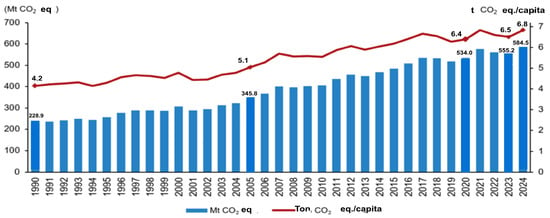
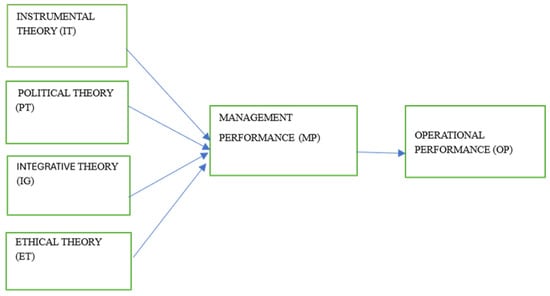
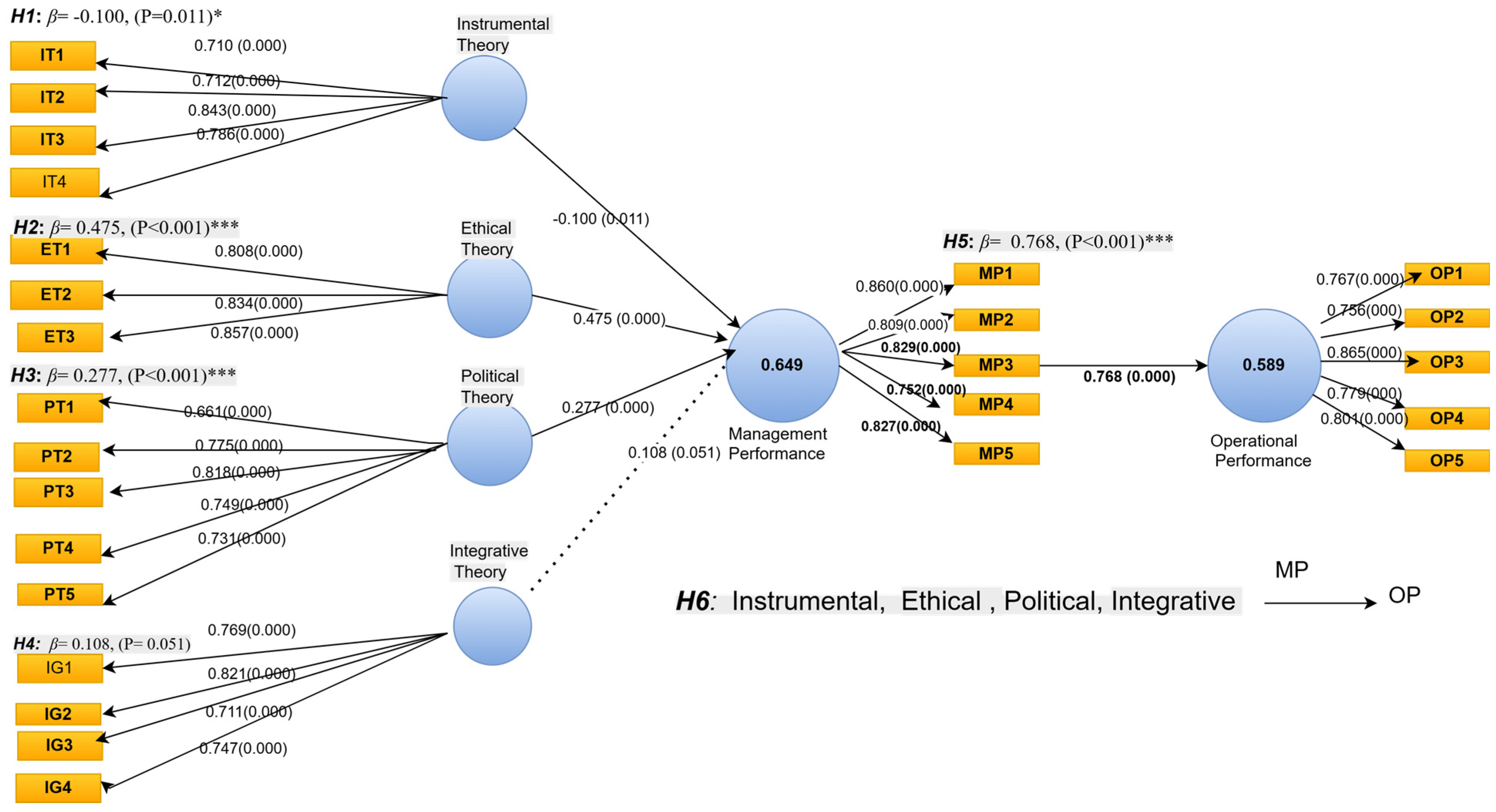

Disclaimer/Publisher’s Note: The statements, opinions and data contained in all publications are solely those of the individual author(s) and contributor(s) and not of MDPI and/or the editor(s). MDPI and/or the editor(s) disclaim responsibility for any injury to people or property resulting from any ideas, methods, instructions or products referred to in the content. |
© 2026 by the authors. Licensee MDPI, Basel, Switzerland. This article is an open access article distributed under the terms and conditions of the Creative Commons Attribution (CC BY) license.