1. Introduction
Flood discharge and energy dissipation constitute critical components in high-head dam design, directly influencing operational safety and environmental sustainability. As hydropower development expands into high-mountain canyon regions worldwide, engineers encounter increasingly complex boundary conditions [
1,
2]. Approximately 60% of dams exceeding 100 m in height in China are located in topographically confined regions where spatial constraints prevent deployment of standard-length stilling basins, creating fundamental conflicts between high-energy inflows and limited dissipation capacity [
3].
Bottom outlets serve essential functions in dam spillway systems, including flood discharge at medium–low water levels, sediment flushing during flood seasons, and emergency reservoir drawdown [
4,
5]. Compared with surface spillways, bottom outlets offer operational advantages such as lower activation water levels and flexible operation. However, their characteristically high outlet velocities and concentrated jet energy result in more severe hydraulic impacts on downstream structures, necessitating robust energy dissipation solutions. Consequently, research on bottom outlet energy dissipation optimization under specific engineering constraints holds significant practical value for ensuring long-term operational safety.
The stilling basin serves as the core structure for hydraulic jump energy dissipation, and understanding its fundamental hydraulic mechanics provides the theoretical basis for geometric optimization. Felder et al. [
6] systematically investigated the influence of inflow conditions on the free-surface properties of hydraulic jumps, establishing that upstream boundary layer development significantly alters jump length and surface fluctuations, providing refined theoretical constraints for contemporary stilling basin design. Building upon this framework, Chanson et al. [
7,
8] conducted an in-depth analysis of turbulent structure and air–water two-phase flow characteristics in the hydraulic jump zone through physical model tests. Their research revealed that energy dissipation primarily occurs through turbulent shear and air entrainment mechanisms within the roller region. Li et al. [
9] further characterized the statistical properties and spatial distribution patterns of fluctuating pressure on stilling basin floor slabs under submerged jet conditions. They demonstrated that maximum pressure fluctuations occur at approximately 0.3–0.5 times the jump length downstream of the toe.
These theoretical advances have been complemented by developments in measurement and evaluation methodologies. Traditional energy dissipation assessment relied primarily on macroscopic indicators such as energy dissipation rate and outlet velocity. However, Chachereau and Chanson [
10] demonstrated through Acoustic Doppler Velocimetry (ADV) measurements that turbulence intensity distribution within the hydraulic jump zone provides more sensitive indicators of dissipation efficiency. Consequently, they established correlation models applicable to design optimization. Gaikwad et al. [
11] investigated spatial pressure distributions and complex velocity fields through a comparative analysis of physical and numerical models, establishing computational fluid dynamics (CFDs) as a reliable complementary tool and extending the evaluation framework beyond traditional empirical measurements. Wang et al. [
12] further established quantitative relationships between apron length and downstream velocity attenuation through prototype observations, providing validation data for numerical and physical model predictions.
To improve stilling basin performance beyond classical configurations, researchers have investigated various auxiliary energy dissipation devices and combined structural systems. Wei et al. [
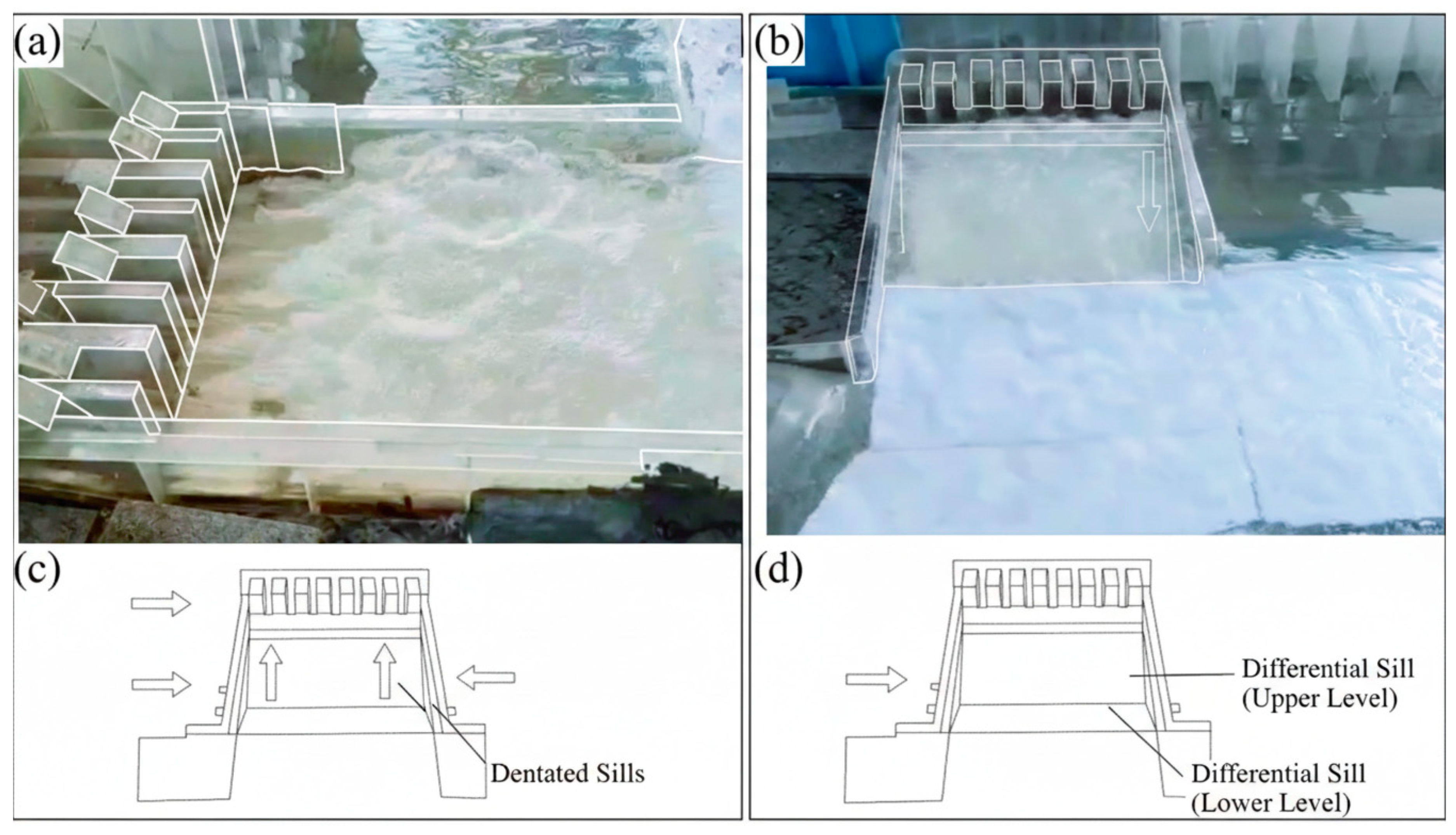
13] examined the effects of different end sill configurations on energy dissipation efficiency, finding that dentated sills enhance dissipation rates by 5–15% compared to continuous sills under Froude numbers ranging from 3.0 to 6.0. Felder and Chanson [
14] studied stepped energy dissipators and reported favorable performance under moderate Froude number conditions (Fr < 4.5), attributing the enhanced dissipation to repeated boundary layer development and air entrainment at step edges. Wang et al. [
15] demonstrated that differential sills increase jet spread angles by 30–50%, promoting lateral momentum exchange. However, the corresponding improvement in overall energy dissipation rate remained modest (typically 3–8%) due to reduced vertical mixing intensity.
Zhong et al. [
16] employed a numerical simulation to analyze the influence of drop height on hydraulic jump morphology, finding that increased drop heights promote jump stabilization but require proportionally longer basins to contain the extended roller region. Zhang [
17] investigated secondary stilling basin configurations and reported effective performance under low Froude number conditions (Fr < 3.5); however, under high Froude number conditions (Fr > 5.0), secondary basins exhibited diminished effectiveness due to insufficient jump development length and excessive momentum flux at the downstream transition, occasionally resulting in jump sweep-out failure. Wang et al. [
18] employed a three-dimensional numerical simulation to visualize flow field structures within stilling basins, identifying recirculation zones and shear layer development patterns that inform geometric optimization.
These theoretical and experimental findings have informed successful energy dissipation designs for major hydropower projects, though under boundary conditions that differ substantially from constrained scenarios. The Xiangjiaba Hydropower Station (dam height 162 m) innovatively adopted a “high–low sill + secondary dam” combined stilling basin with a total length of 192 m, achieving staged energy release through stepped drops and controlling downstream riverbed scour depth to within 8 m below natural bed level [
19,
20]. The Xiluodu Hydropower Station (dam height 285.5 m) employed a “pressurized-to-free-flow + plunge pool” composite energy dissipation approach, utilizing a 150 m plunge pool length to achieve efficient dissipation under high-head conditions [
21]. These projects demonstrate that effective energy dissipation under extreme hydraulic conditions is achievable when adequate spatial extent is available for dissipation structure deployment.
Despite these theoretical advances and engineering successes, a comprehensive review reveals that existing research predominantly addresses one or more of the following favorable conditions: (1) conventional valley boundaries typical of large hydropower projects, where stilling basin lengths of 100–200 m provide adequate space for complete hydraulic jump development; (2) moderate energy discharge conditions with inflow Froude numbers Fr < 4.0 and unit discharges q < 100 m3/(s·m), under which classical hydraulic jump theory demonstrates good predictive accuracy; (3) optimization of individual energy dissipation components, examining single-factor effects without considering synergistic interactions among multiple elements. Furthermore, although advanced turbulence-based evaluation metrics have been developed, their systematic application to design optimization under constrained conditions remains limited.
For small-to-medium hydropower projects simultaneously facing compound constraints of high-energy inflow, restricted dissipation length, and insufficient downstream scour resistance, the direct applicability of existing research findings requires careful verification. Under such conditions, conventional single-mechanism approaches may prove inadequate, suggesting the need for alternative design philosophies that distribute energy dissipation across multiple sequential mechanisms rather than concentrating dissipation at a single structural element.
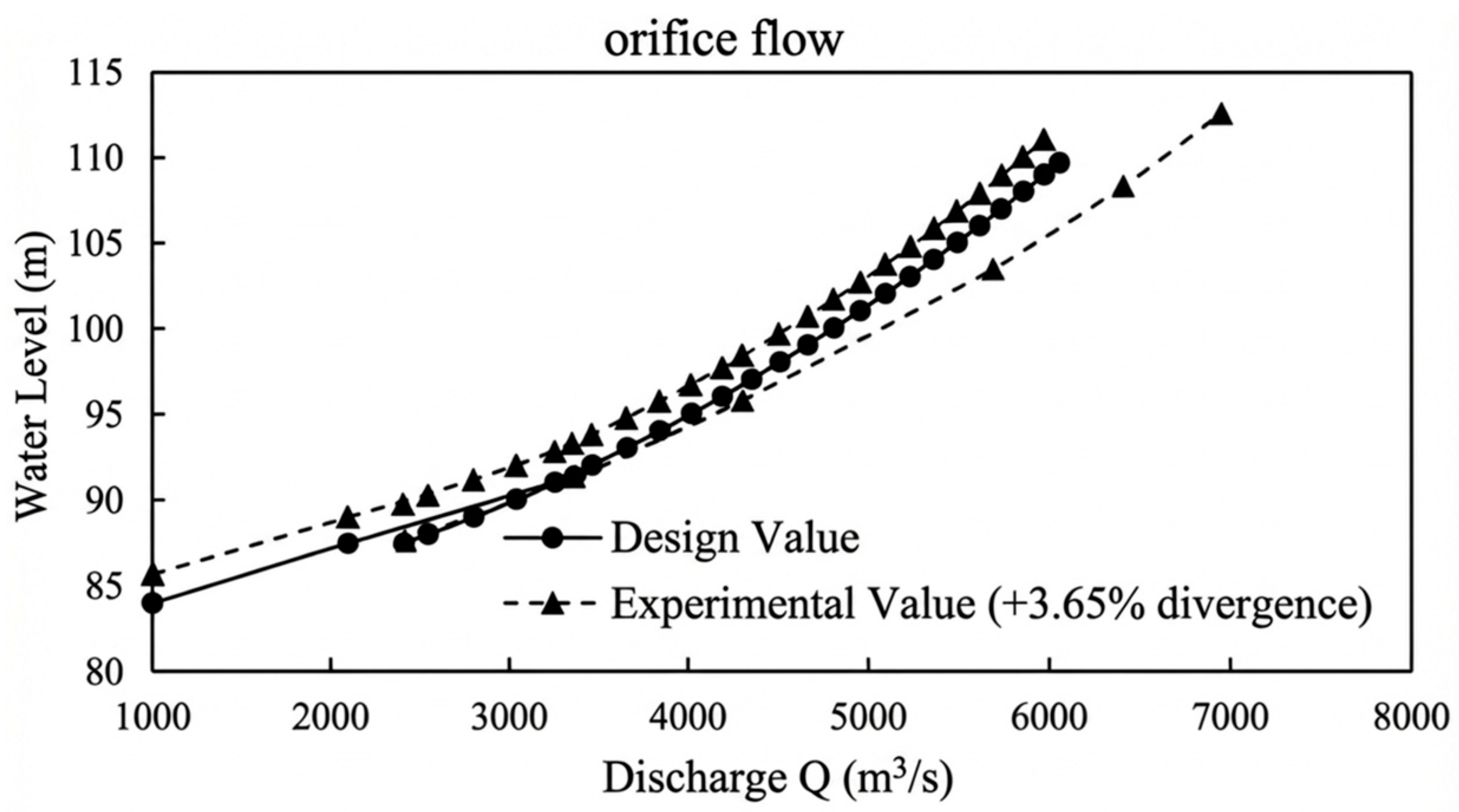
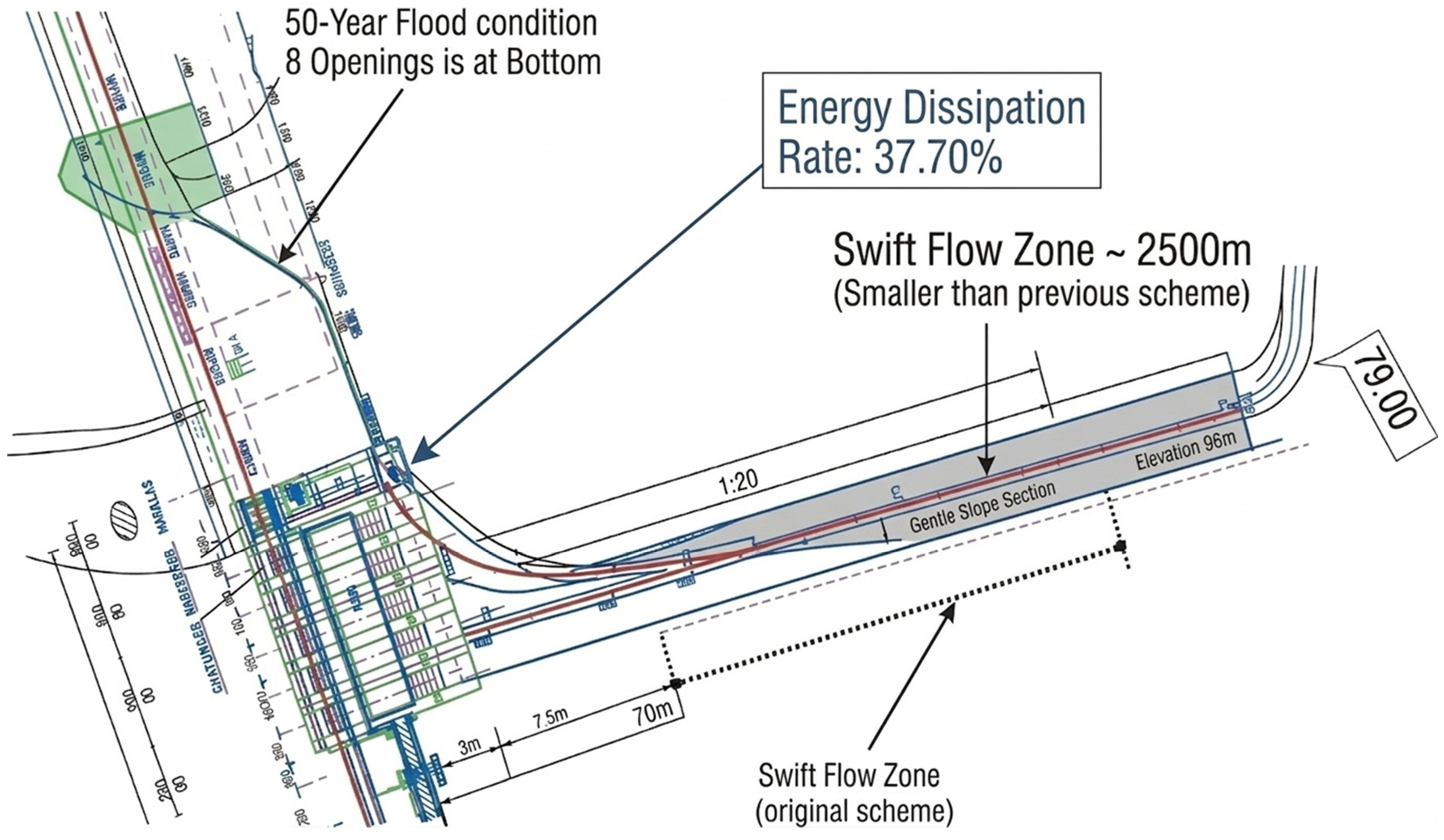
The Louli Hydropower Project exemplifies these challenging boundary conditions: bottom outlets with substantial design discharge (maximum discharge of 6944 m3/s corresponding to unit discharge of 119 m3/(s·m)), high outlet velocities (18–22 m/s, corresponding to Fr = 4.8–5.9), deep downstream riverbed overburden comprising weathered granite with weak natural scour resistance (allowable near-bed velocity of only 3–4 m/s), and available stilling basin length of only 78 m constrained by steep valley walls on both banks. Preliminary physical model tests of conventional hydraulic jump energy dissipation schemes revealed significant deficiencies, including rapid flow zones extending approximately 300 m downstream, energy dissipation rates of only 32% within the stilling basin, and intermittent sidewall overflow under design flood conditions. These findings collectively demonstrate that conventional approaches are inadequate to satisfy the project requirements.
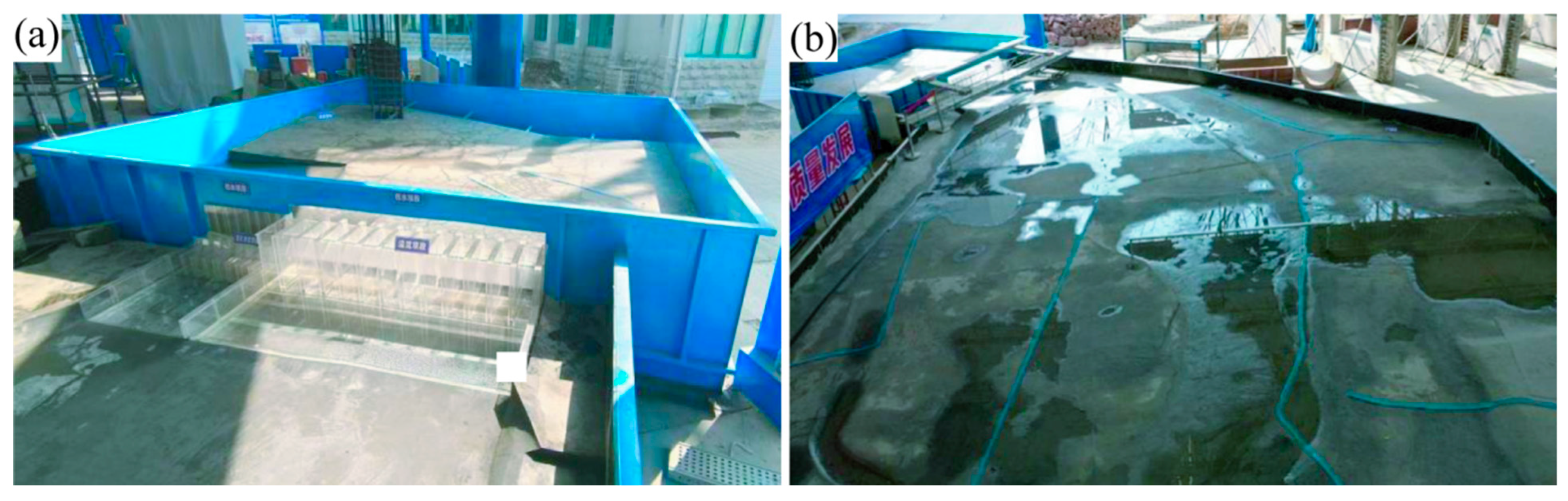
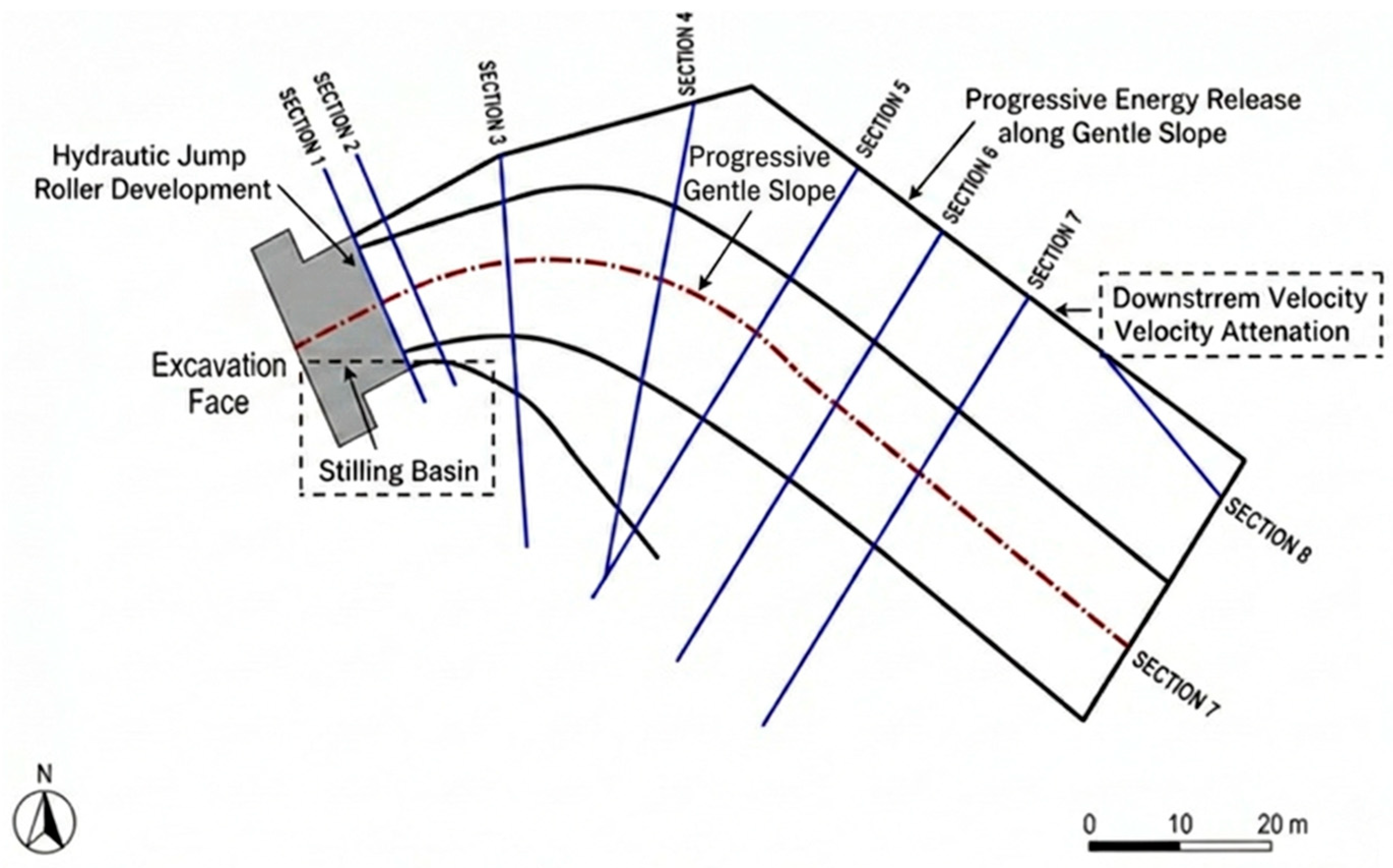
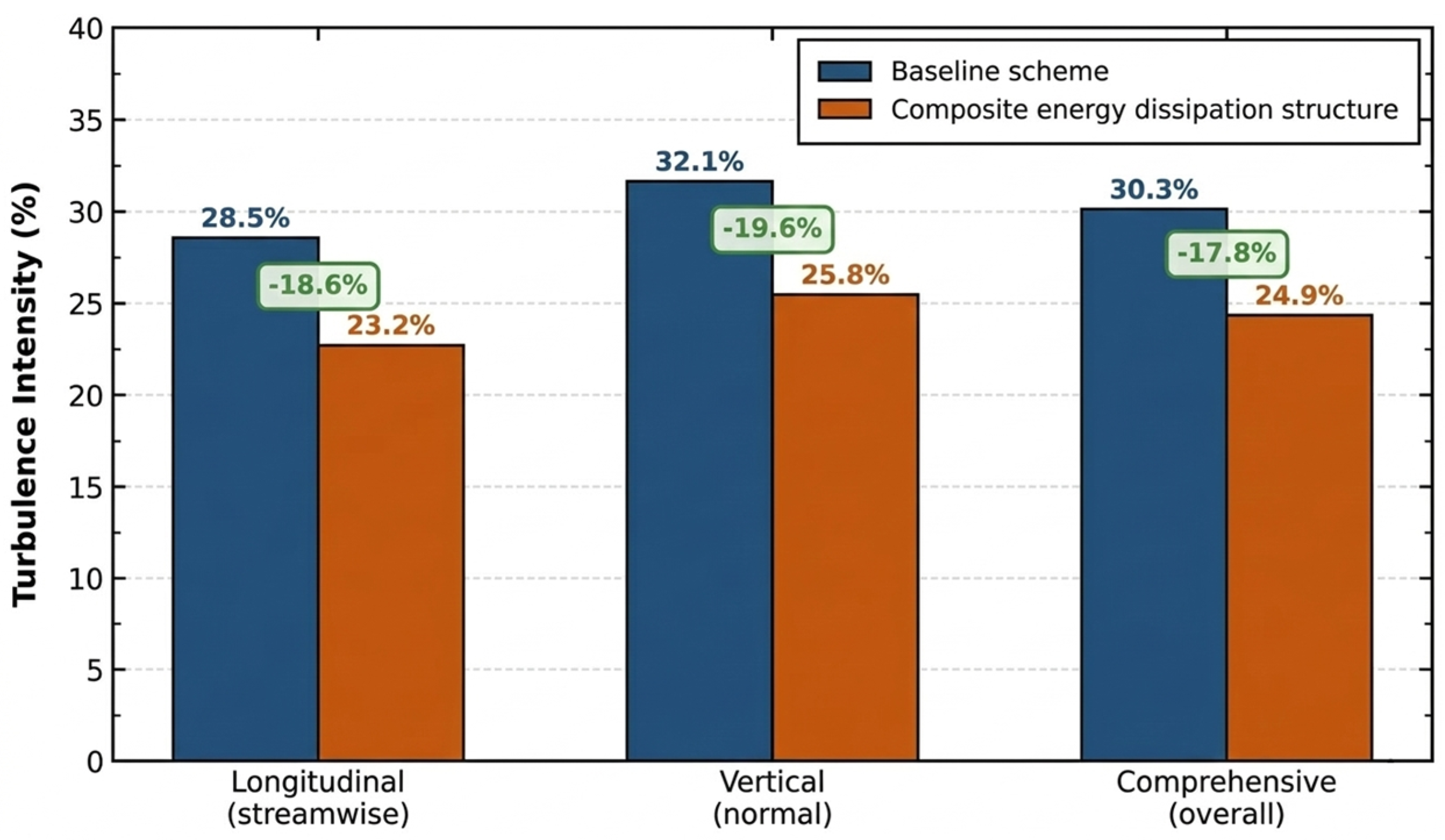
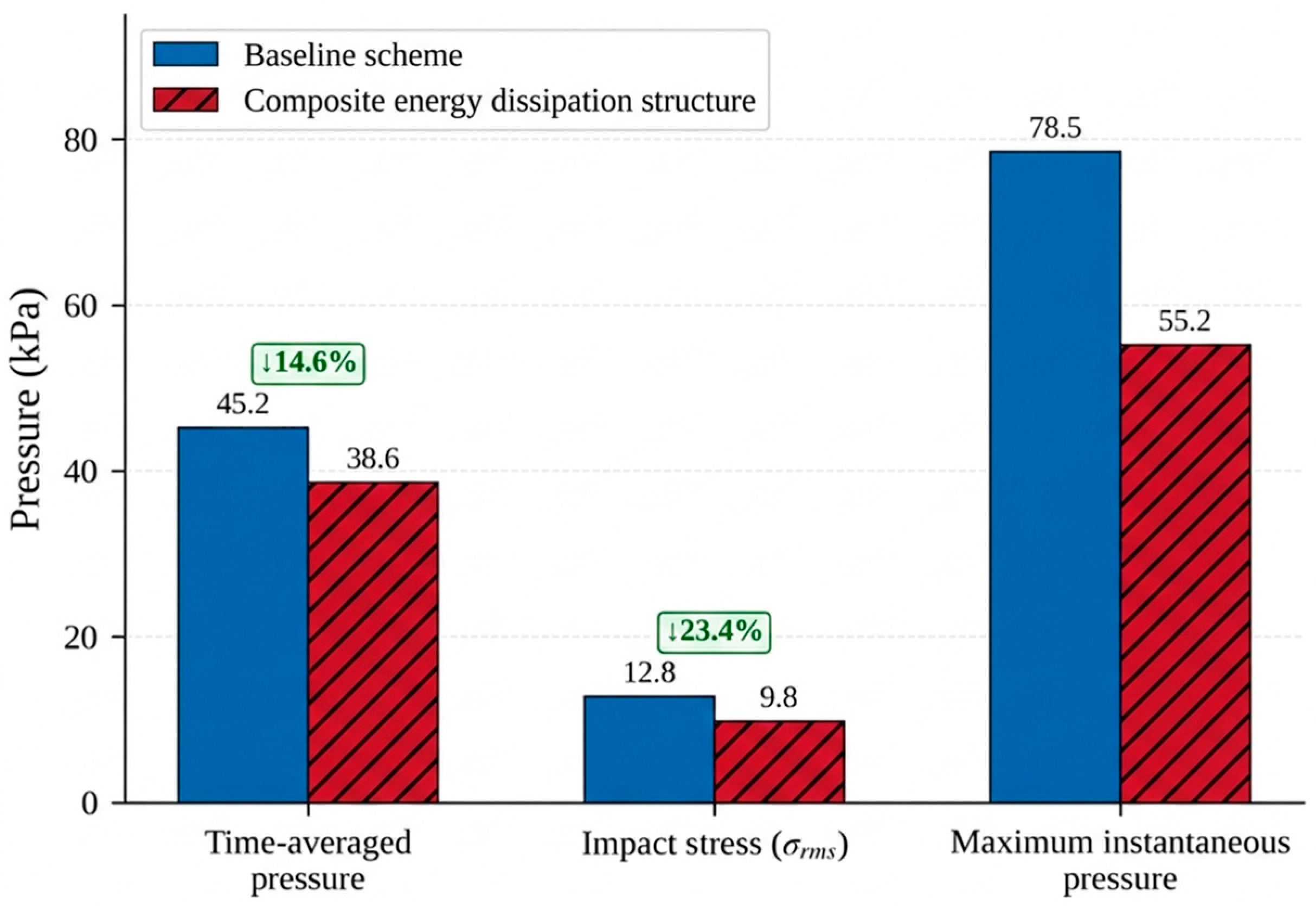
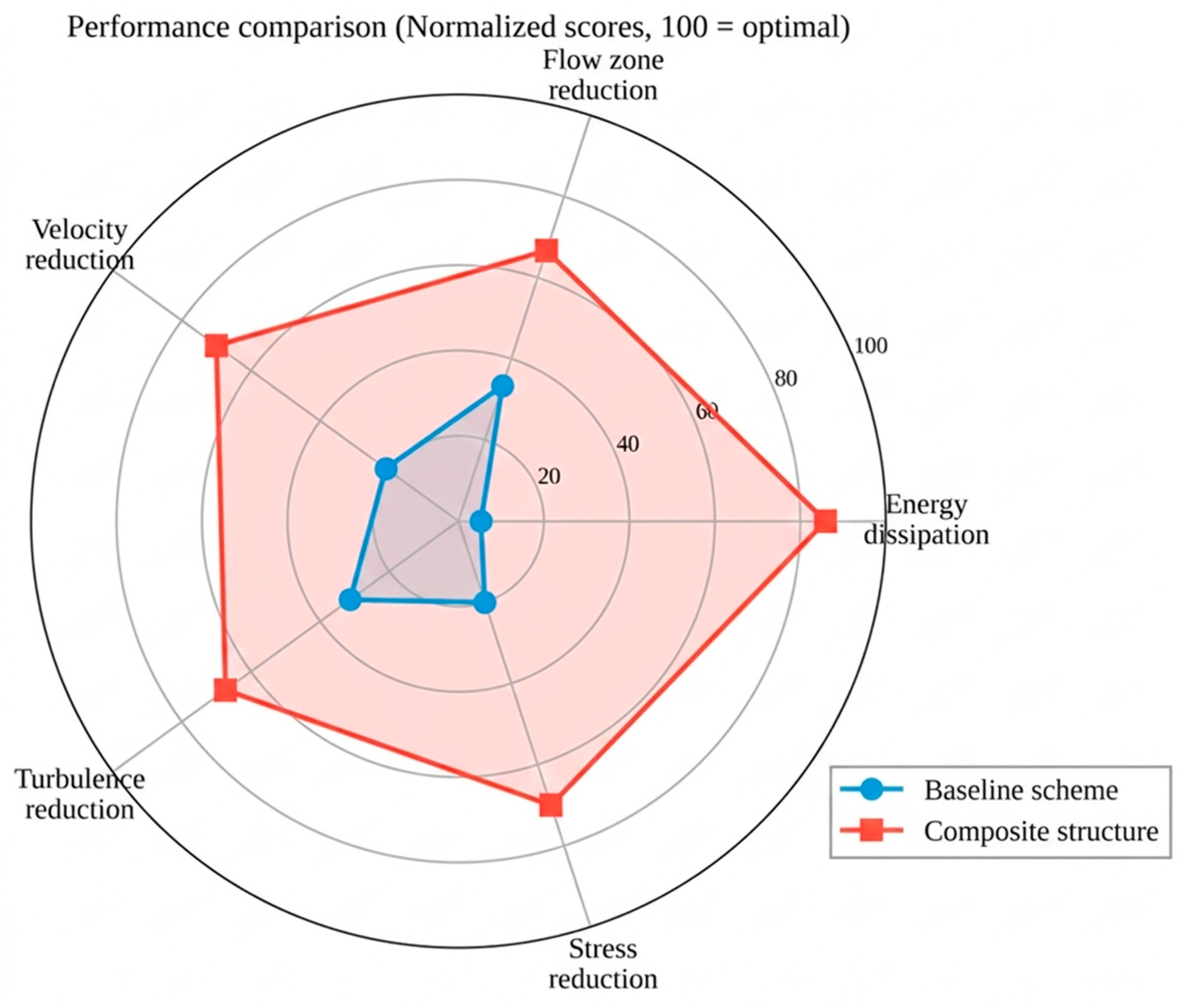
To address these engineering and environmental challenges, this study aims to propose, parametrically optimize, and physically validate a novel composite energy dissipation structure to resolve the specific “trilemma” of high hydraulic head, large unit discharge, and spatially constrained valley topography. The system is based on the “pressure-dividing transition mechanism,” which transforms intense turbulent dissipation into a gradual process through three sequential stages: (1) submerged jet diffusion in a deepened basin, (2) lateral shear via asymmetric widening, and (3) progressive frictional dissipation along a gentle slope transition. Using 1:100 scale physical model tests, the following study aims to: (i) optimize the geometric parameters of the composite structure; (ii) quantify its performance in terms of energy dissipation efficiency and flow regime improvement; (iii) evaluate its sustainability benefits through micro-flow indicators such as turbulence intensity and impact stress.