Article

Assessment of Circular Economy Implementation Progress in the Małopolska Region: A Case Study

by
Agnieszka Nowaczek
1,
Joanna Kulczycka
2,*,
Zygmunt Kowalski
1,
Olga Janikowska
1,
Agnieszka Makara
3 and
Natalia Generowicz-Caba
1
1
Mineral and Energy Economy Research Institute, Polish Academy of Sciences, Wybickiego 7a, 31-261 Kraków, Poland
2
Faculty of Management, AGH University of Kraków, Gramatyka 10, 30-067 Kraków, Poland
3
Faculty of Chemical Engineering and Technology, Cracow University of Technology, Warszawska 24, 31-155 Kraków, Poland
*
Author to whom correspondence should be addressed.
Sustainability 2026, 18(6), 3116; https://doi.org/10.3390/su18063116
Submission received: 10 January 2026 / Revised: 17 March 2026 / Accepted: 19 March 2026 / Published: 22 March 2026
(This article belongs to the Section Sustainable Management)

Abstract

This paper provides a comprehensive assessment of the progress of circular economy (CE) implementation in the Małopolska region and offers actionable recommendations for policymakers, businesses, and research institutions. The study combines qualitative and quantitative approaches, including regional policy analysis, a survey of 1200 industrial enterprises, and Smart Lab workshops with stakeholders. The region’s strong economic and scientific base, reflected in high R&D expenditure and numerous technology-oriented companies, creates favorable conditions for circular technologies. Smart specializations in metals, chemicals, mineral products, and machinery provide opportunities for raw-material recirculation and for low-emission, advanced energy and material recovery solutions, making them well aligned with CE objectives. Findings indicate that while the region demonstrates strong potential due to its industrial base, scientific expertise, and smart specialization domains, significant challenges remain in awareness, technological adoption, and regulatory clarity. Metrics on resource efficiency, value-chain circularity, and eco-innovation are essential for informed policymaking, investment decisions, and effective dialogue with entrepreneurs. Another priority is enhancing access to financing instruments. A key recommendation is the development of an integrated monitoring system combining economic, environmental, social, and innovation indicators, supported by targeted financial instruments and skill-building initiatives. The paper presents an innovative approach to linking national and European CE strategies to subnational implementation.

1. Introduction

The transformation towards a circular economy CE is a key element of European sustainable development policy. Its goal is to replace the linear model of production and consumption with a system that minimizes resource use, reduces waste generation, and increases material efficiency. This is particularly important in the context of energy and raw-material security, as emphasized by the European Critical Raw Materials Act, which aims to ensure a stable and sustainable supply of strategic materials needed for Europe’s green and digital transformation [1]. Many EU regions are developing Smart Specialization Strategies (S3) to focus R&D and innovation efforts on areas of greatest competitive advantage [2,3]. Integrating CE principles with S3 planning enables technological, economic, and environmental innovation to reinforce regional resilience and competitiveness.
In Central and Eastern Europe, empirical analyses examining how circular economy objectives are translated into actionable regional strategies remain limited. This creates a need for research that bridges strategic policy analysis with participatory stakeholder processes to identify practical implementation pathways.
Addressing this gap, the present study investigates the Małopolska region as a qualitative case study, integrating policy analysis, stakeholder-driven Smart Lab workshops, and strategic assessment tools to develop evidence-based recommendations for accelerating circular economy transition. By combining macro-level strategic analysis with micro-level stakeholder insights, the study contributes to a deeper understanding of regional transformation mechanisms and offers a transferable framework for similar regions undergoing sustainability transitions.
Integrating CE principles with S3 planning and implementation creates an opportunity to combine technological, economic, and environmental innovations, thereby increasing regional resilience and accelerating the shift toward circular development models. The S3 concept, developed within EU cohesion and innovation policy, serves as a tool for effectively using European Structural Funds (ESF) and directing investment toward research and innovation areas with the highest development potential [3,4].
Despite the growing body of literature on CE implementation, significant gaps remain in understanding how circular economy strategies can be operationalized at the regional level, particularly in moderate innovator regions characterized by diverse industrial structures and evolving innovation ecosystems. While previous studies have predominantly focused on national policy frameworks or technological solutions, less attention has been devoted to integrated regional governance approaches that combine policy alignment, stakeholder engagement, and strategic innovation planning. This study contributes to the literature in three main ways. First, it provides an integrated regional-level analysis of circular economy implementation, combining smart specialization strategies with participatory stakeholder processes. Second, it develops an empirical framework, based on Smart Lab workshops, that links policy design to sectoral innovation dynamics. Third, it offers a comparative perspective, positioning Małopolska’s transition pathway within the broader European context, highlighting implications for regions with similar structural and innovation characteristics.
Implementing the CE remains a major challenge at the macro level. This study focuses on the Małopolska Region, which has actively promoted CE through regional policies, public–private initiatives, and strategic documents such as the Circular Economy Program for Małopolska (PGOZM) [5], the Regional Climate and Energy Action Plan (RAPCE) [6], the Małopolska Development Strategy 2020–2030 [7], and the Strategic Environmental Protection Program (SEP) [8]. Despite these initiatives, challenges remain in municipal competencies, public awareness, and technological adoption. The study provides a novel assessment of CE implementation in the Małopolska Region by integrating regional policy analysis with primary empirical data from enterprises and expert workshops, offering insights not previously reported in the literature.
Although Małopolska is undertaking an increasing number of circular initiatives, effective resource and waste management remains a major challenge due to growing legal requirements and the crucial role of public awareness and municipal-level competencies. Waste prevention is a key CE practice that reduces environmental impacts and supports sustainable resource use. One of the most significant barriers to CE implementation is the need to increase residents’ awareness and to strengthen expertise within local administrations. Although regional universities offer CE-related courses, a substantial competence gap persists—among consumers, employees, and investors—particularly in circular business models, eco-design, eco-innovation, resource management, and waste management. The regional transition toward CE focuses strongly on waste minimization and extending product life cycles through reuse, repair, and remanufacturing. These measures help treat used items as valuable resources rather than waste, thereby improving raw-material efficiency.
The primary goal of this paper is to provide a systematic assessment of CE implementation in Małopolska, identify gaps and opportunities, and offer actionable recommendations for regional development. Outline the key elements required to define a long-term development perspective for Małopolska that effectively integrates CE objectives with regional S3 priorities and the growing role of low-emission technologies. For this reason, a Road Map was considered necessary to identify key challenges, opportunities, and actions supporting a comprehensive and systemic circular transformation, based on a detailed assessment of the region’s potential. The remainder of the paper is structured as follows: Section 2 presents the literature review; Section 3 describes the methodology; Section 4 reports the results; and Section 5 and Section 6 are the Discussion and Conclusion, respectively.

2. Literature Review

2.1. Circular Economy Implementation at the Regional Level

This work contributes to the existing literature by linking macro-level strategies with micro-level enterprise practices, demonstrating how European directives can be operationalized at the subnational scale. A robust literature review was conducted to review highlights recurring priority sectors: manufacturing, metals, chemicals, electronics, and construction, emphasizing production efficiency, waste management, and eco-design. CE is increasingly integrated with digital solutions, public procurement, and regional innovation strategies.
A scientific literature review was conducted, providing a comprehensive analysis of scientific articles on the CE indexed in the Scopus database. This enabled the identification of current definitions, implementation models, challenges and barriers, and the potential for CE transformation across various regional contexts. It was also completed with the analysis of reports, expert opinions, and program documents related to regional development policy. Particular attention was given to documents on the functioning of the Małopolska Smart Specializations (MSS) and on enterprises’ positions regarding the transition toward a CE. Adopting an industrial perspective was essential, as effective CE implementation at the regional level requires direct engagement from the business sector and its readiness to adapt.
The analysis highlights that global CE frameworks examine CE implementation at macro-, meso-, and micro-levels, with a focus on eco-innovation, resource recovery, industrial symbiosis, and circular product design [9,10,11,12,13,14,15].
The CE model aims to support sustainable development in countries and regions through actions such as the use of RES, the substitution of primary raw materials with secondary materials, the implementation of clean technologies, the improvement of production process efficiency, and the reduction in emissions and waste generation. Collectively, these efforts contribute to decreasing environmental pressures. The literature encompasses a wide range of studies assessing the shift from the traditional linear model to a CE at the macro-, meso-, and micro-economic levels [9]. These analyses explore initiatives related to eco-innovation and the use of renewable materials [10], actions aimed at reducing the consumption of natural resources, increasing the use of secondary raw materials, and developing waste recovery systems [11], as well as practices including eco-design, eco-innovation implementation, and broader pro-environmental activities [12,13,14]. Initiatives in which industrial ecology and cross-sectoral symbiosis play a central role in CE transformation also constitute an important area of research [10,15].
To identify the key CE areas influencing regional development, studies addressing the implementation of the CE model worldwide were reviewed. Actions supporting the transition toward a CE are undertaken not only at the EU level but also by national and regional administrations. Guidelines and strategic directions for CE development are incorporated into the strategic documents of many EU countries and regions. Regional and EU policies: Documents and reports regarding smart specialization, CE strategies, and regional adaptation were analyzed. Comparisons were drawn with leading EU regions (the Netherlands, Italy, Slovenia, France, Catalonia, Brussels, and Amsterdam) to highlight Małopolska’s unique approach [16,17,18,19,20,21,22,23].
In the Netherlands, the economic value of a CE was emphasized as early as 2013, describing it as a system based on material reuse to protect natural resources and generate environmental, social, and economic value [16]. In the same year, with strong support from the government, municipalities, and NGOs, 50 pilot projects were launched under the Green Deal initiative, positioning the Netherlands as one of Europe’s key CE development centers. Subsequently, the national program Circular Economy 2050 was adopted in 2016. It focuses on five strategic sectors: biomass and food, construction, plastics, manufacturing, and consumer goods. The findings aim to achieve full circularity by 2050 and reduce raw material consumption by 50% by 2030.
In Italy, the integrated strategy, Towards a Model of Circular Economy for Italy—Overview and Strategic Framework [17], was developed, centered primarily on horizontal tools and policies supporting CE adoption. Its objective is to guide society toward practices consistent with CE principles, strengthen the competitiveness of the domestic industry in global value chains, and reduce environmental pressures.
Significant CE progress has also been noted in Slovenia, where the city of Maribor pursues strategic goals in sustainable production and consumption, including waste reduction and the implementation of sustainable public procurement practices [18].
In France, emphasis is placed on multisectoral research, including value chain analysis that extends beyond traditional waste management and environmental protection. Education and raising consumer awareness—necessary for increasing acceptance of CE implementation—are also recognized as key elements [19]. Numerous regional and local initiatives are being implemented, such as Promoting Green and Circular Economy in Catalonia [20], the Brussels Regional Programme for Circular Economy [21], Circular Amsterdam [16], the Paris White Paper on the Circular Economy [22], and the Strategy for a Green and Circular Economy in Extremadura [23].

2.2. Smart Specialization and Regional Innovation Systems

Within the Małopolska Smart Specializations, the RIS 5 smart specialization domain, including Production of Metals, Metal Products, and Non-Metallic Mineral Products, holds a particularly strong position, and the development of this specialization relies on strong raw material processors and producers of semi-finished and finished products [7], around which many subsidiaries operate, integrated into global value chains. The analysis highlights that the sectors most frequently identified as priorities for CE activities are manufacturing (due to high material consumption and waste generation), the metals sector, and waste management—including waste processing. It should be emphasized that all examined regional and local strategies place a strong focus on production. According to [24], this may result from the fact that strategies developed on a smaller territorial scale are more closely aligned with the local industrial context and therefore better suited for analyzing CE potential. Many strategies presented in Research on European Circular Economy Strategies and Roadmaps [25] also highlight activities related to the production and management of food, chemicals, electronics, and textile waste. Material flows associated with chemical production, including plastics, appear in several regional strategies due to the economic importance of this sector and its environmental impacts [26].
The most frequently mentioned CE areas in national and regional strategies include analyses of physical flows related to goods reuse and economic evaluations of repair expenditures. Equally important are initiatives in eco-innovation, green public procurement, and eco-design. CE policy in Europe is based on the development of services and intelligent digital solutions, as well as the design and production of more durable, repairable, reusable, and recyclable products, enabling waste to be treated as a valuable source of secondary raw materials [27]. Given this complexity, the CE concept has become a key strategic and practical framework for transforming economic systems at the macro, meso, and micro levels. CE is perceived as a concept that provides new opportunities for wealth creation and societal well-being and is considered fundamental to achieving the objectives of the UN 2030 Agenda and the Sustainable Development Goals [28].
It is important to emphasize that the CE concept extends beyond waste management and should be regarded as a broad sustainable development strategy encompassing areas such as eco-design, e-commerce support, eco-labeling, green public procurement, and CE-related innovation strengthened through smart specializations. Recognizing the importance of CE as a new strategic development direction in EU countries, numerous national, regional, and local actions and initiatives have been undertaken to facilitate the transition from linear to CE models [18,29,30,31,32,33,34,35,36].

2.3. Policy-Driven Transitions and Governance

Recent experiences from selected EU regions provide useful reference points for assessing the specificity of Małopolska’s circular economy transition pathway. Regions such as the Netherlands (Circular Economy 2050 Programme), Catalonia (Green and Circular Economy Strategy), and the Brussels-Capital Region have adopted strongly integrated policy approaches combining regulatory frameworks, industrial innovation support, and advanced monitoring systems. In these cases, emphasis has often been placed on urban circularity, digital resource tracking, and systemic industrial symbiosis platforms.
Compared with these examples, the Małopolska approach demonstrates several distinctive features. First, the region’s strategy is strongly embedded in smart specialization (S3) policy, linking circular economy objectives directly to existing industrial strengths, such as metals processing, the chemical industry, and mineral products. Second, the transformation model relies significantly on integrating regional innovation ecosystems—universities, research institutes, and SMEs—rather than large metropolitan-led circular initiatives. Third, the development trajectory reflects the conditions of a moderate innovator region, where capacity building, social competencies, and financial accessibility remain key drivers of implementation.
This comparison highlights that while leading EU regions often focus on advanced technological circularity, Małopolska’s pathway emphasizes systemic readiness, gradual institutional alignment, and sector-driven transformation, which may represent a replicable model for similar Central and Eastern European regions.

3. Methodology

3.1. Research Design

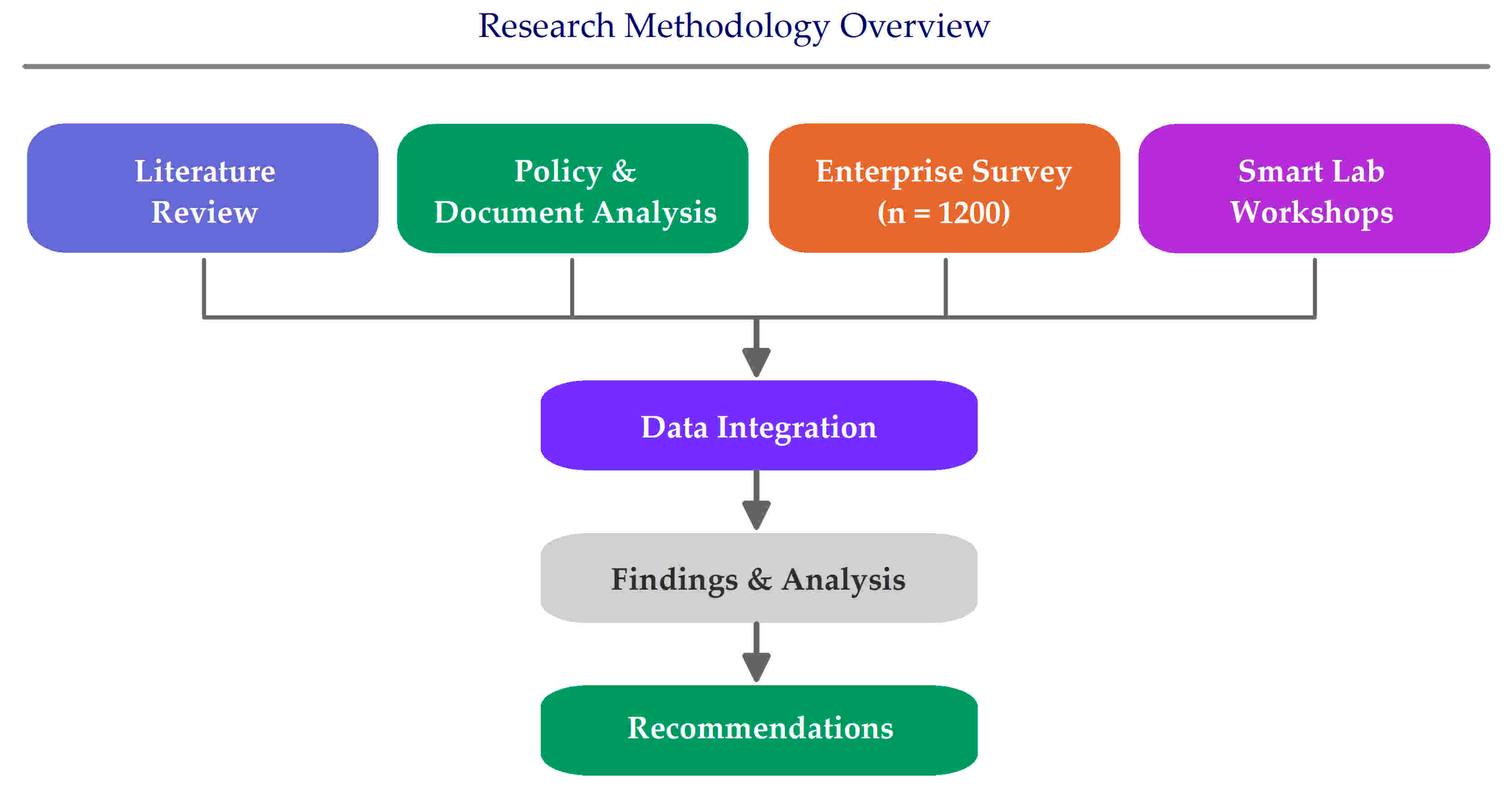
This study adopts a qualitative regional case study approach to investigate pathways for implementing CE principles at the subnational level. The research design integrates policy analysis, enterprise survey data, and stakeholder engagement to develop evidence-based recommendations supporting the transition toward a CE in the Małopolska region. A case study methodology was selected for its suitability in examining complex socio-economic transformations embedded in specific institutional and regional contexts. The study combines multiple sources of qualitative and quantitative data, enabling triangulation between strategic documents, enterprise perspectives, and stakeholder expertise. This approach supports both exploratory and interpretative analysis aimed at identifying key drivers, barriers, and strategic opportunities for CE implementation. Figure 1 summarizes the research process and data collection methods.

3.2. Data Sources

The empirical material used in the study was derived from three main sources: policy and strategic documents, enterprise survey data, and stakeholder workshops.
First, key regional and European policy documents were analyzed to establish the institutional framework for CE development in the Małopolska region. The selected documents included the following:
  • Industrial Enterprises and the Circular Economy Report [37]
  • Małopolska Development Strategy 2020–2030 [7]
  • Circular Economy Business Technology Roadmap (BTR) [38]
These documents were selected for their strategic relevance to regional development planning and for their role in shaping CE policies, technological priorities, and innovation pathways.
Particular attention was given to the Circular Economy Business Technology Roadmap (BTR) [38], which provides a comprehensive assessment of the current stage of CE implementation in the Małopolska region. The report evaluates the region’s scientific, technological, and industrial potential and identifies key technological trajectories related to renewable energy sources (RES), metal and metal product manufacturing, and innovative chemical processes applied in waste management and resource recovery.
Empirical evidence on enterprise-level practices was obtained through a survey conducted among 1200 industrial enterprises operating in Małopolska. The survey covered key industrial sectors including metals, chemicals, machinery, and mineral products. A stratified sampling approach was applied to ensure representativeness with respect to enterprise size and geographical distribution. The sample consisted of 800 microenterprises, 300 small enterprises, 85 medium-sized enterprises, and 25 large enterprises (more than 250 employees).
The questionnaire investigated several domains relevant to CE implementation, including packaging management, production technologies, waste management systems, eco-design practices, and the level of awareness of CE principles among enterprises. Additional qualitative insights were obtained through Smart Lab stakeholder workshops, involving representatives from industry, research institutions, public administration, and regional innovation ecosystem actors. The workshops aimed to identify implementation challenges, technological priorities, and policy needs from a multi-actor perspective. The collected materials were complemented by a review of the scientific literature indexed in Scopus, as well as by national and international reports on CE development. This review supported the identification of global CE trends and their potential implications for regional implementation conditions.
The used methodological framework is presented in Table 1.
The analysis included a review of the scientific literature, an assessment of strategic documents, and an examination of national and international reports and expert opinions on CE implementation. Its purpose was to identify global CE development trends and evaluate their potential impact on the conditions, barriers, and opportunities for implementing CE solutions in the Małopolska Region.
To improve interpretability and facilitate cross-sectional comparison, key findings were synthesized using visual analytical tools, including comparative diagrams and conceptual frameworks. Visualization was applied to illustrate relationships between policy instruments, technological domains, and implementation barriers, as well as to summarize SWOT results and stakeholder perspectives identified during Smart Lab workshops. In this study, policy documents and stakeholder workshop outputs were treated as qualitative empirical data and systematically analyzed using a structured analytical framework to identify patterns, strategic priorities, and implementation barriers.

3.3. Analytical Framework

3.3.1. Analytical Procedures and Data Integration

The study applied a structured analytical procedure integrating documentary analysis, enterprise survey data, and qualitative stakeholder insights. The analytical process began with a systematic review of scientific publications, European circular economy policy frameworks, national strategic documents, and regional development strategies. These sources were analyzed to identify strategic CE priorities, policy instruments, and implementation indicators relevant to regional development. The extracted content was categorized according to the economic, environmental, and social dimensions of sustainable development. The documentary analysis was complemented by the technological assessment provided in the BTR report, which enabled the identification of dominant technological trajectories and innovation domains shaping CE development in the region.
Survey results provided empirical evidence on the level of CE implementation among industrial enterprises, including existing practices, technological capabilities, and perceived barriers to adopting circular solutions. Qualitative insights from Smart Lab workshops were used to contextualize these findings by incorporating expert perspectives on governance mechanisms, innovation dynamics, and collaboration processes within the regional innovation ecosystem. To enhance interpretability and facilitate cross-sectional comparison, the results were synthesized using visual analytical tools, including comparative diagrams and conceptual frameworks. These visualization techniques were applied to illustrate relationships between policy instruments, technological domains, and implementation barriers, as well as to summarize SWOT results and stakeholder perspectives. Within the study, policy documents and stakeholder workshop outputs were treated as qualitative empirical material and systematically analyzed using a structured analytical framework designed to identify recurring patterns, strategic priorities, and barriers affecting CE implementation.

3.3.2. Triangulation of Data Sources

To strengthen methodological rigor, the research design incorporated data triangulation, enabling the comparison and integration of evidence from multiple sources. Triangulation was applied to validate findings and to capture the multidimensional nature of circular economy implementation processes. The triangulation procedure involved three complementary analytical perspectives.
First, policy and strategic document analysis provided the macro-level institutional context for circular economy development at the European, national, and regional levels.
Second, survey data from industrial enterprises provided micro-level insights into the actual implementation of circular economy practices, the level of awareness among firms, and the barriers to adopting circular economy solutions across key industrial sectors.
Third, qualitative evidence from Smart Lab workshops enabled the interpretation and validation of empirical findings by incorporating expert perspectives on innovation dynamics, governance structures, and cooperation mechanisms within the regional innovation ecosystem.
By integrating these analytical perspectives, the study identifies both convergent findings and discrepancies between policy objectives and real-world implementation conditions. The combination of macro-level policy analysis, technological assessment, and enterprise-level evidence enhances the analytical robustness of the study and improves the reliability of conclusions regarding the drivers, barriers, and strategic opportunities for CE transition in the Małopolska region.

3.4. Characteristics of the Małopolska and Krakow

Małopolska is one of the smallest regions in Poland in terms of area (12th place, 15.2 thousand km2), but one of the largest in terms of population (4th place, 3.4 million inhabitants), which makes it the second most densely populated region after the Silesian Voivodeship (224 people/km2). It is located in southeastern Poland, bordering the Silesian Voivodeship to the west, the Świętokrzyskie Voivodeship to the north, and the Podkarpackie Voivodeship to the east. Its southern neighbor is the Slovak Republic. The regional capital is Kraków, the second most populous city in Poland and one of the country’s key scientific, cultural, and economic centers, also recognized at the European level [39].
The voivodeship belongs to the group of moderate innovators in the EU [36]. Compared with the national average, it performs well in two indicators included in the innovation index: the average number of applications to the European Patent Office and the average number of joint international publications. Małopolska performs the weakest in three other categories: “scientific publications among the 10% most frequently cited”, “SMEs introducing marketing or organizational innovations as a percentage of SMEs”, and “sales of innovative products in SMEs as a percentage of total turnover”.
Compared with other Polish regions, Małopolska has a high level of internal expenditure on R&D relative to GDP (GERD), demonstrating the importance of research and development to the regional economy, as R&D is one of the main drivers of economic growth. This indicator has been increasing in the region for several years. Małopolska also ranks high in terms of employment dynamics in the R&D sector. Employment levels in this area change rapidly and depend largely on EU funding, which currently focuses on strengthening innovation. Around 10% of all Polish companies conducting R&D activities operate in Małopolska [40].
In terms of the share of industrial enterprises that implemented innovation in the last year, Małopolska has ranked highly since 2015, consistently exceeding the national average. In recent years, one in four industrial companies in the region has been considered innovative. Although the last decade has not brought a significant increase in innovation among industrial enterprises (fluctuating between 15.5% and 24.9%), a marked increase has been recorded among service companies (from 9.36% in 2017 to 19.4%), reflecting national trends. In Małopolska, the level of innovation in enterprises is correlated with their size; micro and small enterprises are the least innovative.
The list of innovation centers accredited by the Ministry of Development currently includes eight institutions from Małopolska (out of 52 nationwide). Their mission is to support and incubate innovative entrepreneurship, facilitate technology transfer, provide pro-innovation services, promote academic entrepreneurship, and collaborate with the business sector. The region is also undertaking efforts toward a CE transition, as evidenced by provisions included in one of its key strategic documents.

3.5. The Małopolska Region Development Findings Related to CE: Smart Lab Workshops

To complement survey data, Smart Lab workshops with stakeholders were conducted. Participants included industry representatives, local authorities, and academic experts. The workshops were structured around: renewable energy and low-emission technology adoption; material and waste recovery; industrial symbiosis and collaborative platforms. Participation was voluntary, data anonymized, and informed consent obtained. The workshops were explicitly referenced in the methods section to address prior recensions.
The workshops followed a structured format involving moderated discussions, thematic breakout sessions, and collective prioritization exercises. Data were documented through structured notes and thematic synthesis, which were subsequently integrated into the analytical process.
The inclusion of stakeholder perspectives enabled validation of policy analysis results and contributed to identifying practical implementation barriers and opportunities. Analysis of the Małopolska Development Strategy 2020–2030 [7] indicates that circular economy priorities are embedded within broader innovation and sustainability objectives, suggesting a policy alignment that may facilitate regional transition pathways.
The development of the CE in Małopolska is expected to intensify due to the depletion of primary raw materials, rising prices, and growing dependence on supplies from third countries. Consequently, greater emphasis will be placed on product durability, ease of repair, and opportunities for reuse or recycling from the design stage onward (eco-design).
The transformation toward a CE depends largely on the engagement of all socio-economic factors, including producers, consumers, the public sector, research institutions, and non-governmental organizations [40,41,42]. The key challenge, therefore, is to design an implementation model that incorporates the cause-and-effect sequence of behavioral changes (and their dynamics over time) among these actors [42].
A methodology widely applied across Europe—used, among others, to plan comprehensive policies and evaluate their outcomes—is the theory of change [43,44,45]. In designing a theory of change, long-term goals (effects) are first defined, and then the necessary conditions for achieving them are mapped “backwards”, including actions, outputs, outcomes, and impacts [46]. Indicators can also be assigned to each element. According to the CE definition, the long-term effect is to maximize the added value of raw materials and resources, minimize waste, and manage waste in line with the waste management hierarchy. The CE transformation is also linked to structural changes and new economic trends. The core assumption of this theory is that change requires a cause-and-effect chain in the action–output–outcome–effect sequence. Table 2 presents a concept for implementing the CE in Małopolska based on the theory of change.
The region has prioritized the implementation of CE activities through the following:
  • Increasing awareness among entrepreneurs and residents of the benefits of CE adoption;
  • Ensuring qualified staff for CE implementation, particularly in the eco-design phase;
  • More efficient use of products, raw materials, and waste;
  • Increasing the reuse of water from industrial plants and industrial wastewater, which is particularly important given Poland’s limited water resources.
Transformation toward a CE requires actions at all stages of the product life cycle—from raw material extraction to design, production, consumption, repair and regeneration, waste collection, and final waste management. Effective CE implementation also requires extensive educational initiatives, as both entrepreneurs (at all stages of production) and residents contribute to CE adoption through their daily behavior and consumption patterns. Research conducted in Małopolska shows that the concept of the CE is understood by fewer than half of the surveyed residents [47]. Respondents appreciate the actions taken to shape the CE but believe that significantly more can be conducted in this area [48], underscoring the importance of further education and training.
Eco-design is especially important for Małopolska, as it can extend product lifespan and reduce resource consumption. At the design and material selection stages, products should be designed to allow for recycling or reuse, making waste management easier and less costly [49]. In traditional design, factors such as functionality, safety, ergonomics, durability, quality, and cost are crucial [50]. Eco-design introduces an additional criterion: assessing a product’s environmental impact [51]. In Małopolska, eco-design can be applied to developing new products, services, and processes, as well as improving existing ones, particularly in five areas [52]:
  • Materials (product weight and volume, use of recycled materials, share of secondary raw materials);
  • Production processes (energy and water consumption; emissions to air, water, and soil; waste generation);
  • Transport and distribution (fuel efficiency, minimizing size and weight of products);
  • Product use (reducing energy and water consumption during use; availability of spare parts; ease of maintenance, reuse, disassembly, and recycling);
  • End-of-life phase (avoiding design features that hinder recycling, reducing waste generation).
The development of eco-design is supported by numerous legislative, organizational, and technical solutions aimed at improving production processes and product characteristics. One of the most important tools is the environmental management system (EMAS), which minimizes environmental impacts while benefiting the enterprise [5]. There is a growing demand in Poland for designers and engineers who, when selecting materials, consider not only functional, ergonomic, and economic criteria, but also environmental criteria. Małopolska has significant potential in this area, as it has the highest share of university graduates in technical and natural sciences in Poland [53,54].
Waste management remains one of the most challenging areas of environmental protection at both national and regional levels. Waste can become a valuable resource when prepared for reuse, recycling, or other recovery methods. Waste disposal or landfilling constitutes economic inefficiency. Effective waste management is fundamental to ensuring the efficient use of natural resources and achieving sustainable economic growth, both of which are essential for regional development. In 2020, Małopolska ranked first in Poland in waste recovery (excluding municipal waste) in terms of total annual waste generation. This area remains one of the biggest challenges in the region’s transition toward a CE [53,54].
Water availability is a key factor in the socio-economic development of regions. EU water policy follows an integrated approach that considers local conditions and is based on the principles of sustainable development defined in the Amsterdam Treaty [55]. In Małopolska, the reuse of industrial water has been declining, the reuse of industrial wastewater has remained stable, and the use of sewage sludge is marginal. Therefore, increasing the reuse of industrial water and wastewater is of critical importance [55].
The successful implementation of the CE concept and the improvement of regional economic productivity will depend primarily on public awareness and openness to the civilizational challenges ahead. Environmental education, the training of qualified staff, and employee upskilling—especially in sectors key to CE development—are essential. Małopolska has set ambitious CE transformation goals, and the implementation concept presented in this study may support faster, more effective, and more measurable adoption of the new economic model. Redefining waste as a resource is crucial. At the same time, entrepreneurs face numerous challenges, including designing for longer product lifecycles, expanding the use of certified raw materials, considering environmental footprints, fostering innovation, and embracing new materials and technologies [7,56].

4. Results

4.1. Results of Quantitative and Qualitative Research Among Entrepreneurs from Małopolska Regarding the Implementation of the Circular Economy

The results presented in this section are derived from an integrated analytical framework combining qualitative policy analysis, Business Technology Roadmap (BTR) assessment, stakeholder input from Smart Lab workshops, and strategic SWOT evaluation. The analytical process aimed to identify key drivers, barriers, and strategic pathways for implementing the circular economy in the Małopolska region.
In this study, policy documents and stakeholder workshop outputs were treated as qualitative empirical data and systematically analyzed using a structured analytical framework to identify patterns, strategic priorities, and implementation barriers.
Rather than providing descriptive summaries of policy documents, the results reflect analytical findings emerging from a systematic examination of strategic materials and stakeholder perspectives. The integration of multiple data sources enabled triangulation, strengthening the validity of the identified patterns and recommendations.
The findings are organized into three thematic areas: (1) policy alignment and institutional drivers, (2) stakeholder-identified challenges and opportunities, and (3) strategic synthesis through SWOT analysis.
The transformation toward a CE encompasses activities ranging from production, distribution, and processing. The report Industrial Enterprises and the Circular Economy [37] indicates that, although 61% of companies in Małopolska declare some knowledge of the CE, an additional 30% need to expand their knowledge in this area. However, only 7% of companies have a strategy or program directly addressing the CE concept.
The study covered 1200 entities operating in the industrial processing sector in Małopolska. The selection was based on three characteristics: size class, county, and location. The majority (800 entities) were microenterprises, 300 were small companies, 85 were medium-sized enterprises, and 25 were large companies (over 250 employees). Most surveyed companies operated in areas covered by the Regional Innovation Scheme (RIS).
The study focused on key areas for developing a CE, including packaging, technology, and production waste. Packaging management was one of the areas most frequently mentioned by respondents in relation to the CE model. When asked about implementing or planning packaging-related activities, 24% of respondents responded positively, of which 92% had already implemented some solutions. The highest level of engagement was observed among European and global entities, for which packaging management is important to 30% of respondents. In contrast, only 16% of local entities reported undertaking packaging management activities. Table 3 presents the evaluation of packaging management in enterprises [49]. In the packaging area, entities generally undertook one or two actions related to the CE, with 84% of surveyed companies indicating this approach. The deposit-refund system was the most commonly cited practice.
The deposit-refund and return system is the least popular among producers. A significantly more popular approach involves shifting technology toward recyclable materials. More than half of the entities (53%) declare implementation in this area, including 11% planning to implement such actions by 2025 and 5% with a vision for 2030. Eliminating unnecessary packaging was the most common measure, with 71% of respondents reporting implementation. An additional group of entities plans to implement this type of action in the future: 7% by 2025 and 2% by 2030.
Currently, 21% of respondents declared undertaking technology-related actions. The highest number of declarations came from respondents with a good understanding of CE issues. Technology is particularly important for entities operating at European and global scales, with twice as many companies reporting action in this area compared to local entities. Table 4 presents the results of technology development in enterprises [57,58].
To extend product life cycles, companies undertake various measures, often combining maintenance with repair options. The smallest group of respondents focused solely on maintenance, with 55% reporting implementation. A larger percentage (65%) reported actions in repair, component replacement, regeneration, and refurbishment. The area of waste generation focuses on the proper use and management of materials left over from production. Some of these materials are suitable for direct reuse by the manufacturer, while others require processing in specialized facilities. Table 5 presents the results of waste management in companies [57,58].
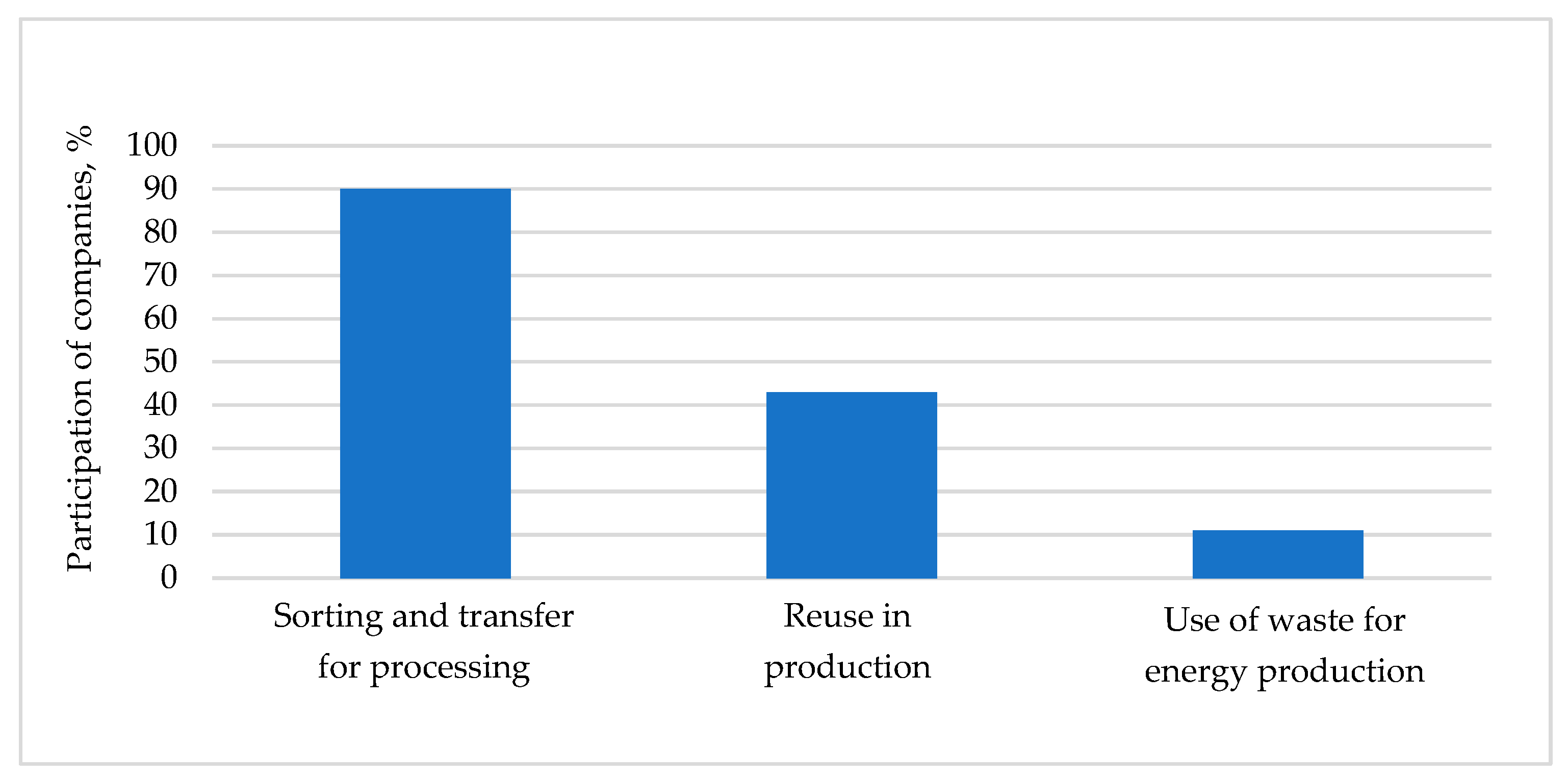
In the area of industrial waste, respondents considered waste sorting and recycling (90% of companies) to be a key activity. Additionally, 4% of companies plan to begin sorting by 2025, and 1% by 2030. The least popular practice is using waste for energy production, with only 11% of respondents interested. Respondents were also asked to identify barriers to CE implementation. Only 15% of industrial entities reported no barriers or limitations. Notably, nearly half of the respondents identified economic barriers, primarily related to insufficient capital. The analysis of strategic policy documents reveals several recurring themes influencing regional circular economy implementation.

4.2. Characteristics of the Sustainable Energy and Industry Domain in the Region

The Sustainable Energy and Industry domain is one of the key development areas in the Małopolska region, where energy transformation and industrial modernization, linked to the implementation of a CE, are occurring simultaneously. This domain focuses on strategic actions to improve energy efficiency and develop RES, as well as initiatives supporting technological innovation across industry, including metal production, mineral processing, and modern waste management methods [59].
The common denominator of these activities is the pursuit of reducing emissions from economic processes, limiting the consumption of primary resources, and increasing the regional economy’s competitiveness through the implementation of technologies with high innovation potential. This domain is particularly significant in the context of Małopolska’s smart specializations, in which both the energy sector and the processing industry play a strategic role—generating a significant portion of added value, characterized by high research and development activity, and establishing extensive links with other industries, including environmental technologies, chemistry, and modern materials.
At the same time, this sector serves as a foundation for the transition toward a CE, enabling the implementation of solutions crucial to circular production and consumption models: from renewable energy and material recovery to recycling and the development of low- and zero-emission technologies. The analysis of strategic policy documents reveals several recurring themes influencing regional circular economy implementation.

4.2.1. Renewable Energy Sources

RES are a key pillar of the transition toward a CE, as they reduce environmental pressures, increase energy efficiency, and gradually decouple economic processes from fossil fuels. Integrating RES into regional development policies also plays a crucial role within S3, which focuses on concentrating resources in areas with the greatest scientific and technological potential and the ability to create sustainable competitive advantages. Consequently, the development of low-emission technologies—including solar, wind, and geothermal energy—serves both as an instrument supporting CE goals and as a factor strengthening regional innovation and competitiveness.
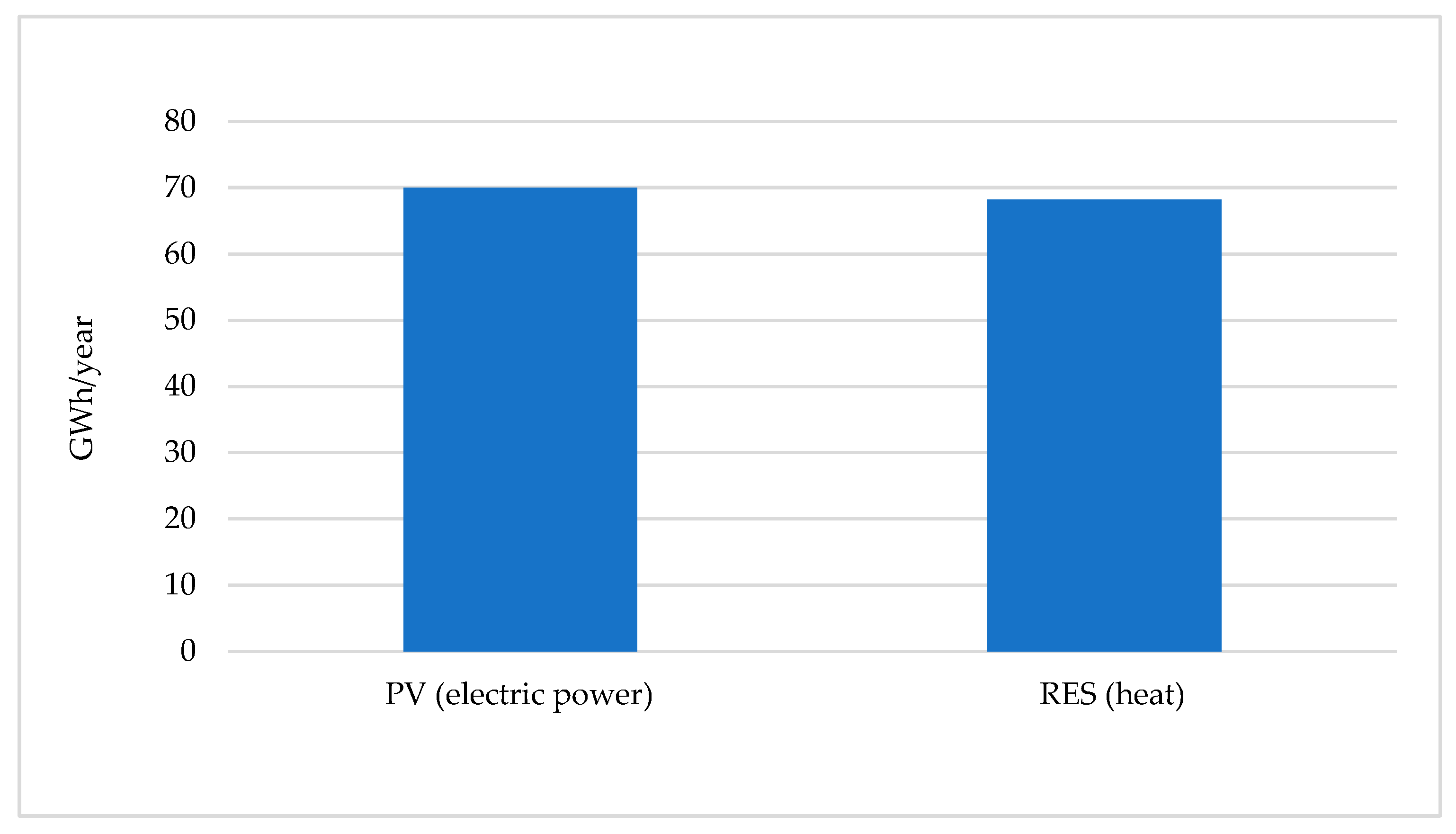
For many years, the Małopolska Region has consistently developed infrastructure for RES, primarily using funds from the Regional Operational Programme of Małopolska for 2014–2020 (Axis 4: “Regional Energy Policy”) [56]. Evaluation of activities under this priority axis indicates that, through subsidized projects, over 12,500 photovoltaic installations (mainly prosumer micro-installations) were installed in the region. This contributed to an increase in installed PV capacity of approximately 73 MWe, representing ~6.6% of the total increase in Poland’s photovoltaic capacity during the period under review.
The expansion and modernization of RES-based heating systems also represented a significant part of these activities. Implemented projects led to the creation of over 11,500 RES heat installations (including heat pumps, solar collectors, and biomass boilers) with a total installed capacity of 119 MW, corresponding to approximately 0.7% of the national installed RES heat capacity [56]. In addition, the modernization of public buildings and business facilities included the thermal retrofitting of 548 public buildings and 143 business facilities, resulting in final energy savings of nearly 498,000 GJ/year and a reduction in electricity consumption to levels close to the assumed target values (100% indicator implementation). As a result, renewable energy and energy efficiency projects supported by regional funds are effectively strengthening Małopolska’s transition toward a low-emission economy and align with the regional CE model, which sets a key objective of reducing the economy’s energy intensity. Figure 2 presents the estimated annual energy production from RES in Małopolska.

4.2.2. Obtaining Metals, Metal Products, and Products from Non-Metallic Mineral Raw Materials

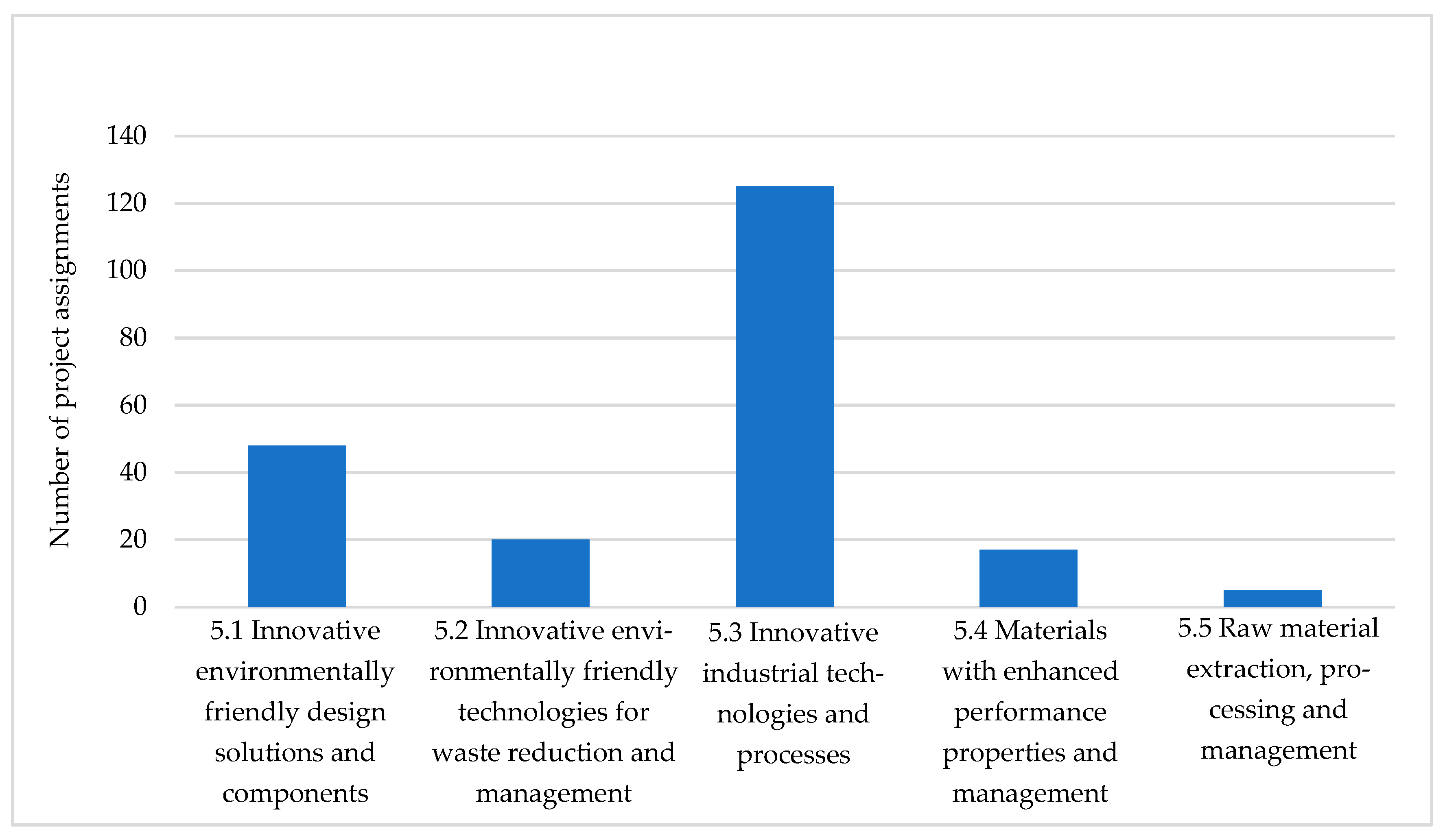
Within the Małopolska Smart Specializations, the RIS 5 domain—Production of Metals, Metal Products, and Non-Metallic Mineral Products—holds a particularly strong position. According to the Regional Innovation Strategy of Małopolska [7], the development of this specialization relies on strong raw material processors and producers of semi-finished and finished products (e.g., ArcelorMittal Poland, Stalprodukt, CANPACK), around which many subsidiaries operate, integrated into global value chains.
This specialization is represented in the region by nearly 7000 active entities, confirming its significant importance for both employment and added value creation in Małopolska [37,48]. According to [57], RIS 5 is among the most investment-active domains in terms of the number of innovative projects identified in the region, both in technological investments and in research and development activities. The report [57] emphasizes that projects assigned to RIS 5 are among the largest in terms of investment value and constitute a significant part of the project portfolio implemented under regional support instruments, including the Regional Operational Programme for the Małopolska Region.
This indicates that the metal and mineral processing sector is a key driver of innovation and technological transformation in the region, including areas related to the CE (e.g., metal recycling, metallurgical waste management, and improving the material efficiency of processes) [37,56]. Figure 3 shows the distribution of projects assigned to the RIS 5 smart specialization areas.
The findings of this study offer actionable recommendations for policymakers and practitioners seeking to advance circular economy initiatives at the regional level, supporting evidence-based decision-making and strategic planning.

4.2.3. Waste Management

The potential for developing future products based on chemical technological processes in waste management is illustrated by research results from the Małopolska Regional Development Observatory [56]. Among a sample of 1200 industrial companies in Małopolska, over 57% reported undertaking activities consistent with the CE, with the most frequently mentioned areas being appropriate management of production waste, followed by reduction in packaging and use of recyclable materials. However, only 7% of companies have a separate strategy or program directly related to the CE, and 61% admit to having little knowledge of it. This shows that the potential for implementing new, technologically advanced waste-management solutions is significant but requires further support in terms of knowledge, financing, and an appropriate institutional environment [37].
Małopolska specifically emphasizes the importance of chemical and technologically advanced waste-processing methods, including the production of biogas and other fuels from organic waste, advanced material-recycling techniques (e.g., plastics recycling), the recovery of critical raw materials from industrial waste, and the use of innovative materials. These areas align with the proposals submitted by Smart Lab participants, including bioresins and natural fibers, biodegradable products, mobile waste-processing units, increasing the share of recyclates in production, recovering critical raw materials, and using AI in waste management [60]. The development of these solutions is consistent with the directions indicated in the Circular Economy Programme for Małopolska [57], which emphasizes the importance of innovative waste-processing technologies, eco-design, and industrial symbiosis as key elements of the CE. Combined with the potential of the RIS 4—Chemistry domain and the existing research and development base, this creates a foundation for development scenarios focused on future products in waste management. Figure 4 presents the activities of Małopolska companies in the field of production waste.
In all of the areas described above, Małopolska demonstrates clearly above-average research and development activity and, in industry, above-average export activity. Employment in these fields in the region is proportionally higher than the national average. High wages and the dynamics of new company formation in these sectors of economic activity, in turn, reflect their potential to create high added value and to absorb knowledge and innovation. The analysis of strategic policy documents reveals several recurring themes influencing regional circular economy implementation.

4.3. Results of the Smart Lab Workshops

The qualitative research was complemented by studies conducted during the Smart LAB with a targeted focus group on the CE and its impact on industrial development. The main topics addressed in the study included proposed solutions for the CE, covering renewable energy sources, production technologies, industrial symbiosis, and waste management.
Regarding waste management, respondents acknowledged that much has already been achieved, but several issues remain unresolved. According to the study participants, selective waste collection at the production stage—for example, in companies—is a crucial element, as only effective methods of obtaining raw materials enable further processing and reintroduction into the market. Participants also highlighted the dynamic development of waste recycling technologies, which they considered a very positive trend; however, the high costs of these new technologies remain a major challenge.
Respondents highlighted the need to promote engaging CE solutions. Examples included a company that offered monitoring and support for malfunctioning equipment, providing residents with repair vouchers to extend product durability. Other ideas discussed were city-funded service points, sharing models, and cooperation with schools, where students could have their appliances serviced, as well as home visits by “handymen” who would inspect households to identify and eliminate faults in various appliances. The idea of repair vouchers that would be returned to the user after device servicing was also explored.
Similar to respondents in the nationwide Circular Economy survey, Smart Lab participants emphasized the importance of having a Circular Economy Strategy. It appears that most surveyed entities do not yet have such a strategy, while some are currently preparing one. Many participants felt that offices, hospitals, and schools should first develop their own Circular Economy strategies, and then, through cooperation with society and businesses, help spread established practices.
A key issue raised by companies was the promotion of innovative CE businesses and joint initiatives through industrial symbiosis and shared platforms. The Sustainable Energy and Industry Platform aims to support such cooperation. Respondents also pointed to barriers to implementing the CE in Małopolska, including long waiting times for permits and frequently changing legal regulations. They stressed that low-income individuals are unlikely to adopt the latest technologies, thus highlighting the need for low-cost CE solutions.
Participants also discussed development trends in the Ce sector over the next 2–5 years. Suggested directions included: bio resins and natural fibers, biodegradable products, biogas plants, mobile processing units, reducing material consumption, using IT solutions to scale up repairs and refurbishment, increasing the share of recyclates in production, recovering critical raw materials, and applying AI in waste management. They also emphasized that raising employees’ awareness and competence regarding the CE is crucial.
The results clearly indicate that Małopolska has significant potential to implement the CE idea. Initiatives undertaken in recent years have brought tangible benefits to both businesses and residents. While the CE poses challenges at all socio-economic levels, it also represents a major business opportunity. Many experts note that although economic transformations can create temporary difficulties for market participants, they do not limit consumption or long-term business growth. New business models aligned with CE principles will create new opportunities for companies. Currently, most entrepreneurs declare that they implement CE solutions primarily to comply with regulations. However, the optimal situation will be reached when implementing such solutions becomes more effective for businesses or at least cost- and quality-neutral. This is expected to occur in the near future, as technological advancement progresses, and CE solutions become more widely adopted [35,36]. The analysis of strategic policy documents reveals several recurring themes influencing regional circular economy implementation.
This work contributes to the existing literature by linking macro-level strategies with micro-level enterprise practices, demonstrating how European directives and national policies can be operationalized at the subnational scale and providing a replicable methodological approach for other regions.

4.4. SWOT Analysis for the Implementation of Circular Economy, Sustainable Energy, and Industry Development Actions

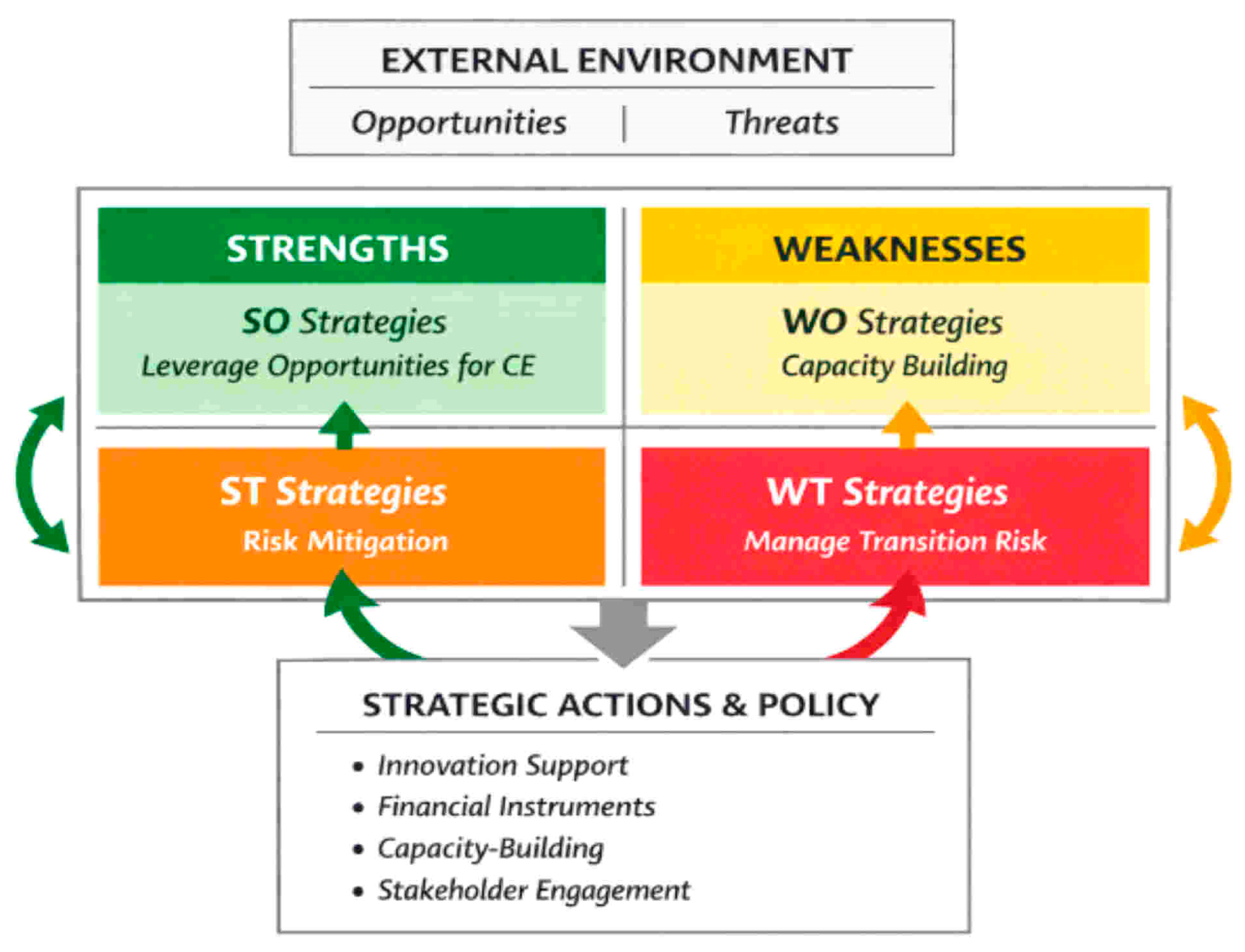
Conceptual visualization linking regional drivers (policy, industry, innovation ecosystem), enabling factors (finance, social competences, infrastructure), and expected outcomes (resource efficiency, emission reduction, circular business models) (Figure 5).
SWOT Analysis results revealed:
Internal strengths: strong industrial base, high R&D expenditure, smart specialization alignment;
Internal weaknesses: low CE awareness, limited SME innovation, technological adoption gaps;
External opportunities: EU funding, global CE trends, industrial symbiosis, digital solutions;
External threats: high technology costs, regulatory uncertainty, low public acceptance, global competition.

5. Discussion

5.1. Regional Potential

Małopolska has favorable conditions for CE adoption due to its industrial sectors, research base, and skilled workforce. Renewable energy and eco-innovation initiatives support sustainable industrial processes.
Analysis of regional conditions indicates that Małopolska possesses strong economic and research potential, providing a solid foundation for the development of a CE. The region is among the most innovative in Poland, characterized by a high share of expenditure on R&D (GERD) and the high activity of research and development units. It is also home to approximately 10% of enterprises conducting R&D activities in the country, and a significant number of graduates in technical and natural sciences ensures an adequate human resource base for the CE. An important asset of the region is its developed smart specializations, particularly those linked to the metals, chemicals, and materials production industries. These sectors demonstrate strong compatibility with CE goals, offering extensive opportunities for raw material recycling, modernization of technological processes, and the implementation of advanced recovery technologies.
Significant progress has also been made in developing renewable energy infrastructure. Over 12,500 photovoltaic installations and more than 11,500 renewable thermal installations have been deployed in the region, significantly supporting the transition towards low-emission economic models. Renewable energy also plays a crucial role in improving the resilience and energy efficiency of industrial processes, making it a key component of the CE. Regional policies, including the Małopolska 2030 Voivodeship Development Strategy [7], emphasize the need to implement CE principles, and initiatives such as Smart Lab and regional smart specialization strategies further reinforce this transformational direction. There is also growing interest among entrepreneurs in CE solutions, with more than half of companies declaring activities in this area, primarily in waste management and extending product lifecycles.

5.2. Key Challenges

Despite its significant strengths, the region faces several challenges that limit the pace of transformation. One of the most significant is the low level of knowledge, awareness, and limited CE strategies, particularly among micro, small, and medium-sized enterprises. Only a small share of companies have a strategy for implementing CE principles, and more than half consider their knowledge in this field to be superficial. Residents also still demonstrate limited awareness of the importance of the CE model. The SME sector shows a low level of innovation, especially in organizational and marketing innovation, as well as in the introduction of new products.
Technological and infrastructural limitations remain another barrier. These include the high costs of advanced recycling technologies, insufficient management of sewage sludge, and low levels of water reuse in industry. Administrative challenges—such as lengthy processes due to regulatory complexity, the need to obtain environmental permits, and regulatory instability—further discourage businesses from investing in CE projects. The underdeveloped CE monitoring system, which is primarily based on waste indicators that do not reflect the full spectrum of strategic CE initiatives, also remains a significant issue.
The external environment creates numerous opportunities for the development of the CE in Małopolska. The growing role of the CE in EU policies, including the European Green Deal and the 2020 Circular Economy Action Plan, provides access to significant financial support for activities related to recycling, eco-design, resource recovery, and renewable energy development. Global trends indicate the increasing importance of products designed for recycling, biodegradable materials, secondary raw materials, and technologies for the recovery of critical raw materials. The region also has considerable potential for developing industrial symbiosis, driven by numerous industrial clusters and a high density of manufacturing enterprises. Energy transformation, decentralization of the energy sector, and the development of distributed energy systems create additional opportunities to improve the efficiency of manufacturing processes. Digital technologies—including artificial intelligence, the Internet of Things, and big data analytics—are becoming increasingly important, enabling the optimization of circular processes such as waste monitoring, predictive maintenance, and reverse logistics, and the development of integrated monitoring systems.

5.3. Policy and Practice Implications

At the same time, the region must contend with several threats that could hinder the pace of transformation. The most serious challenge of these is the high cost of implementing innovative technologies, which can be particularly burdensome for SMEs. The region should therefore develop financial instruments and incentives for SMEs, and promote research consortia linking universities, industry, and government. It should also encourage eco-design, industrial symbiosis, and reverse logistics. Regulatory instability and the lack of clear standards for some CE processes, such as chemical recycling, generate regulatory risks and limit investment. Insufficient public acceptance of new environmental installations—for example, biogas or recycling plants—may hinder the development of infrastructure essential to the CE. An additional threat is the region’s reliance on energy and raw material prices for its key specializations—particularly chemicals and metals—which, amid global uncertainty, may lead to higher production costs. Strong technological competition from more advanced regions of Europe, such as Germany, the Netherlands, and the Scandinavian countries, poses another challenge for companies operating in Małopolska.
Overall, the analysis indicates that Małopolska has exceptionally favorable conditions for developing a CE, especially in combination with its regional smart specializations. Strong industrial sectors, well-developed research and development infrastructure, significant investments in renewable energy sources, and active regional policies create a solid foundation for this transformation [35,36]. At the same time, fully realizing this potential requires addressing several challenges—most notably, low awareness of CE principles among enterprises, high technology costs, administrative barriers, and the need to implement a comprehensive monitoring system integrating economic, environmental, social, and innovation indicators.
To enhance clarity and support strategic interpretation, the SWOT analysis can be presented as an integrated visual matrix (Figure 4) that highlights the interactions between internal capabilities and external conditions shaping the circular economy transition in the region. The analysis of strategic policy documents reveals several recurring themes influencing regional circular economy implementation.

6. Conclusions

This study identifies several key findings regarding the implementation of circular economy principles at the regional level. First, the transition toward a circular economy in Małopolska requires integrated governance mechanisms linking innovation policy, environmental objectives, and industrial transformation. Second, stakeholder-driven approaches such as Smart Lab processes enhance policy alignment by incorporating perspectives from business, academia, and public administration. Third, financial accessibility and regulatory coherence emerge as critical enabling factors for accelerating circular innovation adoption. Finally, the analysis highlights the importance of monitoring systems integrating economic, environmental, social, and innovation indicators to support evidence-based policymaking and adaptive regional strategies.
Małopolska demonstrates strong economic, scientific, and innovation potential to advance CE. Critical recommendations include the following: strengthening support systems and fostering eco-innovation; ensuring a stable, predictable regulatory environment; addressing social and technological transition risks through communication and compensation mechanisms; and integrating technical, social, and institutional elements to create a competitive, circular, and resilient region. The study demonstrates a systematic approach combining policy analysis, survey data, and stakeholder workshops, providing a replicable model for other EU regions aiming to operationalize CE strategies.
The region ranks among the top Polish regions in terms of R&D expenditures and the number of active technological entities, which supports the development of circular technologies, material recovery, new production processes, and solutions that facilitate efficient resource use. Smart specializations in the metals, chemicals, mineral products, and machinery industries are particularly important, as they align closely with CE goals through their potential for raw material recycling, process modernization toward low-emission standards, and the implementation of new energy and material recovery technologies.
Regional authorities should develop financial and advisory instruments to lower entry barriers to CE technologies, especially for SMEs. It is recommended to intensify research and development efforts and to create consortia between research institutions, businesses, and local governments, focusing on the development and deployment of recycling technologies, resource recovery, and low-emission manufacturing processes. Support should also be directed toward the development of reverse logistics, eco-design, industrial symbiosis, and digital solutions that improve the management of material flows.
Among the most important recommendations is addressing the risks associated with the transition to a CE. The region should consider the rising costs of technological and energy transformation by creating compensation mechanisms for particularly vulnerable enterprises. Potential social resistance to new environmental investments should be mitigated through transparent communication, social dialogue, and a consultation program. Systematic monitoring of market dynamics in circular technologies is also essential, as is preventing the loss of competitiveness compared to more technologically advanced regions.
The parallel development of social competences, technical infrastructure, eco-innovation, and a stable, predictable regulatory environment is crucial. Integrating these elements will enable the creation of a competitive, circular, and resilient region capable of fully realizing the potential of the CE.
Compared with leading circular economy regions in Western Europe, Małopolska’s transition pathway reflects a model focused on structural readiness, industrial specialization, and institutional coordination rather than a purely technology-driven transformation. This positioning may offer a transferable framework for other regions with similar economic structures and innovation capacities. While the study provides comprehensive insights into Małopolska’s circular economy transition, the findings are limited to the regional context and may not be directly generalizable to other EU regions. Future research could expand this approach to comparative analyses across multiple regions.
Despite its contributions, this study has several limitations. The analysis focuses primarily on a single regional case study, which may limit direct generalization to other contexts. Additionally, qualitative insights derived from stakeholder workshops reflect the perspectives of participating actors and may not fully capture all relevant viewpoints. Future research could expand the comparative dimension by including multiple regions and integrating quantitative performance indicators to validate identified implementation pathways.
From a policy perspective, the findings suggest that effective circular economy implementation in moderate innovator regions requires coordinated governance structures, targeted financial instruments, and strengthened collaboration between industry and research institutions. Policymakers should prioritize capacity building and adaptive policy frameworks that enable a gradual transition aligned with regional industrial specializations.

Author Contributions

Conceptualization, A.N. and J.K.; methodology, A.N., O.J. and N.G.-C.; software, A.N.; validation, Z.K. and N.G.-C.; formal analysis, Z.K. and A.M.; investigation, A.N., O.J. and N.G.-C.; resources, J.K.; data curation, A.N., Z.K. and O.J.; writing—original draft preparation, A.N. and Z.K.; writing—review and editing, Z.K., J.K. and A.M.; visualization, A.N.; supervision, Z.K. and J.K. All authors have read and agreed to the published version of the manuscript.

Funding

This research received no external funding.

Institutional Review Board Statement

Not applicable.

Informed Consent Statement

Not applicable.

Data Availability Statement

The original contributions presented in this study are included in the article. Further inquiries can be directed to the corresponding author.

Conflicts of Interest

The authors declare no conflicts of interest.

References

  1. Regulation (EU) 2024/1252 of the European Parliament and of the Council of 11 April 2024 on Establishing a Framework for Ensuring the Secure and Sustainable Supply of Critical Raw Materials and Amending Regulations (EU) No 168/2013, (EU) 2018/858, (EU) 2018/1724 and (EU) 2019/1020. Available online: https://eur-lex.europa.eu/eli/reg/2024/1252/oj/eng (accessed on 10 July 2024).
  2. Foray, D.; Goddard, J.; Beldarrain, X.G.; Landabaso, M.; McCann, P.; Morgan, K.; Nauwelaers, C.; Ortega-Argilés, R. Guide to Research and Innovation Strategies for Smart Specialisation (RIS 3). European Commission, 2012. Available online: https://ec.europa.eu/regional_policy/sources/wikiguidance/gn0097_ris3_guide.pdf (accessed on 20 July 2024).
  3. Foray, D.; Van Ark, B. Smart Specialisation in a Truly Integrated Research Area is the Key to Attracting More R&D to Europe. Knowledge Economists Policy Brief No. 1, 2007. Available online: https://ec.europa.eu/invest-in-research/pdf/download_en/policy_brief1.pdf (accessed on 20 July 2024).
  4. Aranda-Usón, A.; Portillo-Tarragona, P.; Scarpellini, S.; Llena-Macarulla, F. The progressive adoption of a circular economy by businesses for cleaner production: An approach from a regional study in Spain. J. Clean. Prod. 2020, 247, 119648. [Google Scholar] [CrossRef]
  5. Godzina, P.; Lubach, E. Program in the Field of Circular Economy for Małopolska—Draft. Annex to Resolution No. 1852/23 of the Małopolska Voivodeship Board of 3 October 2023. Kraków, 2023. Available online: https://www.zpp.pl/storage/library/2023-10/718db309e34920eed369d2ba4d0f6843.pdf (accessed on 20 May 2025).
  6. Regional Climate and Energy Action Plan. Annex No. 1 to Resolution No. 228/20 of the Małopolska Voivodeship Board Dated 18 February 2020. Marshal’s Office of the Małopolska Voivodeship, Kraków, 2020. Available online: https://www.klimat.ekomalopolska.pl/wp-content/uploads/2021/07/RAPCE_Regionalny-Plan-dzialan-dla-Klimatu-i-Energii.pdf (accessed on 20 May 2025).
  7. Regional Innovation Strategy of the Małopolska Voivodeship 2030. Marshal’s Office of the Małopolska Voivodeship. Department of Corporate Supervision and Economy. Appendix No. 1 to Resolution No. 181/21 of the Małopolska Voivodeship Management Board of 25 February 2021. Available online: https://www.malopolska.pl/_userfiles/uploads/RG-X/Regionalna_Strategia_Innowacji_Wojewodztwa_Malopolskiego_2030.pdf (accessed on 11 April 2025).
  8. The Strategic Environmental Protection Program (SEP), Adopted by Resolution No. XLVIII/684/21 of the Małopolska Regional Assembly of December 27, 2021. Available online: https://klimat.ekomalopolska.pl/inicjatywy/program-strategiczny-ochrona-srodowiska (accessed on 11 April 2025).
  9. Khan, O.; Daddi, T.; Slabbinck, H.; Kleinhans, K.; Vazquez-Brust, D.; De Meester, S. Assessing the determinants of intentions and behaviors of organizations towards a circular economy for plastics. Resour. Conserv. Recycl. 2020, 163, 105069. [Google Scholar] [CrossRef] [PubMed]
  10. Winkler, H. Closed-loop production systems—A sustainable supply chain approach. CIRP J. Manuf. Sci. Technol. 2011, 4, 243–246. [Google Scholar] [CrossRef]
  11. Kowalski, Z.; Makara, A. Innovative System for Animal Waste Utilization Using Closed-Loop Material and Energy Cycles and Bioenergy: A Case Study. Energies 2025, 18, 2579. [Google Scholar] [CrossRef]
  12. Kowalski, Z.; Kulczycka, J.; Banach, M.; Makara, A. A Complex Circular-Economy Quality Indicator for Assessing Production Systems at the Micro Level. Sustainability 2023, 15, 13495. [Google Scholar] [CrossRef]
  13. Raftowicz, M.; Ochman, M. The Barriers Related to the Implementation of the Circular Economy in Poland. Res. Pap. Wroc. Univ. Econ. Bus. 2024, 68, 35–50. [Google Scholar] [CrossRef]
  14. Nowaczek, A.; Kowalski, Z.; Kulczycka, J.; Makara, A. Determinants of the Implementation of a Circular Economy Model in the Tire Sector in Poland. Sustainability 2024, 16, 11167. [Google Scholar] [CrossRef]
  15. Wen, Z.; Meng, X. Quantitative assessment of industrial symbiosis for the promotion of circular economy: A case study of the printed circuit boards industry in China’s Suzhou New District. J. Clean. Prod. 2015, 90, 211–219. [Google Scholar] [CrossRef]
  16. City Government of Amsterdam. Circular Amsterdam: A Vision and Action Agenda for the City and Metropolitan Area, 2017. Available online: https://oecd-opsi.org/wp-content/uploads/2019/07/Circular-Amsterdam_-Netherlands_2016.pdf (accessed on 11 April 2025).
  17. Towards a Model of Circular Economy for Italy—Overview and Strategic Framework, Italian Ministry of the Environment and Energy Security, 2017. Available online: https://circulareconomy.europa.eu/platform/en/strategies/towards-model-circular-economy-italy-overview-and-strategic-framework (accessed on 19 April 2025).
  18. Košir, L.G.; Korpar, N.; Potočnik, J.; Kocjančič, R. Proposal for a Uniform Document on the Potentials and Opportunities for the Transition to a Circular Economy in Slovenia; Ministry of the Environment and Spatial Planning of the Republic of Slovenia: Ljubljana, Slovenia, 2018; pp. 1–56. Available online: http://www.vlada.si/fileadmin/dokumenti/si/projekti/2016/zeleno/roadmap_towards_the_circular_economy_in_slovenia.pdf (accessed on 11 April 2024).
  19. French Government, Circular Economy Roadmap of France: 50 Measures for a 100% Circular Economy, France, 2018. Available online: https://circulareconomy.europa.eu/platform/en/strategies/circular-economy-roadmap-france-50-measures-100-circular-economy (accessed on 17 April 2025).
  20. The Government of Catalonia. Promoting Green and Circular Economy in Catalonia: Strategy of the Government of Catalonia, 2015. Available online: http://mediambient.gencat.cat/web/.content/home/ambits_dactuacio/empresa_i_produccio_sostenible/economia_verda/impuls/IMPULS-EV_150519.pdf (accessed on 18 April 2025).
  21. Ministry of Housing, Quality of Life, Environment and Energy of Belgium; Minister of the Economy, Employment and Professional Training. Programme Régional En Economie Circulaire 2016–2020. 2016. Available online: https://document.environnement.brussels/opac_css/elecfile/PROG_160308_PREC_DEF_FR (accessed on 21 April 2025).
  22. White Paper on the Circular Economy of the Greater Paris, Paris, 2015. Available online: https://bibliotheques-specialisees.paris.fr/ark:/73873/pf0002272873 (accessed on 11 September 2025).
  23. Regional Strategy Towards a Green and Circular Economy for Extremadura by 2030, 2017. Available online: https://www.interregeurope.eu/good-practices/regional-strategy-towards-a-green-and-circular-economy-for-extremadura-by-2030 (accessed on 25 April 2025).
  24. Głowacki, J.; Kopyciński, P.; Malinowski, M.; Mamica, Ł. Identification and delimitation of circular economy areas within the framework of sustainable consumption. In Circular Economy in Policy and Research; Kulczycka, J., Ed.; IGSMiE PAN: Kraków, Poland, 2019; pp. 167–179. (In Polish) [Google Scholar]
  25. Circular Economy Strategies and Roadmaps in Europe: Identifying Synergies and the Potential for Cooperation and Alliance Building, European Economic and Social Committee, 2019. Available online: https://www.eesc.europa.eu/en/our-work/publications-other-work/publications/circular-economy-strategies-and-roadmaps-europe-study (accessed on 15 April 2025).
  26. Kowalski, Z.; Kulczycka, J.; Makara, A.; Mondello, G.; Salomone, R. Industrial Symbiosis for Sustainable Management of Meat Waste: The Case of Smiłowo Eco-Industrial Park, Poland. Int. J. Enviro. Res. Public Health 2023, 20, 5162. [Google Scholar] [CrossRef]
  27. Sitra Foundation, Leading the Cycle Finnish Road Map to a Circular Economy 2016–2025. Sitra Studies 121. 2016. Available online: https://media.sitra.fi/2017/02/24032659/Selvityksia.121.pdf (accessed on 28 October 2018).
  28. Hartley, K.; Schülzchen, S.; Bakker, C.A.; Kirchherr, J. A strategic framework for the circular economy: Lessons from policy instruments in the EU. J. Clean. Prod. 2023, 412, 137176. [Google Scholar] [CrossRef]
  29. Federal Ministry for the Environment, Nature Conservation, Building and Nuclear Safety. Germany-German Resource Efficiency Programme (ProgRess II), 2016. Available online: https://www.bundesumweltministerium.de/en/search?L=1&id=1892&q=Germany-German+Resource+Efficiency+Programme+%28ProgRess+II%29 (accessed on 15 April 2025).
  30. Leading the Transition: A Circular Economy Action Plan for Portugal: 2017–2020, Ministry of Environment, Portugal, 2017. Available online: https://circulareconomy.europa.eu/platform/en/strategies/leading-transition-circular-economy-action-plan-portugal (accessed on 11 April 2025).
  31. A Circular Economy Strategy for Scotland, The Scottish Government, 2016. Available online: https://circulareconomy.europa.eu/platform/sites/default/files/making_things_last.pdf (accessed on 21 April 2025).
  32. London Waste and Recycling Board. London’s Circular Economy Route Map, 2017. Available online: https://relondon.gov.uk/wp-content/uploads/2021/02/LWARB-ReLondons-circular-economy-route-map-for-London.pdf (accessed on 24 October 2025).
  33. Nobre, G.C.; Tavares, E. Scientific literature analysis on big data and internet of things applications on circular economy: A bibliometric study. Scientometrics 2017, 111, 463–492. [Google Scholar] [CrossRef]
  34. Andersen, M.S. An introductory note on the environmental economics of the circular economy. Sustain. Sci. 2007, 2, 133–140. [Google Scholar] [CrossRef]
  35. European Union. Directorate-General for Internal Market, Industry, Entrepreneurship and SMEs, Regional Innovation Scoreboard 2021, Luxembourg, 2021. Available online: https://op.europa.eu/en/publication-detail/-/publication/b76f4287-0b94-11ec-adb1-01aa75ed71a1/language-en (accessed on 24 October 2025).
  36. OECD. Frascati Manual 2015: Guidelines for Collecting and Reporting Data on Research and Experimental Development, The Measurement of Scientific, Technological and Innovation Activities; OECD Publishing: Paris, France, 2015; Available online: https://ec.europa.eu/eurostat/cache/metadata/Annexes/isoc_se_esms_an_4.pdf (accessed on 24 October 2025).
  37. Binda, A. Industrial Enterprises and the Circular Economy; Marshal’s Office of the Małopolska Region: Kraków, Poland, 2021; Available online: https://www.obserwatorium.malopolska.pl/publikacje/przedsiebiorstwa-przemyslowe-wobec-gospodarki-o-obiegu-zamknietym (accessed on 20 April 2025).
  38. Phaal, R.; Farrukh, C.P.J.; Probert, D.R. Technology roadmapping—A planning framework for evolution and revolution. Technol. Forecast. Soc. Change 2004, 71, 5–26. [Google Scholar] [CrossRef]
  39. Statistical Atlas of Małopolskie Voivodship. Statistical Office in Kraków 2018. Available online: http://krakow.stat.gov.pl (accessed on 11 April 2025).
  40. Elenskė, A. Regional Innovation Scoreboard 2025, Regional Profile Poland. European Commission, Directorate-General for Research and Innovation, 2025. Available online: https://ec.europa.eu/assets/rtd/ris/2025/ec_rtd_ris-regional-profile-pl.pdf (accessed on 11 April 2025).
  41. Lieder, M.; Rashid, A. Towards circular economy implementation: A comprehensive review in context of manufacturing industry. J. Clean. Prod. 2016, 115, 36–51. [Google Scholar] [CrossRef]
  42. Kujala, J.; Lehtimäki, H.; Freeman, E.R. A Stakeholder Approach to Value Creation and Leadership. In Leading Change in a Complex World: Transdisciplinary Perspectives; Kangas, A., Kujala, J., Heikkinen, A., Lönnqvist, A., Laihonen, H., Bethwaite, J., Eds.; Tampere University Press: Tampere, Finland, 2019; pp. 123–143. Available online: https://trepo.tuni.fi/bitstream/handle/10024/105096/978-952-03-0845-2.pdf?sequence=1&isAllowed=y (accessed on 24 October 2025).
  43. Rataj, O. Developing a methodology for selecting and proposing indicators for assessing the progress of the transformation towards a circular economy and its impact on socio-economic development at the macro level in Poland. In Circular Economy in Policy and Research; Kulczycka, J., Ed.; IGSMiE PAN: Kraków, Poland, 2019; pp. 73–99. (In Polish) [Google Scholar]
  44. Mayne, J. Useful Theory of Change Models. Can. J. Program. Eval. 2015, 30, 119–142. [Google Scholar] [CrossRef]
  45. Dhillon, L.; Vaca, S. Refining Theories of Change. J. Multidiscip. Eval. 2018, 14, 64–87. [Google Scholar] [CrossRef]
  46. Reeler, D.; Van Blerk, R. The Truth of the Work: Theories of Change in a Changing World. The Community Development Resource Association. 2017. Available online: http://www.cdra.org.za/uploads/1/1/1/6/111664/the_truth_of_the_work_-_theories_of_change_in_a_changing_world_-_by_doug_reeler_and_rubert_van_blerk_%E2%80%93_cdra_2017_-_final.pdf (accessed on 21 April 2025).
  47. Brest, P. The Power of Theories of Change. Stanford Social Innovation Review. 2010. Available online: https://ssir.org/articles/entry/the_power_of_theories_of_change (accessed on 24 October 2025).
  48. Smol, M.; Kulczycka, J.; Avdiushchenko, A.; Nowaczek, A. Public awareness of circular economy in southern Poland: Case of the Malopolska region. J. Clean. Prod. 2018, 197, 1035–1045. [Google Scholar] [CrossRef]
  49. Circular Economy in Industrial Enterprises in Małopolska, Małopolska Observatory of Regional Development, Department of Sustainable Development. Kraków 2021. Available online: https://www.obserwatorium.malopolska.pl/images/przedsiebiorstwa-przemyslowe-wobec-goz-2021.pdf (accessed on 25 April 2025). (In Polish)
  50. Manzardo, A.; Marson, A.; Zuliani, F.; Bacenetti, J.; Scipioni, A. Combination of product environmental footprint method and eco-design process according to ISO 14006: The case of an Italian vinery. Sci. Total Env. 2021, 799, 149507. [Google Scholar] [CrossRef]
  51. Burchart-Korol, D. Ecodesign—A holistic approach to design. Ecol. Probl. 2010, 14, 116–120. (In Polish) [Google Scholar]
  52. Janicka, M.; Hewelke, P. Ecodesign as an important tool for environmental protection, illustrated by the example of electrical and electronic equipment. Sci. Rev. Eng. Environ. Sci. 2007, 16, 29–38. (In Polish) [Google Scholar]
  53. Charter, M. Designing for the Circular Economy, 1st ed.; Routledge: London, UK, 2018; p. 424. [Google Scholar] [CrossRef]
  54. Dąbrowska-Nowak, E.; Malczewska, M.; Zając, J.; Gierowska, A.; Świat, W.; Kotkiewicz, M.; Woźniak, J.; Syrda, J.; Skrzyński, M.; Walczak-Gomuła, M. Evaluation of Selected Long-Term Result Indicators for Priority Axis 8, 9, and 10 of the Regional Operational Program of the Małopolska Voivodeship for 2014–2020; Małopolska Voivodeship, Marshal’s Office of the Małopolska Voivodeship, Małopolska Regional Development Observatory: Kraków, Poland, 2024; Available online: https://www.obserwatorium.malopolska.pl/images/publikacjePDF/Ewaluacja/ewaluacja-raport-koncowy-iii--pomiar-2024-wcag.pdf (accessed on 25 November 2025). (In Polish)
  55. Treaty of Amsterdam Amending the Treaty on European Union, the Treaties Establishing the European Communities and Certain Related Acts (OJ C 340, 10.11.1997, pp. S1–S6). Available online: https://eur-lex.europa.eu/legal-content/EN/TXT/?uri=CELEX:11997D (accessed on 11 April 2025).
  56. The evaluation of selected long-term influence of Regional Operational Program of the Małopolska Voivodeship for 2014–2020 on improving energy efficiency and building a low-emission economy in the region. In Stage II Assessment of the Impact of Measures Under the 4th Axis of the Regional Operational Programme; Małopolska Voivodeship, Marshal’s Office of the Małopolska Voivodeship, Małopolska Regional Development Observatory: Kraków, Poland, 2024; Available online: https://www.obserwatorium.malopolska.pl/publikacje/ocena-wplywu-dzialan-w-ramach-4-osi-rpo-wm-na-lata-2014-2020-2 (accessed on 11 April 2025).
  57. Kwiatkowski, T. Technical Report: Małopolska Smart Specializations. In A Comprehensive Review of Monitoring Data; Marshal’s Office of the Małopolska Region: Kraków, Poland, 2019; Available online: https://www.obserwatorium.malopolska.pl/publikacje/malopolskie-inteligentne-specjalizacje-kompleksowy-przeglad-danych-monitoringowych (accessed on 11 April 2025).
  58. Maruszkin, R.; Lasecki, T.; Tamecki, T.; Biernat-Kopczyńska, M. Circular Economy. A Guide for Small and Medium-Sized Entrepreneurs. Copyright by Polish Agency for Enterprise Development, Warsaw 2021. Available online: https://www.parp.gov.pl/storage/publications/pdf/EBOOK-JM-3.pdf (accessed on 25 May 2025). (In Polish)
  59. Ang, T.-Z.; Salem, M.; Kamarol, M.; Das, H.S.; Alhuyi Nazari, M.; Prabaharan, N. A comprehensive study of renewable energy sources: Classifications, challenges and suggestions. Energy Strategy Rev. 2022, 43, 100939. [Google Scholar] [CrossRef]
  60. Fang, B.; Yu, J.; Chen, Z.; Osman, A.I.; Farghali, M.; Ihara, I.; Hamza, E.H.; Rooney, D.W.; Yap, P.-S. Artificial intelligence for waste management in smart cities: A review. Environ. Chem. Lett. 2023, 21, 1959–1989. [Google Scholar] [CrossRef] [PubMed]
Figure 1. Research Process Diagram: Data Collection Methods.
Sustainability 18 03116 g001
Figure 2. Estimated energy production from RES and installed photovoltaic (PV) capacity in Małopolska in 2020.
Sustainability 18 03116 g002
Figure 3. Distribution of projects across the individual areas of the RIS 5 smart specialization in 2020.
Sustainability 18 03116 g003
Figure 4. Activities of Małopolska enterprises in the field of production waste in 2020.
Sustainability 18 03116 g004
Figure 5. Integrated SWOT matrix highlighting interactions between internal capabilities and external conditions in Małopolska’s CE transition.
Sustainability 18 03116 g005
Table 1. Research framework.
Stage 1. Basic Research
SubstageDescription
1.1Identification of key areas for CE implementation at the regional level
1.2Assessment of the impact of CE on regional development, taking into account MIS *
Research methods: Review of scientific publications indexed in Scopus, analysis of analytical highlights, and expert evaluations concerning CE implementation at the regional level.
Stage 2. Review of practical data
SubstageDescription
2.1Development of a CE implementation concept for the region
2.2Analysis of qualitative and quantitative research conducted among Małopolska enterprises regarding CE implementation
Research methods: Formulation of a CE implementation concept that incorporates key areas covered by MIS *.
* MIS—Management Information Systems.
Table 2. Concept for implementing a CE in the Małopolska Region.
MeasureProductsResultsIndicators
Creating regulations, norms, and standardsEnvironmental law; waste lawActions ensuring more efficient use of products, raw materials, and waste; increasing the reuse of water from industrial plants and industrial wastewater; increasing the use of renewable energyVolume of waste generated; expenditures on recycling and waste recovery; value of secondary raw materials consumption/revenue; percentage of separately collected municipal waste; volume of water consumption/revenue; share of renewable energy in total consumption
Promotion and informationCompetitions, campaigns, and activities promoting CE; awards for good practicesIncreased awareness among entrepreneurs and residents regarding the benefits of CENumber of industrial symbioses; number of CE strategies; number of EMAS certificates *
Education and trainingCourses, employee training, academic programsAvailability of skilled staff for CE implementation, especially in eco-designNumber of people trained; number of CE-related courses and study programs
Collaboration and creation of facilitiesJoint research projects; RIS-based projects **Increased R&D cooperation, improved knowledge, and technology transferExpenditures on innovation; number of CE patents
* EMAS—Eco-Management and Audit Scheme, ** RIS—Regional Innovation Scheme.
Table 3. Packaging Management in Małopolska Enterprises [49].
DataDoes Your Enterprise Have Any Implemented or Planned Circular Economy Packaging Management Activities?Yes, %No, %
Local 8416
Regional 8020
Nationwide 7228
European 7030
Global 7030
Knowledge of Circular
Economy
Yes—I have extensive knowledge6040
Yes—I have heard of the concept, but have not delved into it7327
No8614
Table 4. Development of CE-related technology in Małopolska Enterprises [57,58].
DataDoes Your Enterprise Have Any Implemented or Planned Circular Economy Technology Activities?Yes, %No, %
Local 8515
Regional 8317
Nationwide 7921
European 7030
Global 7129
Knowledge of Circular
Economy
Yes—I have extensive knowledge6931
Yes—I have heard of the concept, but have not delved into it7525
No8713
Table 5. Development of waste management in Małopolska Enterprises [57,58].
DataDoes Your Enterprise Have Any Implemented or Planned CE Activities in Terms of Industrial Waste Management?Yes, %No, %
Local 6634
Regional 6337
Nationwide 5446
European 4951
Global 4852
Knowledge of Circular
Economy
Yes—I have extensive knowledge4852
Yes—I have heard of the concept, but have not delved into it5050
No7030
Disclaimer/Publisher’s Note: The statements, opinions and data contained in all publications are solely those of the individual author(s) and contributor(s) and not of MDPI and/or the editor(s). MDPI and/or the editor(s) disclaim responsibility for any injury to people or property resulting from any ideas, methods, instructions or products referred to in the content.