1. Introduction
Cocoa (
Theobroma cacao L.) is one of the most important agricultural crops for tropical economies due to its contribution to rural development, income generation for smallholder farmers, and its increasing integration into international markets for chocolate and related products. In Latin America, millions of farmers depend directly or indirectly on this crop; however, the cocoa value chain presents structural limitations that particularly affect small-scale producers, including economic vulnerability, unequal value distribution along the supply chain, and weaknesses in the organizational and technological management of production systems [
1]. These conditions limit producers’ ability to adopt agronomic innovations and improve the sustainability of their production systems.
One of the environmental factors currently affecting the competitiveness of cocoa in international markets is the presence of cadmium (Cd), a heavy metal that can bioaccumulate in cocoa beans depending on soil characteristics, crop genetic material, and agronomic management practices [
2]. Concern about cadmium in cocoa-derived products intensified following the implementation of stricter regulations by the European Union, which established maximum Cd limits in cocoa and chocolate products intended for human consumption. These regulations have had a significant impact on producing countries in Latin America, where cadmium concentrations exceeding the permitted thresholds have been reported, affecting access to international markets and creating significant challenges for the sustainability of the sector [
1,
3].
In response to this issue, several studies have proposed agronomic strategies aimed at reducing cadmium accumulation in cocoa. These strategies include the selection of genotypes with lower accumulation capacity, the application of soil amendments, the establishment of agroforestry systems, and the use of microorganisms with bioremediation potential [
4,
5]. In particular, bioinputs based on beneficial microorganisms have received increasing attention due to their capacity to improve nutrient availability in the soil, stimulate plant growth, and reduce the bioavailability of heavy metals through immobilization or chemical transformation processes [
6]. These biological approaches are considered especially promising within sustainable agricultural systems, as they simultaneously contribute to improving soil health, agricultural productivity, and the resilience of agroecosystems.
In addition to strategies aimed at cadmium mitigation, cocoa productivity and quality also depend on other critical agronomic factors, including vegetative growth during the early stages of crop development and the proper management of post-harvest processes. In particular, fermentation constitutes a key stage in the formation of aroma and flavor precursor compounds that determine the sensory quality of cocoa. Several studies have shown that variables such as temperature, fermentation time, and microbial activity directly influence the biochemical transformations occurring in the beans during this process [
7]. Therefore, systematic monitoring of these variables is essential to ensure process stability and final product quality.
In recent years, the development of technological tools, monitoring systems, and predictive models has contributed to improving decision-making in complex agricultural systems. However, the effectiveness of these tools largely depends on producers’ management and organizational capacities, as well as their ability to continuously evaluate and adjust agronomic practices implemented in the field [
8]. In the case of small-scale cocoa producers, these capacities are often limited, which hinders the systematic implementation of technological innovations and the continuous evaluation of their outcomes.
In this context, several studies have indicated that the success of agricultural innovations depends not only on technical interventions but also on the organizational capacity of production systems to evaluate, adapt, and scale new practices under dynamic environmental conditions [
9]. Traditional agricultural management approaches tend to follow linear structures and relatively rigid decision-making processes, which limits their capacity to adapt to production environments characterized by high uncertainty.
In response to these limitations, agile project management methodologies have emerged as promising alternatives for organizing complex processes. Among them, the SCRUM framework has become one of the most widely used approaches due to its structure based on iterative and incremental cycles (sprints), task prioritization, and continuous feedback among team members [
10]. Although SCRUM was originally developed for the software development sector, recent research has demonstrated its potential to improve coordination, communication, and efficiency in projects of different natures, including agricultural systems, infrastructure projects, and organizational management processes [
11].
Despite the growing interest in applying agile approaches in non-traditional contexts, empirical evidence on the integration of agile management frameworks with agronomic experimentation in agricultural production systems remains limited, particularly in value chains such as cocoa, where production processes involve multiple environmental, technical, and organizational variables. This knowledge gap suggests the need to explore methodological approaches that integrate agronomic interventions with management strategies that facilitate iterative evaluation of results under real production conditions.
In the Peruvian context, cocoa represents a crop of increasing importance within the agricultural sector, occupying approximately 3.5% of the national agricultural area and constituting a key source of income for thousands of smallholder farmers [
12]. However, several studies conducted in cocoa-producing regions of the country have reported cadmium concentrations in soils and cocoa beans that exceed the limits established by international markets, highlighting the need to develop integrated approaches that combine agronomic solutions with improvements in production management [
3].
Within this context, the current challenges facing cocoa production in Peru can be grouped into five main problems: weak seedling growth associated with climate deterioration and environmental contamination; high plant mortality rates during early development stages; inadequate management of the fermentation process within the production chain; the presence of cadmium in cocoa beans; and limited technical and managerial capacities among smallholder farmers.
In response to these challenges, the present study proposes the implementation of the agile SCRUM methodology adapted to the cocoa agroindustrial sector in Peru. The study takes as a case analysis a group of farmers from the San Martín region with the aim of strengthening production processes, promoting a more structured agronomic management culture, and fostering dynamic working teams that actively integrate farmers whose livelihoods depend on this crop. Additionally, this study seeks to contribute to the mitigation of cadmium contamination under real production conditions.
Based on the research gap identified in the literature, this study aims to evaluate the agronomic and environmental effects of bioorganic treatments in cocoa production systems, while also exploring the role of agile management frameworks in structuring experimental interventions.
Despite advances in agronomic strategies to reduce cadmium accumulation in cocoa, a gap persists in the integration of biological interventions and management frameworks that enable the systematic evaluation and adjustment of these strategies under real production conditions. Accordingly, the following research questions are proposed:
RQ1—Vegetative Growth
How do bioorganic fertilization treatments influence the vegetative growth parameters of cocoa plants, particularly stem diameter and plant height?
RQ2—Plant Survival
To what extent do bioorganic treatments affect early survival and mortality rates of cocoa plants during the initial growth stage?
RQ3—Fermentation
How does systematic monitoring of fermentation temperature contribute to maintaining stable processing conditions and ensuring cocoa bean quality?
RQ4—Cadmium
Which combinations of bioorganic microorganisms are most effective in reducing cadmium concentration in cocoa beans in order to meet international regulatory standards?
RQ5—Agile Management (SCRUM)
How can an agile project management framework facilitate the iterative implementation and evaluation of agronomic interventions in cocoa production systems?
To address these questions, the following hypotheses were formulated:
H1. Bioorganic fertilization treatments significantly increase vegetative growth in cocoa plants compared to untreated plants.
H2. Bioorganic fertilization treatments improve the early survival rate of cocoa plants compared to untreated control groups.
H3. Continuous monitoring of fermentation temperature maintains statistically stable fermentation conditions that support cocoa bean quality.
H4. Combined bioorganic microbial treatments significantly reduce cadmium concentration in cocoa beans compared to individual treatments and untreated controls.
H5. The implementation of an agile management framework facilitates the structured organization and evaluation of agronomic experiments.
3. Methodology
3.1. Use of the SCRUM Methodology
SCRUM is an agile methodology that transcends different domains, as it fosters collaborative, adaptive, and results-oriented teams capable of creating value in complex and dynamic environments. Through short cycles, continuous improvement, and transparency, it coherently integrates clearly defined roles (Product Owner, Scrum Master, and Developers), artifacts that provide focus and visibility (Product Backlog, Sprint Backlog, and Increment), and structured events that organize, align, and strengthen team learning. This articulation enables higher-quality and faster execution, continuous learning, and the delivery of relevant outcomes, making SCRUM an effective tool for optimizing productive, administrative, educational, and innovation processes.
Furthermore, from a theoretical perspective, the implementation of SCRUM in the agro-industrial context can be interpreted through the lens of agile governance and sociotechnical systems, where the interaction among social actors, organizational processes, and technical components is articulated in a dynamic and adaptive manner. In this sense, cocoa cultivation is not addressed solely as a biological production system, but as a complex system in which agronomic practices, collective decision-making, local knowledge, and technical tools converge. The adoption of an agile framework structures this interaction through iterative cycles of planning, execution, and feedback, strengthening coordination among farmers and promoting evidence-based decision-making. Thus, the methodology not only optimizes productive outcomes but also contributes to the consolidation of collaborative governance, where continuous learning and strategic adaptation become central elements of the improvement process.
3.2. Unit of Analysis
The present research was conducted under an applied and experimental approach, resulting in the implementation of an agile methodology based on the SCRUM framework, adapted to the agroindustrial context of cocoa cultivation in Peru. The unit of analysis consisted of a group of smallholder farmers from the San Martín region, Peru. In this study, Trinitario cocoa seedlings were used to conduct the proposed research. These seedlings were kindly provided by Corporación MANACORP S.A.C., located in the district of San José de Sisa, in the province of San Martín, Peru.
3.3. Design of the SCRUM Implementation
This research adapts the agile SCRUM framework as a methodological approach to analyze and strengthen the implementation of sustainable practices in Peruvian agricultural systems, particularly within production chains affected by quality and food safety issues, climatic variability, and operational inefficiencies. The methodology is organized into four successive SPRINTS, enabling the identification of gaps, the prioritization of interventions, and the progressive and measurable validation of improvements.
The Product Owner, represented by a key actor within the cooperative or agricultural association, ensures that actions respond to the real needs of both farmers and market requirements, while the Scrum Master facilitates coordination among the different actors in the value chain and removes operational impediments. The multidisciplinary team executes the prioritized actions using artifacts such as the Product Backlog and the Sprint Backlog, which provide structure, traceability, and focus.
Through SCRUM events adapted to the rural context, the framework promotes continuous validation of results, improvements in productive quality, and constant learning, generating applied and replicable evidence to support the scaling of sustainable practices within the agricultural sector.
3.4. Application of the SCRUM Methodology
The application of SCRUM in the cocoa production chain is proposed as an adaptive methodological framework for managing agronomic experiments aimed at addressing four key challenges:
- (1)
Initial vigor of cocoa plants.
- (2)
Plant height growth of cocoa plants.
- (3)
Cocoa bean quality during the fermentation process.
- (4)
Reduction in cadmium presence in cocoa beans.
The methodology structures the work into successive SPRINTS, allowing partial results to be obtained, scientific evidence to be analyzed, and field decisions to be adjusted in a timely manner. SCRUM roles are adapted to the agricultural context, where the Product Owner defines and prioritizes critical agronomic variables, the Scrum Master facilitates proper process execution and operational coordination, and the multidisciplinary team carries out technical interventions, measurements, and analyses.
SCRUM artifacts provide structure, traceability, and focus by translating agronomic challenges into concrete activities and measurable outcomes, while SCRUM events ensure planning, monitoring, validation, and continuous improvement. Overall, this approach enables the transformation of traditional agricultural management into an iterative, data-driven process oriented toward progressive and sustainable improvement of cocoa production.
With regard to the definition of each SPRINT, which is presented in
Table 1, the following is established:
4. Results
4.1. SPRINT 1—Evaluation of Stem Diameter and Mortality Under Bio-Organic Treatments
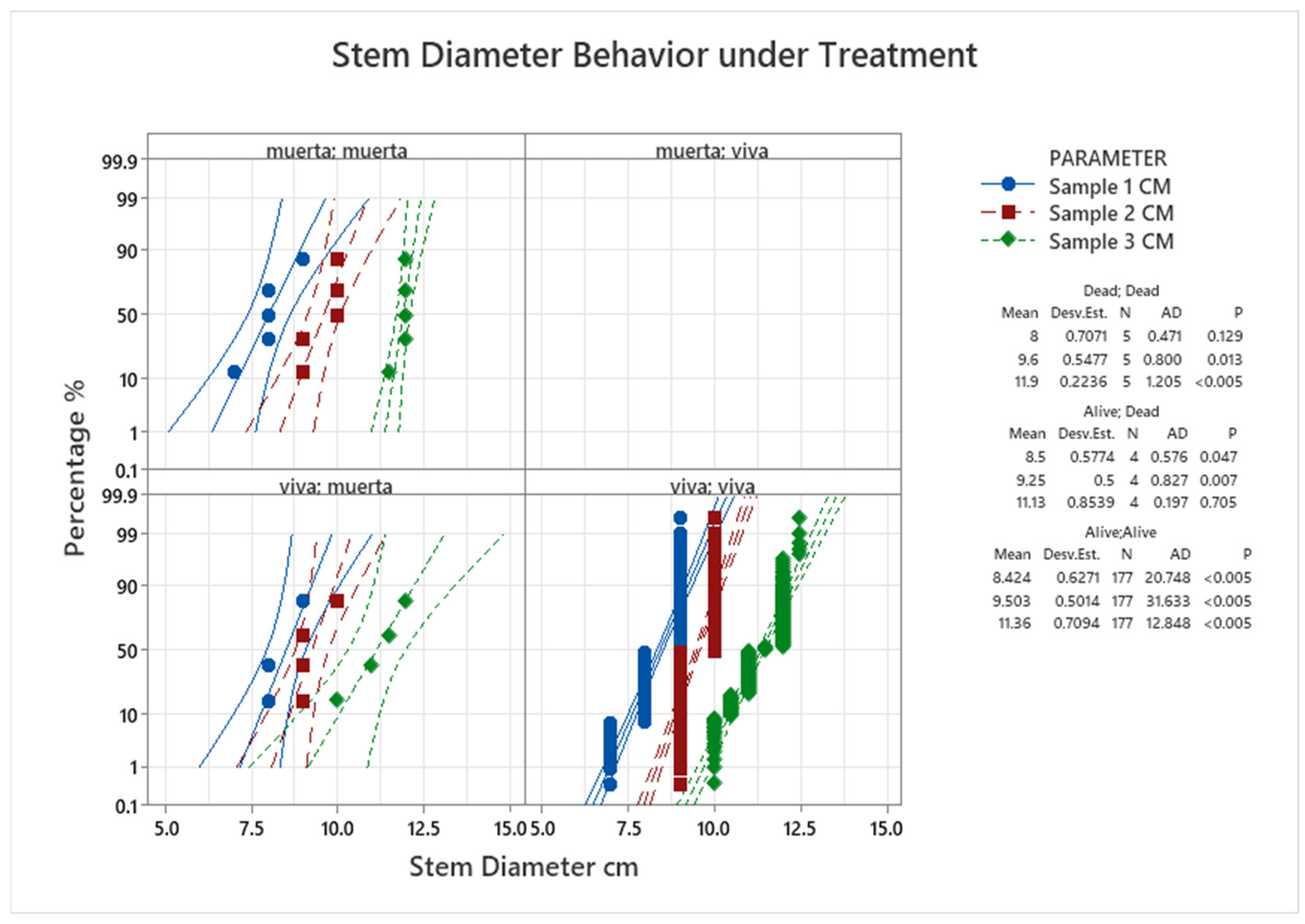
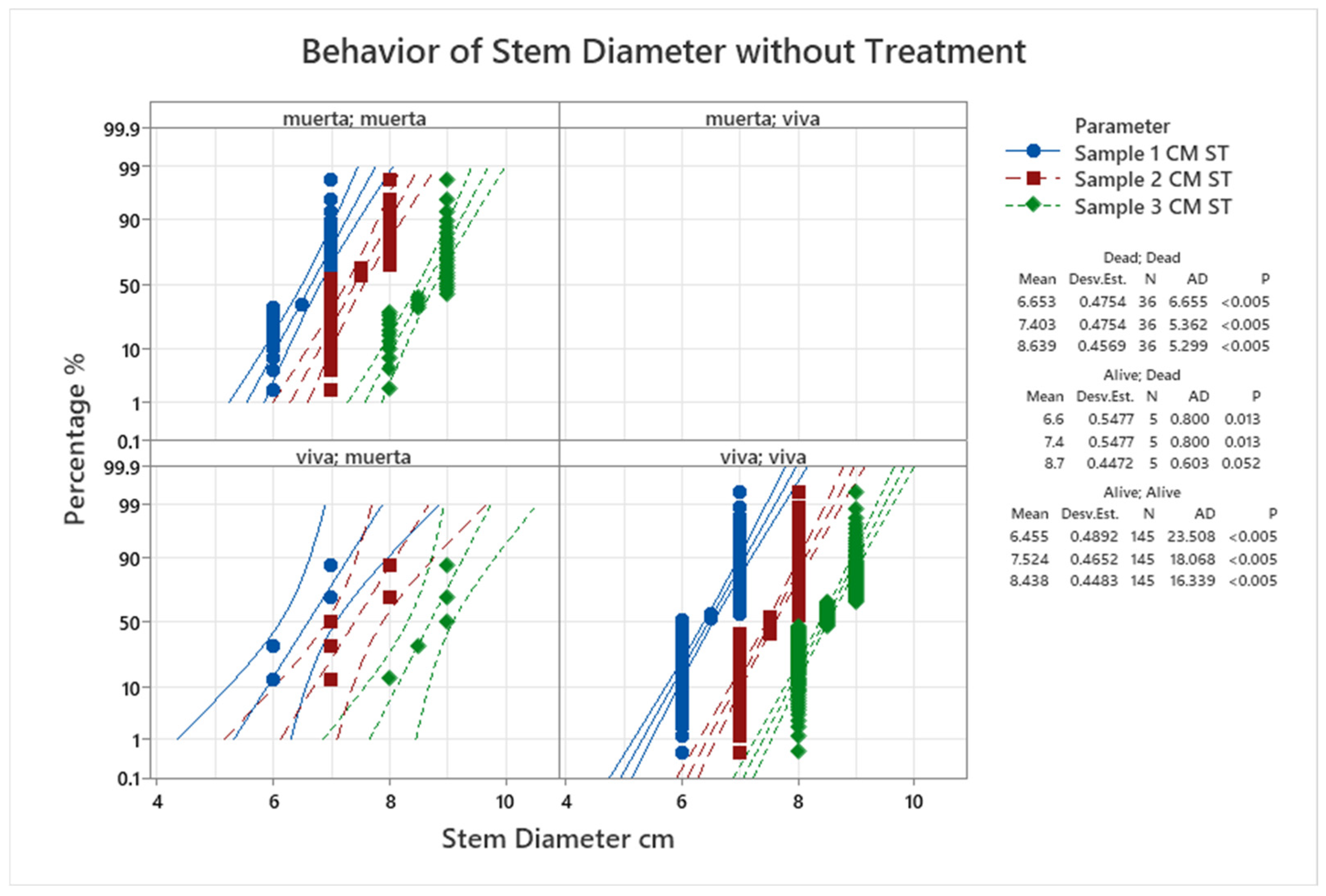
In the development of this Sprint, Hypotheses 1 and 2 are addressed. The results show a progressive and differentiated increase in stem diameter depending on the applied treatment. Under the live–live scenario, all treatments exhibit highly significant increases, with treatment M3 standing out by achieving the highest mean stem diameter and the most precise estimates, indicating its greater effectiveness. In the dead–live scenario, plant recovery was observed, whereas in the live–dead scenario, treatments M1 and M2 showed significant increases in stem diameter, although they did not prevent final plant mortality. Overall, the data confirms that stem diameter increase is statistically relevant mainly in intermediate and high treatments, with M3 being the most consistent when plant survival is achieved. The results obtained in this sprint are presented in
Figure 1 and
Figure 2.
The results indicate that, in the dead–dead scenario, all treatments show significant increases in stem diameter, with progressively higher mean values from M1 to M3. This trend occurs despite the lack of plant survival, demonstrating a statistically relevant effect of the treatments on early stem growth. In the dead–alive scenario, no plant recovery was observed, confirming a 0% survival rate.
The alive–dead scenario exhibits a pattern similar to that of the dead–dead condition, although the increases in stem diameter are less pronounced than those observed in surviving plants. Finally, in the alive–alive scenario, treatments M1 and M2 show highly significant increases in stem diameter, supported by precise estimates reflected in narrow confidence intervals. These results confirm a consistent and positive effect of the treatments on stem diameter development in cocoa plants.
4.2. SPRINT 2—Evaluation of Plant Height and Mortality Using Biofertilizers
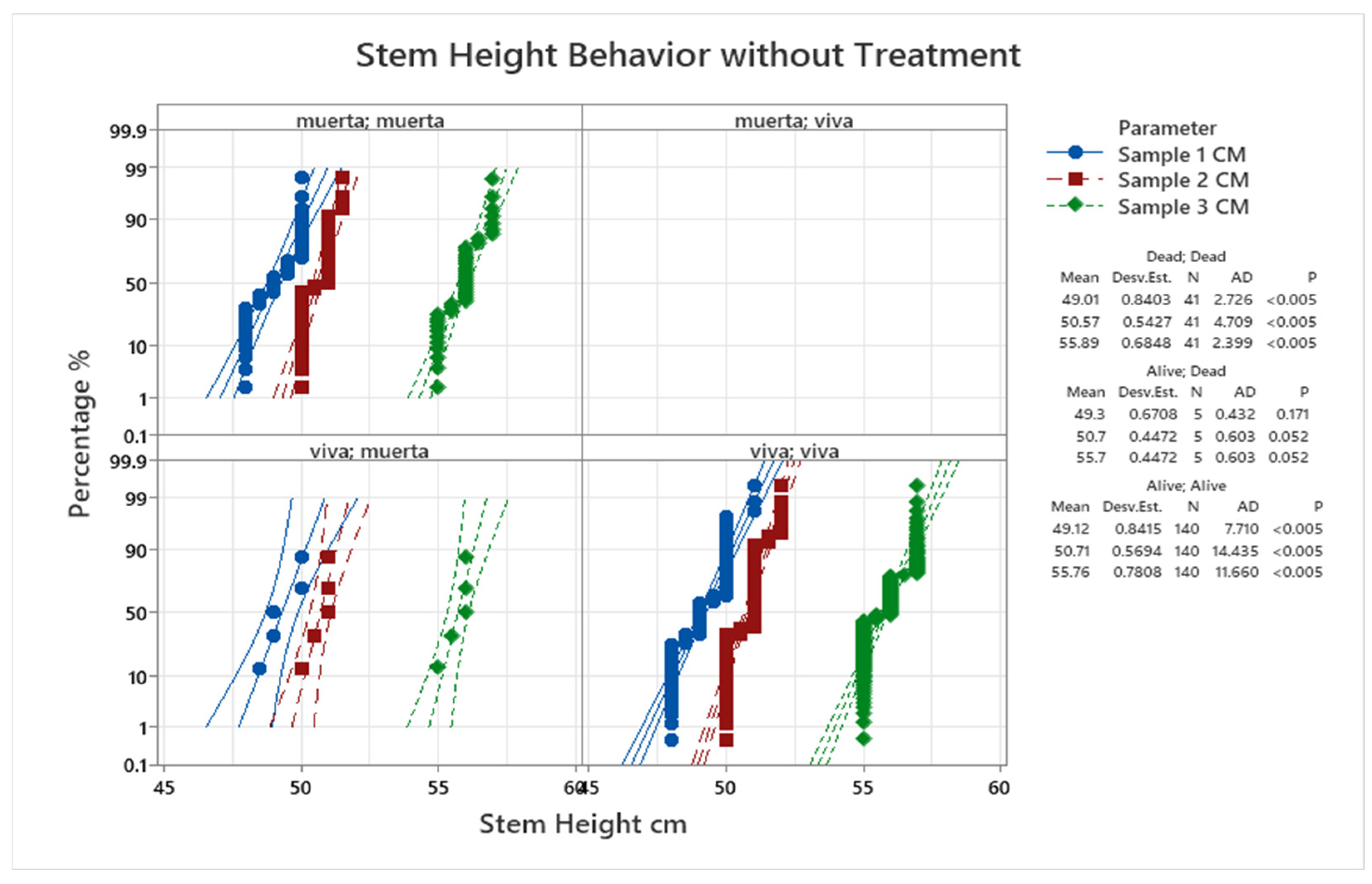
In the development of this Sprint, Hypotheses 1 and 2 are addressed. The results obtained in this sprint show that, under the alive–alive scenario, all treatments exhibit highly significant differences (
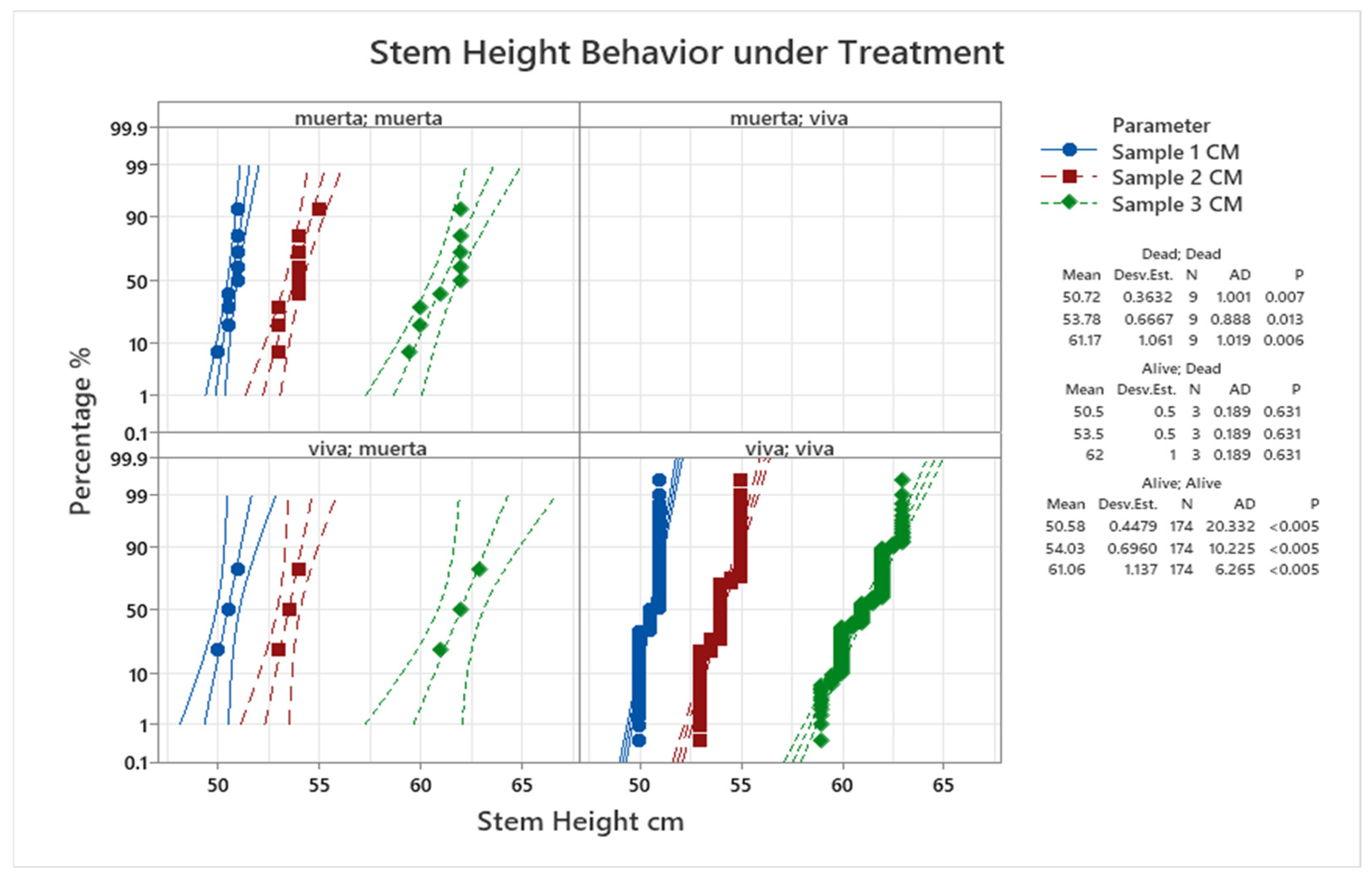
p < 0.005). Treatment M3 stands out by achieving the greatest increase in plant height, with an increment of +10.5 cm compared to M1. This result is supported by narrow confidence intervals, which confirm the precision and reliability of the estimated effect. In
Figure 3 and
Figure 4, the behavior of the data is observed by comparing the development of the plants in height and mortality levels after receiving the treatment.
4.3. SPRINT 3—Fermentation Monitoring: Temperature and Bean Quality
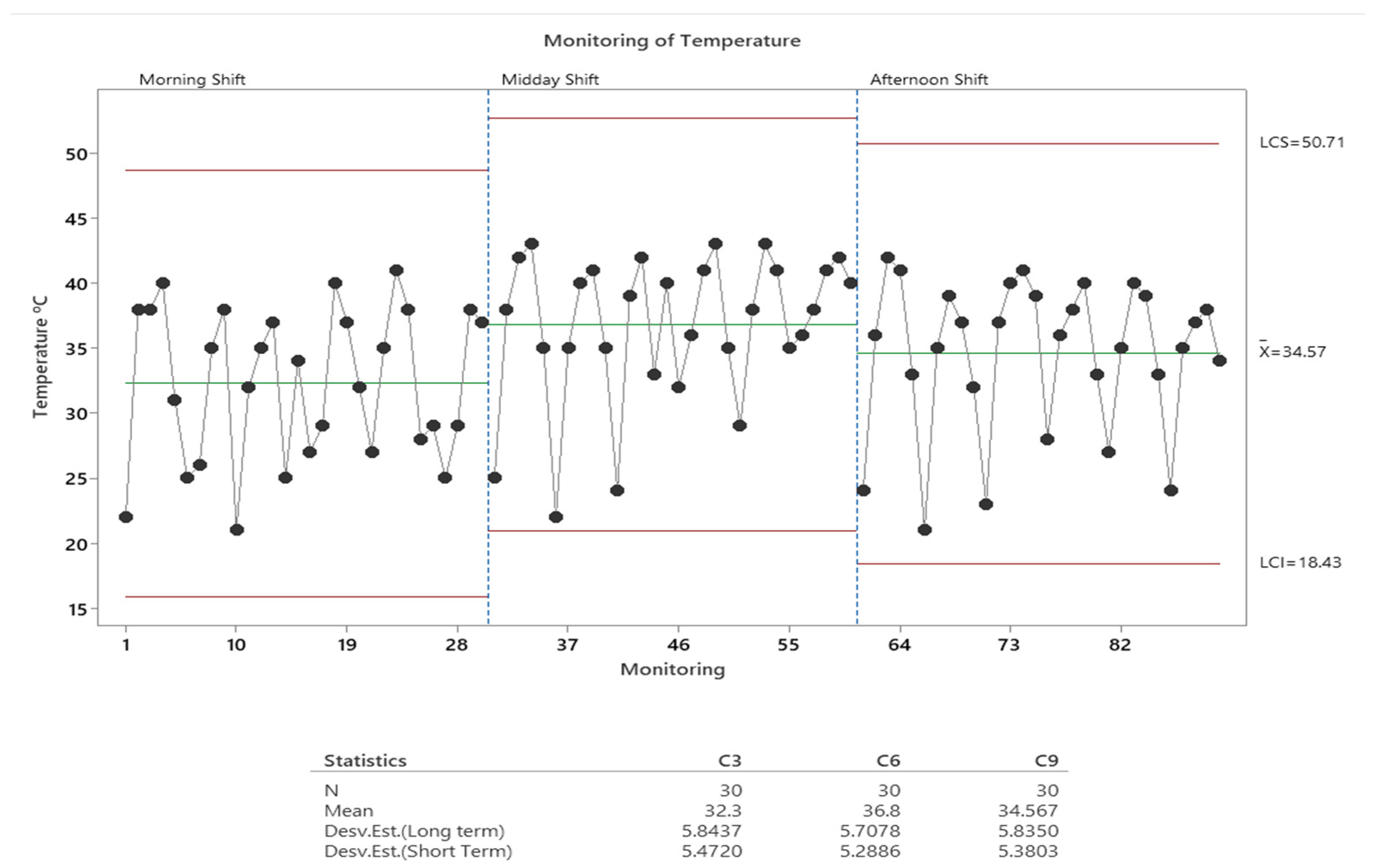
In this Sprint, Hypothesis 3 is addressed. Cocoa fermentation is a critical process for determining the final quality of the beans, in which temperature acts as a key indicator of microbial activity and the development of color and commercial quality. Therefore, continuous temperature monitoring was conducted throughout the day to control its variation and ensure optimal fermentation conditions. In this sprint, Statistical Process Control (SPC) was applied using a control chart for means, based on temperature measurements taken during three daily periods (morning, midday, and afternoon). This approach enabled systematic evaluation of process stability and timely adjustments to optimize fermentation performance.
The chart presents 90 observations distributed evenly across shifts (30 per shift), with a process mean of 34.57 °C and control limits of 18.43 °C (LCL) and 50.71 °C (UCL). None of the measurements exceed these limits, confirming that the fermentation process remains under statistical control and enabling a detailed and reliable shift-based analysis. This graphical behavior is evidenced in
Figure 5.
In the attached
Table 2, the temperature measurements carried out in this test can be observed, considering the time, temperature, standard deviation, and sample size expressed in cocoa beans.
Based on the observed data, the midday shift exhibits the highest mean temperature (36.8 °C), indicating an intensification of the fermentation process during this period. This behavior can be attributed to:
- (1)
An increase in solar radiation and ambient temperature.
- (2)
Higher microbial activity, particularly of yeasts and lactic acid bacteria.
4.4. SPRINT 4—Cadmium Reduction Through Agricultural Prototypes and Experimental Treatments
In this Sprint, Hypothesis 4 is addressed. For the development of this Sprint, six different treatments were designed for the crop, considering two distinct bio-organic microorganisms as well as different combinations to validate cocoa’s response to the applied treatments. The products used were MycoUp and MBB (Microbial Bind Bang) (Coterva, Indianapolis, IN, USA), both of which are applied to enhance nutrient absorption in plants and reduce contaminants, in this case cadmium.
MycoUp is a bio-input based on arbuscular mycorrhizal fungi that immobilize heavy metals such as cadmium in the soil, resulting in reduced uptake by the plant. In contrast, MBB is a microbial consortium composed of beneficial bacteria that act at the rhizospheric level by modifying the bioavailability of metals.
To determine the most effective outcome, six treatments were implemented. In some treatments, the products were applied separately, while in others they were combined in different proportions. This approach ultimately allowed the identification of the best performance in treatment T6.
During this Sprint, cocoa pods were collected at different developmental stages to evaluate the progressive effectiveness of bio-organic microorganisms in reducing cadmium levels in dried cocoa beans. The samples were analyzed in a certified laboratory, quantifying cadmium concentration (mg/kg) for each treatment and validating the applied combinations and dosages, with the objective of complying with the limits established by international European Union regulations.
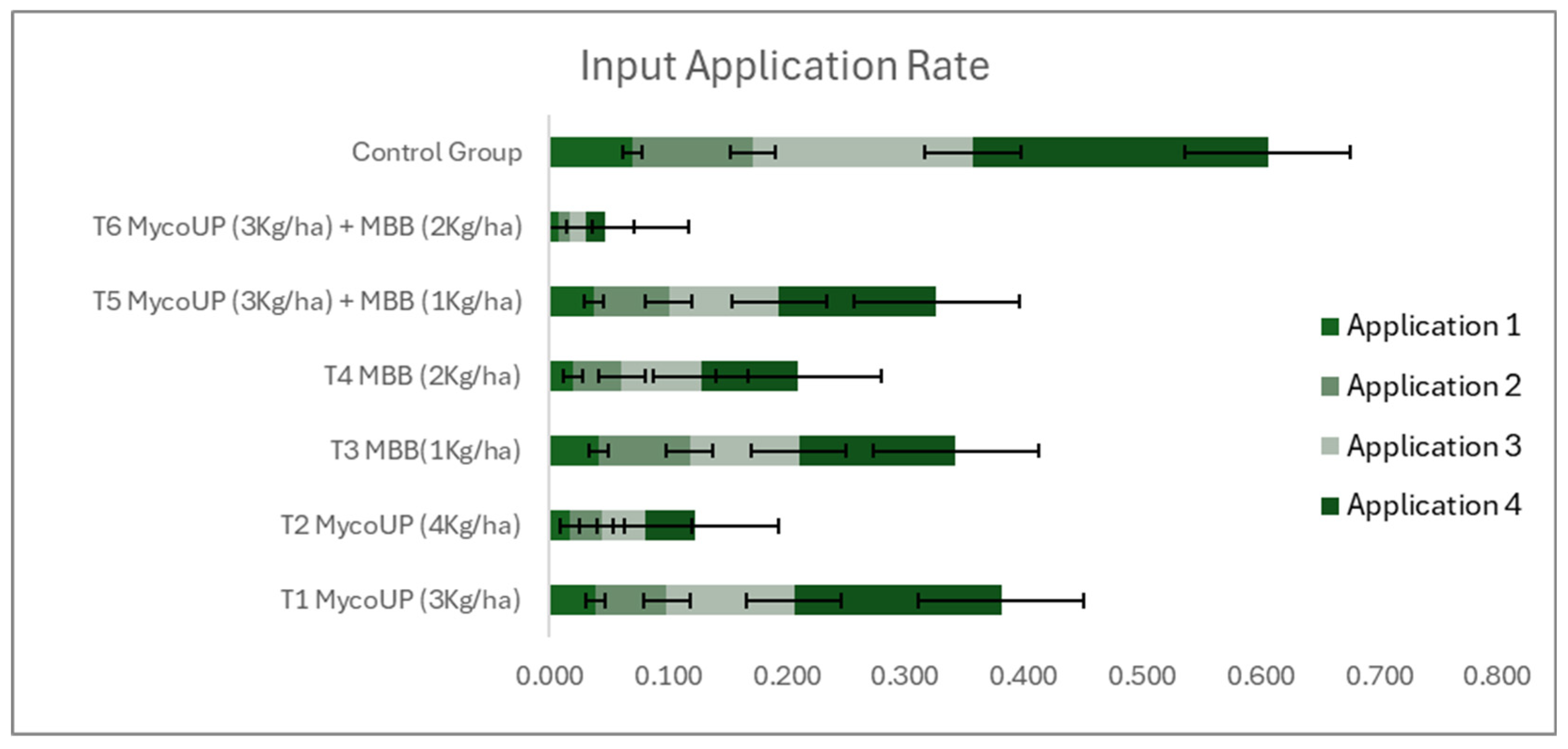
The results show that treatment T6 (MycoUP 3 kg/ha + MBB 2 kg/ha) is the most effective in reducing cadmium concentration in cocoa beans, reaching 0.039 mg/kg in the final measurement and an average value of 0.050 mg/kg, which falls within the threshold permitted for international commercialization. In addition, this treatment exhibits low variability and high stability across measurements. In contrast, the control treatment presents elevated cadmium concentrations, indicating a high commercial risk. This can be observed in
Figure 6.
Bio-organic combinations, particularly treatments T5 and T6, demonstrate superior performance compared to individually applied products, while single treatments or lower doses result in limited reductions and higher variability. Statistical analysis confirms the consistency and reliability of the results, validating a clear cause–effect relationship between the applied treatments and cadmium reduction.
Based on linear regression analysis of the sample, it can be established that higher doses or combinations of microorganisms lead to greater control and more effective reductions in cadmium levels in cocoa cultivation. Furthermore, a direct relationship is observed between the type of treatment applied and the level of cadmium absorbed by the cocoa bean, providing strong scientific support for the proposed research hypothesis.
5. Discussion
The application of the SCRUM agile framework in the cocoa production chain has proven to be an innovative methodological strategy to iteratively, systematically, and evidence-based manage productive and quality variables such as vegetative growth, controlled fermentation, and the presence of heavy metals. These aspects are critical for the commercial competitiveness of fine-flavor cocoa in international markets.
This approach made it possible to link the objectives of each Sprint with quantitative analyses and continuous adjustments, facilitating timely decision-making during each experimental phase. In order to interpret the results obtained, the discussion is organized around the main topics analyzed during the different work cycles, linking the experimental findings with the hypotheses proposed in the study.
5.1. Vegetative Growth and Mortality (Sprints 1 and 2)
The results obtained during Sprints 1 and 2 provide evidence that partially supports Hypothesis 1, which proposed that bioorganic fertilization treatments significantly increase the vegetative growth of cocoa plants compared to untreated plants.
In Sprint 1, the results showed that bioorganic treatments significantly increased stem diameter in surviving plants, suggesting a favorable physiological response associated with greater nutrient availability and microbiological activity in the soil. This finding is consistent with research reporting positive effects of microbial inoculations and biofertilizers on vegetative growth in cocoa and other tropical crops, where these inputs improve plant nutrition and biomass development [
16].
Similarly, Sprint 2 confirmed significant increases in plant height among living plants, with greater growth observed in certain bioorganic treatments. These results reinforce evidence that microbial bioinputs can enhance plant development and promote biomass accumulation in young cocoa plants.
However, regarding Hypothesis 2, which proposed that bioorganic treatments would improve the early survival rate of plants, the results showed that mortality was not significantly reduced compared to the control group. This finding suggests that the early survival of cocoa plants does not depend exclusively on biofertilization, but also on abiotic factors such as water availability, temperature, and soil conditions. This observation is consistent with agronomic literature, which indicates that the initial establishment of crops is usually conditioned by multiple environmental variables that may limit the effect of biofertilizers.
In this context, the methodological articulation through SCRUM allowed growth and mortality variables to be analyzed separately, avoiding the extrapolation of positive vegetative growth effects to mortality reduction without sufficient empirical evidence, and highlighting the need to integrate complementary approaches to improve plant survival.
5.2. Thermal Control and Fermentation Quality (Sprint 3)
Sprint 3 focused on the analysis of the fermentation process and bean quality, providing evidence that supports Hypothesis 3, which proposed that continuous monitoring of fermentation temperature contributes to maintaining stable thermal conditions during the process.
The results showed that systematic thermal monitoring, implemented through statistical process control tools, made it possible to keep fermentation within acceptable limits, contributing to the stabilization of a key process affecting the physical and sensory quality of cocoa.
Temperature control during fermentation directly influences the biochemical transformations occurring within the bean, including the retention of bioactive compounds and the formation of aroma and flavor precursors. Similar results have recently been reported in scientific literature on cocoa fermentation, where different temperature regimes influence the final chemical profiles of the beans [
16].
These findings demonstrate that when the fermentation process is structured through clear objectives and frequent measurements, it can be managed more precisely, reducing the inherent variability of the process and contributing to compliance with international quality standards for cocoa.
5.3. Cadmium Reduction and Commercial Sustainability (Sprint 4)
Sprint 4 focused on one of the most relevant challenges for the international commercialization of cocoa: the reduction in cadmium concentration in cocoa beans.
The results obtained provide evidence that supports Hypothesis 4, which proposed that combined bioorganic microbial treatments can significantly reduce cadmium concentration compared to individual treatments or the control group.
The comparative evaluation of the treatments showed that the bioorganic combination T6 (MycoUP 3 kg/ha + MBB 2 kg/ha) reduced cadmium concentration to levels compatible with international regulatory limits, reflecting a quantifiable and consistent impact of the applied interventions.
This result is consistent with recent studies that have explored strategies of bioremediation and cadmium immobilization in agricultural soils through tolerant microorganisms, demonstrating that biological approaches can reduce the bioavailability of heavy metals in productive systems [
17].
Likewise, studies conducted in cocoa systems have identified interaction mechanisms between mycorrhizae and cadmium, suggesting that mycorrhizal symbiosis may help reduce the transfer of this metal to the aerial parts of the plant, supporting the field results observed in this study [
18].
These results are highly relevant in practical terms, as compliance with cadmium limits established by international regulations represents one of the main challenges for cocoa-producing countries in Latin America.
5.4. Methodological Contribution and Relevance for Sustainable Agriculture
Finally, the results obtained in this study also allow for discussion of Hypothesis 5, which proposed that the implementation of an agile management framework based on SCRUM facilitated the structured organization and iterative evaluation of agronomic experiments.
The integration of SCRUM in this research made it possible to structure complex problems into short work cycles with clearly defined objectives and quantifiable measurements. This approach promoted the progressive accumulation of scientific evidence, the continuous adjustment of experimental strategies, and greater efficiency in the analysis of results.
In this sense, the use of agile methodologies in agronomic research not only contributes to improving the organization of the experimental process but also generates a continuous learning cycle, facilitating data-driven decision-making and the replicability of the model in other agricultural production chains facing similar challenges.
5.5. Limitations Identified
On the other hand, this research presents certain limitations inherent to its development under real field conditions. Environmental variability typical of crop systems, differences in soil characteristics between plots, and uncontrollable climatic factors may influence experimental homogeneity. Likewise, the application of the SCRUM framework was carried out within a specific geographic and productive context, which limits the immediate generalization of the results to other regions or agricultural systems.
Furthermore, the adaptation of an agile framework to a biological system dependent on natural cycles required methodological adjustments that may have differed from its traditional application and from its implementation in other crops. Finally, cadmium mitigation is a progressive process that may require additional longitudinal evaluations to confirm the long-term sustainability of the results.
6. Conclusions
6.1. Methodological Approach and Experimental Organization
The results of the research allow the research question related to the role of agile management frameworks in agronomic experimentation to be addressed. In this regard, Hypothesis 5, which proposed that the implementation of an agile management framework based on SCRUM facilitates the structured organization and iterative evaluation of agronomic experiments, was confirmed.
The application of the SCRUM framework proved to be an effective methodology for experimental management in complex agricultural systems, as it enabled iterative planning, systematic control of measurable variables, and evidence-based decision-making. Its implementation facilitated the structured integration of agronomic, physiological, and quality variables, providing an innovative methodological approach that is potentially replicable for applied research within the cocoa production chain.
6.2. Vegetative Growth of Cocoa
The results obtained allow the research question related to the effect of bioorganic treatments on the vegetative growth of the crop to be addressed. In this sense, the results confirm Hypothesis 1, which stated that bioorganic treatments significantly increase the vegetative growth of cocoa plants compared to untreated plants.
The evaluated bioorganic treatments exerted a positive and statistically significant effect on cocoa vegetative growth, reflected in the increase in stem diameter and plant height of surviving plants. These results confirm a favorable physiological response of the crop to the application of bioorganic inputs, associated with increased biomass accumulation and the strengthening of the initial establishment of the plants.
6.3. Early Mortality and Crop Establishment
Regarding the research question related to early crop survival, the results allow the evaluation of Hypothesis 2, which proposed that bioorganic treatments would improve the survival rate of cocoa plants.
The results obtained indicate significant differences in early plant mortality compared to the control treatment; however, the initial survival of cocoa plants is mainly conditioned by edaphoclimatic factors and agronomic management practices beyond bioorganic fertilization. This finding indicates that although bioinputs favor vegetative growth, their effect on early crop survival may be limited if adequate management and plant monitoring are not achieved. Therefore, it is important to define structured working frameworks that increase the value of knowledge among farmers. This perspective is supported by Hypothesis 5.
6.4. Fermentation Control and Bean Quality
The results related to the fermentation process allow the research question linked to the thermal monitoring of the post-harvest process to be addressed. In this regard, the findings support Hypothesis 3, which proposed that continuous monitoring of fermentation temperature contributes to maintaining stable thermal conditions during the process.
The implemented thermal monitoring system allowed the fermentation process to remain under statistical process control, directly contributing to the stability of a key process affecting the physical and sensory quality of the beans. This control favors the appropriate biochemical transformation of cocoa during fermentation and contributes to preserving the organoleptic characteristics that determine the commercial value of the product.
6.5. Cadmium Reduction and Productive Sustainability
The results obtained allow the research question related to the effectiveness of bioorganic treatments in reducing cadmium in cocoa beans to be addressed. In this regard, the findings confirm Hypothesis 4, which proposed that combinations of bioorganic treatments significantly reduce cadmium concentration compared to individual treatments or the absence of treatment.
The combinations of bioorganic treatments proved to be significantly more effective than individual applications or the control group in reducing cadmium levels in cocoa beans. In particular, treatment T6 (MycoUP 3 kg ha−1 + MBB 2 kg ha−1) reduced cadmium concentrations to levels compatible with international regulations, showing low variability and high stability in the results.
These findings confirm the importance of implementing integrated bioorganic strategies to reduce the commercial risk associated with the presence of heavy metals in cocoa, contributing to improved productive sustainability and competitiveness of the crop in international markets.
6.6. Future Research Directions
Based on the results obtained, several opportunities for future research have been identified. First, deepening the microbiological analysis of the applied microbial consortia is proposed, evaluating the interactions among microorganisms, the mechanisms of heavy metal immobilization in the rhizosphere, and the dynamics of cadmium bioavailability reduction in soil under different edaphoclimatic conditions more precisely.
This approach would strengthen the scientific understanding of agricultural bioremediation processes and allow the modeling of potential synergies between bioinputs and environmental variables. Likewise, it would be relevant to extend the application of the methodological model to other crops facing similar challenges associated with heavy metal accumulation, such as coffee, rice, and quinoa in order to evaluate the transferability and adaptability of the agile framework in different productive systems.
Additionally, future research could incorporate a socioeconomic analysis aimed at evaluating the impact of the model on improving farmers’ income, access to markets with strict regulations, and the sustainability of productive systems. In this context, it would also be pertinent to analyze how the implementation of agile approaches may contribute to strengthening a more structured agricultural organizational culture, promoting evidence-based decision-making, collaborative work, and the empowerment of farmers within the production chain.