Review

Synergizing Lean Healthcare and Industry 4.0 Technologies for Sustainable Healthcare Transformation: A Literature Review


1
Faculty of Sciences and Technologies, Sidi Mohamed Ben Abdellah University, Route d’Imouzzer, Fez B.P. Box 2202, Morocco
2
LMAIED Laboratory, National School of Mines of Rabat, Agdal, Rabat B.P. Box 753, Morocco
*
Author to whom correspondence should be addressed.
Sustainability 2026, 18(5), 2650; https://doi.org/10.3390/su18052650
Submission received: 8 February 2026 / Revised: 1 March 2026 / Accepted: 3 March 2026 / Published: 9 March 2026

Abstract

Due to the significant challenges faced by healthcare systems, medical establishments strive to set the tone by integrating new concepts to bridge this gap. Here, Lean Healthcare (LH) has been inspired by Lean Management (LM). Utilizing LM to optimize industrial processes and reduce waste presented a real opportunity to enhance the quality of medical services. For more improvement, healthcare systems pushed themselves to keep up with progress by implementing Industry 4.0 (I4.0) tools, such as IoT, Big Data analytics, and AI with LH and sustainability practices. The results promised better quality of care. Although this concept offers significant potential for more efficient workflows and optimizing medical processes, studies examining their combined implementation are still scarce. This research fills the gap via a literature review (LR) of peer-reviewed articles published between 2015 and 2025. The review investigates the impact of integrating smart technologies into LH frameworks and highlights how LH contributes to sustainability across multiple dimensions: economic, social, technological and environmental. Key findings show the impact of combining advanced tools with lean principles by reducing waiting times (25%) and length of stay while also improving satisfaction. Sustainability-centered adaptations of LH incorporate social and environmental comparative parameters such as resource consumption, for instance, reducing operational costs by up to 30–40%. Many challenges were faced with this implementation, such as cultural, technical challenges (e.g., complexity of integration with digital systems), and sustainability barriers. However, to overcome these barriers, this paper proposes a holistic implementation that aligns lean processes with organizational change and sustainability goals.

1. Introduction

Lean Healthcare (LH), inspired by Lean Management (LM), aims to apply the same principles in manufacturing and industries, achieving high performance and delivering higher and faster value to patients [1,2]. As we know, LM is a philosophy aimed at optimizing industrial processes and reducing waste [3]. Originally, LM was developed in response to the emergence of Taylorism and Fordism [4]. Frederick Taylor and Henry Ford developed these two concepts, which divide work into simple, repetitive tasks to enable fast, standardized mass production. However, Toyota was the first company to improve this aspect with the Toyota Production System (TPS) [4,5]. Here, Kiichiro and Taiichi Ohno developed the principles of LM, integrating tools such as Just-In-Time (JIT), which aligns production; Value Stream Mapping (VSM), which is a management tool used to visualize flows and highlight tasks; and kaizen, the key enabler of LM, ensuring the continuous improvement of every activity [4,6]. After that, Motorola also developed Lean Six Sigma to combine operational and analytical efficiency. Today, the integration of Industry 4.0 (I4.0) tools includes digital technologies such as the Internet of Things (IoT), Artificial Intelligence (AI), Big Data analytics, and automation systems. For example, IoT sensors are dedicated to tracking equipment, material, and medical staff in real time. In the same way, AI analyzes the data received to improve efficiency. Thus, with this digital integration, LM has been transformed into a smart lean for better issue anticipation [7].
In addition, from Industry 3.0 to 4.0, we are facing a transition driven by technological advancements that leverage human creativity and capacities in collaboration with intelligent decision making [8]. Whereas Industry 3.0 emphasized optimization and automation, Industry 4.0 focuses on sustainable, smart, and connected human-centric systems that integrate intelligent, smart, and strengths-based processes [9]. In healthcare, we face the same evolution that drives systems to integrate multiple digital and management tools to optimize medical processes and minimize waste. I4.0 is also a revolution related to Industry 3.0, which proposed a new framework in response to the onset of globalization and the emergence of the information economy. I4.0 focused on automation, IoT, and Cyber–Physical systems, and, globally, on smart factories [8]. This concentration allows this type of industry to optimize resources, maximize efficiency, and increase productivity. These objectives facilitate the minimization of human error and the optimization of the supply chain; however, human presence and intervention are obligatory in every industrial process, meaning the process depends on human agency. Thus, I4.0 must develop its fields to reduce excessive dependency on manual tasks and protect the qualification capacity and deskilling of many industrial tasks [10].
LH has the same objective as LM but in the medical domain, improving the quality of healthcare services and putting the patient at the center of interest [11]. This need is facing several challenges: higher cost, longer waiting times, and increased patient complexity. Traditional LH is a clear implementation of LM tools, such as 5S (Visual Management), VSM, JIT, and kaizen [12]. This implementation is related to the emergence of a systematic approach, without any change in infrastructure, that achieves essential objectives and maintains the primary goal of quality of care. However, despite these benefits, LH faces several limitations, especially related to process complexity, a lack of real-time data management, and managing variability in patient and personnel flows, particularly in critical clinical processes [13]. To address these challenges, LH has emerged as a leader in I4.0 technologies, including IoT, AI, Big Data analytics, and cloud computing. These advanced technologies have strengthened medical systems and helped LH practices to be more productive [14,15]. For example, IoT-based Radio Frequency Identification (RFID) systems allow hospitals to track medical staff and equipment in real time. When equipment is used, the system automatically updates its availability and location, aiming at reducing the time wasted searching for it. Figure 1 summarizes this progressive integration of LM principles into healthcare systems. Starting with the emergence of TPS in the industrial field and arriving in 2002, when LH was inspired by LM, we began implementing lean practices until the emergence of some medical digital tools between 2005 and 2020. During this period, LH entered a new phase, forcing the medical systems to align with digital transformation. Thus, Smart LH has been officially presented as an innovative paradigm that addresses major challenges in healthcare gaps.
To position our present study within the existing LH literature, Table 1 summarizes the main LRs published in this context. As shown in Table 1, prior reviews highlight LH outcomes related to patient flow improvement and the implementation of medical strategies. However, limited analysis has been dedicated to LH integrated with I4.0 (LH–I4.0) and sustainability dimensions.
To establish a solid structure for higher-performing sustainable healthcare systems, a solid comprehensive analysis is needed to clarify this synergy. As confirmed in the literature, LH enhances medical processes and care quality but not for a long delay. Thus, the impact of LH depends on the support of digital tools, which play a pivotal role in reinforcing lean principles. However, despite the growing need for analytical, empirical, and comparative studies on smart LH (LH4.0), the literature is fragmented with minimal LH–I4.0 interaction analysis and little understanding of how this combination contributes to sustainability outcomes, which are understood in organizational and operational terms. In this context, digital tools refer to technologies such as real-time dashboards and IoT-based tracking systems. For example, digital dashboards enable medical staff to monitor patient and personal flow, identify resource needs, and optimize processes more quickly. To address these gaps, our research should answer the following questions:
RQ1: 
How can LH be impacted and influenced by these smart technologies, helping the medical sector reduce the quality and efficiency gap and enhancing healthcare sustainability?
RQ2: 
What are the main human-related and organizational barriers to LH–I4.0 implementation, and what roadmap can structure an effective implementation?
Answering these questions requires a holistic approach that combines digital transformation, effective management, and sustainability. The remainder of the paper is organized as follows. Section 2 describes the LR protocol. Section 3 presents descriptive statistics of the selected studies and highlights the main integration mechanisms between LH–I4.0 and discusses their sustainability implications. Section 4 synthesizes theoretical and managerial implications. Section 5 provides concluding remarks and outlines potential directions for future work.

2. Materials and Methods

This LR analyzes existing studies on the integration of LH tools and I4.0 technologies to advance economic, social, technological, and environmental sustainability in healthcare, adopting a descriptive approach. This methodology is guided by a clear search strategy, a descriptive analysis framework to ensure clarity and coherence in the analysis, and clearly defined criteria.

2.1. Search Strategy

2.1.1. Step 1: Relevant Studies Identification

This review examines papers that focus on the combined use of LH approaches and I4.0 technologies in achieving sustainable transformation of the healthcare system. For the purpose of this review, only peer-reviewed journal articles written in English were considered. As the integration of smart technologies with lean practices is an emerging research area, this review focuses on articles published between 2015 and 2025 to capture recent developments.

2.1.2. Step 2: Paper Collection

The LR was guided by a general-to-specific keyword strategy based on the research objectives. The search initially focused on LH and its combination with digital technologies and was refined to identify the contributions of studies addressing advanced healthcare applications and sustainability outcomes. Therefore, our research strategy was implemented in three steps. First, we used general terms related to the LH process improvement and its impact in the medical fields. Second, we searched for smart and advanced technologies focused on smart lean practices. Third, we used the sustainability-oriented terms to align technological, social, economic, and environmental performance dimensions. Those three groups were identified and combined using Boolean operators “OR” and “AND” to address their intersections, which resulted in the following three categories:
  • Category A: (“Lean Healthcare”, “Lean Management”, “Lean Thinking”, “Lean Six Sigma”, “Hospitals”, “Medical Field”, “Waste Reduction”, “Waiting Time”, “Process Optimization”, “Value Stream Mapping”, “VSM”, “Just-In-Time”, “JIT”, “Continuous Improvement”, “Kanban”, “5S”, “Patient Flow”, “Patient Safety”, “Error Reduction”, “Process Performance”, “Service Quality”, “Cost Reduction”, “Patient-Centered Care”);
  • Category B: (“Industry 4.0”, “Healthcare 4.0”, “Smart Lean”, “Smart Healthcare”, “Digital Health”, “Smart Hospitals”, “IoT”, “Internet of Things”, “AI”, “Artificial Intelligence”, “Advanced technologies”, “Digital Tools”, “Intelligent Systems”, “Automation”, “Big Data”, “Digitalization”, “Decision-making”);
  • Category C: (“Sustainable Healthcare”, “Sustainability”, “Technological Performance”, “Environmental Performance”, “Social Performance”, “Resource Optimization”, “Sustainable”, “Green Healthcare”, “Social”, “Economic”, “Technological”, “Patient Satisfaction”).

2.1.3. Step 3: Source Selection

The articles were collected from Scopus, Web of Science, and IEEE databases, which are widely recognized for their extensive coverage of peer-reviewed journals in healthcare management and digital sustainability transformation. Additionally, these databases offer access to major international publishers, including Elsevier, Springer, ScienceDirect, and Emerald Insights.

2.1.4. Step 4: Paper Processing

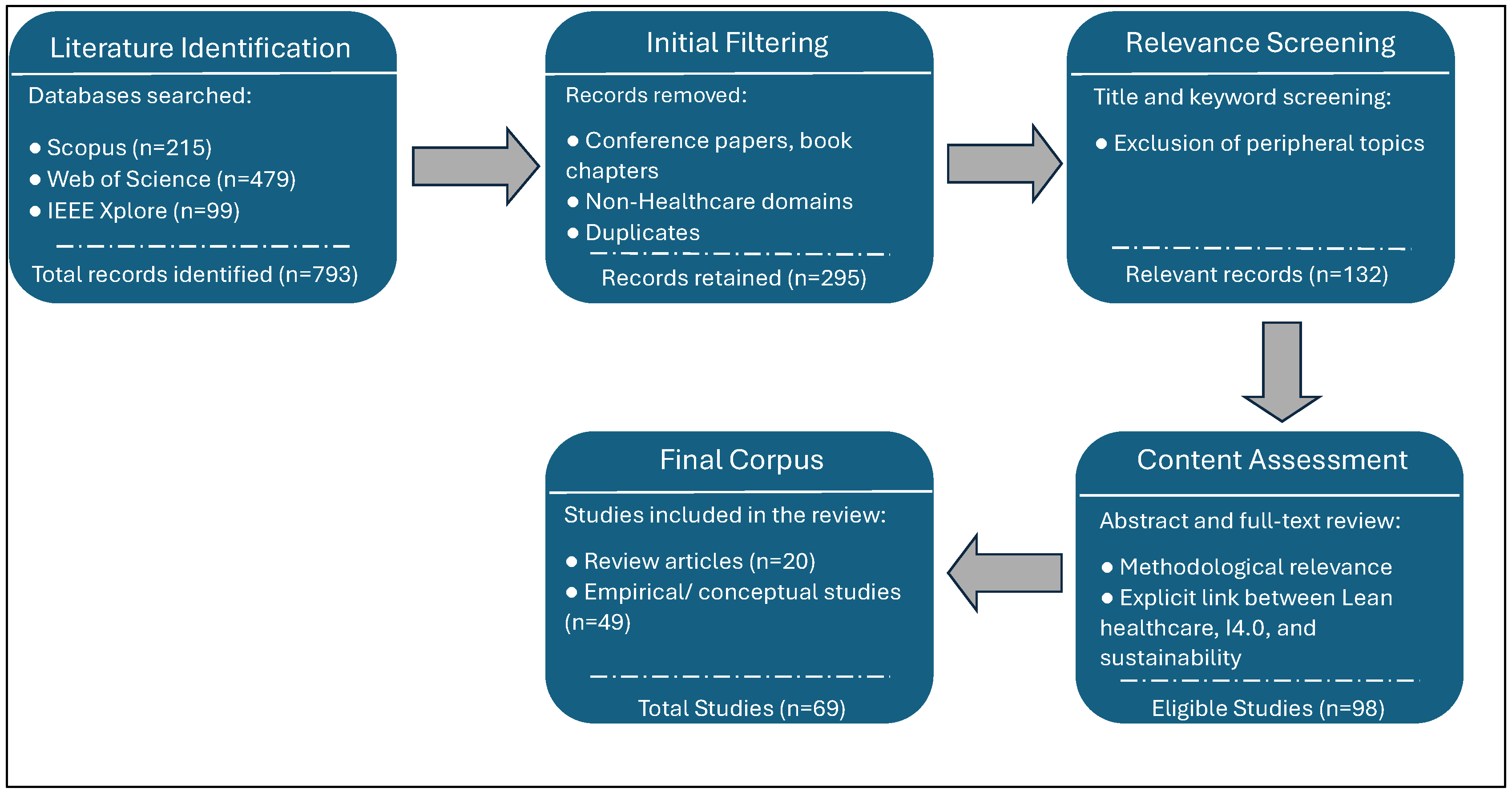
A screening process was applied to refine the retrieved literature to ensure methodological clarity. First, we excluded publications not classified as journal articles, including proceedings, book chapters, and editorials. Additionally, papers unrelated to healthcare studies or management were removed. Also, all duplicated records were discarded. This preliminary filtering reduced the number of publications to 546 peer-reviewed journal articles. The second step involves applying title and keyword filters to exclude studies and topics that are not related to LH or align with the primary objectives of this LR. This stage resulted in a reduction of 295 articles. Third, abstracts were analyzed to determine whether the full text was accessible, whether terminology related to healthcare, lean management, and sustainability was used accurately, and whether digital technologies were mentioned with substantive analysis. This step aims to retain only the papers that effectively answer our needs and research questions. Following this evaluation, a total of 69 relevant studies were selected based on the research objectives and served as the basis for the descriptive analysis in this LR.
Figure 2 presents a descriptive overview of the literature identification and selection process that has been adopted. Firstly, relevant studies were identified through searches in the Scopus (n = 215), Web of Science (n = 479), and IEEE (n = 99) databases. Following the filtering and relevance-screening steps based on predefined criteria, 20 review articles and 49 empirical or conceptual studies were retained. Therefore, a final corpus of 69 articles is considered as the basis of the descriptive analysis presented in this LR.

2.2. Descriptive Analysis

To further analyze and explore the chosen papers, a descriptive analysis was performed to combine qualitative indicators with quantitative categorization, providing an overview of how LH and I4.0 tools have been integrated to ensure sustainable healthcare performance. Specifically, the descriptive analysis was organized around the following dimensions:
  • Distribution of publications over time: This dimension enables us to examine the temporal evolution of research related to the integration of LH with I4.0 technologies and the interest in sustainable healthcare improvements.
  • Distribution of publications by journal: This dimension identifies the primary academic journals contributing to the field.
  • Distribution of publications by technologies deployed: The analysis of this dimension enables us to classify each I4.0 technology by its role in supporting LH philosophy and sustainability goals.
  • Distribution of publications by methodology: This dimension analyzes the methodological approaches used across the literature, including conceptual papers, qualitative investigations, and mixed methods approaches.
  • Keyword co-occurrence analysis: This dimension leads to illustrating the relationship between the keywords and concepts.
Therefore, the objective of this descriptive analysis is to map and define the structure of the research field by examining how LH principles and I4.0 technologies are combined to enhance sustainable healthcare performance. By exploring the previously defined analytical dimensions, this analysis helps us identify dominant trends and uncover gaps that suggest directions for future research.

3. Results

A total of 69 publications were included in the final corpus of this LR. These sources serve as the basis for our analysis, enabling us to explore how LH can be integrated with I4.0 technologies and how this combination can lead to a powerful and sustainable healthcare system. After completing the content analysis, a conceptual diagram was developed to highlight the interactions between LH and digital technologies, showing the impact on operational efficiency, quality of care, and sustainability outcomes.

3.1. Distribution of Publications

3.1.1. Distribution of Publications over Time

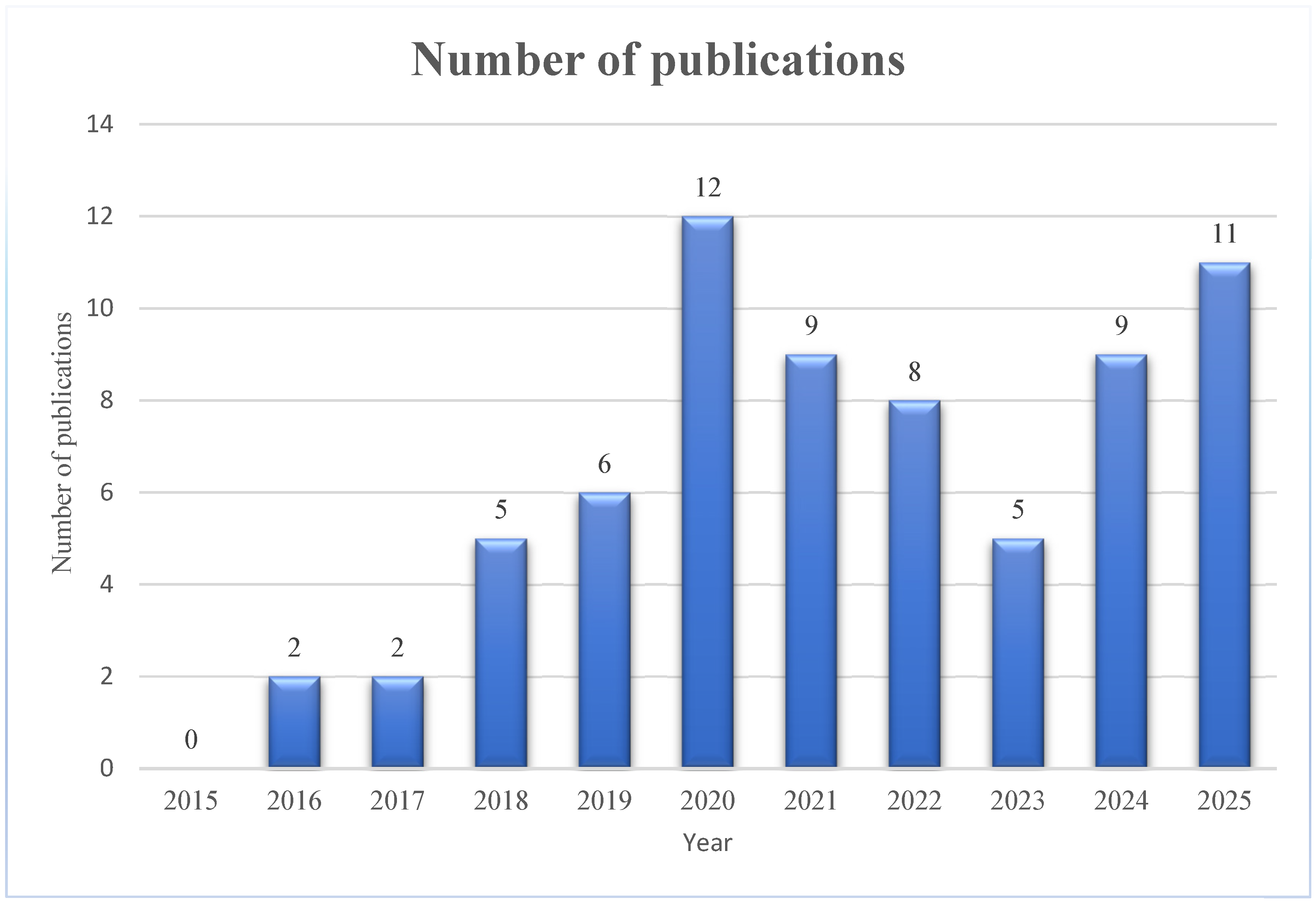
Figure 3 presents the temporal evolution of the selected publications related to LH between 2015 and 2025. During the early years (2015–2017), the number of publications was very limited, showing that LH research was still emerging at that time. A gradual increase is observed from 2018 to 2019, indicating the growing academic interest and attention to the adoption of lean principles in medical domains. A pronounced increase in publication activity was declared in 2020, reaching a first major peak (12 publications). This surge coincides with the global COVID-19 crisis. However, this observation should be interpreted with caution, as publication trends may be influenced by multiple factors, including funding availability, research priorities, and publication timelines. In the following years, 2021 and 2022, the focus on combining LH with smart technologies marks a phase of consolidation in lean frameworks through empirical case studies and practical implementations. Although a temporary decline is observed in 2023, the research rate increases in 2024 and 2025. This renewed growth may reflect an increase in integrating LH with digital health tools, advanced solutions, improved decision making, and I4.0 technologies. Therefore, these findings indicate a clear increase in attention of LH as a strategic approach for improving patient care and sustainability in healthcare systems. This growing corpus of research reflects the increasing maturity, relevance, and dynamism of this research. However, it is important to note that publication trends must be interpreted cautiously due to their influence by several external factors. Thus, this analysis is presented to provide general context regarding the evolution of the research rather than establishing direct causal relationships.

3.1.2. Distribution of Publications by Methodology

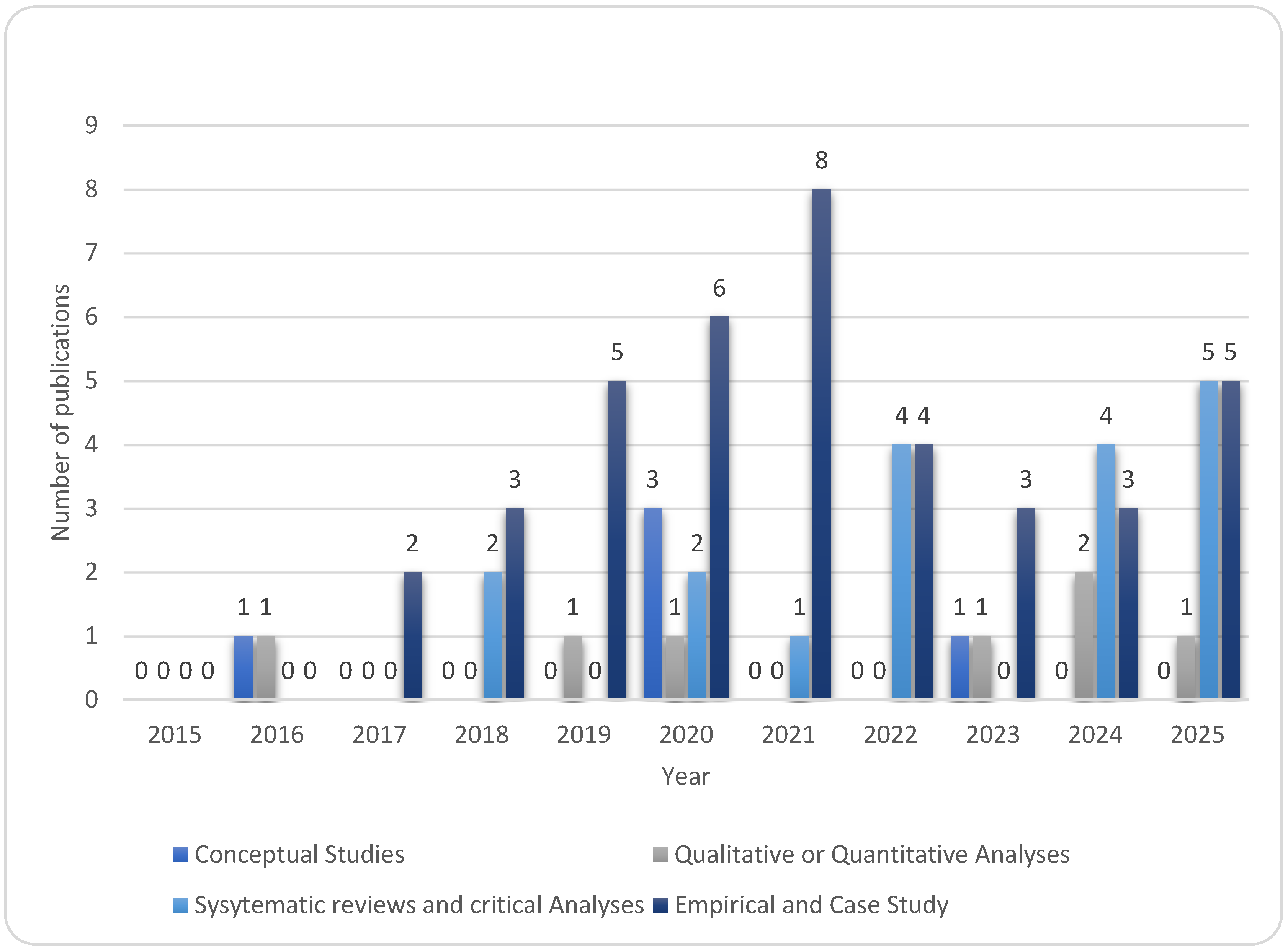
Figure 4 illustrates the distribution of the selected LH and sustainability publications by research methodology. We categorize them into four research types: conceptual studies, systematic reviews and critical analyses, qualitative or quantitative analyses, and empirical and case studies. This classification provides a clearer understanding of how LH has been examined from strategies adopted and practical analyses. The results indicate that empirical and case studies dominate our research approach. This dominance suggests that LH should be examined within a real healthcare environment to measure the performance improvements, examine and illustrate the proposed lean frameworks, tools, and models in healthcare settings, and demonstrate tangible outcomes related to efficiency, patient safety, and service quality. Systematic reviews and critical analyses represent the second most prevalent category. These contributions are important for structuring the field by organizing and synthesizing existing knowledge and examining the research. They focus on identifying key trends and challenges and mapping the current state of LH research. While the conceptual studies present a lower rate of publications, these are a meaningful part of the literature. These researchers aim to introduce new frameworks and models, providing foundational insights that guide future empirical research and addressing the complexity in healthcare processes. In contrast, qualitative and quantitative analytical studies constitute the least represented category. These investigations typically employ analytical methods to explore specific aspects of LH implementation and performance, notably healthcare sustainability improvement. Overall, methodological distribution structures the work and highlights the applied nature of LH research toward practical studies, which are supported by theoretical, critical, and analytical investigations. This balance underscores the increasing relevance of healthcare improvement initiatives focusing on a sustainable medical system.

3.1.3. Distribution of Publications by Journal

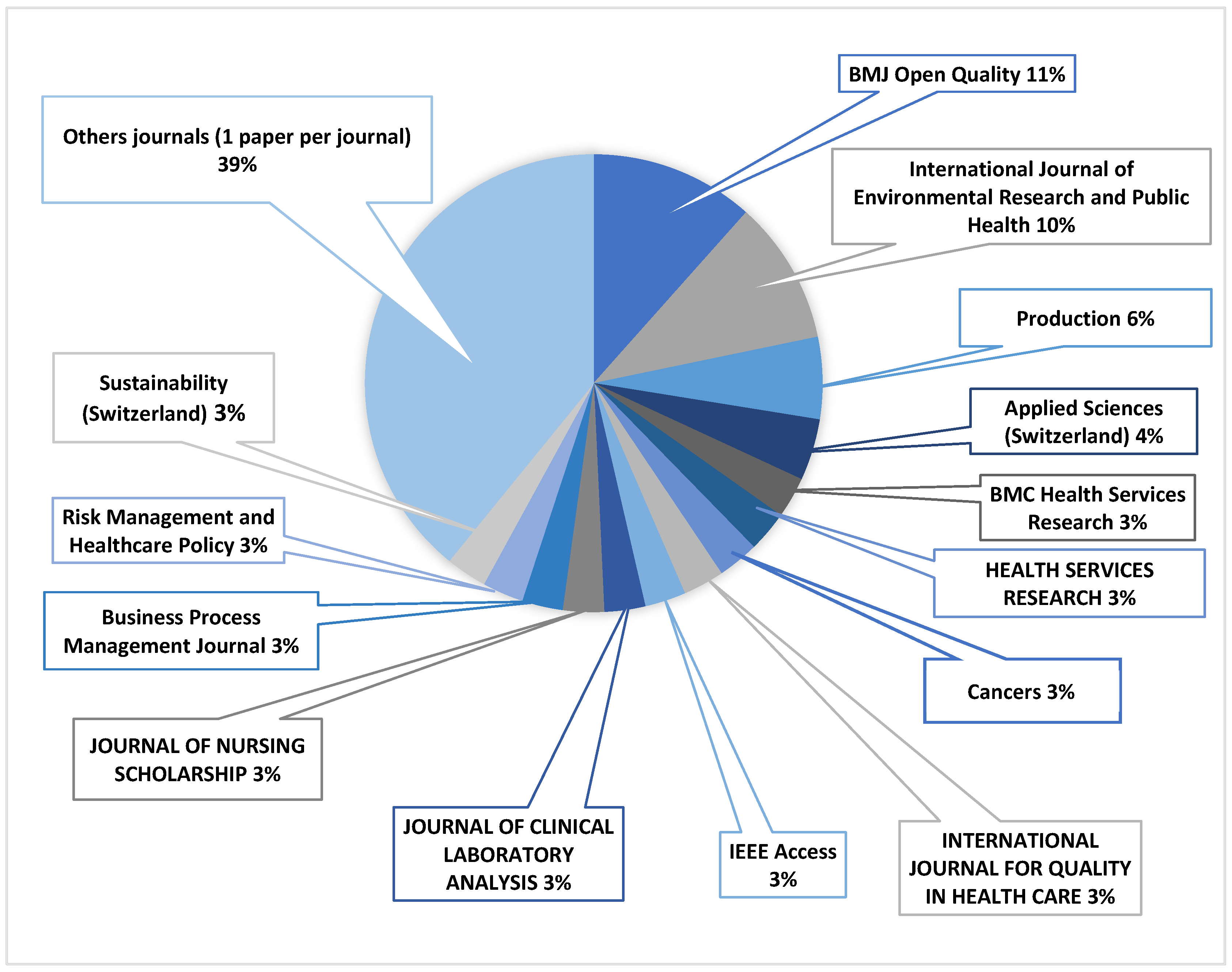
As illustrated in Figure 5, the distribution of the selected LH publications across academic journals is about 69 papers. The results show that the literature is spread across a broad spectrum of journals, reflecting LH’s positioning at the intersection of quality improvement and sustainability research. The analysis indicates that BMJ Open Quality represents the most frequent publication outlet, accounting for 11% of the selected studies, reflecting its strong alignment with lean-based healthcare quality interventions. The International Journal of Environmental Research and Public Health aligns with the first one with approximately 10% of its content highlighting the integration of LH with public health performance and sustainability considerations. Journals such as Production (6%) and Applied Sciences (4%) also contribute a notable share of publications, underscoring the role of engineering and applied sciences in LH research. Several additional journals, including BMC Health Services Research, Health Services Research, IEEE Access, Journal of Clinical Laboratory Analysis, and The International Journal for Quality in Health Care, support the dissemination of empirical and methodological studies in the literature. Beyond these core outlets, a substantial proportion of reviewed studies (39%) is distributed across many journals that publish only a single article. This distribution highlights the interdisciplinary nature of LH and I4.0 research. As a result, studies are published across a wide range of journals rather than being concentrated in a specialized field. This shows the complexity and multidisciplinary scope of the outlet, where major organizational innovations intersect with LH and sustainability goals.

3.1.4. Distribution of Publications by Technologies Deployed

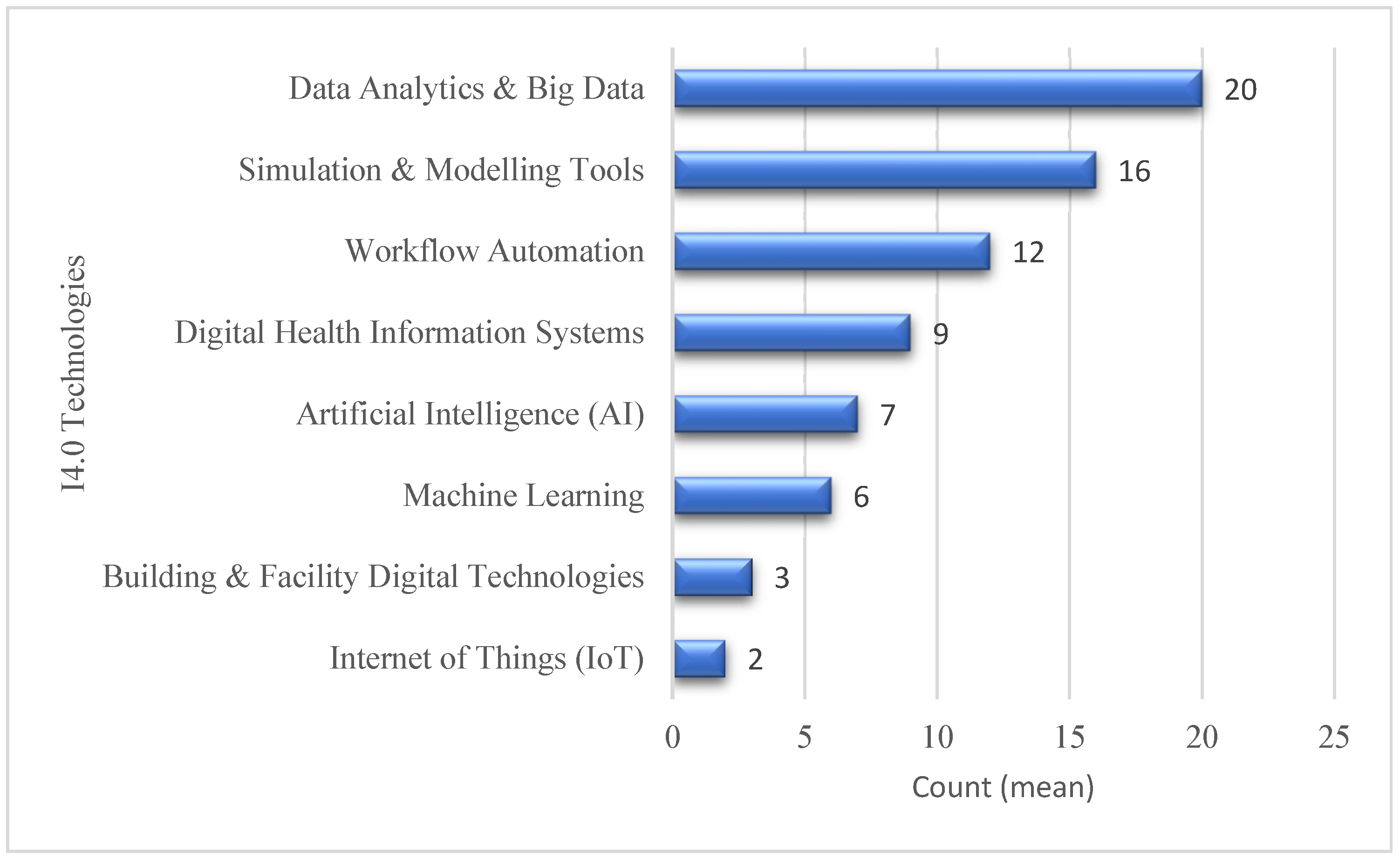
The bar chart in Figure 6 presents the frequency of different technologies referenced in the reviewed publications on LH and sustainability between 2015 and 2025. The results highlight notable variations in the focus on various digital technologies supporting LH. These I4.0 technologies enable the optimization of patient flow, improvement of care quality, the influence of sustainable healthcare systems, and the reduction in waste in LH processes. Data analytics and Big Data technologies emerge as the most frequently adopted category. This dominance underscores the central role of data-based approaches in LH, particularly in optimizing patient flow and resource allocation. However, this trend should also be interpreted in the context of funding priorities; the significant global investment in data analytics has likely contributed to increased research activity in these areas. Simulation and modeling tools represent the second most prominent category and are used to test interventions before implementation in real-world settings, thereby enabling more optimization in healthcare environments. Workflow automation and digital health information systems occupy a significant share of the technological landscape and are essential tools for reducing manual tasks, thereby supporting lean principles related to waste reduction. Artificial Intelligence and Machine Learning appear but with moderate frequency, indicating that their present adoption remains at an emerging stage in the literature. Thus, this distribution highlights the progressive integration of I4.0 technologies into LH processes to support a sustainable healthcare system.

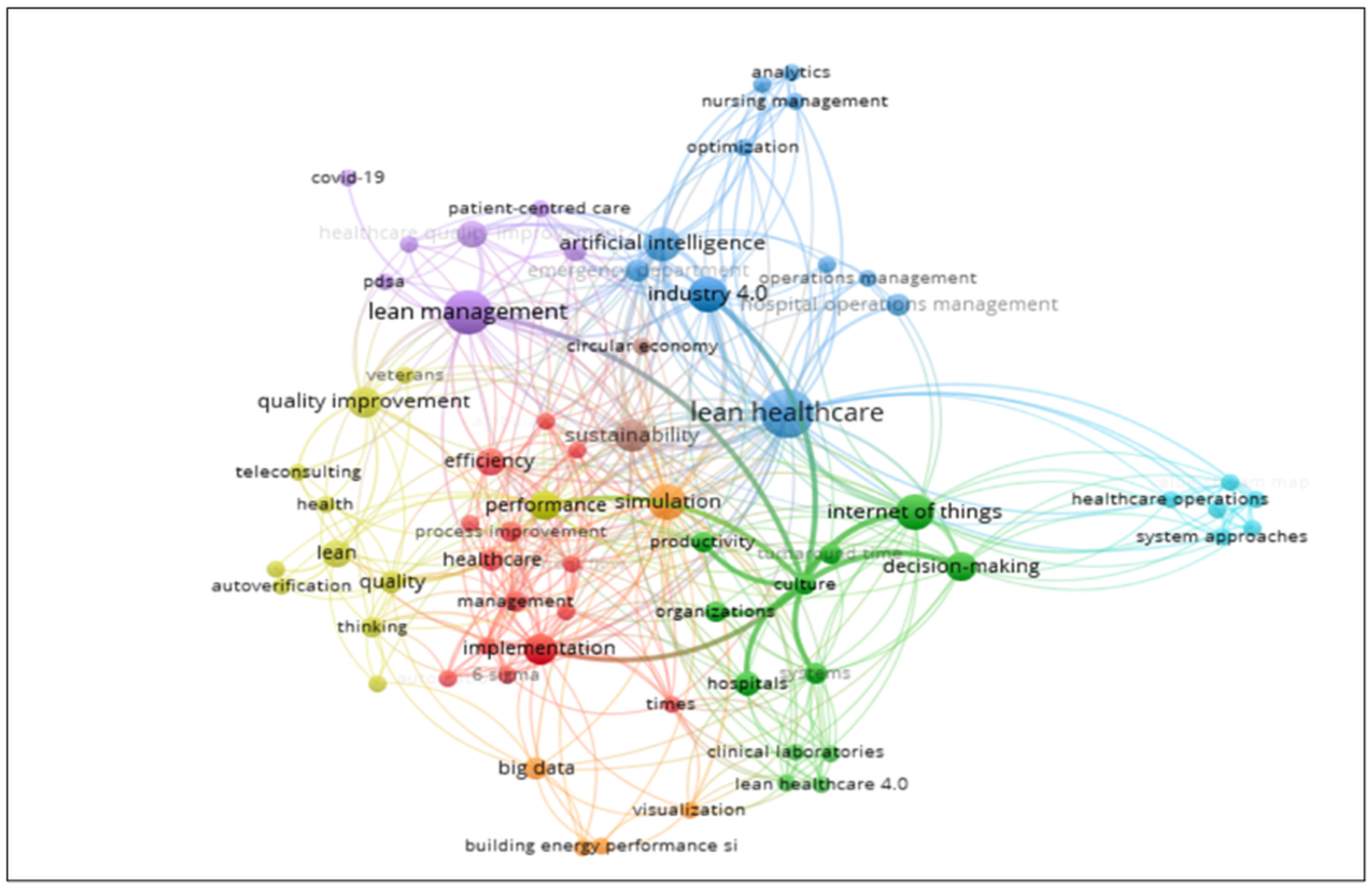
3.1.5. Distribution of Keywords Through Co-Occurrence Analysis

Figure 7 illustrates the keyword co-occurrence network based on the final set of selected articles included in this review, which was derived from the selected literature on LH and sustainability. The most frequently used keywords are displayed with larger font sizes, reflecting their prominence within the research field. The network reveals several interconnected clusters, each represented by a different color, enabling the highlighting of the main areas of the literature. Author keywords were extracted from the selected publications and analyzed using VOSviewer version 1.6.20 software. This tool was used to identify relationships between frequently occurring keywords and visualize thematic clusters related to LH.
The map provides an overview of the most frequently used keywords and shows how they are interconnected. Larger nodes represent keywords that appear more often in the publications, reflecting their relative importance in the literature. At the central position, we found LH strongly linked to several themes related to I4.0 technologies, efficiency, and sustainability. Keywords such as simulation, big data, artificial intelligence, automation, and the Internet of Things are closely related to lean concepts, supporting decision making and performance monitoring in healthcare settings. A further cluster is related to lean management and quality improvement practices with keywords such as quality improvement, process improvement, and implementation. This connection reflects the continued application of traditional lean principles aimed at reducing waste, improving workflows, increasing visual management, and enhancing service efficiency. In addition, sustainability-related terms such as circular economy and performance are linked to both LH and digital tools, suggesting that sustainability is viewed as an important outcome of lean initiatives rather than a goal to be reached.
Overall, the keyword co-occurrence analysis reveals an overview characterized by the combination of LH, advanced technologies, and sustainability outcomes. As a descriptive and narrative LR, this analysis points to a potential direction for future research, particularly in exploring how digital transformation and the integration of advanced tools can empower sustainable and efficient healthcare systems.

3.2. Content Analysis

Following the descriptive statistics results presented in Section 3, this section provides a qualitative synthesis of the selected sixty-nine studies related to LH. The content analysis focuses on identifying the main themes, conceptual developments, and methodological orientations within the LH literature. Each publication was reviewed against key analytical dimensions, including the year of publication, research methodology, advanced technologies used in healthcare systems, and the healthcare context. The reviewed studies show a clear evolution in LH research, mainly concentrating on improving operational processes, reducing waste, and enhancing service quality. In addition, more studies report the importance of integrating digital tools to support lean implementation in healthcare systems. To structure these findings, this section is organized around two main aspects: (i) integration technologies supported in LH implementation, which focuses on detailing digital tools such as simulation models and data analytics and how they are applied in relation to lean practices, and (ii) the contribution of LH and I4.0 tools integration to sustainability, which examines reported process and performance improvement outcomes related to patient flow, operational efficiency and service quality.

3.2.1. Integration Mechanisms Between LH and I4.0 Technologies

The transition from traditional healthcare management approaches to smart LH has been supported by the integration of advanced technologies inspired by I4.0 [20]. This integration has not only focused on reducing waste and process optimization for achieving lean’s goals but also adding digital tools such as simulation models, automation, and data analytics, which are associated with improving the effectiveness and continuous improvement of lean practices. For instance, some studies report the use of simulation and automation technologies in healthcare processes prior to lean implementation and emphasize performance monitoring in healthcare settings [17].
Our content analysis was conducted on the final portfolio of 69 selected articles, examining the specific usefulness and implementation of these technologies in the healthcare environment. Supporting process improvement, addressing decision making, and resource optimization are the main pillars of this combination. In addition, the findings indicate that digital technologies play a complementary role in empowering lean practices rather than replacing them [21]. Several studies demonstrate that simulation-based tools help identify process gaps to improve, visualize patient flows to highlight weaknesses, and evaluate prototypes before implementation [22,23]. Furthermore, the contributions confirm the important role of advanced technologies and digital solutions in reinforcing LH decision making. For instance, the studies demonstrate how digital pathology reduces turnaround time and eliminates redundant activities, aligning with smart laboratory objectives [24]. Also, in the same vein, studies demonstrate that AI, real-time data, and automation enhance patient flow, diagnostic reliability, and efficiency in clinical laboratories [24,25]. Finally, several review-based studies confirm that digital tools have a significant impact when embedded within workflows rather than implemented as standalone solutions. These studies collectively indicate that the synergy between LH and digital technologies is about organizational learning and staff engagement, which are important themes, as is leadership support, which is a critical enabler of lean transformation that is supported by these digital tools [17].
Data acquisition, patient flow monitoring, and process transparency emerge as core mechanisms helping the integration of digital tools with LH practices. As we know, among the powerful objectives of LH is identifying the process using the digital VSM approach and making it more visible, which can help us detect non-value-added activities and sources of variability across patient flow [26]. Additionally, simulation-based data acquisition tools are the most frequently reported technologies in the selected papers. The studies demonstrate that how simulation is integrated into healthcare processes can identify disruptive congestion points before LM, support real-time interventions related to service performance under critical conditions, and anticipate system behavior to minimize risk [27]. These studies report efficiency improvements of up to 36.8% particularly in outpatient departments and emergency departments [22,27,28]. In the same way, the digitalization of these clinical workflows simplifies the application of lean monitoring and strengthens transparency. The article [28] illustrates how real-time data sharing reduces redundant testing and unnecessary movements of healthcare staff, such as searching for equipment. Here, the study reports a 43.9% reduction in turnaround time and a 30% decrease in operational costs [29]. Overall, the findings report on the use of data acquisition and monitoring mechanisms alongside LH practices.
Decision making and intelligent process optimization are considered the second major mechanisms between LH and I4.0 technologies [30]. The studies report the use of discrete simulation in decision-making processes, impacting system responsiveness and inventory tracking, and report that staff satisfaction increased from 79% to 90% [31] and that utilization of human resources became more balanced. AI also supports decision making within smart LH frameworks. The study [32] shows how deep-learning inspection systems, combined with lean methods, reduce patient waiting times by 25%. Several studies also highlight the role of intelligent decision making in supporting predictive analytics and real-time interventions to evaluate healthcare systems in optimal circumstances. Importantly, digital decision-support technologies complement LH practices. Many studies indicate that the most effective implementations embed digital tools, including digital VSM, digital visual management, Plan–Do–Study–Act cycles, digital kanban, and kaizen for continuous improvement [17,23].
AI techniques can enhance traditional VSM by transforming static data into dynamic. As VSM is based on manual observation and periodic data collection, it may not fully take into account all process visibility. In contrast, an AI-based process can extract and analyze the flow of healthcare data. For example, we can analyze hospital event logs to detect inefficiencies and provide objective insights into process performance. This action enables the continuous updating of value stream maps for supporting more effective decision making [33].
Finally, Automation and human–technology interaction are considered the third mechanism between LH and I4.0 technologies. As we know, LH is entirely focused on patient-centered, standardized work and continuous improvement [27]. Thus, I4.0 tools simplify reinforcing LH principles. Several studies highlight how human–technology interaction and automation enable the stabilization of workflows in medical environments. The studies report reductions of approximately 5% in processing time and nearly 29% in supply replenishment times after the introduction of automation to sterile services [26]. Additionally, when we integrate lean workflows with automated processes, productivity improves and turnaround times are reduced, thereby restoring operational efficiency and workflow sustainability [34]. Additionally, following lean-based automation, studies have shown a reduction in internal prescription dispensing errors from 3.46‰ to 0.27‰, thereby increasing patient satisfaction [35]. This reduction can be achieved through prescribing errors and minimizing manual handling during the medication process. For example, automated flow integrated with LH uses barcode scanning to ensure that the correct department and the patient information are matched. This reduces incorrect medication selection and eliminates unnecessary steps. Also, this combination has reduced analytical turnaround times by more than 20% and allowed staff redeployment [36]. The multidisciplinary interaction and the acceleration of digital solution applications into clinical environments can be enhanced if lean-based innovation is supported by digital health [37]. Overall, the literature reports applications in which LH and I4.0 are combined in relation to human–system interaction; this enables healthcare to solve more complex issues and reinforce patient-centered care at the core of LH.
I4.0 technologies enhance the effectiveness of traditional LM tools. For example, VSM is traditionally based on manual tracking and observation, whereas a digital VSM can be achieved by integrating IoT sensors, which provide real-time visibility into patient flow and more accurately identify non-value-added activities [26,28]. Similarly, AI enhances kaizen by using predictive analytics to identify inefficiencies and recommend targeted improvements [30,32]. Automation technologies also empower the Jidoka principle by proposing automated error detection and process control [24].
Ultimately, several studies describe predictive and proactive healthcare management processes in LH–I4.0. Table 2 summarizes the coordinated use of data acquisition, patient flow monitoring, process transparency, decision making, intelligent process optimization, and automation and human–technology interaction, which creates continuous improvement across every process. Overall, the table illustrates that the effectiveness of LH with I4.0 depends on the contextual alignment between technology and improvement objectives.
To clarify the relationship between I4.0 and LH mechanisms, Table 3 provides a structured synthesis of the contributions of key digital technologies across core lean-supporting dimensions. Table 3 shows that simulation and modeling are strongly associated with process visibility, patient flow monitoring, decision support, and decision making. For example, some models and discrete-action simulations can be used to model emergency department workflows before implementing lean practices. Big data analytics and artificial intelligence contribute to decision support and process optimization, reinforcing evidence-based decision making within LH initiatives. For instance, predictive analytics can analyze the medication progress for each patient to optimize staffing levels. Automation technologies and digital diagnostics contribute to task execution, reducing non-value-adding activities and supporting staff efficiency. Finally, digital dashboards and platforms strengthen human–system interaction by improving information accessibility and communication. For example, real-time dashboards allow healthcare staff to monitor patient flow and operational performance.

3.2.2. Role of LH and I4.0 Technologies in Sustainable Healthcare

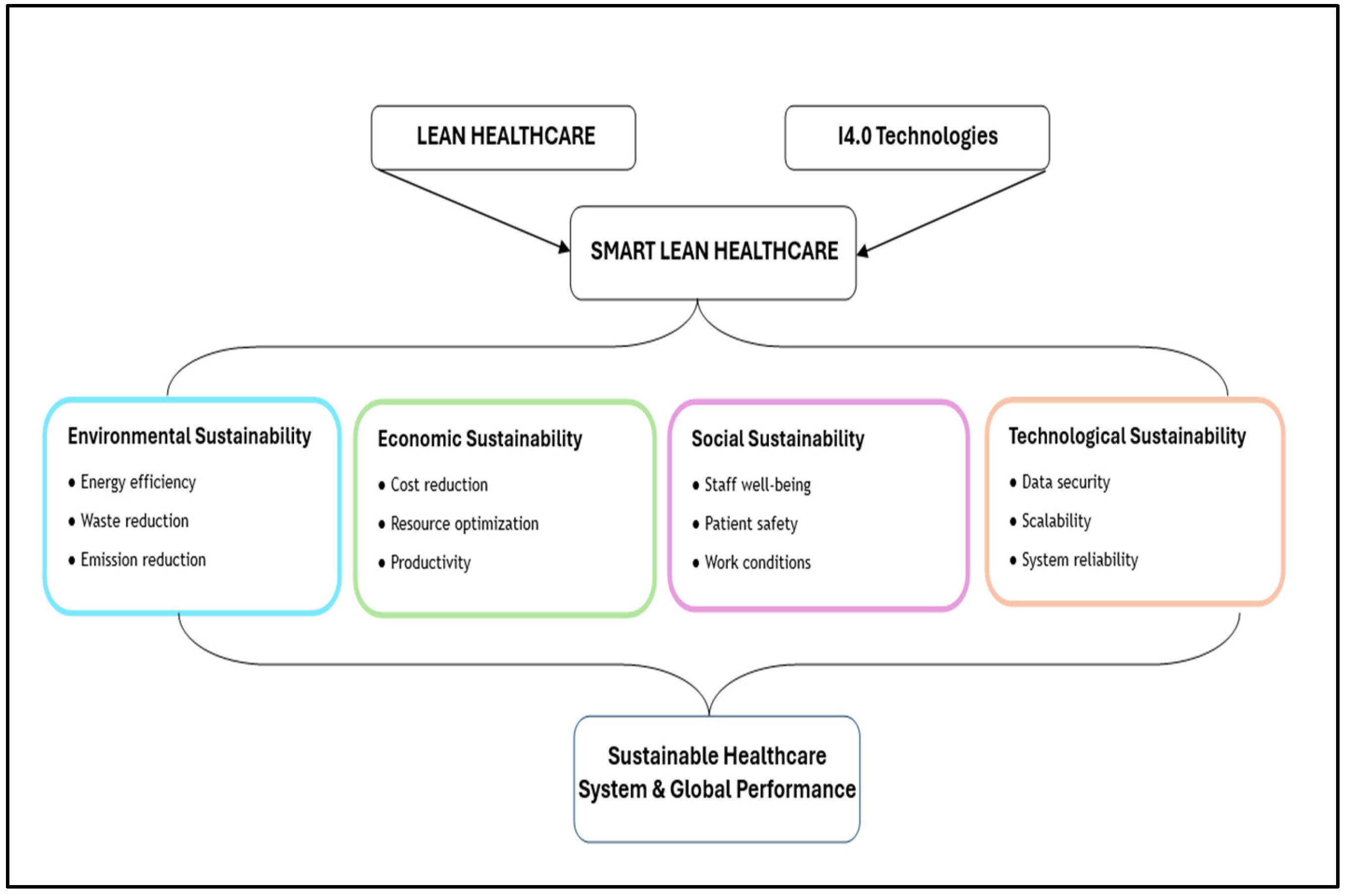
Several studies address the integration of LH principles with I4.0 in relation to sustainable healthcare systems [46]. Similarly, these advanced tools are being developed to support this need and operationalize these objectives in complex healthcare environments. Several studies report outcomes related to economic, environmental, social, and technological sustainability. Therefore, in LH, sustainability refers to healthcare systems’ ability to ensure the organizational and systemic viability [47]. Sustainability is at the core of LM’s objectives, among which is kaizen. Kaizen is the continuous improvement of any system existing in the studied environment. Thus, sustainability in LH is discussed in relation to medical processes and objectives within the reviewed studies. Moreover, sustainability in LH extends beyond the combination of LH and I4.0 to encompass continuous monitoring, knowledge sharing, and temporary data analysis instead of reacting to inefficiencies. Several studies describe the use of data-driven decision making in the context of LH–I4.0 integration [48]. Through this digital integration, healthcare activities reduce dependency on temporary initiatives and absorb disturbances in each activity. Another important contribution of the LH–I4.0 is the stabilization of workflows and the increase in system predictability. Figure 8 summarizes the interaction between LH–I4.0 and sustainability dimensions.
  • Economic sustainability:
Empirical studies demonstrate that the integration of LH with I4.0 is associated with economic sustainability benefits. These outcomes are discussed in relation to financial performance while delivering high-quality patient care. Studies such as [29] report annual operational savings exceeding EUR 8.5 million through lean implementation supported by digital information systems. Also, the study [22] confirms an operational efficiency gain of 3.8% and describes the important role of digital decision-support tools. Additionally, costs related to turnover, redundant processes, and absenteeism can be reduced when LH is applied. The studies [48,49] demonstrate how lean objectives and principles supported by data analytics improve medical waste management as well as reduce material consumption and energy use. Finally, digital monitoring and intelligent diagnostics reinforce cost control, and through this use, diagnostic costs decreased by approximately 30% [24].
  • Environmental sustainability:
Environmental sustainability within healthcare systems is considered a crucial outcome of process strategies aimed at reducing ecological impact. These studies [50,51] address the integration of LH–I4.0 into every medical process and reporting the contribution of an estimated 55% of global greenhouse gas emissions by 2030. Furthermore, in this study, several environmental sustainability KPIs have been presented, such as CO2 emissions, waste generation per occupied bed, and energy consumption, which are commonly used to measure the environmental performance and progress in every clinical field and setting [52]. The energy consumption has been measured as a critical need, causing a gap in environmental sustainability. These metrics are used to assess the environmental performance of LH–I4.0 impacting the clinical environment as well as reductions in energy use and waste. Tracking sustainability improvements is enabled by embedding environmental performance into LH frameworks supported by advanced technologies [53]. Finally, environmental sustainability is also explicitly addressed in waste management contexts. This study [54] confirms that the combination of LH with digital tools contributes to reducing hazardous medical waste generation by facilitating more efficient and data-driven medical waste management and treatment processes through enabling better classification and monitoring and ensuring that only the required medication quantities are prepared and delivered.
  • Social sustainability:
The integration of LH–I4.0 demonstrated significant benefits for social sustainability in healthcare systems. Several papers address social sustainability dimensions such as patient-centered care and the quality of care. Firstly, staff engagement and satisfaction present core social sustainability in LH [55]. The study [19] confirms that the implementation of lean in clinical services has increased nurse satisfaction, rising from 60.78% to 86.06% with the proportion of “very satisfied” in the reference case studies. These outcomes are reported in relation to staff and personnel, the acceptance of change, and workflow redesign. Additionally, teamwork and communication strengthen this satisfaction score and enhance staff morale. In this way, burnout, stress, pain, and a toxic environment are key parameters to be addressed by social sustainability in healthcare systems [56]. The LH–I4.0 implementation reduces burnout indicators, especially in high-pressure environments. This reduction is reported alongside the introduction of working with a clearer role resulting from the standardized flow and better implementation of lean principles with an adequate addressing of workload balance. Regarding the key social outcome of LH, we find patient experience and satisfaction. Several studies confirmed that after implementing LH–I4.0, the patient care satisfaction indicator increases due to reduced waiting times and improved identification of each flow in healthcare settings. The study [16] reports that patient satisfaction scores can be increased to 25%. These outcomes are reported alongside reductions in waiting times with reported reductions of 20–50%. The study [17] confirms a reduction in waiting time from 78 to 38 min in emergency departments while integrating LH–I4.0.
  • Technological sustainability:
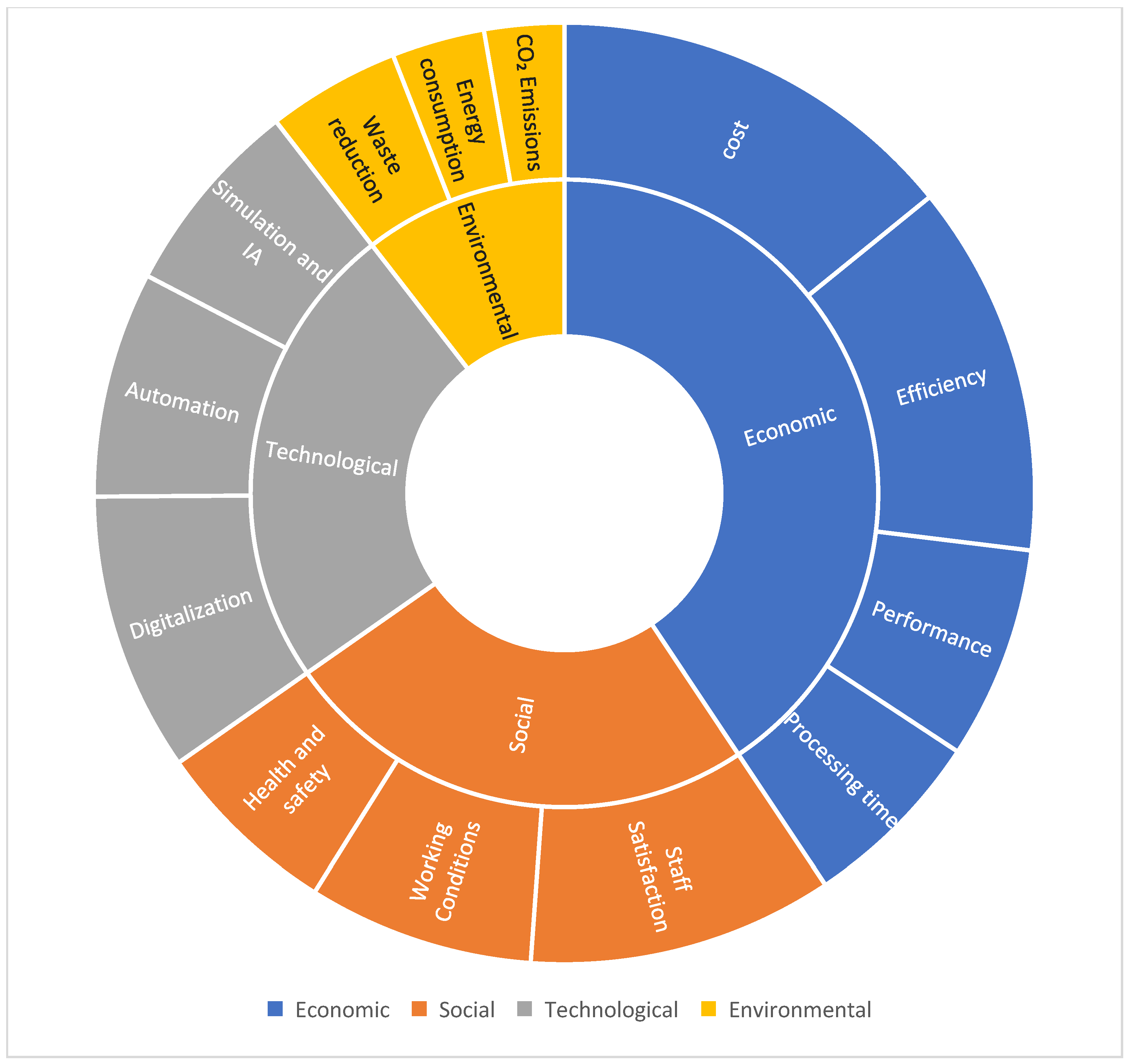
After economic, environmental, and social sustainability, we are facing technological sustainability, which is discussed in relation to the adaptability of digital technologies into lean processes to ensure reliability and usability. The study reports the reduction in unplanned system and equipment downtime from 20% to 40% following the integration of IoT and the deployment of predictive analytics [57]. In addition, this technological sustainability is reinforced by improvements in decision-making speed and real-time data execution, which are reported to enhance transparency and responsiveness. Several studies consider asset availability a critical indicator in LH given the high dependence on medical equipment in healthcare systems. This increases the readiness of equipment and resources [58]. Figure 9 provides a structured overview of the sustainability dimensions addressed in the literature on LH–I4.0 integrations. Economic sustainability is the most affected dimension, as it is linked to indicators such as cost, efficiency, performance, and processing time, reflecting LH’s frequent focus on financial outcomes. The social dimension is associated with elements related to staff satisfaction, working conditions, and health and safety. The social dimension is considered a core pillar that interacts with improving patient quality of care. The technological dimension should include elements such as digitalization, automation, simulation, and AI, which are reported to support LH processes. Finally, environmental sustainability is represented through indicators such as energy consumption, waste reduction, and CO2 emissions, reflecting the environmental impact performance in the medical process. Figure 9 presents the different sustainability dimensions associated with lean healthcare implementation, including economic, social, technological, and environmental aspects, along with their key performance indicator.

4. Discussion

This section discusses the drivers and constraints influencing the integration of LH and I4.0 toward sustainable healthcare systems. It then presents the proposed framework and highlights potential ideas for further research.

4.1. Enablers and Challenges of LH–I4.0 Integration for Sustainable Healthcare

As we mentioned earlier, LH aims to satisfy the LM principles, such as reducing waste and improving quality and patient flow. Faced with increasing demand, higher expectations for quality of care, and resource optimization, healthcare systems should adopt a more structured approach to managing their services. In this context, visibility, coordination, and responsiveness across healthcare operations are ensured by the combination of LH–I4.0 technologies [59]. One of the main enablers of LH–I4.0 integration is the capacity of these advanced tools, such as simulation models, real-time data collection and analysis, and automated processes, to support the complex visualization of patient flows and to enable testing before the implementation of lean practices [60]. For instance, simulation models help healthcare managers evaluate different scenarios and test different solutions provided to improve patient flow in the emergency department. Also, simulation models can replicate laboratory processes, including sample collection and analysis, and allow healthcare managers to identify inefficiencies. In addition, LH principles, as traditional tools, need to be more flexible for their applications. Therefore, this limitation leads to the adoption of I4.0 technologies. The pressure of this use drives the need to support decision making for strengthening LH. Moreover, skills development and multidisciplinary skills increase the adoption of new technologies by healthcare staff for maintaining lean principles. Human capital plays a crucial role in fostering the successful integration of LH–I4.0 [41]. It fosters strong leadership commitment to adequate resource allocation and promotes a culture that supports excellent values and innovation. Finally, the maturity of LH facilitates the deployment of I4.0 technologies. In another way, every lean tool is dedicated to solving a process; at the same time, a digital tool is being integrated to reinforce this existing process [38].
Despite its potential benefits, several challenges hinder the integration of LH–I4.0. The first barrier is resistance to change due to fear of technological complexity and the adoption of new philosophies and concepts, making smart LH more difficult to integrate [13]. Moreover, the high investment required for the LH–I4.0 implementation is considered a major constraint. Thus, this budgetary limitation faced by healthcare organizations impacts this implementation and remains difficult to implement. In addition, data security complicates this integration. The risk of data breaches and access to patient confidentiality can limit this use especially with advanced tools interconnected with processes and cybersecurity risks. Also, the infrastructural complexity poses a significant challenge for understanding flows and developing solutions. This complexity can skew the outcomes of LH–I4.0 integration, resulting in digital waste and limited contributions. Finally, the lack of digital expertise among healthcare staff can limit the ability of medical systems to exploit the potential of LH–I4.0 for sustainable healthcare.
Overall, addressing both drivers and barriers in an LR is essential for leveraging LH–I4.0 as a sustainable system. It requires a clear approach that gives digital tools greater power to align with lean principles. It is also a cultural transformation, workforce engagement, and long-term strategic commitment.

4.2. Theoretical Framework Development

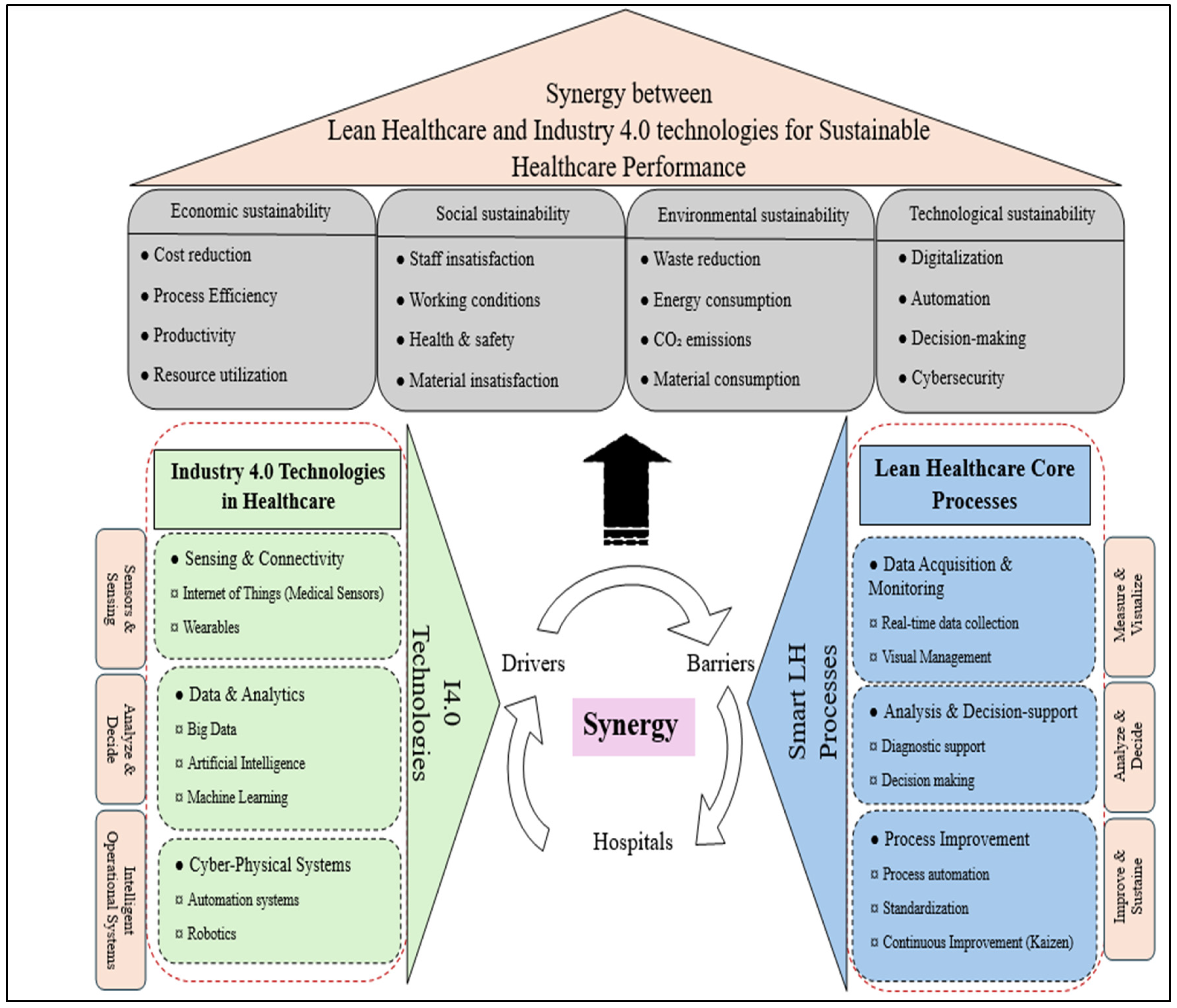
Conceptual frameworks enable the understanding of specific research—in this case, the integration of Lean Healthcare (LH) and Industry 4.0 (I4.0) in achieving sustainable healthcare systems—and also enable the description and contextualization of literature to clarify how technological and organizational elements interact. By transforming our findings from the literature into an integrated representation, Figure 10 presents a conceptual model that highlights the interconnections and synergies of LH–I4.0, illustrating the collective role for ensuring a sustainable healthcare performance.
The proposed framework addresses the existing research gap in LH–I4.0 integration to ensure a sustainable health system. On one hand, I4.0 technologies such as IoT-based medical sensors and wearables, big data and AI tools, automation, and simulation enable real-time monitoring, connectivity, digital sensing, and advanced analytics. On the other hand, LH focuses on optimizing resources, eliminating waste, visual management, and continuous improvement. Thus, the interaction between these two fields creates a synergistic link in which advanced tools empower lean practices. For more explanation, this is an example: IoT sensors enabled the recovery of data from hospital systems, for example, IoT-enabled smart occupancy to monitor in real time, allowing hospital staff to quickly assign available beds to incoming patients. This information will be analyzed using AI and ML algorithms to provide a realistic solution and anticipate resource shortages. In this case, AI-based scheduling systems analyze patient demand and optimize appointment planning. These insights are used to support active decision making and ensure continuous process improvement, contributing to the success of the lean concept by reducing waiting times, eliminating non-value-adding activities, and enhancing care quality.
Thus, within a LH–I4.0 framework, technological sustainability can be evaluated using several key performance indicators (KPIs) that reflect reliability and system performance. These include the cybersecurity incident rate, which assesses system resilience and data protection; system uptime, which indicates the availability of digital infrastructure; and the user adoption rate, which reflects the extent to which healthcare professionals effectively use digital technologies. Another KPI is the automation rate, which measures the reduction in manual tasks. These indicators help assess whether I4.0 technologies effectively support LH.
However, the implementation of LH–I4.0 faces several challenges, including resistance to change, technical and digital issues, and financial constraints. These drivers and barriers include both internal hospital factors, such as staff resistance and leadership support, and external environmental influences, such as funding availability and technology infrastructure, affecting LH implementation. These barriers map the deeper investigation into healthcare systems to change management strategies and empower digital infrastructures to secure data transfer in clinical organizations, while organizational culture influences staff engagement and the acceptance of smart lean implementation. This synergy directly supports and contributes to sustainability across four key dimensions: economic, social, environmental, and technological. Economically, LH–I4.0 improves cost efficiency, productivity, and resource utilization. Socially, it promotes staff and personal satisfaction, working conditions, and health and safety through supportive smart LH. Environmentally, the outcomes are to reduce waste, optimize energy consumption, and lower emissions. Technologically, the framework highlights digitalization, automation, and the ability of decision making, emphasizing healthcare systems’ resilience.

4.3. Implications and Future Research Directions

The findings of this paper highlight several promising avenues for future research on integrating LH–I4.0 to achieve sustainable healthcare outcomes.

4.3.1. Theoretical Implications

This paper contributes to contextualizing I4.0 technologies with human-centered systems such as healthcare. Our study extends the existing literature by focusing on I4.0 from the manufacturing context to human-centered healthcare systems. This LR confirms that digital technologies can also create value in other fields, such as healthcare, not only through their power but also through the engagement of lean practices. Moreover, the study offers a theoretical explanation of the integration mechanisms between LH–I4.0 by identifying different pathways. By structuring these mechanisms, the research contributes to building efforts aimed to explaining how and why we implement LH–I4.0.

4.3.2. Managerial and Practical Implications

This paper offers several practical recommendations related to healthcare management. Managers should view digital technologies as facilitators for implementing LH. Also, they should invest in workforce training and push medical staff and personnel to change their mentality to ensure good support for sustainable healthcare. Employees need to improve their skills to use LH–I4.0 technologies effectively. This paper also highlights the weaknesses of adopting LH with I4.0, enabling managers to prioritize system interoperability to support data-driven decision making. Thus, these findings suggest that successful LH–I4.0 adoption requires not only technological investment but also the strategic implementation of digital infrastructure alongside LM practices.

4.3.3. Future Research

Further analysis and investigations are needed to explore the leadership styles and organizational culture used to improve healthcare systems, resolving these challenges to fully realize a strong implementation of LH–I4.0. Also, future research should concentrate on sustainability outcomes by developing indicators and exploring how clinical and medical systems can protect the autonomy, independence, and transparency of this transformation. This requires digital sovereignty and ethical governance. Therefore, without sovereignty and ethical governance, we risk losing the gains promised by smart LH.

5. Conclusions

This LR demonstrated that the integration of LH–I4.0 technologies enhances the healthcare system by offering a strong view regarding efficiency, patient care, workflow and personnel satisfaction, and the resilience of medical facilities. By synthesizing findings from a portfolio of sixty-nine studies, the review highlights a clear evolution in healthcare improvement practices. Digital technologies such as artificial intelligence, Internet of Things, and big data analytics enable Lean Healthcare implementation, which guarantee the strength of medical systems by reducing waste, identifying workflow and removing non-value-adding activities, optimizing resources, and focusing on patient-centered care for further continuous improvement. Also, advanced tools promote the validation of several processes, such as real-time monitoring, decision making, automation, and simulation across clinical activities. This combination of goals between LH and I4.0 technologies creates a complementary role in supporting sustainability across several dimensions: economic, social, environmental, and technological.
From an economic perspective, the LH–I4.0 combination enables a reduction in waiting times and unnecessary activities as well as an improvement of resource utilization. Socially, staff and personnel satisfaction, patient safety, and working conditions are the main areas of importance in smart Lean Healthcare. Environmentally, this convergence enables more efficient energy use and reduced material waste, supporting greener, smarter healthcare operations. Finally, technological sustainability builds holistic digital maturity, cybersecurity, and system interoperability, enabling the long-term resilience of medical infrastructures.
However, despite these benefits, this paper maps several challenges that limit the high LH expectations, such as resistance to change, process complexity, high investment, and data security. These barriers require more investigation and dedicated approaches that understand the change management strategy and break this isolation to reach an excellent medical operation. Future research should therefore focus on the long-term impact of LH–I4.0 implementation, how we can achieve sustainability outcomes and how we can accelerate the understanding of different influencing factors that enable us to enhance the healthcare system in different ways.

Author Contributions

Conceptualization, C.M., M.S.B. and A.C.; literature review, C.M., M.S.B. and A.C.; methodology, C.M., M.S.B. and A.C.; formal analysis, C.M., M.S.B. and A.C.; investigation, C.M., M.S.B. and A.C.; software, C.M.; writing draft, C.M.; supervision, M.S.B. and A.C.; validation, C.M., M.S.B. and A.C. AI assisted tools were used to support language editing and improvement. All analyses, interpretations, and conclusions remain the sole responsibility of the authors. All authors have read and agreed to the published version of the manuscript.

Funding

This research received no external funding.

Institutional Review Board Statement

Not applicable.

Informed Consent Statement

Not applicable.

Data Availability Statement

No new data were created or analyzed in this study.

Conflicts of Interest

The authors declare no conflicts of interest.

Abbreviations

The following abbreviations are used in this manuscript:
LHLean Healthcare
LMLean Management
I4.0Industry 4.0
LH–I4.0Integration of Lean Healthcare with I4.0 technologies
AIArtificial Intelligence
IoTInternet of Things
VSMValue Stream Mapping
RFIDRadio Frequency Identification
JITJust In Time
TPS Toyota Production System
MLMachine Learning
LRLiterature Review

References

  1. Houchens, N.; Kim, C.S. The application of lean in the healthcare sector: Theory and practical examples. In Lean Thinking for Healthcare; Springer: New York, NY, USA, 2014; pp. 43–53. [Google Scholar] [CrossRef] [Scilit]
  2. Kadarova, J.; Demecko, M. New approaches in Lean Management. Procedia Econ. Financ. 2016, 39, 11–16. [Google Scholar] [CrossRef] [Scilit]
  3. Bajjou, M.S.; Chafi, A. Developing and validating a new conceptual model for successful implementation of lean construction: SEM analysis. Eng. Constr. Archit. Manag. 2025, 32, 1581–1620. [Google Scholar] [CrossRef] [Scilit]
  4. Arabi, S.; Bajjou, M.S.; Chafi, A.; El Hammoumi, M. Evaluation of critical success factors (CSFs) to lean implementation in Moroccan SMEs: A survey study. In Proceedings of the 2022 2nd International Conference on Innovative Research in Applied Science, Engineering and Technology (IRASET), Meknes, Morocco, 3–4 March 2022; IEEE: Piscataway, NJ, USA, 2022. [Google Scholar]
  5. Arabi, S.; Chafi, A.; Bajjou, M.S.; El Hammoumi, M. Exploring lean production system adoption in the Moroccan manufacturing and non-manufacturing industries: Awareness, benefits and barriers. Int. J. Automot. Mech. Eng. 2021, 18, 9312–9332. [Google Scholar] [CrossRef] [Scilit]
  6. Rewers, P.; Trojanowska, J.; Chabowski, P. Tools and methods of Lean Manufacturing—A literature review. In Proceedings of the 7th International Conference, Singapore, 10–11 November 2016; pp. 135–139. Available online: https://www.researchgate.net/publication/308171328 (accessed on 7 February 2026).
  7. Gil-Vilda, F.; Yagüe-Fabra, J.A.; Sunyer, A. From lean production to lean 4.0: A systematic literature review with a historical perspective. Appl. Sci. 2021, 11, 10318. [Google Scholar] [CrossRef] [Scilit]
  8. Grigorievich, T.A. The implementation of lean and digital management techniques using artificial intelligence in industrial settings. Discov. Artif. Intell. 2024, 4, 94. [Google Scholar] [CrossRef] [Scilit]
  9. Breque, M.; De Nul, L.; Petridis, A. Industry, Human-Centric and Resilient European Industry; Publications Office of the European Union: Luxembourg, 2021. [Google Scholar]
  10. Tilak Tilak Maharashtra Vidyapeeth, G.; Singh Tilak Maharashtra Vidyapeeth, D.; Tilak, G.; Singh, D. Industry 4.0-4 th Rising Industrial Revolution in Manufacturing Industries and its Impact on Employability and Existing Education System. Pramana Res. J. 2018, 8, 1–9. [Google Scholar]
  11. Javaid, M.; Haleem, A.; Singh, R.P.; Gupta, S. Leveraging lean 4.0 technologies in healthcare: An exploration of its applications. Adv. Biomark. Sci. Technol. 2024, 6, 138–151. [Google Scholar] [CrossRef] [Scilit]
  12. D’Andreamatteo, A.; Ianni, L.; Lega, F.; Sargiacomo, M. Lean in healthcare: A comprehensive review. Health Policy 2015, 119, 1197–1209. [Google Scholar] [CrossRef] [Scilit]
  13. Nazari-shirkouhi, S.; Samadi, S. Enhancing healthcare supply chains: A comprehensive evaluation of lean, agile, resilient and green paradigms. Eng. Appl. Artif. Intell. 2025, 145, 110204. [Google Scholar] [CrossRef] [Scilit]
  14. Baptiste, J.; El, Y.; Sabir, F.; Moha, N.; Guéhéneuc, Y.; Kuradusenge, M.; Masuda, T. The Journal of Systems & Software IoT systems testing: Taxonomy, empirical findings, and recommendations. J. Syst. Softw. 2025, 226, 112408. [Google Scholar] [CrossRef] [Scilit]
  15. Rathee, G.; Garg, S.; Kaddoum, G.; Alzanin, S.M.; Hassan, M.M. Enhanced healthcare using generative AI for disabled people in Saudi Arabia. Alexandria Eng. J. 2025, 124, 265–272. [Google Scholar] [CrossRef] [Scilit]
  16. Zepeda-Lugo, C.; Tlapa, D.; Baez-Lopez, Y.; Limon-Romero, J.; Ontiveros, S.; Perez-Sanchez, A.; Tortorella, G. Assessing the impact of lean healthcare on inpatient care: A systematic review. Int. J. Environ. Res. Public Health 2020, 17, 5609. [Google Scholar] [CrossRef] [Scilit] [PubMed]
  17. Tlapa, D.; Tortorella, G.; Fogliatto, F.; Kumar, M.; Mac Cawley, A.; Vassolo, R.; Enberg, L.; Baez-Lopez, Y. Effects of Lean Interventions Supported by Digital Technologies on Healthcare Services: A Systematic Review. Int. J. Environ. Res. Public Health 2022, 19, 9018. [Google Scholar] [CrossRef] [Scilit] [PubMed]
  18. Talero-Sarmiento, L.H.; Escobar-Rodríguez, L.Y.; Gomez-Avila, F.L.; Parra-Sanchez, D.T. A literature review on Lean healthcare: Implementation strategies, challenges, and future research directions. Cogent Eng. 2024, 11, 2411857. [Google Scholar] [CrossRef] [Scilit]
  19. Wang, J.; Lv, H.; Chen, M.; Liu, C.; Ren, W.; Jiang, H.; Zhang, L. A Systematic Review of Lean Implementation in Hospitals: Impact on Efficiency, Quality, Cost, and Satisfaction. Int. J. Health Policy Manag. 2025, 14, 8974. [Google Scholar] [CrossRef] [Scilit]
  20. Kasni Astiena, A.; Ampuh Hadiguna, R.; Heri Iswanto, A. Digitalization of Outpatient Services Based on Lean Management to Reduce Waiting Time in Government Hospital. Int. J. Adv. Sci. Eng. Inf. Technol. 2022, 12, 2248–2257. [Google Scholar] [CrossRef] [Scilit]
  21. Bernard, G.; Budde, L.; Hänggi, R.; Friedli, T. Driving Continuous Improvement with Industry 4.0 Technologies: Lessons from Multiple Use Case Analysis. Appl. Sci. 2025, 15, 2191. [Google Scholar] [CrossRef] [Scilit]
  22. Osorio-canchig, K.T.; Reyes-vásquez, J.P.; Aldás-salazar, D.S. Improvement of the efficiency of hospital care: A simulation-based approach (Mejora de la eficiencia de la atención hospitalaria: Un enfoque basado en la simulación). Dyna 2025, 92, 101–110. [Google Scholar] [CrossRef] [Scilit]
  23. Carmina, D.; Benfenati, V.; Simonelli, C.; Rotolo, A.; Cardano, P.; Grovale, N.; Mangoni di S. Stefano, L.; de Santo, T.; Zamboni, R.; Palermo, V.; et al. Innovative solutions for disease management. Bioelectron. Med. 2023, 9, 28. [Google Scholar] [CrossRef] [Scilit]
  24. Sharma, A.; Shah, P.; Ranade, M.; Pai, T.; Sahay, A.; Patil, A.; Shet, T.; Gupta, H.; Chauhan, D.; Somal, P.; et al. Digital pathology enabling lean management of HER2/neu testing in breast Cancer. J. Pathol. Inform. 2025, 19, 100515. [Google Scholar] [CrossRef] [Scilit]
  25. Wilhelm, C.; Steckelberg, A.; Rebitschek, F.G. Benefits and Harms Associated with the Use of AI-Related Algorithmic Decision-Making Systems by Healthcare Professionals: A Systematic Review. Lancet Reg. Health Eur. 2024, 48, 101145. [Google Scholar] [CrossRef] [Scilit]
  26. Lum, B.; Png, H.M.; Yap, H.L.; Tan, C.; Sun, B.; Law, Y.H. Streamlining workflows and redesigning job roles in the theatre sterile surgical unit. BMJ Open Qual. 2019, 8, e000583. [Google Scholar] [CrossRef] [Scilit]
  27. Indrawati, S.; Madarja, E.R. Lean Healthcare Improvement Model Using Simulation-Based Lean Six-Sigma and TRIZ. Math. Model. Eng. Probl. 2022, 9, 849–855. [Google Scholar] [CrossRef] [Scilit]
  28. Gonçalves, B.S.F.; Lopes, E.T.; Fernandes, L.T.; Pereira, J.; Lima, R.M. Analysing the Balance of Human and Physical Resources in Outpatient Departments during the COVID-19 Pandemic. Prod. Eng. Arch. 2025, 31, 65–72. [Google Scholar] [CrossRef] [Scilit]
  29. Sales Coll, M.; De Castro, R.; Ochoa de Echagüen, A.; Martínez Ibáñez, V. Economic Impact of Lean Healthcare Implementation on the Surgical Process. Healthcare 2024, 12, 512. [Google Scholar] [CrossRef] [Scilit] [PubMed]
  30. Olawade, D.B.; Weerasinghe, K.; Teke, J.; Msiska, M.; Boussios, S.; Hatzidimitriadou, E. Evaluating AI adoption in healthcare: Insights from the information governance professionals in the United Kingdom. Int. J. Med. Inform. 2025, 199, 105909. [Google Scholar] [CrossRef] [Scilit]
  31. Logrono, K.J.; Zu’bi, B.S.M.; Siddiqui, R. ‘Leanomics’ in healthcare: A three-year quality improvement study on the financial impact of a modified Kanban system in hospital storerooms. BMJ Open Qual. 2025, 14, e003416. [Google Scholar] [CrossRef] [Scilit]
  32. Franco-Alucano, I.; Tortorella, G.; Aguilar-Duque, J.; Flores, D.L.; Limon-Romero, J.; Baez-Lopez, Y.; Tlapa, D. Lean Healthcare 4.0: Integrating AI, Lean Principles, and Simulation for Laboratory Process Improvement. IEEE Access 2025, 13, 207762–207775. [Google Scholar] [CrossRef] [Scilit]
  33. Rojas, E.; Munoz-Gama, J.; Sepúlveda, M.; Capurro, D. Process mining in healthcare: A literature review. J. Biomed. Inform. 2016, 61, 224–236. [Google Scholar] [CrossRef] [Scilit]
  34. Trigueiro, G.; Oliveira, C.; Rodrigues, A.; Seabra, S.; Pinto, R.; Bala, Y.; Gutiérrez Granado, M.; Vallejo, S.; Gonzalez, V.; Cardoso, C. Conversion of a classical microbiology laboratory to a total automation laboratory enhanced by the application of lean principles. Microbiol. Spectr. 2024, 12, e0215323. [Google Scholar] [CrossRef] [Scilit]
  35. Awad, M.M.; Hashem, A.E.; Naguib, H.M. The Impact of Lean Management Practices on Economic Sustainability in Services Sector. Sustainability 2022, 14, 9323. [Google Scholar] [CrossRef] [Scilit]
  36. Wongkrajang, P.; Reesukumal, K.; Pratumvinit, B. Increased effectiveness of urinalysis testing via the integration of automated instrumentation, the lean management approach, and autoverification. J. Clin. Lab. Anal. 2020, 34, e23029. [Google Scholar] [CrossRef] [Scilit]
  37. Kellner, H.A.; Edelman, E.R.; Van Eldik, N.; Hunen, P.; Spreeuwenberg, M. The evaluation of a lean healthcare concept to improve the implementation of Digital Health innovations in secondary health care: A qualitative study within a Dutch hospital setting. BMC Health Serv. Res. 2024, 24, 1536. [Google Scholar] [CrossRef] [Scilit]
  38. Lopes, E.T.; Lopes, D.C.; Pedrozo, G.; Alves, I.O.; Käfer, G.A.; Medeiros, P.H.; Gonçalves, B.S.; Fernandes, S.E.; Lima, R.M. Use of Indoor Location Technologies in Healthcare Contexts: A Scoping Review. Appl. Sci. 2025, 15, 6231. [Google Scholar] [CrossRef] [Scilit]
  39. Bajjou, M.S.; Chafi, A. Application of simulation modelling for waste assessment: A case study of bricklaying process. Int. J. Eng. Res. Afr. 2021, 52, 40–48. [Google Scholar] [CrossRef] [Scilit]
  40. Shahin, M.; Chen, F.F.; Hosseinzadeh, A.; Koodiani, H.K.; Shahin, A.; Nafi, O.A. A smartphone-based application for an early skin disease prognosis: Towards a lean healthcare system via computer-based vision. Adv. Eng. Inform. 2023, 57, 102036. [Google Scholar] [CrossRef] [Scilit]
  41. Tan, J.; Tian, Y.; Wang, L.; He, Y.; Cui, S.; Feng, C.; Cai, A. Lean management of nursing human resources during COVID-19 pandemic. Nurs. Open 2023, 10, 6575–6582. [Google Scholar] [CrossRef] [Scilit]
  42. Brunner, S.; Siebenbürger, M.; Kühnel, K.; Bengler, K. Promoting human-centered manufacturing through Lean Ergonomics—A structural equation model for ergonomics and management data. Prod. Manuf. Res. 2024, 12, 2398086. [Google Scholar] [CrossRef] [Scilit]
  43. Moreno-Fergusson, M.E.; Rueda, W.J.G.; Basto, G.A.O.; Sandoval, I.A.L.A.; Sanchez, B. Analytics and Lean Health Care to Address Nurse Care Management Challenges for Inpatients in Emerging Economies. J. Nurs. Scholarsh. 2021, 53, 803–814. [Google Scholar] [CrossRef] [Scilit]
  44. Da Silva, M.P.; de Mattos Veroneze, G.; De Oliveira, M.A.; Pereira, I.M.P. Impact on The Supply Chain in a Hospital Environment Caused by the Coronavirus Inside the State of Amazonas. Eur. J. Bus. Manag. Res. 2020, 5, 482. [Google Scholar] [CrossRef] [Scilit]
  45. Bossone, E.; Majolo, M.; D’ambrosio, S.; Raiola, E.; Sparano, M.; Russo, G.; Longo, G.; Triassi, M.; Rosa, A. Lean Management Approach for Reengineering the Hospital Cardiology Consultation Process: A Report from AORN ‘A. Cardarelli’ of Naples. Int. J. Environ. Res. Public Health 2022, 19, 4475. [Google Scholar] [CrossRef] [Scilit] [PubMed]
  46. Wagner, R.S.; Hattingh, T.S.; Meijer, H. Factors Affecting the Sustainability of Lean in Healthcare: A Systematic Literature Review. S. Afr. J. Ind. Eng. 2022, 33, 124–136. [Google Scholar] [CrossRef] [Scilit]
  47. Mazzi, M.; Aboueljinane, L.; Lebbar, M. How simulation can confirm the effectiveness of the smart green lean method in healthcare and ensure its sustainability. In IFAC-PapersOnLine; Elsevier B.V.: Amsterdam, The Netherlands, 2025; pp. 2999–3004. [Google Scholar] [CrossRef] [Scilit]
  48. De Freitas, L.; Basdeo, D.; Seepersad, A.; Francis, A.; Wang, H.I. Health professional and public perspectives on environmentally sustainable healthcare in Trinidad and Tobago. J. Clim. Change Health 2025, 26, 100587. [Google Scholar] [CrossRef] [Scilit] [PubMed]
  49. Antoniadou, M. Integrating Lean Management and Circular Economy for Sustainable Dentistry. Sustainability 2024, 16, 10047. [Google Scholar] [CrossRef] [Scilit]
  50. Frank, L.; Rader, A. Using Lean Healthcare Techniques to Reduce Appointment Times. J. Nurse Pract. 2023, 19, 104508. [Google Scholar] [CrossRef] [Scilit]
  51. Bobini, M.; Cicchetti, A. Chasing environmental sustainability in healthcare organizations: Insights from the Italian experience. BMC Health Serv. Res. 2025, 25, 978. [Google Scholar] [CrossRef] [Scilit]
  52. Dolcini, M.; Ferrè, F.; Brambilla, A.; Capolongo, S. Integrating environmental sustainability into hospitals performance management systems: A scoping review. BMC Health Serv. Res. 2025, 25, 764. [Google Scholar] [CrossRef] [Scilit]
  53. Lawal, G.S. Financial and Environmental Performance Metrics for Healthcare Sustainability. 2024. Available online: https://www.researchgate.net/publication/396647372_Financial_and_Environmental_Performance_Metrics_for_Healthcare_Sustainability (accessed on 7 February 2026).
  54. Ciobanu, A.D.; Ozunu, A.; Maria, T.; Gligor, A. Lean Management Framework in Healthcare: Insights and Achievements on Hazardous Medical Waste. Appl. Sci. 2025, 15, 6686. [Google Scholar] [CrossRef] [Scilit]
  55. Tortorella, G.; Pinheiro, B.; Luiz, S.; França, B. Assessment methodology for Lean Practices in healthcare organizations: Case study in a Brazilian public hospital. Production 2019, 29, e20180080. [Google Scholar] [CrossRef] [Scilit]
  56. Marsilio, M.; Pisarra, M.; Rubio, K.; Shortell, S. Lean adoption, implementation, and outcomes in public hospitals: Benchmarking the US and Italy health systems. BMC Health Serv. Res. 2022, 22, 122. [Google Scholar] [CrossRef] [Scilit]
  57. Gomaa, P.D.A.H. Lean 4.0: A Strategic Roadmap for Operational Excellence and Innovation in Smart Manufacturing. Int. J. Emerg. Sci. Eng. 2025, 13, 1–20. [Google Scholar] [CrossRef] [Scilit]
  58. Gomaa, A.H. LSS 4.0: A Conceptual Framework for Integrating Lean Six Sigma and Industry 4.0 for Smart Manufacturing Excellence. Indian J. Manag. Lang. 2025, 5, 8–29. [Google Scholar] [CrossRef] [Scilit]
  59. Gonçalves, B.S.; Vieira, E.; Lima, R.M.; Dinis-Carvalho, J. A systematized approach for reduction of medical appointment waiting list. Production 2022, 32, e20210137. [Google Scholar] [CrossRef] [Scilit]
  60. Alkaabi, M.; Simsekler, M.C.E.; Jayaraman, R.; Al Kaf, A.; Ghalib, H.; Quraini, D.; Ellahham, S.; Tuzcu, E.M.; Demirli, K. Evaluation of system modelling techniques for waste identification in lean healthcare applications. Risk Manag. Healthc. Policy 2020, 13, 3235–3243. [Google Scholar] [CrossRef] [Scilit]
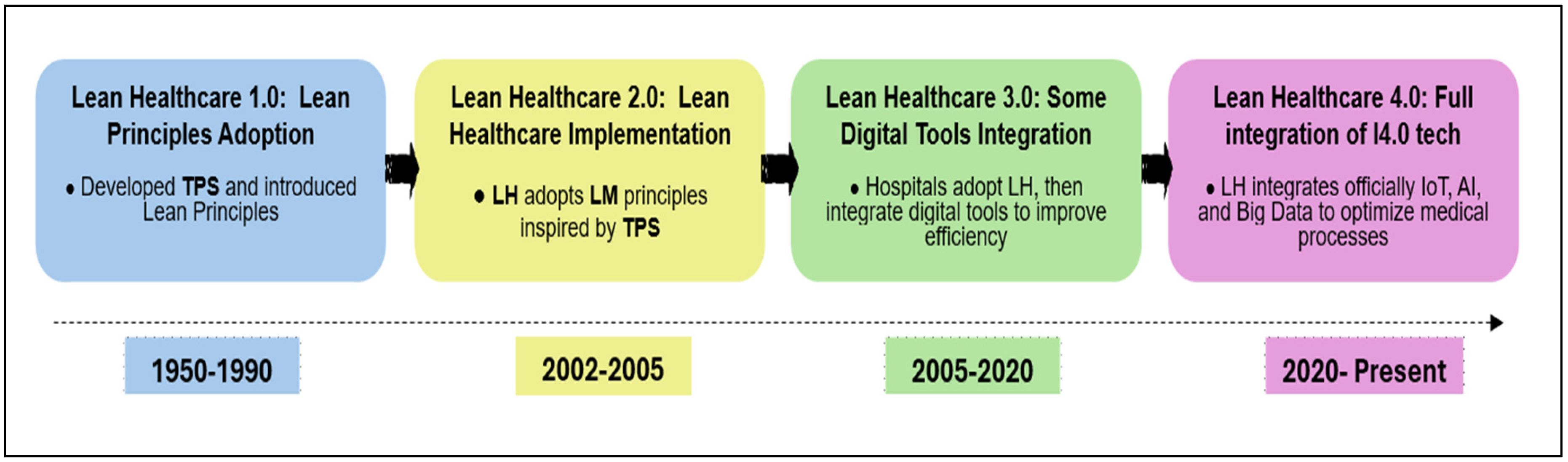
Figure 1. Lean Healthcare timeline. The colors indicate the different stages, and the arrows represent the chronological progression of LH.
Sustainability 18 02650 g001
Figure 2. Overview of the literature identification and selection approach.
Sustainability 18 02650 g002
Figure 3. Number of publications per year from 2015 to 2025.
Sustainability 18 02650 g003
Figure 4. Number of publications by paper type from 2015 to 2025.
Sustainability 18 02650 g004
Figure 5. Breakdown of the selected publications by journal.
Sustainability 18 02650 g005
Figure 6. Distribution of technologies referenced in the selected publications.
Sustainability 18 02650 g006
Figure 7. Network map of key concepts related to Lean Healthcare, Industry 4.0 technologies, and sustainable healthcare systems.
Sustainability 18 02650 g007
Figure 8. Conceptual framework of smart Lean Healthcare for sustainability.
Sustainability 18 02650 g008
Figure 9. Classification of sustainability indicators in LH–I4.0 implementation.
Sustainability 18 02650 g009
Figure 10. A new conceptual framework for integrating I4.0 technologies and LH principles to achieve sustainable healthcare outcomes.
Sustainability 18 02650 g010
Table 1. Past literature reviews.
AuthorTitlePapers ReviewedFocus/Findings
D’Andreamatteo et al. (2015) [12]Lean in Healthcare: A Comprehensive Review243 ArticlesBroad review of lean applications in healthcare; reports efficiency and quality improvements, but highlights weak evidence on long-term sustainability
Zepeda-Lugo et al. (2020)
[16]
Assessing the Impact of Lean Healthcare on Inpatient Care: A Systematic Review39 ArticlesPositive effects on inpatient care outcomes, patient satisfaction
Tlapa et al. (2022)
[17]
Effects of Lean Healthcare on Patient Flow: A Systematic Review40 ArticlesLean interventions significantly improve patient flow and waiting times
Talero-Sarmiento et al. (2024) [18]A Literature Review on Lean Healthcare: Implementation Strategies, Challenges, and Future Research Directions44 ArticlesSynthesizes implementation strategies, barriers, and research gaps in LH
Wang et al. (2025)
[19]
A Systematic Review of Lean Implementation in Hospitals: Impact on Efficiency, Quality, Cost, and Satisfaction60 ArticlesLean improves efficiency, quality of care, and patient/staff satisfaction
Our StudySynergizing LH and Industry 4.0 Technologies for Sustainable Healthcare Transformation: A Literature Review69 ArticlesOur study proposes a structured framework integrating LH and I4.0 to enhance healthcare sustainability
Table 2. Summary of integration mechanisms between LH and Industry 4.0 technologies.
Integration MechanismMain I4.0 TechnologiesHealthcare ContextLean Objectives Supported
Data acquisition, patient flow monitoring, and process transparencyDiscrete-event simulation, hospital information systems, digital pathology, and real-time data dashboards.Emergency departments, outpatient services, clinical laboratories, and hospital logisticsProcess visibility, waste identification, flow continuity, bottleneck detection
Decision making and intelligent process optimizationSimulation modeling, artificial intelligence, analytics, optimization algorithms, decision-support systems.Emergency departments, outpatient clinics, surgical pathways, and clinical laboratoriesEvidence-based decision making, process standardization, risk reduction, continuous improvement
Automation and human–technology interactionAutomation systems, digital laboratories, pharmacy automation, digital health platforms, collaborative tools.Sterile services, microbiology laboratories, hospital pharmacies, innovation labsReduction in non-value-added work, staff engagement, standardized work, learning and capability development
Table 3. Contribution of the I4.0 technologies in LH process (sources: literature analysis).
I4.0 TechnologiesData Acquisition & VisibilityPatient Flow MonitoringDecision SupportProcess OptimizationAutomation SupportHuman–System InteractionReferences
Simulation/Modeling444412[22,28,38,39]
Big Data and analytics334422[17,32,40]
Artificial Intelligence (AI)234432[32,41]
Hospital information systems443322[20,29]
Automation technologies222343[26,36,42]
Digital diagnostics333322[24]
Optimization algorithms024421[43,44]
Digital dashboards and visualization tools343202[37,42]
Digital platforms220213[37,45]
0 = Absent; 1 = Emerging; 2 = Moderate; 3 = High; 4 = Best.
Disclaimer/Publisher’s Note: The statements, opinions and data contained in all publications are solely those of the individual author(s) and contributor(s) and not of MDPI and/or the editor(s). MDPI and/or the editor(s) disclaim responsibility for any injury to people or property resulting from any ideas, methods, instructions or products referred to in the content.