1. Introduction
The significant rise in the migration of rural citizens to cities, often triggered by environmental and economic crises, has led to weakened social cohesion in many urban neighborhoods, particularly in informal settlements [
1,
2]. Hesar neighborhood in Hamadan City, north west of Iran, is one such settlement. Forty years ago, the neighborhood was a village that had been formed close to Hamadan City. Because of the numerous migrations of villagers with different cultures and ethnicities to this village over the past two decades and its weak urban management, it turned into a suburban neighborhood of Hamadan City [
3,
4].
An informal settlement is one of the most prominent manifestations of urban poverty, which forms inside or near cities (especially large one) spontaneously without construction permits or formal urban planning. Low-income people start to dwell in these settlements with low levels of quantity of life. Such informal settlements are referred to as slums, squatter settlements and spontaneous settlements [
5,
6]. In its 2015 report titled “The Challenge of Slums”, the United Nations High Commissioner for Refugees (UNHCR) describes these neighborhoods as the physical and spatial manifestation of urban poverty and intercity inequality [
6]. Also, in its 2008 report titled “State of the World’s Cities” the UNHCR reported that more than a third of urban populations in developing countries live in informal settlements [
7].
This phenomenon has been spreading in the large cities of Iran during the past sixty years and has been affecting the families and individuals who live in unfavorable conditions near these cities. Formation of slums in Iran began before the Islamic Revolution in 1979 and in the 1940s and 1950s. The rate picked up after 1943 with the implementation of urban development plans funded by Iran’s oil revenues and the ruling system’s focus on industrial projects and consequently marginalization of agriculture and rural life. After the revolution, informal settlements continued to expand around major cities all over Iran to the extent that slums now constitute large sections of any major city in this country [
4,
8]. These settlements have turned into hubs for aggregation of different cultures and ethnicities. Empirical studies have shown that ethnic and racial heterogeneity leads to less welfare in communities [
9,
10].
These social differences undermine social cohesion. Lack of social cohesion becomes more pronounced when the differences between social groups, individuals and systems in a community are vast and cause economic deprivation [
11]. Social cohesion refers to the relationships between groups and organizations in a community [
12]. More than a century ago, Durkheim stated that there is neither a clear definition for the concept of social cohesion nor a method for its direct measurement. There is still no universally accepted definition for social cohesion. For example, based on Russell’s definition (1995) modified by Maxwell (1996), “social cohesion involves building shared values and communities of interpretation, reducing disparities in wealth and income, and generally enabling people to have a sense that they are engaged in a common enterprise, facing shared challenges, and that they are members of the same community.” A report prepared by the support of the American Planning Association shows that any planning and design process that ignores human behaviors and basic human needs inevitably leads to formation of neighborhoods that fail to provide positive social interactions between people [
13]. It is often suggested that community design can foster generation of social capital and create opportunities for interaction and trust-building in neighborhoods. Increased social interaction in return can help residents overcome crime-related problems and ethnic-based disagreements [
14,
15].
While various definitions of social cohesion highlight different elements—such as shared values (Russell; Maxwell), social inclusion and reduced inequality (Berger-Schmitt), or multidimensional community functioning (Jenson)—they collectively point to the capacity of diverse groups to sustain cooperative social relations. This distinction is particularly important in multiethnic informal settlements, where ethnic diversity, uneven access to services, and weaker institutional structures shape everyday social dynamics. Therefore, this study adopts a multidimensional perspective on social cohesion that is better suited to capturing the complexities of such contexts.
Considering what was discussed, finding effective ways for facilitating social interactions in communities with heterogeneous social fabrics is highly significant and essential. Despite its significance, this subject has seen little scholarly attention. The heterogeneity of the social fabric of these communities is more visible in public spaces and the neighborhoods of informal settlements because each ethnic group has a specific background and a pre-defined identity in its residential environment, which is generally viewed via the lens of family concept. Therefore, public and local spaces are the bedrock of linguistic and racial differences. Previous studies about social cohesion have been majorly focused on the social characteristics of groups on the macroscale [
16]. Therefore, this study adopted a different view to social cohesion with regard to its scale and analysis of the environmental and physical effects of such differences in particular, which can be said to be rather innovative. Also, another aspect of this research that distinguishes it from other social cohesion studies is its focus on multiethnic communities.
Also, despite the importance of social cohesion in multiethnic neighborhoods, existing studies have largely focused on its social or demographic determinants, while paying limited attention to how physical elements of public spaces shape the mechanisms that lead to social cohesion. In particular, the ways in which spatial characteristics influence social interactions and subsequently social capital remain under-examined, especially in informal settlements where ethnic differences are pronounced. Moreover, few studies have explored these relationships in contexts such as Iran, where cultural boundaries and spatial practices differ significantly from those in Western cities. This study addresses these gaps by examining how residents’ perceptions of physical design relate to the structure of social cohesion in a multiethnic informal settlement.
This study sought to find out how the architectural structures and elements of Hesar multiethnic neighborhood in Hamadan City, which is considered to be a slum, affect social cohesion among the residents. Many environmental psychologists believe that environments induce certain behaviors in their inhabitants [
17,
18]. In terms of urban landscape, urban public spaces enhance liveability by promoting daily activities and exceptional events like festivals, fostering increased social interaction and face-to-face interaction, although their quality varies [
19]. Therefore, the main purpose of this study was determining how the physical elements of the public spaces of this settlement affect social cohesion in the neighborhood. To this end, first the concept of social cohesion and the related factors in local communities were examined because understanding social cohesion in a multiracial community can facilitate racial integration. Then, the impact of physical factors on the structure of social cohesion was investigated within the framework of the conceptual model developed in this study.
To clarify the focus of this study, social cohesion is positioned as the main analytical concept. Physical factors, social interactions, and social capital are examined as interconnected pathways that ultimately shape social cohesion in the multiethnic context of Hesar. Recent research on diverse and rapidly changing communities shows that the physical design of public spaces influences cohesion primarily by enabling everyday social encounters and strengthening locally embedded networks, even in contexts characterized by cultural heterogeneity or socio-economic precarity [
20]. Building on these insights, the present study adopts a systematic approach in which the physical characteristics of public spaces affect social cohesion indirectly through their impact on social interaction and social capital. This framing makes the purpose of the study more explicit and reflects the mechanisms through which cohesive relationships can develop in communities marked by ethnic diversity.
2. Social Cohesion and Its Determinants
Many researchers have carried out numerous studies over the past few decades about the concept of social cohesion in local communities [
21,
22]. However, no comprehensive definition that can explain this phenomenon with some specific criteria and measures has been presented so far. The subjective nature of social cohesion in neighborhoods and its strong association with physical characteristics have added to the complexity of this concept. In general, social cohesion is known as the relationships between groups and organizations in a community [
12,
23]. Despite its common use, the term social cohesion is largely misinterpreted and each researcher has his/her own definition [
24]. Some believe it is the same as solidarity and trust while others suggest that it encompasses concepts such as social inclusion and social capital. Some sociologists, however, are more theoretically inclined to associate the term with ideas such as social integration and system integration [
25].
Pahl [
26] states that the intellectual origins of social cohesion date back to the time of Émile Durkheim, one of the founding fathers of modern sociology. Lakhmani et al. [
27] state that sharing personal experiences and celebrating significant life events are two social behaviors that can lead to social cohesion. An annual report by the Department of Canadian Heritage states that in a cohesive and inclusive community, all ethnic groups are respected and all citizens have the opportunity to participate in civic life [
18]. Along with the concept of civic integration, social cohesion often represents merger of two social levels of regular or conflicting relationships between actors in a society [
28].
Presenting an overarching and universally accepted definition for social cohesion is very difficult. Sociologists such as Berger [
29] argue that social cohesion gains meaning only in relation to concepts such as social integration, social stability and social breakdown. Many studies have attempted to conceptualize and measure social cohesion. For example, Aasland et al. [
30] identified four dimensions of social cohesion, including social engagement, connectedness, civic participation, and intergroup concordance, through factor analysis in the case of Ukraine. The existence of the multifaceted construct of social cohesion suggested by the related theories has been confirmed by empirical analyses; in other words, social cohesion consists of components of formal and substantial relationships and political and sociocultural domains [
31].
Numerous studies have been conducted about the dimensions of social cohesion [
32]. Jenson [
33], for example, has introduced five dimensions for social cohesion:
1—Affiliation/isolation (share of common values, feeling of belonging to a same community).
2—Insertion/exclusion (a shard market capacity, particularly regarding the labor market).
3—Participation/passivity (involvement in management of public affairs).
4—Acceptance/rejection (pluralism in fact and also as a virtue, i.e., tolerance in differences).
5—Legitimacy/illegitimacy (maintenance of public and private institutions which act as mediators).
Each dimension of social cohesion seems to reinforce the other dimensions. Whenever people have common norms and values in life, they are more likely to make social contact and therefore feel that they are part of a particular group or neighborhood [
34]. In her model for measuring social cohesion, Berger-Schmitt [
29] suggests that this phenomenon acts in two ways: (a) reducing inequality and social exclusion and (b) strengthening social relations [
35]. The second function in particular encompasses all aspects that are generally considered as the social capital of a society [
29].
Many scholars believe that an increase in the social capital of a community helps improve its social cohesion. According to Putnam [
36], social capital refers to connections among individuals-social networks and the norms of reciprocity and trustworthiness that arise from them [
35]. Social capital improves social cohesion because belongings, bridges and connections occur essentially through networks and norms [
37,
38]. The concept of social capital has been explored in relation to various areas and subjects such as interpersonal relationships at the grassroot level of networks, associations and organizations, the structures and functions of social institutions, commitment to shared values and norms, shared identities, sense of belonging and trust-building [
39]. In fact, social capital is the main component of the principles of social cohesion in a society [
40].
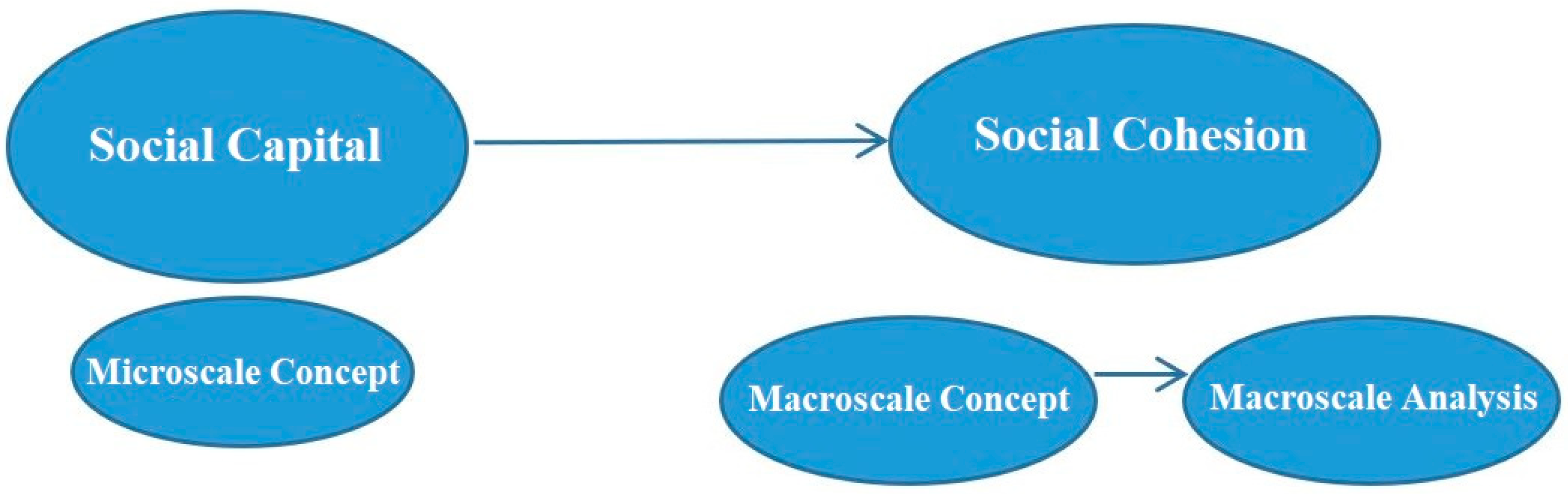
Figure 1 shows the impact of social capital on social cohesion.
On the other hand, social capital is rooted in social interactions. Numerous studies have shown that social interactions are necessary for formation of social capital [
41,
42]. Researchers believe that the social capital of a society represents the ability of its people to effectively communicate with one another [
43,
44]. The hierarchical relationship between social interactions, social capital and social cohesion has been explored and discussed in many studies. Based on these studies, the constituent factors of social capital include social communication, social participation, social trust and social belonging [
45,
46].
In addition, many scholars and theorists suggest that social cohesion indirectly affects social interactions through social capital [
47]. Social interactions are more understandable and consequently more controllable than the other two factors namely social capital and social cohesion due to the fact that they are objectively and physically visible [
48]. Considering the nature of social interactions, using architectural forms and features in urban spaces is the most effective method for creating social capital and establishing social interactions. This has been shown in some studies both indirectly and in integrated form [
34]. It is shown in
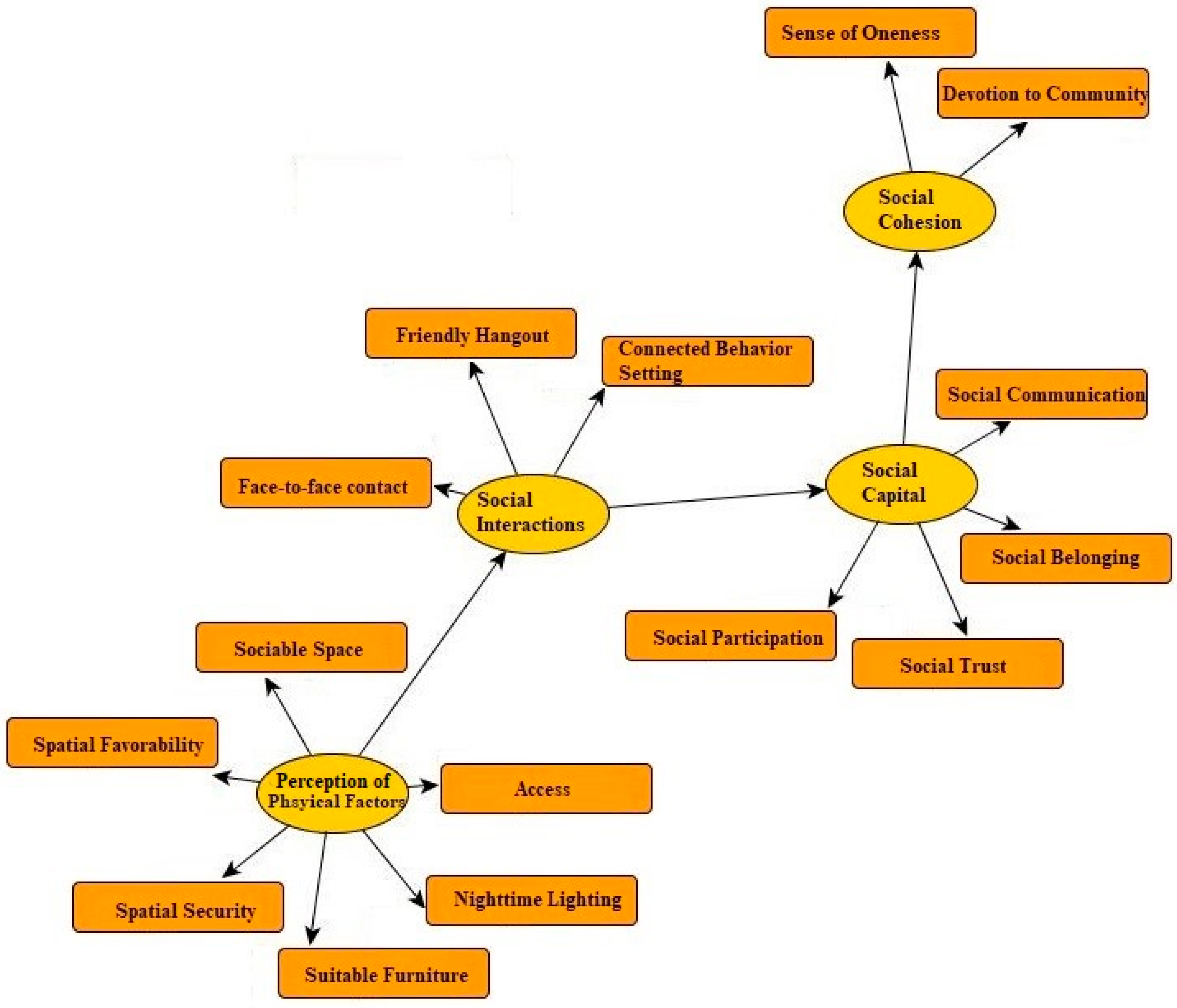
Figure 2.
3. Modeling Social Cohesion in Informal Multiethnic Settlements
Informal settlements are formed mainly due to economic factors and as a result of extensive migrations of rural residents who settle on the outskirts of cities. Since the communities in these settlements are formed by migration, they are multiethnic and multicultural by nature. This often results in emergence of social problems in addition to poverty, physical and spatial disorder as well as low quality of life, most of which are rooted in cultural and ethnic differences. The European Commission Environment Directorate General is working on enhancing social cohesion and the inclusion of migrants in cities to improve the urban environment [
49]. Due to strong residential privacy and house restrictions in the Iranian culture, cultural and ethnic differences are tangibly observable in the public spaces of these settlements in Iran. As it was mentioned before, the concept of social cohesion is somehow equivalent to social integration, which are both discussed as opposed to ethnic and cultural differences in a society. Considering the goal of this study, which was to find the impact of physical factors on social cohesion in informal communities, the conceptual model of the study was developed, as can be seen in
Figure 3.
The research model and the extracted relationships are based on a review of past studies carried out about social capital, social cohesion and social interactions as well as studies related to environmental and physical sciences [
1,
24,
34,
41,
47,
48,
50]. Based on the review, the six constructs of “sociable space”, “spatial favorability”, “spatial security”, “suitable furniture”, “nighttime lighting” and “access” were specified for the “physical factors” variable, the three constructs of “connected behavior setting”, “friendly hangout” and “face-to-face contact” were specified for the “social interactions” variable, the four constructs of “social communication”, “social belonging”, “social trust” and “social participation” were specified for the “social capital” variable and finally the two constructs of “devotion to community” and “feeling of oneness” were specified for the “social cohesion” factor in the research model. These relations have been presented in
Figure 3.
Additionally, it is worth noting that the indicators related to land-use diversity and green areas were combined under the latent construct “spatial favorability” based on statistical considerations. Preliminary PLS-SEM diagnostics showed that these items were highly correlated and loaded strongly on the same latent factor, indicating multicollinearity and substantial shared variance. Aggregating them into a single construct therefore improved measurement reliability and contributed to a more parsimonious model.
4. Materials and Methods
In line with the goal of this research and based on the conceptual model that was developed for this study. The questionnaire included 15 items corresponding to four analytical categories: perception of physical factors, social interactions, social capital, and social cohesion.
To determine the required sample size, we applied Cochran’s formula for large populations. A confidence level of 95% was adopted (Z = 1.96), with an estimated proportion of p = 0.50 to assume maximum variability, and a margin of error of 0.05. The population of the selected area of Hesar is approximately 57,000 residents. Using these parameters, Cochran’s formula yields a minimum required sample of 382 respondents. To ensure greater reliability and to safeguard against potential non-response or incomplete questionnaires, we increased the final sample size to 384.
The questions were designed in a manner to be simple and inclusive. Then, the questionnaires were distributed among 384 residents. The final sample of 384 residents included 27% Kurdish, 26% Lor, 24% Turk, and 23% Fars respondents, which reflects the ethnic composition of the neighborhood. Participants ranged in age from 18 to 65 years (mean age, 42), and both men and women were represented in proportion to their respective populations.
Because of the compatibility of the conceptual model with the structural equation modeling method, Smart PLS 3.0 software was selected as an appropriate analysis tool. After preparation in SPSS19 software and assessment of the reliability of the questions (0.74), the collected data were entered into Smart PLS software for performing structural equation analysis based on the conceptual model.
Structural equation modeling is a very general and robust multivariate analysis technique in the multivariate regression family or more specifically an expansion of the “general linear model”, which allows researchers to simultaneously test a set of regression equations. It is a rather comprehensive approach to testing hypotheses about the relationships of observable and latent variables. While the terms structural analysis of covariance and causal modeling are also used to refer to this technique, it is more commonly known as structural equation modeling (SEM) [
50,
51]. The model developed for this study was examined using structural equation modeling and Smart PLS software.
Study Area
Hesar Imam Khomeini neighborhood is one of regions of Hamadan City in which informal settlements exist. It is one of the poor neighborhoods of Hamadan with a rural core. The neighborhood has physically expanded and is still expanding on the farming lands of Hesar village. Uncontrolled constructions are still taking place in the different parts of the neighborhood, especially on the surrounding agricultural lands. Hesar Piazkaran was the name of a village located near Hamadan, which was gradually integrated into the city margin because of the expansive migrations of the villagers and construction of numerous houses [
52]. The village housed 200 families 70 years ago, but the boundaries no longer exist because of expansive migrations.
Alongside the constructions that have been crawling toward Hamadan City, the village now constitutes a neighborhood called Hesar Imam Khomeini. According to statistical studies carried out in 2021, about 57,000 people with Kurdish, Lor, Turk, Lak and Fars ethnicities live in the area in relatively equal compositions [
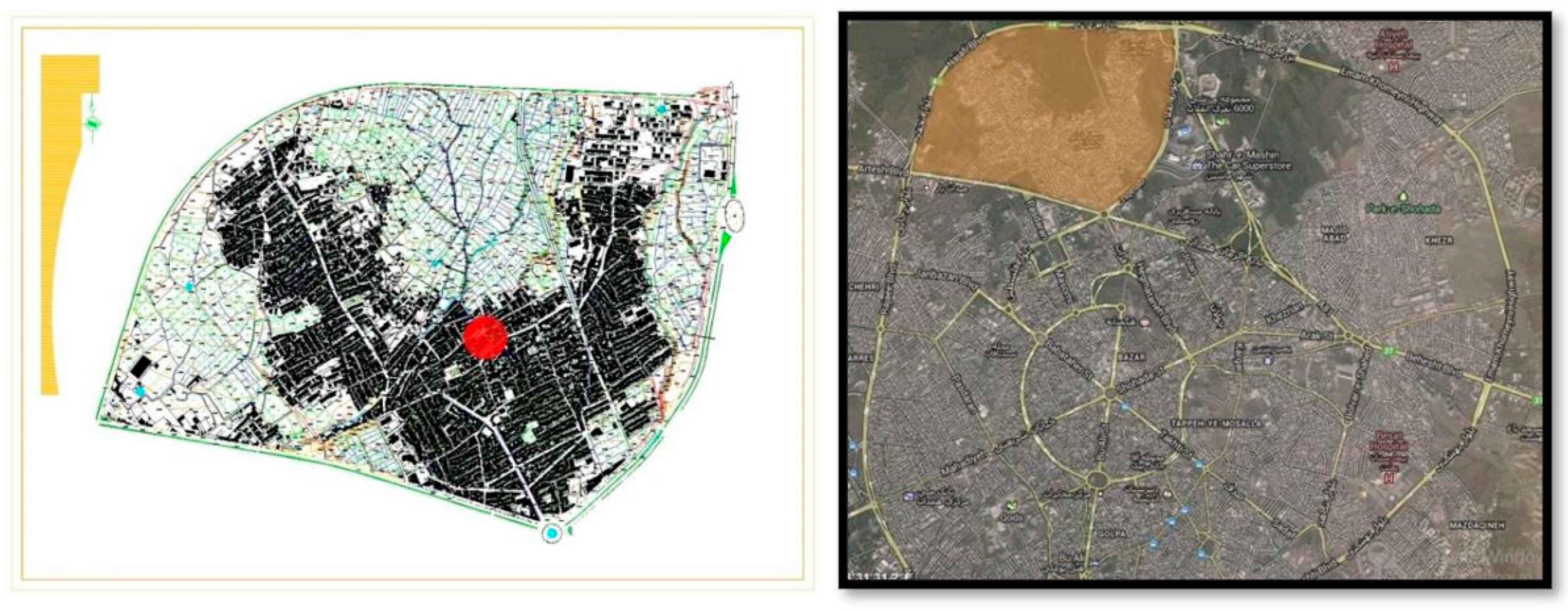
53]. In order for making an accurate assessment, an area consisting of some blocks was selected in Hesar Imam Khomeini informal settlement, in which multiethnicity and social differences were prominent. Then, the degree of multiethnicity of the families residing in this area was examined prior to distribution of the questionnaires (
Figure 4 and
Figure 5).
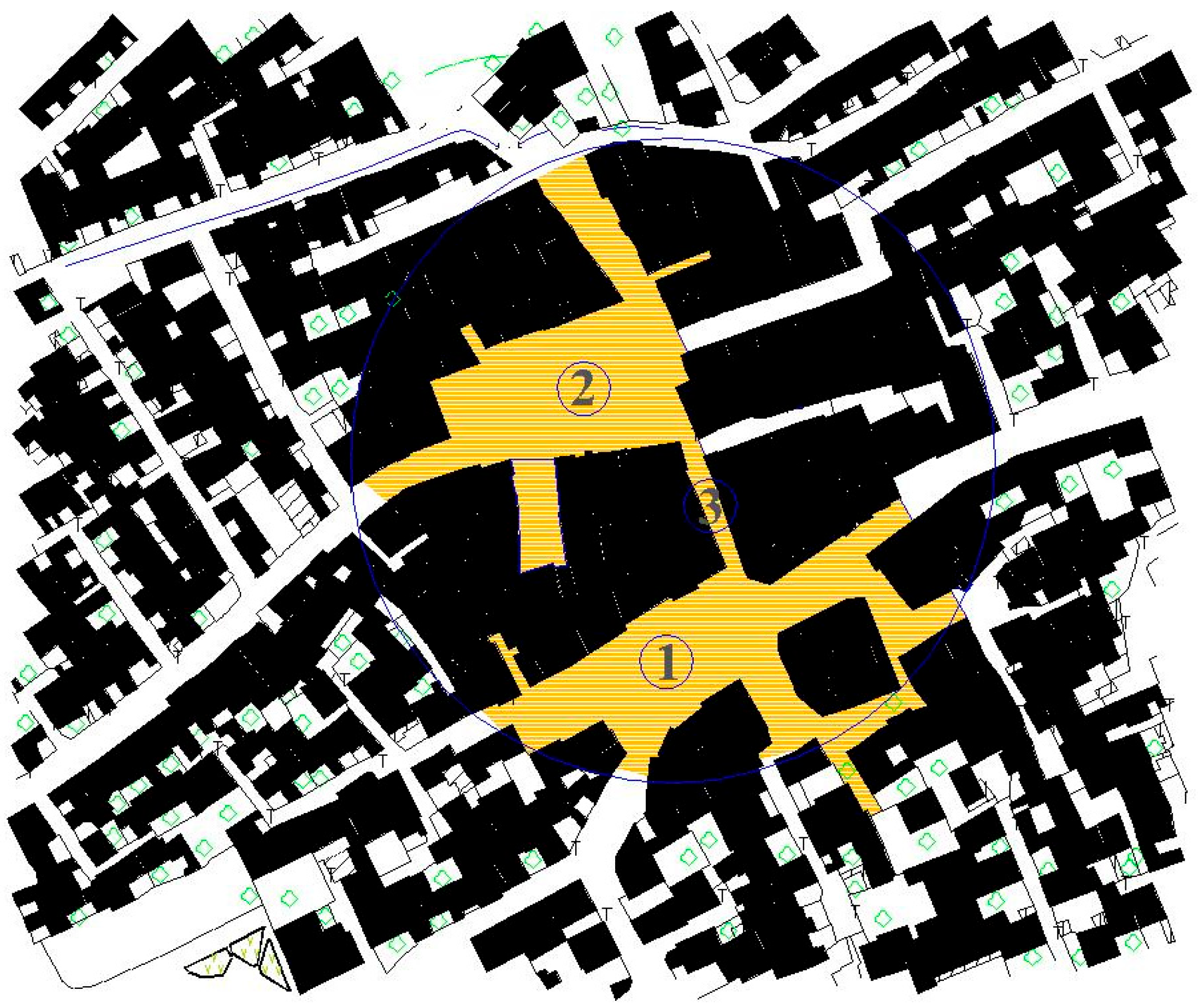
This area is the primary rural core of Hesar Imam Khomeini neighborhood, which is in direct contact with the living areas of the immigrants. Part 1, highlighted with yellow in
Figure 6, is the nucleus of the neighborhood in which the native residents live, and Part 2 is an open area in which the immigrants with different ethnicities are stationed. Parts 1 and 2 are connected by an alley (marked by 3) on the eastern side of which is Imam Hassan Mojtaba Mosque known as the Old Mosque. This mosque is mostly frequented by the natives of the neighborhood. The mosque used by the immigrants is located at the entrance of the neighborhood.
As can be seen in
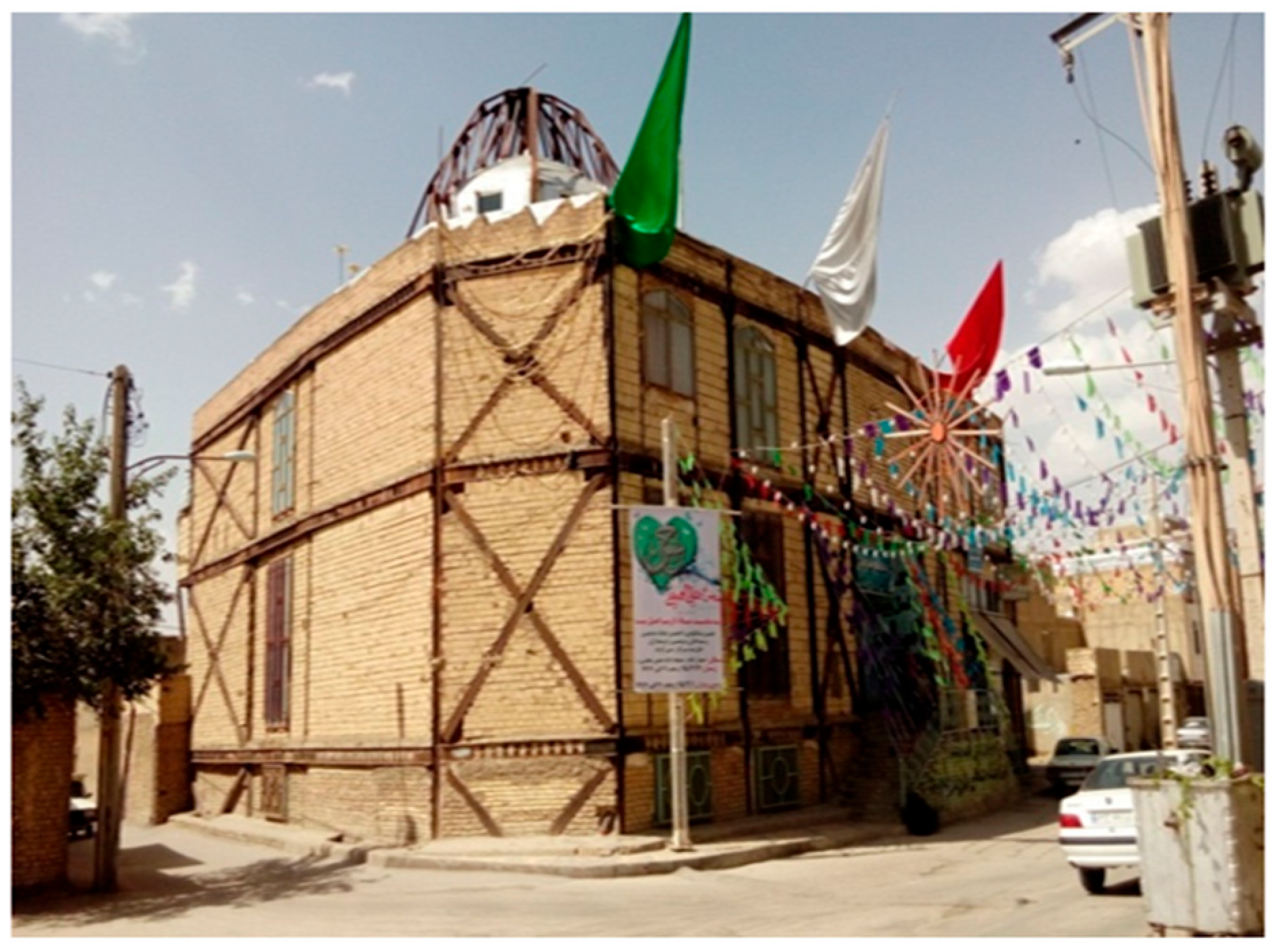
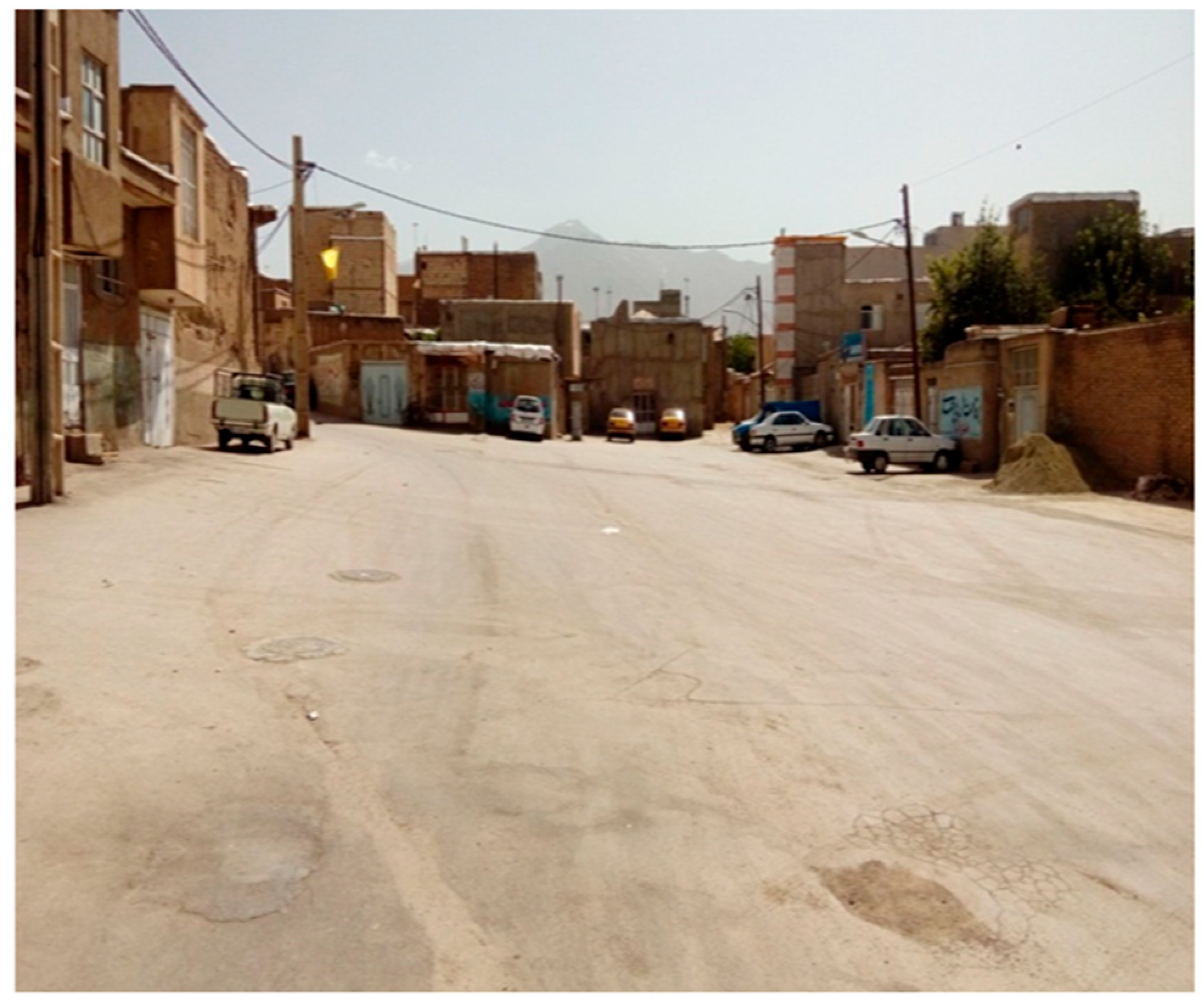
Figure 3, the population of the selected area is mainly composed of four ethnic groups: Lor, Kurdish, Turk and Fars (natives). A number of photographs were taken from the open and shared spaces of the selected area some of which are shown in
Figure 6 and
Figure 7.
5. Results
In order for identification of the impact of the selected indicators in the study area via the structural equation modeling method, “perception of physical factors”, “social interactions”, “social capital” and “social cohesion” were designated as latent factors in the study sample. The finalized model of the study was developed by Smart PLS software, which can be seen in
Figure 5.
5.1. Reliability and Validity
According to the principles of structural equation modeling, the reliability and validity of the proposed model needed to be evaluated prior to examination of the significance of the relationships between the paths and the coefficients of the impact of the variables on one another in each path. The reliability of the model was measured by composite reliability (CR) and its validity was evaluated by convergent validity and average variance extracted (AVE). A CR higher than 0.7 proves the reliability of a variable [
54].
As
Table 1 shows, the value of the CR coefficient is acceptable for the developed model. Convergent validity is the second criterion used for assessing the goodness of fit of measurement models in PLS software. AVE represents the average variance shared between each construct and its indicators. The critical value of AVE is 0.5 in the sense that any value greater than 0.5 proves the acceptable convergent validity of a model.
This index was proposed by Fornell and Larker [
55] and a minimum value of 0.5 was suggested as the critical value. This means that a latent variable determines at least 50% of the variance of its observable variables.
As
Table 2 shows, the AVE values of all variables are above 0.5. Therefore, the convergent validity of the model is acceptable.
In addition to CR and AVE, further model fit indices were examined to provide a more comprehensive assessment of the measurement model, following PLS-SEM best practices. The SRMR index evaluates the overall goodness of fit, where values below 0.08 indicate an acceptable fit. The NFI compares the proposed model with a null model, with values above 0.90 representing a satisfactory fit. Discriminant validity was additionally assessed using the HTMT ratio, which should remain below 0.85–0.90 depending on the recommended threshold. As shown in
Table 3, all indices fall within acceptable ranges, confirming the adequacy of the model fit and the validity of the construct measures (
Table 3).
5.2. Values of the Coefficient of Determination
The necessary criterion for measuring a structural pattern is the coefficient of determination (R2) of the latent dependent variables. According to Hair [
50], the R2 values of 0.19, 0.33 and 0.67 in the PLS path model represent weak, medium and significant degrees, respectively. Unlike the covariance-based approach which uses multiple indicators to assess the goodness of fit of a pattern, the PLS approach lacks a chi-square-based fit index to assess the degree to which a theoretical pattern matches the collected data. This is related to the predictive nature of the PLS axis.
Based on the values obtained from the R2 index, as has been illustrated in
Table 4, the independent variables correctly explain the dependent variables.
5.3. Structural and Measurement Models
The figures below shows the general output models (both structural and measurement) produced by Smart PLS software. The models will be discussed in detail in the following section. The
p-value statistic was used for testing the hypothesis and the significance of the relationships was evaluated based on the regression coefficient value which can be obtained in Smart PLS software by bootstrapping [
52]. In this model, if the significance of
p-value is less than 0.05, the relationship between the two factors (paths) in the study sample is confirmed with 95% confidence. As can be seen in
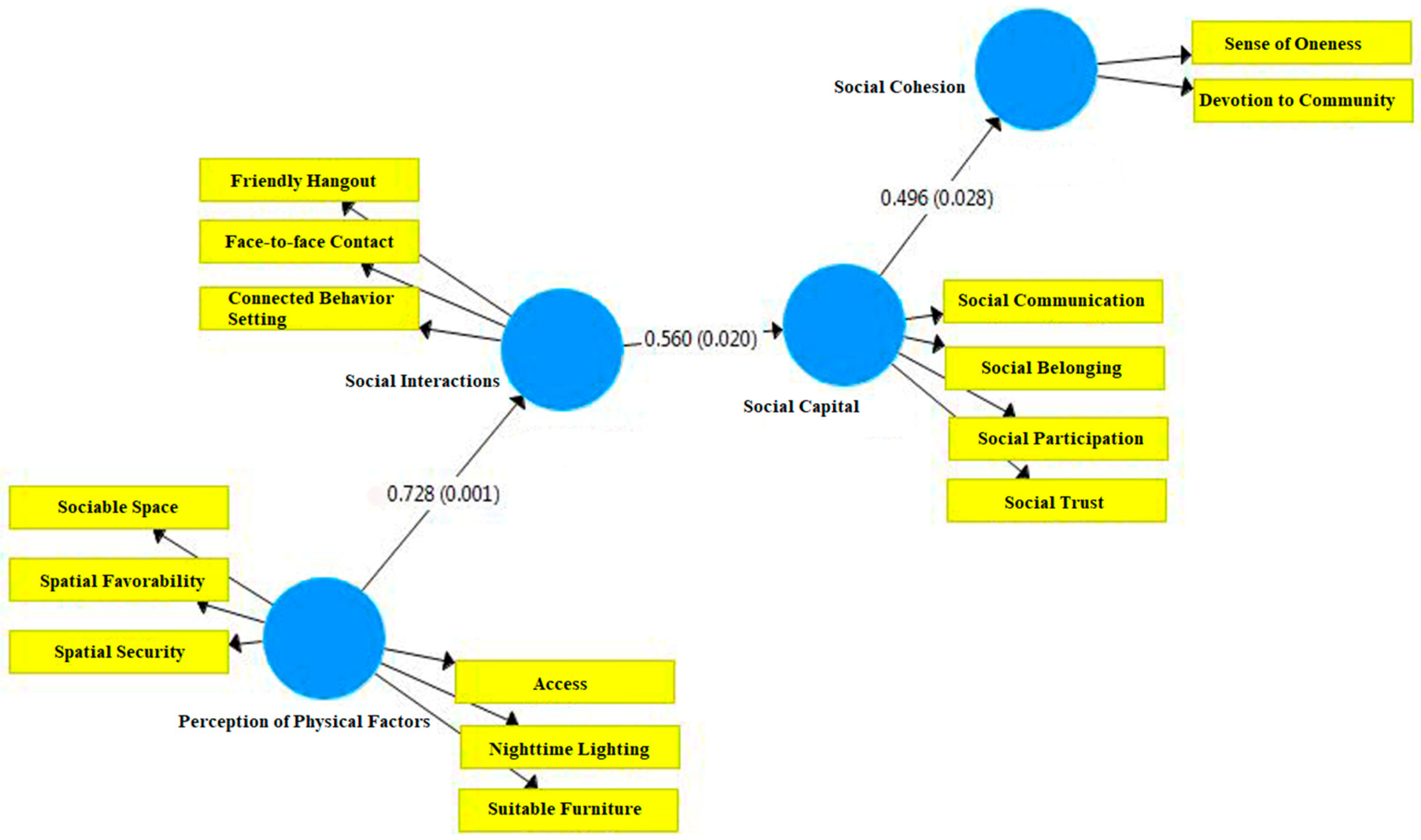
Figure 5, all the proposed relationships in the conceptual model are significant.
Figure 8 also shows that the three main paths indicate a strong relationship between the research hypotheses with relatively strong coefficients.
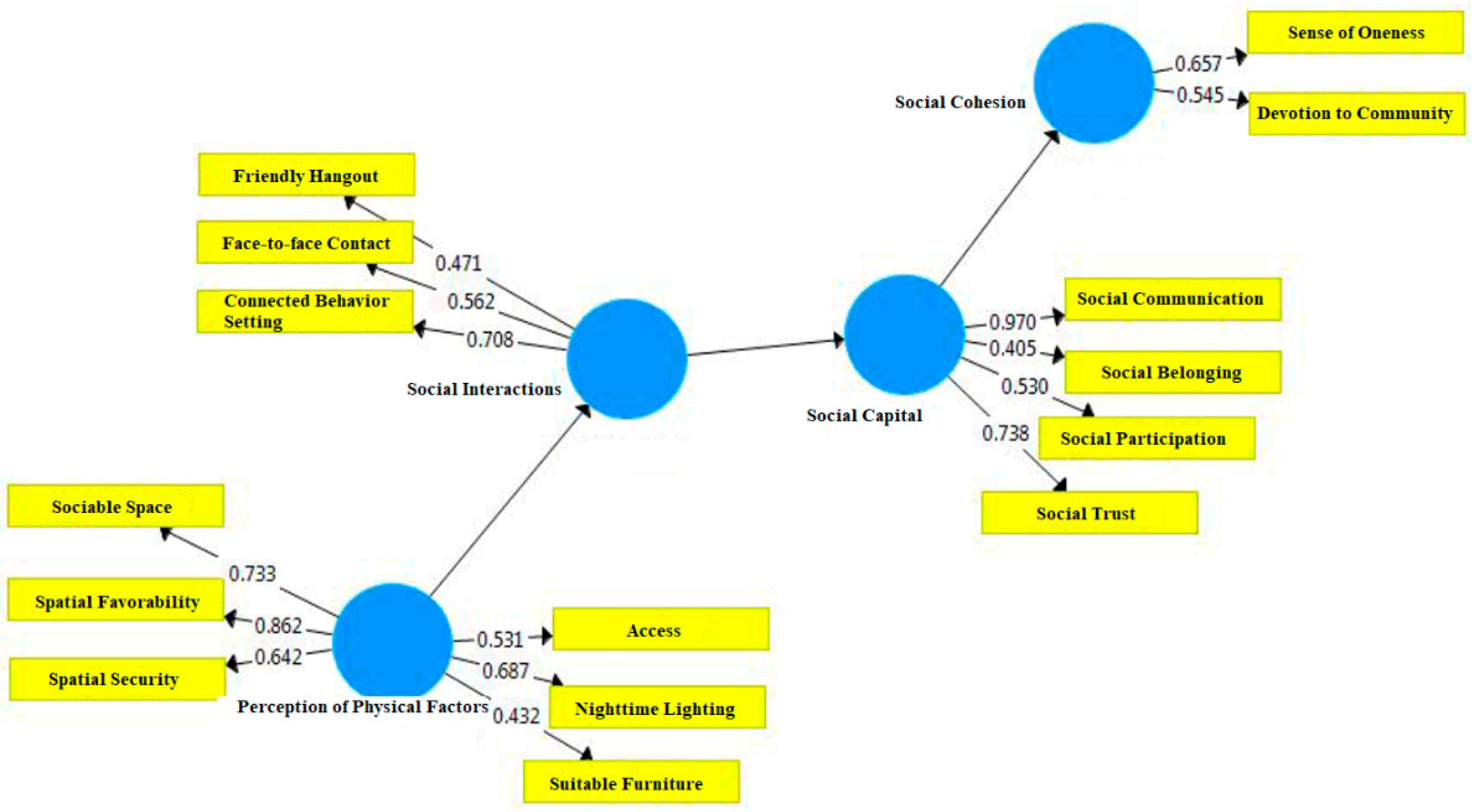
Figure 9 also shows that the three main paths indicate a strong relationship between the research hypotheses with relatively strong coefficients.
Regarding the loadings of the items, values greater than 0.4 affect the related latent variable. The loadings of the questions of each indicator has been specified in
Figure 9. The value is above 0.4 for all questions and therefore all the questions have affected the target variable. This proves the validity of the developed model.
6. Discussion and Conclusions
In recent decades, crises induced by climate change and economic instability—particularly in developing countries—have accelerated migration from villages and small towns to larger cities. This rapid urban influx, combined with inadequate physical and infrastructural capacity, has led to the formation of informal settlements, commonly known as slums, on the outskirts of major cities. Within these settlements, social cohesion faces significant challenges due to cultural and ethnic diversity, especially when a rural core is combined with new immigrant populations. Such contexts highlight the importance of understanding how the physical environment of public spaces can influence social relationships and community integration.
The present study aimed to investigate the impact of physical and architectural characteristics of public spaces on social cohesion within multiethnic and low-income neighborhoods. Drawing on an extensive literature review and expert insights, a conceptual model was developed linking physical factors (as independent variables) to social cohesion (as the dependent variable) through the mediating roles of social interactions and social capital. The model was tested in the rural nucleus of the Hesar neighborhood in Hamedan, characterized by considerable ethnic diversity. Data were collected through structured questionnaires and analyzed using structural equation modeling (SmartPLS).
The analysis confirmed all three main hypotheses of the study. First, the physical features of the neighborhood had a significant and strong effect (β = 0.728) on promoting social interactions among residents. Second, social interactions were positively associated with the development of social capital. Finally, higher levels of social capital were found to enhance social cohesion. These results are consistent with prior studies emphasizing that social interactions and social capital play central roles in fostering social cohesion within multiethnic communities [
40,
44,
55]. The overall mechanism indicates that physical improvements in public spaces can act as catalysts for social interaction, which in turn builds social capital and strengthens the social fabric of informal settlements (
Figure 10).
Moreover, the findings support the argument that physical factors affect social cohesion through an objective–subjective process. This aligns with Ashfina et al. [
56], who noted that architectural and spatial design elements of public spaces can enhance social cohesion by encouraging interpersonal engagement among diverse community members. The transformation of tangible physical settings into social interactions and then into the intangible asset of social capital underlines the gradual, long-term nature of community integration. Social capital does not emerge spontaneously but evolves as residents repeatedly interact and establish trust, eventually consolidating local identity and neighborhood attachment [
57].
Although the findings demonstrate that improvements in the physical environment can help reinforce social ties in multiethnic informal neighborhoods, it is essential to recognize the broader conditions under which such interventions take place. Informal settlements frequently operate with limited budgets, ambiguous property rights, and administrative challenges, all of which can affect the implementation and upkeep of public space projects. In addition, upgrading the built environment may unintentionally alter local socio-economic dynamics—for example, by increasing housing costs or making the area more attractive to external investors, potentially putting long-standing residents at risk. For these reasons, physical design strategies should be integrated into comprehensive, community-centered planning approaches that aim to enhance social well-being while protecting residents from adverse outcomes.
Also, this study has several limitations. It focused solely on multiethnic Iranian populations, limiting the generalizability of results to other contexts, particularly those with refugee populations. Additionally, the research relied on residents’ perspectives and did not include expert evaluations. Future research should expand to other informal settlements and integrate the viewpoints of planners, architects, and sociologists to validate and deepen the findings.
In conclusion, the study demonstrates that enhancing the physical quality of public spaces in informal, multiethnic neighborhoods can serve as a powerful instrument for strengthening social interactions, building social capital, and ultimately promoting social cohesion. These results underscore the crucial role of urban design and planning interventions in shaping inclusive, resilient, and integrated urban communities.