


Abstract
Direct solar photovoltaic to electrolyser systems offer a promising pathway for producing low-carbon hydrogen, yet their performance and scalability remain limited by challenges that arise when variable solar generation is coupled to electrochemical conversion, with unresolved implications for electrolyser lifetime and hydrogen production cost. This review synthesises recent advances in photovoltaic technologies, electrolyser development and emerging deployment configurations to evaluate the technical, operational and environmental factors that shape system feasibility. The assessment draws on findings from experimental studies, modelling frameworks and techno-economic analyses to examine photovoltaic efficiency losses, thermal and material degradation, high-resolution intermittency effects, electrolyser dynamics, degradation mechanisms and storage interactions, and their combined influence on usage-dependent lifetime and cost behaviour. The results show that fluctuating solar input reduces conversion efficiency, increases transient overpotentials and accelerates degradation in both photovoltaic modules and electrolyser stacks. Technology-specific trade-offs persist, with alkaline water electrolysis constrained by limited flexibility, proton exchange membrane electrolysis by reliance on scarce catalyst materials, and anion exchange membrane and solid oxide electrolysis systems requiring further validation under real-world variability. Floating photovoltaic systems and agrivoltaics expand deployment opportunities but introduce additional constraints related to water quality, ecological impacts and power variability. Overall, the review finds that system-level integration, dynamic modelling, degradation-aware design and coordinated storage strategies are essential to unlocking reliable and scalable solar-to-hydrogen production.
1. Introduction
The International Energy Agency has forecasted that the continuous urbanisation and growth of the Earth’s population will cause a 50% increase in energy demand by 2030 [1], threatening to accelerate global warming beyond the 1.5 °C threshold, a critical limit identified by the Intergovernmental Panel on Climate Change (IPCC) to prevent catastrophic environmental and socio-economic consequences [2]. Currently, the energy sector makes up 34% of total Greenhouse Gas (GHG) emissions [3], with around 80% of global electricity supply still derived from the combustion of carbon-based fuels [4]. As fossil fuel combustion emits substantial CO2, rapid decarbonisation of the energy sector is necessary to meet rising energy demand while mitigating climate change.
To address this, governments worldwide have set carbon reduction goals, such as the UK’s legally binding Net-Zero 2050 Roadmap, which aims to balance nationwide carbon emissions with carbon sequestration [5]. Decarbonising the energy sector aligns with the United Nations’ Sustainable Development Goals, particularly SDG 7 (Affordable and Clean Energy) and SDG 13 (Climate Action) [6].
The IEA’s Net Zero by 2050 roadmap predicts that renewable energy must contribute to 90% of global electricity demand by 2050 in order to meet climate targets [7]. Currently, renewable sources provide around 27% of global electricity generation [8], a significant increase from earlier estimates such as the 23.7% reported by [9]. Traditionally, hydropower has provided most of this capacity, as it was the first renewable technology to mature; however, concerns over its ecological impacts and a shortage of new available resources has shifted the focus to wind and solar power. Solar PV and wind technologies have seen the largest growth in terms of their installed capacity and contribution to electricity grids since 2015, as seen in Figure 1.
Figure 1.
Global renewable electricity generation from hydropower, wind, solar, and other renewables between 2015 and 2024. “Other renewables” include geothermal, biomass, waste, wave, and tidal energy sources; traditional biomass is excluded. Data from the Energy Institute’s Statistical Review of World Energy (2025), with major processing by Our World in Data Reproduced under CC BY 4.0 [10].
Solar PV has seen the largest growth in the sector due to the worldwide abundance of solar resources, the >90% decline in module costs since 2010, technological advancements and strong policy support [11]. However, the intermittency of the solar resource remains a challenge, with energy outputs changing both diurnally and seasonally, particularly in higher latitudes where the solar resource varies more annually [12]. Unlike dispatchable power sources, PV electricity generation peaks at solar noon, failing to align with the grid load demand fluctuations in the evening and nighttime [13]. Beyond grid integration challenges, solar intermittency also has direct implications for downstream energy conversion technologies. When photovoltaics are directly coupled to electrochemical systems such as water electrolysers, a fluctuating power input leads to dynamic operation, frequent load cycling and off-design operating conditions, which can affect efficiency, durability and cost [14,15].
To address this, battery storage systems, such as lithium-ion storage systems, have seen rapid advancements and an increase in deployment [16]. They enable the short-term storage of excess renewable energy to smooth out supply fluctuations [17]. However, current battery technology faces limitations in terms of cost, scalability, resource constraints and degradation over time, making them unsuitable for large-scale long-term storage applications [18]. Moreover, batteries are not designed for long-duration or seasonal storage, which remains technically and economically unfeasible for lithium-ion systems due to cycle life limitations, cost scaling, and capacity fade under prolonged storage requirements [19].
1.1. Hydrogen Production
Batteries’ short-term suitability has positioned hydrogen as a promising alternative. Hydrogen, which can be produced via the electrolysis of water powered by renewable sources, offers a long-term chemical storage and grid balancing solution [4]. Unlike batteries, hydrogen can be stored at high pressure indefinitely, transported and used on demand, mirroring the dispatchability of fossil fuels but without the associated negative environmental impacts. Integrating direct solar-to-hydrogen production systems could improve energy security and support global decarbonisation goals [20].
Currently, around 87 million tonnes of hydrogen are produced annually [21], from a variety of methods, as seen in Figure 2. Hydrogen is categorised into different colour shades, i.e., blue, black, brown, grey and green, based on the H2 production technology, energy source and associated environmental impact [22]. In 2019, 96% of global hydrogen was derived from brown and blue pathways, with the remaining 4% attributed to green hydrogen, primarily through electrolysis [23].
Figure 2.
Schematic representation of renewable and non-renewable hydrogen pathways, redrawn from [4].
Blue, black and brown hydrogen are all classified as non-renewable production methods [24]. Blue hydrogen is produced from the steam reforming of methane, where natural gas is split into hydrogen (H2) and carbon dioxide (CO2); 85–95% of the CO2 produced is captured using industrial carbon capture (CCS) methods and stored underground [1]. Although much of the CO2 is sequestered in this method, the long-term effects of storage are unknown, and leakage negates any carbon capture efforts [25]. Hydrogen produced from the steam reforming of methane can be classified as grey if the CCS part of the system is not present, which subsequently means all the CO2 produced during the process is released into the atmosphere [26].
Brown hydrogen is very similar to black hydrogen, as both utilise the gasification of coal to produce hydrogen [7]. However, their differences lie in the quality of the coal feedstock used; the brown pathway uses lignite or ‘dirty coal’, while higher-quality coal is used in the black hydrogen method. As a result, for every tonne of brown hydrogen produced, 10 to 12 tonnes of CO2 are released [1].
Green hydrogen not only offers the possibility of low-carbon hydrogen production, but it also produces hydrogen at a very high purity compared to other methods [27]. However, despite its environmental benefits, green hydrogen remains significantly more expensive than non-renewable methods. Recent 2025 estimates indicate that green hydrogen typically costs $2.28 to $7.39 per kg of H2, whereas blue hydrogen, produced from natural gas with carbon capture, ranges between $0.99 to $2.05 per kg of H2. For comparison, grey hydrogen costs $0.67 to $1.31 per kg of H2, and hydrogen derived from coal (brown or black) remains in the $1.2 to $2.0 per kg of H2 range, as shown in Table 1 [28]. This is primarily due to the high electricity demands of electrolysis and the high capital costs of electrolysers [7]. However, ongoing advancements in electrolyser technology and decreasing renewable energy costs are expected to reduce costs over time [29].
Table 1.
Hydrogen production cost ranges by colour category and feedstock [28].
In addition to current water electrolysis, several other green hydrogen pathways are being developed utilising different technologies, such as bio-hydrogen and biomass pyrolysis. These processes are briefly outlined in Figure 2.
Beyond energy storage, hydrogen is not only a primary energy source, but it is an energy carrier that can be used directly in fuel cells and as a feedstock in a multitude of industrial applications [30]. Therefore, hydrogen could be essential for the decarbonisation of several sectors:
Industry: Hydrogen is a feedstock for ammonia, steel and other chemicals’ production, where electrification is difficult [25].
Transport: Fuel Cell Electric Vehicles (FCEVs) could overcome the range and charging limitations of current battery electric vehicles (EVs), especially in heavy transportation where EVs struggle to compete with internal combustion engine vehicles [31].
Power generation: Hydrogen-powered turbines offer a pathway to decarbonise thermal power generation for a variety of industrial processes that require high temperatures [7]. Figure 3 illustrates the potential uses of green hydrogen in the future.
Figure 3.
Potential future energy flows using water electrolysis to produce hydrogen, adapted from [29].
Recognising its potential, the UK government has committed to developing 10 GW of low-carbon hydrogen production capacity by 2030, with at least 5 GW from green hydrogen in its Hydrogen Roadmap [32]. The EU’s Hydrogen Strategy similarly emphasises expanding the current hydrogen infrastructure to meet European carbon goals [33]. Achieving large-scale solar-to-hydrogen deployment requires interdisciplinary collaboration between material scientists, chemical engineers, policy makers and energy engineers. By leveraging direct solar-to-hydrogen conversion technologies, countries can simultaneously address energy security, economic sustainability, and climate change, aligning with global net-zero objectives.
Despite the growing policy emphasis on green hydrogen and rapid advances in photovoltaic and electrolyser technologies, the integration of variable solar generation with electrochemical hydrogen production remains a critical bottleneck. Most existing studies and reviews focus on individual components such as photovoltaic efficiency, electrolyser performance or hydrogen storage, often under steady-state or idealised conditions. As a result, the system-level implications of solar intermittency, dynamic electrolyser operation, degradation, and the deployment context are not consistently addressed. This limits the ability of current assessments to inform the realistic design, operation and scaling of direct solar-to-hydrogen systems.
1.2. Scope of the Review
This paper aims to provide a system-level review of hydrogen production technologies powered directly by solar photovoltaics, with a particular focus on addressing challenges arising from solar intermittency, dynamic electrolyser behaviour and long-term degradation. The review will focus on the current successes and challenges of the direct integration of solar-to-hydrogen technologies, while examining the different approaches to hydrogen generation and the deployment of solar technologies in applications such as floating PV and agrivoltaics (AgriPV). Each technology offers different pathways for harnessing solar energy to produce hydrogen, but they all also present unique integration challenges that must be addressed to realise their potential for large-scale applications.
The research questions guiding this review focus on identifying the key technologies that enable solar-driven hydrogen production, examining the challenges associated with synchronising variable solar power generation with hydrogen production requirements, particularly in relation to energy storage, system integration and scalability, and evaluating how efficiency, cost and sustainability metrics compare across different technological pathways and how these factors can be optimised for practical deployment.
This focus is particularly timely given that recent hydrogen deployment plans and roadmaps emphasise component scale-up, while the system-level integration of photovoltaic-driven electrolysis remains underrepresented.
1.3. Novelty and Importance of This Review
Extensive research has examined photovoltaic performance, thermal management and degradation mechanisms, with recent reviews offering broad overviews of PV technologies, architectures and environmental challenges. Notable examples include Ref. [34], analysing PV evolution and deployment barriers, Ref. [35], focusing on PV cell architectures and integration methods such as Building-Integrated Photovoltaics (BIPV) and Floating Photovoltaics (FPV), and Ref. [36], providing a global synthesis of environmental and operational factors affecting PV performance. Parallel work on electrolysis technologies has separately advanced understanding of electrolyser efficiency, costs and durability under steady-state conditions, as seen in [37,38,39].
While prior studies have examined electrolyser cost sensitivity, degradation mechanisms, system sizing, and technology selection, these aspects are typically treated independently. Fewer works explicitly link solar intermittency-driven operating profiles to usage-dependent electrolyser lifetime and address the resulting implications for hydrogen production cost in direct coupled PV–electrolyser systems. Existing hybrid system assessments often focus on techno-economic optimisation or sizing but still rely on simplified or averaged operating assumptions, thereby neglecting dynamic intermittency effects and degradation pathways under realistic solar input [40], particularly under deployment-specific conditions and different PV configurations.
In this context, the contribution of this review lies in a unified synthesis that brings together photovoltaic performance characteristics, intermittency effects, electrolyser dynamics, degradation mechanisms, storage interactions and site-specific constraints across conventional PV, floating PV and agrivoltaic configurations. This review addresses that gap by integrating findings across these domains to examine how interactions between photovoltaic variability, electrolyser dynamics, degradation mechanisms and storage strategies influence system-level performance and reliability in direct solar-to-hydrogen systems, and by identifying priority research directions required to support scalable and robust PV-driven electrolysis.
2. Research Methodology
A systematic literature search was conducted using the Scopus database to identify peer-reviewed studies published between 2010 and 2026. The search strategy was designed to capture research related to photovoltaic-powered water electrolysis, including direct and indirect coupling, intermittency, degradation, and storage integration. The relevant keywords and their combinations included photovoltaic, solar PV, electrolysis, water electrolysis, hydrogen production, and electrolyser systems. The search was restricted to English language journal articles and review papers.
The initial search yielded 857 records. After removing duplicates and conducting title and abstract screening, a machine learning-assisted screening was performed using ASReview following a manual seeding. This process resulted in 139 relevant studies, which were subjected to full text assessment and classified into thematic categories covering system dynamics, control strategies, degradation modelling, storage integration, techno-economic analysis, and experimental validation. This structured approach ensured comprehensive and reproducible coverage of recent advances in PV-driven hydrogen systems.
In addition to conventional ground-mounted PV systems, targeted searches were conducted for emerging configurations such as FPV and APV, using dedicated keyword combinations related to water bodies, land use sharing, and dual-use systems. These additional searches were necessary because FPV- and APV-based hydrogen production studies are often reported within broader renewable energy or land–water management literature and are not always captured through standard PV–electrolysis queries.
Much of the existing PV-to-hydrogen literature focuses primarily on photovoltaic power generation, an area that is already well established and extensively documented. In contrast, comparatively fewer studies provide an in-depth analysis of the technical challenges associated with integrating PV systems with water electrolysis and hydrogen storage. Therefore, additional screening was conducted to prioritise studies that explicitly addressed electrolyser operation, system integration, degradation behaviour, and energy management, rather than relying on simplified assumptions regarding efficiency, power demand, or operating conditions.
3. Green Hydrogen Production Pathways
As seen in Figure 2, green hydrogen can be produced by electrolysis, biohydrogen, thermochemical cycles, photocatalysts and plasmolysis [4]. However, for the purpose of this report, electrolysis hydrogen pathways will be focused on as they are currently the largest contributor to the green hydrogen sector. Also, many of the above-mentioned pathways are in their early development and hence have not undergone testing to understand their suitability with solar PV technologies. Nonetheless, alternative methods will be briefly visited, and compared and contrasted based on their potential suitability for commercial-scale H2 production from solar power.
3.1. Overview of Production Technologies
As aforementioned, the most recognised and developed method of producing green hydrogen is through electrochemical water splitting [41]. Water electrolysis is a mature hydrogen production process, that has been around for over two centuries; Figure 4 displays this timeline.
Figure 4.
Development timeline of water electrolysis technologies (1800–2050), showing past advancements up to 2025 and projected future generations. Challenges, breakthrough innovations, and anticipated large-scale applications for each generation are highlighted [42]. Reproduced under CC BY 4.0.
Figure 5 presents a schematic of several electrolysis units, consisting of an anode and a cathode immersed in a conducting electrolyte connected through an external direct current (DC) power supply. They function when a DC is applied to the unit and electrons flow from the negative terminal to the cathode, where they are consumed by hydrogen ions (H+) to form hydrogen molecules (H2), and oxygen (O2) moves toward the anode where it provides an electron to complete the circuit [29]. A separator, either a diaphragm or a membrane, restricts the gases from mixing while still allowing ionic movement, and gas receivers at the electrodes collect the gasses and take them away from the cell for storage [43].
Figure 5.
Schematic representations of three major water electrolysis technologies: (a) alkaline water electrolysis (AWE), which employs a porous diaphragm to facilitate hydroxide ion (OH−) transport; (b) proton exchange membrane (PEM) electrolysis, based on proton (H+) conduction through a solid polymer membrane; and (c) anion exchange membrane (AEM) electrolysis, where OH− ions migrate across an anion-selective membrane. Reproduced from Ref. [1] under the Creative Commons CC BY 4.0 licence.
The basic overall reaction for water electrolysis is shown in Equation (1):
The anode and cathode’s half-reactions vary across the electrolyser technologies. Because pure water is a poor electrical conductor, salts or ion-conducting membranes are used to enable ionic transport between electrodes [44]. Several types of water electrolysis technologies exist, each with distinct operating conditions and electrode reactions. These include alkaline water electrolysis (AWE), anion exchange membrane (AEM) electrolysis, and proton exchange membrane (PEM) electrolysis, with advantages and drawbacks [1].
3.1.1. Alkaline Water Electrolysis (AWE)
Electrolysis using the alkaline method is well established and mature, with this technology being attributed to the first water electrolysis method invented in the 18th century [29]. The process works by sending an electric current through the alkaline aqueous solution, which causes the hydrogen molecules to form at the cathode and the oxygen molecules at the anode [1]. Potassium Hydroxide (KOH) is a common choice for the electrolyte solution in AWE, which operates at temperatures in the range of 30 to 80 °C [45]. As the technology is mature, numerous multi-megawatt commercial facilities currently operate, contributing to the ~4 million tonnes of hydrogen produced annually by electrolysis [46]. Alkaline water electrolysers are a favourable system for large-scale applications, as the investment cost is around $500 to 1000/kW and they have an operational lifetime of around 60,000 h [47].
However, AWE is limited to current densities of 0.1 to 0.9 A/cm2 due to moderate OH− mobility and the usage of corrosive electrolytes [48]. As a result, larger electrode areas are required to achieve high hydrogen production rates, increasing system size and electrical resistance within the cell. In practical systems, these factors contribute to typical electrical efficiencies in the range of 65–70% under nominal operating conditions [49]. Under partial load operation, which is common in solar-driven systems, additional parasitic losses such as shunt currents become more significant, leading to increased specific energy consumption at reduced operating currents [50]. The KOH solution used is also very corrosive, which breaks down electrodes, requiring corrosion-resistant materials, increasing maintenance and limiting material choices. In addition, the diaphragm is not able to prevent the cross-over of gases between half-cells, which in turn reduces the purity of the products, ~99.5% pure H2 and O2 [1].
3.1.2. Proton Exchange Membrane (PEM) Electrolysis
PEM electrolysis was developed in the late 1960s in order to overcome some of the outstanding drawbacks of AWE [1]. The electrolyte in PEM electrolysers consists of a thin polymer membrane through which H+ ions can pass, and the electrodes are made of titanium coated with a noble metal catalyst [45]. When a current is applied, the water molecules split, and the hydrogen and oxygen atoms/ions collect at the cathode and anode to then be taken away by gas collectors, respectively [29]. The process typically operates between 30 and 80 °C temperatures, with high current densities (1–2 A/cm2) and produces high purity (99.999%) O2 and H2 [51]. In MW-scale applications, the stability has been reported to be ~60,000 h with negligible performance losses, which is successful but still short of the industry future stability target of 100,000 h [47].
Although PEM electrolysers offer greater efficiencies, higher production rates, and a more compact design than AWE technologies [52], iridium, one of the key catalyst materials, has been identified as a bottleneck for the progression of the technology due to its rarity and high cost [53]. A 10 MW electrolyser operating at 1 A/cm2 requires around 15 kg of IrO2, with a cost of $196,119/kg of iridium [1] as of 2021. Therefore, in order for PEM electrolysis to reach the desired 2050 cost target of <$200 kW/H2 [48], the current issues need to be addressed, for instance, replacing rare noble metals with more cost-effective materials. Reducing membrane thickness has also been identified as a key change to improve efficiency, as currently the 180 µm thick membrane causes a 25% efficiency loss, while it is predicted that a 20 µm membrane would only reduce efficiency by 6% [1]. Further development is still required.
3.1.3. Anion Exchange Membrane (AEM) Electrolysis
Anion exchange membrane (AEM) water electrolysis is an emerging technology gaining traction due to its potential for low-cost, high-performance hydrogen production compared to other electrolysis methods [1]. Similarly to AWE, AEM operates in an alkaline environment, but instead of using a diaphragm, it employs an anion exchange membrane to facilitate the transport of hydroxide ions from the cathode to the anode [29]. This allows for the use of a less concentrated electrolyte, which reduces the corrosive effects and improves the durability of the system [54]. AEM is still in its development phase, with ongoing research aimed at enhancing cell efficiency and stability, both of which are essential for commercial viability [55]. Currently, it runs at 40 to 60 °C and the longest recorded lifespan exceeds 35,000 h of operational time, highlighting the need for further improvement to compete with the likes of AWE and PEM lifespans [56].
A key advantage of AEM electrolysis is that it uses nickel-based electrodes and stainless steel bipolar plates, which are more affordable and widely available than the expensive materials required for the same components in a PEM system [57]. The current density is in the range of 0.2 to 2 A/cm2, and the hydrogen produced using this method matches the purity of PEM electrolysis. However, high production costs still remain a significant barrier, with current estimates at $1279 kWH2 compared to the 2050 industry target of <$300 kWH2 [51]. Addressing the challenges related to stability and efficiency is essential to making AEM a commercially viable green hydrogen method in the future. Table 2 summarises the system metrics of the three electrolyser technologies discussed above.
The lifetime ranges reported in Table 2 should be interpreted as indicative values obtained largely under steady-state or controlled cycling conditions. Under solar-driven operation, intermittency does not introduce new degradation mechanisms but alters their rate by increasing the frequency of dynamic events. As discussed in Section 4.2, short-timescale power fluctuations typical of PV systems are therefore expected to reduce the effective operational lifetime relative to nominal values, with alkaline systems being more sensitive to high-frequency cycling and PEM systems being more affected by cumulative start-up and shut-down events. For AEM electrolysers, the wide lifetime range reflects both material immaturity and the current lack of durability data under realistic intermittent profiles [58].
Table 2.
Comparison of several performance parameters of different water electrolysis technologies [42,47,59].
3.2. System Integration Modelling
Rather than proposing a new optimisation or sizing model, this section outlines an integration-oriented system modelling framework that links renewable variability, electrolyser dynamics, degradation behaviour and storage interactions to assess realistic performance and lifetime outcomes. Modelling the integration of PV systems with water electrolysers requires an understanding of how power intermittency affects both short-term performance and long-term system behaviour. A key parameter is the PV production profile, which varies daily and seasonally and therefore directly influences electrolyser loading. To capture these interactions consistently, a structured, integration-oriented modelling framework is required, as shown in Figure 6, in which component-level behaviour is evaluated in the context of system-level interactions rather than as isolated subsystems. Studies show that low load operation and frequent cycling can reduce conversion efficiency and introduce transient voltage losses, particularly in proton exchange systems [60]. For alkaline electrolysers, sensitivity analyses demonstrate that parasitic losses dominate efficiency behaviour at reduced loads, significantly increasing specific energy consumption [61]. As a result, these variations need to be modelled at high temporal resolution, because using averaged irradiance can underestimate both efficiency losses and degradation over time. This necessity aligns with the broader shift toward high-resolution PV–electrolysis modelling, where studies increasingly employ sub-hourly or minute-scale inputs to capture the operational consequences of rapid solar fluctuations [62,63].
Figure 6.
Modelling framework for direct PV-to-hydrogen systems, illustrating the key stages required to represent renewable variability and its impact on electrolyser performance. The workflow includes high-resolution PV input data; representation of intermittency; electrolyser dynamic behaviour under fluctuating power; degradation mechanisms such as catalyst decay and membrane ageing; and system-level outputs related to hydrogen yield, efficiency, and long-term reliability [12,58].
Electrolyser degradation processes also need to be reflected in system models. Repeated changes in current density, membrane hydration, and operating temperature can accelerate catalyst deterioration and membrane ageing. Recent analyses show that fluctuating renewable input leads to additional overpotentials and thermal cycling, which affect long-term performance and lifetime projections [64]. To address this, recent lifetime-aware frameworks have begun incorporating degradation and thermal transients to inform more realistic PV–electrolyser operation and cost-optimal design decisions [14,65,66,67]. Including these empirical degradation effects allows modelling frameworks to better represent realistic hydrogen yields and system reliability.
Unlike conventional optimisation-focused studies that prioritise cost or sizing metrics, integration-focused modelling emphasises how operational coupling between components shapes efficiency, degradation rates and utilisation under realistic solar intermittency, electrolyser operation, hydrogen storage, and grid support functions. Coordinated regulation within the power–electronics interface has been shown to minimise current ripple and power mismatch, significantly enhancing stability under variable loading [63,68,69,70]. Integrated studies show that coordinated control between renewable inputs, storage, and downstream energy use can improve utilisation, reduce curtailment, and enhance operational resilience under variable conditions [71]. These findings underline the importance of dynamic optimisation, forecasting, and adaptive control when evaluating direct solar-to-hydrogen systems.
Taken together, the literature suggests that credible PV–electrolyser modelling should include high-resolution renewable input data, the explicit representation of partial load behaviour and cycling-induced degradation, and the integrated treatment of generation, conversion, storage, and control. Incorporating these elements helps ensure that simulated performance reflects real operating conditions and provides a reliable basis for assessing system feasibility, particularly in contexts where intermittent operation and degradation-aware design are critical to long-term viability.
4. Challenges in Direct Solar-to-Hydrogen Integration
This section examines system-level challenges that are common to photovoltaic-driven electrolysis systems, regardless of electrolyser type or deployment configuration. The focus is on shared phenomena, such as solar intermittency, dynamic operation, degradation processes, and storage requirements, that arise from coupling variable renewable generation with electrochemical hydrogen production. These challenges are discussed here in a general context, without distinguishing between specific electrolyser technologies or application settings.
4.1. Efficiency and Energy Losses
Efficiency losses in direct solar-to-hydrogen systems occur at three levels: theoretical limits imposed by fundamental physics, practical component-level efficiencies, and system-level losses arising from power conditioning, operational dynamics, and degradation. Distinguishing between these levels clarifies which losses are intrinsic and which may be mitigated through system design. The theoretical photovoltaic efficiency limits are illustrated in Figure 7.
Figure 7.
Record power conversion efficiencies of major photovoltaic technologies plotted against their semiconductor bandgaps, shown relative to the Shockley–Queisser (S–Q) theoretical limit. Technologies include crystalline silicon (c-Si), multi-crystalline silicon (mc-Si), copper indium gallium selenide (CIGS), indium phosphide (InP), cadmium telluride (CdTe), quantum dots (QDs), amorphous silicon (a-Si:H), dye-sensitised TiO2 cells, copper zinc tin sulphur selenide (CZTSSSe), antimony sulfoselenide (SbSSe), and the perovskite limit [72]. Reproduced with permission from Ehrler et al., ACS Energy Letters, 2020, 5(9). Copyright © 2020 American Chemical Society.
4.1.1. Theoretical Efficiency Limits
A primary theoretical constraint in direct solar-to-hydrogen systems arises from photovoltaic (PV) energy conversion. PV modules generate electricity by converting photons within a defined spectral range via the photoelectric effect. The Shockley–Queisser (SQ) limit imposes a fundamental efficiency cap on single junction solar cells, restricting their maximum efficiency to approximately 35% under standard conditions [73], as shown in Figure 7.
Figure 7 summarises record power conversion efficiencies of major photovoltaic technologies as a function of semiconductor bandgap relative to the Shockley–Queisser limit, including crystalline silicon (c-Si), multi-crystalline silicon (mc-Si), copper indium gallium selenide (CIGS), indium phosphide (InP), cadmium telluride (CdTe), quantum dots (QDs), amorphous silicon (a-Si:H), dye-sensitised TiO2 cells, copper zinc tin sulphur selenide (CZTSSSe), antimony sulfoselenide (SbSSe), and perovskite-based cells. These limits represent the idealised maximum efficiencies and do not account for temperature effects, resistive losses, or system integration constraints encountered in practical solar-to-hydrogen systems.
4.1.2. Practical Component-Level Efficiencies
Beyond theoretical limits, environmental factors further impact operational PV efficiency. Panels are positioned to maximise solar irradiation, but this exposure to sunlight also raises their temperature. As temperatures exceed standard test conditions (STC) of 25 °C, efficiency decreases by 0.3–0.5% per degree Celsius, depending on the semiconductor material [74]. Despite these losses, commercially available modules have improved significantly since the early 2000s, with efficiencies now reaching 15–22%, depending on material choice and operating conditions [75].
Once electricity is generated, additional losses occur in both power conditioning and transmission. Electricity must be directed through DC-DC converters before reaching the electrolyser, which also faces power losses. At the electrolysis stage, the process of splitting water into hydrogen and oxygen has several efficiency constraints, which vary by electrolyser technology.
Among electrolyser technologies, PEM electrolysis is highly efficient (50–89%) and responds well to fluctuations in power input but is expensive because of the rare earth metal catalysts [59]. AWE (43–70%) is more affordable but struggles with responding to variable power inputs, which makes it less ideal for direct PV coupling. AEM electrolysis (57–80%) offers a promising balance of the two, as it can operate under variable loads with cheaper materials, though long-term stability is a challenge [42].
4.1.3. System-Level and Operational Losses
At the system level, further losses occur during power conditioning and transmission. In indirectly coupled systems, electricity generated by PV modules passes through DC–DC converters, introducing conversion losses. Moreover, electrolysers are typically optimised for steady-state operation, and their efficiency decreases at partial loads due to reduced current densities [43].
Solar intermittency in directly coupled PV–electrolyser systems leads to frequent start–stop operation, accelerating catalyst and membrane degradation and reducing long-term performance [1]. Additional inefficiencies arise from ohmic resistance in the electrodes, ion transport losses in the electrolyte or membrane, and thermal losses during operation [76]. As a result, the reported end-to-end solar-to-hydrogen (STH) efficiencies for integrated PV–electrolyser systems typically range from approximately 5% to 15–16% [60], reflecting the cumulative impact of these system-level losses. Although STH efficiencies exceeding 30% have been demonstrated, such values were achieved in small-scale laboratory systems employing high-efficiency multi-junction photovoltaic cells and are not representative of large-scale practical deployments.
Outdoor validation studies of direct PV–PEM coupling have confirmed these practical limitations, reporting STH efficiencies in the low teens alongside a strong dependence on irradiance intensity and module temperature. For instance, Ref. [77] experimentally demonstrated STH efficiencies of up to 11.24% under real outdoor conditions, supported by PV and electrolyser efficiencies of 13.74% and 83.76%, respectively. Notably, their results revealed a characteristic “double peak” efficiency pattern driven by the competing effects of increasing irradiance and thermally induced PV losses; this finding reinforces the necessity of accounting for realistic environmental conditions when assessing system-level performance.
In essence, these experimental observations suggest that achieving the theoretical potential of solar-to-hydrogen systems requires a delicate balance between maximising electrochemical conversion and managing the thermal and electrical sensitivities of the PV source. This balance remains insufficiently addressed in many current system designs, which prioritise nominal efficiency over operational robustness under real outdoor condition.
Comparative PV–PEM assessments highlight a fundamental trade-off between system simplicity and capital cost on one hand, and operational controllability on the other. For instance, converter-coupled architectures (indirect coupling) improve electrical matching and operating point control by allowing for operation closer to the Maximum Power Point (MPPT). However, the added investment cost of power electronics can outweigh these efficiency benefits in certain LCOH projections [78]. Consequently, direct electrical coupling remains economically attractive in contexts where capital expenditure dominates and solar resources are abundant. Despite this advantage, direct coupling inherently constrains system operation to the intersection of the PV I–V and electrolyser polarisation curves. This limitation reduces controllability during rapid fluctuations and increases susceptibility to part load inefficiencies unless careful sizing or auxiliary control measures are implemented.
More recent direct–indirect comparisons further demonstrate that buffering stages, such as batteries and DC–DC converters, can substantially increase annual hydrogen output by mitigating curtailment and smoothing renewable variability [79]. While these stages enhance operational robustness and durability under pronounced intermittency, they introduce additional conversion losses, accelerated component ageing, and increased balance-of-plant complexity. Neither direct nor indirect coupling can be considered universally optimal; instead, adaptive hybrid architectures combined with intelligent control represent the most promising pathway for long-term deployment.
From a system integration perspective, these findings suggest that neither architecture is intrinsically superior. Instead, optimal system design should be guided by site-specific solar resources, cost structures, degradation sensitivity, and intended operational regimes rather than by coupling topology alone. To facilitate a comparative assessment of the system architectures discussed above, Table 3 provides a technical classification of recent literature based on coupling topology, electrolyser technology, and primary research focus.
Table 3.
Technical categorization of the recent literature on PV-driven hydrogen production, classified by system architecture, electrolyser technology, research focus, and modelling methodology.
4.2. Intermittency and Storage
The discussion below addresses intermittency and storage as system-level challenges inherent to renewable-coupled electrolysis, independent of specific electrolyser technologies, which are examined in detail in Section 5.
The variability of solar irradiance introduces continuous fluctuations in the electrical power delivered to an electrolyser, causing the hydrogen production rate to deviate from optimal steady-state operation. Although Section 3.2 examined how intermittency must be represented in models, its system-level consequences warrant parallel consideration. Rapid changes in the PV output alter current density and induce transient overpotentials, membrane heating, and hydration imbalances, effects noted in recent assessments of renewable-coupled electrolysis systems and linked to accelerated degradation mechanisms [87]. In renewable-coupled electrolysis, intermittency spans multiple characteristic timescales. Short-timescale fluctuations (seconds to minutes), driven by cloud transients or power electronics, primarily affect current density, gas bubble dynamics, membrane hydration, and transient overpotentials. Medium-timescale variability (minutes to hours), associated with diurnal irradiance changes, influences thermal equilibrium and part load efficiency. Longer-timescale intermittency (hours to days and seasonal patterns) mainly impacts system utilisation, start-up and shut-down frequency, and the balance-of-plant operation rather than instantaneous electrochemical behaviour [58]. Two storage options are commonly considered to mitigate these fluctuations.
Battery storage provides effective short-term smoothing. Lithium-ion batteries can absorb high-frequency variations in PV output and deliver a more stable power signal to the electrolyser [17]. PEM electrolysers tend to respond better to fluctuations in input power, while alkaline electrolysers are less responsive to changes in current, indicating that the improvement of an intermediate battery system could benefit AWE more than PEM electrolysers [52]. This distinction is particularly relevant at short timescales. High-frequency intermittency (seconds to minutes) has been identified as especially detrimental to alkaline electrolysers due to gas accumulation, crossover, and ohmic losses, whereas PEM systems generally tolerate faster load variations but remain susceptible to accelerated degradation under repeated cycling [58]. In this context, battery-integrated architectures and advanced control strategies have proven effective in mitigating power mismatch and improving dynamic regulation, especially for PEM-based operation [68,80]. Although lithium-ion costs have fallen significantly in recent years, with pack-level prices estimated at around US$130/kWh in 2020 and expected to reach US$50–60/kWh by 2030 [88], their limited cycle life and associated degradation under frequent charge–discharge cycling remain important constraints [89]. Moreover, batteries alone are not suited to managing long-duration variability because of their finite energy capacity and limited cycle life [90].
Hydrogen storage provides a complementary function. The surplus hydrogen generated during periods of high irradiance can be compressed or stored for later use, improving the utilisation of the PV–electrolyser system, and reducing curtailment. However, hydrogen storage does not address short-term variability that directly affects electrolyser performance, and it introduces further energy losses associated with compression and conversion processes [91]. These characteristics align with broader observations that hydrogen storage is effective for medium-to-long-duration balancing but not for real-time power conditioning [90]. Ultimately, the techno-economic optimisation of PV–electrolysis–BESS systems demonstrates that storage sizing and dispatch strategies materially affect the levelized cost of hydrogen (LCOH) under off-grid variability [62].
A hybrid storage configuration, therefore, provides more resilient architecture. Batteries stabilise rapid fluctuations, reducing electrolyser stress and improving operational stability, while hydrogen storage accommodates extended variations in renewable supply and seasonal mismatches. Studies of hybrid systems similarly highlight that combining fast-response storage with high-capacity storage enhances reliability, reduces component cycling, and supports the higher utilisation of renewable resources [92,93].
Intermittency-Induced Electrolyser Stress and Degradation
Intermittent operation introduces stress mechanisms that are often not captured under steady-state electrolyser assumptions. Rather than being governed solely by cumulative operating hours, electrolyser lifetime emerges from the interaction between load cycling, open-circuit periods and transient electrochemical states.
Experimental studies demonstrate that start–stop operation and open circuit voltage exposure can directly accelerate catalyst degradation in PEM electrolysers, driven by potential excursions associated with oxygen crossover and catalyst oxidation [94]. Accelerated stress testing further shows that cycling between low load operation and open circuit conditions results in higher voltage degradation rates than constant current operation, even at reduced average current density [95].
From a system perspective, recent degradation-aware optimisation studies indicate that lifetime should be treated as an operation-dependent variable rather than a fixed design parameter. Incorporating usage-based degradation alters predicted stack replacement frequency and the levelized hydrogen cost under variable renewable supply [96]. These findings highlight that intermittency does not introduce new degradation mechanisms but instead increases the frequency and severity of existing ones, underscoring the need to explicitly represent dynamic operation when assessing PV–electrolyser system performance.
To address these challenges, degradation-aware operational strategies and optimisation frameworks have been proposed to mitigate intermittency-induced stress by limiting high current operation, reducing switching frequency, and balancing degradation across stacks. For example, Ref. [66] demonstrated that deep reinforcement learning-based control can reduce high current exposure and increase the average stack utilisation time by 46.2 min compared with conventional strategies, directly mitigating short-term performance loss. Similarly, Ref. [65] showed that degradation-conscious power coordination can limit inter-stack voltage discrepancies to below 0.0038 V while reducing the maximum accumulated degradation by 3.4%. Furthermore, Ref. [14] reported that incorporating fault- and degradation-aware logic into the operational framework improved coupling efficiency by up to 4.47% under adverse conditions. Collectively, these advancements suggest that intelligent control is as critical as hardware selection for ensuring the long-term viability of solar-to-hydrogen systems. The quantitative and qualitative outcomes of these operational challenges are synthesised in Table 4, which details the performance impacts, efficiency gains, and economic results reported in recent integrated PV–electrolyser studies.
Table 4.
Summary of key performance outcomes and findings from the literature, highlighting system efficiency gains, LCOH reductions, and the impact of advanced control strategies on operational stability.
4.3. Material Degradation and Stability Issues
All energy systems see degradation over time due to material wear, environmental stressors and operational faults. Both PV modules and electrolysers experience degradation from different sources, ultimately leading to reduced performance over their lifetime.
4.3.1. PV Module Degradation
PV modules degrade due to a range of environmental and mechanical factors:
- Encapsulant degradation: Prolonged exposure to harmful UV radiation causes yellowing and moisture ingress, which can lead to electrical faults [97,98].
- Thermal cycling: Daily temperature fluctuations cause material expansion and contraction, resulting in microcracks and delamination over time [99,100].
- Physical damage: Extreme weather phenomena, hail, and wind stress can cause fractures in the cell and glass layers [101].
Degradation rates vary with the above-mentioned environmental factors, semiconductor material, and panel construction. A recent meta-analysis compiling 610 field-measured degradation rates from 80 studies reported a mean of 1.1%/year and a median of 0.94%/year. As the authors note, these aggregated figures arise from a highly heterogeneous dataset, with degradation rates varying significantly across module technologies, climatic conditions, and study methodologies [102].
4.3.2. Electrolyser Degradation
Electrolyser degradation constitutes a multifaceted process driven by a convergence of electrochemical, thermal, and mechanical stressors that progressively compromise system efficiency and operational longevity [103,104]. While degradation typically manifests as a gradual increase in cell voltage over time, the specific underlying mechanisms are heavily influenced by the component materials and the dynamic nature of the power supply [104].
Internal cell components endure severe stress, particularly under high current densities and elevated temperatures. Recent experimental analyses of proton exchange membrane (PEM) stacks operating at high current densities of identify membrane thinning as a dominant degradation mode [105]. Although this thinning decreases ohmic resistance and may temporarily mask performance loss, it dangerously increases gas crossover rates and reduces mechanical stability [105]. Thermal stress exacerbates this issue; operating at temperatures above can reduce the membrane lifetime from 35,000 h to approximately 8700 h due to accelerated thinning and hotspot formation [104]. Furthermore, the harsh internal environment leads to the dissolution and migration of noble metal catalysts, where platinum and iridium particles have been observed migrating into the membrane near the anode interface after prolonged operation. Auxiliary components are also susceptible; titanium porous transport layers (PTLs) can form resistive titanium oxide layers. Ref. [104] indicates that degradation rates can reach at high current densities compared to at lower currents due to this passivation. Furthermore, titanium species can migrate from bipolar plates to deposit on the cathode, creating heterogeneous contamination patterns that inhibit catalytic activity.
Coupling electrolysers with intermittent renewable energy sources introduces transient stressors that differ significantly from steady-state operation. Frequent power fluctuations and start–stop cycles induce thermal fatigue and mechanical stress on the membrane–electrode assembly. These transient regimes are linked to voltage drifts between due to phenomena such as transient overvoltages, platinum dissolution, and electrode delamination [104]. Consequently, the degradation rate is highly sensitive to the operational profile. While baseline degradation might result in minor yield losses, heightened degradation rates of can lead to a gas yield reduction of approximately 10% [103].
Accurately accounting for these degradation pathways is critical for the realistic techno-economic analysis of hydrogen production projects. Neglecting degradation modelling can result in underestimated production costs; in baseline scenarios, degradation contributes to a 1.47% increase in the Levelised Cost of Hydrogen [103]. However, under higher degradation rate conditions , this cost penalty rises to roughly 5% and can reach 10% at rates of . Therefore, detailed degradation modelling must inform maintenance strategies, suggesting a move from fixed schedule replacements to condition-based strategies such as replacement based on specific voltage degradation thresholds to optimise lifetime yields and project economics.
4.4. Grid Integration and Infrastructure
The integration of decentralised PV–hydrogen systems into existing energy grid infrastructure faces lots of technical and regulatory challenges. Unlike centralised power plants, distributed PV–hydrogen systems require grid flexibility, energy storage solutions and policy support to ensure smooth operation.
4.4.1. Technical Challenges
- Power electronics and control systems: Fluctuations in solar generation require inverters and power management systems to smooth out fluctuations and prevent voltage instability [106].
- Grid congestion: Large-scale hydrogen production could be concentrated in regions with high solar resources where grid infrastructure is underdeveloped, leading to transmission bottlenecks [44]. Upgrading transmission networks and investing in hydrogen pipelines or on-site storage solutions would be essential.
- Bidirectional energy flow: Decentralised systems could export excess electricity to the grid or use surplus grid power when solar output is low, this would require smart grid coordination and dynamic demand–response strategies [107].
4.4.2. Regulatory and Policy Barriers
- Grid connection fees: High grid connection costs could limit the financial viability of decentralised generators; reforming current policies could improve this [108].
- Lack of standardised regulations: The absence of standardised global safety protocols for hydrogen and variability in hydrogen purity requirements could slow the international adoption and increase the costs of solar-to-hydrogen projects [7]. Defining clear standards could facilitate investment and scalability.
To facilitate the seamless integration of solar hydrogen into existing energy systems, investment is needed into smart grid technologies, flexible power management strategies and a supportive policy framework.
5. Technology-Specific Challenges and Comparative Analysis
Building on the common system-level challenges outlined in Section 4, this section focuses on how these issues manifest differently across electrolyser technologies and deployment configurations. The discussion here emphasises technical specificity, comparative behaviour, and context-dependent constraints associated with the proton exchange membrane, alkaline and emerging anion exchange membrane electrolysers, as well as applications such as floating photovoltaics and agrivoltaics.
Recent comparative studies demonstrate that electrolyser technology selection is inherently context dependent rather than universally optimal. A large-scale, multi-regional assessment by Ref. [109] showed that the relative performance and cost rankings of PEM, alkaline, and SOEC systems vary with local renewable availability, capacity factor, and operating regime, indicating that no single technology consistently dominates across different deployment contexts. Complementary techno-economic analysis by Ref. [110], based on the first-principles electrochemical modelling of ALK, PEM, AEM, and SOEC electrolysers integrated with PV–wind systems, similarly found that the levelized hydrogen cost is governed by the electrolyser choice, utilisation rate, and hydrogen throughput, with different technologies emerging as optimal under different operating scales and grid interaction conditions. Taken collectively, these studies indicate that electrolyser utilisation, lifetime economics, and overall system performance cannot be assessed independently of deployment context and system architecture, reinforcing the need for location- and application-specific evaluation rather than technology-agnostic selection.
5.1. PV-Based Hydrogen Production
The efficiency of PV-based hydrogen production is contingent on the interplay between PV performance and electrolyser operation. Therefore, it is crucial to optimise both components for combined operations to maximise hydrogen yield and reduce costs.
5.1.1. Conversion Efficiencies and Power Densities
As aforementioned, commercially available PV modules operate within the 15–22% efficiency range, with mono-crystalline silicon (18–23%) being the dominant technology worldwide [75]. Thin film panels such as CdTe, CIGS and a-Si offer lower efficiencies but can perform better in low-light conditions [73].
Electrolyser efficiency is equally critical. PEM electrolysers outperform AWE in terms of their dynamic response and efficiency (50–89%) because of their improved conductivity, allowing for ions to move toward the electrodes with less resistance [47]. Therefore, AWE requires a higher voltage to achieve the same hydrogen production rate, which leads to higher energy losses and a lower overall efficiency [111]. AEM electrolysers aim to provide a cost-effective alternative, combining both AWE’s affordability with PEM’s performance characteristics. However, AEM is still in the early stages of commercialisation; hence, their long-term performance in real-world conditions is yet to be widely reported on. Solid oxide electrolyser cells (SOEC) are an emerging electrolyser technology that, despite only being recently developed, are so far promising efficiencies exceeding 80–90% by leveraging high-temperature steam electrolysis [42]. This could make SOEC a promising alternative for industrial-scale applications in the future; however, at this stage, the technology still requires more research and development to refine it before industry can use it. AWE remains the most cost-effective solution for large-scale applications, while PEM offers a better dynamic response that matches PV output, but comes at a higher capital expenditure because of the platinum group metals required for the electrodes. AEM and SOEC offer themselves as potential alternatives; however, they lack the proof to be used for industry at this stage.
5.1.2. Power Density Considerations
High power densities increase hydrogen output but also raise PV temperatures, reducing voltage, lowering efficiency, and accelerating module and electrolyser degradation. Under strong irradiance, temperatures can exceed 60–70 °C, pushing the PV–electrolyser operating point away from its optimal range [112,113,114].
A broad review of thermal management methods [112] shows that temperature control in high-power-density PV systems is inherently multi-mechanistic: absorber redesign, microchannel cooling, nanofluids, polymers, spectral splitting and PVT configurations each target different heat transfer limitations. This underscores that no single method suffices across climates or load regimes.
Within this landscape, phase change materials (PCMs) offer an effective passive solution. Properly matched PCMs (melting point, conductivity, and encapsulation) absorb excess heat during peak irradiance and release it later, reducing thermal swings, improving electrical yield, and limiting thermo-mechanical cycling. Thermal conductivity enhancers such as metal foams, carbon matrices or heat pipes further strengthen performance under sustained high irradiance [114].
By stabilising module temperature, these techniques collectively increase PV voltage, reduce electrolyser overpotentials and smooth rapid transients, improving the durability and efficiency of PV–electrolyser coupling.
5.2. Floating PV and Agri-PV Applications
The integration of water electrolysis systems into other solar practices, such as floating photovoltaics (FPV) and agrivoltaics (AgriPV) presents unique opportunities for on-site hydrogen production but equally faces distinct technical and economic challenges. From a water–energy nexus perspective, both AgriPV and floating PV represent hybrid systems in which electricity generation, water availability, and land or ecosystem use are intrinsically coupled. Integrating electrolysis into these configurations introduces additional water demands and operational constraints that must be evaluated alongside the potential co-benefits, such as reduced evaporation, on-site energy use, and decentralised hydrogen production. Addressing these interdependencies is essential for assessing the true sustainability of PV–hydrogen systems in water-constrained or multi-use environments [115].
5.2.1. AgriPV (Agrivoltaics)
Agrivoltaics refers to the practice of combining both traditional agriculture and solar farming on the same land, allowing for simultaneous crop and energy production [116], seen in Figure 8. AgriPV is gaining traction in the solar industry, due to increasing concerns over both energy and food security, as well as the potential benefits of generating renewable electricity on site for agricultural purposes, as farming transitions towards electrification [117]. Electrolysers could be deployed on site to generate hydrogen for large machinery, as hydrogen has also been identified as a potential fuel source for tractors and other large farm machinery [118]. Not much work on agrivoltaics integrated with hydrogen production has been reported so far. The existing studies are limited to a small number of techno-economic assessments and review-type analyses, which mainly explore performance across different climates, hydrogen production for mobility applications, and possible synergies between dual land use and electrolysis [119,120,121,122].
Figure 8.
Several examples of different AgriPV mounting methods. Reused from ref. [123] under the Creative Commons CC BY 4.0 licence.
Challenges:
- System complexity: AgriPV already requires multi-disciplinary collaboration between solar engineers, agronomists and farmers; adding the electrolysis capabilities adds another complex system into the project. This could result in high costs, which might render the systems financially unviable for farmers.
- Intermittency issues: AgriPV systems prioritise crop growth over PV generation, resulting in often low-density solar arrays or dynamic arrays where PV is often not optimised so that crops can thrive. This could lead to intermittent hydrogen generation, meaning that the unit would not be getting used constantly, rendering it less financially feasible.
- Water use considerations: Hydrogen production requires pure water as the feedstock; this demand could compete with irrigation water demands. As it takes around 9 L of water to produce 1 kg of hydrogen [124], integrating a dual-use water storage facility would be required for such a system.
Beyond system complexity and intermittency, the integration of AgriPV electrolysis raises significant challenges to the water–energy nexus. Agricultural sites are often located in regions already subject to water stress, where irrigation demand is highly seasonal and sensitive to climate variability. Introducing electrolysis increases freshwater demand and may exacerbate competition between energy production and food systems unless alternative water sources, such as treated wastewater or rainwater harvesting, are utilised. Conversely, co-located renewable energy and hydrogen production may support farm electrification and reduce reliance on fossil fuels, illustrating that the viability of AgriPV–hydrogen systems depends on carefully balancing local water availability with energy and agricultural needs [116].
5.2.2. Floating PV (FPV)
Floating PV systems are PV arrays mounted upon pontoons that float on water bodies, such as reservoirs and lakes [125,126], as seen in Figure 9. An offshore location could be another interesting area for a floating PV application. Since electrolysis requires water as a feedstock, FPV–electrolysis integration could eliminate the need for water transportation, potentially reducing costs. FPV offers several unique benefits over traditional ground-mounted solar; it reduces land use conflict by using reservoirs, improves PV performance due to the cooling effect from water, and by shading the water body it can reduce evaporation rates, helping to preserve water resources [127].
FPV-powered H2 is well developed area. Many researchers have investigated this integration. Building on large-scale reservoir assessments, Ref. [128] evaluated FPV–hydrogen integration across 18 Hong Kong reservoirs using PVsyst and HOMER Pro, reporting 7.72 TWh/year at full coverage and 4.6 TWh/year at 60% coverage, with the FPV-only Levelized Cost of Electricity (LCOE) between $0.036–$0.038/kWh. The coupled FPV–electrolysis systems produced between 180,502 kg and 36,310,221 kg H2 per year, with the LCOH ranging from $10.2/kg to $19.4/kg, highlighting sensitivity to system sizing and the grid–hydrogen power split. Complementing this scale-based analysis, Ref. [129] examined a 10 MW FPV–hydrogen system across different Köppen climates and showed that dry and temperate regions perform best, achieving a minimum payback period of 5.7 years and hydrogen production up to 292,817 kg/year with a Levelized Cost of Hydrogen (LCOH) of GBP 2.84/kg, which is sufficient to refuel more than 100 FCEVs per day, although economic returns can be reduced under high inflation conditions. Ref. [130] investigated FPV and hydrogen production in Turkey, while Ref. [131] investigated FPV and hydrogen production using various electrolysers. Ref. [132] investigated FPV-powered hydrogen for residential electrification in Oman. However, they were not direct and most often HOMER tools were employed, which always used a converter to connect the solar and electrolyser.
Figure 9.
Floating PV power plant installed on Lake Maiwald [133]. Reused under Creative Common 4.0 licence.
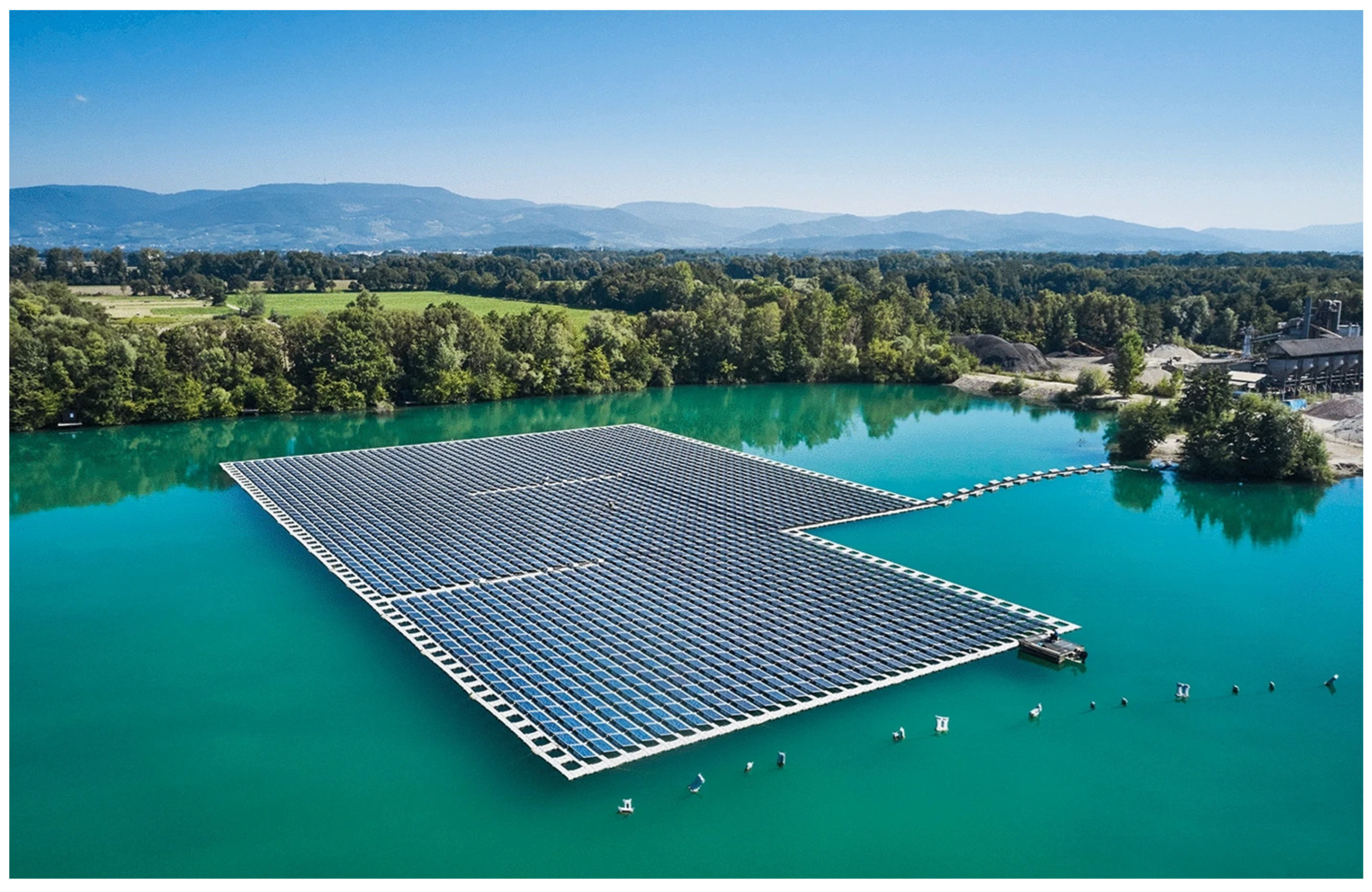
Beyond land use and performance benefits, FPV deployment also modifies the thermal and variability conditions experienced by downstream hydrogen systems. Empirical whole-lake measurements show that FPV installations can reduce mean water temperatures by approximately 1.2 °C, with peak reductions exceeding 3 °C during warm periods, leading to cooler and more stable operating environments when compared to ground-mounted PV [134]. These effects tend to coincide with the periods of the highest electrolyser thermal stress and may therefore influence efficiency and degradation behaviour. When FPV is deployed on hydropower reservoirs, the system architecture further alters power variability, as coordinated hydro and FPV operation allows hydropower to act as a virtual battery that smooths PV fluctuations and reduces curtailment [135]. Techno-economic studies of hybrid PV, hydro and hydrogen systems similarly show that combining hydrogen storage with reservoir-based flexibility improves utilisation and reduces system-level costs, despite hydrogen storage contributing only a relatively small fraction of the installed capacity [136]. Together, these findings indicate that electrolyser utilisation, degradation exposure and economics are strongly shaped by deployment context, rather than electrolyser technology alone.
Challenges:
- Water purity requirements: Unprocessed lake or reservoir water contains impurities and debris; this would mean that on-site purification would be required to prevent electrolyser degradation [46]
- Energy infrastructure constraints: FPV systems are often located in remote areas; this would complicate hydrogen transportation. Deploying localised infrastructure or storage could be expensive and reduce feasibility [137].
- Environmental regulations: Floating PV installations often coincide with protected areas; this could raise concerns about ecosystem impacts and also add logistical and planning hurdles to an FPV-Hydrogen system [138].
From a water–energy nexus perspective, FPV–electrolysis systems represent a tightly coupled configuration in which electricity generation, water availability, and reservoir management are intrinsically linked. Recent reviews of FPV systems emphasise that, beyond electricity production, one of the principal co-benefits of FPV deployment is the reduction in open water evaporation, which can partially offset competing water demands in water-constrained regions [115]. When electrolysis is integrated, this interaction becomes more complex, as the additional freshwater requirement for hydrogen production must be evaluated alongside evaporation savings, water quality constraints, and existing uses such as drinking water supply, irrigation, or hydropower generation. As a result, the sustainability of FPV-powered hydrogen systems is highly site specific and depends on coordinated assessment of both energy yield and water resource impacts within a broader water–energy nexus framework [115].
5.3. Environmental Considerations of PV–Electrolysis Hydrogen Production
The environmental performance of hydrogen production depends on the upstream electricity mix and the material intensity of the technologies involved. Although hydrogen is central to future decarbonised systems, more than 90 percent of current production remains fossil-based, generating about 920 Mt CO2 per year. Coal routes can reach 144 to 1033 gCO2-eq/MJ [139], which underscores that electrolysis only provides climate benefit when powered by low-carbon electricity.
For PV-driven electrolysis, emissions arise from module manufacturing, plant construction and end-of-life treatment. Large-scale PV systems show life cycle intensities of 23 to 81 gCO2-eq/kWh depending on the module type, boundaries and operation [140]. Switching from multi-crystalline to mono-crystalline silicon can reduce emissions by 7.9 to 40.5%, while improved performance ratios, reduced curtailment and longer system lifetimes lower impacts by an additional 29.6 to 34.3% [140]. These results confirm that both technology selection and system operation shape the environmental performance of PV–hydrogen.
A bibliometric review covering 2019 to 2023 highlights environmental impacts, cost analysis and renewable-powered electrolysis as the dominant research themes, while water demand and large-scale environmental pressures remain less developed [141]. Reported water needs of 10 to 15 L per kilogram of hydrogen indicate that water availability and sourcing must be considered, particularly in arid regions. The review also stresses that scaling green hydrogen requires the integrated assessment of land use, infrastructure, materials and regional resource constraints.
Downstream processes add further impacts. Compression and liquefaction are energy intensive and require specialised materials, increasing embodied emissions, especially when hydrogen must be transported long distances from remote production sites [139].
Floating PV introduces additional environmental dimensions. FPV systems can alter underwater light levels, hydrodynamics, gas exchange and interactions with aquatic species, with the impacts dependent on the coverage, depth and local ecology [142]. Although FPV improves PV efficiency through cooling, these site-specific effects mean that careful siting and monitoring are necessary when FPV powers electrolysis.
Agrivoltaic systems introduce a different set of considerations. Agrivoltaic systems can increase land use efficiency and modify local microclimates, but shading effects, structural requirements and crop-specific design needs increase material footprints and can influence yields [143]. Governance barriers, land constraints and uncertain returns also affect deployment. When agrivoltaics systems supplies electricity for electrolysis, crop interactions, land conditions and system configuration must be assessed alongside conventional PV life cycle impacts to ensure a net environmental benefit.
Overall, the literature shows that the environmental performance of PV-derived hydrogen depends on interconnected factors: PV technology choice, operational conditions, electrolyser efficiency and degradation, water sourcing, and the energy demands of storage and transport. Robust evaluations, therefore, require a whole value chain assessment from PV manufacturing to hydrogen handling and distribution.
6. Perspectives
This section builds on the challenges identified in Section 4 and Section 5 to discuss prospective solutions, enabling strategies and future research directions for advancing direct solar-to-hydrogen systems. Focus is shed on how recent advances, system integration strategies and policy frameworks can address these challenges and support large-scale deployment.
6.1. Future Technological Developments
Although significant progress has been made in improving both electrolysers and photovoltaic technologies, further advances in efficiency and system integration remain critical for reducing the levelized cost of solar hydrogen. For instance, next-generation photovoltaic technologies such as perovskite–silicon tandem cells could enable efficiencies beyond 30% [144]. When combined with electrolyser designs and control strategies explicitly optimised for intermittent operation and thermal cycling, such advances could substantially improve overall system performance.
As it stands, PEM electrolysers show the most potential for successful integration with solar; however, this is hindered by their expensive components which could make large scale facilities (>10 MW) unfeasible. Unless more readily available electrode materials are found, technology may struggle with worldwide deployment as iridium is one of the rarest metals on Earth [1]. Therefore, next-generation electrolysers like AEM and SOEC are promising, due to their better response to power fluctuations, high efficiencies and cheaper nature [52]. Yet, their transition from laboratory to commercialisation remains challenging; research must evaluate how they perform under fluctuating solar inputs and over extended lifespans to prove the concept.
Despite competition from established hydrogen production pathways such as steam methane reforming and biomass gasification, continued technological innovation and cost reduction remain essential for solar-based hydrogen systems to become economically competitive.
6.2. System Integration and Operational Strategies
Building on the integration-oriented framework outlined in Section 3.2, this section focuses on operational strategies that account for interactions between intermittency, storage behaviour, degradation and system-level control.
Although hybrid battery and hydrogen storage solutions show promise in mitigating the intermittency of solar power, the additional complexity and cost may undermine the overall performance gains from such additions if system-level interactions and degradation effects are not explicitly considered. A critical analysis will be required to balance the benefits of storage with the practical challenges of integrating these systems into current infrastructure.
This would benefit from pilot studies alongside advanced system modelling, so that existing software methods could be refined to improve the accuracy of real-world conditions. Models currently oversimplify degradation and thermal management aspects and often treat storage, electrolyser operation and control strategies as decoupled elements. Future studies should incorporate detailed degradation kinetics and variability in environmental conditions to improve the predictive power, which will better inform industry decision making for reliable and scalable solar-to-hydrogen deployment.
Recent studies increasingly integrate dynamic operation with degradation management and storage coordination, moving beyond static or decoupled subsystem modelling. Ref. [68] showed that deep neural network (DNN)-based model predictive control improves power matching and dynamic regulation in PV–hybrid energy storage system (HESS)–PEM systems; meanwhile, Ref. [66] demonstrated enhanced lifetime-oriented operation through adaptive current control.
High-resolution dynamic simulation combined with techno-economic optimisation further highlights the importance of minute-scale variability and realistic energy management system logic. Ref. [62] identified an optimal off-grid configuration achieving an LCOH of 10.77 USD/kg using one-minute irradiance data, while Ref. [63] reported sub-0.08 s dynamic regulation under fluctuating loads. Together, these studies demonstrate that time-resolved integrated modelling is essential for accurately capturing the trade-offs between system utilisation, degradation, and economic performance in PV-driven hydrogen systems.
6.3. Economic, Policy Perspectives and Environmental Implications
Economies of scale are likely to drive down green hydrogen costs; however, financial models often overlook hidden costs such as maintenance and early-stage inefficiencies [45]. More accurate costing that incorporates such costs would be needed to improve the accuracy of economic forecasting.
Strong policy and supportive incentives could be critical for progressing green hydrogen; however, there is the risk that the framework may not be able to keep pace with technological advancements, as lots of uncertainty surrounds the industry [108]. Therefore, dynamic policies that could progress alongside the industry until in mature could help advancements and drive the hydrogen industry to a greener future.
Despite growing research activity, recent deployment roadmaps and planning frameworks for the 2023–2025 period place limited emphasis on fully integrated PV–electrolyser systems, prioritising instead component-scale electrolysers, grid-connected hydrogen production and supporting infrastructure. This disconnect between research focuses and near-term planning highlights the need for system-level evidence from integrated demonstrations before broader policy adoption can occur.
From an environmental perspective, although water electrolysis offers lower life cycle emissions than fossil fuel-based hydrogen pathways, comprehensive cradle-to-grave life cycle assessments remain limited. Future research should prioritise integrated environmental assessment to ensure that direct solar-to-hydrogen systems deliver genuine sustainability benefits at scale.
6.4. Research Gaps
The review of recent literature reveals several unresolved technical and methodological gaps that persist despite substantial advances in photovoltaic modelling, electrolyser characterisation and system optimisation, and which continue to hinder reliable assessment and deployment of direct solar-to-hydrogen systems.
- Limited experimentally validated intermittency–performance relationships under real operating conditions.Many studies quantify PV efficiency losses or electrolyser behaviour under controlled conditions, but empirical data from integrated PV–electrolyser systems operating under real outdoor intermittency remain scarce. As a result, the thresholds at which fluctuations cause meaningful efficiency penalties, membrane hydration issues or voltage instabilities are insufficiently characterised. While recent modelling studies have begun to explore the influence of fluctuation frequency and amplitude, experimental validation under outdoor PV-coupled operation remains limited, particularly across different electrolyser technologies.
- Absence of long-term degradation data under fluctuating renewable operation.Although recent studies have significantly improved understandings of individual degradation mechanisms in PV modules and electrolysers, only a limited number of studies report multi-year degradation behaviour when electrolysers are subjected to variable solar loading. Existing degradation models are typically extrapolated from steady operation, creating uncertainty in lifetime estimates, replacement schedules and long-term hydrogen cost projections. This disconnect between advanced component-level degradation models and the scarcity of long-term field data under intermittent operation remains a critical unresolved issue.
- Limited representation of water quality, water management and resource constraints.Most studies assume ideal water conditions for electrolysis, yet FPV and many decentralised solar installations rely on water sources that require treatment. The implications of water purity, sourcing constraints, and treatment energy demands for system efficiency and environmental impact remain poorly quantified in the literature. This gap is increasingly significant given the growing interest in FPV and decentralised hydrogen production, where non-ideal water sources are likely to be the norm rather than the exception.
- Emerging PV configurations lack integration-focused assessment.Floating PV and agrivoltaics have been studied primarily in terms of energy yield, cooling effects or agricultural outcomes, but their suitability for hydrogen production is underexplored. Key considerations—including water contamination risks for FPV, power variability in AgriPV, regulatory limitations and ecological impacts—are rarely addressed in system-level studies. Although recent studies have expanded the understandings of FPV and agrivoltaic performance, their implications for electrolyser durability, operational stability and integrated system design remain largely unquantified.
- Inadequate modelling of hybrid storage interactions.While individual studies analyse batteries or hydrogen storage, few investigate their combined operational dynamics in direct PV-coupled systems. The interactions between fast-response storage, long-duration storage, and electrolyser ramping constraints remain insufficiently understood, limiting the optimisation of hybrid architectures. Recent work has highlighted the benefits of hybrid storage concepts, yet their dynamic interactions with electrolyser degradation and control strategies under high-resolution intermittency are still poorly resolved.
- Limited techno-economic frameworks that incorporate uncertainty.Most techno-economic analyses apply deterministic assumptions for solar resource quality, degradation rate, water treatment needs and electrolyser efficiency. Probabilistic or uncertainty-aware models that better capture real-world variability are still relatively uncommon, making cost projections sensitive to optimistic parameter choices. As system complexity increases, the absence of uncertainty-aware techno-economic frameworks represents a growing limitation of current assessment approaches rather than a purely methodological oversight.
- Insufficient assessment of system scalability and spatial deployment constraints.Although several reviews describe component-level improvements, few studies evaluate how land availability, grid access, environmental regulations and transport logistics shape the feasibility of multi-MW or GW-scale solar hydrogen infrastructure in specific regions. This gap is particularly acute in the context of recent policy-driven interest in large-scale hydrogen deployment, where spatial and regulatory constraints may dominate technical feasibility.
7. Conclusions
This review has evaluated the technical, operational and environmental factors governing the performance of direct solar photovoltaic–electrolyser hydrogen systems. Although photovoltaic and electrolyser technologies have advanced considerably, the analysis shows that their large-scale deployment is constrained primarily by system integration challenges rather than isolated component limitations. Solar variability emerges as the central constraint, as fluctuating irradiance reduces conversion efficiency, induces transient overpotentials and accelerates degradation in both photovoltaic modules and electrolyser stacks.
Storage can partially mitigate these effects, with batteries addressing short-duration fluctuations and hydrogen storage supporting longer-term balancing; however, effective operation ultimately depends on coordinated hybrid architectures, thermal management and control strategies that reflect real intermittency rather than idealised steady-state conditions. Electrolyser technologies further impose important trade-offs: alkaline systems offer lower costs but limited operational flexibility, proton exchange membrane electrolysers provide strong dynamic responses but rely on scarce materials, and emerging anion exchange membrane and solid oxide designs require further validation under realistic fluctuating loads. Across all technologies, water quality, cycling-induced degradation and long-term durability remain the critical determinants of both performance and cost.
The deployment context further amplifies these system-level interactions. Floating photovoltaics enhance cooling yet introduce water quality and ecological considerations that affect electrolyser operation, while agrivoltaic systems improve land use efficiency but add power variability and competing water demands. Overall, the findings indicate that the reliability and scalability of solar-to-hydrogen systems depend less on overcoming fundamental technological limits and more on achieving coherent system-wide integration that accounts for intermittency, degradation, storage and site-specific constraints. Detailed future research directions, including approaches to address issues not fully covered by the present review, are discussed in Section 6 (Perspectives), which focuses on prospective solutions, system integration strategies and unresolved research gaps.
Author Contributions
Conceptualization, A.G.; methodology, M.A.-M.; software, M.A.-M.; validation, M.A.-M. and A.G.; formal analysis, M.A.-M. and A.G.; investigation, M.A.-M. and A.G.; resources, A.G.; data curation, M.A.-M., O.C. and A.G.; writing, original draft preparation, M.A.-M. and O.C.; writing, review and editing, M.A.-M., O.C. and A.G.; visualisation, M.A.-M. and A.G.; supervision, A.G.; project administration, M.A.-M. and A.G.; and funding acquisition, A.G. All authors have read and agreed to the published version of the manuscript.
Funding
This research received no external funding.
Institutional Review Board Statement
Not applicable.
Informed Consent Statement
Not applicable.
Data Availability Statement
This study is based exclusively on the previously published literature. No new datasets were generated. Some referenced materials may be subject to publisher access restrictions.
Conflicts of Interest
The authors declare no conflicts of interest.
Abbreviations
The following abbreviations are used in this manuscript:
| PV | Photovoltaic |
| FPV | Floating Photovoltaics |
| AgriPV | Agrivoltaics/Agrivoltaic Systems |
| H2 | Hydrogen |
| GHG | Greenhouse Gas |
| SDG | Sustainable Development Goals |
| STC | Standard Test Conditions |
| PV–H2 | Photovoltaic-to-Hydrogen System |
| AWE | Alkaline Water Electrolysis |
| PEM | Proton Exchange Membrane Electrolysis |
| AEM | Anion Exchange Membrane Electrolysis |
| SOEC | Solid Oxide Electrolysis Cell |
| DC | Direct Current |
| LCOH | Levelized Cost of Hydrogen |
| HOMER | Hybrid Optimisation of Multiple Energy Resources (software) |
| PVT | Photovoltaic–Thermal systems |
| PCM | Phase Change Material |
| SQ Limit | Shockley–Queisser Limit |
| CRAAP | Currency, Relevance, Authority, Accuracy, Purpose (evaluation method) |
| MJ | Megajoule |
| kWh | Kilowatt hour |
| GWh | Gigawatt hour |
| MW/GW | Megawatt/Gigawatt |
| °C | Degrees Celsius |
| IEA | International Energy Agency |
| IPCC | Intergovernmental Panel on Climate Change |
| UK | United Kingdom |
| CCS | Carbon Capture and Storage |
| EV | Electric Vehicle |
| BIPV | Building-Integrated Photovoltaics |
| KOH | Potassium Hydroxide |
| STH | Solar-to-Hydrogen |
| PTL | Porous Transport Layer |
| LCOE | Levelized Cost of Electricity |
| FCEV | Fuel Cell Electric Vehicle |
References
- Shiva Kumar, S.; Lim, H. An Overview of Water Electrolysis Technologies for Green Hydrogen Production. Energy Rep. 2022, 8, 13793–13813. [Google Scholar] [CrossRef] [Scilit]
- Forster, P.M.; Smith, C.J.; Walsh, T.; Lamb, W.F.; Lamboll, R.; Hauser, M.; Ribes, A.; Rosen, D.; Gillett, N.; Palmer, M.D.; et al. Indicators of Global Climate Change 2022: Annual Update of Large-Scale Indicators of the State of the Climate System and Human Influence. Earth Syst. Sci. Data 2023, 15, 2295–2327. [Google Scholar] [CrossRef] [Scilit]
- IPCC—Intergovernmental Panel on Climate Change. IPCC Emissions Trends and Drivers. In Climate Change 2022—Mitigation of Climate Change; Cambridge University Press: Cambridge, UK, 2022; pp. 215–294. [Google Scholar]
- Younas, M.; Shafique, S.; Hafeez, A.; Javed, F.; Rehman, F. An Overview of Hydrogen Production: Current Status, Potential, and Challenges. Fuel 2022, 316, 123317. [Google Scholar] [CrossRef] [Scilit]
- UK Government. Net Zero Strategy: Build Back Greener; UK Government: London, UK, 2021.
- United Nations Department of Economic and Social Affairs. The Sustainable Development Goals Report 2025; United Nations: New York, NY, USA, 2025. [Google Scholar]
- IEA. Net Zero Roadmap: A Global Pathway to Keep the 1.5 °C Goal in Reach; International Energy Agency: Paris, France, 2024. [Google Scholar]
- World Surpasses 40% Clean Power as Renewables See Record Rise|Ember. Available online: https://ember-energy.org/latest-updates/world-surpasses-40-clean-power-as-renewables-see-record-rise/ (accessed on 6 December 2025).
- Önder, H.G. Renewable energy consumption policy in Turkey: An energy extended input-output analysis. Renew. Energy 2021, 175, 783–796. [Google Scholar] [CrossRef] [Scilit]
- Energy Institute. Renewable Electricity Generation (Solar, Wind, Hydro, Other Renewables), 1965–2024—With Major Processing; Our World in Data: London, UK, 2025. [Google Scholar]
- Moreira, H.S.; Lucas de Souza Silva, J.; Gomes dos Reis, M.V.; de Bastos Mesquita, D.; Kikumoto de Paula, B.H.; Villalva, M.G. Experimental Comparative Study of Photovoltaic Models for Uniform and Partially Shading Conditions. Renew. Energy 2021, 164, 58–73. [Google Scholar] [CrossRef] [Scilit]
- Al-Mandhari, M.; Ghosh, A. Modelling Solar Intermittency Effects on PEM Electrolyser Performance & Degradation: A Comparison of Oman and UK. Energies 2025, 18, 6131. [Google Scholar] [CrossRef] [Scilit]
- Pillai, U. Drivers of Cost Reduction in Solar Photovoltaics. Energy Econ. 2015, 50, 286–293. [Google Scholar] [CrossRef] [Scilit]
- Nguyen, K.M.; Van Phan, L.; Nguyen, D.D.; Nguyen, T.D. A Comprehensive Technical Analysis on Optimal Sizing and Operating Strategy for Large-Scale Direct Coupled PV–Electrolyser Systems, Considering PV System Faults, Degradation and Partial Shading Conditions. Int. J. Hydrogen Energy 2024, 59, 492–506. [Google Scholar] [CrossRef] [Scilit]
- Clarke, R.E.; Giddey, S.; Ciacchi, F.T.; Badwal, S.P.S.; Paul, B.; Andrews, J. Direct Coupling of an Electrolyser to a Solar PV System for Generating Hydrogen. Int. J. Hydrogen Energy 2009, 34, 2531–2542. [Google Scholar] [CrossRef] [Scilit]
- Hasan, M.M.; Haque, R.; Jahirul, M.I.; Rasul, M.G.; Fattah, I.M.R.; Hassan, N.M.S.; Mofijur, M. Advancing Energy Storage: The Future Trajectory of Lithium-Ion Battery Technologies. J. Energy Storage 2025, 120, 116511. [Google Scholar] [CrossRef] [Scilit]
- Dehghani-Sanij, A.R.; Tharumalingam, E.; Dusseault, M.B.; Fraser, R. Study of Energy Storage Systems and Environmental Challenges of Batteries. Renew. Sustain. Energy Rev. 2019, 104, 192–208. [Google Scholar] [CrossRef] [Scilit]
- Siddique, A.R.M.; Mahmud, S.; Heyst, B. Van A Comprehensive Review on a Passive (Phase Change Materials) and an Active (Thermoelectric Cooler) Battery Thermal Management System and Their Limitations. J. Power Sources 2018, 401, 224–237. [Google Scholar] [CrossRef] [Scilit]
- Kebede, A.A.; Kalogiannis, T.; Van Mierlo, J.; Berecibar, M. A Comprehensive Review of Stationary Energy Storage Devices for Large Scale Renewable Energy Sources Grid Integration. Renew. Sustain. Energy Rev. 2022, 159, 112213. [Google Scholar] [CrossRef] [Scilit]
- Wang, M.; Wang, Z.; Gong, X.; Guo, Z. The Intensification Technologies to Water Electrolysis for Hydrogen Production—A Review. Renew. Sustain. Energy Rev. 2014, 29, 573–588. [Google Scholar] [CrossRef] [Scilit]
- Dawood, F.; Anda, M.; Shafiullah, G.M. Hydrogen Production for Energy: An Overview. Int. J. Hydrogen Energy 2020, 45, 3847–3869. [Google Scholar] [CrossRef] [Scilit]
- Ajanovic, A.; Sayer, M.; Haas, R. The Economics and the Environmental Benignity of Different Colors of Hydrogen. Int. J. Hydrogen Energy 2022, 47, 24136–24154. [Google Scholar] [CrossRef] [Scilit]
- Mosca, L.; Medrano Jimenez, J.A.; Wassie, S.A.; Gallucci, F.; Palo, E.; Colozzi, M.; Taraschi, S.; Galdieri, G. Process Design for Green Hydrogen Production. Int. J. Hydrogen Energy 2020, 45, 7266–7277. [Google Scholar] [CrossRef] [Scilit]
- Balat, M. Potential Importance of Hydrogen as a Future Solution to Environmental and Transportation Problems. Int. J. Hydrogen Energy 2008, 33, 4013–4029. [Google Scholar] [CrossRef] [Scilit]
- Hermesmann, M.; Müller, T.E. Green, Turquoise, Blue, or Grey? Environmentally Friendly Hydrogen Production in Transforming Energy Systems. Prog. Energy Combust. Sci. 2022, 90, 100996. [Google Scholar] [CrossRef] [Scilit]
- Nikolaidis, P.; Poullikkas, A. A Comparative Overview of Hydrogen Production Processes. Renew. Sustain. Energy Rev. 2017, 67, 597–611. [Google Scholar] [CrossRef] [Scilit]
- Pletcher, D.; Li, X. Prospects for Alkaline Zero Gap Water Electrolysers for Hydrogen Production. Int. J. Hydrogen Energy 2011, 36, 15089–15104. [Google Scholar] [CrossRef] [Scilit]
- Hossain Bhuiyan, M.M.; Siddique, Z. Hydrogen as an Alternative Fuel: A Comprehensive Review of Challenges and Opportunities in Production, Storage, and Transportation. Int. J. Hydrogen Energy 2025, 102, 1026–1044. [Google Scholar] [CrossRef] [Scilit]
- Santos, D.M.F.; Sequeira, C.A.C.; Figueiredo, J.L. Hydrogen Production by Alkaline Water Electrolysis. Quim. Nova 2013, 36, 1176–1193. [Google Scholar] [CrossRef] [Scilit]
- Jovan, D.J.; Dolanc, G. Can Green Hydrogen Production Be Economically Viable under Current Market Conditions. Energies 2020, 13, 6599. [Google Scholar] [CrossRef] [Scilit]
- Sharma, S.; Ghoshal, S.K. Hydrogen the Future Transportation Fuel: From Production to Applications. Renew. Sustain. Energy Rev. 2015, 43, 1151–1158. [Google Scholar] [CrossRef] [Scilit]
- UK Government. Hydrogen Production Delivery Roadmap; Department of Energy Security & Net Zero: London, UK, 2023.
- European Commission. EU Hydrogen Strategy; European Commission: Brussels, Belgium, 2020. [Google Scholar]
- Al-Ali, S.; Olabi, A.G.; Mahmoud, M. A Review of Solar Photovoltaic Technologies: Developments, Challenges, and Future Perspectives. Energy Convers. Manag. X 2025, 27, 101057. [Google Scholar] [CrossRef] [Scilit]
- Vodapally, S.N.; Ali, M.H. A Comprehensive Review of Solar Photovoltaic (PV) Technologies, Architecture, and Its Applications to Improved Efficiency. Energies 2022, 16, 319. [Google Scholar] [CrossRef] [Scilit]
- Rehman, T.U.; Qaisrani, M.A.; Shafiq, M.B.; Baba, Y.F.; Aslfattahi, N.; Shahsavar, A.; Cheema, T.A.; Park, C.W. Global Perspectives on Advancing Photovoltaic System Performance—A State-of-the-Art Review. Renew. Sustain. Energy Rev. 2025, 207, 114889. [Google Scholar] [CrossRef] [Scilit]
- El Kattel, M.B.; Praça, P.P.; Mayer, R.; Lucio Berrehil el Kattel, C.d.C.; Bascopé, R.P.T.; Antunes, F.L.M.; de Jesus Cardoso Filho, B. Overview of Main Electrolyzer Technologies and Power Electronic Converter Topologies for Enabling Hydrogen Production Through Water Electrolysis. Int. J. Circuit Theory Appl. 2025, 53, 3684–3718. [Google Scholar] [CrossRef] [Scilit]
- Aminaho, E.N.; Aminaho, N.S.; Aminaho, F. Techno-Economic Assessments of Electrolyzers for Hydrogen Production. Appl. Energy 2025, 399, 126515. [Google Scholar] [CrossRef] [Scilit]
- Curcio, E. Techno-Economic Analysis of Hydrogen Production: Costs, Policies, and Scalability in the Transition to Net-Zero. Int. J. Hydrogen Energy 2025, 128, 473–487. [Google Scholar] [CrossRef] [Scilit]
- Izzo, B.; Khoury, G.; Mounsef, J.R. A Comprehensive Review of PEM Electrolyzers and Fuel Cells in Hybrid Hydrogen Energy Systems. In Proceedings of the 2025 7th International Conference on Renewable Energy for Developing Countries, REDEC, Beirut, Lebanon, 24–26 September 2025; IEEE: Piscataway, NJ, USA, 2025. [Google Scholar] [CrossRef] [Scilit]
- Ogden, J.M. Prospects for Building a Hydrogen Energy Infrastructure. Annu. Rev. Energy Environ. 1999, 24, 227–279. [Google Scholar] [CrossRef] [Scilit]
- Taibi, E.; Blanco, H.; Miranda, R.; Carmo, M. Green Hydrogen Cost Reduction Scaling Up Electrolysers to Meet the 1.5 °C Climate Goal H2 O2; Gorvett, E., Ed.; International Renewable Energy Agency (IRENA): Abu Dhabi, United Arab Emirates, 2020; ISBN 9789292602956. [Google Scholar]
- dos Santos, K.G.; Eckert, C.T.; De Rossi, E.; Bariccatti, R.A.; Frigo, E.P.; Lindino, C.A.; Alves, H.J. Hydrogen Production in the Electrolysis of Water in Brazil, a Review. Renew. Sustain. Energy Rev. 2017, 68, 563–571. [Google Scholar] [CrossRef] [Scilit]
- Brauns, J.; Turek, T. Alkaline Water Electrolysis Powered by Renewable Energy: A Review. Processes 2020, 8, 248. [Google Scholar] [CrossRef] [Scilit]
- Squadrito, G.; Maggio, G.; Nicita, A. The Green Hydrogen Revolution. Renew. Energy 2023, 216, 119041. [Google Scholar] [CrossRef] [Scilit]
- Kuckshinrichs, W.; Ketelaer, T.; Koj, J.C. Economic Analysis of Improved Alkaline Water Electrolysis. Front. Energy Res. 2017, 5, 1. [Google Scholar] [CrossRef] [Scilit]
- Schmidt, O.; Gambhir, A.; Staffell, I.; Hawkes, A.; Nelson, J.; Few, S. Future Cost and Performance of Water Electrolysis: An Expert Elicitation Study. Int. J. Hydrogen Energy 2017, 42, 30470–30492. [Google Scholar] [CrossRef] [Scilit]
- IRENA. Green Hydrogen Supply: A Guide to Policy Making; International Renewable Energy Agency: Abu Dhabi, United Arab Emirates, 2021. [Google Scholar]
- Bora, D.K. Green Hydrogen Production with 25 KW Alkaline Electrolyzer Pilot Plant Shows Hydrogen Flow Rate Exponential Asymptotic Behavior with the Stack Current. Hydrogen 2025, 6, 75. [Google Scholar] [CrossRef] [Scilit]
- Sakas, G.; Ibáñez-Rioja, A.; Pöyhönen, S.; Kosonen, A.; Ruuskanen, V.; Kauranen, P.; Ahola, J. Influence of Shunt Currents in Industrial-Scale Alkaline Water Electrolyzer Plants. Renew. Energy 2024, 225, 120266. [Google Scholar] [CrossRef] [Scilit]
- Shiva Kumar, S.; Himabindu, V. Hydrogen Production by PEM Water Electrolysis—A Review. Mater. Sci. Energy Technol. 2019, 2, 442–454. [Google Scholar] [CrossRef] [Scilit]
- Silva, M.M.; de Zea Bermudez, V.; Pawlicka, A. Insight on Polymer Electrolytes for Electrochemical Devices Applications. In Polymer Electrolytes; Wiley: Hoboken, NJ, USA, 2020; pp. 113–136. [Google Scholar]
- Smolinka, T.; Bergmann, H.; Garche, J.; Kusnezoff, M. The History of Water Electrolysis from Its Beginnings to the Present. In Electrochemical Power Sources: Fundamentals, Systems, and Applications; Elsevier: Amsterdam, The Netherlands, 2022; pp. 83–164. [Google Scholar]
- Henkensmeier, D.; Najibah, M.; Harms, C.; Žitka, J.; Hnát, J.; Bouzek, K. Overview: State-of-the Art Commercial Membranes for Anion Exchange Membrane Water Electrolysis. J. Electrochem. Energy Convers. Storage 2021, 18, 024001. [Google Scholar] [CrossRef] [Scilit]
- Pavel, C.C.; Cecconi, F.; Emiliani, C.; Santiccioli, S.; Scaffidi, A.; Catanorchi, S.; Comotti, M. Highly Efficient Platinum Group Metal Free Based Membrane-Electrode Assembly for Anion Exchange Membrane Water Electrolysis. Angew. Chem. Int. Ed. 2014, 53, 1378–1381. [Google Scholar] [CrossRef] [Scilit]
- Carbone, A.; Zignani, S.C.; Gatto, I.; Trocino, S.; Aricò, A.S. Assessment of the FAA3-50 Polymer Electrolyte in Combination with a NiMn2O4 Anode Catalyst for Anion Exchange Membrane Water Electrolysis. Int. J. Hydrogen Energy 2020, 45, 9285–9292. [Google Scholar] [CrossRef] [Scilit]
- Pushkareva, I.V.; Pushkarev, A.S.; Grigoriev, S.A.; Modisha, P.; Bessarabov, D.G. Comparative Study of Anion Exchange Membranes for Low-Cost Water Electrolysis. Int. J. Hydrogen Energy 2020, 45, 26070–26079. [Google Scholar] [CrossRef] [Scilit]
- Nguyen, E.; Olivier, P.; Pera, M.C.; Pahon, E.; Roche, R. Impacts of Intermittency on Low-Temperature Electrolysis Technologies: A Comprehensive Review. Int. J. Hydrogen Energy 2024, 70, 474–492. [Google Scholar] [CrossRef] [Scilit]
- Alazemi, J.; Andrews, J. Automotive Hydrogen Fuelling Stations: An International Review. Renew. Sustain. Energy Rev. 2015, 48, 483–499. [Google Scholar] [CrossRef] [Scilit]
- Ghosh, A. Solar-Powered Green Hydrogen from Electrolyzer (PV-H2): A Review. Solar RRL 2025, 9, 2500150. [Google Scholar] [CrossRef] [Scilit]
- Sakas, G.; Ibáñez-Rioja, A.; Pöyhönen, S.; Järvinen, L.; Kosonen, A.; Ruuskanen, V.; Kauranen, P.; Ahola, J. Sensitivity Analysis of the Process Conditions Affecting the Shunt Currents and the SEC in an Industrial-Scale Alkaline Water Electrolyzer Plant. Appl. Energy 2024, 359, 122732. [Google Scholar] [CrossRef] [Scilit]
- Shin, H.; Jang, D.; Shin, H.-S.; Park, S.; Kang, S. High-Resolution Dynamic Modeling and Techno-Economic Optimization of off-Grid PV–Electrolysis–BESS Systems for Green Hydrogen Production. Appl. Energy 2026, 409, 127451. [Google Scholar] [CrossRef] [Scilit]
- Lin, R.; Ji, W.; Lu, Y.; Cai, X.; Hao, Z. Control Strategy Design and Dynamic Characteristic Analysis of a Photovoltaic Powered Water Electrolysis System. J. Power Sources 2025, 633, 236423. [Google Scholar] [CrossRef] [Scilit]
- Niederhofer, S.; Rennhofer, M.; Hofmann, R.; Kubicek, B.; Neussl, V. System Efficiency Analysis of Direct Coupled PV–PEM Electrolyzer Systems. Int. J. Hydrogen Energy 2025, 185, 151860. [Google Scholar] [CrossRef] [Scilit]
- Yousri, D. Shading-Aware and Degradation-Conscious Two-Layer Optimization for Isolated Indirect Multi-Stack Photovoltaic-Driven Hydrogen Systems. Energy 2026, 345, 140119. [Google Scholar] [CrossRef] [Scilit]
- Tian, X.; Yao, H.; Yuan, T. Operation Optimization Method for a Direct Coupled Photovoltaic-Electrolyzer Hydrogen Production System Based on Deep Reinforcement Learning. Zhongguo Dianji Gongcheng Xuebao Proc. Chin. Soc. Electr. Eng. 2025, 45, 8459–8472. [Google Scholar] [CrossRef]
- Vizza, D.; Caponi, R.; Bocci, E.; Del Zotto, L.; Bassano, C. Cost Effective Hydrogen Production of Coupled Photovoltaic and Electrolyzer Systems Considering Plant Lifetime and Geographical Location. Energy Convers. Manag. X 2025, 27, 101136. [Google Scholar] [CrossRef] [Scilit]
- Xun, B.; Tang, X.; Fu, Q.; Wang, B. Single-Inductor Multiple-Output Converter for Hydrogen Electrolyzer Arrays in PV-HESS-PEM Microgrid Using Deep Neural Network Based Model Predictive Control. Process Saf. Environ. Prot. 2025, 203, 107913. [Google Scholar] [CrossRef] [Scilit]
- Duan, F.; Sheng, W.; Sha, G.; Wu, Y. Nonlinear Dynamics-Based Control Strategy for Hydrogen-Based Sustainable Energy Grid with Flexible Load of P2H System. Sustain. Energy Technol. Assess. 2025, 79, 104361. [Google Scholar] [CrossRef] [Scilit]
- Yodwong, B.; Mungporn, P.; Maiket, Y.; Guilbert, D.; Phattanasak, M.; Kamnarn, U.; Hinaje, M.; Vitale, G.; Thounthong, P. Water Electrolysis Hydrogen Damping Improvement by Hamiltonian Based Control. IEEE Trans. Ind. Appl. 2025, 1–11. [Google Scholar] [CrossRef] [Scilit]
- Arun, M.; Barik, D.; Dara, R.N.; Prabhu, P.; Tudu, K.; Praveenkumar, S.; Kanti, P.K.; Ayanie, A.G. Integrated Renewable Energy Supply Architecture for Advancing Hydrogen Symbiosis and Eco Synergistic Smart Grid Interactions with next Generation Combustion Technologies. Sci. Rep. 2025, 15, 25619. [Google Scholar] [CrossRef] [Scilit]
- Ehrler, B.; Alarcón-Lladó, E.; Tabernig, S.W.; Veeken, T.; Garnett, E.C.; Polman, A. Photovoltaics Reaching for the Shockley–Queisser Limit. ACS Energy Lett. 2020, 5, 3029–3033. [Google Scholar] [CrossRef] [Scilit]
- Polman, A.; Knight, M.; Garnett, E.C.; Ehrler, B.; Sinke, W.C. Photovoltaic Materials: Present Efficiencies and Future Challenges. Science 2016, 352, aad4424. [Google Scholar] [CrossRef] [Scilit] [PubMed]
- Natarajan, S.K.; Mallick, T.K.; Katz, M.; Weingaertner, S. Numerical Investigations of Solar Cell Temperature for Photovoltaic Concentrator System with and without Passive Cooling Arrangements. Int. J. Therm. Sci. 2011, 50, 2514–2521. [Google Scholar] [CrossRef] [Scilit]
- Wong, S.Y.; Li, J. Enhancing Efficiency in Photovoltaic Hydrogen Production: A Comparative Analysis of MPPT and Electrolysis Control Strategies. MethodsX 2025, 14, 103220. [Google Scholar] [CrossRef] [Scilit] [PubMed]
- Ali, D.; Gazey, R.; Aklil, D. Developing a Thermally Compensated Electrolyser Model Coupled with Pressurised Hydrogen Storage for Modelling the Energy Efficiency of Hydrogen Energy Storage Systems and Identifying Their Operation Performance Issues. Renew. Sustain. Energy Rev. 2016, 66, 27–37. [Google Scholar] [CrossRef] [Scilit]
- Weng, X.; Jia, Z.; He, W.; Hu, Z.; Wang, K.; Hu, W.; Zhang, L.; Chu, W. Experimental and Numerical Study of a PV Direct-Coupled PEM Electrolysis Hydrogen Production System. Renew. Energy 2026, 256, 124133. [Google Scholar] [CrossRef] [Scilit]
- Grube, T.; Reul, J.; Reuß, M.; Calnan, S.; Monnerie, N.; Schlatmann, R.; Sattler, C.; Robinius, M.; Stolten, D. A Techno-Economic Perspective on Solar-to-Hydrogen Concepts through 2025. Sustain. Energy Fuels 2020, 4, 5818–5834. [Google Scholar] [CrossRef] [Scilit]
- González del Valle, A.; García-Linares, P.; Martí, A. Comparative Analysis of Hydrogen Production and Economic Feasibility: Direct versus Indirect Coupling of Photovoltaic Systems with Electrolyzers. Adv. Energy Sustain. Res. 2025, 6, 2400210. [Google Scholar] [CrossRef] [Scilit]
- Chibuko, U.; Merdzhanova, T.; Agbo, S.; Rau, U.; Wurstbauer, U.; Astakhov, O. Breaking Limits of Solar-to-Hydrogen Efficiency via Synergy with Batteries. Int. J. Hydrogen Energy 2025, 127, 38–50. [Google Scholar] [CrossRef] [Scilit]
- Wang, Z.; He, Y.; Wang, W.; Liao, Z.; Weng, W.; Wang, Z.; Qian, S. A Life-Cycle Economic Comparison of Distributed Photovoltaic Power Stations Coupled with Integrated Electrolysis Systems: Optimization of Directly and Indirectly Coupled Modes. Sol. Energy 2025, 299, 113747. [Google Scholar] [CrossRef] [Scilit]
- Wang, H.; Wang, W.; Lin, C.; Lai, Y.; Li, C.; Xu, Z.; Yang, Y.; Yang, Y.; Dong, W.; Su, J. Hydrogen Production Performance Optimization for Direct-Coupled Photovoltaic Electrolysis Systems Based on a Novel 3D Opto-Electro-Thermal Model. Appl. Energy 2025, 392, 125961. [Google Scholar] [CrossRef] [Scilit]
- Yessef, M.; Hakam, Y.; Tabaa, M.; Irshad, S.M.; El-Barbary, Z.M.S. Integration of Photovoltaic Systems with Hydrogen Production: A Review of Current Technologies and Future Perspective. IEEE Access 2025, 13, 136716–136730. [Google Scholar] [CrossRef] [Scilit]
- Jiménez-Martín, G.; Bąkała, M.; Judez, X.; Błesznowski, M.; Aguado, M.; Niemczyk, A.; Garbayo, I. Techno-Economic Feasibility of Solid Oxide Electrolysis Hybridization with Solar Photovoltaics and Batteries for Green Hydrogen Production. Energy Convers. Manag. X 2025, 27, 101131. [Google Scholar] [CrossRef] [Scilit]
- Sánchez-Squella, A.; Flores, R.; Burgos, R.; Morales, F.; Nader, A.; Valdivia-Lefort, P. 99.6% Efficiency DC-DC Coupling for Green Hydrogen Production Using PEM Electrolyzer, Photovoltaic Generation and Battery Storage Operating in an off-Grid Area. Renew. Energy 2024, 237, 121781. [Google Scholar] [CrossRef] [Scilit]
- Ondrejička, K.; Goga, V.; Berta, Š.; Uličný, M.M.; Kutiš, V. Hydrogen Production Using PVs with MPPT Optimization. Hydrogen 2025, 6, 41. [Google Scholar] [CrossRef] [Scilit]
- Suraparaju, S.K.; Samykano, M.; Vennapusa, J.R.; Rajamony, R.K.; Balasubramanian, D.; Said, Z.; Pandey, A.K. Challenges and Prospectives of Energy Storage Integration in Renewable Energy Systems for Net Zero Transition. J. Energy Storage 2025, 125, 116923. [Google Scholar] [CrossRef] [Scilit]
- Orangi, S.; Manjong, N.; Clos, D.P.; Usai, L.; Burheim, O.S.; Strømman, A.H. Historical and Prospective Lithium-Ion Battery Cost Trajectories from a Bottom-up Production Modeling Perspective. J. Energy Storage 2024, 76, 109800. [Google Scholar] [CrossRef] [Scilit]
- Ngoy, K.R.; Lukong, V.T.; Yoro, K.O.; Makambo, J.B.; Chukwuati, N.C.; Ibegbulam, C.; Eterigho-Ikelegbe, O.; Ukoba, K.; Jen, T.C. Lithium-Ion Batteries and the Future of Sustainable Energy: A Comprehensive Review. Renew. Sustain. Energy Rev. 2025, 223, 115971. [Google Scholar] [CrossRef] [Scilit]
- Adeyinka, A.M.; Esan, O.C.; Ijaola, A.O.; Farayibi, P.K. Advancements in Hybrid Energy Storage Systems for Enhancing Renewable Energy-to-Grid Integration. Sustain. Energy Res. 2024, 11, 26. [Google Scholar] [CrossRef] [Scilit]
- Amos, W.A. Costs of Storing and Transporting Hydrogen; National Renewable Energy Laboratory: Golden, CO, USA, 1999.
- Virah-Sawmy, D.; Beck, F.J.; Sturmberg, B. The Synergy between Battery and Hydrogen Storage in Stand-Alone Hybrid Systems: A Parameterised Load Approach. Int. J. Hydrogen Energy 2025, 141, 266–282. [Google Scholar] [CrossRef] [Scilit]
- Kwon, K.; Lee, H.B.; Kim, N.; Park, S.; Joshua, S.R. Integrated Battery and Hydrogen Energy Storage for Enhanced Grid Power Savings and Green Hydrogen Utilization. Appl. Sci. 2024, 14, 7631. [Google Scholar] [CrossRef] [Scilit]
- Dodwell, J.; Maier, M.; Majasan, J.; Jervis, R.; Castanheira, L.; Shearing, P.; Hinds, G.; Brett, D.J.L. Open-Circuit Dissolution of Platinum from the Cathode in Polymer Electrolyte Membrane Water Electrolysers. J. Power Sources 2021, 498, 229937. [Google Scholar] [CrossRef] [Scilit]
- Li, N.; Araya, S.S.; Kær, S.K. Investigating Low and High Load Cycling Tests as Accelerated Stress Tests for Proton Exchange Membrane Water Electrolysis. Electrochim. Acta 2021, 370, 137748. [Google Scholar] [CrossRef] [Scilit]
- Schofield, L.; Paren, B.; Macdonald, R.; Shao-Horn, Y.; Mallapragada, D. Dynamic Optimization of Proton Exchange Membrane Water Electrolyzers Considering Usage-Based Degradation. AIChE J. 2025, 71, e18635. [Google Scholar] [CrossRef] [Scilit]
- Sharma, V.; Chandel, S.S. Performance and Degradation Analysis for Long Term Reliability of Solar Photovoltaic Systems: A Review. Renew. Sustain. Energy Rev. 2013, 27, 753–767. [Google Scholar] [CrossRef] [Scilit]
- Segbefia, O.K.; Imenes, A.G.; Sætre, T.O. Moisture Ingress in Photovoltaic Modules: A Review. Sol. Energy 2021, 224, 889–906. [Google Scholar] [CrossRef] [Scilit]
- Quansah, D.; Adaramola, M.; Takyi, G.; Edwin, I. Reliability and Degradation of Solar PV Modules—Case Study of 19-Year-Old Polycrystalline Modules in Ghana. Technologies 2017, 5, 22. [Google Scholar] [CrossRef] [Scilit]
- Yang, H.; Yin, Y.; Abu-Siada, A. A Comprehensive Review of Solar Panel Performance Degradation and Adaptive Mitigation Strategies. IET Control. Theory Appl. 2025, 19, e70040. [Google Scholar] [CrossRef] [Scilit]
- Bouguerra, S.; Yaiche, M.R.; Gassab, O.; Sangwongwanich, A.; Blaabjerg, F. The Impact of PV Panel Positioning and Degradation on the PV Inverter Lifetime and Reliability. IEEE J. Emerg. Sel. Top. Power Electron. 2021, 9, 3114–3126. [Google Scholar] [CrossRef] [Scilit]
- Straub-Mück, M.; Geyer-Klingeberg, J.; Rathgeber, A.W. Determinants of the Long-Term Degradation Rate of Photovoltaic Modules: A Meta-Analysis. Renew. Sustain. Energy Rev. 2025, 216, 115697. [Google Scholar] [CrossRef] [Scilit]
- Campbell-Stanway, C.; Becerra, V.; Prabhu, S. Techno-Economic Analysis with Electrolyser Degradation Modelling in Green Hydrogen Production Scenarios. Int. J. Hydrogen Energy 2025, 106, 80–95. [Google Scholar] [CrossRef] [Scilit]
- Maoulida, F.; Guilbert, D.; Camara, M.B.; Dakyo, B. Dynamic Electrical Degradation of PEM Electrolyzers under Renewable Energy Intermittency: Mechanisms, Diagnostics, and Mitigation Strategies—A Comprehensive Review. Renew. Sustain. Energy Rev. 2026, 225, 116170. [Google Scholar] [CrossRef] [Scilit]
- Kimmel, B.; Morawietz, T.; Biswas, I.; Sata, N.; Gazdzicki, P.; Gago, A.S.; Friedrich, K.A. Investigation of the Degradation Phenomena of a Proton Exchange Membrane Electrolyzer Stack by Successive Replacement of Aged Components in Single Cells. ACS Sustain. Chem. Eng. 2025, 13, 4330–4340. [Google Scholar] [CrossRef] [Scilit]
- Rajendran, G.; Raute, R.; Caruana, C. A Comprehensive Review of Solar PV Integration with Smart-Grids: Challenges, Standards, and Grid Codes. Energies 2025, 18, 2221. [Google Scholar] [CrossRef] [Scilit]
- Liu, Y.; Li, J.; Huang, S.; Zhou, Y.; Nambiar, J.; Yu, S.; Makam, J.; Trinh, H. Optimizing Power Sharing and Demand Reduction in Distributed Energy Resources for Apartments Through Tenant Incentivization. Energies 2025, 18, 4073. [Google Scholar] [CrossRef] [Scilit]
- Farrell, N. Policy Design for Green Hydrogen. Renew. Sustain. Energy Rev. 2023, 178, 113216. [Google Scholar] [CrossRef] [Scilit]
- Roy, T.K. Techno-Economic and Environmental Assessment of Green Hydrogen Production in Multiple Australian Regions Using Different Electrolyzer Technologies. Renew. Energy 2026, 256, 123879. [Google Scholar] [CrossRef] [Scilit]
- Bukar, A.L.; Menesy, A.S.; Kotb, K.M.; Chaitusaney, S.; Abido, M.A.; Kassas, M.; Taura, U.H.; Hamza, M.F. Modelling, Design and Techno-Economic Comparison of Electrolyzer Technologies for Photovoltaic-Wind Grid-Tied Hydrogen Refueling Infrastructure. Int. J. Hydrogen Energy 2026, 199, 152514. [Google Scholar] [CrossRef] [Scilit]
- Benghanem, M.; Almohamadi, H.; Haddad, S.; Mellit, A.; Chettibi, N. The Effect of Voltage and Electrode Types on Hydrogen Production Powered by Photovoltaic System Using Alkaline and PEM Electrolyzers. Int. J. Hydrogen Energy 2024, 57, 625–636. [Google Scholar] [CrossRef] [Scilit]
- Rahman, M.A.; Gupta, S.K.; Akylbekov, N.; Zhapparbergenov, R.; Hasnain, S.M.M.; Zairov, R. Comprehensive Overview of Heat Management Methods for Enhancing Photovoltaic Thermal Systems. iScience 2024, 27, 110950. [Google Scholar] [CrossRef] [Scilit] [PubMed]
- Senturk, A. Investigation of Datasheet Provided Temperature Coefficients of Photovoltaic Modules under Various Sky Profiles at the Field by Applying a New Validation Procedure. Renew. Energy 2020, 152, 644–652. [Google Scholar] [CrossRef] [Scilit]
- Poudhar, A.; Ghosh, A. Phase Change Materials for Energy Efficiency in Photovoltaic Systems and Buildings: A Review. J. Build. Eng. 2025, 104, 112360. [Google Scholar] [CrossRef] [Scilit]
- Carvalho, P.C.M.; Carlos De Araújo, J.; De Lima, J.B.C.; Carolyne Carneiro, T.; Fernández-Ramírez, L.M. Floating Photovoltaic Plants: Exploring the Water-Energy Nexus. IEEE Access 2025, 13, 180006–180023. [Google Scholar] [CrossRef] [Scilit]
- Ghosh, A. Nexus between Agriculture and Photovoltaics (Agrivoltaics, Agriphotovoltaics) for Sustainable Development Goal: A Review. Sol. Energy 2023, 266, 112146. [Google Scholar] [CrossRef] [Scilit]
- Trommsdorff, M.; Gruber, S.; Keinath, T. Agrivoltaics: Opportunities for Agriculture and the Energy Transition: A Guideline for Germany; Fraunhofer ISE: Breisgau, Germany, 2022. [Google Scholar]
- Dincer, I.; Javani, N.; Karayel, G.K. Hydrogen Farm Concept: A Perspective for Turkey. Int. J. Energy Res. 2021, 45, 18309–18317. [Google Scholar] [CrossRef] [Scilit]
- Baker, J.; Guler, M.; Medonna, A.; Li, Z.; Ghosh, A. Analysis of Large-Scale (1GW) off-Grid Agrivoltaic Solar Farm for Hydrogen-Powered Fuel Cell Electric Vehicle (HFCEV) Charging Station. Energy Convers. Manag. 2025, 323, 119184. [Google Scholar] [CrossRef] [Scilit]
- Clemens, T.; Lunzer, A.; Hunyadi-Gall, M.; Gil, P. Agrivoltaics, Opportunities for Hydrogen Generation, and Market Developments. Energies 2025, 18, 1007. [Google Scholar] [CrossRef] [Scilit]
- Panchenko, V.A.; Kovalev, A.A.; Chakraborty, S. Agrivoltaics and Green Hydrogen—Symbiosis of Solar Energy Technologies for Sustainable Development of Humanity. Int. J. Hydrogen Energy 2025, 153, 150205. [Google Scholar] [CrossRef] [Scilit]
- Hussain, S.N.; Mangela, D.B.; Ghosh, A. Technical Implications of Large-Scale Agrivoltaics Farms as an Autonomous Energy Source for Hydrogen-Powered Electric Vehicle Charging Infrastructure. Sol. Compass 2025, 16, 100145. [Google Scholar] [CrossRef] [Scilit]
- Toledo, C.; Scognamiglio, A. Agrivoltaic Systems Design and Assessment: A Critical Review, and a Descriptive Model towards a Sustainable Landscape Vision (Three-Dimensional Agrivoltaic Patterns). Sustainability 2021, 13, 6871. [Google Scholar] [CrossRef] [Scilit]
- Zhang, H.; Lin, G.; Chen, J. Evaluation and Calculation on the Efficiency of a Water Electrolysis System for Hydrogen Production. Int. J. Hydrogen Energy 2010, 35, 10851–10858. [Google Scholar] [CrossRef] [Scilit]
- Djalab, A.; Djalab, Z.; El Hammoumi, A.; Marco TINA, G.; Motahhir, S.; Laouid, A.A. A Comprehensive Review of Floating Photovoltaic Systems: Tech Advances, Marine Environmental Influences on Offshore PV Systems, and Economic Feasibility Analysis. Sol. Energy 2024, 277, 112711. [Google Scholar] [CrossRef] [Scilit]
- Ghosh, A. A Comprehensive Review of Water Based PV: Flotavoltaics, under Water, Offshore & Canal Top. Ocean Eng. 2023, 281, 115044. [Google Scholar] [CrossRef] [Scilit]
- Cazzaniga, R.; Rosa-Clot, M. The Booming of Floating PV. Sol. Energy 2021, 219, 3–10. [Google Scholar] [CrossRef] [Scilit]
- Li, A.; Ghosh, A. Analysis of Floating Photovoltaics Potential in Hong Kong: Green Hydrogen Production and Energy Application. Int. J. Hydrogen Energy 2025, 181, 151567. [Google Scholar] [CrossRef] [Scilit]
- Hussain, S.N.; Ghosh, A. Techno-Economic Evaluation of a Floating Photovoltaic-Powered Green Hydrogen for FCEV for Different Köppen Climates. Hydrogen 2025, 6, 73. [Google Scholar] [CrossRef] [Scilit]
- Guven, D. Assessing the Environmental and Economic Viability of Floating PV-Powered Green Hydrogen: A Case Study on Inland Ferry Operations in Türkiye. Appl. Energy 2025, 377, 124768. [Google Scholar] [CrossRef] [Scilit]
- Lim, L.K.; Ho, W.S.; Hashim, H.; Zubir, M.A.; Muis, Z.A.; Chee, W.C.; Muda, N.; Elias, M.A.; Jais, R.M. Cost Optimization of Green Hydrogen Production from Floating Solar Photovoltaic System. Renew. Energy 2025, 245, 122808. [Google Scholar] [CrossRef] [Scilit]
- Al Saadi, K.; Ghosh, A. Investigating the Integration of Floating Photovoltaics (FPV) Technology with Hydrogen (H2) Energy for Electricity Production for Domestic Application in Oman. Int. J. Hydrogen Energy 2024, 80, 1151–1163. [Google Scholar] [CrossRef] [Scilit]
- Ilgen, K.; Schindler, D.; Wieland, S.; Lange, J. The Impact of Floating Photovoltaic Power Plants on Lake Water Temperature and Stratification. Sci. Rep. 2023, 13, 7932. [Google Scholar] [CrossRef] [Scilit] [PubMed]
- Nobre, R.L.G.; Vagnon, C.; Boulêtreau, S.; Colas, F.; Azémar, F.; Tudesque, L.; Parthuisot, N.; Millet, P.; Cucherousset, J. Floating Photovoltaics Strongly Reduce Water Temperature: A Whole-Lake Experiment. J. Environ. Manage. 2025, 375, 124230. [Google Scholar] [CrossRef] [Scilit]
- Lima, A.G.G.; de Mello Junior, H.D.; Quirino, T.M.; Mendoza, L.A.F.; Nunes, G.M.S.; Muller, G.M. Hydro-Floating Photovoltaic Systems as Virtual Batteries: A Case Study of Brazil’s Furnas Hydropower Plant. Renew. Energy 2026, 256, 124036. [Google Scholar] [CrossRef] [Scilit]
- Alili, H.; Mahmoudimehr, J. Techno-Economic Assessment of Integrating Hydrogen Energy Storage Technology with Hybrid Photovoltaic/Pumped Storage Hydropower Energy System. Energy Convers. Manag. 2023, 294, 117437. [Google Scholar] [CrossRef] [Scilit]
- Solomin, E.; Sirotkin, E.; Cuce, E.; Selvanathan, S.P.; Kumarasamy, S. Hybrid Floating Solar Plant Designs: A Review. Energies 2021, 14, 2751. [Google Scholar] [CrossRef] [Scilit]
- Garrod, A.; Neda Hussain, S.; Ghosh, A.; Nahata, S.; Wynne, C.; Paver, S. An Assessment of Floating Photovoltaic Systems and Energy Storage Methods: A Comprehensive Review. Results Eng. 2024, 21, 101940. [Google Scholar] [CrossRef] [Scilit]
- Anekwe, I.M.S.; Mustapha, S.I.; Akpasi, S.O.; Tetteh, E.K.; Joel, A.S.; Isa, Y.M. The Hydrogen Challenge: Addressing Storage, Safety, and Environmental Concerns in Hydrogen Economy. Int. J. Hydrogen Energy 2025, 167, 150952. [Google Scholar] [CrossRef] [Scilit]
- Li, X.; Meng, F.; Dunbar, A.; Zhang, L.; Hao, Y.; He, T.; Yang, N.; Mao, J.; Meng, F.; Liu, G. Reducing the Environmental Impact of Large-Scale Photovoltaic Systems through Technological Progress and Effective Management. RSC Sustain. 2025, 3, 2286–2300. [Google Scholar] [CrossRef] [Scilit]
- Medrano-Sánchez, E.J.; Marín-Jara, E. Green Hydrogen and the Environment: A Review of Trends and Challenges in Scientific Production (2019–2023). Chem. Eng. Trans. 2024, 111, 697–702. [Google Scholar] [CrossRef] [Scilit]
- Benjamins, S.; Williamson, B.; Billing, S.L.; Yuan, Z.; Collu, M.; Fox, C.; Hobbs, L.; Masden, E.A.; Cottier-Cook, E.J.; Wilson, B. Potential Environmental Impacts of Floating Solar Photovoltaic Systems. Renew. Sustain. Energy Rev. 2024, 199, 114463. [Google Scholar] [CrossRef] [Scilit]
- Chopdar, R.K.; Sengar, N.; Giri, N.C.; Halliday, D. Comprehensive Review on Agrivoltaics with Technical, Environmental and Societal Insights. Renew. Sustain. Energy Rev. 2024, 197, 114416. [Google Scholar] [CrossRef] [Scilit]
- Faheem, M.B.; Khan, B.; Feng, C.; Ahmed, S.B.; Jiang, J.; Rehman, M.-U.; Subhani, W.S.; Farooq, M.U.; Nie, J.; Makhlouf, M.M.; et al. Synergistic Approach toward Erbium-Passivated Triple-Anion Organic-Free Perovskite Solar Cells with Excellent Performance for Agrivoltaics Application. ACS Appl. Mater. Interfaces 2022, 14, 6894–6905. [Google Scholar] [CrossRef] [Scilit] [PubMed]
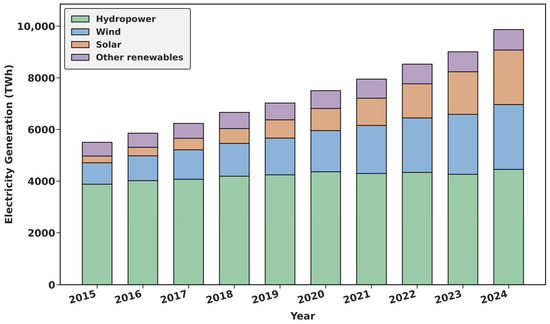
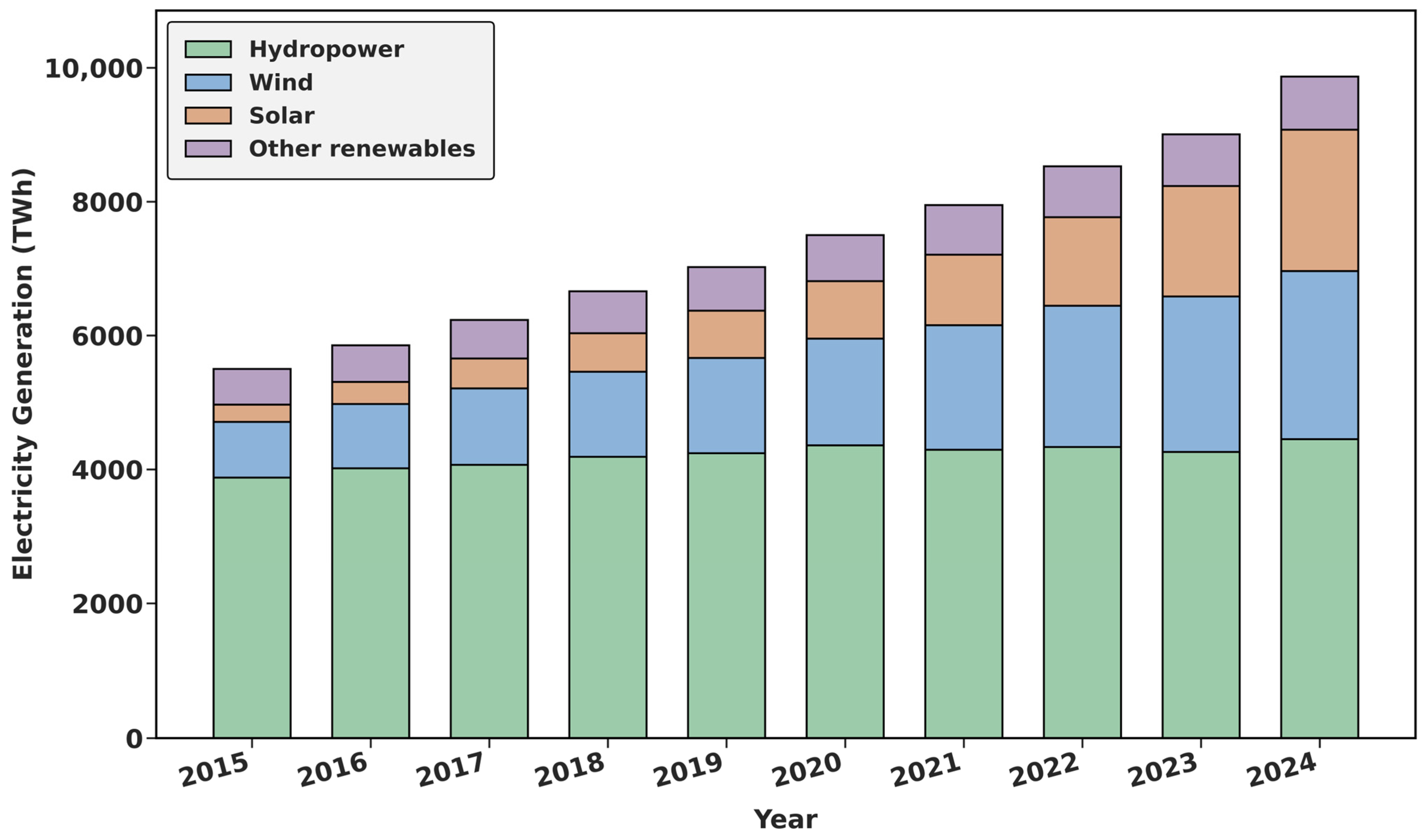
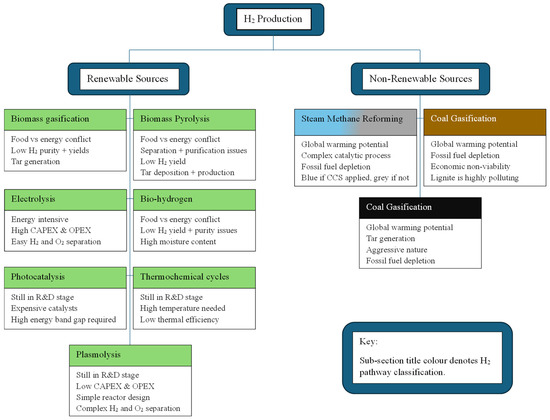
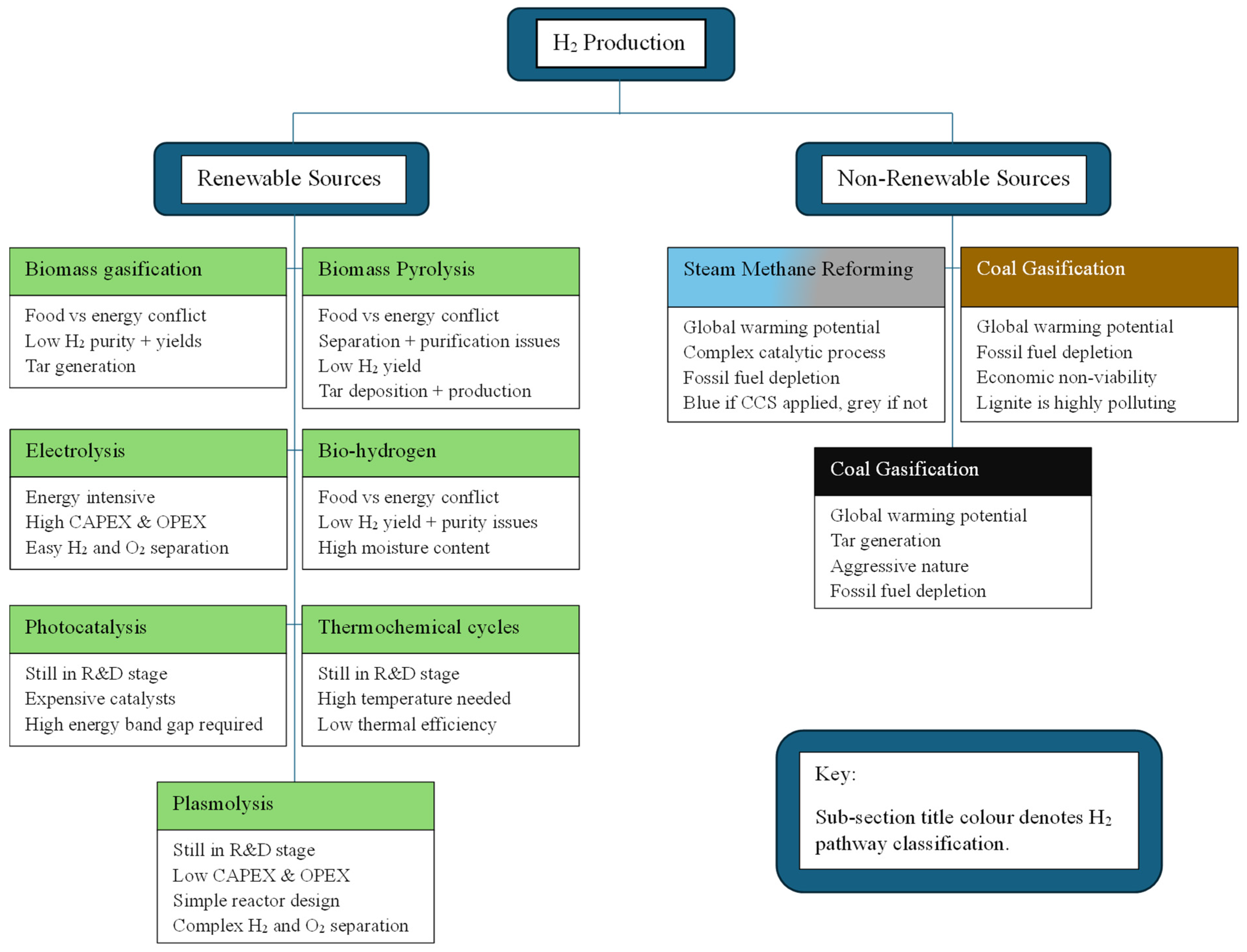
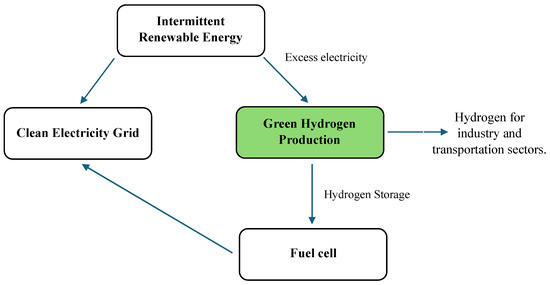
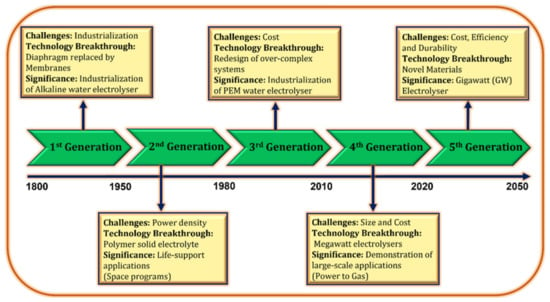
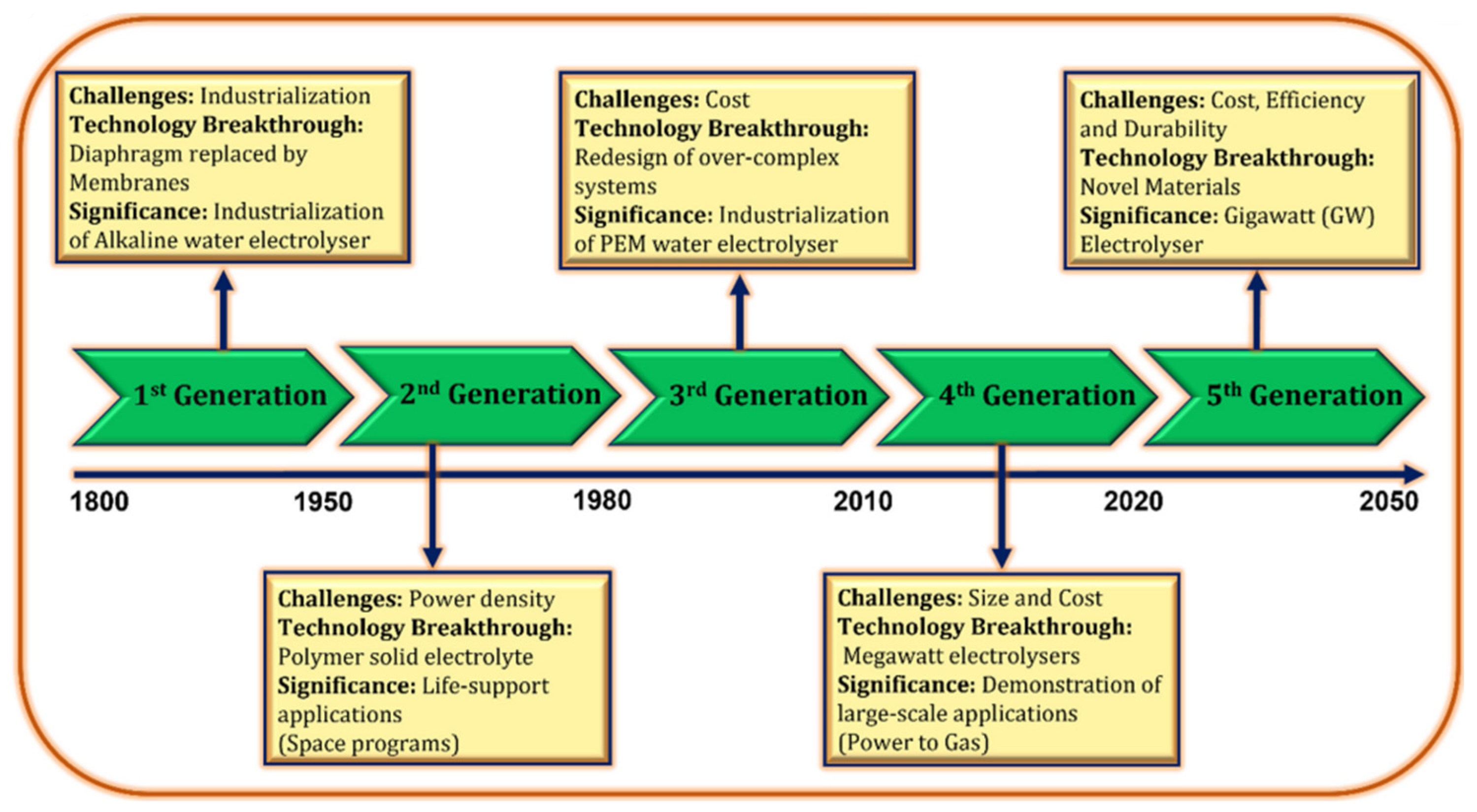
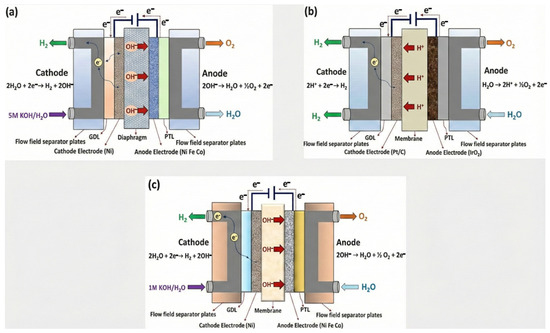
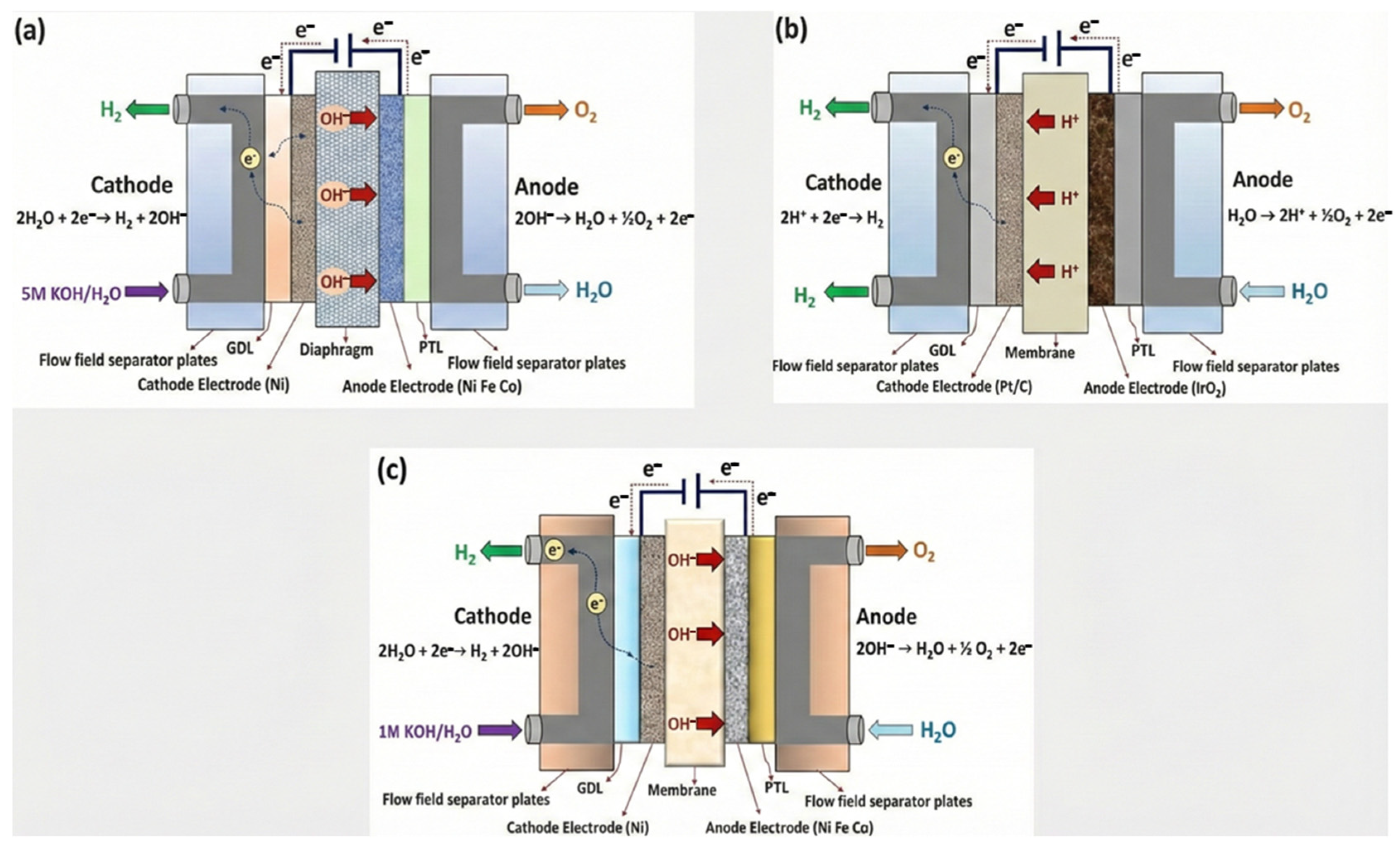
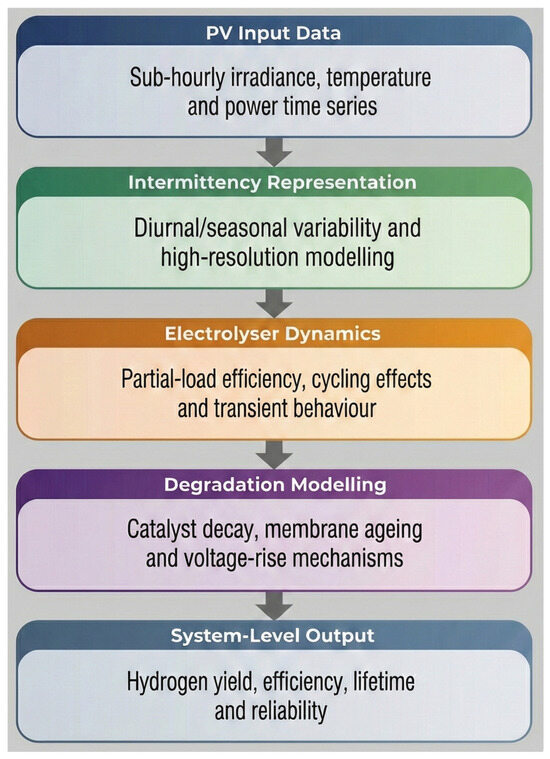
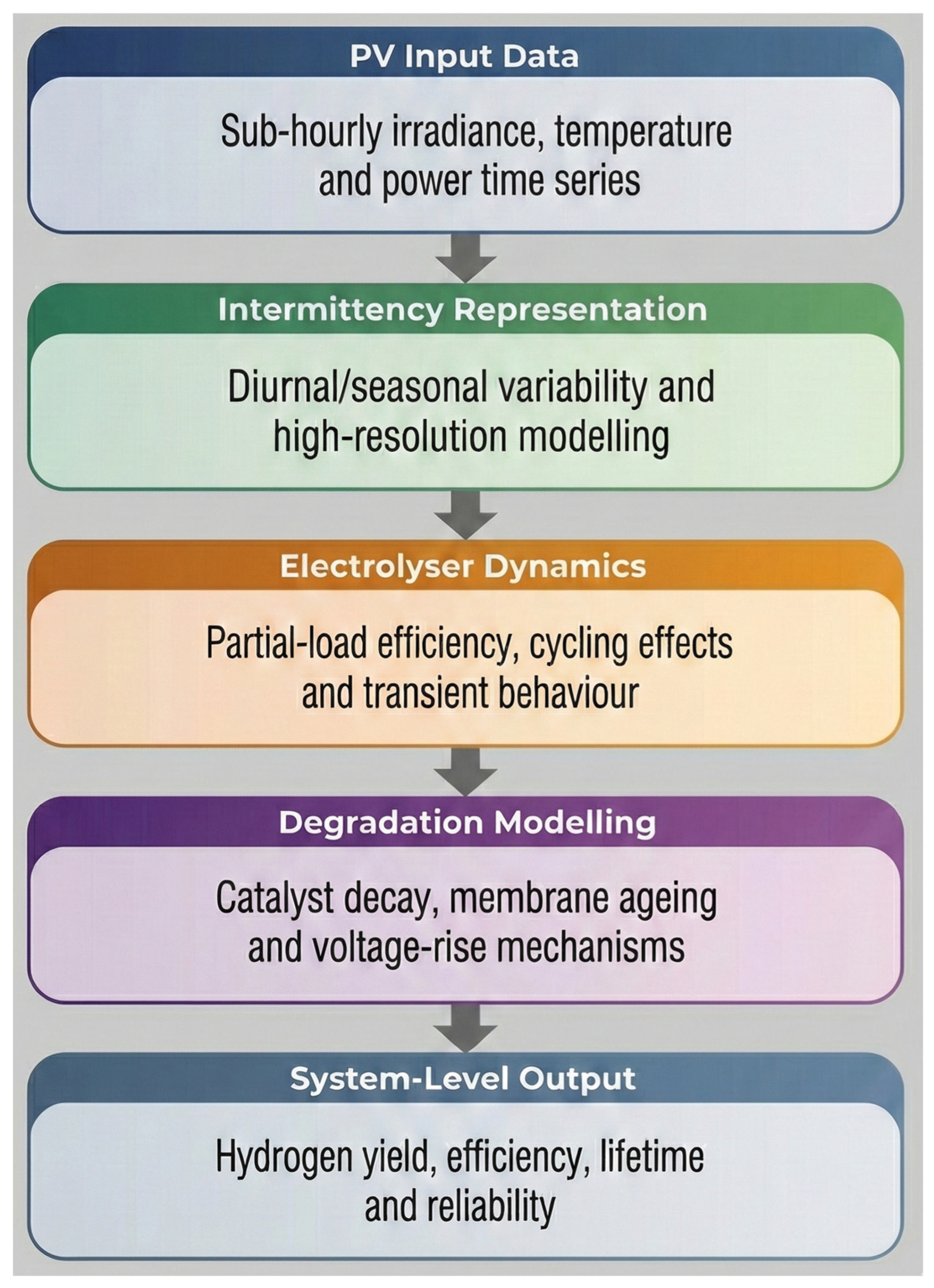
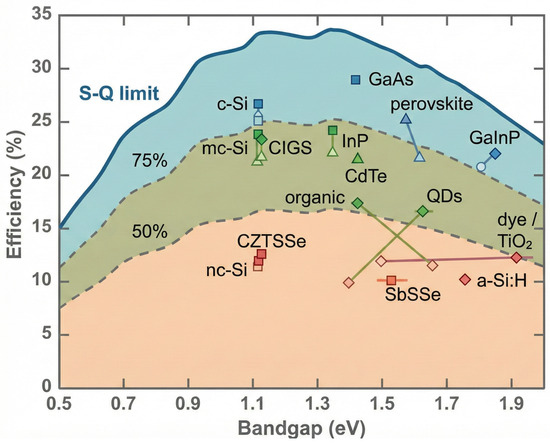
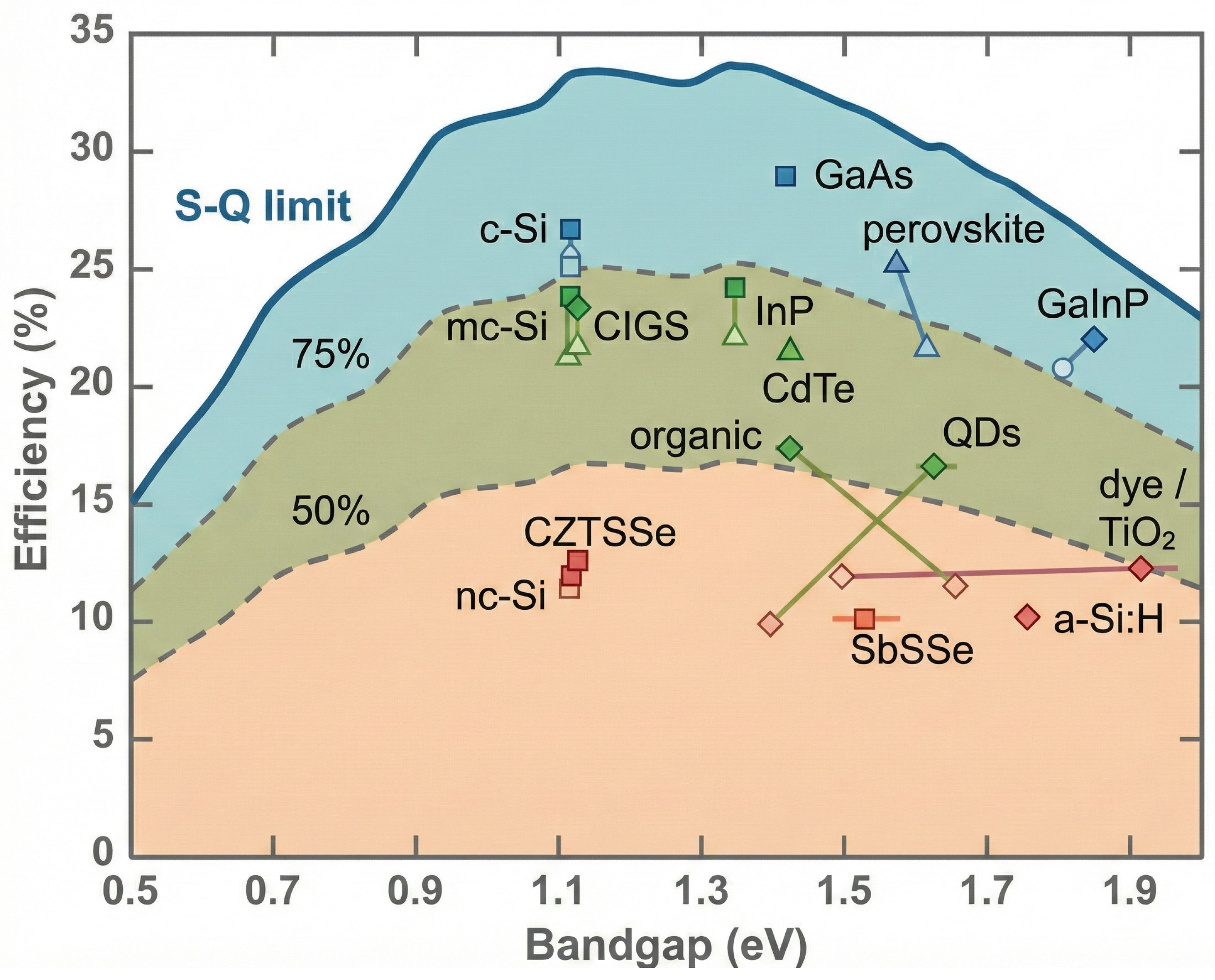
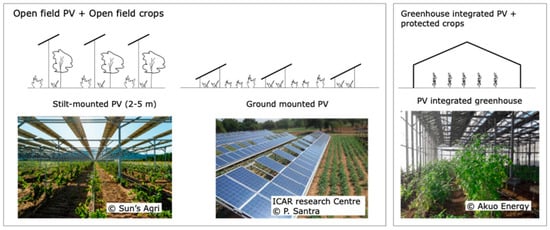
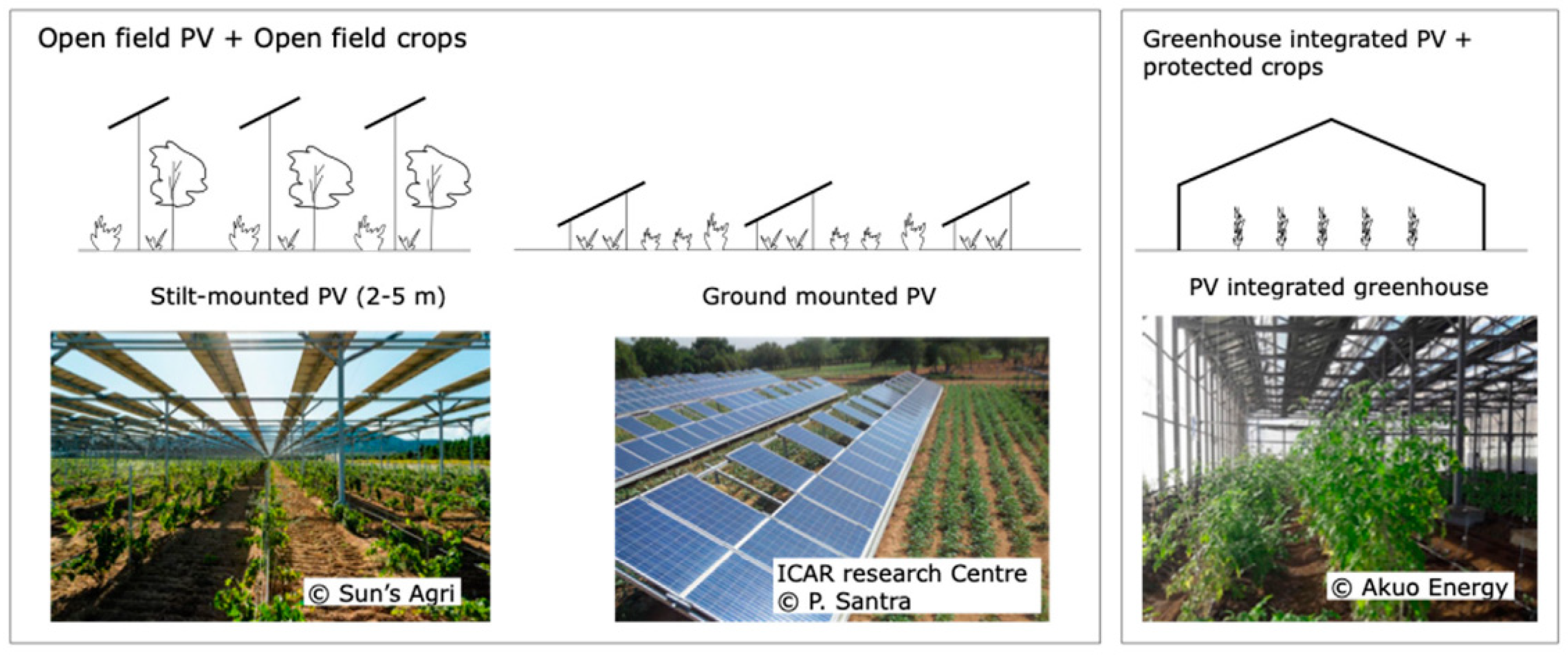

Disclaimer/Publisher’s Note: The statements, opinions and data contained in all publications are solely those of the individual author(s) and contributor(s) and not of MDPI and/or the editor(s). MDPI and/or the editor(s) disclaim responsibility for any injury to people or property resulting from any ideas, methods, instructions or products referred to in the content. |
© 2026 by the authors. Licensee MDPI, Basel, Switzerland. This article is an open access article distributed under the terms and conditions of the Creative Commons Attribution (CC BY) license.