


Article

The Green Side of the Machine: Industrial Robots and Corporate Energy Efficiency in China
1
School of Education, Southwest University, Chongqing 400715, China
2
Low-Altitude Economy Institute, Central South University of Forestry and Technology, Changsha 410018, China
*
Author to whom correspondence should be addressed.
Sustainability 2026, 18(3), 1193; https://doi.org/10.3390/su18031193
Submission received: 29 December 2025 / Revised: 19 January 2026 / Accepted: 19 January 2026 / Published: 24 January 2026

Abstract

In the context of the ongoing digital revolution in manufacturing and the simultaneous advancement toward dual carbon objectives, this study investigates the role of intelligent technological advancements, particularly industrial robotics, in improving firm-level energy efficiency. Utilizing panel data from Chinese listed companies spanning the period 2012–2023, the research assesses the relationship between exposure to industrial robots and corporate energy efficiency metrics. The empirical analysis demonstrates that greater exposure to industry-level robotization substantially boosts corporate energy performance, verifying that intelligent modernization and green transition can be mutually reinforcing. This positive effect is particularly pronounced among superstar firms, in more competitive industries, and for capital-intensive enterprises. Mechanism analysis reveals that, first, robotization processes generate a scale effect that effectively dilutes the fixed energy consumption per unit of product. Second, the diffusion of robots intensifies market competition, creating a competition effect that compels all firms within the industry to optimize costs and management with a focus on energy conservation. This study demonstrates that enhancing human capital within organizations significantly amplifies the beneficial impact of robotic integration on energy efficiency metrics. By providing empirical data from an emerging market context, this research not only elucidates the role of industrial robots but also offers policy-relevant insights for developed economies navigating the concurrent challenges of industrial modernization and environmental sustainability.

1. Introduction

With the deep convergence of artificial intelligence and the manufacturing sector, diverse intelligent applications are radically transforming production workflows. Within the critical manufacturing phase, industrial robots stand out as the quintessential and most extensively implemented technological solution. They represent not only a mature culmination of traditional automation technologies but also increasingly integrate cutting-edge AI solutions such as visual sensing and machine learning. Consequently, industrial robots serve as an ideal proxy for the level of a firm’s intelligent transformation [1].
China’s rapid expansion in industrial robot installations during the last decade provides a unique empirical context for investigating the economic implications of technological advancements. According to the International Federation of Robotics (IFR), the operational stock of industrial robots in Chinese firms surged from a mere 7096 units in 2004 to 1.755 million units by 2023. From a flow perspective, China has ranked as the world’s largest market for industrial robots for several consecutive years since 2013, with annual sales reaching 276,300 units in 2023, accounting for 51% of the global total. This unprecedented wave of industrial intelligent transformation, while driving a revolution in productivity, inevitably influences corporate energy consumption patterns [2]. Therefore, clarifying the direction, magnitude, and underlying mechanisms of this impact constitutes the point of departure for the present study.
This inquiry assumes significant practical relevance in the context of developing nations, with a particular focus on China. Given that the industrial sector serves as a critical domain for realizing the country’s “dual carbon” objectives, the process of industrial greening constitutes a pivotal aspect of China’s broader socioeconomic development agenda. In this context, the improvement of firm-level energy efficiency, defined in this study as energy productivity, or the economic output generated per unit of energy input [3], constitutes the micro-foundation for realizing this macroeconomic strategy and a core metric for gauging a firm’s sustainable production capabilities. Notably, the scholarly discourse remains inconclusive regarding the exact energy implications associated with the deployment of industrial robotics.
On the one hand, an industrial robot, as an additional piece of capital equipment, itself constitutes a direct source of energy consumption through its operation, cooling, and maintenance [4]. This not only increases a firm’s electricity load but may also induce a “rebound effect” in energy demand, thus posing a potential threat to energy efficiency [5]. Conversely, the integration of advanced automation and intelligent systems in manufacturing processes significantly expands the potential avenues for energy efficiency through industrial robotics. These include reducing redundant steps through precise process optimization, improving product yields to lower the energy waste embedded in rework and scrap, and enabling continuous production to minimize energy consumption from equipment idling and restarting [6,7]. Consequently, the ultimate impact of industrial robots on firm energy efficiency essentially hinges on the relative strength of the aforementioned consumption and conservation effects. This leads to the core question this paper seeks to answer: Is the energy conservation effect of adopting industrial robots potent enough to outweigh their direct energy consumption, thereby acting as a net positive driver of firm-level energy efficiency?
This study employs panel data spanning the period from 2012 to 2023, drawn from a sample of Chinese listed firms, to investigate the research question at hand. Methodologically, distinct from studies relying on survey data of direct robot purchases, we construct a Bartik-type index to capture the independent variable. By interacting industry-level robot density with firms’ initial labor structures, this measure isolates the differential exposure of each firm to an industry-level technology shock, thereby mitigating potential endogeneity concerns related to individual investment decisions. Employing a two-way fixed effects model, we find that greater exposure to industrial robotization significantly promotes firm-level energy efficiency. Our empirical analysis reveals that this phenomenon exhibits greater intensity in superstar firms, competitive industries characterized by heightened rivalry, and capital-intensive sectors. To ensure the robustness of our results, we implement comprehensive sensitivity analyses and systematically rule out potential alternative causal mechanisms.
Robotics integration in organizational settings exerts a dual mechanism in enhancing corporate energy efficiency. The first is a scale effect driven by productivity improvements. As an advanced capital good, the integration of robots leads directly to an expansion in firm output and a substantial leap in production efficiency, thereby lowering energy consumption per unit of output. The second is a competition effect. The diffusion of industrial robots intensifies market competition, which through mechanisms of market selection and imitative learning, compels other firms in the industry to optimize their energy efficiency to remain competitive. Our empirical analysis reveals that the beneficial impact of robotic integration on energy efficiency is significantly enhanced when accompanied by concurrent improvements in a firm’s workforce skills and qualifications.
This study makes significant contributions to the existing body of research by addressing two key dimensions. Primarily, it expands the analytical framework of industrial robots’ economic implications, moving beyond traditional production dynamics to explore their role in green development initiatives. Drawing on empirical data from China, this research offers novel insights into the energy consumption patterns and environmental impact of artificial intelligence technologies at a granular level. Notably, prior studies have primarily concentrated on the labor market effects of industrial robots, underscoring the need for a more comprehensive understanding of their multifaceted socioeconomic consequences [8], productivity [1], and firm innovation [9]. However, the economic consequences of this disruptive technology in the energy dimension, particularly its impact on firm-level energy efficiency, have received insufficient scholarly attention. Our study evaluates how industry-level robotization translates into improvements in firm-level energy efficiency, offering a new perspective for assessing the social welfare effects of AI technologies.
This study’s primary innovation resides in elucidating the latent processes by which robotic technology adoption influences corporate energy utilization efficiency. Specifically, we further delineate dual transmission channels on both the “production side” and the “market side.” Through mechanism tests, we find that on the production side, robotization generates a scale effect by improving firm productivity. On the market side, it creates a competition effect by intensifying industry-wide restructuring. The identification of these two pathways expands the analytical perspective from internal firm-level efficiency improvements to the industry reshaping induced by technological shocks. This provides new evidence on how technological changes are amplified and transmitted through market mechanisms. This research underscores the significant moderating effect of human capital in enhancing the synergistic relationship between human–robot collaboration and technological advancements, thereby amplifying the environmental benefits in the context of sustainable development. The findings provide actionable insights at the organizational level, emphasizing the need for strategic talent management initiatives to optimize the integration of human resources with robotic systems.

2. Literature Review and Hypothesis

2.1. Literature Review

2.1.1. The Economic Consequences of Industrial Robots

The expanding deployment of industrial robots in manufacturing sectors worldwide has catalyzed a substantial increase in scholarly research dedicated to analyzing their economic implications [10,11,12]. The bulk of this literature focuses on assessing the impact of this technology on labor market structure, which denotes the most mature and established theme in this field. With the arrival of the “Lewis turning point,” the demographic dividend that previously underpinned the high-speed growth of Chinese manufacturing is gradually diminishing. This trend is giving way to accelerated population aging, a slowdown in labor supply growth, and a continuous rise in unit labor costs [13]. To maintain their cost advantages and market competitiveness, firms have begun to engage in large-scale capital deepening, introducing industrial robots into their production lines as a key labor-saving technology. This serves as the foundational premise for analyzing the effects of robotic automation on employment dynamics in the modern workforce [14].
This process primarily manifests as direct capital-labor substitution. The core advantage of industrial robots lies in their ability to efficiently perform standardized tasks, leading to a “displacement effect” that reduces demand for low- and medium-skilled workforce [15]. Furthermore, this displacement exhibits a skill-biased nature, creating complementary demand for high-skilled labor while widening the income gap [16,17].
However, focusing solely on these productivity and labor market gains risks overlooking the potentially adverse environmental externalities of automation. It is crucial to acknowledge that the environmental impact of industrial robots remains theoretically ambiguous. A critical strand of literature cautions against the “rebound effect” inherent in technological progress [18,19]. Specifically, while robots enhance unit production efficiency, the resulting decline in production costs often stimulates a substantial expansion in total output. If the demand elasticity for the product is high, the energy consumption driven by increased production scale may offset, or even exceed, the energy savings achieved per unit of output.
Moreover, industrial robots are energy-intensive hardware in their own right. Unlike human labor, robots require continuous power supply for operation, cooling, and standby modes. Engineering studies indicate that the cumulative electricity consumption of large-scale automated production lines can be substantial, potentially increasing the baseload energy demand of manufacturing plants [20]. Therefore, whether the efficiency effect of intelligent transformation can dominant the scale effect and direct consumption effect remains a complex question requiring rigorous empirical verification, rather than a foregone conclusion.

2.1.2. Affect Factors of Firm Energy Efficiency

Under the dual constraints of escalating energy costs and the intensification of “dual carbon” targets, enhancing energy efficiency is not only an intrinsic need for firms to lower operating costs and boost profitability but also an inevitable choice for responding to external environmental regulations and fulfilling social responsibilities.
A review of the existing literature reveals that technological progress stands out as the primary driver of firm energy efficiency [21]. Drawing from Schumpeter’s theory of innovation, both endogenous research and development in energy-saving technologies and the adoption and absorption of external advanced production processes have been confirmed as fundamental pathways to improving energy efficiency [22].
Moreover, the realization of this technological potential is significantly facilitated by the external market and institutional environment. First, intense market competition, acting as an effective selection mechanism, compels firms to pursue cost minimization, including through energy conservation, to prevail in a competitive environment [23]. Second, formal institutional regulations, such as environmental taxes and emissions trading systems, internalize the negative externalities of energy consumption. This can induce a “Porter Hypothesis” effect, spurring firms to undertake green innovation and thereby achieve breakthroughs in energy efficiency [24].
The existing literature remains largely fragmented, with these two domains operating in parallel but rarely intersecting. Primarily, economic studies regarding industrial robots have concentrated almost entirely on the realms of production and distribution efficiency. The potential impacts of this disruptive technology on the dimensions of green and sustainable development have not yet received adequate attention in the literature. Second, although the literature on the determinants of firm energy efficiency has developed a mature analytical framework that incorporates technological progress, market environment, and firm heterogeneity, its examination of technological progress largely remains at a general level. This framework has not yet fully integrated or dissected the specific impacts brought about by the new wave of technological revolution, which is characterized by both automation and intelligence and is epitomized by industrial robots.
This study addresses a significant research gap by examining the impact of industrial robot implementation at the firm level on energy efficiency. Through this analysis, the research contributes novel micro-level empirical evidence to the ongoing discourse regarding the environmental implications of technological advancements, specifically questioning whether such progress invariably results in ecological benefits.

2.2. Hypothesis Development

2.2.1. The Scale Effect

As an advanced capital good, industrial robots can fundamentally alter a firm’s production function, thereby enhancing energy efficiency through a scale effect. The logic of this transmission mechanism originates from the boost that industrial robots provide to firm-level productivity [25]. The existing literature indicates that, in contrast to human labor, industrial robots can operate at high speed and with high precision on an around-the-clock basis. This capability significantly compresses production cycles and overcomes the efficiency bottlenecks and physical limitations inherent in manual operation [1]. This technology-induced leap in firm productivity directly translates into a rapid expansion of its output scale [26,27].
Analyzing energy consumption from an energetic composition standpoint reveals that a corporation’s overall energy usage can be systematically disaggregated into two distinct components: variable energy consumption, which exhibits a direct correlation with production levels, and fixed energy consumption, which remains relatively constant or changes only marginally in response to variations in output. Against the backdrop of sustained output growth driven by industrial robots, the fixed energy consumption allocated to each unit of product is sharply diluted. Despite the fact that the deployment of robotic systems may result in an unambiguous rise in both variable and aggregate energy usage, empirical evidence consistently demonstrates that the rate of output expansion substantially exceeds the corresponding growth in energy demand. This differential in growth rates directly translates into a marked enhancement in the energy efficiency metric, which is mathematically defined as the ratio of output to total energy consumption.
Furthermore, productivity gains can also indirectly conserve energy by reducing resource misallocation and waste [28]. The high precision of industrial robots can substantially improve product yields, cutting down on the embedded energy waste associated with the rework or scrapping of defective items. Consequently, by driving the expansion of output scale, industrial robots constitute a core channel for enhancing firm-level energy efficiency. Based on this reasoning, we propose the following hypothesis:
Hypothesis 1.
Greater exposure to industry-level robotization significantly improves firm-level energy efficiency by facilitating the expansion of production scale.

2.2.2. The Competition Effect

The benefits of industrial robotics in enhancing corporate energy efficiency extend beyond the localized manufacturing operations of individual adopters, thereby generating broader macroeconomic implications; this effect extends to the entire industry through a competition effect. From the perspective of industrial organization theory, when a subset of early-adopting firms pioneer the large-scale deployment of industrial robots, they gain a formidable cost advantage by virtue of the resulting significant productivity gains. This cost advantage can be directly translated into lower product prices or higher product quality, enabling these early adopters to rapidly capture market share and exert significant competitive pressure on the laggard firms within the industry [29].
In response to this asymmetric shock induced by technological change and the escalating market competition, a market selection mechanism is activated. To survive in this intensified competitive landscape, laggard firms must adopt proactive strategies. The most direct response is to imitate the early adopters by undertaking their own automation and intelligent transformations [30]. More importantly, regardless of whether they adopt robots themselves, all firms facing this competitive pressure are compelled to scrutinize their entire cost structures and seek out every possible avenue for efficiency improvement. As a significant component of variable costs for manufacturing firms, energy consumption naturally becomes a critical area for such cost-reduction and efficiency-enhancement initiatives.
Furthermore, intense market competition acts like an “invisible hand,” powerfully disciplining firms’ energy management practices. To compete within shrinking profit margins, firms are more strongly incentivized to phase out obsolete, high-energy-consumption equipment, optimize production processes to reduce energy waste, and implement more sophisticated energy management systems [31]. In this context, improving energy efficiency is no longer merely an optional aspect of corporate social responsibility; it becomes a strategic imperative essential for survival in a competitive marketplace. Thus, the initial competitive shock triggered by the adoption of robots by a few early adopters spills over through the potent transmission mechanism of the market, ultimately driving the entire industry to evolve toward a new equilibrium of higher energy efficiency. In light of the aforementioned arguments, we hereby formulate the following conjecture:
Hypothesis 2.
Higher industry-level robot penetration enhances firm-level energy efficiency by intensifying market competition within the industry.

2.2.3. The Moderating Role of Human Capital

The integration of industrial robots into manufacturing processes significantly influences a company’s energy efficiency, with the firm’s internal human capital configuration serving as a critical moderating factor in this relationship. The introduction of industrial robots is not a mere superimposition of hardware but rather a paradigm shift in production, the success of which is highly contingent upon a complementary high-skilled workforce. Firms with a higher level of human capital typically possess superior technological absorptive capacity, stronger organizational learning capabilities, and more sophisticated management frameworks. This enables them to more acutely identify and maximize the efficiency dividends afforded by intelligent equipment [32].
Organizations with well-developed human capital are anticipated to experience a markedly enhanced positive impact on energy efficiency when implementing industrial robotics technology. Specifically, first, a high-skilled workforce acts not merely as operators of the robots but also as optimizers and enablers of their performance. By leveraging data analytics and secondary development, they can continuously refine the robots’ operational parameters and production workflows, thereby maximizing the potential of the “scale effect” by minimizing equipment idling, material waste, and production redundancies.
Second, high-skilled teams are better positioned to drive the deep integration of robots with other digital systems within the firm, thereby establishing a genuinely smart factory [33]. In essence, while the industrial robot may be a powerful engine, high-skilled talent acts as the expert driver required to harness its peak performance. This synergy is what translates technological potential into tangible improvements in energy efficiency. Consequently, empirical evidence suggests that firms with greater investments in human capital are likely to experience more significant improvements in energy efficiency as a result of industrial robot adoption. This observation forms the basis for the subsequent research hypothesis:
Hypothesis 3.
Human capital upgrading amplifies the positive effect of robotization exposure on firm-level energy efficiency.

3. Research Design

3.1. Data Source and Sample Selection

This research employs a panel dataset comprising financial and governance indicators of Chinese A-share listed firms over the 2012–2023 timeframe, which were extracted from the China Stock Market & Accounting Research (CSMAR) database as the primary source of empirical evidence [34]. Our analysis centers on listed firms, given their status as industrial pioneers in China, they are often the pioneers in implementing intelligent transformations and green transitions. This empirical analysis provides a robust framework for accurately assessing both the economic and ecological implications associated with the integration of industrial robotics technology.
To mitigate potential biases from outliers and problematic observations, we follow standard academic practices [35] and screen the initial dataset. First, we exclude firms classified as ST, *ST, or PT (In the Chinese stock market, “ST” (Special Treatment) refers to listed companies that have suffered losses for two consecutive years, indicating financial abnormalities. *"ST" denotes companies at risk of delisting due to three consecutive years of losses. “PT” (Particular Transfer) refers to companies that have been suspended from listing and are awaiting a decision on whether to resume trading or be delisted. Excluding these firms is a standard procedure in studies of Chinese listed firms to prevent distressed financial data from distorting the empirical results). In the data preprocessing stage, we first exclude observations with incomplete information on total assets or those where total assets fall below net fixed assets. Next, we discard firm-year records with total assets that are lower than current assets. Subsequently, we remove entities exhibiting substantial missingness in critical variables. To mitigate the impact of outliers on our regression analysis, we apply winsorization to all continuous variables at the 1st and 99th percentile thresholds. Following these data cleaning procedures, our refined dataset encompasses a total of 34,390 firm-year observations.

3.2. Variable Definitions

3.2.1. Dependent Variable: Energy Efficiency (LnEE)

Adopting the approach established by Zhang et al. [36], Corporate energy efficiency is assessed through the calculation of the ratio between total economic output and aggregate energy consumption. To address potential heteroskedasticity concerns in empirical analysis, the natural logarithm of this efficiency ratio is utilized as the primary metric. This logarithmic transformation enables a more accurate representation of the relationship between variables, with higher values reflecting enhanced levels of energy efficiency.
The firm’s total output is quantified through its primary business revenue, while its total energy consumption is determined by aggregating the energy inputs from diverse sources—such as electricity, coal, natural gas, and thermal heat—into a standardized unit of measurement known as Standard Coal Equivalent, which is computed in accordance with the conversion factors established in the General Principles for Calculation of Comprehensive Energy Consumption (http://openstd.samr.gov.cn/bzgk/gb/ accessed on 1 May 2025). To ensure transparency and reliability, data were compiled through a rigorous process: we employed Python 3.10.9-based text mining combined with manual verification to extract energy metrics from annual and CSR/ESG reports publicly available on CNINFO (www.cninfo.com.cn). Subsequently, these records will be carefully reviewed to minimize the occurrence of reporting errors.

3.2.2. Independent Variable: Industrial Robots (Robot)

Given that the authoritative industrial robot data released by the International Federation of Robotics (IFR) is only available at the country-industry-year level [37], we follow the methodology of Gan et al. [38] to construct a firm-level proxy for index of robot exposure. This measure is designed to capture the penetration of industrial robots relative to human labor within a firm’s production activities. The specific construction is as follows:
To quantify the level of robotic integration at the sectoral scale, we compute the industry-specific robot density metric, R _ d e n s i t y j , t , which represents the degree of robot deployment in industry j during year t.
R _ d e n s i t y j , t = I R o b o t j , t C H E m p l o y j , t = 2010 C H
where the numerator, I R o b o t j , t C H , stands for the number of new industrial robot installations in industry j in China during year t. The denominator, E m p l o y j , t = 2010 C H , is the total number of employees in industry j in China in the base year 2010.
Second, based on this industry-level density, we construct the firm-level robot exposure measure, denoted as R o b o t j , i , t :
R o b o t j , i , t = P W P i , j , t = 2011 P W P _ m e d i a n t = 2011 × I R o b o t j , t C H E m p l o y j , t = 2010 C H
The multiplier, P W P i , j , t = 2011 P W P _ m e d i a n t = 2011 , is the firm’s proportion of production workers in the base year (2011), normalized by the median of this proportion across all manufacturing firms for that year. This term is designed to capture the firm’s initial labor structure characteristics.

3.2.3. Control Variables

In particular, the control variables selected for this study include: firm age (Lnage), firm scale (Lnsize), debt-to-asset ratio (Lev), return on assets (Roa), and revenue growth rate (Growth). We also control for ownership structure using the concentration ratio of the top five shareholders (Top5), market valuation via Tobin’s Q (TobinQ), and corporate governance structure through CEO-chairman duality (Dual). A comprehensive list of variable definitions is provided in the subsequent Table 1.

3.3. Model Specification

The application of Ordinary Least Squares (OLS) regression to investigate the association between industrial robot adoption and firm energy efficiency is susceptible to omitted variable bias due to the presence of unobserved confounding factors that exhibit variation at either the firm or temporal level. To mitigate this limitation, we adopt a two-way fixed effects model, which simultaneously accounts for firm-specific time-invariant characteristics (captured by firm fixed effects) and temporally varying covariates (addressed through time fixed effects). This methodological choice enables us to construct the following empirical specification as our primary regression framework:
L n E E i t = α 0 + β R o b o t i t + θ X i t + δ i + γ t + ε i t
Here, the subscripts i and t denote the firm and the time period, respectively. The variable E E i t signifies corporate energy efficiency, while R o b o t i t serves as the primary explanatory variable. The term X refers to the set of control variables. Additionally, δ i and γ t capture firm-specific fixed effects and year fixed effects, respectively. On the basis of controlling the fixed effects, this paper also uses the robust standard errors clustered to the enterprise level, and the final ε i t signifies the random disturbance term. This paper will note that the coefficient β of the core explanatory variable in Equation (3) is significantly positive if the estimated results support the hypothesis.

3.4. Summary Statistics

Table 2 provides a descriptive statistical summary of firm energy efficiency metrics, revealing that the logarithmically transformed energy efficiency index (LnEE) exhibits significant heterogeneity among sampled entities. Specifically, the mean LnEE value of 14.2385 is accompanied by a range spanning from 10.4839 to 18.6173, underscoring notable variability in energy efficiency levels across the study population. The average financial leverage (Lev) is 42.86%, suggesting that many firms operate with a considerable debt burden.
Regarding corporate governance, the ownership concentration of the top five largest shareholders averages nearly 50%, while CEO-chairman duality is present in 28.36% of the firm-year observations. Overall, the descriptive statistics for our key variables are broadly consistent with those reported in the existing literature on Chinese listed firms.

4. Empirical Results

4.1. Baseline Results

As detailed in Table 3, the empirical analysis conducted using the baseline specification specified in Equation (3) reveals a significant positive association between industrial robot deployment and corporate energy efficiency across various model specifications. Specifically, the coefficient estimate for the key explanatory variable, Robot, remains consistently positive and statistically significant at the 1% confidence level in all model configurations examined. Given the shift-share nature of our independent variable and the inclusion of fixed effects, this result should be interpreted through the lens of differential exposure: it indicates that industry-level robotization shocks differentially affect firms depending on their initial labor structure. Specifically, the findings imply that firms with a higher initial share of production workers, and thus greater exposure to the technological shock, experience significantly larger improvements in energy efficiency as their respective industries undergo automation.
This finding is theoretically consistent with the conclusions of Lee and Yan [39] regarding the impact of artificial intelligence on urban energy structure transformation. However, our study diverges from their macro-level perspective on the broad concept of AI. We focus on a more specific automation technology, the differential exposure to industrial robots, aiming to reveal key micro-level evidence of how the automation process affects corporate energy efficiency.
Empirical analysis reveals that a unit standard deviation increase in robot penetration is associated with a 0.104 standard deviation rise in firm energy efficiency, which constitutes a substantial 10.4% contribution to the overall variation in energy efficiency over the study period. These findings not only confirm the statistical significance of the Robot variable but also underscore its practical relevance in the context of corporate energy management.

4.2. Addressing Endogeneity Concerns

4.2.1. Instrumental Variable Approach

In order to mitigate potential endogeneity issues identified in our baseline regression model, we adopt an instrumental variable (IV) estimation technique. This methodological choice is necessitated by the presence of two distinct sources of endogeneity in our empirical analysis. first, the potential for reverse causality, whereby a firm’s energy cost structure could, in turn, influence its technology adoption decisions; and second, omitted variable bias, where unobserved firm-specific characteristics might correlate with both robot investment and energy efficiency. Therefore, constructing a valid instrument is crucial for isolating the net causal effect of robot adoption.
In order to mitigate the issue of endogeneity, this study employs a Bartik-style instrumental variable approach, which is grounded in the theoretical framework developed by Acemoglu and Restrepo [8]. The assessment is grounded in an analysis of the current market penetration of industrial robots within the U.S. manufacturing sector. Given that our endogenous regressor is also a Bartik-type measure constructed from Chinese data, the validity of using a U.S.-based instrument hinges on its ability to isolate the exogenous technological component from domestic confounders. The choice of this instrument is guided by two key considerations:
First, regarding the relevance assumption. Industrial robotics represents a global technological frontier, and its diffusion across sectors follows a shared economic and technological logic. Given the U.S.’s leadership in robotic innovation, the trajectory of robot penetration in American industries effectively mirrors the global technological frontier. For China, as a technology follower, its path of technological upgrading is highly correlated with the development trajectory in the same U.S. industries [40]. Therefore, the U.S. instrument serves as a strong predictor for the technological component of robot adoption in China.
Second, concerning the exclusion restriction. This is where the instrument provides its identification power. While robot adoption in China may be influenced by domestic endogenous factors, specific local labor shortages, or firm-specific managerial decisions—the robot adoption rates in the U.S. are driven by orthogonal factors, such as U.S. wage dynamics and labor demographics. By using the U.S.-based Bartik instrument, we effectively isolate the variation in Chinese robotization that is driven by the exogenous global advancement of automation technology, while filtering out the variation caused by China-specific unobserved demand shocks or policy interventions that might be correlated with the error term. For an individual Chinese enterprise, these U.S.-specific technological trends act as purely exogenous shocks, unlikely to affect the firm’s energy efficiency through any channel other than the adoption of the technology itself.
Table 4’s Column (1) provides the first-stage regression outcomes from a two-stage least squares analysis employing the Bartik instrument, while Column (2) presents the second-stage estimates. Notably, the coefficient associated with the instrumental variable exhibits a positive and statistically significant relationship, thus validating its relevance. The Kleibergen-Paap rk LM statistic, with a value of 31.312 and significance at the 1% level, conclusively rejects the null hypothesis of model underidentification. Additionally, the Kleibergen-Paap rk Wald F-statistic, at 45.642, surpasses conventional critical thresholds, affirming the instrument’s strength and successfully passing the weak instrument test. As demonstrated in Column (2) of the regression analysis, the coefficient associated with the instrumented Robot variable maintains a positive and statistically significant value, a result that aligns with the findings from our baseline Ordinary Least Squares (OLS) estimation. This consistency provides compelling evidence for the robustness of our causal inference: industrial robot deployment indeed has a causal impact on improving firm-level energy efficiency.

4.2.2. Propensity Score Matching (PSM)

In order to mitigate selection bias arising from observable differences in firm characteristics between those with high and low levels of robotic adoption, we employ propensity score matching (PSM) as our analytical method. Given the continuous nature of our robot penetration index, the term “processing” as defined herein does not reflect a simple binary decision regarding technology adoption. It distinguishes between firms subject to “high exposure” and “low exposure” to industry robotization.
Our PSM methodology is executed through a three-step process: initially, a binary treatment indicator is generated for each firm, assigning a value of 1 when its robot penetration exceeds the annual median observed in that specific year, and 0 otherwise. Subsequently, a Logit regression model is employed to estimate the propensity scores for all firms, incorporating the complete set of control variables. The final step involves implementing a one-to-one nearest-neighbor matching algorithm without replacement to pair treated firms with appropriate control counterparts, after which Equation (3) is re-estimated using the matched dataset.
Figure 1 displays the kernel density distribution of the propensity scores for both the treatment and control groups before and after matching. The significant overlap in the distributions post-matching visually confirms that the common support assumption is well-satisfied. As demonstrated in Column (3) of Table 4, the estimation results obtained from the matched sample consistently show a positive and statistically significant relationship between the Robot variable and the dependent variable, thereby providing additional evidence to support the robustness of the study’s primary conclusions.

4.3. Excluding Alternative Explanations

Although the instrumental variable approach and other methods have been employed to alleviate endogeneity concerns, the credibility of our results could still be challenged by other concurrent factors or policy reforms that may be correlated with our variables of interest. Therefore, in this section, we conduct additional tests to rule out several plausible alternative explanations and further substantiate our baseline findings.
Excluding the “New Energy Demonstration City” Policy. The pilot program designated as “New Energy Demonstration City,” which strives to incentivize firms within selected municipalities to prioritize clean energy adoption and pursue energy-saving technological modernization via fiscal subsidies and project backing, may exert a direct influence on corporate energy efficiency. To isolate the net effect of industrial robots and rule out this potential policy interference, we collected the list of all “New Energy Demonstration Cities” and their respective approval dates as announced by the National Energy Administration. Based on this information, we constructed a policy dummy variable, Newenergy. In the present analysis, we operationalize the “New Energy Demonstration City” policy by assigning a binary indicator variable: firms are coded as 1 if they are headquartered in a designated pilot city from the inception of the policy, and 0 otherwise. To assess the robustness of our findings, we incorporated this policy dummy as an additional control variable in our baseline regression model. As reported in Column (1) of Table 5, the re-estimation of the model reveals that the coefficient associated with our primary explanatory variable, Robot, retains its positive and statistically significant relationship even after accounting for the policy’s potential confounding effects.
Excluding the “Intelligent Manufacturing” Policies. A more direct policy shock related to the adoption of industrial robots is the series of “Intelligent Manufacturing” pilot and demonstration policies vigorously promoted by the Chinese government in recent years. The core objective of these policies is to encourage and support firms in undertaking technological upgrades centered on automation, digitalization, and intelligence, with the deployment of industrial robots being a central component. By providing special subsidies, tax incentives, and preferential project support, these policies directly lower the barriers and costs for firms to adopt robots. These policy measures may concurrently impact both a company’s robotics deployment intensity and its energy consumption patterns, thereby offering an alternative causal interpretation to our empirical results. In order to address potential confounding biases arising from such regulatory frameworks, we systematically gathered official documentation on the “Intelligent Manufacturing” pilot programs and demonstration zones, including their respective approval timelines, which were publicly disclosed by the Ministry of Industry and Information Technology alongside other relevant central government agencies. To address potential confounding effects of national-level intelligent manufacturing policies, we introduced an additional policy dummy variable, Smartmfg, which takes a value of 1 from the year of designation onwards for firms operating in cities identified as national-level intelligent manufacturing pilot cities or demonstration zones, and 0 otherwise. Upon re-estimating our baseline model with this control variable, as presented in Column (2) of Table 5, we observe that the coefficient on the Robot variable remains consistently positive and statistically significant at the 1% level. These findings not only reinforce the robustness of our primary results but also indicate that our conclusions are not merely attributable to the impact of such targeted industrial policies.
Excluding the Accelerated Depreciation Policy for Fixed Assets. Starting in 2015, the Chinese government began to pilot and gradually roll out a policy of accelerated depreciation for fixed assets in selected industries. This policy allows eligible firms, particularly those in high-tech and manufacturing sectors, to adopt faster depreciation methods for newly acquired fixed assets. The primary goal of this policy was to incentivize investment in equipment upgrades and technological transformation through tax benefits. However, this policy could potentially confound our analysis. On the one hand, it directly stimulated firms’ purchases of new equipment, including industrial robots, thus affecting our key independent variable. On the other hand, large-scale equipment modernization itself is likely to improve energy efficiency, which would directly affect our dependent variable. To more cleanly identify the energy-saving effect of industrial robot adoption itself, rather than the effect of this concurrent tax incentive, we re-run our baseline regression on a subsample that excludes observations from 2015. As demonstrated in Column (3) of Table 5, the regression analysis conducted on the subsample data reveals a statistically significant and positive relationship between the Robot variable and the dependent variable. These findings offer additional support for the robustness of our core empirical results, thereby mitigating concerns that they may be influenced by the parallel tax policy under consideration.
Excluding the “De-Capacity” Policy. During our sample period, the Chinese government vigorously implemented a “de-capacity” policy to address the issue of overcapacity in certain sectors. This policy primarily targeted traditional, energy-intensive industries such as steel, coal, non-ferrous metals, and shipbuilding, employing both administrative and market-based measures to forcibly eliminate outdated and excess production capacity. This structural adjustment policy could have directly led to the market exit of firms with lower energy efficiency, which would mechanically raise the average energy efficiency of the industry at a statistical level. Therefore, the improvement in energy efficiency that we observe might be an outcome of this “cleansing” effect of the de-capacity policy, rather than a result of robot adoption. To rule out this possibility, we adopt the approach of excluding specific industry samples. Specifically, we identify the key industries most significantly affected by the de-capacity policy, including: The industrial sectors encompassing non-ferrous metal smelting and rolling (C32), automobile manufacturing (C36), railway, shipbuilding, aerospace, and other transport equipment manufacturing (C37), as well as electric power and heat production and supply (D44) are critical components of the manufacturing and energy industries. We remove all firms registered in these industries from our sample and re-run the baseline regression on the remaining observations. The results, shown in Column (4) of Table 5, indicate that even after excluding these heavily regulated industry samples, the coefficient on the Robot variable remains positive and significant, which further strengthens the credibility of our conclusions.

4.4. Additional Robustness Checks

In order to enhance the reliability of our baseline results, we implement multiple supplementary robustness tests.
Sample Restriction to Continuing Firms. In order to mitigate the influence of firm entry and exit biases, the analysis was conducted on a balanced panel comprising only those firms that maintained continuous operations over the full duration of the study. As demonstrated by the regression analysis reported in Column (1) of Table 6, the core findings remain substantively unchanged when analyzed within this constrained dataset.
Controlling for City-Level Characteristics. The evolution of urban characteristics exerts a substantial influence on corporate energy efficiency, with economic development levels and industrial restructuring emerging as critical determinants. To address this, we incorporate time-varying city-level control variables into our baseline model: year-end registered population, secondary industry’s share in GDP, per capita GDP, and fiscal self-sufficiency measured as the ratio of public budget expenditure shortfall to revenue. As evidenced by Column (2) of Table 6, the inclusion of these city-level controls does not alter the robustness of our key variable’s coefficient estimate.
Interactive Fixed Effects and Alternative Clustering. Table 6, Column (3) presents an enhanced model specification that incorporates both industry-by-year and city-by-year interactive fixed effects, thereby enabling the control of time-varying unobserved heterogeneity at these spatial scales. Notably, this refined approach yields statistically significant results at the 1% confidence level. In addition to our primary analysis, which clusters standard errors at the firm level, we conduct robustness checks by re-estimating the baseline model with city-level clustering of standard errors, as detailed in Column (4) of Table 6. These supplementary analyses confirm the continued significance of our key explanatory variable.
The findings from these comprehensive robustness tests reinforce the reliability and consistency of our primary empirical estimates.

5. Mechanism and Heterogeneity Analysis

5.1. Mechanism Analysis

5.1.1. The Scale Effect

As outlined in our theoretical analysis, the industrial robots, as a revolutionary form of productive capital, is to drive the expansion of output scale. Such an increase in operational scale serves as a fundamental precondition for enterprises to spread fixed energy expenditures over a larger volume of output, minimize energy dissipation during manufacturing, and consequently realize a net gain in energy efficiency. Faced with the efficiency leap brought by technological upgrading, firms have both a strong incentive and the capability to expand production and capture greater market share, leading to an increase in their operational scale.
This study employs the natural logarithm of main business revenue as a key metric to empirically examine the relationship between the deployment of industrial robots and firm-level scale expansion, aligning with established methodological approaches in the field [41]. As shown in Column (1) of Table 7, the regression analysis reveals a statistically significant positive relationship between firm scale and the Robot variable, with the former emerging as a robust predictor at the 1% confidence level.
The empirical evidence presented in this study offers robust validation of the theoretical framework underpinning Hypothesis 1, thereby substantiating the assertion that the integration of industrial robotics technology leads to a substantial enhancement in the size and scope of corporate operations. Meanwhile, given the definition of energy efficiency (Output/Energy), an increase in sales (the numerator) naturally exerts an upward pressure on this ratio. However, rather than being a mere statistical artifact, this mechanical link reflects a genuine economic gain: the effective expansion of output serves as the micro-foundation for diluting fixed energy consumption, thereby achieving a net increase in energy productivity.

5.1.2. The Competition Effect

The impact of industrial robot adoption is not confined to a firm’s internal production activities, its efficiency advantages spill over to the market, restructuring the competitive dynamics of the sector by reinforcing a “winner-takes-most” mechanism. As early adopters secure substantial advantages in cost and productivity via robotic deployment, they naturally extend their market dominance, thereby disrupting the previous market equilibrium and stimulating more intense competition. This competitive pressure, in turn, compels all firms within the industry to pursue efficiency improvements, including the enhancement of energy efficiency.
This study employs the Herfindahl-Hirschman Index (HHI) as an inverse proxy to assess the impact of industrial robots on market competition. The HHI serves as a metric for industry concentration, with lower values indicating greater competitive intensity. Empirical findings presented in Column (2) of Table 7 reveal that the regression analysis, where the industry HHI is the dependent variable, yields a negative and statistically significant coefficient for the Robot variable at the 5% confidence level.
This result suggests that industries with higher levels of robot adoption experience a significant decline in market concentration. It should be noted that while HHI directly measures changes in industrial structure rather than the subjective competitive pressure felt by individual firms, a decline in concentration structurally implies a more contestable market environment. This finding supports the inference of Hypothesis 2, confirming that robot adoption is indeed an important driver of intensified market competition.
Furthermore, it is crucial to recognize that the scale effect and the competition effect are not independent parallel processes. They exhibit a synergistic and complementary relationship. Internal scale expansion serves as the micro-foundation for market competition: as robot-adopting firms expand output and lower unit costs, they naturally exert pressure on rivals, thereby intensifying industry-wide competition. Conversely, the external discipline imposed by intensified competition compels firms to further expand production scales and optimize capacity utilization to ensure survival. Consequently, these two mechanisms to jointly propel the improvement of corporate energy efficiency.

5.1.3. The Moderating Role of Human Capital

Theoretically, the effectiveness of industrial robots, as a form of advanced intelligent hardware, is not realized in isolation. It interacts closely with a firm’s human capital structure. We argue that human capital amplifies the energy-saving effect of robots through two specific pathways:
First, consistent with the theory of skill-biased technical change (Acemoglu and Restrepo, 2018) [8], high-skilled labor acts as a crucial complement to automation, ensuring precise equipment operation and minimizing energy waste caused by downtime or operational errors. Second, the introduction of robots often necessitates process re-engineering [42], skilled employees are better equipped to leverage robot-generated data for optimizing production schedules and identifying energy leaks. Thus, higher levels of human capital can effectively transform the technical potential of physical capital into tangible improvements in energy efficiency.
In order to empirically validate this theoretical proposition, we adopt a methodology consistent with prevailing academic research by quantifying a corporation’s human capital stock (Tec) as the ratio of employees holding a bachelor’s degree or advanced qualification to the total workforce, which is derived from publicly available financial disclosures contained within the firms’ annual reports [43]. A higher value of this indicator signifies a more abundant talent pool, greater knowledge and technology intensity, and a stronger capability to master and optimize advanced technologies.
To examine the moderating role of human capital, we introduce an interaction term between industrial robot adoption (Robot) and the firm’s human capital level (Tec) into our baseline model. Empirical evidence from Column (3) of Table 7 reveals that this interaction term exhibits a positive and statistically significant relationship at the 1% confidence level. This result substantiates that higher levels of human capital enhance the beneficial effect of industrial robots on energy efficiency. Such findings underscore the significance of integrating human–robot collaboration as a key mechanism for optimizing technological returns, thus providing empirical support for Hypothesis 3.

5.2. Heterogeneity Analysis

5.2.1. Firm Size and Market Position

A firm’s market position and scale are critical determinants of its ability to absorb and leverage new technologies and to realize economies of scale. Compared to ordinary firms, “superstar firms” at the pinnacle of their industries typically possess more substantial capital resources, more sophisticated supply chain networks, broader market channels, and a stronger capacity to mitigate risks. When adopting capital-intensive technologies like industrial robots, these firms not only face lower barriers to entry but are also better positioned to deploy them on a large scale, thereby maximizing the productivity advantages afforded by the technology.
This study employs the classification framework developed by Stiebale et al. to examine the potential heterogeneity in the relationship between industrial robot adoption and energy efficiency across firms of varying sizes and market shares [44]. In this study, firms are designated as “superstar firms” based on their market share performance, which is defined as ranking in the top decile of their industry according to annual sales data. Conversely, all other firms are labeled as non-superstar firms. Subsequently, distinct regression analyses are performed for each of these two distinct firm categories.
As illustrated in Table 8, Columns (1) and (2), there exists a pronounced disparity between the two firm subsamples. Specifically, the regression analysis indicates a statistically significant positive relationship between the Robot variable and energy efficiency for superstar firms, with a coefficient of 0.13 and a p-value below 0.01. In sharp contrast, the corresponding coefficient for non-superstar firms is positive but fails to achieve statistical significance. These results imply that the impact of industrial robots on energy efficiency is more pronounced among dominant market players. Furthermore, this observation offers robust empirical support for the scale effect mechanism that was previously theorized.

5.2.2. Degree of Market Competition

The market structure of an industry, particularly the intensity of its competition, serves as a key external constraint on firm behavior and decision-making. In highly competitive industries, the “survival of the fittest” principle is more pronounced, placing firms under immense pressure to seize every opportunity for cost minimization and efficiency optimization. Consequently, firms in such environments have a stronger external incentive to deeply explore the potential of new technologies like industrial robots for energy conservation and cost reduction, in order to build a competitive edge. Conversely, in industries with higher market concentration and relatively subdued competition, firms possess a certain degree of market power, which may diminish the urgency and motivation to enhance energy efficiency as a means of improving profitability.
This study employs a differential analysis approach to examine the heterogeneous effects of industrial robot adoption on energy efficiency across sectors characterized by distinct competitive intensities. By partitioning industries into “high-competition” and “low-competition” categories using the median Lerner Index as a threshold, we implement subgroup regression analyses to systematically explore these disparities in impact.
As evidenced by the regression coefficients presented in Columns (3) and (4) of Table 8, the empirical analysis offers robust support for the hypothesized relationship between competition and robot adoption. Specifically, in the high-competition subsample, the estimated coefficient associated with the Robot variable exhibits a positive and statistically significant association. This result not only corroborates the theoretical framework but also implies that increased market competitiveness intensifies the selective pressures driving firm behavior.

5.2.3. Factor Intensity

A firm’s reliance on labor and capital, its factor intensity, determines its compatibility with a capital-biased technology like industrial robots. The introduction of industrial robots is, in essence, a profound technological shift characterized by the substitution of capital for labor. For capital-intensive firms, the production process itself already relies heavily on large-scale, automated equipment, and their management systems are better adapted to a capital-dominant production model. Consequently, these firms have a natural advantage in integrating and applying industrial robots, making it easier for them to translate new capital equipment into systemic improvements in both productivity and energy efficiency.
This study examines the differential impact of industrial robotics on energy efficiency across firms characterized by varying degrees of factor intensity. Specifically, we employ the natural logarithm of the capital-labor ratio as a proxy for capital intensity and implement subgroup regression analysis based on median splits. Firms with a capital-labor ratio exceeding the median threshold are designated as the “capital-intensive group,” whereas those falling below this threshold are categorized as the “labor-intensive group.”
As demonstrated in Table 8, Column (5) reveals that among capital-intensive enterprises, the regression coefficient associated with the Robot variable amounts to 0.176 and exhibits statistical significance at the 1% confidence level. This empirical observation aligns closely with the established theoretical characterization of industrial robots as a capital-augmenting technological innovation. Capital-intensive firms possess a stronger capacity for capital absorption and a more robust foundation for technological integration. This allows them to more smoothly achieve the capital deepening brought about by “machine-for-human” substitution, thereby more fully unleashing the potential of robots to enhance productivity and optimize energy management.

6. Discussion

6.1. Interpretation and Mechanisms

The empirical results of this study provide evidence that greater exposure to industry-level robotization improves corporate energy efficiency. This finding offers a new micro-level perspective on the technology-environment nexus, extending the prevailing literature which has largely focused on economic outcomes. Specifically, this result corroborates the productivity-enhancing effects of automation observed by Graetz and Michaels [1] across 17 countries. However, our study extends their logic to the environmental domain. In addition, while Sękala et al. [4] cautioned that the operation of robots might increase direct electricity consumption, our results indicate that the “efficiency gains” from scale economies and process optimization outweigh the “direct energy costs,” resulting in a net positive impact.
Regarding the transmission mechanisms, our analysis clarifies how these gains are achieved. First, our identification of the “scale effect” aligns with Acemoglu and Restrepo [8], supporting the view that robotization increases productivity by displacing routine labor. This drives an expansion in production scale which effectively dilutes fixed energy costs per unit of output. Second, our finding on the competition effect echoes Dixon et al. [42]. We demonstrate that exposure to technological shocks reshapes market, compelling firms to optimize energy management to survive. Crucially, our analysis of human capital reveals a complementarity. Unlike DeCanio [45], who focused on the substitution effect of robots, we find that high-skilled labor acts as a necessary moderator for realizing green dividends. This confirms that without adequate human capital to manage data-driven workflows, the potential energy benefits of hardware cannot be fully realized.

6.2. Limitations

Despite these contributions, this study is not without limitations, which should be considered when interpreting the results. First, a limitation of this research pertains to its sampling methodology, as the study exclusively focuses on listed companies due to data availability. This potentially compromises the generalizability of the findings to the broader population of smaller, non-listed enterprises, which may face different resource constraints. Second, while we focus on energy efficiency, the impact of robots on other environmental metrics, such as absolute pollutant emissions and solid waste, warrants further exploration.

7. Conclusions and Future Research

This paper examines the impact of industrial robot exposure on corporate energy efficiency using a panel dataset of Chinese listed firms from 2012 to 2023. Responding to the core research question proposed at the outset, our empirical analysis confirms that intelligent transformation enhances the green performance of manufacturing firms.
The study makes three distinct contributions to the literature by verifying the theoretical hypotheses. First, validating Hypothesis 1, our results clarify the net impact of intelligent hardware and identify the “scale effect” as a primary channel. We find that robotization drives internal scale expansion, which dilutes fixed energy consumption, thereby providing support for the “win-win” potential of intelligent transformation and green development. Second, supporting Hypothesis 2, the study delineates the external pathway of market competition. The findings demonstrate that robotization intensifies industry-wide competition, which compels firms to optimize energy performance to maintain their market position. Third, consistent with Hypothesis 3, our analysis highlights the critical moderating role of human capital. We provide evidence that the “human–robot” synergy is essential, as the energy-saving effect is significantly amplified in firms with a high-skilled workforce.
In light of these findings, we propose relevant policy implications. Governments should recognize the green attributes of industrial robots and provide targeted fiscal incentives to lower adoption barriers for firms. Furthermore, policy efforts must focus on maintaining a competitive market environment. As our results regarding Hypothesis 2 demonstrate, market competition amplifies the green spillover effects of technology; thus, dismantling industry barriers is essential. Finally, investment in human capital must parallel hardware investment. Governments should prioritize vocational training in intelligent manufacturing to ensure the workforce can effectively complement advanced technologies.
Future research can be deepened in two directions. First, future studies should expand the scope of environmental indicators. Researchers could construct a comprehensive framework to evaluate the impact of robots on pollutant emissions, carbon footprint, and resource recycling. Second, comparative studies across different economies would be valuable. Investigating whether the green effects of robots differ between developed and developing nations with varying factor endowments would help enhance the external validity of these findings.

Author Contributions

Conceptualization, Z.C. and Y.W.; Methodology, Z.C. and Y.W.; Software, Z.C. and Y.W.; Formal analysis, Z.C.; Investigation, Y.W.; Data curation, Y.W.; Writing—original draft, Z.C. and Y.W.; Writing—review and editing, Z.C. and Y.W.; Visualization, Y.W.; Supervision, Z.C.; Project administration, Y.W. All authors have read and agreed to the published version of the manuscript.

Funding

This research received no external funding.

Institutional Review Board Statement

Not applicable.

Informed Consent Statement

Not applicable.

Data Availability Statement

The data that support the findings of this study are available from the corresponding author upon reasonable request.

Conflicts of Interest

The authors declare no conflicts of interest.

References

  1. Graetz, G.; Michaels, G. Robots at work. Rev. Econ. Stat. 2018, 100, 753–768. [Google Scholar] [CrossRef]
  2. Li, J.; Ma, S.; Qu, Y.; Wang, J. The impact of artificial intelligence on firms’ energy and resource efficiency: Empirical evidence from China. Resour. Policy 2023, 82, 103507. [Google Scholar] [CrossRef]
  3. Wang, L.; Shao, J. Digital economy, entrepreneurship and energy efficiency. Energy 2023, 269, 126801. [Google Scholar] [CrossRef]
  4. Sękala, A.; Blaszczyk, T.; Foit, K.; Kost, G. Selected issues, methods, and trends in the energy consumption of industrial robots. Energies 2024, 17, 641. [Google Scholar] [CrossRef]
  5. Dimitropoulos, J. Energy productivity improvements and the rebound effect: An overview of the state of knowledge. Energy Policy 2007, 35, 6354–6363. [Google Scholar] [CrossRef]
  6. Hong, L.; Liu, X.; Zhan, H.; Han, F. Use of industrial robots and Chinese enterprises’ export quality upgrading: Evidence from China. J. Int. Trade Econ. Dev. 2022, 31, 860–875. [Google Scholar] [CrossRef]
  7. He, X.; Teng, R.; Feng, D.; Gai, J. Industrial robots and pollution: Evidence from Chinese enterprises. Econ. Anal. Policy 2024, 82, 629–650. [Google Scholar] [CrossRef]
  8. Acemoglu, D.; Restrepo, P. Robots and jobs: Evidence from US labor markets. J. Political Econ. 2020, 128, 2188–2244. [Google Scholar] [CrossRef]
  9. Aghion, P.; Antonin, C.; Bunel, S. Artificial intelligence, growth and employment: The role of policy. Econ. Stat./Econ. Stat. 2019, 510–511–512, 150–164. [Google Scholar] [CrossRef]
  10. Bergougui, B. Industrial robots for a sustainable future: Uncovering the asymmetric effects of AI on ecological quality in G7 economies. Technol. Soc. 2025, 83, 103021. [Google Scholar] [CrossRef]
  11. Ma, Y.; Ma, Y.; Ding, Z. Can industrial robots boost carbon total factor productivity?—Evidence from China. J. Innov. Knowl. 2025, 10, 100857. [Google Scholar] [CrossRef]
  12. Wang, S.; Chen, H.; Yu, D. How robot application empowers industrial low-carbon development: A study based on the perspective of carbon reduction and efficiency enhancement. Technol. Forecast. Soc. Change 2025, 220, 124301. [Google Scholar] [CrossRef]
  13. Bloom, D.E.; Boersch-Supan, A.; McGee, P.; Seike, A. Population aging: Facts, challenges, and responses. Benefits Compens. Int. 2011, 41, 22. [Google Scholar]
  14. Irmen, A. Capital-and labor-saving technical change in an aging economy. Int. Econ. Rev. 2017, 58, 261–285. [Google Scholar] [CrossRef]
  15. Battisti, M.; Del Gatto, M.; Gravina, A.F.; Parmeter, C.F. Robotic capital-skill complementarity. Macroecon. Dyn. 2025, 29, e54. [Google Scholar] [CrossRef]
  16. Zhang, L.; Gan, T.; Fan, J. Do industrial robots affect the labour market? Evidence from China. Econ. Transit. Institutional Change 2023, 31, 787–817. [Google Scholar] [CrossRef]
  17. Chen, H.C.; Li, X.; Frank, M.; Qin, X.; Xu, W.; Cebrian, M.; Rahwan, I. Automation impacts on china’s polarized job market. J. Comput. Soc. Sci. 2022, 5, 517–535. [Google Scholar] [CrossRef]
  18. Sorrell, S. Jevons’ Paradox revisited: The evidence for backfire from improved energy efficiency. Energy Policy 2009, 37, 1456–1469. [Google Scholar] [CrossRef]
  19. Lange, S.; Pohl, J.; Santarius, T. Digitalization and energy consumption. Does ICT Reduce Energy Demand? Ecol. Econ. 2020, 176, 106760. [Google Scholar] [CrossRef]
  20. Carabin, G.; Wehrle, E.; Vidoni, R. A review on energy-saving optimization methods for robotic and automatic systems. Robotics 2017, 6, 39. [Google Scholar] [CrossRef]
  21. Cheng, M.; Wang, J.; Yang, S.; Li, Q. The driving effect of technological innovation on green development: From the perspective of efficiency. Energy Policy 2024, 188, 114089. [Google Scholar] [CrossRef]
  22. Miao, C.L.; Meng, X.N.; Duan, M.M.; Wu, X.Y. Energy consumption, environmental pollution, and technological innovation efficiency: Taking industrial enterprises in China as empirical analysis object. Environ. Sci. Pollut. Res. 2020, 27, 34147–34157. [Google Scholar] [CrossRef] [PubMed]
  23. Lin, B.; Zhang, A. Government subsidies, market competition and the TFP of new energy enterprises. Renew. Energy 2023, 216, 119090. [Google Scholar] [CrossRef]
  24. Han, L.; Xiao, Z.; Yu, Y. Environmental judicature and enterprises’ green technology innovation: A revisit of the porter hypothesis. J. Asian Econ. 2024, 91, 101693. [Google Scholar] [CrossRef]
  25. Li, Q.; Liu, Y.; Li, W.; Zheng, L. Will industrial robots terminate enterprise innovation?—An empirical evidence from China’s enterprise robot penetration. J. Knowl. Econ. 2025, 16, 10074–10103. [Google Scholar] [CrossRef]
  26. Lin, C.; Xiao, S.; Yin, Z. How do industrial robots applications affect the quality upgrade of Chinese export trade? Telecommun. Policy 2022, 46, 102425. [Google Scholar] [CrossRef]
  27. Eder, A.; Koller, W.; Mahlberg, B. The contribution of industrial robots to labor productivity growth and economic convergence: A production frontier approach. J. Product. Anal. 2024, 61, 157–181. [Google Scholar] [CrossRef]
  28. Wang, S.; Zhao, D.; Chen, H. Government corruption, resource misallocation, and ecological efficiency. Energy Econ. 2020, 85, 104573. [Google Scholar] [CrossRef]
  29. Acemoglu, D.; Lelarge, C.; Restrepo, P. Competing with robots: Firm-level evidence from France. AEA Pap. Proc. 2020, 110, 383–388. [Google Scholar] [CrossRef]
  30. Shen, Y.; Yi, B.; Zhang, F. Industrial Robots Application and Corporate Competitiveness: Evidence from China’s A-share Market. Econ. Anal. Policy 2025, 87, 191–204. [Google Scholar] [CrossRef]
  31. Huang, R.; Miao, Q.; Liu, C.; Li, Z. Market segmentation and the dilemma of energy efficiency improvement: New insights from Chinese manufacturing firms. Energy 2025, 322, 135534. [Google Scholar] [CrossRef]
  32. Luo, H.; Qiao, H. Exploring the impact of industrial robots on firm innovation under circular economy umbrella: A human capital perspective. Manag. Decis. 2024, 62, 2763–2790. [Google Scholar] [CrossRef]
  33. Jung, J.H.; Lim, D.G. Industrial robots, employment growth, and labor cost: A simultaneous equation analysis. Technol. Forecast. Soc. Change 2020, 159, 120202. [Google Scholar] [CrossRef]
  34. CSMAR. China Stock Market & Accounting Research Database; GTA Education Tech Ltd.: Hong Kong, 2023. [Google Scholar]
  35. Jiang, G.; Lee, C.M.; Yue, H. Tunneling through intercorporate loans: The China experience. J. Financ. Econ. 2010, 98, 1–20. [Google Scholar] [CrossRef]
  36. Zhang, Y.; Hu, S.; Chen, L. Internet technology adoption and firm energy efficiency: Evidence from China. Technol. Forecast. Soc. Change 2024, 201, 123214. [Google Scholar] [CrossRef]
  37. International Federation of Robotics (IFR). World Robotics 2023: Industrial Robots; International Federation of Robotics (IFR): Frankfurt am Main, Germany, 2023. [Google Scholar]
  38. Gan, J.; Liu, L.; Qiao, G.; Zhang, Q. The role of robot adoption in green innovation: Evidence from China. Econ. Model. 2023, 119, 106128. [Google Scholar] [CrossRef]
  39. Lee, C.C.; Yan, J. Will artificial intelligence make energy cleaner? Evidence of nonlinearity. Appl. Energy 2024, 363, 123081. [Google Scholar] [CrossRef]
  40. Zhang, Z.; Wang, L. The Driving Effect of Industrial Robots on International Industrial Transfer: Empirical Evidence from China. Emerg. Mark. Financ. Trade 2025, 61, 2978–2992. [Google Scholar] [CrossRef]
  41. Sun, G.; Fang, J.; Li, J.; Wang, X. Research on the impact of the integration of digital economy and real economy on enterprise green innovation. Technol. Forecast. Soc. Change 2024, 200, 123097. [Google Scholar] [CrossRef]
  42. Dixon, J.; Hong, B.; Wu, L. The robot revolution: Managerial and employment consequences for firms. Manag. Sci. 2021, 67, 5586–5605. [Google Scholar] [CrossRef]
  43. Si, Y.; Xia, C. The Effect of Human Capital on Stock Price Crash Risk. J. Bus. Ethics 2023, 187, 589–609. [Google Scholar] [CrossRef]
  44. Stiebale, J.; Suedekum, J.; Woessner, N. Robots and the rise of European superstar firms. Int. J. Ind. Organ. 2024, 97, 103085. [Google Scholar] [CrossRef]
  45. DeCanio, S.J. Robots and humans–complements or substitutes? J. Macroecon. 2016, 49, 280–291. [Google Scholar] [CrossRef]
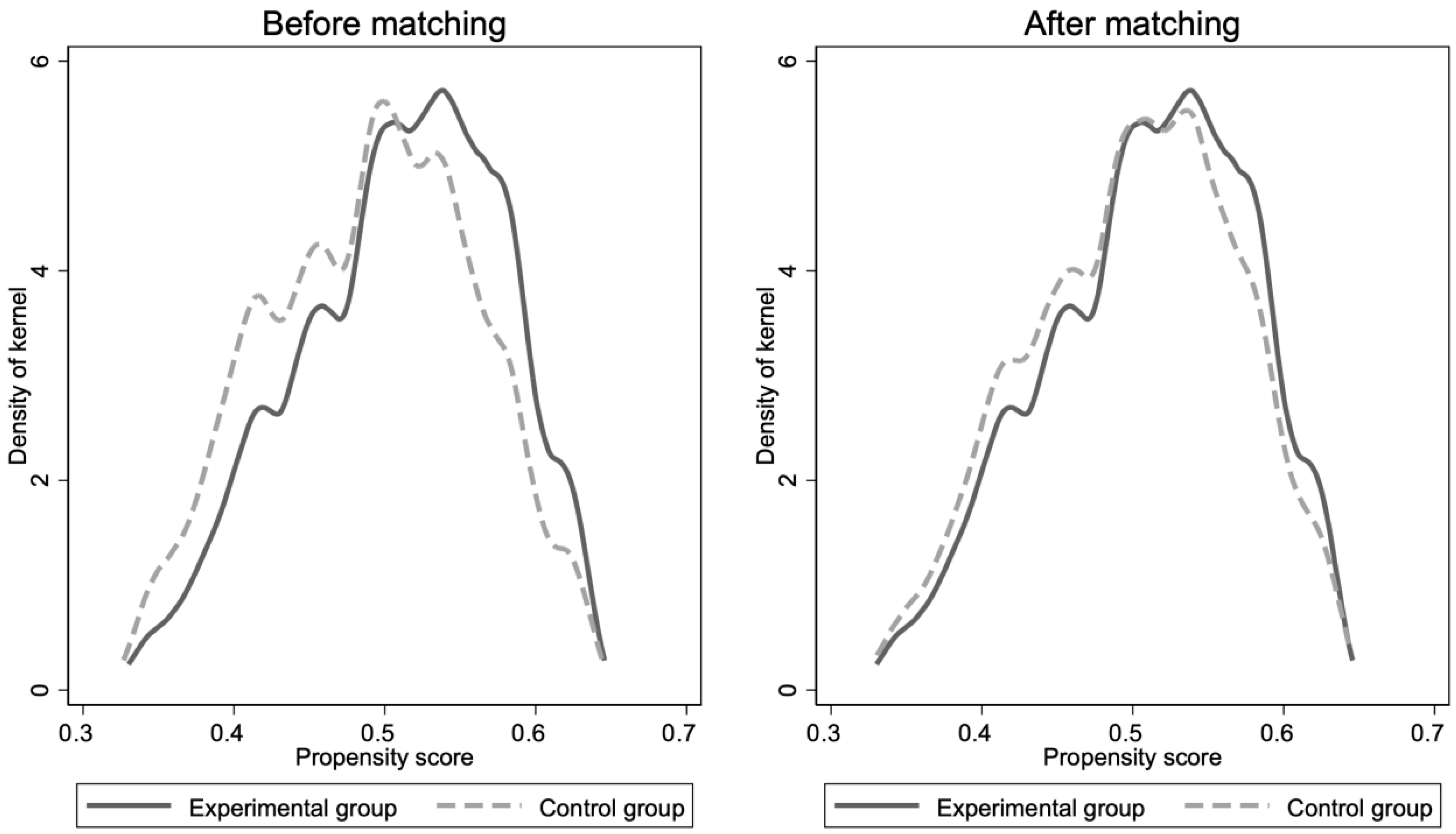
Figure 1. Kernel Density Distribution Plot.
Sustainability 18 01193 g001
Table 1. Definition of variables.
VariableDefinition
Dependent variableLnEEthe natural logarithm of the ratio of total business revenue to total energy consumption. A higher value indicates greater energy efficiency.
Independent variableRobotthe penetration rate of industrial robots is calculated as described above.
Control
variable
Lnagelogarithm based on the difference between the sample year and the listed year of the enterprise
Lnsizethe logarithm of the total assets of the enterprise
Levthe ratio of total corporate liabilities to total assets
Roathe ratio of net income to total assets
GrowthOperating Revenuet/Operating Revenuet-1-1.
Top5the sum of shareholding ratio of the top five shareholders
TobinQthe market value of the firm divided by the book value of its total assets
Duala dummy variable that equals 1 if the chairman of the board also serves as the CEO, and 0 otherwise.
Table 2. Descriptive Statistics of Main Variables.
NMeanSDMinMax
lnEE34,39014.23851.469210.483918.6173
Robot34,3900.07100.04260.00100.1741
Lnsize34,39022.32401.295319.996826.1093
Lnage34,3902.24610.75970.69313.4012
Lev34,3900.42860.20360.06140.8927
ROA34,3900.03620.0638−0.21390.2062
Growth34,3900.14220.3526−0.52261.8241
Top534,3900.52390.15300.20240.8784
Dual34,3900.28360.45080.00001.0000
TobinQ34,3902.03881.27400.83447.7600
Table 3. Baseline Regression Results: The Impact of Industrial Robots on Corporate Energy Efficiency.
(1)(2)(3)
lnEE
Robot0.155 **0.157 ***0.153 ***
(0.073)(0.047)(0.046)
Lnsize 0.865 ***0.865 ***
(0.015)(0.015)
Lnage 0.060 ***0.044 **
(0.018)(0.018)
Lev 0.517 ***0.401 ***
(0.051)(0.052)
ROA 2.149 ***1.608 ***
(0.075)(0.076)
Growth 0.217 ***
(0.008)
Top5 −0.118 *
(0.070)
Dual −0.016
(0.011)
TobinQ 0.011 ***
(0.004)
Firm FEYesYesYes
Year FEYesYesYes
adj. R20.8860.9530.955
N34,39034,39034,390
Notes: *, **, *** denote significance at the 10%, 5%, and 1% levels, respectively. Parentheses are standard errors clustered at the firm level.
Table 4. Addressing Endogeneity: Instrumental Variable (IV) Estimates and PSM Approach.
(1)(2)(3)
First-StageSecondPSM
IV1.007 *** 0.118 *
(0.035) (0.067)
Robot 0.450 **
(0.212)
ControlsYesYesYes
Kleibergen-Paap rk Wald F31.312 ***
Kleibergen-Paap rk LM45.642
Firm FEYesYesYes
Year FEYesYesYes
N34,39034,39017,545
Notes: *, **, *** denote significance at the 10%, 5%, and 1% levels, respectively. Parentheses are standard errors clustered at the firm level.
Table 5. Testing the Competition Hypothesis.
(1)(2)(3)(4)
Robot0.136 ***0.154 ***0.175 ***0.151 ***
(0.045)(0.046)(0.047)(0.048)
Newenergy0.024
(0.021)
Smartmfg 0.029
(0.027)
ControlsYesYesYesYes
Firm FEYesYesYesYes
Year FEYesYesYesYes
adj. R20.9550.9550.9560.953
N33,89934,39032,16331,256
Notes: *** denote significance at the 1% levels. Parentheses are standard errors clustered at the firm level.
Table 6. Additional Robustness Checks: Samples, City-Level Characteristics and Interactive Fixed Effects.
(1)(2)(3)(4)
Robot0.153 ***0.124 *0.136 ***0.150 ***
(0.049)(0.068)(0.045)(0.043)
PoP 0.102 *
(0.062)
Second −0.000
(0.002)
GDP −0.016
(0.028)
Financial 0.018
(0.013)
ControlsYesYesYesYes
Firm FEYesYesYesYes
Year FEYesYesNoYes
Sicda-yearNoNoYesNo
City-yearNoNoYesNo
adj. R20.9580.9540.9610.955
N28,78618,61633,13634,142
Notes: *, *** denote significance at the 10% and 1% levels, respectively. Parentheses are standard errors clustered at the firm level.
Table 7. Mechanism Analysis: Scale Effect, Competition Effect, and the Moderating Role of Human Capital.
(1)(2)(3)
SaleHHITec
Robot0.147 ***−0.023 **−0.045
(0.046)(0.012)(0.103)
Tec −0.065 ***
(0.023)
Robot × Tec 0.327 **
(0.159)
ControlsYesYesYes
Firm FEYesYesYes
Year FEYesYesYes
Adjusted R20.9560.7720.955
N34,39030,92434,117
Notes: **, *** denote significance at the 5%, and 1% levels, respectively. Parentheses are standard errors clustered at the firm level.
Table 8. Heterogeneity Analysis: Firm Characteristics and Degree of Market Competition.
Superstar FirmLernerCapital-Labor
(1)
Super
(2)
Nonsuper
(5)
Low
(6)
High
(7)
Capital
(8)
Labor
Robot0.130 ***0.1180.264 ***0.0150.176 ***0.045
(0.048)(0.096)(0.074)(0.049)(0.062)(0.062)
ControlsYesYesYesYesYesYes
Firm FEYesYesYesYesYesYes
Year FEYesYesYesYesYesYes
Adjusted R20.9360.9720.9560.9700.9630.957
N30,465378616,83316,88916,92816,890
Notes: *** denote significance at the 1% levels. Parentheses are standard errors clustered at the firm level.
Disclaimer/Publisher’s Note: The statements, opinions and data contained in all publications are solely those of the individual author(s) and contributor(s) and not of MDPI and/or the editor(s). MDPI and/or the editor(s) disclaim responsibility for any injury to people or property resulting from any ideas, methods, instructions or products referred to in the content.


