Article

Key Drivers of Water Quality Deterioration in Dongjiang Lake: Insights from Long-Term Monitoring

1
Hunan Provincial Key Laboratory of Rural Ecosystem Health in Dongting Lake Area, College of Environment and Ecology, Hunan Agricultural University, Changsha 410128, China
2
Zixing City Flood and Drought Disaster Prevention Affairs Center, Chenzhou 423400, China
3
National Field Scientific Observation and Research Station of Dongting Lake Wetland Ecosystem in Hunan Province, Institute of Subtropical Agriculture, Chinese Academy of Sciences, Changsha 410125, China
*
Authors to whom correspondence should be addressed.
Sustainability 2026, 18(2), 613; https://doi.org/10.3390/su18020613
Submission received: 25 November 2025 / Revised: 29 December 2025 / Accepted: 5 January 2026 / Published: 7 January 2026

Abstract

Monitoring water quality changes and identifying their driving factors are essential for the effective management of Dongjiang Lake. However, in-depth research on the spatiotemporal variations in the lake’s water quality and the complex interactions between natural and human factors remain insufficient. In this study, we aimed to characterize water quality trends and key physicochemical indicators in Dongjiang Lake by combining a 14-year water environmental dataset (2011–2024) and a correlation analysis. Our results showed that TN and CODMn concentrations displayed increasing trends, whereas the NH3-N concentration showed a decreasing trend throughout the study period. The TN concentration initially decreased earlier in the year before increasing, with values ranging from 0.56 mg/L in September to 0.78 mg/L in November. The trends in CODMn concentration were the opposite to those of TN within the year, which first increased from 0.79 mg/L in January to 1.00 mg/L in June, and then decreased to 0.84 mg/L in December. The water level fluctuated inter-annually from 267.63 to 278.04 m during the study period, with a difference of 10.41 m. pH increased from 7.01 to 8.25, and dissolved oxygen decreased from 9.81 to 7.57. The WT fluctuates between 17.83 °C and 19.49 °C (p < 0.05). CODMn showed a highly significant positive correlation with transparency, pH, and water temperature, whereas NH3-N showed a highly significant negative correlation with transparency, pH, and dissolved oxygen. Considering the importance of Dongjiang Lake as a freshwater resource and tourism hub, this study highlights the urgent need to prioritize pollution source control, while accounting for the lake’s deep-water dynamics and incorporating ecosystem-based restoration measures.

1. Introduction

Lakes, as important aquatic ecosystems, play a significant role in maintaining Earth’s biodiversity and human life [1,2]. Climate change and human activity have greatly affected lakes worldwide, leading to problems such as eutrophication, intensified pollution, and degradation of ecological functions [3,4,5]. China is a country with many lakes, There are a total of 2759 lakes with an area of over 1 km2, with a total lake area of more than 90,000 km2, accounting for about 0.95% of the country’s total area, of which about one-third are freshwater lakes [6]. The water quality of lakes, as an important indicator of the lake ecosystem, directly affects the production and daily life of people in their watersheds. This highlights the urgent need for sustainable strategies for protecting and managing lakes. An in-depth exploration of lake water quality changes and their driving mechanisms can provide key insights for formulating strategies to improve lake water quality [7].
Water quality is a core indicator of lake ecological functions, directly affecting primary productivity, habitat quality, and ecosystem service capacity [8]. Extensive research has been conducted worldwide on the laws and trends governing the evolution of lake water quality. For instance, Jane et al. [9] conducted a study on 393 temperate lakes globally, revealing a widespread decrease in dissolved oxygen, with the decline in freshwater dissolved oxygen being 2.75 to 9.3 times that of global oceans. Longyang [10] established a robust proxy model for Hongfeng Lake and confirmed that global warming has a stronger impact on lake chlorophyll a (Chl-a) than on total phosphorus/total nitrogen (TN). These studies highlight the importance of integrating physicochemical processes and hydrological variability when assessing lake water quality evolution. In China, rapid urbanization, agricultural intensification, and reservoir construction have profoundly reshaped lake ecosystems. Numerous studies have documented the deterioration of water quality in large shallow lakes. For instance, Zhu et al. [11] analyzed the response of water quality indicators to hydrology and water levels using the Xuchi Bay of Taihu Lake as an example. The results indicated that the water environment was significantly affected by water levels, especially water temperature. Liu et al. [12] calculated the trophic state and comprehensive pollution indexes (CPI) to determine whether high-intensity human activities drive the deterioration of water quality in large macrophyte lakes. However, compared with shallow lakes, deep lakes and reservoirs remain underrepresented in long-term water quality studies, despite their strategic importance as drinking water sources and their unique thermal stratification and hydrodynamic characteristic [13]. However, global warming, intensive human activities, and increasing tourism have severely affected the water quality and ecosystem stability of deep lakes. Moreover, given the high biodiversity and complex and variable internal water flow of deep lakes, restoring their aquatic environment is more difficult than it is for shallow lakes [14].
Dongjiang Lake is a deep lake in Hunan Province, China, which functions as a source of drinking water, power generation, and tourism. This lake was included in the national key river basin and water resource ecological compensation pilot in 2013 and is a strategic water source for the Changsha–Zhuzhou–Xiangtan urban agglomeration [15]. In recent years, owing to intensive mining, agriculture, and tourism activities in the basin, water quality has declined owing to nitrogen and phosphorus enrichment and heavy metal input [16]. At the same time, the hydrological conditions of Dongjiang Lake are complex and are significantly affected by seasonal precipitation and WL regulation, resulting in a gradual decline in water quality, which has attracted widespread attention from government management departments and academic circles. Although some researchers have conducted preliminary explorations of the local hydrological characteristics and the impact of short-term pollution loads on Dongjiang Lake [17,18], in-depth research on the temporal and spatial variation in its water quality and the interaction between natural and human factors is lacking. Therefore, based on the continuous monitoring data from 2011 to 2024, this study investigated the long-term water quality dynamics of Dongjiang Lake. Three key indicators were selected—total nitrogen (TN), ammonia nitrogen (NH3–N), and chemical oxygen demand (CODMn), as they, respectively, represent the enrichment of nutrients, the nitrogen transformation process, and organic pollution. These are also the core parameters in China’s Surface Water Quality Standards (GB 3838-2002) [19]. Through comprehensive trend analysis, comprehensive pollution index, and correlation analysis with hydrological and physical-chemical variables, the research results have provided a scientific basis for improving the water quality management measures of Dongjiang Lake, effectively preventing water pollution, and achieving sustainable utilization of water resources.

2. Materials and Methods

2.1. Study Area

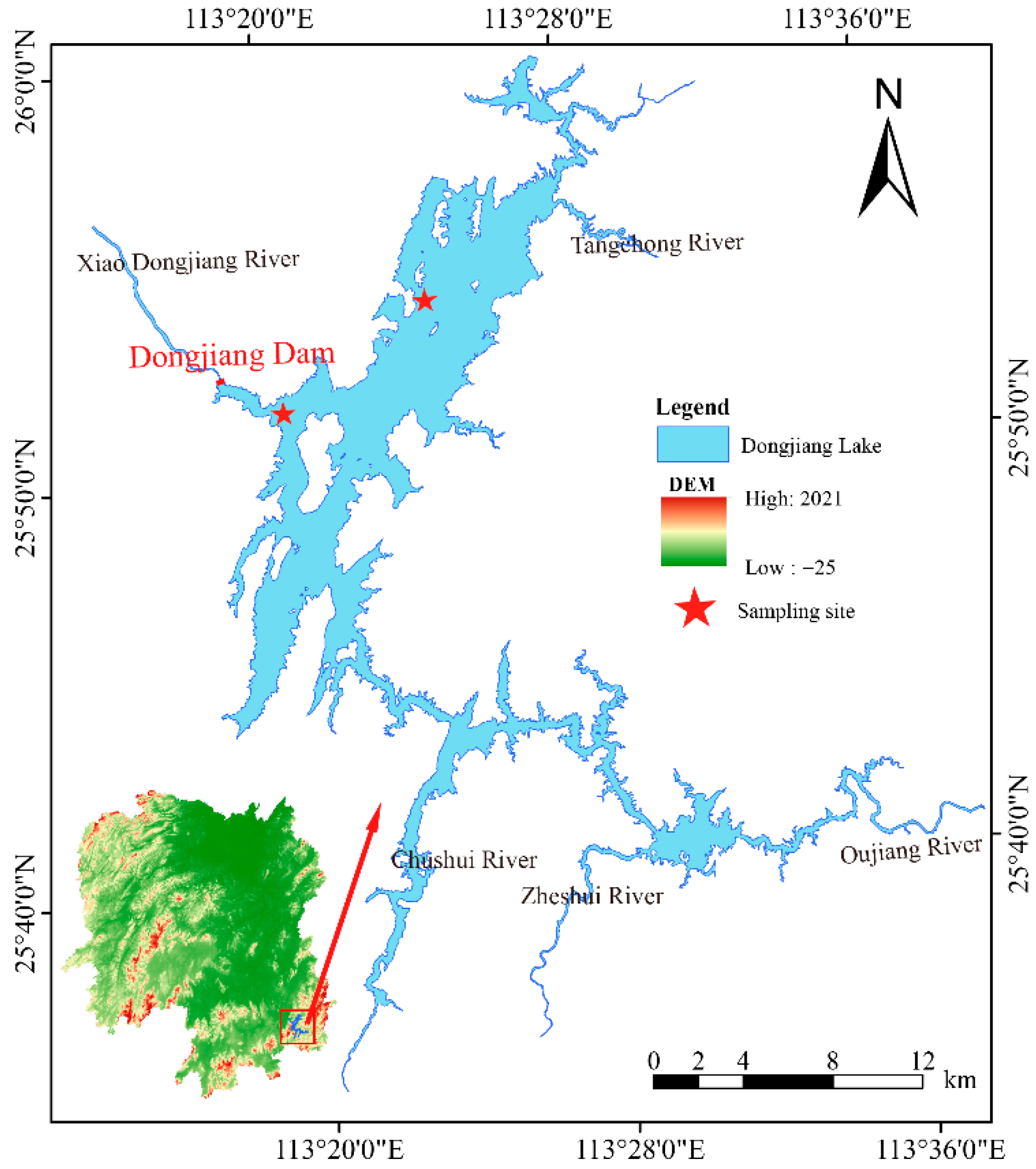
Dongjiang Lake (25°34′–26°18′ N, 113°08′–113°44′ E), located in Zixing City, Hunan Province, is a large national reservoir formed by damming and storing water from the Dongjiang Hy-dropower Station in 1986 [20]. Covering a water area of 160 km2 with a maximum depth of 141 m and total reservoir capacity of 9.15 billion m3, it integrates multiple functions including power generation, flood control, tourism, and drinking water supply. The lake lies within a subtropical monsoon humid climate zone, characterized by uneven seasonal precipitation, and heavy rains mainly from April to August and a basin spanning four counties/cities. Fed by numerous rivers, its water is regulated by the Dongjiang Dam before being supplied downstream [21], making its hydrological conditions closely linked to the water quality dynamics investigated in this study (Figure 1).

2.2. Data Collection and Pre-Processing

2.2.1. Water Quality Data

Long-term monthly monitoring data from Dongjiang Lake from 2011 to 2024 were collected, mainly from the Zixing Branch of the Chenzhou Environmental Bureau and the two nationally controlled monitoring stations managed by the China Environmental Monitoring Center (http://www.cnemc.cn/), namely the Toushan Station and the Bai Lang Station. These two stations are in the central and downstream areas, respectively, and can represent the main areas of Dongjiang Lake, providing necessary comprehensive spatial coverage for assessing the trends of the entire lake (Figure 1). Water samples were collected from a fixed depth of 0.5 m below the water surface each month using standard water sample collectors and following the technical specifications for surface water environmental quality monitoring in China. Based on scientific relevance and management significance, three core water quality indicators were selected: total nitrogen (TN), ammonia nitrogen (NH3–N), and permanganate index (CODMn). TN is often used to indicate the degree of water body pollution by nutrients; NH3–N is an important indicator for measuring the decomposition of organic matter in the water body, and CODMn is a commonly used indicator reflecting the pollution of organic and inorganic oxidizable substances in the water body. Laboratory analysis was conducted in accordance with the “Chinese Surface Water Environmental Quality Standards” (GB 3838–2002) [22]. TN was analyzed using ultraviolet spectrophotometry, CODMn using potassium permanganate method, and NH3–N using Nash reagent spectrophotometry. The quality assurance and quality control procedures included field blank samples, duplicate samples (accounting for 10% of the total samples), and calibration using certified reference materials to ensure the accuracy and reproducibility of the analysis. Other physical and chemical parameters monitored simultaneously included dissolved oxygen (DO), conductivity (EC), chlorophyll-a (Chl-a), pH value, water temperature (WT), and transparency (SD). These parameters were included because they are basic drivers and integrating factors of the health of aquatic ecosystems, and affect nutrient cycling, stratification, and biological activities (Table 1).

2.2.2. Hydrological and Meteorological Data

The hydrological data include water level (WL), inflow discharge (IWD) and outflow discharge (OWD), which are sourced from the Zixing Branch of the Chenzhou Environmental Bureau. Meteorological data, particularly precipitation, are obtained from the National Meteorological Science Data Center (https://data.cma.cn/). These variables were chosen because they are the primary external factors influencing the water dynamics of the lake, the dilution capacity, the input of internal nutrients (through resuspension), and the rate of pollutant erosion, and all of which are crucial for interpreting water quality trends. Water level and flow data are recorded daily, while precipitation is recorded daily and aggregated into monthly averages to match the frequency of water quality sampling (Table 1).

2.3. Analysis of the Driving Factors of Water Quality

The normality of all variables was tested using the Shapiro–Wilk test. Data that did not conform to a normal distribution were log-transformed to meet the assumptions of parametric analyses. Descriptive statistics and trend analyses were used to assess the temporal trends of water quality indicators and their driving factors. Linear trend analysis was used to assess long-term (2011–2024) changes in each parameter. Independent samples t-test was performed to compare the means of water quality indicators and driving factors between the wet season and dry season. This test aimed to identify significant seasonal variations, with p < 0.05 indicating a statistically significant difference. To elucidate the relationships between water quality indicators and potential driving factors, Pearson correlation coefficients were used for correlation analysis. Subsequently, multiple regression analysis was conducted to further explore the strength and direction of key relationships identified in the correlation analysis. Microsoft Excel was used for data preprocessing, SPSS 27.0 for statistical analysis, and GraphPad Prism 10.1 for graphical visualization.

2.4. Comprehensive Pollution Index

To conduct a comprehensive analysis of the pollution conditions reflected by the three key parameters, TN, NH3-N, and CODMn, the comprehensive pollution index (CPI) was calculated according to the established method [23,24]. CPI integrates multiple complementary indicators into a single quantitative metric, enabling holistic assessment of combined pollution effects that single-factor indices cannot capture. The CPI was calculated as follows:
C P I = 1 n i = 1 n W P I i
where CPI is the comprehensive pollution index, n is the number of monitoring parameters, and WPIi is the pollution index for i at each site. WPI was calculated using the following equation:
W P I i = C i S i
where Ci is the measured concentration of parameter i in water, and Si is the permitted limitation of parameter i according to environmental standards (GB3838–2002). As Dongjiang Lake is a source of drinking water, we defined Si as level I, which is the permitted limit for potable water quality. In this study, Si of TN, NH3-N, and CODMn were set to 0.2 mg/L and 0.15 mg/L, and 2.0 mg/L respectively (Table 2).

3. Results

3.1. Trend Characteristics in Water Quality

3.1.1. Inter-Annual Variation

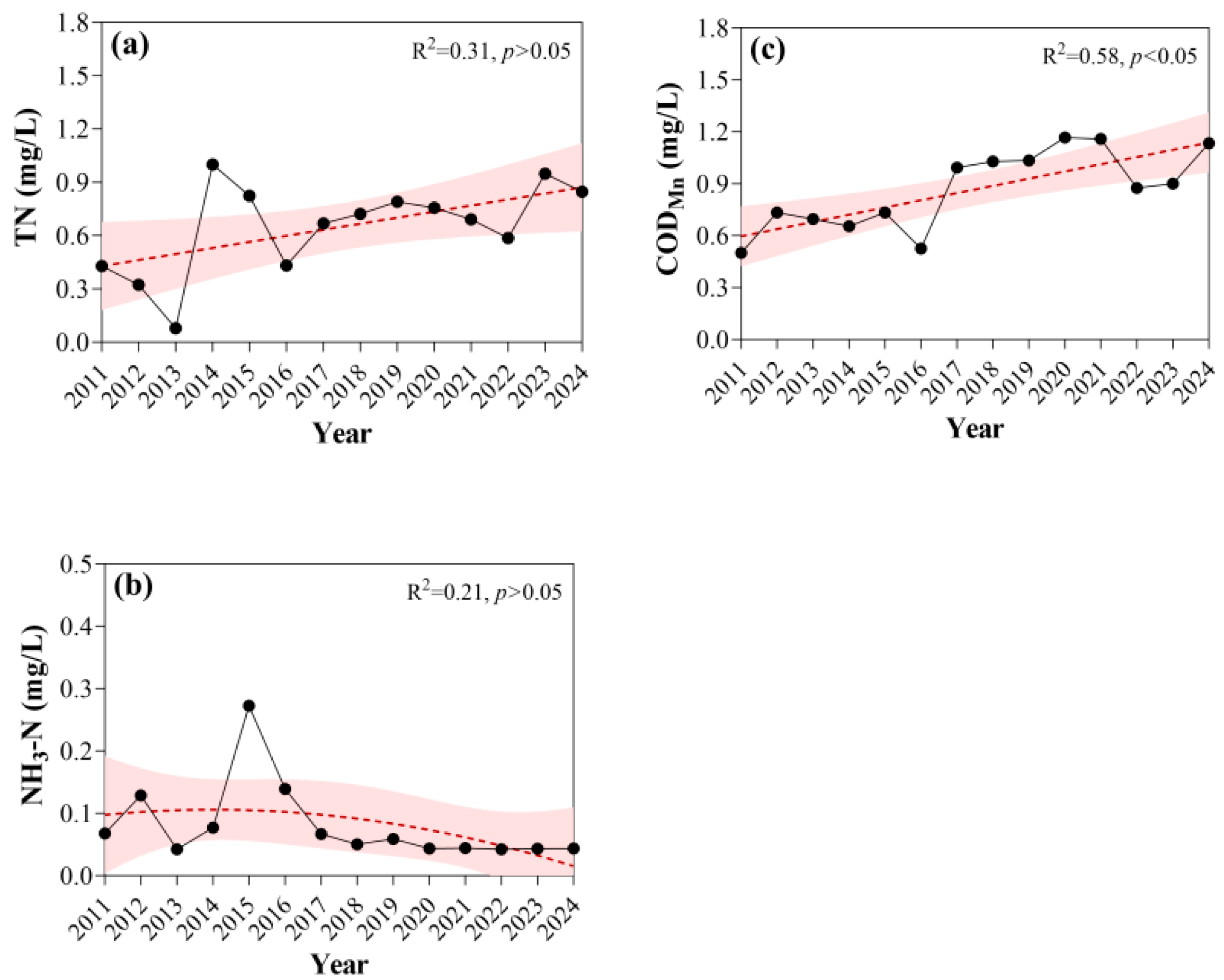
The results indicated a statistically insignificant increasing trend in TN (R2 = 0.31, p > 0.05) over the study period. The TN concentration increased from 0.43 mg/L in 2011 to 0.85 mg/L in 2024, with an average of 0.67 mg/L (Figure 2a, Table 1). The NH3-N concentration fluctuated during the study period, with an average value of 0.08 mg/L (Figure 2b). After peaking in 2015 (0.27 mg/L), the NH3-N concentration decreased to 0.04 mg/L in 2024. The CODMn concentration showed a similar trend to that of TN, significantly increasing from 0.5 mg/L to 1.13 mg/L during the study period (R2 = 0.58, p < 0.05) (Figure 2c). The interannual increase in total nitrogen has shifted its water quality classification from level I to level III, which threaten benthic organisms and disrupt the lake’s trophic structure. The significant rise in CODMn indicates accumulating organic pollution from tourism, agriculture, and livestock activities.

3.1.2. Monthly Variation

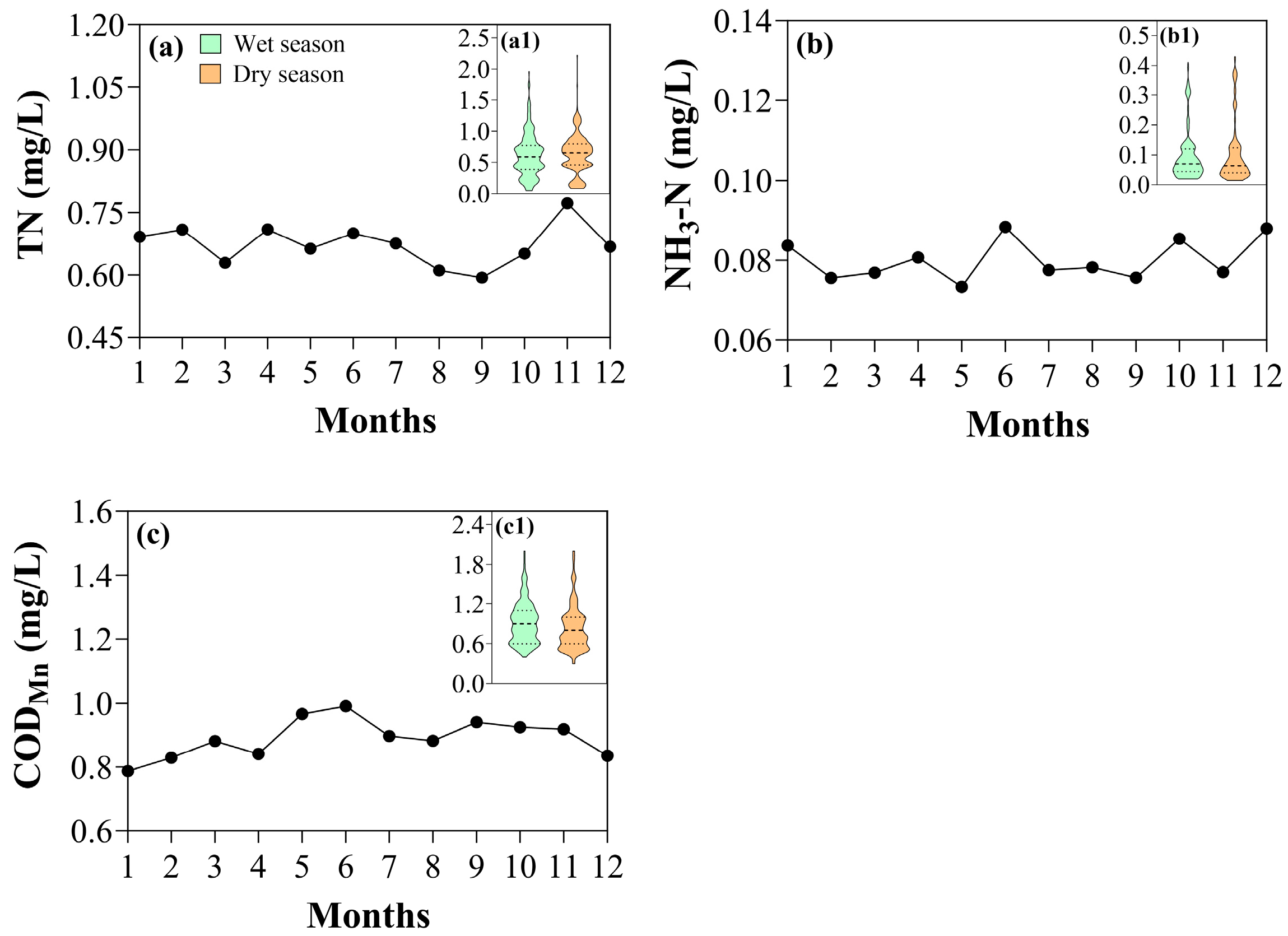
The TN concentration exhibited a general initial decrease within the year, followed by an increasing trend, ranging from 0.56 to 0.78 mg/L (Figure 3a). The NH3-N concentration evidently fluctuated within the year, with values ranging from 0.07 to 0.10 mg/L (Figure 3b). The CODMn concentration trends were the opposite to those of TN within the year, first increasing from 0.79 mg/L in January to 1.00 mg/L in June before decreasing to 0.84 mg/L in December (Figure 3c). No significant changes were observed in water quality indicators between the wet and dry seasons.

3.2. Dynamic Variations in Physicochemical Parameters

3.2.1. Inter-Annual Variation

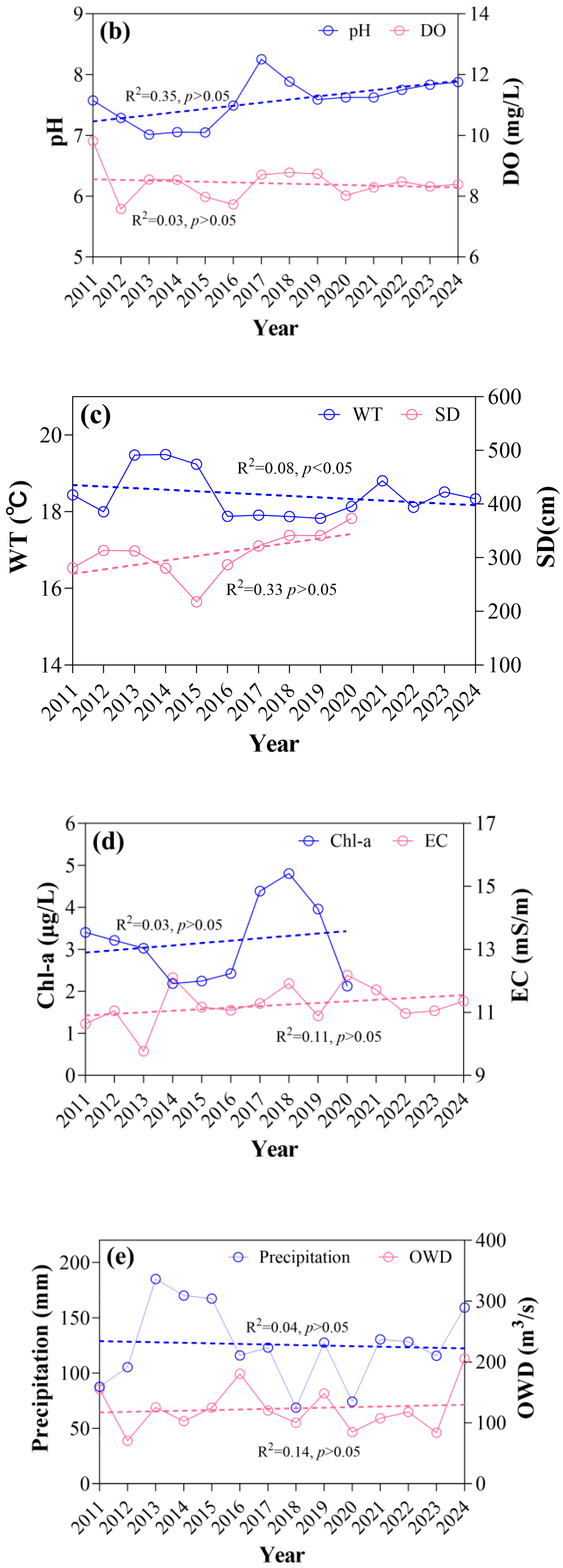
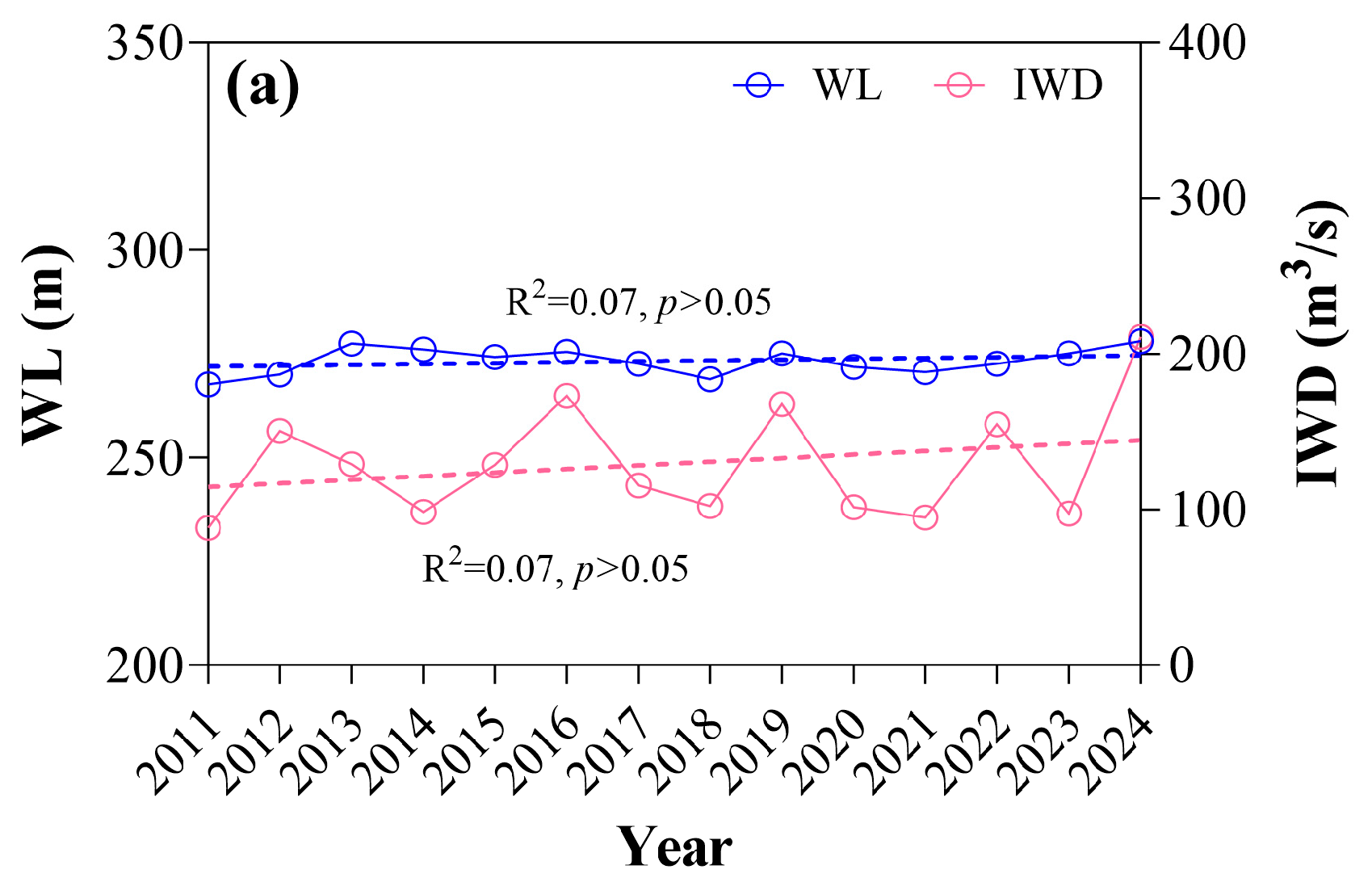
The WL of Dongjiang Lake fluctuated inter-annually from 267.63 to 278.04 m during the study period, with a difference of 10.41 m (Figure 4a). The inflow water discharge (IWD) varied in a similar fluctuating trend during the study period, with values ranging from 88.35 to 211.02 m3/s (Figure 4a). pH increased from 7.01 to 8.25, and DO decreased from 9.81 to 7.57 (Figure 4b). The WT fluctuates between 17.83 °C and 19.49 °C (p < 0.05) (Figure 4c). The SD increased in a fluctuating manner from 280.79 to 373.25 cm between 2011 and 2020 (Figure 4c). The EC ranged from 9.76 to 12.18 mS/m, with an average of 11.32 mS/m. A dramatic fluctuating trend was observed for Chl-a throughout the study period, which displayed the opposite trajectories before and after 2016, with average values of 2.25 μg/L and 4.39 μg/L, respectively (Figure 4d). The Precipitation a predominantly increasing trend from 2011 to 2024, peaking at 185.0 mm in 2013 (Figure 4e). The outflow water discharge (OWD) of the lake showed similar fluctuating variation, with a minimum of 70.25 m3/s in 2012 and maximum of 205.34 m3/s in 2024 (Figure 4e).

3.2.2. Monthly Variation

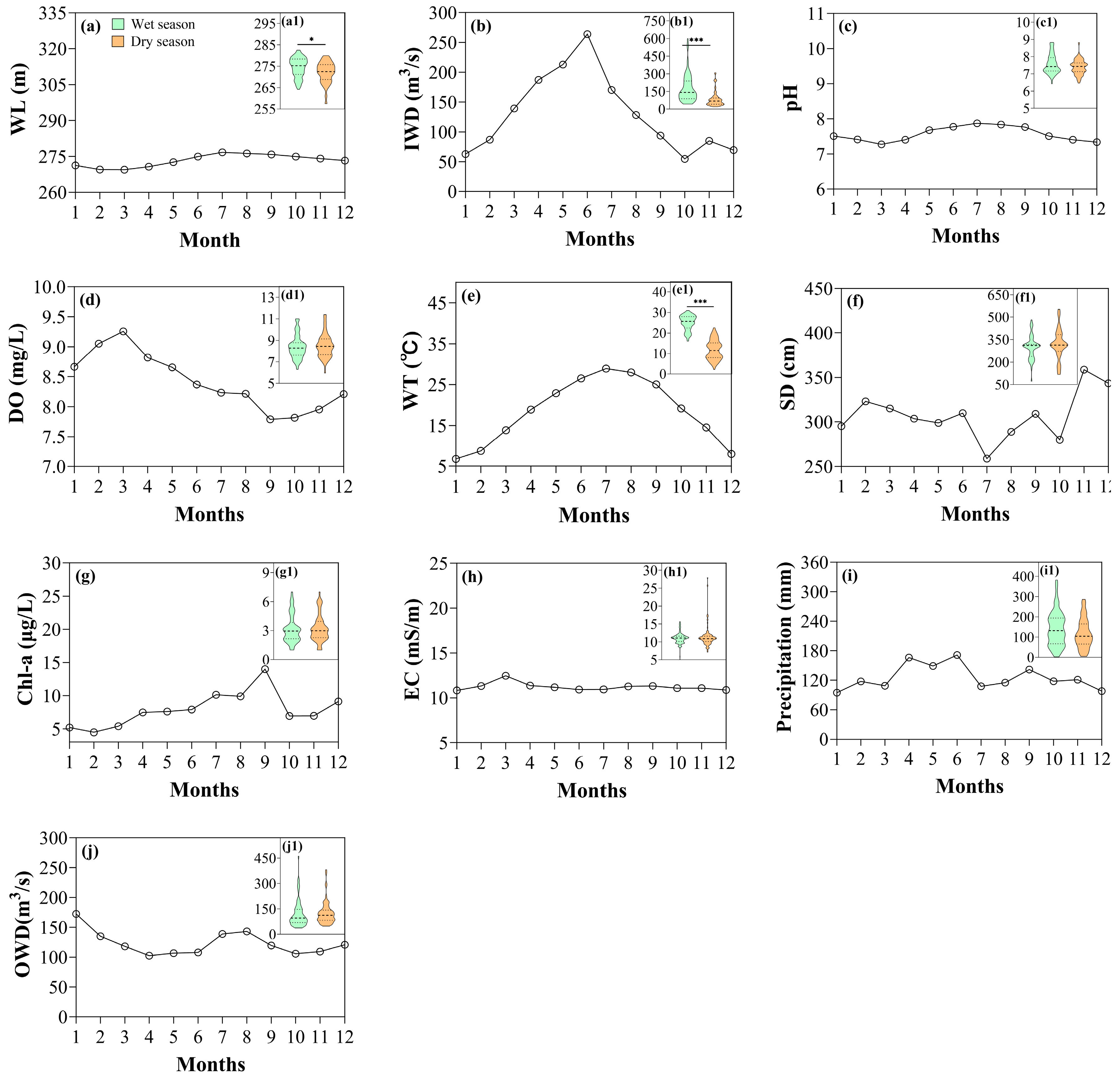
The water level (WL) of Dongjiang Lake fluctuates between 269.43 m and 276.72 m. The inflow volume (IWD) has increased at the beginning of the year and then started to decrease. The inflow volume dropped from 54.65 cubic meters per second to 263.88 cubic meters per second (Figure 5a,b). Moreover, significant seasonal changes were found for WL and IWD, with values of 273.83 m (wet season) and 272.04 m (dry season) for WL, and 161.30 m3/s (wet season) and 89.69 m3/s (dry season) for IWD (Figure 5a,b). The pH increased to 7.87 in July and then decreased to 7.33 in December, with a rate of change of 6.86% (Figure 5c). The DO displayed a fluctuating decreasing trend throughout the year, with values ranging from 7.79 to 9.26 mg/L (Figure 5d). In contrast, the WT increased from 6.78 in January to 28.89 °C in July, and then decreased to 7.98 °C in December, with a significant difference between the high value in the wet season (24.58 °C) and the low value in the dry season (9.80 °C) (p < 0.001) (Figure 5e). Fluctuating changes in SD, Chl-a, and EC were detected within the year, with values ranging from 258.8 to 358.8 cm for SD, 4.49 to 13.99 μg/L for Chl-a, and 10.81 to 12.46 mS/m for EC (Figure 5f–h). The Precipitation displayed a fluctuating trend within the year, with values ranging from 94.41 to 171.14 mm (Figure 5i). The OWD fluctuated between 102.31 and 172.44 m3/s, showing a downward trend followed by an upward trend (Figure 5j).

3.3. Relationship Between Water Quality and Physicochemical Indicators

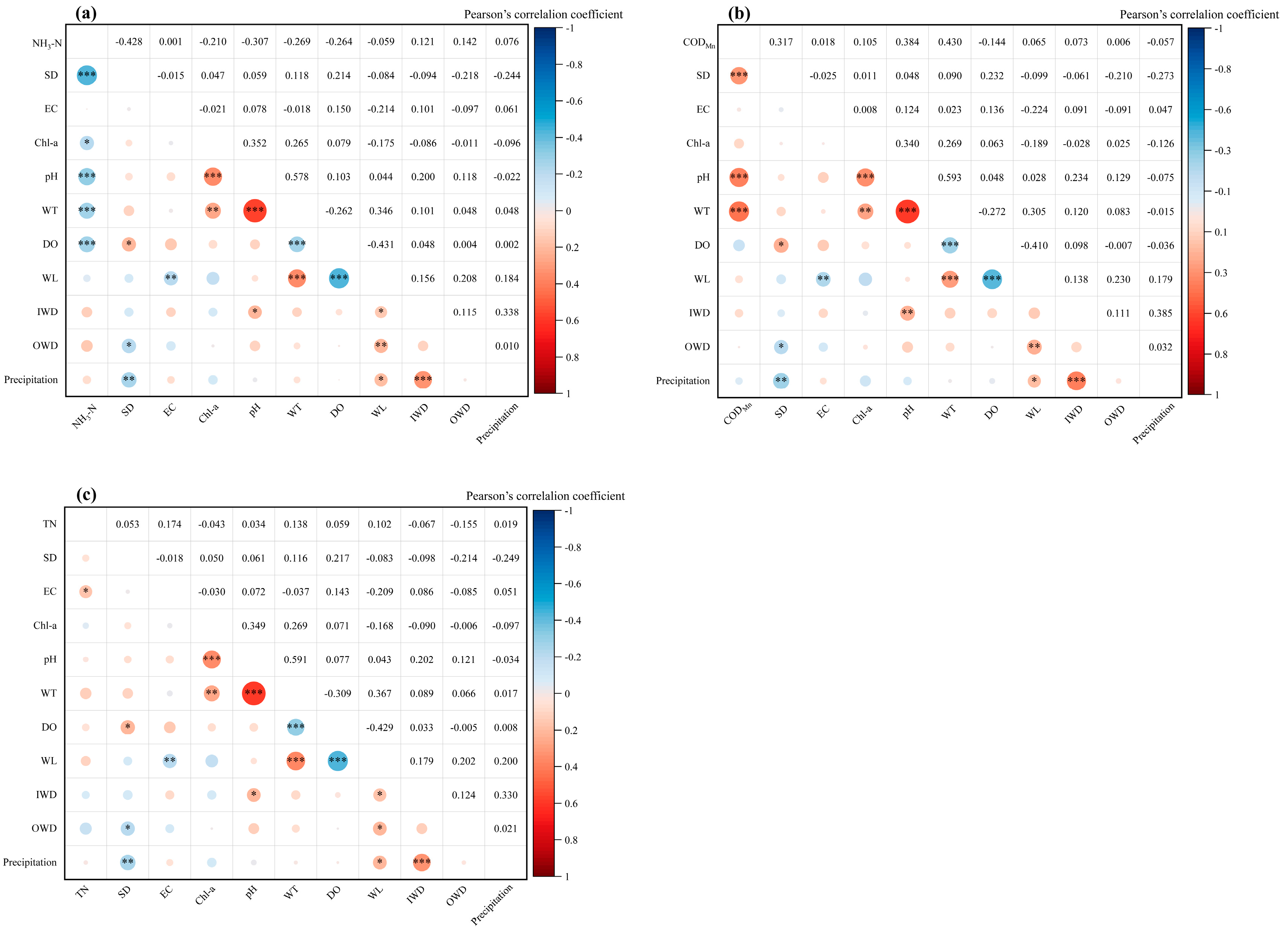
The results of the correlation analysis indicated that CODMn exhibited strong positive correlations with SD (r = 0.317, p < 0.001), pH (r = 0.384, p < 0.001), and WT (r = 0.430, p < 0.001) (Figure 6b). In contrast, NH3-N showed highly significant negative correlations with SD (r = −0.428, p < 0.001), pH (r = −0.307, p < 0.001), and DO (r = −0.264, p < 0.001), while also being negatively correlated with Chl-a (r = −0.210, p < 0.01) and WT (r = −0.269, p < 0.01), and positively correlated with inflow and outflow runoff (IWD: r = 0.121, OWD: r = 0.142, p < 0.001) (Figure 6a). Additionally, TN displayed significant positive correlations with EC (r = 0.174, p < 0.01) suggesting hydrological transport and ionic nitrogen contributions. These interrelationships underscore the complex interactions between water quality parameters and driving factors within the lake ecosystem.
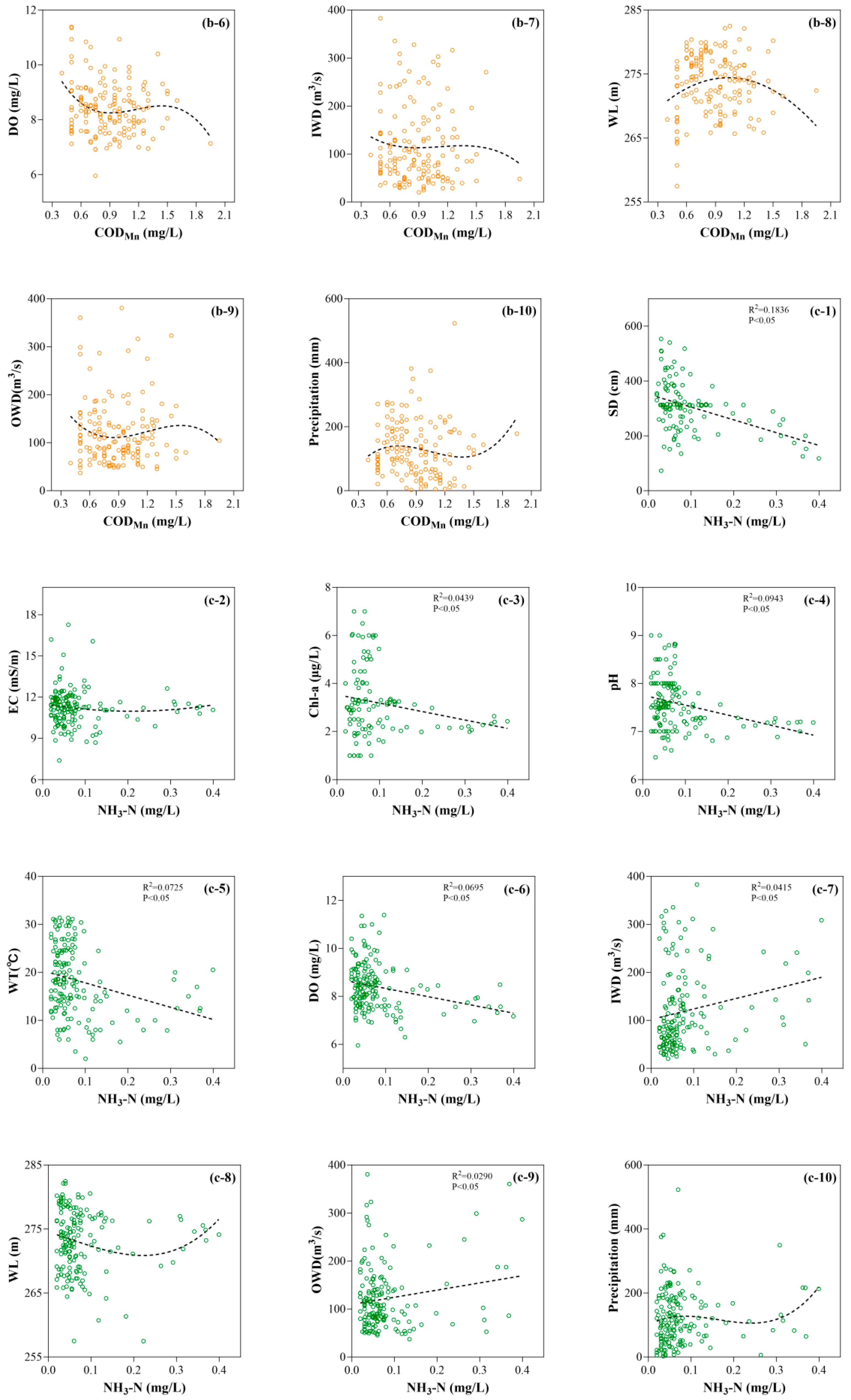
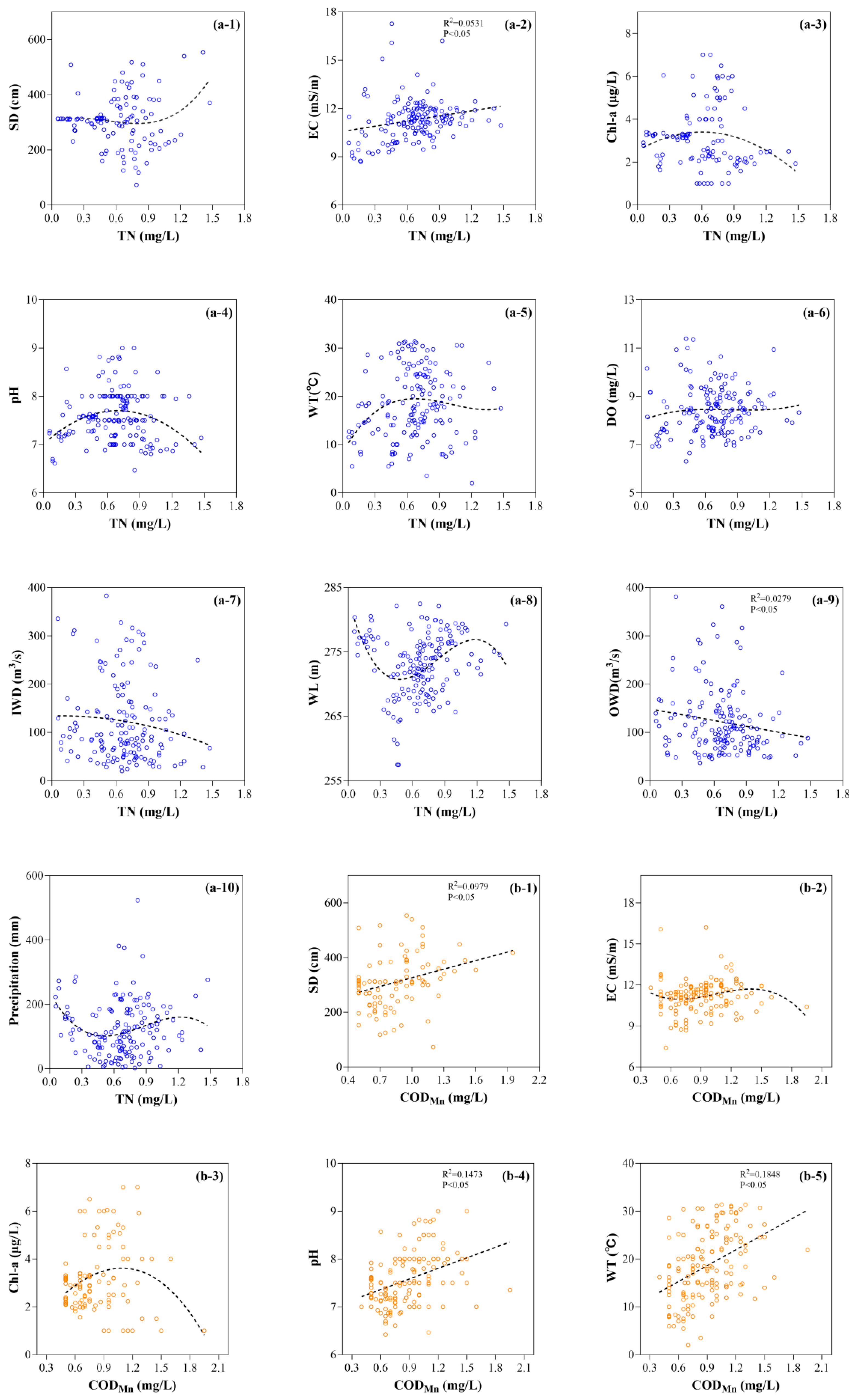
TN and EC showed a significant positive correlation (R2 = 0.053, p < 0.05), while OWD showed significant negative correlations (R2 = 0.028, p < 0.05) (Figure 7a-1–a-10). CODMn showed a highly significant positive correlation with SD, pH and WT, with R2 values of 0.098, 0.147 and 0.185 respectively (Figure 7b-1–b-10). These three driving factors (SD, pH, WT) also showed significant negative correlations with NH3–N. In addition, NH3–N showed a significant negative linear relationship with Chl-a (R2 = 0.044, p < 0.05) and DO (R2 = 0.070, p < 0.05), but a significant positive correlation with IWD (R2 = 0.042, p < 0.05) (Figure 7c-1–c-10).

4. Discussion

4.1. Long-Term Water Quality Variation and Driving Factors

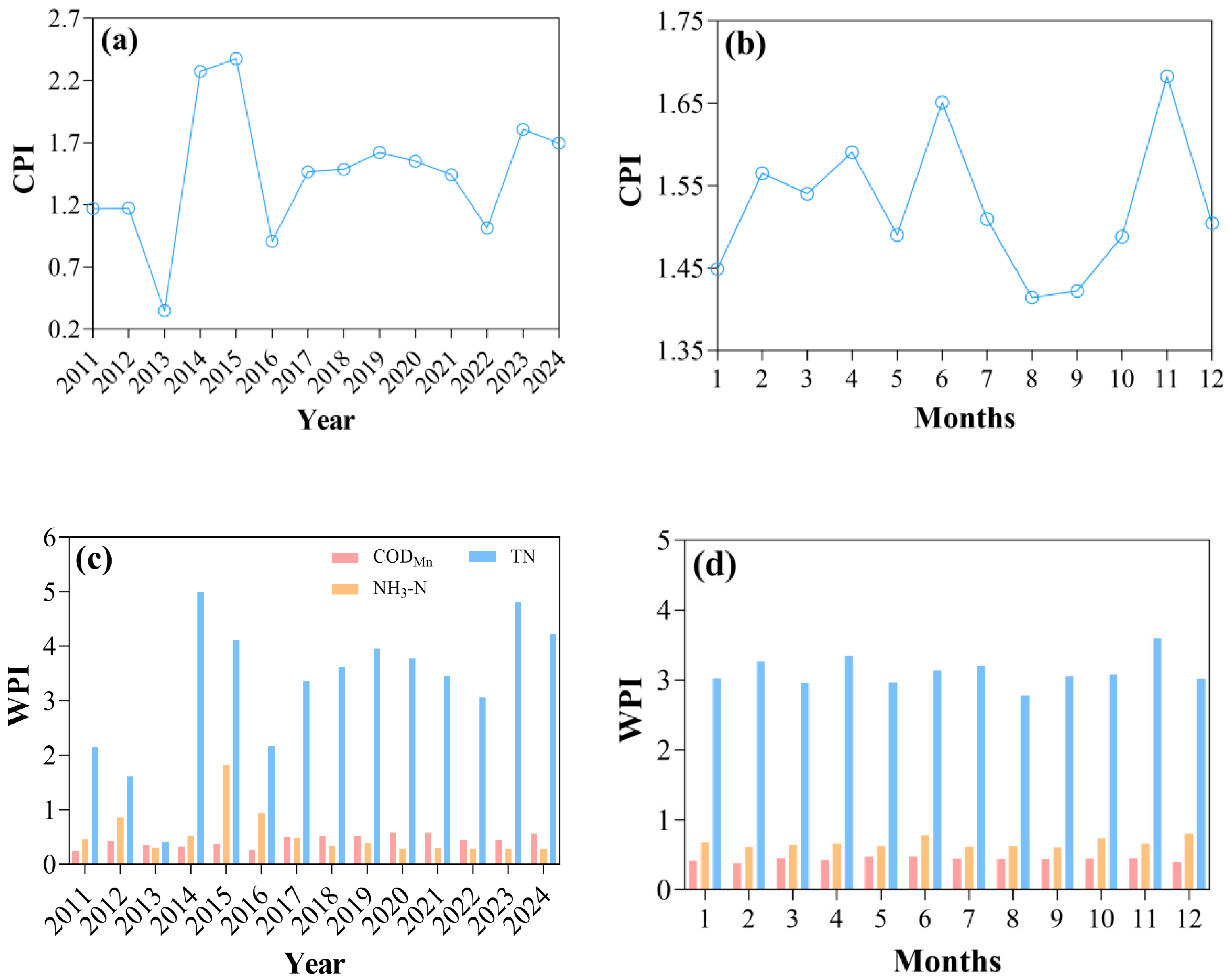
The concentration of TN in Dongjiang Lake increased insignificantly from 0.43 mg/L in 2011 to 0.85 mg/L in 2024, with the rate of increase was 49.41%, and the water quality level of TN increased from level I to level III (Table 2), indicating a gradual deterioration of water quality. The increasing WPITN and high CPI in recent years confirm this point (Figure 8). This is due to the interplay between multiple interconnected factors [25]. The upstream basin of Dongjiang Lake has developed characteristic agricultural clusters, including vegetable cultivation, tea and fruit plantations, and ecological breeding. In the course of agricultural production, substantial amounts of nitrogen fertilizers are applied [26], and the expansion of cultivated land and construction areas, coupled with the reduction in forest cover, has altered surface runoff patterns and increased soil erosion [27]. Only 30–40% of the applied nitrogen fertilizers are absorbed by plants, and unabsorbed nitrogen enters water bodies through surface runoff and soil infiltration [28,29]. Moreover, TN showed a significant positive correlation with EC (p < 0.01), indicating ionic nitrogen from non-point sources contributes to both nutrient loads and water conductivity. In 2015 and 2016, industrial effluents from water-related enterprises caused substantial nitrogen pollution, with industrial wastewater contributing 27.58 tons of TN to the lake; this was also the critical reason for the ammonia nitrogen concentration reaching its peak in 2015. Simultaneously, the escalating volume of urban and rural domestic sewage, compounded by inadequate wastewater treatment infrastructure in certain areas, has resulted in high direct nitrogen inputs, with urban and rural domestic nitrogen-containing wastewater increasing from approximately 121,000 tons in 2016 to 133,000 tons in 2019 [20]. The observed trends in Dongjiang Lake share similarities with other deep subtropical lakes in China, such as Longjing Lake, where rising TN and organic pollution have been linked to intensified agriculture and tourism [30]. However, the rate of TN increase in Dongjiang Lake appears slower than that reported for some shallow eutrophic lakes in the same region, which may reflect the buffering capacity of its larger water volume and deeper stratification.
In this study, the TN increased, whereas the NH3-N decreased, trends that are closely related to the targeted agricultural measures and improvements to the water ecosystem. In agricultural production, the promotion of scientific fertilization has reduced the excessive application of nitrogen fertilizers. In some areas, organic fertilizers have been promoted as an alternative to chemical and slow-release fertilizers, which has reduced the rapid release of nitrogen and thereby decreased the loss of NH3-N [31]. For industrial and domestic wastewater, strict emission standards for NH3-N have forced companies to upgrade their treatment equipment, such as activated sludge and biofilm methods, to efficiently nitrify NH3-N into nitrate nitrogen, significantly reducing the NH3-N content in the discharged water [32]. Notably, for NH3-N’s post-2015 decline, our regression analysis (p < 0.05) links it to rising DO, confirming enhanced nitrification from wastewater treatment upgrades. NH3-N is significantly negatively correlated with DO and pH, suggesting enhanced nitrification under improved oxygenation and alkaline conditions, a process promoted by upgraded wastewater treatment in the basin post-2016. This conversion reduces NH3-N but contributes to other nitrogen forms, which are included in TN measurements. Thus, TN continues to rise due to persistent non-point inputs, while NH3-N declines due to point-source control and in-lake transformation.
CODMn, a representative organic pollutant, significantly increased from 2011 to 2024, highlighting the increasing severity of organic pollution in Dongjiang Lake. The tertiary industry in the Dongjiang Lake basin is primarily based on tourism. However, the infrastructure for environmental protection is weak. The environmental facilities for sewage discharge in lakefront rural households are incomplete, and supervision is inadequate. Polluting emissions caused by tourism activities are a cause of the increased CODMn and threaten the water environment of Dongjiang Lake [33]. Moreover, pesticides and agricultural film residues enter water bodies through surface runoff and soil leaching, bringing not only nitrogen-containing pollutants but also many organic substances [34]. For example, some pesticides are organic compounds that do not readily to degrade, and their residues in water bodies increase the CODMn values. Livestock and poultry breeding also have non-negligible impacts. Although efforts have been made to standardize breeding, small-scale scattered breeding programs still exist. Excrement and sewage from livestock and poultry contain high concentrations of organic matter, which greatly increases the organic load of lake water, leading to an increase in CODMn [35].
The 49.41% increase in TN, with a marginal yet ecologically meaningful trend, reflects progressive nutrient enrichment driven by persistent non-point source pollution. In contrast, the significant upward trend in CODMn points to consistent organic pollution inputs from tourism and agricultural activities. Collectively, these statistical patterns underscore the urgency of targeted controls on nitrogen and organic loads, as TN’s shift to level III per GB 3838–2002 and CODMn’s marked rise pose tangible eutrophication risks to Dongjiang Lake.

4.2. Effects of Physicochemical Factors on Lake Water Quality

The intra-annual variation in TN and NH3-N was not significant, whereas the CODMn exhibited an initial increase followed by a decrease within the year. The water regime of Dongjiang Lake is a key factor related to the CODMn concentration in summer. This could be explained by the high WL, resulting in a low concentration of DO in the water, which prompted the release of organic pollutants from sediments [36], thus increasing the CODMn in water bodies. Moreover, the correlation results revealed distinct associations between the physicochemical parameters and water quality indicators, reflecting the complex interactions within the aquatic ecosystem. NH3-N showed a strong negative correlation with SD, pH, and DO (p < 0.001). The positive correlation between CODMn and SD can be explained by the dominance of dissolved organic matter. In deep, clear lakes like Dongjiang lake, such colored dissolved organic matter can contribute significantly to CODMn while having a limited effect on light scattering, thereby allowing SD to remain high. Furthermore, the lake’s strong thermal stratification, especially during summer, likely traps fine particulate and colloidal organic matter in the hypolimnion, reducing its influence on surface-water clarity [37]. Thus, the positive CODMn–SD relationship reflects the specific composition and distribution of organic matter in this deep lake.
Elevated pH typically drives NH3-N conversion to ammonium ions via nitrification, thereby reducing its aqueous concentration, which aligns with the observed pH-NH3-N relationship. Lower DO levels may inhibit nitrification; however, the negative DO–NH3-N association suggests that increased DO levels facilitate NH3-N oxidation by nitrifying bacteria. The inverse SD–NH3-N relationship likely reflects the fact that higher turbidity (lower SD) coincides with particulate-bound ammonia inputs from runoff, although the regression results indicated that this effect was weak (R2 < 0.1). TN was significantly correlated with EC (p < 0.05), implying that ionic nitrogen species (e.g., nitrate) contribute to both the TN load and EC. The positive correlation between NH3-N and inflow/outflow discharge highlights hydrological transport as a key driver of ammonia input, likely from non-point source pollution in the catchment area. In contrast, the CODMn exhibited a highly significant positive correlation with SD, pH, and WT, which is contrary to the general expectation of a negative CODMn–SD relationship. This likely arose from the dominance of dissolved organic matter (rather than particulate forms) in driving CODMn dynamics. Dissolved organics, such as plant-derived humic substances, contribute to higher CODMn without significantly reducing light penetration, thus allowing the SD to remain elevated. Additionally, increased WT may enhance the microbial release of soluble organics from sediments, whereas higher pH may promote the dissolution of organic compounds, further reinforcing this positive correlation. Overall, these relationships underscore the role of physicochemical factors and hydrological processes in shaping the water quality of Dongjiang Lake. A notable trend was Chl-a’s dramatic fluctuation, with opposite trajectories pre- and post-2018. This rise, indicating more phytoplankton, stems from synergistic factors. Elevated TN, concurrent phosphorus input, and reduced water level fluctuation. The apparent inconsistency between higher Chl-a and stable SD is explained by dominant small-sized phytoplankton, which do not reduce light penetration, consistent with similar deep-lake studies. This Chl-a trend reflects incipient eutrophication, reinforcing water quality deterioration in Dongjiang Lake.

4.3. Implications in Water Quality Management of Dongjiang Lake

The long-term water quality trends in Dongjiang Lake, characterized by rising TN and CODMn levels, underscore the urgent need for targeted management strategies that account for its unique deep-water ecosystem and the complex interplay of anthropogenic pressures. Dongjiang Lake is a vital freshwater resource and tourism hub; thus, both ecological integrity and sustainable human use must be prioritized when developing water quality protection strategies. The statistically significant trends and correlation patterns identified in this study provide a clear, evidence-based foundation for developing targeted management strategies that address the unique limnological and anthropogenic pressures in Dongjiang Lake. The strong positive correlation between TN and inflow discharge, together with elevated TN concentrations during the wet season, underscores the critical role of agricultural and surface runoff as a dominant nitrogen pathway [38]. Management efforts should therefore prioritize the implementation of nature-based interception measures, such as constructed wetlands and restored riparian buffers at key tributary inlets, especially prior to and during the high-runoff period from April to August, to mitigate non-point nutrient inputs. Concurrently, the significant positive relationship between CODMn and water temperature, along with its seasonal peak in summer, highlights the influence of thermal stratification on organic matter dynamics. This calls for a dual approach: enhancing visitor waste management in lakeside tourist zones during peak seasons, and more importantly, piloting engineered interventions such as localized artificial circulation or hypolimnetic aeration in the deep central basin. Such measures can disrupt stratification, increase bottom-water oxygen levels, and reduce the release of sediment-bound organic pollutants, a process consistent with the observed coupling between low DO and high CODMn. To build on this success and prevent pollution shift, regulatory focus should expand to include continuous monitoring of total nitrogen in effluents from lakeside developments. Furthermore, the deep and stratified nature of Dongjiang Lake necessitates an evolution in its monitoring program from surface sampling alone to include regular vertical profile assessments, particularly during stratified periods, to accurately quantify pollutant sequestration in the hypolimnion and guide potential in situ remediation. By anchoring management actions directly in the hydrological, thermal, and chemical interactions revealed in this study, stakeholders can implement a more effective, lake-specific strategy to curb the rising trends in TN and CODMn in Dongjiang Lake. Overall, the management of Dongjiang Lake must adopt a holistic approach that addresses its deep-water characteristics, mitigates human impact, and aligns with the broader goals of ecological sustainability. By integrating source control, hydrological innovation, stakeholder collaboration, and nature-based solutions, lakes can transition to stable and high-quality water conditions while supporting regional development.

5. Conclusions

This study provides a comprehensive analysis of the changes in water quality and its driving mechanisms in Dongjiang Lake, a typical freshwater lake in China. Based on monthly monitoring data, key quantitative findings reveal total nitrogen increased by 49.41% from 0.43 to 0.85 mg/L, shifting from level I to III, and permanganate index rose significantly from 0.5 to 1.13 mg/L, indicating gradual water quality deterioration, while ammonia nitrogen declined post-2015 from 0.27 to 0.04 mg/L. These trends are linked to anthropogenic drivers including agricultural runoff, industrial effluents, tourism-related organic pollution and livestock activities, as well as complex interactions with physicochemical parameters, such as the WL, temperature, and DO, highlighting the intricate dynamics of aquatic ecosystems. Targeted management recommendations derived from the data include prioritizing precision nitrogen management for upstream agriculture addressing total nitrogen’s 49.41% rise, enhancing organic pollution control for tourism and small-scale livestock activities mitigating permanganate index’s significant increase, and strengthening stakeholder engagement and ecosystem-based restoration such as riparian buffer restoration. Future research should expand spatial sampling and quantify the relative contributions of specific pollution sources using isotopic or source-tracking methods. Overall, this study provides evidence-based support for targeted water quality management of Dongjiang Lake, with implications for similar deep-water lakes facing combined pressures of nutrient enrichment, organic pollution and hydrological regulation.

Author Contributions

Methodology, Writing—original draft, P.Y.; Methodology, W.D.; Formal analysis, X.Z.; Data curation, Writing—review and editing, Supervision, Y.L.; Formal analysis, Z.H.; Writing—review and editing, Validation, M.G. All authors have read and agreed to the published version of the manuscript.

Funding

This study was supported by the Special Fund of Chenzhou National Sustainable Development Agenda Innovation Demonstration Zones (2023sfq16, 2024sfq04) and the Water Conservancy Science Project of Hunan Province (XSKJ2024064-58, 59), Natural Science Foundation for Youth in Hunan Province of China (2023JJ40645), and the National Natural Science Foundation of China (42501100).

Institutional Review Board Statement

Not Applicable.

Informed Consent Statement

Not Applicable.

Data Availability Statement

The original contributions presented in this study are included in the article. Further inquiries can be directed to the corresponding authors.

Conflicts of Interest

The authors declare that they have no known competing financial interests or personal relationships that could have appeared to influence the work reported in this paper.

References

  1. Apostolaki, S.; Akinsete, E.; Koundouri, P.; Samartzis, P. Freshwater: The importance of freshwater for providing ecosystem services. In Encyclopedia of the World’s Biomes; Elsevier: Amsterdam, The Netherlands, 2020; pp. 71–79. [Google Scholar]
  2. Grizzetti, B.; Poikane, S. The importance of inland waters. In Wetzel’s Limnology; Elsevier: Amsterdam, The Netherlands, 2024; pp. 7–13. [Google Scholar]
  3. Woolway, R.I.; Kraemer, B.M.; Lenters, J.D.; Merchant, C.J.; O’Reilly, C.M.; Sharma, S. Global lake responses to climate change. Nat. Rev. Earth Environ. 2020, 1, 388–403. [Google Scholar] [CrossRef]
  4. Grant, L.; Vanderkelen, I.; Gudmundsson, L.; Tan, Z.; Perroud, M.; Stepanenko, V.M.; Debolskiy, A.V.; Droppers, B.; Janssen, A.B.; Woolway, R.I. Attribution of global lake systems change to anthropogenic forcing. Nat. Geosci. 2021, 14, 849–854. [Google Scholar] [CrossRef]
  5. Shukla, N.; Gupta, S.; Rai, S. Potential impacts of climatic changes and human activity on water quality. In Environmental Processes and Management: Tools and Practices for Groundwater; Springer: Berlin/Heidelberg, Germany, 2023; pp. 103–111. [Google Scholar]
  6. Yang, X.; Lu, X. Drastic change in China’s lakes and reservoirs over the past decades. Sci. Rep. 2014, 4, 6041. [Google Scholar] [CrossRef]
  7. Yasmeen, K.; Yasmin, K.; Adnan, M. Traits impacting water crisis management. Discov. Water 2024, 4, 12. [Google Scholar] [CrossRef]
  8. Zhao, Q.; Wang, Q. Water ecosystem service quality evaluation and value assessment of Taihu Lake in China. Water 2021, 13, 618. [Google Scholar] [CrossRef]
  9. Jane, S.F.; Hansen, G.J.; Kraemer, B.M.; Leavitt, P.R.; Mincer, J.L.; North, R.L.; Pilla, R.M.; Stetler, J.T.; Williamson, C.E.; Woolway, R.I. Widespread deoxygenation of temperate lakes. Nature 2021, 594, 66–70. [Google Scholar] [CrossRef] [PubMed]
  10. Longyang, Q. Assessing the effects of climate change on water quality of plateau deep-water lake—A study case of Hongfeng Lake. Sci. Total Environ. 2019, 647, 1518–1530. [Google Scholar] [CrossRef] [PubMed]
  11. Zhu, W.; You, X.-Y.; Duan, Z.-P.; Lü, Y.; Hou, H. Changes in the Water Quality and Its Responses to Temperature and Water Level in Xukou Bay of Lake Taihu during 2016–2022. J. Ecol. Rural Environ. 2024, 40, 469–477. [Google Scholar]
  12. Liu, J.; Zou, W.; Li, S.; Wang, X.; Gu, X.; Chen, S.S.; Fei, C. Water quality degradation processes and driving mechanisms in typical macrophytic lakes of the Yangtze River mid-lower reaches: A case study of East Taihu Lake and Liangzi Lake. Front. Ecol. Evol. 2025, 13, 1575255. [Google Scholar] [CrossRef]
  13. Liu, M.; Zhang, Y.; Shi, K.; Zhu, G.; Wu, Z.; Liu, M.; Zhang, Y. Thermal stratification dynamics in a large and deep subtropical reservoir revealed by high-frequency buoy data. Sci. Total Environ. 2019, 651, 614–624. [Google Scholar] [CrossRef]
  14. Nimma, D.; Devi, O.R.; Laishram, B.; Ramesh, J.V.N.; Boddupalli, S.; Ayyasamy, R.; Tirth, V.; Arabi, A. Implications of climate change on freshwater ecosystems and their biodiversity. Desalin. Water Treat. 2025, 321, 100889. [Google Scholar] [CrossRef]
  15. Xu, J.; Xiao, Y.; Xie, G.; Wang, S.; Zhu, W. Spatiotemporal analysis of water supply service in the Dongjiang Lake Basin. Acta Ecol. Sin. 2016, 36, 4892–4906. [Google Scholar]
  16. Mo, W.; Zhao, Y.; Yang, N.; Xu, Z. Ecological function zoning based on ecosystem service bundles and trade-offs: A study of Dongjiang Lake Basin, China. Environ. Sci. Pollut. Res. 2023, 30, 40388–40404. [Google Scholar] [CrossRef] [PubMed]
  17. Song, Y.; Li, X.; Zheng, Y.; Zhang, G. Quantitative prediction of water quality in Dongjiang Lake watershed based on LUCC. Ecotoxicol. Environ. Saf. 2024, 284, 117005. [Google Scholar] [CrossRef]
  18. Zhu, K.; Qiu, X.; Luo, Y.; Dai, M.; Lu, X.; Zang, C.; Zhang, W.; Gan, X.; Zhula, W. Spatial and temporal dynamics of water resources in typical ecosystems of the Dongjiang River Basin, China. J. Hydrol. 2022, 614, 128617. [Google Scholar] [CrossRef]
  19. GB 3838-2002; Environmental Quality Standards for Surface Water. China Environmental Science Press: Beijing, China, 2002.
  20. Wang, T.; Qu, X.; Liu, C.; Li, Y. Spatial and Temporal Changes in Water Quality in the Dongjiang Lake and Their Relationships with Land Use in the Watershed. Ecol. Environ. 2023, 32, 722. [Google Scholar]
  21. Mo, W.; Zhao, Y.; Yang, N.; Xu, Z.; Zhao, W.; Li, F. Effects of climate and land use/land cover changes on water yield services in the Dongjiang Lake Basin. ISPRS Int. J. Geo-Inf. 2021, 10, 466. [Google Scholar] [CrossRef]
  22. Yuan, L.-G.; Geng, M.-M.; Li, F.; Xie, Y.-H. Water Quality Variations and Driving Factors in Dongting Lake Before and After the Operation of the Three-year Action Plan. Resour. Environ. Yangtze Basin 2024, 33, 1576–1588. [Google Scholar]
  23. Son, C.T.; Giang, N.T.H.; Thao, T.P.; Nui, N.H.; Lam, N.T.; Cong, V.H. Assessment of Cau River water quality assessment using a combination of water quality and pollution indices. J. Water Supply Res. Technol. AQUA 2020, 69, 160–172. [Google Scholar] [CrossRef]
  24. Geng, M.; Niu, Y.; Liao, X.; Wang, K.; Yang, N.; Qian, Z.; Li, F.; Zou, Y.; Chen, X.; Deng, Z. Inter-annual and intra-annual variations in water quality and its response to water-level fluctuations in a river-connected lake, Dongting Lake, China. Environ. Sci. Pollut. Res. 2022, 29, 14083–14097. [Google Scholar] [CrossRef]
  25. Wang, D.; Li, W.; Xu, X.; Wang, Y.; Wan, R.; Zhang, S. Evolution Patterns of Water Ecology and Systematic Governance in the Yangtze River Basin. Water Ecol. 2025, 1, 100001. [Google Scholar] [CrossRef]
  26. Bloch, S.E.; Clark, R.; Gottlieb, S.S.; Wood, L.K.; Shah, N.; Mak, S.-M.; Lorigan, J.G.; Johnson, J.; Davis-Richardson, A.G.; Williams, L. Biological nitrogen fixation in maize: Optimizing nitrogenase expression in a root-associated diazotroph. J. Exp. Bot. 2020, 71, 4591–4603. [Google Scholar] [CrossRef]
  27. Doyle, C.; Beach, T.; Luzzadder-Beach, S. Tropical forest and wetland losses and the role of protected areas in northwestern Belize, revealed from Landsat and machine learning. Remote Sens. 2021, 13, 379. [Google Scholar] [CrossRef]
  28. Xin, W.; Zhang, L.; Zhang, W.; Gao, J.; Yi, J.; Zhen, X.; Li, Z.; Zhao, Y.; Peng, C.; Zhao, C. An integrated analysis of the rice transcriptome and metabolome reveals differential regulation of carbon and nitrogen metabolism in response to nitrogen availability. Int. J. Mol. Sci. 2019, 20, 2349. [Google Scholar] [CrossRef]
  29. Tiwari, A.K.; Pal, D.B. Nutrients contamination and eutrophication in the river ecosystem. In Ecological Significance of River Ecosystems; Elsevier: Amsterdam, The Netherlands, 2022; pp. 203–216. [Google Scholar]
  30. Mao, Y.; He, Q.; Li, H.; Su, X.; Ai, H. Thermal Structure-Induced Biochemical Parameters Stratification in a Subtropical Dam Reservoir. Water Environ. Res. 2018, 90, 2036–2048. [Google Scholar] [CrossRef] [PubMed]
  31. Shaji, H.; Chandran, V.; Mathew, L. Organic fertilizers as a route to controlled release of nutrients. In Controlled Release Fertilizers for Sustainable Agriculture; Elsevier: Amsterdam, The Netherlands, 2021; pp. 231–245. [Google Scholar]
  32. Zhang, X.; Liang, Y.; Ma, Y.; Du, J.; Pang, L.; Zhang, H. Ammonia removal and microbial characteristics of partial nitrification in biofilm and activated sludge treating low strength sewage at low temperature. Ecol. Eng. 2016, 93, 104–111. [Google Scholar] [CrossRef]
  33. Ryan, C.; Gu, H.; Chon, K. Tourism to polluted lakes: Issues for tourists and the industry. An empirical analysis of four Chinese lakes. J. Sustain. Tour. 2010, 18, 595–614. [Google Scholar] [CrossRef]
  34. Riyaz, M.; Shah, R.A.; Sivasankaran, K. Pesticide Residues: Impacts on. In Biodegradation Technology of Organic and Inorganic Pollutants; IntechOpen: London, UK, 2022; p. 39. [Google Scholar]
  35. Li, J.; Yang, W.; Liu, L.; Liu, X.; Qiu, F.; Ma, X. Development and environmental impacts of China’s livestock and poultry breeding. J. Clean. Prod. 2022, 371, 133586. [Google Scholar] [CrossRef]
  36. Li, W.; Xu, S.; Chen, X.; Han, D.; Mu, B. Influencing factors and nutrient release from sediments in the water level fluctuation zone of Biliuhe reservoir, a drinking water reservoir. Water 2023, 15, 3659. [Google Scholar] [CrossRef]
  37. Mo, W.; Yang, N.; Zhao, Y.; Xu, Z. Impacts of land use patterns on river water quality: The case of Dongjiang Lake Basin, China. Ecol. Inform. 2023, 75, 102083. [Google Scholar] [CrossRef]
  38. Polwaththa, K.; Amarasinghe, A.Y.; Nandasena, G. A review of innovative fertilization strategies in precision agriculture. Open Access Res. J. Sci. Technol. 2024, 12, 49–57. [Google Scholar] [CrossRef]
Figure 1. Location of Dongjiang Lake.
Sustainability 18 00613 g001
Figure 2. Inter-annual variation in water quality in Dongjiang Lake from 2011 to 2024. (a) Total nitrogen (TN); (b) ammonia nitrogen (NH3-N), and (c) permanganate index (CODMn).
Sustainability 18 00613 g002
Figure 3. Monthly and hydrological seasonal concentrations of (a,a1) TN, (b,b1) NH3-N, and (c,c1) CODMn in Dongjiang Lake.
Sustainability 18 00613 g003
Figure 4. Inter-annual variation and driving factors in Dongjiang Lake from 2011 to 2024. (a) Water level (WL), and inflow water discharge (IWD); (b) pH and dissolved oxygen (DO); (c) water temperature (WT) and transparency (SD); (d) chlorophyll a (Chl-a) and electrical conductivity (EC); (e) precipitation and outflow water discharge (OWD).
Sustainability 18 00613 g004aSustainability 18 00613 g004b
Figure 5. Monthly and hydrological seasonal variation in (a,a1) WL, (b,b1) IWD, (c,c1) pH, (d,d1) DO, (e,e1) WT, (f,f1) SD, (g,g1) Chl-a, (h,h1) EC, (i,i1) precipitation, and (j,j1) OWD trends in Dongjiang Lake. The asterisk indicate significance level: * p ≤ 0.05; *** p ≤ 0.001.
Sustainability 18 00613 g005
Figure 6. Pearson’s correlation coefficient between water quality parameters and driving factors (circle size indicates relationship between factors; larger circles denote more similar correlations). (a) Total nitrogen (TN); (b) ammonia nitrogen (NH3-N), and (c) permanganate index (CODMn). The asterisk indicate significance level: * p ≤ 0.05; ** p ≤ 0.01; *** p ≤ 0.001.
Sustainability 18 00613 g006
Figure 7. Regression analysis of water quality indicators and driving factors. (a-1a-10) The correlation between TN and driving factors; (b-1b-10) The correlation between CODMn and driving factors and (c-1c-10) The correlation between NH3-N and driving factors.
Sustainability 18 00613 g007aSustainability 18 00613 g007b
Figure 8. Inter-annual and intra-annual variation in the WPI and CPI of Dongjiang Lake. (a) CPI Inter-annual variation; (b) CPI intra-annual variation; (c) WPI Inter-annual variation and (d) WPI intra-annual variation.
Sustainability 18 00613 g008
Table 1. Summary of water quality and physicochemical parameters in Dongjiang Lake. TN: total nitrogen; NH3–N: ammonia nitrogen; CODMn: permanganate index; DO: dissolved oxygen; EC: conductivity; Chl-a: chlorophyll-a; pH value; WT: water temperature; SD: transparency; WL: water level; IWD: inflow discharge; OWD: outflow discharge.
ParameterMeanSEMinimumMaximumN
TN (mg/L)0.670.020.061.47157
NH3-N (mg/L)0.080.010.020.4162
CODMn (mg/L)0.910.020.401.95156
SD (cm)306.98.2773.00553.5120
EC (mS/m)11.220.154.8026.81164
Chl-a (μg/L)3.180.131.007.0120
pH7.560.046.429.0168
WT (°C)18.430.602.2230.94168
DO (mg/L)8.420.085.9611.39168
WL (m)273.270.38257.5282.48168
IWD (m3/s)129.57.9220.13599.9168
OWD (m)123.35.4537.06460.8168
Precipitation (mm)125.56.572.5523168
Standard error (SE) and number of samples (N).
Table 2. Water quality classification according to the Environmental Quality Standards for Surface Water of China (GB-3838-2002 [19]).
LevelTN
(mg/L)
NH3-N
(mg/L)
CODMn
(mg/L)
Description
I0.20.152Protection of drinking water sources and national nature reserves.
II0.50.54Centralized drinking surface water sources and valuable fish and spawning grounds.
III116Protection of centralized drinking surface water sources, fish migration, and swimming areas.
IV1.51.510Industrial water and recreation areas.
V2215Agriculture water utilization and manufactured landscapes.
Disclaimer/Publisher’s Note: The statements, opinions and data contained in all publications are solely those of the individual author(s) and contributor(s) and not of MDPI and/or the editor(s). MDPI and/or the editor(s) disclaim responsibility for any injury to people or property resulting from any ideas, methods, instructions or products referred to in the content.