1. Introduction
Leadership, management, and administration are related but conceptually distinct dimensions of educational work and should not be used interchangeably. Educational leadership can be understood as a process of influencing others toward shared goals through vision, values, and collective action, whereas educational management concerns the coordination of people and resources and the effective functioning of organizational processes [
1,
2,
3,
4,
5,
6]. Administration, in turn, is more closely associated with the implementation of policies, procedures, and routine organizational responsibilities. Although these distinctions are analytically useful, the boundaries among the three concepts are not absolute, as school administrators frequently perform leadership, management, and administrative functions simultaneously [
1,
2,
3,
4,
5,
6,
7].
Sustainable leadership in education has gained increasing importance as an approach that emphasizes the long-term ecological, social, and organizational sustainability of schools rather than short-term performance outcomes [
8,
9,
10,
11,
12,
13,
14,
15]. By prioritizing organizational vision, social responsibility, ethical practice, and continuous learning, sustainable leadership shifts the focus from immediate performance and short-term organizational gains toward long-term educational quality, organizational capacity, and positive community impact [
8,
9,
10,
11,
12,
13,
14,
15]. Within this framework, women administrators play a pivotal role in driving such transformative change, as their leadership styles are frequently linked to the integration of sustainability and the advancement of quality education [
11,
12,
13,
14,
15,
16,
17]. Despite their documented contributions to organizational longevity and social responsibility, empirical literature remains limited regarding the lived experiences of women navigating these roles [
18,
19,
20,
21,
22,
23,
24]. While current research frequently focuses on the structural and cultural barriers inhibiting women’s advancement, there is a marked scarcity of inquiry into the specific adaptive practices and personal resilience strategies that sustain their leadership over time. Current discourse often centers on the locus of control residing within individual women rather than examining the broader systemic forces that influence long-term professional endurance [
25]. However, women school administrators face persistent structural and gender-related challenges that may affect their ability to sustain leadership roles over time. Although previous research has examined barriers to women’s advancement and the gendered nature of educational leadership [
26,
27,
28,
29,
30,
31,
32,
33,
34,
35], limited attention has been given to how women school administrators themselves experience these challenges and develop adaptive strategies to sustain their leadership. In particular, there is a need for qualitative research that examines the lived experiences, resilience, and coping strategies of women leaders within their organizational and sociocultural contexts. Therefore, this study addresses this gap by exploring the lived experiences of women school administrators in relation to sustainable leadership, focusing on the challenges they encounter, the strategies they employ, and the ways in which gendered expectations shape their leadership experiences. This qualitative case study aims to explore women school administrators’ experiences of sustainable leadership in depth by examining their leadership practices, the individual and organizational challenges they encounter, their resilience-building processes, and their experiences related to sustainable school management. The study seeks to reveal how women school administrators conceptualize sustainable leadership and how these experiences contribute to the future of educational management. The research is guided by the following questions:
How do women school administrators define the concept of sustainable leadership?
What sustainable leadership practices do women school administrators implement in their schools?
What individual, social, and organizational challenges do women school administrators face during leadership processes?
How do women school administrators develop resilience throughout sustainable leadership processes?
How do women school administrators perceive the implications of their sustainable leadership experiences for the future of educational administration?
1.1. Literature Review
Sustainable Leadership in Education
Sustainable leadership has become one of the most influential leadership approaches in educational administration, emphasizing long-term organizational development, continuous improvement, shared responsibility, and the capacity to respond effectively to changing educational contexts. Unlike traditional leadership models that primarily focus on short-term organizational performance, sustainable leadership seeks to ensure the continuity of educational quality by fostering organizational learning, systems thinking, and stakeholder engagement [
1,
2,
3,
4,
5,
6,
7,
8,
9,
10,
11,
12,
13,
14,
15,
25,
36,
37,
38,
39,
40,
41,
42,
43]. Recent systematic reviews further suggest that sustainable leadership should be understood as a multidimensional concept incorporating future orientation, collaborative responsibility, educational quality, and organizational sustainability rather than a single leadership style [
44]. Moreover, sustainable leadership has been associated with enhanced organizational resilience, innovation capacity, and the development of learning-oriented school cultures capable of adapting to rapidly changing educational environments. These developments indicate that sustainable leadership has evolved from a theoretical construct into a strategic framework for promoting long-term school improvement and educational sustainability. However, limited research has examined how women school administrators themselves conceptualize sustainable leadership based on their lived experiences.
1.2. Women in Educational Leadership
Although women constitute the majority of the teaching workforce in many countries, they remain considerably underrepresented in educational leadership positions. International research consistently demonstrates that structural inequalities, gender stereotypes, organizational cultures, and unequal promotion opportunities continue to limit women’s access to school leadership roles [
5,
6,
7,
8,
9,
10,
11,
12,
13,
14,
15,
16,
17,
18,
19,
25,
37,
38,
39,
40,
41,
42,
43,
45,
46]. Recent international reports also reveal that women remain significantly underrepresented in leadership positions despite their numerical dominance within the education profession, highlighting persistent gender disparities across educational systems [
34]. Furthermore, contemporary scholarship argues that women leaders frequently demonstrate collaborative, participatory, and relational leadership styles that contribute positively to school climate, organizational trust, and educational improvement. Consequently, understanding women school administrators’ leadership experiences has become an important research priority for achieving more equitable and sustainable educational systems.
1.3. Gender-Related, Social, and Organizational Challenges in Sustainable Leadership
The literature indicates that sustainable leadership is enacted through leadership practices that promote collaboration, stakeholder engagement, distributed decision-making, professional learning, and organizational capacity building. Sustainable leaders are expected to cultivate supportive school cultures by encouraging teacher empowerment, strengthening professional learning communities, and fostering shared responsibility for school improvement [
1,
2,
3,
4,
5,
6,
7,
8,
9,
10,
11,
12,
13,
14,
15,
16,
17,
25,
36,
37,
38,
39,
40,
41,
42,
43,
45]. Recent studies have further emphasized that collaboration, inclusive participation, trust, and continuous professional development constitute the core practices through which sustainable leadership contributes to educational effectiveness and organizational sustainability [
23,
24,
26,
27,
28]. Rather than depending solely on individual leadership capacity, sustainable leadership is increasingly viewed as a collective organizational process that enhances innovation, communication, and shared ownership of educational change.
1.4. Challenges Faced by Women in Sustainable Leadership
Despite the growing emphasis on equity and inclusion within sustainable leadership, women leaders continue to encounter significant barriers in accessing and sustaining leadership positions. Research has consistently identified traditional gender norms, work–family conflicts, limited promotion opportunities, gender bias, and male-dominated organizational cultures as major challenges affecting women’s leadership careers [
5,
6,
7,
8,
9,
10,
11,
12,
13,
14,
15,
16,
17,
18,
19,
20,
21,
22,
23,
24,
25,
26,
27,
28,
29,
30,
31,
32,
33,
37,
38,
39,
40,
41,
42,
43,
45,
46]. These barriers not only constrain women’s career advancement but also influence their ability to implement sustainable leadership practices effectively. Recent analyses further suggest that achieving sustainable educational leadership requires addressing structural gender inequalities alongside leadership development, since organizational sustainability cannot be fully realized without equitable leadership opportunities for women [
2,
3,
4,
5,
6,
7,
8,
9,
10,
11,
12,
13,
14,
15,
16,
17,
18,
25,
37,
38,
39,
40,
41,
42,
43,
45,
46].
1.5. Women’s Resilience in Sustainable Leadership
Resilience has become an increasingly important dimension of sustainable leadership, particularly for women leaders who frequently navigate multiple professional and personal demands. Contemporary research conceptualizes resilience not merely as an individual psychological trait but as a dynamic process supported by continuous professional learning, collaborative networks, adaptive leadership, and organizational support [
24,
26,
27,
28,
29,
30,
31,
32]. Women leaders often strengthen their resilience through mentoring relationships, professional development opportunities, peer collaboration, and effective work–life integration strategies. These resilience mechanisms enable women to cope with organizational challenges while maintaining their commitment to sustainable school improvement and educational quality. Consequently, resilience is increasingly recognized as a critical leadership capacity that supports both individual well-being and the long-term sustainability of educational organizations [
18].
1.6. Sustainable Leadership and the Future of Educational Administration
Future educational administration increasingly requires leadership approaches that are inclusive, collaborative, adaptive, and responsive to technological and societal change [
8,
9,
10,
11,
12,
13,
14,
15]. Sustainable leadership emphasizes long-term organizational capacity, shared responsibility, continuous learning, and adaptation to changing educational contexts [
8,
9,
10,
11,
12,
13,
14,
15,
42,
43]. At the same time, digital transformation requires school leaders to develop capacities for strategic planning, digital competence development, and organizational adaptation [
21]. From a gender perspective, greater representation of women in educational leadership is also important for advancing more equitable educational systems [
34]. Despite growing attention to future-oriented and sustainable educational leadership, limited research has examined how women school administrators’ lived experiences of sustainable leadership may inform the future direction of educational administration.
1.7. Research Gap and Rationale for the Present Study
Although sustainable leadership has received increasing attention in educational administration, existing research has predominantly examined its conceptual foundations, leadership practices, organizational outcomes, and implications for school improvement [
8,
9,
10,
11,
12,
43]. Comparatively less attention has been given to how women school administrators understand and enact sustainable leadership in their everyday professional contexts. Similarly, research on women’s educational leadership has documented structural, social, and organizational barriers, but fewer qualitative studies have examined how women navigate these challenges, develop resilience, and sustain their leadership over time [
2,
3,
4,
5,
6,
7,
8,
9,
10,
11,
12,
13,
14,
15,
16,
17,
18,
25,
37,
38,
39,
40,
41,
42,
43,
45,
46]. In addition, limited attention has been paid to how women school administrators’ experiences may inform future directions in educational administration.
To address these gaps, the present study adopts a qualitative perspective and explores five interconnected dimensions of women school administrators’ experiences: (1) their understanding of sustainable leadership, (2) the sustainable leadership practices they implement, (3) the individual, social, and organizational challenges they encounter, (4) the ways in which they develop resilience throughout their leadership processes, and (5) the implications of their experiences for the future of educational administration. By examining these dimensions together, the study seeks to provide a more holistic understanding of sustainable leadership from the perspective of women school administrators.
Taken together, the literature indicates a need for qualitative research that examines sustainable leadership from the lived experiences of women school administrators and considers leadership practices, gender-related challenges, resilience, and future implications within a single analytical framework.
2. Materials and Methods
A qualitative research method was chosen. Qualitative research, which uses qualitative data collection methods such as observation, interviews, and document analysis to solve a problem, represents a subjective-interpretive process aimed at perceiving previously known or unnoticed problems and realistically addressing natural phenomena related to the problem [
31].
2.1. Design
This study employed a qualitative case study design to explore how women school administrators experience and understand sustainable leadership within the Turkish educational context. A case study systematically investigates a limited number of situations in a given field in order to create the infrastructure for their development [
4]. Following [
47], a case study is appropriate for examining a contemporary phenomenon within its real-life context, particularly when the boundaries between the phenomenon and its context are not clearly evident. In the present study, the case was bounded by the experiences and perspectives of women school administrators regarding sustainable leadership within public school settings in Türkiye. The unit of analysis was the individual woman school administrator and her reported experiences of sustainable leadership. Participants were recruited from schools located in Hakkâri and Manisa to provide perspectives from two distinct regional contexts. However, the study was not designed as a systematic comparison between the two provinces; rather, the two settings were included to broaden the contextual scope of the case. Accordingly, Hakkâri and Manisa were treated as research settings within a single bounded case rather than as separate cases.
2.2. Study Group
The participants in the study were selected using snowball sampling techniques, which are among the purposeful sampling methods. In the snowball sampling method, the researcher begins by identifying the first few individuals who have knowledge of the subject and can participate in the research. These initial participants then refer other potential participants with similar characteristics or experiences in their environment to the researcher. This chain of referrals continues until the sample is expanded and the research objectives are achieved [
48]. Participants were selected based on the following inclusion criteria: (a) being a woman school administrator, (b) currently working in a public school in Hakkâri or Manisa, and (c) having at least one year of administrative experience. Participants were initially contacted through professional networks and subsequently recruited using snowball sampling, whereby participants recommended other eligible school administrators. Snowball sampling was preferred to facilitate access to eligible participants and to reach women school administrators who met the study criteria. Data collection continued until sufficient information was obtained to address the research questions and no substantially new themes emerged from the interviews. The demographic characteristics of the participants are listed in
Table 1:
As presented in the table, the largest proportion of participants belonged to the 36–45 years (30.4%) and 46–55 years (30.4%) age groups. Regarding professional experience, the highest percentage of participants (34.8%) had 21 years or more of professional experience, indicating that the sample primarily consisted of experienced educators.
In terms of school type, Primary Schools represented the largest group (26.1%), followed by Vocational and Technical Anatolian High Schools (17.4%). Most participants held a Bachelor’s degree (65.2%), while 30.4% had a Master’s degree and 4.3% held a Doctoral degree.
More than half of the participants (56.5%) had been working at their current school for 1–5 years, suggesting that although many participants had substantial professional experience, they had relatively shorter tenures in their current institutions. Regarding leadership training, 52.2% of the participants reported having received leadership training, whereas 47.8% indicated that they had not. Overall, these findings suggest that the sample consisted largely of experienced school administrators with diverse educational backgrounds and nearly equal representation of individuals with and without formal leadership training. The participants included four school principals from Hakkâri, five school principals from Manisa, and fourteen vice principals. The four female school principals from Hakkâri represented the total number of female school principals available in the province at the time of the study. Female vice principals in Hakkâri could not be reached during the data collection process.
2.3. Data Collection
In qualitative studies, interviews can be classified as unstructured, semi-structured, and structured according to their structural characteristics such as the standardization of question preparation, organization, sequencing, and posed questions; they can also be named differently according to whether they focus on a group or individuals, such as a focus group interview or an in-depth interview, or according to the technical method of conducting the interview, such as face-to-face, telephone, or online interview [
8,
9,
10,
11,
12,
13,
14,
15,
16,
17,
25,
37,
38,
39,
40,
41,
42,
43,
45,
46]. The most commonly used technique in qualitative research is semi-structured interviews [
22]. A key feature of a semi-structured interview is keeping the number of basic interview questions quite limited and deriving follow-up and final questions from them [
29,
30]. The semi-structured interview format provided a consistent set of core questions across all interviews while allowing the researcher to use prompts and probes to clarify participants’ responses and explore emerging issues in greater depth. The interviews were conducted between 17 June and 30 June 2026, by the first author. Each semi-structured interview lasted approximately 15 min and was conducted in a quiet and private setting agreed upon with each participant, either at the participant’s school or at another convenient location. Data adequacy was assessed iteratively throughout the data collection and analysis process. Following each interview, the researchers reviewed the transcripts and emerging codes to identify whether the participants’ accounts generated substantially new concepts, categories, or themes. As the interviews progressed, the same or closely related codes began to recur across participants, while no substantially new themes emerged from the later interviews. The researchers therefore considered that sufficient information had been obtained to address the research questions. Although the interviews lasted approximately 15 min, the semi-structured interview guide was focused on the specific dimensions of sustainable leadership addressed by the study, and participants provided direct and relevant responses to the research questions. Thus, information adequacy was considered based not solely on interview duration but on the relevance, richness, and recurrence of the data across participants. The interviewer had no direct supervisory or evaluative relationship with the participants. With participants’ permission, all interviews were audio-recorded and subsequently transcribed verbatim. The interviews were conducted in Turkish, the participants’ native language. For reporting purposes, relevant quotations were translated into English by the researchers. To preserve the meaning of the participants’ statements, the translations were checked against the original Turkish transcripts and reviewed for linguistic and conceptual equivalence. Prior to the main data collection, one pilot interview was conducted to assess the clarity, relevance, and comprehensibility of the semi-structured interview questions. Based on the pilot interview, minor revisions were made to the wording and sequencing of the questions, while the main content and research focus of the interview guide were retained. Data collection continued until the researchers considered that sufficient information had been obtained to address the research questions and that subsequent interviews were no longer generating substantially new themes or insights.
The interview form consists of two sections. The first section includes demographic information about the participants, while the second section contains open-ended questions related to the research themes. The interview form was specifically developed for this study and has not been used in any previous research. Data were collected through face-to-face interviews.
The same core questions and predefined prompts were used across all interviews, while follow-up probes were applied consistently when clarification or elaboration was needed, thereby ensuring comparability across participants.
SEMI-STRUCTURED INTERVIEW FORM
Dear Participant,
This study aims to explore women school administrators’ experiences of sustainable leadership by examining how they define sustainable leadership, the leadership practices they adopt, the challenges they encounter, the resilience strategies they employ, and their perspectives on the future of educational management.
The data collected within the scope of this research will be used solely for scientific purposes, and the confidentiality of all participants will be strictly protected. Your participation is entirely voluntary. You may choose not to answer any question or withdraw from the study at any time without providing a reason.
By approving this form, you acknowledge that you have been adequately informed about the purpose and scope of the study, as well as your rights as a participant; that you voluntarily agree to participate in the research; and that you consent to the use of your data under the conditions specified above.
□ I agree to participate in this research study.
SECTION I: PERSONAL INFORMATION
Age:
............................................................
City:
............................................................
Total years of professional experience:
...........................................................
Type of school:
............................................................
Educational level:
............................................................
Years of service at the current school:
............................................................
Have you previously received any training related to leadership?
□ Yes
□ No
SECTION II: INTERVIEW QUESTIONS
1. Definition of Sustainable Leadership
As a woman school administrator, how would you define the concept of “sustainable leadership”? Please explain your views.
2. Sustainable Leadership Practices
As a woman school administrator, what do you consider to be “sustainable leadership practices”? Please describe and explain your views.
3. Challenges Faced by Women School Administrators
What individual, social, and organizational challenges do you think women school administrators encounter in their leadership processes? Please explain based on your experiences and observations.
4. Resilience in Sustainable Leadership
How do women school administrators develop and maintain their resilience in sustainable leadership processes? Please explain the strategies or practices that you consider important.
5. Sustainable Leadership and the Future of Educational Management
What kind of perspective do women school administrators’ experiences of sustainable leadership offer for the future of educational management? Please explain your views.
Given the relatively small number of female school administrators in the study settings, particular care was taken to protect participants’ confidentiality. All potentially identifying information, including names, specific school names, and other contextual details that could facilitate identification, was removed from the dataset and manuscript. Participants were assigned codes (e.g., K1, K2), and quotations were reported using these codes rather than personal identifiers. In addition, findings were presented in aggregate and contextual information was reported only to the extent necessary for understanding the findings, thereby minimizing the possibility of identifying individual participants.
Potential risks to participants were considered minimal, as the study involved voluntary semi-structured interviews concerning participants’ professional experiences of sustainable leadership. Nevertheless, discussing gender-related challenges, workplace difficulties, or experiences of discrimination could potentially cause discomfort or concern about professional repercussions. To minimize these risks, participation was entirely voluntary, participants were informed of their right to decline to answer any question or withdraw from the study without consequence, and no identifying information was collected or reported. Given the small number of female school administrators in the study settings, particular attention was paid to confidentiality by using participant codes (e.g., K1, K2), removing potentially identifying contextual details, and presenting findings in a manner that minimizes the possibility of individual identification. The study was conducted in accordance with the relevant ethical principles and institutional ethical approval requirements in Türkiye, and the procedures were designed to ensure that participation involved no more than minimal risk or harm to participants.
2.4. Data Analysis
Content analysis was preferred in the research. Content analysis is one of the important methods of research techniques in the social sciences. This technique is defined as a systematic, methodological and objective method used to identify, classify and interpret the basic components in the content of a text/discourse; it is carried out to analyze the presence of systematically determined categories/codes within a text or visual [
27].
The interview data were analyzed using a hybrid content analysis approach, combining deductive and inductive procedures. The initial coding framework was informed by the research questions and relevant literature, while additional codes emerging directly from participants’ accounts were incorporated during the analysis. The coding framework was iteratively reviewed and refined throughout the analysis process. The first author conducted the initial coding, and the emerging codes, categories, and interpretations were subsequently reviewed and discussed with the other researcher(s). Differences in interpretation were resolved through discussion and consensus. MAXQDA 2020 was used to organize, code, retrieve, and systematically manage the qualitative data. Although the sample consisted of 23 participants, MAXQDA 2020 was used to systematically organize, code, retrieve, and manage the interview data and to maintain transparency throughout the qualitative analysis process.
Ref [
41] ‘s criteria for trustworthiness in qualitative research were used to enhance the rigor of the study through four dimensions: credibility, transferability, dependability, and confirmability. Credibility was supported through prolonged engagement with the research topic, careful and repeated engagement with the interview data, and expert review of the interview guide and emerging coding framework. Expert feedback was obtained from experts in educational administration, who evaluated the relevance and clarity of the interview questions and the coherence of the coding framework. Participant confirmation was also sought by sharing interview summaries and findings with participants and incorporating their feedback.
Dependability was enhanced by maintaining systematic records of the data collection and analysis procedures and documenting revisions to the coding framework throughout the analytical process. Confirmability was supported by grounding interpretations in participants’ direct quotations and maintaining an audit trail of analytical decisions to ensure that the findings were grounded in the data rather than researchers’ assumptions. Transferability was addressed by providing detailed descriptions of the research context, participants, and methodological procedures, enabling readers to assess the potential applicability of the findings to other contexts.
Throughout the research process, the researchers reflected on their professional backgrounds, assumptions, and potential influence on the interpretation of participants’ accounts. Particular attention was given to maintaining a distinction between participants’ reported experiences and the researchers’ interpretations. Reflexive discussions were used during the coding and interpretation stages to identify and critically examine potential researcher bias.
3. Results
3.1. Definition of Sustainability Leadership
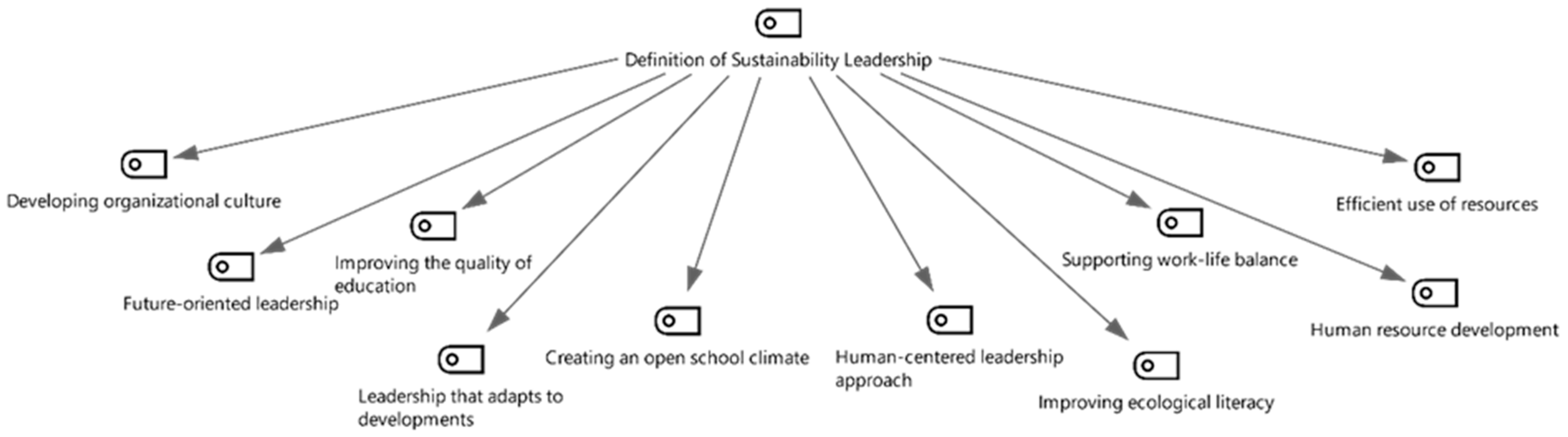
Figure 1 illustrates the main theme and its corresponding subcodes identified from participants’ definitions of sustainable leadership.
Sustainable leadership was also associated with the ability to adapt to developments in the school and broader educational system. This finding suggests that sustainable leadership goes beyond maintaining existing practices and requires leaders to follow emerging developments and reshape leadership practices in response to changing needs.
Participants also conceptualized sustainable leadership as a human-centered approach. From this perspective, the needs, expectations, and well-being of teachers, students, and other school stakeholders are considered central to leadership processes. Thus, sustainability was understood not only in terms of institutional continuity but also as the creation of a supportive and human-centered school environment.
Creating an open school climate emerged as another dimension of sustainable leadership. This perspective emphasizes a school environment based on communication, participation, trust, and collaboration. An open school climate may contribute to the institutionalization of sustainable practices and encourage the active participation of stakeholders in leadership processes.
One participant associated sustainable leadership with supporting employees’ work–life balance. This finding indicates that sustainability is not limited to institutional goals but also encompasses the well-being and working conditions of school staff. In this respect, sustainable leadership can be viewed as an approach that supports employees’ long-term motivation and commitment to the institution.
The environmental dimension of sustainable leadership was reflected in the code of improving ecological literacy. This finding suggests that participants viewed sustainability not only through organizational and managerial processes but also through environmental awareness and education. Accordingly, sustainable leadership includes fostering environmental consciousness and responsibility within the school community.
Efficient use of resources was identified as another dimension of sustainable leadership. This approach emphasizes the effective and responsible use of the school’s human, temporal, financial, and physical resources. The finding suggests that sustainable leadership is also associated with managing resources in ways that preserve them and generate long-term institutional benefits.
Human resource development was another dimension identified in participants’ definitions of sustainable leadership. Developing employees’ knowledge, skills, and professional capacities can be considered an important element of sustaining school success. Such an approach enables individual development to contribute to strengthening overall organizational capacity.
Improving the quality of education was also associated with sustainable leadership. The three references to this code indicate that sustainable leadership was understood not only as ensuring the continuity of organizational processes but also as improving the quality of students’ educational experiences and educational outcomes. Thus, sustainability can be interpreted as maintaining and continuously improving school success rather than merely achieving short-term results.
Developing organizational culture emerged as one of the most prominent dimensions of sustainable leadership, with 12 references. This finding indicates that participants largely viewed sustainable leadership as the process of developing a school culture that is not dependent on an individual leader but is grounded in shared values, trust, collaboration, and continuity. K11 described sustainable leadership as creating “a lasting school culture based on compassion and justice, one that is not dependent on individuals,” and emphasized leaving behind “a people-centered and resilient future” that can function effectively after the leader’s departure. This perspective highlights the importance of creating a sustainable organizational culture that becomes institutionalized and continues beyond the tenure of individual leaders.
Future-oriented leadership was equally prominent, with 12 references. This finding demonstrates that participants strongly associated sustainable leadership with a long-term perspective. For participants, sustainable leadership was not limited to addressing current problems or achieving short-term success; rather, it involved establishing structures and practices that would enable the school to remain successful in the future. K16 emphasized that sustainable leadership means carrying the school’s success “not only into the present but also into the future,” ensuring that institutional practices continue regardless of individuals, and preserving and continuously improving the school culture. This statement clearly illustrates the idea of sustainable leadership as creating an institutional legacy that extends beyond the leader’s tenure.
Overall, the findings indicate that women school administrators predominantly conceptualized sustainable leadership around two central dimensions: developing organizational culture and future-oriented leadership. The equal frequency of these two codes suggests that sustainable leadership was understood primarily in terms of institutional continuity, cultural development, and creating structures that can be sustained over time. The remaining codes further demonstrate that this understanding encompasses multiple complementary dimensions, including human-centered leadership, educational quality, environmental awareness, resource efficiency, employee development, work–life balance, and adaptability to change.
3.2. Definitions of Sustainable Leadership Practices
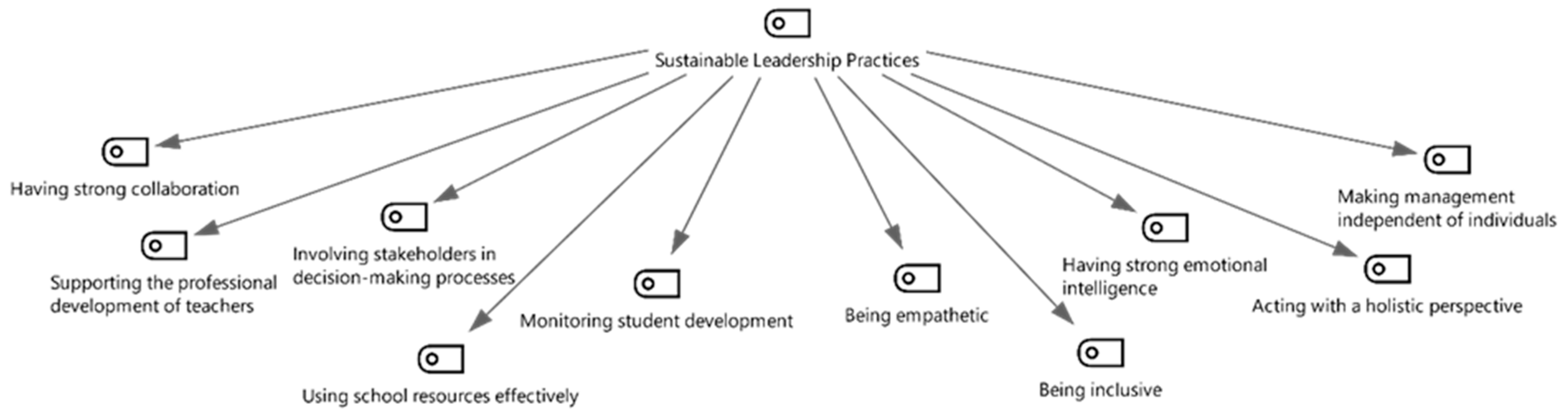
Figure 2 presents the hierarchical coding structure of the main theme and subcodes emerging from participants’ accounts of sustainable leadership practices.
Sustainable leadership practices were characterized by a range of interpersonal, organizational, and educational practices. Among these, having strong emotional intelligence was mentioned three times. This finding suggests that emotional awareness and the ability to manage interpersonal relationships are important for sustaining effective leadership practices. Emotional intelligence may enable school administrators to respond appropriately to the needs of different stakeholders and maintain constructive relationships within the school community.
Being inclusive was mentioned twice as a sustainable leadership practice. This finding indicates that sustainable leadership involves creating an environment in which different perspectives, needs, and voices are recognized and valued. An inclusive approach can strengthen a sense of belonging and support the participation of diverse stakeholders in school processes.
Making management independent of individuals was identified once. This finding emphasizes the importance of establishing management practices and organizational structures that can continue effectively regardless of changes in school leadership. Such practices may contribute to institutional continuity and reduce dependence on individual administrators.
Using school resources effectively was mentioned four times. This finding indicates that participants viewed the responsible and efficient management of school resources as an important component of sustainable leadership. Effective resource use may contribute to both the continuity of school activities and the long-term achievement of institutional goals. K10 specifically identified using school resources effectively as one of the core sustainable leadership practices, alongside teacher professional development, stakeholder participation, and monitoring student achievement.
Monitoring student development was also mentioned four times. This finding highlights the educational dimension of sustainable leadership, suggesting that school administrators consider students’ academic and developmental progress an important indicator of sustainable school improvement. Continuous monitoring can enable administrators to identify students’ needs and make informed decisions to support their development.
Involving stakeholders in decision-making processes emerged as a particularly prominent practice, with seven references. This finding demonstrates that participatory decision-making is an important characteristic of sustainable leadership. By involving teachers, students, parents, and other stakeholders in decision-making processes, school administrators can strengthen ownership, transparency, and collective responsibility. K19 emphasized that encouraging teamwork, increasing student and parent involvement, and adopting a participatory approach to decision-making are among the key sustainable leadership practices.
Supporting the professional development of teachers was one of the most frequently mentioned practices, with nine references. This finding indicates that participants regarded teachers’ continuous professional learning as central to sustainable school development. Investing in teachers’ knowledge and skills not only strengthens individual professional capacity but also contributes to the long-term capacity and effectiveness of the school. Both K10 and K19 explicitly emphasized supporting teachers’ professional development as a fundamental sustainable leadership practice.
Acting with a holistic perspective was mentioned once. This finding suggests that sustainable leadership requires school administrators to consider educational, organizational, interpersonal, and environmental dimensions together rather than addressing school issues in isolation. A holistic perspective may enable leaders to recognize the interconnectedness of different school processes and make decisions that support long-term institutional development.
Being empathetic was mentioned four times and represents an important interpersonal dimension of sustainable leadership. This finding suggests that understanding the feelings, needs, and perspectives of teachers, students, parents, and other stakeholders is perceived as essential for effective and sustainable leadership. Empathy can contribute to stronger relationships, trust, and a supportive school climate.
Having strong collaboration was the most frequently mentioned practice, with ten references. This finding highlights collaboration as a central element of sustainable leadership practices. Participants emphasized the importance of teamwork, shared responsibility, and collective action in sustaining school development. Strong collaboration can facilitate knowledge sharing, strengthen stakeholder relationships, and ensure that leadership responsibilities are distributed across the school community rather than concentrated in one individual.
Overall, the findings indicate that sustainable leadership practices are predominantly grounded in collaboration, teacher professional development, and participatory decision-making. The high frequencies of having strong collaboration (f = 10), supporting the professional development of teachers (f = 9), and involving stakeholders in decision-making processes (f = 7) demonstrate that participants conceptualized sustainability primarily as a collective and participatory process. These practices were complemented by attention to student development, effective resource use, empathy, emotional intelligence, and inclusiveness. Taken together, the findings suggest that women school administrators perceive sustainable leadership as a practice-oriented approach that builds collective capacity, strengthens stakeholder participation, and supports the long-term development of both people and the organization.
3.3. Challenges Women Face in Sustainable Leadership
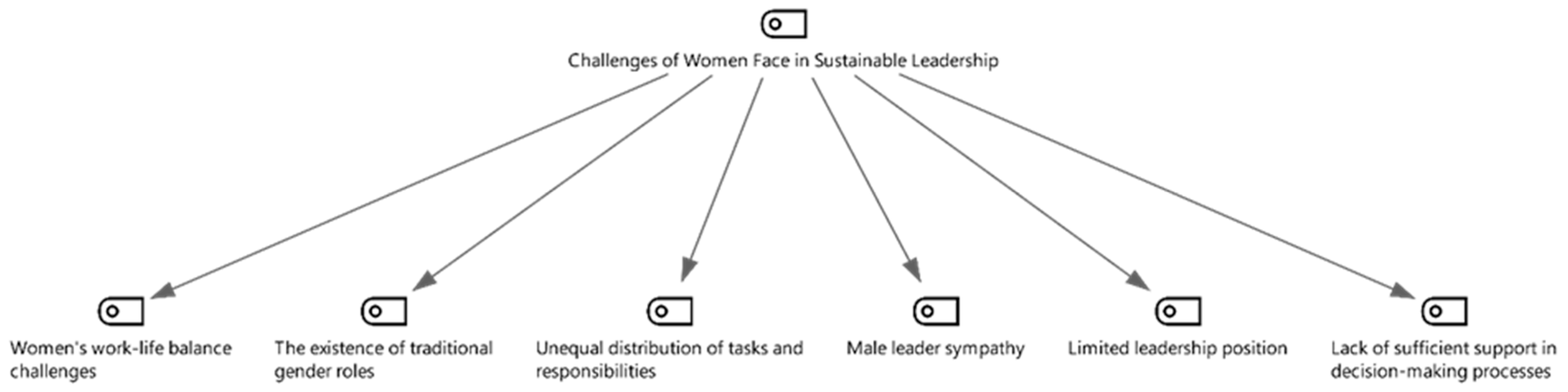
Figure 3 illustrates the hierarchical coding structure of the main theme and subcodes identified from participants’ accounts of the challenges women face in sustainable leadership.
Women school administrators identified several challenges that may hinder the development and implementation of sustainable leadership. These challenges were related to gender-based expectations, work–life balance, access to leadership opportunities, decision-making processes, and organizational relationships.
Unequal distribution of tasks and responsibilities was mentioned six times. This finding suggests that women school administrators may experience an unequal allocation of both professional and domestic responsibilities. Such an imbalance can increase workload and limit the time and energy available for strategic leadership activities. The unequal distribution of responsibilities may therefore constitute an important barrier to maintaining sustainable leadership practices over time.
Lack of sufficient support in decision-making processes was mentioned once. Although this issue appeared with relatively low frequency, it points to an important structural challenge for women administrators. Limited support in decision-making may reduce administrators’ access to information, resources, and collaborative networks, potentially making it more difficult for them to exercise leadership effectively and sustainably.
The existence of traditional gender roles was the most frequently mentioned gender-related challenge, with 14 references. This finding demonstrates that traditional expectations concerning women’s roles continue to shape their leadership experiences. Women administrators may be expected to simultaneously fulfill responsibilities associated with motherhood, homemaking, and professional leadership. Such expectations can create additional pressures and reinforce gendered perceptions of leadership. K15 described how women managers may feel caught between being a mother and homemaker and performing a demanding 24/7 leadership role, resulting in feelings of guilt and inadequacy. This finding suggests that traditional gender roles can directly affect women’s ability to sustain their leadership responsibilities.
Women’s work–life balance challenges emerged as the most frequently mentioned challenge, with 15 references. This finding highlights the tension between professional leadership responsibilities and family and personal obligations. The demanding and continuous nature of school leadership can make it particularly difficult for women administrators to maintain a healthy balance between work and private life. K15 emphasized that the pressure of managing a demanding 24/7 job while simultaneously fulfilling responsibilities as a mother and homemaker can generate feelings of guilt. Thus, work–life balance appears to be not merely an individual concern but a significant structural challenge affecting women’s sustainable leadership experiences.
Limited leadership position was mentioned four times. This finding suggests that women may perceive restrictions in accessing, maintaining, or advancing within leadership positions. Limited opportunities to occupy influential leadership roles can constrain women’s ability to participate fully in organizational decision-making and to shape long-term school development. Consequently, increasing women’s access to leadership positions may be important for strengthening the sustainability of leadership at the institutional level.
Male leader sympathy was mentioned five times as another challenge experienced by women school administrators. This finding points to the influence of gendered perceptions and informal relationships within school leadership contexts. K15 noted that male managers sometimes make decisions outside formal working environments, such as during sports activities, café meetings, or evening gatherings. Because women administrators may have less access to these informal networks, they can be excluded from important information and critical decision-making processes. This suggests that informal male-dominated networks may reproduce inequalities even when formal organizational structures appear to provide equal opportunities.
K15 further highlighted the cumulative nature of these challenges, explaining that women administrators may feel compelled to work harder than their male colleagues to demonstrate their competence. The continuous pressure to be monitored, criticized, and prove oneself can contribute to feelings of inadequacy despite professional achievements. According to the participant, the perception that women “have no room for error” may encourage excessive attention to detail and a tendency to control tasks individually, which can ultimately undermine sustainable leadership by limiting delegation and collaborative practices. This account illustrates how gendered expectations, informal exclusion, work–life pressures, and the need for constant self-validation can interact and create mutually reinforcing barriers to sustainable leadership.
Overall, the findings indicate that the challenges faced by women school administrators in sustainable leadership are predominantly shaped by gendered expectations and work–life pressures. The high frequencies of women’s work–life balance challenges (f = 15) and the existence of traditional gender roles (f = 14) demonstrate that sustainability in women’s leadership cannot be understood solely as an organizational or individual issue. Rather, it is closely connected to broader gender norms, unequal responsibilities, and access to formal and informal leadership networks. The findings also suggest that these challenges may have indirect consequences for leadership practices by increasing individual workload, limiting participation in decision-making, and encouraging excessive self-monitoring and control.
3.4. Methods of Women’s Resilience in Sustainable Leadership
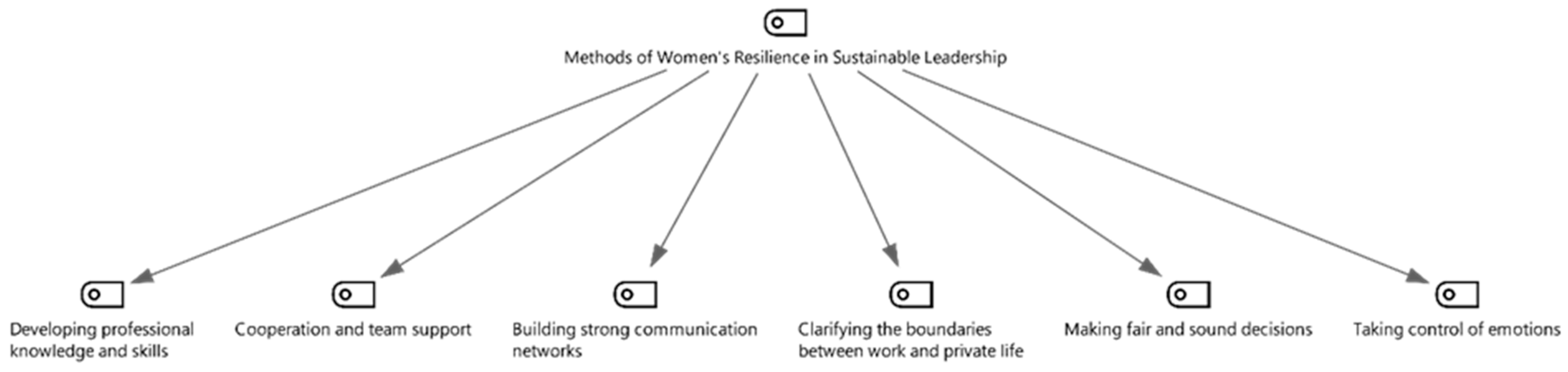
Figure 4 presents the hierarchical coding structure of the main theme and subcodes emerging from participants’ accounts of the methods they use to develop resilience in sustainable leadership.
Women school administrators described several strategies through which they develop and maintain resilience in the face of challenges associated with sustainable leadership. These strategies included emotional regulation, sound decision-making, maintaining work–life boundaries, developing communication networks, strengthening professional competencies, and relying on cooperation and team support.
Taking control of emotions was mentioned once. This finding suggests that emotional regulation is considered an important personal resource for maintaining resilience in challenging leadership situations. The ability to manage emotional reactions may help administrators remain calm and respond constructively when facing unexpected or demanding circumstances.
Making fair and sound decisions was mentioned twice. This finding indicates that resilient leadership involves the ability to make balanced and well-considered decisions, particularly under pressure. Fair and rational decision-making may enable administrators to address complex situations while maintaining trust and confidence among school stakeholders.
Clarifying the boundaries between work and private life was mentioned five times. This finding highlights the importance of establishing clear boundaries between professional responsibilities and personal life as a strategy for sustaining resilience. Maintaining such boundaries may help women administrators manage workload, reduce emotional exhaustion, and preserve their personal well-being. K11 emphasized the importance of “clarifying work–life boundaries” as one of the ways women school administrators strengthen their resilience. This suggests that work–life boundary management is not only a personal coping strategy but also an important condition for sustaining leadership over time.
Building strong communication networks emerged as an important resilience strategy, with six references. This finding demonstrates that women administrators rely on professional and interpersonal networks to cope with challenges and access support. Strong communication networks can facilitate information sharing, problem-solving, and emotional support, thereby strengthening administrators’ capacity to respond to difficult situations. K11 specifically highlighted the importance of building professional support networks, indicating that resilience can be strengthened through meaningful connections with colleagues and other school stakeholders.
Developing professional knowledge and skills was mentioned three times. This finding suggests that women school administrators perceive continuous professional learning as a way of strengthening their capacity to cope with changing and demanding leadership situations. Developing professional knowledge and skills can increase confidence, improve problem-solving capacity, and enable administrators to respond more effectively to emerging challenges.
Cooperation and team support were the most frequently mentioned resilience strategy, with 11 references. This finding indicates that women school administrators predominantly rely on collective rather than individual strategies to cope with challenges. Cooperation with teachers, administrators, parents, and other stakeholders allows responsibilities to be shared and complex problems to be addressed collectively. K17 emphasized that not trying to solve everything alone and collaborating with teachers, school administration, and parents can both simplify difficult processes and strengthen one’s sense of resilience. The participant also noted that successfully addressing a student’s problem or making a positive contribution to a student’s life can restore motivation during difficult periods. This suggests that resilience is strengthened not only through social support but also through a sense of purpose and the perceived positive impact of leadership work.
K11 similarly emphasized that women school administrators strengthen their resilience by building professional support networks, clarifying work–life boundaries, and sharing workloads through delegation of authority within the school. The participant further indicated that viewing challenges as learning opportunities and developing emotional intelligence and flexible problem-solving skills can contribute to psychological resilience. This perspective demonstrates that resilience involves both interpersonal resources and individual capacities for adaptation and learning.
Overall, the findings indicate that women school administrators’ resilience in sustainable leadership is predominantly grounded in cooperation and team support (f = 11), building strong communication networks (f = 6), and maintaining clear work–life boundaries (f = 5). These findings suggest that resilience is not perceived merely as an individual psychological capacity but as a relational and organizational process supported by collaboration, professional networks, shared responsibility, and healthy boundaries. At the same time, emotional regulation, sound decision-making, and continuous professional development provide individual resources that enable women administrators to navigate challenges and sustain their leadership over time.
3.5. Impact of Sustainable Leadership on Education Management Future
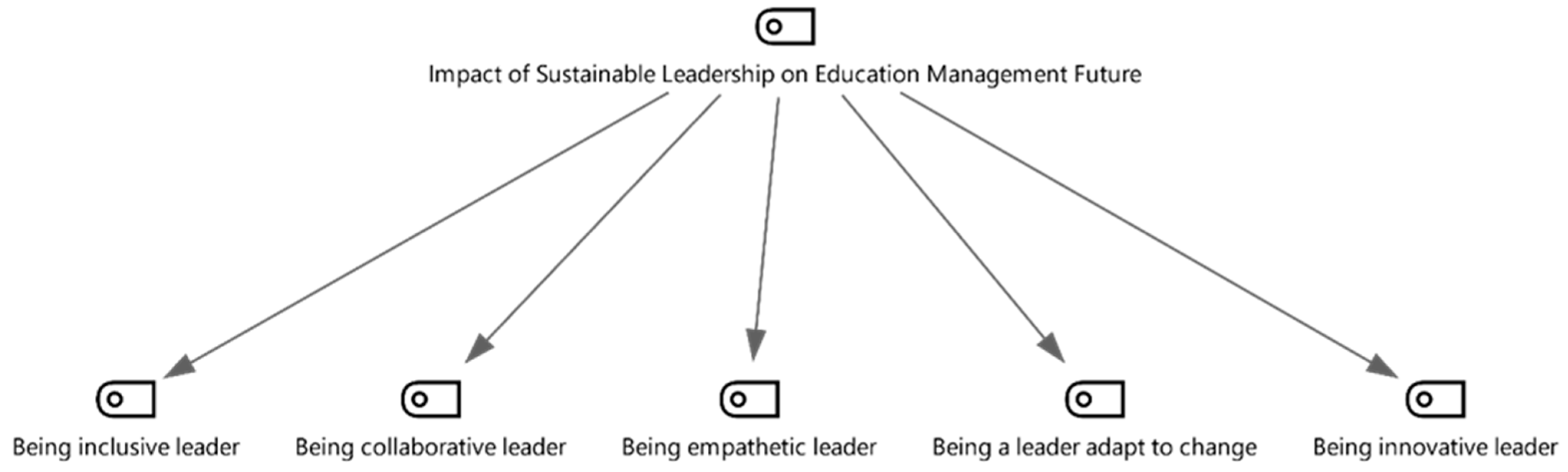
Figure 5 illustrates the hierarchical coding structure of the main theme and subcodes identified from participants’ perspectives on the impact of sustainable leadership on the future of educational administration.
Women school administrators’ experiences of sustainable leadership were perceived as having several important implications for the future of educational management. Participants particularly emphasized inclusive, collaborative, empathetic, innovative, and adaptive leadership approaches as essential characteristics of future educational management.
Being a leader who adapts to change was mentioned twice. This finding suggests that future educational management will require leaders who can respond effectively to changing educational conditions, societal expectations, and institutional needs. Adaptability may enable schools to respond to emerging challenges while maintaining continuity and long-term effectiveness. K12 emphasized that sustainable leadership experiences demonstrate the growing importance of a long-term, participatory, inclusive, and innovative approach that enables schools to adapt to changing educational needs and achieve lasting success.
Being an inclusive leader emerged as the most frequently mentioned dimension, with nine references. This finding indicates that participants strongly associated the future of sustainable educational management with inclusion and broad stakeholder participation. Inclusive leadership can ensure that different perspectives and needs are recognized in decision-making processes and can contribute to more equitable and democratic school environments. K19 emphasized that women school administrators’ experiences highlight the importance of participation and a human-centered approach, which can contribute to the development of more inclusive and democratic school management practices in the future.
Being an innovative leader was mentioned twice. This finding indicates that innovation will remain an important component of future sustainable educational management. Innovative leaders may support schools in responding to emerging educational challenges, adopting new practices, and developing solutions that address changing student and organizational needs. The emphasis on innovation in K12’s account further suggests that future leadership will need to combine innovation with participation and long-term thinking.
Being a collaborative leader was mentioned seven times. This finding demonstrates that collaboration is expected to become increasingly important in future educational management. Collaborative leadership distributes responsibility, encourages collective problem-solving, and strengthens relationships among teachers, students, parents, and other stakeholders. K19 highlighted collaboration and participation as central elements of future educational management, suggesting that sustainable schools will increasingly depend on shared responsibility and collective action.
Being an empathetic leader was also mentioned seven times. This finding highlights the growing importance of empathy and a human-centered approach in future educational leadership. Empathetic leaders are better positioned to understand the needs, experiences, and perspectives of different school stakeholders and to create supportive and trusting environments. K19 specifically emphasized empathy and a human-centered approach as important contributions of women school administrators’ experiences to future educational management. This suggests that empathy may become increasingly important as schools seek to develop more inclusive, democratic, and sustainable management practices.
Overall, the findings indicate that the future impact of sustainable leadership on educational management is predominantly associated with inclusive (f = 9), collaborative (f = 7), and empathetic (f = 7) leadership. These findings suggest a shift from leader-centered management toward more participatory, relational, and human-centered approaches. Adaptability and innovation, although mentioned less frequently (f = 2 each), complement these core dimensions by enabling schools to respond to changing educational needs and develop new solutions. Taken together, the findings indicate that women school administrators’ experiences may contribute to a future model of educational management characterized by inclusiveness, collaboration, empathy, innovation, adaptability, and long-term sustainability.
4. Discussion
This study explored women school administrators’ experiences of sustainable leadership by examining their definitions of sustainable leadership, leadership practices, challenges, resilience strategies, and perceptions of the future of educational management. Overall, the findings suggest that women school administrators perceive sustainable leadership as a multidimensional process that extends beyond maintaining organizational continuity. Instead, they associate it with long-term school development, collaborative governance, human-centered leadership, and the capacity to respond to continuous change. These findings are largely consistent with the conceptualizations of sustainable leadership proposed by [
9,
14,
39], who argue that sustainable leadership depends on building organizational capacity, fostering collaboration, and ensuring continuous improvement rather than relying on individual leaders.
Participants’ understandings of sustainable leadership were examined in relation to its long-term organizational and cultural dimensions. Rather than limiting sustainability to environmental responsibility or institutional continuity, they viewed it as a strategic process that prepares schools for future challenges by strengthening shared values, collaboration, and collective responsibility. This finding supports [
9] proposition that sustainable leadership is fundamentally concerned with preserving and enhancing learning over time while building organizational structures that outlast individual leaders. Similarly, participants’ references to educational quality, human resource development, ecological awareness, work–life balance, and adaptive leadership demonstrate that sustainable leadership is increasingly understood as a holistic concept encompassing organizational, human, and environmental dimensions.
The findings concerning sustainable leadership practices further reinforce this holistic perspective. Participants’ accounts of sustainable leadership practices highlighted collaboration, teachers’ professional development, shared decision-making. Similar conclusions have been reported by [
39], who argues that sustainable educational change depends on developing professional capital and collaborative school cultures, as well as by [
14], who emphasizes distributed leadership and organizational learning as essential conditions for school sustainability. Participants also highlighted empathy, emotional intelligence, effective resource management, and institutionalized management structures, suggesting that sustainable leadership requires balancing organizational efficiency with human relationships and educational quality.
Despite recognizing the benefits of sustainable leadership, participants identified significant barriers that influence their leadership experiences. Participants’ accounts of the challenges associated with sustainable leadership centered on traditional gender roles and work–life balance difficulties. These results correspond with extensive international literature demonstrating that women leaders frequently encounter gender stereotypes, unequal expectations, and the “glass ceiling” phenomenon within educational organizations [
5,
6,
7,
37,
38]. The persistence of traditional gender norms suggests that women’s leadership experiences continue to be shaped by broader sociocultural expectations that assign primary caregiving and domestic responsibilities to women. Consequently, sustainable leadership cannot be understood solely as an organizational issue but must also be examined through the lens of gender equality and social justice. These findings highlight the importance of developing institutional policies that promote equal leadership opportunities, organizational support, and family-friendly working conditions.
An important contribution of this study concerns the resilience strategies adopted by women school administrators. Participants’ accounts of resilience highlighted continuous professional development, collaboration, communication networks, work–life boundaries, emotional regulation, and fair decision-making. These findings support resilience theory, which conceptualizes resilience as a dynamic process developed through interactions between personal resources and supportive organizational environments rather than as a fixed individual trait [
40]. The emphasis on lifelong learning and professional growth also aligns with sustainable leadership literature suggesting that continuous capacity building enables school leaders to adapt successfully to increasingly complex educational environments [
39]. Furthermore, the importance attached to teamwork and communication networks indicates that resilience is socially constructed through collaborative relationships rather than individual perseverance alone. This finding reinforces the argument that sustainable leadership requires organizational cultures characterized by trust, collaboration, and mutual support.
Participants’ perceptions of the future of educational management provide additional insight into how sustainable leadership may evolve. Women school administrators envisioned future educational leadership as increasingly inclusive, collaborative, and empathetic. Rather than emphasizing authority and hierarchical control, they anticipated leadership models that prioritize participation, diversity, shared responsibility, and responsiveness to change. These expectations closely correspond with contemporary educational leadership theories that advocate transformational, distributed, and inclusive leadership approaches in response to rapidly changing educational contexts [
10,
11,
12,
13,
14,
15,
16]. The prominence of empathy and inclusiveness also suggests that future sustainable leadership will depend not only on organizational effectiveness but also on leaders’ ability to foster psychological safety, equity, and belonging within school communities.
Taken together, the findings highlight the interconnected nature of sustainable leadership, gendered leadership experiences, and resilience among women school administrators, while pointing to the importance of organizational and contextual conditions in shaping the sustainability of educational leadership. These interconnected findings indicate that sustainable leadership cannot be reduced to managerial effectiveness alone. Rather, it represents a comprehensive leadership philosophy integrating organizational sustainability, educational quality, gender equity, professional learning, and collaborative governance.
From a practical perspective, these findings suggest that educational policymakers should strengthen professional development opportunities for women school leaders, establish mentoring and networking programs, promote gender-equitable leadership policies, and create organizational cultures that support collaboration and work–life balance. Such initiatives may not only improve women’s leadership experiences but also contribute to building more sustainable educational organizations capable of responding effectively to future educational challenges.
Finally, this study contributes to the growing literature on sustainable educational leadership by providing evidence from the perspectives of women school administrators. While previous studies have largely focused on the organizational characteristics of sustainable leadership, the present findings demonstrate that gendered experiences significantly shape how sustainable leadership is understood, practiced, and sustained. Future research may benefit from comparative studies involving male and female school leaders, different educational levels, and cross-cultural contexts to further examine the interaction between gender, leadership, and sustainability.