Article

From Recognition to Practice: Integrating Ecocentric Values in Urban Soil Management

Data and Knowledge Hub for Healthy Urban Living, Utrecht University, Yalelaan 2, 3584 CM Utrecht, The Netherlands
Sustainability 2026, 18(16), 8361; https://doi.org/10.3390/su18168361
Submission received: 11 March 2026 / Revised: 1 July 2026 / Accepted: 9 July 2026 / Published: 14 August 2026
(This article belongs to the Collection Toward a Restorative Economy)

Abstract

Urban soils are central to ecological functioning and urban resilience and have value not only for the services they provide to people but also for their intrinsic ecological worth. However, this ecocentric dimension remains underrepresented in urban sustainability research and practice. This study examines how urban soil management can be transformed to incorporate ecocentric values of nature by analysing both the practices through which this transformation can be achieved and the barriers that stand in the way. Based on a survey of 80 urban practitioners conducted in 2023, the study explores stakeholder roles, value orientations, soil indicators, regenerative practices, and perceived barriers to implementation. The results show that nearly all respondents recognised at least one explicit value of urban soil (95%), and a majority (60%) attributed several values at once, with future and intrinsic values each recognised by a substantial share of practitioners (65% and 50%, respectively), suggesting that ecocentric framings are present among a substantial share of practitioners. Whether this recognition translates into practice is more limited: about half of the respondents (51%) consider soil properties in their professional practices. Soil assessment is predominantly based on physical and chemical indicators, with biological indicators receiving comparatively little attention. The central empirical finding of this study is a pronounced awareness–action gap specific to soil regeneration: 96% of respondents recognise the importance of soil regeneration, yet only 40% report implementing regenerative practices. Regeneration, understood here as the restoration of biological activity and natural soil processes, is conceptually located towards the ecocentric pole of an anthropocentric–ecocentric continuum, since it engages with soil as a living system with intrinsic value rather than as a substrate for human use. Respondents identify knowledge gaps, fragmented governance, and financial constraints as key barriers to wider adoption, which indicates that the principal barriers are structural and institutional in nature; a lack of practitioner commitment does not appear to be the issue. Embedding ecocentric values in everyday practice will require integrating biological indicators into standard soil assessments, strengthening knowledge exchange through living labs and practitioner-oriented tools, and extending soil health targets across the policy, procurement, and funding mechanisms that govern urban development.

1. Introduction

1.1. Background

Urban soil supports the functioning of cities yet remains poorly understood in urban planning and governance [1,2]. As the world becomes increasingly urban, with two-thirds of projected global population growth through 2050 expected to occur in cities [3], the ecological functions that soil provides are becoming increasingly critical to urban resilience and liveability. Yet urban development consistently degrades the very foundation it depends upon. Soils are sealed and compacted, and contamination accumulates at a scale that undermines long-term sustainability [1,4].
Addressing this degradation is therefore crucial within urban sustainability strategies. Urban soils fulfil multiple ecological functions beyond supporting vegetation. They absorb stormwater, sequester carbon, filter pollutants, and cycle nutrients. When soils lose this capacity, the costs surface elsewhere in the urban system, often as drainage failures, vegetation decline, or pollution events. Restoring urban soil health is therefore a precondition for the resilience that cities otherwise seek to achieve through engineered infrastructure.
Nature-based Solutions (NbS) have become increasingly central to urban sustainability policy, offering integrated responses to challenges like climate adaptation, biodiversity loss, and human well-being [5,6]. NbS such as green infrastructure and ecosystem restoration depend fundamentally on soil as the biophysical foundation enabling ecological functioning and the delivery of ecosystem services [7]. Soil management practices determine whether NbS can deliver their intended ecological outcomes. Without deliberate attention to soil conditions, even well-designed NbS may fail to support vegetation, regulate water flows, or provide habitat for biodiversity. Integrating soil health explicitly into NbS strategies is therefore essential for achieving sustainable cities [8,9].
Yet despite this dependency, addressing the relevance of soil health remains a challenge in both NbS policy frameworks and urban planning practice [8,9]. Empirical research on how practitioners actually value and operationalize urban soil, and what prevents ecocentric values from translating into routine practice, remains limited. This study addresses that gap through survey-based evidence on stakeholder perceptions, indicator use, and implementation barriers, contributing to broader debates about how urban soil management might shift from a technical routine toward a living-system practice.

1.2. Research Aim and Questions

This research aims to advance the understanding of ecocentric conservation efforts within urban soil management practices by assessing stakeholder perceptions and values in current practice. To capture this, a survey-based approach is used to systematically examine how soil is valued and operationalized. The study connects to wider debates about how urban development might move beyond treating soil as an inert substrate, and instead engage with it as a living system whose ecological capacities can be supported or restored. Throughout the article, anthropocentric and ecocentric orientations are not treated as mutually exclusive categories but as ends of a continuum, recognising that practitioners may hold mixed valuations and that this continuum can extend beyond ecocentrism towards relational [10] and more-than-human [11,12] understandings of soil.
This research addresses the following main research question: Through what strategies can soil management practices be transformed to integrate ecocentric values of nature in urban soil?
To answer this question, we address five sub-research questions: (1) What categories of stakeholders practice urban soil management, and what are their current practices? (2) What values and perspectives do stakeholders hold regarding urban soil and do these reflect anthropocentric or ecocentric orientations? (3) What soil indicators do stakeholders currently use in assessing and managing urban soil? (4) To what extent do stakeholders practice soil regeneration, and do these practices reflect ecocentric approaches? (5) What challenges do stakeholders face in implementing soil regeneration, and what forms of external support do they seek to address these barriers?

2. Theoretical Framework

2.1. NbS and the Role of Urban Soil

NbS have emerged as a key strategy for addressing urban challenges such as climate adaptation, biodiversity conservation, and human well-being [7]. NbS interventions, from green infrastructure to water quality and buffer systems and wider ecosystem restoration, depend on and interact with soil. Despite this, soil health is often overlooked or implicitly addressed in NbS planning [8]. How soil health can be operationalized within NbS frameworks remains underdeveloped [7].
Recent studies reveal a tension in NbS discourse: although the place-specific nature of NbS is widely acknowledged, local definitions and values of nature, including soil, are often insufficiently considered, which can limit long-term effectiveness [9]. Soil is also frequently treated only as a means to an end for ecosystem services or biodiversity, rather than as a material substrate with intrinsic ecological value. This reinforces anthropocentric framings, where soil is valued primarily for human benefits [9,11,13].

2.2. The Anthropocentric–Ecocentric Continuum

Urbanization has often led to a disconnect between humans and nature, displacing non-human life and disrupting symbiotic relationships [14,15]. Urban development practice remains largely anthropocentric, focusing on human needs and often overlooking non-human elements [9]. Yet, cities function as complex socio-material systems where human and non-human actors interact and influence each other within the built environment [16,17,18]. Ecocentric approaches to nature recognize soil as an essential habitat for non-human species, emphasizing its intrinsic value [11,19,20].
Shifting from human-exclusive perspectives towards the inclusion of all living entities need not diminish human needs; it calls for greater attention to interconnections within ecosystems [11,21,22]. Reframing cities as habitats for multiple species can guide NbS towards an ecocentric orientation, requiring acknowledgment of complex human–non-human interactions and redefining urban spaces, including soil, as vital habitats [11,12]. Anthropocentrism and ecocentrism are best understood not as a strict dichotomy but as the poles of a continuum: in practice, valuations of soil typically combine human-centred and nature-centred concerns in varying proportions, rather than falling cleanly into one category or the other. Beyond the ecocentric pole, relational [10] and more-than-human [11,12] framings extend this continuum further still, emphasising the reciprocal entanglements between people and soils rather than the worth of either in isolation. Relational framings locate value neither in soil’s usefulness to people nor in its worth as a thing in itself, but in the ongoing relationships of care, responsibility, and identity that bind people to the soils they live and work with [10].
Regenerative practices are understood here as expressing ecocentric values because of the way they construe soil and the ends they pursue. Anthropocentric soil management treats soil as an inert substrate to be optimised for human purposes such as load-bearing capacity, drainage, or productive yield, and values it instrumentally for the benefits it delivers to people [9,13]. Regenerative practice, by contrast, takes as its object the soil’s own functional integrity as a living system, seeking to restore the biological activity and natural processes on which that integrity depends rather than merely to extract a service from it [23,24]. The concept of regenerative practices connects with the concept of a ‘restorative economy’ but is also different from it [25]. Where regenerative practices operate at the level of soil and ecosystems, restorative economics concerns the broader structural conditions under which such practices may be sustained and scaled.

2.3. Urban Soil Quality and Health: Assessment Challenges and Indicators

Urban soils are distinct from natural soils due to the nature of human impact, such as compaction, contamination, sealing, and disrupted nutrient cycles [1]. These pressures reduce biodiversity and limit the capacity of soils to provide essential ecosystem services [23]. Contamination in urban greenspaces, including heavy metals, microplastics, pesticides, and antibiotic resistance genes, mirrors levels in adjacent natural areas, demonstrating the effect of urbanization [4].
Assessing urban soil quality is complicated by spatial heterogeneity, historical land use, sampling challenges, and competing stakeholder priorities [26]. While chemical and physical indicators (e.g., organic carbon, pH, bulk density, water storage) are commonly used, biological indicators (e.g., microbial biomass, respiration, invertebrate diversity) remain underutilized despite their importance for ecosystem functioning [23,27]. This reflects both practical constraints and conceptual debates over what constitutes soil “health” versus “quality,” and how these relate to anthropocentric versus ecocentric values [24,28]. Following Janzen et al. [28] and Lehmann et al. [24], “soil quality” tends to be framed instrumentally, in terms of soil’s fitness for specified human uses such as crop production or load-bearing, and thus aligns with anthropocentric framings. “Soil health,” by contrast, foregrounds soil as a living system with its own functional integrity, and is therefore more readily compatible with ecocentric framings that recognise soil’s intrinsic value. The two terms are used consistently in this sense throughout the paper.

2.4. Values of Nature: An Analytical Framework for Assessing Soil Perspectives

From the 1990s onwards, the concept of ecosystems was applied more broadly, culminating in the Millennium Ecosystem Assessment (MEA) [29], which introduced an influential framework for ecosystem services that was widely adopted by policymakers, scientists, and practitioners worldwide. The core message was clear and urgent: ecosystems are under increasing pressure, and their health is directly linked to human well-being. The MEA distinguished four categories of ecosystem services: provisioning (e.g., food and water), regulating (e.g., climate regulation and water purification), cultural (e.g., recreation), and supporting (e.g., soil formation). This ecosystem-services framing was subsequently extended by the Intergovernmental Science-Policy Platform on Biodiversity and Ecosystem Services (IPBES) Global Assessment [30], which broadened the perspective from ecosystem services towards the wider notion of nature’s contributions to people.
Building on this ecosystem services perspective, and acknowledging ongoing debates about anthropocentric versus ecocentric valuations of nature, this study operationalizes the anthropocentric–ecocentric distinction in urban soil management through a values-based analytical framework. This framework enables assessment of whether stakeholder practices and perspectives primarily align with anthropocentric orientations, in which nature is valued for its contributions to human well-being, or reflect ecocentric perspectives, which recognize nature’s inherent worth beyond direct human utility.
Specifically, physical and cultural values are operationalized as anthropocentric orientations, as they emphasize soil’s functional, aesthetic, and social significance for people. Physical value here refers to soil’s material and functional usefulness to people: its capacity to support construction, sustain plant growth, store and drain water, and provide a workable medium. This value is anchored in the direct benefits soil delivers for human purposes. While acknowledging that cultural values may also function as a bridge toward ecocentric perspectives (cf. Pascual et al. [10]), they are treated here as anthropocentric in line with their emphasis on human-centered experience and social identity within the IPBES values framework [31].
In contrast, future and intrinsic values are operationalized as ecocentric orientations, acknowledging soil’s inherent ecological value and its role in sustaining non-human life and long-term ecosystem functioning beyond immediate human benefit. Intrinsic value, the core ecocentric category in this typology, denotes the worth soil is held to possess in and of itself, that is, as a living system and habitat for non-human life, independently of any benefit it provides to people. The classification of future value as ecocentric warrants a qualification analogous to that made above for cultural value. When people articulate concern for the long term, they often do so in anthropocentric terms: a person may attribute future value to soil simply because future generations will depend on it. As such, ‘beyond immediate human benefit’ is not equivalent to ‘beyond human benefit.’ Future value is therefore the least clear-cut of the four categories: its emphasis on long-term ecological continuity leans toward the ecocentric, but the underlying motivation can be either anthropocentric or ecocentric, a distinction that a survey instrument cannot fully disentangle. For the sake of analytical consistency, future value is nonetheless retained on the ecocentric side of the typology, while acknowledging this ambiguity.
This four-value typology provides the interpretive framework for the study, enabling consistent interpretation of stakeholder survey responses throughout the results and discussion. The typology is intended as a practical tool for locating practitioners along an anthropocentric–ecocentric spectrum, not as a claim that individuals hold discrete or mutually exclusive value orientations; its interpretive limits are discussed further in Section 5.2. The full survey instrument, including the questions used to operationalize each value type, is provided in Supplementary Material S1.

3. Materials and Methods

3.1. Survey Design and Distribution

The survey was designed to address the five sub-research questions, covering: (1) stakeholder categories and soil practices, (2) values and perspectives on urban soil, (3) soil indicators currently used, (4) extent and approach of soil regeneration practices, and (5) challenges faced and potential strategies. The survey combined closed- and open-ended questions: the open-ended questions allowed respondents to elaborate on their answers, while the closed-ended questions were informed by a non-systematic review of 21 additional articles, particularly to identify relevant soil indicators (see Supplementary Material S1 for details). Questions on stakeholder categories were based on the typology in Table 1 (adapted from Stuiver [32]); questions on the values of nature drew on the values framework set out in Section 2.4; and questions on soil indicators were informed by the literature review summarised in Table 2.
The survey was created using Microsoft Forms to facilitate online distribution and was shared via LinkedIn to reach urban practitioners. In this study, urban practitioners are defined as stakeholders working in planning, design, governance, urban farming, research, construction, and management of urban areas. The survey remained open from 26 May to 1 July 2023. The sample is a self-selected convenience sample: participants joined based on professional affiliation and the survey topic, with no formal screening beyond the consent item. The implications of this sampling approach for interpretation of the findings are discussed in Section 7 (Limitations). The resulting sample size (n = 80) is consistent with exploratory stakeholder surveys in comparable urban sustainability and NbS research, where the aim is to identify patterns and generate hypotheses rather than to produce statistically representative findings. The study is accordingly framed as exploratory and findings should be interpreted as indicative rather than generalizable.
To operationalize the survey questions on soil quality indicators, a review was conducted to identify the most commonly used and ecologically relevant indicators for assessing urban soil. Based on this review, 17 indicators were selected and organized into three categories: physical indicators (bulk density, soil structure, soil texture, water content, and porosity), chemical indicators (soil organic matter, pH, cation exchange capacity, total nitrogen and phosphorus, metal concentration, and electrical conductivity), and biological indicators (microbial biomass, microbial respiration, microbial community composition, enzymatic activity, earthworms, and nematodes). Physical and chemical indicators were selected because they are widely applied in urban soil assessment and directly relevant to the ecosystem services prioritized by practitioners; biological indicators were included because of their established importance for soil functioning and their current underutilization in practice, making them a key focus for this study. Table 2 provides an overview of these indicators together with their ecological rationale and supporting references.

3.2. Data Analysis

At the close of the survey, responses were collected in a spreadsheet and subsequently analyzed. A total of 84 responses were obtained and cleaned, with four removed because the respondents did not provide consent for their answers to be used in a research article, resulting in 80 responses for analysis. Both quantitative (closed-ended) and qualitative (open-ended) questions were analyzed using Microsoft Excel. At this scale (80 responses, five predefined thematic categories), Excel provided a transparent and workable environment for systematic coding and frequency tabulation. Descriptive analysis of the quantitative data was conducted using frequencies and percentages, with pivot tables employed to organize responses and minimize errors. The results were visualized through appropriate charts. In addition, a deductive thematic analysis was conducted on the open-ended responses, following the approach described by Braun and Clarke [49]. Themes were derived from the five sub-research questions, which provided the analytical framework for coding. Two researchers (see Acknowledgements) independently coded all open-ended responses by systematically assigning text fragments to the predefined thematic categories; discrepancies were subsequently resolved through discussion. This constitutes a consensus-based approach to inter-coder reliability, consistent with standard practice in deductive thematic analysis at this scale. A third researcher (the author) then reviewed the final coding scheme to verify consistency. Key themes were subsequently used to contextualize and elaborate on the descriptive findings from the closed-ended questions. Given the exploratory design and non-probabilistic convenience sample, all analyses are descriptive; findings should be read as indicative patterns rather than statistically tested hypotheses. Practitioner perceptions are treated here as a legitimate source for understanding how institutions function in practice, on the grounds that formal policy and reality frequently diverge [50].

4. Results

4.1. Categories of Stakeholders

Survey respondents represented diverse stakeholder categories under the umbrella “urban practitioners” and came from different urban development sectors (Figure 1). The majority were affiliated with Businesses, NGOs and Knowledge Institutes, collectively representing 62.5% of all responses. Participation from big corporates was minimal, with only four respondents from this sector. Eight responses were classified as “other,” indicating overlap between multiple categories.

4.2. Stakeholder Practices in Urban Soil Management

Urban soil was used in diverse ways across respondents. Urban soil predominantly serves as a medium for planting, accounting for 31% of all reported uses (Figure 2). According to respondents, planting activities primarily involved soil cultivation for food production in gardens, tree planting, and tiny forests in neighbourhoods. One respondent mentioned using specialized products to optimize planting conditions, while another reported working on improving soil and water conditions to enhance the climate resilience capacity of urban trees.
Other uses included designing on soil (19%), analyzing soils (18%), and governing soil (17%). These categories were interlinked and diverse. One respondent described urban soil as an important interface for geotechnics, geohydrology, water management, and ecology, typically considered when designing on soil. Building activities accounted for 14%, representing the least common reported use.
Soil governance was reported through advisory services, awareness campaigns, and educational programs. One respondent from a soil foundation in Italy described working with urban farmers to improve soil health and support local regeneration, including collaboration with a network of farmers committed to soil health best practices (PPN 79).
Maintenance emerged as another common theme. Some respondents elaborated that their involvement included maintenance of urban parks, gardens, green roofs, and vertical gardens. Reported soil uses were not mutually exclusive, as most respondents indicated involvement in more than one type of activity. Directional patterns were visible in the data. For example, government respondents tended toward governance-related activities, while knowledge institute respondents more frequently reported analysing soils.

4.3. Values Attributed to Urban Soil

To assess the extent to which stakeholders hold anthropocentric versus ecocentric perspectives on urban soil, we examined which values—physical, cultural, future, and intrinsic—respondents attributed to soil in their practices.
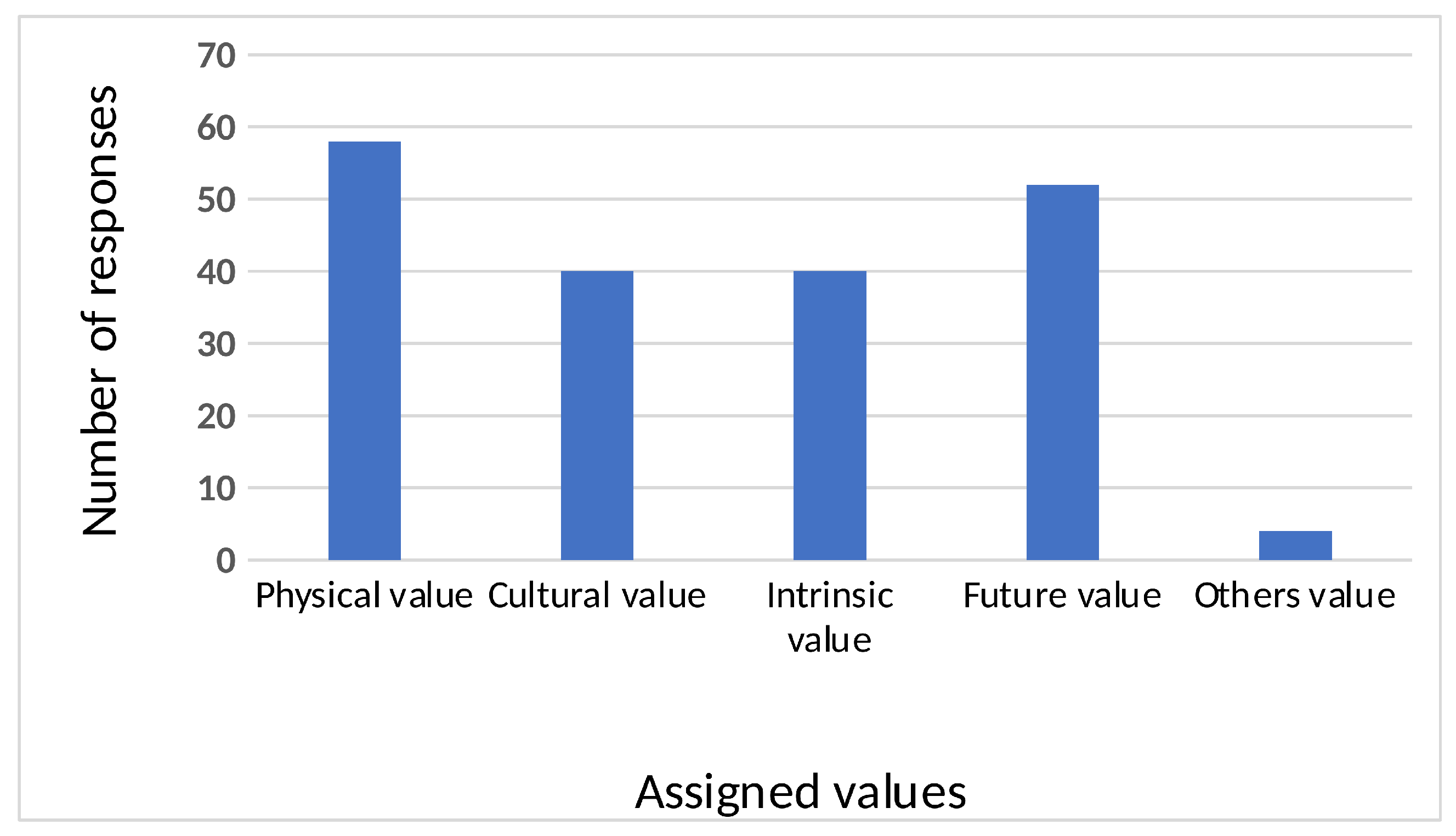
Nearly all respondents (95%) recognised at least one explicit value of urban soil, and a majority (60%) attributed two or more. As depicted in Figure 3, the majority of respondents recognized physical values (73%, n = 58) and future values (65%, n = 52). Cultural values (50%, n = 40) and intrinsic values (50%, n = 40) received less recognition. Because respondents could select more than one value, the percentages sum to more than 100%. That a majority of respondents (60%) attributed several values at once, rather than selecting a single category, is a first indication that soil valuation in this sample is better described in terms of the anthropocentric–ecocentric continuum (Section 2.2) than as a choice between discrete positions; the implications of these mixed orientations are developed further in Section 5.2.
The high recognition of physical values aligns with anthropocentric framings where soil is primarily valued for material benefits such as food production, structural support, and water regulation. Similarly, the recognition of cultural values by half of respondents (50%) reflects an anthropocentric orientation, as these values relate to soil’s role in human recreation, aesthetics, and social identity. However, the equally strong recognition of future values suggests growing awareness of ecocentric considerations. Half of respondents (50%, n = 40) selected the intrinsic-value item, which suggests that an explicitly ecocentric framing of soil is at least available to a substantial share of practitioners. This figure should, however, be read with care: “intrinsic value” is a conceptually demanding term, and a self-selected survey item cannot establish that respondents interpreted it in the strict philosophical sense of worth independent of all human valuation, rather than as a looser expression of strong environmental concern. The result is therefore better understood as evidence that ecocentric language resonates with these practitioners than as a precise measure of how many hold a fully ecocentric position.
While a majority of respondents recognized two or more values, the translation of these values into actual practices varied considerably, as explored in Section 4.5 and Section 4.6.

4.4. Soil Indicators Used in Practice

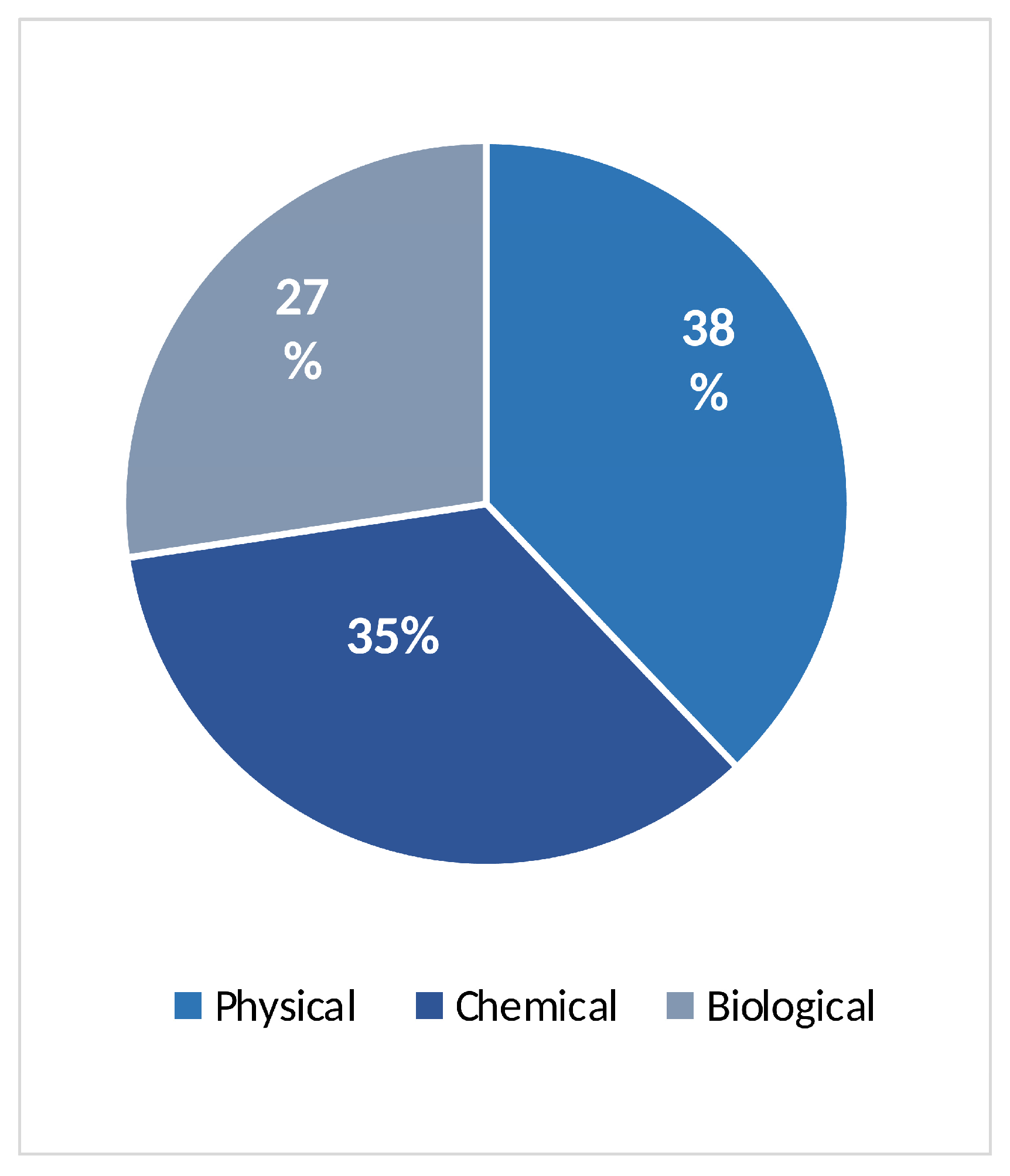
Out of the total sample (n = 80), 41 respondents indicated that they considered soil properties in their professional practices. These respondents further specified which categories of soil properties they took into account (Figure 4). Physical and chemical soil properties were mentioned most frequently, whereas biological properties received substantially less attention.
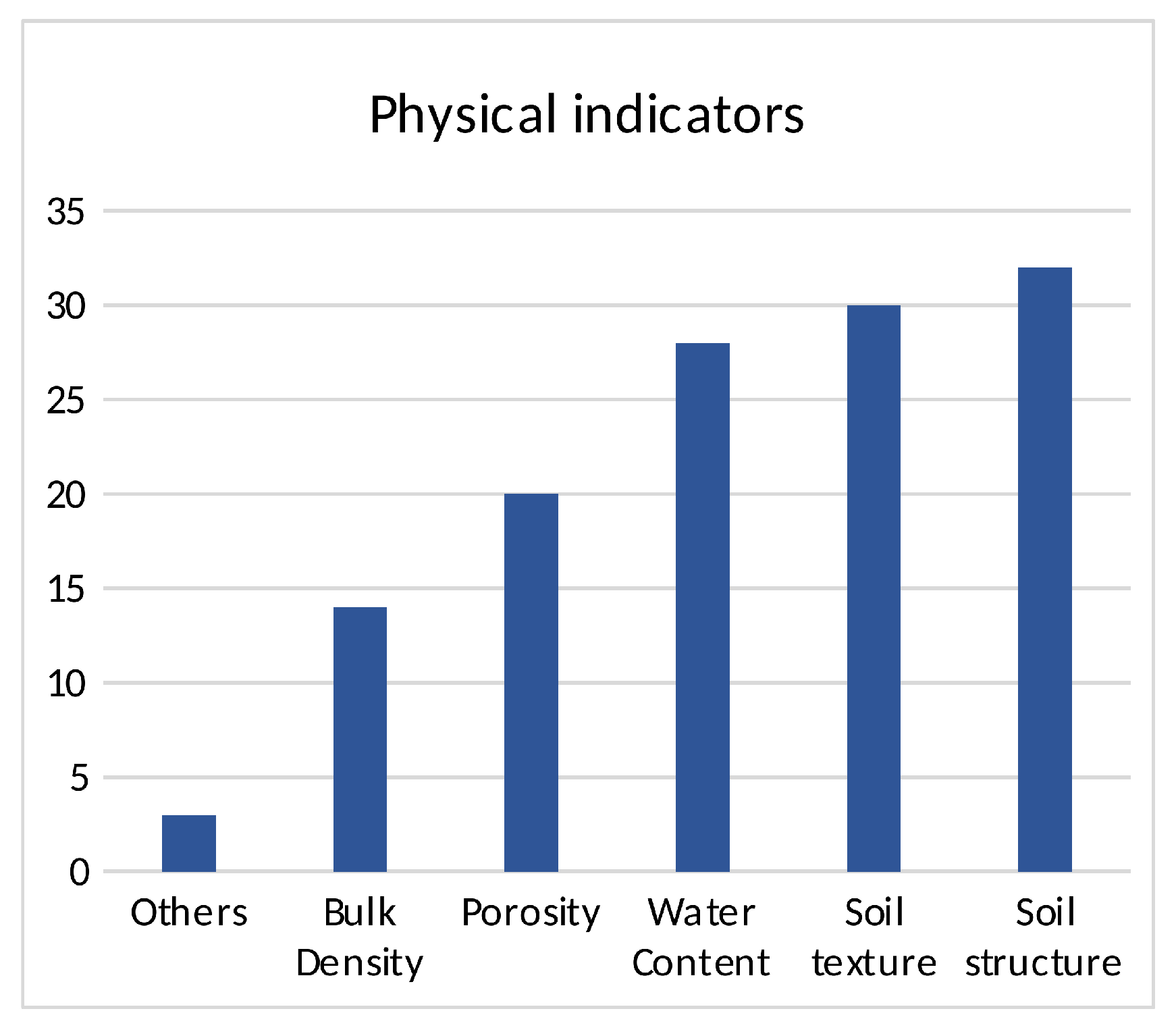
Respondents who considered soil properties reported using a range of physical indicators (Figure 5). Among these, soil structure, soil texture, and soil water content were most commonly taken into account. In contrast, indicators such as bulk density were considered far less frequently. A limited number of respondents also mentioned indicators including soil compaction, load-bearing capacity, soil hardness, and soil type.
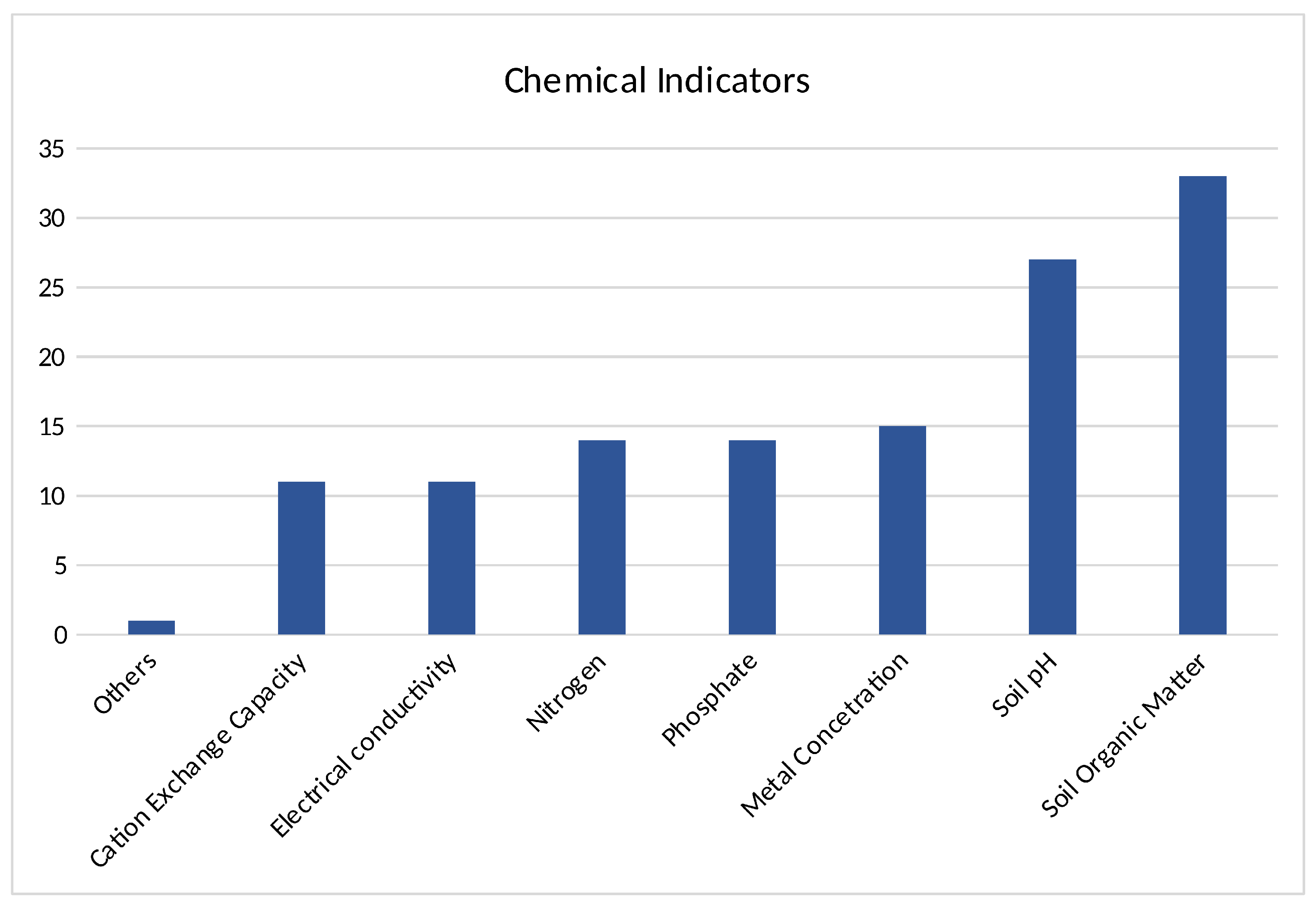
With regard to chemical indicators, soil organic matter and soil pH emerged as the most frequently assessed parameters in respondents’ practices (Figure 6). A small number of respondents also reported evaluating the presence of soil contaminants or toxins, which were grouped under the “other” category.
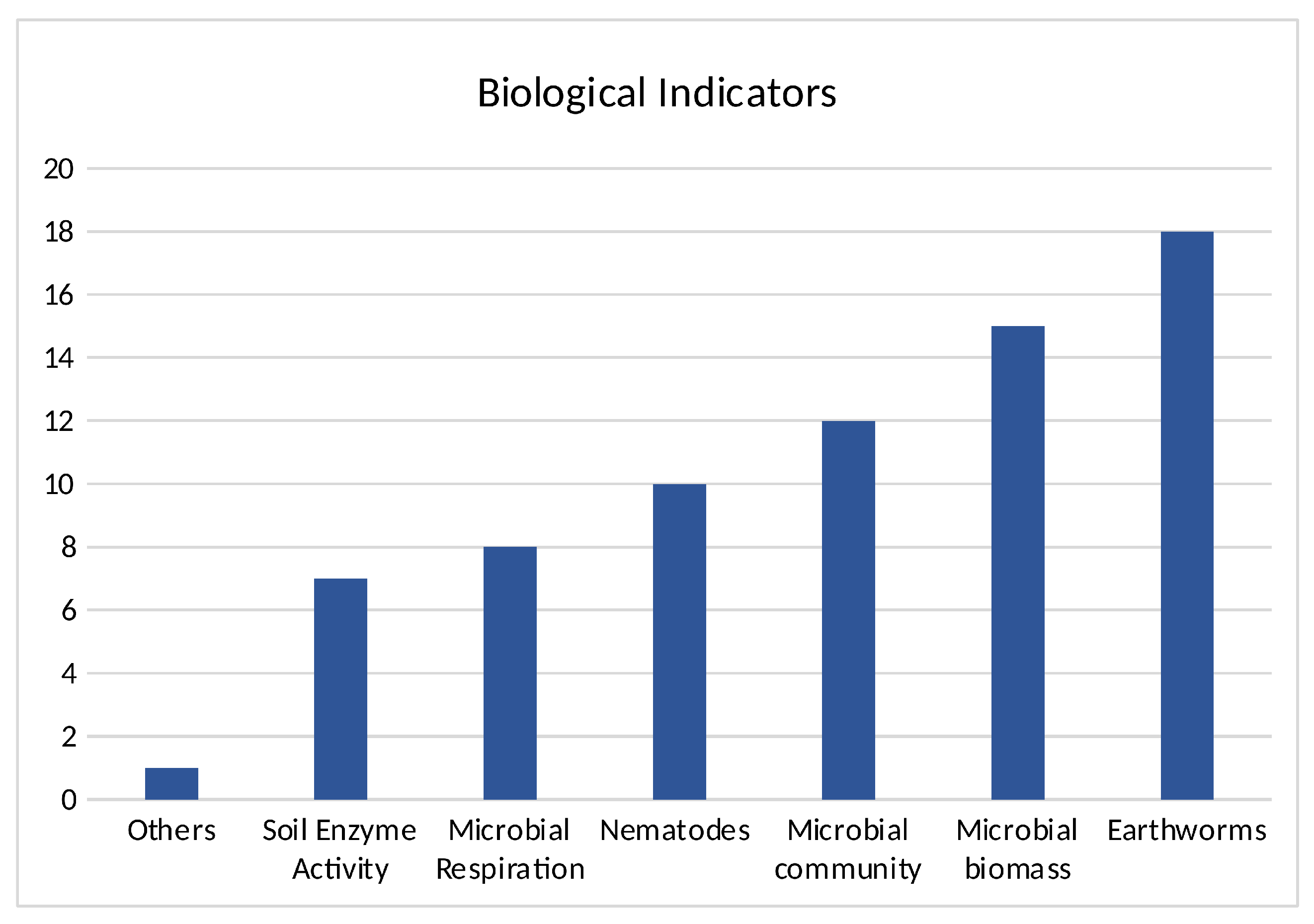
The use of biological indicators was comparatively limited (Figure 7). Among those who did consider biological aspects of soil, earthworms and microbial biomass were the most commonly cited indicators. One respondent reported using indicator plant species, which was classified under the “other” category. Another respondent indicated that comprehensive soil tests were conducted when relevant, but did not specify which biological indicators were included.

4.5. Soil Regeneration: Awareness, Implementation, and Approaches

4.5.1. Perceived Importance

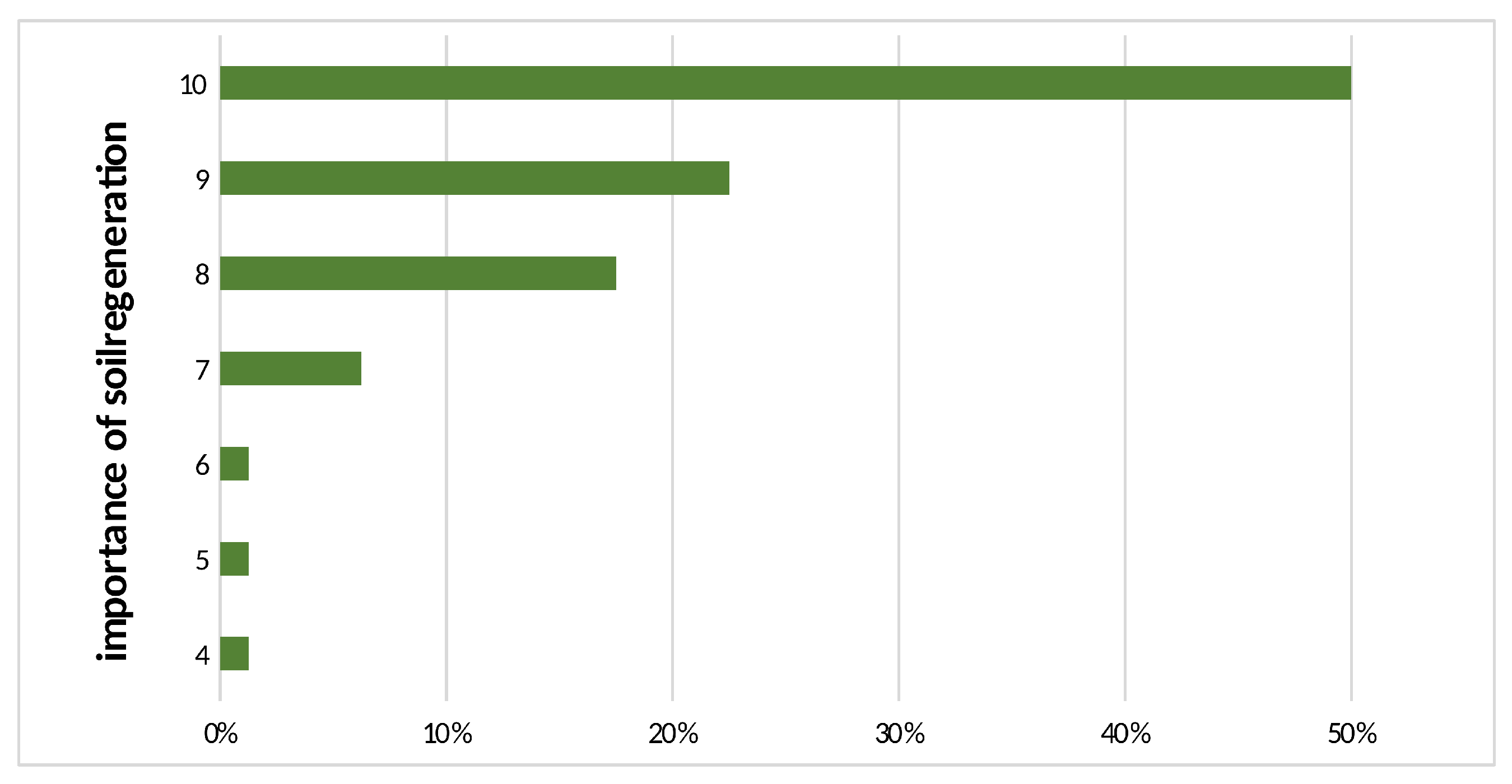
Most respondents recognized the importance of soil regeneration in urban areas (Figure 8). Forty respondents rated the importance with a score of “10” (highest importance). In total, 96% of respondents (n = 77) attributed an importance value of “7” and above. No respondents assigned a value ranging from 1 to 3. According to respondents, the importance of soil regeneration stems from the considerable alterations that urban soil undergoes, which negatively impact soil health (PPN 1, 16, 19). Additional reasons included associated benefits for biodiversity preservation, climate resilience, support for ecosystems, and food security. Some respondents noted that soil regeneration is essential for creating green cities, securing sustainable futures, and ultimately ensuring human survival (PPN 5, 25, 46, 53).

4.5.2. Implementation Rates

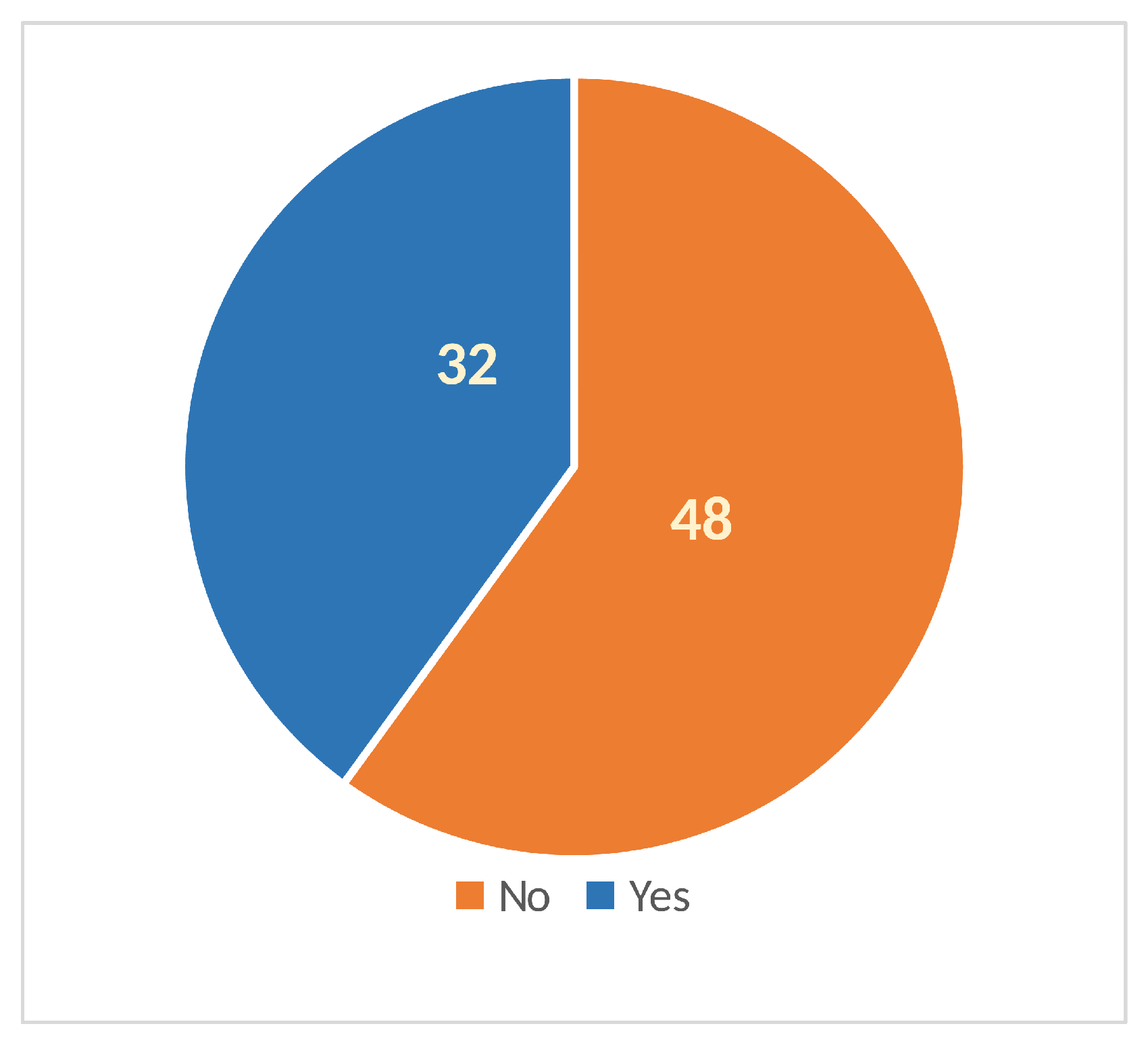
Despite the widespread recognition among the respondents of the importance of soil regeneration, implementation remained limited. Survey results revealed a significant gap between awareness and practice: while 96% of respondents (n = 77, from the number 7 and onwards) acknowledged the importance of soil regeneration (Figure 8), only 40% of the respondents (n = 32) actually implemented such practices (Figure 9).
Some respondents indicated that soil regeneration fell beyond their organizational scope, as they provided primarily advisory and educational services without direct soil contact (PPN 19, 47). Others cited limited knowledge, resources, and policies related to urban soil regeneration. Representative quotes included: “We used to focus on nesting opportunities for birds and diverse vegetation. Attention to the soil for us is a new and relatively unknown aspect” (PPN 47), and “It is an aspect of urban growth we wish to cover but we need to have input from specialists in the area” (PPN 67). Policy gaps were also noted: “Not yet part of a policy, other than specific health/safety prescriptions, and policies that prescribe the soil & water system guidance in area development in general” (PPN 69).

4.5.3. Specific Approaches and Techniques

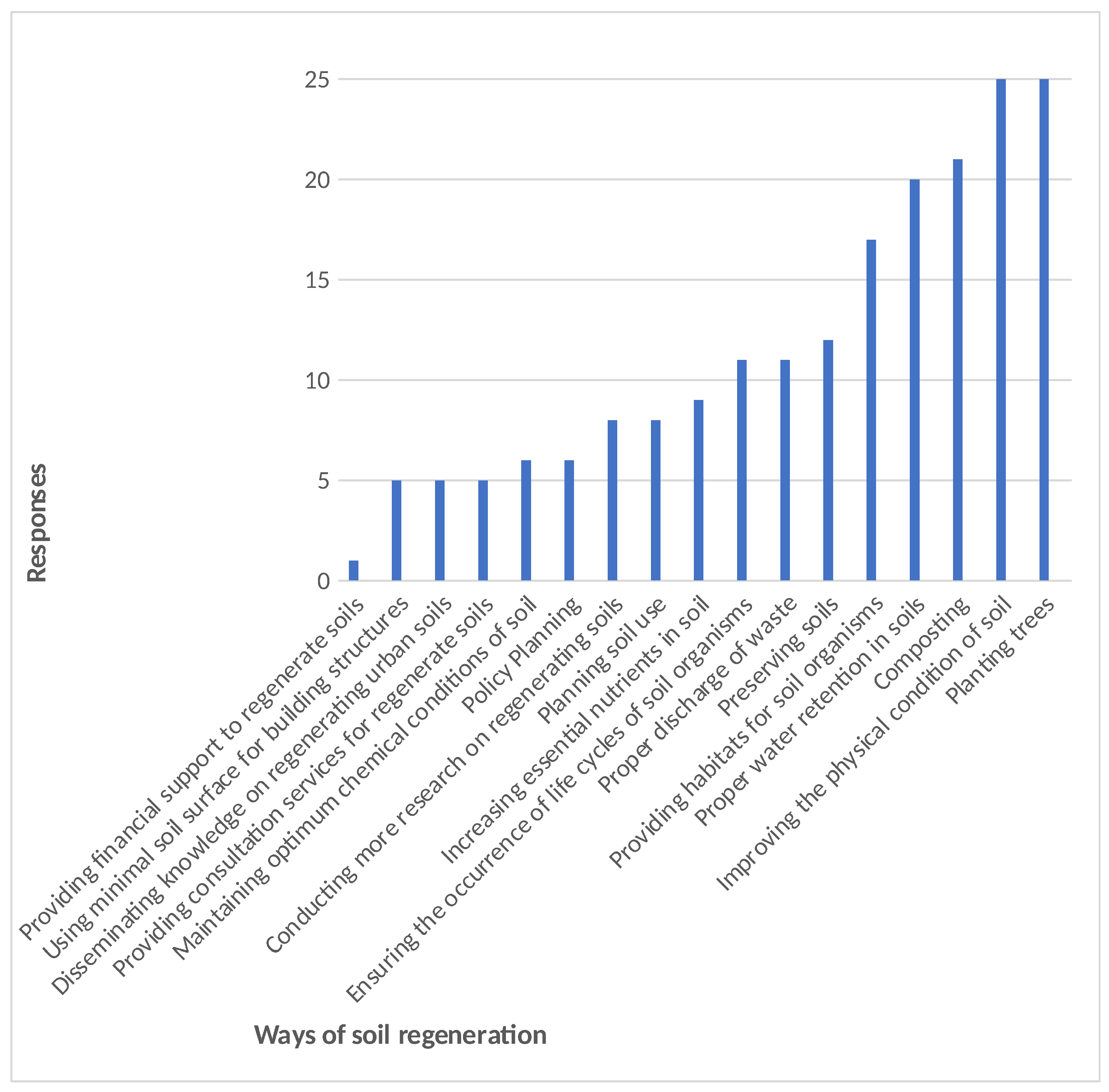
Among respondents implementing urban soil regeneration, tree planting was the most commonly reported method, followed by improving the physical condition of soil and composting. Water retention in soil was also frequently mentioned. Providing financial support to regenerate soils was the least common approach (Figure 10). All these approaches represented both direct and indirect strategies for soil regeneration.
Respondents reported a wide range of concrete strategies to improve soil health and functioning. Several respondents described the use of soil organisms, such as earthworms and mycorrhizae, to enhance soil conditions, promote tree growth, and suppress soil-borne pathogens (PPN 5, 25, 75). The application of soil amendments, including compost, mulch, and crop rotation, was frequently mentioned (PPN 25, 50, 60, 72, 76). One respondent specifically noted an increase in soil carbon following compost application in a vegetable garden (PPN 75). In addition, respondents reported adopting organic management practices, such as biological soil conditioning and the avoidance of chemical inputs (PPN 25, 50, 76).
The planting of diverse and native vegetation emerged as another commonly cited strategy (PPN 28, 43, 60, 65, 72, 75). Measures aimed at minimizing soil disturbance were also mentioned, including reduced mowing regimes, particularly in areas around trees (PPN 72, 73). In contrast, the reduction in surface sealing in design practices was mentioned by only one respondent (PPN 77).
Several respondents referred to specific projects in which soil-regenerative principles were integrated into landscape design. Examples include the development of a Bees and Butterfly Garden in Hoofddorp (PPN 77) and a rose garden in Park Rivierenhof (PPN 50). Broader design approaches embedding soil regeneration were reported for the Buurtschap te Veld residential areas, where a regenerative design philosophy was applied (PPN 26), as well as projects emphasizing soil water retention capacity, such as the Food Center in Amsterdam and the Morandi Bridge area in Genoa (PPN 78).

4.6. Challenges to Soil Regeneration

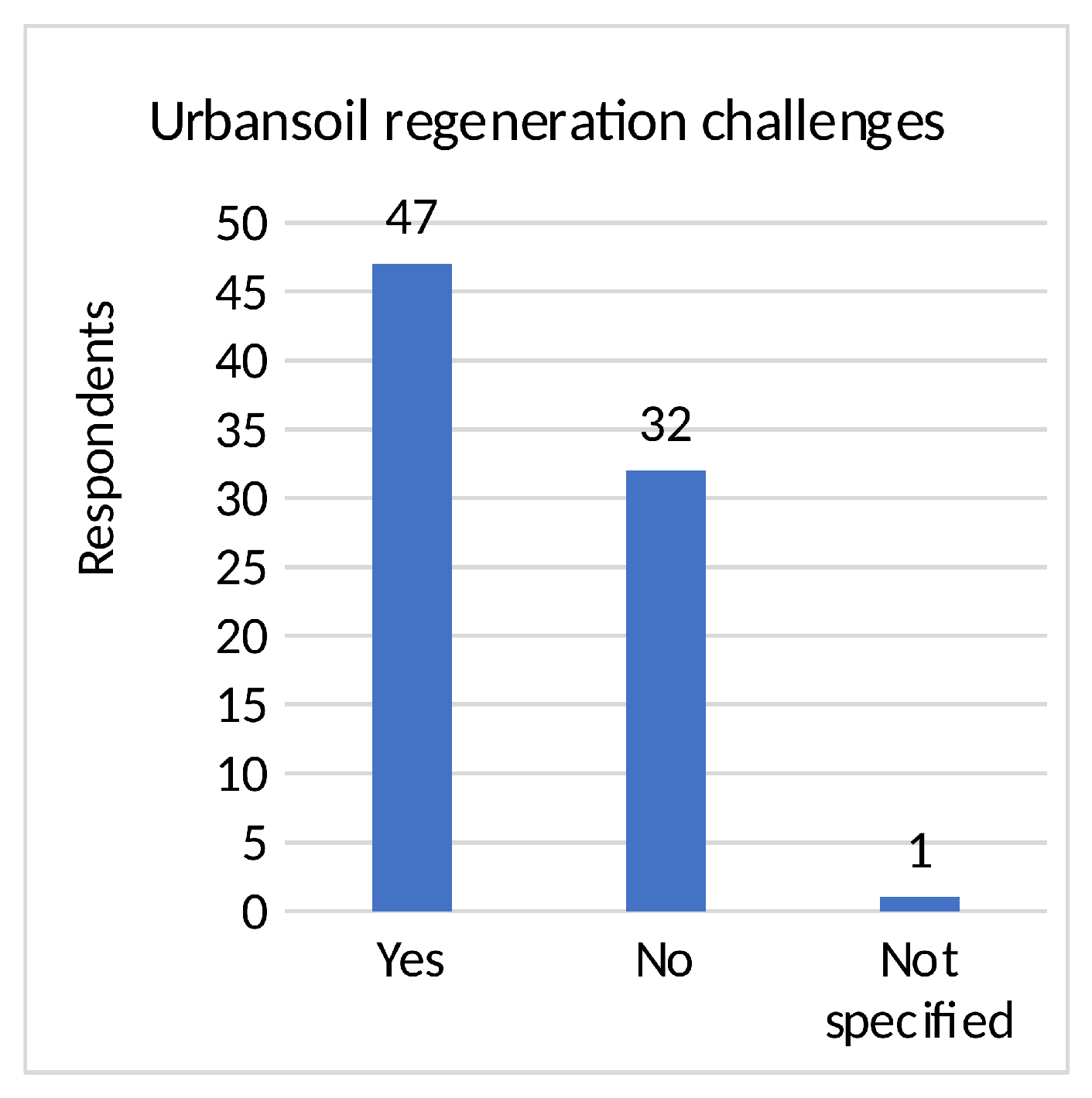
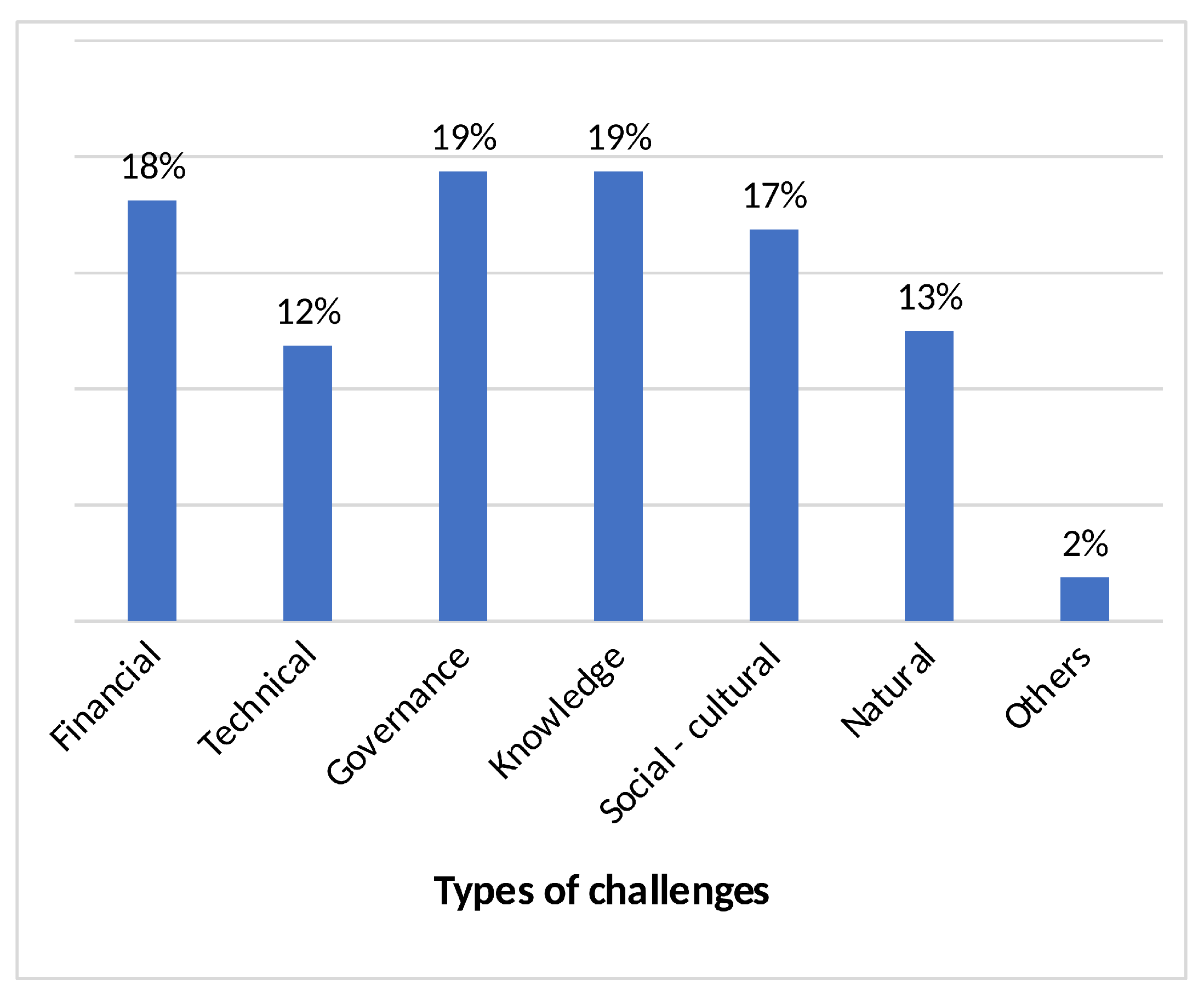
More than half of respondents (n = 47, 59%) confirmed facing challenges in their practice of soil regeneration (Figure 11). Governance, knowledge, finance, and social-cultural factors were identified as primary challenges, alongside natural and technical factors. Knowledge and governance were the most frequently cited barriers, each accounting for 19% of reported barriers, followed by financial (18%) and social-cultural (17%) factors. Natural factors (13%) and technical barriers (12%) were also reported, with other challenges accounting for the remaining 2% (Figure 12).
Soil planning and policy emerged as an important governance issue. One respondent noted: “We do not have any special planning for soils in municipalities” (PPN 1). Limited knowledge about soil ecosystems was reported: “I think that we need more knowledge about the total system of soil, growth, connection and economic values of the natural ecosystems” (PPN 53).
Financial challenges included lack of investment and profitability concerns. Representative quotes included: “There is a will, but we are a publicly traded company and also need to make money” (PPN 69), and “While working to facilitate projects on urban soil regeneration, we often face the challenges of finding financial resources as well as stakeholders that are interested in engaging in this type of project” (PPN 80). Other challenges mentioned included competing spatial claims, complexity, and acceptance issues (PPN 9, 35, 75, 80).

4.7. Strategies for Overcoming Challenges

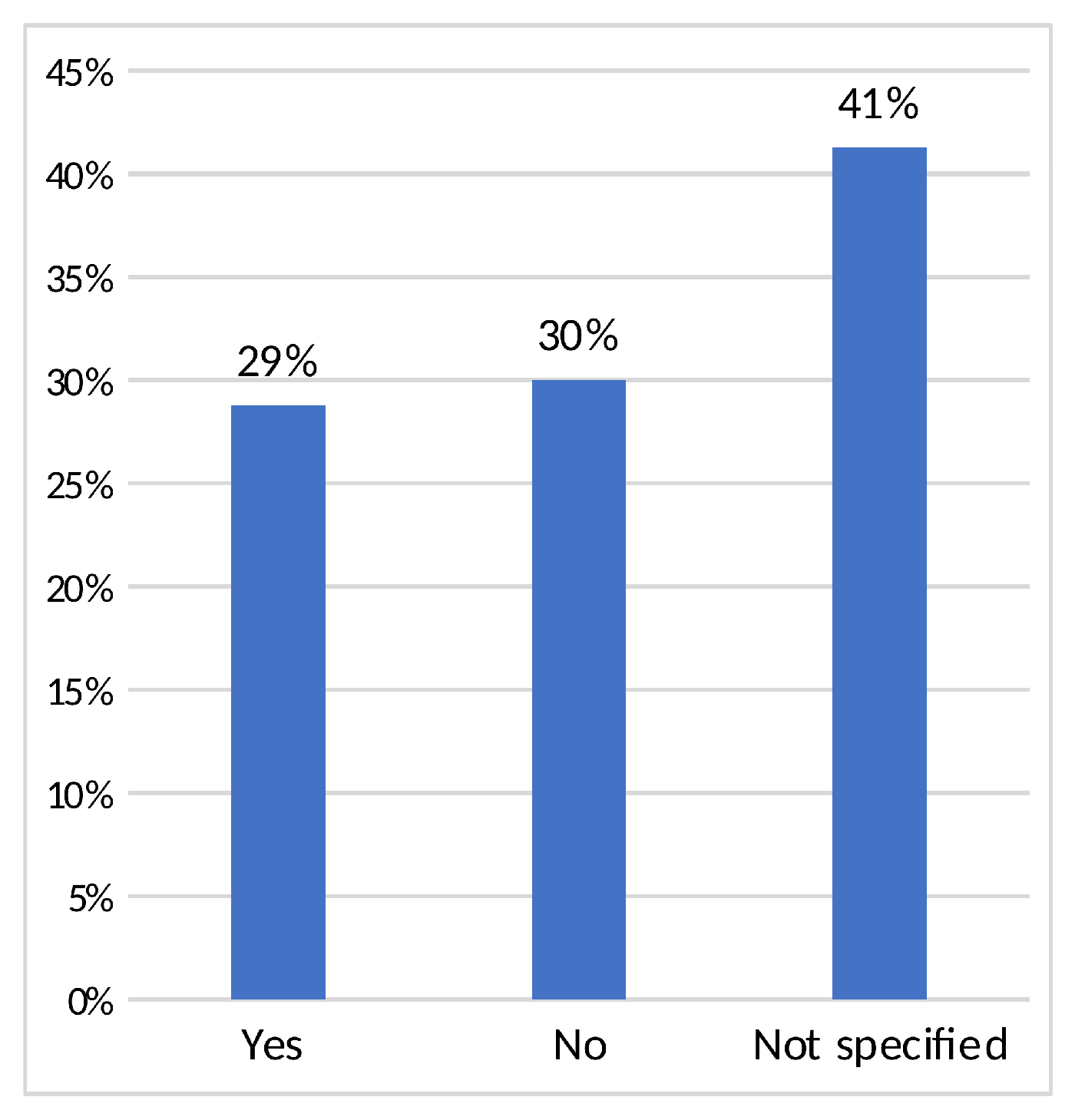
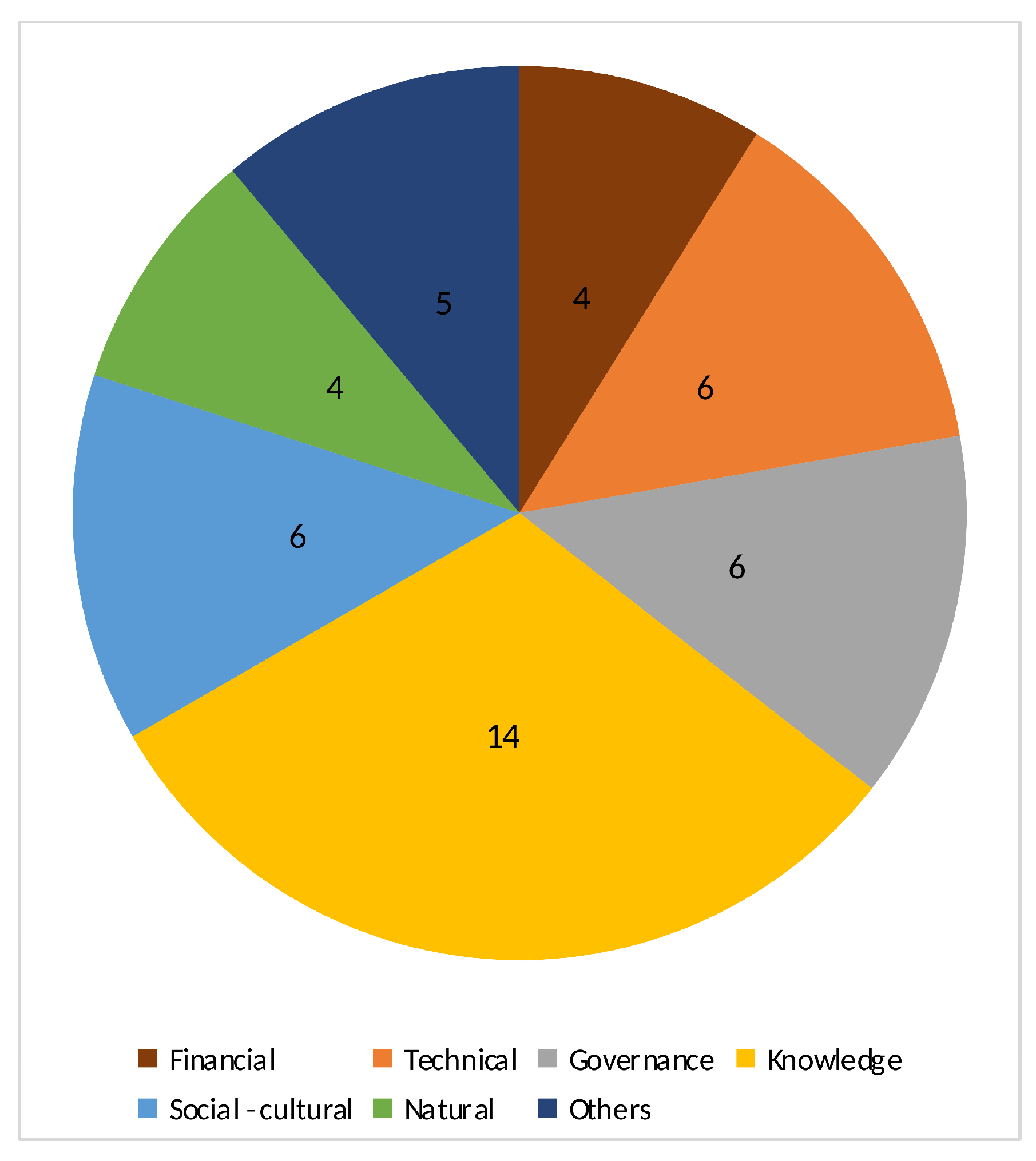
Of the respondents, 29% sought external support to address soil regeneration challenges, while 30% did not (Figure 13). A total of 41% of respondents did not answer this question. Among those seeking support, Figure 14 shows the distribution of external support sought across six predefined categories and a residual group of other answers. Because the question allowed multiple answers, the 23 respondents who sought support named 45 types of support in total. Knowledge-based support was by far the most frequently named category, accounting for 14 of the 45 mentions (31%). Technical, Governance and Social-cultural support followed, each with 6 mentions (13%), ahead of Financial and Natural support with 4 mentions each (9%). The remaining 5 mentions (11%) were open answers that did not fall within the predefined categories; these are shown as ‘Others’ in Figure 14. The clear predominance of knowledge-based requests, set against the low demand for financial support, suggests that practitioners experience the main constraint on urban soil regeneration as a shortage of applicable expertise rather than of funding.
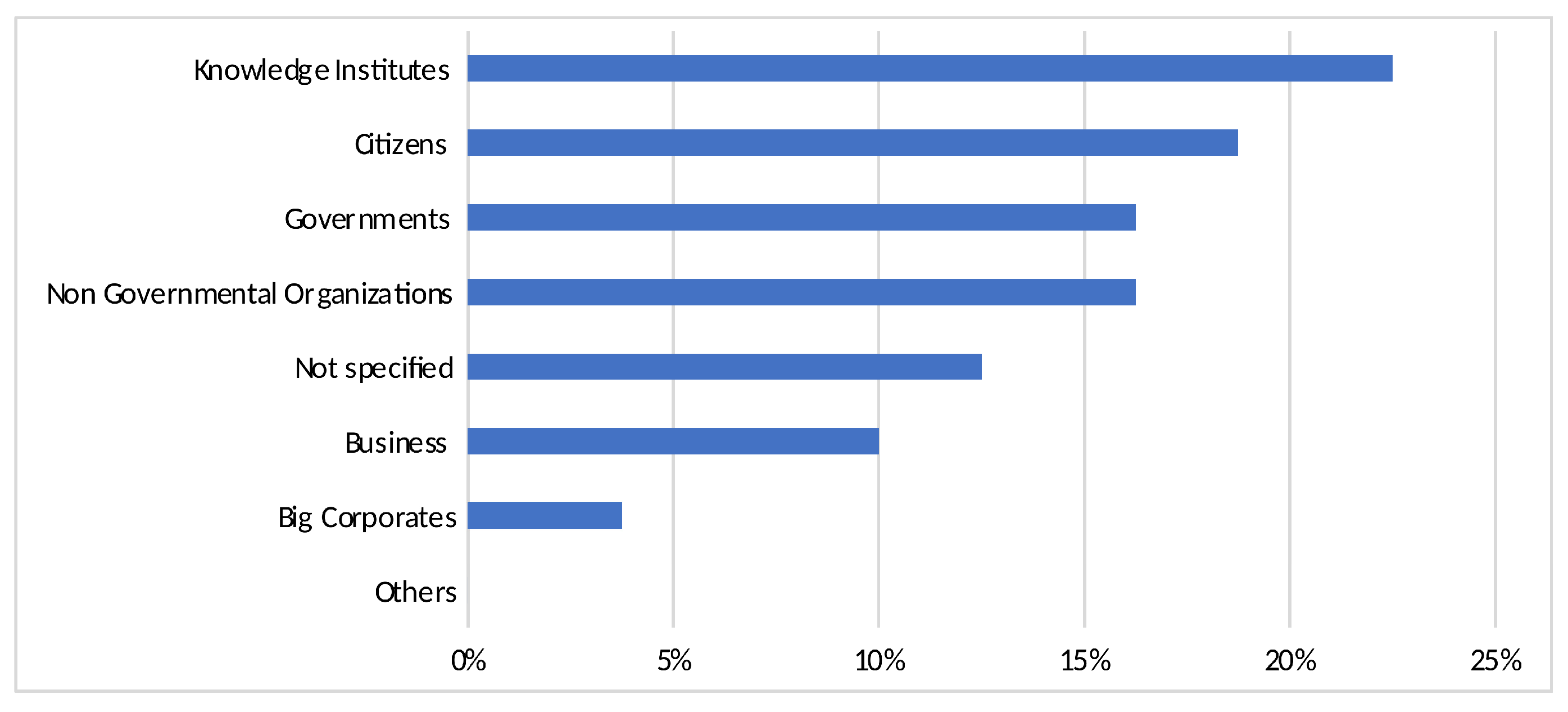
Regarding stakeholder consultation, knowledge institutions were the most frequently consulted, accounting for approximately 23% of responses (Figure 15). Citizens (19%), governments (16%), and NGO groups (16%) collectively accounted for approximately 51%. Large corporates were the least consulted stakeholder group.

5. Discussion

This study explored how urban soil management practices can be transformed to better integrate the intrinsic and future value of nature. This section situates the findings within existing literature and examines the structural and conceptual tensions that explain why ecocentric values remain difficult to embed in everyday practice.

5.1. Stakeholder Diversity and Cross-Sectoral Soil Governance

Urban soil management is inherently cross-sectoral, involving actors whose mandates and expertise rarely align. This calls for integrated soil governance approaches involving a variety of stakeholders that explicitly recognize soils as living systems embedded in social–ecological networks, for example through NbS frameworks, knowledge programs and ecosystem management plans [5,6]. Without shared mandates or coordinating mechanisms that recognize soil as a living system with long-term functions, responsibilities for restoring degraded soil capacities may remain scattered across sectors that individually lack the mandate or resources to act [8,26]. Because NbS are designed, planned, and stewarded through the interaction of diverse actors and forms of expertise, Frantzeskaki et al. [6] argue that a stronger inter- and transdisciplinary knowledge base is needed to bring these perspectives together. The soil indicators discussed in this study illustrate why such a knowledge base must itself be interdisciplinary: assessing urban soil draws on physical indicators such as bulk density and porosity, chemical indicators such as pH and soil organic matter, and biological indicators such as microbial biomass and earthworm activity (see Table 2). These dimensions are studied within distinct disciplinary traditions and are typically the responsibility of different actors, from geotechnical engineers and soil chemists to ecologists, yet a living-systems understanding of soil requires that they be read together rather than in isolation. Integrating the perspectives of the diverse actors who manage urban soil is therefore both an epistemic and a governance challenge, requiring that physical, chemical, and biological knowledge be combined to recognise soil as a single functioning system.

5.2. Values: Recognition Without Operationalization

The survey results show that respondents broadly recognize multiple values of urban soil. Many stakeholders attribute not only functional and economic value to soil, but also cultural, future-oriented, or intrinsic values. This pattern is in line with calls in the literature for relational, ecocentric and more-than-human approaches to urban nature [10,11,20], suggesting that practitioners are beginning to engage with these framings, even if, as the following sections show, this recognition does not yet consistently translate into practice.
The value of the anthropocentric–ecocentric continuum lies less in sorting practitioners into camps than in making visible how they hold several ways of valuing soil at once. The findings invite the reader to think about soil valuation as a matter of degree and combination rather than of either/or positions. Value recognition in the sample was frequently mixed: a majority of respondents (60%) attributed two or more values to soil simultaneously, and many combined anthropocentric and ecocentric framings instead of aligning cleanly with one pole. A respondent recognising, for example, both cultural and future values is not straightforwardly anthropocentric or ecocentric; such a mixed orientation indicates that soil is valued both for its contribution to human experience and for its longer-term ecological continuity, with these framings coexisting and potentially reinforcing one another in everyday reasoning. This is consistent with the observation that cultural values, although classified here as anthropocentric, can act as a relational bridge toward ecocentric concern rather than as its opposite [10]. Because the quantitative analysis in Section 4.3 reports each value category as a separate frequency, it cannot capture these constellations directly; the typology is therefore best read as a means of locating practitioners along a spectrum of orientations rather than as a partition into fixed types. Which value combinations occur most often, and whether particular constellations translate more readily into regenerative practice, is a question the present sample is too small to resolve and one we flag as a priority for future research.
Nevertheless, the results indicate a gap between value recognition and practical application [51]. Although intrinsic and future values are acknowledged conceptually, they are rarely embedded explicitly in practice [52]. Value recognition only becomes consequential when translated into operational norms, indicators, and clear responsibilities [51,53]. In practice, the anthropocentric values continue to dominate because they are more easily justified within existing institutional settings [10,52]. These settings tend to prioritize short-term outcomes [54], which may explain why ecocentric values are difficult to embed in routine decision-making. Governance and financial barriers weigh most heavily on intrinsic and future values, since acting on these requires long-term, cross-sectoral investment that fits poorly with short project cycles and fragmented mandates, conditions more easily met for anthropocentric, short-term deliverables. That intrinsic values are recognised by half the sample (50%) is nonetheless a substantial starting point, given that more ecocentric framings of soil are largely absent from formal urban policy and planning frameworks.

5.3. Soil Indicators and the Limits of Current Assessment Practices

The strong emphasis on physical and chemical soil indicators, combined with the limited use of biological indicators, reflects current assessment practice in urban contexts [23,26,36]. While physical stability and chemical safety are clearly important, this narrow focus constrains the recognition of soil as a living system.
Biological indicators such as microbial activity and soil fauna are crucial for long-term soil resilience, nutrient cycling, and ecosystem functioning, yet they remain marginal in everyday practice [41,47,48]. Biological indicators measure living soil processes that are only analytically relevant if soil is understood as a living system rather than a technical substrate; this is why their use in routine assessment can serve as an operational proxy for ecocentric soil valuation. It should be acknowledged, however, that biological assessment is not definitionally ecocentric: these indicators can also be mobilised within anthropocentric frameworks focused on optimising ecosystem service delivery, and the proxy relationship should therefore be understood as tendential rather than absolute. Part of the explanation is practical: biological assessments generally require more specialist expertise, longer processing times, and higher costs than standard physical or chemical tests, which connects to the knowledge and financial barriers respondents reported. This imbalance hampers the operationalization of intrinsic soil value. The findings therefore support calls for more integrated indicator frameworks [26,55,56] that integrate biological dimensions and make ecological processes visible and usable in practice. Such a shift could also make urban soil’s restorative functions, including carbon sequestration, nutrient cycling, pollutant filtering, and water retention [2,24], more visible and measurable in everyday practice. This may help practitioners and policymakers recognize these functions as relevant criteria in soil assessment and management.

5.4. Regenerative Practices and the Awareness–Action Gap

Nearly all respondents rated the importance of soil regeneration highly, with 96% assigning a score of 7 or above (Figure 8), yet less than half actually implement regenerative practices. Both figures—96% (Figure 8) and 40% (Figure 9)—measure recognition and enactment of the same practice, which is what makes their divergence an awareness–action gap rather than an artefact of comparing unlike categories. The gap between 96% awareness and 40% implementation is the study’s central empirical finding. How the LinkedIn sampling strategy may shape the direction and magnitude of this gap, and why both possible directions reinforce the same conclusion, is discussed in Section 7. The gap does not appear to originate primarily in a lack of motivation. Functions such as water retention, carbon sequestration, and nutrient cycling are typically neglected because the economic and institutional arrangements that practitioners work within rarely reward their maintenance [54]. Long-term soil functions largely fall outside conventional mechanisms of compensation or regulation.
When practitioners do implement regenerative practices, they tend to work with soil as a living system: reducing disturbance, enhancing biological activity, using native vegetation, and avoiding chemical inputs [33,57,58,59]. This is why regeneration can be read as a step further along the continuum set out in Section 2.2, towards its ecocentric pole. Where anthropocentric soil management treats soil as an inert substrate to be optimised for human purposes such as load-bearing capacity, drainage, or productive yield, regeneration takes as its object the soil’s own functional integrity as a living system and seeks to restore the biological activity and natural processes on which that integrity depends. Its aim is the recovery of soil’s intrinsic ecological functioning and its long-term continuity, reflecting the intrinsic and future values operationalised here as ecocentric (Section 2.4), rather than the immediate human benefit that anchors the anthropocentric pole. What moves regeneration along the continuum is thus the ethic it expresses, not the techniques in themselves: in working to restore soil instead of merely exploiting it, regenerative practice embraces a moral orientation that grants intrinsic value to nature and to soil itself. This supports the conceptual case introduced in Section 2.2. Drawing on Congreves [60], who frames agricultural regeneration as an ethic that widens moral consideration to the living system rather than abandoning human concerns, the present findings show that the same dual orientation plays out in an urban setting: where practitioners do regenerate soil, they pursue its ecological integrity without ceasing to serve human ends. Regeneration is therefore better understood not as purely ecocentric, but as the point at which practice leans furthest towards the ecocentric end of the spectrum. This alignment should be read with the same caution noted for biological indicators in Section 5.3: the practices counted as regenerative were themselves defined in terms of reduced disturbance and biological activity, so their convergence with ecocentric principles follows from the way the categories were constructed rather than being established independently of them. The point is conceptual rather than empirical: because regeneration was defined in terms of restoring biological activity and natural soil processes, and ecocentric value in terms of soil as a living system, the two notions overlap by construction. The claim that regeneration belongs towards the ecocentric pole therefore rests on the conceptual argument set out above and on its grounding in the wider literature [60]. Yet this conceptual alignment does not straightforwardly translate into practice. For most respondents the limiting factor is structural rather than motivational: the governance, financial, and knowledge conditions that would make regenerative practices a viable everyday choice remain largely absent [6,8,54].

5.5. Barriers as Structural Rather than Motivational Constraints

Respondents identified issues of knowledge, governance, and finance as the main barriers to soil regeneration. These barriers are predominantly structural and not motivational, as the practitioners generally report caring about soil health. The knowledge barriers therefore concern not practitioners’ general awareness but their practical, context-specific understanding of soil ecology [8,26]: how to assess soil biology, which interventions work in which conditions, and where to find reliable guidance. Governance barriers reflect a fragmented system in which no single actor has a clear mandate for urban soil [6]: responsibilities are spread across municipalities, developers, and managers who each lack the authority or resources to act alone. Financial barriers stem from the fact that soil regeneration requires upfront investment with returns that are long-term and diffuse, which sits poorly with short project time horizons and limited public budgets [54]. The fragmentation respondents describe is in line with findings on urban green governance: Buijs et al. [61] show that the diverging aims, place-specific focus, and varying expertise of the many actors involved in urban green space hinder coordinated action and upscaling beyond the local scale, a pattern that fits the dispersed responsibility for urban soil reported here.
The prominence of these barriers suggests that transforming urban soil management depends on changes in the knowledge, governance and financial conditions within which practitioners operate. Respondents’ calls for support from knowledge institutions and governments point toward the need for collaborative infrastructures, such as new forms of finance, practice-oriented guidelines, and supporting policy frameworks capable of translating values into sustained action [6,8]. The pattern of support-seeking reinforces this picture. Among respondents who did seek external support, knowledge-based assistance was the most frequently requested category, while financial support was among the least frequently named. The balance of these requests points to a field in which the binding constraint is expertise rather than funding.

6. Conclusions

This study examines strategies that transform urban soil management practices to integrate ecocentric values of nature, addressing five sub-research questions related to stakeholders, values, indicators, practices, and barriers. The answer to the main research question is that transformation requires movement on three interdependent fronts: broadening soil assessment to include biological indicators as a means of making ecocentric soil values operationally visible, building the knowledge infrastructure through which practitioners can act on what they already value, and reshaping the governance and funding conditions that currently make regenerative practice the exception rather than the rule.
Most respondents operate across multiple roles, designing, maintaining, analysing, or governing soil. The value findings show that nearly all respondents (95%) recognise at least one explicit value of urban soil, and a majority (60%) attribute several at once. Physical and cultural values, predominantly anthropocentric in orientation, were most frequently reported. A substantial share of respondents also acknowledge future values (65%) and intrinsic values (50%), indicating growing conceptual acceptance of ecocentric perspectives. However, this recognition does not consistently translate into practice.
Soil assessment in urban practice remains largely focused on physical and chemical indicators, while biological indicators are underutilized, despite their importance for soil functioning and ecosystem resilience. This imbalance reinforces anthropocentric framings of soil as a technical substrate rather than a living system, limiting the operationalization of intrinsic ecological value.
The results further reveal a clear awareness–action gap in soil regeneration. While nearly all respondents recognize the importance of soil regeneration, only 40% actively implement regenerative practices. These practitioners adopt approaches that support natural soil processes, such as using native vegetation, avoiding chemical inputs, reducing disturbance, and enhancing biological activity. Conceptually, regeneration so understood sits towards the ecocentric pole of the continuum, since it engages with soil as a living system with intrinsic ecological value rather than as a substrate for human use [60].
Respondents name knowledge gaps, governance shortcomings, and financial constraints as the primary barriers preventing wider adoption of soil regeneration. They point to the absence of explicit soil policies, limited access to practical soil ecology knowledge, and insufficient financial incentives as what collectively hinders the translation of values into action. Respondents themselves look to knowledge institutions, governments, and civil society organisations for support, which points to the kind of cross-actor collaboration that current arrangements do not yet routinely enable.
Transforming urban soil management therefore requires: (1) integrating biological indicators into standard soil assessments, (2) strengthening knowledge exchange through living labs and practitioner-oriented tools, and (3) embedding soil regeneration targets across the policy, procurement, and funding mechanisms that shape urban development. In practice, a soil-inclusive procurement policy could, for example, require biological soil indicator baselines as a criterion in green infrastructure tendering, making soil health a standard contractual requirement rather than an optional add-on. Living labs could be formalised as place-based structures that produce and share context-specific soil ecology knowledge, directly addressing the practical guidance gap that respondents identified as a key barrier to action.
These conclusions return, finally, to the NbS agenda with which this study began. The awareness–action gap is consequential for NbS specifically: where regenerative attention to soil is recognised but not enacted, the interventions that rely on it may fail to support vegetation, regulate water flows, or provide habitat, even when they are otherwise well designed. Embedding soil health as a standard criterion in the design, monitoring, and procurement of NbS is thus a precondition for the ecological outcomes these solutions are intended to deliver.
In positioning ecocentric soil practices and their institutionalisation at the heart of sustainable urban transitions, this study contributes to wider debates on restorative economics. Yet embedding such practices through knowledge, governance, and funding arrangements is, in the end, inseparable from a deeper shift in how soil itself is imagined. Most practitioners in this study combined anthropocentric and ecocentric valuations rather than choosing between them. Research and policy will need to take this plurality seriously, treating soil as a material, cultural, and ecological resource at once, rather than reducing it to any single dimension.

7. Limitations

This study has several limitations that should be considered when interpreting the findings. The survey was distributed through LinkedIn, which likely overrepresents practitioners with above-average awareness of and interest in urban soil management. This may inflate reported levels of value recognition and regenerative awareness. As a result, it remains unclear whether the awareness–action gap [51,53] identified here overestimates or underestimates the gap within the broader population of urban soil stakeholders. On the one hand, higher levels of awareness among respondents may inflate the perceived gap, as the sample overrepresents individuals already predisposed to recognize the importance of soil regeneration. On the other hand, these respondents may also be more actively engaged in implementation than the broader practitioner population, which could compress the observed gap. Together, the net effect of this sampling bias on the size of the gap therefore remains uncertain; both directions are plausible, and the 40% implementation rate should be read accordingly. Such sampling bias is a recognized feature of convenience samples drawn from professional networks and is common in exploratory practitioner research, where the aim is to map the leading edge of a field rather than provide a representative average [62,63]. The sample is also relatively small (n = 80) and geographically skewed toward Dutch and European contexts, which constrains the generalizability of the findings [64]. However, sample sizes in this range are considered adequate for exploratory survey research aimed at hypothesis generation and pattern identification rather than statistical inference [64,65], and the Dutch context provides a particularly relevant case given the country’s advanced but contested tradition of engineered landscape and soil governance [61]. In addition, the data are self-reported: stated values and practices may not fully correspond to actual professional behavior in the field [66]. This gap between stated and enacted behavior is a widely documented phenomenon in survey-based research [66,67] and in sustainability contexts specifically [68]. Claims about institutional barriers are similarly grounded in practitioner perceptions and cannot be verified against independent policy analysis or institutional mapping. Finally, the cross-sectional design captures perceptions at a single point in time and cannot track changes in awareness or practice over time [65]. A further limitation concerns the measurement of value orientations. “Intrinsic value” is a conceptually demanding notion, and a single self-selected survey item cannot establish that respondents interpreted it in the strict philosophical sense of worth independent of all human valuation rather than as a looser expression of strong environmental concern; the 50% figure is therefore better read as evidence that ecocentric language resonates with practitioners than as a precise count of those holding a fully ecocentric position. The interpretation of regenerative practices and biological indicators as ecocentric rests on a conceptual argument developed in Section 2.2 and Section 5.4 rather than on an independent empirical test. These limitations, considered in combination, suggest that the findings should be read as indicative rather than representative. Future research would benefit from larger, more geographically diverse samples and from longitudinal or mixed-method designs capable of linking stated values to observable practice.

Supplementary Materials

The following supporting information can be downloaded at: https://www.mdpi.com/article/10.3390/su18168361/s1, Supplementary Material S1: Survey questionnaire.

Funding

This research received no external funding.

Institutional Review Board Statement

Ethical review and approval were waived for this study, as the survey involved voluntary participation, collected no sensitive personal data, and guaranteed respondent anonymity in accordance with institutional guidelines.

Informed Consent Statement

Informed consent was obtained from all participants in this study.

Data Availability Statement

The data presented in this study are available on request from the corresponding author.

Acknowledgments

The author wishes to thank the two research assistants who supported the survey and the analysis of the responses. During the preparation of this manuscript, the author used Claude Sonnet 4.5 (Anthropic) to assist with drafting and language editing of parts of the text, working from the author’s own original texts and outline. AI tools were not used for survey design, data collection, coding, analysis, or interpretation of the results, which were carried out by the author and the two research assistants. The author has reviewed and edited all AI-assisted output and takes full responsibility for the content of this publication.

Conflicts of Interest

The author declares no conflicts of interest.

Abbreviations

NbS: Nature-based Solutions; MEA: Millennium Ecosystem Assessment; IPBES: Intergovernmental Science-Policy Platform on Biodiversity and Ecosystem Services; SOM: Soil Organic Matter; CEC: Cation Exchange Capacity; NGO: Non-Governmental Organisation; PPN: Participant Number (anonymised respondent identifier).

References

  1. Morel, J.L.; Schwartz, C.; Florentin, L.; de Kimpe, C. Urban soils. In Encyclopedia of Soils in the Environment; Hillel, D., Ed.; Elsevier: Oxford, UK, 2005; pp. 202–208. [Google Scholar]
  2. O’Riordan, R.; Davies, J.; Stevens, C.; Quinton, J.N.; Boyko, C. The ecosystem services of urban soils: A review. Geoderma 2021, 395, 115076. [Google Scholar] [CrossRef] [Scilit]
  3. United Nations. World Urbanization Prospects 2025: Summary of Results; UN DESA/POP/2025/TR/NO. 12; United Nations Department of Economic and Social Affairs, Population Division: New York, NY, USA, 2025; Available online: https://population.un.org/wup/ (accessed on 8 June 2026).
  4. Rezapour, S.; Nouri, A.; Shokohi, M.; Alamdari, P. Urbanization accelerates soil degradation in peri-urban compared to rural farms. Sci. Rep. 2025, 16, 3878. [Google Scholar] [CrossRef] [Scilit] [PubMed]
  5. McPhearson, T.; Kabisch, N.; Frantzeskaki, N. Nature-based solutions for sustainable, resilient, and equitable cities. In Nature-Based Solutions for Cities; McPhearson, T., Kabisch, N., Frantzeskaki, N., Eds.; Edward Elgar Publishing: Cheltenham, UK, 2023; pp. 1–11. [Google Scholar] [CrossRef] [Scilit]
  6. Frantzeskaki, N.; Wijsman, K.; Kabisch, N.; McPhearson, T. Inter- and transdisciplinary knowledge is critical for nature-based solutions to contribute to just urban transformations. Proc. Natl. Acad. Sci. USA 2025, 122, e2315911121. [Google Scholar] [CrossRef] [Scilit] [PubMed]
  7. Yang, H.; Chae, J.; Song, C.; Choi, E. Research trends of nature-based solutions: From urban to climate change. Front. For. Glob. Change 2024, 7, 1351189. [Google Scholar] [CrossRef] [Scilit]
  8. Giuliani, L.M.; Warner, E.; Campbell, G.A.; Lynch, J.; Smith, A.C.; Smith, P. Advancing nature-based solutions through enhanced soil health monitoring in the United Kingdom. Soil Use Manag. 2024, 40, e13164. [Google Scholar] [CrossRef] [Scilit]
  9. Lemes de Oliveira, F. Nature in nature-based solutions in urban planning. Landsc. Urban Plan. 2024, 256, 105282. [Google Scholar] [CrossRef] [Scilit]
  10. Pascual, U.; Balvanera, P.; Anderson, C.B.; Chaplin-Kramer, R.; Christie, M.; González-Jiménez, D.; Martin, A.; Raymond, C.M.; Termansen, M.; Vatn, A.; et al. Diverse values of nature for sustainability. Nature 2023, 620, 813–823. [Google Scholar] [CrossRef] [Scilit] [PubMed]
  11. Maller, C. Re-orienting nature-based solutions with more-than-human thinking. Cities 2021, 113, 103155. [Google Scholar] [CrossRef] [Scilit]
  12. Maller, C. Healthy Urban Environments: More-than-Human Theories; Routledge: London, UK, 2018. [Google Scholar]
  13. Jennes, H.F. Soil, Subsoil, Priming and Architectural Design. In Soil and Culture; Landa, E., Feller, C., Eds.; Springer: Dordrecht, The Netherlands, 2010; pp. 133–145. [Google Scholar] [CrossRef] [Scilit]
  14. Yunkaporta, T. Sand Talk: How Indigenous Thinking Can Save the World; Text Publishing: Melbourne, Australia, 2019. [Google Scholar]
  15. Nabulya, E. Rethinking Human-Centredness and Eco-Sustainability in an African Setting: Insights from Luganda Folktales. J. Afr. Cult. Stud. 2022, 34, 308–324. [Google Scholar] [CrossRef] [Scilit]
  16. Karvonen, A.; Yocom, K. The Civics of Urban Nature: Enacting Hybrid Landscapes. Environ. Plan. A Econ. Space 2011, 43, 1305–1322. [Google Scholar] [CrossRef] [Scilit]
  17. Hovorka, A. Transspecies Urban Theory: Chickens in an African City. Cult. Geogr. 2008, 15, 95–117. [Google Scholar] [CrossRef] [Scilit]
  18. Quinn, R. Contracts, Seagrass, and Discourses: Nonhuman mediators in the planning of the Mangles Bay Marina. Aust. Geogr. 2020, 51, 1–18. [Google Scholar] [CrossRef] [Scilit]
  19. Baldauf, C.; de Oliveira Lunardi, V. Multiple Perspectives on Biodiversity Conservation: From Concept to Heated Debate. In Participatory Biodiversity Conservation; Springer: Cham, Switzerland, 2020; pp. 15–32. [Google Scholar] [CrossRef] [Scilit]
  20. Randrup, T.B.; Buijs, A.E.; Konijnendijk, C.C.; Wild, T. Moving beyond the nature-based solutions discourse: Introducing nature-based thinking. Urban Ecosyst. 2020, 23, 919–926. [Google Scholar] [CrossRef] [Scilit]
  21. Jähnichen, T. ‘Ecological justice’: Towards an integrative concept of the protection of creation. HTS Teol. Stud./Theol. Stud. 2022, 78, 7738. [Google Scholar] [CrossRef] [Scilit]
  22. Hinchliffe, S.; Kearnes, M.; Degen, M.; Whatmore, S. Urban wild things: A cosmopolitical experiment. Environ. Plan. D Soc. Space 2005, 23, 643–658. [Google Scholar] [CrossRef] [Scilit]
  23. Bünemann, E.K.; Bongiorno, G.; Bai, Z.; Creamer, R.E.; De Deyn, G.; de Goede, R.; Fleskens, L.; Geissen, V.; Kuyper, T.W.; Mäder, P.; et al. Soil quality—A critical review. Soil Biol. Biochem. 2018, 120, 105–125. [Google Scholar] [CrossRef] [Scilit]
  24. Lehmann, J.; Bossio, D.A.; Kögel-Knabner, I.; Rillig, M.C. The concept and future prospects of soil health. Nat. Rev. Earth Environ. 2020, 1, 544–553. [Google Scholar] [CrossRef] [Scilit] [PubMed]
  25. O’Hara, S.; Stuiver, M. Chapter 9: Restorative economics—Food hubs as catalysts of a new urban economy. In The Symbiotic City: Voices of Nature in Urban Transformations; Stuiver, M., Ed.; Wageningen Academic Publishers: Wageningen, The Netherlands, 2022; pp. 187–204. [Google Scholar]
  26. Séré, G.; Le Guern, C.; Bispo, A.; Layet, C.; Ducommun, C.; Clesse, M.; Schwartz, C.; Vidal-Beaudet, L. Selection of soil health indicators for modelling soil functions to promote smart urban planning. Sci. Total Environ. 2024, 924, 171347. [Google Scholar] [CrossRef] [Scilit] [PubMed]
  27. Salomon, M.J.; Watts-Williams, S.J.; McLaughlin, M.J.; Cavagnaro, T.R. Urban soil health: A city-wide survey of chemical and biological properties of urban agriculture soils. J. Clean. Prod. 2020, 275, 122900. [Google Scholar] [CrossRef] [Scilit] [PubMed]
  28. Janzen, H.H.; Janzen, D.W.; Gregorich, E.G. The ‘soil health’ metaphor: Illuminating or illusory? Soil Biol. Biochem. 2021, 159, 108167. [Google Scholar] [CrossRef] [Scilit]
  29. Millennium Ecosystem Assessment. Ecosystems and Human Well-Being: Synthesis; Island Press: Washington, DC, USA, 2005. [Google Scholar]
  30. IPBES. Global Assessment Report on Biodiversity and Ecosystem Services of the Intergovernmental Science-Policy Platform on Biodiversity and Ecosystem Services; Brondízio, E.S., Settele, J., Díaz, S., Ngo, H.T., Eds.; IPBES Secretariat: Bonn, Germany, 2019. [Google Scholar] [CrossRef]
  31. Balvanera, P.; Pascual, U.; Christie, M.; Baptiste, B.; González-Jiménez, D. (Eds.) Methodological Assessment Report on the Diverse Values and Valuation of Nature of the Intergovernmental Science-Policy Platform on Biodiversity and Ecosystem Services; IPBES Secretariat: Bonn, Germany, 2022. [Google Scholar] [CrossRef]
  32. Stuiver, M. Chapter 13: Being a voice of nature in urban transformations. In The Symbiotic City: Voices of Nature in Urban Transformations; Stuiver, M., Ed.; Wageningen Academic Publishers: Wageningen, The Netherlands, 2022; pp. 273–300. [Google Scholar] [CrossRef] [Scilit] [PubMed]
  33. McGrath, D.; Henry, J. Organic amendments decrease bulk density and improve tree establishment and growth in roadside plantings. Urban For. Urban Green. 2016, 20, 120–127. [Google Scholar] [CrossRef] [Scilit]
  34. Mossadeghi-Björklund, M.; Jarvis, N.; Larsbo, M.; Forkman, J.; Keller, T. Effects of compaction on soil hydraulic properties, penetration resistance and water flow patterns at the soil profile scale. Soil Use Manag. 2019, 35, 367–377. [Google Scholar] [CrossRef] [Scilit]
  35. Sauerwein, M. Urban soils—Characterization, pollution and relevance in urban ecosystems. In Urban Ecology: Patterns, Processes, and Applications; Niemelä, J., Ed.; Oxford University Press: Oxford, UK, 2011; pp. 45–58. [Google Scholar] [CrossRef] [Scilit]
  36. Maurya, S.; Abraham, J.S.; Somasundaram, S.; Toteja, R.; Gupta, R.; Makhija, S. Indicators for assessment of soil quality: A mini-review. Environ. Monit. Assess. 2020, 192, 604. [Google Scholar] [CrossRef] [Scilit] [PubMed]
  37. Pagliai, M.; Vignozzi, N. Soil porosity as an indicator of soil health. Ann. Arid Zone 2006, 45, 259–286. [Google Scholar]
  38. Yang, L.; Li, Y.; Peng, K.; Wu, S. Nutrients and heavy metals in urban soils under different green space types in Anji, China. Catena 2014, 115, 39–46. [Google Scholar] [CrossRef] [Scilit]
  39. Xia, X.; Zhao, X.; Lai, Y.; Dong, H. Levels and distribution of total nitrogen and total phosphorous in urban soils of Beijing, China. Environ. Earth Sci. 2013, 69, 1571–1577. [Google Scholar] [CrossRef] [Scilit]
  40. Rodríguez-Seijo, A.; Andrade, M.L.; Vega, F.A. Origin and spatial distribution of metals in urban soils. J. Soils Sediments 2017, 17, 1514–1526. [Google Scholar] [CrossRef] [Scilit]
  41. Azovtseva, N.A.; Smagin, A.V. Dynamics of physical and physicochemical properties of urban soils under the effect of ice-melting salts. Eurasian Soil Sci. 2018, 51, 120–129. [Google Scholar] [CrossRef] [Scilit]
  42. Gąsiorek, M.; Halecki, W. Soil microbial biomass carbon and nitrogen in historic convent gardens under long-term horticultural cultivation in Krakow, Poland. Soil Use Manag. 2022, 38, 1004–1014. [Google Scholar] [CrossRef] [Scilit]
  43. Demina, S.; Vasenev, V.; Ivashchenko, K.; Ananyeva, N.; Plyushchikov, V.; Hajiaghayeva, R.; Dovletyarova, E. Microbial properties of urban soils with different land-use history in New Moscow. Soil Sci. 2018, 183, 132–140. [Google Scholar] [CrossRef] [Scilit]
  44. Gómez-Brandón, M.; Herbón, C.; Probst, M.; Fornasier, F.; Barral, M.T.; Paradelo, R. Influence of land use on the microbiological properties of urban soils. Appl. Soil Ecol. 2022, 175, 104452. [Google Scholar] [CrossRef] [Scilit]
  45. Pereira, M.C.; O’Riordan, R.; Stevens, C. Urban soil microbial community and microbial-related carbon storage are severely limited by sealing. J. Soils Sediments 2021, 21, 1455–1465. [Google Scholar] [CrossRef] [Scilit]
  46. Alkorta, I.; Aizpurua, A.; Riga, P.; Albizu, I.; Amézaga, I.; Garbisu, C. Soil enzyme activities as biological indicators of soil health. Rev. Environ. Health 2003, 18, 65–73. [Google Scholar] [CrossRef] [Scilit] [PubMed]
  47. Fründ, H.C.; Graefe, U.; Tischer, S. Earthworms as bioindicators of soil quality. In Biology of Earthworms; Karaca, A., Ed.; Springer: Berlin/Heidelberg, Germany, 2011; Volume 24, pp. 261–278. [Google Scholar] [CrossRef] [Scilit]
  48. Lu, Q.; Liu, T.; Wang, N.; Dou, Z.; Wang, K.; Zuo, Y. A review of soil nematodes as biological indicators for the assessment of soil health. Front. Agric. Sci. Eng. 2020, 7, 275–281. [Google Scholar] [CrossRef] [Scilit]
  49. Braun, V.; Clarke, V. Using thematic analysis in psychology. Qual. Res. Psychol. 2006, 3, 77–101. [Google Scholar] [CrossRef] [Scilit]
  50. Da Cruz, N.F.; Rode, P.; McQuarrie, M. New urban governance: A review of current themes and future priorities. J. Urban Aff. 2019, 41, 1–19. [Google Scholar] [CrossRef] [Scilit]
  51. Blake, J. Overcoming the ‘value–action gap’ in environmental policy: Tensions between national policy and local experience. Local Environ. 1999, 4, 257–278. [Google Scholar] [CrossRef] [Scilit]
  52. Vatn, A.; Pascual, U.; Chaplin-Kramer, R.; Termansen, M.; Arias-Arévalo, P.; Balvanera, P.; Athayde, S.; Hahn, T.; Lazos, E. Incorporating diverse values of nature in decision-making—Theory and practice. Philos. Trans. R. Soc. B 2024, 379, 20220315. [Google Scholar] [CrossRef] [Scilit] [PubMed]
  53. Kollmuss, A.; Agyeman, J. Mind the gap: Why do people act environmentally and what are the barriers to pro-environmental behavior? Environ. Educ. Res. 2002, 8, 239–260. [Google Scholar] [CrossRef] [Scilit]
  54. Slawinski, N.; Pinkse, J.; Busch, T.; Banerjee, S.B. The role of short-termism and uncertainty avoidance in organizational inaction on climate change. Bus. Soc. 2017, 56, 253–282. [Google Scholar] [CrossRef] [Scilit]
  55. Hyun, J.; Kim, Y.J.; Kim, A.; Plante, A.F.; Yoo, G. Ecosystem services-based soil quality index tailored to the metropolitan environment for soil assessment and management. Sci. Total Environ. 2022, 820, 153301. [Google Scholar] [CrossRef] [Scilit] [PubMed]
  56. Ros, G.H.; Verweij, S.E.; Janssen, S.J.C.; De Haan, J.; Fujita, Y. An Open Soil Health Assessment Framework Facilitating Sustainable Soil Management. Environ. Sci. Technol. 2022, 56, 17375–17384. [Google Scholar] [CrossRef] [Scilit] [PubMed]
  57. Midgley, M.; Anderson, E.; Minor, E. Vacant lot plant establishment techniques alter urban soil ecosystem services. Urban For. Urban Green. 2021, 61, 127096. [Google Scholar] [CrossRef] [Scilit]
  58. Tresch, S.; Frey, D.; Le Bayon, R.C.; Zanetta, A.; Rasche, F.; Fliessbach, A.; Moretti, M. Litter decomposition driven by soil fauna, plant diversity and soil management in urban gardens. Sci. Total Environ. 2019, 658, 1614–1629. [Google Scholar] [CrossRef] [Scilit] [PubMed]
  59. Tresch, S.; Moretti, M.; Le Bayon, R.-C.; Mäder, P.; Zanetta, A.; Frey, D.; Fliessbach, A. A Gardener’s Influence on Urban Soil Quality. Front. Environ. Sci. 2018, 6, 25. [Google Scholar] [CrossRef] [Scilit]
  60. Congreves, K.A. Agricultural environmental ethics: An emerging way to understand and solve sustainability challenges. npj Sustain. Agric. 2025, 3, 28. [Google Scholar] [CrossRef] [Scilit] [PubMed]
  61. Buijs, A.; Hansen, R.; Van der Jagt, S.; Ambrose-Oji, B.; Elands, B.; Lorance Rall, E.; Mattijssen, T.; Pauleit, S.; Runhaar, H.; Stahl Olafsson, A.; et al. Mosaic governance for urban green infrastructure: Upscaling active citizenship from a local government perspective. Urban For. Urban Green. 2019, 40, 53–62. [Google Scholar] [CrossRef] [Scilit]
  62. Etikan, I.; Musa, S.A.; Alkassim, R.S. Comparison of convenience sampling and purposive sampling. Am. J. Theor. Appl. Stat. 2016, 5, 1–4. [Google Scholar] [CrossRef] [Scilit]
  63. Noy, C. Sampling knowledge: The hermeneutics of snowball sampling in qualitative research. Int. J. Soc. Res. Methodol. 2008, 11, 327–344. [Google Scholar] [CrossRef] [Scilit]
  64. Hair, J.F.; Black, W.C.; Babin, B.J.; Anderson, R.E. Multivariate Data Analysis, 7th ed.; Pearson: Upper Saddle River, NJ, USA, 2010. [Google Scholar]
  65. Forza, C. Survey research in operations management: A process-based perspective. Int. J. Oper. Prod. Manag. 2002, 22, 152–194. [Google Scholar] [CrossRef] [Scilit]
  66. Podsakoff, P.M.; MacKenzie, S.B.; Lee, J.-Y.; Podsakoff, N.P. Common method biases in behavioral research: A critical review of the literature and recommended remedies. J. Appl. Psychol. 2003, 88, 879–903. [Google Scholar] [CrossRef] [Scilit] [PubMed]
  67. Ajzen, I. The theory of planned behavior. Organ. Behav. Hum. Decis. Processes 1991, 50, 179–211. [Google Scholar] [CrossRef] [Scilit]
  68. Shove, E. Beyond the ABC: Climate change policy and theories of social change. Environ. Plan. A Econ. Space 2010, 42, 1273–1285. [Google Scholar] [CrossRef] [Scilit]
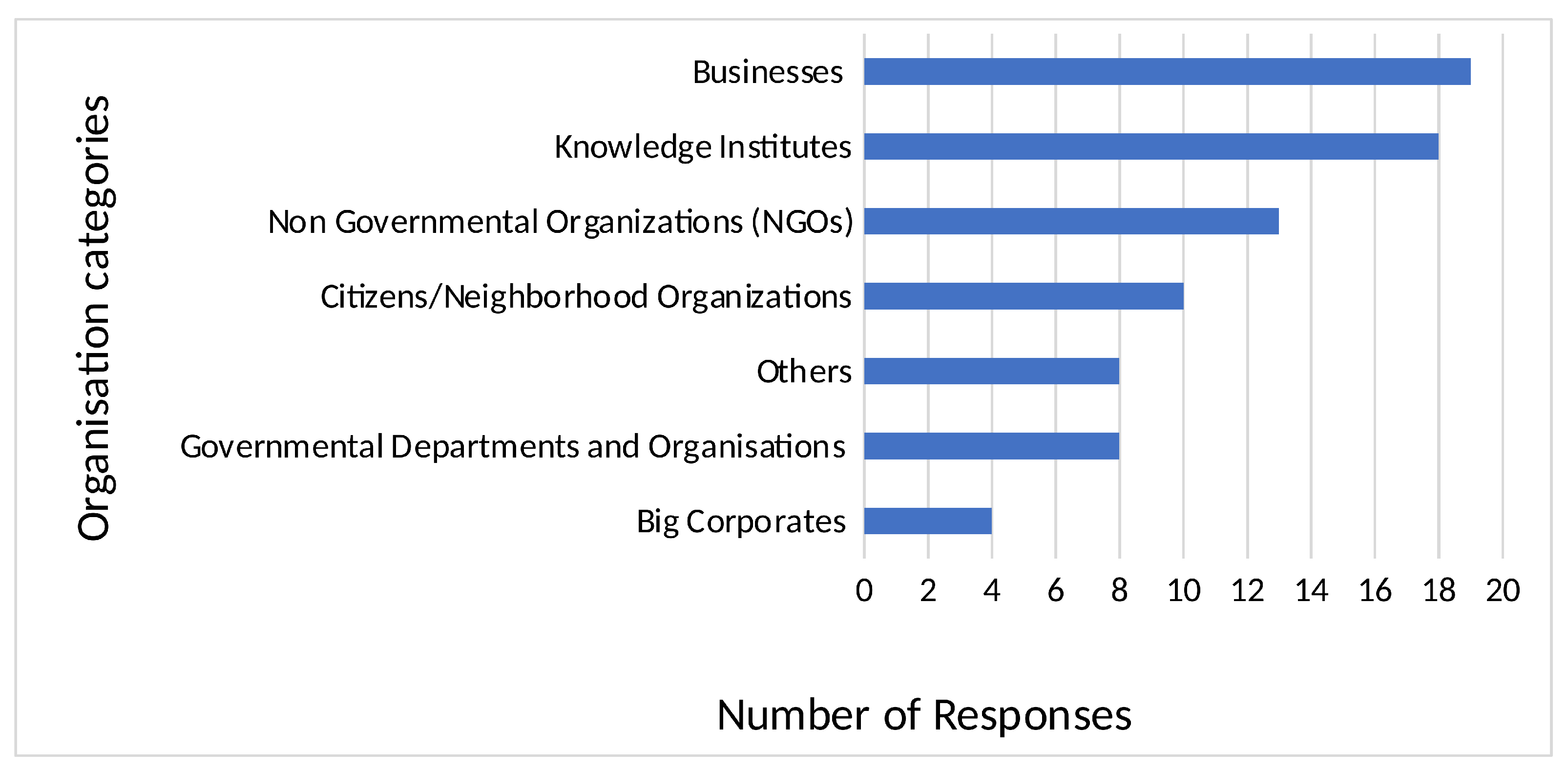
Figure 1. Distribution of respondents (n = 80) across the five stakeholder categories defined in Table 1: Business, NGO, Knowledge Institute, Government, and Citizen Initiative. Eight responses classified as “Others” reflect overlap between multiple categories.
Sustainability 18 08361 g001
Figure 2. Distribution of urban soil practices reported by respondents (%; n = 80, multiple responses possible). Categories include planting, designing on soil, analyzing soils, governing soil, and building activities.
Sustainability 18 08361 g002
Figure 3. Nature values attributed to urban soil by respondents (n = 80, multiple values could be selected). Physical and cultural values lean toward the anthropocentric pole and future and intrinsic values toward the ecocentric pole of a continuum (see Section 2.4); respondents frequently combined values across both poles rather than aligning with a single category.
Sustainability 18 08361 g003
Figure 4. Soil property categories considered by respondents (% of category mentions; n = 41 respondents, 95 mentions in total, multiple responses possible). Physical and chemical properties were most frequently considered, while biological properties received substantially less attention.
Sustainability 18 08361 g004
Figure 5. Physical indicators used by respondents who consider soil properties (n = 41, multiple responses possible). Indicators follow the classification in Table 2.
Sustainability 18 08361 g005
Figure 6. Chemical indicators used by respondents who consider soil properties (n = 41, multiple responses possible). Other includes contaminants and toxins not listed in the predefined categories.
Sustainability 18 08361 g006
Figure 7. Biological indicators used by respondents who consider soil properties (n = 41, multiple responses possible). The comparatively low use reflects both practical constraints and limited integration of biological dimensions in routine soil assessment.
Sustainability 18 08361 g007
Figure 8. Perceived importance of soil regeneration rated by respondents on a scale of 1–10 (n = 80), where 1 indicates “not important” and 10 indicates “highest importance”.
Sustainability 18 08361 g008
Figure 9. Proportion of respondents practicing soil regeneration (n = 80).
Sustainability 18 08361 g009
Figure 10. Methods and approaches used for urban soil regeneration by practitioners (n = 32, multiple responses possible).
Sustainability 18 08361 g010
Figure 11. Proportion of respondents experiencing challenges in urban soil regeneration (n = 80).
Sustainability 18 08361 g011
Figure 12. Types of challenges encountered in soil regeneration implementation (% of challenge responses; n = 47 respondents reporting challenges).
Sustainability 18 08361 g012
Figure 13. Proportion of respondents seeking external support for soil regeneration challenges (n = 80).
Sustainability 18 08361 g013
Figure 14. Types of external support sought by respondents (number of mentions; n = 23 respondents who sought support; multiple answers possible, 45 mentions in total).
Sustainability 18 08361 g014
Figure 15. Types of organizations consulted for soil regeneration support (% of consultation responses).
Sustainability 18 08361 g015
Table 1. Categories of stakeholders in urban development and their typical roles. Adapted from Stuiver [32].
Category of the StakeholderDescription
Citizens or Neighborhood OrganizationsResidents of neighborhoods and towns and their community organizations
Non-Governmental OrganizationsNon-profit organisations that operate independently of governments
BusinessesSmall and Medium-sized Enterprises, Corporates, Investors and Housing Corporations
GovernmentsLocal Municipalities, Regional Governments, National Departments
Knowledge InstitutesUniversities, Consultancies, Advice and Communication Businesses
Table 2. Urban soil quality indicators identified through literature review, organized by physical, chemical, and biological categories.
IndicatorNarrativeReference
Physical Indicators
Bulk DensityBulk density of soils is an indicator of soil compaction. Hence, it determines the ability of air and water to infiltrate the soil, as well as root growth.[33,34]
Soil StructureSoil structure (spatial arrangement of solid elements) affects soil properties and pedogenesis.[35]
Soil TextureSoil texture is the percentage composition of sand, silt and clay of soils. Soil erosion can be prevented when soil texture is good.[36]
Soil Water ContentSoil water content provides water to inhabiting microbes and to plants through roots.[36]
PorosityPorosity reflects the proportion of pore space in soil and determines its capacity to store and transmit air and water, which in turn affects root growth and microbial activity. In urban soils, porosity is often reduced by compaction and other anthropogenic modifications.[37]
Chemical Indicators
Soil Organic Matter (SOM)SOM is considered the driving force of the activity of the biological component of soil, which includes bacteria, fungi, and all organisms.[23]
pHpH indicates the acidity or alkalinity of soil and reflects its buffering capacity against chemical change. It also controls the availability of nutrients to plants and soil organisms.[36]
Cation Exchange Capacity (CEC)This indicator determines the buffering capacity in fluctuating values of pH, nutrient holding capacity and pesticide retention.[36]
Total Nitrogen and Total PhosphorusPhosphorus and Nitrogen are major plant nutrients. Therefore, they indicate the soil’s potential for plant growth.[38,39]
Metal ConcentrationMetals can be used as indicators to determine the degree of contamination and pollution of soils.[40]
Electrical ConductivityElectrical conductivity can be taken as a proxy for soil salinity.[41]
Biological Indicators
Microbial BiomassTogether with SOM, microbial biomass determines the fertility of soil and recycling of nutrients. Soil pollution/contamination negatively impacts microbial biomass.[42]
Microbial RespirationMicrobial respiration reflects the metabolic activity of soil organisms and is a measure of overall biological functioning. Urbanization tends to reduce both aerobic and anaerobic respiration, indicating a decline in microbial activity compared to soils in a natural state.[43]
Microbial Community CompositionMicrobial community composition reflects the diversity and balance of bacteria, fungi, and other microorganisms involved in nutrient cycling and decomposition. Soil sealing and other urban modifications tend to reduce this diversity, along with microbial biomass.[44,45]
Enzymatic ActivityEnzymes catalyze all bio-chemical reactions that occur in soil. Therefore, they indicate the biological and chemical quality of soil.[46]
EarthwormsThe abundance, composition, and behavior of earthworms, as well as the soil chemicals they accumulate, indicate the level of soil pollution and ecosystem function of urban soils.[47]
NematodesNematodes are highly sensitive to environmental pollutants and other disturbances. Therefore, their density and abundance are indicative of the ecological health of soils.[48]
Disclaimer/Publisher’s Note: The statements, opinions and data contained in all publications are solely those of the individual author(s) and contributor(s) and not of MDPI and/or the editor(s). MDPI and/or the editor(s) disclaim responsibility for any injury to people or property resulting from any ideas, methods, instructions or products referred to in the content.