1. Introduction
Contemporary metropolitan areas and cities occupy a central position in global and academic debates on sustainability because they concentrate population, economic activity, and complex infrastructure networks, generating escalating environmental pressures and resource waste. The “smart city” concept has emerged as a planning and administrative approach that connects digital and emerging technologies with urban governance to improve infrastructure technology efficiency, integrate services, and guide sustainability-oriented decisions. The literature cautions against reductionist views that treat smart cities as the mere implantation of isolated technologies; instead, it regards the smart city as a dynamic, multidimensional, and integrated urban system and as a socio-technical and institutional process in which digital platforms and data governance intersect with the environmental and economic requirements of built environments [
1,
2,
3].
This perspective is particularly important for industrial cities and regions, whose structural features, intensive production activities, advanced logistics, large infrastructure, and exceptional demands for energy and utilities make them a distinct context for sustainability research. The contemporary literature examines the extent to which smart-city applications, as an independent variable (digital platforms, Internet of Things sensors, smart utilities, transport and logistics systems, water and waste management, and predictive maintenance), can produce comprehensive sustainable outcomes as a dependent variable across environmental, social, and economic dimensions. The success of this relationship remains contingent on implementation conditions and moderating variables such as digital readiness, regulatory clarity, institutional operational capacity, and stakeholder participation, and it is constrained by contextual barriers including capital cost constraints, skills gaps, and cyber security concerns [
4,
5].
Within this accelerated developmental context, Saudi Arabia provides a distinctive model for studying sustainable urban transformations. Saudi Vision 2030 serves as an overarching strategic framework that prioritizes quality of life, digital transformation, economic diversification, and environmental sustainability. The national literature indicates that smart cities constitute a structural pillar of the broader transformation agenda and align with the United Nations Sustainable Development Agenda, particularly Sustainable Development Goal 11, which aims to make cities and human settlements inclusive, safe, resilient, and sustainable. Because well managed urbanization drives development while uncontrolled expansion stresses land, ecosystems, and mobility networks, adopting smart-city solutions is necessary to support data-driven urban governance and evidence-based policymaking [
1,
6].
Nevertheless, the success of smart applications in the Saudi context depends on how well they fit local structural and institutional determinants. Researchers argue that enhancing sustainability through digital gateways requires effective participatory governance that extends beyond providing technical infrastructure. This organizational and policy dimension is especially important in Saudi industrial cities, which are central to strategies for diversifying the national economy and involve numerous actors, government agencies, industrial operators, investors, and workers, whose differing roles and perceptions shape sustainability outcomes and the transition to circular-economy applications, industrial symbiosis, and complex logistics and supply chain management [
7,
8,
9,
10].
Despite the growing body of literature on smart cities and sustainable urban development, important knowledge gaps remain regarding the mechanisms through which smart-city applications contribute to sustainability in industrial-city environments. Existing studies have largely focused on either technological innovations or sustainability outcomes in general urban contexts, while comparatively limited attention has been devoted to explaining how institutional governance, digital readiness, stakeholder participation, and contextual conditions influence the effectiveness of smart-city applications in achieving environmental, social, and economic sustainability within industrial cities [
4,
5,
11,
12,
13,
14,
15]. Furthermore, although Saudi Arabia has made significant progress in implementing smart-city initiatives under Saudi Vision 2030, an integrated analytical framework tailored to the unique characteristics of Saudi industrial cities is still lacking [
1,
7,
15]. Addressing this gap constitutes the central scientific motivation of the present study.
The DMA stands out as an experimental zone and a case of high strategic and planning value because it has been identified as one of Saudi Arabia’s leading industrial and logistics hubs, with significant investments in smart infrastructure, digital transformation, and sustainable urban development under Saudi Vision 2030 and related national development initiatives [
7,
12]. Literature and official reports consistently identify the DMA as a dynamic laboratory where sustainability issues and urban challenges are clearly manifested. Studies using Sustainable Development Goal indicators have highlighted sustainable transport, inclusive public spaces, and service efficiency as urgent local priorities, while structural reports document traffic congestion, low-density horizontal sprawl, and the need to strengthen the technical and institutional capacities of municipal and industrial bodies [
11]. Beyond its practical importance, the DMA represents a theoretically relevant case because it combines the defining characteristics of contemporary industrial metropolitan regions, including intensive industrial activity, advanced logistics infrastructure, rapid urban expansion, and ongoing digital transformation, thereby providing an appropriate context for developing and illustrating the proposed conceptual framework.
Contemporary field research in the metropolitan area, particularly studies on participatory urban planning supported by artificial intelligence, has exposed a “participation paradox,” in which digital readiness and stakeholder awareness do not necessarily translate into institutional trust or sustained influence on decision-making [
12]. These local conditions make the DMA a rich empirical context for evaluating alternative planning scenarios and unpacking causal relationships between digital tools and sustainable development using unified evaluative frameworks oriented toward impact measurement and resilience rather than merely tracking technical indicators [
13,
14].
Against this background, the central scientific question addressed in this study is: How do smart-city applications contribute to environmental, social, and economic sustainability in Saudi industrial cities, and what institutional and contextual factors determine the effectiveness of this relationship? Although Saudi industrial cities are expected to contribute significantly to the sustainability and digital-transformation objectives of Saudi Vision 2030, existing studies indicate that challenges remain in translating these policy aspirations into integrated implementation outcomes. In particular, fragmented institutional coordination, varying levels of digital readiness, differences in stakeholder engagement, and contextual implementation conditions continue to influence the effectiveness of smart-city initiatives across industrial-city settings [
4,
5,
15]. At the same time, existing research remains conceptually fragmented and has not adequately explained the mechanisms through which smart-city applications contribute to sustainability outcomes in industrial environments. Moreover, limited attention has been given to the moderating role of institutional governance, digital readiness, stakeholder participation, and contextual implementation conditions in shaping these outcomes [
4,
5,
15]. Consequently, there remains a need for an integrated conceptual framework capable of explaining these relationships within the Saudi industrial context.
Accordingly, the objective of this study is to develop and present an integrated conceptual and analytical framework that explains the relationships among smart-city applications, institutional governance, implementation conditions, contextual factors, and environmental, social, and economic sustainability outcomes in Saudi industrial cities, using the DMA as an illustrative case. Through a qualitative synthesis of the literature and contextual case analysis, the study identifies the institutional and contextual factors that may influence the successful implementation of smart-city initiatives and proposes conceptually informed policy and planning directions to support sustainable smart transformation and evidence-based decision-making in Saudi Arabia [
1,
6,
15].
This study contributes to the literature in three important ways. First, it synthesizes fragmented research on smart cities, industrial sustainability, and institutional governance into a unified conceptual framework specifically designed for industrial-city environments. Second, it explains the mechanisms through which smart-city applications influence sustainability by explicitly incorporating institutional governance, digital readiness, stakeholder participation, and contextual implementation conditions as moderating factors. Third, it extends the growing literature on smart-city development in Saudi Arabia by contextualizing these relationships within the DMA under the strategic framework of Saudi Vision 2030 [
1,
7,
15].
2. Materials and Methods
This study adopts a qualitative literature-based research design that combines a systematic review and synthesis of the literature with contextual document analysis to develop an integrated conceptual and analytical framework for sustainable smart industrial cities. Rather than collecting primary qualitative data through interviews, surveys, or focus groups, the study synthesizes evidence from peer-reviewed publications, official reports, policy documents, and authoritative web-based sources to examine the relationships among smart-city applications, institutional governance, implementation conditions, contextual factors, and sustainability outcomes.
The DMA was selected as a purposive case study because it provides a representative and information-rich context for examining the relationship between smart-city applications and sustainability in Saudi industrial cities. As one of the Kingdom’s largest metropolitan and industrial regions, the DMA integrates extensive industrial zones, logistics infrastructure, ports, transportation networks, and rapidly expanding urban development, while simultaneously supporting the strategic objectives of Saudi Vision 2030 regarding digital transformation and sustainable development. These characteristics make the DMA an appropriate case for exploring the institutional, technological, environmental, and governance dimensions considered in this study. Accordingly, the case was selected based on its analytical relevance to the research objectives rather than convenience, allowing the proposed conceptual framework to be developed within a complex industrial setting that shares many characteristics with other major industrial cities in Saudi Arabia and similar rapidly developing regions.
Given the conceptual nature of this research, the study adopts a qualitative literature-based descriptive-analytical approach that synthesizes and critically evaluates existing theoretical, empirical, and policy literature rather than establishing causal relationships through primary empirical investigation. The data used in this study consisted exclusively of secondary sources. The relevant literature was identified through structured searches of major academic databases, including Scopus, Web of Science, and Google Scholar, together with official government reports, policy documents, institutional publications, and other authoritative web-based sources relevant to smart cities, sustainability, industrial development, and Saudi Vision 2030. An initial set of 86 articles, reports, and website materials was identified and screened using predefined inclusion and exclusion criteria based on relevance, quality, and alignment with the study objectives. Following the screening process, 49 sources were retained for detailed analysis and synthesis.
The selected literature was systematically reviewed to identify recurring themes, institutional determinants, implementation conditions, contextual factors, and knowledge gaps concerning the relationship between smart-city applications and sustainability outcomes in industrial cities. Particular attention was given to critically examining prevailing theoretical perspectives, especially the technological determinism assumption that implies a direct relationship between technology adoption and sustainability. The synthesis indicates that the effectiveness of smart-city initiatives depends not only on technological innovation but also on institutional governance, digital readiness, organizational integration, and stakeholder participation in planning and decision-making. This analytical process provides the basis for developing the integrated conceptual framework proposed in this study [
1,
6,
15].
To contextualize the proposed framework within Saudi Arabia, the study employs the DMA as an illustrative urban-industrial case because of its economic, industrial, and logistics significance, as well as its ongoing smart-city and digital-transformation initiatives. Rather than serving as an empirical case for hypothesis testing, the DMA provides a contextual basis for examining the opportunities and challenges associated with rapid urban growth, environmental pressures, multiple institutional actors, and the need to balance industrial development with urban sustainability. The analysis focuses on digital infrastructure, Internet of Things applications, resource and energy management, smart logistics services, digital governance, institutional coordination, and the regulatory and technical factors influencing sustainable smart-city implementation.
The study further examines national policies and strategic programmes associated with Saudi Vision 2030, the National Transformation Program, digital-transformation initiatives, and quality-of-life programmes to understand the institutional and regulatory environment supporting smart industrial-city development in Saudi Arabia. Drawing on theories of smart governance, urban sustainability, and digital transformation, the study integrates evidence from the literature and contextual analysis to develop a conceptual and analytical framework that explains how smart-city applications, institutional governance, implementation conditions, and contextual factors interact to influence environmental, social, and economic sustainability outcomes. The resulting framework is intended to provide a theoretically grounded foundation for future empirical validation and to support evidence-informed policy and planning for sustainable smart industrial cities.
2.1. Data Analysis and Framework Development
The selected literature and documentary sources were analyzed using qualitative thematic analysis and conceptual synthesis. Following the screening process, the 49 retained sources were systematically reviewed to identify recurring concepts, implementation factors, governance dimensions, contextual conditions, sustainability outcomes, and knowledge gaps related to smart-city development in industrial cities. The extracted information was then compared, classified, and synthesized into common thematic categories to establish conceptual relationships among the principal variables examined in this study.
The analytical process consisted of four stages. First, the selected sources were reviewed to identify key concepts and theoretical perspectives relevant to smart cities, sustainability, industrial development, and digital transformation. Second, recurring themes and implementation factors were coded and grouped into broader analytical categories, including smart-city applications, institutional governance, implementation conditions, contextual barriers and opportunities, and environmental, social, and economic sustainability outcomes. Third, the relationships among these categories were interpreted through comparative analysis and integrated into the proposed conceptual and analytical framework. Finally, the framework was contextualized using evidence from the DMA together with Saudi Vision 2030 policies and national digital-transformation programmes to evaluate its relevance within the Saudi industrial-city context.
To enhance the transparency and reproducibility of the research process, the principal analytical stages, data sources, analytical techniques, and corresponding outputs are summarized in
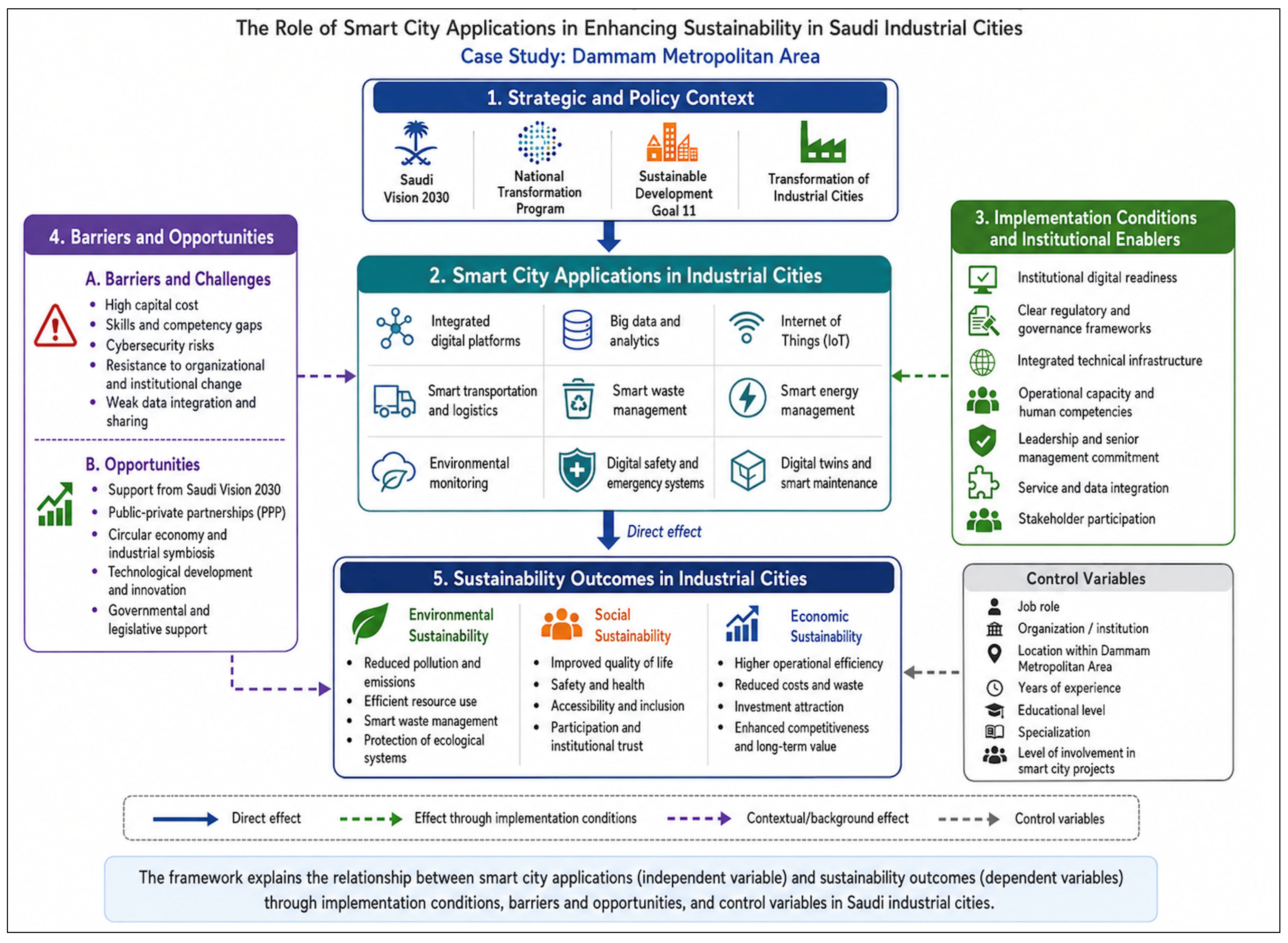
Table 1. The conceptual relationships derived from this analytical process are subsequently presented in
Figure 1.
2.2. Validity and Reliability
Several procedures were adopted to enhance the credibility, dependability, and transparency of the study. First, evidence was drawn from multiple sources, including peer-reviewed journal articles, official government reports, policy documents, and authoritative institutional publications, thereby enabling methodological triangulation of the reviewed evidence. Second, predefined inclusion and exclusion criteria were applied during the literature screening process to ensure the relevance and quality of the selected sources. Third, the conceptual framework was developed through an iterative process of comparing findings across multiple studies to identify consistent themes, areas of agreement, and reported implementation challenges. Finally, all interpretations and conclusions were grounded in the reviewed literature and contextual analysis, thereby maintaining consistency between the evidence presented, the analytical framework, and the study’s conclusions.
3. Theoretical Background
3.1. Evolution of Sustainable Smart-City Concepts
The concept of the smart city has shifted in planning thought and urban research from a deterministic technological focus, emphasizing hard digital infrastructure and devices, to an integrative, human-centred approach that places comprehensive sustainability and quality of life at the centre. Historically, the first generation of smart cities, Smart Cities 1.0, emphasized marketing and deploying ready-made technological solutions by major technology and engineering firms with insufficient attention to local needs; this vision drew sharp criticism for its disconnection from complex urban, environmental, and social challenges [
16]. In response, contemporary thinking has coalesced around “smart sustainable cities,” which view the city as a dynamic, integrated, and sustainable system where digital platforms and advanced data governance interact with human, social, and institutional capital to support resilient economic growth, good governance, and the preservation of natural and built environments [
3,
17].
The extensive critical and evaluative literature [
18,
19,
20,
21,
22,
23,
24] shows that embedding smart technologies within the urban system does not automatically produce sustainable outcomes. The relationship between digital intelligence and reductions in carbon emissions or resource consumption is complex, non-linear, and strongly shaped by institutional and regulatory contexts, behavioural patterns, and local policy choices. A rigorous understanding therefore requires treating the smart city as a socio-technical and institutional process in which the success of digital systems depends on user behaviour, organizational managerial and operational capacities, and the flexibility of data-driven governance and participatory, evidence-based decision-making [
15].
3.2. Technology and Data in Smart Cities
Emerging technologies and data form the backbone of the contemporary smart city. This vision extends beyond routine digitization or administrative automation to include advanced systems such as the Internet of Things, artificial intelligence, big-data analytics, urban digital twins, remote sensing, and advanced geographic information systems. These technologies act as a driving variable that enhances the city’s monitoring, operational, and anticipatory capacities by linking physical assets and networked utilities to flexible virtual networks that enable continuous, real-time, and transparent flows of vital urban and industrial information and data [
4,
25].
Specialized studies and contemporary computational research indicate that the principal planning value of big data lies not in its sheer volume or storage capacity but in how it is governed, processed, and translated into operational and policy insights. Malik et al. [
26] stress the need to develop advanced semantic data-modelling structures using open, flexible formats such as RDF and JSON to ensure interoperability and efficient information exchange between heterogeneous urban and industrial platforms and to avoid isolated data silos. Researchers also contend that big data’s contribution to urban sustainability depends on advanced organizational and institutional capacities capable of coordinating multiple public and private data sources and transforming knowledge flows into anticipatory planning policies and flexible governance decisions grounded in evidence and reliable scientific indicators [
27,
28,
29,
30,
31].
3.3. Institutional Governance of Smart Cities
Good and smart governance is the essential foundation that ensures smart technologies and big data serve the public interest and the goals of comprehensive sustainability and improved urban and sectoral quality of life. Smart-city governance denotes a shift toward a more flexible, integrated, and participatory model of urban management that relies on intensive data use to increase transparency, improve service efficiency, enhance accountability, and coordinate cross-sectoral and cross-institutional action [
1,
16]. This form of governance requires institutional restructuring that goes beyond traditional administrative divisions and bureaucratic silos, creating integrated, horizontal, and collaborative networks that bring together the public sector, private sector, academic and research institutions, civil society, and field stakeholders.
Contemporary urban and planning literature warns against top-down technological approaches that exclude stakeholders and assume technical gains are inevitable. Decision-making and policy formulation in smart sustainable cities should be grounded in participatory governance that continuously incorporates the perceptions, needs, and visions of practitioners, investors, and operators [
6]. The absence of regulatory and legislative clarity, ambiguous data-sharing rules, weak administrative commitment, and fragmented horizontal and vertical coordination among governmental and private bodies are major structural constraints that cause smart projects to falter and become isolated islands, leading to financial and technical waste. This highlights the need to treat institutional and regulatory factors as critical implementation conditions and moderating variables in any rigorous analytical model [
15].
3.4. Dimensions of Urban Sustainability
Assessing the success or failure of smart urban and industrial transformation strategies depends on their ability to generate tangible, measurable outcomes across the three integrated dimensions of sustainable development: environmental, social, and economic.
Environmental sustainability emphasizes preserving ecosystems and biodiversity; rationalizing the use of vital natural resources such as water and energy; reducing carbon emissions and gaseous pollutants; managing waste through smart and circular approaches; and building urban resilience and adaptive capacity against natural and industrial risks and climate change [
5,
32].
Social sustainability relates to humanizing cities and improving everyday quality of life by providing safe, healthy, and inclusive built environments for all groups; facilitating equitable access to public services and green spaces; enhancing safety, well-being, and inclusion; and institutionalizing public trust through genuine, effective community participation in shaping urban and sectoral policies [
11,
12].
Economic sustainability concerns improving the operational efficiency of urban and productive systems, reducing waste and costs, stimulating innovation and digital entrepreneurship, attracting high-quality domestic and foreign investment, and building a resilient, competitive, and sustainable knowledge economy over the long term [
33].
The strength of this developmental framework lies in its interdependence: the three dimensions overlap and influence one another. For example, smart and sustainable logistics and transport systems reduce carbon emissions and pollutants (an environmental effect); lower operating costs and improve productivity and investment attractiveness (an economic effect); and enhance traffic and occupational safety, public health, and social well-being (a social effect). Accordingly, contemporary planning research must adopt evaluative frameworks that measure actual impact and resilience rather than merely recording surface-level quantitative indicators of digital-tool adoption and other technical inputs [
27,
34].
3.5. Sustainability Challenges in Industrial Cities
Industrial cities and zones represent a geographic, planning, and sectoral context of exceptional specificity and complexity within the urban planning and sustainability literature because they combine intensive productive and manufacturing activities with massive capital infrastructure, complex supply chains, heavy logistics and freight movement, and dense labour circulation. Sustainability issues in these environments extend well beyond the requirements of ordinary urban and residential settings, such as municipal management and light traffic. They centre on structural dilemmas related to intensive electricity and groundwater consumption, the treatment and safe disposal of solid, liquid, and hazardous industrial waste, strict environmental compliance, occupational health and safety, and the need for immediate response to large industrial emergencies and crises [
35,
36].
From this planning perspective, smart transformation in industrial cities and zones requires advanced, specialized, sector-oriented technological solutions, digital twins for managing major capital assets and facilities, predictive sensing systems for network safety and maintenance, smart energy and water management platforms, and Industry 4.0 applications and integrated smart factories. The strategic enabling value of these technologies lies in their ability to support the transition to circular-economy models and industrial symbiosis: digital platforms and data governance enable monitoring, tracking, and exchanging flows of resources, energy, water, and waste among geographically proximate factories and facilities. This can convert one factory’s outputs and waste into another’s production inputs and raw materials, reducing operational waste and strengthening environmental compliance while enhancing economic competitiveness and investment attraction in industrial regions [
7].
However, implementing these smart applications faces complex contextual constraints, including high capital costs, skills gaps and shortages of advanced technical personnel, resistance to organizational and institutional change, and cybersecurity and data-confidentiality risks associated with protecting sensitive and competitive industrial data, in addition to fragmented governance responsibilities and ambiguous legal frameworks among the bodies responsible for industrial, municipal, environmental, and security administration [
15].
4. National Context: Vision 2030 and the SDGs
4.1. Vision 2030 as a Framework for Smart Cities
Saudi Arabia is undergoing an unprecedented developmental surge and comprehensive institutional, legislative, and economic restructuring, placing it among the leading global cases for studying sustainable and smart urban and industrial transformation. Saudi Vision 2030 provides the strategic and policy framework for all national transformation programmes and initiatives. The Vision rests on three integrated pillars, (1) a vibrant society, (2) a thriving economy, and (3) and an ambitious nation, which together bring goals for improving quality of life, comprehensive digital transformation, economic diversification beyond oil dependence, environmental protection, and overall sustainability [
37,
38]. The emerging national literature and local planning research show that developing and applying smart-city solutions in Saudi Arabia is not a technical luxury or a set of isolated software projects but a structural pillar and decisive enabling tool for achieving these strategic goals and national programmes [
1,
37,
39].
Through Vision 2030 implementation programmes, such as the Quality-of-Life Program, the National Transformation Program, and the National Industrial Development and Logistics Program, ambitious initiatives have been launched to digitize municipal services, build advanced smart and connected infrastructure, and create unified national platforms for managing urban and industrial data. This national orientation aligns closely with international development agendas, notably Sustainable Development Goal 11, which aims to make cities and human settlements inclusive, safe, resilient, and sustainable. In the Saudi planning and institutional context, SDG 11 functions as an evaluative and normative framework that requires institutions to convert digital and technical flows into tangible outcomes: improved quality of the built and open environment, sustainable transport and mobility, preservation of natural and cultural heritage, and enhanced disaster-management and urban and industrial resilience capacities [
11,
24,
40].
4.2. Rapid Urbanization and Data Governance
Accelerating urbanization, population growth, and rapid spatial expansion in Saudi Arabia create complex planning, environmental, and operational challenges. Official reports and local studies indicate that rapid and historically uncontrolled expansion has produced structural problems in Saudi metropolitan areas, including dispersed low-density sprawl that consumes land inefficiently, greater strain on infrastructure and utilities, worsening traffic congestion, excessive reliance on private vehicles in the absence of sustainable public transport, and blurred responsibilities among administrative, municipal, and sectoral bodies. In response to these dilemmas, national planning discourse advances smart-city solutions and data-driven governance as mechanisms to reshape the urban realm, since emerging technologies can monitor land-use patterns more precisely, manage mobility more efficiently, and improve resource allocation [
2,
41].
However, turning these solutions into tools for evidence-based policy and decision-making encounters institutional, regulatory, and cultural barriers tied to data governance and data sharing. International and local literature indicates that the lack of comprehensive integrated databases, concerns about cybersecurity and information confidentiality, and weak horizontal and vertical coordination between public agencies and the private sector all constrain the use of big data in anticipatory and sustainable urban planning [
6].
Researchers also highlight a salient social and institutional issue in smart governance in Saudi Arabia: the “participation paradox”. Field research shows that citizens and local stakeholders may display high levels of digital awareness, readiness, and extensive use of smart applications, yet this does not automatically yield institutional trust or active participation in planning and operational decisions. The dominance of top-down approaches and the absence of institutional mechanisms for participation make it necessary to institutionalize participatory smart-governance channels so technological projects align with the actual needs of society and stakeholders [
12].
4.3. Governance and Stakeholders in Saudi Industrial Cities
Industrial cities and zones in Saudi Arabia occupy a strategically important position in efforts to diversify the national economy, increase the contribution of non-oil sectors to the GDP, and attract global capital under Saudi Vision 2030. The Saudi Authority for Industrial Cities and Technology Zones oversees the regulatory, operational, and administrative management of these industrial regions. The Authority has adopted a strategic transition toward sustainable smart industrial cities aimed at improving operational efficiency, energy and water-use efficiency, upgrading logistics services, reducing carbon footprints, and attracting major global investments through Industry 4.0 applications, smart factories, and digital platforms for integrated asset and facility management.
Governance of sustainability and digital transformation in Saudi industrial cities is characterized by structural and organizational complexity arising from the multiplicity and diversity of stakeholders and their differing interests. This governance system involves cross-sector governmental and regulatory bodies, such as the Saudi Authority for Industrial Cities and Technology Zones, the Ministry of Industry and Mineral Resources, the Ministry of Environment, Water and Agriculture, the General Authority for Meteorology and Environmental Protection, regional municipalities, and development authorities, alongside operators, investors, factory owners, technology and connectivity providers, and the workforce in these cities. Planning and institutional studies confirm that achieving genuine sustainable outcomes, circular-economy models, and industrial symbiosis depends fundamentally on the organizational capacity to manage and coordinate this plurality, resolve legislative barriers and ambiguities in authority, build mutual institutional trust, and ensure active, continuous participation by investors and operators in designing and operating smart platforms so technical solutions align with economic, operational, and long-term environmental requirements [
7].
5. Case Study: Industrial Specificity of DMA
5.1. Geographic Context and Urban Challenges
The DMA, which encompasses within its urban and municipal scope the cities of Dammam, Al Khobar, and Dhahran, constitute the principal urban, economic, industrial, logistics, and productive core of the Eastern Province and Saudi Arabia as a whole. Its strategic location on the Arabian Gulf connects the metropolitan area to regional markets and Gulf Cooperation Council countries via established land, sea, and air transport networks. It is also the global centre for major energy, oil, gas, petrochemical, manufacturing, and service activities associated with Saudi Aramco and other industrial centres. Over recent decades, the DMA has undergone very rapid urban, demographic, economic, and spatial growth, transforming from a small coastal settlement into a large, complex metropolitan region.
This strategic role, rapid expansion, and intensive urbanization pose major planning and environmental challenges is documented in the academic literature and official reports. The metropolitan area faces persistent pressures: traffic bottlenecks on major corridors; dispersed low-density sprawl that consumes land inefficiently and complicates service and utility provision and maintenance; degradation of coastal and marine ecosystems from human and industrial activities; a shortage of inclusive public spaces and walkable, human-centred urban environments; and rising demand for housing, utilities, water, wastewater, and stormwater drainage networks [
11]. These conditions make the DMA a rich empirical context for evaluating whether smart-city strategies and data-driven governance can redirect urban growth toward sustainability and resilience.
5.2. Industrial Logistics, Sustainability, and Symbiosis in DMA
The DMA is characterized by a vast, influential industrial, logistics, and manufacturing base at the heart of Saudi’s economy and national development [
42,
43]. The area hosts and adjoins major industrial cities overseen by the Saudi Authority for Industrial Cities and Technology Zones, most notably the First Industrial City in Dammam and the Second Industrial City in Dammam, along with expanding industrial and logistics zones and specialized clusters. These industrial cities contain thousands of factories and enterprises across a wide range of manufacturing and productive activities, including chemical, plastics, metal and engineering industries, building materials, food and beverages, and industrial and service activities supporting the energy and oil sector. They also benefit from direct links to King Abdulaziz Port in Dammam and the region’s major logistics and railway networks.
The Dammam First and Second Industrial Cities accommodate 178 and 1071 industrial and service contracts, respectively, supporting a large industrial workforce across diverse manufacturing sectors. Although official employment statistics for the individual industrial cities are not publicly reported, the concentration of industrial establishments reflects the strategic economic importance of the DMA within Saudi Arabia’s industrial sector. Recent environmental monitoring further indicates that TSP (total suspended particulate) concentrations exceeded Saudi and international guideline values across most industrial sectors, while elevated SO
2 concentrations were also observed in several industries, highlighting the need for integrated environmental monitoring and sustainable industrial management [
44,
45,
46].
Table 2 presents the DMA’s industrial profile.
This dense industrial and logistics concentration creates significant environmental, planning, operational, and social pressures with direct effects on sustainability, quality of life, and public health in the DMA and surrounding regions. Documented pressures include very high and inefficient consumption of scarce resources, such as electricity, groundwater, and desalinated water; the production and accumulation of large and diverse quantities of solid, liquid, and hazardous industrial waste that require specialized treatment and safe disposal; increased gaseous emissions, airborne and water pollutants, and fine parts that pose ongoing health risks to residents and ecosystems; and heavy, continuous truck and freight traffic that intensifies urban congestion, accelerates road deterioration, and raises accident rates [
35].
Accordingly, transitioning these complex industrial environments toward sustainability requires adopting innovative, smart, and circular approaches that balance industrial growth and competitiveness with strict environmental compliance, public and occupational safety, and efficient resource management and recycling through circular-economy applications and industrial symbiosis [
7].
The environmental observations reported above also provide empirical support for the conceptual relationships proposed in this study. The documented exceedance of TSP and elevated SO
2 concentrations within Dammam’s industrial estate demonstrates that industrial sustainability challenges persist despite ongoing digital-transformation initiatives [
47] (Salama, 2026). These empirical findings reinforce the argument that technological innovation alone cannot ensure sustainable outcomes unless accompanied by effective environmental governance, coordinated institutional action, continuous monitoring, and integrated planning. Consequently, the DMA provides a practical illustration of the interaction between technological, institutional, and environmental factors represented in the proposed conceptual framework.
5.3. Smart-City Initiatives in DMA: Progress and Barriers
Aligned with the Saudi’s national strategic directions and Saudi Vision 2030 programmes, the DMA has launched, designed, and implemented a range of smart-city projects and initiatives led by the Eastern Province Municipality, the Saudi Authority for Industrial Cities and Technology Zones, and partner entities. These efforts include digital upgrades of permits and municipal services via the unified Balady platform; installation and replacement of public-lighting networks with smart, energy-efficient systems; development and operation of traffic-monitoring systems and smart-intersection control; deployment of real-time environmental sensors and monitoring applications for air quality and coastal waters; and the Authority’s strategies for introducing smart-factory programmes, digital transformation, and electronic platforms for managing facilities, services, and requests within Dammam’s industrial cities.
The initiatives aim to improve operational efficiency, enhance service quality and returns for investors and residents, and support quality-of-life goals and human-centred urban development. Despite these digital initiatives, recent academic research and field studies in the DMA reveal complex structural, institutional, and regulatory barriers that limit project efficiency and translate into sustained, tangible outcomes. The planning literature notes coordination gaps and a lack of clear roles among the multiple entities responsible for urban, industrial, and environmental management in the Eastern Province, producing fragmented services, and the absence of unified, integrated digital platforms that would enable secure cross-sectoral data exchange [
2].
More critically, specialized field studies and social analyses in the metropolitan area [
7] identify a deep gap in participatory planning mechanisms and institutional trust. Investors, factory owners, operators, engineers, and local experts often show high digital awareness and a willingness to adopt smart technologies, yet they lack mechanisms for meaningful participation in shaping planning decisions and operational policies for smart projects. This creates and reinforces a “participation paradox” that weakens the durability of gains and amplifies resistance to organizational change, cyber security and data-sensitivity concerns, and the financial burdens of operation and maintenance [
7,
12].
6. Discussion of Main Findings
The findings presented in this study are derived from a systematic qualitative synthesis of 49 selected literature sources together with a contextual analysis of the DMA. Although the study does not employ primary empirical data collection, it generates original research findings through the systematic integration, interpretation, and contextualization of evidence from multiple academic, policy, and institutional sources. Accordingly, the findings reported below represent the study’s own analytical contributions rather than a narrative summary of the existing literature.
6.1. The Gap Between Tech Adoption and Environmental Outcomes
The reviewed literature and evaluative research challenge narratives of technological determinism and promotional claims that assume a direct, automatic link between technological investment and urban or sectoral sustainability. Critical international and national studies demonstrate a potential structural disconnect between levels of digital and technical intelligence, such as widespread deployment of sensors and digital platforms, and actual environmental sustainability outcomes on the ground, including genuine reductions in carbon emissions and more rational use of energy and water [
3,
5].
This disconnect arises because technology and digital tools are enabling instruments and governance means, not ends in themselves. Their effectiveness in producing environmental gains depends on firm planning policies, efficient institutional and operational management models, and advanced, unified indicator systems that measure long-term impact and resilience rather than merely documenting superficial technical inputs to urban and industrial digital projects [
27,
34].
While these observations are consistent with the broader literature, the present study extends existing knowledge by integrating technological, governance, and institutional dimensions within a single conceptual framework for industrial cities. Rather than examining these factors independently, the proposed framework explains how their interaction influences the translation of smart-city applications into sustainability outcomes within the Saudi industrial context.
Although the reviewed literature generally supports the contribution of smart-city technologies to sustainability, it does not present a unified explanation of how these outcomes are achieved. While some studies emphasize technological innovation and digital infrastructure as the principal drivers of sustainable urban transformation, others argue that technology alone is insufficient without effective governance, institutional capacity, stakeholder participation, and supportive regulatory frameworks. These differing perspectives suggest that sustainability outcomes are shaped by the interaction between technological and institutional factors rather than by technological advancement alone, highlighting an important unresolved issue in the existing literature.
This conclusion is supported by empirical evidence reported in previous studies. For example, field investigations in the Dammam Metropolitan Area found that although stakeholders demonstrated high levels of digital awareness and willingness to adopt smart technologies, institutional trust and meaningful participation in planning remained limited, resulting in the so-called “participation paradox” that constrained the long-term effectiveness of smart-city initiatives [
12]. Similarly, empirical investigations conducted in GCC smart-city projects reported that governance quality, institutional coordination, and stakeholder engagement were stronger predictors of successful implementation than technological deployment alone [
7,
47].
6.2. Institutional and Regulatory Factors as Moderating Variables
The theoretical and literature review concludes that the relationship between smart-city applications (as the independent variable) and comprehensive sustainable outcomes (environmental, social, and economic dimensions as the dependent variable) is governed and conditioned by regulatory, institutional, and societal factors that act as moderating variables and critical implementation conditions. These conditions include institutional, actor, and user digital readiness; the degree of policy, regulatory, and legislative support and clarity; administrative commitment by leadership; the suitability, efficiency, and integration of technical and connectivity infrastructure; and the operational and institutional capacity for horizontal and vertical coordination across sectors and institutions [
1,
15].
In planning and practice, this means variation in the success or failure of smart projects across cities and regions stems less from the technology itself than from the presence, weakness, or absence of enabling institutional and regulatory conditions that translate digital flows and big data into anticipatory planning decisions and sustained operational policies that overcome fragmented, bureaucratically isolated services [
47].
These analytical findings are further supported by empirical evidence reported in published case studies from Saudi Arabia and other GCC countries. Previous investigations have shown that smart-city projects with stronger institutional coordination, integrated governance arrangements, and supportive regulatory environments consistently achieve more effective implementation than projects relying primarily on technological investments. Conversely, fragmented institutional responsibilities, weak inter-agency coordination, and limited regulatory integration have been identified as major barriers that delay implementation and reduce the long-term effectiveness of smart-city initiatives despite substantial investments in digital infrastructure [
7,
12,
43,
44]. These empirical observations reinforce the central role assigned to governance, institutional readiness, and regulatory support within the proposed conceptual framework.
6.3. Participatory Governance and the Participation Paradox
Contemporary local and field-based studies of governance and urban and institutional planning in Saudi Arabia, particularly in the DMA, converge on the view that the principal challenge and opportunity for achieving successful, sustainable smart transformation are not technical or physical but structural, organizational, and social. Specifically, these studies emphasize the need to establish and activate effective, sustainable, stakeholder-oriented participatory governance [
12].
The findings also point to the serious danger posed by the “participation paradox” in the study area and across Saudi Arabia. Stakeholders and practitioners, including investors, factory owners, operators, engineers, and local experts, often have high levels of digital awareness, culture, and readiness and are capable of adopting smart applications. Yet this readiness does not automatically produce deep institutional trust or meaningful participation in shaping planning decisions and the operational direction of smart projects, because top-down, bureaucratic approaches persist and institutional mechanisms that support participation are absent. This gap exacerbates contextual barriers such as resistance to structural and institutional change, cyber security concerns, sensitivity and confidentiality of industrial and competitive data, and ambiguity in the legal frameworks governing effective partnership and role integration [
6].
These findings also reveal an important area of debate within the Saudi literature. Although there is broad agreement regarding the importance of digital transformation, researchers differ in the extent to which successful smart-city implementation depends primarily on technological advancement or on institutional and governance reforms. This continuing lack of consensus suggests that technological readiness alone cannot fully explain sustainability outcomes in Saudi industrial cities and reinforces the need for more integrated conceptual explanations.
6.4. Knowledge Gaps in Saudi Smart Industrial-City Research
A comprehensive critical review of the available literature not only confirms a pronounced knowledge, theoretical, and planning gap at both national and regional levels, but also reveals important conceptual disagreements regarding the mechanisms through which smart-city initiatives contribute to sustainability in industrial-city contexts.
Most available studies focus either on smart sustainable cities in general and on conventional residential or municipal contexts, such as Riyadh or Jeddah, or on separate, disconnected topics such as mobility, waste management, or the circular economy in the DMA, without integrating these themes into a unified conceptual and analytical model that combines technical, environmental, institutional, and social variables within a single causal structure [
7]. Beyond these structural gaps, the reviewed literature also reveals continuing theoretical disagreements regarding the determinants of successful smart-city implementation. While some studies primarily attribute sustainable outcomes to technological innovation and digital infrastructure, others emphasize that governance quality, institutional readiness, stakeholder collaboration, and planning capacity are equally decisive. Furthermore, empirical evidence remains fragmented across different geographical and industrial contexts, making it difficult to establish a comprehensive understanding of how these factors interact in industrial-city settings. These unresolved issues further justify the development of the integrated conceptual framework proposed in this study [
7].
This documented gap gives the present scientific study both its theoretical significance and practical relevance. Rather than examining smart-city technologies or sustainability dimensions in isolation, the study seeks to construct an integrated conceptual framework that explains the dynamic relationships among smart applications, implementation conditions, institutional governance, contextual barriers, and environmental, social, and economic sustainability outcomes.
Building upon these identified research gaps and theoretical debates, the present study makes three principal contributions. First, it synthesizes the existing body of knowledge into a coherent understanding of the relationships between smart-city applications and sustainability in industrial-city contexts. Second, drawing on observations from the DMA, it contextualizes these relationships within the realities of Saudi Arabia’s industrial and smart-city transformation. Third, it develops an integrated conceptual framework that explicitly links smart-city applications, institutional governance, implementation conditions, contextual barriers, and environmental, social, and economic sustainability outcomes. By clarifying these interactions within a single analytical structure, the study provides a stronger theoretical foundation for future empirical research and evidence-based policy development.
7. Proposed Theoretical and Conceptual Framework
The conceptual framework proposed in this study constitutes the principal original research outcome. Rather than reproducing existing theoretical models, it was developed through the systematic synthesis of 49 selected sources and contextual interpretation of the DMA case study. The framework represents the study’s original analytical contribution by integrating fragmented evidence into a unified explanatory model that clarifies the relationships among smart-city applications, institutional governance, implementation conditions, contextual barriers, and sustainability outcomes in Saudi industrial cities.
In light of rapid urban and technological transformations worldwide, smart cities have emerged as a central planning approach to address environmental, economic, and social challenges, especially in industrial cities facing urban growth, industrial expansion, resource consumption, and rising emissions. In the Saudi context, industrial cities are a core component of the national economy and of Saudi Vision 2030, making the transition to sustainable smart cities a strategic necessity rather than a mere technical option. Accordingly, this study activity seeks to build an integrated theoretical and conceptual framework that explains the relationship between smart-city applications and the achievement of sustainability in Saudi industrial cities, with particular focus on the DMA as a complex urban and industrial model combining intensive economic, urban expansion, and environmental pressures, and recent digital trends.
The framework aims to link technical, organizational, social, and economic dimensions within a single interpretive system to explain mechanisms of smart transformation and their influence on sustainable development. The proposed framework draws on the literature review, which shows that the relationship between technology and sustainability is not automatic or deterministic but depends on institutional and organizational readiness, governance quality, local conditions, and the degree of policy and practice integration. Accordingly, the study does not treat smart cities merely as technical structures or collections of discrete digital applications; rather, it conceptualizes them as integrated systems combining technology, governance, institutional planning, community participation, and environmental and economic sustainability.
As illustrated in
Figure 1, the proposed theoretical and conceptual framework for sustainable smart industrial cities is based on five interrelated main components: (1) the strategic and policy context; (2) smart-city applications; (3) implementation conditions and institutional governance; (4) contextual barriers and opportunities; and (5) comprehensive sustainability outcomes. These components operate together within a dynamic relationship that explains how smart applications are transformed into sustainable development outcomes within industrial cities.
The proposed framework follows a structured theoretical mechanism that distinguishes among antecedent, independent, moderating, and outcome variables. The strategic and policy context, including Saudi Vision 2030 and related national development strategies, functions as the antecedent context that enables smart-city transformation. Smart-city applications constitute the principal independent variable driving the transformation process. Their influence on sustainability, however, is neither direct nor deterministic, but is moderated by implementation conditions and institutional governance, including digital readiness, regulatory support, institutional coordination, stakeholder participation, and technical infrastructure. Contextual barriers and opportunities further strengthen or constrain these relationships by influencing the effectiveness of implementation. The resulting environmental, social, and economic sustainability dimensions represent the outcome variables of the framework. The framework therefore conceptualizes sustainable smart-city development as a dynamic process in which institutional conditions mediate the translation of technological innovation into sustainability outcomes.
7.1. Strategic and Policy Context
The strategic and policy context provides the reference framework from which smart transformation in Saudi industrial cities is launched, as smart-city projects are directly linked to national directions such as Saudi Vision 2030, the National Transformation Program, and sustainable urban development. Vision 2030 emphasizes digital transformation, improved service efficiency, enhanced quality of life, environmental sustainability, and economic diversification, all of which align with the concept of sustainable smart cities. The United Nations’ Sustainable Development Goal 11 also serves as an important international reference, focusing on making cities and human settlements inclusive, safe, resilient, and sustainable; this goal intersects with Saudi efforts to develop industrial cities, improve their operational and environmental efficiency, and enhance resource management, emissions, and service and infrastructure quality.
Within this context, DMA represents a significant model of smart transformation, containing an extensive network of industrial cities, ports, logistics infrastructure, and economic activities related to energy, industry, and transportation. Growing environmental and urban pressures in the metropolitan area create a need for technical and organizational solutions capable of managing urban and industrial complexity and achieving long-term sustainability. This context extends beyond government to include global transformations associated with the Fourth Industrial Revolution, the digital economy, artificial intelligence, the Internet of Things, and the circular economy, all of which have become essential components in planning and managing contemporary industrial cities. Accordingly, the theoretical framework views the strategic context as an enabling environment that provides the political, institutional, and legislative justification for adopting smart applications and linking them to sustainable development goals.
7.2. Smart-City Applications in Industrial Environments
The qualitative synthesis undertaken in this study identifies smart-city applications as the principal explanatory component of the proposed conceptual framework. Smart-city applications constitute the study’s principal variable and refer to the suite of data-based systems, digital platforms, and modern technologies used in the management and operation of industrial cities and related services. These applications employ digital tools to improve the efficiency of resource management, infrastructure, and services and to support more accurate, anticipatory decision-making. They include smart digital platforms that enable integration among multiple entities and institutions; big-data systems for real-time analysis of urban and industrial information; and Internet of Things systems that use digital sensors to monitor environmental and operational performance. They also include smart energy and water management, transport and logistics services, industrial-waste management, environmental monitoring, safety and emergency systems, and digital twins used in asset management and predictive maintenance.
These applications are particularly important in industrial cities because the industrial environment is complex and requires continuous monitoring of resources, emissions, operational processes, transport movements, and logistics. Smart technologies help improve energy and water-use efficiency, reduce losses and waste, enhance industrial-process performance, and raise the quality of services for investors, workers, and residents. The study, however, takes a critical stance: technology alone cannot deliver sustainability. The success of these applications depends heavily on the institutional and regulatory context in which they operate. Thus, smart applications are framed not merely as technical tools but as planning and organizational instruments that reshape relations between urban and industrial management, resources, the environment, and society.
7.3. Institutional Governance and Implementation Conditions
The synthesis further identifies institutional governance and implementation conditions as the principal moderating factors. Implementation conditions and institutional governance constitute the principal moderating variables within the proposed framework. They determine the strength and direction of the relationship between smart-city applications (independent variable) and sustainability outcomes (dependent variables) by shaping how effectively technological innovations are translated into environmental, social, and economic benefits. Global and local experience shows that successful smart transformation depends not only on technology availability but also on an institutional and regulatory environment capable of managing change efficiently and sustainably. Relevant conditions include the digital readiness of institutions and individuals, the clarity of regulatory and legislative frameworks, the adequacy of technical infrastructure, system and service integration, managerial and leadership commitment, and institutional capacity for horizontal and vertical coordination across sectors and stakeholders.
Participatory governance is also pivotal to successful smart-city initiatives because effective digital transformation requires the involvement of stakeholders, investors, operators, engineers, residents, and government, in planning and decision-making. Such governance builds institutional trust, improves decision quality, lowers resistance to change, and enhances long-term project sustainability. Equally important is the integration of data and digital platforms across entities; many cities suffer from fragmented systems and poor information exchange, producing isolated services and low operational efficiency. Accordingly, the framework emphasizes institutions’ ability to build interconnected digital ecosystems that enable seamless data flows and integrated decision-making. The study assumes that strong implementation conditions increase the likelihood that smart-city applications will achieve sustainability, while weak conditions limit the impact of technology and reduce smart initiatives to isolated projects.
The governance context within which smart-city initiatives are implemented in Saudi Arabia differs in important respects from both other GCC countries and many Western smart-governance models. Although GCC countries share common objectives of economic diversification and digital transformation, Saudi Arabia’s governance model is distinguished by the strong alignment of national development strategies, centralized policy coordination, and large-scale public investment under Saudi Vision 2030 [
48,
49,
50]. In contrast, many Western and European smart-governance models place greater emphasis on decentralized governance, municipal autonomy, collaborative decision-making, and locally driven stakeholder participation [
51,
52]. These institutional differences influence how smart-city initiatives are planned, coordinated, and implemented, suggesting that governance frameworks developed in other contexts should be adapted to the institutional, regulatory, and socio-economic characteristics of Saudi industrial cities rather than transferred directly.
7.4. Contextual Barriers and Opportunities
Industrial cities exist in complex environments where economic, regulatory, social, and technical challenges overlap. The conceptual framework therefore includes contextual barriers and opportunities that shape smart transformation. Prominent barriers are the high capital costs of smart infrastructure, shortages of technical skills and competencies, cybersecurity risks, weak data sharing among institutions, and resistance to organizational and bureaucratic change. Multiple supervisory entities can also produce weak coordination, overlapping jurisdictions, and a lack of institutional integration.
Limited community participation and weak institutional trust present another major challenge. Studies show that high technological awareness among stakeholders does not necessarily translate into effective participation, a phenomenon known as the participation paradox. This gap undermines efforts to build a sustainable smart transformation grounded in transparency, cooperation, and mutual trust. At the same time, several developmental opportunities can support smart transformation in Saudi industrial cities, including political support tied to Saudi Vision 2030, National Transformation Program initiatives, expanded public–private partnerships, and growing interest in the circular economy, industrial symbiosis, digital transformation, and artificial intelligence. The study assumes these opportunities can improve the effectiveness of smart-city applications and accelerate the sustainability transition, providing an institutional and regulatory environment exists that can leverage them into concrete results.
Despite these opportunities, the literature indicates that smart-city initiatives also face important technological limitations and implementation risks that may reduce their long-term effectiveness. In addition to fragmented data-sharing systems, challenges include interoperability among heterogeneous digital platforms, dependence on legacy infrastructure, cybersecurity vulnerabilities, concerns regarding data privacy and ownership, and the substantial financial resources required for deploying and maintaining advanced digital infrastructure [
18,
30,
47]. Furthermore, existing studies report that smart-city initiatives do not always achieve their intended sustainability outcomes when technological investments are implemented without adequate institutional capacity, integrated governance, stakeholder participation, or supportive regulatory frameworks [
6,
15,
18]. Such implementation shortcomings may generate unintended consequences, including fragmented digital ecosystems, inefficient resource allocation, increased operational complexity, and widening digital inequalities, thereby limiting the long-term effectiveness of smart transformation [
15,
18,
47]. These observations further reinforce the central premise of the proposed framework that sustainable smart transformation depends on the coordinated interaction of technological, institutional, governance, and contextual factors rather than on technological innovation alone [
6,
15].
Evidence reported in the reviewed literature further demonstrates that several smart-city initiatives have experienced implementation difficulties despite substantial investments in digital technologies. Reported challenges include delays in project implementation, limited interoperability between digital platforms, underutilization of smart infrastructure, fragmented institutional responsibilities, insufficient stakeholder engagement, and difficulties integrating legacy systems with emerging digital technologies [
6,
15,
18,
30,
47,
49]. In some cases, technology-driven projects have generated limited sustainability benefits because implementation focused primarily on deploying digital solutions without corresponding improvements in governance, organizational capacity, regulatory coordination, and long-term operational planning. These experiences indicate that unsuccessful smart-city implementation is often associated with institutional and managerial shortcomings rather than technological deficiencies alone, reinforcing the importance of adopting integrated governance approaches when pursuing sustainable smart transformation.
Although the identified challenges are closely interconnected, the evidence reviewed in this study suggests that they do not contribute equally to implementation outcomes within the Saudi context. Institutional governance and inter-agency coordination emerge as the most critical priorities because they influence the effectiveness of strategic planning, regulatory implementation, stakeholder collaboration, and the integration of digital technologies across sectors [
6,
15,
18]. Digital readiness and organizational capacity constitute a second level of priority, as they determine the ability of public institutions to implement and manage smart-city systems effectively. Technological challenges, including interoperability, cybersecurity, and digital infrastructure, remain important but are more likely to be addressed successfully when supported by strong governance arrangements, adequate institutional capacity, and coherent policy implementation. This prioritization is consistent with the proposed conceptual framework, which identifies governance and institutional factors as the primary enablers through which technological innovation contributes to sustainable smart-city development.
7.5. Sustainable Outcomes in Industrial Cities
Sustainability is the study’s ultimate objective and is conceived in three interrelated dimensions: environmental, social, and economic. Environmental sustainability concerns improving natural-resource efficiency, reducing emissions and pollution, strengthening management of energy, water, and waste, enhancing environmental monitoring, and protecting adjacent ecosystems. This dimension is especially salient in industrial cities because of the environmental impacts associated with intensive industrial activity, resource consumption, and emissions from production, transport, and logistics.
Social sustainability involves improving quality of life and services, enhancing safety and occupational health, facilitating service access, increasing community participation, and raising institutional trust. It also encompasses improving the urban environment, reducing inequality, and promoting inclusiveness and equity in access to services and infrastructure. Economic sustainability focuses on operational efficiency and productivity gains, cost and waste reduction, improving industrial cities’ competitiveness, attracting high-quality investment, supporting innovation and digital entrepreneurship, and creating long-term economic value. The proposed conceptual framework emphasizes that environmental, social, and economic sustainability are dynamically interconnected and that successful smart-city development depends on achieving a balanced integration of these dimensions rather than prioritizing technological or economic performance alone. This perspective is consistent with the contemporary smart-city and sustainability literature, which recognizes that long-term urban resilience and sustainability require coordinated technological, institutional, environmental, and social governance approaches [
15,
18,
48,
50].
7.6. Interactive Dynamics of the Framework
The framework posits an interactive, dynamic relationship between the model’s components. Smart-city applications influence sustainable outcomes through implementation conditions and institutional governance, and this relationship is moderated by surrounding contextual barriers and opportunities. In other words, smart-city technologies do not produce sustainability directly; they operate within an institutional and organizational system that determines their efficiency and effectiveness. When digital readiness is high, governance is clear, infrastructure is integrated, and stakeholder participation is effective, smart applications are more capable of generating sustainable outcomes. When these conditions are weak, technology’s effect remains limited regardless of sophistication.
Contextual factors function as enabling or constraining forces in this transformation. Government support, partnerships, and circular-economy initiatives can bolster smart-city success, whereas high costs, poor coordination, or cyber security risks can slow or diminish its effectiveness. The qualitative synthesis undertaken in this study identifies that sustainable smart transformation in Saudi industrial cities cannot be adequately explained by technological innovation alone. Instead, the analysis demonstrates that institutional governance, implementation capacity, stakeholder participation, digital readiness, and contextual conditions interact to determine the effectiveness of smart-city applications in achieving environmental, social, and economic sustainability. Building on these synthesized findings, the theoretical and conceptual framework of this study therefore provides an integrated analytical model to explain smart transformation in Saudi industrial cities and to identify the factors affecting its success or failure. The framework also incorporates a continuous feedback mechanism. Improvements in environmental, social, and economic sustainability outcomes generate practical experience, institutional learning, and performance information that can inform subsequent planning decisions, policy refinement, governance practices, and future smart-city investments. Conversely, weak sustainability outcomes provide evidence for revising implementation strategies, strengthening institutional coordination, improving stakeholder participation, and addressing contextual barriers. Accordingly, the framework represents an iterative learning process rather than a one-way sequence of relationships.
The proposed framework should therefore be understood as an adaptive analytical framework capable of evolving over time rather than as a fixed representation of smart-city development. As digital technologies, institutional capacities, governance arrangements, regulatory environments, and stakeholder expectations continue to evolve, the interactions among the framework components are also expected to change. Continuous monitoring of implementation outcomes, organizational learning from previous smart-city initiatives, and periodic policy evaluation enable decision-makers to refine governance mechanisms, strengthen institutional capacity, update digital strategies, and respond to emerging sustainability challenges. Consequently, the framework supports continuous improvement through adaptive governance and iterative learning, allowing it to remain applicable under changing technological, socio-economic, and policy conditions [
6,
15,
18,
47]. It also supplies the scientific and methodological basis for developing the study instrument, analyzing field data, and interpreting results in the context of DMA.
7.7. Proposed Indicators for Future Empirical Validation
Although the present study does not undertake empirical testing of the proposed conceptual framework, the framework provides a basis for future quantitative assessment through measurable indicators. To facilitate future empirical validation,
Table 3 proposes a preliminary set of indicators corresponding to each principal framework component. These indicators are intended to guide future questionnaire development, expert surveys, performance evaluation, and quantitative modelling using approaches such as Structural Equation Modelling (SEM), Partial Least Squares Structural Equation Modelling (PLS-SEM), multi-criteria decision-making techniques, or composite sustainability indices. Consequently, the proposed indicators should be interpreted as a conceptual measurement framework rather than empirically validated performance measures.
7.8. Economic Evaluation Framework for Future Implementation
Although a formal cost–benefit analysis was beyond the scope of the present qualitative study because primary economic data were not collected, the proposed conceptual framework can support future economic evaluations of smart-city initiatives in Saudi industrial cities. Future empirical studies may assess the economic feasibility of smart-city projects by comparing implementation costs with expected environmental, social, and economic benefits using established evaluation techniques such as cost–benefit analysis (CBA), life-cycle costing (LCC), cost-effectiveness analysis (CEA), and return-on-investment (ROI) assessment (
Table 4). Relevant cost components may include investments in digital infrastructure, Internet of Things technologies, smart energy systems, environmental monitoring, operation and maintenance, cybersecurity, and workforce training. Potential benefits may include improved energy efficiency, reduced emissions, lower operating costs, enhanced resource-use efficiency, increased industrial productivity, improved public services, and strengthened urban resilience. Integrating economic evaluation with the proposed conceptual framework would enable policymakers to prioritize smart-city investments according to both sustainability performance and economic viability.
8. Conclusions and Recommendations
This study developed an integrated conceptual and analytical framework for understanding how smart-city applications may contribute to environmental, social, and economic sustainability in Saudi industrial cities through a qualitative synthesis of the existing literature and a contextual analysis of the DMA. Unlike a conventional review that summarizes previous studies, this research develops an original analytical framework through qualitative synthesis and contextual interpretation. The framework represents a new conceptual contribution by integrating technological, institutional, governance, and contextual dimensions within a single explanatory structure for sustainable smart industrial cities in Saudi Arabia. Consequently, the principal contribution of this research lies not in reporting new empirical findings, but in providing an integrated theoretical explanation that can guide future empirical research and policy development within Saudi Arabia and comparable industrial-city contexts.
The study found that smart-city applications can substantially improve the efficiency of industrial cities by enabling systems for managing energy, water, transport, logistics services, and environmental monitoring; supporting data-driven decision-making; enhancing operational efficiency; and reducing waste and emissions. It also showed that smart technologies strengthen responsiveness to urban and industrial challenges, raise service quality, and increase the capacity to manage resources more efficiently and sustainably. However, success does not follow automatically from adopting technology: it depends heavily on institutional governance, digital readiness, the adequacy of technical infrastructure, the level of data and platform integration among entities, and the effectiveness of stakeholder participation in planning and decision-making.
The findings of this study point to several interrelated challenges that influence the successful implementation of smart-city initiatives in industrial cities. The analysis suggests that technological innovation alone is insufficient to achieve sustainability unless it is supported by effective institutional governance, implementation capacity, stakeholder participation, digital readiness, and an enabling regulatory environment. Furthermore, the contextual analysis of the DMA indicates that fragmented governance arrangements, limited institutional coordination, and varying planning capacities may constrain the effective translation of smart-city applications into environmental, social, and economic sustainability outcomes. These identified challenges provide the basis for the policy recommendations. Based on the identified findings, the following stakeholder-specific recommendations are proposed:
Government entities: National and local government agencies should strengthen institutional integration among urban, industrial, and environmental authorities; establish unified digital-governance systems to facilitate data sharing and evidence-based decision-making; enhance regulatory frameworks for data governance, cybersecurity, and digital partnerships; and align smart-city implementation with Saudi Vision 2030, circular-economy principles, and long-term sustainability objectives.
Private sector organizations: Industrial operators, technology providers, investors, and infrastructure developers should increase investment in smart infrastructure, Internet of Things applications, smart energy systems, environmental monitoring technologies, and digital innovation. Private sector organizations should also collaborate with public institutions to improve technology integration, operational efficiency, and sustainable industrial development through public–private partnerships.
Civil society and community stakeholders: Residents, community organizations, academic institutions, and technical experts should be actively engaged throughout the planning, implementation, and evaluation of smart-city initiatives. Expanding stakeholder participation and supporting digital capacity-building programmes will strengthen institutional trust, improve public acceptance of smart technologies, enhance human-resource capabilities, and contribute to the long-term sustainability of smart industrial-city development.
The findings and policy implications of this study should be interpreted within the scope of its qualitative and conceptual research design. The proposed analytical framework is derived from a qualitative synthesis of 49 selected literature sources and a contextual analysis of the DMA rather than primary empirical investigation. Consequently, the framework has not yet been statistically or experimentally validated, and the relative importance of the identified factors cannot be quantitatively determined. In addition, because the contextual analysis focuses on the DMA, the transferability of the framework to other industrial cities depends on differences in institutional arrangements, governance systems, and socio-economic conditions. These limitations provide important opportunities for future empirical validation and comparative research.
Future research should focus on empirically testing and validating the proposed framework using quantitative methods, expert surveys, Structural Equation Modelling (SEM), and other advanced analytical approaches across different industrial-city contexts. In particular, future studies should address the following research questions: (1) How do institutional governance, digital readiness, and stakeholder participation influence the successful implementation of smart-city initiatives? (2) Which technological, institutional, and contextual factors exert the greatest influence on environmental, social, and economic sustainability outcomes? (3) How do governance arrangements, organizational learning, and contextual conditions shape the long-term effectiveness and adaptability of smart-city initiatives? Additional research should investigate the influence of participatory governance and institutional trust on the long-term success of smart-city initiatives, examine the potential of artificial intelligence, digital twins, and big data to enhance operational efficiency and urban resilience, and undertake comparative studies of Saudi industrial cities and their international counterparts to evaluate differences in governance models and implementation effectiveness. Furthermore, future research should address the theoretical gap concerning the dynamic interactions among governance, institutional capacity, technological innovation, and organizational learning, while also developing standardized national performance indicators and evaluation frameworks for sustainable smart industrial cities to support evidence-based planning, policy formulation, and the long-term achievement of resilient urban and industrial development in Saudi Arabia.