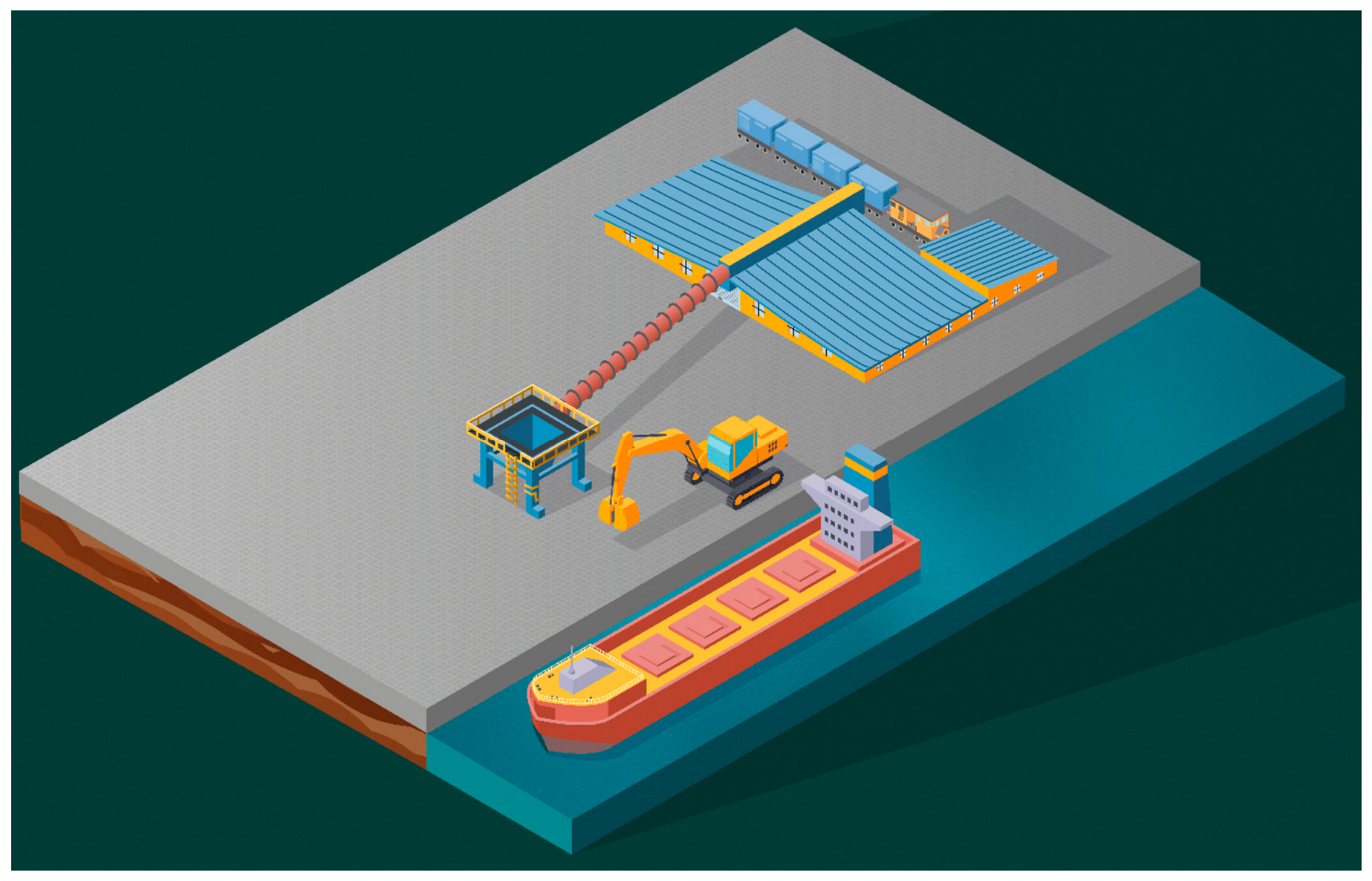
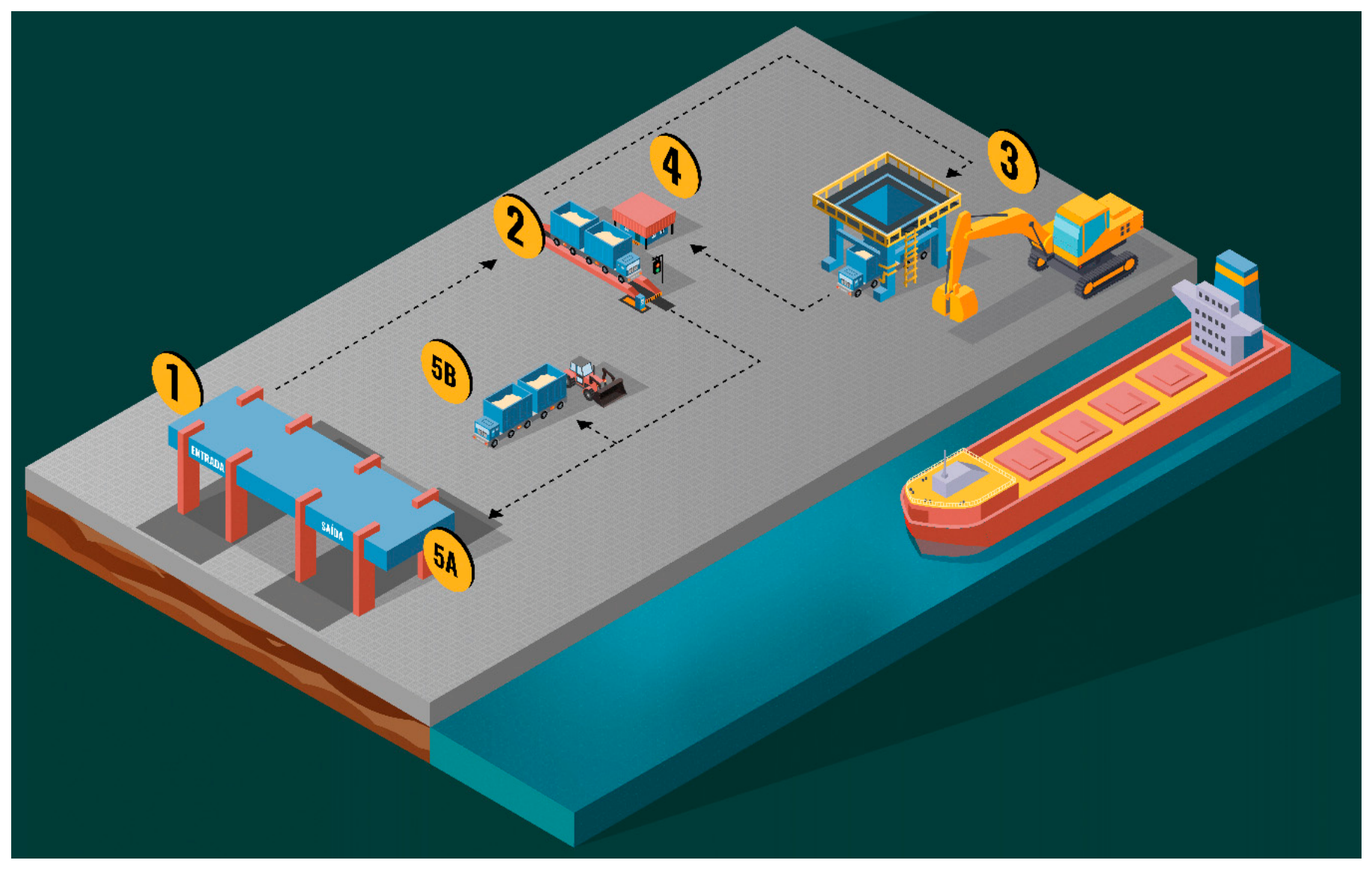
In the life cycle inventory (LCI) analysis of the semi-automated operation, all energy and material inputs and outputs were considered for each stage of the process, from fertilizer unloading from the ship’s holds to delivery to the final customer. Initially, telescopic cranes are used to remove the cargo from the ship’s holds.
These cranes consume diesel and electricity during operation and are associated with greenhouse gas emissions. In addition, material wear and maintenance requirements were included in the analysis. Subsequently, conveyor belts transport the fertilizer to the storage facility. These systems consume electricity, require periodic maintenance, and involve material replacement due to belt wear over time.
Within the storage facility, the fertilizer is processed using an industrial mixer. At this stage, electricity consumption and the use of auxiliary materials were considered. Emissions of particulate matter generated during the mixing process were also taken into account.
After mixing, the fertilizer is transported via railway to the final destination. This stage involves locomotives with high fuel consumption, leading to significant greenhouse gas emissions and other atmospheric pollutants. Fuel type and consumption rates were explicitly considered in the modeling.
Maintenance activities and component wear of locomotives and wagons were also included. In addition, rail infrastructure, such as tracks and signaling systems, was considered as part of the system due to its associated material and energy requirements.
5.1.1. Analysis of Equipment in the Semi-Automated Operation
Crane
In the life cycle inventory (LCI) analysis of the Liebherr LHM 420 crane, the main input and output flows were considered across all relevant stages, from operation to end-of-life.
During the operational phase, the crane uses diesel as its primary energy source. Fuel consumption was quantified per hour or per operational cycle, along with the associated CO2 emissions and other greenhouse gases resulting from fuel combustion. In addition, the equipment consumes approximately 30 L of lubricants, and therefore the type of lubricant, replacement frequency, and the environmental impacts related to its production and disposal were taken into account.
The crane has a nominal capacity of 1100 t/h and a maximum lifting capacity of 64 tonnes. Its operational efficiency directly influences fuel consumption and, consequently, the intensity of atmospheric emissions.
The maintenance phase occurs every 2000 operating hours and includes activities such as coolant oil replacement and inspection of components, including retention valves, counterbalance systems, and sequential mechanisms. These activities involve additional material consumption and waste generation, which were incorporated into the inventory analysis.
At the end of its life cycle, the equipment is returned to the leasing company, where it undergoes dismantling processes. At this stage, environmental impacts associated with disposal were considered, as well as the potential for recycling and material recovery, contributing to impact reduction over the equipment’s life cycle.
Additionally, the inventory included energy consumption, auxiliary materials, and operational inputs across all analyzed stages, enabling a comprehensive assessment of the equipment’s environmental impacts. The data were modeled using SimaPro, and the detailed results are presented in
Table 3, including resource inputs and outputs in terms of emissions and waste.
Table 3.
Inputs and outputs for port crane operations.
Table 3.
Inputs and outputs for port crane operations.
| Category | Inputs | Quantity | Unit | Outputs | Quantity | Unit |
|---|
| Operation | Diesel fuel | 4 | L/h | CO2 emissions (diesel combustion) | 7.95 | kg |
| | Lubricants | 30 | L | Volatile organic compound (VOC) emissions | 0.0003 | kg |
| Maintenance | Coolant oil | 20 | L | Oil waste | 0.005 | L |
| | Spare parts | 5 | Units | Metal waste (spare parts) | 0.0005 | kg |
| | Air filters | 4 | Units | Air filter waste | 0.0885 | kg |
| | Retention valves | 2 | Units | Valve waste | 0.0002 | kg |
| End-of-life | Equipment dismantling | 1 | Unit | Material recycling (metal waste) | 800 | kg |
| Energy Consumption | Electricity use (auxiliary systems) | 10 | kWh | CO2 emissions (electricity consumption) | 0.4457 | kg |
The Liebherr LHM 420 crane, manufactured by Liebherr-Rostock GmbH (Rostock, Germany), used in the semi-automated operation for fertilizer handling, presents different categories of environmental impacts that must be considered, including atmospheric emissions, soil impacts, noise, and vibrations. The main impacts associated with its operation are presented in
Table 4.
Table 4.
Environmental impacts associated with crane operations.
Table 4.
Environmental impacts associated with crane operations.
| Category | Potential Impacts | Values | Mitigation Measures |
|---|
| Atmospheric Emissions | CO2 emissions | 0.000437 kg/h | (I) Regular engine maintenance; (II) Use of low-sulfur fuel; (III) Implementation of emission reduction technologies. |
| | CH4 emissions | 0.002 kg/h | |
| | N2O emissions | 0.001 kg/h | |
| | NOx emissions | 0.01 kg/h | |
| | SOx emissions | 0.005 kg/h | |
| Soil Impacts | Soil compaction | Pressure of 8 kg/cm2 | Use of load distribution plates. |
| | Contamination from lubricant/fuel leaks | Leakage of 0.5 L of oil per week | Monitoring and maintenance to prevent leaks. |
| Noise and Vibrations | Noise level | 85 dB(A) at 10 m | Use of silencers. |
| | Equipment vibration | 0.2 m/s2 | Controlled operation to minimize vibrations. |
During operation, the equipment uses diesel as its primary energy source, resulting in the emission of greenhouse gases such as carbon dioxide (CO2), methane (CH4), and nitrous oxide (N2O), as well as atmospheric pollutants such as nitrogen oxides (NOx) and sulfur oxides (SOx). These emissions contribute both to global warming and to the degradation of air quality, potentially causing impacts on human health and the environment. In the analyzed case, CO2 emissions reach approximately 0.000437 kg/h, in addition to smaller quantities of other pollutants.
Regarding soil impacts, the weight and mobility of the crane exert significant pressure, estimated at 8 kg/cm2, which may result in soil compaction and reduced permeability. Additionally, fuel and lubricant leaks pose a risk of contamination to soil and water bodies. Measures such as the use of load distribution plates and the implementation of strict maintenance and monitoring programs are essential to mitigate these impacts.
Noise and vibration impacts are also relevant. The crane can generate noise levels of approximately 85 dB(A) at a distance of 10 m, with vibration levels on the order of 0.2 m/s2. These factors may affect workers’ occupational health and the well-being of nearby communities, particularly in urban areas. The installation of noise dampeners, the enforcement of controlled operational procedures, and the establishment of appropriate scheduling can collectively mitigate these effects.
In addition to these categories, the crane operation is also associated with other environmental impacts, such as eutrophication, acidification, human toxicity, and ecotoxicity, as presented in
Table 5. Eutrophication is mainly related to NO
x emissions and particulate matter that may be deposited in water bodies, promoting nutrient enrichment. Acidification results from SO
x and NO
x emissions, which contribute to acid rain formation. Human toxicity and ecotoxicity are associated with the release of potentially harmful substances, such as volatile organic compounds, particulate matter, and residues from fuels and lubricants, which may affect both human health and ecosystems.
Table 5.
Additional environmental impact categories associated with crane operations.
Table 5.
Additional environmental impact categories associated with crane operations.
| Categories | Values | Units | Comments |
|---|
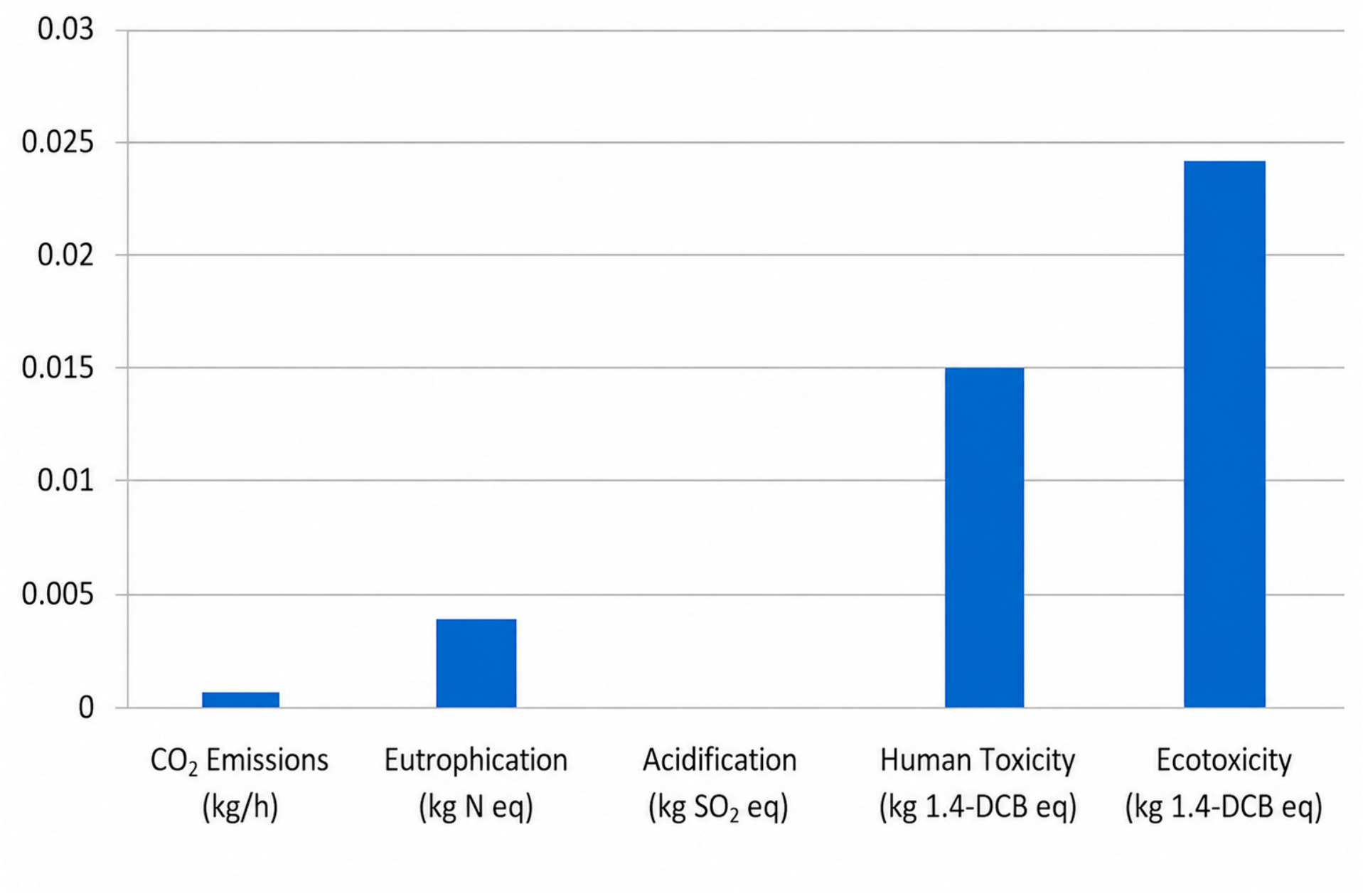
| Eutrophication | 0.000437 | kg N eq | Due to NOx emissions and particulate matter |
| Acidification | 0.000011 | kg SO2 eq | Mainly due to SO2 emissions |
| Human Toxicity | 0.015 | kg 1,4-DCB eq | Associated with chemical emissions |
| Ecotoxicity | 0.0241 | kg 1,4-DCB eq | Related to impacts on aquatic ecosystems |
Thus, the integrated analysis of these impacts, including those presented in
Table 4 and
Table 5 and illustrated in
Figure 3, enables the identification of the main operational hotspots and the understanding of the relative contribution of each impact category associated with the crane. This approach supports a more comprehensive assessment of the equipment’s environmental performance and provides a basis for mitigation strategies, such as the use of lower-impact fuels, improvements in operational efficiency, and the implementation of emission control technologies.
Industrial Fertilizer Mixer
For the life cycle assessment of equipment such as an industrial fertilizer mixer, it is essential to consider its main technical and operational aspects across all stages of the system. This includes the characterization of operating conditions, maintenance requirements, and end-of-life processes.
The mixer operates using electricity supplied by the national grid, with an approximate capacity of 20,000 L. During operation, lubricants are consumed, estimated at around 5 L, which requires consideration of the environmental impacts associated with their use and replacement.
Maintenance is performed on a monthly basis and involves activities such as lubricating oil replacement and inspection of structural and functional components, including the screw, tube, Y-shaped intake system, and gates. At this stage, material consumption occurs, mainly lubricants, along with the occasional replacement of parts, contributing to waste generation and thus being incorporated into the inventory analysis.
At the end of its service life, the equipment is sent for dismantling and recycling by a specialized company. This process enables material recovery and reduces the environmental impacts associated with disposal, rendering it a pertinent case study for environmental assessment.
The input and output values associated with the mixer operation are presented in
Table 6.
Table 7 presents the main environmental impacts associated with the operation of the industrial fertilizer mixer. During the mixing process, atmospheric emissions related to particulate matter dispersion are highlighted, particularly phosphate and nitrate dust. Phosphate dust emissions are estimated at 0.80 × 10
−6 µg/m
3, while nitrate dust reaches approximately 0.70 × 10
−6 µg/m
3. These emissions are directly associated with fertilizer handling and may compromise local air quality, in addition to posing risks to human health and the environment.
Additionally, emissions of particles from organic agglomerates are observed, estimated at approximately 0.40 × 10⁻⁶ µg/m3, particularly when fertilizers with organic composition are processed. These particles degrade local air quality and may exacerbate respiratory health impacts among workers and nearby communities.
Electricity consumption is also a relevant factor, with an estimated demand of approximately 15 kWh per operational cycle (
Table 6). This consumption directly influences the impacts associated with electricity generation, particularly when derived from non-renewable sources. Regarding maintenance, the monthly consumption of approximately 5 L of lubricating oil represents a potential source of environmental impact, especially in cases of improper disposal, which may result in soil and water contamination.
Another relevant aspect is the impact associated with noise, with levels estimated at 110 dB(A), which may affect workers’ occupational health, contributing to hearing loss, stress, and fatigue. Therefore, control measures such as acoustic insulation and the use of personal protective equipment are essential.
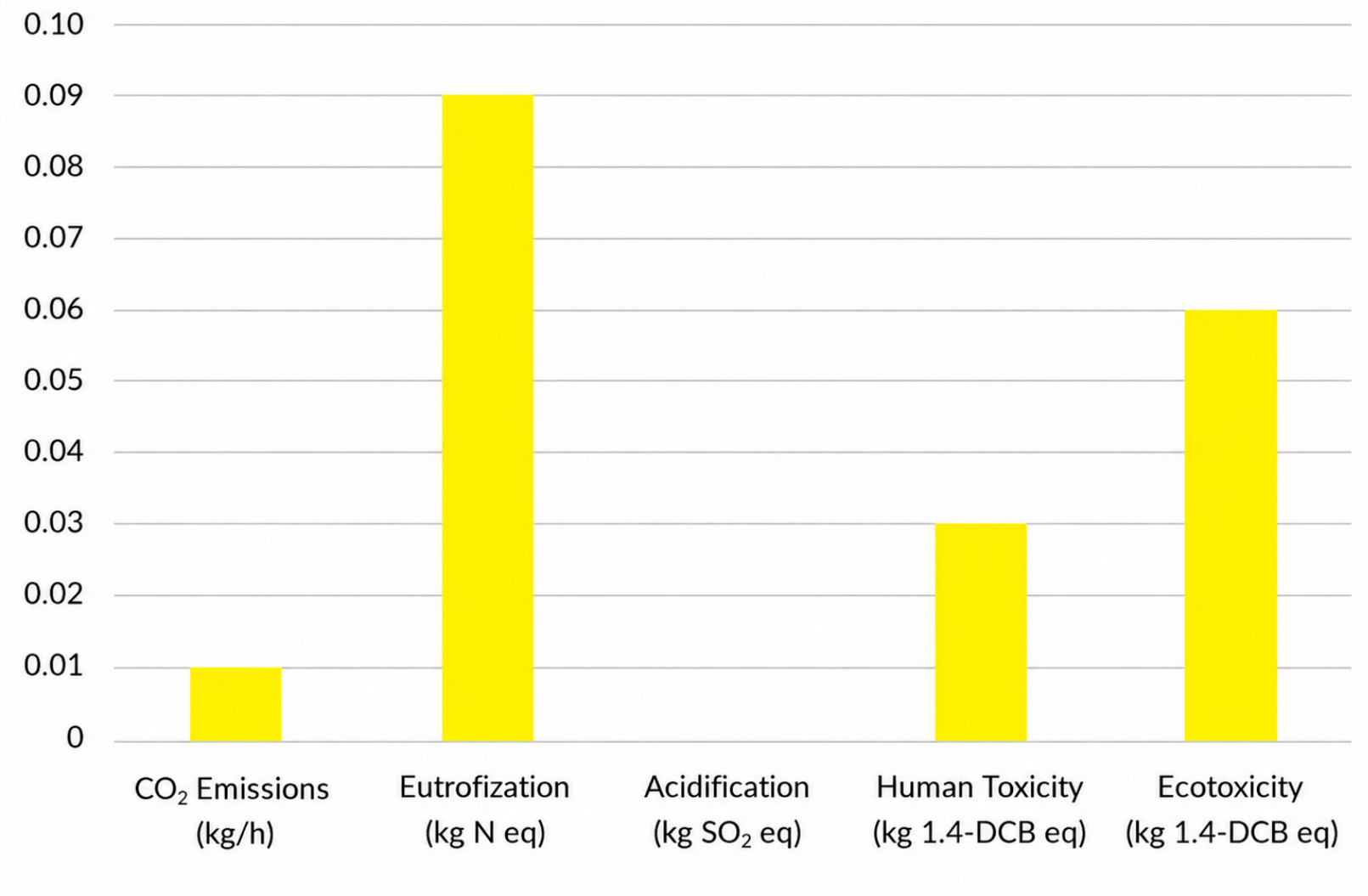
The life cycle assessment (LCA) of the industrial mixer, considering its capacity of 20,000 L, enables the quantification of relevant environmental impact categories, as presented in
Table 8. Among these categories, eutrophication, acidification, human toxicity, and ecotoxicity stand out.
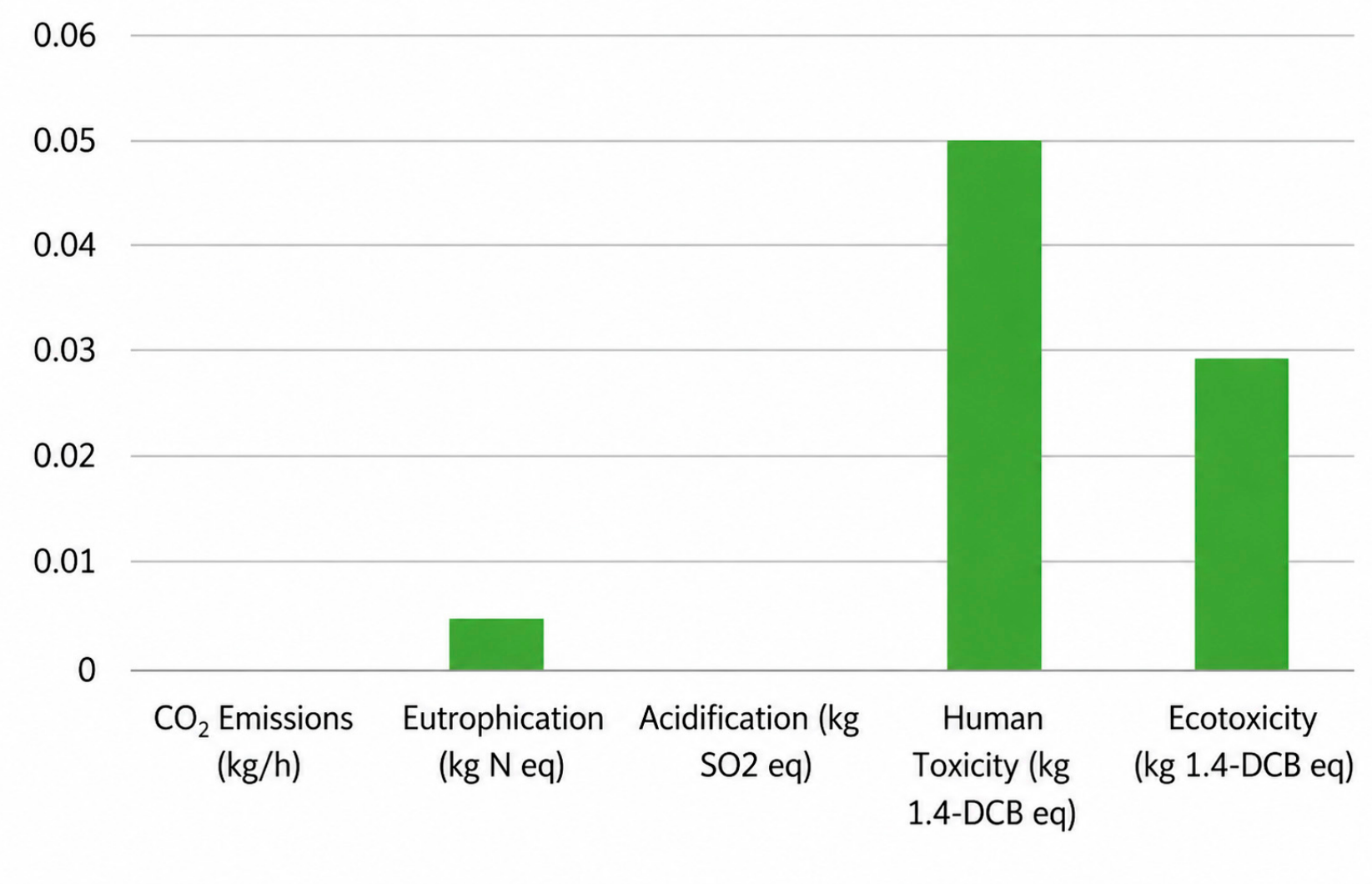
Eutrophication presents a value of 0.0062115 kg N eq and is associated with the release of nitrogen compounds during fertilizer handling, which may be transported to water bodies and promote nutrient enrichment. This process may result in excessive algal growth and reduced dissolved oxygen, compromising aquatic life.
Acidification, with a value of 0.0000017 kg SO2 eq, is related to the emission of compounds that contribute to the formation of acidic substances in the atmosphere. Although the value is relatively low, its effects may accumulate, impacting soils and aquatic ecosystems.
Human toxicity, estimated at 0.02 kg 1,4-DCB eq, indicates the presence of substances potentially harmful to human health, such as dust and chemical compounds released during operation. Ecotoxicity, with a value of 0.03 kg 1,4-DCB eq, reflects the impacts of these substances on ecosystems, particularly aquatic environments.
Overall, the integrated analysis of these impacts, as illustrated in
Figure 4, enables the identification of the main operational hotspots of the mixer and the understanding of the relative contribution of each impact category. This approach supports a more comprehensive assessment of environmental performance and provides a basis for mitigation strategies aimed at reducing emissions, improving resource efficiency, and enhancing operational conditions.
Conveyor Belt
The conveyor belt used in the context of port operations for fertilizer imports is a key component for the efficiency of the logistics system, playing a central role in the continuous flow of materials. The equipment, manufactured on demand, operates at an approximate speed of 2 m/s and has a mechanical resistance of 2000 kN/m, contributing to optimized material handling and reduced downtime.
The system operates using electricity supplied by the national grid, which, compared to fossil fuel-based systems, tends to present lower direct environmental impacts. However, indirect greenhouse gas emissions associated with the electricity mix must be considered.
Maintenance is performed on a monthly basis and involves lubrication and inspection of equipment components, with an estimated consumption of approximately 5 L of lubricants. Occasionally, component replacement, such as screens and rollers, is required, resulting in additional material consumption and waste generation, which were incorporated into the inventory analysis.
It is noteworthy that the equipment does not consume water during operation, contributing to the reduction in water-related impacts in the port context. At the end of its service life, the conveyor is sent for dismantling and recycling by a specialized company, enabling material recovery and minimizing waste disposal.
In the life cycle inventory analysis, the main input and output flows were considered across all system phases. During the operational phase, electricity consumption is estimated at approximately 10 kWh, associated with indirect CO2 emissions of around 0.000351 kg/h. Additionally, fertilizer transport and particulate emissions to air were considered as variable flows, depending on operational conditions.
During the maintenance phase, lubricant consumption, estimated at approximately 5 L per month, results in waste generation of about 0.00201 L per day, which requires proper management due to its potential environmental impact.
Finally, in the end-of-life phase, the equipment undergoes dismantling, generating approximately 100 kg of metal waste destined for recycling, contributing to material recovery and reduced environmental impacts.
The data were modeled using SimaPro 7, ensuring methodological consistency and comparability of results.
The conveyor belt, used in port operations for fertilizer imports, presents relevant environmental impacts throughout its life cycle, including the operational, maintenance, and end-of-life phases, as shown in
Table 9.
During the operational phase, indirect CO2 emissions are estimated at approximately 0.000351 kg/h, primarily resulting from electricity consumption. Additionally, the equipment generates noise levels of around 65 dB(A), which may affect both occupational health and environmental quality in surrounding areas. Another relevant aspect is the emission of particulate matter, whose magnitude depends on the physicochemical properties of the transported fertilizer.
Particulate emissions are mainly associated with dust generation due to friction between fertilizer granules and the conveyor components. Considering that fertilizers are primarily composed of nutrients such as nitrogen, phosphorus, and potassium, as well as secondary elements, these particles may impact both human health and the environment. The inhalation of fine particles may cause respiratory issues, while their deposition in soil and water bodies may alter chemical composition and affect local ecosystems. In this context, the adoption of control measures, such as dust suppression systems and air filtration, is essential to mitigate these impacts.
In the maintenance phase, lubricant consumption estimated at approximately 5 L per month results in waste generation of about 0.00201 L/day. Improper handling of these residues may lead to soil and water contamination; therefore, appropriate collection, storage, and disposal practices are essential, including the use of biodegradable lubricants whenever possible.
At the end of its life cycle, conveyor disposal represents a potential source of environmental impact, particularly if dismantling is not properly conducted. It is estimated that approximately 100 kg of waste is generated per unit, reinforcing the importance of recycling strategies and responsible dismantling to reduce environmental impacts.
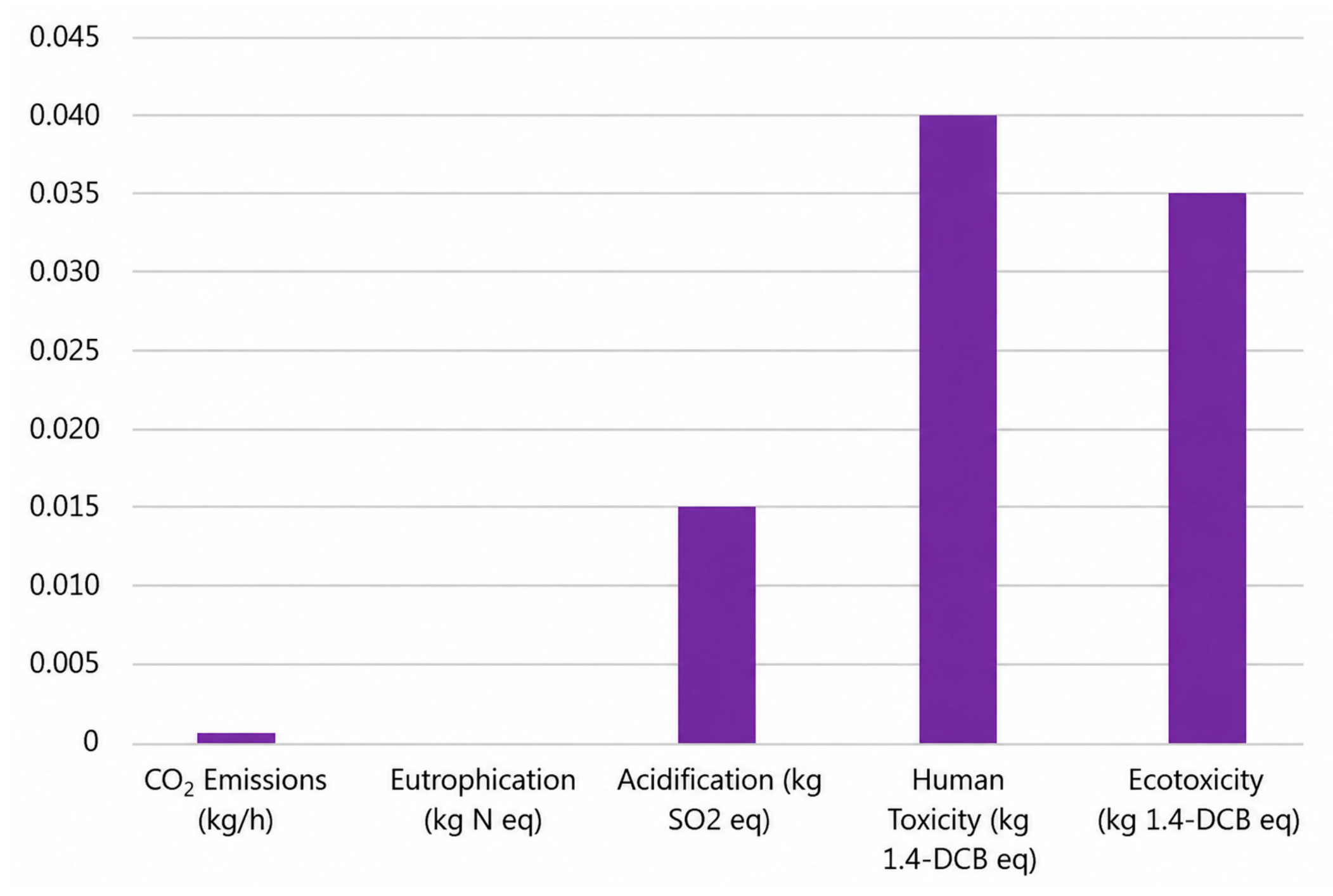
In addition to direct impacts, conveyor operation also contributes to other environmental impact categories, as presented in
Table 10. Eutrophication, with a value of 0.0000362 kg N eq, is mainly associated with fertilizer spillage during transport.
Acidification, estimated at 0.00540 kg SO2 eq, is related to electricity consumption and indirect emissions from the energy mix. Human toxicity, with a value of 0.02 kg 1,4-DCB eq, reflects risks associated with exposure to potentially harmful substances during maintenance activities. Ecotoxicity, estimated at 0.05 kg 1,4-DCB eq, is associated with the environmental impacts of fertilizer spills and particulate deposition.
Overall, the integrated analysis of these impacts, as presented in
Figure 5, allows for the comparison of the relative contribution of each impact category associated with conveyor belt operation, highlighting the main system hotspots. This approach supports a more comprehensive environmental performance assessment and provides a basis for mitigation strategies aimed at reducing emissions, improving resource efficiency, and enhancing operational practices.
Rail Transport
Rail transport to the final customer represents a key stage in the logistics chain and is carried out using diesel-powered locomotives, such as the SD70 model, which are characterized by high traction capacity and efficiency in transporting large volumes over long distances.
In the life cycle inventory (LCI) analysis, the main input and output flows associated with the operational and maintenance phases of this system were considered. During the operational phase, diesel consumption is estimated at approximately 18,800 L per operation, directly associated with CO2 emissions of about 0.15201 kg/h. Additionally, fertilizer transport, with an approximate volume of 3290 tonnes, results in particulate matter emissions estimated at 15.8 × 10⁻³ µg/m3, whose magnitude depends on operational conditions and the physicochemical properties of the transported material.
Despite the high energy efficiency of rail transport on a per-tonne-kilometer basis, the intensive use of diesel fuel results in substantial contributions to greenhouse gas emissions. In this context, it is essential to consider both the energy inputs required for operation and the resulting atmospheric emissions within the life cycle assessment.
During the maintenance phase, lubricant consumption is estimated at approximately 20 L per day, generating waste on the order of 0.259 L per day. Improper handling of these residues may pose a relevant environmental risk, particularly in terms of soil and water contamination, reinforcing the need for appropriate management practices.
Therefore, rail transport of fertilizers to the final customer involves a range of environmental impacts, as presented in
Table 11, with emphasis on greenhouse gas emissions and noise pollution. During operation, diesel combustion results in the release of carbon dioxide (CO
2), the main greenhouse gas associated with this system, contributing significantly to global warming.
Emissions of nitrogen oxides (NOx) and methane (CH4) represent important environmental concerns associated with rail operations. NOx contributes to photochemical smog formation and acidification processes, while CH4 presents a global warming potential higher than that of CO2. In this study, CH4 emissions were estimated using background emission factors from the Ecoinvent database rather than direct field measurements, representing modeled values associated with diesel combustion processes. Although methane emissions from modern diesel locomotives are generally low due to combustion optimization and oxidation control technologies, small quantities may still be represented in standardized Life Cycle Assessment inventories. In addition, locomotive operation generates high noise levels, estimated between 95 and 105 dB(A) at a distance of 10 m, which may negatively affect occupational health and surrounding communities.
Although rail transport is often considered a more energy-efficient alternative compared to road transport, its environmental impacts are not negligible. In this context, the adoption of mitigation measures is essential, including the use of emission reduction technologies, improvements in energy efficiency, and the implementation of noise mitigation strategies, such as acoustic barriers and route planning.
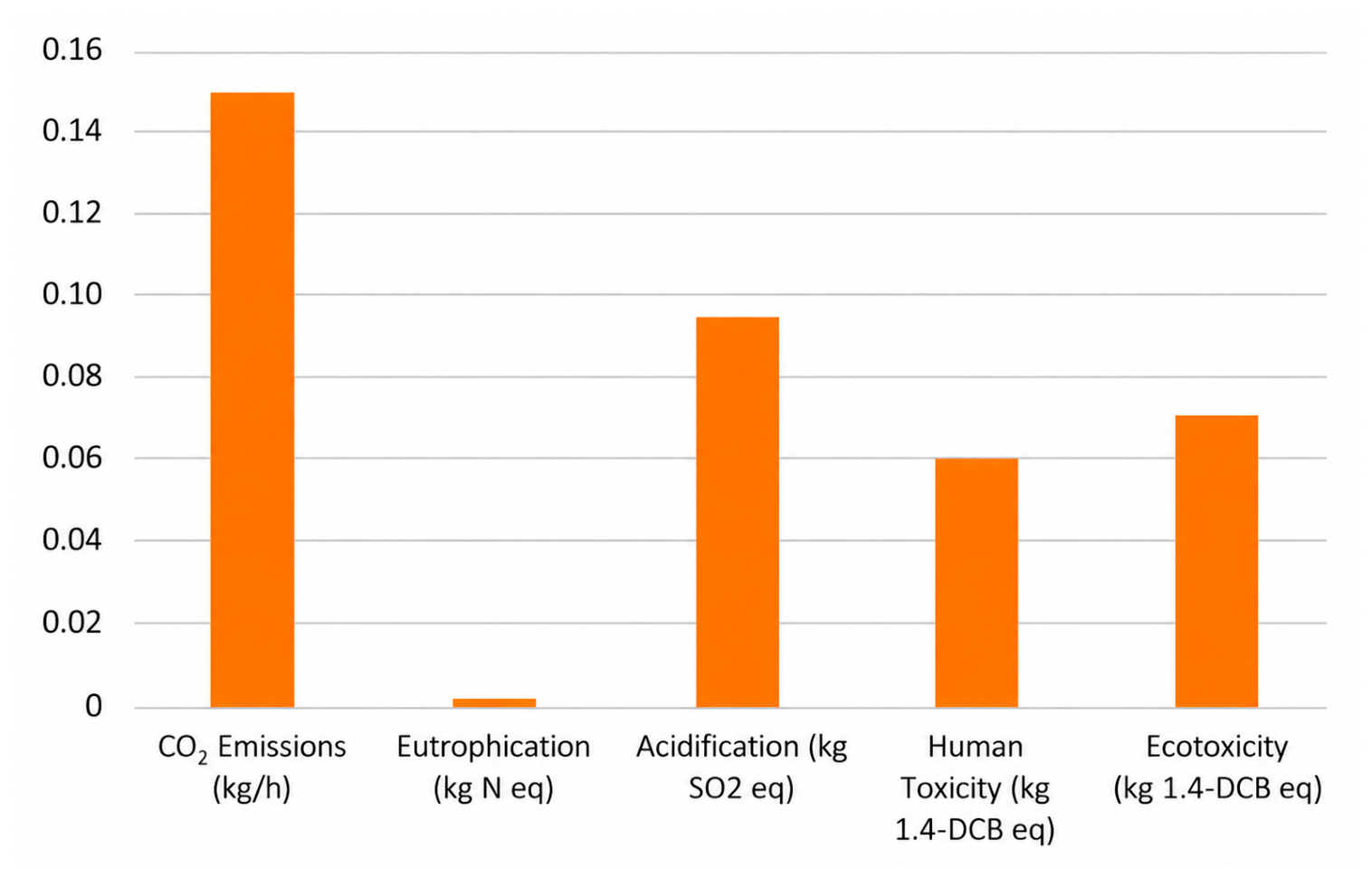
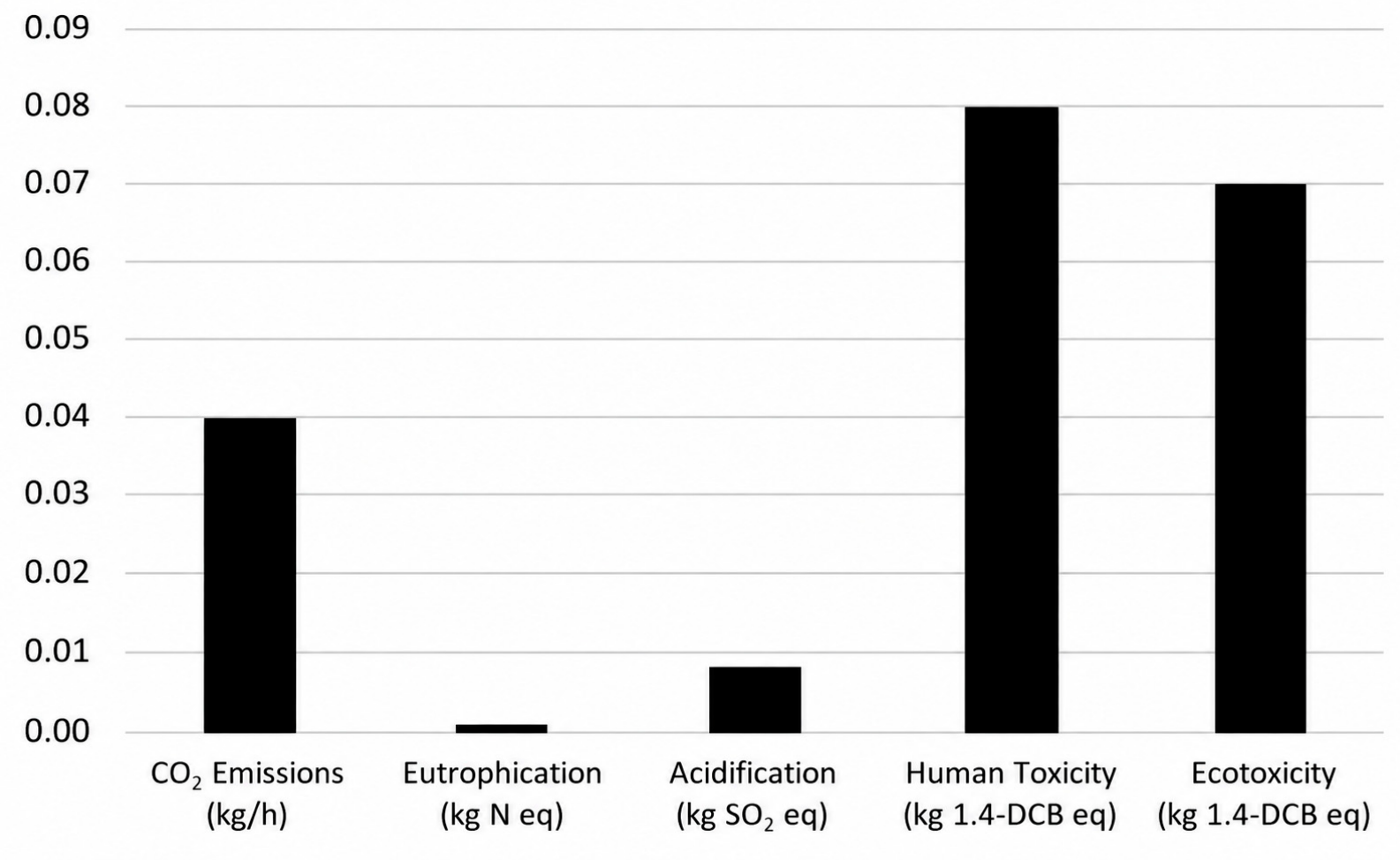
Table 12 presents the values associated with additional impact categories for the EMD SD70 locomotive. Eutrophication, with a value of 0.003801 kg N eq, is associated with nitrogen compound emissions from diesel combustion, which may be transported to water bodies and promote nutrient enrichment. This process may result in excessive algal growth and reduced dissolved oxygen, compromising aquatic life.
Acidification, estimated at 0.0959 kg SO2 eq, results from emissions of gases such as sulfur dioxide (SO2) and nitrogen oxides (NOx), which contribute to acid rain formation. This phenomenon may cause significant impacts on soils, aquatic ecosystems, and vegetation.
Human toxicity, with a value of 0.06 kg 1,4-DCB eq, indicates the potential adverse effects of atmospheric emissions on human health, including exposure to fine particulate matter and toxic gases associated with respiratory and cardiovascular diseases. Similarly, ecotoxicity, estimated at 0.07 kg 1,4-DCB eq, reflects the environmental risks associated with these emissions and potential diesel spills, which may negatively affect biodiversity and ecosystem integrity.
Overall, the integrated analysis of these impacts, as presented in
Figure 6, allows for the comparison of the relative contribution of each impact category associated with locomotive operation, highlighting the main environmental hotspots. This comparative approach supports a more robust assessment of environmental performance and provides a basis for mitigation strategies across the logistics chain.
The low eutrophication values observed for locomotive operation are mainly related to the absence of direct fertilizer handling and nutrient-rich material losses. While diesel combustion contributes significantly to categories such as global warming and acidification, eutrophication is more strongly associated with nitrogen and phosphorus releases into water and soil systems. Therefore, the contribution of locomotive operation to eutrophication remains comparatively low.
5.1.2. Semi Automated Operation Integrated Environmental Impact Analysis
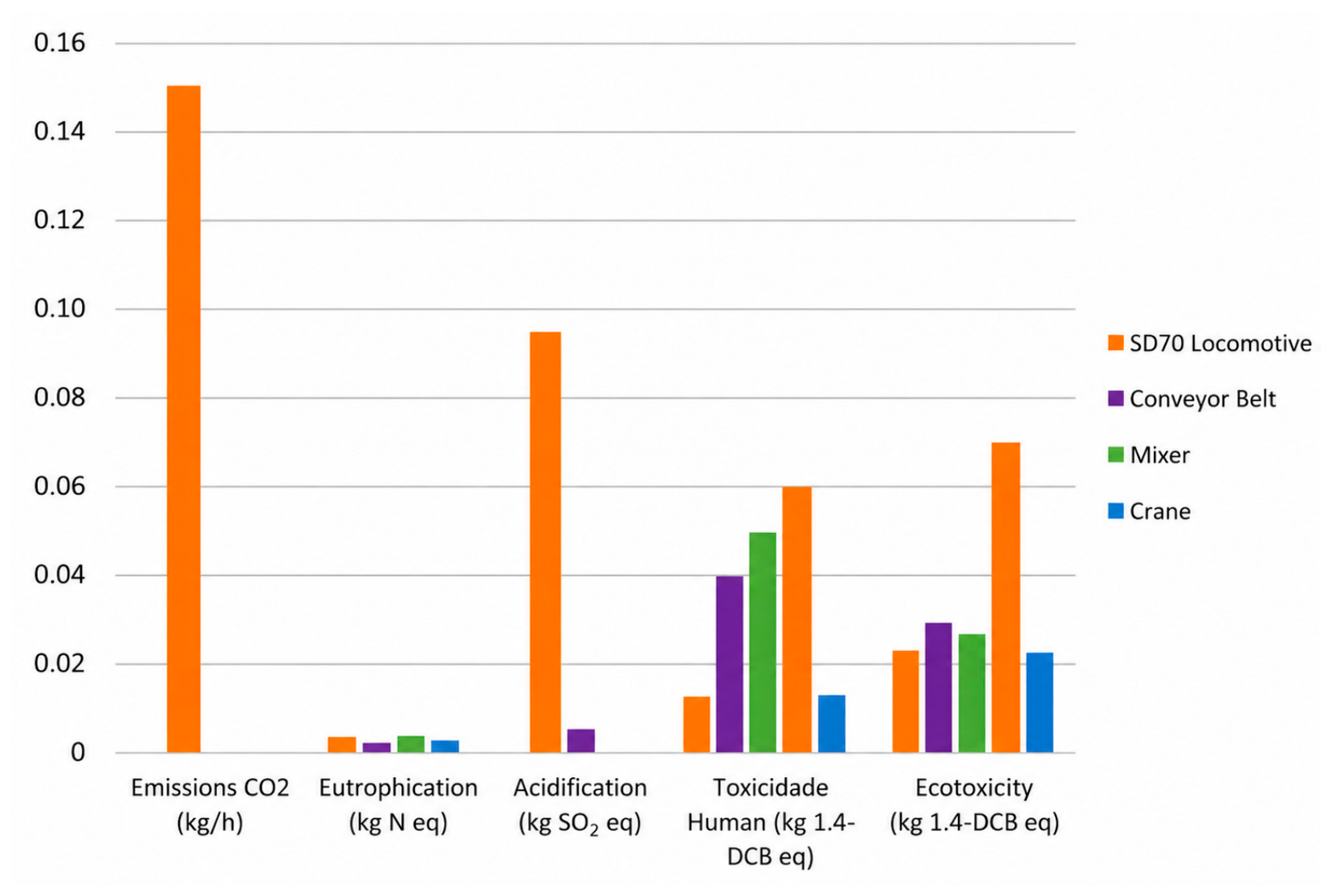
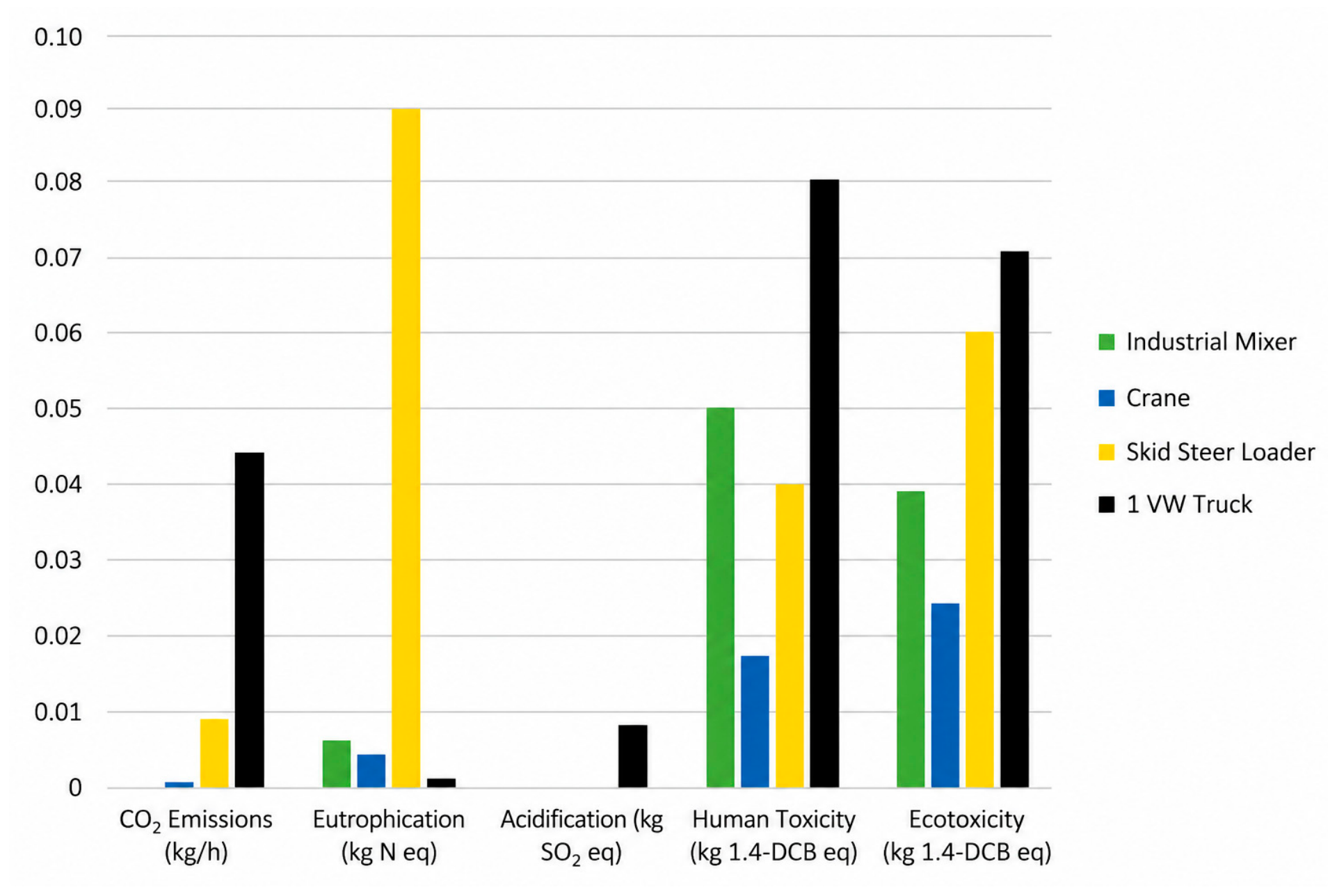
Figure 7 presents the integrated analysis of environmental impact categories associated with the semi-automated operation, allowing comparison across different equipment within the system.
The low eutrophication values observed in
Figure 6 and
Figure 7 are associated with the limited release of nutrients during locomotive and transport operations. Although diesel combustion contributes to atmospheric emissions, eutrophication is primarily linked to nitrogen and phosphorus losses directly released into water and soil systems. Since these operational stages do not involve significant fertilizer leakage or direct contact with aquatic environments, their contribution to eutrophication remains comparatively lower than other impact categories, such as global warming and acidification.
The SD70 locomotive stands out as the main source of CO2 emissions. This result is directly related to the use of diesel as an energy source, whose combustion releases significant amounts of greenhouse gases. This indicator is particularly relevant in the context of the energy transition, as CO2 is one of the main drivers of global warming.
Regarding eutrophication, the industrial mixer shows the highest contribution. This can be explained by the handling of fertilizers rich in nutrients such as nitrogen and phosphorus, which may be released during the operational process. When these compounds reach water bodies, they promote nutrient enrichment, potentially leading to excessive algal growth and deterioration of water quality.
In terms of human toxicity, the SD70 locomotive again emerges as the main contributor, followed by the industrial mixer. This behavior is associated with atmospheric emissions from diesel combustion, including particulate matter, nitrogen oxides (NOx), and other compounds potentially harmful to human health.
For ecotoxicity, both the SD70 locomotive and the conveyor belts show significant contributions. Ecotoxicity refers to impacts on ecosystems, particularly through soil and water contamination. In the case of conveyor belts, these impacts are mainly associated with lubricant leaks and particulate dispersion, while for the locomotive they are primarily related to exhaust emissions and potential fuel leaks.
Overall, the analysis presented in
Figure 7 highlights that the most significant environmental impacts are concentrated in transport and material handling processes, emphasizing the importance of mitigation strategies aimed at reducing fossil fuel consumption, controlling emissions, and improving operational efficiency throughout the system.