Article

Refining Social Vulnerability Indices Towards Sustainable and Resilient Rural Communities
1
Environmental Studies, Bowdoin College, Brunswick, ME 04011, USA
2
Blue Sky Planning Solutions, Bowdoin, ME 04287, USA
*
Author to whom correspondence should be addressed.
Sustainability 2026, 18(14), 6933; https://doi.org/10.3390/su18146933
Submission received: 24 May 2026 / Revised: 30 June 2026 / Accepted: 2 July 2026 / Published: 8 July 2026
(This article belongs to the Special Issue Disaster Risk Reduction and Sustainability)

Abstract

Rural coastal communities are grappling with climate change impacts, including the increased frequency of extreme storm events. Achieving sustainability goals requires addressing environmental, social, and economic dimensions of these events. Social vulnerability indices provide a means of addressing social vulnerability to advance sustainability goals. While such indices offer a metric for assessing relative social vulnerability at a community scale, they often fail to capture more nuanced dimensions of vulnerability. Our exploratory qualitative case study employed two community-driven exercises to examine the impacts due to loss of power, heat, and access to emergency services stemming from a storm event. Participants representing public, conservation, social service, emergency management, and business sectors received a customized social vulnerability index prior to the community exercise, which examined social vulnerabilities associated with an extreme storm event. Participants completed pre- and post-exercise surveys. Transcripts and notes from discussions were analyzed qualitatively. The results provide a refined understanding of who is vulnerable to climate change impacts, the limitations of vulnerability indices in capturing these vulnerabilities, and the potential for community-centered approaches for developing customized vulnerability indices. Such approaches can inform more comprehensive preparation and recovery initiatives in response to increasing extreme storm events.

1. Introduction

1.1. Background

Changing climate conditions will have disparate impacts on communities. These effects are shaped by the nature of the hazard (floods, sea level rise, and wildfires), the timeline of impacts (coastal storms, encroaching sea level rise or acidification of coastal waters), and the geographies of the communities themselves (e.g., rural versus urban) [1,2,3]. Changing climate conditions can cause environmental damage, exacerbate existing social vulnerabilities, and contribute to economic losses, each an important dimension of sustainability [4]. To advance longer-term sustainability goals, disaster planning must address economic, social and environmental consequences as part of any longer-term hazard mitigation planning process [5,6].
Building community resilience requires strengthening infrastructure in concert with enhancing social and economic support and planning systems to mitigate the impacts of extreme storm events. A key dimension of enhancing social systems is addressing the needs of individuals who are more vulnerable to the impacts of climate change, such as extreme storms. By understanding the discrete impacts they face and shoring up support systems to better meet the needs of community members, planners can better achieve sustainability goals and build community resilience [4,7,8].
Social vulnerability is multidimensional and context-specific. Understanding the place dimensions of climate impacts and how they intersect with community vulnerabilities is key to enhancing preparedness for and recovery from extreme storm events [9,10]. Vulnerabilities vary across country levels and in subnational contexts [9,11]. Prior research has examined variations in vulnerability across the rural–urban spectrum in the US and internationally. Identifying and responding to these differences is critical in meeting the needs of community members facing greater vulnerabilities to the impact of extreme storm events and their differential vulnerabilities associated with rural locales [9,12]. Rural areas face distinct challenges from extreme storm events. They often have more limited emergency services, longer travel time to hospitals that may be further extended by intermittent flood events, and greater risks during extended power outages [10,13,14,15]. Per capita, rural areas have less infrastructure to mitigate flood impacts while also seeing increased development in flood-prone areas [15]. Lower federal investment in providing updated flood map products, coupled with more limited resources to repair damaged infrastructure present challenges for preparedness [9,15].
Rural areas are also at greater risk due to a combination of demographics (older population who may depend on home health care services, households in poverty, and community members living in substandard housing). Lower capacity to plan for, respond to and recover from flood events places rural residents at greater risk to the impact of extreme storm events [12,15,16,17,18]. Further, rural economies are often intertwined with natural resource livelihoods that may be at greater risk to natural disasters such as flood events or droughts [18,19].
Rural resilience often relies on social capital, particularly support associated with social networks [9]. However, community members who are isolated or lack strong social networks may be at greater risk in certain situations [12]. These factors highlight the need for customized, place-specific approaches that identify specific vulnerabilities experienced by rural residents [10].
Our exploratory qualitative case study, which focused on Maine, USA, examines the specific challenges rural populations with heightened social vulnerabilities face from extreme storm events. As a rural state, Maine is predicted to face the impacts of sea level rise, exacerbated by increasing storm surge events [13,20]. Coastal flooding will cause loss of access, limiting residents’ access to emergency services during and after storm events. Understanding these potential impacts is key to ensuring that the needs of vulnerable populations are met during extreme storm events [20,21,22]. Adaptation and disaster planning require local capacity building. Identifying strategies that are scale-appropriate and build on the strengths of rural community resilience is imperative to meet the needs of vulnerable community members facing a range of climate impacts (extreme storm events, wildfires, heat events) [15,23,24,25]. Beyond place (rural vs urban), understanding how social vulnerabilities interact with the short- and longer-term impacts of climate change is challenged by the process of assessing impacts at the scale and time horizons to make meaning of the impact of vulnerabilities [7,23]. Our case study contributes to the literature on approaches for incorporating local context as a key dimension for successfully identifying and addressing these challenges faced by vulnerable populations in rural areas across the US, as well as international contexts [7,9,12,15,18].

1.2. Theoretical Framework: Social Vulnerability Indices

Understanding the social dimensions of community resilience requires attention to the severity of the impact, timeline of the event, and the demographics and capacity of community members [1,26]. Social vulnerability indices can provide a starting point for community resilience planning. The challenge lies in extending indices to develop a more nuanced, localized understanding of social vulnerability that incorporates relevant factors for building resilience [5,6,27,28,29].
Social vulnerability indices represent a quantitative approach to identifying social dimensions of community vulnerability. Indices such as the social vulnerability index (SoVI) developed by Cutter [30] and the social vulnerability index (SVI) developed by the US Center for Disease Control (US CDC SVI) [31] have been used in assessing hazard risk, but are limited by what the indices capture and require more refinement informed by the scale and temporal nature of the impacts and by local conditions and knowledge [7,23,32].

1.2.1. Scale of Social Vulnerability Indices

Prior research has examined the utility of indices in terms of scale and how well they capture on the ground vulnerabilities [4,32]. Indices such as SoVI and the US CDC SVI provide an initial view of broader social vulnerabilities, while also highlighting the importance of scale as a potential determinant of vulnerability. Further, planning processes should focus on more localized conditions and local resources to address social vulnerability [26,33]. Many indices, such as the SoVI and the US CDC’s SVI, are developed at county or census tract levels due in large part to the accuracy of census data at these scales [26,30,34]. Although census tracts may align with governance units in some communities, in rural areas, county and tract lines can obscure governance units, which can be important when enacting policy [7,21]. As a result, vulnerability assessments require both top-down and bottom-up data and processes to fully comprehend vulnerability at an appropriate scale [23].

1.2.2. Temporal Dimensions

Certain impacts, such as storm events, have direct consequences and are easier to measure, while other impacts, such as the increasing temperature and acidification of coastal waters, are harder to interpret in terms of impacts on vulnerable community members.
The temporal nature of vulnerability associated with extreme storm events is challenged by indices constructed at a point in time. The US CDC SVI and SoVI use demographic data that is revised regularly to reflect updates in data. For example, the US CDC SVI is updated biennially. Although updates can reflect shifts in demographics, as well as adjustments to variables as research identifies emerging vulnerabilities, they often miss shifts in vulnerabilities over time in response to extreme storm events. Some community members may feel the effects directly after a storm, while others experience lingering impacts, such as loss of income that may emerge later and reflect broader vulnerabilities [32,34]. As climate impacts evolve, vulnerability assessments and indices must also evolve to reflect changing environmental and social conditions and reflect the temporality of vulnerabilities [7].

1.2.3. Integrating Local Knowledge

Mechanisms for drawing upon local knowledge systems through stakeholder engagement contribute to longer-term resilience strategies [35,36]. Facilitated community processes enable identification of social vulnerabilities and how these vulnerabilities interact with short- and long-term impacts. Participatory processes provide multiple benefits: stakeholders can ground-truth information on climate impacts; they are also more likely to use knowledge generated by participatory processes; and they benefit from social learning and establishment of networks [37]. Providing opportunities to facilitate connections across sectors to identify current strengths and weaknesses in responding to storm events is a strategy for building social resilience to address social vulnerabilities [38].
Hazard mitigation planning processes have had limited incorporation of social vulnerability. A global review of hazard mitigation planning found that vulnerable populations are often not included in the planning process [8]. Approaches that engage community members in identifying social vulnerabilities and refining vulnerability assessments towards including hazard-specific interventions are key to mitigating impacts on all community members [39].

1.2.4. Intersectional and Relational Dimensions of Vulnerability

Examinations of social vulnerability necessarily engage with climate justice and the recognition that many dimensions of social vulnerability are intersectional. Vulnerabilities also reflect broader institutionalized variables that must be addressed. While an examination of statewide hazard management plans revealed nearly one-third contained no specific reference to social vulnerability, others included variables not included in the social vulnerability indices, such as LGBTQ identity and veteran status [8]. Social vulnerability indices can serve as a starting point, but more work is needed to identify and address the underlying factors contributing to these vulnerabilities and to develop strategies that respond to intersecting and relational vulnerabilities [1,8,32,40].

1.3. Maine Social Vulnerability Index Development and Application

A social vulnerability index (Table 1) for coastal communities was developed as a planning tool for coastal communities in Maine. The Maine Social Vulnerability Index (MESVI) is based upon the US CDC SVI but incorporates additional factors related to rural communities [21,34]. Maine is one of the oldest states in the nation. Age, coupled with social and geographic isolation, can be especially concerning in rural communities [41]. The MESVI includes a variable representing population over 65 and living alone [13,34]. Extreme storm impacts on working waterfront infrastructure, increased acidification of marine waters, and contamination associated with higher frequency storm events could pose risks to marine economies [30]. To reflect this vulnerability, the MESVI includes the percentage of the population employed in the natural resource sector. Given the prevalence of self-employment and small businesses in rural Maine, the MESVI also includes the percentage of the population that is self-employed, reflecting potential disruptions due to storm impacts [34,42]. To enable communities to understand vulnerabilities at an actionable level (municipal in Maine), the MESVI was downscaled from the county level [21].
There are gaps in understanding how vulnerabilities shift across the rural–urban continuum. A place-based understanding is needed to illuminate the spatial, temporal, intersectional and relational dimensions of rural social vulnerability [9,32]. Further, research in this realm has focused on quantitative measures rather than a more qualitative examination of characteristics that contribute to heightened vulnerability. There is a need to go beyond hazard mitigation and address overall social vulnerability reduction [32]. Finally, developing approaches to identify vulnerable populations and to engage them meaningfully is key to addressing relational vulnerabilities [40]. Promising qualitative approaches exist that are informed by prior research on scenario-based and facilitated stakeholder-engaged processes to examine place-specific hazards. Such approaches allow for localized examination of hazards and impacts on vulnerable populations [37,39,43].
Many studies apply standardized social vulnerability indices (SoVI, US CDC SVI) [8,10,15,23,32]. Fewer studies combine a customized index with a qualitative case study to examine needed improvements in scale, temporality, engagement processes, and intersectionality and relational dimensions of vulnerability [37,39]. Our research applies a localized index (MESVI) to examine rural vulnerabilities. Using a qualitative case study approach, we incorporated the MESVI into facilitated community processes to identify gaps and needed refinements for understanding rural social vulnerability.
Guided by the framework of scenario exercises and stakeholder engagement, our research goals were to explore the role of facilitated community processes in refining and contextualizing a customized index, specifically the MESVI [39], and to examine iterative approaches for refining indices to address rural needs. Our research objectives included: (1) to explore shared understandings of social vulnerabilities; (2) to examine the potential of facilitated community processes in refining social vulnerability indices as a means of planning and recovering from storms; and (3) to identify spatial, temporal, and intersectional vulnerabilities within a rural context. We examine the role of indices in informing the preparation, response and recovery from extreme storm events and identify mechanisms to mitigate impacts on vulnerable community members.

2. Methods

Our research project employed an exploratory qualitative case study focusing on the role of facilitated community processes to examine social vulnerability [37,39,43]. The case study integrated a scenario planning exercise (the Southern Maine Social Resilience Project or SMSRP) and a facilitated reflective process (the Lincoln County Social Resilience Project or LCSRP) to examine the potential of facilitated community processes to refine and expand a social vulnerability index to improve community hazard planning [36,37,39,43,44].

2.1. Study Area

The research project focused on coastal communities in Maine, USA. Maine, in the northeastern part of the US, is one of the most rural states in the US, and has one of the oldest populations. Maine’s coastline is one of the longest coastlines in the continental US. Maine represents an opportunity to examine the multidimensional rural context of storm events in the Global North. Increasing high precipitation events coupled with encroaching sea levels will directly impact coastal communities [3,21,45].
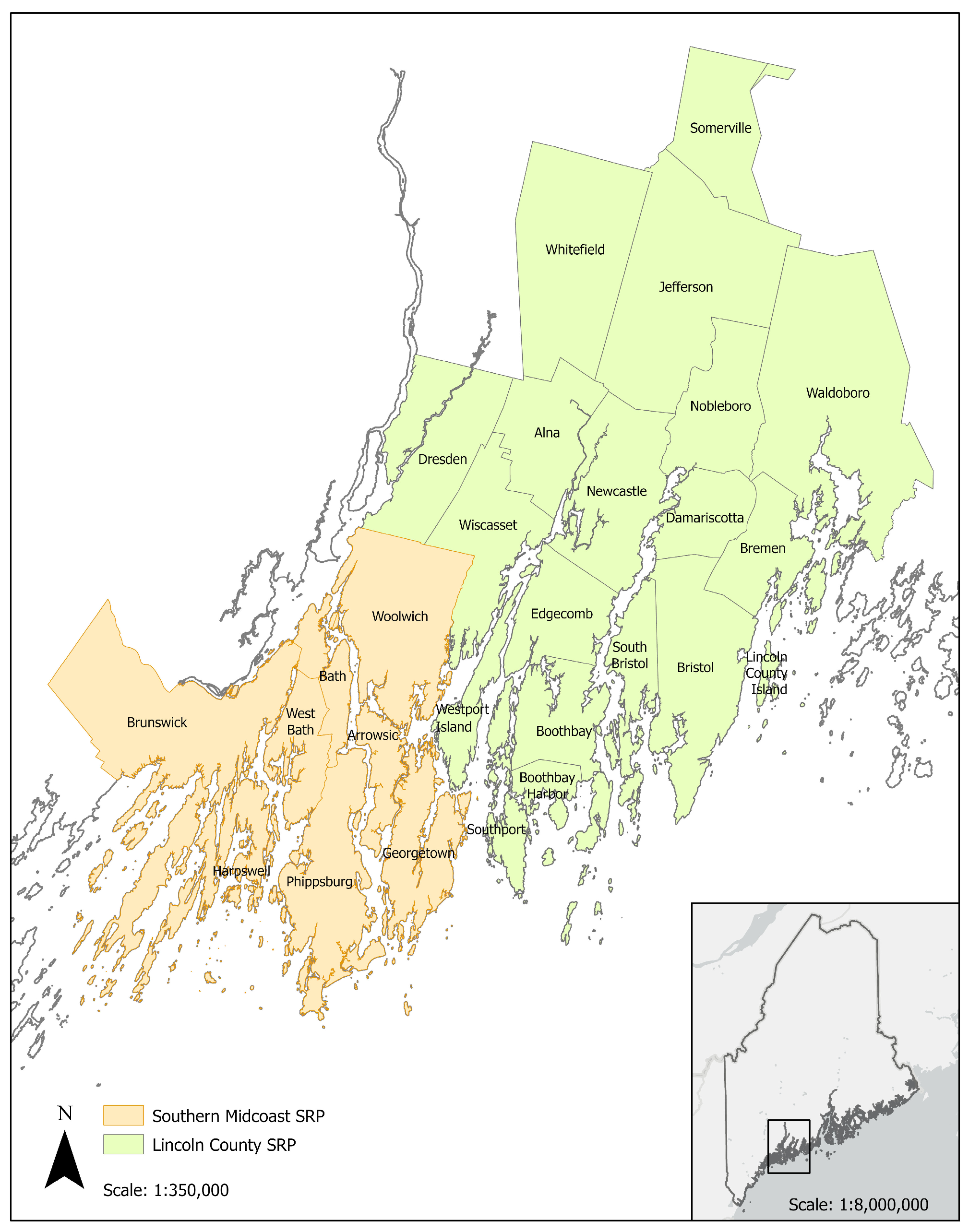
The SMSRP took place in parts of Cumberland and Sagadahoc Counties from 2020 to 2022, and the Lincoln County (LCSRP) took place in Lincoln County in 2024 (Figure 1). Although both regions are located along Maine’s mid to southern coast, they differ in governance structures and community characteristics. Originally conceptualized to develop and then repeat a scenario exercise in two similar yet distinct geographies, the research team modified the LCSRP in response to devastating storms that occurred in January of 2024 [46].

2.1.1. Southern MidCoast Social Resilience Project: Focus Groups and Development of Scenario Planning Exercise

The SMSRP included eight communities with a combined population of 44,221 during 2020–2022 (Figure 1). The timeline was extended in response to the COVID-19 pandemic, with a combination of in-person focus groups and interviews, culminating in a virtual exercise in January of 2022. We held three focus groups with representatives from the conservation sector (8 participants), social service (8 participants) and emergency management (8 participants). The focus groups explored how each sector approached social vulnerability and their familiarity with the MESVI. An important outcome was the suggestion that a scenario planning exercise (SPE) could facilitate cross-sector connections, assess understandings of social vulnerability, and explore how sectors supported vulnerable residents during storm events.
During initial scoping, we conducted nine interviews (summer-fall 2020) with sector representatives. Interviews focused on challenges each sector faced in meeting the needs of socially vulnerable community members and best practices for designing an SPE that incorporated a typical regional storm, which specifically explored impacts on community members with heightened vulnerabilities.
An SPE was developed in consultation with a project advisory committee comprising representatives from conservation, emergency management, municipalities, and social services sectors. The SPE replicated a late fall extreme storm that flooded roads and caused extended power outages, which occurred during a high astronomical tide, resulting in historic high storm tides and winds. It was designed to highlight the experiences of community members with heightened social vulnerabilities: flooded and damaged roads hampered emergency response and residents’ access to food and social support systems; and loss of power posed risks to community members’ ability to keep warm, and contributed to food spoilage.
A second key dimension was the SPE timeline. Based on advisory committee input, the SPE extended beyond a typical exercise to capture lingering impacts felt by community members months after the storm and to allow for consideration of longer-term planning processes.
The SPE was held in January 2022. Fifty-six individuals participated in the SMSRP SPE, representing a range of sectors and geographies (Table 2). In advance of the SPE, participants received a detailed description of the storm and its impact on area residents and infrastructure at two points: within several days of the storm hitting the region and six months after the storm event. Participants were placed in groups of 4–5 individuals comprising representatives from conservation, social services, and/or emergency management sectors.
During the first portion of the SPE discussion (focused on immediately after the storm), participants identified community members of greatest concern, how their respective organizations would meet the needs of vulnerable community members and finally any concerns about gaps in service provision for vulnerable populations because of the storm’s impacts. In the second portion of the SPE discussion (focused on six months after the storm), participants discussed lingering social and economic impacts, organizations’ role in recovery, and finally, what measures were being taken to prepare for a similar storm in the future.

2.1.2. Lincoln County Social Resilience Project

In 2023, we developed the LCSRP, which included 19 communities, all within Lincoln County, with a combined population of 35,237. The LCSRP was originally conceived to repeat the SPE as a proof of concept in a different locale, incorporating lessons from the SMSRP, including engaging the business sector and developing approaches to connect directly with community members experiencing heightened social vulnerability [47].
In late 2023 and early 2024, Maine experienced a series of storms that closely echoed the SMSRP scenario. In December 2023, heavy rainfall, rapid snowmelt, partially frozen ground, and pre-saturated soils produced catastrophic flooding in Western Maine. In early January, back-to-back coastal storms with extreme rainfall and record-high storm tides damaged homes, businesses, and working waterfronts, impacting small coastal communities with limited capacity to respond to the storms experienced in rapid succession. Damages exceeded $70 million [46].
In response, we reconceptualized the project to reflect localized impacts. The first stage included receiving additional training in trauma-informed interview techniques. Between May and June 2024, we conducted five focus groups and seven interviews with 37 participants from business, conservation, emergency management, municipal, and social services sectors. The goal of the focus groups and interviews was to develop a baseline understanding of how each sector had prepared for and/or responded during the 2023–2024 storms.
To explore the impact of the 2023–2024 storms on community members experiencing heightened social vulnerability, we conducted 14 community member interviews at two events: one focused on older adults and the other on families with children, to explore the impact of storms on these groups. In November 2024, in collaboration with the LCSRP advisory committee, we held a community dinner with 67 participants, including community members and representatives of community-based organizations.
In December 2024, we conducted a workshop for community leaders with 42 participants representing each sector (Table 2). At the beginning of the workshop, the research team shared key findings from the focus groups and interviews. We then facilitated cross-sector discussions to identify community vulnerabilities, prioritize the needs of vulnerable community members, and identify planning processes for future storms.

2.2. Data and Analysis

Our exploratory qualitative case study incorporated focus groups, interviews, participant observation, facilitated community discussions, and pre- and post-surveys for both project components to triangulate findings. For focus group notes, interview transcripts, and facilitated discussion transcripts and notes, we employed inductive and deductive coding methods. We employed deductive coding to identify references to MESVI variables and to understand how the vulnerabilities resonated with sector representatives and community members. We coded inductively to identify references to additional vulnerabilities, as well as intersectional, emergent, or relational dimensions of vulnerabilities. We coded for descriptions of support systems or other approaches to mitigate storm impacts on vulnerable community members to understand systems in place to mediate storm impacts. We provide more detail on data capture and analysis for each component below.

2.2.1. Focus Groups and Interviews

For the SMSRP and LCSRP focus groups, two team members took extensive notes to capture discussions and compared notes for accuracy. We identified key themes related to descriptors of social vulnerability, approaches to mitigating storm impacts, and existing support systems and shared notes and themes with focus group participants for verification. We recorded and transcribed interviews and coded transcripts in NVivo v. 11.
As part of LCSRP, two research team members conducted intercept surveys with community members. Team members transcribed notes from the interviews, identified key themes associated with social vulnerability, and verified themes by the interviewers. Research team members captured notes from the community dinner, identified key themes, and verified findings with the two research team members present at each table.

2.2.2. Facilitated Community Discussions

For the SMSRP, we recorded all SPE discussions, then transcribed, cleaned, and imported transcripts into NVivo v.11 and coded them inductively and deductively for descriptors of social vulnerability associated with the scenario exercise and categorized referenced by whether they were exacerbated by the direct impacts of the storm or emerged six months later. Team members reviewed themes for each discussion. For the LCSRP leaders’ workshop, note-takers captured discussions at each table. We coded notes to identify key themes inductively and deductively. Team members present at each table reviewed key themes to triangulate findings.

2.2.3. Pre and Post-Surveys

In both the SMSRP and the LCSRP, we administered pre- and post-surveys. Twenty-six SMSRP participants and 19 LCSRP participants completed both. In the pre-survey, participants identified groups at highest risk to storm impacts from a list of social vulnerability categories. In the post-survey, participants were asked the same question, but also included newly identified categories from the SPE process. Participants also indicated which vulnerable community members their organization currently served (pre-survey) and could serve (post-survey). We conducted exploratory data analysis of the survey results and identified key themes in the open-ended responses.

3. Results

3.1. Focus Groups and Development of Cross-Sector Facilitated Exercise

Focus group participants and interviewees in both SMSRP and LCSRP discussed their understanding of social vulnerability and who they considered most at risk from severe storm events.

3.1.1. The SMSRP Focus Group and Development of Scenario Planning Exercise

Participants expressed limited familiarity with the MESVI (Table 1), while recognizing its value for their organizations. Conservation sector representatives described a more limited view of social vulnerability, focusing on physical infrastructure vulnerabilities and implications for residents. Similarly, emergency management (EMA) representatives, focused primarily on physical infrastructure vulnerabilities, also highlighted challenges for isolated community members. Social service organizations identified specific vulnerabilities, some of which were not included in the MESVI. Both EMA and social sector representatives noted challenges associated with individuals not seeking help or choosing to shelter in place. Focus groups and interviews provided an opportunity to identify additional vulnerabilities that informed the SPE. The outcome was the development of an extended list of social vulnerabilities beyond those included in the MESVI (Table 3).

3.1.2. LCSRP Focus Groups: Reflective Practice and Engaging with Representatives of Vulnerable Populations

LCSRP participants described experiences with the 2024 storm events and their observations of how the storms exacerbated existing vulnerabilities. Each sector identified vulnerabilities included in the MESVI, but also identified additional vulnerabilities associated with the storms. Many themes paralleled SMSRP while including new categories reflecting the back-to-back nature of the storms. Participants described a new category, “newly vulnerable,” which referred to individuals who did not previously fall within a vulnerability category but, through experiencing loss of power and food successively, experienced heightened vulnerability. Participants also identified essential workers (e.g., shelter staff) who were themselves navigating power loss and extended school closures. These conversations contributed to an extended list of vulnerabilities not included in the MESVI (Table 3).

3.2. Facilitated Cross-Sector Discussions

Having established an initial list of vulnerabilities based on the MESVI and newly identified categories, we shared the list in advance of the cross-sector events.

3.2.1. SMSRP—Scenario Planning Exercise

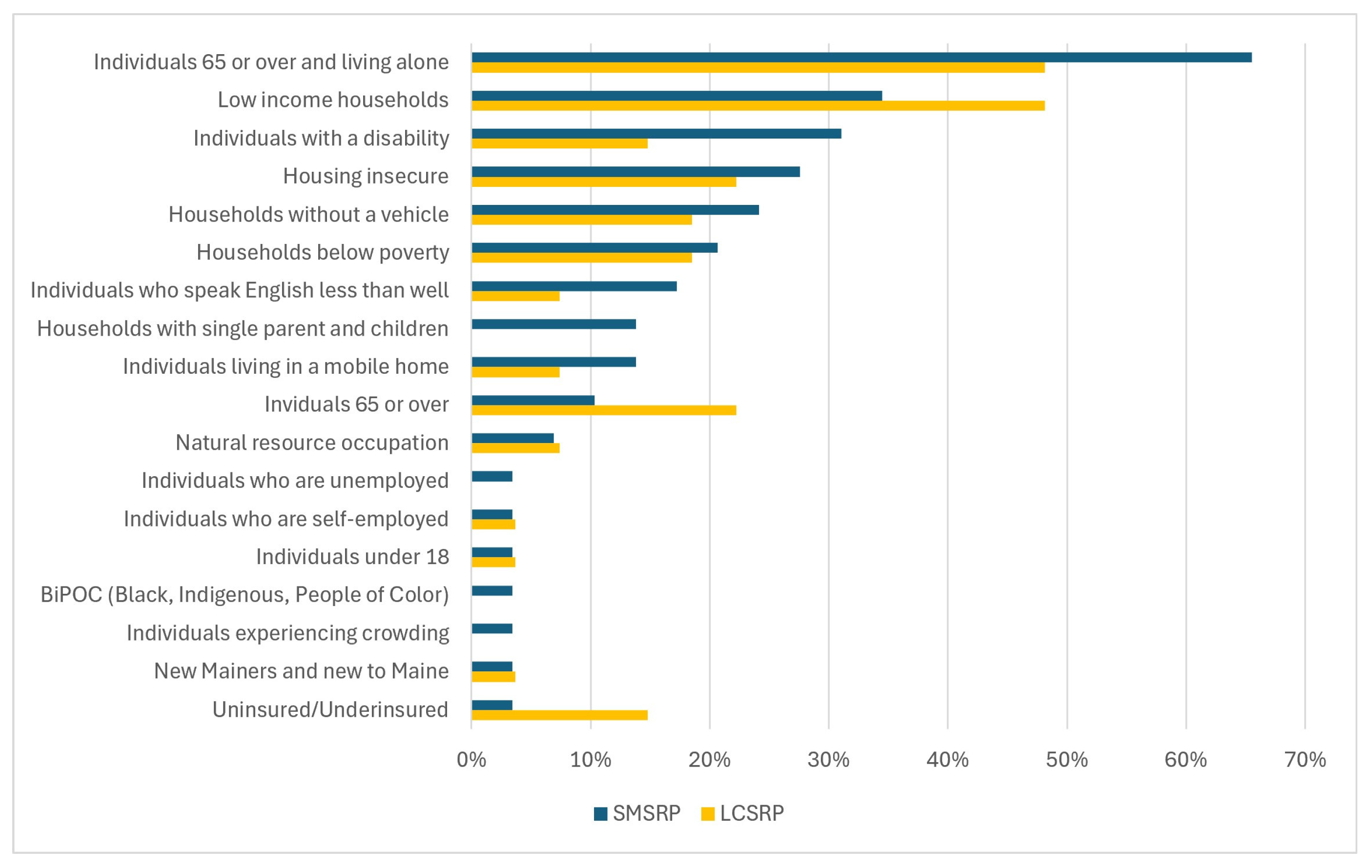
Participants identified vulnerabilities prevalent at each of the two phases of the SPE (immediately after the storm and six months later). While some vulnerabilities were prevalent overall, participants discussed shifts in vulnerabilities over time, identifying the temporal and scalar nature of vulnerabilities (Figure 2).
In discussing the direct aftermath of the storm, participants highlighted isolation as a driver of vulnerability, with the greatest concern focused on geographically isolated populations, and residents 65 and older living alone. Participants also identified additional vulnerabilities not included in the original MESVI. Many of these vulnerabilities were intersectional, such as housing and food insecurity, reflecting income/poverty variables coupled with the challenges of food access during storms and substandard housing. Another category was residents new to the region, including asylum seekers and refugee resettlement participants, facing challenges due to a combination of limited income, language, minority status, and unfamiliarity with local storm conditions.
Certain vulnerabilities were associated with the longer six-month timeline, including self-employed individuals, frontline workers, and unemployed community members. For example, concerns were raised about individuals with limited insurance who experienced storm-related health impacts and faced difficulties recovering from these impacts. Of note, SMSRP participants articulated a concern about “newly vulnerable” as emerging 6 months after the storm. The concern about “newly vulnerable” community members was raised in the early stages of the LCSRP process by focus group and interview participants who reflected on the impact of the back-to-back storms the region had experienced.

3.2.2. LCSRP—Community Leaders Workshop

The leaders’ workshop took place in December 2024, approximately 11 months after the storms. The discussions were built upon information shared from earlier focus groups, interviews, and the community dinner event. Participants discussed what they had witnessed during and in the aftermath of the storm. Embedded in each phase of the discussion was shared knowledge of who had been most impacted and how these observed social vulnerabilities could be addressed through specific actions by conservation, municipal, business, and emergency management sectors.
Participants identified groups likely experiencing heightened vulnerability. These included many of the categories included in the MESVI: older adults, youth, and residents employed in the natural resource sector (specifically fishing). Participants also identified new vulnerabilities: veterans and financially constrained individuals. Geographic isolation was also frequently mentioned by respondents.

3.3. Assessment of Facilitated Cross-Sector Exercise and Development of Recommendations

Analysis of pre- and post-surveys indicated shifts in familiarity with vulnerability categories, identification of opportunities to modify organizational practices, and identification of cross-sector partnerships to better meet the needs of socially vulnerable community members.
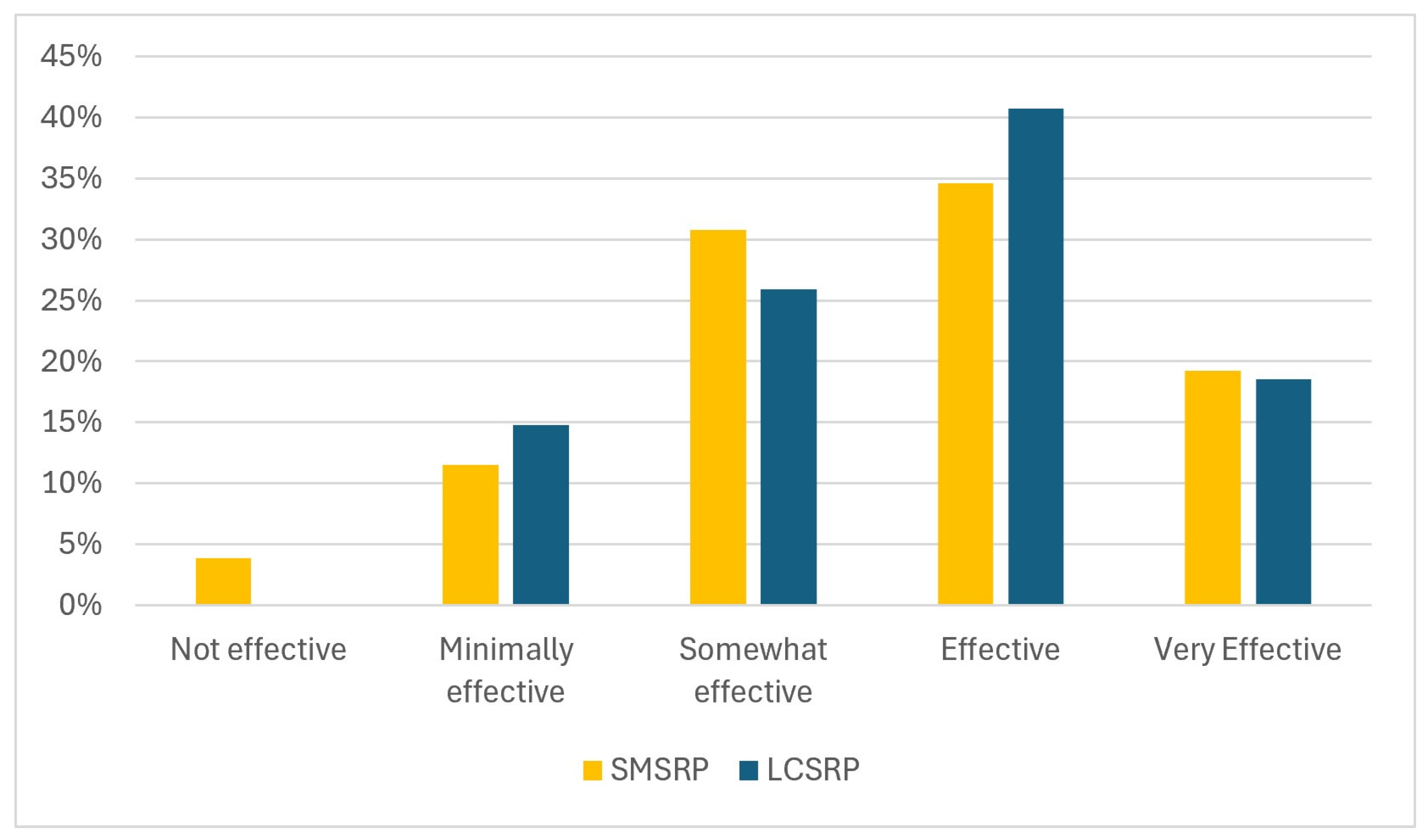
Post-survey descriptive statistics provide insights into participants’ understanding of socially vulnerable populations resulting from participation, complementing qualitative findings. In both exercises, participants reported that the events raised their awareness of storm impacts on vulnerable populations (Figure 3). For the SMSRP, 54% indicated the exercise was effective or very effective; for the LCSRP, 59% indicated effective or very effective. In the LCSRP, none of the participants indicated the exercise was “Not Effective.”
In post-surveys, respondents reflected on key lessons reflecting emerging and intersectional vulnerabilities. One participant stated, “People need food, shelter, and security. If any one of those is disrupted, the imbalance means more vulnerability.” Another noted, “Increase efforts to find out more about where socially vulnerable residents live and what kind of support and resources specifically are needed.” Communication during power loss emerged as a critical concern: “Everything gets lost once we lose power, so how do we continue communicating without computers or cell phones? How can we take measures to protect the most vulnerable in our towns once power is lost? Those are the questions that stuck with me.”
Participants ranked the top three vulnerabilities associated with an extreme storm event (Figure 2), with SMSRP respondents considering the scenario storm and LCSRP respondents reflecting on the recent storms. In both, isolation was a prominent concern, followed by low-income community members. There was a slight divergence in some of the categories. LCSRP participants indicated greater concerns with uninsured/underinsured individuals; SMSRP participants highlighted single-parent households, while no LCSRP participants were concerned with this population.
Capacity building was a key theme. Participants reflected on whether their organizations could meet the needs of vulnerable community members in the aftermath of a storm. In the SMSRP, 35% of those who responded to the survey indicated they were involved or very involved in meeting the needs of vulnerable community members. In the post-survey, 50% indicated they could be involved or very involved with addressing the needs of vulnerable community members. A similar shift was exhibited in the LCSRP, with 19% indicating their organizations were involved or very involved in the pre-survey, and 41% of the same respondents indicated in the post-survey that they could be involved or very involved in meeting the needs of identified vulnerable community members.

4. Discussion

We examined the potential of facilitated community processes to refine social vulnerability indices in a rural context and explored their spatial, scalar, temporal, intersectional, and relational dimensions. Our work contributes to qualitative approaches that connect indices to localized conditions [15,32,37].
Social vulnerability indices based on U.S. Census data, such as SoVI and the US CDC SVI, provide initial insight into who may experience heightened vulnerability during disasters such as coastal storms, and can serve as a starting point for more in-depth exploration of vulnerabilities [26,27,36]. There are limitations in applying such indices in terms of context, geography, types of events, and timelines [4,32]. Community-engaged processes focused on specific event types and longer time horizons can yield a deeper, more actionable understanding of place-specific vulnerabilities [37,39].

4.1. The Role of Facilitated Cross-Sector Processes in Refining Social Vulnerability Indices

Facilitated community processes can take the form of a scenario planning exercise, or a reflective dialog after an extreme storm event, as were employed in our exploratory case study [37,39,43]. These facilitated processes create opportunities to develop and refine customized social vulnerability indices. Designing community-engaged processes with longer time horizons and a focus on events that exacerbate vulnerability allows for a more in-depth consideration of at-risk populations [39,43]. Convening local experts alongside individuals currently experiencing vulnerability brings critical local knowledge to bear. Local experts can ground-truth commonly used index variables while identifying additional, locally salient categories that may not be captured by census metrics. Engaging these experts in exercises that explore direct impacts can also refine how categories are defined. For example, age is often included as a variable, but an older adult may be at greater risk when experiencing isolation and lacking extended support networks [48]. Our research indicates that cross-sector dialogs deepen understanding of social vulnerability in the context of extreme storms and help build community capacity to meet the needs of residents experiencing heightened vulnerability.
Social vulnerability is a dimension of individual and community capacity [11,30]. Facilitating cross-sector connections enhances and strengthens community capacity to identify and begin to address social vulnerability. A practical challenge is balancing knowledge of where vulnerable individuals live with confidentiality constraints. Social services and emergency management may hold sensitive information that cannot be shared. One response is to resource organizations so they can provide support across planning, response, and recovery without compromising confidentiality.
Engaging community members in facilitated dialogs is essential and must be approached with respect for all community members. Without meaningful participation from those experiencing vulnerability, recommendations may skew toward organizational perspectives rather than community needs, reflecting broader critiques of community engagement [49]. Effective strategies include meeting people where they are, partnering with community-based organizations (CBOs), and providing equitable compensation for participants’ time. These strategies must also comply with human subjects research protocols, requiring careful planning to balance compensation and confidentiality.

4.2. Context-Specific Dimensions of Vulnerability Indices

Vulnerabilities are often context-specific in both place and time. Understanding place-based dimensions is essential for identifying strategies to reduce vulnerability [12,32]. Geography shapes risk (e.g., flood, heat) and infrastructural realities (e.g., rural areas with limited transportation and communication lifelines) [21]. Rural communities experience hazard events differently than their urban counterparts, both in what infrastructure may be most at risk with cascading impacts on area residents, as well as what vulnerabilities may be specific to rural residents [9]. One important example is the role of livelihoods, which may be more significant in rural areas. Disruptions to natural resource-dependent livelihoods in the shorter term, such as loss of access to worksites (piers), as well as longer-term impacts (shifts in resource systems, disruptions to income), can contribute to enhanced social vulnerabilities of individuals employed in these sectors [13]. Understanding these impacts by engaging more directly with community members employed in the natural resource sector, for example, may yield key insights on understanding rural dimensions of vulnerability [19].
Our exploratory case study also highlights the temporal nature of vulnerabilities. By including a two-stage process that allowed local experts to discuss their understandings of vulnerabilities, these local experts could articulate changes in who might be vulnerable at different stages of a hazard event. However, a limitation is overreliance on representatives of local organizations rather than on the lived experience of community members experiencing heightened social vulnerability. Future research should address potential power asymmetries in this approach [32].
Our research highlighted that certain vulnerabilities may be most prevalent at a particular stage of a hazard event. For example, those experiencing food insecurity may face heightened risk in the immediate aftermath, warranting targeted resource deployment [8]. Longer-term impacts, such as delays in insurance payments or disruption to income, could contribute to what participants identified as “newly vulnerable,” individuals who were not previously at risk but become so due to extended impacts. Participants expressed concern that the newly vulnerable may face added risk due to limited knowledge of available resources [50].
Vulnerability may be a function of gaps in support services available at a community level. For example, an organization may meet the needs of community members experiencing food insecurity, but during storm events, without preparation, these same organizations may have a lower capacity to respond in real time. As social vulnerability indices may aggregate individual vulnerabilities into more general categories, developing actionable responses towards building community resilience can be challenging. Therefore, while vulnerability indices can be informative for assessing community members at greatest risk, they should be a starting point for discussion [4,32]. Ensuring that policies are shaped by those experiencing impacts as well as by organizations providing support services directly during storm events is essential to developing equitable strategies [28].

4.3. Intersecting, Relational and Emerging Vulnerabilities

One of the greatest challenges of relying on a standard social vulnerability index is that many vulnerabilities are intersectional and relational and do not fall within one category [13,14,28,32,40]. Census data can guide discussions, but often vulnerabilities may comprise several variables, enhancing existing vulnerabilities. One example of an intersectional vulnerability identified by participants was food insecurity. In a social vulnerability index, food insecurity can be captured by multiple variables such as income, household type, use of subsidized programs such as the Supplemental Assistance Nutrition Program (SNAP), and age. Food insecurity as a vulnerability is more nuanced and interacts with other factors, such as limited ability to access food pantries during a storm event or loss of food due to spoilage after extended power outages. In these situations, individuals experiencing food insecurity may initially be stable economically and hence not fall within any of the standard categories, but may still experience food insecurity through limited access to food supplies or loss of food due to extended or back-to-back power outages. Local knowledge is important for identifying and mitigating these types of intersecting vulnerabilities [32].
Vulnerabilities faced by new community members illustrate intersectionality. In rural areas, residents unfamiliar with storm preparation may require targeted support, including information in familiar languages and on platforms they use [12]. In our case, participants described challenges for refugees, asylum seekers, and secondary migrants, including language barriers, differing communication platforms, housing insecurity, and unfamiliarity with storm risks, compounded by institutional inequities tied to race and socioeconomic status. Addressing these challenges requires collaboration among social services, emergency management, and other partners. Direct engagement with affected community members can highlight institutional dimensions and mitigate relational vulnerabilities linked to power dynamics. Our research identified both strategies and challenges in these engagement approaches [7,32,40].
Our research contributes to an emerging literature on methods for engaging strategically and respectfully with community members experiencing heightened social vulnerability. Some key learning points are the need to develop trust with community-based organizations (CBOs) who can provide connections directly with community members, and for the research team to have appropriate training and protocols in place to engender trust and reflect respect towards all community members [28].
Certain categories associated with vulnerability might not be included in census data, but may contribute to vulnerabilities. Two of these included gender identity and implications when establishing shelters, and unhoused populations and the associated challenges with reaching this population about impending storm events. Neither category is captured in census data, yet they are important to include in a list of vulnerabilities [8].
At the time of this writing, a new Maine Social Vulnerability Index has been developed that aligns with the US CDC 2020 index. Although the Social Resilience Project and the development of the new MESVI were parallel processes, the new MESVI for 2020 includes variables that may better reflect some of the vulnerabilities emerging from the project. These variables include changes in the definition of poverty level to 150% of the poverty level, housing burden in place of per capita income, and inclusion of population without health insurance [51]. The inclusion and changes in these factors derive from prior scholarship that highlighted the impacts of housing cost and lack of health insurance in defining vulnerability [50,52,53].
Challenges in connecting top-down indices to bottom-up processes to address the distinct challenges of rural communities are not unique to Maine. At a broader scale, our research contributes in a meaningful way towards broader knowledge in the US and beyond in understanding the importance of scale, grounding vulnerability assessments in local knowledge and institutional capacity, and exploring the specific dimensions of rural resilience [12].

5. Conclusions

Rural areas face myriad challenges in adapting to climate change. Achieving resilience and sustainability goals requires addressing environmental, economic, and social dimensions. Addressing the needs of socially vulnerable community members is a key component of the economic and social dimensions of sustainability and resilience. Facilitated community processes can serve as an opportunity to refine social vulnerability indices by providing context and enabling local experts to interrogate relevant factors. Our research contributes to the growing literature on iterative approaches for applying and refining social vulnerability indices to better understand rural community vulnerabilities. By employing iterative approaches in our examination of rural vulnerability, we extend the literature on the intersectional, temporal and relational dimensions of vulnerabilities faced by rural communities.
This study is limited to a specific region and to the participants in the focus group, advisory committee and facilitated cross-sector events. However, the approaches outlined here are adaptable to other areas and contribute to broader explorations of rural resilience. We also identify strategies to engage community leaders and offer lessons for engagement with community members facing higher vulnerability. Future research could deepen understanding of the temporal dimensions of social vulnerabilities, including whether certain vulnerabilities are more prevalent at specific intervals and for certain event types. Finally, future research could explore to what extent vulnerabilities are a function of gaps in the capacity of communities, social service agencies and emergency management agencies to respond. Examining the dimensions of capacity at a local level to mitigate the impacts of extreme storm events on all community members will be an important next step in shaping longer-term reduction in social vulnerability.

Author Contributions

Conceptualization, E.J. and E.H.; methodology, E.J.; software, E.J.; validation, E.J. and E.H.; formal analysis, E.J.; investigation, E.J. and E.H.; resources, E.J. and E.H.; data curation, E.J.; writing—original draft preparation, E.J.; writing—review and editing, E.J. and E.H.; visualization, E.J.; supervision, E.J. and E.H.; project administration, E.J. and E.H.; funding acquisition, E.J. and E.H. All authors have read and agreed to the published version of the manuscript.

Funding

This research was funded by CZM NA20NOS4190064 to the Maine Coastal Program from the National Oceanic and Atmospheric Administration, U.S. Department of Commerce. And NA22OAR4170121 Department of Commerce (NOAA) Sea Grant Base Supplemental and Coastal Adaptation and Resilience. Additional funding sources include Bowdoin College and the Island Institute’s Shore Up Grant Program.

Institutional Review Board Statement

Ethical review and approval were waived for this study by Institution Committee as per 45 CFR 46.104(d)(2)(ii), which provides that research involving survey procedures, interview procedures, or observation of public behavior is exempt when any disclosure of responses outside the research would not reasonably place subjects at risk (the full regulation is available at: https://www.ecfr.gov/current/title-45/subtitle-A/subchapter-A/part-46 (accessed on 30 June 2026).

Informed Consent Statement

Verbal informed consent was obtained from all participants involved in the study. Verbal consent was used because the interviews took place in the context of exploratory fieldwork, were non-invasive, collected no personal or sensitive data, and full anonymity was guaranteed. Participants were informed of the objectives of the study, the voluntary nature of participation, and their right to withdraw at any time.

Data Availability Statement

The original data presented in the study are openly available in Maine Sea Grant at https://seagrant.umaine.edu/focus-areas/communities-and-economies/the-social-resilience-project/ (accessed on 30 June 2026).

Acknowledgments

The authors would like to acknowledge the contributions of the following individuals to the SMSRP and the LCSRP: Kristen Grant, Jeremy Bell, Emily Rabbe, Jessica Brunacini, Gabe McPhail, Ruth Indrik, Victoria Boundy, Annie Cox, Samara Nassor, Evan Grauer, Chloe Sheahan, Kyle Pellerin, Emma Olney, Julia Marks, Kasey Cunningham, and Samara Nassor.

Conflicts of Interest

Author Elizabeth Hertz was employed by Blue Sky Planning Solutions. The remaining author declares that the research was conducted in the absence of any commercial or financial relationships that could be construed as a potential conflict of interest.

Abbreviations

The following abbreviations are used in this manuscript:
MESVIMaine Social Vulnerability Index
SPEScenario Planning Exercise
SMSRPSouthern Mid-Coast Social Resilience Project
LCSRPLincoln County Social Resilience Project
CBOCommunity-Based Organization

References

  1. Ilbeigi, M.; Jagupilla, S.C.K. An Empirical Analysis of Association between Socioeconomic Factors and Communities’ Exposure to Natural Hazards. Sustainability 2020, 12, 6342. [Google Scholar] [CrossRef]
  2. Tebaldi, C.; Strauss, B.H.; Zervas, C.E. Modelling Sea Level Rise Impacts on Storm Surges along US Coasts. Environ. Res. Lett. 2012, 7, 014032. [Google Scholar] [CrossRef]
  3. Dahl, K.A.; Spanger-Siegfried, E.; Caldas, A.; Udvardy, S. Effective Inundation of Continental United States Communities with 21st Century Sea Level Rise. Elem. Sci. Anthr. 2017, 5, 37. [Google Scholar] [CrossRef]
  4. Wood, E.; Sanders, M.; Frazier, T. The Practical Use of Social Vulnerability Indicators in Disaster Management. Int. J. Disaster Risk Reduct. 2021, 63, 102464. [Google Scholar] [CrossRef]
  5. Maclean, K.; Cuthill, M.; Ross, H. Six Attributes of Social Resilience. J. Environ. Plan. Manag. 2013, 57, 144–156. [Google Scholar] [CrossRef]
  6. Gardezi, M.; Arbuckle, J.G. Spatially Representing Vulnerability to Extreme Rain Events Using Midwestern Farmers’ Objective and Perceived Attributes of Adaptive Capacity. Risk Anal. 2019, 39, 17–34. [Google Scholar] [CrossRef] [PubMed]
  7. Jozaei, J.; Chuang, W.C.; Allen, C.R.; Garmestani, A. Social Vulnerability, Social-Ecological Resilience and Coastal Governance. Glob. Sustain. 2022, 5, e12. [Google Scholar] [CrossRef] [PubMed]
  8. Painter, M.A.; Villarreal, M.; Peek, L. State Hazard Mitigation Plans and Social Vulnerability. J. Homel. Secur. Emerg. Manag. 2025, 22, 139–166. [Google Scholar] [CrossRef]
  9. Cutter, S.L.; Ash, K.D.; Emrich, C.T. Urban–Rural Differences in Disaster Resilience. Ann. Am. Assoc. Geogr. 2016, 106, 1236–1252. [Google Scholar] [CrossRef]
  10. Fergen, J.T.; Bergstrom, R.D. Social Vulnerability across the Great Lakes Basin: A County-Level Comparative and Spatial Analysis. Sustainability 2021, 13, 7274. [Google Scholar] [CrossRef]
  11. Norris, F.H.; Stevens, S.P.; Pfefferbaum, B.; Wyche, K.F.; Pfefferbaum, R.L. Community Resilience as a Metaphor, Theory, Set of Capacities, and Strategy for Disaster Readiness. Am. J. Community Psychol. 2008, 41, 127–150. [Google Scholar] [CrossRef] [PubMed]
  12. Henrekson, E.; Lundåsen, S.W. Resilience and Preparedness Across Place: A Multilevel Analysis of Urban–Rural and Socioeconomic Divides. Risk Anal. 2025, 45, 4933–4946. [Google Scholar] [CrossRef] [PubMed]
  13. Johnson, T.; Hachey, B. Challenges and Opportunities for Climate Action in Rural Maine. Maine Policy Rev. 2025, 34, 178–186. [Google Scholar] [CrossRef]
  14. Mitsova, D.; Esnard, A.-M.; Sapat, A.; Lai, B.S. Socioeconomic Vulnerability and Electric Power Restoration Timelines in Florida: The Case of Hurricane Irma. Nat. Hazards 2018, 94, 689–709. [Google Scholar] [CrossRef]
  15. Tellman, B.; Schank, C.; Schwarz, B.; Howe, P.D.; De Sherbinin, A. Using Disaster Outcomes to Validate Components of Social Vulnerability to Floods: Flood Deaths and Property Damage across the USA. Sustainability 2020, 12, 6006. [Google Scholar] [CrossRef]
  16. Lamb, Z.; Shi, L.; Spicer, J. Why Do Planners Overlook Manufactured Housing and Resident-Owned Communities as Sources of Affordable Housing and Climate Transformation? J. Am. Plan. Assoc. 2022, 89, 72–79. [Google Scholar] [CrossRef]
  17. Luciano, P.; Baker, D.; Hamshaw, K.; Riegler, N.; Vermont Department of Housing and Community Development. Report on the Viability and Disaster Resilience of Mobile Home Ownership and Parks; Vermont Department of Housing and Community Development: Montpelier, VT, USA, 2013.
  18. Rhubart, D.; Sun, Y. The Social Correlates of Flood Risk: Variation along the US Rural–Urban Continuum. Popul. Environ. 2021, 43, 232–256. [Google Scholar] [CrossRef]
  19. Stoltz, A.D.; Shivlani, M.; Glazer, R. Fishing Industry Perspectives on Sea-Level Rise Risk and Adaptation. Water 2021, 13, 1124. [Google Scholar] [CrossRef]
  20. MCC; STS. The Maine Climate Council’s (MCC) Scientific and Technical Subcommittee’s (STS) 2026 Interim Climate Science Report; Scientific and Technical Subcommittee of the Maine Climate Council: Augusta, ME, USA, 2026. [Google Scholar]
  21. Johnson, E.; Bell, J.; Coker, D.; Hertz, E.; LeBarge, N.; Blake, G. A Lifeline and Social Vulnerability Analysis of Sea Level Rise Impacts on Rural Coastal Communities. Shore Beach 2018, 86, 38–44. [Google Scholar]
  22. MCC; STS. Scientific Assessment of Climate Change and Its Effects in Maine; A Report by the Scientific and Technical Subcommittee (STS) of the Maine Climate Council (MCC); Scientific and Technical Subcommittee of the Maine Climate Council: Augusta, ME, USA, 2020. [Google Scholar]
  23. Bakkensen, L.A.; Fox-Lent, C.; Read, L.K.; Linkov, I. Validating Resilience and Vulnerability Indices in the Context of Natural Disasters. Risk Anal. 2017, 37, 982–1004. [Google Scholar] [CrossRef] [PubMed]
  24. Lehnert, E.A.; Wilt, G.; Flanagan, B.; Hallisey, E. Spatial Exploration of the CDC’s Social Vulnerability Index and Heat-Related Health Outcomes in Georgia. Int. J. Disaster Risk Reduct. 2020, 46, 101517. [Google Scholar] [CrossRef] [PubMed]
  25. Johnson, E.; Stancioff, E.; Johnson, T.; Sabine, S.; Maurice, H.; Reboussin, C. Preparing for a Changing Climate: The State of Adaptation Planning in Maine’s Coastal Communities. Maine Policy Rev. 2019, 28, 10–22. [Google Scholar] [CrossRef]
  26. Cutter, S.L.; Burton, C.G.; Emrich, C.T. Disaster Resilience Indicators for Benchmarking Baseline Conditions. J. Homel. Secur. Emerg. Manag. 2010, 7. [Google Scholar] [CrossRef]
  27. Flanagan, B.; Hallisey, E.; Sharpe, J.D.; Mertzlufft, C.E.; Grossman, M. On the Validity of Validation: A Commentary on Rufat, Tate, Emrich, and Antolini’s “How Valid Are Social Vulnerability Models?”. Ann. Am. Assoc. Geogr. 2021, 111, 1131–1153. [Google Scholar] [CrossRef]
  28. Jacobs, F. Black Feminism and Radical Planning: New Directions for Disaster Planning Research. Plan. Theory 2018, 18, 24–39. [Google Scholar] [CrossRef]
  29. Rufat, S.; Tate, E.; Emrich, C.T.; Antolini, F. How Valid Are Social Vulnerability Models? Ann. Am. Assoc. Geogr. 2019, 109, 1131–1153. [Google Scholar] [CrossRef] [PubMed]
  30. Cutter, S.L.; Boruff, B.J.; Shirley, W.L. Social Vulnerability to Environmental Hazards*. Soc. Sci. Q. 2003, 84, 242–261. [Google Scholar] [CrossRef]
  31. Flanagan, B.E.; Gregory, E.W.; Hallisey, E.J.; Heitgerd, J.L.; Lewis, B. A Social Vulnerability Index for Disaster Management. J. Homel. Secur. Emerg. Manag. 2011, 8, 3. [Google Scholar] [CrossRef]
  32. Painter, M.A.; Shah, S.H.; Damestoit, G.C.; Khalid, F.; Prudencio, W.; Chisty, M.A.; Tormos-Aponte, F.; Wilhelmi, O. A Systematic Scoping Review of the Social Vulnerability Index as Applied to Natural Hazards. Nat. Hazards 2024, 120, 7265–7356. [Google Scholar] [CrossRef]
  33. Habets, M.; Cutter, S.L. A Community Resilience Index for Place-based Actionable Metrics. Risk Anal. 2025, 45, 1648–1661. [Google Scholar] [CrossRef] [PubMed]
  34. Flanagan, B.; Hallisey, E.J.; Adams, E.; Lavery, A. Measuring Community Vulnerability to Natural and Anthropogenic Hazards: The Centers for Disease Control and Prevention’s Social Vulnerability Index. J. Environ. Health 2018, 80, 34–36. [Google Scholar] [PubMed]
  35. Lunga, W.; Kaifa, J.; Musarurwa, C.; Malandela, G.; Tshabalala, S.; Baloyi, C.; Magampa, M. Preventing Disasters Before They Happen: Lessons from Successful Disaster Risk Reduction in Southern Africa. Sustainability 2025, 17, 9131. [Google Scholar] [CrossRef]
  36. Murphy, B.L.; Anderson, G.S.; Bowles, R.; Cox, R.S. Planning for Disaster Resilience in Rural, Remote, and Coastal Communities: Moving from Thought to Action. J. Emerg. Manag. 2014, 12, 105–120. [Google Scholar] [CrossRef] [PubMed]
  37. Pasquier, U.; Few, R.; Goulden, M.C.; Hooton, S.; He, Y.; Hiscock, K.M. “We Can’t Do It on Our Own!”—Integrating Stakeholder and Scientific Knowledge of Future Flood Risk to Inform Climate Change Adaptation Planning in a Coastal Region. Environ. Sci. Policy 2020, 103, 50–57. [Google Scholar] [CrossRef]
  38. Johnson, E.; Bell, J.; Boundy, V.; Brunacini, J.; Cox, A.; Grant, K.; Hertz, E.; Indrik, R. Midcoast Social Resilience Scenario Planning Exercise Final Report; Maine Sea Grant: Brunswick, ME, USA, 2022. [Google Scholar]
  39. Orru, K.; Klaos, M.; Nero, K.; Gabel, F.; Hansson, S.; Nævestad, T.-O. Imagining and Assessing Future Risks: A Dynamic Scenario-based Social Vulnerability Analysis Framework for Disaster Planning and Response. J. Contingencies Crisis Manag. 2022, 31, 995–1008. [Google Scholar] [CrossRef]
  40. Gibb, C. A Critical Analysis of Vulnerability. Int. J. Disaster Risk Reduct. 2018, 28, 327–334. [Google Scholar] [CrossRef]
  41. Kaye, L.W. The Demographic Transformation in Maine (and Beyond) Is in Full Swing. Maine Policy Rev. 2015, 24, 10–12. [Google Scholar] [CrossRef]
  42. Godin, M.J.; Noblet, C.L.; Furtado, C.H.; Ahmed, M.R.; Kopec, A.D.; Shea, M.; Amegbor, G.; Taylor, T.K.; Whittum, K. Tradition in Transition: Fishing, Hunting, and Food Security in a Changing Maine. Maine Policy Rev. 2025, 34, 113–121. [Google Scholar] [CrossRef]
  43. Torpan, S.; Orru, K.; Hansson, S.; Klaos, M. Using a Table-Top Exercise to Identify Communication-Related Vulnerability to Disasters. Int. J. Disaster Risk Reduct. 2025, 119, 105264. [Google Scholar] [CrossRef]
  44. Yin, R.K. Case Study Research and Applications: Design and Methods, 6th ed.; SAGE Publications, Inc.: Thousand Oaks, CA, USA, 2019; ISBN 978-1-5063-3616-9. [Google Scholar]
  45. Yuan, J.; Beard, K.; Johnson, T.R. A Quantitative Assessment of Spatial Patterns of Socio-Demographic Change in Coastal Maine: One Process or Many? Appl. Geogr. 2021, 134, 102502. [Google Scholar] [CrossRef]
  46. Maine Infrastructure Rebuilding and Resilience Commission. Final Report: A Plan for Infrastructure Resilience; Maine Infrastructure Rebuilding and Resilience Commission: Augusta, ME, USA, 2025. [Google Scholar]
  47. Grant, K.; Hertz, E.; Johnson, E.; McPhail, G.; Rabbe, E. The Lincoln County Social Resilience Project Final Report; Maine Sea Grant: Wiscasset, ME, USA, 2025. [Google Scholar]
  48. Aldrich, D.P.; Kyota, E. Creating Community Resilience Through Elder-Led Physical and Social Infrastructure. Disaster Med. Public Health Prep. 2017, 11, 120–126. [Google Scholar] [CrossRef] [PubMed]
  49. Córdoba Hernández, R.; Pemán Gavín, I.; Morán Uriel, J.; Camerin, F. Participation and Urban Resilience in Post-Disaster Recovery Lessons from the 2021 Volcanic Eruption in La Palma (Spain). Built Environ. 2026, 52, 29–50. [Google Scholar] [CrossRef]
  50. McMaughan, D.J.; Oloruntoba, O.; Smith, M.L. Socioeconomic Status and Access to Healthcare: Interrelated Drivers for Healthy Aging. Front. Public Health 2020, 8, 231. [Google Scholar] [CrossRef] [PubMed]
  51. US CDC. CDC/ATSDR SVI 2020 Documentation; US CDC: Atlanta, GA, USA, 2022.
  52. Swope, C.B.; Hernández, D. Housing as a Determinant of Health Equity: A Conceptual Model. Soc. Sci. Med. 2019, 243, 112571. [Google Scholar] [CrossRef] [PubMed]
  53. Hernández, D.; Swope, C.B. Housing as a Platform for Health and Equity: Evidence and Future Directions. Am. J. Public Health 2019, 109, 1363–1366. [Google Scholar] [CrossRef] [PubMed]
Figure 1. Study area.
Sustainability 18 06933 g001
Figure 2. Percentage of respondents indicating groups that are most vulnerable to the impacts of extreme storms in post-survey (SMSRP = 26; LCSRP = 19).
Sustainability 18 06933 g002
Figure 3. Response to “How effective was the exercise in raising your awareness of the impact of storm events on vulnerable populations?” (SMSRP = 26; LCSRP = 19).
Sustainability 18 06933 g003
Table 1. Maine Social Vulnerability Index (MESVI) variables (2016). Modified from US CDC SVI 2014 [34]. Asterisk (*) indicates variables added for MESVI.
CategoriesMESVI Variables
Socioeconomic statusBelow poverty
Unemployed
Employed in natural resource occupation *
Self-employed *
Per capita income
No high school diploma
Household composition and disabilityPopulation 65 or older
Population 65 or older and living alone *
Population under 18
Civilian with a disability
Single parent household
Minority status and languageMinority population
(percent residents)Speaks English “less than well”
Housing and transportationMulti-unit structures
(percent households)Mobile homes
Crowding
Households with no vehicle
Table 2. Cross-sector facilitated exercise participation by sector.
Sectors Represented by ParticipantsSMSPRLCSRP
Emergency Management17%23%
Social Service33%25%
Municipal19%30%
Business0%5%
Table 3. Vulnerabilities identified in focus groups, interviews and facilitated discussions.
Vulnerability Stated in MESVINewly Identified Vulnerabilities
Individuals 65 or over and living aloneUninsured/Underinsured
Natural resource occupationVictims of domestic abuse
Households below povertyNew Mainers
Individuals under 18Isolated populations *
Individuals living in a mobile homeUnhoused/housing insecure *
Individuals who are self-employedSeasonal population *
Households without a vehicleSmall business owners
Individuals with a disabilityFood insecure *
Low-income householdsIndividuals new to Maine
Population 65 or over and living aloneNewly vulnerable *
Individuals who are unemployedFrontline workers *
Households with a single parent and childrenIndividuals experiencing substance use
disorder
BiPOC (Black, Indigenous, People of Color)Individuals experiencing mental health challenges
Individuals experiencing crowdingVeterans
Individuals with less than a high school degree
Individuals who speak English less than well
* Indicates new vulnerabilities identified initially in focus groups and interviews.
Disclaimer/Publisher’s Note: The statements, opinions and data contained in all publications are solely those of the individual author(s) and contributor(s) and not of MDPI and/or the editor(s). MDPI and/or the editor(s) disclaim responsibility for any injury to people or property resulting from any ideas, methods, instructions or products referred to in the content.