1. Introduction
1.1. Research Background
Plastic polybags are widely used in e-commerce packaging, particularly in the apparel sector, due to their low cost, durability, and ability to provide product visibility [
1,
2,
3]. Typically made from low-density polyethylene (LDPE), these materials are lightweight and flexible while offering sufficient protection against dust, moisture, and handling throughout the supply chain [
4,
5]. However, they are generally designed for single use and exhibit low recycling rates, contributing significantly to plastic waste and environmental impact [
6,
7,
8]. It is estimated that up to 180 billion polybags are produced annually within the fashion industry, highlighting the scale of the issue [
9,
10].
Despite their widespread use, flexible plastic packaging presents substantial challenges in end-of-life management. Recycling rates for plastic films remain low, and these materials are typically not accepted in most curbside recycling programs due to their tendency to interfere with sorting equipment and contaminate recycling streams [
11,
12,
13,
14]. Instead, they often rely on store drop-off systems, which are inconsistently available and require additional consumer effort, resulting in low participation rates [
15]. Even when such programs exist, evidence suggests that a significant proportion of collected plastic bags do not ultimately enter recycling streams, frequently ending up in landfills or incineration facilities [
16,
17].
In at-home consumption contexts, where disposal decisions occur without external guidance, these limitations contribute to widespread consumer confusion [
18]. The complexity of plastic material types, inconsistent labeling, and limited recycling infrastructure can lead to misinterpretation of recyclability, resulting in incorrect disposal and further contamination of recycling systems [
19,
20,
21]. As a result, consumer behavior plays a critical role in determining the environmental outcomes of packaging materials.
In the apparel industry specifically, polybags are primarily used as primary packaging rather than as part of the secondary packaging system responsible for structural protection during transport [
22,
23]. While they serve important functions such as contamination prevention, handling efficiency, and product identification, these requirements are relatively limited compared to those of shipping packaging [
22,
23]. This suggests that the use of plastic in primary packaging is not inherently dependent on its material properties and may be substituted with alternative materials capable of delivering comparable functionality.
At the same time, regulatory pressures are increasingly encouraging such transitions. Extended producer responsibility (EPR) frameworks and eco-modulated fee structures are introducing financial incentives for the adoption of more sustainable packaging materials, while penalizing those that are difficult to recycle [
24]. For example, recent producer fee schedules demonstrate significantly higher costs associated with flexible plastic packaging compared to paper-based alternatives, reinforcing the economic rationale for material substitution [
24].
In response to these challenges, alternative packaging materials are being actively explored [
25,
26,
27,
28,
29]. Among these, paper-based packaging has emerged as a promising option due to its compatibility with existing recycling systems and more favorable end-of-life characteristics [
29]. Unlike plastic films, paper materials can be repulped and reintroduced into manufacturing processes and are generally more tolerant of contamination within post-consumer waste streams, making high levels of recycled content more feasible [
30]. In addition, paper-based packaging benefits from relatively high recycling rates, with over 64% of paper and paperboard waste recovered in municipal systems and even higher rates reported for corrugated materials [
31]. Paper materials may also offer additional end-of-life advantages, including compostability and faster biodegradation if improperly disposed of [
32]. However, paper-based packaging is not uniform and varies significantly in design. Differences in material composition—such as traditional opaque kraft paper versus translucent paper materials—introduce potential trade-offs between product visibility, structural performance, and perceived sustainability [
33,
34]. While both materials are fiber-based, kraft paper is typically opaque and commonly used in paper-based packaging, whereas translucent paper materials allow partial product visibility, leading to different implications for consumer perception and interaction. These design variations may influence how consumers visually engage with packaging and interpret its environmental attributes [
35]. In particular, advances in paper processing enable the production of highly translucent paper materials that can serve as alternatives to conventional plastic films such as low-density polyethylene (LDPE), providing enhanced product visibility while maintaining advantages in recyclability, biodegradability, and reliance on renewable materials [
36].
1.2. Literature Review and Research Gap
Despite the growing adoption of alternative packaging materials, empirical research examining how consumers respond to different packaging formats in real-world contexts remains limited. Sokolova et al. (2023) [
37] investigated consumer evaluations of packaging compositions, comparing plastic-only formats with plastic combined with paper. Their findings show that consumers systematically overestimate the environmental friendliness of plastic–paper combinations, driven by intuitive heuristics such as the belief that “paper is environmentally friendly while plastic is harmful” [
37]. This perceptual bias influences not only sustainability judgments but also willingness to pay and product choice. Similarly, prior research demonstrates that packaging materials and design cues play a critical role in shaping consumer perceptions and product evaluations [
38]. In addition, existing research on conventional packaging materials (e.g., glass, plastic, and metal) shows that material type significantly influences perceived product quality and evaluation, with clear differences in consumer responses across formats [
39].
Together, these studies highlight the importance of material-related cues as key drivers of consumer perception. From a consumer behavior perspective, packaging materials and on-package information can be viewed as external cues that consumers use to form judgments when direct evaluation of sustainability attributes is difficult. In e-commerce environments, consumers often have limited information regarding the environmental performance of packaging materials and may therefore rely on readily observable cues, such as material appearance, product visibility, and disposal instructions, as heuristic signals when evaluating sustainability and brand characteristics. These cues may influence both conscious evaluations and non-conscious attention processes, shaping how consumers interpret packaging, allocate visual attention, and make disposal decisions. Accordingly, packaging materials may function not only as physical packaging components but also as communication cues that influence consumer perception and behavior. However, existing research on packaging materials and consumer perception has largely relied on self-reported measures of evaluation, with limited integration of behavioral and biometric approaches that capture real-time visual attention and non-conscious consumer responses [
37,
38,
39,
40]. As a result, how consumers visually attend to and interact with packaging—particularly in naturalistic, at-home contexts—remains underexplored. This limitation is especially relevant in e-commerce environments, where packaging serves as the primary physical interface between the brand and the consumer. In particular, how paper-based packaging, compared to plastic, influences consumer engagement with branded products remains insufficiently understood in apparel packaging contexts, where packaging serves a primarily communicative role during e-commerce unboxing and consumer interaction.
To address this gap, the present study evaluates three packaging conditions representing distinct material and functional characteristics: plastic packaging as the baseline condition, translucent paper packaging as a comparable fiber-based alternative, and hybrid paper-based packaging combining kraft and translucent paper materials. These conditions were selected to reflect both existing and emerging packaging formats while enabling systematic comparison of material cues and varying levels of product visibility. Using a combination of mobile eye-tracking, behavioral observation, survey data, and follow-up interviews, the study examines how these formats influence consumer visual attention, disposal behavior, and sustainability perception in a simulated at-home e-commerce unboxing context.
Overall, this research advances the literature by moving beyond reliance on self-reported and survey-based evaluations toward a more comprehensive, in-context understanding of consumer behavior. By integrating mobile eye-tracking, behavioral observation, disposal actions, follow-up interviews, and survey responses, the study captures not only what consumers report or choose, but also how they interact with packaging in real-world e-commerce settings. This multi-method approach enables the examination of both conscious evaluations and non-conscious visual attention, providing a more holistic understanding of how packaging formats, material cues, and sustainability-related signals influence consumer perception and behavior. The findings offer insights into the interplay between attention, interpretation, and action, with implications for packaging design, brand communication, and sustainable decision-making.
The remainder of this article is organized as follows.
Section 2 describes the materials and methods, including the study design, experimental procedures, and analytical approach.
Section 3 presents the results.
Section 4 discusses the findings in relation to prior research and sustainability implications.
Section 5 concludes the study and outlines limitations and directions for future research.
2. Materials and Methods
2.1. Study Design and Participants
A controlled experimental study was conducted from 6 January to 8 January 2026 to examine how consumers interpret primary packaging materials in an e-commerce context using behavioral observation, eye-tracking measurement, and structured evaluation methods. A total of 91 participants completed the study and were randomly assigned to one of three experimental conditions (Group A: n = 30; Group B: n = 30; Group C: n = 31). Each experimental session lasted approximately 20 min, including eye-tracking calibration, package interaction, behavioral observation, and post-experience survey completion. Follow-up interviews were conducted approximately 14 days later, between 20 January and 23 January 2026, with each interview lasting approximately 15–20 min.
Participants were screened to ensure relevance to the study context. Eligibility criteria included: (1) purchasing online at least several times per year, (2) having purchased apparel online within the past six months, (3) being between 18 and 43 years of age, and (4) purchasing from mid-tier or premium brands, or a combination thereof. These criteria ensured familiarity with e-commerce apparel experiences and sensitivity to packaging and brand presentation. The age range was limited to 18–43 years to focus on Gen Z and Millennial consumers, who represent a highly active segment of e-commerce shoppers and frequently interact with apparel packaging in online purchasing contexts. Given the study’s focus on consumer responses to e-commerce packaging materials, this population was considered particularly relevant to the research objectives.
The final sample consisted of 52% male and 48% female participants, with 54% classified as Gen Z (18–29 years) and 46% as Millennials (30–43 years).
2.2. Materials and Experimental Conditions
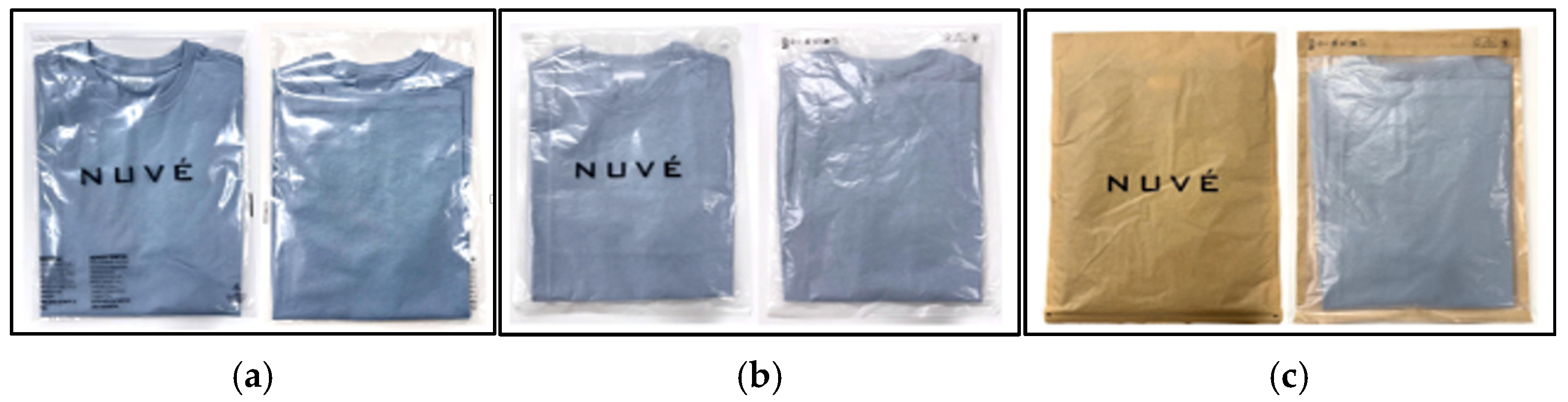
Each participant received a standardized apparel product (T-shirt) packaged in one of three formats to isolate material effects. Participants were randomly assigned to one of three conditions: Group A received a flexible LDPE plastic package (control), Group B received a translucent paper package, and Group C received a hybrid paper-based package with a kraft front and translucent paper back. The packaging samples were provided by Seaman Paper Company (Vela™ product line). An outer shipping carton was included to simulate a realistic e-commerce delivery scenario; however, it was excluded from analysis to ensure that evaluation focused exclusively on the primary packaging (
Figure 1).
All packaging samples included a printed brand name (“NUVE”), which was used as a neutral, fictitious apparel brand to simulate a realistic e-commerce experience while minimizing prior brand associations. The brand name was not associated with any existing apparel company and did not have an inherent or widely recognized meaning. The apparel item contained within each package was a standardized white-label T-shirt, identical across all conditions. Any existing brand labels on the garment were concealed to prevent brand-related bias.
No additional marketing claims were included on the packaging beyond standard design elements. The two paper-based formats included identical material and recycling-related labeling on the back panel (e.g., recycling instructions and FSC certification marks), which are commonly used on paper-based packaging to communicate material composition and disposal guidance. The plastic packaging displayed standard safety warnings and polymer identification symbols typically found on polyethylene bags. These elements were retained across conditions to reflect realistic packaging practices, consistent with how such materials are typically labeled in real-world use, while maintaining consistency in the presentation of material-related information across experimental stimuli. As a result, material type and communication content were intentionally presented as they commonly appear in real-world packaging applications. While this approach enhanced ecological validity and reflected realistic packaging conditions, it does not allow the independent effects of material cues and communication cues to be fully isolated.
The three packaging formats were selected to represent distinct material and functional conditions relevant to e-commerce packaging. The plastic format served as the conventional baseline, reflecting widely adopted industry practices characterized by full product visibility and established functional performance. The translucent paper format was included as an alternative intended to replicate key functional attributes of plastic while utilizing a fiber-based material. The hybrid paper-based format, combining kraft and translucent paper materials, was included to incorporate a widely used kraft paper format commonly observed in e-commerce while preserving product visibility through a translucent backing, thereby enabling examination of how such material context may influence consumer perception. Collectively, these conditions enable a systematic comparison of how material composition and product visibility influence consumer attention, interpretation, and behavior in an at-home e-commerce context.
2.3. Eye-Tracking Measures
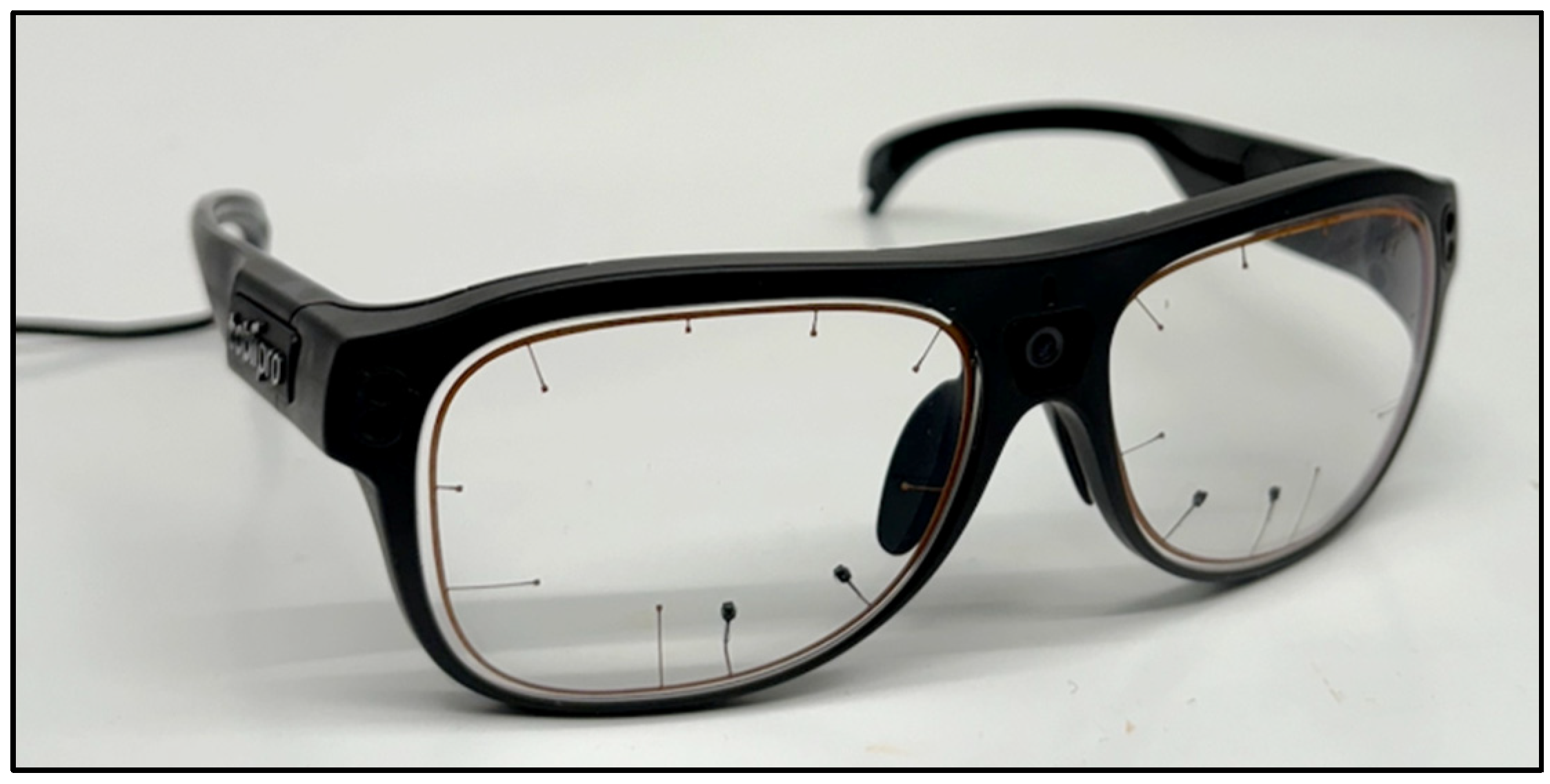
Visual attention was recorded using Tobii Pro Glasses 3 (Tobii AB, Danderyd, Sweden;
Figure 2), a mobile eye-tracking system with a sampling rate of 50 Hz [
41]. Prior to data collection, each participant completed a standard calibration procedure to ensure accurate gaze tracking throughout the session. Visual attention was evaluated using three primary metrics: total fixation duration (TFD), defined as the total time spent viewing a specified area of interest; time to first fixation (TTFF), defined as the time elapsed before attention is first directed to a given element; and fixation count (FC), defined as the number of fixations within a defined area. These metrics are commonly used as indicators of visual engagement, where longer fixation durations and higher fixation counts reflect greater cognitive processing and interest in the viewed stimuli [
42,
43,
44]. Together, these measures provide complementary indicators of visual engagement, capturing both the intensity and distribution of attention toward packaging elements, including material cues and sustainability-related information.
2.4. Experimental Procedure
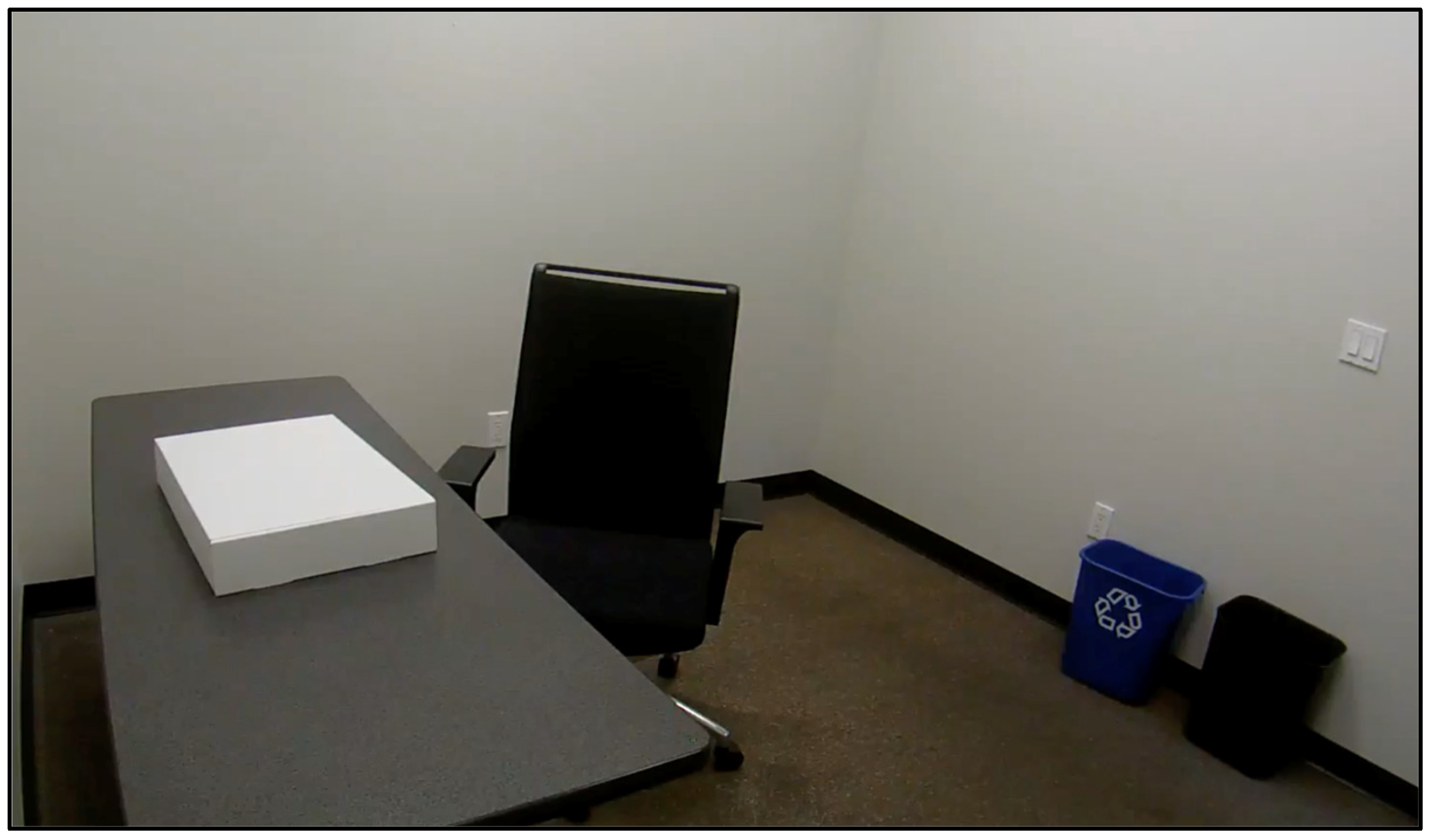
The study was conducted at the Quad Marketing Experience Innovation Center (MXIC) in West Allis, Milwaukee, with participants recruited from the local area. Prior to participation, all participants received information regarding the purpose of the study, study procedures, data collection methods, and their rights as participants. Written informed consent was obtained from all participants before any study activities were conducted. Participation was voluntary, participants could withdraw at any time, and all data were collected and analyzed in anonymized form. Following consent, participants were fitted with eye-tracking glasses and completed the calibration procedure. The study was conducted in a controlled environment designed to simulate an at-home e-commerce unboxing experience. Each participant was seated in a private room equipped with a table and chair, with trash and recycling bins positioned nearby. A standardized T-shirt sample was placed inside the assigned packaging format and positioned within a plain white shipping carton (
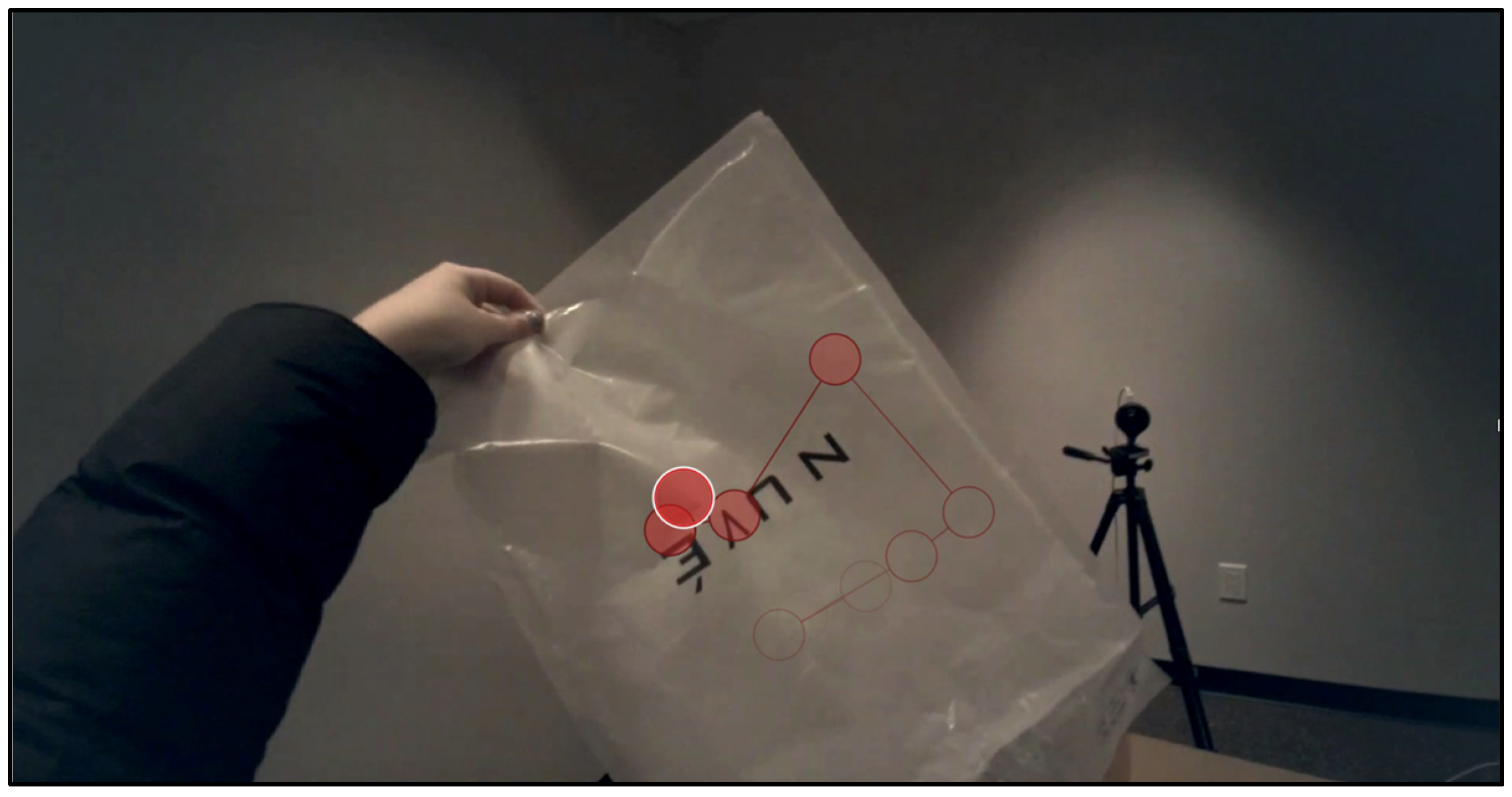
Figure 3). Participants were instructed to interact with the package as they normally would, including reviewing the package, opening the package, handling the contents, and deciding how to dispose of the packaging. Separate trash and recycling bins were provided to reflect typical household disposal conditions, and the bin selected by each participant for package disposal was recorded upon completion of the task. Participants’ eye movements were recorded continuously throughout the interaction, from unboxing to disposal, at a sampling rate of 50 Hz. Eye-tracking data were captured using Tobii Pro Glasses 3 and stored on the device’s controller SD card. A visual indicator (red dot) was used to represent fixation locations in the recording videos (
Figure 4). The recorded data were subsequently uploaded to analysis software for further processing.
Following the interaction, participants completed a structured post-experience survey assessing perceived eco-friendliness of the packaging and associated brand, as well as qualitative feedback on material interpretation and disposal understanding. To capture longer-term impressions, follow-up interviews were conducted 14 days after the initial session, focusing on recall, interpretation, and sustained perceptions of the packaging.
2.5. Data Analysis
Eye-tracking data were processed and analyzed across predefined areas of interest to assess patterns of visual attention using Tobii Pro Lab (Version 25.19). Behavioral outcomes, including disposal decisions, were recorded and summarized using descriptive statistics. Survey responses were aggregated and compared across experimental conditions to evaluate differences in perception and understanding. Qualitative data from follow-up interviews were analyzed thematically to identify recurring patterns related to material interpretation, sustainability perception, and brand evaluation.
The study further examined whether packaging format influences consumer responses across visual, behavioral, and perceptual measures. Hypotheses were defined as follows:
H01 (null hypothesis)
. There are no significant differences among packaging conditions (plastic, translucent paper, and hybrid paper formats) in eye-tracking metrics, including total fixation duration (TFD), fixation count (FC), and time to first fixation (TTFF).
H11 (alternative hypothesis)
. At least one packaging condition differs significantly from the others in one or more eye-tracking metrics.
H02 (null hypothesis)
. Packaging format is not associated with differences in disposal behavior (recycling vs. trash).
H12 (alternative hypothesis)
. Packaging format is associated with differences in disposal behavior across conditions.
H03 (null hypothesis)
. Packaging format is not associated with differences in eco-friendly perception.
H13 (alternative hypothesis)
. Packaging format is associated with differences in eco-friendly perception across conditions.
Prior to conducting ANOVA, assumptions of normality and homogeneity of variance were assessed using Shapiro–Wilk tests and Levene’s tests, respectively. While minor departures from these assumptions were observed for some measures, group sizes were relatively balanced across conditions (n = 28–30 per group). ANOVA was therefore retained because it is generally considered robust to moderate deviations from these assumptions when sample sizes are similar across groups.
To evaluate these hypotheses, a one-way analysis of variance (ANOVA) was conducted to compare group means for total fixation duration (TFD), fixation count (FC), and time to first fixation (TTFF) across the three packaging conditions. Where significant effects were observed, Tukey’s honestly significant difference (HSD) post hoc tests were performed to assess pairwise differences between groups.
For categorical outcomes, including recycling behavior and eco-friendly perception, chi-square tests of independence were conducted to evaluate differences across packaging conditions. When significant associations were observed, post hoc pairwise comparisons with Bonferroni correction were performed to identify differences between specific groups. Statistical significance was determined at the α = 0.05 level. Statistical analyses were conducted using RStudio (version 2024.12.1) with R (version 4.5.0).
3. Results
3.1. Visual Attention to Packaging
Eye-tracking analysis of key metrics revealed significant differences in visual engagement across packaging formats (
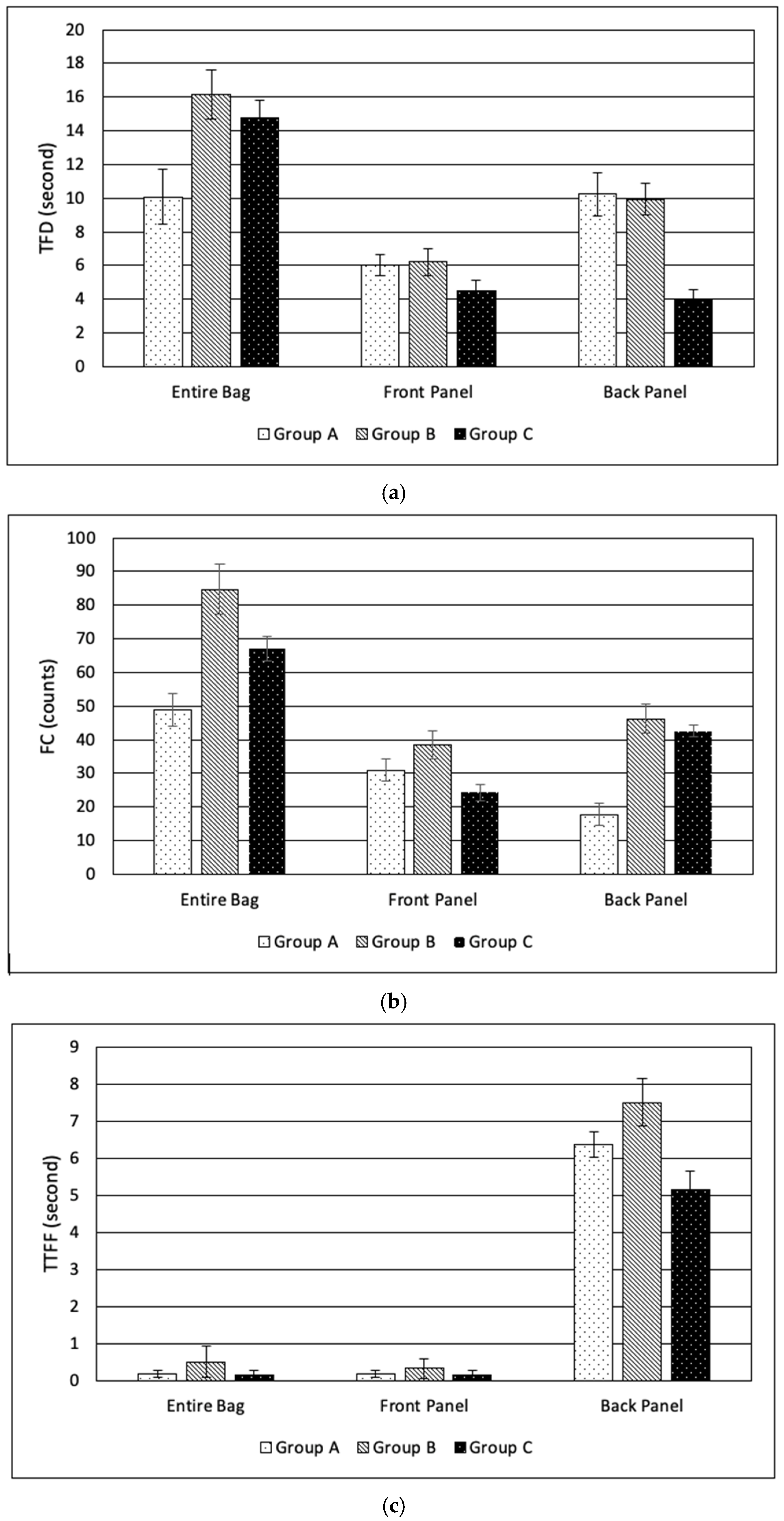
Figure 5). Participants assigned to the translucent paper packaging (Group B) demonstrated the longest total fixation duration for the entire package (mean = 16.16 s), followed by the hybrid paper packaging (Group C; mean = 14.77 s), while the plastic packaging (Group A) showed the lowest engagement (mean = 10.07 s). At the panel level, participants spent more time viewing the back panel than the front panel for both paper-based formats. For the back panel, Groups B and C exhibited higher fixation durations compared to Group A. In contrast, fixation durations for the front panel were lower and more similar across all conditions.
Statistical analysis revealed significant differences in visual attention across packaging conditions for both total fixation duration (TFD) and fixation count (FC) (
Table 1). Participants exposed to the translucent paper packaging (Group B) demonstrated significantly greater engagement compared to the plastic condition (Group A), as reflected in both longer fixation duration (
p = 0.010) and higher fixation count (
p < 0.001). While the hybrid paper-based format (Group C) showed numerically higher values than the plastic condition, these differences were not statistically significant in post hoc comparisons.
In contrast, no significant differences were observed across packaging conditions for time to first fixation (TTFF) (p = 0.559), indicating that initial visual orientation toward the packaging occurred at a similar rate regardless of material type.
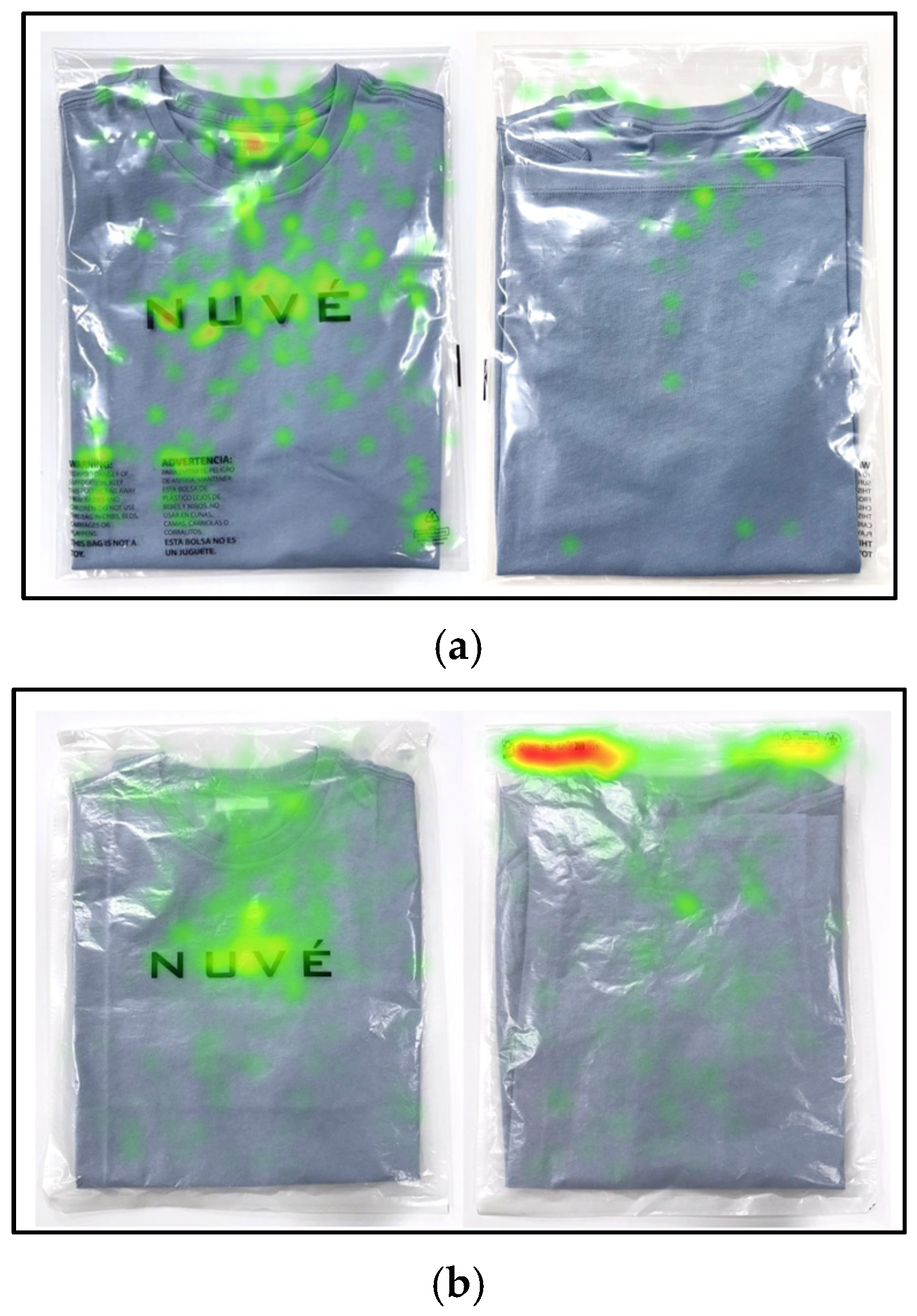
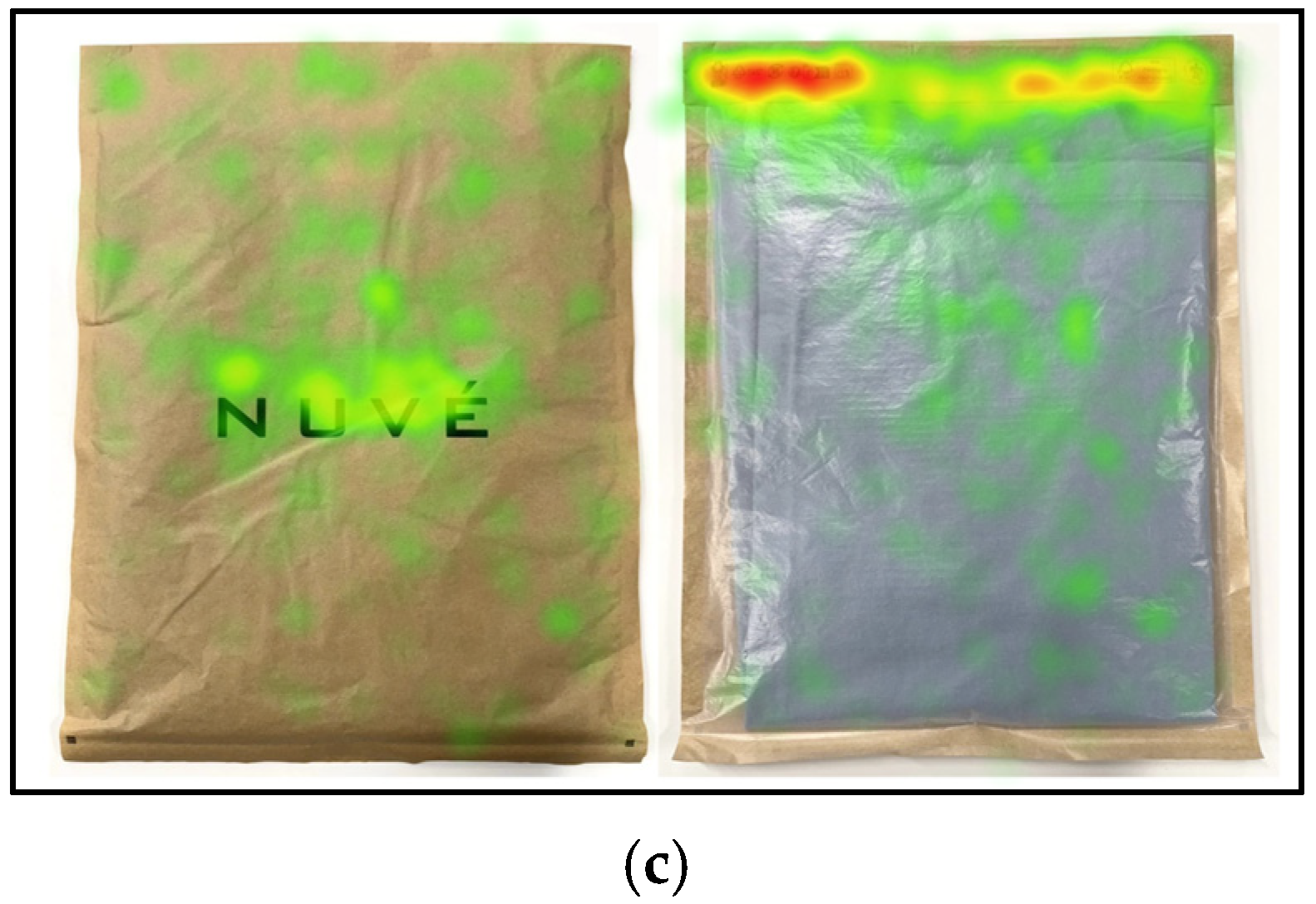
Heatmap analysis (
Figure 6) indicated that, in the paper-based conditions, visual attention was concentrated on material and recycling-related labeling located near the top of the back panel. In contrast, attention in the plastic condition was more diffusely distributed and more frequently directed toward the visible product. This pattern suggests that paper-based packaging directs attention toward sustainability-related cues, indicating that participants actively engaged with material and disposal information during the unboxing process. Together, these findings indicate that packaging material and visibility not only affect the amount of visual attention on the packaging but also shape how that attention is allocated during the unboxing process.
3.2. Disposal Behavior
Observed disposal behavior varied across packaging formats (
Table 2). The proportion of participants placing the packaging in the recycling bin was lowest for plastic packaging (Group A; 53%), followed by the translucent paper packaging (Group B; 70%) and the hybrid paper packaging (Group C; 77%). However, a chi-square test of independence indicated that these differences were not statistically significant (χ
2(2) = 4.18,
p = 0.124).
While over half of participants disposed of plastic packaging in the recycling bin, this behavior may not reflect correct disposal practices, as low-density polyethylene (LDPE) films are not widely accepted in curbside recycling systems. In contrast, disposal behavior for paper-based formats more closely aligns with commonly accepted recycling pathways. These results suggest that material type influences both recycling behavior and the likelihood of correct disposal.
3.3. Perceived Eco-Friendliness and Brand Association
Perceived eco-friendliness varied across packaging formats (
Table 3). A total of 33% of participants in Group A (plastic) indicated that the packaging reflected an eco-friendly brand, compared to 60% in Group B (translucent paper) and 77% in Group C (hybrid paper). A chi-square test of independence revealed a significant association between packaging format and eco-friendly perception (χ
2(2) = 12.25,
p = 0.002). Post hoc pairwise comparisons with Bonferroni correction indicated that the hybrid paper condition was significantly more likely to be perceived as eco-friendly than the plastic condition (
p < 0.001), while other comparisons were not statistically significant.
3.4. Material Understanding and Communication
Qualitative responses from post-experience surveys and follow-up interviews indicated that participants actively used material cues to interpret recyclability and guide disposal behavior. When asked what additional information would be useful for paper-based packaging, a majority of participants (approximately two-thirds) expressed a preference for explicit material statements (e.g., “100% recyclable,” “all paper”) and clear disposal instructions. Clear and direct language was consistently identified as helpful in supporting decision-making.
Participants reported greater confidence in their disposal choices when material composition was clearly communicated. These findings highlight the important role of explicit material communication in reinforcing consumer understanding and enabling confident, correct disposal behavior in at-home environments.
3.5. Hypothesis Testing Summary
For eye-tracking metrics, significant differences were observed across packaging conditions for total fixation duration (TFD) and fixation count (FC), while no significant differences were found for time to first fixation (TTFF). Accordingly, the null hypothesis H01 is rejected for TFD and FC, indicating that packaging format influences both sustained visual attention and scanning behavior.
For disposal behavior, although higher recycling rates were observed for paper-based packaging formats, the differences were not statistically significant. Accordingly, the null hypothesis H02 cannot be rejected.
In contrast, eco-friendly perception differed significantly across packaging conditions, with paper-based formats associated with higher perceived sustainability. Thus, the null hypothesis H03 is rejected, and the alternative hypothesis H13 is supported.
4. Discussion
The present study demonstrates that primary packaging material plays a meaningful role in shaping consumer attention, disposal behavior, and brand perception in e-commerce contexts. As retail experiences shift from in-store to at-home environments, packaging increasingly serves as the primary interface through which consumers interpret sustainability cues and brand intent. The findings suggest that both material properties and the clarity of on-package communication influence how consumers process and act on packaging information.
Consistent with prior research on the role of environmental cues in guiding recycling behavior [
45], the results indicate that, in the absence of external prompts, consumers rely heavily on packaging itself to interpret appropriate disposal actions. Paper-based packaging formats were associated with higher observed recycling rates, which may reflect greater alignment between material recognition and widely available curbside recycling systems. While a portion of participants also placed plastic packaging in recycling, this behavior highlights the importance of clear communication in supporting accurate disposal decisions, particularly for materials with more complex recycling pathways. Although paper-based formats exhibited higher recycling rates than the plastic condition, these differences were not statistically significant. This pattern suggests that packaging material may influence consumer interpretation and disposal intentions, but that stronger effects were observed at the levels of attention and perception than in observed disposal behavior. This finding is consistent with broader research on the attitude–behavior gap in sustainable consumption, where positive sustainability perceptions do not always translate directly into corresponding behavioral outcomes.
The strongest effects observed in the present study were related to visual attention and information processing. The eye-tracking findings demonstrate that material design influences how consumers visually engage with packaging and allocate attention to brand and sustainability-related information during unboxing. These findings are consistent with those reported by Steenis et al. (2017), who demonstrated that packaging materials and design elements influence consumer perceptions and product evaluations [
38]. The present findings suggest that material choice also affects how consumers visually engage with packaging during e-commerce interactions, with paper-based formats attracting greater attention to on-package information and brand-related cues. Paper-based packaging formats resulted in longer engagement with packaging elements during unboxing, thereby increasing exposure to on-package information and brand-related cues by disrupting the conventional interaction pattern associated with plastic polybags, in which consumers can immediately view the product and proceed to open the package. Attention was more frequently directed toward brand and informational elements on the package in paper-based formats. In contrast, plastic packaging, with full product visibility, encouraged more immediate focus on the product itself.
In terms of consumer perception, the results reinforce the role of material cues as intuitive signals in sustainability and brand evaluation. The hybrid paper format was more frequently associated with environmental responsibility than the plastic format, suggesting that the inclusion of a familiar paper-based material context may influence sustainability perception. In contrast, the translucent format contributed to perceptions of innovation and modernity, and in some cases, premium positioning—particularly when material composition was clearly communicated. This observation is broadly consistent with Sostar et al. (2025), who reported that packaging material influences consumer evaluations and perceived product quality across packaging formats [
39]. These findings indicate that different paper-based designs can support distinct brand narratives, even when delivering similar sustainability benefits. These findings are consistent with those reported by Sokolova et al. (2023), who found that consumers tend to perceive packaging containing paper components as more environmentally friendly than plastic-only packaging [
37]. Similarly, the hybrid paper format in the present study was more strongly associated with environmental responsibility than the plastic format. Together, these findings suggest that material composition serves as a salient cue in consumer sustainability evaluations, even when consumers may have limited information about the actual environmental impact of the packaging.
An important finding of this study is the role of explicit material communication in supporting consumer understanding. Across survey responses and follow-up interviews, participants consistently reported greater confidence in their disposal decisions when packaging included clear statements such as “100% paper” and straightforward recycling instructions. These findings suggest that clear communication actively reinforces confidence and enables more consistent behavior. In e-commerce environments, where external informational cues are limited, packaging serves as a critical touchpoint for delivering this clarity.
At the same time, the present findings suggest that material cues and communication cues may operate jointly in shaping consumer responses. Because the paper-based packaging formats included recycling-related information and certification marks that differed from the information displayed on the plastic packaging, it is possible that some observed differences in perception and disposal confidence were influenced by the combined effects of material properties and communication content. While this reflects realistic packaging conditions, future research should systematically manipulate packaging material and labeling independently to better distinguish their individual and interactive effects.
From a broader sustainability perspective, these findings highlight the importance of aligning packaging design with both consumer expectations and existing recycling systems. Packaging formats that combine recognizable materials with clear communication can support more accurate disposal behavior while also strengthening sustainability perception. At the same time, material selection and design choices contribute to brand positioning, indicating that sustainable packaging can deliver both environmental and consumer-facing value.
5. Conclusions
This study demonstrates that primary packaging in e-commerce functions not only as a protective medium but also as a critical communication interface influencing consumer attention, disposal behavior, and brand perception. In the absence of external retail cues, packaging must effectively convey material properties and sustainability intent within a limited interaction window. The findings show that paper-based packaging formats generate greater visual engagement than flexible plastic packaging and exhibited higher, though not statistically significant, recycling rates.
Material cues were found to play a central role in shaping consumer perception. The hybrid paper format elicited strong associations with environmental responsibility, while the translucent paper format contributed to perceptions of innovation and premium quality, particularly when material composition was clearly communicated. These results suggest that combining familiar sustainability cues with innovative design features may enhance both consumer understanding and brand differentiation.
The study also underscores the importance of explicit material communication. Clear statements such as “100% paper” and direct disposal guidance were shown to improve consumer confidence and reduce ambiguity. Improving clarity in on-package communication may therefore support more accurate disposal behavior and reduce contamination in recycling systems.
From a theoretical perspective, the findings suggest that packaging materials function as consumer cues that influence multiple stages of the evaluation process, including visual attention, sustainability perception, and behavioral intentions. The results indicate that the strongest effects of packaging material occurred at the levels of attention and perception, while effects on disposal behavior were less pronounced. This finding contributes to the growing literature on packaging and sustainability by highlighting the distinction between how consumers attend to and interpret packaging cues and how those interpretations ultimately translate into behavior. By integrating eye-tracking, behavioral observation, survey responses, and follow-up interviews, the study also extends prior research that has primarily relied on self-reported evaluations.
This study has several limitations. First, the sample size was relatively modest (n = 91), which may have limited the ability to detect smaller behavioral effects, particularly for disposal behavior. Second, the sample was restricted to Gen Z and Millennial consumers who were regular online apparel shoppers and were recruited from a single geographic region in the United States. Third, although the experimental setting was designed to simulate an at-home e-commerce experience, consumer behavior may differ in naturalistic household environments where disposal infrastructure, habits, and environmental conditions vary. Fourth, the study used a fictitious brand (“NUVE”) and a single apparel product category (T-shirt) to control for prior brand associations and product-related variation. While this design strengthened experimental control, responses may differ for well-known brands, higher-involvement products, or other product categories. Fifth, material cues and communication cues were not independently manipulated. Because the paper-based packaging formats included recycling-related information and certification marks that differed from the information displayed on the plastic packaging, the observed effects may reflect the combined influence of material properties and communication content. Finally, the study evaluated a limited set of packaging formats sourced from a single supplier, which may limit the extent to which the findings can be generalized across alternative packaging designs and material implementations available in the marketplace.
Future research could expand this work by examining consumer responses to packaging materials across a broader range of product categories, demographic groups, and geographic regions. Additional studies conducted in naturalistic household environments would help assess the generalizability of the findings under varying recycling infrastructures and cultural contexts. Future research may also explore how alternative sustainability messages, labeling systems, and disposal instructions influence consumer attention, interpretation, and disposal behavior, as well as how responses differ for established brands and higher-involvement products. In addition, future studies could employ factorial designs that independently manipulate packaging materials and sustainability-related labeling to better isolate their respective effects and potential interactions. Evaluating a broader range of packaging formats from multiple suppliers would further strengthen external validity and reduce the potential influence of supplier-specific design characteristics.
Overall, the findings suggest that paper-based packaging formats are associated with greater visual attention during unboxing and higher perceived eco-friendliness compared to plastic packaging, highlighting the role of material choice in shaping consumer responses to e-commerce packaging.
Author Contributions
Conceptualization, R.A.H.; methodology, R.A.H., M.Z. and S.A.; software, M.Z. and S.A.; formal analysis, M.Z., K.M. and S.S.; investigation, M.Z., S.A., G.J. and L.I.; resources, L.I. and T.O.; data curation, M.Z.; writing—original draft preparation, M.Z.; writing—review and editing, R.A.H. and C.P.; visualization, M.Z., K.M. and S.S.; supervision, S.A. and T.O.; project administration, M.Z. All authors have read and agreed to the published version of the manuscript.
Funding
This research received no external funding.
Institutional Review Board Statement
Ethical review and approval were waived for this study by Institution Committee as per the U.S. Department of Health and Human Services Common Rule (45 CFR 46.104), the study qualifies as exempt minimal-risk behavioral and consumer research.
Informed Consent Statement
Informed consent was obtained from all subjects involved in the study.
Data Availability Statement
The data presented in this study are available on request from the corresponding author due to human subject privacy considerations.
Acknowledgments
This research was funded by Seaman Paper. The authors thank Seaman Paper Company for providing the packaging samples used in this study. The company had no role in the study design, data collection, analysis, interpretation, or writing of the manuscript.
Conflicts of Interest
Mengmeng Zhao, Shannon Anderson and Kirsty McLaren are employees of Accelerated Marketing Insights, Quad Packaging, Inc., Greenville, USA; Skylar Sirdashney, Greta Joneson, Leah Ivancic, Carol Pan and Tim Ohnmacht are employees of Quad/Graphics, Inc., Sussex, USA. This research was funded by Seaman Paper. The funding sponsor had no role in the design of the study; in the collection, analyses, or interpretation of data; in the writing of the manuscript; or in the decision to publish the results. The authors declare that these relationships did not influence the results or conclusions of the study. The other authors declare no conflicts of interest.
Abbreviations
The following abbreviations are used in this manuscript:
| TFD | Total Fixation Duration |
| FC | Fixation Count |
| TTFF | Time to First Fixation |
| LDPE | Low-Density Polyethylene |
| FSC | Forest Stewardship Council |
References
- Lai, N.Y.; Kuah, A.T.; Kim, C.H.; Wong, K.H. Toward sustainable express deliveries for online shopping: Reusing packaging materials through reverse logistics. Thunderbird Int. Bus. Rev. 2022, 64, 351–362. [Google Scholar] [CrossRef] [Scilit]
- Kannan, S.; Parashar, B.; Chaurasia, A. E-commerce and green packaging: Sustainable business trends. In Green Innovations for Industrial Development and Business Sustainability; CRC Press: Boca Raton, FL, USA, 2024; pp. 22–39. [Google Scholar]
- Ali, S.A.; Ilankoon, I.M.; Zhang, L.; Tan, J. Packaging plastic waste from e-commerce sector: The Indian scenario and a multi-faceted cleaner production solution towards waste minimisation. J. Clean. Prod. 2024, 447, 141444. [Google Scholar]
- Badejo, O.; Hernández, B.; Vlachos, D.G.; Ierapetritou, M.G. Design of sustainable supply chains for managing plastic waste: The case of low density polyethylene. Sustain. Prod. Consum. 2024, 47, 460–473. [Google Scholar] [CrossRef] [Scilit]
- Fan, J.; Njuguna, J. An introduction to lightweight composite materials and their use in transport structures. In Lightweight Composite Structures in Transport; Woodhead Publishing: Cambridge, UK, 2016; pp. 3–34. [Google Scholar]
- Wagner, T.P. Reducing single-use plastic shopping bags in the USA. Waste Manag. 2017, 70, 3–12. [Google Scholar] [CrossRef] [Scilit] [PubMed]
- Lewis, H.; Verghese, K.; Fitzpatrick, L. Evaluating the sustainability impacts of packaging: The plastic carry bag dilemma. Packag. Technol. Sci. An. Int. J. 2010, 23, 145–160. [Google Scholar] [CrossRef] [Scilit]
- Ahamed, A.; Vallam, P.; Iyer, N.S.; Veksha, A.; Bobacka, J.; Lisak, G. Life cycle assessment of plastic grocery bags and their alternatives in cities with confined waste management structure: A Singapore case study. J. Clean. Prod. 2021, 278, 123956. [Google Scholar] [CrossRef] [Scilit]
- Capp, J. Online Fashions Overuse of Unsustainable Packaging: An Exploration into the Fashion Industry’s Use of Polybags; University of Southhampton: Southampton, UK, 2021. [Google Scholar]
- Fashion for Good. ‘Fashion for Good Launches a Pilot to Produce a Circular Polybag’, 10 December 2019. Available online: https://fashionforgood.com/our_news/fashion-for-good-launches-a-pilot-to-produce-a-circular-polybag/ (accessed on 21 April 2026).
- Shen, L.; Worrell, E. Plastic recycling. In Handbook of Recycling; Elsevier: Amsterdam, The Netherlands, 2024; pp. 497–510. [Google Scholar]
- Horodytska, O.; Valdés, F.J.; Fullana, A. Plastic flexible films waste management—A state of art review. Waste Manag. 2018, 77, 413–425. [Google Scholar] [CrossRef] [Scilit] [PubMed]
- Hou, P.; Xu, Y.; Taiebat, M.; Lastoskie, C.; Miller, S.A.; Xu, M. Life cycle assessment of end-of-life treatments for plastic film waste. J. Clean. Prod. 2018, 201, 1052–1060. [Google Scholar]
- Beatty, T.K.; Berck, P.; Shimshack, J.P. Curbside recycling in the presence of alternatives. Econ. Inq. 2007, 45, 739–755. [Google Scholar] [CrossRef] [Scilit]
- Doshi, S. Is Plastic Film Recyclable? EcoEnclose. 29 October 2025. Available online: https://www.ecoenclose.com/resources/thin-film-recycling (accessed on 21 April 2026).
- Taylor, R.L. Bag leakage: The effect of disposable carryout bag regulations on unregulated bags. J. Environ. Econ. Manag. 2019, 93, 254–271. [Google Scholar] [CrossRef] [Scilit]
- Gómez, I.D.; Escobar, A.S. The dilemma of plastic bags and their substitutes: A review on LCA studies. Sustain. Prod. Consum. 2022, 30, 107–116. [Google Scholar] [CrossRef] [Scilit]
- Brosius, N.; Fernandez, K.V.; Cherrier, H. Reacquiring consumer waste: Treasure in our trash? J. Public Policy Mark. 2013, 32, 286–301. [Google Scholar]
- Elbeshbishy, E.; Okoye, F. Improper disposal of household hazardous waste: Landfill/municipal wastewater treatment plant. In Municipal Solid Waste Management; IntechOpen: Rijeka, Croatia, 2019. [Google Scholar]
- Ignatyev, I.A.; Thielemans, W.; Vander Beke, B. Recycling of polymers: A review. ChemSusChem 2014, 7, 1579–1593. [Google Scholar] [CrossRef] [Scilit] [PubMed]
- Grigore, M.E. Methods of recycling, properties and applications of recycled thermoplastic polymers. Recycling 2017, 2, 24. [Google Scholar] [CrossRef] [Scilit]
- Freichel, S.L.; Wollenburg, J.; Wörtge, J.K. The role of packaging in omni-channel fashion retail supply chains: How can packaging contribute to logistics efficiency? Logist. Res. 2019, 13, 1–20. [Google Scholar]
- Krahl, J. Sustainable Polybags in Fashion e-Commerce. Ecosistant, 14 March 2024. Available online: https://www.ecosistant.eu/en/sustainable-polybags-in-fashion-e-commerce/ (accessed on 21 April 2026).
- Oregon Producer Fee Schedule. Available online: https://static1.squarespace.com/static/64260ed078c36925b1cf3385/t/693b2c9103be112d168e1b19/1765485713621/OR+2026+Fee+Schedule+Public.pdf (accessed on 20 April 2026).
- Asgher, M.; Qamar, S.A.; Bilal, M.; Iqbal, H.M. Bio-based active food packaging materials: Sustainable alternative to conventional petrochemical-based packaging materials. Food Res. Int. 2020, 137, 109625. [Google Scholar] [CrossRef] [Scilit] [PubMed]
- Marichelvam, M.K.; Jawaid, M.; Asim, M. Corn and rice starch-based bio-plastics as alternative packaging materials. Fibers 2019, 7, 32. [Google Scholar] [CrossRef] [Scilit]
- Dolci, G.; Puricelli, S.; Cecere, G.; Tua, C.; Fava, F.; Rigamonti, L.; Grosso, M. How does plastic compare with alternative materials in the packaging sector? A systematic review of LCA studies. Waste Manag. Res. J. A Sustain. Circ. Econ. 2024, 43, 339–357. [Google Scholar] [CrossRef] [Scilit]
- Jestratijevic, I.; Vrabič-Brodnjak, U. Sustainable and innovative packaging solutions in the fashion industry: Global report. Sustainability 2022, 14, 13476. [Google Scholar] [CrossRef] [Scilit]
- Oloyede, O.O.; Lignou, S. Sustainable paper-based packaging: A consumer’s perspective. Foods 2021, 10, 1035. [Google Scholar] [CrossRef] [Scilit] [PubMed]
- Keskin, B.; Altay, B.N.; Kurt, A.; Flemıng, P.D. Sustainability in paper-based packaging. Gazi J. Eng. Sci. 2020, 6, 129–137. [Google Scholar] [CrossRef] [Scilit]
- Paper Versus Plastic (and Bioplastic). Available online: https://www.ecoenclose.com/paper-versus-plastic-and-bioplastic/ (accessed on 21 April 2026).
- Villanueva, A.; Wenzel, H. Paper Waste–Recycling, Incineration or Landfilling? A Review of Existing Life Cycle Assessments. Waste Manag. 2007, 27, S29–S46. [Google Scholar] [CrossRef] [Scilit] [PubMed]
- Kirwan, M.J. Paper and paperboard packaging. In Food and Beverage Packaging Technology; Wiley: Hoboken, NJ, USA, 2011; pp. 213–250. [Google Scholar]
- Deshwal, G.K.; Panjagari, N.R.; Alam, T. An overview of paper and paper based food packaging materials: Health safety and environmental concerns. J. Food Sci. Technol. 2019, 56, 4391–4403. [Google Scholar] [CrossRef] [Scilit] [PubMed]
- Lindh, H.; Olsson, A.; Williams, H. Consumer perceptions of food packaging: Contributing to or counteracting environmentally sustainable development? Packag. Technol. Sci. 2016, 29, 3–23. [Google Scholar]
- Zhu, H.; Fang, Z.; Preston, C.; Li, Y.; Hu, L. Transparent paper: Fabrications, properties, and device applications. Energy Environ. Sci. 2014, 7, 269–287. [Google Scholar] [CrossRef] [Scilit]
- Sokolova, T.; Krishna, A.; Döring, T. Paper meets plastic: The perceived environmental friendliness of product packaging. J. Consum. Res. 2023, 50, 468–491. [Google Scholar] [CrossRef] [Scilit]
- Steenis, N.D.; Van Herpen, E.; Van Der Lans, I.A.; Ligthart, T.N.; Van Trijp, H.C. Consumer response to packaging design: The role of packaging materials and graphics in sustainability perceptions and product evaluations. J. Clean. Prod. 2017, 162, 286–298. [Google Scholar] [CrossRef] [Scilit]
- Sostar, M.; Korov, T.; Pjero, E. The impact of packaging type and branding on consumer quality perception and preferences. Int. Rev. Manag. Mark. 2025, 15, 283. [Google Scholar] [CrossRef] [Scilit]
- Klaiman, K.; Ortega, D.L.; Garnache, C. Consumer preferences and demand for packaging material and recyclability. Resour. Conserv. Recycl. 2016, 115, 1–8. [Google Scholar] [CrossRef] [Scilit]
- Tobii, A.B. Tobii Pro Glasses 3 User Manual, Version 1.20; Tobii AB: Danderyd, Sweden, 2024. [Google Scholar]
- Irwin, D.E. Fixation location and fixation duration as indices of cognitive processing. In The Interface of Language, Vision, and Action; Psychology Press: Hove, UK, 2013; pp. 105–133. [Google Scholar]
- Tatler, B.W.; Baddeley, R.J.; Gilchrist, I.D. Visual correlates of fixation selection: Effects of scale and time. Vis. Res. 2005, 45, 643–659. [Google Scholar] [CrossRef] [Scilit] [PubMed]
- Galley, N.; Betz, D.; Biniossek, C. Fixation durations—Why are they so highly variable. In Das Ende von Rational Choice? Zur Leistungsfähigkeit der Rational-Choice-Theorie; GESIS—Leibniz-Institut für Sozialwissenschaften: Köln, Germany, 2015; Volume 93, pp. 83–106. [Google Scholar]
- Zhao, M.; Anderson, S.; Hurley, R.A.; Anzures, S.; Nowak, P.; Burt, K. The influence of in-store recycling signage on consumer behavior: A study of visual attention and usage of store drop-off bins. Sustainability 2024, 16, 3168. [Google Scholar] [CrossRef] [Scilit]
| Disclaimer/Publisher’s Note: The statements, opinions and data contained in all publications are solely those of the individual author(s) and contributor(s) and not of MDPI and/or the editor(s). MDPI and/or the editor(s) disclaim responsibility for any injury to people or property resulting from any ideas, methods, instructions or products referred to in the content. |