1. Introduction
Urban playgrounds are critical infrastructure for supporting children’s physical activity, social interaction, and cognitive development. In the context of rising sedentary behaviors and prolonged exposure to digital environments, concerns about children’s health and wellbeing have intensified, reinforcing the need for environments that promote active and diverse forms of play [
1,
2,
3,
4]. The World Health Organization updated its global guidelines to recommend not only a minimum of 60 min of daily moderate-to-vigorous physical activity for children aged 5 to 17, but also explicit limits on sedentary time, recognizing inactivity itself as a distinct health risk [
5].
Sedentary behavior is associated with reduced health-related quality of life, increased obesity risk, poorer cardiorespiratory fitness, and adverse mental health outcomes [
6,
7,
8]. Critically, physical activity cannot fully compensate for prolonged inactivity in certain contexts [
9], positioning the built environment, and playground design in particular, as an active contributor to children’s developmental and health outcomes.
Playground design has consequently gained renewed relevance within broader discussions on sustainable urban development. Understood as the integration of environmental, social, and functional dimensions, sustainability in this context requires approaches that address the full complexity of human–environment interactions [
10]. Playgrounds can thus be conceived as socio-material systems that must simultaneously support physical activity, cognitive stimulation, social interaction, and environmental responsibility [
11,
12,
13].
Despite this growing recognition of complexity, existing studies on playground design remain largely fragmented. Most contributions focus on isolated outcomes—such as physical activity, safety, or accessibility—while offering limited insight into how multiple dimensions are articulated within coherent design proposals [
14,
15]. Reviews of physical enrichment interventions report measurable improvements in physical activity but remain inconclusive regarding cognitive and social outcomes due to inconsistent evaluation criteria [
16]. Recent work on sustainability in public spaces has similarly tended to emphasize material or environmental aspects, with less attention paid to integrating experiential and behavioral dimensions [
17,
18,
19]. Structured assessments of playground quality reveal persistent deficiencies in cognitive stimulation and inclusive design features even within formally evaluated environments [
20,
21,
22].
At the same time, the increasing complexity of design challenges has led to a growing emphasis on systemic thinking as a key competency in design practice and education [
23,
24,
25]. Systemic thinking is framed as a central sub-competency within broader forms of reasoning for complexity, closely linked to critical, scientific, and innovative thinking [
26]. It involves more than recognizing multiple factors within a problem; it requires the capacity to understand interactions, dependencies, and consequences across social, environmental, technical, and experiential dimensions. However, undergraduate students tend to demonstrate only modest levels of systems thinking competency even within disciplines where such approaches are explicitly encouraged [
27,
28], and assessment structures often remain focused on isolated outcomes rather than on evaluating the coherence of integrative reasoning [
29,
30]. Translating systemic thinking into design outcomes remains a challenge, particularly in the early stages of design education, where students often identify relevant variables but struggle to integrate them effectively [
25,
31,
32].
An additional limitation can be identified at the methodological level. While design research has progressed in the study of user experience and post-occupancy evaluation, less attention has been given to the analysis of design proposals themselves as structured representations of design reasoning. Approaches such as Research through Design (RtD) recognize design artifacts and project documentation as valid sources of knowledge [
29]. Yet there remains a lack of systematic, replicable frameworks for analyzing how multiple dimensions are articulated in design outcomes. This gap is particularly significant in educational contexts, where formative assessment tools capable of evaluating whether students meaningfully integrate dimensions into their projects are largely absent [
29,
30,
33].
A significant gap, therefore, persists in the availability of analytical approaches capable of evaluating the degree of multidimensional and systemic integration embedded in design proposals, particularly in educational contexts. This study addresses this gap by proposing a Systemic Integration Index (SII) and applying it to the analysis of undergraduate playground design projects. By examining how physical, cognitive, social, and environmental dimensions are articulated in design proposals, the study aims to expand upon the understanding of how complex design challenges are approached in early stages of design.
Accordingly, the research is guided by the following question: How are physical, cognitive, social, and environmental dimensions integrated within undergraduate playground design proposals, and to what extent do these proposals reflect a systemic approach to sustainability?
3. Methodology
3.1. Research Design
This study adopts a qualitative, structured document analysis approach to examine how multiple design dimensions are integrated into playground design proposals developed in an educational context. The research is exploratory–analytical in nature and focuses on identifying patterns of integration across a set of design cases.
Rather than evaluating user outcomes or post-occupancy performance, the study focuses on the internal structure of design proposals, treating them as representations of how complex problems are conceptualized and addressed during early-stage design processes.
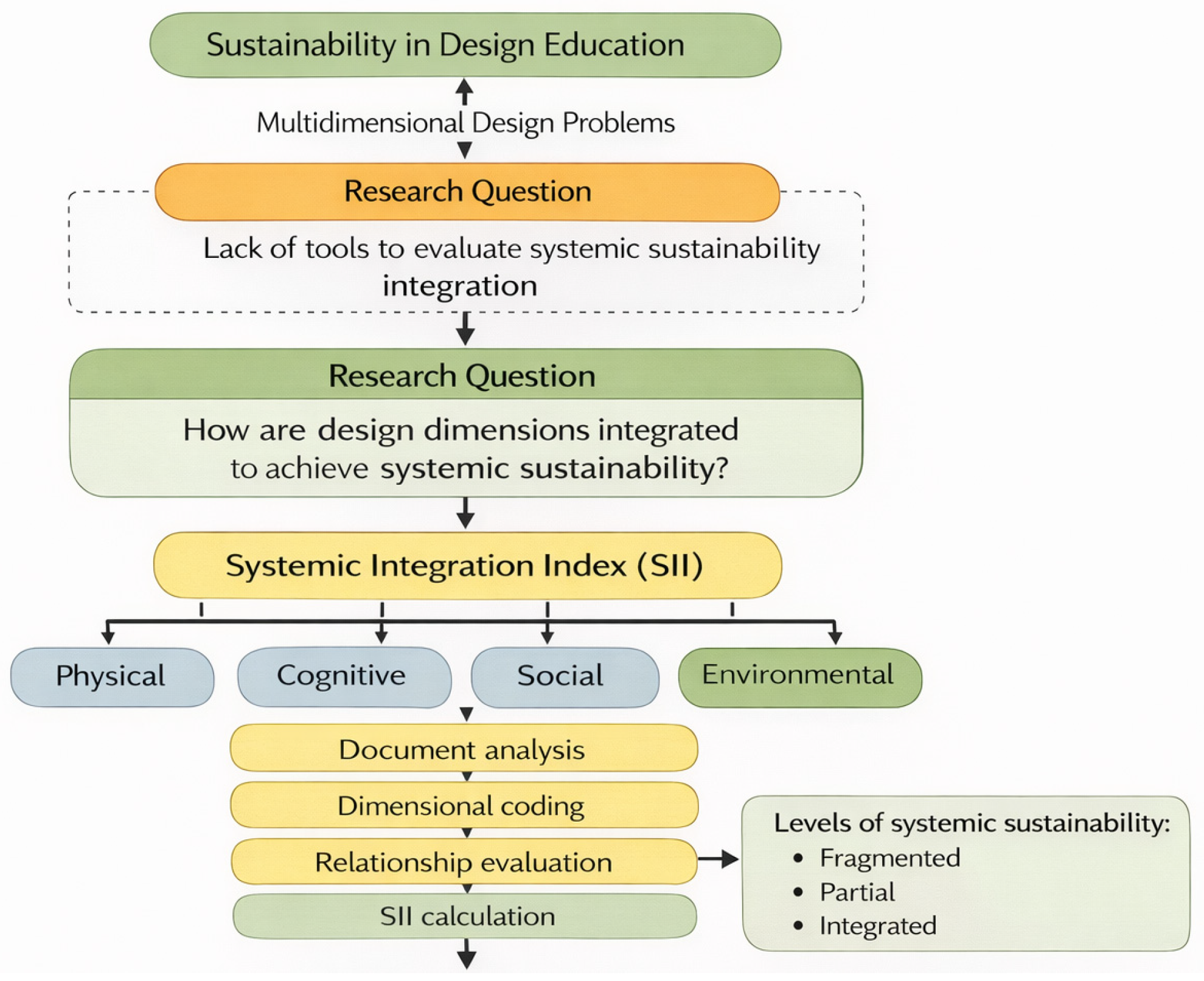
This approach is grounded in the principles of Research through Design (RtD), which recognizes design practice as a valid form of knowledge production. Within this perspective, design outcomes, such as conceptual proposals and project documentation—are understood as representations of design reasoning and can be analyzed as empirical data. This allows the examination of how design knowledge is constructed and how multiple dimensions are articulated within proposals (see
Figure 1 for a schematic representation of this framework).
Accordingly, the analyzed projects are treated as design artifacts that provide insight into how the physical, cognitive, social, and environmental dimensions are integrated in response to a complex design problem (see
Figure 1).
3.2. Context of the Study and Design Approach
The analyzed projects were developed within an undergraduate Design Engineering programme at the Universitat Politècnica de València (UPV). Specifically, the projects were produced in the second-year studio course, Taller de Diseño I (Design Studio I). The course ran for one academic semester and was structured around predefined milestones without prescribing a specific methodology. Students were free to develop their own design approach within this framework.
The course milestones combined team-based and individual activities, progressing from contextual research through concept development to physical materialization. No specific design methodology was mandated; the milestones functioned as structured checkpoints rather than prescriptions of how to approach the design problem.
This open-ended structure makes the dataset particularly relevant for this study. Because no systemic methodology was imposed, the degree of multidimensional integration observed reflects students’ spontaneous design reasoning rather than procedural compliance with a prescribed framework. The Hernandis systemic design model [
41] is referenced as a theoretical lens, not as the pedagogical approach applied in the course.
3.3. Unit of Analysis and Sample
The unit of analysis is individual design projects developed by student teams. A total of 22 projects were analyzed, each representing a conceptual proposal for a sustainable and innovative playground. Projects were divided among three seminar groups (G521: n = 6; G522: n = 7; G523: n = 9). Student teams comprised three to four members. Project identifiers encode the seminar group and studio table number; gaps in the numerical sequence reflect the studio’s physical layout rather than missing projects. The course was structured around ten predefined milestones: (1) initial design brief; (2) user and context research; (3) market study; (4) revised design brief; (5) idea generation and presentation; (6) reasoned evaluation of alternatives; (7) definition of the chosen proposal; (8) experimental prototype; (9) final graphic development; and (10) construction of the definitive prototype.
All projects were developed under the same design brief, which required students to design a playground that promotes:
The projects were documented in digital format (PDF), including descriptive texts, conceptual diagrams, and visual representations of the proposed solutions. These documents constituted the primary data source for the analysis.
3.4. Analytical Framework: Systemic Integration Index (SII)
To evaluate the degree of integration across multiple design dimensions, this study proposes a Systemic Integration Index (SII). The SII is designed as an analytical tool to assess not only the presence of relevant dimensions in a design proposal but also their relationships.
3.4.1. Dimensions of Analysis
Four key dimensions were defined based on the design brief and theoretical framework:
Physical (F): promotion of bodily movement and physical activity;
Cognitive (C): stimulation of exploration, learning, or problem-solving;
Social (S): facilitation of interaction among users;
Environmental (A): incorporation of sustainability-related aspects, such as materials, durability, or environmental impact.
Each dimension was evaluated using an ordinal scale:
The selection of these four dimensions was grounded in both the theoretical framework developed in the State of the Art and the requirements of the design brief. The physical dimension reflects the core functional requirement of playground design, consistently identified as the primary purpose of play environments in the reviewed literature [
11,
12,
13,
14,
15,
16]. The cognitive dimension was included based on evidence linking play environments to exploratory learning, problem-solving, and developmental stimulation [
17,
18,
19,
20]. The social dimension was incorporated following the recognition that playground design must facilitate peer interaction and cooperative play as central outcomes [
21,
22,
23,
24]. The environmental dimension was included in response to the sustainability imperative embedded in the brief and supported by the SDG-aligned sustainability frameworks reviewed in
Section 2.3 [
25,
26,
27,
28]. Together, these four dimensions represent the minimum set of design variables that a systemically integrated playground proposal must address according to the theoretical framework and the brief’s stated objectives.
3.4.2. Systemic Relationships
To ensure consistency and reproducibility, scoring was anchored to explicit criteria. Score of 0 (absent): no evidence of the dimension in the project documentation. Score of 1 (basic presence): the dimension is mentioned or referenced but not elaborated or connected to other aspects. Score of 2 (explicitly developed): the dimension is fully developed, justified, and articulated in relation to user experience or other dimensions. For example, in the Environmental dimension, a score of 2 requires that material or ecological choices are connected to patterns of use or developmental outcomes, not merely listed as technical specifications. These criteria were applied consistently across all projects and coders.
In addition to individual dimensions, the model evaluates the relationships between them as an indicator of systemic integration.
The following relationships were considered (see Equation(1)):
Physical–Cognitive (F–C);
Physical–Social (F–S);
Cognitive–Social (C–S).
Environmental integration (A in relation to the other dimensions). The environmental dimension is operationalized as an integrative condition (A-Int) rather than as a set of bilateral relationships equivalent to F–C, F–S, and C–S. This asymmetry reflects the transversal nature of sustainability in design: environmental considerations are not expected to relate exclusively to one other dimension but to permeate the entire proposal. A design choice that addresses environmental sustainability without connecting to physical affordances, cognitive challenges, or social dynamics cannot be considered systemically integrated. A-Int therefore evaluates whether environmental choices are articulated in relation to the overall design system rather than in pairwise connection with individual dimensions.
Each relationship was evaluated as:
3.4.3. Index Calculation
The SII (1) was calculated as the normalized sum of dimension scores and relationship scores (F, C, S, A) and inter-dimensional relationship scores (F–C, F–S, C–S, A–Int):
Equation (1) presents the systemic relationships between design dimensions considered in the SII model: Physical–Cognitive (F–C), Physical–Social (F–S), Cognitive–Social (C–S), and Environmental integration (A-Int). In this equation, variable Di represents the evaluated dimensions, Rj the evaluated relationships, and Dmax and Rmax the maximum possible scores for dimensions and relationships, respectively. In this study, four dimensions (F, C, S, A) and four relationships (F–C, F–S, C–S, A-Int) were evaluated, giving Dmax = 8 and Rmax = 8, and a total denominator of 16. The resulting SII ranges from 0 to 1, with higher values indicating greater systemic integration across dimensions and stronger inter-dimensional relationships.
3.4.4. Levels of Systemic Integration Based on Utility Function
To facilitate the interpretation of the Systemic Integration Index (SII), a utility-based approach grounded in Multi-Attribute Utility Theory (MAUT) was adopted [
42,
43]. Although the SII is expressed on a normalized scale ranging from 0 to 1, the perceived quality of systemic integration is not necessarily proportional to its numerical value. Consequently, interpretation thresholds were established using expert-based utility judgments rather than equal mathematical divisions of the scale.
A simple panel of experts in design engineering, sustainability, and systemic design evaluated different levels of multidimensional integration and identified the minimum level at which a playground proposal could be considered systemically articulated. Following a utility-based perspective, a utility value of 60% was defined as the minimum acceptable performance threshold. This initial value was selected because it is widely recognized in educational assessment systems as the minimum level required to demonstrate satisfactory achievement of intended learning outcomes. The experts associated this utility level with an SII value of approximately 0.50, representing the transition from fragmented integration to acceptable multidimensional articulation. Consequently, a score of 0.50 was adopted as the lower boundary for medium integration, consistent with normative thresholds in rubric-based sustainability assessment instruments in engineering education [
44,
45].
A second threshold was established to identify proposals exhibiting highly coherent and consolidated systemic integration. Expert evaluations indicated that a utility level of approximately 80% corresponded to an SII value of 0.75. Consequently, a score of 0.80 was adopted as the lower boundary for high integration, consistent with assessment frameworks in which a score above 80% of the maximum indicates strong competency acquisition [
44].
Above this threshold, the relationships among the physical, cognitive, social, and environmental dimensions were considered sufficiently strong, balanced, and mutually reinforcing to characterize the proposal as an integrated system rather than a collection of isolated design features.
Therefore, the proposed classification ranges reflect meaningful changes in the perceived quality of systemic integration and were derived from expert utility assessments. The resulting thresholds represent decision-oriented performance levels grounded in utility theory and expert judgment (
Table 1), which is a more appropriate measuring approach in design [
44].
Finally, the weighting of dimensions and relationships was grounded in the study’s exploratory nature. In the absence of prior empirical evidence, the relative importance of each dimension, differential weighting would introduce arbitrary assumptions that are inconsistent with established practices for composite sustainability indicators, particularly when weighting schemes have not been empirically validated [
43].
Future research should explore alternative weighting strategies. The SII uses an ordinal measurement scale, which limits strictly quantitative interpretation; the index is intended as a structured heuristic tool rather than a precise psychometric measure.
3.5. Data Collection and Coding Procedure
The analysis was conducted using the project documentation (PDF files) as the primary data source. For each project, the following elements were reviewed:
A systematic coding procedure was applied, informed by rubric-based sustainable design assessment approaches [
44,
45]:
Identification of evidence for each dimension;
Assessment of the level of development (0–2);
Identification of relationships between dimensions;
Assignment of relationship scores (0–2);
Calculation of the SII for each case.
To ensure consistency, the same evaluation criteria were applied across all cases, following a structured coding matrix.
3.6. Reliability and Limitations
The evaluation process was conducted using predefined criteria derived from both the design brief and the theoretical framework. Both coders were members of the research team with expertise in design education and sustainability assessment. A calibration session was conducted prior to the main coding phase, using two pilot projects that were not included in the sample. A shared coding manual with illustrative examples for each scoring level was used. The second coder independently re-coded a randomly selected subsample of five projects (23%) without access to the primary coder’s scores. Agreement was calculated using Cohen’s kappa globally across all coded variables (κ = 0.81), indicating strong inter-rater agreement [
44]. Kappa was not calculated per variable due to the limited subsample; this is acknowledged as a methodological limitation. Discrepancies were resolved through structured discussion. Coders were not blinded to project identity, as projects were identified only by anonymized codes. As the analysis relies on documented representations, results reflect conceptual articulation rather than real-world performance.
Additionally, the interpretation of dimensions and relationships involves a degree of analytical judgment. To mitigate this, the coding process was standardized and applied consistently across all cases.
In line with Research through Design approaches, the study focuses on design representations as valid sources of knowledge, acknowledging that such representations capture how design problems are framed and addressed, even if they do not fully account for real-world implementation.
During the preparation of this manuscript, the authors used Claude.ai (Anthropic, Claude Sonnet 4.6, 2025) for the purposes of processing and enhancing the manuscript figures to improve visual quality and clarity.
4. Results
4.1. Overview of the Dataset
A total of 22 undergraduate design projects were analyzed using a structured document-based approach. Each project was evaluated using the Systemic Integration Index (SII), which measures the degree of articulation between four core dimensions—Physical (F), cognitive (C), social (S), and environmental (A)—and the relationships among them.
Table 2 presents the complete coding matrix for all analyzed cases. The results indicate that all projects explicitly addressed the core dimensions defined in the design brief. However, significant variability was observed in the degree to which these dimensions were integrated into coherent design proposals.
4.2. Distribution of Systemic Integration Levels
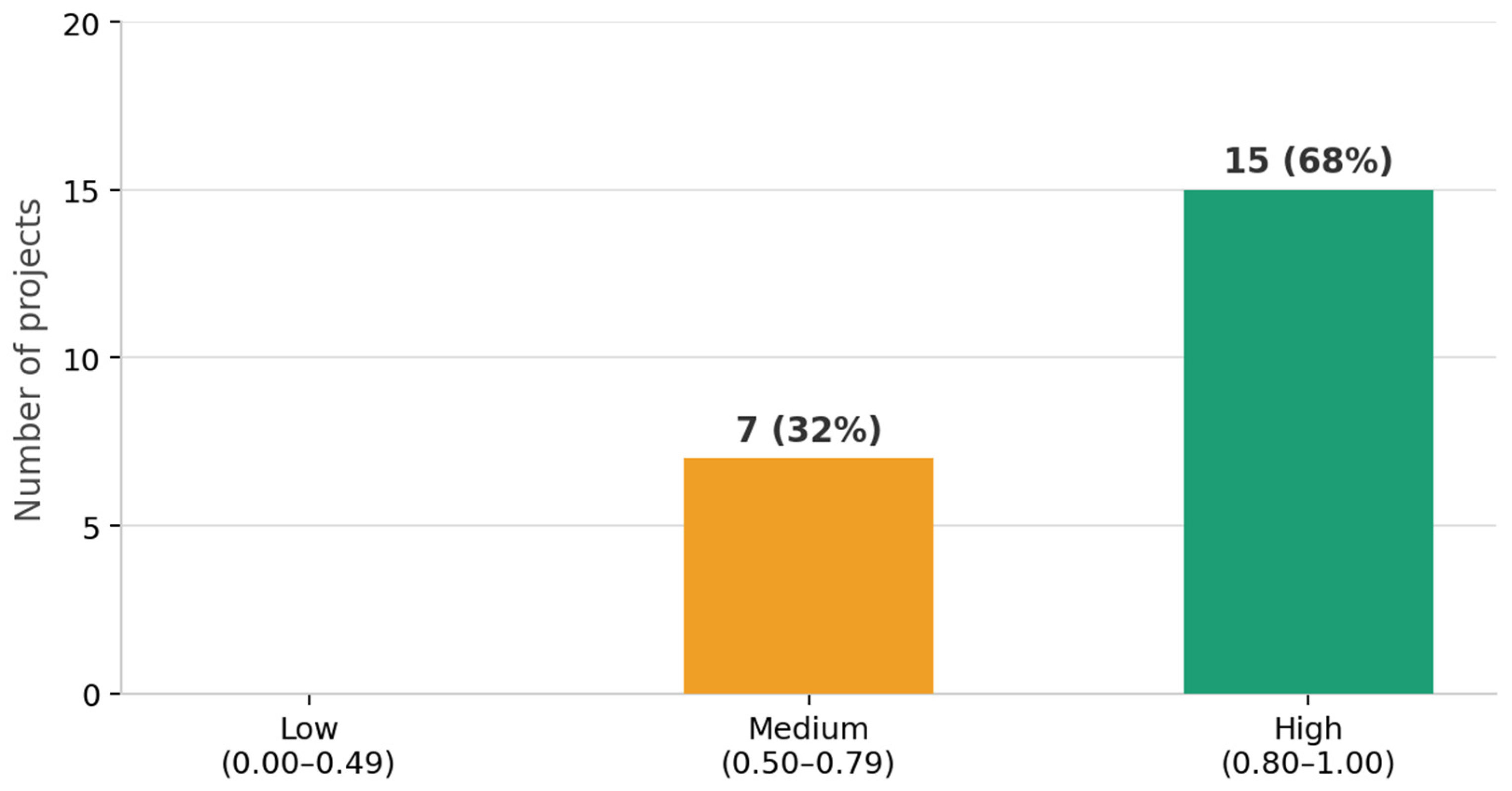
Figure 2 presents the distribution of projects according to their level of systemic integration. Projects were classified into three categories based on their SII values (low: 0.00–0.49; medium: 0.50–0.79; high: 0.80–1.00) (see
Figure 2, below).
The results, presented in
Table 3, show that, within the analyzed sample:
15 projects (68%) achieved a high level of integration;
7 projects (32%) were classified as medium integration;
No projects fell within the low integration range.
These results indicate that while most students were able to incorporate multiple design dimensions, a substantial proportion of projects remained partially integrated.
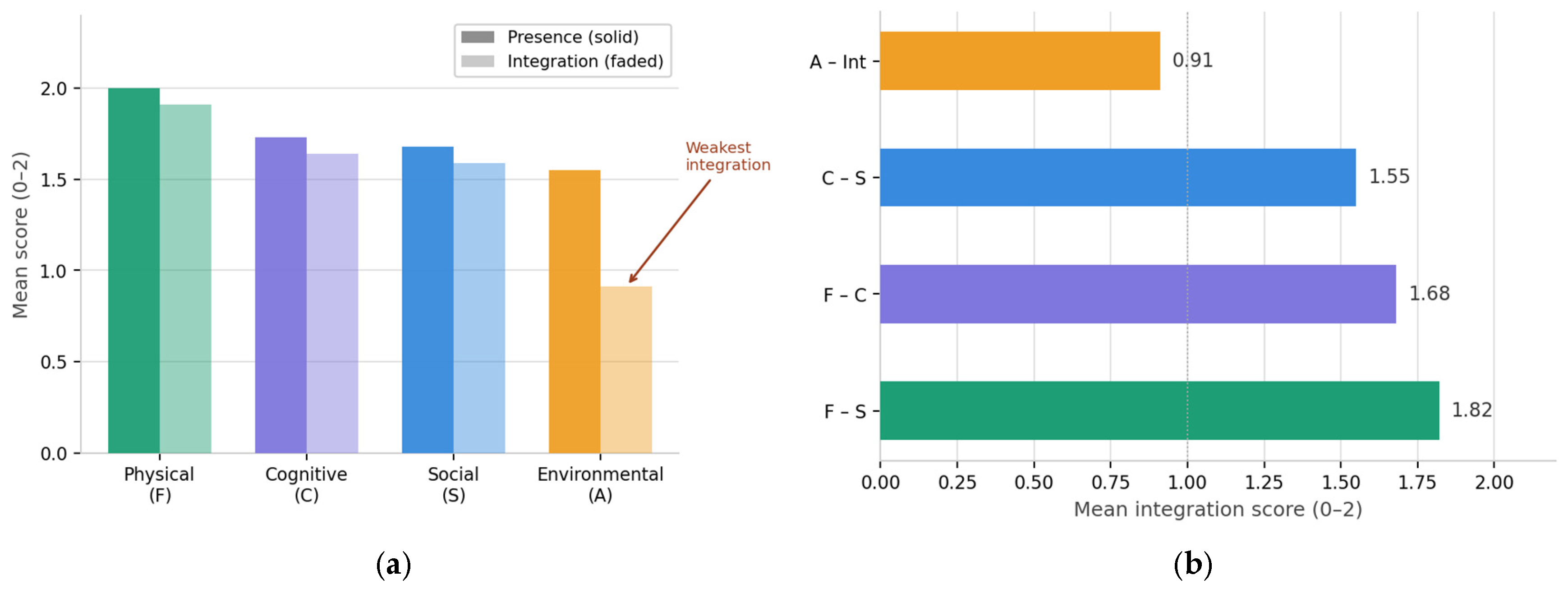
Table 3 presents descriptive statistics for each dimension and inter-dimensional relationship across the 22 projects. The physical dimension (F) achieved a mean score of 2.00 (SD = 0.00). The cognitive dimension (C) scored M = 1.86 (SD = 0.35), and the social dimension (S) scored M = 1.68 (SD = 0.48). The environmental dimension (A) showed the greatest variability (M = 1.45, SD = 0.51). Among inter-dimensional relationships, F–S achieved the highest mean (M = 1.77, SD = 0.43), while A-Int recorded the lowest (M = 1.45, SD = 0.51).
These patterns confirm that the physical and social dimensions are the most consistently developed, whereas environmental integration represents the weakest area—a finding discussed further in
Section 5.3.
4.3. Variability of SII Across Projects
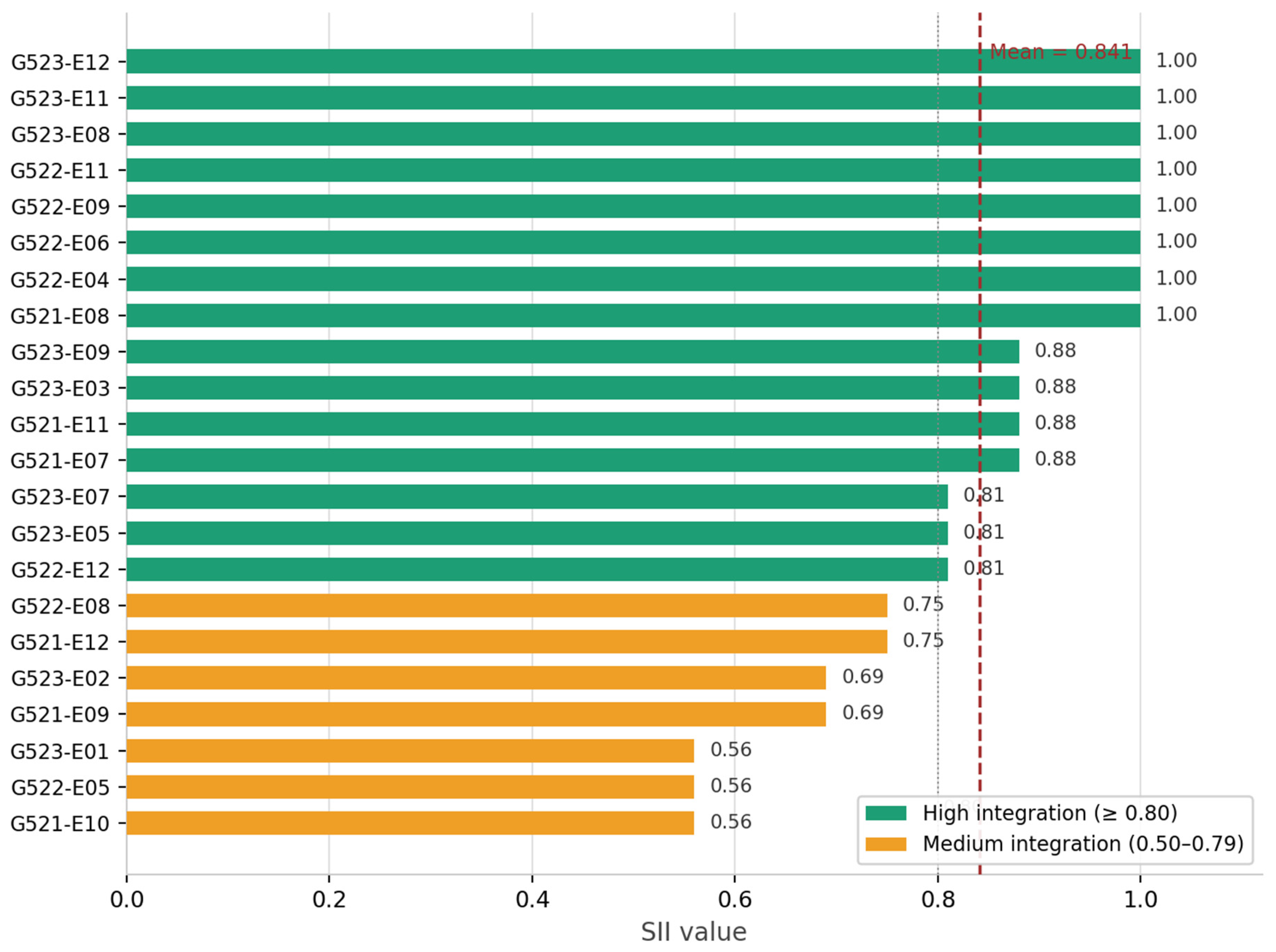
While
Figure 2 provides an aggregated view,
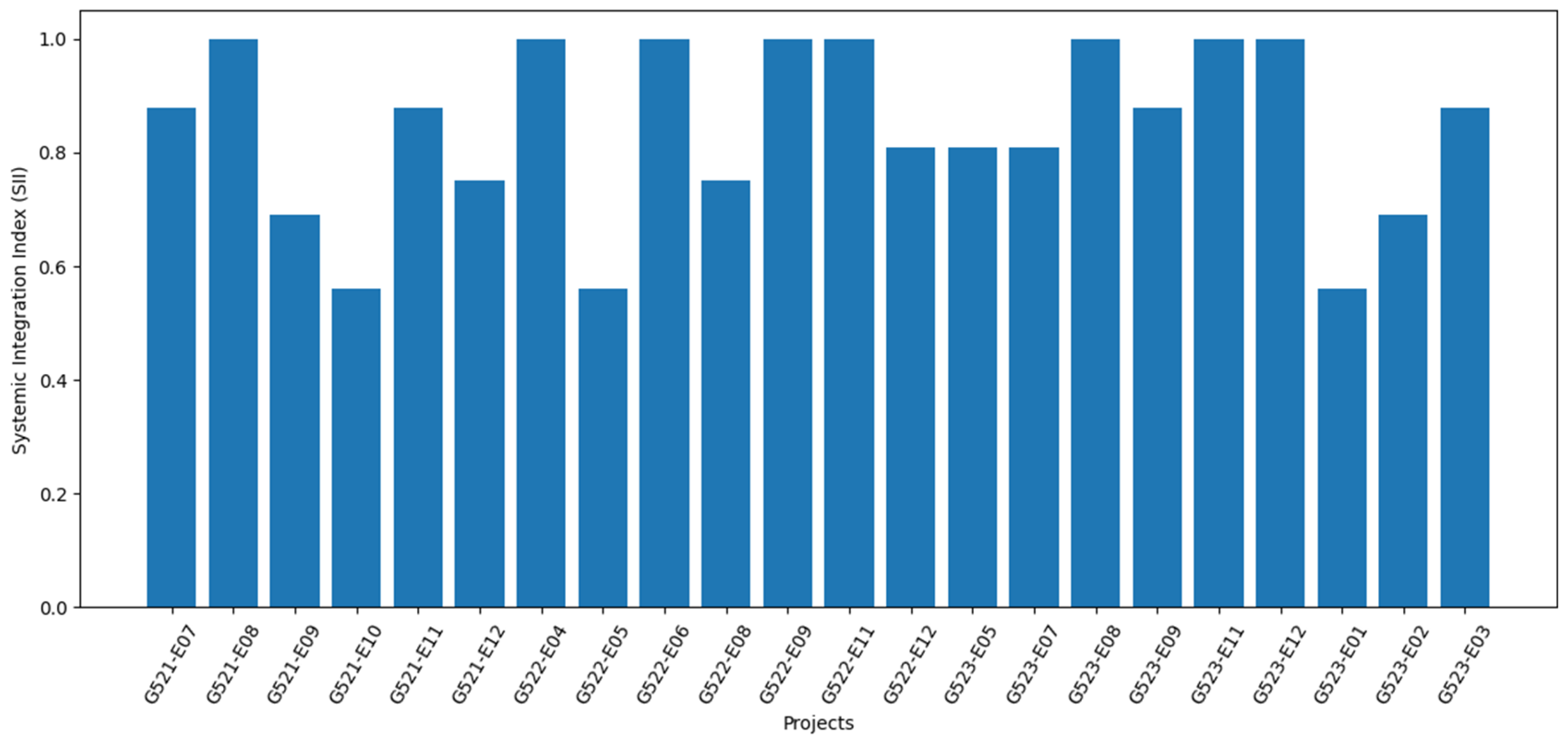
Figure 3 presents the SII values for each project, allowing a more detailed analysis of variability within the sample. As shown in
Figure 3, SII values range from approximately 0.56 to 1.00, revealing a continuous distribution rather than clearly separated clusters. This suggests that systemic integration is not a binary condition, but rather a gradual spectrum in which projects exhibit varying degrees of articulation between dimensions.
Notably, several projects reach the maximum SII value (1.00), indicating explicit and consistent integration across all evaluated dimensions and relationships. In contrast, projects in the medium range tend to exhibit multiple dimensions without fully articulating them into a coherent system.
Illustrative Cases: High vs. Medium Integration
To illustrate the differences between high- and medium-integration projects, three representative cases are presented below.
Case G521-E08 (SII = 1.00, High integration). This project proposed an outdoor environment structured around a naturalized landscape with varied topography. Physical activity was explicitly linked to cognitive engagement through open-ended terrain features. Social interaction was embedded in shared construction activities. Environmental sustainability was integrated as a functional condition. All four dimensions and all inter-dimensional relationships scored 2, yielding the maximum SII value.
Case G522-E05 (SII = 0.56, Medium integration). This project included all four dimensions but addressed them sequentially rather than relationally. Physical activity was well-developed; cognitive, social, and environmental dimensions were mentioned as intentions (each scored 1) but not connected to specific features. All inter-dimensional relationships scored 1. This case illustrates the presence without integration.
Case G521-E09 (SII = 0.69, Medium-upper range). A borderline profile: strong F–C articulation (score 2), partial S and A (score 1), and asymmetrical inter-dimensional relationships. This profile illustrates how integration can be coherent within a subset of dimensions while remaining partial overall.
These cases demonstrate that the SII is sensitive to qualitative differences in design articulation. The prevalence of perfect scores (7 projects, 32%) likely reflects the explicit multi-dimensional brief, the open-methodology course structure, and a possible ceiling effect in the rubric. Future refinements of the SII could introduce a score-3 level for relationships that demonstrate generative or emergent properties—connections that produce design outcomes not derivable from any single dimension alone.
4.4. Presence Versus Integration of Design Dimensions
A key finding of the analysis is the distinction between the presence and the integration of design dimensions.
All projects included references to:
Physical activity (e.g., climbing, sliding, movement-based interaction);
Cognitive stimulation (e.g., problem-solving, imagination, creativity);
Social interaction (e.g., cooperation, collective play);
Environmental considerations (e.g., material selection, durability, recyclability).
However, in many cases, these dimensions were treated as parallel attributes rather than as interdependent components of a unified design system.
For example, several projects combined physical and cognitive elements in a single proposal but did not clearly demonstrate how these elements interacted in the user experience. As a result, the design functioned as a collection of features rather than as an integrated system.
Figure 4 summarizes the presence and integration scores for each dimension (
Figure 4a), as well as the strength of inter-dimensional relationships across the full dataset (
Figure 4b).
4.5. Patterns of Dimensional Integration
The analysis of relationships between dimensions revealed consistent patterns across the dataset, as illustrated in
Figure 4b.
4.5.1. Strong Integration: Physical–Social (F–S)
The strongest and most consistent relationship observed was between physical activity and social interaction. Many projects emphasized collective movement, cooperative play, and shared experiences as central components of the design.
4.5.2. Moderate Integration: Physical–Cognitive (F–C)
A moderate level of integration was identified between physical and cognitive dimensions. While cognitive challenges were frequently included, they were often not fully embedded in physical interaction, instead appearing as complementary or parallel elements.
4.5.3. Weak Integration: Environmental Dimension (A)
The environmental dimension showed the weakest level of integration across projects. Although sustainability was present in nearly all cases, it was predominantly expressed through:
In contrast, sustainability was rarely connected to user behavior, experiential qualities, or interaction dynamics. This indicates a predominantly material-centered understanding of sustainability, rather than a systemic or experiential one.
4.6. Typology of Design Approaches
Based on the SII results and qualitative analysis, three main types of design approaches were identified and are presented in
Figure 5.
4.6.1. Fragmented Design
Projects in this category presented multiple dimensions but treated them independently, with limited articulation between them. These cases were typically located at the lower end of the medium SII range.
4.6.2. Partially Integrated Design
These projects demonstrated connections between some dimensions—most commonly between physical and social aspects—but lacked a fully coherent systemic structure. Integration was present but incomplete or implicit.
4.6.3. Systemically Integrated Design
A subset of projects achieved high SII values by explicitly articulating relationships between all evaluated dimensions. These proposals demonstrated coherence between physical, cognitive, social, and environmental aspects, resulting in more holistic and consistent design solutions.
4.7. Emergent Design Orientations
Beyond the predefined analytical framework, the analysis identified several emergent themes that extend the scope of conventional playground design.
4.7.1. Open-Ended and Interpretative Play
Several projects proposed flexible environments that allow children to reinterpret and transform the space through imagination and symbolic play. These designs move away from predefined functions toward adaptable and user-driven experiences.
4.7.2. Inclusion and Sensory Engagement
Some projects incorporated inclusive strategies that addressed diverse physical and cognitive abilities through multisensory interactions and accessible configurations.
4.7.3. Extended Design Purposes
A smaller group of projects expanded the role of playgrounds beyond recreation, incorporating aspects such as emotional wellbeing, therapeutic environments, and learning experiences.
These findings suggest an emerging shift from object-based design toward more systemic, experiential, and socially responsive approaches.
4.8. Summary of Key Findings
The results of this study indicate that:
Students consistently identify the multidimensional nature of playground design challenges.
The integration of these dimensions varies significantly across projects.
Sustainability is widely considered but remains weakly integrated into the user experience.
A subset of projects demonstrates advanced systemic thinking, incorporating broader social and experiential considerations.
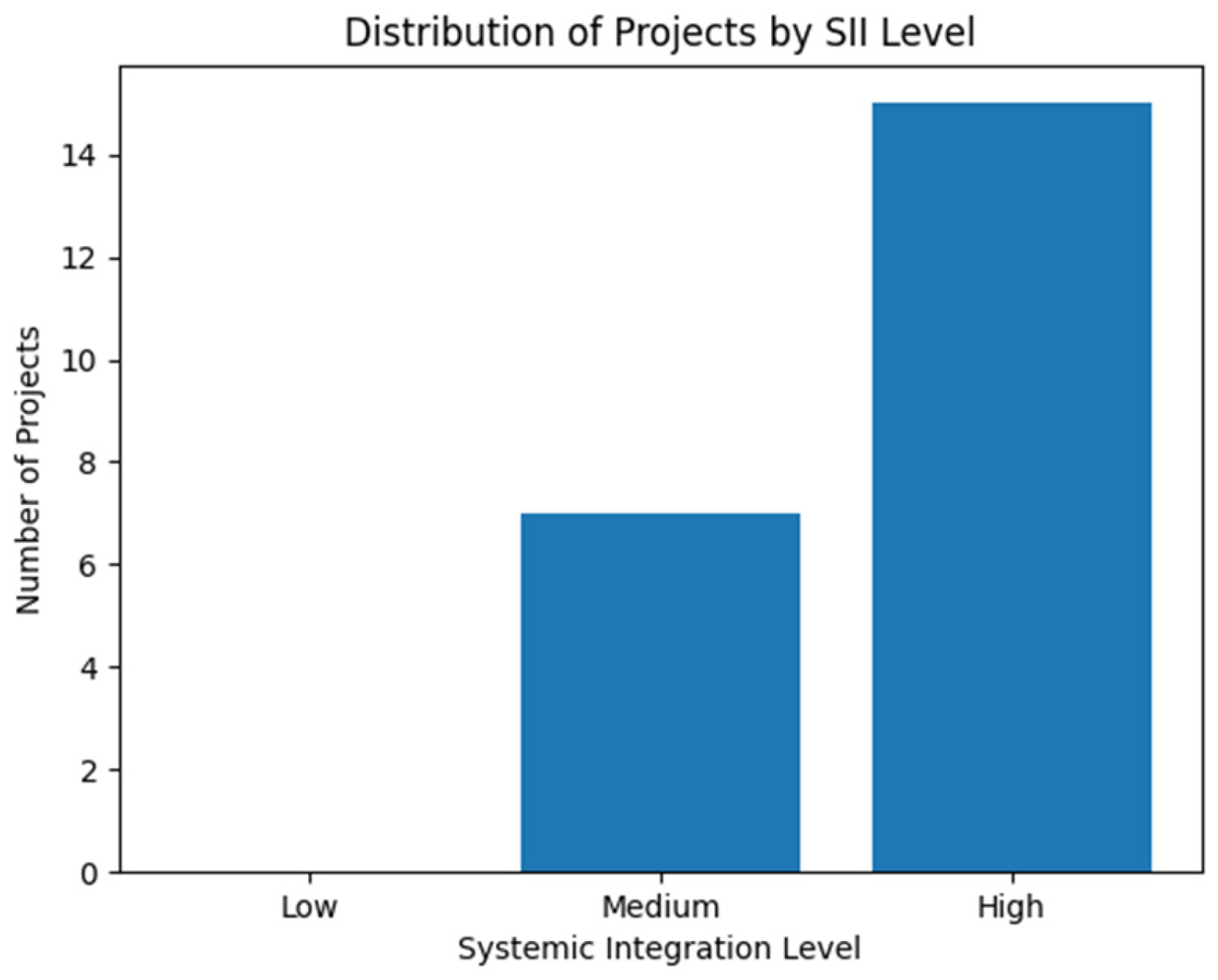
While most projects achieve high levels of systemic integration (68%) (
Figure 6), a significant proportion remains at a medium level (32%), indicating partial articulation of design dimensions rather than fully coherent systems.
Projects were classified into three levels of systemic integration using a threshold-based approach (low: 0.00–0.49; medium: 0.50–0.79; high: 0.80–1.00) (Very Low (0.00–0.24): Minimal presence or influence; Low (0.25–0.49): Limited presence or influence; Medium (0.50–0.74): Moderate presence or influence; High (0.75–1.00): Strong presence or influence). The
Figure 7 show that most projects achieved high levels of integration (68%), while a significant proportion remained at a medium level (32%), indicating partial articulation of design dimensions.
Based on statistical results from the sample, the mean SII value was 0.841, which falls within the <High> category, indicating a strong degree of systemic integration among the evaluated cases. Similarly, the median reached <0.880>, indicating that more than half of the observations are concentrated near the upper limit of the scale. The standard deviation of <σ = 0.156> reflects a moderate level of variability among observations.
The minimum observed value was <0.560>, from the <Medium> category, while the maximum value reached 1.00, representing the highest possible level of systemic integration. Importantly, no cases were classified as low, reinforcing the overall consistency of positive integration outcomes in the sample. Specifically, these findings suggest that the evaluated system exhibits a relatively consolidated structure characterized by strong interconnections, coordination, or interaction among its components.
5. Discussion
5.1. Systemic Integration as a Core Challenge in Design Education
The results of this study highlight a critical distinction between identifying design dimensions and their systemic integration. While all analyzed projects addressed the core dimensions of playground design—physical, cognitive, social, and environmental—the degree to which these dimensions were articulated into coherent systems varied significantly.
This finding aligns with systemic design approaches developed in the engineering design field, particularly those proposed by Hernandis and Briede, in which design is conceptualized as a system of interrelated variables structured through iterative and dynamic models. Early work demonstrated that integrated conceptual models support innovation by organizing design variables within a cyclic reasoning process [
41].
More recent studies further reinforce this perspective by showing that systemic methodologies, such as the ID-Think
® Product model, significantly improve students’ ability to structure design processes, enhance decision-making, and develop key competencies, including problem-solving and critical thinking [
38]. However, these same studies also highlight an important limitation—while systemic models provide structure, they do not necessarily guarantee the articulation of relationships between variables in final design outcomes, and they may even introduce rigidity if not properly adapted.
Thus, systemic integration emerges as a key competence gap in early-stage design education, aligning with previous research that identifies challenges in translating complexity into coherent design outcomes [
29].
5.2. From Presence to Integration: A Persistent Educational Gap
A central contribution of this study lies in the evidence of a gap between the presence and integration of design dimensions. Although most projects incorporated physical, cognitive, social, and environmental considerations, many treated these as parallel features rather than as interdependent elements.
This distinction is particularly relevant in the context of studio-based learning, where students are often encouraged to address multiple aspects of a problem but are not always provided with explicit tools to integrate them. As highlighted by Brosens et al. [
29], design education still lacks robust frameworks for evaluating and fostering integrative thinking.
The SII proposed in this study provides a structured way to assess this gap, making visible the difference between projects that merely accumulate features and those that achieve systemic coherence. In this sense, the findings support the argument that integration is not an automatic outcome of multidimensional design tasks, but rather a competence that must be explicitly developed and evaluated.
5.3. Rethinking Sustainability: From Material to Experiential Integration
One of the most consistent findings across the dataset is the widespread presence of sustainability considerations, contrasted with their limited integration into the overall design system.
In most cases, sustainability was primarily expressed through:
However, sustainability was rarely articulated in terms of:
User experience;
Behavioral change;
Interaction dynamics.
This reflects a material-centered interpretation of sustainability, which has been widely discussed in the literature as a limitation of traditional design approaches [
31].
From the sustainable design perspective, this finding is significant. It suggests that while students are aware of sustainability as a design requirement, they tend to approach it as a technical constraint rather than as a systemic dimension that shapes the entire user experience. This reinforces the need to shift from a product-oriented view of sustainability toward a more experience-oriented and systemic understanding, in line with contemporary sustainability discourse.
These findings add empirical weight to this argument. When students consistently reduce sustainability to material choices, this reflects a structural pedagogical pattern: sustainability operationalized as a set of product attributes rather than as a condition of the use experience. The SII operationalizes this distinction through the A-Int score, which requires environmental choices to be connected to the other three dimensions to achieve a score of 2. Future pedagogical interventions should teach students to ask not ‘what materials am I using?’ but ‘what does this environmental choice enable or constrain in terms of experience, interaction, and social use?’—a reframing from material specification to experiential consequence.
5.4. Emergence of Extended Design Purposes
Beyond the predefined analytical framework, the study identified a set of emergent design orientations that extend the scope of traditional playground design.
These include:
Open-ended and interpretative play environments, supporting imagination and flexibility;
Inclusive and multisensory designs, addressing diverse user needs;
Therapeutic and wellbeing-oriented proposals, particularly in non-traditional contexts such as hospital environments.
These findings suggest that a subset of students is beginning to move beyond conventional design paradigms, incorporating broader social and experiential considerations into their proposals. This aligns with recent discussions in design research that emphasize the role of design in addressing complex societal challenges and supporting wellbeing [
35].
Importantly, these cases also tend to achieve higher SII values, indicating that expanded design purpose is associated with higher levels of systemic integration.
5.5. Methodological Contribution: Analyzing Design Artifacts as Evidence
From a methodological perspective, this study contributes to ongoing discussions in design research regarding the validity of design artifacts as sources of knowledge.
Building on Research through Design (RtD) approaches, the study treats project documentation—such as diagrams, visualizations, and written descriptions—as representations of design reasoning [
40]. The use of a structured coding system and the SII allows these artifacts to be analyzed systematically, providing empirical insight into how design knowledge is constructed in educational contexts.
This responds to recent calls for more rigorous and replicable methods in design research [
30], demonstrating that document-based analysis can yield meaningful and comparable results when supported by clear analytical criteria.
It is worth clarifying how this approach differs from conventional qualitative content analysis. The latter typically focuses on thematic coding of textual content. In contrast, the document analysis conducted here treats design artefacts as structured expressions of design reasoning. The unit of analysis is not the theme or proposition contained in the text, but the relational architecture of the design proposal as a whole: which dimensions are present, how they are developed, and how they are connected. This distinction is grounded in Research through Design (RtD), which holds that design artefacts carry epistemic value that is not reducible to the propositions they express in words [
40].
5.6. Implications for Design Education and Practice
The findings of this study have several implications for both design education and practice.
First, they highlight the need to explicitly address systemic integration as a learning objective. While students are exposed to complex design challenges, additional support may be required to help them structure relationships between dimensions.
Second, the results suggest that evaluation criteria in design education should move beyond the presence of features toward the assessment of their articulation. Tools such as the SII can support this shift by providing measurable indicators of integration.
Third, the limited integration of sustainability points to the need for pedagogical approaches that frame sustainability not only as a technical requirement but as a core driver of user experience and system behavior.
Finally, the emergence of extended design purposes indicates that students are responsive to broader societal issues, suggesting an opportunity to further align design education with challenges related to wellbeing, inclusion, and sustainability.
5.7. Limitations and Future Research
This study has several limitations that should be acknowledged. First, the analysis is based on project documentation rather than on implemented designs, so the findings reflect conceptual integration rather than real-world performance.
Second, the evaluation relies on a structured coding system, which, although systematic, involves a degree of interpretative judgment.
Future research could address these limitations by:
Applying the SII to implemented design projects;
Incorporating multiple evaluators to assess inter-rater reliability;
Extending the analysis to different educational contexts.
Additionally, further work could explore how systemic integration evolves within design education and how pedagogical interventions may influence this process. Furthermore, the findings are bound to a single institution, course, and brief; they should not be interpreted as representative of design education more broadly, and replication in diverse educational contexts is necessary. The relationship between project documentation and actual design competency should also not be assumed to be direct. Finally, the ceiling effect observed (7 projects with SII = 1.00) suggests the rubric may benefit from a higher scoring level for relationships with generative or emergent properties.
6. Conclusions
This study examined how undergraduate design students integrate multiple dimensions—physical, cognitive, social, and environmental—into playground design proposals through a structured, document-based analysis supported by the Systemic Integration Index (SII).
The results indicate that, while students consistently recognize the multidimensional nature of design challenges, the degree of integration between these dimensions varies significantly. Although a majority of projects achieved high SII values, a substantial proportion remained at a medium level, reflecting partial articulation rather than fully coherent systemic solutions. This confirms that the ability to identify complexity does not necessarily translate into the ability to structure it effectively.
The SII proposed in this study differs from existing sustainability assessment instruments in a specific way: it evaluates the relationships between design dimensions, not only their individual presence. Rubric-based instruments reviewed by Watson et al. [
44] and Barrella et al. [
45] assess whether sustainability-relevant elements appear in student work but do not capture whether students connect those elements into a coherent design system. The SII addresses this gap by making inter-dimensional relationships the primary unit of assessment alongside dimension scores. It is not a replacement for topic-based rubrics but a complementary instrument that measures a different competency: the capacity to construct integrated, rather than parallel, design solutions.
A key finding of the study is the distinction between the presence and the integration of design dimensions. While all projects incorporated elements related to physical activity, cognitive stimulation, social interaction, and sustainability, many treated these aspects as parallel features rather than as interdependent components of a unified system.
In particular, sustainability was widely addressed but predominantly from a material and technical perspective, with limited integration into user experience and interaction. This suggests the need to move toward a more systemic and experiential understanding of sustainability, especially in early design education.
At the same time, a subset of projects demonstrated advanced levels of systemic integration, incorporating open-ended play, inclusion, and broader social or therapeutic purposes. These cases indicate an emerging shift from object-based design toward more holistic, experience-oriented, and socially responsive approaches that align with contemporary challenges in sustainable design. From a methodological standpoint, this study contributes by proposing the Systemic Integration Index (SII) as a structured and replicable tool for evaluating multidimensional integration in design outcomes. By operationalizing the relationships between dimensions, the SII enables a more nuanced assessment of design proposals, particularly in educational contexts.
Overall, the findings highlight the importance of explicitly fostering and evaluating systemic integration within design education. Future work should explore how such competencies can be developed over time, as well as how analytical frameworks such as the SII can be applied across different design domains and in real-world implementations.




 and
and