1.1. Fenestration Systems in Building Energy Performance
Fenestration systems are among the most thermally vulnerable components of the building envelope, significantly influencing overall energy consumption and occupant comfort. In cooling-dominated climates, buildings experience persistent thermal stress driven by high ambient temperatures, intense solar radiation, and extended cooling seasons [
1]. The building sector in hot-arid regions such as Saudi Arabia accounts for approximately 75% of total electrical energy consumption, with cooling demand accounting for the dominant share of electricity use [
2]. Research indicates that significant temperature increases amplify cooling loads, underscoring the sensitivity of energy systems to envelope performance and the necessity of accurate thermal assessment methodologies.
Comparable evidence from Taiwan’s cooling-dominated climate reinforces the importance of envelope thermal optimisation. Studies using climatic data report benchmark U-values of approximately 0.794 W/m
2 K for exterior walls and 0.99 W/m
2 K for rooftops under standard practice; however, improved performance requires lower U-values and higher R-values, particularly under high solar radiation and humidity. Additional research confirms that optimised insulation thickness, high-performance glazing, and enhanced facade detailing can significantly reduce cooling loads and annual energy demand in subtropical environments, underscoring the need for physics-based envelope assessment in hot and humid climates [
3,
4,
5].
While glazing technologies have evolved considerably toward insulated glass units (IGUs), low-emissivity (Low-E) coatings, thermally broken frames, and curtain wall assemblies, regulatory compliance frameworks have largely retained simplified evaluation approaches. Most energy codes assess window performance using area-weighted U-values and solar heat gain coefficients (SHGCs) without the explicit integration of multidimensional heat transfer effects occurring at glazing–frame interfaces. This structural simplification may lead to significant performance discrepancies between nominal compliance values and actual thermal behaviour in cooling-dominated climates [
6].
1.3. Significance for Sustainability and Vision 2030
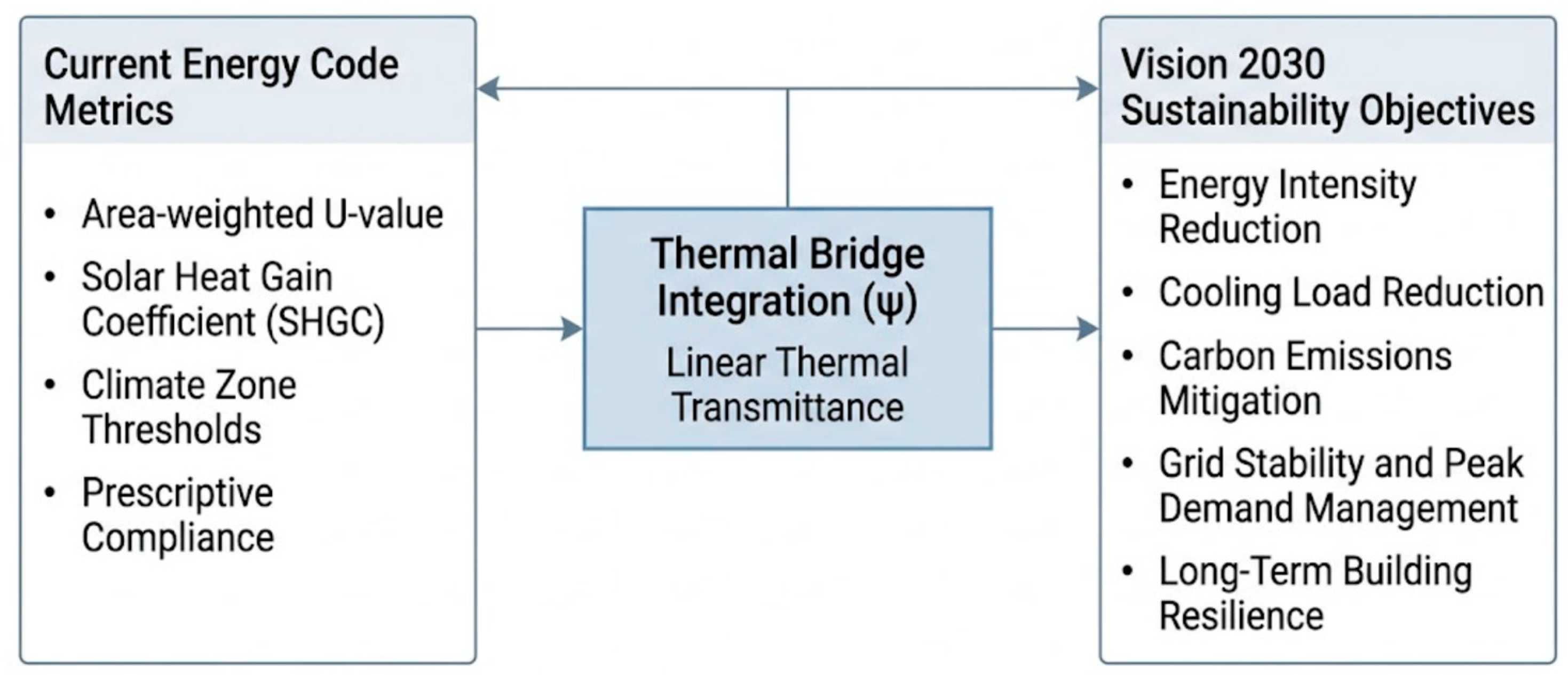
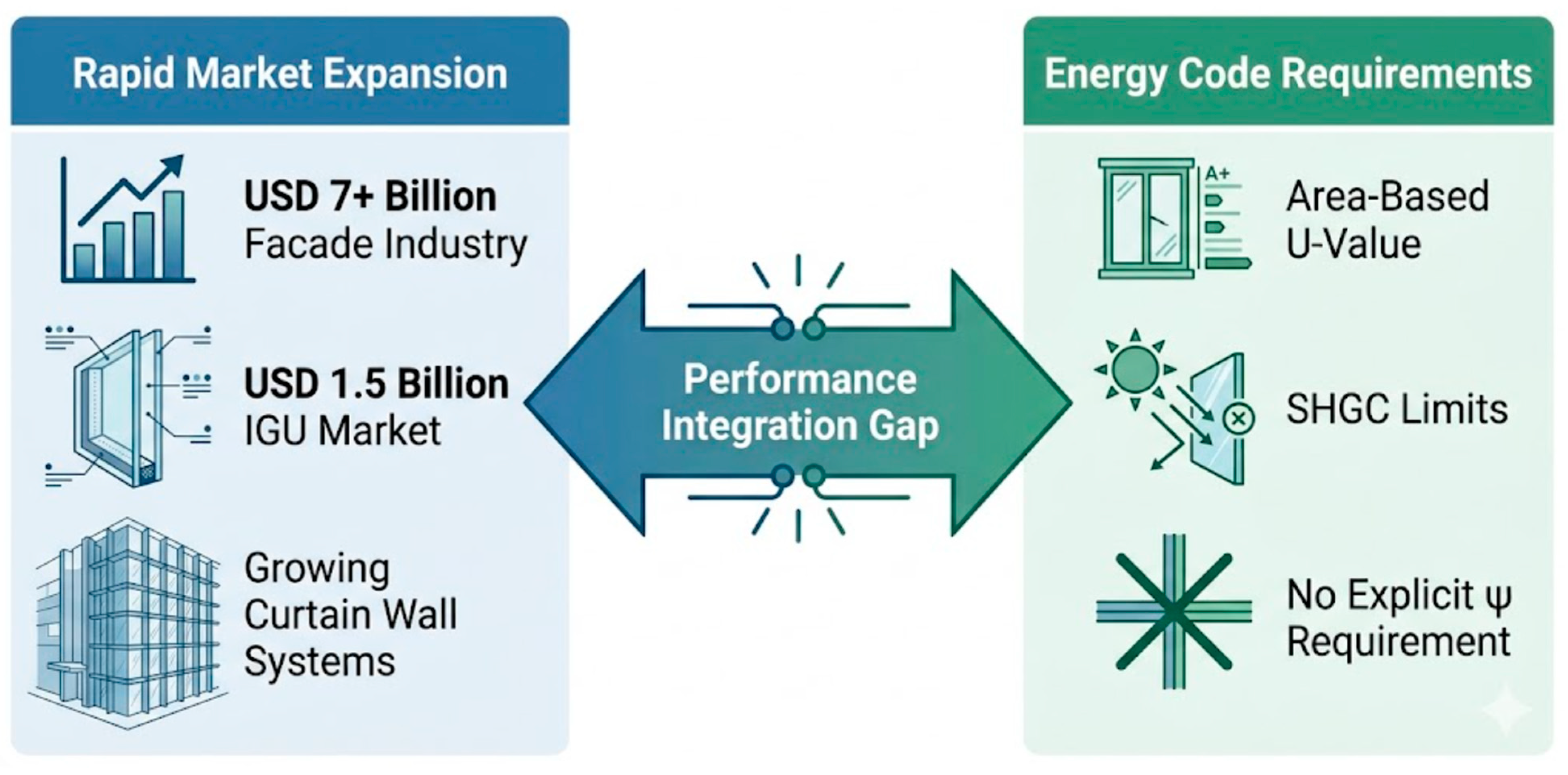
The rapid expansion of the Saudi facade and glazing market further amplifies the importance of accurate thermal bridge evaluation. Saudi Arabia’s Vision 2030 emphasises sustainable development through economic diversification and energy-efficiency initiatives. Research demonstrates that optimising building envelope design can support these sustainability goals by reducing reliance on energy-intensive cooling systems and offering significant environmental and economic benefits. Understanding and addressing regulatory omissions in thermal performance assessment is therefore essential for achieving national climate objectives [
2,
8].
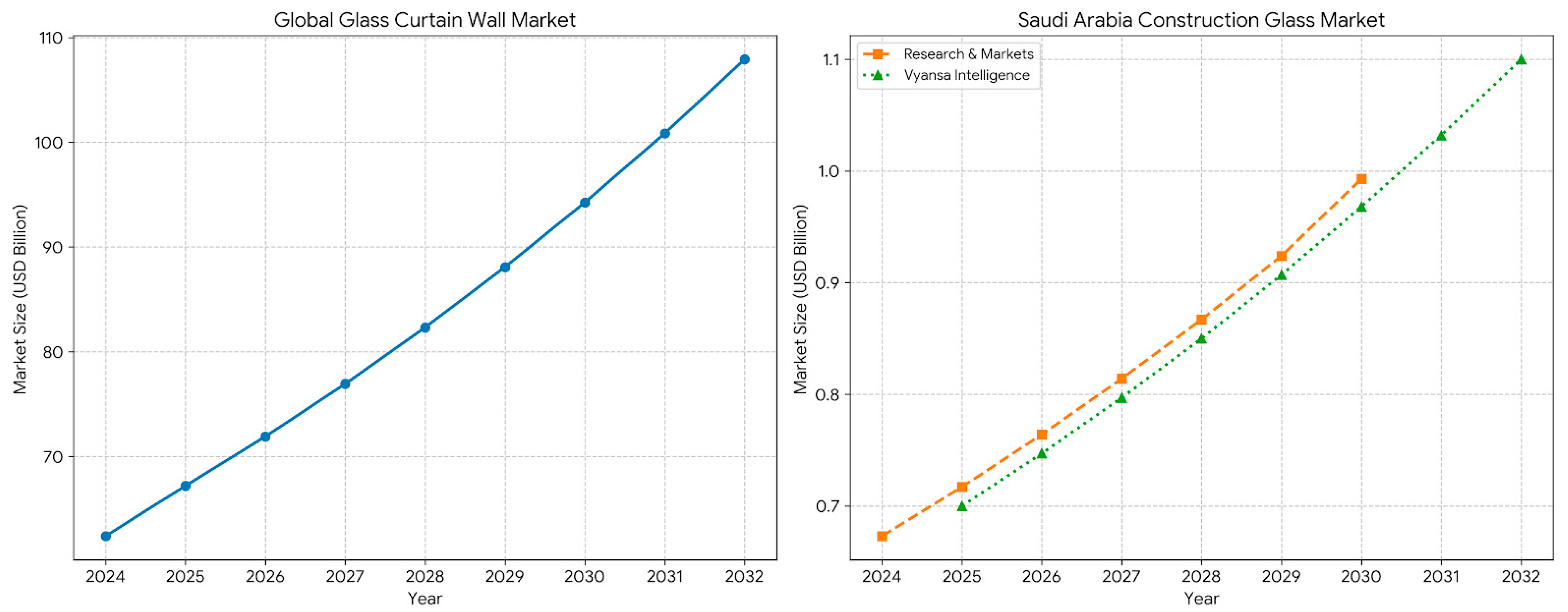
The side-by-side visualisation contrasts the absolute scale and projected growth of the global glass curtain wall market with those of the regional Saudi Arabian construction glass sector. Global Market Trends: The left panel shows the global glass curtain wall market, valued at USD 62.4 billion in 2024 and projected to reach USD 107.91 billion by 2032 (refer to
Figure 1). This consistent upward trajectory reflects a robust global demand for advanced, energy-efficient building envelopes. The right panel illustrates the construction glass market in Saudi Arabia, which is projected to grow from approximately USD 0.67 billion in 2024 to USD 1.1 billion by 2032, according to Vyansa Intelligence. The regional expansion is primarily driven by massive infrastructure developments and a transition toward high-performance glazing technologies, mandated by the Saudi Building Code (SBC) [
9] and Vision 2030 sustainability targets. The rapid expansion of the Saudi facade and glazing industry further intensifies the importance of accurate performance assessment. While the Saudi market remains significantly smaller in absolute terms than the global curtain wall sector, its growth trajectory closely mirrors global expansion rates, underscoring the Kingdom’s accelerating infrastructure development, giga projects under Vision 2030, and increasing adoption of energy-efficient glazing technologies [
10,
11,
12].
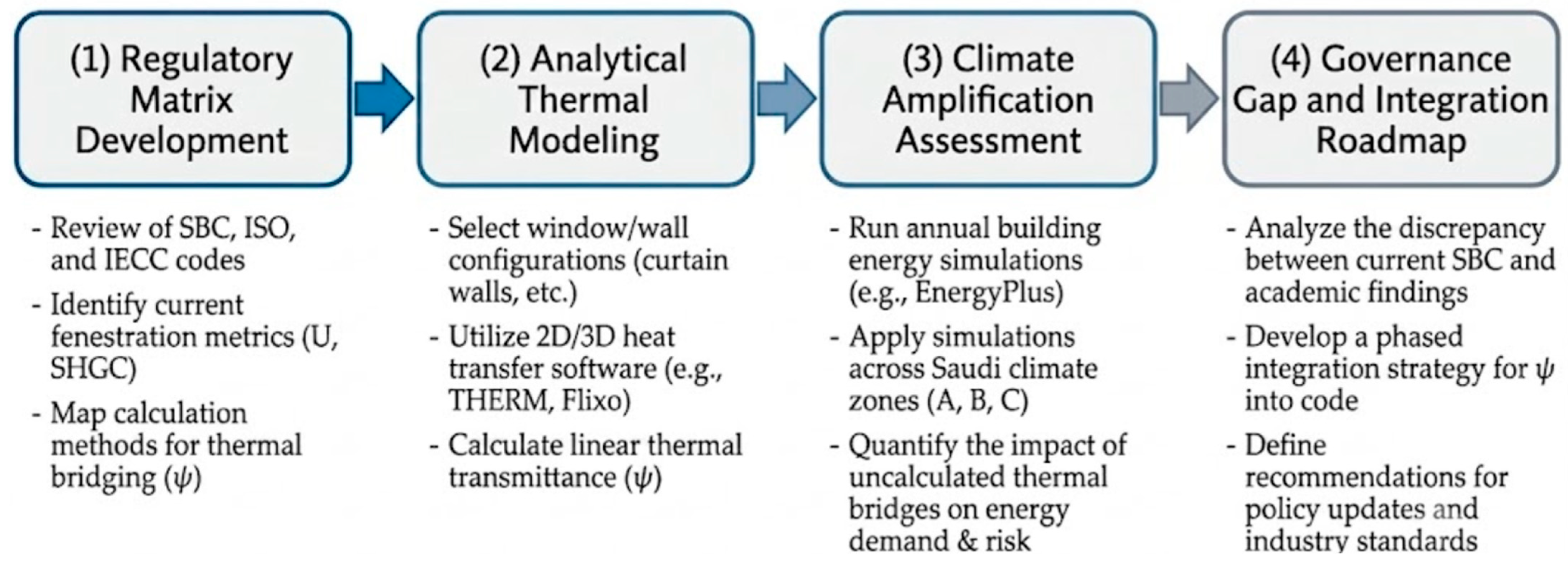
Unlike previous studies that focus primarily on technological mitigation strategies or simulation-based optimisation, this study reframes thermal bridge omission as a governance and regulatory design issue, particularly in cooling-dominated economies undergoing rapid expansion of the facade market. Unlike prior technical optimisation studies, this research develops a structured comparative regulatory evaluation, combined with analytical scenario modelling, to quantify the systemic implications of omitting ψ in cooling-dominated climates.
1.4. Theoretical Framework and Quantification Methods
Thermal bridges at window installations significantly affect the energy performance and indoor comfort of buildings, particularly in nearly zero-energy buildings (nZEB) [
13]. Linear thermal transmittance (
ψ-value) quantifies additional heat losses occurring at junctions between building components, representing a heat flow that simplified one-dimensional U-value calculations cannot capture [
14].
Numerical calculations of heat flux through building structure joints have become increasingly relevant due to EU requirements for nearly zero-energy buildings. Window installation perimeters are particularly problematic, where frame fastenings to load-bearing structures create linear thermal bridges. Calculations performed using specialised software in accordance with ISO 10211 [
15] standards demonstrate that
ψ-values can range widely from 0.025 W/(m K) to −0.005 W/(m·K) for top and side installations, with optimal installation depths of 9–15 cm depending on the insulation layer thickness [
16]. Negative ψ-values may occur when insulation overlap results in localised thermal improvement.
A critical comparison of thermal bridge calculation methods reveals significant differences in predicted heat losses. Research examining whole-building thermal bridges compared multiple techniques, including simplified regulatory methods, ISO 14683 [
17,
18], and conjugate heat-and-moisture simulation. Overall heat losses varied by 30% depending on the calculation method, with linear heat losses ranging between 12% and 32% of surface heat losses. The evaluation demonstrated that simplified methods produced the lowest heat losses, while ISO 14683 [
17] produced the highest results, with numerically simulated results falling between the two [
19,
20].
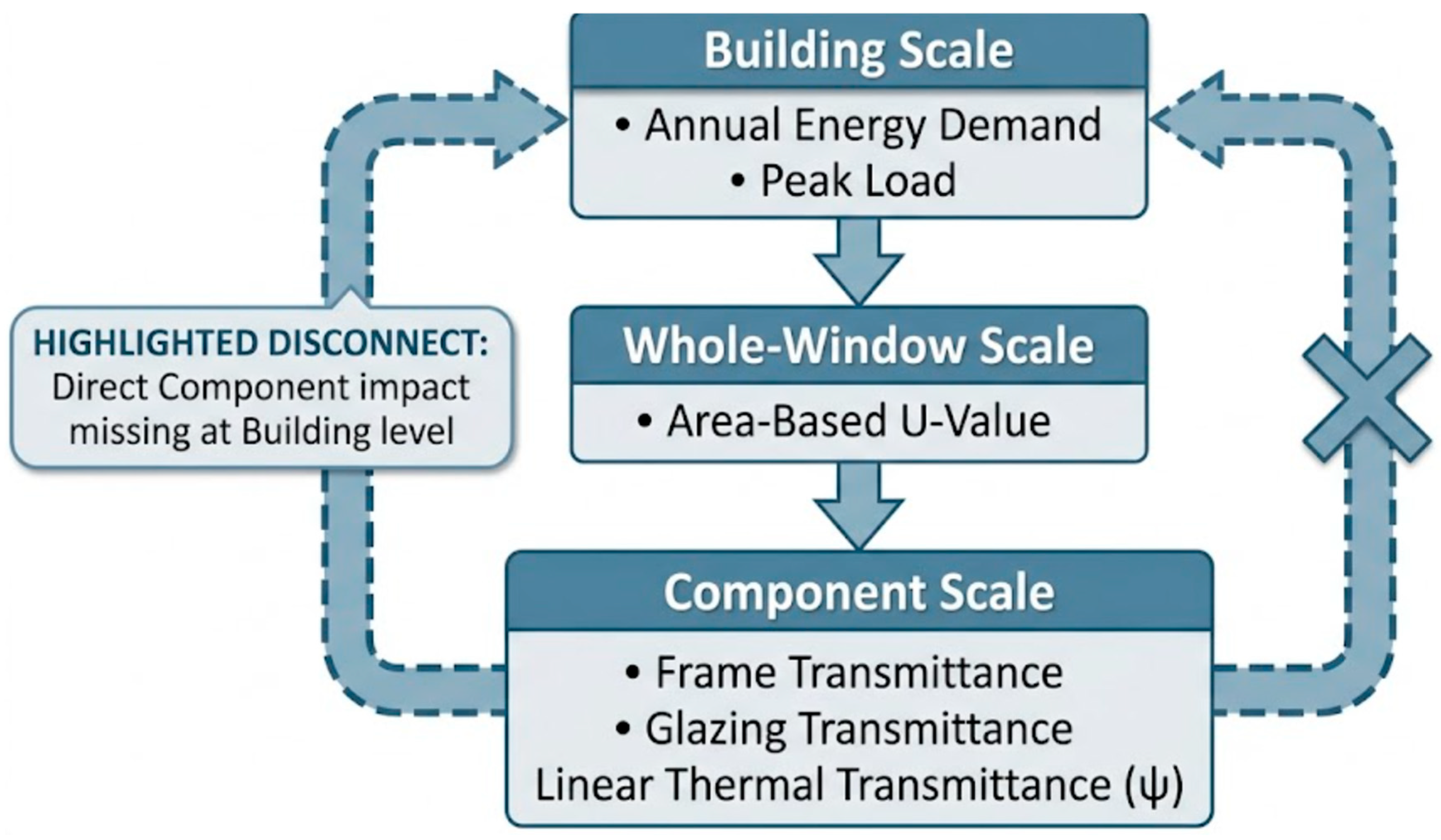
Fenestration systems exhibit multidimensional heat transfer behaviour due to interactions among glazing layers, spacer bars, frames, and structural interfaces. Unlike opaque walls, window assemblies involve significant two-dimensional conductive effects, particularly at glazing edges. Fenestration systems exhibit multidimensional heat transfer behaviour due to interactions among glazing layers, spacer bars, frames, and structural interfaces. Unlike opaque walls, window assemblies involve significant two-dimensional conductive effects, particularly at glazing edges (see
Figure 2).
The overall heat transfer coefficient of a window is typically expressed by Equation (1):
where
= glazing transmittance;
= frame transmittance;
, = glazing and frame areas;
= length of glazing–frame interface;
= linear thermal transmittance.
where Lψ represents the product of the glazing–frame interface length and the corresponding linear thermal transmittance, expressed in W/m2 K after normalisation by total area. Linear thermal transmittance represents additional heat flow not captured by area-weighted terms alone. In high-performance glazing systems, ψ may contribute a non-negligible proportion of total thermal loss.
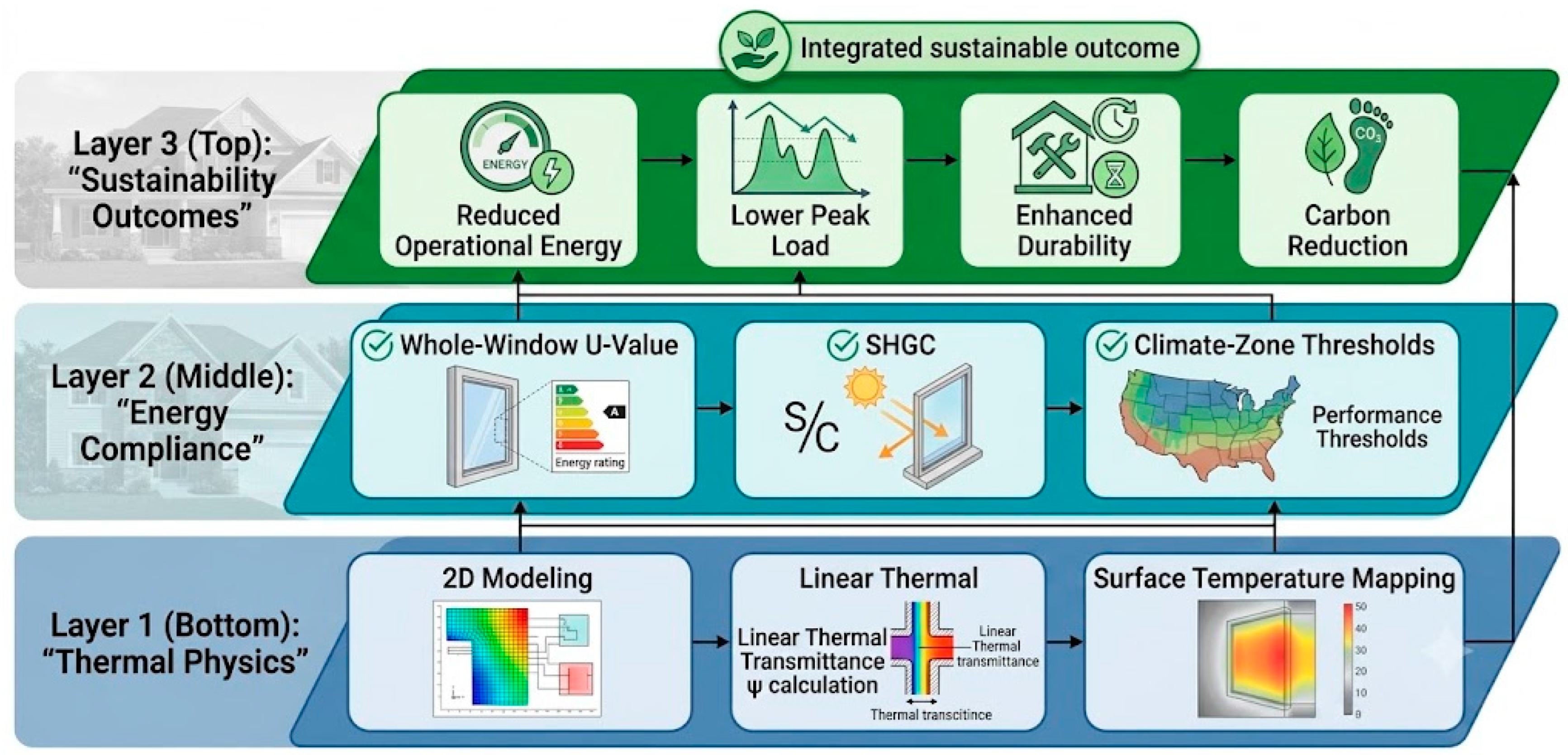
Hierarchical representation of building-scale energy demand, whole-window U-value assessment, and component-level parameters including frame transmittance (Uf), glazing transmittance (Ug), and linear thermal transmittance (ψ), illustrating multidimensional heat transfer effects.
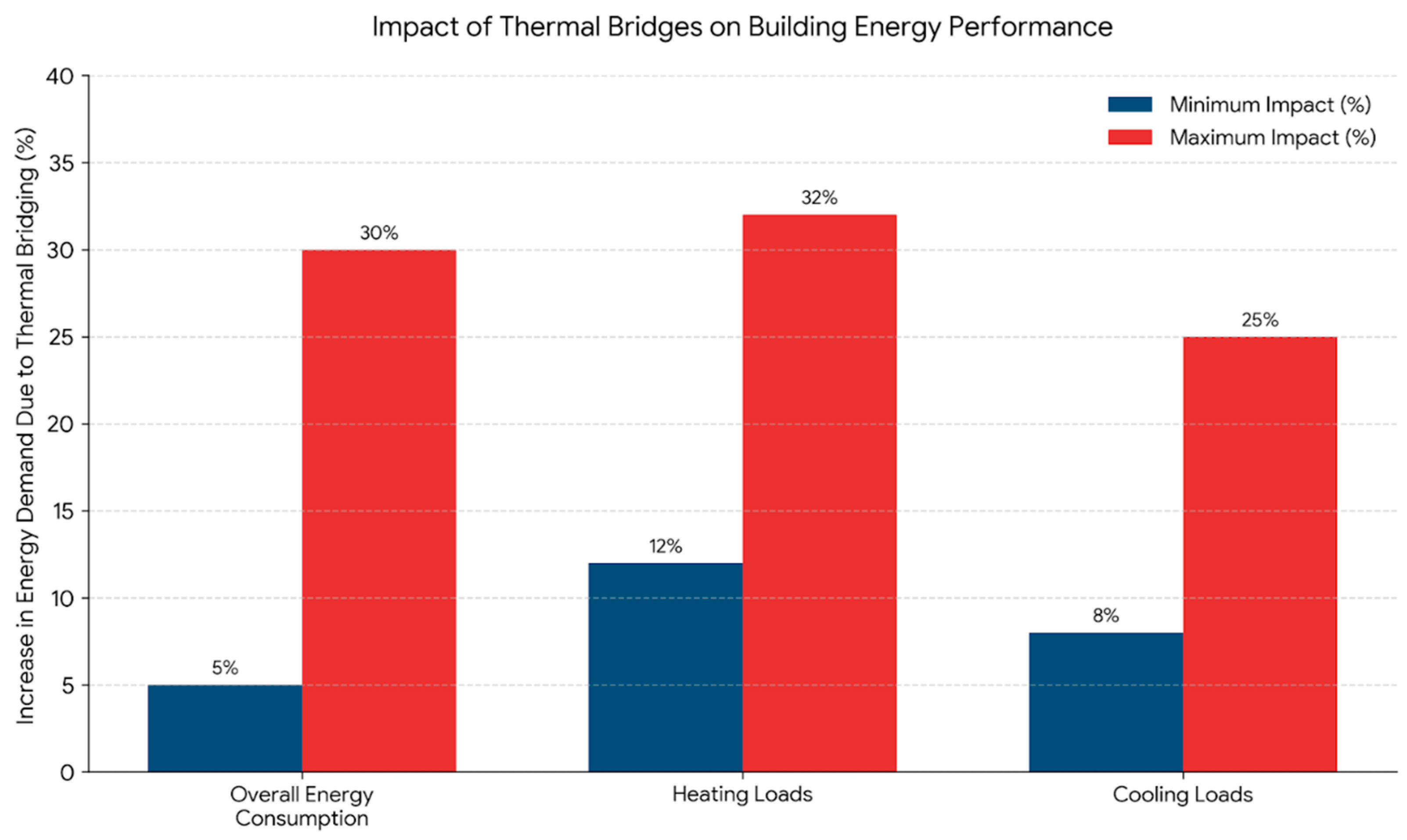
As shown in
Figure 3, thermal bridging can significantly influence building energy performance, with reported increases in overall energy consumption ranging from approximately 5% to 30% [
21,
22]. The effect is particularly pronounced in heating-dominated conditions, where energy demand may increase by up to 32%. In comparison, cooling loads may rise by as much as 25% depending on facade configuration and insulation continuity. These findings underscore the importance of mitigating linear and point thermal bridges in high-performance building envelopes to meet energy efficiency standards and sustainability targets [
14].
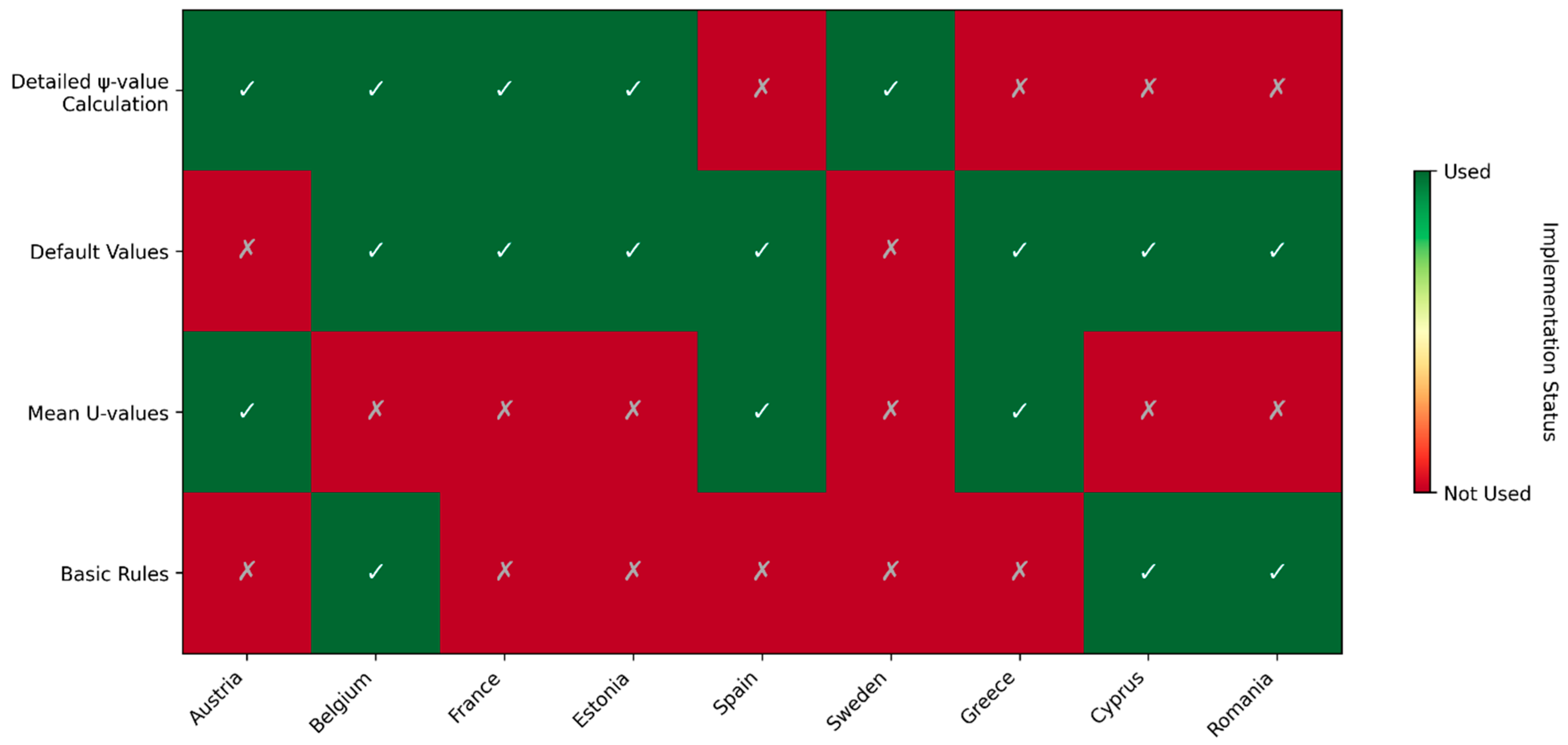
Figure 4 compares the implementation of thermal bridge calculation methods across selected European countries. It examines whether countries use detailed
ψ-value calculations, default values, mean
U-values, or simplified basic rules in national energy performance assessments.
The results show considerable variation in methodological approaches, reflecting differences in regulatory frameworks and levels of calculation accuracy across Europe [
23].
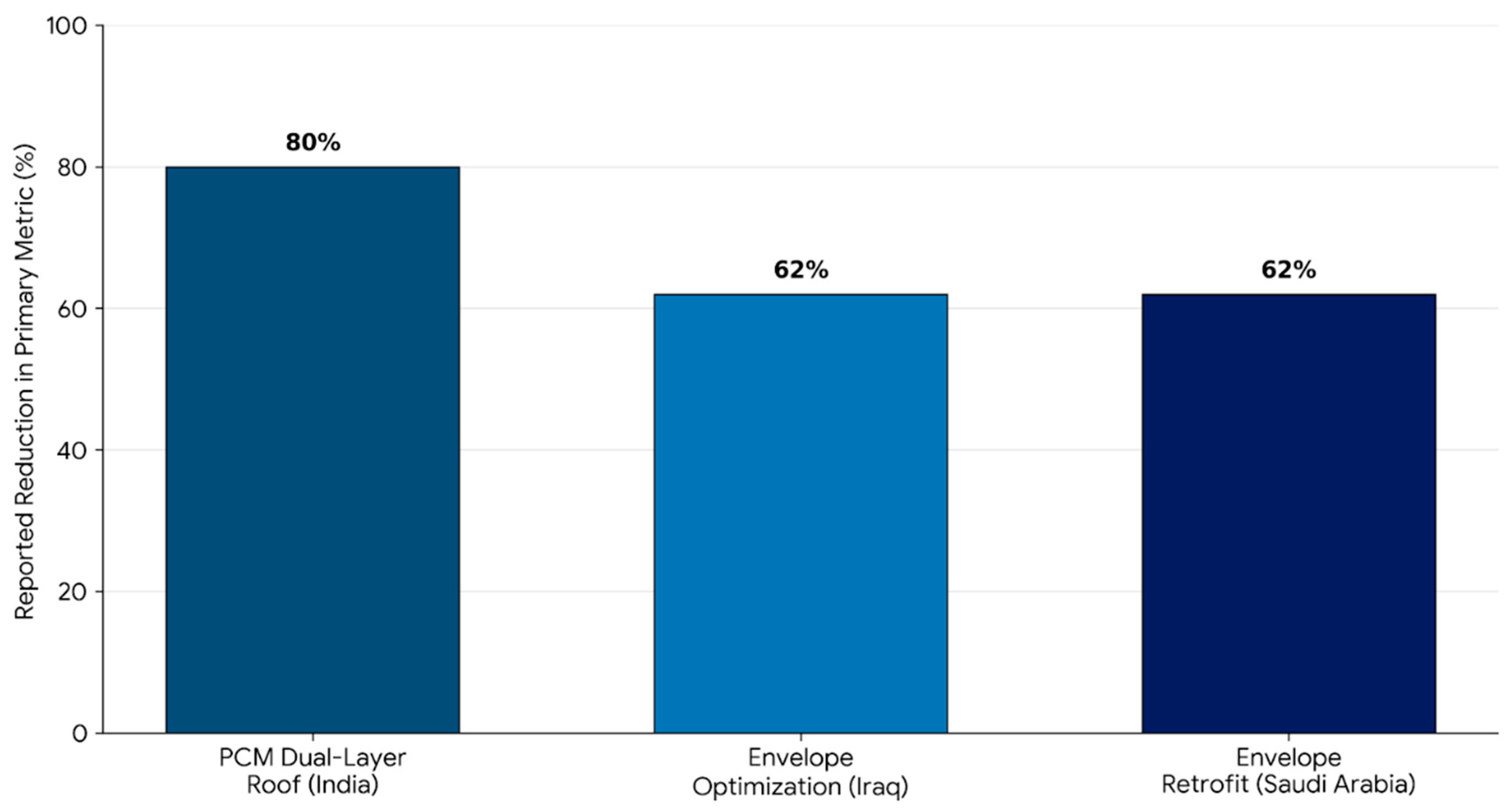
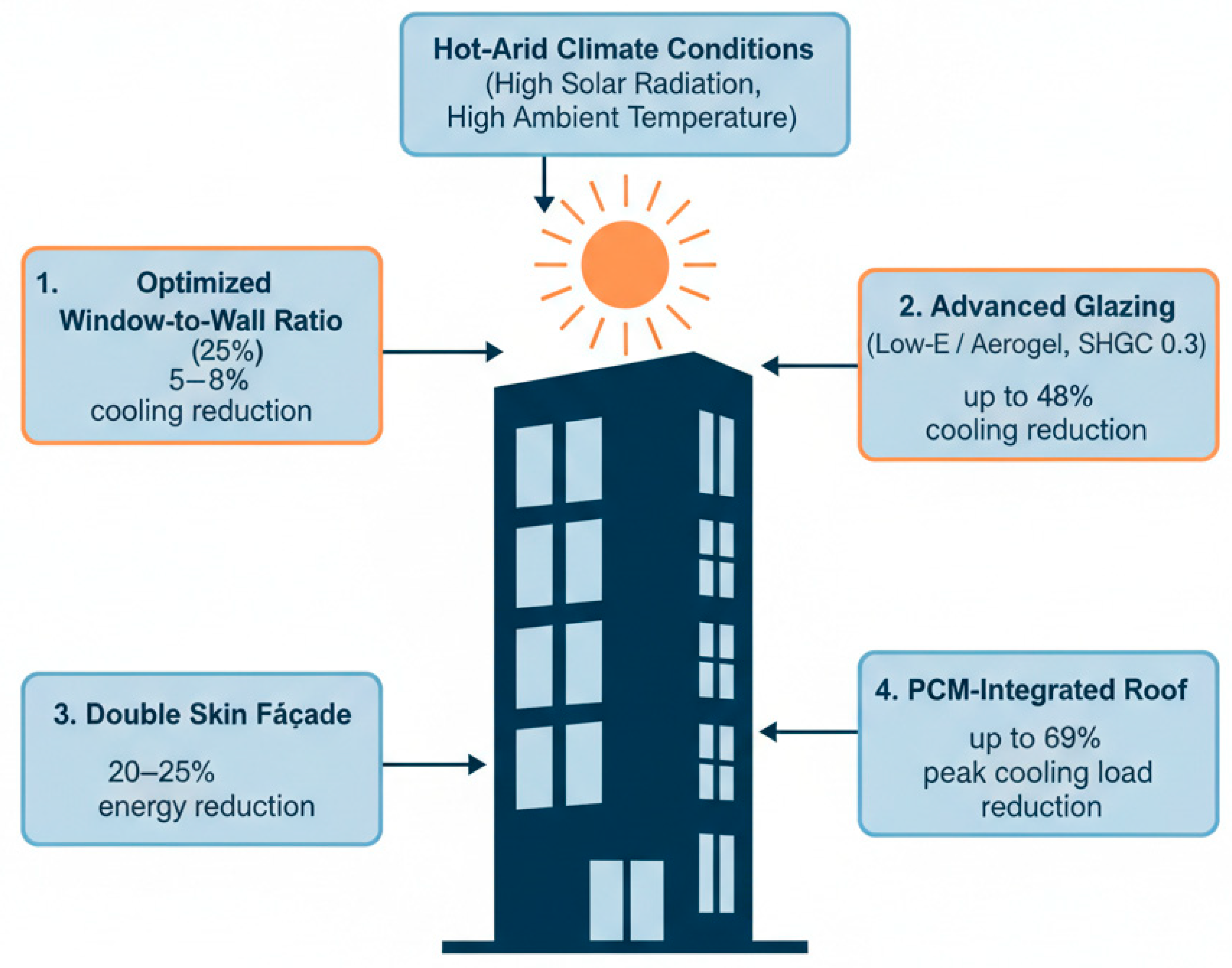
Figure 5 presents thermal performance improvements in hot-arid climates from individual case studies: a PCM dual-layer roof (India), envelope optimisation (Iraq), and envelope retrofit (Saudi Arabia). Percentages correspond to reductions in the primary performance metric reported in each study (heat flux, cooling load, or total energy demand) and are not directly comparable. The PCM-integrated dual-layer roof demonstrates the greatest impact, achieving an approximately 79.8% reduction in heat flux under experimental conditions. Envelope optimisation measures in Iraq have achieved cooling load reductions of up to 62%, primarily through improved insulation and glazing. Similarly, envelope retrofit strategies in Saudi Arabia report total annual energy consumption reductions of about 62%, highlighting the critical role of building envelope enhancement in achieving zero-energy targets. The percentages represent reported reductions in the cooling load, heat flux, or total energy demand under hot-arid climate conditions.
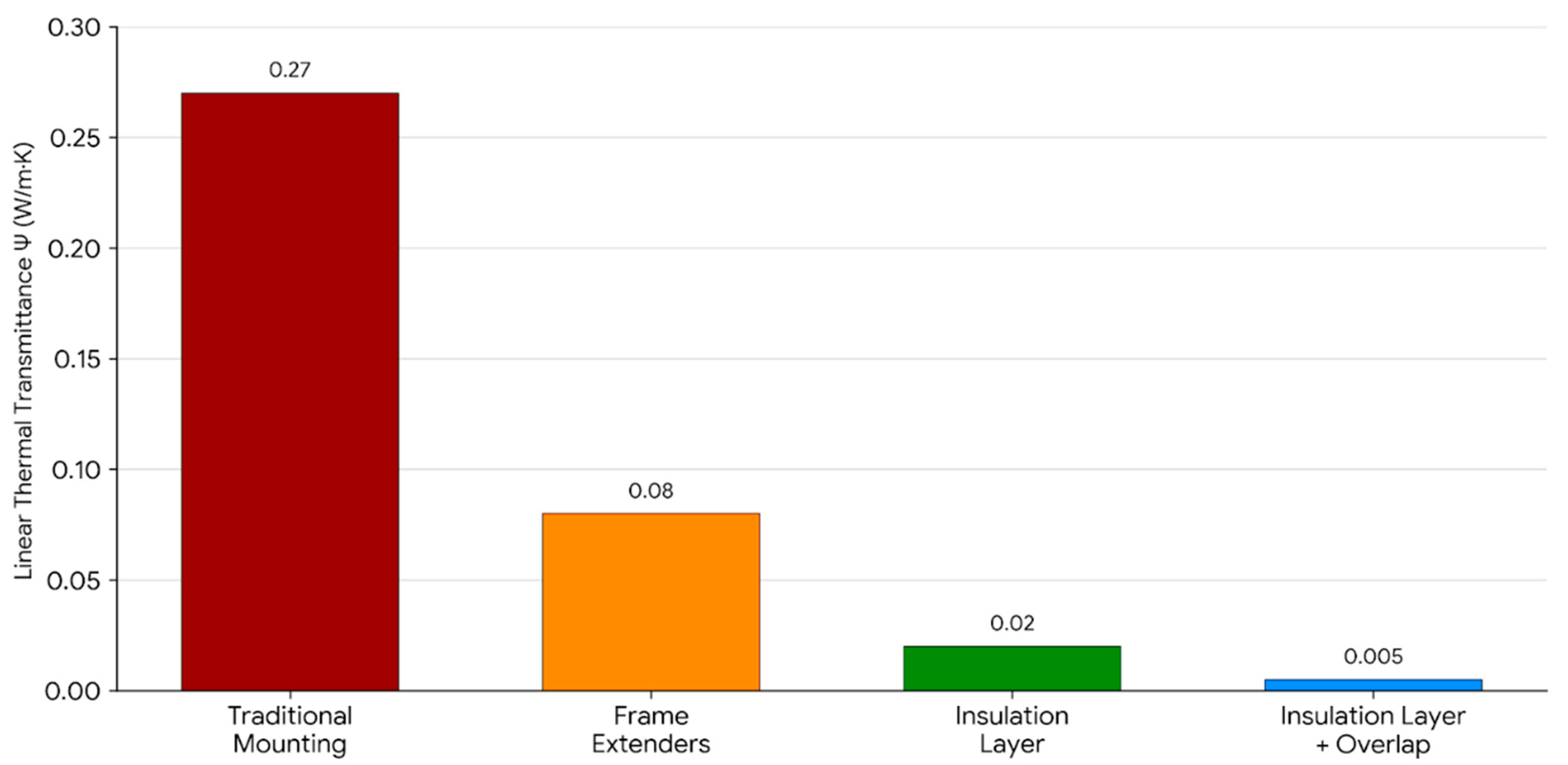
As shown in
Figure 6, advanced installation methods significantly reduce thermal bridge intensity compared to traditional mounting [
13]. Finite element method (FEM) simulations have become essential for evaluating thermal bridge effects in building envelopes. Studies using commercial 3D simulation software to estimate thermal losses demonstrate that the linear thermal transmittance of thermal bridges and associated heat flux loss can decrease by more than 50% when proper mitigation measures are implemented [
27]. Optimising thermal insulation parameters through mathematical modelling enables the determination of optimal values based on energy-efficiency criteria, providing useful information for researchers, designers, and decision-makers [
28].
Artificial intelligence approaches offer promising alternatives for thermal bridge analysis, with fuzzy systems demonstrating excellent performance in estimating linear heat transmittance coefficients. These AI-based approaches can reduce the need for time-consuming traditional calculations and expensive experiments while accurately determining
ψ coefficients for cases not included in training data [
29].
Collectively, these findings demonstrate that ψ-values represent a quantifiable and methodologically mature parameter whose exclusion from compliance frameworks is not due to technical limitations but regulatory simplification.
This study extends beyond literature synthesis through:
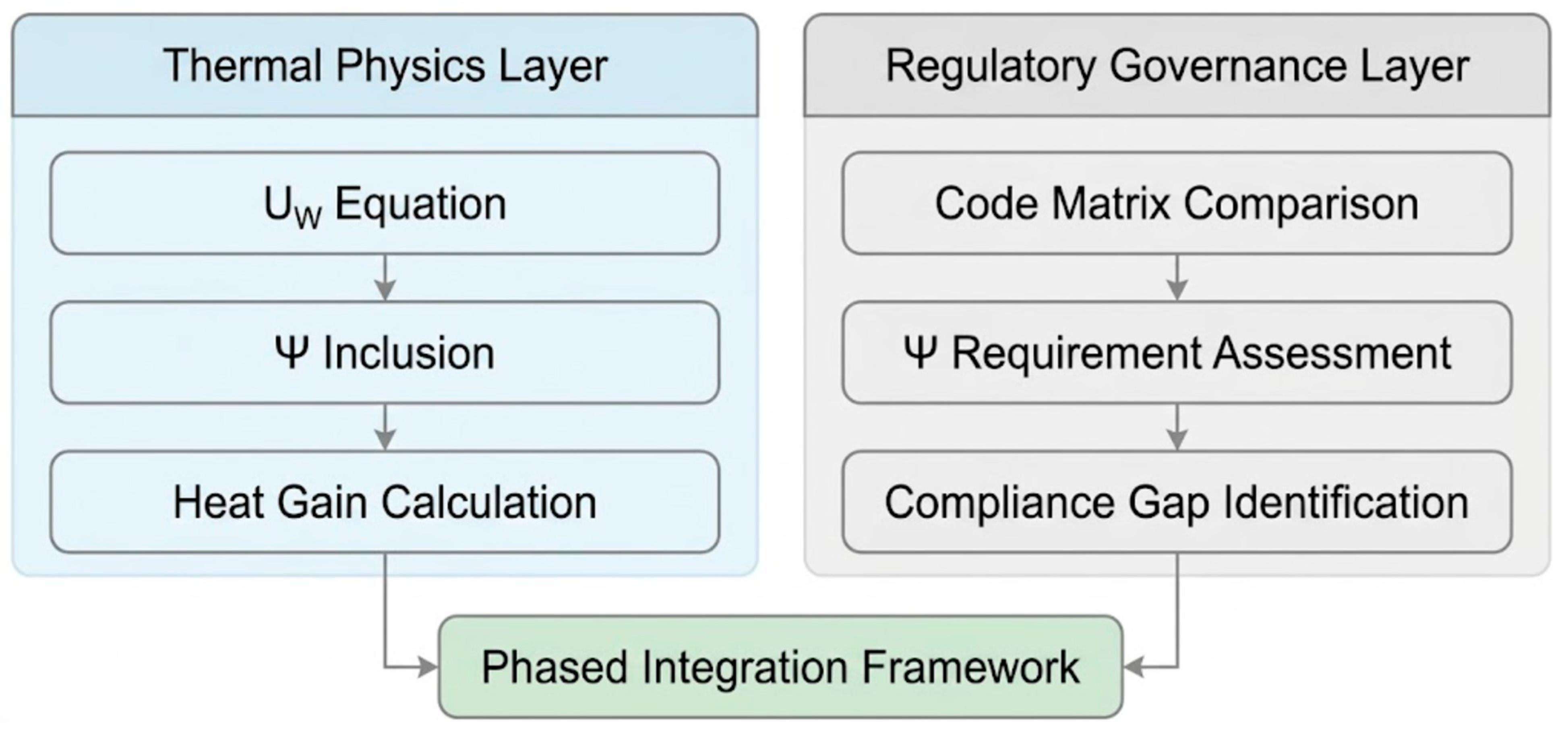
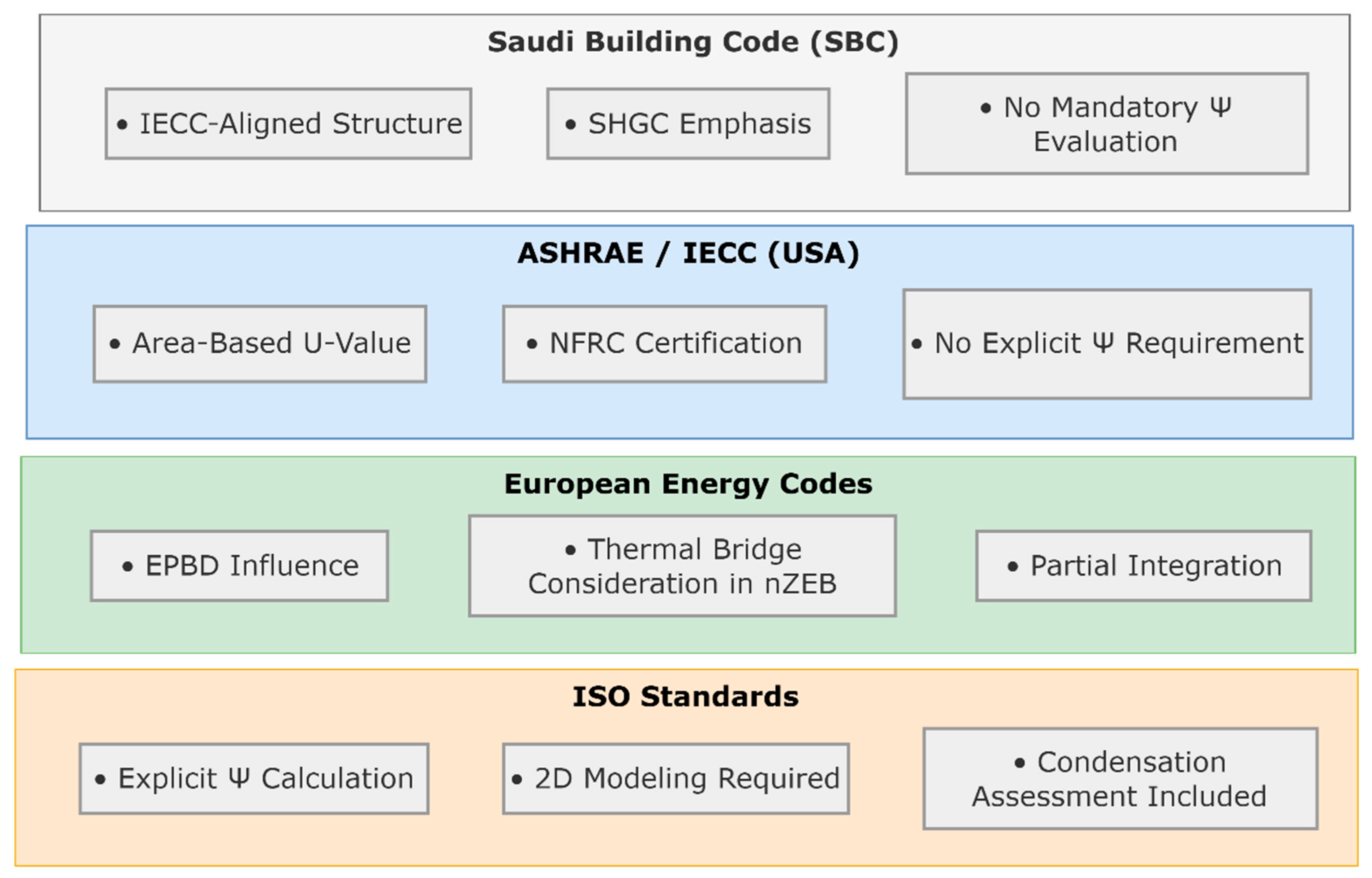
Development of a structured regulatory comparison matrix across four major frameworks.
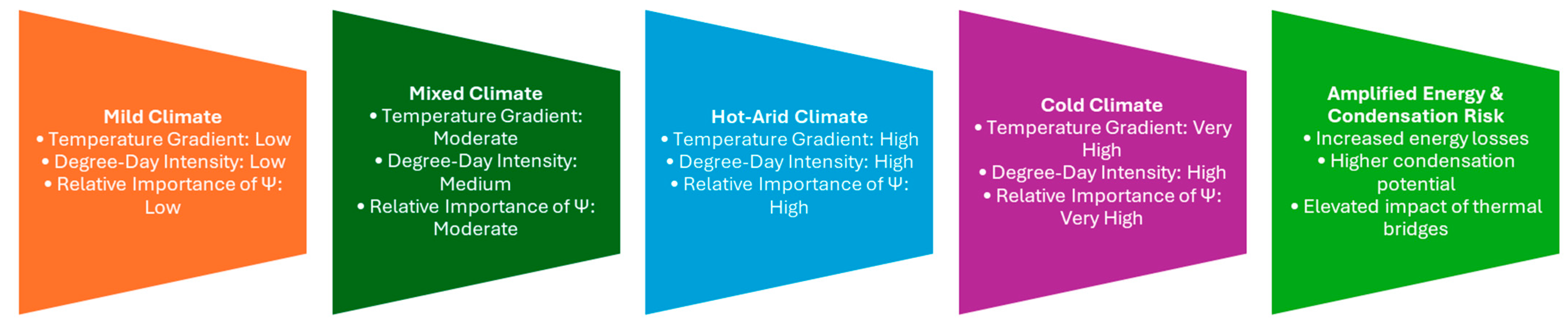
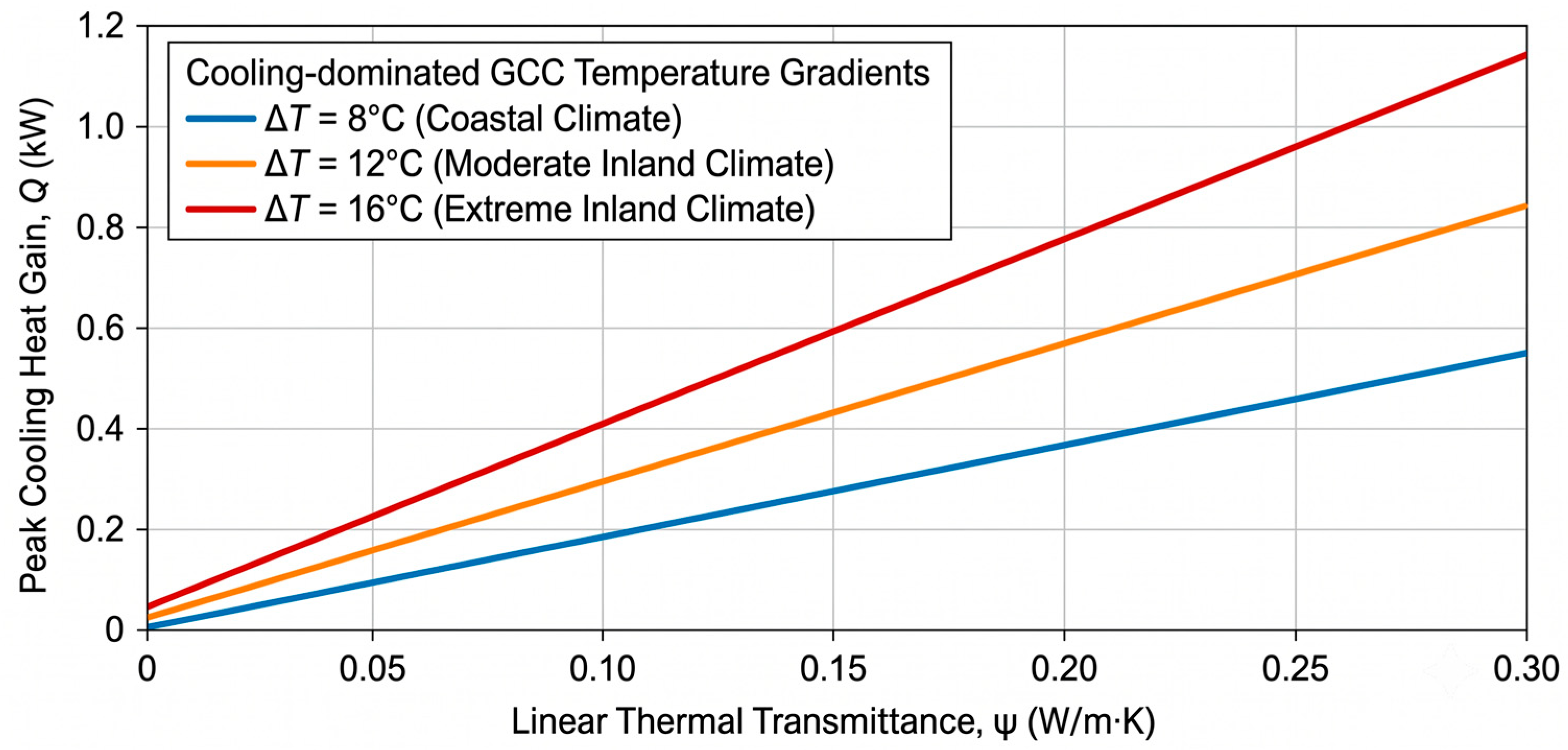
Introduction of a climate-amplified ψ sensitivity model specific to GCC environments.
Parametric quantification of ψ omission effects on cooling loads.
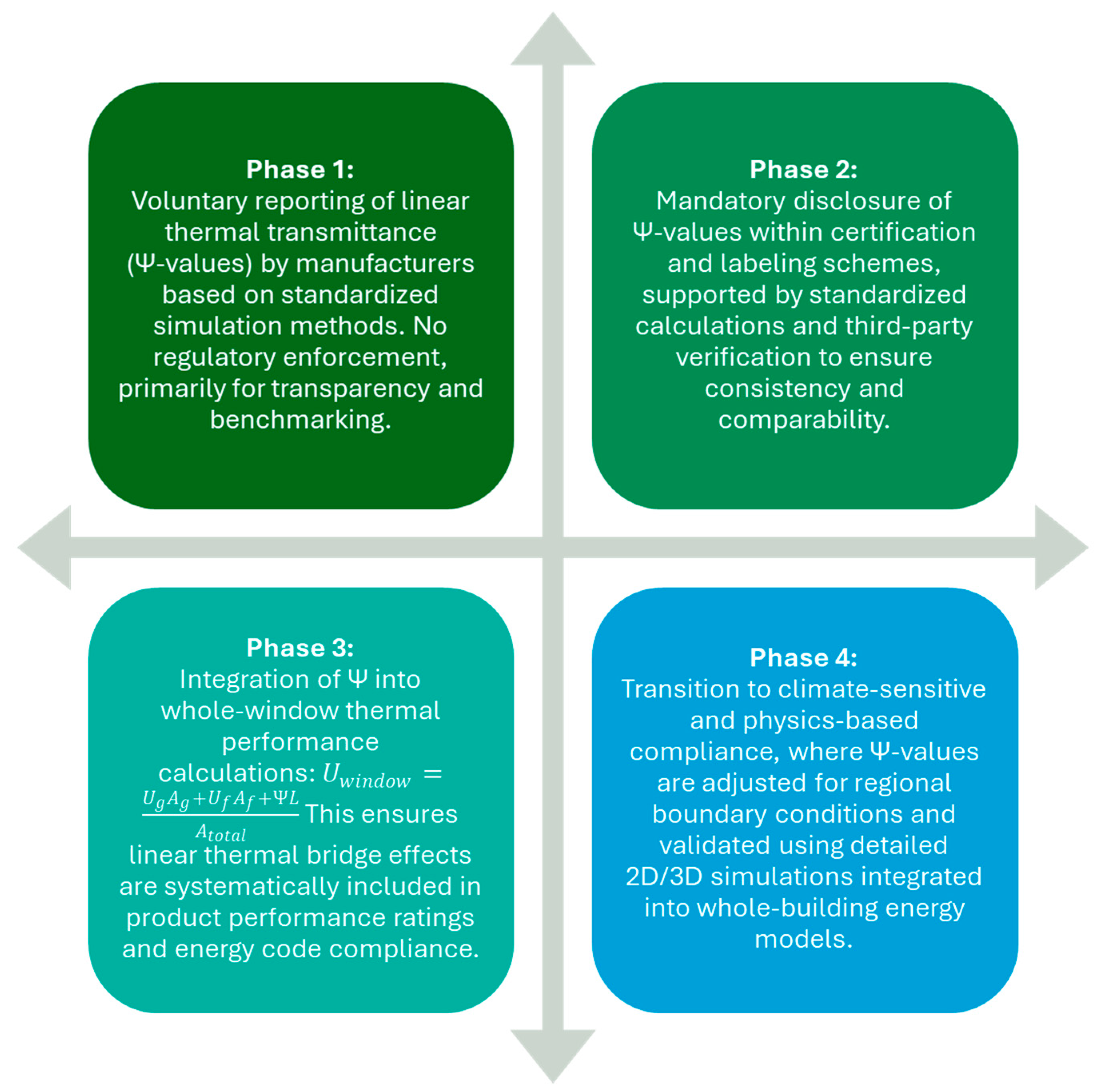
Construction of a phased regulatory integration roadmap aligned with Vision 2030.
Unlike prior technical studies focused solely on thermal optimisation, this research integrates thermal physics modelling with governance architecture analysis, providing a dual-layer analytical framework.