


Abstract
Against the backdrop of rapid urbanization, urban land-resource use faces the dual challenge of improving efficiency while maintaining ecological sustainability. Enhancing urban land green use efficiency contributes to the achievement of the United Nations Sustainable Development Goals, particularly SDG 11 and SDG 15. As an emerging governance approach for urban green infrastructure, the National Sponge City Policy (NSCP) aims to address urban waterlogging through nature-based solutions while improving land multifunctionality and ecological carrying capacity. Based on city-level panel data from 2005 to 2022, this study employs a difference-in-differences (DID) approach to identify the policy effect of the NSCP on ULGUE and further examines three transmission channels: innovation effects, infrastructure-support effects, and population-agglomeration effects. The novelty of this study lies in integrating the NSCP into the analytical framework of urban land green use efficiency, extending previous research that mainly focused on waterlogging control, water-resource management, and ecological benefits, and further developing a “policy intervention-factor reallocation-ULGUE improvement” mechanism pathway. The empirical results show that the NSCP significantly improves land green use efficiency in pilot areas, and this conclusion remains valid across multiple robustness checks. The mechanism analysis indicates that strengthened green innovation capacity, improved green infrastructure, and population agglomeration are key channels through which the policy effect is realized. Heterogeneity analysis further reveals that the policy effect varies across regions, dominant industrial structures, and industrial-base types. Overall, the NSCP promotes green spatial governance and efficient resource utilization, providing important institutional experience for coordinating ecological protection and urban development.
1. Introduction
As urban spaces globally continue to expand and resources become increasingly concentrated, extensive and inefficient land-use patterns have become a key bottleneck constraining ecological security and sustainable urban development. The United Nations Sustainable Development Goals, particularly SDG 11 and SDG 15, emphasize the need to alleviate human–land tensions through intensive, green, and low-carbon spatial utilization. Urban land green use efficiency (ULGUE) refers to achieving the highest possible level of output and development benefits from socioeconomic activities carried by each unit of land area while minimizing ecological damage and maintaining the stability of environmental systems [1]. Within this framework, improving ULGUE is not only an important means of advancing these sustainability goals but also a key pathway for promoting high-quality development and ecological civilization.
As the largest developing country, China is also one of the countries experiencing the most rapid urbanization. According to the Statistical Communiqué of the People’s Republic of China on the 2023 National Economic and Social Development released by the National Bureau of Statistics, China’s permanent-resident urbanization rate reached 66.16% in 2023, with the urban permanent-resident population exceeding 950 million. Urban construction land and infrastructure investment have also remained at relatively high levels over a long period (National Bureau of Statistics, 2024 [2]). While this unprecedented process of spatial restructuring has strongly supported economic growth, it has also generated a series of problems [3,4]. First, the land-finance-oriented urban development model has long reinforced extensive dependence on land inputs. This has not only stimulated inefficient expansion of construction land, but also intensified industrial emissions and environmental pollution [5]. Disorderly urban sprawl has continuously converted large areas of high-quality cultivated land into non-agricultural construction land, while efficiency improvements within newly added construction land have remained limited [6,7]. In some cities, development has relied more on rapid spatial expansion than on stock renewal and intensive upgrading, resulting in accumulated pollution, excessive energy consumption, and other related problems [8,9]. These problems are reflected not only in the expansion of land inputs and insufficient output per unit of land, but also in rising industrial emissions, accumulated pollution, and increasing ecological carrying pressure. In other words, extensive land expansion and environmental pollution during urbanization are not two isolated issues; instead, they jointly constitute important sources of declining ULGUE. Therefore, exploring how effective policy instruments can simultaneously increase economic output per unit of land and reduce environmental costs has become an important issue in urban governance at the new stage of development.
The determinants of ULGUE include resource endowments [10], industrial structure [11], urbanization [12], and government attention [13]. These factors jointly affect ULGUE through multiple channels, such as changing the allocation of land factors, altering the intensity of spatial development, and influencing pollution-emission levels. Policy arrangements are embedded in this process through planning regulation, investment guidance, and environmental governance, thereby constituting an important pathway for improving ULGUE. Specifically, policy instruments such as promoting compact and intensive urbanization [14], providing fiscal support [15], advancing the digital economy [16], and facilitating industrial transformation [17] can curb extensive land expansion and promote the renewal of existing urban space. In doing so, they help increase output per unit of land while reducing environmental pressure, thereby improving urban land green use efficiency as a whole. Existing studies have examined the effects of several policies on ULGUE, including the National Innovative City Policy [18], the National Urban Agglomeration Policy [19], the Smart City Policy [20], and the National Pilot Program for People-Benefiting Informatization [21].
The NSCP aims to systematically advance the integrated construction of “infiltration, retention, storage, purification, utilization, and drainage,” thereby reshaping urban stormwater management, spatial development, and ecological restoration. Its core tasks include improving sponge-city-specific planning and land-use regulation, upgrading municipal infrastructure for drainage, flood control, and wastewater purification, expanding urban green spaces and blue–green corridors, and strengthening policy mechanisms related to territorial spatial governance and fiscal support. Through these policy instruments, the NSCP can constrain extensive outward land expansion and encourage urban renewal toward stock-land redevelopment and multifunctional land use. For example, projects such as rainwater–sewage separation, sunken green spaces, and permeable pavements can improve the carrying capacity of urban land and the efficiency of public-service provision, while reducing waterlogging risks and non-point-source pollution loads. In this way, the NSCP helps increase output per unit of land and improve environmental performance, thereby promoting the continuous improvement of ULGUE toward a higher-quality, more sustainable development path.
Existing studies have examined the policy effects of the NSCP from multiple perspectives, mainly focusing on environmental and ecological benefits as well as economic and social benefits. In terms of environmental and ecological benefits, He et al. examined the relationship between the NSCP and the urban heat-island effect in China from a co-benefits perspective, suggesting that a co-benefit-oriented governance approach provides important opportunities for jointly promoting sponge city construction and urban heat-island mitigation [22]. Building on this, Yang et al. further showed that the NSCP plays a significant role in mitigating the urban heat-island effect by reshaping hydrological processes and runoff patterns on urban underlying surfaces [23]. In terms of economic and social benefits, Anna et al. argued that sponge city construction not only improves the environment but also promotes employment expansion, real-estate market development, and the cultivation of green industries, thereby contributing to green economic growth [24]. Chan et al. found that the NSCP provides certain opportunities for urban land-use planning and flood-risk management [25]. Nguyen et al. further found that the NSCP has advantages in addressing urban water-resource challenges and can provide ecosystem services while enhancing climate-change adaptation [26]. Overall, existing studies have mainly focused on the policy effects of the NSCP in areas such as heat-island mitigation, water-resource management, flood-risk control, and green economic development, while insufficient attention has been paid to whether and how it improves urban land green use efficiency. In particular, the existing literature has not fully explained how the NSCP affects ULGUE through channels such as green innovation, infrastructure support, and population agglomeration, nor has it provided systematic quasi-natural experimental evidence at the city level.
Based on the above research gaps, this study focuses on three main aspects. First, it identifies the policy effect of the NSCP from the perspective of urban land green use efficiency and examines whether the policy effectively improves ULGUE. Second, it reveals the transmission mechanisms through which the NSCP affects ULGUE, with particular attention to green innovation, infrastructure support, and population agglomeration. Third, it analyzes the heterogeneous effects of the NSCP from multiple dimensions. In response to the above questions, this study constructs a balanced panel dataset covering 281 prefecture-level and above cities in China from 2005 to 2022. The super-efficiency SBM model is used to measure ULGUE, and the DID approach is applied to identify the effect of the NSCP on ULGUE. Furthermore, a mechanism analysis is introduced to systematically examine the transmission channels through which the NSCP affects ULGUE, focusing on technological innovation, urban infrastructure improvement, and population agglomeration, thereby revealing the underlying policy logic.
This study makes three main academic contributions. First, based on panel data from 281 cities during 2005–2022, the NSCP is treated as a quasi-natural experiment, and a multi-period DID model is employed to identify its impact on ULGUE. This provides new city-level evidence for evaluating the land-use effects of ecological infrastructure policies. Second, by focusing on three mechanism variables, namely technological innovation, infrastructure support, and population agglomeration, this study constructs a “policy–factor reallocation–land efficiency” transmission framework, revealing the mechanisms and pathways through which the NSCP affects ULGUE. Third, heterogeneity analysis is conducted from three dimensions: regional distribution, industrial foundation, and dominant industrial structure. This helps identify differentiated policy responses across city types, propose context-specific governance mechanisms for improving ULGUE, and enrich research on differentiated territorial–spatial governance and green land-use policies.
The structure of the remainder of this paper is arranged as follows. Section 2 reviews the policy background of the NSCP, develops the theoretical analytical framework, and proposes the research hypotheses. Section 3 presents the research design, including variable selection, model specification, and data sources. Section 4 reports the baseline regression results and related empirical findings. Section 5 provides further analysis, focusing on transmission channels and heterogeneity. Section 6 summarizes the main conclusions and proposes corresponding policy implications.
2. Policy Background and Research Hypotheses
2.1. Policy Background
The NSCP is an important policy initiative through which China promotes ecological civilization and urban green transformation. It aims to improve stormwater management and ecological environmental quality through sponge city construction. The policy emerged against the backdrop of intensifying global climate change, increasingly severe urban waterlogging, and growing water-resource shortages, reflecting China’s strategic deployment and institutional exploration in green urban infrastructure upgrading and nature-based solutions. In line with the research design of this study, cities selected as national sponge city pilots in 2015 and 2016 are defined as the policy pilot cities, while cities not selected as national pilots serve as the control group. The year in which a city was selected as a pilot is used as the timing of the policy shock to construct the multi-period DID variable.
The concept of the NSCP is highly consistent with the Low Impact Development (LID) approach proposed in the United States. This type of development pathway not only helps improve urban land-use efficiency, but also enhances the resilience of urban systems to climate-change shocks [27]. Internationally, many countries have adopted similar practices, including Blue-Green Cities (BGCs) in the United Kingdom [28], Sustainable Drainage Systems (SuDS) in Europe [29], Water Sensitive Urban Design (WSUD) in Australia [30], and Low Impact Development Urban Design (LIDUD) in New Zealand [31]. Together, these practices reflect a governance trend that integrates stormwater management, ecological restoration, and urban spatial optimization. By comparison, China started relatively late in this field, but sponge city construction has advanced rapidly in recent years, with its policy system and implementation pathways increasingly converging with this international paradigm.
In December 2014, the Ministry of Finance, the Ministry of Housing and Urban–Rural Development, and the Ministry of Water Resources jointly issued the Notice on Launching Central Fiscal Support Pilots for Sponge City Construction, namely Caijian [2014] No. 838. This marked the official launch of the national sponge city pilot program. Selected cities received special central fiscal subsidies for three years, with municipalities directly under the central government, provincial capitals, and other cities supported at an annual level of RMB 400–600 million. On this basis, the central government selected two batches of national pilot cities in 2015 and 2016. The first batch included 16 cities, such as Wuhan, Chongqing, Xiamen, and Guian New Area, while the second batch included 14 cities, such as Beijing, Tianjin, Shanghai, Ningbo, Shenzhen, and Sanya. In total, 30 national sponge city pilot cities were established, forming the core sample for exploring sponge city institutional design and engineering models. Figure 1 presents their geographical distribution.
Figure 1.
Geographical distribution of NSCP pilot regions (GS(2019)182).
The core tasks of the NSCP include formulating and implementing sponge city plans; improving drainage, waterlogging prevention, and stormwater management systems; developing blue-green infrastructure, such as green spaces, wetlands, and sunken plazas; and strengthening relevant technical standards and policy-support systems. These measures are designed to create a safer, more resilient, and more eco-friendly urban spatial environment, alleviate waterlogging and non-point-source pollution pressures, and improve the overall quality of construction-land use. In practice, under the promotion of the NSCP, cities have enhanced the provision capacity of public and ecological services per unit of land through projects such as rainwater–sewage separation, permeable pavements, and stormwater retention facilities, thereby guiding urban development from extensive expansion toward intensive improvement. By curbing inefficient expansion, revitalizing existing urban space, and strengthening the integration of green functions, the NSCP helps improve the coordination between land-development intensity and environmental quality, thereby significantly enhancing ULGUE.
2.2. Research Hypotheses
From the perspective of urban governance theory, urban land green use efficiency is not determined solely by the scale of land input or the intensity of market-led development. It is also jointly shaped by government planning regulation, public resource allocation, infrastructure provision, and multi-actor collaborative governance capacity. The core of urban governance lies in optimizing the operation of urban space through institutional arrangements and policy instruments, so that land, capital, population, industry, and the ecological environment can be more effectively coordinated within limited urban space. As a government-led comprehensive urban governance policy, the NSCP is not merely an engineering measure for addressing urban waterlogging. Rather, it systematically reshapes urban land development, environmental governance, and public service provision through special planning, fiscal support, technical standards, infrastructure renewal, and ecological space restoration. Accordingly, the NSCP may improve the socioeconomic carrying capacity of each unit of land and reduce environmental damage associated with land use by stimulating green innovation, strengthening infrastructure support, and guiding population agglomeration, thereby promoting the improvement of ULGUE.
2.2.1. NSCP and ULGUE
The core of ULGUE lies in achieving higher socioeconomic returns under given land, capital, and labor inputs while minimizing undesirable outputs, such as pollution emissions. Therefore, the effect of the NSCP on ULGUE can be understood from two dimensions: increasing desirable outputs and reducing undesirable outputs. On the one hand, the NSCP can enhance the comprehensive carrying capacity of urban space. In the ULGUE framework, desirable output emphasizes the capacity of each unit of space to support socioeconomic activities. Its improvement does not rely on the simple expansion of construction land, but depends more on functional integration and the efficient use of existing urban space. Through special planning, land-use regulation, and infrastructure renewal, the NSCP embeds stormwater management, ecological services, and public-space provision into existing built-up areas, enabling the same space to support production, living, and ecological-service functions simultaneously. In this process, sponge city construction not only optimizes urban operational efficiency but also stimulates related economic activities and industrial restructuring, thereby strengthening the economic carrying capacity of each unit of space [32]. As a result, the urban growth model shifts from new land expansion to stock-space restructuring and functional optimization, thereby increasing the level of desirable output. On the other hand, the NSCP helps reduce environmental damage in the process of urban development and land use. High-intensity construction is often accompanied by wastewater discharge, non-point-source pollution, waterlogging risks, and increasing pressure on ecological carrying capacity. By optimizing urban water circulation and ecological-space allocation, the NSCP strengthens the resilience of urban water systems, alleviates water-resource management pressure, reduces pollution loads, and improves the living environment [33]. At the same time, by improving the efficiency of wastewater and sludge treatment, the NSCP reduces related energy consumption and carbon emissions, thereby contributing to better green performance in land use [34]. Improvements in integrated rainwater utilization, wastewater reuse, and rainwater-use efficiency further strengthen the synergy between resource recycling and environmental governance [35,36].
Based on this reasoning, we propose the following hypotheses:
H1.
The NSCP can effectively enhance ULGUE.
2.2.2. NSCP and the Innovation Effect
The implementation of the NSCP sets clear objectives for stormwater management, runoff pollution control, and water-resource recycling in pilot cities, thereby creating practical demand for innovation in green technologies, engineering solutions, and operational models. In the process of sponge city construction, green infrastructure technological innovation, as represented by stormwater management systems, can improve a city’s capacity to respond to flood risks and water resource management challenges [37]. Technology pathways centered on natural greening, residential comfort, and environmental governance can also help improve the urban ecological environment and the quality of spatial operation [38]. In addition, the integration of localized ecological concepts, engineering optimization strategies, and sustainable urban planning further promotes technological improvements in sponge facilities and enhances urban hydrological resilience [39]. These innovation activities are not isolated technological updates; rather, they improve the capacity of each unit of land to support socioeconomic activities by enhancing infrastructure service efficiency, ecological regulation capacity, and spatial operational efficiency. More broadly, innovation refers to the introduction of new ideas, technologies, products, or operational modes into practice, with the purpose of improving efficiency and creating added value [40]. Within the ULGUE framework, the application of pollution-control equipment and cleaner production processes can reduce harmful emissions from industrial production and transportation, lower the environmental pressure associated with land use, and promote the coordinated improvement of land-use efficiency and socioeconomic output [41]. Meanwhile, green innovation promotes the transformation of traditional high-emission industries toward green manufacturing and intelligent production, helping improve energy-use efficiency, optimize production processes and resource allocation, and enhance environmental performance while increasing desirable output per unit of land [42,43]. Therefore, the NSCP may improve ULGUE by strengthening green innovation capacity and promoting a shift in urban land use from a high-input and high-emission model to a more efficient and lower-pollution model.
Based on this reasoning, the following hypothesis is proposed:
H2.
The NSCP effectively enhances ULGUE through the innovation effect.
2.2.3. NSCP and the Infrastructure-Support Effect
The implementation of the NSCP promotes the transformation of urban infrastructure from traditional gray engineering toward an integrated gray–green system through special planning, engineering construction, and facility renewal. In urban water resource management, the integrated application of green infrastructure can optimize facility layout with the support of geographic information technologies and ecological design, thereby improving the capacity of cities to address complex water-environment challenges [44]. Meanwhile, the NSCP facilitates a transition in urban stormwater management from a model dominated by traditional gray infrastructure to one that integrates green infrastructure with sustainable stormwater management. This transition helps improve water resource recycling efficiency and ecological regulation capacity while strengthening coordination between infrastructure provision and spatial planning [45]. In addition, policy design and public communication can enhance public awareness of the value of green infrastructure and the benefits of ecosystem services, providing social support for the continuous construction, operation, and maintenance of related facilities [46,47]. Furthermore, infrastructure improvement affects ULGUE mainly through two channels. On the one hand, green infrastructure can mitigate the urban heat island effect and improve the ecological function of built-up land by improving microclimatic conditions, optimizing ecological space structure, and enhancing urban environmental carrying capacity [48]. On the other hand, scientifically planned drainage and waterlogging-prevention facilities can reduce economic losses caused by flood disasters and minimize disruptions to production, transportation, and public services, thereby stabilizing socioeconomic output per unit of land [49]. At the same time, the coupling of gray and green infrastructure can improve wastewater treatment and nutrient removal efficiency, achieve water resource recycling with lower energy consumption and cost, and further reduce the environmental burden associated with land use [50]. Therefore, the NSCP may improve ULGUE by strengthening infrastructure conditions, enhancing urban spatial operational efficiency, and improving ecological carrying capacity.
Based on this reasoning, the following hypothesis is proposed:
H3.
The NSCP effectively enhances ULGUE through the infrastructure-support effect.
2.2.4. NSCP and the Population-Agglomeration Effect
The implementation of the NSCP changes the spatial conditions for population and factor agglomeration by improving the urban ecological environment, enhancing the quality of green spaces, and strengthening infrastructure resilience. Improvements in ecological and built environments can enhance residents’ health and subjective well-being, increase urban livability and attractiveness, and thereby create favorable conditions for the agglomeration of population and resource factors in pilot cities [51,52]. Meanwhile, water-sensitive urban design and blue-green infrastructure construction not only mitigate stormwater risks caused by extreme rainfall but also stimulate the development of related industries, such as green construction, smart water management, and ecological restoration. These effects create green employment opportunities, improve urban opportunity structures, and further strengthen the ability of cities to attract migrants and industrial factors [53]. In addition, the extension of green infrastructure to urban fringe areas helps improve infrastructure accessibility and the equalization of public-service provision in areas where low- and middle-income groups are concentrated, thereby enhancing spatial inclusiveness and overall urban attractiveness [54]. Furthermore, the effect of population agglomeration on ULGUE is conditional. On the one hand, the concentration of population and industrial factors can increase the intensity of socioeconomic activities carried by each unit of land through economies of scale, knowledge spillovers, and the expansion of consumer demand. On the other hand, population expansion may also increase carbon emissions and resource-consumption pressure; however, such pressure may induce green technology adoption, energy-structure optimization, and improvements in land-use efficiency [55]. At the same time, population growth can stimulate green-consumption potential and industrial upgrading, promoting the coordinated improvement of green economic growth and urban land-use efficiency [56]. Therefore, when economies of scale and factor agglomeration effects dominate, the NSCP may guide the rational agglomeration of population and resource factors by improving urban livability and public-service conditions, thereby enhancing ULGUE.
Based on this reasoning, the following hypothesis is proposed:
H4.
The NSCP effectively enhances ULGUE through the population-agglomeration effect.
Building on the mechanism analysis above, Figure 2 depicts the study’s theoretical framework.
Figure 2.
Theoretical framework.
3. Research Design
3.1. Model
This chapter focuses on identifying the policy effect and lays out the econometric models and variable specifications to build a comprehensive empirical framework; specifically, it first presents a multi-period difference-in-differences (MDID) design to capture the NSCP’s dynamic impacts on key indicators before and after implementation.
3.1.1. Super-Efficiency SBM Model
To quantify urban land green use efficiency, Tone [57] developed a super-efficiency SBM model that extends the conventional SBM framework by incorporating undesirable outputs and combining the advantages of super-efficiency and SBM approaches; by further distinguishing and retaining efficient DMUs with efficiency equal to 1 within the estimation, the method prevents information loss from efficient units, and the model is specified as follows:
In Models (1) and (2), we assume n decision-making units (DMUs), each using m inputs to produce q1 desirable outputs and q2 undesirable outputs; let x, yg, and yb denote the input matrix, the desirable-output matrix, and the undesirable-output matrix, respectively, and let the efficiency score ρ measure each city’s urban land green use efficiency. Based on this input–output indicator system, city-level observations are substituted into the super-efficiency SBM model to obtain ρ: ρ > 1 indicates a super-efficient state, ρ = 1 indicates that the city lies on the efficiency frontier, and ρ < 1 indicates relatively low efficiency. A larger ρ means that, given inputs and pollution constraints, the city achieves higher desirable outputs from land use.
3.1.2. MDID Model
This study employs a multi-period difference-in-differences (MDID) approach to address the limitations of conventional regressions in policy evaluation; by exploiting both the time dimension and differences between treatment and control groups, it nets out time-invariant unobserved individual characteristics and common time trends, thereby better identifying the net effect attributable to policy implementation [58,59]. Compared with the classic single-period DID specification, the MDID framework tracks the same set of units across multiple time points, allowing the dynamic evolution of policy effects across periods to be characterized [60]. Given that the NSCP was rolled out in batches and progressed gradually, MDID is particularly well-suited to uncovering heterogeneous impacts across implementation stages, enabling a more systematic and comprehensive evaluation. Accordingly, this paper adopts the MDID framework in the overall empirical design to identify the policy effect of the NSCP, and the baseline specification is as follows:
In Model (3), ULGUEit is the dependent variable measuring urban land green use efficiency. Treati is a group indicator that equals 1 if city i belongs to the treatment group and 0 otherwise, and Postit is a post-treatment dummy that equals 1 if city i in year t falls in the policy period after 2015 and 0 otherwise. The impact of the NSCP on ULGUE is identified through the interaction term Treati × Postit, where β1 captures the policy effect. Controlsit denotes a set of control variables, including GDP, budget, road, sav, and ind. υi and τt represent individual fixed effects and time fixed effects, respectively, and εit is the idiosyncratic error term. Considering that heteroskedasticity may vary across cities, robust standard errors are used in the baseline regressions and related robustness tests to improve the reliability of statistical inference.
3.1.3. Transmission-Channel Model
Traditional mediation analysis often adopts a three-step approach, especially the classic framework proposed by Baron and Kenny (1986), which has had a profound influence on subsequent studies, but also has several limitations [61]. This approach usually examines, in sequence, the total effect of the independent variable on the dependent variable, the effect of the independent variable on the mediator, and the effect of the mediator on the dependent variable after both the independent variable and the mediator are included in the model. However, in the context of policy evaluation and DID identification, mechanism variables are often post-treatment outcomes. If the policy variable and the mechanism variables are included in the ULGUE Model at the same time, part of the transmission process through which the policy takes effect may be treated as a control variable, leading to an “over-control” problem and weakening the identification of the total policy effect. Therefore, the mechanism analysis in this study is not interpreted as a strict decomposition of direct and indirect effects, but rather as an identification of the transmission channels through which the NSCP affects ULGUE.
To address these limitations, this study draws on the “two-step” mechanism-identification approach proposed by Jiang et al. and simplifies and adapts the analytical procedure [62]. Specifically, the first step establishes, within a clear theoretical framework, the mechanism and direction through which the independent variables affect the dependent variable. The second step then empirically tests the extent to which the independent variable affects the mechanism variables. Compared with the traditional three-step approach, the two-step approach is more suitable for mechanism identification in policy-shock studies because it avoids directly controlling for post-treatment mechanism variables in the outcome Model. This helps reduce over-control bias and better preserves the DID model’s identification of the total policy effect.
In terms of causal ordering, the identification logic of this study follows the sequence of “policy shock–changes in mechanism variables–improvement in ULGUE.” The NSCP was implemented in batches in 2015 and 2016, meaning that the policy shock occurred before changes in the mechanism variables. Green innovation, the centralized wastewater treatment rate, and population agglomeration are city-level characteristics that may be affected by policy implementation and may further influence ULGUE through technological improvements, infrastructure upgrades, and factor reallocation. Therefore, the mechanism tests in this study are consistent with the basic causal order in the DID framework, in which the policy shock precedes changes in the mechanism variables. Based on this logic, the following mechanism-effect model is constructed:
In Model (4), M denotes the transmission-channel variable, including innovation, infrastructure development, and population density.
3.2. Variables and Data Sources
3.2.1. Dependent Variable
This study measures ULGUE using the super-efficiency SBM model. Drawing on existing research on urban land green use efficiency [63,64] and considering the availability of city-level data, this study constructs the following input–output indicator system. First, desirable outputs are selected. Since urban built-up land mainly supports secondary and tertiary industries and related service activities, the value added of the secondary and tertiary industries is selected as the core indicator for reflecting the economic output generated by land use. Local general public budget revenue, measured in RMB 10,000, is also included as a second desirable output to capture fiscal returns and the overall economic performance associated with land development and utilization. Second, undesirable outputs are selected. To reflect the environmental pressure caused by land-based industrial activities, industrial sulfur dioxide emissions (measured in tons) and industrial wastewater discharge (measured in 10,000 tons) are selected as two undesirable output indicators. Both are typical pollutants generated during production processes. Larger values indicate more severe environmental damage associated with each unit of land, thereby reducing urban land green use efficiency. PM2.5 and carbon emissions are not included in the benchmark undesirable output indicators. This is mainly because PM2.5 is strongly affected by meteorological conditions, regional pollutant transport, and secondary formation, making it difficult to attribute entirely to local land-use activities. City-level carbon-emission data are often estimated using different accounting methods, which may reduce comparability in a long-span prefecture-level city panel. By contrast, industrial sulfur dioxide emissions and industrial wastewater discharges are more directly related to industrial activities carried out on urban land and to the water-environment governance objectives of sponge city construction. Therefore, they are more suitable as the benchmark undesirable output indicators in this study. Third, land input is measured by the urban built-up area, in square kilometers, which reflects the scale of developed construction land. Fourth, capital input is measured by total fixed-asset investment, in RMB 10,000, capturing the intensity of capital investment in land development, infrastructure construction, and production facilities. Fifth, labor input is measured by employment in the secondary and tertiary industries, reflecting the scale of labor resources involved in land-related economic activities. Based on the above input–output indicator system, city-level observations are incorporated into the super-efficiency SBM model to obtain the efficiency score ρ, which is used as the ULGUE indicator. The natural logarithm of this indicator is then taken to reduce the influence of outliers, improve the distributional properties of the variable, and alleviate heteroskedasticity in the regression analysis.
3.2.2. Independent Variable
We define NSCP pilot cities as the treatment group and all non-pilot cities as the control group; the treatment indicator equals 1 for a pilot city in its launch year and in all subsequent years, and 0 otherwise across cities and years.
3.2.3. Control Variables
In the empirical analysis, we incorporate control variables to net out other factors that may affect ULGUE, thereby enabling a more accurate identification of the NSCP’s net effect. Because ULGUE in China is jointly influenced by economic development, fiscal–financial conditions, infrastructure provision, and industrial structure, we follow prior studies [65,66] and incorporate control variables drawn from three broad dimensions. For macroeconomic conditions, GDP is used to capture a city’s overall level of economic development. For fiscal and financial conditions, fiscal budget capacity (budget) is measured by the ratio of total local general public budget revenues and expenditures to regional GDP, reflecting local governments’ fiscal capacity and support intensity, while household savings (sav) is proxied by the share of urban and rural residents’ savings deposits in regional GDP, capturing household wealth accumulation and the supply of funds. For infrastructure and industrial development, road density (road) is defined as total urban road mileage divided by built-up area, indicating transport-infrastructure completeness and spatial accessibility, and industrial development (ind) is measured by the number of large industrial enterprises per 10,000 people, reflecting the weight and agglomeration of the industrial sector in the urban economy.
3.2.4. Sample Selection and Data Sources
The dataset is compiled from the China City Statistical Yearbook and the China Urban Construction Statistical Yearbook from 2005 to 2022. Missing entries are filled via linear interpolation, and after dropping cities with severe data deficiencies, the final panel contains 281 cities and 5058 observations. Among the main control variables, the shares of linearly interpolated observations for road, sav, and ind are 0.49%, 7.45%, and 5.65%, respectively. These proportions are generally within a controllable range, and subsequent robustness tests further reduce the potential influence of interpolation on the reliability of the estimation results. Due to the limited availability of city-level price index data, not all monetary indicators are converted into constant prices individually. However, year fixed effects are included to absorb common price shocks, and ratio-based indicators are used wherever possible to reduce the influence of nominal price changes. Descriptive statistics for the main variables are reported in Table 1. As shown in Table 1, the mean value of NSCP is 0.04, indicating that only 4% of the 5058 city-year observations are covered by the NSCP; this suggests that the national rollout of the policy remains at an early stage and, in turn, underscores the importance of evaluating its impact on ULGUE.
Table 1.
Descriptive Statistics.
4. Empirical Results
Before running the baseline regressions, we test for severe multicollinearity among the covariates by calculating variance inflation factors (VIFs), after which we report the baseline estimates and a set of robustness analyses.
4.1. Multicollinearity Test
A multicollinearity check is required before estimating the baseline regressions to ensure that the covariates are not highly collinear. Accordingly, we apply the variance inflation factor (VIF) diagnostic, where the conventional rule of thumb treats VIF < 10 as evidence that multicollinearity is negligible. Table 2 shows that all VIFs are well under 10, confirming the absence of multicollinearity in our analysis.
Table 2.
Results of the Multicollinearity Test.
4.2. Baseline Regression Results
Table 3 reports the baseline regression results for the effect of the NSCP on ULGUE. Overall, the coefficients of the NSCP are significantly positive across Columns (1)–(4), indicating that the NSCP has a stable positive effect on ULGUE. In Column (1), where only year and city fixed effects are controlled, and no additional control variables are included, the coefficient of the NSCP is 0.516 and is significant at the 1% level. Since ULGUE is log-transformed, this result indicates that ULGUE in pilot cities increases by approximately 67.5% after policy implementation (e(0.516) − 1), suggesting that the policy effect is not only statistically significant but also economically meaningful. After adding control variables, the coefficient of the NSCP in Column (2) decreases to 0.302 but remains significant at the 1% level. This suggests that part of the original effect may be associated with factors such as urban economic development, fiscal capacity, infrastructure conditions, and industrial foundations. After controlling for these differences, the NSCP still leads to an approximately 35.3% increase in ULGUE(e(0.302) − 1). Columns (3) and (4), which omit year fixed effects and city fixed effects, respectively, report relatively higher coefficients, indicating that specifications with only one type of fixed effect may incorporate macro-level time shocks or time-invariant city-specific differences. Therefore, Column (2), which simultaneously controls for year fixed effects, city fixed effects, and control variables, provides a more robust specification. Overall, the NSCP substantially improves urban land green use efficiency, providing empirical evidence for Hypothesis H1.
Table 3.
Baseline Regression Results.
4.3. Parallel Trends Test
In DID-based policy evaluation, the parallel-trends assumption is essential: in the absence of the policy intervention, treated and control units should follow comparable time paths in the outcome, and their pre-intervention trajectories should exhibit no systematic divergence [67,68]. Only after the intervention, when the trends of the two groups diverge markedly, can the resulting differences be credibly attributed to the policy effect. Following established practice in the literature [69] we assess the validity of the parallel-trends assumption via an event-study framework, operationalized by estimating the model below:
Following the established literature, we adopt an event-study framework to assess the parallel-trends assumption. As illustrated in Figure 3, before the NSCP was implemented (Period = −9 to −1), the estimated coefficients hover close to zero with only minor fluctuations, and the associated 95% confidence intervals consistently span zero, suggesting no systematic pre-policy divergence in ULGUE trends between the treatment and control groups. Thus, the parallel-trends assumption is statistically supported. Starting in the implementation year, the coefficients display an overall upward pattern and turn significantly positive roughly two to three years after rollout, indicating that the NSCP promotes ULGUE and that the effect accumulates and intensifies over time. Taken together, Figure 3 supports the parallel-trends assumption and documents a significant, sustained positive impact of the NSCP on ULGUE. Meanwhile, the figure indicates a certain lag in policy effectiveness, with an approximate two-year transition period before the coefficients turn significantly positive. This delay can be explained by several factors: (1) the systemic complexity of policy engineering—sponge-city construction involves multi-dimensional infrastructure upgrades (e.g., sewer separation, sunken green spaces, permeable pavements, and remediation of black-odorous water bodies) and requires planning approval, financing, tendering, and construction, making it difficult to generate sizable short-run effects on ULGUE; (2) the long construction cycle of infrastructure—green infrastructure and land remediation projects are typically capital-intensive and may span multiple years from initiation to completion, with benefits materializing only after facilities are operational; (3) heterogeneity in local governance capacity and implementation intensity-cities differ in policy understanding, interdepartmental coordination, and enforcement, with some achieving earlier progress while others experience prolonged adjustment, thereby extending the time to observable effects in aggregate; (4) inertia in market and behavioral responses—developers, firms, and residents often adjust land-use practices, investment decisions, and residential choices slowly, forming new expectations only after observing policy persistence and complementary institutional arrangements; and (5) dynamic adjustment of land use and ecosystems—ULGUE reflects not only contemporaneous development intensity but also slow-moving processes such as ecological restoration, vegetation recovery, and environmental quality improvement, all of which exhibit inherent time lags. Taken together, the positive effect of the NSCP on ULGUE becomes apparent only after a period of accumulation and transmission, and this dynamic and lagged nature should be fully considered when interpreting the policy impact.
Figure 3.
Parallel Trends Test.
4.4. Robustness Test
4.4.1. Winsorization
To reduce potential bias from extreme observations, we winsorize the key variables at the 1st and 99th percentiles—setting values below (above) these cutoffs to the 1st (99th) percentile—and then re-estimate the baseline specification. Column (1) of Table 4 presents the winsorized estimates: the NSCP coefficient is 0.394 and remains positive and significant at the 1% level, with a magnitude broadly comparable to the baseline results. This indicates that outliers exert only limited influence on the estimated NSCP effect on ULGUE and that the main finding is robust to mitigating extreme-value contamination.
Table 4.
Robustness Test 1.
4.4.2. Alternative Policy Implementation Timing
The event-study dynamic effect plot shows that the effect of the NSCP on ULGUE becomes significant only about two periods after policy implementation, suggesting that the policy effect may exhibit a certain lag. Based on this finding, the study further introduces one-period and two-period lagged policy variables to conduct robustness tests using alternative policy timing. On the one hand, this specification better captures the “planning–construction–effect realization” process of sponge city construction. On the other hand, it also examines whether the finding from the parallel-trends analysis that the policy effect emerges after approximately two periods can be confirmed in the regression model. Specifically, Column (2) of Table 4 replaces the core explanatory variable with the one-period lagged NSCP variable, L.NSCP. The coefficient is 0.335 and is significant at the 1% level, indicating that the NSCP still significantly improves ULGUE when the starting point of the policy effect is postponed by one year. Furthermore, Column (3) replaces the policy variable with the two-period lagged term, L2.NSCP. The estimated coefficient is 0.343 and is also significant at the 1% level. Its magnitude is slightly larger than that in the previous column and higher than the preferred baseline estimate. This suggests that the policy effect of the NSCP has a certain degree of accumulation and persistence. Sponge city construction involves multiple stages, including planning, infrastructure renovation, facility operation, and ecological function restoration. Therefore, it takes time for the policy to translate into improvements in urban carrying capacity and environmental governance performance. As related projects are gradually completed and begin to function, the effect of the policy on increasing socioeconomic output per unit of land and reducing environmental pressure is further released. This explains why the coefficients of the lagged policy variables show an upward pattern.
4.4.3. Replacing the Sample Period
Considering that the sample period extends to 2022, the COVID-19 pandemic may have had a structural impact on urban land green-use efficiency. Therefore, this study further adjusts the sample period as a robustness test. On the one hand, restrictions on population mobility, industrial production, and transportation activities during the pandemic may have temporarily reduced pollution emissions and environmental pressure. On the other hand, the contraction of economic activity, delays in infrastructure construction, and increasing local fiscal pressure may have weakened socioeconomic output per unit of land and reduced the intensity of urban renewal investment. Therefore, the pandemic may have affected both the desirable and undesirable outputs of ULGUE and interfered with the identification of the policy effect of the NSCP. Based on this consideration, this study uses the pre-2019 sample period, excludes later years that were strongly affected by the pandemic, and re-estimates the baseline model using the shortened sample. Column (1) of Table 5 reports that the estimated NSCP coefficient is 0.398 and remains significantly positive at the 1% level, with a magnitude comparable to the baseline estimate, while the model’s (R2) is 0.621. These results indicate that the conclusion that the NSCP promotes ULGUE is robust even under a more stringent sample window, and the estimated effect is not driven by anomalous shocks in particular years.
Table 5.
Robustness Test 2.
4.4.4. Excluding Interference from Other Policies
To further mitigate confounding effects from other spatially targeted national policies, we extend the baseline model by sequentially excluding cities exposed to related pilot programs and re-estimate the regressions. First, given that the National Innovative City Pilot (NICP) may also affect ULGUE through industrial restructuring and the agglomeration of innovation resources, column (2) of Table 5 excludes cities covered by the NIC program; the NSCP coefficient remains significantly positive at the 1% level (0.467), indicating that the NSCP’s enhancing effect on land green use efficiency persists after removing the innovative-city pilot intervention. Second, to avoid potential overlap between the National Urban Agglomeration Policy (NUAP) and the NSCP via spatial planning and infrastructure layout, column (3) further excludes cities included in the national urban agglomeration program; the NSCP coefficient rises to 0.911 and remains highly significant at the 1% level, implying a stronger effect than in the baseline specification. Taken together, these results suggest that after accounting for the NICP and NUAP as concurrent policy interventions, the positive impact of the NSCP on ULGUE not only remains but is amplified in some cases, helping rule out spurious correlation from policy stacking and further supporting the robustness and explanatory power of the main findings.
4.4.5. PSM-DID
It should be noted that the selection of NSCP pilot cities was not a completely random process. Pilot cities generally needed to have a certain level of fiscal capacity, infrastructure conditions, planning implementation capacity, and local governance foundation. This means that selected cities may have already differed systematically from non-pilot cities before policy implementation. If these pre-existing differences also affect ULGUE, the DID estimates may suffer from selection bias [70]. To alleviate this concern, this study further adopts the PSM-DID method on the basis of the baseline DID framework. Specifically, propensity score matching is introduced to preprocess the sample using a set of observable covariates before policy implementation [71], so as to improve the comparability between the treatment and control groups. A Logit model is used to estimate each city’s propensity score for participating in the NSCP. Then, 1:2 nearest-neighbor caliper matching is conducted within the common support region, with the caliper width set to one-quarter of the standard deviation of the propensity score. The DID model with city and year fixed effects is re-estimated using the matched sample, and the results are reported in Column (4) of Table 5. The coefficient of the NSCP is 0.257 and is significantly positive at the 5% level. This result indicates that after controlling for observable differences and reducing potential sample selection bias, the positive effect of the NSCP on ULGUE remains valid, further supporting the robustness and reliability of the core findings.
4.5. Placebo Test
To further examine whether the baseline estimates are driven by coincidence or confounded by omitted variables, we conduct a placebo test. Specifically, while keeping the sample structure unchanged, we repeatedly randomize the assignment of policy-implementation cities by virtually reclassifying cities into a pseudo-treatment group and a pseudo-control group, and re-estimate the DID model under each random assignment to record the corresponding pseudo-policy-effect coefficient. This procedure generates a distribution of estimates arising purely from random assignment, against which we compare the true NSCP coefficient; if the true coefficient lies in the extreme tails of the placebo distribution, it is unlikely to be produced by chance alone, thereby strengthening the credibility of causal inference [72]. Figure 4 presents the placebo-test results. The red dots and the blue smoothed curve depict the density distribution of the pseudo DID coefficients obtained from 1000 random assignments; the distribution is approximately symmetric and bell-shaped, centered near zero, indicating that under random policy assignment, the estimates mostly fluctuate around zero and are unlikely to generate systematic positive or negative effects. The solid vertical line denotes the zero-effect benchmark, while the dashed line marks the location of the true NSCP coefficient from the baseline regression, which clearly lies in the right tail of the placebo distribution and far from the main mass. In other words, under the placebo-generated coefficient distribution, the probability of obtaining a value equal to or larger than the actual estimate is extremely small. Therefore, the placebo test suggests that the positive effect of the NSCP on ULGUE is not driven by random assignment or sample chance, further corroborating the robustness of the regression results.
Figure 4.
Placebo test. Notes: The red curve represents the kernel density distribution of placebo estimates, and the blue curve represents the fitted density curve. The solid vertical line indicates zero effect, while the dashed vertical line indicates the estimated coefficient from the baseline regression.
5. Further Analysis
5.1. Mechanism Test
5.1.1. Innovation Effect
Drawing on existing research [73], this study selects the Urban Innovation Index released by the Center for Industrial Development Research of Fudan University as the proxy variable for the innovation effect and incorporates it into the regression model after dividing the index by 10,000. On this basis, a fixed-effects model is constructed with urban innovation level as the dependent variable and the NSCP as the core explanatory variable. The results in Column (1) of Table 6 show that the estimated coefficient of the NSCP is 0.006 and is significantly positive at the 1% level. This indicates that after controlling for city and year fixed effects and relevant control variables, the NSCP significantly improves the innovation level of pilot cities.
Table 6.
Transmission-Channel tests.
Since the Urban Innovation Index is divided by 10,000 in this study, the coefficient implies that the original innovation index of pilot cities increases by approximately 60 units after the implementation of the NSCP. This suggests that the NSCP does not improve the urban spatial environment only through direct engineering construction; it also strengthens urban innovation activities and technological supply capacity through policy incentives, demand for green infrastructure construction, and expanded technology application scenarios. The improvement in innovation capacity further supports the application of green technologies, enhances pollution-control efficiency, and optimizes resource allocation, thereby providing technological support for the improvement of ULGUE. This result supports the mechanism hypothesis regarding the innovation effect (H2).
5.1.2. Infrastructure Effect
Referring to the relevant literature [74], this study selects the urban centralized wastewater treatment rate as the proxy variable for the infrastructure-support effect and constructs a regression model with the wastewater treatment rate as the dependent variable and the NSCP as the core explanatory variable. The urban centralized wastewater treatment rate reflects the completeness of a city’s wastewater collection, conveyance, and treatment systems. It is highly consistent with the infrastructure construction objectives of the NSCP, such as rainwater–sewage separation, drainage-network upgrading, and water-environment governance, and can therefore serve as an appropriate proxy for the infrastructure-support effect. The results in Column (2) of Table 6 show that the estimated coefficient of the NSCP is 1.943 and is significantly positive at the 5% level. Since the urban centralized wastewater treatment rate is measured in percentage terms, this result indicates that, after controlling for city fixed effects, year fixed effects, and relevant control variables, the NSCP increases the centralized wastewater treatment rate of pilot cities by approximately 1.943 percentage points on average. From the perspective of the mechanism, the increase in the wastewater treatment rate suggests that the NSCP not only promotes the construction of sponge facilities but also strengthens key infrastructure capacities related to wastewater collection, conveyance, and treatment. Drainage-network upgrading, improvement of wastewater collection systems, and expansion of treatment facilities can enhance a city’s capacity to handle wastewater and runoff pollution, reduce the environmental pressure caused by untreated discharges, and improve the environmental carrying capacity and service functions of built-up land. Therefore, by improving water-environment infrastructure conditions, the NSCP reduces undesirable outputs in the process of land use and provides infrastructure support for the improvement of ULGUE. This finding supports the theoretical expectation of the infrastructure-support mechanism channel (H3).
5.1.3. Population-Agglomeration Effect
Referring to relevant literature [75], this study uses population density, divided by 10,000, to measure population agglomeration and adopts it as the proxy variable for the third transmission channel. The results in Column (3) of Table 6 show that the estimated coefficient of the NSCP is 0.046 and is significantly positive at the 1% level. This indicates that after controlling for city fixed effects, year fixed effects, and relevant control variables, the NSCP significantly increases the level of population agglomeration in pilot cities. Since the population density indicator is divided by 10,000, this coefficient implies that the original population density indicator of pilot cities increases by approximately 460 units after the implementation of the NSCP. This suggests that sponge city construction has a relatively clear promoting effect on the spatial agglomeration of population and economic activities. From the perspective of the mechanism, the NSCP improves the urban ecological environment, enhances residential comfort, and reduces waterlogging and environmental risks, thereby strengthening the attractiveness of cities to residents, firms, and related factors. This promotes the concentration of population and industrial activities within a limited urban space. Population agglomeration can increase the intensity of socioeconomic activities carried by each unit of land through economies of scale, knowledge spillovers, and shared public services. Under reasonable agglomeration conditions, the utilization efficiency of public infrastructure and green service facilities can also be improved, thereby promoting a shift in land use from inefficient expansion to intensive utilization. Therefore, the NSCP can enhance the comprehensive carrying capacity of each unit of land and improve resource allocation efficiency through the population-agglomeration effect, thereby promoting ULGUE. This finding supports the theoretical expectation of the population-agglomeration mechanism channel (H4).
5.2. Heterogeneity Analysis
5.2.1. Regional Heterogeneity
To examine whether the NSCP produces differentiated improvements in urban land green use efficiency across regions, we divide the sample into four macro-regions—Eastern, Central, Western, and Northeastern China—based on the official regional classification reported in the National Bureau of Statistics’ *Regional Statistical Yearbook*, and estimate separate regressions by group (Table 7). The results reveal pronounced regional heterogeneity. In the Eastern region, the NSCP coefficient on ULGUE is 0.635 and is significantly positive at the 1% level (p < 0.01), suggesting that in coastal urban agglomerations with strong economic fundamentals and a higher degree of marketization, the sponge-city pilot effectively enhances land green use efficiency. In the Central region, the coefficient is −0.674 and significant at the 1% level (p < 0.01) but negative, implying that in the short run the policy may entail adjustment costs—such as land-use restructuring and construction-land reallocation—so that efficiency improvements have not yet fully materialized and may even involve temporary “efficiency losses.” In the Western region, the coefficient is 0.161, positive but statistically insignificant (p > 0.1), indicating a consistent direction but insufficient strength to yield stable significance. By contrast, the Northeastern region exhibits a large and significantly positive coefficient of 1.616 (p < 0.01), implying that the NSCP’s effect is particularly pronounced there. These patterns may reflect differences in underlying conditions: the Eastern region’s more advanced municipal infrastructure, mature market mechanisms, and stronger environmental-regulatory capacity may facilitate the translation of sponge-city green technologies and planning concepts into marginal efficiency gains, whereas Northeast China’s challenges of population outflows and extensive use of existing land may allow the NSCP to function as a catalyst for green renewal and urban regeneration, shifting land use toward integrated remediation and stock optimization and thus generating larger efficiency improvements. In contrast, the Central region’s ongoing transition in industrial upgrading and land-development models may cause large-scale infrastructure construction and redevelopment to crowd out some green and ecological land in the short term, leading to a temporary decline during a “first adjust, then improve” process; and the Western region’s weaker economic base, limited fiscal space, and relatively insufficient infrastructure and governance capacity may constrain the NSCP’s ability to generate a systematic short-term boost to ULGUE. Figure 5 illustrates the spatial distribution of cities by region.
Table 7.
Heterogeneity test: Regional.
Figure 5.
Regional spatial distribution.
5.2.2. Heterogeneity by Dominant Industry Structure
To further identify heterogeneity in the NSCP’s impact on ULGUE across different dominant industrial structures, we classify cities into three groups—agriculture-dominant (AD), industry-dominant (ID), and service-dominant (SID)—based on the shares of value added in the primary, secondary, and tertiary sectors in regional GDP, and estimate group-specific regressions (Table 8, columns (1)–(3)). The results show pronounced heterogeneity across industrial-structure types. In AD cities, the NSCP coefficient is 0.000 and statistically insignificant, which is partly attributable to the small within-group sample size (N = 50) and also suggests that in regions dominated by farming and animal husbandry, the limited scale of construction land and relatively low development intensity leave little scope for the sponge-city pilot to induce marginal changes in overall land-use patterns, making significant efficiency gains difficult to detect statistically. In ID cities, the NSCP coefficient is 0.383 and significantly positive at the 5% level, indicating that the policy can substantially improve ULGUE where the secondary sector is the core economic pillar; given the higher prevalence of impervious built-up surfaces and concentrated industrial layouts, stormwater detention and storage facilities, permeable pavements, and green-infrastructure retrofits are more likely to improve land-use practices and ecological carrying capacity, generating more pronounced efficiency gains. For SID cities, the NSCP coefficient is 0.014, positive but statistically insignificant (p > 0.1), implying that in cities with a high tertiary-sector share and a relatively low proportion of industrial land, the policy’s efficiency-enhancing effect has not yet become statistically detectable. Overall, these findings suggest that industrial structure moderates the transmission of NSCP effects: in cities with strong industrial foundations, sponge-city construction and land-remediation projects are implemented atop high-intensity development and existing industrial land, leading to deeper reshaping of development modes, drainage systems, and ecological-space configurations and thus translating more readily into significant ULGUE improvements, whereas in agriculture- and service-dominant areas, differences in construction-land scale, industrial layout, and baseline conditions constrain short-run marginal effects, with impacts more likely to accumulate gradually over the medium to long term. Figure 6 illustrates the spatial distribution of cities by dominant industrial structure.
Table 8.
Heterogeneity test: Dominant industry structure.
Figure 6.
Spatial distribution of dominant industrial structures.
5.2.3. Heterogeneity by Industrial Base
To identify governance differences in the NSCP’s effectiveness across cities with different industrial bases, we classify sample cities into old industrial bases (OIB) and non–old industrial bases (NOIB) according to policy documents such as the *Plan for the Adjustment and Renovation of Old Industrial Bases* issued by the National Development and Reform Commission, and estimate separate regressions for each group (Table 9, columns (1)–(2)). The results reveal marked differences in effect strength. In the OIB subsample, the NSCP coefficient is 0.357 and positive, but the t-statistic is only 1.510 and thus statistically insignificant at conventional levels, indicating that the NSCP pilot has not yet generated robust, detectable improvements in ULGUE in old industrial-based cities. By contrast, in the NOIB subsample, the NSCP coefficient is 0.309 and significantly positive at the 1% level (t = 2.588), suggesting that the NSCP can significantly enhance ULGUE in these cities. The full-sample estimate in column (2) is 0.302 and also significant at the 1% level, consistent with the baseline results and further implying that the overall positive effect is largely driven by NOIB cities. This divergence likely reflects OIB-specific structural constraints: long-standing dominance of energy-intensive, high-emission industries (e.g., metallurgy, machinery, and energy) creates strong path dependence in industrial layouts and land-use patterns, with a high share of rigid existing industrial land that leaves limited room for rapid functional restructuring and green retrofitting via sponge-city construction, delaying observable improvements in ULGUE. Moreover, legacy issues—such as aging infrastructure, excessive development intensity, and extensive brownfields—mean that green infrastructure and ecological restoration projects are often large-scale and long-cycle, placing heavier demands on local fiscal capacity and governance; under simultaneous fiscal constraints and pressures to stabilize growth, ecologically oriented investments may be crowded out, weakening the marginal effectiveness of the NSCP. In contrast, NOIB cities typically exhibit more flexible industrial structures and spatial forms, with higher shares of emerging services and advanced manufacturing, making it easier to align both new development and stock renewal with NSCP principles and to embed green elements (e.g., infiltration, detention, storage, and purification) into urban planning, land-use layouts, and municipal infrastructure, thereby translating more effectively into more intensive and greener land-use practices. Overall, these subgroup findings suggest that differences in industrial bases substantially shape the NSCP’s transmission mechanisms and on-the-ground effectiveness, and that OIB cities may require stronger complementary support in industrial upgrading and institutional innovation to advance green land-use transitions. Figure 7 shows the geographic distribution of OIB and NOIB cities.
Table 9.
Heterogeneity test: Industrial Base.
Figure 7.
Spatial distribution of industrial foundations.
6. Discussion and Conclusions
6.1. Conclusions
Using balanced panel data for 281 cities from 2005 to 2022, this study systematically examines the impact of the NSCP on ULGUE and further analyzes the innovation effect, infrastructure-support effect, and population-agglomeration effect. The main conclusions are as follows.
First, the NSCP effectively improves urban land green use efficiency. The baseline regression results show that the effect of the NSCP on ULGUE is significantly positive, and this finding remains valid after a series of robustness checks, including replacing the policy timing, winsorizing the sample, excluding other relevant pilot policies, adopting PSM-DID, and conducting placebo tests. This indicates that the NSCP is not merely a stormwater management policy; it can also promote the transition of urban land use from extensive expansion to green and intensive utilization by improving spatial governance, reducing environmental pressure, and enhancing the comprehensive performance of land use. Second, the NSCP affects ULGUE through three transmission channels: green innovation, infrastructure improvement, and population agglomeration. The mechanism test results show that the NSCP significantly improves urban innovation levels, the centralized wastewater treatment rate, and the degree of population agglomeration. This suggests that the policy effect does not arise solely from engineering construction itself, but from the combined effects of technological progress, improved infrastructure conditions, and spatial reallocation of factors. This finding explains, from a mechanism perspective, why sponge city construction can be translated into improvements in urban land green-use efficiency. Third, the policy effect of the NSCP exhibits clear heterogeneity. Its positive effect is mainly concentrated in eastern and northeastern regions, industry-dominated cities, and non-old-industrial-based cities. By contrast, the policy effect is relatively weak or even insignificant in central and western regions, agriculture- or service-dominated cities, and old industrial base cities. This indicates that the effectiveness of the NSCP is shaped by factors such as economic foundation, industrial structure, fiscal capacity, infrastructure conditions, and path dependence. Therefore, policy promotion should fully consider differences across city types and regions.
In terms of theoretical significance, this study incorporates the NSCP into the analytical framework of ULGUE, extending the existing literature, which mainly focuses on waterlogging control, water resource management, heat island mitigation, and green economic effects. It provides new empirical evidence for understanding how ecological infrastructure policies affect urban land green use efficiency. In terms of practical significance, the findings show that sponge city construction not only improves the urban ecological environment but also enhances land-use performance through factor reallocation and spatial governance. This provides policy evidence for promoting urban renewal, green infrastructure construction, and the green transformation of territorial spatial development.
6.2. Discussion
The findings of this study indicate that the NSCP improves ULGUE because it simultaneously affects two dimensions of urban land green use efficiency. On the one hand, through rainwater–sewage separation, drainage-system renovation, permeable pavement construction, blue–green space development, and the renewal of existing urban space, the NSCP enhances the public-service provision capacity and socioeconomic carrying capacity of each unit of land. On the other hand, reducing non-point-source pollution, improving water-environment quality, and strengthening urban ecological resilience reduce undesirable outputs generated in the process of land use. Unlike existing studies that mainly evaluate the NSCP from the perspectives of heat-island mitigation, water-resource management, flood-risk control, and green economic growth, this study further shows that the policy value of the NSCP is not limited to a single ecological governance function. Instead, it can be embedded in the urban land-use process and generate an integrated effect of “ecological governance–spatial optimization–efficiency improvement.” The heterogeneity results further show that the effect of the NSCP is not automatically released in all cities. The stronger policy effects observed in eastern and northeastern regions, as well as in industry-dominated cities, may be attributed to their better fiscal foundations, industrial carrying capacity, infrastructure conditions, and technology application scenarios, which allow sponge city construction to be more rapidly transformed into green innovation, infrastructure improvement, and spatial efficiency enhancement. By contrast, the weaker policy effects in central and western regions and old industrial base cities may be related to insufficient adaptive investment, more pronounced infrastructure shortcomings, stronger local fiscal constraints, and industrial path dependence. For these cities, the early stage of NSCP implementation may be reflected more in construction costs and fiscal pressures, while its improvement effect on land-use efficiency may take a longer time to emerge. In addition, inefficient existing land use, legacy pollution problems, and stronger resistance to industrial transformation in old industrial bases may weaken the short-term promoting effect of sponge city construction on ULGUE.
This finding also provides implications for international green infrastructure practices. Compared with LID in the United States, BGCs in the United Kingdom, SuDS in Europe, and WSUD in Australia, which place greater emphasis on stormwater management, ecological restoration, and community-scale spatial design, China’s NSCP is characterized by an institutional arrangement that combines national pilots, fiscal support, planning regulation, and performance assessment. The results of this study show that, for green infrastructure policies to effectively improve land-management performance, they should not remain at the level of engineering construction alone. Instead, they should be integrated into territorial spatial planning, the redevelopment of inefficient land, industrial transformation, and public-service optimization. This implies that when other countries and regions promote similar green infrastructure policies, attention should also be paid to the compatibility among institutional coordination, local governance capacity, and land-use efficiency, rather than simply replicating a single engineering or technical model.
This study uses city-level balanced panel data from 2005 to 2022 and applies the DID approach to identify the impact of the NSCP on ULGUE. However, several limitations remain. First, in terms of statistical inference, the baseline regressions mainly use robust standard errors, but the standard errors are not further clustered at the city level. This may not fully account for serial correlation among observations from the same city across years and may therefore affect the judgment of statistical significance. Future research can cluster standard errors at the city level or adopt more robust inference methods to further improve the reliability of causal identification. Second, although the empirical results confirm the positive role of the NSCP in promoting ULGUE in the Chinese urban context, the external generalizability of the findings remains uncertain. In particular, in countries and regions with substantial differences in institutional arrangements, governance capacity, and stages of urban development, the applicability of these conclusions requires further examination. Third, this study mainly identifies the policy mechanisms from three perspectives: innovation-driven effects, infrastructure construction, and population agglomeration. Although a relatively systematic transmission logic is developed, other important institutional variables, such as local environmental governance enforcement, fiscal incentive intensity, and the depth of public participation, are not fully incorporated. Some important mechanism factors affecting the results may therefore be omitted. Fourth, this study does not fully distinguish differences in the actual timing and pace of NSCP implementation across cities, which may affect the accurate identification of dynamic policy effects. Future research can further introduce a staggered DID framework to identify the differentiated impacts of policy adoption and implementation rhythms across cities. Finally, NSCP implementation intensity and local governance capacity vary significantly across cities, but this study does not deeply examine how these factors moderate the policy effect. Future research can further explore the mechanisms through which institutional performance differences and long-term policy sustainability affect the actual effectiveness and sustainability of the NSCP.
6.3. Policy Recommendations
6.3.1. Promoting NSCP Expansion Based on Regional and City-Type Differences
The empirical results show that the positive effect of the NSCP on ULGUE is more pronounced in eastern and northeastern regions and in industry-dominated cities, while its effect is relatively weaker in central and western regions and old industrial base cities. Therefore, the subsequent expansion of NSCP pilots should not adopt a uniform implementation model. In eastern and northeastern regions, the NSCP can be further integrated with urban renewal, redevelopment of inefficient land, and green industrial transformation to release the potential for intensive land use. In central and western regions, priority should be given to addressing infrastructure shortcomings in drainage systems, wastewater treatment, and rainwater–sewage separation, so as to avoid blind expansion under insufficient basic conditions. For old industrial base cities, the NSCP should be coordinated with the renewal of old industrial areas, brownfield remediation, and industrial transformation, thereby reducing the constraints imposed by path dependence on policy effectiveness.
6.3.2. Strengthen Innovation–Infrastructure–Agglomeration Synergy
The mechanism analysis shows that the NSCP affects ULGUE by improving innovation levels, upgrading infrastructure, and promoting population agglomeration. Therefore, local governments should avoid treating sponge city construction merely as a drainage project or a landscape project. Instead, a coordinated implementation mechanism should be established around green technology application, infrastructure upgrading, and urban function optimization. Specifically, support should be provided for technological innovation in green building materials, smart water management, runoff pollution control, and ecological restoration. At the same time, efforts should be made to improve wastewater treatment rates, increase the proportion of rainwater–sewage separation, and enhance the quality of blue-green infrastructure. By improving public spaces, the ecological environment, and service provision, cities can strengthen their attractiveness to population and industrial factors, thereby enhancing the comprehensive carrying capacity of each unit of land.
6.3.3. Establish Classified Evaluation and Dynamic Adjustment
The heterogeneity results show that the policy effects of the NSCP differ across regions and city types. Therefore, it is necessary to shift from a unified assessment to a classified performance management. For eastern and northeastern regions, greater emphasis can be placed on improvements in ULGUE, green innovation output, and the redevelopment of inefficient existing land. For central and western regions, more attention should be paid to addressing infrastructure shortcomings, improving the efficiency of fiscal fund use, and ensuring the quality of policy implementation. For old industrial base cities, pollution control, brownfield remediation, industrial renewal, and land redevelopment should be incorporated into a comprehensive evaluation framework. By establishing a dynamic evaluation mechanism differentiated by region, city type, and development stage, policymakers can identify shortcomings in policy implementation in a timely manner. Fiscal support, construction priorities, and assessment indicators can then be adjusted according to each city’s development foundation and implementation performance, thereby improving the practical effectiveness of the NSCP in promoting the green transformation of urban land use.
Author Contributions
Conceptualization, X.L.; Methodology, L.Z.; Software, X.L.; Validation, X.L.; Formal analysis, X.L. and C.Z.; Investigation, L.Z.; Resources, L.Z.; Data curation, X.L.; Writing—original draft, X.L.; Writing—review and editing, L.Z.; Visualization, X.L. and C.Z.; Supervision, C.Z.; Project administration, C.Z.; Funding acquisition, C.Z. All authors have read and agreed to the published version of the manuscript.
Funding
This research received no external funding.
Institutional Review Board Statement
Not applicable.
Informed Consent Statement
Not applicable.
Data Availability Statement
The original contributions presented in this study are included in the article. Further inquiries can be directed to the corresponding author.
Acknowledgments
During the preparation of this manuscript/study, the authors used ChatGPT 5.5 for the purposes of translation and language editing. The authors have reviewed and edited the output and take full responsibility for the content of this publication.
Conflicts of Interest
The authors declare no conflicts of interest.
Abbreviations
The following abbreviations are used in this manuscript:
| NSCP | National Sponge City Policy |
| ULGUE | Urban Land Green Use Efficiency |
Appendix A
Table A1.
Baseline regression results.
Table A2.
Robustness test 1.
Table A3.
Robustness test 2.
Table A4.
Transmission-channel tests.
Table A5.
Heterogeneity test: Regional.
Table A6.
Heterogeneity test: Dominant industry structure.
Table A7.
Heterogeneity test: Industrial base.
References
- Cao, X.; Liu, Y.; Li, T.; Liao, W. Analysis of Spatial Pattern Evolution and Influencing Factors of Regional Land Use Efficiency in China Based on ESDA-GWR. Sci. Rep. 2019, 9, 520. [Google Scholar] [CrossRef] [Scilit]
- National Bureau of Statistics of China. Statistical Communiqué of the People’s Republic of China on the 2023 National Economic and Social Development. 29 February 2024. Available online: https://cnsubsites.chinadaily.com.cn/2023wacsen/2024-03/27/c_181103.htm (accessed on 8 June 2026).
- Liu, H.; Cui, W.; Zhang, M. Exploring the Causal Relationship between Urbanization and Air Pollution: Evidence from China. Sustain. Cities Soc. 2022, 80, 103783. [Google Scholar] [CrossRef] [Scilit]
- Cao, Y.; Kong, L.; Zhang, L.; Ouyang, Z. The Balance between Economic Development and Ecosystem Service Value in the Process of Land Urbanization: A Case Study of China’s Land Urbanization from 2000 to 2015. Land Use Policy 2021, 108, 105536. [Google Scholar] [CrossRef] [Scilit]
- Zhu, L.; Hao, Y.; Lu, Z.-N.; Wu, H.; Ran, Q. Do Economic Activities Cause Air Pollution? Evidence from China’s Major Cities. Sustain. Cities Soc. 2019, 49, 101593. [Google Scholar] [CrossRef] [Scilit]
- Huang, Y.; Yang, D.L. The Political Dynamics of Regulatory Change: Speculation and Regulation in the Real Estate Sector. J. Contemp. China 1996, 5, 171–185. [Google Scholar] [CrossRef] [Scilit]
- Cartier, C. “Zone Fever”, the Arable Land Debate, and Real Estate Speculation: China’s Evolving Land Use Regime and Its Geographical Contradictions. J. Contemp. China 2001, 10, 445–469. [Google Scholar] [CrossRef] [Scilit]
- Amponsah, O.; Blija, D.K.; Ayambire, R.A.; Takyi, S.A.; Mensah, H.; Braimah, I. Global Urban Sprawl Containment Strategies and Their Implications for Rapidly Urbanising Cities in Ghana. Land Use Policy 2022, 114, 105979. [Google Scholar] [CrossRef] [Scilit]
- Wen, H.; Yu, H.; Nghiem, X.-H. Impact of Urban Sprawl on Carbon Emission Efficiency: Evidence from China. Urban Clim. 2024, 55, 101986. [Google Scholar] [CrossRef] [Scilit]
- Li, W.; Cai, Z.; Jin, L. Urban Green Land Use Efficiency of Resource-Based Cities in China: Multidimensional Measurements, Spatial-Temporal Changes, and Driving Factors. Sustain. Cities Soc. 2024, 104, 105299. [Google Scholar] [CrossRef] [Scilit]
- Chang, J.; Wang, W.; Liu, J. Industrial Upgrading and Its Influence on Green Land Use Efficiency. Sci. Rep. 2023, 13, 2813. [Google Scholar] [CrossRef] [Scilit] [PubMed]
- Yang, R.; Wang, J.; Xu, M.; Xu, K. Road to Green Urbanization: How Does Urbanization Process Affect the Green Land Use Efficiency. Front. Environ. Sci. 2025, 13, 1581107. [Google Scholar] [CrossRef] [Scilit]
- Lu, X.; Tao, X. Local Government Environmental Attention and Urban Land Green Use Efficiency in China: The Intermediary Role of Industrial Restructuring. Land 2023, 13, 21. [Google Scholar] [CrossRef] [Scilit]
- Cheng, Z.; Li, X.; Zhang, Q. Can New-Type Urbanization Promote the Green Intensive Use of Land? J. Environ. Manag. 2023, 342, 118150. [Google Scholar] [CrossRef] [Scilit]
- Wang, F.; Zhang, H.; Zhou, J. Impact of Green Finance on Chinese Urban Land Green Use Efficiency: An Empirical Study Based on a Quasinatural Experiment. Land 2025, 14, 332. [Google Scholar] [CrossRef] [Scilit]
- Zhou, G.; Xu, H.; Jiang, C.; Deng, S.; Chen, L.; Zhang, Z. Has the Digital Economy Improved the Urban Land Green Use Efficiency? Evidence from the National Big Data Comprehensive Pilot Zone Policy. Land 2024, 13, 960. [Google Scholar] [CrossRef] [Scilit]
- Dong, Y.; Jin, G.; Deng, X. Dynamic Interactive Effects of Urban Land-Use Efficiency, Industrial Transformation, and Carbon Emissions. J. Clean. Prod. 2020, 270, 122547. [Google Scholar] [CrossRef] [Scilit]
- Xu, H.; Li, Z.; Guo, L.; Liu, Y. The Impact of Innovative City Pilot Policy on Urban Land Green Use Efficiency: A Quasi-Natural Experiment from China. Land 2025, 14, 168. [Google Scholar] [CrossRef] [Scilit]
- Ge, K.; Zou, S.; Ke, S.; Chen, D. Does Urban Agglomeration Promote Urban Land Green Use Efficiency? Take the Yangtze River Economic Zone of China as an Example. Sustainability 2021, 13, 10527. [Google Scholar] [CrossRef] [Scilit]
- Wang, A.; Lin, W.; Liu, B.; Wang, H.; Xu, H. Does Smart City Construction Improve the Green Utilization Efficiency of Urban Land? Land 2021, 10, 657. [Google Scholar] [CrossRef] [Scilit]
- Xu, W.; Guo, J.; Zhou, J. Impact of Digital Governance on the Green Utilization Efficiency of Urban Land. Land Use Policy 2025, 153, 107539. [Google Scholar] [CrossRef] [Scilit]
- He, B.-J.; Zhu, J.; Zhao, D.-X.; Gou, Z.-H.; Qi, J.-D.; Wang, J. Co-Benefits Approach: Opportunities for Implementing Sponge City and Urban Heat Island Mitigation. Land Use Policy 2019, 86, 147–157. [Google Scholar] [CrossRef] [Scilit]
- Yang, Q.; Lin, Z.; Li, Q. Quantitative Simulation and Planning for the Heat Island Mitigation Effect in Sponge City Planning: A Case Study of Chengdu, China. Land 2025, 14, 264. [Google Scholar] [CrossRef] [Scilit]
- Brown, A.; Dayal, A.; Rumbaitis Del Rio, C. From Practice to Theory: Emerging Lessons from Asia for Building Urban Climate Change Resilience. Environ. Urban. 2012, 24, 531–556. [Google Scholar] [CrossRef] [Scilit]
- Chan, F.K.S.; Griffiths, J.A.; Higgitt, D.; Xu, S.; Zhu, F.; Tang, Y.-T.; Xu, Y.; Thorne, C.R. “Sponge City” in China—A Breakthrough of Planning and Flood Risk Management in the Urban Context. Land Use Policy 2018, 76, 772–778. [Google Scholar] [CrossRef] [Scilit]
- Nguyen, T.T.; Ngo, H.H.; Guo, W.; Wang, X.C.; Ren, N.; Li, G.; Ding, J.; Liang, H. Implementation of a Specific Urban Water Management-Sponge City. Sci. Total Environ. 2019, 652, 147–162. [Google Scholar] [CrossRef] [Scilit] [PubMed]
- Pyke, C.; Warren, M.P.; Johnson, T.; LaGro, J.; Scharfenberg, J.; Groth, P.; Freed, R.; Schroeer, W.; Main, E. Assessment of Low Impact Development for Managing Stormwater with Changing Precipitation Due to Climate Change. Landsc. Urban Plan. 2011, 103, 166–173. [Google Scholar] [CrossRef] [Scilit]
- Thorne, C.R.; Lawson, E.C.; Ozawa, C.; Hamlin, S.L.; Smith, L.A. Overcoming Uncertainty and Barriers to Adoption of Blue-Green Infrastructure for Urban Flood Risk Management. J. Flood Risk Manag. 2018, 11, S960–S972. [Google Scholar] [CrossRef] [Scilit]
- Mitchell, G. Mapping Hazard from Urban Non-Point Pollution: A Screening Model to Support Sustainable Urban Drainage Planning. J. Environ. Manag. 2005, 74, 1–9. [Google Scholar] [CrossRef] [Scilit]
- Morison, P.J.; Brown, R.R. Understanding the Nature of Publics and Local Policy Commitment to Water Sensitive Urban Design. Landsc. Urban Plan. 2011, 99, 83–92. [Google Scholar] [CrossRef] [Scilit]
- Van Roon, M. Water Localisation and Reclamation: Steps towards Low Impact Urban Design and Development. J. Environ. Manag. 2007, 83, 437–447. [Google Scholar] [CrossRef] [Scilit] [PubMed]
- Chang, W.; Liu, G.; Chen, Y.; Huo, Z.; Fang, D.; Agostinho, F.; Almeida, C.M.V.B.; Giannetti, B.F. Assessing Inter-Industrial Ecosystem Service Flows and Economic Benefits of Sponge City: A Comprehensive Input-Output Analysis. Environ. Impact Assess. Rev. 2025, 114, 107955. [Google Scholar] [CrossRef] [Scilit]
- Wang, J.; Xue, F.; Jing, R.; Lu, Q.; Huang, Y.; Sun, X.; Zhu, W. Regenerating Sponge City to Sponge Watershed Through an Innovative Framework for Urban Water Resilience. Sustainability 2021, 13, 5358. [Google Scholar] [CrossRef] [Scilit]
- Su, X.; Shao, W.; Liu, J.; Jiang, Y.; Wang, J.; Yang, Z.; Wang, N. How Does Sponge City Construction Affect Carbon Emission from Integrated Urban Drainage System? J. Clean. Prod. 2022, 363, 132595. [Google Scholar] [CrossRef] [Scilit]
- Zhou, H.; Li, H.; Zhao, X.; Ding, Y. Emergy Ecological Model for Sponge Cities: A Case Study of China. J. Clean. Prod. 2021, 296, 126530. [Google Scholar] [CrossRef] [Scilit]
- Shi, C.; Miao, X.; Xu, T.; Gao, W.; Liu, G.; Li, S.; Lin, Y.; Wei, X.; Liu, H. Promoting Sponge City Construction Through Rainwater Trading: An Evolutionary Game Theory-Based Analysis. Water 2023, 15, 771. [Google Scholar] [CrossRef] [Scilit]
- Li, Y.; Tu, Y.; Zheng, X. Understanding the Role of Urban Environment in SMS Innovations: Evidence from the Yangtze River Delta. Desalin. Water Treat. 2025, 322, 101110. [Google Scholar] [CrossRef] [Scilit]
- Wang, Q.; Wang, Q.; Wang, X. Can “Sponge City” Pilots Enhance Ecological Livability: Evidence from China. PLoS ONE 2024, 19, e0297251. [Google Scholar] [CrossRef] [Scilit] [PubMed]
- Liu, J.; Gong, X.; Li, L.; Chen, F.; Zhang, J. Innovative Design and Construction of the Sponge City Facilities in the Chaotou Park, Talent Island, Jiangmen, China. Sustain. Cities Soc. 2021, 70, 102906. [Google Scholar] [CrossRef] [Scilit]
- Donges, A.; Meier, J.-M.; Silva, R.C. The Impact of Institutions on Innovation. Manag. Sci. 2023, 69, 1951–1974. [Google Scholar] [CrossRef] [Scilit]
- Shen, Y.; Zhang, X. Intelligent Manufacturing, Green Technological Innovation and Environmental Pollution. J. Innov. Knowl. 2023, 8, 100384. [Google Scholar] [CrossRef] [Scilit]
- Wang, H.; Wang, M. Effects of Technological Innovation on Energy Efficiency in China: Evidence from Dynamic Panel of 284 Cities. Sci. Total Environ. 2020, 709, 136172. [Google Scholar] [CrossRef] [Scilit]
- Rauter, R.; Globocnik, D.; Perl-Vorbach, E.; Baumgartner, R.J. Open Innovation and Its Effects on Economic and Sustainability Innovation Performance. J. Innov. Knowl. 2019, 4, 226–233. [Google Scholar] [CrossRef] [Scilit]
- Liu, L.; Jensen, M.B. Green Infrastructure for Sustainable Urban Water Management: Practices of Five Forerunner Cities. Cities 2018, 74, 126–133. [Google Scholar] [CrossRef] [Scilit]
- Qiao, X.-J.; Liao, K.-H.; Randrup, T.B. Sustainable Stormwater Management: A Qualitative Case Study of the Sponge Cities Initiative in China. Sustain. Cities Soc. 2020, 53, 101963. [Google Scholar] [CrossRef] [Scilit]
- Zhang, J.; Han, Y.; Qiao, X.-J.; Randrup, T.B. Citizen Willingness to Pay for the Implementation of Urban Green Infrastructure in the Pilot Sponge Cities in China. Forests 2023, 14, 474. [Google Scholar] [CrossRef] [Scilit]
- Wang, Y.; Sun, M.; Song, B. Public Perceptions of and Willingness to Pay for Sponge City Initiatives in China. Resour. Conserv. Recycl. 2017, 122, 11–20. [Google Scholar] [CrossRef] [Scilit]
- Lin, B.-S.; Tsai, Y.-H.; Chang, H.-C.; Yu, C.-C.; Hsieh, C.-I. Building with Nature: Morphological Spatial Pattern of Green Infrastructure in Urban Heat Mitigation. Build. Environ. 2025, 279, 113087. [Google Scholar] [CrossRef] [Scilit]
- Qian, Y.; Wang, H.; Wu, J. Protecting Existing Urban Green Space versus Cultivating More Green Infrastructures: Strategies Choices to Alleviate Urban Waterlogging Risks in Shenzhen. Remote Sens. 2021, 13, 4433. [Google Scholar] [CrossRef] [Scilit]
- Arrington, D.A.; Harris, R.J.; Layman, C.A.; Gomes, D.G.E. Leveraging Green Infrastructure for Efficient Treatment of Reclaimed Water. Sci. Total Environ. 2023, 872, 162232. [Google Scholar] [CrossRef] [Scilit]
- Li, Y. Sponge City Construction and Population Health. Front. Public Health 2024, 12, 1285568. [Google Scholar] [CrossRef] [Scilit]
- Thompson, F. Sponge Cities for Healthier Populations. Bull. World Health Organ. 2023, 101, 86–87. [Google Scholar] [CrossRef] [Scilit]
- Bedla, D.; Halecki, W. The Value of River Valleys for Restoring Landscape Features and the Continuity of Urban Ecosystem Functions—A Review. Ecol. Indic. 2021, 129, 107871. [Google Scholar] [CrossRef] [Scilit]
- Gu, T.; Li, D.; Zhu, S.; Wang, Y. Does Sponge-Style Old Community Renewal Lead to a Satisfying Life for Residents? An Investigation in Zhenjiang, China. Habitat Int. 2019, 90, 102004. [Google Scholar] [CrossRef] [Scilit]
- Yang, G.; Cheng, S.; Huang, X.; Liu, Y. What Were the Spatiotemporal Evolution Characteristics and Influencing Factors of Global Land Use Carbon Emission Efficiency? A Case Study of the 136 Countries. Ecol. Indic. 2024, 166, 112233. [Google Scholar] [CrossRef] [Scilit]
- Lin, B.; Zhou, Y. Measuring the Green Economic Growth in China: Influencing Factors and Policy Perspectives. Energy 2022, 241, 122518. [Google Scholar] [CrossRef] [Scilit]
- Tone, K. A Slacks-Based Measure of Super-Efficiency in Data Envelopment Analysis. Eur. J. Oper. Res. 2002, 143, 32–41. [Google Scholar] [CrossRef] [Scilit]
- Card, D.; Krueger, A.B. Minimum Wages and Employment: A Case Study of the Fast-Food Industry in New Jersey and Pennsylvania: Reply. Am. Econ. Rev. 2000, 90, 1397–1420. [Google Scholar] [CrossRef] [Scilit]
- Baker, A.C.; Larcker, D.F.; Wang, C.C.Y. How Much Should We Trust Staggered Difference-in-Differences Estimates? J. Financ. Econ. 2022, 144, 370–395. [Google Scholar] [CrossRef] [Scilit]
- Callaway, B.; Sant’Anna, P.H.C. Difference-in-Differences with Multiple Time Periods. J. Econom. 2021, 225, 200–230. [Google Scholar] [CrossRef] [Scilit]
- Baron, R.M.; Kenny, D.A. The Moderator–Mediator Variable Distinction in Social Psychological Research: Conceptual, Strategic, and Statistical Considerations. J. Personal. Soc. Psychol. 1986, 51, 1173–1182. [Google Scholar] [CrossRef]
- Jiang, T. Mediating and Moderating Effects in Empirical Studies of Causal Inference. China Ind. Econ. 2022, 100–120. [Google Scholar] [CrossRef]
- Meng, Y.; Zhang, F.-R.; An, P.-L.; Dong, M.-L.; Wang, Z.-Y.; Zhao, T. Industrial Land-Use Efficiency and Planning in Shunyi, Beijing. Landsc. Urban Plan. 2008, 85, 40–48. [Google Scholar] [CrossRef] [Scilit]
- Ding, C.; Lichtenberg, E. Land and Urban Economic Growth in China. J. Reg. Sci. 2011, 51, 299–317. [Google Scholar] [CrossRef] [Scilit]
- Liu, C.; Huang, H.; Yang, J. Can Land System Innovation Promote the Improvement of Green Land Use Efficiency in Urban Land—Evidence from China’s Pilot Reform of the Approval System for Urban Construction Land. Land 2025, 14, 791. [Google Scholar] [CrossRef] [Scilit]
- Wang, X.; Yan, K.; Shi, Y.; Hu, H.; Mao, S. The Nonlinear Impact of Economic Growth Pressure on Urban Land Green Utilization Efficiency—Empirical Research from China. Land 2025, 14, 739. [Google Scholar] [CrossRef] [Scilit]
- Rambachan, A.; Roth, J. A More Credible Approach to Parallel Trends. Rev. Econom. Stud. 2023, 90, 2555–2591. [Google Scholar] [CrossRef] [Scilit]
- Roth, J.; Sant’Anna, P.H.C.; Bilinski, A.; Poe, J. What’s Trending in Difference-in-Differences? A Synthesis of the Recent Econometrics Literature. J. Econom. 2023, 235, 2218–2244. [Google Scholar] [CrossRef] [Scilit]
- Guo, Q.; Zhong, J. The Effect of Urban Innovation Performance of Smart City Construction Policies: Evaluate by Using a Multiple Period Difference-in-Differences Model. Technol. Forecast. Soc. Change 2022, 184, 122003. [Google Scholar] [CrossRef] [Scilit]
- Heckman, J.J.; Ichimura, H.; Todd, P. Matching As an Econometric Evaluation Estimator. Rev. Econom. Stud. 1998, 65, 261–294. [Google Scholar] [CrossRef] [Scilit]
- Autor, D.H. Outsourcing at Will: The Contribution of Unjust Dismissal Doctrine to the Growth of Employment Outsourcing. J. Labor Econ. 2003, 21, 1–42. [Google Scholar] [CrossRef] [Scilit]
- Ferrara, E.L.; Chong, A.; Duryea, S. Soap Operas and Fertility: Evidence from Brazil. Am. Econ. J. Appl. Econ. 2012, 4, 1–31. [Google Scholar] [CrossRef] [Scilit]
- Kou, Z.; Liu, X. FIND Report on City and Industrial Innovation in China (2017); Fudan Institute of Industrial Development, School of Economics, Fudan University: Shanghai, China, 2017. [Google Scholar]
- Corominas, L.; Byrne, D.M.; Guest, J.S.; Hospido, A.; Roux, P.; Shaw, A.; Short, M.D. The Application of Life Cycle Assessment (LCA) to Wastewater Treatment: A Best Practice Guide and Critical Review. Water Res. 2020, 184, 116058. [Google Scholar] [CrossRef] [Scilit]
- Yao, Y.; Pan, H.; Cui, X.; Wang, Z. Do Compact Cities Have Higher Efficiencies of Agglomeration Economies? A Dynamic Panel Model with Compactness Indicators. Land Use Policy 2022, 115, 106005. [Google Scholar] [CrossRef] [Scilit]
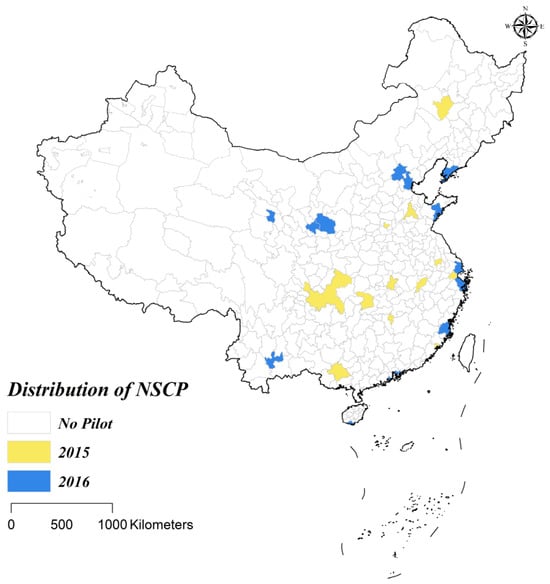
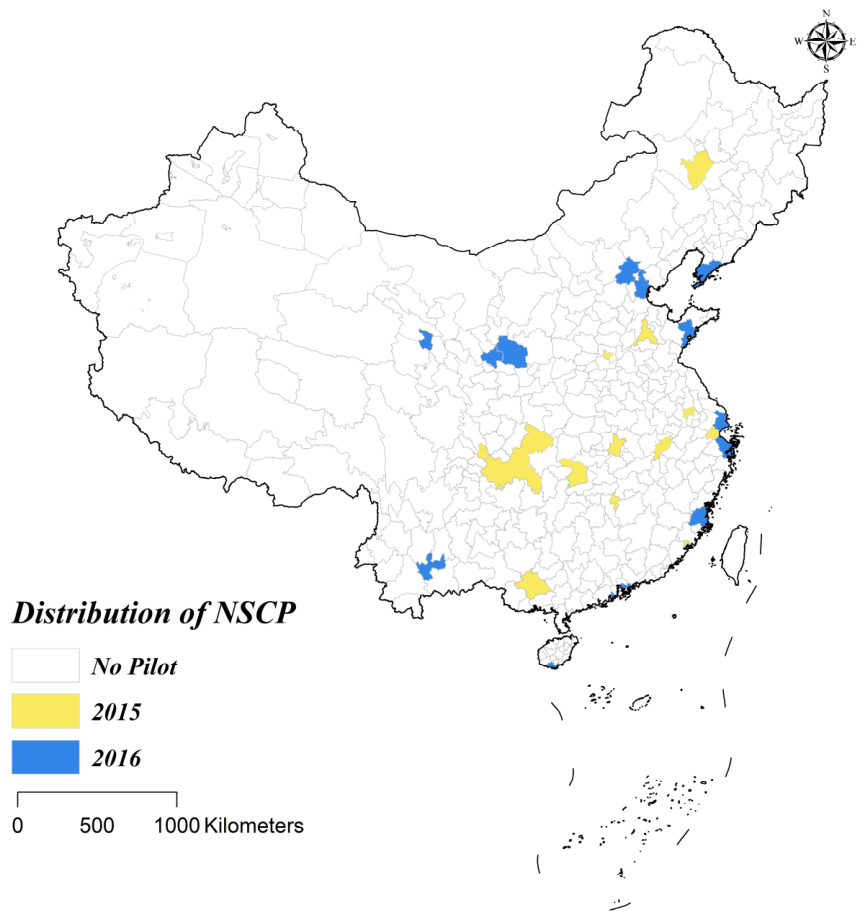
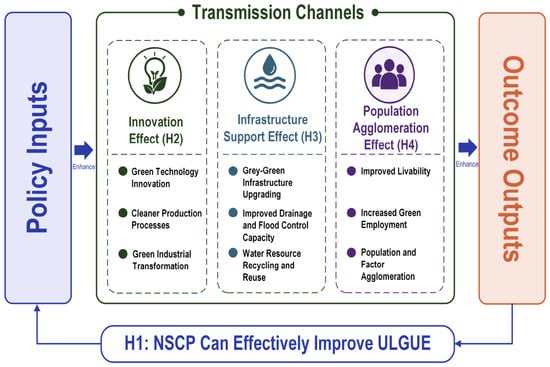
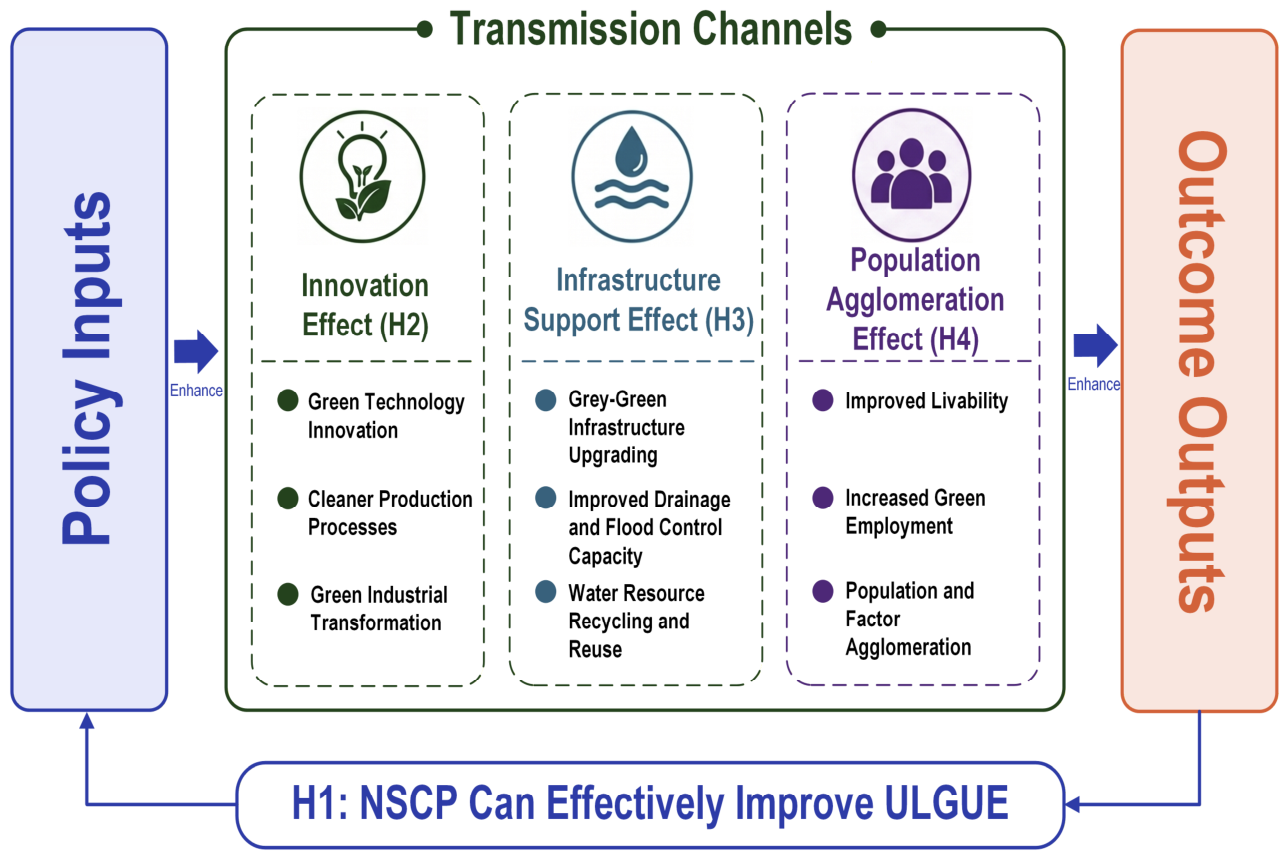
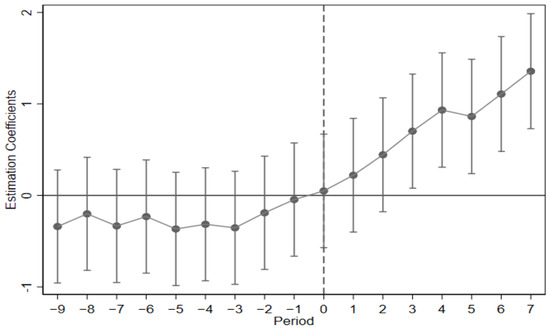
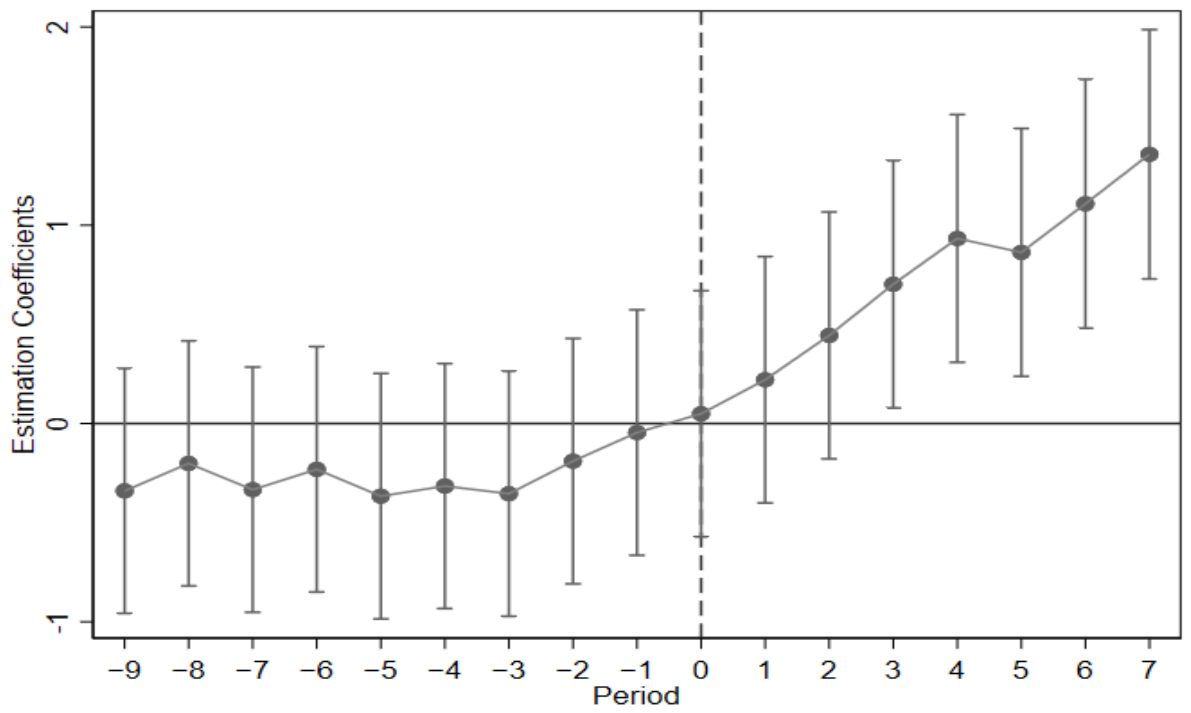
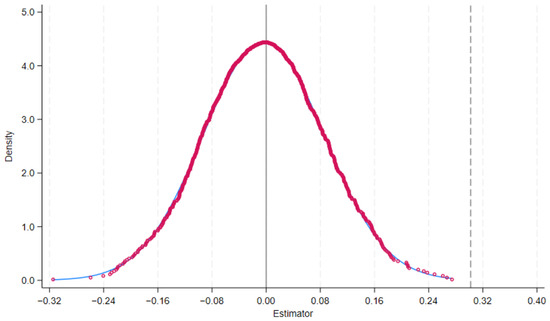
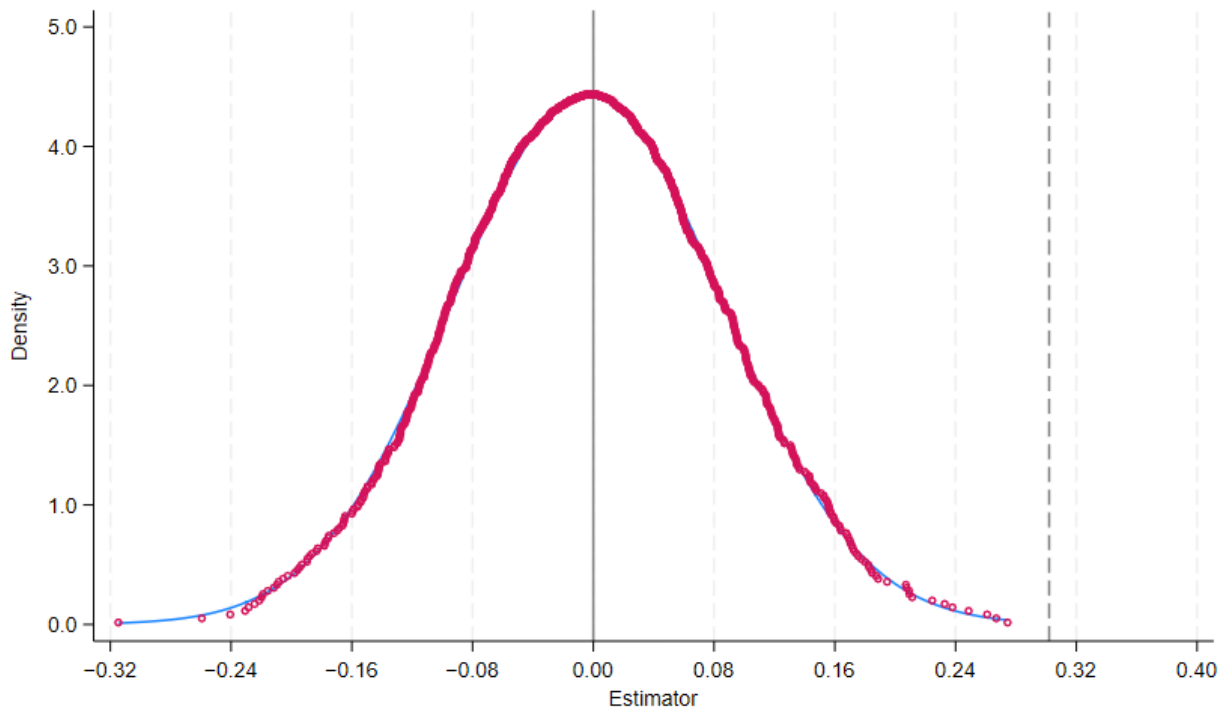
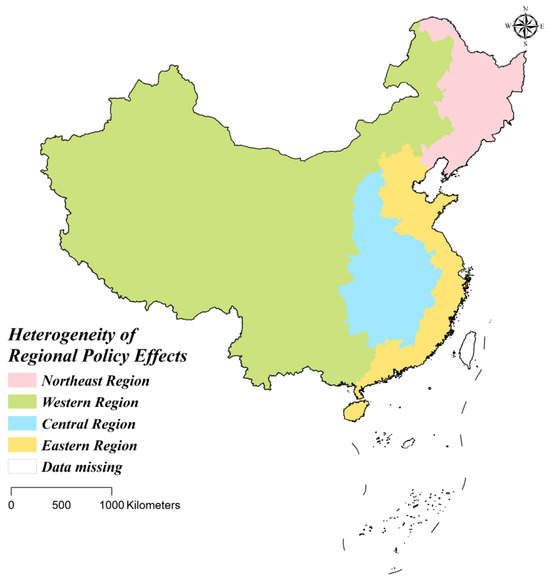
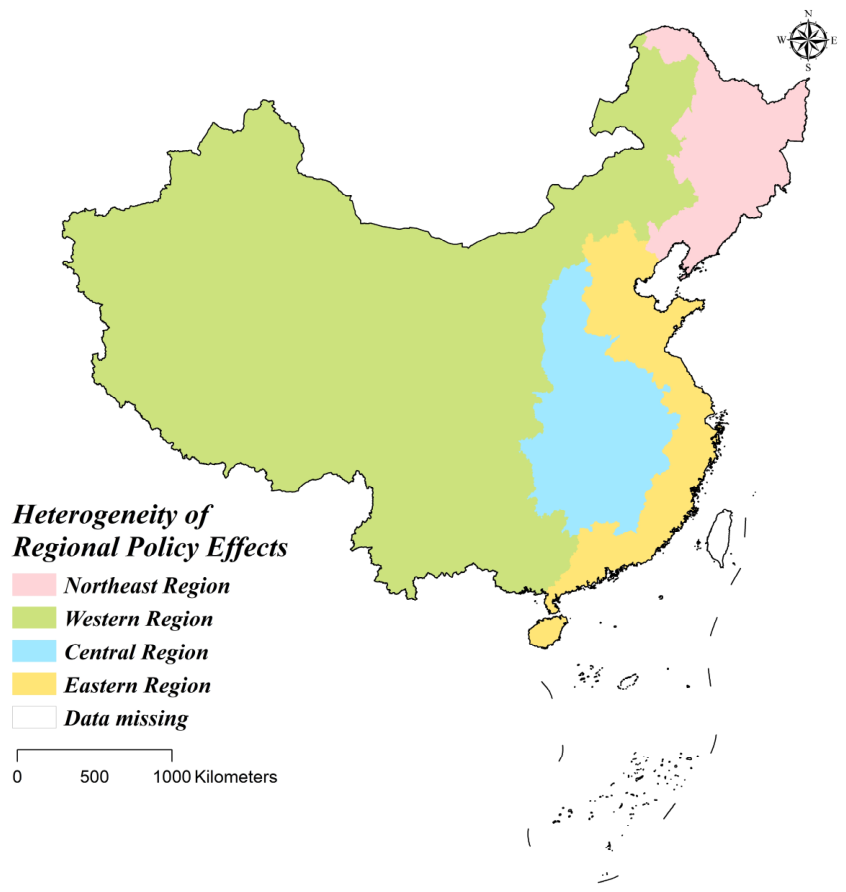
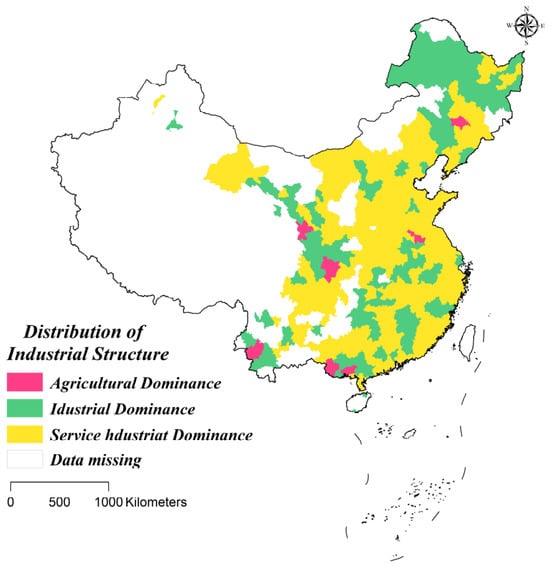
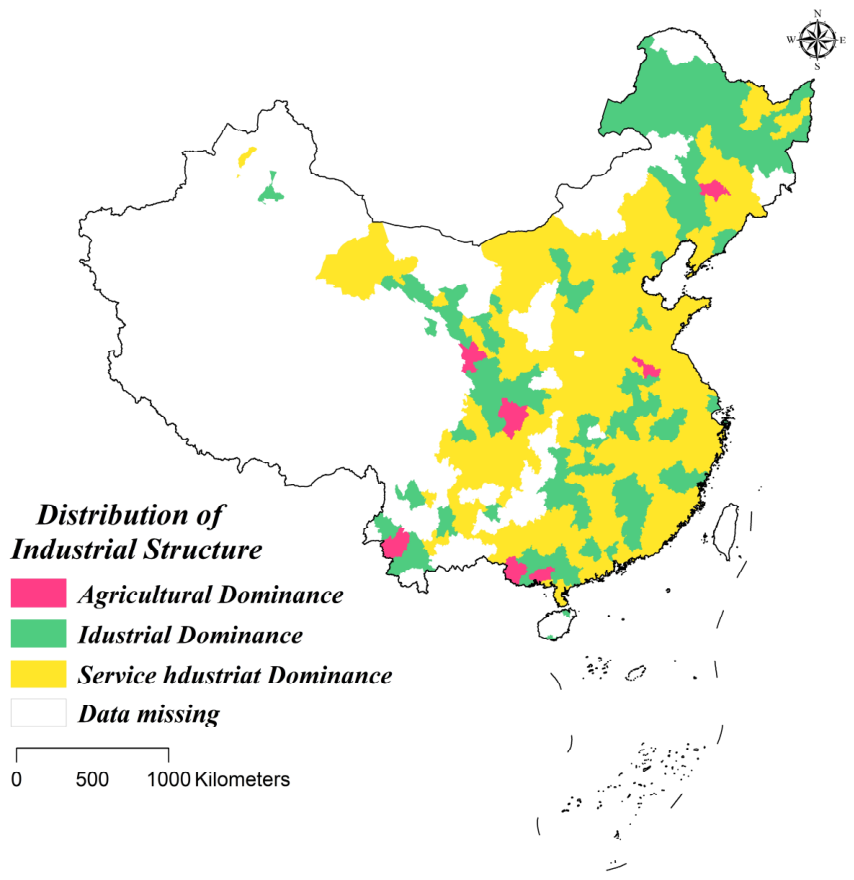
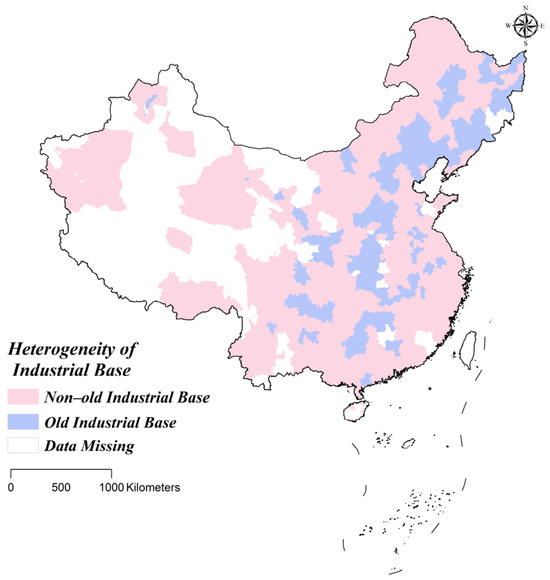
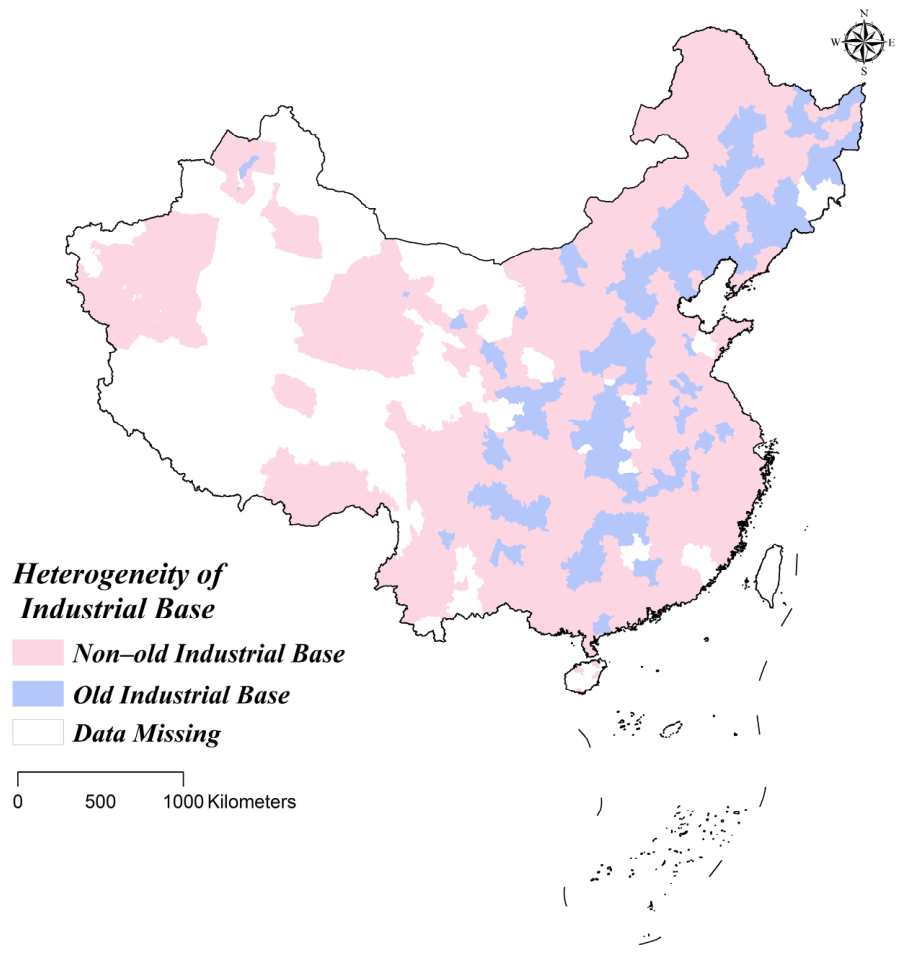

Disclaimer/Publisher’s Note: The statements, opinions and data contained in all publications are solely those of the individual author(s) and contributor(s) and not of MDPI and/or the editor(s). MDPI and/or the editor(s) disclaim responsibility for any injury to people or property resulting from any ideas, methods, instructions or products referred to in the content. |
© 2026 by the authors. Licensee MDPI, Basel, Switzerland. This article is an open access article distributed under the terms and conditions of the Creative Commons Attribution (CC BY) license.