1. Introduction
Population aging represents one of the most profound and irreversible demographic shifts in human history. According to the United Nations [
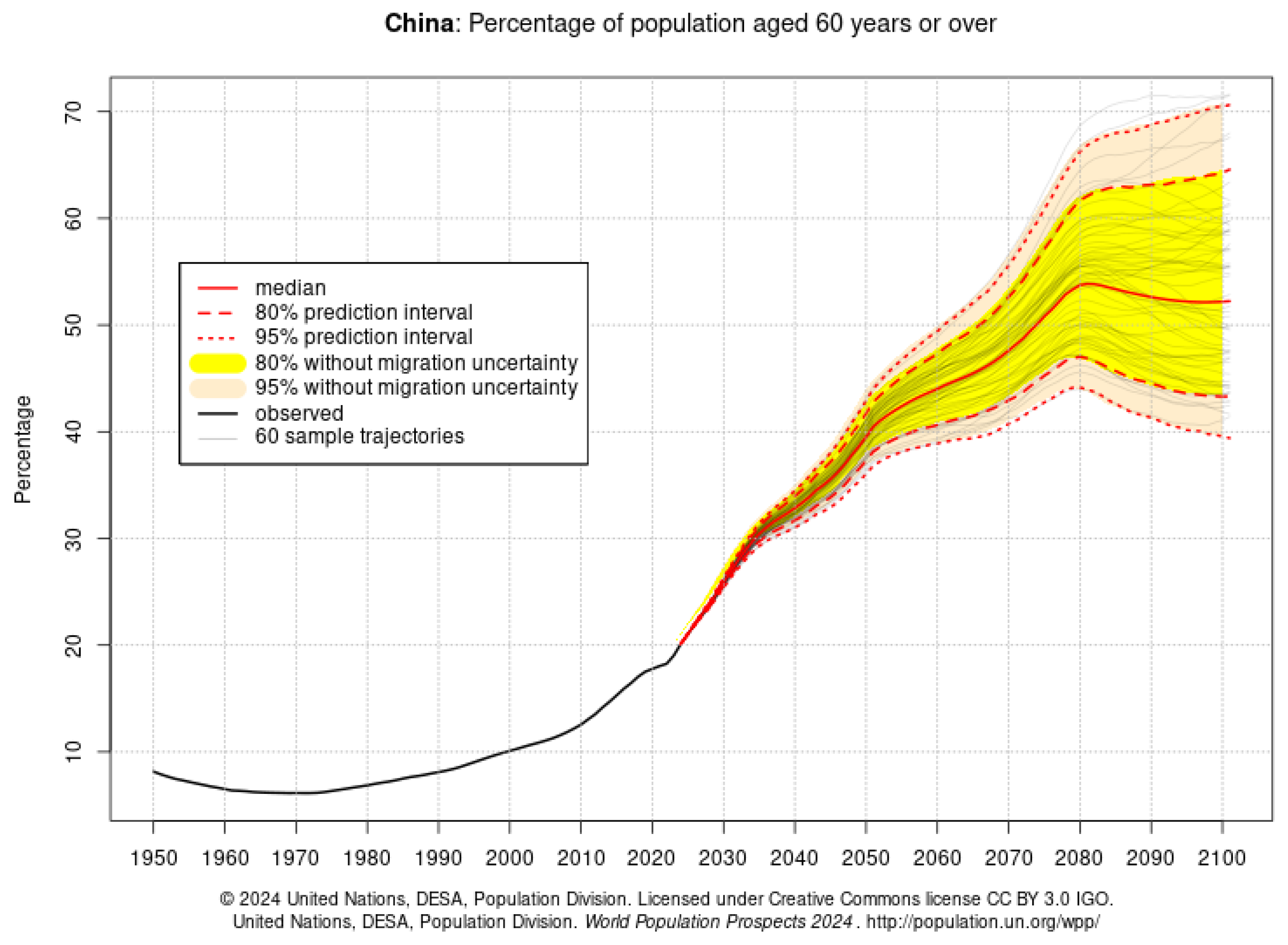
1], the global population aged 65 and above is projected to increase from 761 million in 2021 to over 1.6 billion by 2050, accounting for nearly 16% of the world population. In China, this trend is even more pronounced. By 2050, more than 30% of the population is expected to be aged 60 or older, positioning China among the most aged societies globally [
2] (
Figure 1). These macro-level demographic changes have direct implications for regional tourism development. In provinces such as Hubei, where population aging coincides with rich culture-tourism, ecological tourism, wellness tourism, and natural scenic resources, tourism destinations face increasing pressure to provide age-friendly, digitally inclusive, and well-coordinated services for older adults. Therefore, examining how DE can support high-quality silver tourism development in Hubei provides a meaningful regional context for understanding the broader challenges of aging, tourism service adaptation, and sustainable destination development.
Against this demographic backdrop, the silver economy—economic activities driven by individuals aged 50 and above—has attracted growing global attention. Key sectors such as healthcare, finance, and tourism are being reshaped by this shift [
3,
4,
5]. Among them, silver tourism, referring to tourism tailored to older adults, has emerged as an important growth area. Senior tourists, empowered by financial independence, flexible schedules, and cultural curiosity, increasingly influence tourism markets and contribute significantly to tourism development [
6,
7,
8]. However, many tourism systems remain insufficiently adapted to their specific needs, which poses challenges for promoting sustainable tourism that is inclusive and accessible to this growing demographic [
9].
DE, defined as the integration of technologies such as online booking systems, health monitoring apps, digital navigation, and emergency response tools, has become a key enabler of high-quality and sustainable silver tourism [
10]. Technologies such as VR/AR and mobile platforms create opportunities for immersive and safe experiences [
11,
12], yet many elderly individuals still face barriers related to usability, accessibility, and trust [
3,
13,
14]. This highlights the need for age-friendly digital solutions tailored to the cognitive and physical characteristics of senior users, which not only improve their travel experiences but also promote sustainable tourism development by reducing environmental impacts and improving resource utilization.
Meanwhile, ASA has gained attention as an important mechanism for meeting the emotional, cognitive, and physical needs of older travelers. Such adaptation includes flexible itineraries, trained staff, inclusive design, and medical preparedness [
15,
16]. In parallel, CTI, which combines wellness, local heritage, and meaningful travel experiences, further enriches elderly tourism and enhances its sustainability by preserving cultural heritage and promoting local economies [
17].
In addition, FS and PS play critical roles in shaping elderly tourism experiences. In collectivist societies such as China, family involvement influences intergenerational decision-making and tourism participation [
18,
19]. Likewise, government support through subsidies, infrastructure investment, and service regulation strengthens the implementation of age-friendly tourism strategies and promotes inclusive and sustainable development [
6,
14,
20].
Despite increasing scholarly interest in aging and tourism, existing studies remain fragmented in several respects. First, research on digital tourism has mainly emphasized technology adoption, service efficiency, and smart tourism experiences [
10,
12,
16], while paying relatively limited attention to how DE can be converted into high-quality tourism outcomes for older adults. Second, studies on silver tourism and age-friendly services have largely focused on travel motivation, constraints, accessibility, satisfaction, and well-being [
7,
8,
9,
15,
16], but have not fully explained the sequential service–perception mechanism through which digital and cultural resources influence elderly tourists’ experiences and broader tourism development outcomes. Third, although FS and PS are widely recognized as important contextual factors in elderly tourism [
18,
19,
20], their roles as interpersonal and institutional boundary conditions in the digital empowerment–silver tourism relationship remain underexplored. Therefore, the theoretical gap addressed in this study is not only whether DE contributes to silver tourism development, but also how and under what contextual conditions such an effect occurs.
To address this gap, this study focuses on Hubei Province, a tourism-rich yet increasingly aged region in central China. By the end of 2023, Hubei’s permanent population had reached 58.38 million, with 23.6% aged 60 and above and 16.9% aged 65 and above, indicating a stage of deep population aging [
21]. Although the province hosts well-known cultural attractions such as the Wudang Mountains and Yellow Crane Tower, it still faces challenges related to digital infrastructure, healthcare–tourism integration, and age-friendly service standards, which are essential for promoting sustainable tourism [
17].
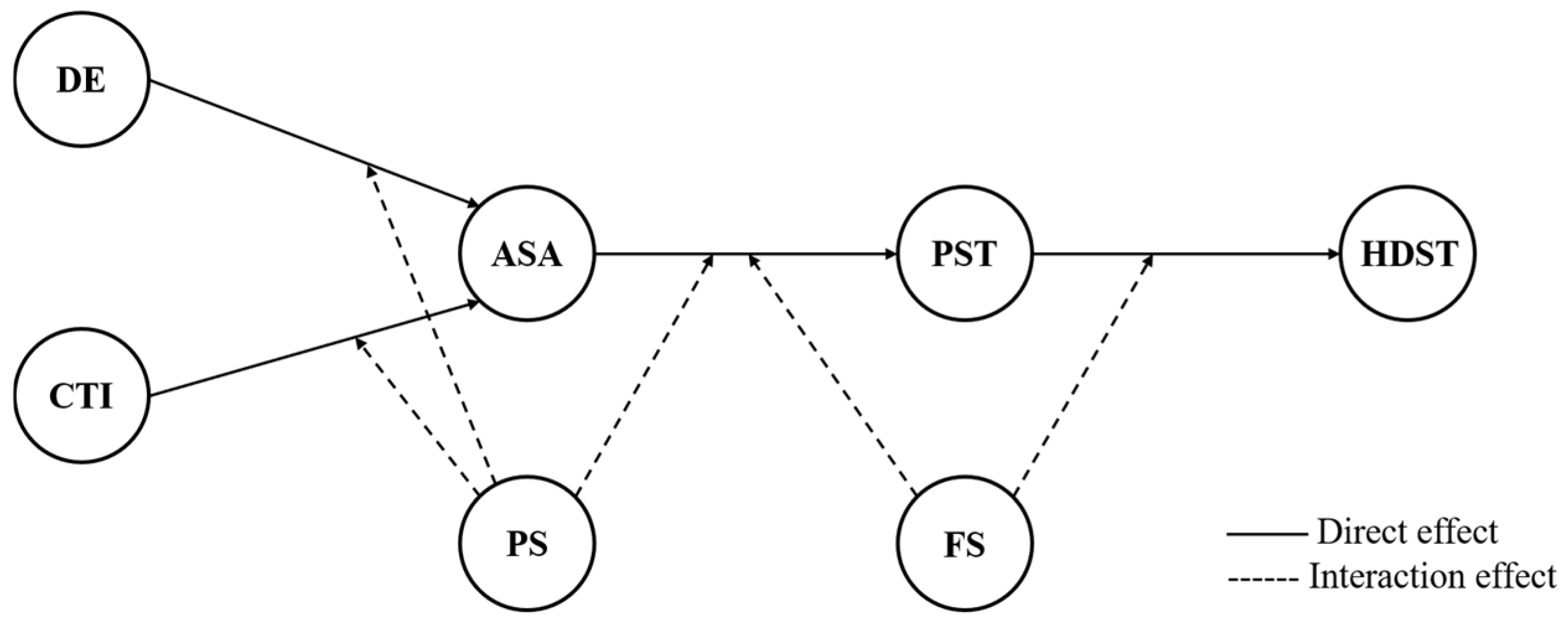
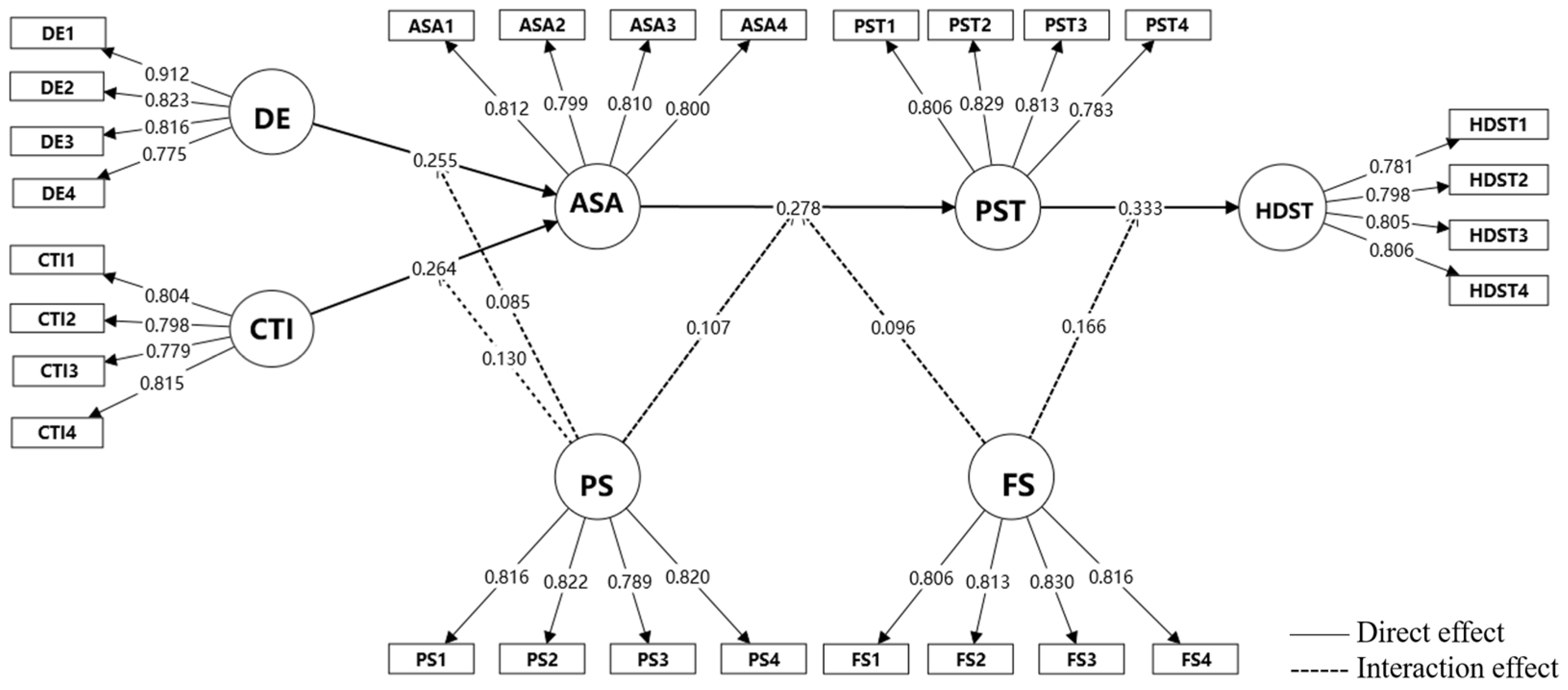
Accordingly, this study develops and empirically tests a structural model in which DE and CTI act as key drivers, ASA and PST function as mediators, and FS and PS serve as moderators. Based on survey data from 702 elderly respondents aged 55 and above in Hubei Province, PLS-SEM is employed to test twelve hypotheses covering direct, indirect, and moderating effects.
The theoretical novelty of this study lies in conceptualizing high-quality silver tourism development as a multi-stage transformation process rather than as a direct consequence of technological application. Specifically, DE and CTI are regarded as resource-based antecedents, ASA is positioned as a service-conversion mechanism, and PST is introduced as a subjective evaluation mechanism that links service adaptation to tourism development outcomes. This service–perception–development pathway explains how technological and cultural resources are transformed into inclusive and sustainable tourism outcomes for older adults. Moreover, by incorporating FS and PS as moderating variables, this study extends the analysis beyond an individual-level technology adoption perspective and highlights the interpersonal and institutional boundary conditions under which digital and service innovations become more effective.
This study makes three main theoretical contributions. First, it extends DE theory to the field of silver tourism by demonstrating that DE contributes to high-quality tourism development not merely through technological access or service digitalization, but through its transformation into age-friendly, trustworthy, and confidence-enhancing tourism services. This helps shift the discussion of DE from a technology-centered perspective to an elderly-user-centered service perspective. Second, this study develops an integrated service–perception–development framework by linking DE, CTI, ASA, PST, and HDST. This framework clarifies the sequential mechanism through which technological and cultural inputs are converted into elderly tourists’ positive perceptions and sustainable tourism outcomes. Third, by incorporating FS and PS as moderating variables, this study enriches the socio-ecological understanding of silver tourism development and identifies the interpersonal and institutional boundary conditions under which digital and service innovations become more effective. Empirically, the study also provides contextual evidence from Hubei Province, a central Chinese region characterized by deep population aging and rich cultural-tourism resources.
2. Literature Review
Existing studies on digital tourism, senior tourism, age-friendly services, and sustainable tourism provide important foundations for understanding silver tourism development [
7,
10,
16,
22]. However, these research streams have often been examined separately, leaving insufficient understanding of how technological and cultural resources are transformed into age-friendly services, positive elderly tourist perceptions, and sustainable tourism outcomes [
9,
13,
17,
23]. From a sustainability perspective, silver tourism development should not be evaluated only by market growth or technology adoption, but also by its contribution to digital inclusion, service accessibility, intergenerational support, policy coordination, elderly well-being, and socially inclusive tourism development [
19,
20,
24,
25]. Therefore, this review is organized around the logic of the proposed model: digitalization and CTI as resource inputs, ASA and tourist perception as transformation mechanisms, and family and PS as boundary conditions for inclusive and sustainable silver tourism.
To reduce potential conceptual overlap among the core constructs, this study distinguishes CTI, ASA, and PST according to their theoretical roles in the value-transformation process. CTI refers to the integration of cultural, wellness, and tourism resources at the product and destination level; ASA refers to the adaptation of services and environments to older tourists’ physical, cognitive, and emotional needs; and PST refers to older tourists’ subjective evaluation of the resulting tourism experience.
2.1. Digital Empowerment in Silver Tourism
DE refers to the use of information and communication technologies (ICTs) to enhance service accessibility, usability, and user experience, particularly for older adults [
10]. Prior studies have emphasized the positive role of ICTs and tourism apps in improving destination management, service efficiency, and the sustainability of tourism experiences [
22,
26]. In silver tourism, DE may include mobile navigation, online booking, smart health monitoring, digital interpretation, and emergency assistance systems, all of which can improve convenience, safety, autonomy, and decision-making among older tourists [
3,
14].
However, the literature also reveals a clear tension between DE and digital exclusion. While digital technologies are often presented as tools for improving convenience, autonomy, safety, and service efficiency in tourism, older tourists may not automatically benefit from them because of limited digital literacy, usability difficulties, trust concerns, system complexity, and anxiety toward unfamiliar technologies [
13,
15,
27]. This tension is particularly important from a sustainability perspective because digital tourism may reproduce exclusion if older adults are unable to access, understand, or trust digital services. This digital divide is particularly salient in silver tourism because older adults are increasingly expected to use smart tourism tools such as online booking, QR-code entry, digital payment, mobile navigation, and digital information platforms, while their digital literacy, trust, physical conditions, and cognitive capacities may not fully match the technological requirements of smart tourism services.
Therefore, DE should not be understood merely as the availability of technological tools. Rather, its value depends on whether digital resources can be translated into accessible, trustworthy, and age-friendly tourism services [
16,
23]. In this sense, DE provides the technological foundation, while ASA determines whether such resources can actually improve elderly tourists’ experiences. Accordingly, this study argues that DE is likely to promote ASA, which in turn contributes to positive perceptions and high-quality silver tourism development.
2.2. Cultural–Tourism Integration
CTI refers to the integrated development of cultural resources, natural scenic resources, wellness activities, leisure experiences, and tourism services [
17]. It is not limited to cultural heritage sites, museums, historical districts, or humanistic attractions, but also includes natural tourism destinations such as mountains, lakes, forests, and scenic areas when these destinations incorporate cultural meanings, local traditions, ecological values, wellness functions, and tourism services. For older tourists, CTI is not only a form of recreation but also a way to pursue cultural identity, nostalgia, lifelong learning, emotional resonance, wellness experiences, and social participation [
9,
28]. Previous studies have shown that CTI can enrich destination experiences, support local economic development, promote cultural expression, and contribute to sustainable tourism development [
17,
29].
This broader understanding of CTI also suggests that culture–tourism integration does not automatically generate age-friendly outcomes. Different types of tourism destinations may differ substantially in their age-friendly service capacity. For example, some heritage-based or urban cultural-tourism destinations may have relatively more developed digital services, visitor centers, accessible facilities, and emergency support, whereas remote mountainous or natural scenic destinations may face greater challenges in digital connectivity, barrier-free infrastructure, medical preparedness, and elderly-friendly service adaptation.
Existing studies on CTI tend to emphasize resource integration, destination development, and economic revitalization [
30,
31], whereas senior tourism studies focus more on accessibility, health, safety, and emotional needs [
9,
13,
17,
32]. This separation may overlook an important issue: cultural and wellness resources generate value for older adults only when they are translated into accessible, understandable, and age-friendly services that match their physical, cognitive, and emotional characteristics [
9,
16,
28]. For example, cultural routes, heritage interpretation, wellness activities, and scenic-area services need slower pacing, readable information, rest facilities, medical preparedness, and staff assistance to become usable and meaningful for elderly travelers.
To generate inclusive value, CTI should balance cultural value, ecological protection, local economic benefits, and social inclusion [
17,
29]. Accordingly, this study regards CTI as a resource-based antecedent of ASA, rather than treating it only as a direct driver of tourist satisfaction or destination performance. ASA further transforms cultural-tourism resources into positive silver tourist perceptions and high-quality silver tourism development.
2.3. Age-Friendly Service Adaptation
ASA refers to the systematic adjustment of tourism services and environments to the physiological, cognitive, and psychological needs of older tourists [
16,
23,
24]. It includes barrier-free infrastructure, flexible scheduling, readable information, simplified digital interfaces, accessible emergency medical support, and trained staff who can provide patient and personalized assistance [
16,
33]. Prior studies have shown that age-friendly and accessible tourism services can improve older tourists’ perceived safety, willingness to travel, destination engagement, and overall experience quality [
23,
32].
However, existing research also suggests that age-friendly tourism cannot be achieved through either digital innovation or physical accessibility alone [
34,
35]. Even in smart tourism destinations, digital platforms and service systems may still fail to meet older adults’ accessibility needs if they are complex, difficult to trust, or poorly connected with offline support [
23,
27]. Similarly, cultural and wellness tourism resources may remain underused by older tourists if they are not supported by slower-paced itineraries, accessible interpretation, rest facilities, emergency assistance, and staff guidance [
8,
12,
35,
36]. Therefore, ASA functions as a service-conversion mechanism: it translates DE and CTI into services that older tourists can understand, trust, and use comfortably [
32].
From a sustainability perspective, ASA is closely related to social inclusion and elderly well-being because accessible services can enhance older adults’ safety, confidence, participation, and experience quality [
23,
32,
33]. In this study, ASA is therefore positioned as a key mediating mechanism linking digital and cultural resources to PST, rather than merely as an independent service attribute.
2.4. Perception of Silver Tourists and Tourism Experience
PST refers to older tourists’ subjective evaluations of tourism services and experiences, including perceived convenience, safety, accessibility, emotional fulfillment, dignity, health benefits, and overall experience quality [
7,
34,
37]. In senior tourism research, experience quality, tour quality, satisfaction, and emotional value have been identified as important predictors of positive word-of-mouth, revisit intention, and destination loyalty [
38,
39]. Tourism experiences that respond to older adults’ needs with care and respect can also enhance mental health, vitality, autonomy, and social connectedness, which are important dimensions of well-being in later life [
9,
28,
40].
However, prior studies often treat tourist perception mainly as an outcome of service quality or as a predictor of behavioral intention, such as satisfaction, loyalty, revisit intention, and word-of-mouth [
38,
39,
41]. Less attention has been paid to its role as a subjective evaluation mechanism between ASA and broader tourism development outcomes. In silver tourism, this mechanism is particularly important because older tourists evaluate tourism experiences not only in terms of convenience or entertainment, but also in terms of safety, trust, dignity, emotional comfort, and health-related benefits [
7,
9]. Therefore, positive perceptions among silver tourists indicate whether age-friendly services are actually recognized, accepted, and experienced as valuable by older adults.
PST serves as a bridge between ASA and socially inclusive tourism outcomes. When older tourists perceive tourism services as safe, accessible, respectful, and beneficial to their well-being, they are more likely to participate continuously, revisit destinations, recommend tourism products, and support the long-term development of silver tourism [
7,
9,
41]. Accordingly, this study positions PST as a subjective evaluation mechanism through which ASA is transformed into high-quality silver tourism development.
2.5. Family Support
In the Chinese cultural context, family plays a central role in elderly life and tourism-related decision-making, shaped by filial piety, intergenerational responsibility, and emotional attachment [
19,
42]. FS in silver tourism may include emotional encouragement, financial assistance, travel companionship, help with digital tools, route planning, and health-related care during travel [
19]. Prior studies have shown that family involvement can enhance older adults’ emotional well-being, travel confidence, resilience, and willingness to participate in tourism activities [
18,
42,
43].
However, existing studies have often discussed FS mainly as a direct source of emotional or practical assistance, while its role as an interpersonal boundary condition remains less developed [
42,
43]. In silver tourism, the same level of ASA may generate stronger positive perceptions when older tourists receive encouragement, companionship, digital assistance, or health-related support from family members [
19]. Similarly, positive perceptions may be more easily translated into future participation, recommendation, and sustained tourism engagement when family members support elderly tourists’ travel decisions [
44,
45].
FS connects individual tourism experiences with intergenerational participation and social inclusion. It can reduce psychological and practical barriers to elderly tourism participation, strengthen older adults’ sense of security and dignity, and support their long-term engagement in tourism activities [
18,
24,
46]. Therefore, this study regards FS as a micro-level interpersonal boundary condition that may strengthen the effects of ASA and PST on high-quality silver tourism development.
2.6. Policy Support
PS plays an important role in building inclusive and age-friendly tourism systems [
20,
33]. In silver tourism, PS may include travel subsidies, barrier-free infrastructure investment, digital literacy training, service standards, health–tourism integration, and cross-sector coordination [
13,
23,
25]. These policy instruments can improve elderly tourists’ access to tourism technologies, enhance service quality, and promote more inclusive tourism experiences [
13,
20].
Nevertheless, existing studies have often examined PS as a general macro-level condition for tourism development, while paying less attention to how it shapes the effectiveness of DE, CTI, and ASA. In practice, digital and service innovations may not be equally effective across different policy environments. Without supportive policies, digital infrastructure may remain fragmented, service standards may be inconsistent, and age-friendly tourism services may be difficult to implement systematically [
23,
25]. Therefore, PS should not be understood only as an external background factor, but also as an institutional condition that determines whether digital and cultural resources can be effectively converted into age-friendly services.
PS provides the governance foundation for silver tourism development. Strong PS can promote digital inclusion, accessible infrastructure, public service coordination, and long-term institutional arrangements for age-friendly tourism systems [
20,
23,
33]. Accordingly, this study regards PS as a macro-level institutional boundary condition that may strengthen the relationships among DE, CTI, ASA, and silver tourists’ perceptions.
2.7. High-Quality Development of Silver Tourism
HDST refers to the capacity of tourism systems to provide safe, accessible, meaningful, and sustainable tourism experiences for older adults while promoting the long-term sustainable development of destinations [
47,
48,
49]. In aging societies, silver tourism should not be evaluated only by market expansion or tourist volume, but also by whether tourism services enhance elderly tourists’ well-being, participation, dignity, and quality of life [
7,
9,
50]. This view is consistent with sustainable tourism research, which emphasizes inclusive development, quality of life, accessibility, and long-term social value rather than purely economic growth [
24,
51].
In this study, HDST is further examined from a tourist-market response perspective. Specifically, HDST is not only understood as a destination- or industry-level development goal, but also as the extent to which silver tourism development is positively perceived and evaluated by elderly tourists. From this demand-side perspective, elderly tourists’ perceived continuous service improvement, willingness to recommend, future participation intention, and perceived quality-of-life impact can serve as tourist-level perceptual and behavioral indicators of whether silver tourism development effectively meets the needs of its target users. Prior tourism studies have also shown that perceived service quality, behavioral intentions, recommendation willingness, revisit or future participation intention, and subjective well-being are important indicators for evaluating destination quality and tourism development effectiveness from the tourist perspective [
52,
53,
54].
Existing studies suggest that digital technologies, cultural-tourism resources, age-friendly services, and multilevel support mechanisms can all contribute to silver tourism development. Digital technologies can improve service efficiency, information accessibility, tourism innovation, and high-quality tourism development [
25,
55]. CTI can enrich older tourists’ experiences through cultural identity, wellness value, nostalgia, and emotional resonance [
17,
28]. Age-friendly services can reduce participation barriers and improve perceived safety, comfort, accessibility, and engagement among older tourists [
16,
23,
33]. Family and PS can further strengthen elderly tourists’ confidence, digital inclusion, intergenerational participation, and willingness to participate in tourism activities [
18,
20,
43].
However, prior research has often examined these factors separately, making it difficult to explain how technological, cultural, service, perceptual, family, and policy factors jointly shape high-quality silver tourism development [
25,
51,
55]. In particular, limited attention has been paid to the transformation pathway through which digital and cultural resources are converted into age-friendly services, positive tourist perceptions, and sustainable tourism outcomes. This limitation is important because high-quality silver tourism development depends not only on the provision of technologies, cultural products, or infrastructure, but also on whether older tourists perceive these services as accessible, trustworthy, meaningful, and beneficial to their well-being [
7,
9,
38].
From a tourist-market response perspective, high-quality development is ultimately reflected in older tourists’ positive behavioral responses and experiential outcomes, such as willingness to revisit, recommendation intention, perceived continuous service improvement, and perceived enhancement of quality of life [
7,
38,
41]. Therefore, this study conceptualizes HDST as an outcome of a sequential service–perception–development process. Specifically, DE and CTI provide resource inputs, ASA and PST serve as transformation mechanisms, and FS and PS function as boundary conditions that shape the effectiveness of this process.
4. Data and Methodology
4.1. Research Design
This study examines the impact of DE on the high-quality and sustainable development of silver tourism in Hubei Province, China, with a focus on tourists aged 55 and above. A quantitative research design was employed because the study aims to test theoretically derived relationships among multiple latent constructs and to examine direct, mediating, and moderating effects within an integrated framework. Structural equation modeling (SEM) was considered appropriate because it allows simultaneous estimation of complex relationships among DE, CTI, ASA, PST, FS, PS, and HDST while accounting for measurement error.
The hypothesized framework reflects a multidimensional value transformation chain linking technological and cultural drivers to service adaptation, tourist perceptions, and high-quality tourism outcomes (
Figure 2). This approach is consistent with the objective of explaining not only whether DE influences silver tourism development, but also how this influence is transmitted through service and perceptual mechanisms and under what contextual conditions it becomes stronger or weaker.
4.2. Measurement Instrument
A structured questionnaire was developed based on validated scales and adapted to the context of silver tourism. All items were measured on a five-point Likert scale ranging from 1 (“strongly disagree”) to 5 (“strongly agree”). The instrument covered seven latent constructs: DE, CTI, ASA, PST, FS, PS, and HDST, with four items for each construct. To provide transparency and facilitate replication, all measurement items, their corresponding constructs, and source references are summarized in
Table 1.
For HDST, the measurement items were designed to capture high-quality development from a tourist-market response perspective. Specifically, recommendation willingness, future participation intention, perceived continuous service improvement, and perceived quality-of-life impact were used as tourist-level perceptual and behavioral indicators of the perceived effectiveness of silver tourism development. This measurement logic is consistent with prior tourism studies that use perceived quality, behavioral intentions, revisit or recommendation intention, and well-being outcomes to evaluate destination quality and tourism development effectiveness [
52,
53,
54].
To ensure content validity, the initial measurement items were adapted from prior studies, including Costa et al. [
16], Liu [
17] and Wang et al. [
19], and were then reviewed by experts in tourism management and elderly services. The wording of the items was adjusted to reflect the silver tourism context in Hubei Province while retaining the theoretical meaning of the original scales.
Considering the cognitive and behavioral characteristics of older respondents, the questionnaire was further refined to improve readability and comprehensibility. Technical terms were simplified, long sentences were shortened, and concrete examples were added where necessary. For example, in the items related to DE, examples such as online booking, digital navigation, emergency assistance tools, and health monitoring devices were provided to help respondents understand the digital tourism services being evaluated.
A pilot test involving 34 older participants was conducted in November 2025 before the formal survey. The formal questionnaire survey was subsequently conducted and completed in December 2025. Both the pilot and formal questionnaires were administered through the Wenjuanxing survey platform. Based on feedback from the pilot participants and fieldworkers, minor wording adjustments were made to improve clarity, readability, and age-friendliness. Technical expressions were simplified and supplemented with familiar examples where necessary, and the wording of the open-ended question was refined to make it easier for respondents to provide concrete suggestions. These revisions were limited to wording and presentation rather than substantive changes to the constructs. No latent construct was removed or added, and the core meanings of the measurement items remained consistent with the theoretical framework and prior validated measures.
4.3. Sampling and Data Collection
The sampling frame consisted of individuals aged 55 and above in Hubei Province who had participated in tourism activities related to cultural heritage, wellness, scenic visits, exhibitions, or cultural experiences within the past two years. The 55-year cutoff was adopted because age 55 and above has been commonly used in senior tourism research to define senior tourist samples [
39]. This threshold is also appropriate for the present study because it allows us to capture both pre-elderly and elderly participants who are gradually becoming important consumer groups in China’s silver tourism market. Compared with the legal definition based on the age of 60, this cutoff enables the study to include individuals approaching retirement as well as older adults participating in tourism and leisure activities related to the silver tourism market.
To improve sample coverage, a stratified sampling strategy was adopted to include respondents from both urban and rural areas. As reported in
Table 2, the final sample covered respondents from Wuhan City, other prefecture-level cities, county-level cities/counties, townships, and rural areas in Hubei Province. Respondents were recruited through multiple channels, including scenic and cultural tourism sites, community service centers, senior universities, travel agencies, and online community or tourism-related WeChat groups.
Data collection was conducted with the assistance of a professional survey company commissioned by the research team. The research team was responsible for designing the questionnaire, defining respondent eligibility criteria, specifying sampling requirements, and establishing quality-control procedures. The survey company assisted with questionnaire distribution and field implementation under these instructions.
Before the formal survey, the research team provided the company with the respondent eligibility criteria, questionnaire instructions, sampling requirements, and quality-control procedures. The questionnaire was administered through the Wenjuanxing survey platform. Most respondents completed the questionnaire independently through the online survey link. For a small number of respondents with limited digital literacy or difficulties in operating smartphones, trained fieldworkers from the survey company or family members provided only procedural assistance, such as opening the questionnaire link, reading questions aloud, explaining the response format, or helping select the respondent’s chosen option on the device. Assistants were not permitted to interpret the meaning of items, suggest answers, or complete the questionnaire on behalf of the respondents. Therefore, although all responses were recorded through the Wenjuanxing platform, the survey included mainly self-administered online responses and a small proportion of assisted online responses.
The first part of the questionnaire included screening questions on residence area, prior cultural-tourism participation, and experience using smart or digital tools in cultural-tourism activities. Respondents were eligible if they were Hubei residents aged 55 or above, had relevant cultural-tourism experience within the past two years, and had personally used or attempted to use smart tourism tools, such as online ticket reservation, smart scenic-area navigation, intelligent customer service, facial-recognition entry, digital payment, or tourism information platforms. Respondents who reported no experience using smart tools were directed to the final open-ended suggestion section and were not included in the core-scale analysis, because they could not meaningfully evaluate the items related to DE.
Prior exposure to digital tourism services did not necessarily require independent operation by older participants. Some respondents accessed digital tourism functions with assistance from family members, travel companions, tourism staff, or community volunteers. This minimum-experience criterion was adopted to ensure that respondents had sufficient exposure to digital tourism services to evaluate the DE-related items. Nevertheless, this design may underrepresent older adults with no prior digital tourism experience, which is acknowledged as a limitation of this study.
During questionnaire distribution, elderly female participants generally demonstrated relatively higher willingness to participate in tourism-related survey activities, which may have contributed to the gender composition of the final sample. This issue is also acknowledged as a potential sample limitation.
The main survey was conducted in December 2025. A total of 835 completed questionnaires were collected, of which 702 were retained after data screening. Invalid questionnaires were excluded if they showed age or residence mismatch, no relevant cultural-tourism experience, no valid digital-tool-use experience for the core-scale section, incomplete responses, obvious patterned answers, logical inconsistencies, unrealistically short completion time, or suspected proxy completion. The final sample consisted of 702 valid responses, yielding an effective response rate of 84.1%. This sample size exceeded the recommended minimum for conducting SEM analysis and ensured sufficient statistical power and model stability.
4.4. Data Analysis Techniques
Data analysis proceeded in two stages. First, descriptive statistics were used to summarize the demographic characteristics of respondents and the distributions of key constructs. The measurement model was evaluated following the PLS-SEM guidelines proposed by Hair et al. [
68], focusing on internal consistency reliability, convergent validity, and discriminant validity. Analyses were conducted using SmartPLS version 4.1.1.4. Internal consistency reliability was assessed using Cronbach’s alpha, rho_A, and composite reliability rho_C. Convergent validity was evaluated using outer loadings and average variance extracted (AVE). Discriminant validity was examined using the Fornell–Larcker criterion and heterotrait–monotrait (HTMT) ratios. Harman’s single-factor test and full collinearity diagnostics were applied to assess potential common method bias, and the corresponding results are reported in the structural model assessment section.
Second, structural equation modeling was conducted using SmartPLS 4.1.1.4 [
69] to evaluate the structural model, including direct effects, mediating effects, moderating effects, and explanatory power. All constructs were modeled as reflective. Mediating effects were assessed through indirect effects, and moderating effects were tested using interaction terms generated in SmartPLS, with significance evaluated through bootstrapping with 5000 resamples at a threshold of
p < 0.05. PLS-SEM was chosen because it is suitable for prediction-oriented research, complex models with multiple latent constructs, and data that do not necessarily meet multivariate normality assumptions.
To further address potential sample heterogeneity, this study conducted multi-group analyses (MGA) as a robustness check. Specifically, respondents were divided into subgroups according to age, residence area, and health status, which are particularly relevant demographic and health-related characteristics in the context of silver tourism. The age groups were divided into respondents aged 55–60 and those aged 61 and above; residence area was divided into urban and rural groups; and health status was divided into good health and average/poor health groups. MGA was used to examine whether the proposed structural paths remained stable across these subgroups. This approach allowed us to assess the robustness of the theoretical model while preserving model parsimony and avoiding excessive model complexity.
6. Discussion
6.1. Interpretation of Key Findings
This study shows that HDST in Hubei is not driven by DE alone, but by the extent to which digital and cultural resources are transformed into age-friendly services and positive tourist perceptions. The moderate effect of DE on ASA suggests that digital tools do not automatically create value for older tourists. Online booking systems, smart guidance, emergency assistance, and health-related digital services become meaningful only when they are easy to operate, clearly explained, trustworthy, and supported by offline assistance. This interpretation is consistent with prior research suggesting that older tourists may face barriers related to digital literacy, usability, accessibility, and trust when using digital tourism services [
10,
13,
16].
The role of CTI should also be understood as a service-conversion process. Hubei has rich cultural and tourism resources, including historical heritage, ecological landscapes, wellness tourism resources, and regional cultural attractions. However, these resources can generate age-friendly tourism value only when they are connected with accessible transportation, suitable accommodation, medical support, emergency assistance, and appropriate service guidance. Therefore, CTI is not simply the combination of cultural attractions and tourism products. It requires coordination among scenic areas, hotels, transportation providers, healthcare facilities, digital platforms, and local governments. This interpretation extends previous studies on CTI by emphasizing that cultural and tourism resources must be translated into accessible, meaningful, and age-friendly service experiences for older tourists [
17,
23,
28].
The relatively stronger role of silver tourists’ perceptions indicates that high-quality development depends on how older tourists evaluate the entire travel experience. For silver tourists, perceived safety, accessibility, comfort, trust, dignity, and well-being are not secondary outcomes but central mechanisms through which service improvements are translated into sustainable tourism development. This finding is consistent with previous studies showing that older tourists’ perceived experience, satisfaction, safety, and well-being are closely related to continued tourism participation, revisit intention, destination loyalty, and active aging outcomes [
7,
39,
40,
60]. Thus, destinations should not evaluate silver tourism only by the supply of digital tools, cultural products, or infrastructure, but by whether older tourists actually perceive these services as usable, reliable, and emotionally supportive.
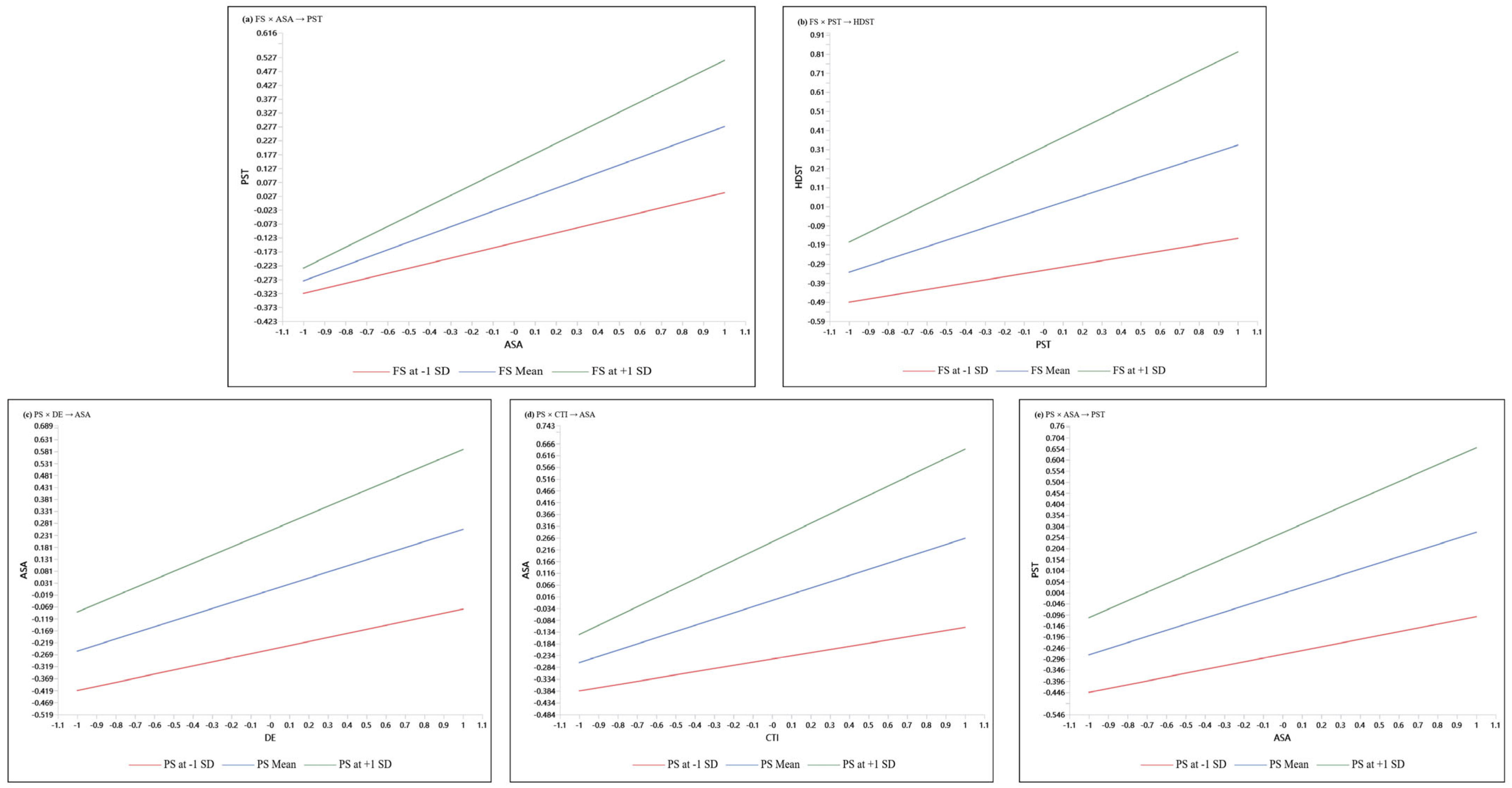
The moderating effects of FS and PS further show that silver tourism development depends on both interpersonal and institutional conditions. FS may reduce older tourists’ perceived travel risk by providing emotional encouragement, travel companionship, decision-making assistance, and help with digital tools. This echoes prior research emphasizing the role of family involvement and intergenerational support in older adults’ tourism participation and travel confidence [
18,
43]. PS may improve service consistency through standards, infrastructure investment, digital inclusion programs, and coordination among tourism, health, transportation, and public service departments, which is consistent with studies highlighting the importance of PS in building inclusive and age-friendly tourism systems [
20]. However, the modest moderating effects suggest that family and PS function mainly as facilitating conditions rather than dominant drivers. They strengthen the effectiveness of age-friendly services and tourist perceptions, but cannot replace the need for service adaptation itself.
The robustness check based on MGA further supports the stability of the proposed framework. The finding that most structural paths did not differ significantly across age, residence area, and health-status groups suggests that the main mechanisms identified in this study are not limited to a single subgroup of older tourists. Nevertheless, the significant differences observed in the age and urban–rural comparisons indicate that some mechanisms may be context-sensitive. In particular, PS and DE may function differently across age cohorts, while the effects of tourist perception and FS may differ between urban and rural older adults. These findings suggest that silver tourism development should maintain a generally integrated age-friendly service framework while also recognizing subgroup-specific needs.
6.2. Theoretical Contributions
This study contributes to the literature on silver tourism and sustainable service systems in three main ways:
First, it extends the application of DE theory to the context of silver tourism. Previous studies have emphasized the role of digital technologies in improving tourism service efficiency, accessibility, and user experience [
10,
16]. This study further shows that DE does not automatically produce high-quality tourism outcomes. Its value depends on whether digital tools are embedded in age-friendly service systems that older tourists can understand, access, and trust. This shifts the discussion of DE from a technology-centered perspective to an elderly-user-centered service perspective.
Second, this study clarifies the sequential service–perception–development mechanism in silver tourism. Prior studies have examined age-friendly services, tourist experience, and sustainable tourism outcomes, but these elements have often been discussed separately [
23,
39,
40]. By incorporating ASA and PST as mediating mechanisms, this study explains how digital and cultural resources are transformed into development outcomes. It shows that older tourists’ subjective perceptions are not merely outcome indicators, but important mechanisms linking service provision with sustainable tourism development.
Third, the inclusion of FS and PS enriches the socio-ecological perspective of silver tourism. Existing research has recognized the importance of family involvement and policy environments in shaping older adults’ tourism participation [
18,
20,
43]. This study extends this perspective by showing that FS and PS act as boundary conditions that shape the effectiveness of ASA and tourist perception. Silver tourism development should therefore be understood as a multi-level process involving individual perception, family encouragement, service-system adaptation, and policy coordination.
6.3. Contextual Relevance and Broader Implications
The findings have particular relevance for Hubei Province, which is characterized by both population aging and rich cultural-tourism resources. Hubei’s advantages in heritage tourism, ecological tourism, wellness tourism, and urban cultural attractions provide an important foundation for silver tourism development. However, the results suggest that resource abundance alone is insufficient. To convert these resources into high-quality silver tourism outcomes, Hubei needs to improve the accessibility, reliability, and coordination of tourism services for older adults.
It is also important to recognize that age-friendly service development may vary across different types of tourism destinations. In the Chinese context, culture–tourism integration includes not only heritage sites and humanistic attractions, but also natural scenic destinations with cultural, ecological, and wellness meanings. Some heritage-based or urban cultural-tourism destinations may have relatively more developed digital service systems, visitor centers, accessible routes, and emergency facilities. By contrast, mountainous or remote natural scenic destinations may face greater challenges in digital connectivity, barrier-free access, medical preparedness, rest facilities, and elderly-friendly route design. Therefore, differentiated age-friendly service strategies should be developed according to destination type, rather than applying a one-size-fits-all approach.
In practical terms, silver tourism in Hubei requires coordination across multiple service providers, including scenic areas, hotels, transportation systems, medical facilities, community organizations, and digital service platforms. For older tourists, the travel experience is shaped not only by attractions themselves, but also by whether the entire travel process is convenient, safe, and supportive. Therefore, Hubei’s silver tourism development should focus on building integrated age-friendly service chains, including accessible transport, clear signage, simplified digital interfaces, offline service assistance, emergency support, and medical–tourism coordination. This is consistent with prior studies suggesting that age-friendly tourism requires accessible services, inclusive design, emergency support, and coordinated service delivery [
16,
23,
39].
The findings also suggest that PS is important for improving service consistency across regions and tourism providers. Standards for age-friendly tourism services, investment in accessible infrastructure, and coordination among tourism, health, transport, and civil affairs departments can help reduce service fragmentation. At the same time, FS should be recognized as an important social resource. Older tourists may be more willing to travel when family members provide emotional support, information assistance, and digital help. These insights indicate that HDST in Hubei should rely on both institutional coordination and family-level support.
Beyond Hubei, the proposed framework may also be relevant to other aging regions with rich tourism resources but uneven service integration. The development of silver tourism should therefore move beyond product design alone and focus on building inclusive, accessible, and coordinated service ecosystems for older tourists.
7. Conclusions
7.1. Key Findings and Theoretical Contributions
The present study examined the impact of DE on HDST, with ASA and PST as sequential mediators, and FS and PS as moderating factors. Analysis of data from 702 older respondents in Hubei Province supported most of our hypothesized relationships, highlighting the significant role of DE and CTI in fostering sustainable and inclusive tourism experiences for elderly tourists.
DE and CTI contribute to ASA, which further enhances silver tourists’ perceptions and promotes high-quality silver tourism development [
10,
13,
16,
17].
This study makes several theoretical contributions. It extends DE research by showing that digital tools alone do not automatically generate high-quality tourism outcomes for older adults; their value depends on whether they are translated into understandable, accessible, and trustworthy age-friendly services [
16,
23]. The study also clarifies the sequential mechanism through which digital and cultural resources are transformed into tourism development outcomes via service adaptation and tourist perception [
17,
39]. Furthermore, by incorporating FS and PS as moderators, the study highlights the interpersonal and institutional boundary conditions that shape silver tourism development [
18,
20,
43].
7.2. Practical Implications
For tourism practitioners, digital tourism platforms should incorporate age-friendly features such as simplified interfaces, clear guidance, offline assistance, emergency support, and accessible information services to reduce barriers for older tourists. Tourism providers should strengthen ASA by offering flexible itineraries, accessible facilities, trained staff, and personalized assistance, ensuring that cultural-tourism resources are transformed into usable, enjoyable experiences for older tourists.
For policymakers, coordinated interventions are recommended. Policy measures such as subsidies, barrier-free infrastructure, digital literacy programs, and cross-sector collaboration can enhance the positive impact of DE and service adaptation. Encouraging family involvement in tourism planning and travel experiences further strengthens the benefits of age-friendly services, supporting sustainable and inclusive silver tourism development.
These results highlight that sustainable silver tourism development is not achieved solely through technological investment or service provision; instead, it requires a holistic approach integrating digital, cultural, service, familial, and policy mechanisms to deliver high-quality, inclusive tourism experiences for elderly populations.
7.3. Limitations and Future Directions
This study has several limitations. The data were collected from Hubei Province, which may limit the generalizability of the findings to other regions with different demographic, cultural, or socio-economic characteristics. Additionally, the sample consisted of older adults with at least some exposure to digital tourism services, which may underrepresent elderly populations with very low digital literacy or limited prior experience in tourism. Although the stratified sampling strategy improved urban–rural and regional coverage, the sample was not designed to perfectly match the official demographic distribution of elderly residents in Hubei Province. Future research could adopt probability sampling or quota sampling based on official demographic statistics to further improve representativeness. In addition, the gender imbalance in the sample may also influence elderly tourists’ digital adoption behaviors, tourism participation, and service perceptions. Future research is encouraged to further examine gender-based differences in digital empowerment and silver tourism participation using more balanced samples or gender-stratified research designs.
The cross-sectional design of this study restricts the ability to draw causal conclusions and prevents the observation of changes in tourism behavior over time. Longitudinal or experimental designs could be adopted in future research to examine how DE, service adaptation, and tourist perception evolve, offering insights into long-term sustainable tourism development for older adults. In addition, although questionnaire-based analysis is useful for testing structural relationships among latent variables, it may not fully capture elderly tourists’ deeper motivations, lived experiences, digital-use difficulties, and practical service needs in silver tourism contexts. Future research could adopt mixed-method designs by combining questionnaire surveys with in-depth interviews, field observations, or case studies to obtain richer and more contextualized insights into older tourists’ digital tourism experiences and age-friendly service expectations.
Moreover, although this study examined sample heterogeneity through multi-group analyses based on age, residence area, and health status, several potentially relevant factors, such as digital literacy, income level, education, travel frequency, and social capital, were not incorporated as formal control variables in the structural model. Future research could integrate these variables as controls or additional grouping variables to provide a more comprehensive understanding of the factors affecting tourism engagement and well-being among elderly populations.
In addition, although this study examines HDST from a tourist-market response perspective, it does not directly measure macro-level indicators such as industrial performance, governance capacity, regional coordination, or destination-level sustainability. Future research could combine tourist-level survey data with objective destination- or industry-level indicators to provide a more comprehensive assessment of HDST.
Finally, although procedural assistance was provided during questionnaire completion, subtle response biases may still exist. Future studies could consider interviewer-administered surveys or more controlled data collection methods to minimize potential bias and improve data reliability.
Addressing these limitations in future research will contribute to a deeper understanding of the sustainability of silver tourism and its ability to evolve in a way that meets the needs and preferences of an aging population, thereby supporting the development of more inclusive and effective tourism policies and services.