


Abstract
This study examines whether conventional and Islamic real estate indices are associated with different patterns of financial connectedness and long-memory behavior in selected eco-resource sectors. The analysis focuses on four resource-related financial markets—water, food, agriculture and livestock, and reduced-energy sector exposure—and evaluates how the inclusion of different real estate indices changes the connectedness structure of this system. Bayesian Time-Varying Parameter Vector Autoregression (TVP-VAR) is used to estimate time-varying connectedness and spillover dynamics, while Long Short-Term Memory Neural Networks (LSTM-NN) are applied as a complementary tool to assess long-memory and forecasting-related patterns in the connectedness series. Compared with using either method alone, this design captures both the evolving network structure of market-based risk transmission and the persistence of connectedness patterns over time. Using market data from 20 September 2016 to 9 January 2026, the results show that conventional real estate indices are generally associated with stronger connectedness in the eco-resource financial network, suggesting greater potential for market-based risk transmission. In contrast, Islamic real estate indices exhibit comparatively lower connectedness and more persistent long-memory behavior in the examined sample. These findings indicate that real estate asset heterogeneity matters for understanding financial connectedness among selected sustainability-related sectors. The study contributes to sustainable finance by showing how conventional and Islamic real estate assets may play different roles in the financial connectedness of resource-related markets.
1. Introduction
Climate change has emerged as one of the most profound challenges facing global financial systems and economic stability. As Nicholas Stern famously noted, climate change represents “the greatest market failure the world has seen” [1], with risks that extend far beyond environmental degradation to fundamentally reshape asset valuations, investment strategies, and market dynamics. The Network for Greening the Financial System (NGFS) has highlighted that climate-related financial risks carry systemic implications, with the potential to destabilize banking sectors, insurance markets, and commodity-based economies worldwide [2]. In response to these mounting pressures, the field of climate and energy finance has rapidly evolved, seeking to develop robust frameworks for measuring, managing, and mitigating climate-induced financial risks.
The urgency of this endeavor is underscored by recent empirical evidence. Climate policy uncertainty has emerged as a critical driver of risk spillovers between traditional energy markets and green financial instruments, with studies demonstrating that such spillovers exhibit pronounced time-varying characteristics and intensify significantly during periods of policy shocks [3]. Research employing time-varying parameter vector autoregression (TVP-VAR) frameworks has revealed that energy commodities, particularly gasoil and West Texas Intermediate (WTI) crude oil, act as significant net transmitters of transition risks, amplifying volatility during market stress while long-term spillovers remain comparatively weaker—reflecting gradual decarbonization trends [4]. These findings highlight the systemic nature of climate risks and underscore the need for adaptive analytical frameworks capable of capturing the dynamic, asymmetric, and market-condition-dependent relationships between climate factors and energy markets.
Simultaneously, the integration of artificial intelligence and machine learning methods has created new opportunities in climate and energy finance. Advanced neural network architectures, particularly Long Short-Term Memory (LSTM) models, have shown capacity to capture nonlinear dependencies and long-memory patterns in financial time series. Recent studies have applied LSTM networks to carbon price forecasting, reporting improvements in prediction accuracy through the integration of multimodal data sources, including news sentiment and policy announcements [5]. Similarly, agent-based modeling frameworks that combine econometric forecasting with machine learning have been used to simulate long-term energy market dynamics under alternative policy scenarios, offering useful decision-support tools for policymakers navigating the transition toward net-zero emissions [6]. These methodological developments suggest that hybrid approaches combining econometric techniques with artificial intelligence may provide complementary insights into the complex interactions between climate risks and financial markets.
The empirical focus of this study is on market-based connectedness among financial indices that represent selected eco-resource sectors, rather than on the direct measurement of physical resource use, environmental performance, or climate exposure. Accordingly, the water, food, energy, and agriculture–livestock dimensions are retained because they correspond directly to the market proxies used in the empirical analysis: the S&P Global Water Index, the S&P Food & Beverage Select Industry Index, the S&P GSCI Reduced Energy Index, and the S&P GSCI Agriculture and Livestock Index. These indices provide observable and investable representations of resource-related sectors, allowing the analysis to examine how financial shocks, risk perceptions, and transition-related pressures are transmitted across selected eco-resource markets.
This focused framing aligns the background discussion with the empirical design of the paper. The study does not aim to provide a broad review of physical resource-management technologies in agriculture, desalination, food processing, or urban farming, nor does it directly measure emissions intensity, physical climate exposure, or climate policy effects. Instead, it examines the financial-market channels through which resource-related sectors interact with heterogeneous real estate assets. In this regard, the WEF and CLEWS perspectives are used to establish the conceptual relevance of water, energy, food, agriculture, and land-related systems, while the connectedness framework translates this interdependence into an empirical analysis of market-based risk transmission. This narrowing of scope helps connect the theoretical motivation, selected proxies, and empirical strategy around the paper’s central objective: assessing whether conventional and Islamic real estate indices are associated with different patterns of financial connectedness and long-memory behavior in selected eco-resource sectors.
Managing land, water, energy, and food-related systems requires recognizing their intrinsic interconnectedness, which provides the conceptual basis for examining connectedness among the selected eco-resource market proxies [7]. Agriculture alone accounts for 70% of global water withdrawals, with an additional 22% attributed to industrial processes, particularly thermal processes used in power generation and manufacturing [8]. Land plays a critical role in cultivating feedstocks for biofuel production, and the demand for biofuels significantly contributes to the increasing demand for crops such as maize, wheat, and oilseeds [9].
The Climate, Land-use, Energy, and Water Strategies (CLEWS) framework has emerged as a new paradigm that emphasizes the intricate interlinkages among land, energy, and water resources. This approach advocates for an integrated assessment of these resources, utilizing existing and well-tested methodologies for each resource domain. The framework employs a module-based approach, enabling iterative data interchange between sectoral models to ensure comprehensive consideration of resource interactions [7].
However, the convergence of rising food demand, increasing global energy needs for transportation, diminishing petrochemical resources, and the imperative to reduce greenhouse gas emissions presents a landscape fraught with challenges. This dynamic creates a potentially harmful cycle of increased land use, heightened climate change risks, and a diminishing availability of cultivable land with high productivity potential [10].
Meanwhile, real estate encompasses land and any permanent structures or improvements on it, and real estate investment involves activities such as ownership, leasing, or management of properties [11,12]. Analyzing the energy efficiency implications of a real estate-led economic development model presents a complex challenge. On the surface, the expansion of the real estate sector involves significant consumption of energy-intensive materials like steel, aluminum, and cement, which could potentially reduce overall energy efficiency. However, there are factors that suggest real estate investment could actually contribute to energy efficiency in developing countries. Firstly, the growth of the real estate industry can incentivize associated manufacturing sectors to adopt more efficient technologies to meet the increased demand for construction materials. This can lead to improvements in energy efficiency throughout the supply chain. Secondly, real estate development stimulates the growth of ancillary industries such as financial security services, property management, real estate brokerage, and logistics. These sectors can contribute to overall energy efficiency by implementing energy-saving measures in their operations. Additionally, the evolution of the real estate sector is often accompanied by urbanization and the improvement of urban and rural infrastructure in developing countries. Upgrading infrastructure can lead to improved energy efficiency through the implementation of sustainable building practices, efficient transportation systems, and the integration of renewable energy sources [13]. It is important to note that the energy efficiency implications of real estate-led development can vary depending on various factors such as the design and construction practices employed, the efficiency of building codes and regulations, and the adoption of sustainable technologies. Therefore, careful planning, policy implementation, and the promotion of efficient practices are crucial to maximizing the potential benefits of real estate investment for energy efficiency in developing countries.
Within this evolving landscape, the real estate sector occupies a unique and increasingly important position at the intersection of climate risk and financial stability. Real estate investments, encompassing land and permanent structures, represent both a significant source of greenhouse gas emissions—through energy-intensive construction materials and operational energy consumption—and a potential catalyst for climate resilience through sustainable building practices, renewable energy integration, and infrastructure development [11,13]. City-level policy analysis reveals a decisive shift from voluntary climate commitments to enforceable building performance standards, with nearly half of 75 surveyed cities now implementing mandatory emissions requirements, electrification mandates, and renewable generation provisions that directly impact real estate asset values and investment strategies [14]. These regulatory developments have profound implications for the interconnectedness between real estate markets and broader resource systems encompassing water, energy, food, and agriculture.
The water–energy–food (WEF) nexus framework has long emphasized the intrinsic interconnectedness of critical resource systems. Agriculture accounts for a substantial share of global water withdrawals, the food sector requires considerable energy inputs, and land resources provide the physical basis for food production, bioenergy cultivation, and infrastructure development [7,10]. Similarly, the Climate, Land-use, Energy, and Water Strategies (CLEWS) framework provides an integrated perspective on the interactions among land, energy, and water systems through sectoral modeling and iterative resource assessment [7]. However, these frameworks have generally treated land as a physical resource, production input, or environmental constraint, rather than as a financialized asset class represented through real estate investment markets. Furthermore, while substantial progress has been made in understanding climate-related financial risk spillovers between energy and financial markets [3,4], the specific mechanisms through which different categories of real estate assets influence the broader eco-resource network remain underexplored. This limitation is important because real estate assets are directly linked to land use, infrastructure development, building energy demand, urbanization, and climate-related transition pressures, while also functioning as tradable financial assets that may transmit or absorb shocks across markets.
To integrate the WEF/CLEWS perspective with climate-related financial risk analysis and real estate economics, this study positions real estate investment within the broader literature on sustainability transitions. From this perspective, systemic change does not emerge from technological innovation alone, but from interactions among technologies, institutions, infrastructures, markets, regulations, and user practices. Geels [15] conceptualizes technological transitions as evolutionary reconfiguration processes in which changes in technology are accompanied by shifts in regulation, industrial networks, infrastructure, user practices, and cultural meaning. This perspective is relevant to the present study because real estate assets are not only financial instruments; they also embody land-use decisions, infrastructure choices, building technologies, energy demand, urban development patterns, and regulatory pressures.
Building on this view, sustainability transition research emphasizes system-level transformations across socio-technical domains, including energy, mobility, housing, agriculture, and resource systems. Markard, Raven [16] argue that sustainability transitions involve long-term, multidimensional transformation processes that reshape socio-technical systems through the interaction of markets, institutions, technologies, and social actors. In this study, real estate investment is therefore conceptualized as a financial-market channel through which socio-technical transition pressures may be reflected in eco-resource systems. Real estate assets connect physical resource systems and financial markets through at least five mechanisms: land-use reallocation, infrastructure and building-energy demand, regulatory and institutional transition pressures, market-based risk transmission, and behavioral responses to uncertainty. These mechanisms provide the conceptual basis for examining whether conventional and Islamic real estate indices are associated with different patterns of connectedness and long-memory behavior across water, energy, food, and agriculture-related markets.
Within this framework, the central mechanism proposed in this study is that real estate investments influence eco-resource interdependencies through physical, institutional, financial, and behavioral channels. Physically, real estate development affects land use, infrastructure expansion, building energy consumption, water demand, and the spatial organization of food and agricultural systems. Institutionally, real estate assets are increasingly exposed to sustainability-oriented regulations, building performance standards, green infrastructure policies, and energy-efficiency requirements. Financially, listed real estate indices translate these physical and institutional pressures into market prices, returns, volatility, and connectedness with other resource-related assets. Behaviorally, investors’ interpretations of uncertainty may shape whether sustainability-related pressures lead to defensive portfolio reallocation, risk amplification, or stabilizing investment behavior. Therefore, changes in real estate investment markets may alter the transmission of climate-related financial risk across eco-resource systems. This theoretical mechanism links the WEF/CLEWS perspective with sustainability transition theory and provides the basis for the empirical analysis using TVP-VAR and LSTM-NN.
To further extend this theoretical lens, the study also considers behavioral and decision-making dynamics in real estate investment markets. Sustainability-related financial dynamics are not shaped only by structural market linkages or technological and institutional transitions; they are also influenced by how investors, firms, and policymakers interpret uncertainty and translate it into observable economic behavior. Solodoha [17] distinguishes between attitudinal orientations and observable economic behavior under uncertainty, showing that the way actors perceive and respond to uncertainty may affect financial decision-making in alternative finance contexts. This perspective is relevant to the present study because real estate investment decisions may amplify or mitigate systemic risk depending on whether investors interpret sustainability transition pressures as sources of opportunity, risk exposure, regulatory constraint, or portfolio reallocation. Accordingly, behavioral responses to uncertainty provide an additional mechanism through which conventional and Islamic real estate assets may become differently connected to eco-resource markets.
Against this theoretical background, the research gap is particularly relevant in the context of heterogeneous real estate assets. Existing WEF and CLEWS-based studies provide valuable insights into physical resource interdependencies, but they rarely distinguish between conventional and Islamic real estate investments or examine how these asset categories are associated with market-based risk transmission within eco-resource systems. Moreover, prior research on climate- and energy-related financial risk has largely focused on energy commodities, green financial assets, carbon markets, or policy uncertainty, while the role of real estate investment as a channel connecting land-use dynamics with resource-market connectedness has received less systematic attention. Accordingly, this study addresses this gap by examining whether different real estate-related indices, including conventional and Shariah-compliant assets, are associated with distinct patterns of time-varying connectedness and long-memory behavior across water, energy, food, and agriculture-related markets.
This research examines the dynamics between heterogeneous real estate-related indices and key resource markets, including food, water, agriculture, and reduced-energy sector exposure. The study applies Bayesian Time-Varying Parameter Vector Autoregression (TVP-VAR) to analyze changing patterns of connectedness across these markets. This component is designed to identify the time-varying structure of spillovers and network relationships associated with different categories of real estate assets. In a separate but complementary step, Long Short-Term Memory Neural Networks (LSTM-NN) are used to evaluate long-memory and forecasting-related patterns in the interconnected system. The TVP-VAR component therefore focuses on dynamic connectedness, while the LSTM-NN component provides a machine-learning-based assessment of persistence and predictive behavior. This design does not assume full methodological integration between the two approaches; rather, it uses them for complementary analytical purposes within the broader investigation of climate-related financial risk and eco-resource market dynamics [5,6].
This paper contributes to the literature on sustainable finance and eco-resource market connectedness by examining how heterogeneous real estate assets are associated with financial connectedness and long-memory behavior across selected resource-related sectors. The analysis focuses on four eco-resource financial markets—water, food, reduced-energy exposure, and agriculture & livestock—represented respectively by the S&P Global Water Index, the S&P Food & Beverage Select Industry Index, the S&P GSCI Reduced Energy Index, and the S&P GSCI Agriculture and Livestock Index. By incorporating real estate-related indices into this network, the study extends WEF and CLEWS-based discussions beyond the treatment of land as a physical resource or infrastructure input and examines real estate as a financialized asset class that may transmit or absorb market-based shocks across resource-related sectors.
The main conceptual contribution lies in distinguishing between conventional and Islamic real estate assets within the eco-resource connectedness framework. This distinction is important because conventional and Shariah-compliant real estate indices may differ in governance structures, screening rules, leverage exposure, investment principles, and risk-sharing orientations. These differences may shape how real estate assets respond to market stress and how they interact with water, energy, food, and agriculture-related financial sectors. By comparing conventional and Islamic real estate indices, the study provides evidence on whether real estate asset heterogeneity is associated with different patterns of financial connectedness, market-based risk transmission, and persistence within the selected eco-resource financial network.
The empirical contribution is supported by a complementary methodological design. The TVP-VAR component is used to examine time-varying connectedness, spillover dynamics, and directional risk transmission, while the LSTM-NN component evaluates long-memory and forecasting-related behavior in the connectedness series. This design allows the analysis to capture both the evolving structure of financial connectedness and the persistence of connectedness patterns over time. The LSTM-NN component is therefore used to deepen the interpretation of the connectedness results rather than to create a separate forecasting-oriented objective.
Against this background, the central research question of this study is: Do conventional and Islamic real estate indices exhibit different associations with financial connectedness and long-memory behavior in selected eco-resource sectors? This question provides the organizing focus of the manuscript. The WEF and CLEWS perspectives motivate the selection of water, energy, food, and agriculture-related market proxies, while sustainability transition theory explains why real estate assets may act as a financial-market channel linking land use, infrastructure, regulation, and resource-related sectors. TVP-VAR and LSTM-NN are then used as complementary tools to examine two dimensions of this question: time-varying connectedness and long-memory-related behavior. The empirical results are therefore interpreted as evidence on financial connectedness among selected sustainability-related sectors, rather than as direct measurement of climate exposure, transition metrics, emissions intensity, physical climate risk, or climate policy effects.
The study’s findings suggest that different types of real estate-related indices are associated with heterogeneous patterns of connectedness across key resource markets, including food, water, agriculture & livestock, and reduced-energy sector exposure. In the examined sample, conventional global BMI real estate indices show stronger connectedness with these markets, which may indicate a higher potential for risk transmission within the eco-resource network. By contrast, Shariah-compliant real estate sector trackers exhibit comparatively lower connectedness, suggesting a potentially more stable role under certain market conditions. The results also indicate differences in the ability of real estate-related indices to preserve long-memory patterns within the interconnected resource-market network. Shariah-oriented real estate indices appear to preserve long-term connectivity patterns more effectively, while conventional real estate indices show a more limited association with long-memory dynamics. These findings should be interpreted in relation to the selected sample period, chosen indices, and the assumptions of the TVP-VAR and LSTM-NN frameworks. Overall, the evidence provides useful empirical indications for investors, policymakers, and regulators interested in the relationship between real estate asset heterogeneity, market-based climate-related financial risk transmission, and sustainable resource-market dynamics.
This paper adopts a structured approach to examining the impact of mixed land and real estate reserves on the interconnectedness of resource markets. The study begins with an introduction in Section 1, which provides the overall context and motivation for the research. This is followed by a comprehensive review of related studies in Section 2, establishing the theoretical and empirical background of the investigation. Section 3 then presents the methodology and data sources, ensuring transparency and clarity regarding the analytical framework employed in the study. The results concerning the influence of different types of real estate reserves on market interconnectedness are presented in Section 4 and Section 5, along with robustness checks to validate the findings. Finally, Section 6 and Section 7 synthesize the key insights and implications for theory and practice, while also outlining the study’s limitations and directions for future research.
2. Literature Review
The literature relevant to this study can be organized around five closely related streams: resource interdependence in WEF/CLEWS-based frameworks, sustainability-related financial connectedness, real estate as a financialized asset class, the distinction between conventional and Islamic real estate assets, and the complementary use of econometric and machine-learning methods. This structure is consistent with the empirical objective of the paper, which is to examine whether conventional and Islamic real estate indices are associated with different patterns of financial connectedness and long-memory behavior in selected eco-resource sectors.
The first stream concerns the water–energy–food (WEF) nexus and the Climate, Land-use, Energy, and Water Strategies (CLEWS) framework. The WEF literature emphasizes that water, energy, food, agriculture, and land-related systems are mutually dependent rather than isolated domains. Water availability affects agricultural production and food systems; energy prices influence food processing, irrigation, transportation, and resource infrastructure; and land-use patterns connect agricultural production, bioenergy cultivation, infrastructure expansion, and real estate development [7,8,9,10]. The CLEWS framework extends this logic by linking climate, land use, energy, and water systems through integrated assessment and sectoral modelling [7]. These perspectives provide the conceptual basis for selecting water, food, reduced-energy exposure, and agriculture–livestock as the eco-resource sectors examined in this study. However, the present paper does not seek to model physical resource technologies or operational interventions directly. Instead, it uses these frameworks to motivate the selection of market proxies and to justify the connectedness analysis among resource-related financial sectors.
A more focused group of studies is directly relevant to this index-based setting because it links resource interdependence, urban systems, governance, energy transition, and real estate-related sustainability. Urban Nexus and WEF-governance studies emphasize that water, energy, food, land, and infrastructure systems are institutionally and economically interconnected rather than isolated policy areas [18,19,20,21]. Recent work on renewable energy optimization further shows that energy-related sectors are increasingly shaped by technological change, policy pressure, and investment incentives [22]. In parallel, real estate-related studies indicate that sustainability characteristics may be reflected in property-market behavior and investment decisions, particularly through energy-efficiency attributes, green finance, energy transition, and natural-resource considerations in the real estate sector [23,24]. These studies support the selection of water, food, reduced-energy exposure, agriculture–livestock, and real estate indices as market-based proxies for examining financial connectedness among selected eco-resource sectors.
This framing also clarifies the level of abstraction used in the empirical analysis. The S&P Global Water Index, the S&P Food & Beverage Select Industry Index, the S&P GSCI Reduced Energy Index, and the S&P GSCI Agriculture and Livestock Index are used because they provide observable and investable proxies for water, food, energy, and agriculture–livestock-related market exposure. These indices do not directly measure physical water scarcity, food security, energy efficiency, agricultural productivity, emissions intensity, or ecological outcomes. Rather, they provide financial-market representations of sectors that are economically linked to resource availability, infrastructure demand, transition pressures, and sustainability-related risks. Therefore, the relevant empirical question is not whether these indices fully capture physical sustainability outcomes, but whether they reveal market-based connectedness and risk transmission among selected sustainability-related financial sectors.
The second stream of literature concerns financial connectedness and sustainability-related risk transmission. Recent studies in climate and energy finance show that shocks can be transmitted across energy commodities, green financial assets, carbon-related markets, and policy-sensitive financial instruments. Sachan, Rao [3] employ a TVP-VAR framework to examine risk spillovers between climate-risk indices and energy futures markets, showing that spillovers are time-varying and intensify during periods of policy and market stress. Liu, Guo [4] similarly apply a TVP-VAR-DY connectedness approach to examine risk spillovers between traditional energy and green financial markets, documenting asymmetric and time-varying relationships across different market conditions. Related evidence on fossil and green energy markets also confirms that sustainability-related financial sectors can be exposed to contagion and extreme-risk transmission [25]. These studies are directly relevant to the present article because they show that sustainability-related financial markets may become connected through time-varying spillover channels.
The connectedness literature is particularly suitable for the present research setting because it allows the analysis to move beyond simple correlation and examine how shocks are transmitted across markets. TVP-VAR-based approaches are useful because they allow the intensity and direction of connectedness to vary over time, which is important in sustainability-related financial sectors where market linkages may change across policy regimes, energy-transition episodes, financial stress periods, and shifts in investor expectations [3,4,26,27,28,29,30]. In this study, connectedness is interpreted as market-based financial interdependence among selected sustainability-related sectors, not as direct evidence of physical climate exposure, emissions intensity, or ecological impact.
The third stream relates to real estate investment and its role in sustainability-related financial systems. Real estate is connected to sustainability through land use, infrastructure development, building energy demand, urbanization, and exposure to environmental regulation [11,12,13,14]. The real estate sector is also relevant to energy transition and sustainable finance because investment in buildings, infrastructure, and property-related assets can influence energy consumption, resource demand, and exposure to regulatory transition pressures. Hurst and Halvitigala [23] show that energy-efficiency attributes are communicated in residential real estate markets, suggesting that sustainability-related characteristics may be reflected in property-market behavior. Liu and Pan [24] further connect real estate with green finance, energy transition, and sustainable economic growth, emphasizing the role of financial mechanisms in encouraging investment in energy-efficient practices and renewable energy-related development.
Sustainability transition theory further clarifies why real estate may be relevant to eco-resource financial connectedness. Geels [15] conceptualizes technological transitions as evolutionary reconfiguration processes involving changes in technologies, institutions, infrastructure, regulation, user practices, industrial networks, and cultural meanings. Markard, Raven [16] similarly emphasize that sustainability transitions involve long-term, multidimensional transformations across socio-technical systems. From this perspective, real estate assets are not only financial instruments; they are embedded in land-use decisions, infrastructure choices, building technologies, energy demand, regulatory frameworks, and investor expectations. This makes real estate a plausible financial-market channel through which sustainability transition pressures may be reflected in the connectedness of resource-related financial sectors.
The fourth stream concerns the distinction between conventional and Islamic real estate assets. This distinction is central to the present study because Shariah-compliant investment is not defined only by ethical labeling, but also by a set of screening rules and portfolio-construction constraints that may affect financial behavior. Islamic equity screening generally excludes firms with substantial involvement in non-compliant business activities and restricts exposure to excessive leverage, interest-based income, speculative activities, and financial structures inconsistent with Shariah principles [31,32]. In the real estate context, these rules may influence the composition of Shariah-compliant indices by limiting exposure to highly leveraged property firms or firms with income sources and balance-sheet structures that do not satisfy Shariah screening criteria.
These screening rules provide an economic mechanism through which Islamic real estate indices may differ from conventional real estate benchmarks. Lower leverage exposure can reduce sensitivity to credit-market stress and interest-rate shocks, while restrictions on speculative or highly uncertain activities may limit exposure to riskier financial structures. In addition, the emphasis on asset-backed investment and compliance-based governance may strengthen the link between financial claims and underlying real economic activity. These features do not imply that Islamic real estate assets are inherently risk-free or always more stable, but they provide a theoretical basis for expecting different connectedness and shock-transmission patterns compared with conventional real estate indices.
The comparison between conventional and Islamic real estate indices therefore provides a specific and defensible contribution. It allows the analysis to examine whether differences in screening rules, leverage constraints, governance requirements, sector exclusions, and portfolio-construction principles are associated with distinct patterns of financial connectedness, market-based risk transmission, and long-memory behavior. Accordingly, any interpretation of Shariah-compliant real estate assets as relatively more stabilizing is framed cautiously as a possible explanation of the observed associations in the examined sample, rather than as a universal or causal claim.
The fifth stream relates to the complementary use of econometric and machine-learning methods. TVP-VAR is well suited for estimating time-varying connectedness, spillover dynamics, and directional risk transmission across financial markets [3,4,26,27,28,29,30]. LSTM-NN methods, in contrast, are useful for modelling sequential dependence, persistence, and forecasting-related patterns in financial time series. Yang, Chen [5] develop a multimodal LSTM framework for carbon price forecasting using news sentiment and policy announcement data, while Trimarchi, Casamatta [33] combine machine learning with econometric forecasting to simulate long-term energy market dynamics. Wu, Liu [34] further show that recurrent neural network architectures such as LSTM and GRU can improve prediction in climate-related credit-risk settings. These studies support the use of LSTM-NN as a tool for evaluating persistence and forecasting-related behavior in sequential financial data.
In the present study, LSTM-NN is not treated as a separate research objective or as direct evidence of climate-risk measurement. Rather, it is used as a complementary analytical layer to evaluate whether the connectedness patterns obtained from the TVP-VAR analysis exhibit persistence and forecasting-related behavior. This design is aligned with the empirical focus of the paper: TVP-VAR captures the evolving structure of financial connectedness, while LSTM-NN provides additional evidence on the persistence of connectedness patterns over time.
Behavioral and institutional perspectives also help interpret why real estate markets may influence connectedness differently across asset classes. Sustainability-related financial dynamics are shaped not only by market structures and regulatory pressures, but also by how investors interpret uncertainty and translate it into portfolio decisions. Solodoha [17] distinguishes between attitudinal orientations and observable economic behavior under uncertainty, a distinction that is useful for understanding how investor perceptions may affect market reactions in alternative finance contexts. In the present setting, investors may interpret sustainability transition pressures as regulatory risk, investment opportunity, portfolio constraint, or risk-diversification signal. These interpretations may influence whether real estate assets amplify or dampen financial connectedness across selected eco-resource sectors.
Based on these streams of literature, the research gap can be stated more precisely. WEF and CLEWS studies provide a strong conceptual basis for understanding resource interdependence among water, energy, food, agriculture, and land-related systems. However, these studies generally examine such interdependencies as physical, technological, or policy-related relationships rather than as financial connectedness among investable market indices. At the same time, sustainability-related finance studies have analyzed spillovers and connectedness among energy commodities, green financial assets, carbon-related markets, and policy-sensitive instruments, while machine-learning methods have been applied to forecasting problems such as carbon prices and climate-related financial indicators. Despite these advances, the role of real estate asset heterogeneity in eco-resource financial connectedness remains underexplored.
This gap is particularly relevant because real estate occupies a dual position in sustainability-related financial systems. On the one hand, real estate is linked to land use, infrastructure development, building energy demand, urbanization, and regulatory transition pressures. On the other hand, listed real estate indices translate these physical and institutional exposures into financial returns, volatility, and market connectedness. Existing real estate studies discuss sustainability, energy efficiency, green finance, and energy transition, but they rarely examine how conventional and Islamic real estate indices are differently associated with connectedness among water, food, reduced-energy, and agriculture–livestock-related financial sectors. This distinction is important because conventional and Shariah-compliant real estate assets may differ in governance structures, leverage exposure, screening rules, investment principles, and risk-sharing orientations.
Accordingly, this study addresses the gap by examining whether heterogeneous real estate-related indices, particularly conventional and Islamic real estate indices, are associated with different patterns of financial connectedness, market-based risk transmission, and long-memory behavior in selected eco-resource sectors. The TVP-VAR component is used to examine time-varying connectedness and spillover dynamics, while the LSTM-NN component is used as a complementary analytical layer to evaluate persistence and forecasting-related behavior in the connectedness series. This design provides a focused empirical contribution without presenting TVP-VAR and LSTM-NN as a fully integrated AI-based framework. The contribution is therefore market-based and deliberately bounded: the paper does not claim to measure physical climate risk, emissions intensity, ecological degradation, or direct sustainability outcomes. Instead, it investigates how real estate asset heterogeneity is linked to the structure and persistence of financial connectedness among selected sustainability-related sectors.
3. Materials and Methods
The methodology employed in this study examines the relationships between heterogeneous real estate-related indices and key resource markets, including food, water, agriculture, and reduced-energy sector exposure. A two-step analytical design is used. First, a Bayesian Time-Varying Parameter Vector Autoregression (TVP-VAR) model is applied to examine time-varying connectedness and spillover dynamics among the selected markets. This component focuses on how different categories of real estate-related indices are associated with changes in the network structure of eco-resource markets. Second, a Long Short-Term Memory Neural Network (LSTM-NN) is used as a separate but complementary tool to evaluate long-memory and forecasting-related patterns in the connectedness measures. Therefore, the TVP-VAR and LSTM-NN components serve distinct analytical purposes: the former captures dynamic connectedness, while the latter assesses persistence and predictive behavior. This design avoids assuming a fully integrated AI-based framework and instead uses econometric and machine-learning tools in a complementary manner.
The empirical design is structured around a single objective: to assess whether different categories of real estate assets—particularly conventional and Islamic indices—are associated with different patterns of financial connectedness and long-memory behavior in selected eco-resource sectors. Accordingly, each model specification includes the four core eco-resource variables together with one real estate-related index at a time. This design allows the analysis to isolate the marginal association of each real estate asset class with the selected eco-resource financial network, rather than treating climate-risk measurement, machine-learning forecasting, and WEF dynamics as separate research objectives. The empirical results should therefore be interpreted as evidence on market-based connectedness and risk transmission among selected sustainability-related financial sectors.
The use of TVP-VAR and LSTM-NN in this study is motivated by both methodological and conceptual considerations. From a methodological perspective, TVP-VAR is suitable for examining time-varying connectedness, spillover dynamics, and directional risk transmission among eco-resource and real estate-related markets. LSTM-NN, in contrast, is used to evaluate long-memory and forecasting-related patterns in the connectedness-related series. From a conceptual perspective, this complementary design reflects the nature of sustainability-related financial dynamics, which involve both evolving system interdependencies and persistent temporal patterns. Eco-resource systems are shaped by changing interactions among land use, energy demand, water use, food production, infrastructure development, regulatory pressures, and investment behavior. Therefore, a single-method approach may capture only part of the phenomenon. TVP-VAR helps identify how risk transmission changes over time across the system, while LSTM-NN provides additional information on whether these connectedness patterns exhibit persistence. This design is therefore aligned with the study’s ecosystem-based framing, in which sustainability-related market dynamics are understood as both interconnected and temporally path-dependent.
3.1. Bayesian TVP-VAR
In this study, the connectedness structure among the selected eco-resource and real estate-related financial indices is examined using the Bayesian Time-Varying Parameter Vector Autoregression (TVP-VAR) model [26]. This approach enables the analysis of dynamic relationships among variables by capturing time-varying changes in autoregressive parameters and innovation variances. To calculate the connectedness metrics, the model is specified as follows:
The variables is an N × 1 vector of endogenous variables, μ is an N × 1 vector of time-varying intercepts, is an N × N matrix of time-varying autoregressive coefficients for lag j = 1, …, p, and is an N × 1 vector of innovations with time-varying variance–covariance matrix . The parameter p denotes the lag length of the TVP-VAR model. This notation refers to a time-varying VAR framework and does not involve a quantile VAR specification.
To convert the TVP-VAR model into its time-varying vector moving-average representation, the following VMA(∞) form is used:
where denotes the time-varying moving-average coefficient matrix at horizon h. Once the connectedness approach is applied, the study proceeds to calculate the generalized forecast error variance decomposition (GFEVD), which plays a crucial role in this approach. The GFEVD measures the impact of a shock in one series j on another series i in terms of the proportion of forecast error variance it explains. Following, Koop, Pesaran [27] and Pesaran and Shin [28], the GFEVD can be expressed as follows:
where σjjt is the j-th diagonal element of Σt, and ei and ej are selection vectors with unity in positions i and j, respectively, and zero elsewhere. Since the generalized variance decomposition does not necessarily produce rows that sum to one, is normalized by the row sum to obtain . After normalization and . The normalized GFEVD therefore provides the basis for calculating the connectedness measures used in the study. Afterwards, the computation of all connectedness measures can commence. Starting with the net pairwise directional connectedness (NPDC), it is calculated as follows:
The overall total directional connectedness to others measures the degree to which a shock in series i is transmitted to all other series j:
The overall total directional connectedness from others measures the extent to which series i receives shocks from all other series j:
The overall net total directional connectedness is calculated by subtracting the total directional connectedness from others from the total directional connectedness to others. This calculation provides insight into the net influence that a specific series i has within the predefined network:
The overall total connectedness index (TCI), which measures the level of interconnectedness within the network, can be calculated as follows:
The overall total connectedness index (TCI) provides an assessment of the average impact that shocks in one series have on all other series within the network. It serves as a measure of financial interconnectedness and market-based risk transmission. A higher TCI value indicates a greater degree of market connectedness, while a lower TCI value suggests weaker connectedness among the included variables. Understanding the interconnectedness among variables is crucial in assessing market dynamics and potential risks [29,30]. To estimate the TVP-VAR model, a Bayesian estimation approach is employed. The Bayesian framework allows time-varying parameters and innovation variances to be estimated while incorporating prior information and reducing estimation uncertainty. This improves the stability and reliability of the connectedness estimates.
To improve reproducibility, the Bayesian TVP-VAR implementation settings are specified as follows. The model was estimated using the percentage log-return series of the selected financial indices. Each specification included the four core eco-resource variables, together with one real estate-related index at a time. The optimal lag length was selected using the Akaike Information Criterion (AIC), which indicated one lag; therefore, the lag length was set to p = 1 in all TVP-VAR specifications. The generalized forecast error variance decomposition was computed using a forecast horizon of H = 10, which is commonly used in connectedness analysis to evaluate short- to medium-horizon spillover effects.
The Bayesian TVP-VAR was estimated using a recursive Bayesian updating procedure in which autoregressive coefficients and the innovation variance–covariance matrix are allowed to evolve over time. The prior structure was specified as a Bayesian shrinkage prior based on initial sample information, and the initial coefficient vector and covariance matrix were initialized from early-sample estimates. The same prior setting, initialization procedure, lag length, and forecast horizon were applied consistently across the baseline model, all real estate-augmented model specifications, and the robustness-check models.
To assess numerical reliability, the estimation was checked for stability across all specifications. The recursive estimation produced finite parameter estimates, positive-definite time-varying covariance matrices, and connectedness measures within admissible bounds. No unstable or non-convergent estimation was detected. These implementation settings improve the transparency and reproducibility of the Bayesian TVP-VAR analysis and allow the connectedness estimates to be properly assessed.
The baseline model includes the four core eco-resource variables. Each augmented specification then adds one real estate-related index at a time. This design was adopted to isolate the marginal association of each real estate asset class with the selected eco-resource financial network and to avoid the multicollinearity and interpretive problems that could arise from including several closely related real estate indices simultaneously. Alternative specifications, including a single larger system with all real estate indices and grouped conventional/Islamic systems, were considered; however, they would either increase dimensionality and overlap among similar benchmarks or obscure index-level heterogeneity. Therefore, the one-at-a-time augmentation strategy provides the clearest comparison across real estate asset classes. The reported changes in connectedness are interpreted as evidence of market-based financial association and potential risk transmission, not as mechanical proof of causal transmission or direct climate-risk effects.
3.2. Long Short-Term Memory Neural Network (LSTM-NN)
In this study, the Long Short-Term Memory Neural Network (LSTM-NN) was designed based on the methodology outlined by Le, Ho [35]. Long Short-Term Memory (LSTM) is an advancement of Recurrent Neural Networks (RNN) introduced by Hochreiter and Schmidhuber [36] to address the limitations of traditional RNNs. LSTMs incorporate additional interactions per module or cell to overcome the vanishing gradient problem. As explained by Olah [37], the architecture of the LSTM model follows a chain-like structure, but its repeating module has a unique configuration. Unlike conventional RNNs that consist of a single neural network, LSTMs have four interacting layers with a specialized communication mechanism. This intricately designed structure enables LSTMs to effectively capture and retain information over long sequences, making them well-suited for tasks involving sequential data processing.
In a typical LSTM network, the cells, known as memory blocks, are crucial for retaining and manipulating information over time. These cells maintain the cell state and hidden state, which are passed between cells during processing. The cell state acts as the backbone of data flow, enabling information to propagate with minimal alteration. Gates, composed of sigmoid functions, control the flow of information into and out of the cell state, regulating the addition of new information and the retention or discarding of existing information. By using gates to manage information flow, LSTMs effectively address the long-term dependency problem of traditional RNNs, allowing them to capture and retain important information over extended sequences, making them well-suited for tasks involving sequential data processing.
The initial step in constructing an LSTM network involves identifying and excluding unnecessary information from the cell at each time step. This is achieved using a sigmoid function that takes into account both the previous LSTM unit’s output at time t − 1 and the current input () at time t. The sigmoid function also determines which portion of the previous output should be disregarded, referred to as the forget gate (). This forget gate is represented as a vector with values ranging between 0 and 1, corresponding to each element in the cell state ()).
Within this framework, the sigmoid function is denoted by σ, while and represent the weight matrices and bias of the forget gate, respectively. The subsequent step involves two main components: determining and storing information from the new input () in the cell state, and updating the cell state itself. The first component consists of a sigmoid layer, which determines whether the new information should be retained or discarded (represented by values between 0 and 1). The second component involves a hyperbolic tangent (tanh) layer, which assigns weights to the relevant values, determining their importance (ranging from −1 to 1). These two values are then multiplied to update the cell state. The resulting new memory is combined with the previous memory (), resulting in the updated cell state .
In this context, and represent the cell states at time t − 1 and t respectively, while W and b denote the weight matrices and bias of the cell state. In the final stage, the output values () are derived from the output cell state (), but in a filtered manner. Initially, a sigmoid layer determines which components of the cell state contribute to the output. Subsequently, the output of the sigmoid gate () is multiplied by the new values generated by the tanh layer from the cell state (), which range between −1 and 1.
Here, and represent the weight matrices and bias of the output gate, respectively.
To improve methodological transparency and reproducibility, the LSTM-NN training configuration is specified as follows. For each model specification, the time series of the TCI obtained from the TVP-VAR connectedness analysis was used as the input sequence for the LSTM-NN evaluation. The LSTM-NN was therefore applied to a univariate connectedness series rather than to the full set of original return variables. The input dimension was one, corresponding to the TCI series. The model was used to evaluate one-step-ahead forecasting-related behavior in the connectedness series. The chronological TCI sequence was divided into training and testing subsets, with 80% of the observations used for model training and the remaining 20% reserved for out-of-sample testing. No random shuffling was applied, in order to preserve the temporal ordering of the financial time series. Prior to model training, the input series was standardized using the mean and standard deviation of the training sample, and the same transformation was applied to the testing sample.
The LSTM-NN was implemented as a sequence-regression model consisting of one sequence input layer, one LSTM layer with 100 hidden units, one fully connected layer, and one regression output layer. The sequence length followed the chronological length of the TCI series within each training and testing subset, and no additional cross-sectional inputs were added to the LSTM-NN. The model was trained using stochastic gradient descent with momentum (SGDM), with a maximum of 250 epochs, a mini-batch size of 64, an initial learning rate of 0.005, and a gradient threshold of 1. The loss function was mean squared error (MSE). Predictive performance was evaluated using root mean squared error (RMSE), and mean absolute error (MAE) was used as an additional robustness metric.
No model-specific hyperparameter tuning was performed across individual real estate-augmented specifications. The same architecture, input dimension, sequence structure, hidden-unit size, training/testing split, optimizer, learning rate, mini-batch size, epoch number, gradient threshold, loss function, and evaluation metrics were applied consistently across the baseline model, all real estate-augmented specifications, and the robustness-check models. No dropout layer or additional regularization term was included in the final LSTM-NN specification. This fixed configuration was used to ensure comparability across model specifications and to avoid specification-specific tuning bias. The forecasting evaluation was conducted using a strictly chronological out-of-sample design. The first 80% of the TCI observations were used as the initial training sample, and the remaining 20% were reserved as the test sample. No random shuffling was applied. Since no model-specific hyperparameter tuning was performed, a separate validation set was not used; instead, the same fixed architecture and training configuration were applied across all specifications to preserve comparability. To strengthen the time-series evaluation, an expanding-window forecasting protocol was also implemented over the test period. In this procedure, the model was initially trained on the first 80% of the observations and then evaluated through sequential one-step-ahead forecasts over the test sample, using only information available up to each forecast origin. Forecast accuracy was assessed using RMSE as the primary metric and MAE as a robustness metric. The LSTM-NN results are therefore interpreted as evidence on forecasting-related persistence in the connectedness series, rather than as a broad claim of superior predictive performance.
In this study, the LSTM-NN is used to forecast the one-step-ahead value of the TCI series obtained from the TVP-VAR connectedness analysis. Therefore, RMSE and MAE measure the out-of-sample forecast error of the connectedness series, not long-memory directly. Lower RMSE or MAE values are interpreted as evidence that the corresponding TCI series contains more learnable temporal persistence under the fixed LSTM-NN specification. This should be understood as forecasting-related persistence or temporal predictability in connectedness patterns, rather than as a formal statistical measure of long-memory structure. The study therefore avoids treating forecast accuracy and long-memory as interchangeable concepts. The Bayesian TVP-VAR model was implemented in R version 4.4.2, whereas the LSTM-NN model was implemented in MATLAB R2022a.
It should be noted that the LSTM-NN component is not designed to establish forecasting superiority over alternative models. Instead, it is used as a fixed and consistently applied diagnostic layer to compare the temporal predictability of TCI series across model specifications. Since the central objective of the paper is not to develop a competing forecasting model, but to examine how different real estate-related indices are associated with connectedness dynamics, benchmark forecasting comparisons are not used as the basis for the paper’s main claims.
3.3. Data and Variable Construction
This subsection describes the data sources, variable construction, index selection, and return transformation used in the empirical analysis. Understanding the complex interrelationships among global resource markets is crucial for predicting market behaviors and developing sustainable resource management strategies. In this study, the focus is on comprehensively exploring the interconnectedness among water, food, agriculture, energy, and real estate markets. The main goal of this paper is to unravel the intricate relationships within and between these sectors and examine the effects of incorporating different types of real estate assets on market dynamics and interdependencies. By delving into these sectors and analyzing their interconnections, the study aims to provide valuable insights into the complex web of interactions that shape resource market dynamics. This, in turn, can facilitate informed decision-making and the implementation of sustainable resource management practices. The findings of the study have the potential to contribute to a deeper understanding of how these markets influence each other and offer guidance for policymakers, businesses, and other stakeholders in effectively managing resources and promoting sustainability.
The analysis encompasses a thorough examination of the interconnections between water, food, agriculture, and sustainable energy-reduced sectors. Each market is represented by specific indices designed to capture their performance and intricacies. For example, the S&P Global Water Index tracks the performance of 100 companies worldwide that are involved in water-related businesses. These companies are categorized into clusters such as Water Utilities & Infrastructure and Water Equipment & Materials. This index serves as a benchmark, providing diversified exposure to the water sector. Similarly, the S&P Food & Beverage Select Industry Index monitors specific sub-industries within the food and beverage sector, offering insights into their performance. It includes stocks from the GICS food and beverage sub-industry, providing investors with a comprehensive view of the sector. Furthermore, the S&P GSCI Reduced Energy Index offers reduced exposure to the energy sector, mitigating energy-related risks for investors. This index is designed to provide a more balanced approach to energy sector exposure by incorporating a stepped reduction mechanism. Unlike traditional energy indices that maintain a high level of exposure to the energy sectors, the S&P GSCI Reduced Energy Index strategically limits this exposure.
On the other hand, the S&P GSCI Agriculture and Livestock Index serves as a benchmark for investment performance in agriculture and livestock commodities markets, providing insights into this critical sector. Incorporating real estate assets adds complexity to the analysis, as a comprehensive range of real estate indices are considered. These indices represent various segments of the real estate sector, offering exposure to mid-cap, large-cap, and global real estate markets.
This study operationalizes eco-resource systems through market-based financial indices that represent investable exposure to water, food, energy, agriculture, livestock, and real estate-related sectors. This approach is consistent with finance research, where sectoral and thematic indices are commonly used to capture market perceptions, pricing dynamics, and risk transmission across economic domains. However, these indices should not be interpreted as direct measures of physical environmental conditions, ecological performance, or realized sustainability outcomes. Instead, they provide financial-market proxies for sectors that are economically linked to resource availability, infrastructure development, energy use, food systems, agricultural production, and land-related investment.
Accordingly, the S&P Global Water Index captures listed-company exposure to water utilities, infrastructure, equipment, and related services; the S&P Food & Beverage Select Industry Index reflects market exposure to food and beverage firms; the S&P GSCI Reduced Energy Index represents a commodity-based energy exposure with reduced weighting toward traditional energy markets; and the S&P GSCI Agriculture and Livestock Index reflects market dynamics in agriculture and livestock commodities. Similarly, the real estate indices represent listed real estate asset classes and investment vehicles rather than direct measures of land-use change or building-level environmental performance. Therefore, the empirical analysis should be interpreted as examining market-based eco-resource connectedness and market-based climate-related financial risk transmission, rather than directly measuring ecological impacts such as water scarcity, greenhouse gas emissions, biodiversity loss, or food-security outcomes.
This distinction is important because financial indices can transmit information about expected resource constraints, transition pressures, regulatory changes, investor sentiment, and sectoral risk, but they remain indirect representations of real-world sustainability dynamics. The findings therefore provide evidence on how financial markets price and transmit risks associated with eco-resource systems, while the translation of these financial signals into tangible ecological and societal outcomes requires further investigation using physical environmental, firm-level, and policy-based data.
Daily index-level data were obtained from www.spglobal.com, covering the period from 20 September 2016 to 9 January 2026. The empirical analysis uses percentage log-return series rather than price levels or log-price levels. For each index i, returns were calculated as ri,t = 100 × [ln(Pi,t) − ln(Pi,t−1)], where Pi,t denotes the level of index i at time t, and ri,t denotes its percentage log return. This transformation converts the original index levels into stationary return series suitable for TVP-VAR connectedness analysis. All descriptive statistics, stationarity tests, correlation and multicollinearity diagnostics, TVP-VAR estimations, and LSTM-NN evaluations were conducted using these percentage log-return series. Table 1 provides the names, definitions, and abbreviations of the variables, and Figure 1 displays their plots. Descriptive statistics presented in Table 2 provide insights into the variables under study. The variable with the highest mean value is WATE (0.0335), while the lowest mean value is observed for the SMAL600 variable (−0.0097). In terms of standard deviation, SMAL600 exhibits the highest dispersion (1.6619), while AGRI displays the lowest dispersion (0.8577). The Jarque–Bera (JB) statistic indicates significant deviation from normality for all variables. The Augmented Dickey–Fuller (ADF) and Phillips–Perron (PP) statistics suggest evidence against the presence of a unit root for all variables, indicating stationarity. Additionally, all variables exhibit high values of the Kwiatkowski–Phillips–Schmidt–Shin (KPSS) statistic, further confirming stationarity. To further verify the rationality of the TVP-VAR specifications, additional correlation and multicollinearity diagnostics were conducted using the log-return series employed in the empirical analysis. The results, reported in Appendix A, indicate that the model specifications do not suffer from severe multicollinearity. Although the ADF, PP, and KPSS tests provide evidence on the baseline stationarity properties of the percentage log-return series, these tests do not fully eliminate concerns related to structural breaks, volatility clustering, or crisis-period instability. The sample period includes major stress episodes, including the COVID-19 shock, energy-market turbulence, and policy-related transition pressures, which may affect both return volatility and cross-market connectedness. Therefore, the stationarity results are interpreted as preliminary evidence that the return series are suitable for time-series modelling, rather than as evidence of stable unconditional dynamics throughout the full sample. This is one reason for using a TVP-VAR framework, which allows coefficients and the innovation variance–covariance matrix to evolve over time. The time-varying specification is therefore more appropriate than a fixed-parameter VAR for capturing instability in market relationships, volatility clustering, and changing spillover behavior across stress and non-stress periods.
Table 1.
Variables and their abbreviations.
Figure 1.
Plot of returns.
Table 2.
Descriptive statistics.
4. Results and Discussion
In the initial stage of the analysis, the total connectedness index (TCI) was calculated for each model based on Equation (8). The baseline model includes the four core eco-resource financial variables—WATE, ENER, FOOD, and AGRI—without any real estate-related index. In each augmented specification, one real estate-related index is added to this baseline system. This one-at-a-time design allows the analysis to examine how each real estate asset class is associated with the connectedness structure of the selected eco-resource financial network.
Figure 2 shows how the connectedness structure changes when one real estate-related index is added to the baseline model. Because the baseline model and the augmented models differ in system composition, changes in TCI relative to the baseline should not be interpreted as direct causal evidence that a specific real estate asset class increases market risk. Rather, the baseline comparison indicates how the network changes after including an additional real estate-related financial proxy. The more direct comparison is across the real estate-augmented specifications, because these models have the same dimensionality and include the same four core eco-resource variables plus one real estate-related index. Within these comparable augmented specifications, SHAR500, SHAR1200, and SHARBMI are associated with relatively lower TCI values, whereas BMI, MID400, and SMAL600 are associated with relatively higher TCI values. This suggests that different real estate asset classes are linked to different degrees of market-based connectedness within the selected eco-resource financial network.
Figure 2.
TCIs.
These changes highlight the association between the selected eco-resource financial network and real estate-related assets. Figure 3 and Figure 4 report the LSTM-NN one-step-ahead forecast evaluation of the TCI series obtained from the TVP-VAR analysis. In this setting, RMSE measures the out-of-sample forecast error of the connectedness series. Lower RMSE values should therefore be interpreted as evidence of stronger forecasting-related persistence or temporal predictability in the TCI series under the fixed LSTM-NN specification, rather than as a direct statistical measure of long-memory structure. The results suggest that some real estate-augmented specifications generate TCI series that are more learnable by the LSTM-NN model, but they should not be interpreted as proving long-memory preservation in a formal econometric sense.
Figure 3.
LSTM-NN one-step-ahead forecasts of the TCI series and forecast-error evaluation using RMSE. (Note: The LSTM-NN evaluation uses a strictly chronological out-of-sample design. The first 80% of the TCI observations are used as the initial training sample, and the remaining 20% are reserved for testing. No random shuffling is applied. Forecast performance is evaluated using one-step-ahead predictions, with RMSE as the primary metric.).
Figure 4.
Comparison of TCI and RMSE across real estate-augmented model specifications. Lower RMSE indicates stronger forecasting-related temporal predictability in the TCI series under the fixed LSTM-NN setting.
These findings extend the implications of Ringler, Bhaduri [38], who advocated for proactive engagement across water, energy, land, and food sectors, involving national governments and international bodies to comprehensively assess and promote investment options that balance benefits across different sectors. Similarly, the results align with the observations of Giz [39], which elucidated the interconnections between Water–Energy–Food (WEF) systems and urban sustainable development, highlighting the linkages between WEF systems and urban planning, infrastructure, and land use. Furthermore, partially corroborating these findings, De Grenade, House-Peters [40] emphasized the integration of the environment, ecosystem services, climate change, and land into the concept of the WEF nexus.
Among the real estate indices, the introduction of SHAR1200 is associated with relatively lower forecast error in the LSTM-NN evaluation, while RE1200 shows a more limited effect on the accuracy of long-memory-related forecasting performance within the eco-resource framework. This suggests that Shariah-compliant real estate indices may be associated with lower forecast errors and stronger forecasting-related temporal predictability in the TCI series than some conventional counterparts in the examined sample.
The comparatively lower connectedness observed for Shariah-compliant real estate indices can be interpreted cautiously through the governance and investment principles associated with Islamic finance. Shariah screening typically restricts excessive leverage, speculative activities, and income sources that do not comply with Islamic investment principles [31,32]. These features may affect index composition, balance-sheet exposure, and sensitivity to financial stress. However, the present analysis does not directly decompose the observed differences into leverage, sector exposure, geographical composition, volatility profile, or Shariah screening effects. Therefore, the lower connectedness of Shariah-compliant real estate indices should not be attributed exclusively to religious screening. Rather, it is interpreted as an observed market-based association that may reflect a combination of Shariah screening rules, index composition, leverage constraints, and broader portfolio characteristics. This interpretation should be viewed as theoretically plausible but not causal.
The findings provide practical implications for regulators, investors, and policymakers concerned with sustainable finance and financial risk management in sustainability-related sectors. For regulators, the heterogeneous connectedness patterns across conventional and Islamic real estate indices suggest that real estate assets should not be treated as a uniform exposure within sustainability-oriented financial supervision. Monitoring the connectedness between real estate markets and eco-resource sectors may help identify potential channels of systemic risk transmission.
For investors, the results indicate that real estate allocation decisions may influence not only portfolio risk and diversification, but also exposure to broader eco-resource market dynamics. The comparatively lower connectedness associated with Shariah-compliant real estate indices suggests that governance screens, investment principles, and lower exposure to highly leveraged or speculative activities may shape how these assets interact with water, energy, food, and agriculture-related markets.
For policymakers, the findings highlight the need to link sustainable finance frameworks with land-use policy, infrastructure planning, building-energy standards, and resource-security strategies. Since real estate assets are connected to land allocation, urban development, energy demand, water use, and infrastructure investment, policy interventions in the real estate sector may influence broader eco-resource market dynamics. This supports a more integrated policy perspective in which real estate investment is considered part of the financial architecture of sustainability transitions.
The interpretation of these findings should also consider the socio-economic and institutional contexts in which real estate and eco-resource markets operate. Sustainability-related financial dynamics are shaped not only by market prices and asset characteristics, but also by regulatory frameworks, institutional quality, financial-market development, land-use governance, building standards, energy-efficiency policies, and investor protection mechanisms. In economies with stronger sustainability disclosure rules, green finance taxonomies, building-performance regulations, and climate-risk supervision, real estate assets may respond differently to resource-related shocks than in markets where such institutional mechanisms are less developed. Similarly, Islamic real estate assets may exhibit distinct connectedness patterns because their investment universe is shaped by Shariah screening, governance requirements, and restrictions on excessive leverage or speculative exposure. Therefore, the observed differences between conventional and Islamic real estate indices should be interpreted not only as market-level outcomes, but also as patterns that may reflect broader institutional and regulatory environments. This contextual perspective reinforces the need for policymakers and regulators to consider how local governance structures, market maturity, and sustainability-related regulations shape market-based risk transmission across selected eco-resource financial sectors.
Table 3 provides a consolidated numerical summary of the main connectedness and forecasting-error results. The table reduces reliance on visual inspection by reporting the TCI values, changes relative to the baseline model, MAE values, and the corresponding rankings across model specifications. The results show that the conventional real estate indices are generally associated with higher TCI values, while the Shariah-compliant indices are generally associated with comparatively lower TCI values within the augmented specifications. However, these differences are interpreted as market-based associations rather than causal evidence that a specific asset class mechanically increases or reduces market risk. The MAE rankings also show that lower connectedness and lower forecast error do not always move identically, which supports a cautious interpretation of the forecasting-related results.
Table 3.
Consolidated summary of TCI and forecasting-error results.
5. Robustness Checks
To evaluate the robustness of the results, two complementary robustness checks were conducted. First, mean absolute error (MAE) was used as an alternative forecasting-error metric to verify that the LSTM-NN findings were not dependent only on root mean squared error (RMSE). The results are visualized in Figure 5 and Figure 6, and they support the conclusions drawn from the RMSE-based forecast evaluation. Second, alternative Dow Jones real estate indices were used to examine whether the findings were sensitive to the real estate screening system and index provider. For this purpose, the Dow Jones Islamic Market Global Real Estate Capped Index was used as a proxy for Islamic real estate assets, while the Dow Jones Global Real Estate Yield Index and the Dow Jones Global Select ESG Real Estate Securities Index were employed for comparison purposes. The complete names and abbreviations of these indices are provided in Table 4, and their descriptive statistics are presented in Table 5. Among these variables, DJIS has the highest mean (0.0081), while DJYI has the lowest mean (−0.0259). DJYI exhibits the highest standard deviation (1.4902), whereas DJIS shows the lowest standard deviation (1.0585). Similar to the main variables, the JB statistic rejects normality for all robustness variables, while the ADF, PP, and KPSS statistics confirm stationarity across all cases. The alternative Dow Jones indices are used to test the sensitivity of the findings to the index provider, screening framework, and real estate benchmark construction. The Dow Jones Islamic Market Global Real Estate Capped Index is used as an alternative Shariah-compliant real estate proxy, allowing the analysis to examine whether the results are specific to the S&P Shariah index family. The Dow Jones Global Real Estate Yield Index is used as a conventional real estate benchmark with an income/yield orientation. The Dow Jones Global Select ESG Real Estate Securities Index is included as a sustainability-oriented conventional real estate benchmark. It is not treated as a direct substitute for either conventional or Islamic real estate indices, because ESG screening introduces a distinct conceptual dimension. Rather, it is used to examine whether the connectedness patterns remain broadly comparable when the robustness exercise includes a real estate index with explicit sustainability-related screening. Accordingly, the robustness results are interpreted as sensitivity evidence across alternative real estate benchmark constructions, not as a clean decomposition of conventional, ESG, and Shariah screening effects.
Figure 5.
LSTM-NN one-step-ahead forecasts of the TCI series and forecast-error evaluation using MAE (Note: See note of Figure 3. MAE is used as an additional robustness metric).
Figure 6.
Comparison of TCI and MAE across real estate-augmented model specifications. Lower MAE indicates stronger forecasting-related temporal predictability in the TCI series under the fixed LSTM-NN setting.
Table 4.
Variables of robustness check and their abbreviations.
Table 5.
Descriptive statistics.
The results of the TCI depicted in Figure 7 align with the findings of Figure 2. Specifically, the Dow Jones Islamic Market Global Real Estate Capped Index has the least impact on improving the TCI of the eco-resource sustainable system, while the two conventional indices, DJYI and DJESG, rank second and third, respectively, in terms of enhancing the basic TCI. Moreover, Figure 8 and Figure 9 confirm the main findings of Figure 3, Figure 4, Figure 5 and Figure 6, indicating that the inclusion of Islamic real estate indices is associated with relatively stronger long-memory and forecasting-related performance in the eco-resource sustainable mechanism, while the selected conventional indices show more limited effects on long-memory-related accuracy. This provides additional evidence that Islamic real estate indices are associated with lower forecast errors and stronger forecasting-related temporal predictability in the TCI series than the selected conventional counterparts in the examined sample. This robustness evidence is consistent with the interpretation that Shariah-compliant and conventional real estate indices may exhibit different market-based risk-transmission patterns. However, these differences may reflect a combination of Shariah screening rules, index composition, leverage exposure, geographical allocation, and volatility profiles, rather than Shariah screening alone.
Figure 7.
TCIs for case of robustness check.
Figure 8.
The outcomes of the LSTM network forecast and the subsequent evaluation of the forecast’s performance by RMSE and MAE, for case of robustness check (Note: see note of Figure 3).
Figure 9.
Comparison of TCI, RMSE, and MAE for each real estate-augmented model.
6. Conclusions
This study examines the relationship between heterogeneous real estate-related indices and interconnected eco-resource markets using data from 20 September 2016 to 9 January 2026. The analysis focuses on key resource sectors, including food, water, agriculture, and reduced-energy sector exposure, and evaluates how conventional and Shariah-compliant real estate assets are associated with market connectedness and long-memory behavior. The study does not directly measure greenhouse gas emissions, carbon intensity, physical climate exposure, transition metrics, or climate policy variables. Therefore, the results should be interpreted as evidence on financial connectedness and market-based risk transmission among selected sustainability-related financial sectors, rather than as direct evidence on climate risk dynamics. To examine the evolving patterns of connectedness among these markets, Bayesian Time-Varying Parameter Vector Autoregression (TVP-VAR) was employed. This method captures time-varying relationships and spillover dynamics between real estate-related indices and the targeted resource sectors. In addition, Long Short-Term Memory Neural Networks (LSTM-NN) were applied as a separate but complementary method to evaluate long-memory and forecasting-related patterns in the interconnected system. The TVP-VAR analysis therefore provides evidence on dynamic connectedness, while the LSTM-NN analysis offers additional information on persistence and predictive behavior. This methodological design is presented as a complementary use of econometric and machine-learning tools rather than as a direct climate-measurement framework.
The findings of this study indicate that real estate-related indices are associated with different patterns of market connectivity and long-memory behavior within the examined eco-resource network. In the analyzed sample, conventional global broad market index (BMI) real estate indices show stronger connectedness with resource markets in the examined augmented specifications, suggesting a stronger association with market-based risk transmission across the selected eco-resource financial network. By contrast, Shariah-compliant real estate sector trackers exhibit comparatively lower connectedness in the examined sample, which may indicate different market-based risk-transmission behavior under certain market conditions. This divergence highlights the relevance of considering asset heterogeneity in financial connectedness analysis, particularly within the context of climate and energy finance. However, these results should be interpreted with caution, as the analysis is based on a specific sample period, selected indices, and the methodological assumptions of the TVP-VAR and LSTM-NN frameworks.
Furthermore, the study examines the role of real estate-related indices in shaping long-memory patterns within the interconnected network. The results suggest that Shariah-oriented real estate indices are associated with lower forecast errors and stronger forecasting-related temporal predictability in the TCI series when evaluated through the fixed LSTM-NN framework. This may indicate that the connectedness series associated with these indices contains more learnable temporal structure, although this should not be interpreted as a formal measure of long-memory. A possible explanation is that Shariah-compliant real estate assets are shaped by investment principles and governance screens that restrict excessive leverage, speculative exposure, and non-compliant income sources. However, the observed differences may also reflect index-composition effects, including sector exposure, geographical allocation, volatility profile, and balance-sheet characteristics. Therefore, the results should not be interpreted as isolating the independent effect of Shariah screening, but rather as evidence that conventional and Shariah-compliant real estate indices are associated with different market-based connectedness patterns in the examined sample. These characteristics may influence market behavior by reducing sensitivity to financial stress and by strengthening the link between financial investment and underlying real economic activity. In contrast, conventional real estate indices show more limited effects on long-memory patterns, suggesting that their influence on market dynamics may be less persistent in the examined sample. These findings point to the importance of considering real estate asset heterogeneity when analyzing market connectedness and persistent risk dynamics. They may also provide useful empirical evidence for investors, policymakers, and regulators seeking to understand the relationship between climate investment, real estate assets, and eco-resource market behavior.
The study may provide useful evidence for policymakers interested in the interconnectedness between real estate assets and key sectors such as food, water, agriculture, and energy efficiency within the broader context of climate risk management. Policymakers can use these findings as one input when considering policies related to sustainable land management, resilient infrastructure investment, and resource availability, while accounting for the differential associations of various real estate asset classes with market-based climate-related financial risk transmission. The results also suggest the need for coordinated approaches to address the risks and opportunities associated with changing land-reserve dynamics and their relationship with resource markets during the energy transition.
Additionally, regulatory bodies can draw upon the study’s findings to design regulations fostering transparency, accountability, and resilience in the real estate and resource sectors. Understanding the varying impact of different types of real estate assets on market interconnectedness can assist regulators in identifying potential systemic risks and developing appropriate risk management frameworks that incorporate financial connectedness analysis as a core component. Moreover, regulators can utilize the insights gained from the study to assess the implications of real estate investment vehicles on market stability, thereby making informed decisions regarding oversight and supervision in alignment with emerging best practices in climate and energy finance. Furthermore, the study provides valuable information for investors navigating the complexities of resource markets and real estate investment opportunities. Investors can leverage the insights gained from the study to identify potential interdependencies and correlations between real estate assets and sectors such as food, water, agriculture, and energy efficiency when constructing climate-resilient investment portfolios. This understanding can inform investment strategies, risk management approaches, and portfolio diversification efforts with particular attention to the contrasting risk profiles of conventional versus Shariah-compliant real estate assets. Additionally, the study underscores the importance of considering the heterogeneity of real estate assets and their impact on market dynamics when making investment decisions in the context of sustainable finance and energy transition. Finally, the study contributes to the academic literature by offering an empirical assessment of the relationships between real estate-related indices and key eco-resource markets. By applying TVP-VAR and LSTM-NN for complementary analytical purposes, the study provides evidence on both dynamic connectedness and long-memory-related behavior. These findings may support further research on the relationships among real estate assets, resource markets, and sustainable development.
7. Limitations and Future Research Directions
While the study provides evidence on the relationship between heterogeneous real estate-related indices and eco-resource market connectedness, several limitations should be acknowledged. First, the analysis focuses on selected financial indices representing water, food, agriculture and livestock, reduced-energy sector exposure, and real estate assets. This scope enables a focused examination of eco-resource market dynamics, but it may not capture the broader set of channels through which resource systems interact with other sustainable finance instruments. Future research could extend the asset universe by incorporating green bonds, carbon credits, infrastructure indices, clean technology indices, and real estate investment trusts with explicit environmental characteristics. Such extensions would help determine whether the patterns observed in this study remain stable across a broader sustainable finance ecosystem.
Second, the empirical design is based on historical market data from 20 September 2016 to 9 January 2026. Although this period captures several important market and policy episodes, the results may be sensitive to sample length, structural breaks, and regime shifts. Future studies could address this limitation by applying rolling-window subperiod analysis, structural break tests, and regime-switching connectedness models. In addition, forward-looking climate scenarios and policy simulations could be incorporated to examine whether the connectedness patterns identified in historical data remain relevant under alternative transition-risk pathways.
Third, the analysis uses market-based financial indices as proxies for selected eco-resource and real estate sectors rather than direct physical measures of climate exposure, greenhouse gas emissions, carbon intensity, water stress, food-security outcomes, land-use change, building-level environmental performance, transition metrics, or climate policy variables. Therefore, the results should be interpreted as evidence on financial connectedness and market-based risk transmission among selected sustainability-related sectors rather than direct ecological, social, or climate-risk outcomes. Future research could link these financial indicators with physical sustainability measures, such as water stress indicators, carbon intensity, land-use change, green-building certification, food-security indicators, climate policy variables, or firm-level environmental performance data. This would allow a more direct assessment of the channels connecting financial-market dynamics with ecological, societal, and climate-related impacts.
Fourth, although the TVP-VAR and LSTM-NN approaches provide complementary evidence on dynamic connectedness and long-memory behavior, each method has its own assumptions. The TVP-VAR framework may not fully capture nonlinear or regime-dependent interactions, while LSTM-NN results can be sensitive to model architecture, training parameters, and sample structure. Future research could compare the findings with alternative approaches such as nonlinear VAR models, quantile connectedness, frequency-domain connectedness, Markov-switching models, graph neural networks, or explainable machine-learning methods. Such comparisons would help assess the robustness of the observed relationships under different modeling assumptions.
Fifth, the study does not explicitly model geopolitical events, regulatory changes, monetary policy shifts, or country-specific institutional differences that may influence both real estate assets and eco-resource markets. These omitted factors may moderate or amplify the estimated connectedness patterns. Future work could incorporate exogenous policy variables, geopolitical risk indices, climate policy uncertainty measures, interest rate variables, and country-level institutional indicators. This would help identify whether the role of conventional and Islamic real estate assets differs across regulatory environments, market structures, and phases of the energy transition.
Finally, the study compares conventional and Shariah-compliant real estate indices at the index level and does not decompose their differences into leverage, sector exposure, geographical composition, firm-level characteristics, or volatility profiles. As a result, the findings should not be interpreted as isolating the independent effect of Shariah screening. Future research could use constituent-level index data, firm-level balance-sheet information, sector weights, geographical exposures, and volatility decompositions to examine whether the observed differences are driven by Shariah screening rules or by broader index-composition effects.
Funding
This research received no external funding.
Institutional Review Board Statement
Not applicable.
Informed Consent Statement
Not applicable.
Data Availability Statement
The data used in this study are publicly available from S&P Global and Dow Jones indices, and can also be accessed at: https://shortlink.uk/1mDy3 (accessed on 28 March 2026). Additional materials-including analytical code, processed data products, and empirical outputs supporting the findings-are available from the corresponding author upon reasonable request.
Conflicts of Interest
The author declares no conflict of interest.
Abbreviations
The following abbreviations are used in this manuscript:
| ADF | Augmented Dickey–Fuller |
| AGRI | S&P GSCI Agriculture and Livestock Index |
| AI | Artificial Intelligence |
| BMI | S&P Global BMI Real Estate Index |
| CLEWS | Climate, Land-use, Energy, and Water Strategies |
| DJESG | Dow Jones Global Select ESG Real Estate Securities Index |
| DJIS | Dow Jones Islamic Market Global Real Estate Capped Index |
| DJYI | Dow Jones Global Real Estate Yield Index |
| ENER | S&P GSCI Reduced Energy Index |
| ESG | Environmental, Social, and Governance |
| FOOD | S&P Food & Beverage Select Industry Index |
| GFEVD | Generalized Forecast Error Variance Decomposition |
| GHG | Greenhouse Gas |
| GICS | Global Industry Classification Standard |
| GRU | Gated Recurrent Unit |
| GSCI | Goldman Sachs Commodity Index |
| IoT | Internet of Things |
| JB | Jarque–Bera |
| KPSS | Kwiatkowski–Phillips–Schmidt–Shin |
| LSTM | Long Short-Term Memory |
| LSTM-NN | Long Short-Term Memory Neural Network |
| MAE | Mean Absolute Error |
| MID400 | S&P MidCap 400® Real Estate Index |
| ML | Machine Learning |
| NGFS | Network for Greening the Financial System |
| NPDC | Net Pairwise Directional Connectedness |
| PP | Phillips-Perron |
| QVAR | Quantile Vector Autoregression |
| RE500 | S&P 500® Real Estate Index |
| RE1200 | S&P Global 1200 Real Estate Index |
| RMSE | Root Mean Square Error |
| RNN | Recurrent Neural Network |
| SDG | Sustainable Development Goal |
| SGDM | Stochastic Gradient Descent with Momentum |
| SHAR500 | S&P 500® Real Estate Shariah Index |
| SHAR1200 | S&P Global 1200 Shariah Real Estate Index |
| SHARBMI | S&P Global BMI Shariah Real Estate Index |
| SMAL600 | S&P SmallCap 600® Real Estate Index |
| TCI | Total Connectedness Index |
| TVP-VAR | Time-Varying Parameter Vector Autoregression |
| WATE | S&P Global Water Index |
| WEF | Water–Energy–Food |
| WHO | World Health Organization |
Appendix A. Correlation and Multicollinearity Diagnostics
To address potential multicollinearity concerns in the TVP-VAR specifications, additional diagnostic tests were conducted using the log-return series employed in the empirical analysis. Pairwise Pearson correlation coefficients were calculated within each model specification, and multicollinearity was further assessed using variance inflation factors (VIFs) and the condition index.
The diagnostics were conducted at the specification level because all real estate indices were not included simultaneously in a single TVP-VAR model. Instead, each TVP-VAR specification includes the four core eco-resource variables—WATE, FOOD, ENER, and AGRI—together with only one real estate-related index at a time. This design reduces unnecessary collinearity among closely related real estate benchmarks while allowing the analysis to evaluate the marginal association of each real estate asset class with the eco-resource network.
As shown in Table A1, the maximum absolute pairwise correlation within the main specifications ranges from 0.689 to 0.811. The highest value is observed in the BMI-included model between WATE and BMI. However, the maximum VIF values remain below 3.447, and the condition index remains below 3.787 across the main specifications. These values are below commonly used thresholds for severe multicollinearity. The robustness-check specifications based on Dow Jones real estate indices show similar results, with maximum VIF values not exceeding 3.050 and condition index values remaining below 3.469. Overall, the diagnostic results support the rationality of the TVP-VAR model settings and suggest that the connectedness estimates are unlikely to be driven by excessive linear dependence among the included variables.
Table A1.
Correlation and multicollinearity diagnostics based on log-return series.
References
- Stern, N. The economics of climate change. Am. Econ. Rev. 2008, 98, 1–37. [Google Scholar] [CrossRef] [Scilit]
- NGFS. Guide to Climate Scenario Analysis for Central Banks and Supervisors—Update; Network for Greening the Financial System: Paris, France, 2025; Available online: https://www.ngfs.net (accessed on 1 March 2026).
- Sachan, A.; Rao, A.; Sharma, G.D.; Mahendru, M.; Vasa, L. Unveiling temporal and frequency spillovers: Climate-risk indices and energy futures markets. J. Environ. Manag. 2025, 395, 127847. [Google Scholar] [CrossRef] [Scilit]
- Liu, J.; Guo, J.; Man, Y. Ripple Effects of Climate Policy Uncertainty: Risk Spillovers Between Traditional Energy and Green Financial Markets. Sustainability 2025, 17, 5500. [Google Scholar] [CrossRef] [Scilit]
- Yang, X.; Chen, H.; Li, X.; Liu, X. Carbon Price Forecasting via a CNN-BiLSTM Model Integrating VMD and Classified News Sentiment. Big Data Cogn. Comput. 2026, 10, 82. [Google Scholar] [CrossRef] [Scilit]
- Gokce, B.; Kayakutlu, G. Agent-Based Energy Market Modeling with Machine Learning and Econometric Forecasting for the Net-Zero Emissions Transition. Energies 2025, 18, 5655. [Google Scholar] [CrossRef] [Scilit]
- Howells, M.; Hermann, S.; Welsch, M.; Bazilian, M.; Segerström, R.; Alfstad, T.; Gielen, D.; Rogner, H.; Fischer, G.; van Velthuizen, H.; et al. Integrated analysis of climate change, land-use, energy and water strategies. Nat. Clim. Change 2013, 3, 621–626. [Google Scholar] [CrossRef] [Scilit]
- OEUNESCO-WWAP. Water for People, Water for Life: The United Nations World Water Development Report; UNESCO Publishing/Berghahn, Books: Paris, France; New York, NY, USA, 2003; Available online: https://unesdoc.unesco.org/ark:/48223/pf0000129556 (accessed on 1 March 2026).
- CD/FAO. OECD-FAO Agricultural Outlook 2010–2019; OECD Publishing: Paris, France, 2010. [Google Scholar] [CrossRef] [Scilit]
- Harvey, M.; Pilgrim, S. The new competition for land: Food, energy, and climate change. Food Policy 2011, 36, S40–S51. [Google Scholar] [CrossRef] [Scilit]
- Baum, A. Real Estate Investment: A Strategic Approach; Routledge: Oxfordshire, UK, 2015. [Google Scholar]
- Crosby, N.; Hutchison, N.; Lusht, K.; Yu, S.M. Valuations and their importance for real estate investments. In Routledge Companion to Real Estate Investment; Routledge: Oxfordshire, UK, 2018; pp. 143–171. [Google Scholar]
- Chen, Q.; Kamran, S.M.; Fan, H. Real estate investment and energy efficiency: Evidence from China’s policy experiment. J. Clean. Prod. 2019, 217, 440–447. [Google Scholar] [CrossRef] [Scilit]
- JLL. Global Real Estate Climate Policy Tracker: From Voluntary Commitments to Mandatory Performance Standards. Jones Lang LaSalle Research Report. 2025. Available online: https://www.jll.com/content/dam/jllcom/en/global/documents/reports/research-reports/25-insights-city-policy-is-driving-building-transformation.pdf (accessed on 3 March 2026).
- Geels, F.W. Technological transitions as evolutionary reconfiguration processes: A multi-level perspective and a case-study. Res. Policy 2002, 31, 1257–1274. [Google Scholar] [CrossRef] [Scilit]
- Markard, J.; Raven, R.; Truffer, B. Sustainability transitions: An emerging field of research and its prospects. Res. Policy 2012, 41, 955–967. [Google Scholar] [CrossRef] [Scilit]
- Solodoha, E. From Orientation to Action: Complementing Entrepreneurial Measurement in Alternative Finance. J. Altern. Finance 2026, 3, 65–71. [Google Scholar] [CrossRef] [Scilit]
- Deabanico, E.G.M.; Pinugu, J.N. Advocating the Urban Nexus of Water, Food and Energy through Laguna Lake: The Case of Sta. Rosa. In IOP Conference Series: Earth and Environmental Science; IOP Publishing: Bristol, UK, 2022. [Google Scholar]
- Olawuyi, D. Sustainable development and the water-energy-food nexus: Legal challenges and emerging solutions. Environ. Sci. Policy 2020, 103, 1–9. [Google Scholar] [CrossRef] [Scilit]
- Guan, J.; Han, X.; Engel, B.A.; Hua, E.; Sun, S.; Wu, P.; Wang, Y. Developing a framework taking into account negative environmental impacts to evaluate water-energy-food coupling efficiency. J. Clean. Prod. 2024, 448, 141553. [Google Scholar] [CrossRef] [Scilit]
- Singh, S.; Tayal, S. Understanding Water-Energy-Food Nexus in Urban Ecosystem for Resilience to Climate Risks. In Disaster Risk and Management Under Climate Change; Springer: Berlin/Heidelberg, Germany, 2024; pp. 307–320. [Google Scholar]
- Huang, B.; Song, K.; Jiang, S.; Zhao, Z.; Zhang, Z.; Li, C.; Sun, J. A Robust Salp Swarm Algorithm for Photovoltaic Maximum Power Point Tracking Under Partial Shading Conditions. Mathematics 2024, 12, 3971. [Google Scholar] [CrossRef] [Scilit]
- Hurst, N.; Halvitigala, D. Climate zones, energy efficient technologies and advertising: What are residential real estate agents saying? Pac. Rim Prop. Res. J. 2020, 26, 41–55. [Google Scholar] [CrossRef] [Scilit]
- Liu, B.; Pan, X. Green finance, energy transition, and natural resources of real estate sector: Driving eco-sustainability and sustainable economic growth. Econ. Change Restruct. 2024, 57, 65. [Google Scholar] [CrossRef] [Scilit]
- Ren, X.; Xiao, Y.; He, F.; Gozgor, G. The contagion of extreme risks between fossil and green energy markets: Evidence from China. Quant. Finance 2024, 24, 627–642. [Google Scholar] [CrossRef] [Scilit]
- Antonakakis, N.; Chatziantoniou, I.; Gabauer, D. Refined measures of dynamic connectedness based on time-varying parameter vector autoregressions. J. Risk Financ. Manag. 2020, 13, 84. [Google Scholar] [CrossRef] [Scilit]
- Koop, G.; Pesaran, M.H.; Potter, S.M. Impulse response analysis in nonlinear multivariate models. J. Econom. 1996, 74, 119–147. [Google Scholar] [CrossRef] [Scilit]
- Pesaran, H.H.; Shin, Y. Generalized impulse response analysis in linear multivariate models. Econ. Lett. 1998, 58, 17–29. [Google Scholar] [CrossRef] [Scilit]
- Cunado, J.; Chatziantoniou, I.; Gabauer, D.; de Gracia, F.P.; Hardik, M. Dynamic spillovers across precious metals and oil realized volatilities: Evidence from quantile extended joint connectedness measures. J. Commod. Mark. 2023, 30, 100327. [Google Scholar] [CrossRef] [Scilit]
- Chatziantoniou, I.; Gabauer, D. EMU risk-synchronisation and financial fragility through the prism of dynamic connectedness. Q. Rev. Econ. Finance 2021, 79, 1–14. [Google Scholar] [CrossRef] [Scilit]
- Iqbal, Z.; Mirakhor, A. An Introduction to Islamic Finance: Theory and Practice; John Wiley & Sons: Hoboken, NJ, USA, 2011. [Google Scholar]
- El-Gamal, M.A. Islamic Finance: Law, Economics, and Practice; Cambridge University Press: Cambridge, UK, 2006. [Google Scholar]
- Trimarchi, S.; Casamatta, F.; Gamba, L.; Grimaccia, F.; Lorenzo, M.; Niccolai, A. A Review of Agent-Based Models for Energy Commodity Markets and Their Natural Integration with RL Models. Energies 2025, 18, 3171. [Google Scholar] [CrossRef] [Scilit]
- Wu, Z.; Liu, R.; Dai, J.; Luo, D. Multimodal Insights into Credit Risk Modelling: Integrating Climate and Text Data for Default Prediction. arXiv 2026, arXiv:2601.00478. [Google Scholar] [CrossRef] [Scilit]
- Le, X.-H.; Ho, H.V.; Lee, G.; Jung, S. Application of Long Short-Term Memory (LSTM) Neural Network for Flood Forecasting. Water 2019, 11, 1387. [Google Scholar] [CrossRef] [Scilit]
- Hochreiter, S.; Schmidhuber, J. Long short-term memory. Neural Comput. 1997, 9, 1735–1780. [Google Scholar] [CrossRef] [Scilit]
- Olah, C. Understanding LSTM Networks. 2015. Available online: http://colah.github.io/posts/2015-08-Understanding-LSTMs/ (accessed on 1 April 2024).
- Ringler, C.; Bhaduri, A.; Lawford, R. The nexus across water, energy, land and food (WELF): Potential for improved resource use efficiency? Curr. Opin. Environ. Sustain. 2013, 5, 617–624. [Google Scholar] [CrossRef] [Scilit]
- Giz & ICLEI. Operationalizing the Urban NEXUS: Towards Resource-Efficient and Integrated Cities and Metropolitan Regions; GIZ: Eschborn, Germany, 2014; pp. 1–102. [Google Scholar]
- de Grenade, R.; House-Peters, L.; Scott, C.; Thapa, B.; Mills-Novoa, M.; Gerlak, A.; Verbist, K. The nexus: Reconsidering environmental security and adaptive capacity. Curr. Opin. Environ. Sustain. 2016, 21, 15–21. [Google Scholar] [CrossRef] [Scilit]
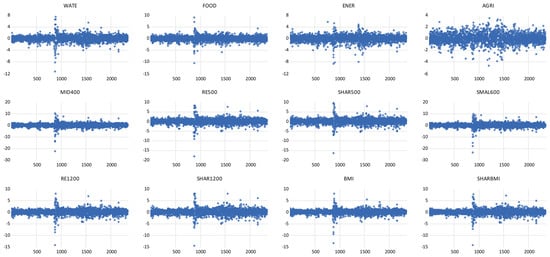
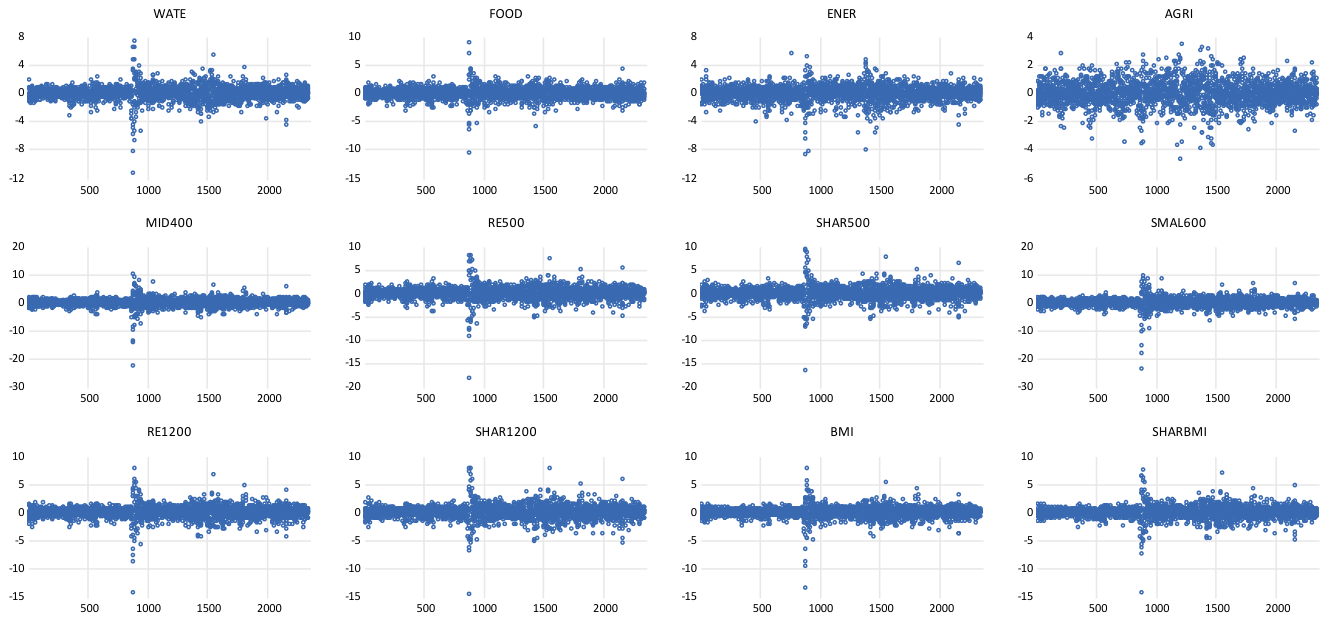
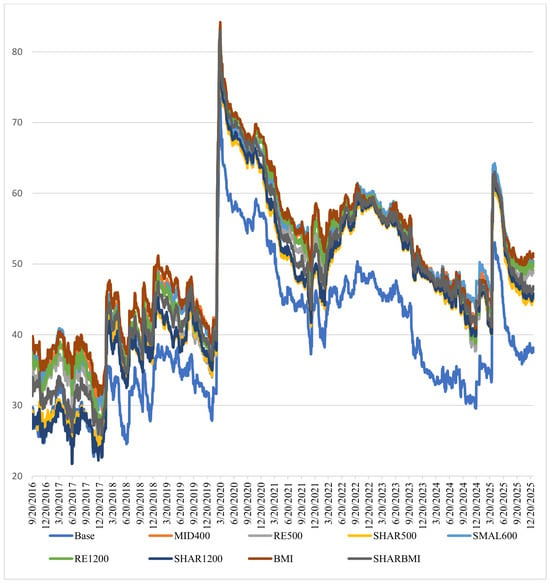
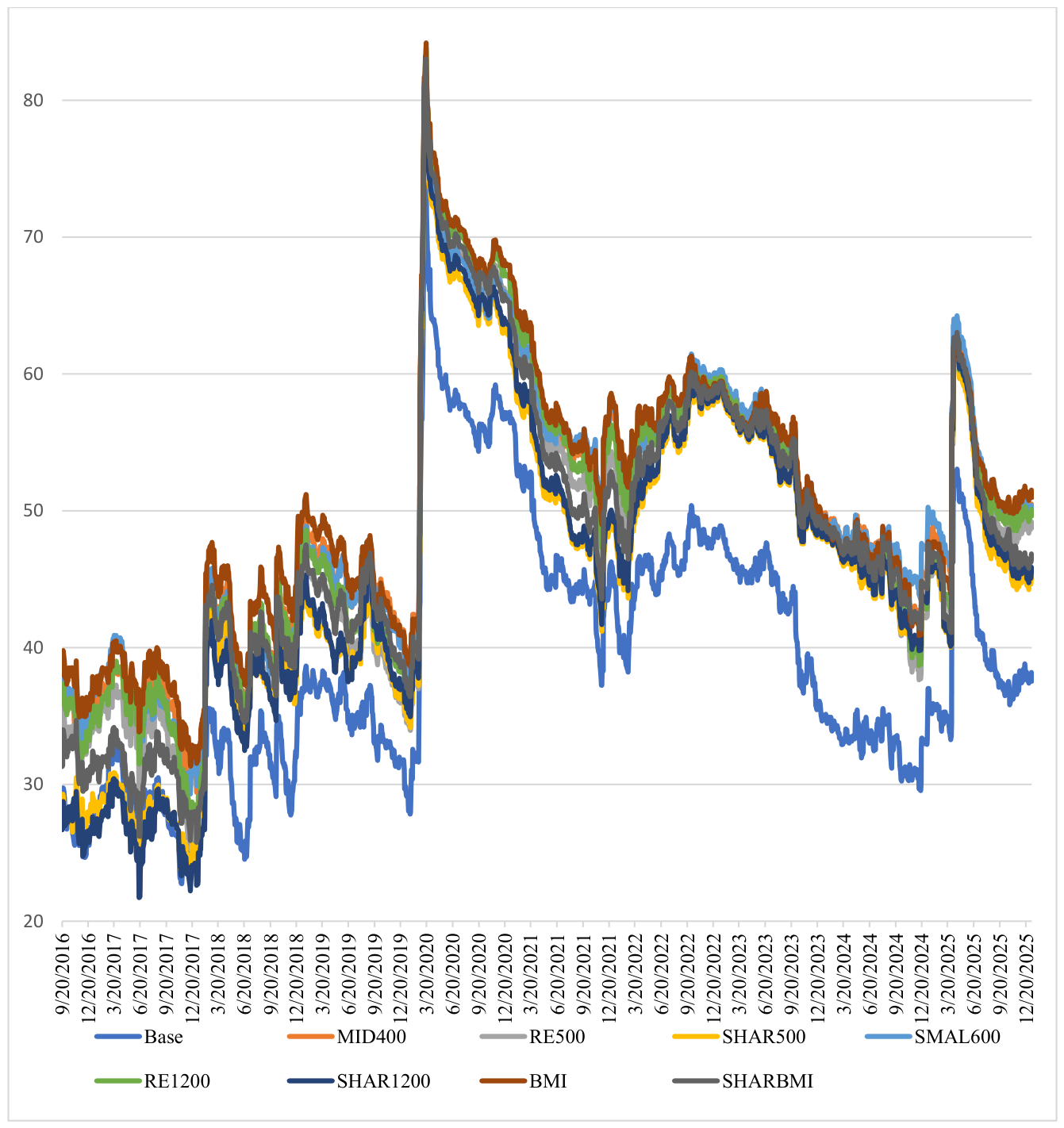
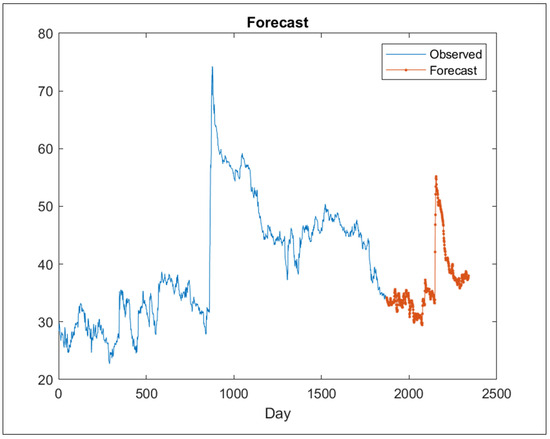
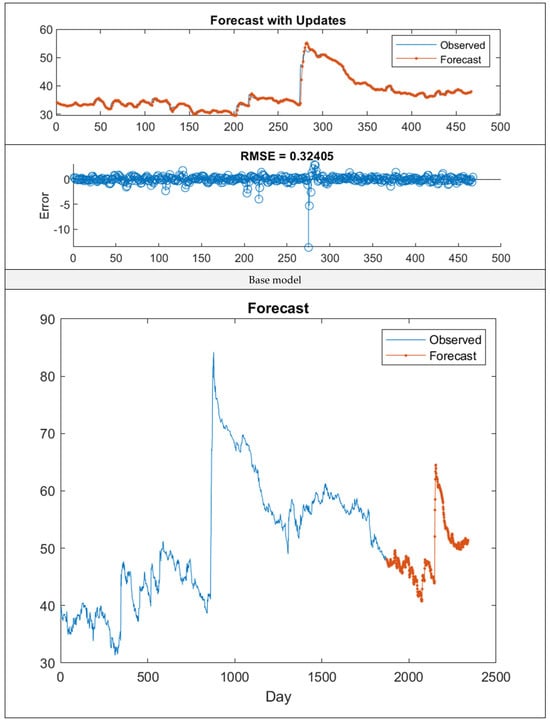
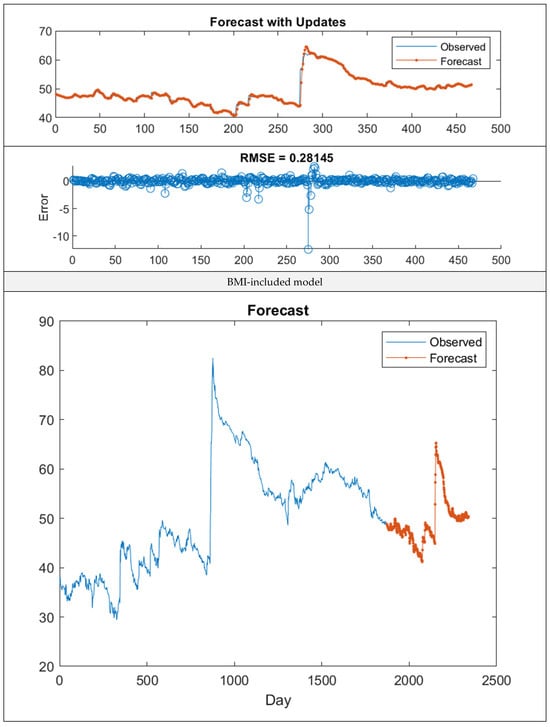
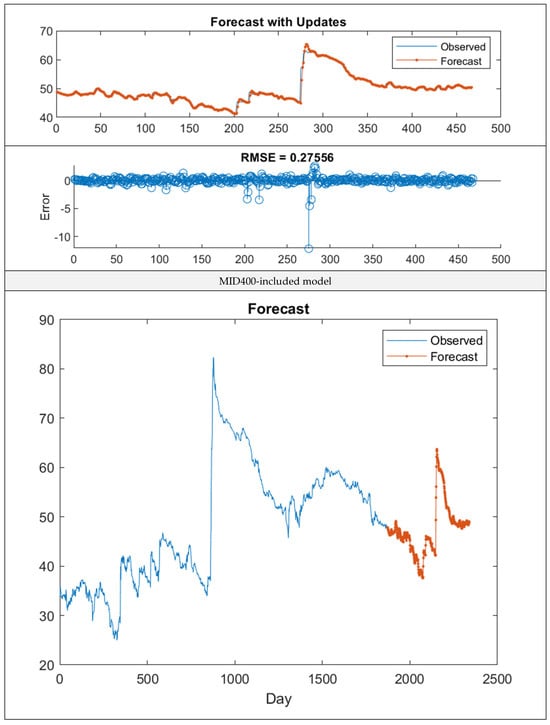
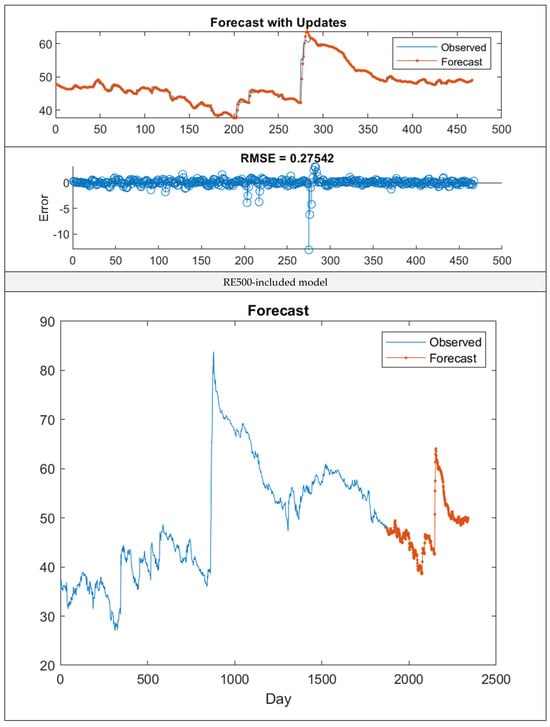
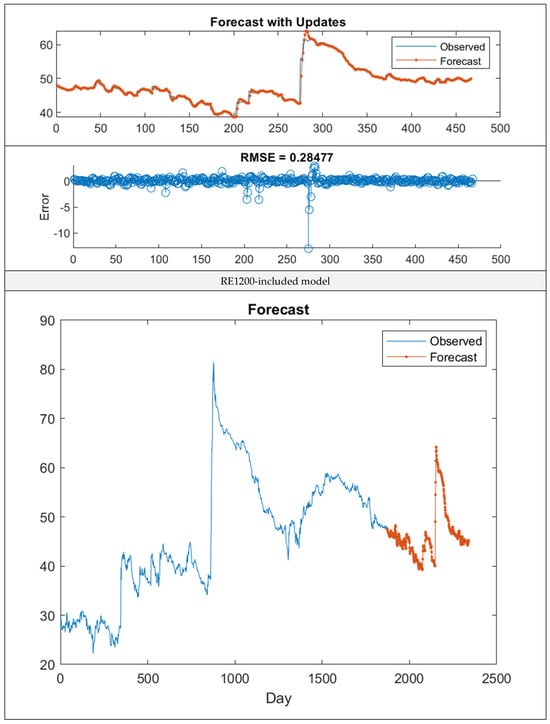
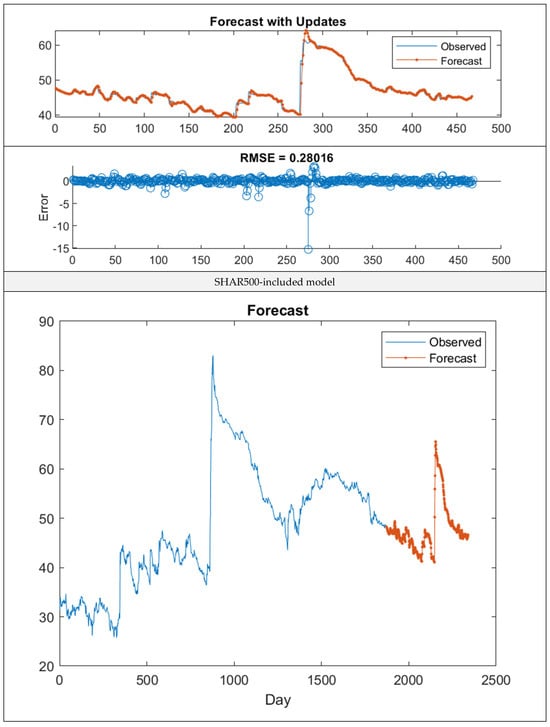
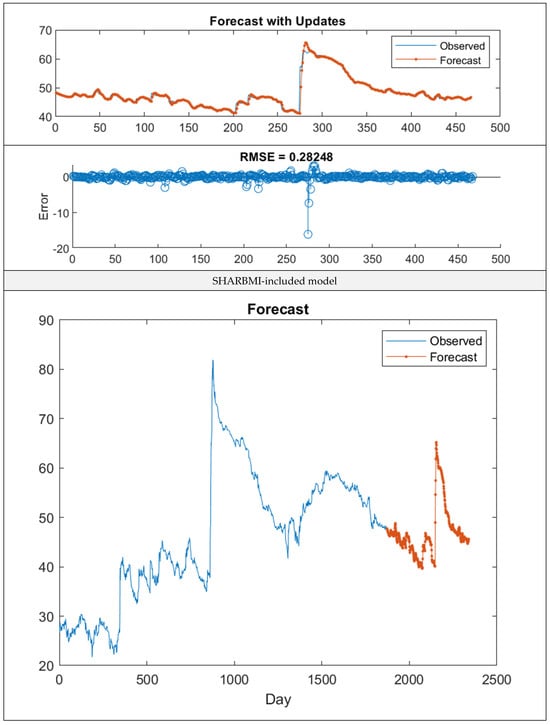
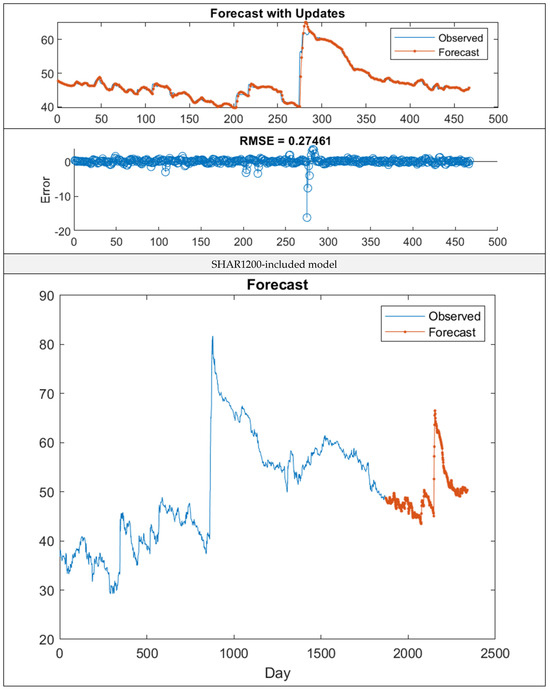
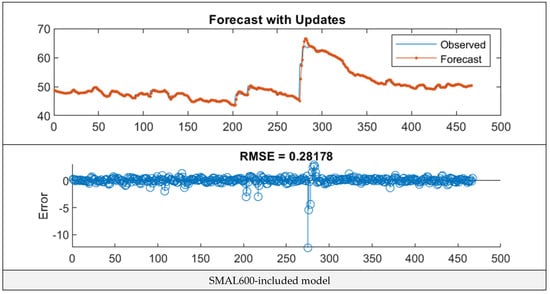
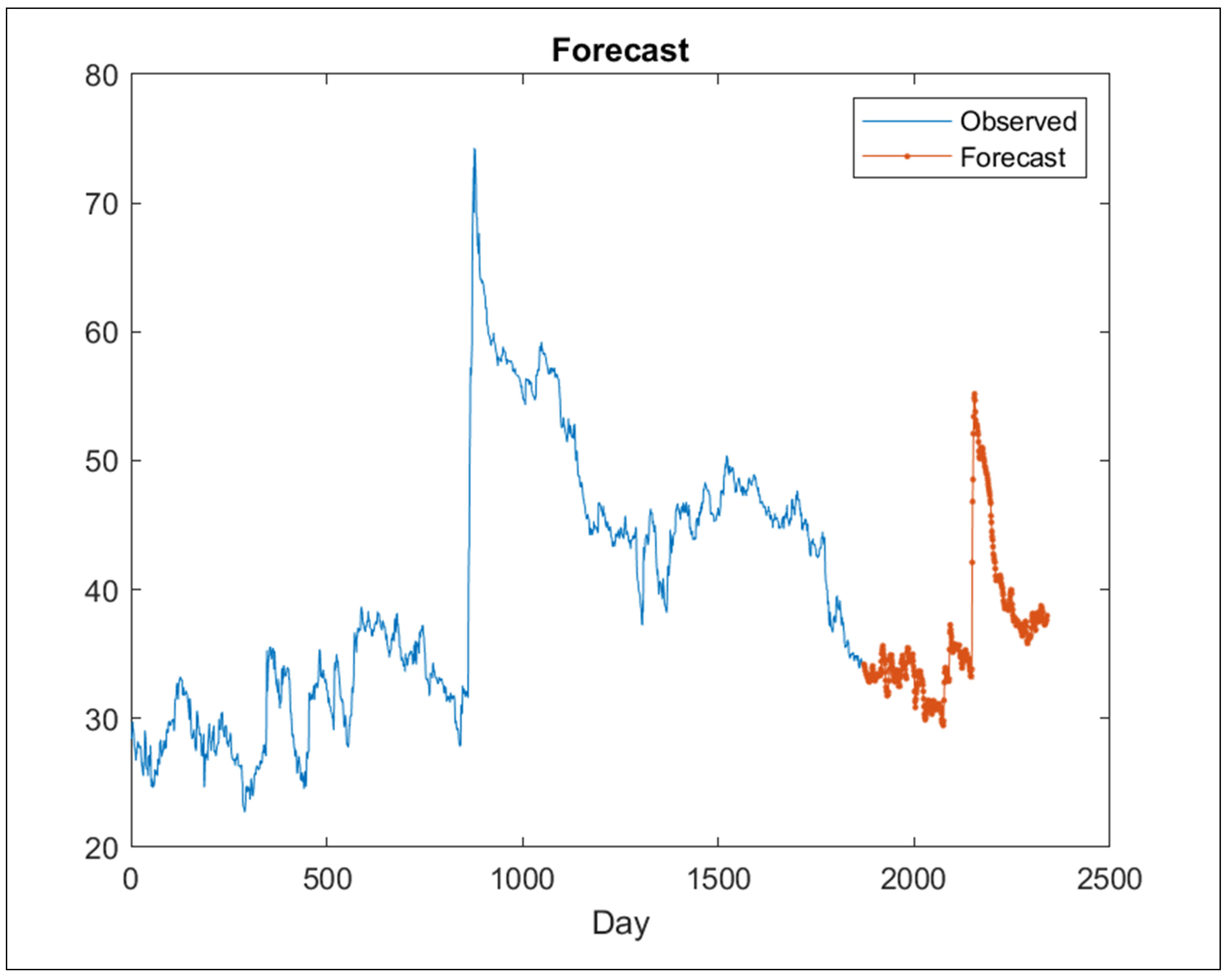
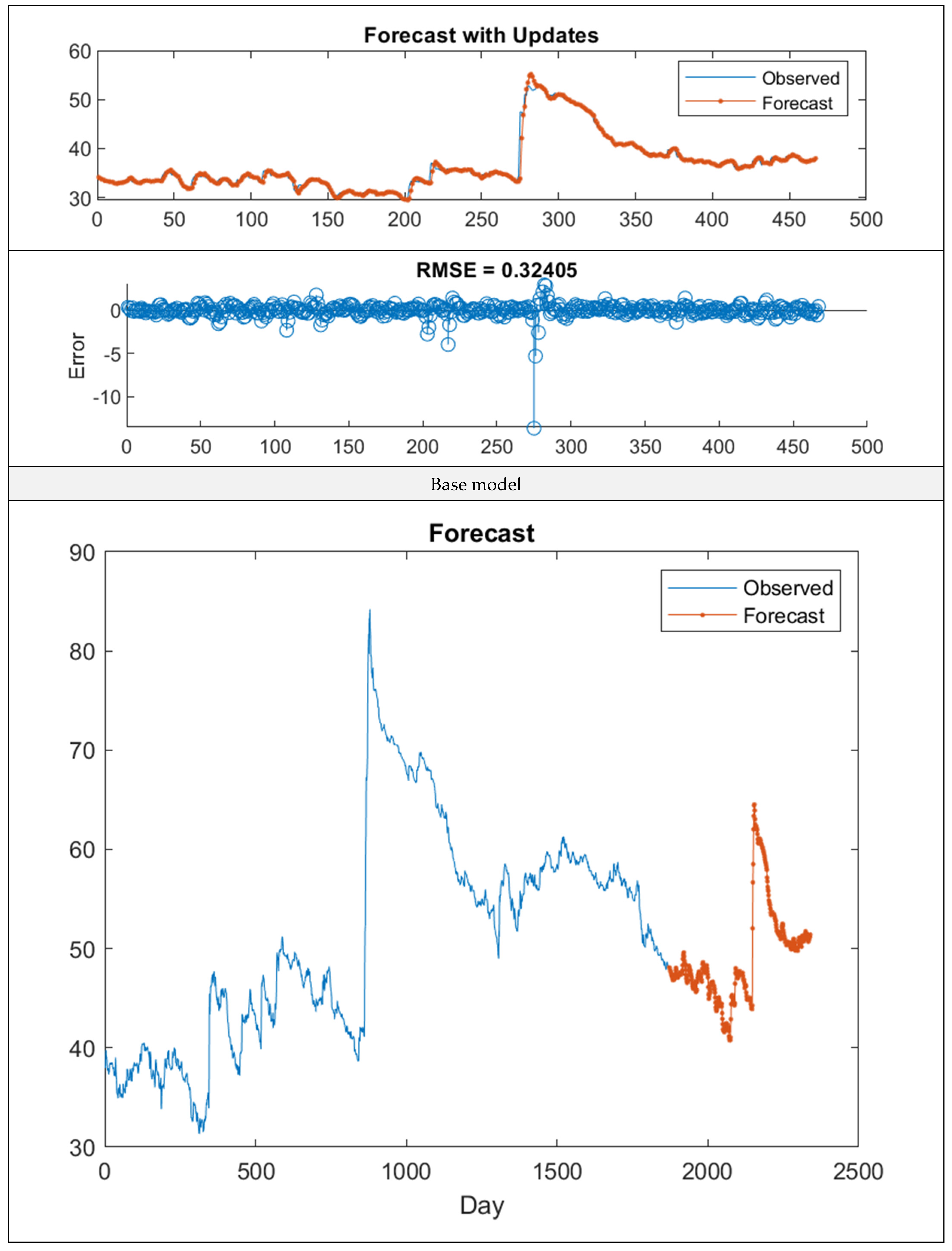
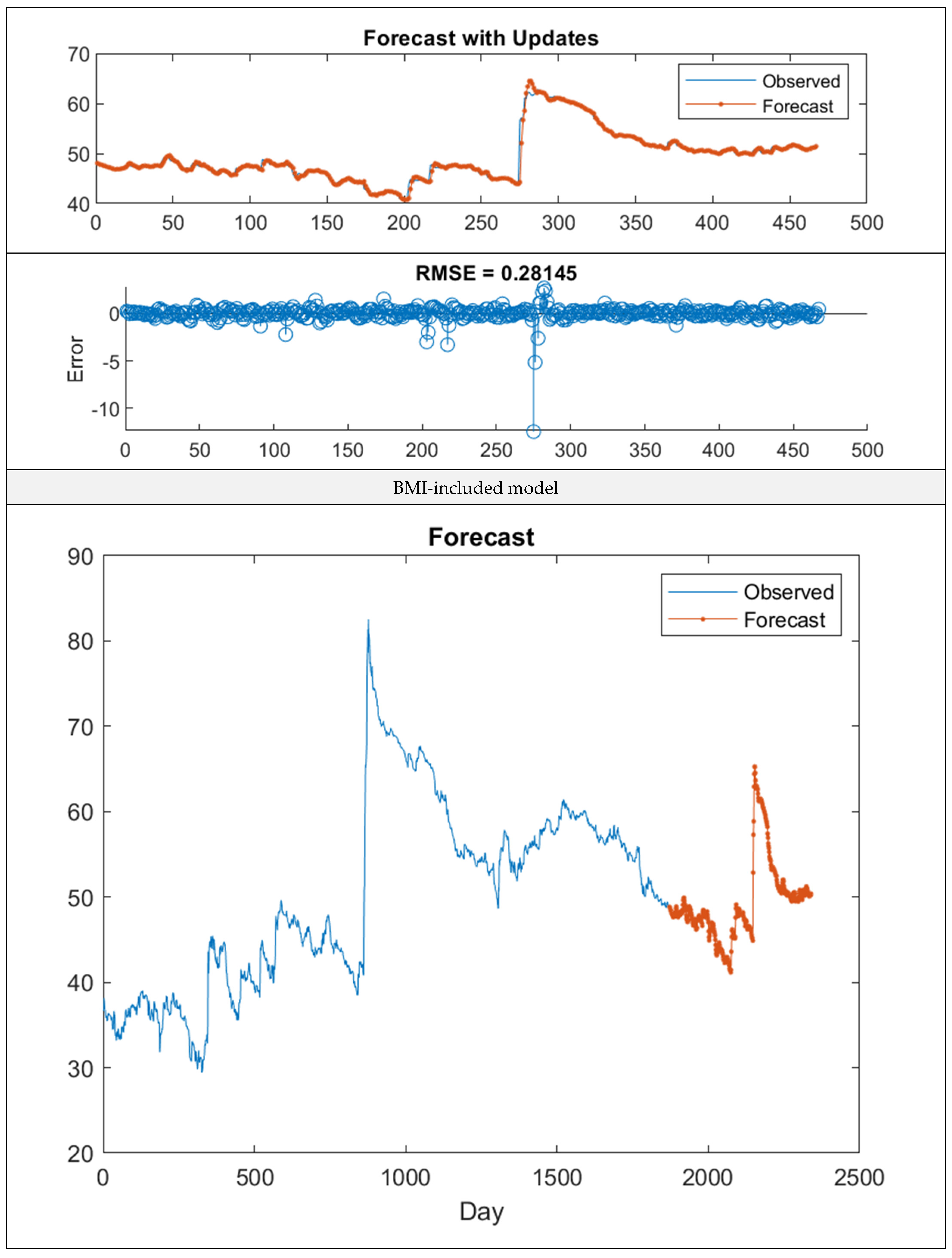
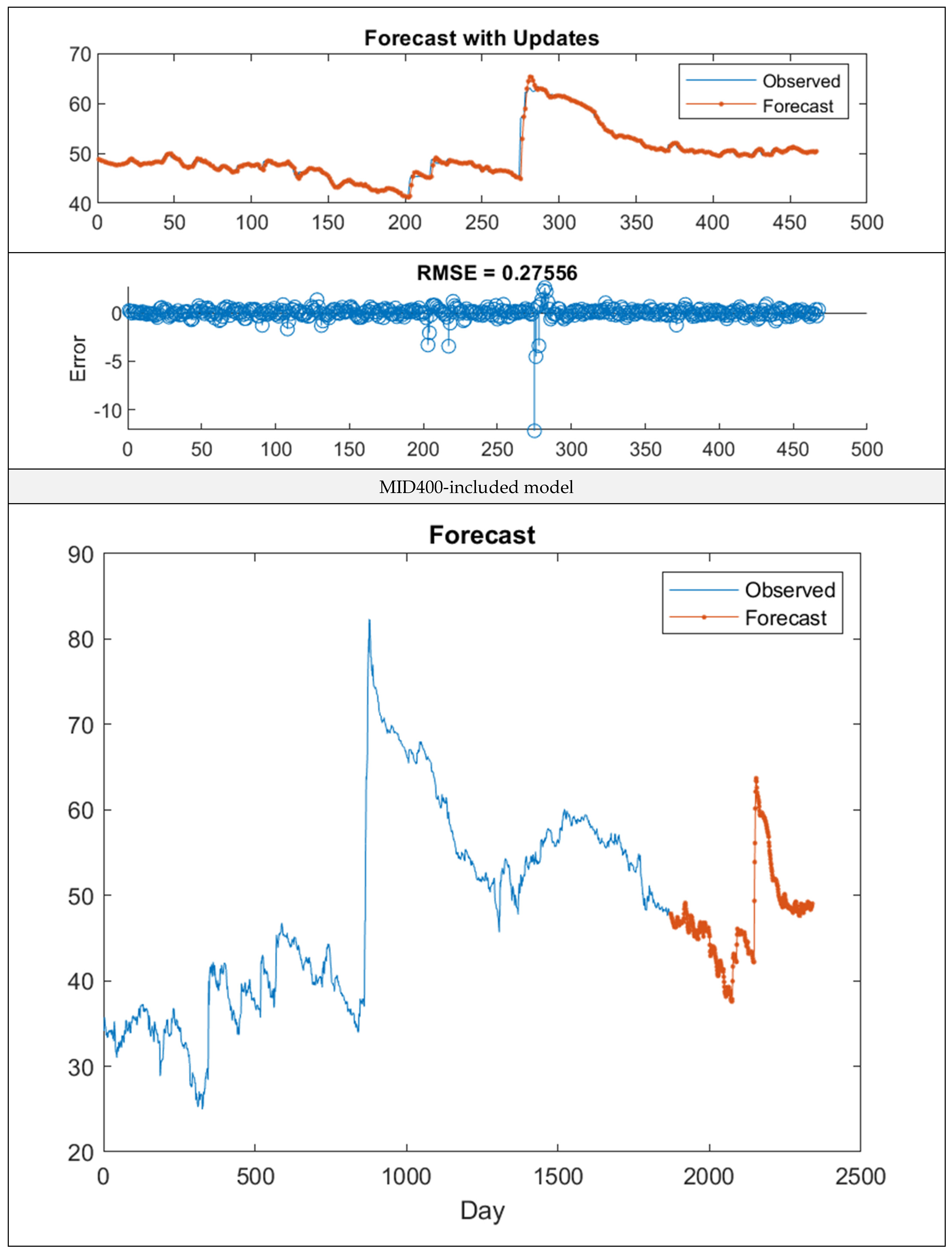
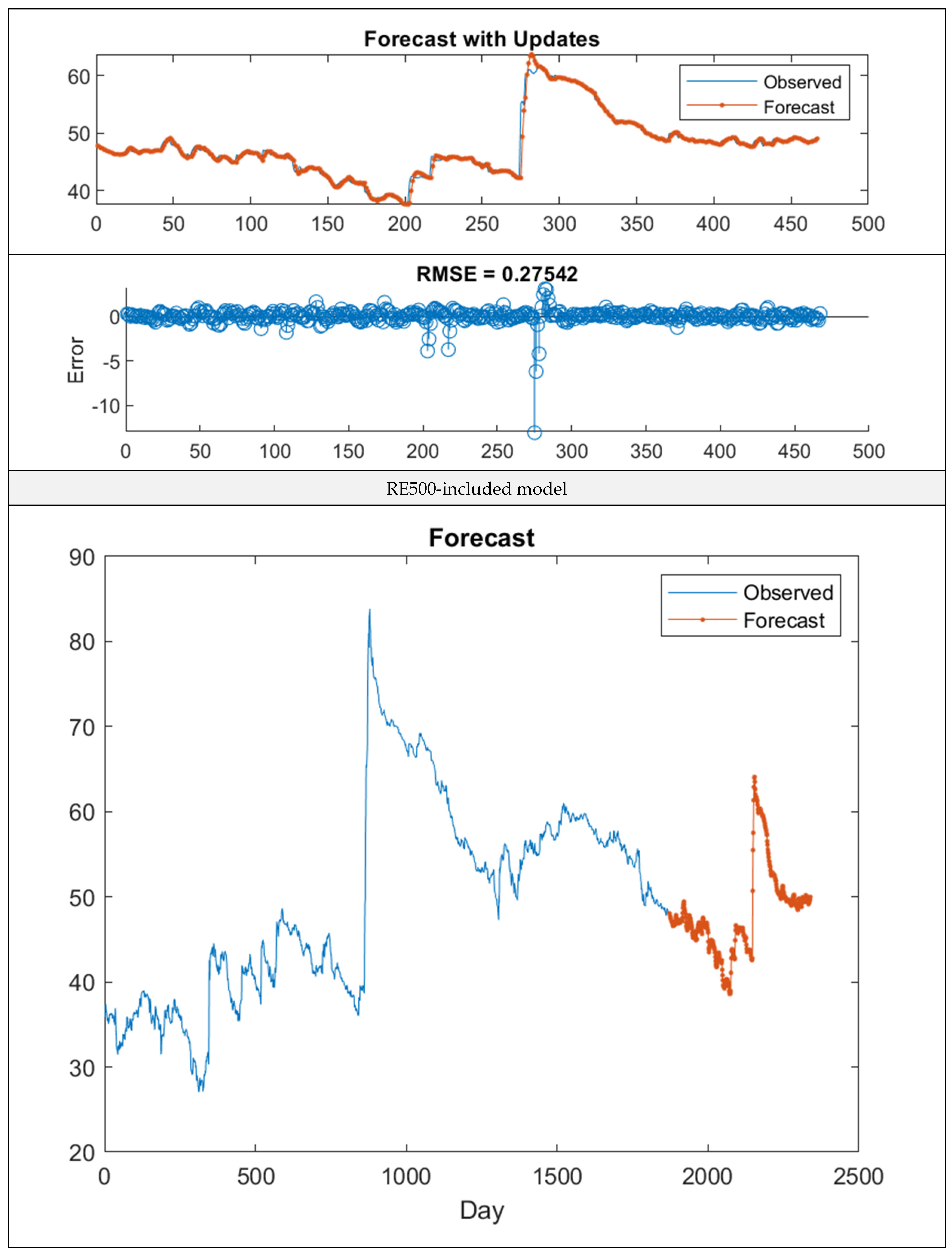
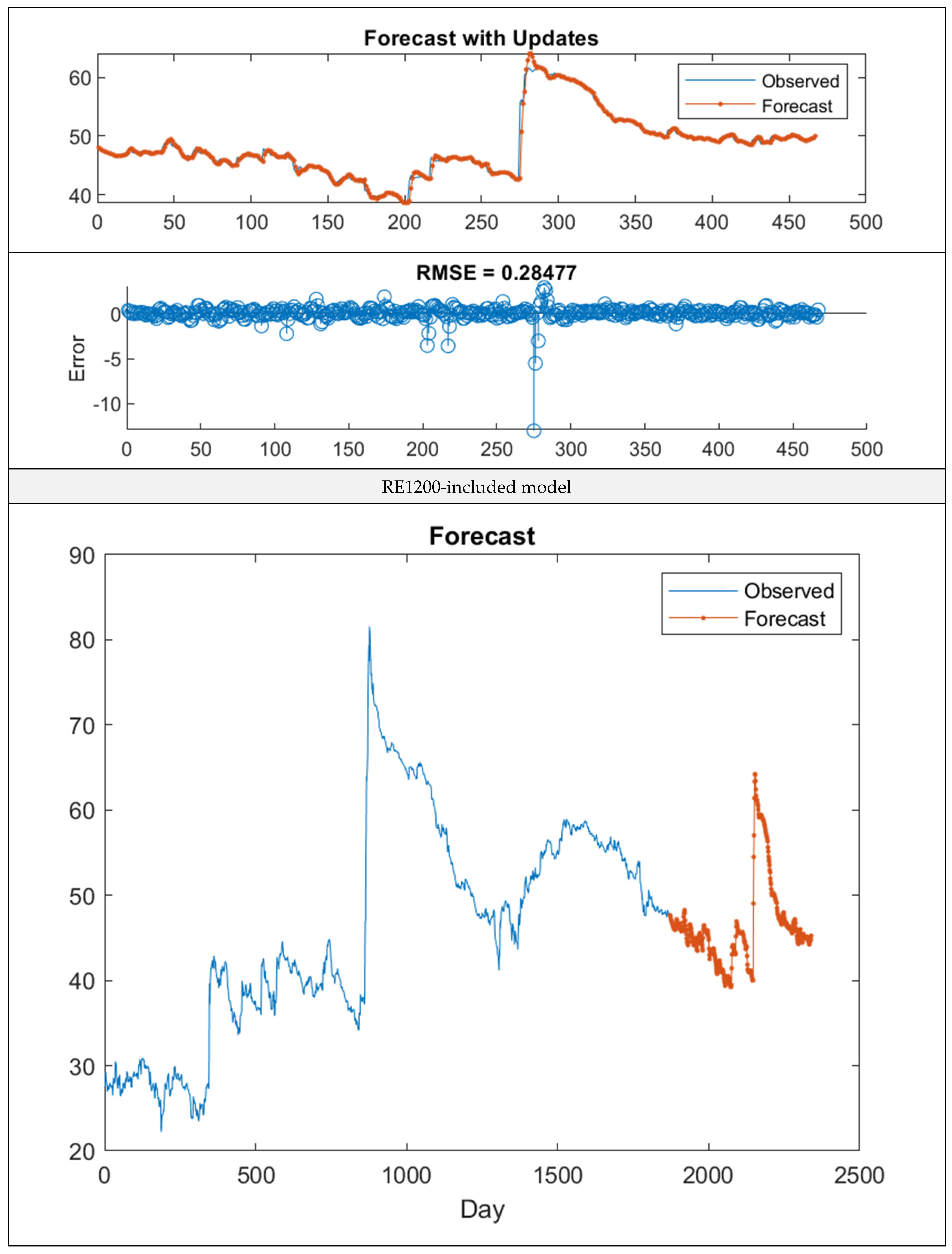
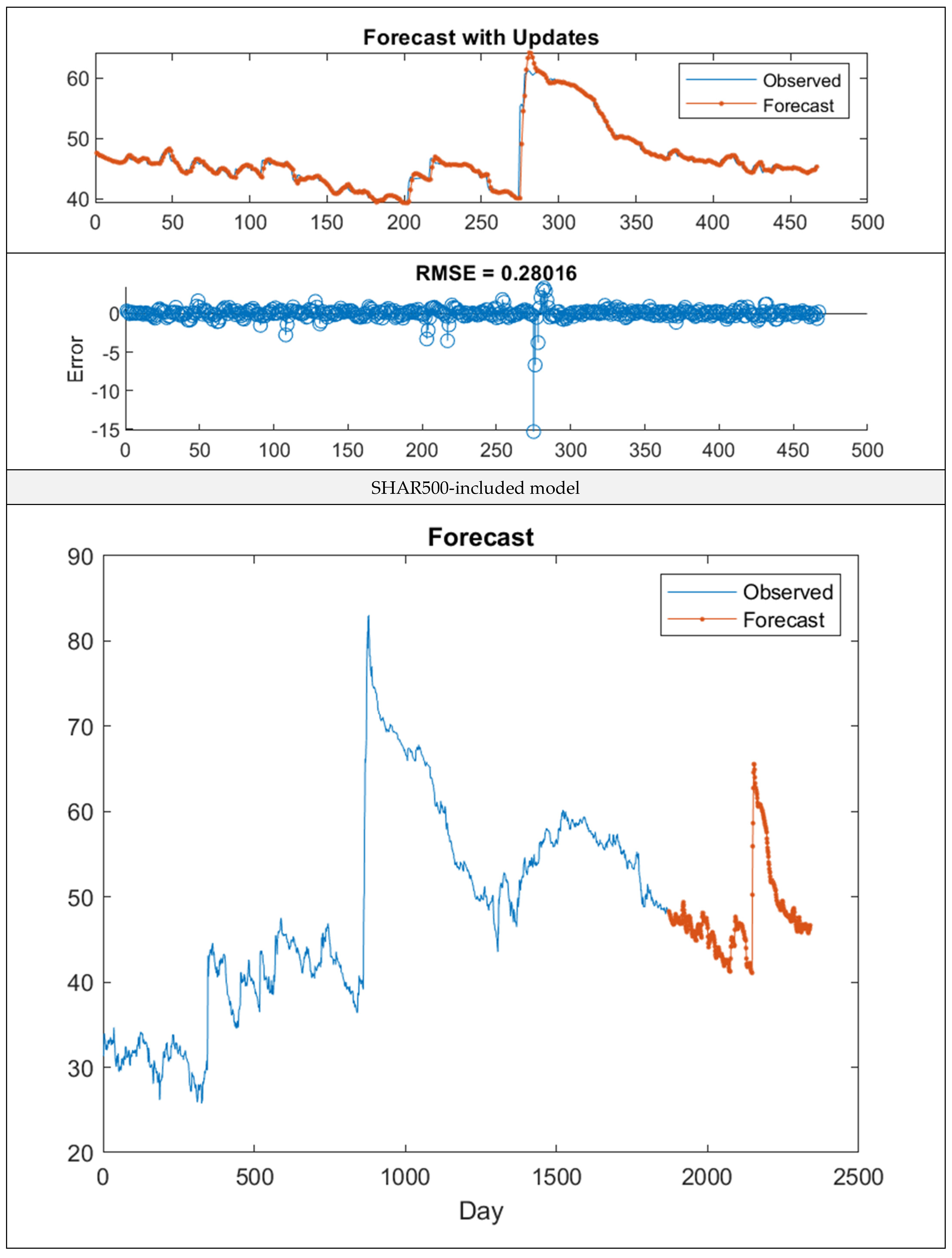
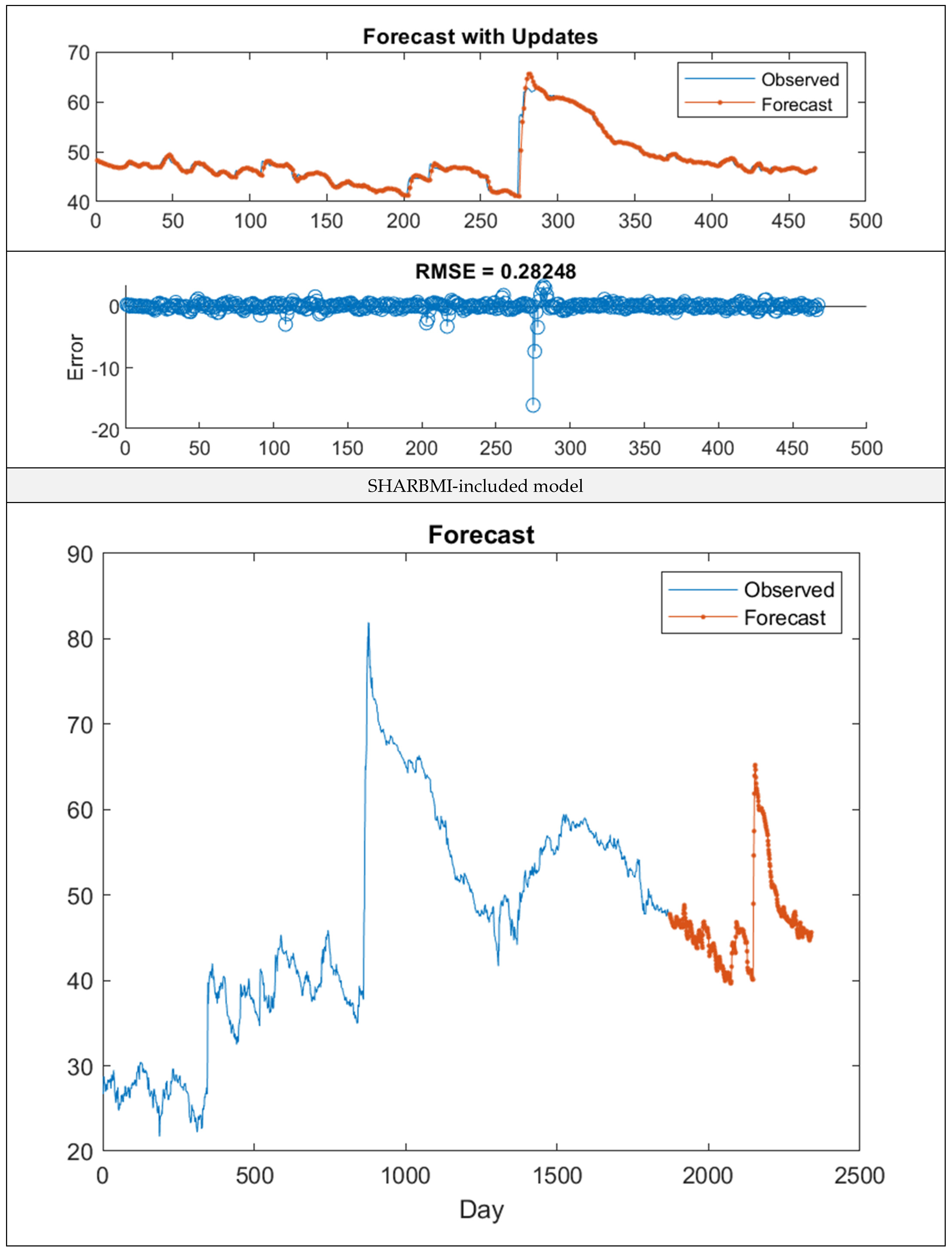
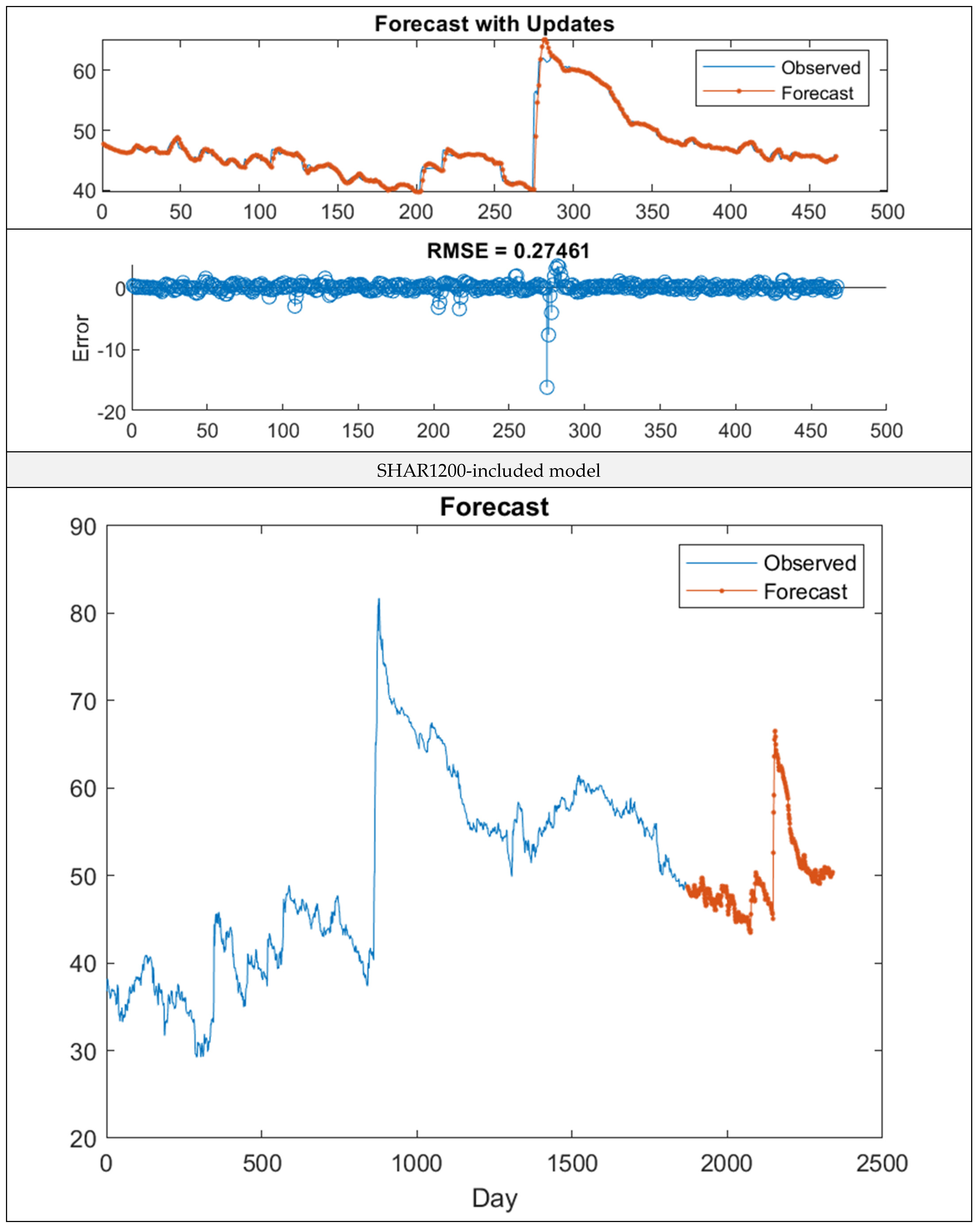
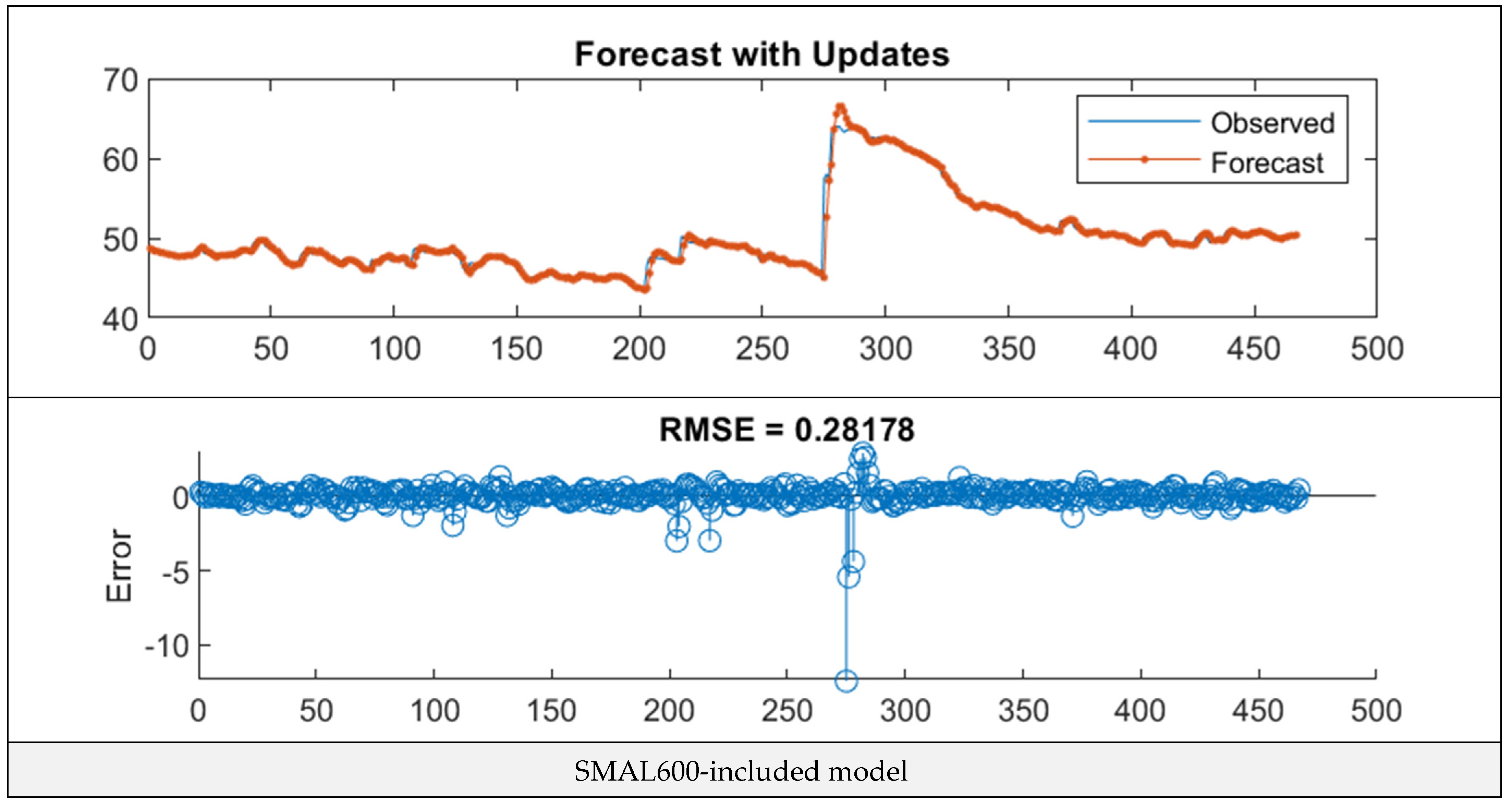
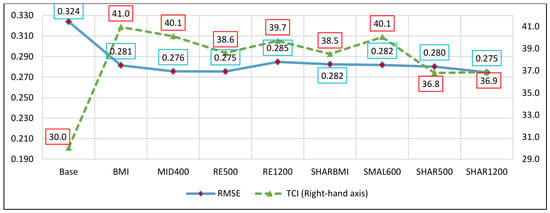
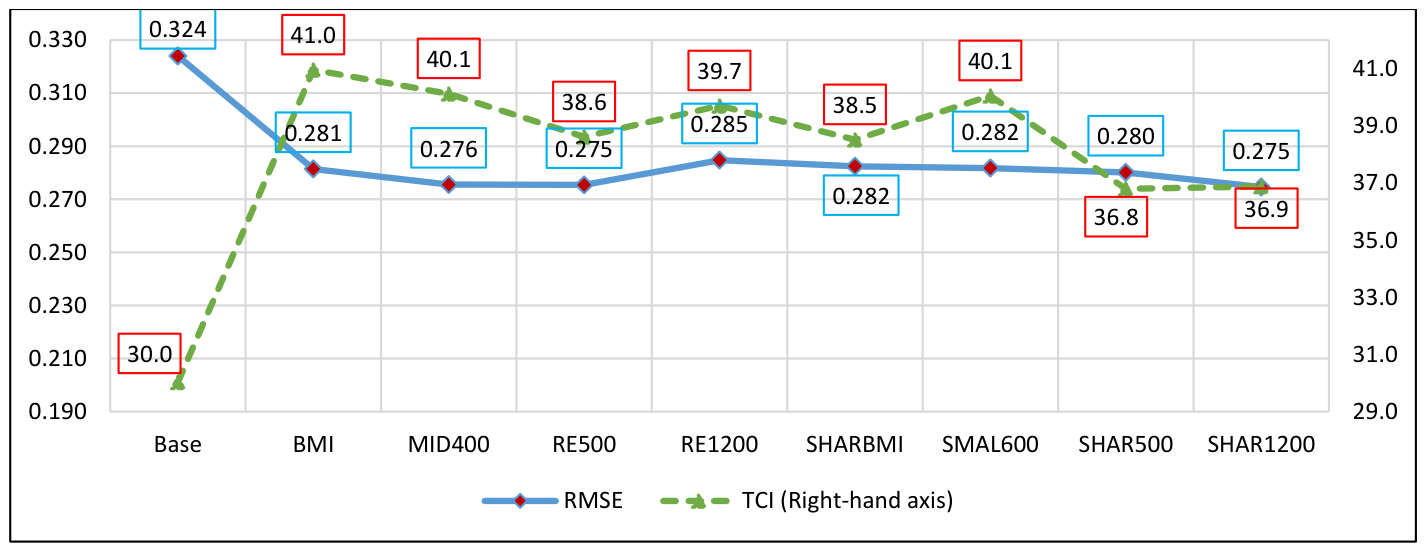
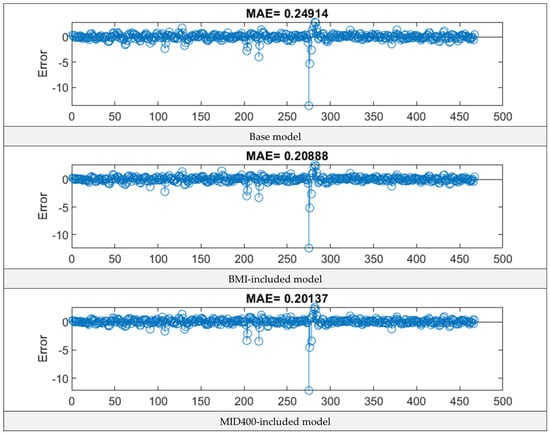
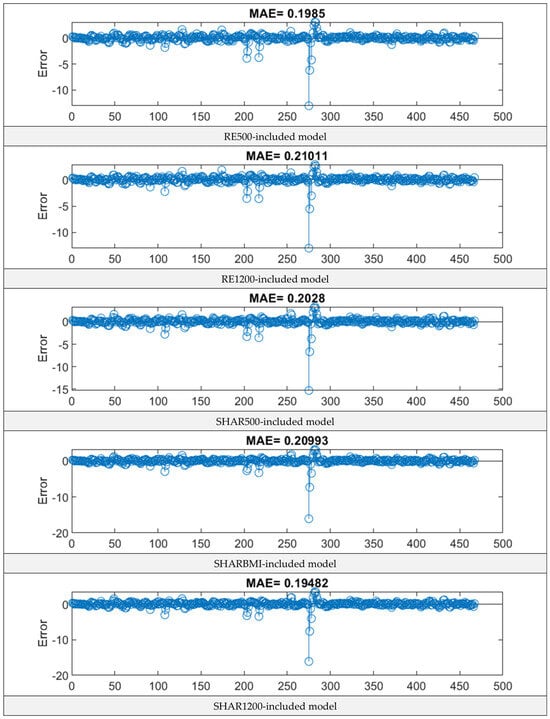
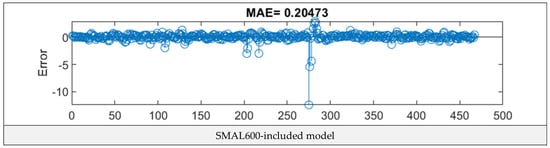
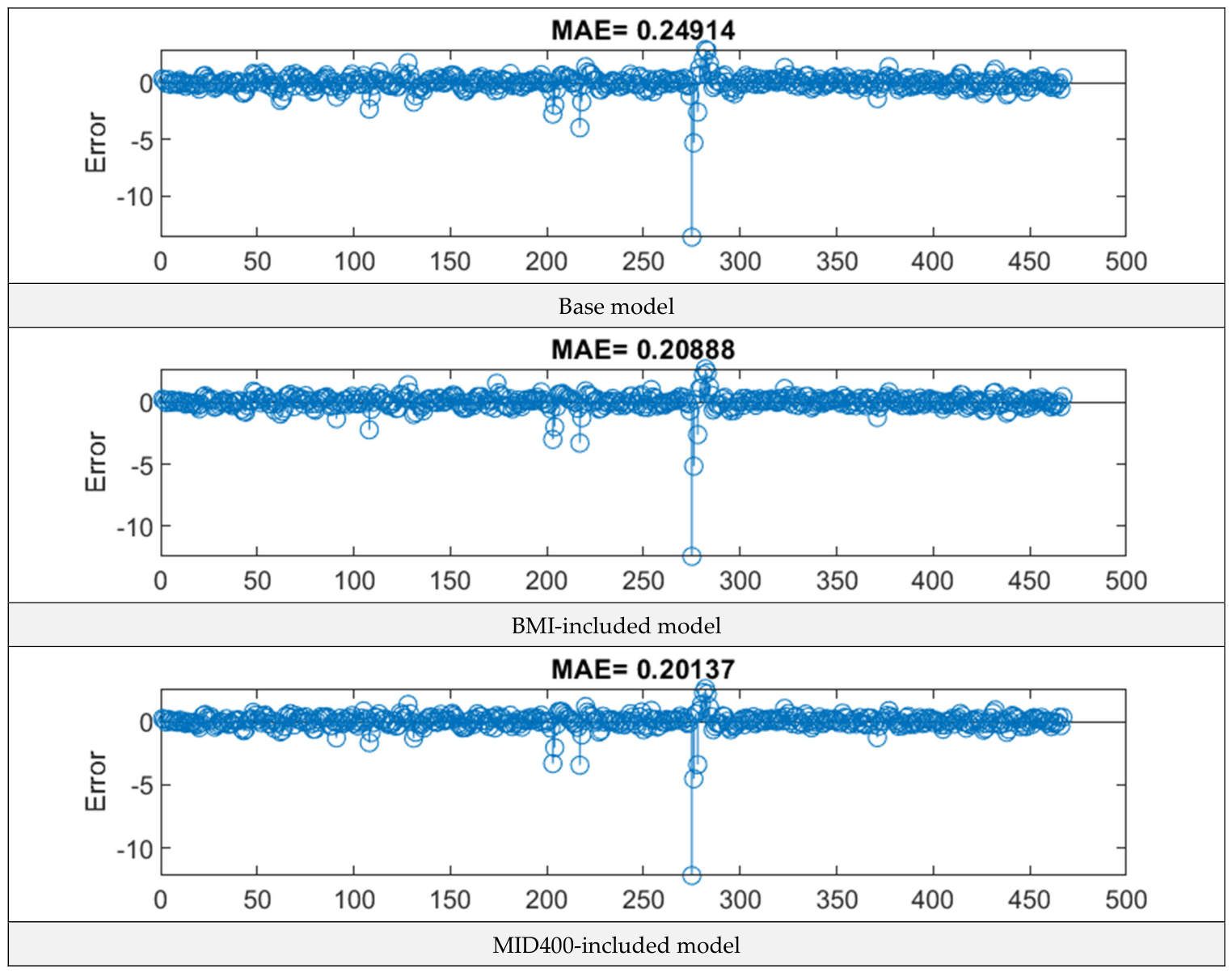
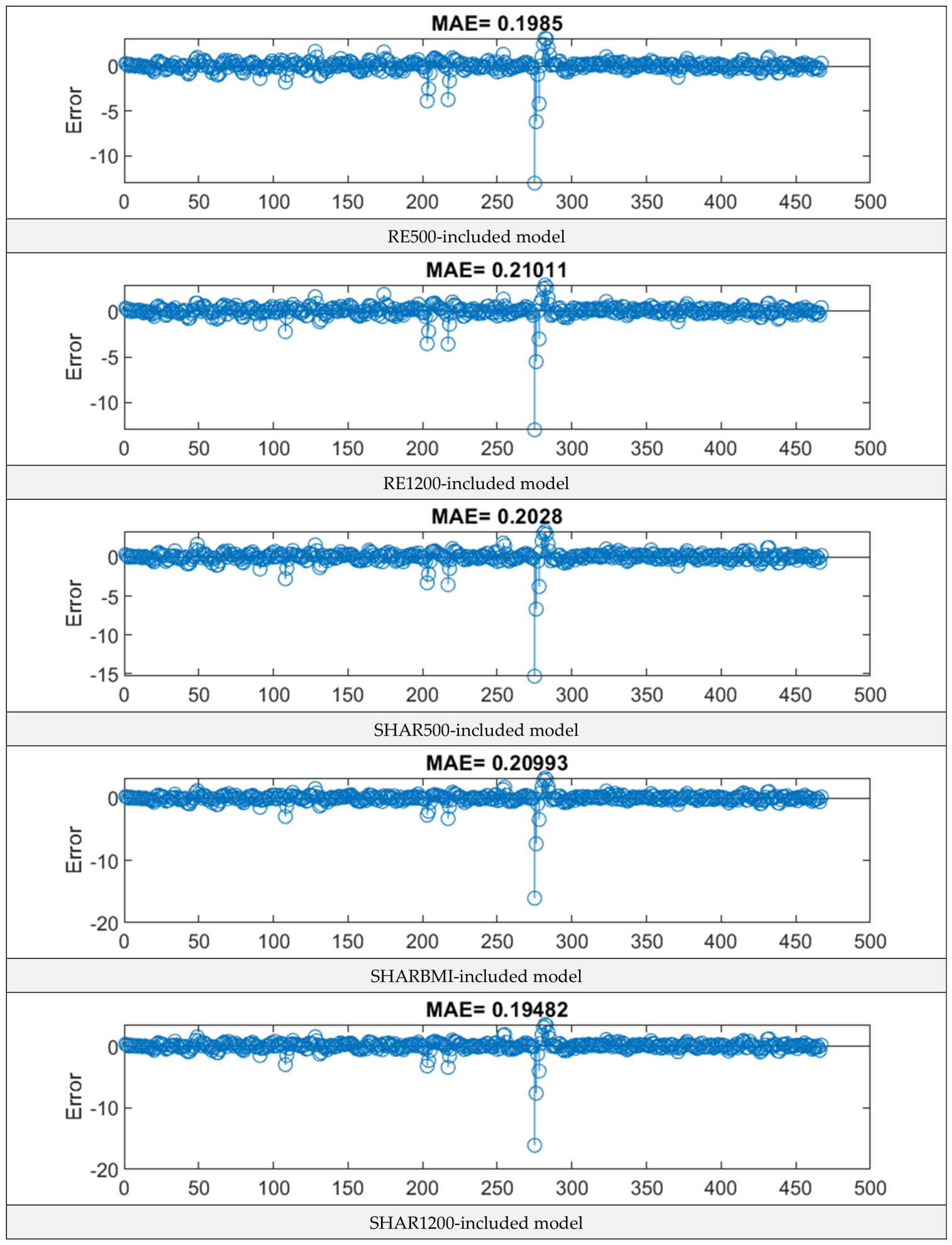
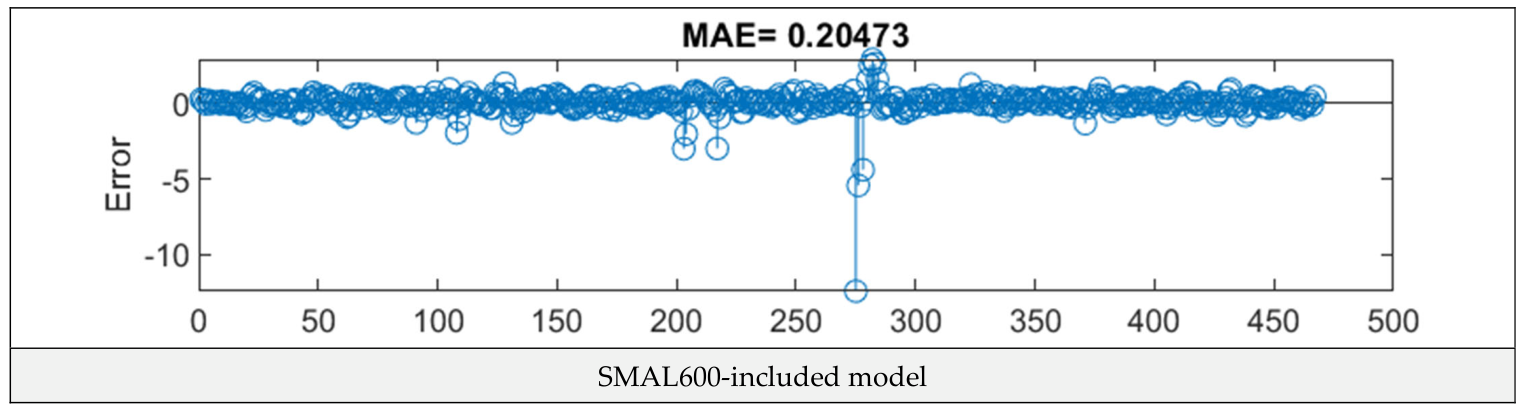
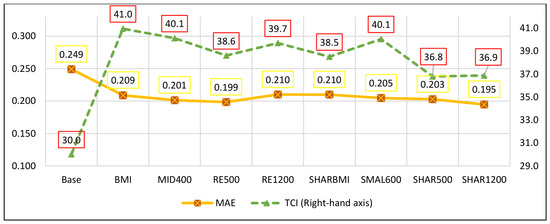
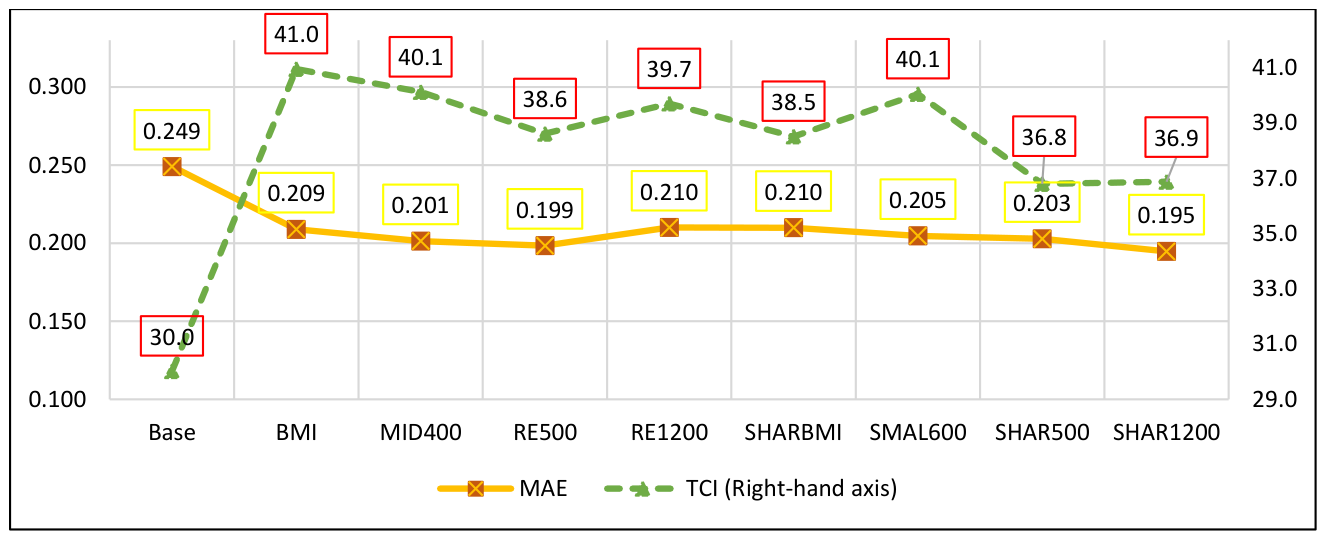
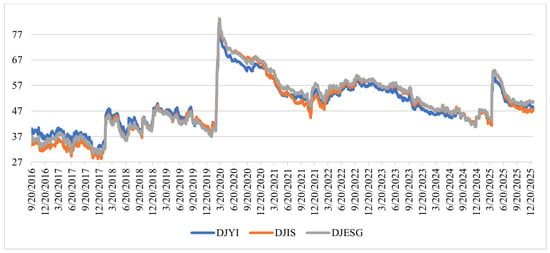
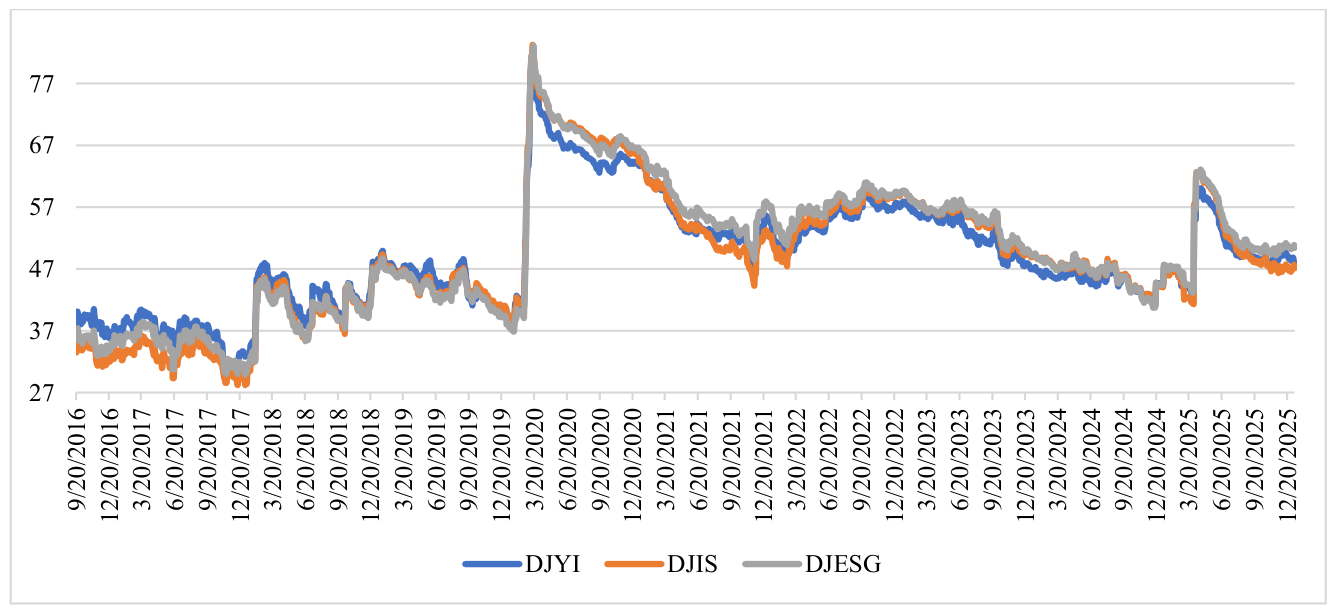
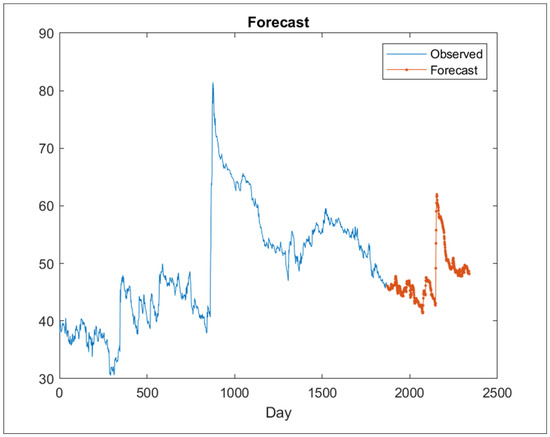
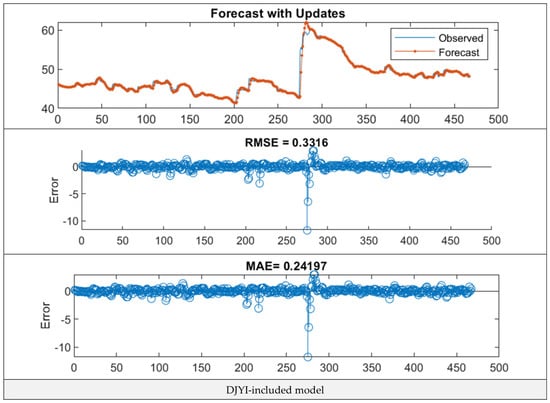
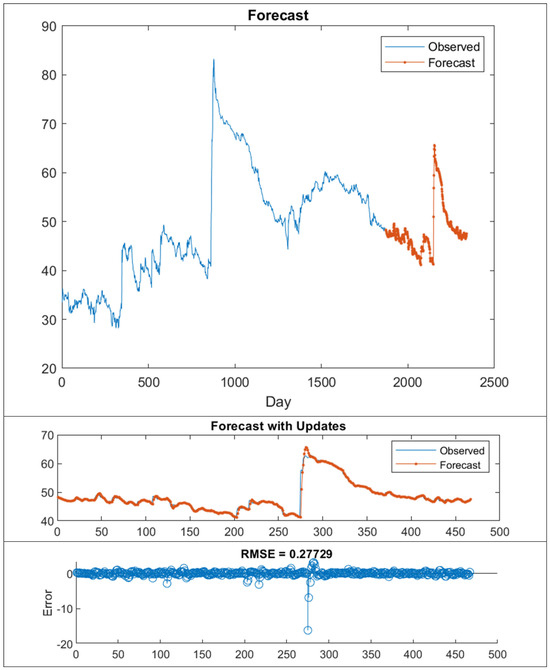
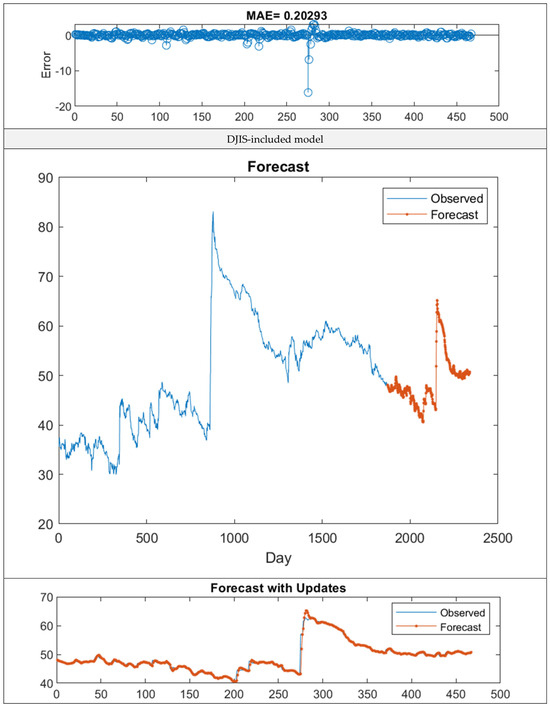
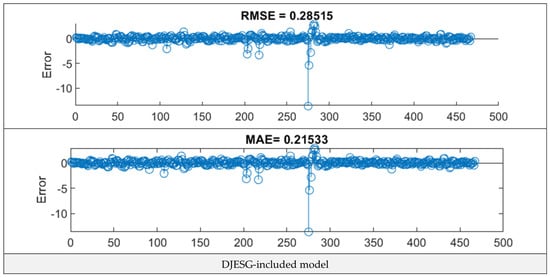
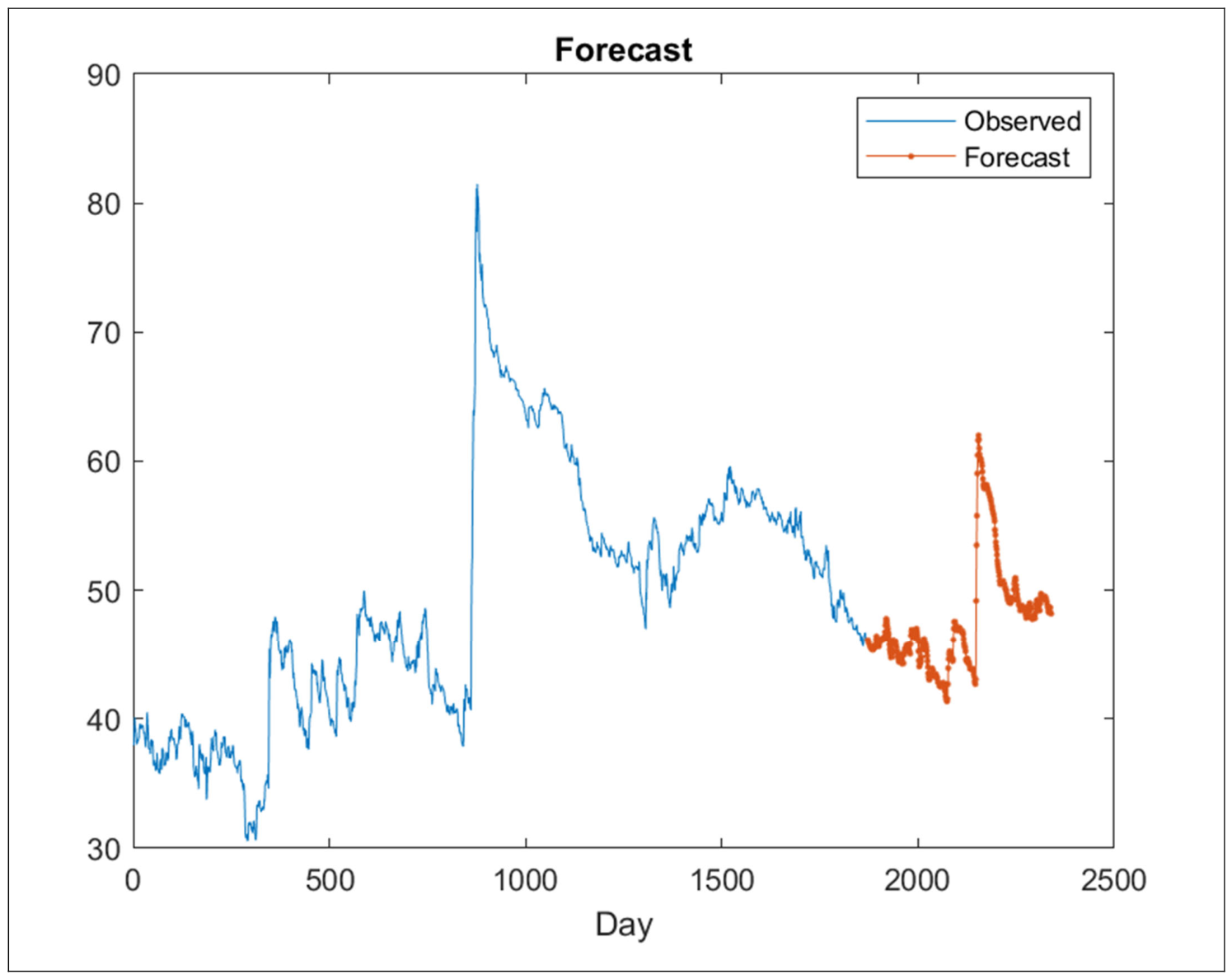
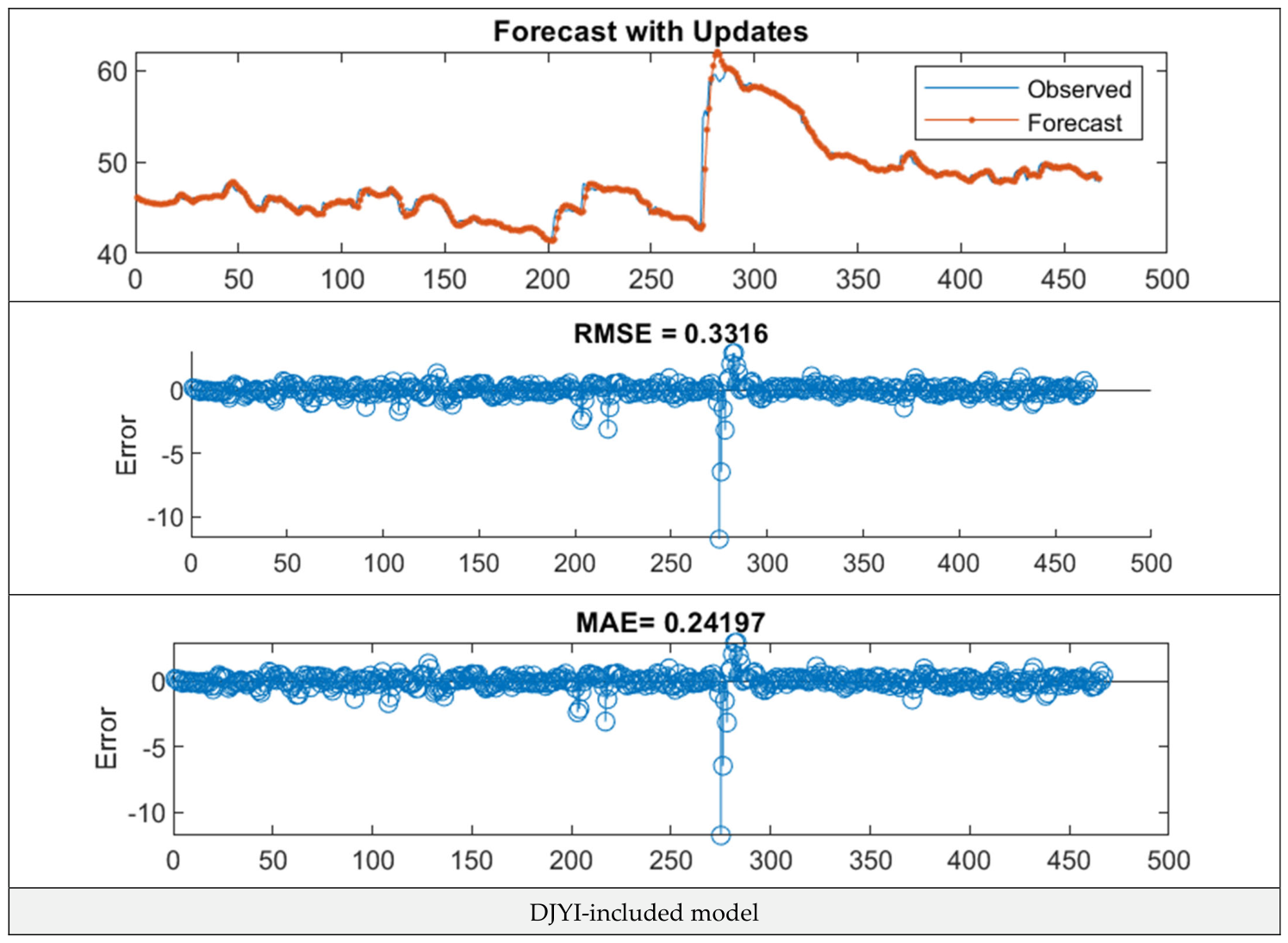
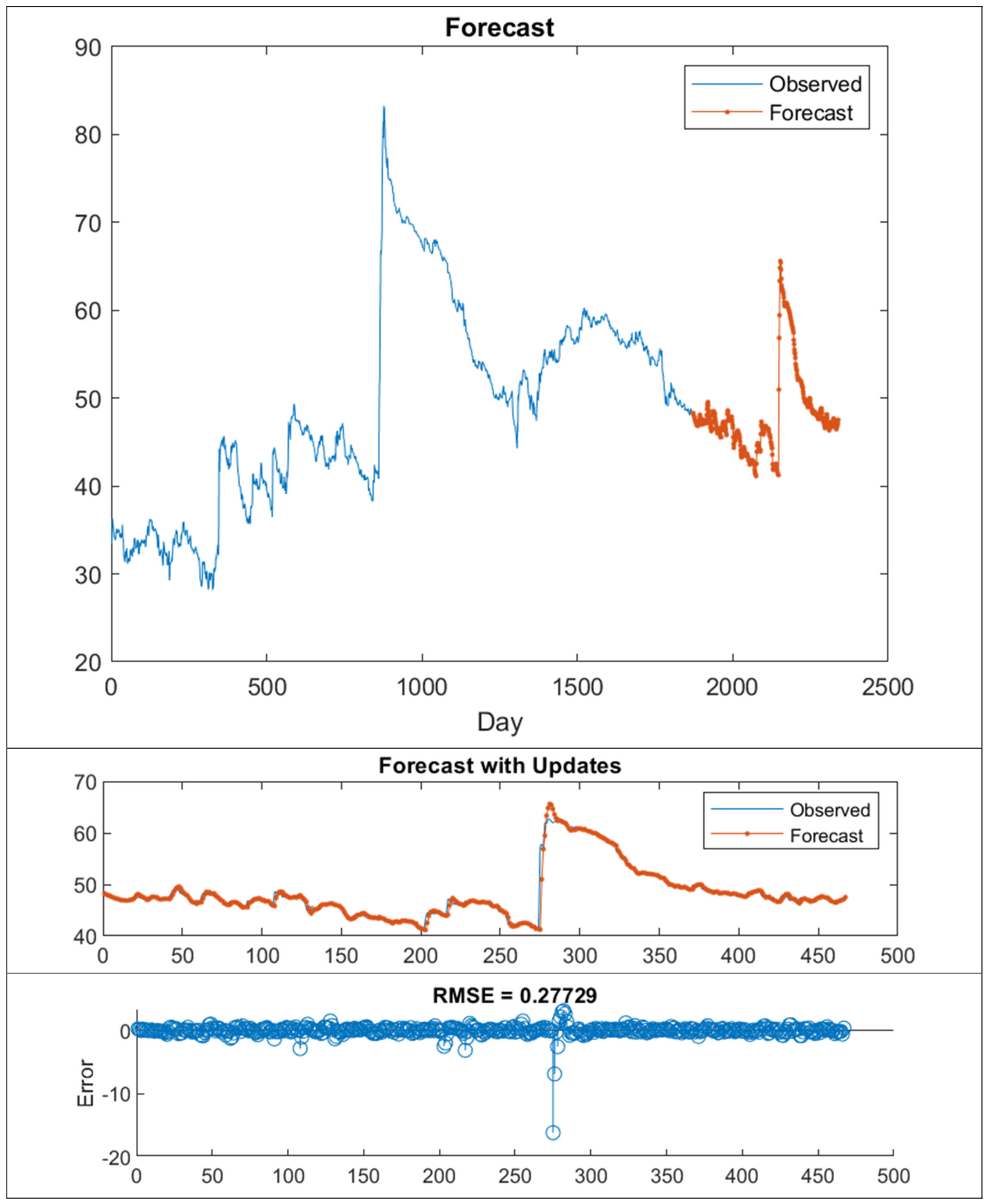
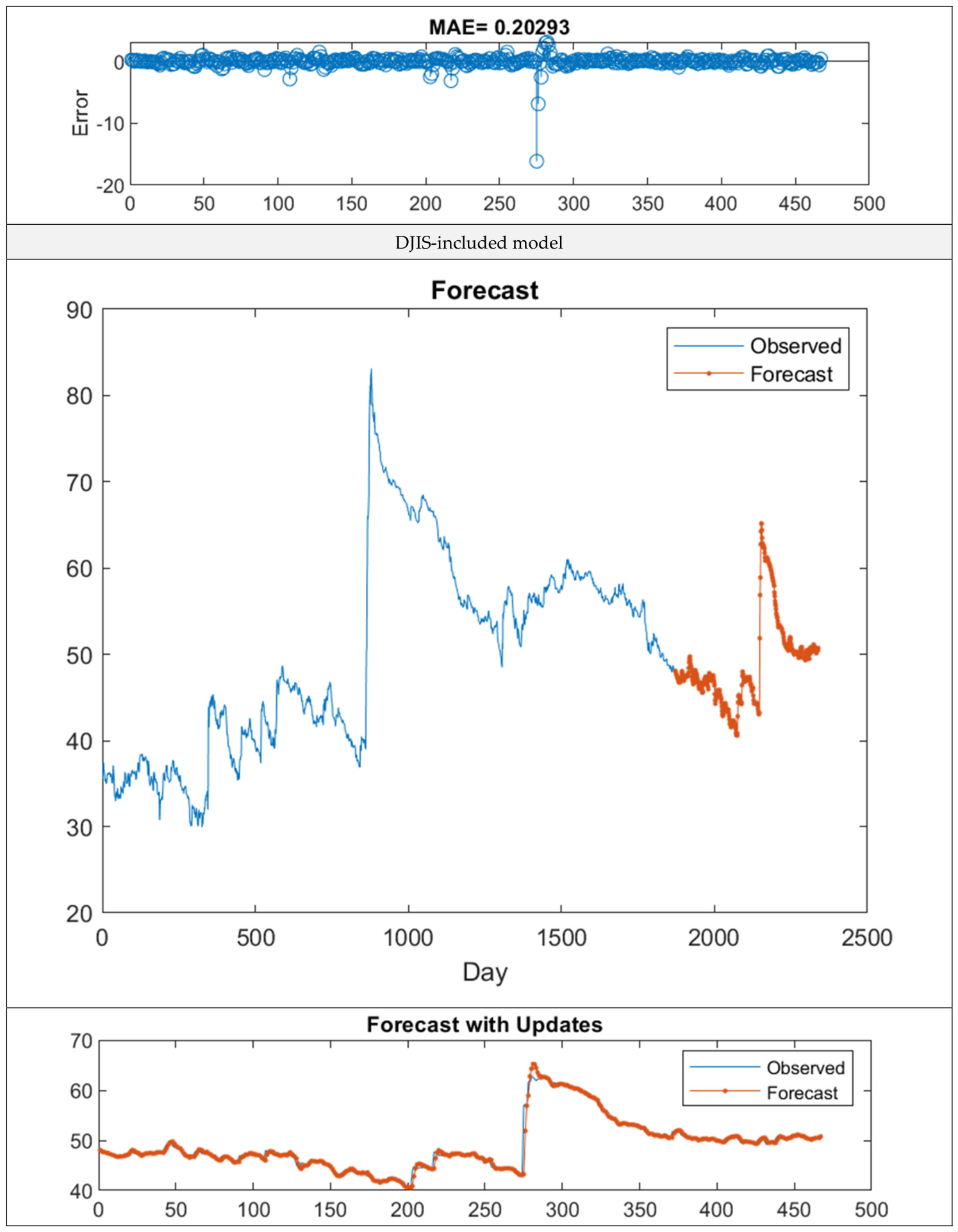
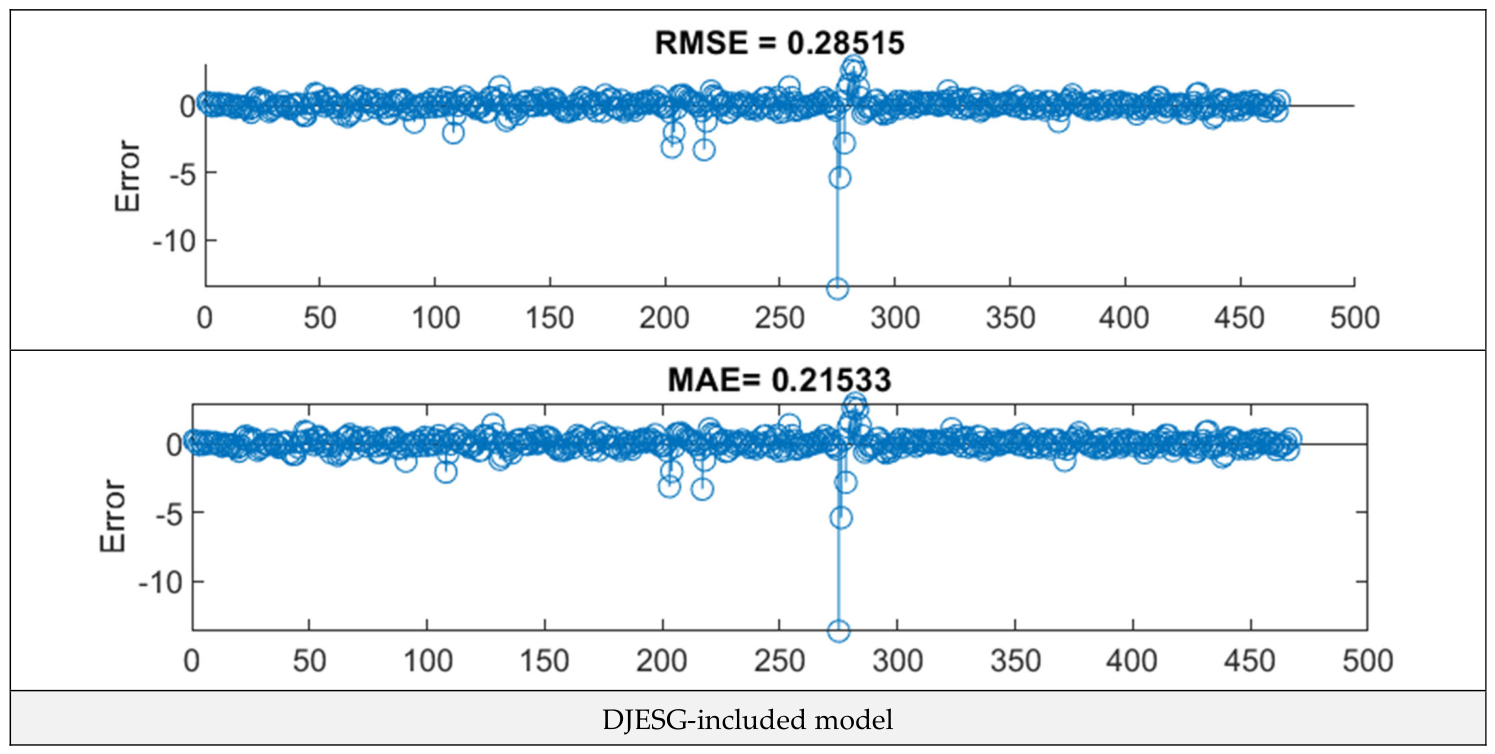
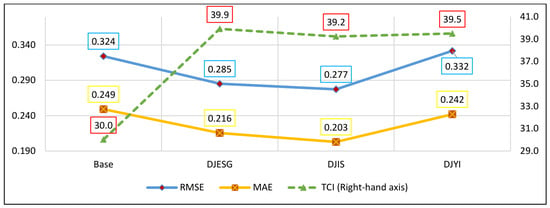
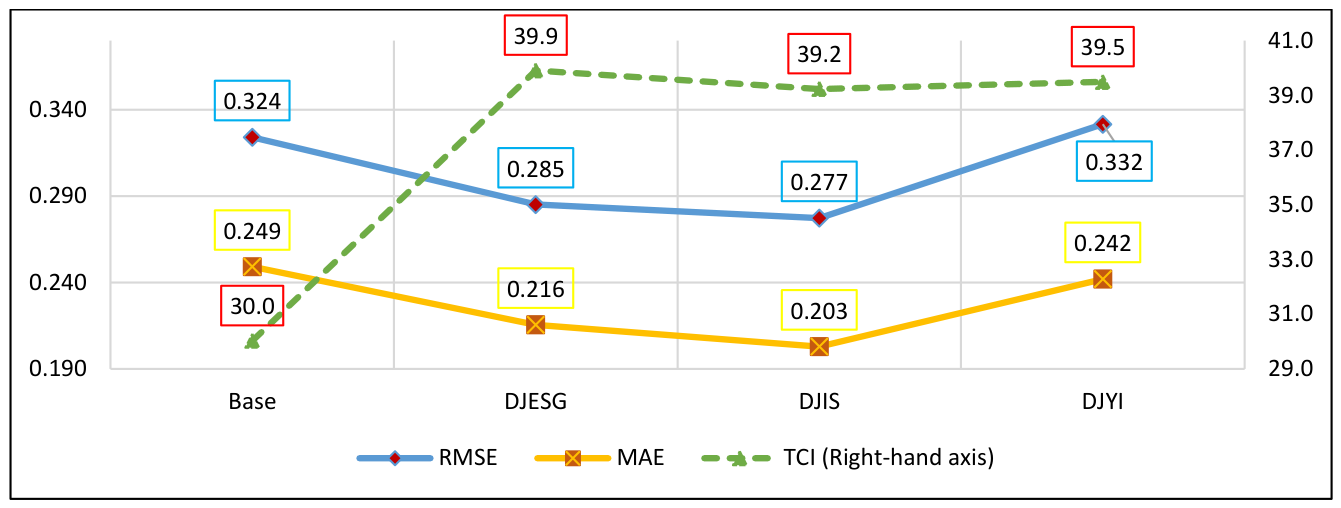

Disclaimer/Publisher’s Note: The statements, opinions and data contained in all publications are solely those of the individual author(s) and contributor(s) and not of MDPI and/or the editor(s). MDPI and/or the editor(s) disclaim responsibility for any injury to people or property resulting from any ideas, methods, instructions or products referred to in the content. |
© 2026 by the author. Licensee MDPI, Basel, Switzerland. This article is an open access article distributed under the terms and conditions of the Creative Commons Attribution (CC BY) license.