


Abstract
Indigenous food systems are increasingly threatened by climate change, socio-economic transformations, and reduced access to traditional lands and resources, contributing to disproportionately high levels of food insecurity among Indigenous peoples. Despite growing recognition of Indigenous food systems within sustainability research, limited attention has been given to Indigenous food system governance across different contexts. This study examined: (1) how Indigenous food systems vary across continents; (2) the key characteristics of Indigenous food system governance; and (3) how these characteristics are expressed within Sri Lankan Vedda communities. A systematic literature review of 143 publications from Web of Science and Scopus was conducted alongside a multi-sited case study involving 114 semi-structured interviews across six Vedda communities in Sri Lanka. Findings revealed continental variations in food sourcing, food sources, food use, and harvesting practices. Eight interconnected governance characteristics were identified: co-management, leadership, participatory research, partnerships, social networks, mutualism, collective action, and religious/cultural dimensions. Evidence from Sri Lankan Vedda communities demonstrated that strong leadership, social cohesion, and collaborative partnerships enhanced food security and resilience, whereas weakened governance structures and limited external support contributed to food insecurity. The study highlights the importance of strengthening Indigenous self-governance to support sustainable Indigenous food systems.
1. Introduction
Food systems are dynamic. The concept “food systems” is described as the foods originating from forestry, fisheries, aquaculture, and crop and livestock production, including the connected individuals and actions involved in the processing, distribution, consumption, or disposal of such foods [1]. From a sustainability perspective, food systems are increasingly understood as social–ecological systems, where environmental integrity, social well-being, and economic viability are deeply interconnected [2]. Indigenous food systems are distinct from general food systems in that they are closely linked to Indigenous knowledge of the surrounding land, rivers, and biodiversity [3]. Such knowledge includes local techniques and is deeply connected to the culture, identity and self-determination of Indigenous peoples. Indigenous food systems are contributing to biodiversity conservation, climate resilience, and sustainable resource management through place-based knowledge and long-standing relationships with nature [4]. These systems are also characterized by reciprocity, collective resource management, cultural continuity, and adaptive practices that have sustained community resilience across generations. Beyond food provision, Indigenous food systems play a crucial role in supporting the mental, physical, spiritual, and emotional well-being of Indigenous communities [5,6,7,8]. The long-term sustainability of communities therefore depends heavily on their food systems [9]. Through harmonious relationships with nature, Indigenous peoples have sustained their livelihoods and well-being for millennia through their food systems. Yet, food insecurity has now become an increasingly serious challenge among many Indigenous communities [10,11].
Food insecurity refers to the inability to access enough nutritious food due to financial constraints, leading to disrupted eating patterns and reduced food intake [12]. Indigenous food insecurity specifically refers to inadequate or uncertain access to sufficient quality and quantity of culturally appropriate food, stemming from changes in Indigenous food systems or environmental factors [13,14]. Limited access to traditional foods is a major contributor to food insecurity among Indigenous peoples. As a result, Indigenous communities in many countries experience disproportionately higher levels of food insecurity compared to non-Indigenous populations [15,16,17]. For example, nearly half of First Nations households living on reserves in Canada experienced food insecurity, with rates significantly higher than those observed in non-Indigenous households [18]. Indigenous peoples (Aboriginals) in Australia are more likely to experience food insecurity compared to their non-Aboriginal counterparts [19]. These Indigenous food insecurity conditions are driven by multiple interconnected factors, including poverty, environmental degradation, climate change impacts, reduced access to traditional lands and resources, and the disruption of traditional food systems [20].
Climate change has a range of impacts. Extreme weather patterns, temperature and rainfall fluctuations, and rising sea levels pose a significant threat to Indigenous food security. These shifts result in reduced global food production and create risks of hunger and undernutrition. Indigenous peoples are especially vulnerable to these risks due to their strong dependence on nature [13,21]. Many Indigenous communities are located in environmentally vulnerable areas, making them highly susceptible to climate change [22]. Beyond environmental pressures, Indigenous food systems are also increasingly affected by broader global socio-economic transitions [23]. Global food systems are undergoing rapid transitions driven by urbanization, market integration, globalization, technological change, and shifting consumption patterns, often creating trade-offs between food affordability, environmental sustainability, social equity, and cultural values [24]. These transitions can disproportionately affect Indigenous communities by transforming traditional food practices, increasing dependence on market-based foods, and weakening local governance systems and traditional ecological knowledge [25].
Ensuring the long-term sustainability of food systems is increasingly important amid climate change, food insecurity, and rapid socio-economic transformations. In this study, sustainability refers to the ability of food systems to support food security while conserving natural resources, protecting biodiversity and ecosystems, and remaining socially and culturally acceptable, economically viable, and environmentally responsible for present and future generations [26,27]. Within Indigenous contexts, Indigenous food system governance refers to the formal and informal norms, relationships, leadership systems, cultural values, and decision-making processes through which Indigenous peoples govern food systems, natural resources, and food-related practices in ways that support community well-being and Indigenous autonomy [28]. Effective governance of Indigenous food systems is therefore critical for enhancing resilience and ensuring equitable food security among Indigenous communities.
Despite increasing recognition of Indigenous food systems within sustainability and climate resilience research, comparatively limited attention has been given to governance processes across different Indigenous communities and how these governance characteristics shape resilience, self-determination, and long-term sustainability [29,30]. This study addresses this gap through a global systematic literature review combined with a multi-sited case study of Sri Lankan Indigenous peoples (Vedda), an understudied Indigenous context within food systems scholarship [31]. The study examines: (i) how Indigenous food systems vary across continents (O1); (ii) the key characteristics of Indigenous food system governance (O2); and (iii) how these governance characteristics are expressed within Sri Lankan Indigenous communities (O3). Objective O1 was designed to understand the key components of Indigenous food systems and how they vary across continents. Objective O2 aimed to identify the defining characteristics of Indigenous food system governance at the global level. Building on these findings, O3 examined how these governance characteristics are expressed in practice within the Sri Lankan Vedda context, thereby enabling a contextualized understanding of Indigenous food system governance.
2. Methods
To examine Indigenous food system governance, this study combined a global systematic literature review with a multi-sited case study analysis. The case study was used to assess the empirical application of the findings from the systematic literature review.
2.1. Systematic Literature Review
To address objectives one and two, a systematic literature review was conducted. A systematic literature review was selected because it provides a transparent, comprehensive, and reproducible method for identifying, evaluating, and synthesizing existing scholarly and practitioner research [32].
In this study, a seven-step systematic review process was followed: (1) identifying the research questions, (2) developing the search strategy, (3) searching the literature using selected databases, (4) developing inclusion and exclusion criteria and conducting screening, (5) appraising the quality of the sources, (6) extracting and synthesizing data, and (7) presenting the synthesized findings in the review [33,34].
Our study used two databases: Web of Science and Scopus. Web of Science and Scopus were selected because they are two of the largest and most comprehensive multidisciplinary academic databases, providing broad coverage of high-quality scholarly literature relevant to Indigenous food systems, governance, and sustainability. Using both databases also improved the reliability and consistency of the systematic literature review process. The search string was developed to include five key themes—Indigenous peoples, food systems, governance, climate change adaptation, and systems (S1). This search string yielded 1721 articles from Web of Science and 1754 articles from Scopus. The initial sample size was 3475. Duplicate elimination was then performed using the duplicates of Digital Object Identifiers (DOIs). Following the removal of duplicates (n = 1276), 2199 articles underwent screening according to the developed inclusion–exclusion criteria (Table 1). Following screening, 204 articles remained for coding (data extraction). During the coding stage, 61 additional articles were excluded after full-text review because they did not fully meet the inclusion criteria. Thus, a total of 143 articles (S2) were coded out of 204 [35]. The screening, full-text review, and coding processes were conducted by the first author (SMJ), while quality assurance was overseen by the second author (EKG) to ensure consistency throughout the review process. This entire process of systematic literature review was carried out from January 2024 to April 2024. Authors have considered articles published between 2019 and 2023, as the COVID-19 pandemic has intensified the vulnerability of Indigenous peoples to climatic and non-climatic stressors, highlighting the critical need for recent and contextually relevant research. Figure 1 shows the flow diagram of the systematic literature review process.
Table 1.
Inclusion and exclusion criteria of the study.
Figure 1.
The flow diagram of the systematic literature review process.
Data coding was conducted manually in Microsoft Excel using coding questions aligned with the study objectives (S3). Both manifest and latent content analyses were applied [36]: manifest analysis to identify explicit content and quantify patterns, and latent analysis to interpret underlying meanings and relationships [37]. The first research objective (O1) was addressed by calculating the frequency and percentage distribution of food system components across continents using manifest content analysis, while latent analysis and illustrative quotations supported interpretation of the findings. The analyzed food system components included methods of obtaining food (food sourcing), locations of food acquisition (food sources), ways of using food (food usage), and harvesting dependencies (food harvesting). Food sourcing referred to how food was acquired, including farming, fishing, livestock rearing, hunting and trapping, collecting, sharing, bartering, purchasing, and home gardening. Food sources referred to the environments or locations from which food was obtained, including forests, seas, inland waters, and stores or markets. Food usage included practices such as processed use, cooked use, value-added use, and direct consumption of raw food. Food harvesting referred to whether harvesting practices were primarily subsistence-based, commercially oriented, or involved in both subsistence and commercial purposes. Across food sourcing, food sources and food usage themes, an additional subcategory labeled “other” was used to classify practices and examples that did not clearly fit within the predefined coding categories (S4). Both the number of coded mentions and percentage frequencies were reported across sub categories. Percentages were calculated within each continent-specific category based on the total number of coded mentions identified for each sub theme. The total number of coded mentions varied across continents and categories depending on the available literature and the diversity of food system practices documented in the reviewed studies.
For the second research objective (O2), authors extracted governance-related data primarily as direct quotations. Four governance characteristics—co-management, participatory research, partnerships, and leadership—were coded deductively based on prior literature. Additional characteristics—social networks, collective action, mutualism, and religious/cultural dimensions—emerged inductively through iterative coding of an “other” category. Authors present a governance framework at the Section 4 of the manuscript as a hybrid analytical structure combining deductively derived and inductively emergent governance characteristics. Quotations were then synthesized to develop empirically grounded operational definitions for each governance characteristic (S5).
2.2. Case Study Assessment
After analyzing the data for O1 and O2, a multi-sited case study was used to examine how the eight Indigenous food system governance characteristics identified through the systematic literature review—co-management, leadership, participatory research, partnerships, social networks, mutualism, collective action, and religious/cultural dimensions—were expressed within Sri Lankan Indigenous communities (O3). A case study is well-suited to in-depth examination and allows for research questions to be analyzed from multiple perspectives, enabling a nuanced understanding of the topic [38,39].
Sri Lankan Indigenous peoples were selected as the case study due to long-term research partnerships that enabled sustained engagement and rigorous analysis. The second author (EKG) has maintained ongoing research partnerships with Vedda communities since 2016, while the first author (SMJ) has shown longstanding community engagement since 2023. These established relationships facilitated trust-building, community access, contextual understanding, and ethically guided collaboration throughout the research process. The case study of Indigenous peoples in Sri Lanka is analytically important as it represents an understudied Indigenous food system context within South Asia, a region that remains underrepresented in Indigenous food governance scholarship.
Sri Lanka’s Indigenous peoples, known as the Vedda (also referred to as Vanniyalaththo, meaning “people of the forest”), are believed to be descendants of the island’s earliest inhabitants [40] and today constitute less than 1% of the national population [41]. Vedda livelihoods are closely intertwined with forest and aquatic ecosystems and include hunting, gathering bee honey, medicinal plants, and yams, fishing in inland waters, and limited farming such as paddy and chena (shifting) cultivation [42]. Historically marginalized through colonization, post-colonial policies, development initiatives, land regulations, and conflict, Vedda communities are dispersed across the country rather than concentrated in a single location [43].
This study engaged six Vedda communities, namely Dambana, Henanigala, Dalukana, Wakarei, Pollebadda, and Rathugala, each led by a village-level leader. Fieldwork conducted by SMJ and EKG in May 2023 and July 2024 included 114 semi-structured interviews, which formed the empirical basis for the multi-sited case study (Figure 2).
Figure 2.
Study locations in Sri Lanka.
Authors used a community-based participatory approach as a part of ongoing research partnerships. The community-based participatory approach is a collaborative learning approach that engages community members and researchers, each of whom contributes equally throughout the research process [44]. Using this approach, semi-structured interviews were conducted to capture Indigenous participants’ food systems governance perspectives (S6). Semi-structured interviews were primarily conducted in Sinhala. In Wakarei, where some participants spoke Tamil, a local translator assisted during the interviews. Quotations presented in the manuscript were translated into English by the first author. Snowball sampling was used because it is an effective approach for recruiting participants in Indigenous community contexts where social networks, trust, and community referrals are important for participant access [45]. Participants received compensation of USD 10 following each interview.
Ethical approval was obtained from the Virginia Tech Institutional Review Board (IRB #23-388 and 24-590). Prior to data collection, consent was obtained from the National Chief Vedda Leader, village leaders, and all individual participants. Confidentiality and anonymity were maintained throughout the study, and researcher positionality was critically reflected upon during the research process [46,47].
The collected interview data were transcribed and organized using Microsoft Excel [48]. After transcription, line-by-line open coding was performed, with reflection memos written throughout the process. This process helped authors identify text segments that were relevant to our research goals, while also assigning initial themes to the text segments [49]. Through iterative coding and thematic grouping, key patterns and recurring concepts emerged, which were subsequently synthesized into eight Indigenous food system governance characteristics: co-management, leadership, participatory research, partnerships, social networks, mutualism, collective action, and religious/cultural dimensions. Finally, the findings were presented using illustrative quotations to examine how these governance characteristics are expressed in practice within the Sri Lankan Vedda context.
Interview data, including direct quotations, were securely stored in password-protected digital files accessible only to the research team. Household identifiers (e.g., “Henanigala household 5”) were used to maintain participant anonymity while indicating the village affiliation and assigned identification number of each participant. In accordance with approved ethical protocols, all data will be permanently deleted five years after completion of the study.
3. Results
3.1. How Do Indigenous Food Systems Vary Across Continents?
The study found that Indigenous food systems varied across continents across four main dimensions: food sourcing, food sources, food usage, and food harvesting (Figure 3). Indigenous peoples mainly obtain food through farming, fishing, home gardening, livestock rearing, hunting/trapping, gathering/collecting, sharing, bartering, and purchasing food. Indigenous peoples in Africa mainly obtain food through farming, accounting for 45% (n = 20), followed by purchasing food at 14% (n = 60), and both fishing and sharing at 9% (n = 4) each. Among Indigenous peoples in Asia, farming also topped the list at 34% (n = 21), with fishing, livestock rearing, and hunting each contributing 13% (n = 8). South America showed a similar pattern, with farming leading at 33% (n = 13) and fishing following at 18% (n = 7). In Europe, livestock rearing was the most common method at 25% (n = 3), with farming and hunting/trapping each at 17% (n = 2). Fishing was the most common method of obtaining food among Indigenous peoples of North America, contributing 25% (n = 34), followed by hunting/trapping at 19% (n = 26) and purchasing food at 15% (n = 21). In Oceania, fishing was the most prevalent at 30% (n = 6), with hunting/trapping, gathering/collecting, and purchasing food each accounting for 15% (n = 3).
Figure 3.
How Indigenous food systems vary across continents. Purple represents food sourcing components, pink represents food source components, orange represents food usage components, and green represents food harvesting components.
A strong reliance on agriculture was observed among Indigenous communities in Africa, Asia, and South America. Over 72.2% of the population in Nandom, situated in the Upper West region of Ghana, are Dagaabas who primarily engage in subsistence farming [50]. Batwa Indigenous peoples in Uganda also engage in crop farming [51]. In Barangay Inogbong on Palawan Island, Philippines, many Pala’wan households increasingly rely on sedentary paddy rice farming [52]. Torres-Slimming et al. [53] found that in Peru, slash-and-burn agriculture is practiced by both men and women of the Shawi people. Fishing was the most documented method of obtaining food in North America and Oceania. The Rama people, residing on Nicaragua’s Caribbean Coast, heavily rely on river fishing [54]. Begg et al. [55] identified fishing as the second major source of income for iTaukei villages in Fiji. In Europe, livestock rearing was the most documented method of obtaining food, with Nursey-Bray et al. [56] noting that the Sami people in Russia engage in reindeer herding.
Forests, the sea, inland water bodies, and stores/markets were identified as the main sources of Indigenous food across different continents. In addition to these sources, authors observed variations in primary food sources. For example, in Africa, the ‘other’ category—primarily representing land used for farming—was the most frequently documented source, accounting for 55% (n = 11) of food sources, followed by stores/markets at 20% (n = 4). In Asia, inland water was the primary source of Indigenous food, representing 29% (n = 7) of documented sources. In South America, the forest was the most documented Indigenous food source, comprising 44% (n = 4) of food sources. In North America, the sea was the predominant Indigenous food source, accounting for 38% (n = 25), followed by stores/markets at 23% (n = 15). In Oceania, both sea and stores/markets were equally represented, each accounting for 40% (n = 2) of documented sources.
Distinct continental dependencies for primary food sources were observed among Indigenous peoples. For example, the forest was the main source of food in South America. In Peru, the Shawi food systems are mainly based on wild food from the forest [57]. Similarly, Tacana people in Bolivia obtain subsistence income from forest products, including game animals, seeds, fruits, and other forest-derived products [58]. In North America, the sea is the primary food source. For example, traditional food fisheries of First Nations in Canada include various seafood types such as finfish, shellfish, and marine mammals [59]. It was mentioned that the people of Maui in Hawaii primarily engage in sea fishing [60]. Stores/markets were the main source of food for Indigenous peoples residing in Oceania. The Bedamuni tribe in Papua New Guinea relies on store-bought food items such as rice, noodles, and salt [61]. Indigenous peoples depend on inland water bodies. In Asia, freshwater and brackish water areas serve as primary subsistence food sources for Indigenous communities [62]. African Indigenous peoples use land as their primary food source. For example, Batwa and Bakiga women in Uganda use land to grow and harvest crops for food [21].
Indigenous peoples were found to use food in various ways, including direct/raw consumption, processed forms, cooked preparations, and value-added products. Among African Indigenous peoples, processed food was the most commonly used, accounting for 44% (n = 4), followed by other methods of food use, such as preservation, at 33% (n = 3). Indigenous peoples in Asia use various methods for utilizing Indigenous food, with drying and preserving being the most common at 46% (n = 6), followed by processing and cooking, each at 23% (n = 3). Indigenous peoples in South America use food primarily in value-added forms and through other methods, such as drying, with each category accounting for 50% (n = 1). In Oceania, cooked food and other methods, such as preserving and storing, were the most documented categories, each accounting for 50% (n = 2). In Europe, direct use, processed food, and other methods, such as sun drying, were equally ranked at 33% (n = 1) each. Indigenous peoples in North America use processed food and other methods, such as freezing and smoking, as the most documented practices, each accounting for 33% (n = 6).
In Europe, some Indigenous communities consume foods raw, such as the direct consumption of whole reindeer in Russia [63], while Indigenous peoples in Africa, North America, and parts of Europe more commonly consume processed foods, including staple crops such as maize and beans in Kenya [64]. Food processing also serves cultural functions, facilitating intergenerational knowledge transfer, as observed among the Quinault people in the United States [65]. Berman [66] found that 32% of Indigenous peoples in Chukotka, Russia process traditional food. Cooking is the primary method of food usage among Indigenous peoples in Oceania. For example, in Fiji, the seed or nut of the Ivi tree, also known as the Tahitian Chestnut (Inocarpus fagifer), is a traditional staple. The kernel is prepared by the iTaukei people through methods such as boiling, grilling, roasting, and baking. It is often mashed into a pudding to make it edible [55]. South American Indigenous peoples mostly consume value-added food. The Ikpeng people in Brazil cultivate various crops for specific purposes: some are used for starch extraction to make beiju (tariwe), while others are used to prepare a type of sweet porridge called perereba [67]. In Asia, North America, Oceania, South America, and Europe, preserving through drying, smoking, salting and storing were widely practiced. For instance, authors found that Indigenous peoples in Taiwan use meat as dried, smoked, or salted [68]. Ruelle [69] showed that hunters hunt deer in the summer because then the conditions are better for drying the meat to store for the winter. Historically, the storage and preservation of certain foodstuffs (so-called famine foods) were widely employed by Ni-Vanuatu communities in Vanuatu [70]. Indigenous peoples in Peru use drying racks (Wayunkas) to dry maize [71]. Indigenous peoples in Russia also eat sun-dried reindeer [63].
Indigenous peoples depend on harvesting food for subsistence, commercial purposes, and a blend of both. Indigenous peoples across all six continents (Africa, Asia, Europe, North America, Oceania, and South America) engage in both subsistence and commercial harvesting at the following rates: 46% (n = 6), 71% (n = 10), 100% (n = 2), 43% (n = 16), 100% (n = 3), and 73% (n = 8) in Africa, Asia, Europe, North America, Oceania, and South America respectively. In North America, for example, the Quinault harvest razor clams for both subsistence and commercial use, while in Asia, Coastal-Vedda communities combine subsistence fishing by women with commercial fishing by men [65,72]. In African countries such as Cameroon, continuous food production supports both family sustenance and income generation. Crops like tomatoes, cabbages, potatoes, maize, and beans are sold domestically in large cities like Douala and Yaoundé, as well as exported to nearby countries, including Gabon, the Central African Republic, Equatorial Guinea, and Chad [73]. In South America, Indigenous farmers integrate subsistence crops with cash crops like cocoa to sustain their livelihoods and generate income [57]. European Indigenous communities in Russia similarly balance subsistence production with commodity-based economies centered on reindeer herding [63]. In Oceania, iTaukei communities combine subsistence practices with the commercial production of goods such as honey, coconut oil, herbal medicines, and fuelwood [55].
3.2. What Are the Key Definitive Characteristics of Indigenous Food Systems Governance?
In this study, the characteristics are defined as the features of Indigenous food system governance include a range of qualities and principles that direct the administration, regulation, and supervision of food systems across various levels, from local to international. These features ensure that Indigenous food systems function efficiently while supporting environmental sustainability, social equity, and long-term resilience.
Social networks are closely tied to Indigenous food system governance. For example, the Ka’a’gee Tu First Nations rely on social networks to harvest, share, and trade fish [74]. Similarly, kinship systems in iTaukei communities in Fiji function as informal safety nets through practices such as kerekere, ensuring access to food and other basic needs while promoting efficient resource use, strengthening social cohesion, and enhancing the social sustainability of Indigenous food systems [55]. These networks support governing Indigenous food systems through collective decision-making and sustainable resource management in activities such as fishing, gathering, and forest use.
Authors found collective action in Vanuatu for effective water governance. Indigenous communities continue to practice water governance, ensuring that water resources are strictly monitored and managed collectively [70]. These collective practices contribute to the sustainability of Indigenous food systems by enabling shared resource management and reducing pressure on natural resources. Indigenous food system governance also centers around mutualism, where community members share resources and responsibilities to sustain their livelihoods and environment. Mutualism reflects an ecologically sustainable relationship between communities and their environments, supporting biodiversity conservation and long-term resource availability. The Wulai tribe in Taiwan is an example of a small-scale community founded on mutualism. They practice cultivation and hunting in the expansive mountain valleys and rivers, treating these areas as communal properties that establish a strong connection between people and the land. Land development and management among Indigenous peoples are guided by tribal rights and public ownership [68]. Similar principles of mutual support guide food system governance among the Tangkhul communities in India [75].
Religious and cultural aspects also significantly influence Indigenous food systems governance. Customary laws within Indigenous communities often control social practices or management strategies to protect essential resources, including hunting and fishing regulations or access restrictions [76]. Religious and cultural beliefs play a crucial role in sustaining Indigenous food systems by guiding environmentally responsible behaviors and reinforcing long-term ecological stewardship. For example, native villagers in Iran avoid polluting and wasting water because of their religious beliefs, even though the water is free [77].
Partnerships play a critical role in strengthening Indigenous food systems governance by linking Indigenous communities with governments, researchers, and external agencies. For example, the Kluane First Nations in Canada collaborated with research institutions to develop a community-based food security strategy in response to declining wildlife populations and limited market access [78]. Similarly, co-developed initiatives between the Sami people (Norway), governments, and the Reindeer Herders Association in Norway have enhanced crisis preparedness and livestock sustainability [79]. In Canada, the Ka’a’gee Tu First Nations have established strong, long-term relationships with university and government researchers to address various issues. Over the years, such community-based projects have evolved to include food cultivation to reduce food insecurity among Indigenous peoples [80]. Additionally, there are active collaborations between the Inuvialuit and the government of Canada to manage fish species such as beluga whales, Arctic char, and ringed and bearded seals to strengthen long-term Indigenous food systems [81]. These partnerships enhance the sustainability of Indigenous food systems by improving adaptive capacity, resource access, and long-term resilience.
Authors identified participatory research as another key characteristic of Indigenous food systems governance. Participatory research contributes to sustainable food systems by integrating Indigenous and scientific knowledge to develop context-specific and long-term solutions. Mucioki et al. [82] have used this approach in collaboration with the Karuk Tribe and Yurok Tribe of northern California and the Klamath Tribes of southern Oregon in the US. Their goal was to enhance food security by fostering sustainable Indigenous food systems in the Klamath River Basin. Similarly, Sing et al. [83] used a participatory approach with the Adi Indigenous community in India, aiming to develop nutritious and culturally relevant food products based on local resources and knowledge. This approach led to the creation of a marketable product called ‘Adi Siang Nutri,’ made from ingredients provided by 12 local species, which helped enhance Indigenous food security through economically viable and culturally acceptable governance strategies.
Strong Indigenous leadership is essential for sustaining food systems by ensuring equitable resource distribution, preserving cultural practices, and guiding long-term decision-making. For example, in Zimbabwe’s Shona communities, village headmen oversee the allocation of agricultural inputs received from governments and private contractors, ensuring equitable access among households [84]. Strengthening Indigenous leadership is essential, as externally driven education systems and policies that marginalize Indigenous knowledge have contributed to food insecurity and cultural erosion; Indigenous-led intercultural strategies are therefore critical for sustaining food systems and cultural security [85].
Co-management supports the sustainability of Indigenous food systems by enabling shared governance, improving resource management, and ensuring long-term ecological balance. Cruickshank et al. [78] highlight that the Kluane First Nation in Canada participates in numerous formal and informal co-management arrangements with various partners to achieve and sustain food security among Indigenous peoples. Similarly, Gwich’in communities in Canada engage in co-management practices that include sharing networks and adaptations aimed at strengthening fishing systems. These initiatives include fish monitoring programs such as the Rat River Char Monitoring Program and a newly established community-based whitefish monitoring program that resulted in the successful governance of Indigenous food systems [86].
Overall, Indigenous food systems governance is characterized by interconnected features including leadership, co-management, participatory research, partnerships, social networks, mutualism, collective action, and religious and cultural dimensions, all of which collectively contribute to the sustainability and resilience of Indigenous food systems. Authors defined these identified eight key characteristics of Indigenous food system governance as mentioned in Table 2.
Table 2.
Definitions of the characteristics of Indigenous food system governance.
3.3. How Do These Characteristics Apply in Sri Lankan Indigenous Communities?
After identifying the key characteristics of Indigenous food system governance through the systematic literature review (Section 3.2), authors examined how these characteristics are expressed, reinforced, or challenged within Sri Lankan Vedda communities through the multi-sited case study. This approach generated empirical evidence that both supported and contrasted the identified eight governance characteristics, thereby strengthening the contextualization of the review findings.
3.3.1. Social Networks
Social networks play a crucial role in supporting the governance of Indigenous food systems. Kinship ties are a key component of Vedda social networks, especially during food crises, which in this study refer to situations where households or communities experience severe difficulties in accessing sufficient, reliable, and culturally appropriate food due to social, economic, environmental, or governance-related challenges. These relationships play a significant role in supporting community members, as those with surplus food often share them with those in need. Traditional bartering practices persist, with members exchanging essential goods like rice, chilies, finger millet, and maize without monetary transactions. An example from Henanigala during the COVID-19 era shows the communal spirit, which highlights the integral role that these informal Indigenous social networks play, not only in ensuring survival during crises but also in maintaining the cultural identity of the community.
“We [Vedda] were starving. We [Vedda] shared whatever food items we [Vedda] received from other houses with all of our [Vedda] relatives.”Henanigala household 5
Yet, some deviations have been observed, reflecting broader socio-economic changes and challenges within these communities. For instance, authors observed a notable shift in communal sharing in Rathugala.
“People [Vedda] have changed too. Back in the days, if we [Vedda] were hunting, we [Vedda] used to share that meat with everyone. Now, there are instances where a son might sell the meat in the market and not even share it with his [Vedda] parents.”Rathugala household 10
3.3.2. Collective Actions
Collective action is central to Indigenous food systems governance and contributes directly to food security. In Sri Lanka, Indigenous communities engage collectively in farming, fishing, and forest-based activities such as bee honey collection. Farming is organized through the traditional Aththam system, a rotational labor-sharing arrangement, while fishing is conducted communally with shared harvests. Bee honey collection, limited to the June–August period, involves men forming groups of about three, with designated roles for reaching the bee comb, guiding the team, and managing the bees. While Indigenous men predominantly engage in these food-gathering activities, Indigenous women often partake in communal tasks like fetching water, especially in villages like Rathugala, where water scarcity compels women and children to collaborate in securing water for domestic use. These collective mechanisms promote resource sharing and enable more efficient and sustainable access to food and water than individual efforts.
“We [Vedda] don’t have tap water. We [Vedda] have to walk so far to find water and bring it home every morning. There are 13 families [Vedda families] who rely on spring water. We [Vedda women] get together and go to the spring to collect water.”Rathugala household 7
Cohesion within the community is important in fair use of resources. But in contrast to previous findings, authors have observed a lack of cohesion in some communities, leading to significant challenges within their food systems. The Dalukana Indigenous community serves as an example of the consequences of lacking collective action; individuals here fish, and cultivate on their own, which has resulted in food insecurity. This fragmentation has compelled many community members to seek alternative sources of income.
“In our [Vedda] community, there aren’t many opportunities for cultivation, and people [Vedda] lack cohesion. To feed my [Vedda] family, I’ve [Vedda] turned to earn a living by plucking coconuts as a daily wage job, a common choice among most people [Vedda] here.”Dalukana household 10
3.3.3. Mutualism
Authors did not find evidence of mutualism among humans within Sri Lankan Indigenous communities; yet, mutualistic relationships between humans and nature were evident. Indigenous Sri Lankans engage in hunting practices guided by restraint, harvesting animals only to avoid starvation and recognizing the right of wildlife to coexist. This reflects a mutualistic approach that supports both human subsistence and ecological balance. Such values are central to Indigenous food systems governance, as they promote sustainable food practices while conserving biodiversity and ecological integrity.
“We [Vedda] do not hunt all the animals in the forest. We [Vedda] just hunt one animal for multiple meals to avoid starvation. But non-Indigenous people are not like that. They [non-Indigenous people] try to exploit nature.”Henanigala household 12
3.3.4. Religious/Cultural Aspects
Religious and cultural practices play an important role in Indigenous food systems governance. Among the Vedda, traditions such as worshipping forest spirits continue to guide food-related activities. For example, Wakarei Vedda perform Kovil pooja before cultivation to seek spiritual protection and agricultural prosperity, while Pollebadda Vedda use mantras to protect crops from wildlife damage. These practices reflect respect for spiritual relationships with the land and integrate cultural beliefs into food production. By embedding religious and cultural values within governance practices, Indigenous communities align food systems with both spiritual and ecological well-being, fostering harmony between people and ecosystems.
“We [Vedda] are used to praying and offering milk rice to God, asking for a good harvest and protection from animals at the beginning of the season. We [vedda] still use ‘mantras’ to scare the elephants away.”Pollebadda household 6
“Before entering the forest, we [Vedda] break a twig and ask God to protect us [Vedda] inside. Once we [vedda] come out safe and sound, we [vedda] perform ‘poojas’ to offer our [vedda] gratitude to the gods.”Dambana household 10
But this situation is not common in every Indigenous community in Sri Lanka. These traditional Indigenous knowledge practices have disappeared in some Indigenous communities since some communities have shifted to contemporary problem-solving methods.
“We [Vedda] used mantras earlier, during our [Vedda] parents’ and grandparents’ times, but now elephants are not deterred by those mantras, so we [Vedda] use firecrackers to scare them away.”Rathugala household 6
3.3.5. Partnerships
Collaborative approaches involving government, non-governmental, and external organizations are more effective than isolated efforts in addressing Indigenous food insecurity. Among Vedda, government-imposed restrictions on forest access have disrupted traditional food systems, making collaboration essential for food security. In Dambana, partnerships with a Canadian institution to renovate a cultural museum have indirectly improved food security by generating income that enables households to supplement traditional diets with purchased foods. Similarly, in Wakarei, collaborations between community leaders and NGOs such as World Vision, including seed distribution for cultivation, have reduced food insecurity. These examples demonstrate how targeted collaborations can strengthen Indigenous livelihoods and food system resilience.
“World Vision is supplying seeds for cultivating crops like watermelon.”Wakarei household 10
Some collaborations between external agencies and Vedda are inconsistent. Some villages receive no collaborations at all. For example, Dalukana Indigenous community, has been overlooked by external organizations. This neglect has not only led the community towards starvation but has also compounded more serious issues such as alcoholism and drug addiction.
“It is pathetic to say, but nobody visits us [Vedda]. We [Vedda] don’t receive any support from anybody.”Dalukana household 8
3.3.6. Participatory Research
Vedda are significantly understudied in academic research. Apart from the participatory research conducted by the authors, no evidence of participatory research approaches was observed in the Indigenous villages visited during this study in Sri Lanka.
“It’s very rare for researchers to visit us [Vedda], and those [Researchers] who do often never return after their [Researchers] initial visit.”Dalukana household 10
3.3.7. Leadership
Effective leadership is central to Indigenous food systems governance among the Vedda, whose communities are led by village-level leaders coordinated by a national chief Vedda leader. The national chief Vedda leader interacts with village leaders through regular coordination and community decision-making processes. One important mechanism is the annual “Wariga Sabhawa,” held in Dambana village, where Vedda leaders meet with government and non-governmental representatives to discuss community issues, governance concerns, and matters affecting Indigenous livelihoods and well-being. Local leaders play an active role in addressing food security challenges through context-specific strategies. For example, the Wakarei leader promotes household gardening and external collaborations to enhance food self-sufficiency, while the Rathugala leader ensures equitable food governance by evenly distributing food aid among community members.
“Our [Rathugala Vedda] leader is someone who will give out of his own pocket if he [Rathugala Vedda leader] sees someone in need.”Rathugala household 6
But authors observed that ineffective and inconsistent leadership has precipitated a severe food crisis in the village Pollebadda. The community experiences leadership instability and governance challenges, which have contributed to worsening food insecurity and nutrition-related health issues such as gastritis and nutritional deficiencies.
“Normally, we [Vedda] eat only one meal per day. We [Vedda] don’t have money to buy food, so we [Vedda] drink tea and chew betel to get rid from hunger.”Pollebadda household 1
3.3.8. Co-Management
Co-management is central to effective Indigenous food systems governance in Henanigala, where fishing from Henanigala Lake is the primary livelihood. The co-management arrangement in Henanigala includes both formal and informal elements. Formal fisheries regulations are established through state institutions, as the Henanigala Vedda community operates a fishing collective co-managed with national authorities including the Ministry of Fisheries, the Mahaweli Authority, and the National Aquaculture Development Authority of Sri Lanka. The Mahaweli Authority supplies fingerlings that are communally reared before release, while a portion of fish sales is reinvested in the community. Regulatory measures, such as fines for undersized catches and non-standard nets, address common-pool resource challenges and promote sustainability. At the same time, day-to-day coordination, cooperation, and resource-sharing practices operate informally within Henanigala Vedda community. These co-management models simultaneously strengthen food security and ensure the long-term viability of the fishing system.
“The Ministry of Fisheries is very strict on us [Vedda], They [The Ministry of Fisheries] fine us if we [Vedda] catch small fish, and they [The Ministry of Fisheries] also fine us [Vedda] if we [Vedda] use nets other than the standard ones.”Henanigala respondent 10
Yet, some communities receive little to no government support for co-managing Indigenous food systems. In Pollebadda village, reductions in monthly safety-net assistance have led to severe food insecurity, with some households lacking even one meal per day.
“We [Vedda] are receiving no assistance from the government at all. They [Government] have even stopped providing our [Vedda] safety nets. I [Vedda] didn’t have a single meal yesterday. We [Vedda] are facing starvation.”Pollebadda respondent 9
4. Discussion
This study advances Indigenous food systems scholarship by reframing food security as an outcome of interacting governance characteristics rather than isolated interventions, thereby contributing to a sustainability-oriented understanding of Indigenous food systems. By distinguishing between intrinsic (community-embedded) and extrinsic (externally mediated) governance characteristics, the study offers a governance-centered lens that explains why similar food system challenges generate divergent sustainability and food security outcomes across Indigenous contexts. Our findings show that the erosion of key governance capacities—particularly strong leadership structures, collective action, and sustained partnerships—can actively undermine the sustainability and resilience of Indigenous food systems, leading to food insecurity even where ecological knowledge and cultural food practices remain strong.
Global shifts from traditional food systems toward store-bought foods have reshaped Indigenous health and nutrition. Indigenous communities often face limited access to culturally appropriate, affordable, and nutritious food, resulting in higher food insecurity and altered eating patterns compared to non-Indigenous populations [15,102,103]. Based on the documented evidence from our study findings, in Oceania, store-bought food is the most common source for Indigenous peoples [55], and in Africa [104,105], North America [95,106], and South America [57], it is the second most common. Our findings suggest that the challenge is not the presence of market foods in itself, but the absence of governance mechanisms that allow Indigenous communities to integrate external foods without undermining cultural, nutritional, and ecological integrity. This transition has driven dietary shifts toward energy-dense, nutrient-poor foods, contributing to adverse health outcomes [107]. For example, Indigenous peoples are at least three times more likely to have diabetes than non-Indigenous Australians, and the rate is even higher among Indigenous youth, who are six times more likely to develop diabetes [108,109,110].
Authors identified eight characteristics of Indigenous food system governance. To further interpret the identified governance characteristics, this study conceptually reorganizes them into intrinsic and extrinsic governance dimensions. Importantly, intrinsic and extrinsic governance characteristics are not fixed or independent. Instead, they interact dynamically, with intrinsic governance capacities (e.g., leadership and collective action) shaping whether extrinsic interventions (e.g., co-management arrangements and partnerships) strengthen resilience or, conversely, deepen dependency. Five intrinsic Indigenous food system governance characteristics were identified: collective action, social networks, mutualism, leadership, and religious/cultural aspects. A clear understanding of these five characteristics is essential for developing effective Indigenous food governance strategies. For example, through collective action, Indigenous peoples organize to achieve food security goals [111]. Authors found that Indigenous communities organize collective food production through community gardens, providing direct access to food while strengthening communal bonds and enhancing the social sustainability of food systems [112].
Although collective action can strengthen Indigenous food systems through shared labor, resource management, and social cohesion, its effectiveness may vary depending on levels of participation, accountability, and community cohesion. In some cases, collective systems may face challenges such as “free-riding,” where individuals benefit from collectively managed resources without contributing equally to communal efforts [113]. Food security is also a public good, requiring careful governance of collective action to ensure equitable access and prevent the depletion of resources [114]. Leadership is another intrinsic factor that authors have considered. Communal leadership is essential as it can drive the community toward either food security or food insecurity [115]. The governance practices inherent to Indigenous communities are important in supporting and sustaining Indigenous food security. But, for effective governance, sometimes Indigenous food systems need external support [116].
Three extrinsic characteristics of Indigenous food governance were identified. They are co-management, partnerships, and participatory research. These three characteristics are associated with external parties and Indigenous communities, which is why they are classified as extrinsic. For instance, in improving Indigenous food security, participatory research is a globally recommended practice for better understanding Indigenous peoples’ issues [117]. But, normally, researchers only focus on the data collection process rather than community needs and wants. Indigenous peoples often view researchers as being like mosquitoes: “They come, take what they need, and leave, leaving us with little in return” [118]. Unlike other research methods, participatory research involves the direct participation of Indigenous peoples and researchers, making it one of the most effective methods for improving Indigenous food security. It includes integrating Indigenous and Western scientific knowledge, which helps develop tailored Indigenous food governance strategies [119]. Participatory research also offers valuable insights into collaborative bottom-up policymaking to address Indigenous food system issues [120]. The near-total absence of participatory research engagement with Vedda communities represents a structural governance failure, reinforcing extractive research practices that weaken trust, limit policy relevance, and foreclose opportunities for Indigenous-led food system innovation. Co-management enables shared governance between Indigenous communities and state institutions, strengthening food system sustainability, particularly in fisheries and other common-pool resources [121,122]. Such approaches are widely applied in countries such as Canada and New Zealand, demonstrating their relevance for broader policy implementation [123,124]. Authors developed a conceptual figure to illustrate these distinction and interaction between intrinsic and extrinsic Indigenous food system governance characteristics (Figure 4).
Figure 4.
Conceptual figure of Indigenous food system governance characteristics.
In Figure 4, the inner circle (purple) represents the intrinsic governance characteristics identified in the study, including leadership, social networks, collective action, mutualism, and religious/cultural aspects. These characteristics are interconnected, reflecting the relational, overlapping, and interdependent nature of Indigenous food system governance. The outer circle (light green) represents the extrinsic governance characteristics—participatory research, partnerships, and co-management—which function as external enabling and supporting mechanisms. The incomplete nature of the orange, blue, and pink circles symbolizes existing gaps and limitations in external governance support. The dotted arrows illustrate the dynamic and reciprocal interactions between intrinsic and extrinsic governance characteristics. Collectively, these eight governance characteristics contribute to the development of sustainable Indigenous food systems.
Our findings have clear sustainability implications for Indigenous governance in the context of food systems. First, policies should protect and strengthen intrinsic Indigenous governance systems, including strong leadership structures, cultural authority, social networks, and collective action, as these are central to the long-term resilience and sustainability of Indigenous food systems. Yet, Indigenous participation in policymaking remains limited, while restrictions on land and resource access continue to weaken these governance capacities. In Sri Lanka, for example, government-imposed forest access restrictions have contributed to food insecurity and reduced traditional food access among Vedda communities [125,126,127]. Second, external governance interventions should reinforce rather than replace Indigenous governance structures. This requires government agencies, NGOs, and development organizations to design food system policies that recognize Indigenous self-determination, governance autonomy, and culturally grounded decision-making processes as essential conditions for sustainable development [128]. Third, participatory research should be institutionalized within Indigenous governance processes through long-term and collaborative partnerships that meaningfully integrate Indigenous knowledge, rights, and local priorities into policy development and resource management decisions [129]. Finally, co-management arrangements should move beyond symbolic participation by ensuring Indigenous communities have genuine decision-making power in land, food, and natural resource governance. Together, these findings highlight the need for governance reforms that strengthen Indigenous-led, culturally grounded, and context-specific approaches to sustainable food system resilience.
Continental representation within the systematic literature review was uneven, with relatively fewer studies from Europe, Oceania, and South America. As a result, some percentage-based continental comparisons were derived from limited frequencies and should therefore be interpreted cautiously. Yet this uneven distribution also represents an important finding of the study, as it highlights broader geographical and publication biases within existing Indigenous food systems scholarship. The comparatively limited representation of Indigenous food systems research in certain regions, particularly Europe, demonstrates the need for greater scholarly engagement with understudied Indigenous contexts and governance systems across diverse socio-ecological settings. In addition, the observed variations across Indigenous food systems are likely influenced by both ecological differences and methodological variation across studies. Ecological factors such as climate, biodiversity, and access to forests, inland waters, and marine ecosystems strongly shape Indigenous food systems, while differences in study focus, regional representation, and research methods within the reviewed literature may also contribute to the observed variation. The review focused on literature published between 2019 and 2023, meaning that more recent studies published after 2023 were not captured. Future research could address this limitation by incorporating newer scholarship and emerging discussions on Indigenous food systems governance and sustainability. Some governance characteristics identified in this study, particularly social networks, collective action, and mutualism, may exhibit conceptual overlap due to the relational and interconnected nature of Indigenous food systems. Although these characteristics were analytically distinguished based on their primary governance functions, certain practices may simultaneously reflect multiple governance dimensions across different Indigenous contexts. Future research could further refine these conceptual boundaries while expanding geographical and temporal coverage of Indigenous food systems governance research.
5. Conclusions
Indigenous peoples continue to experience disproportionately high levels of food insecurity. Across continents, authors identify substantial variation in Indigenous food systems and synthesize eight key governance characteristics: collective action, mutualism, social networks, leadership, co-management, partnerships, participatory research, and cultural/religious dimensions. Evidence from Sri Lanka’s Vedda communities shows that food insecurity can be actively produced when intrinsic governance systems—such as strong leadership structures, collective action, and cultural authority—are weakened, and when extrinsic interventions fail to reinforce these systems. These findings underscore the need for policy approaches that protect Indigenous self-determination, align external interventions with existing governance structures, and institutionalize participatory research as a core component of Indigenous food system governance.
Supplementary Materials
The following supporting information can be downloaded at https://www.mdpi.com/article/10.3390/su18115763/s1, Table S1: Search string developed to identify peer-reviewed literature, Table S2: Included 143 articles for data extraction, Table S3: Coding questions used to answer research questions, Table S4: The definitions of themes and sub themes of Indigenous food systems, Table S5: Some examples of quotes used to define the characteristics of Indigenous food system governance, S6: Fieldwork topic guide: Indigenous food systems and governance.
Author Contributions
S.M.J.: Conceptualization, Writing—Original draft, Data curation, Data collection, Formal analysis, Validation, Visualization. E.K.G.: Supervision, Conceptualization, Methodology, Data collection, Resources, Investigation, Reviewing and Editing, Validation, Funding acquisition. K.L.N.: Reviewing and Editing. S.R.: Reviewing and editing. All authors have read and agreed to the published version of the manuscript.
Funding
This research was supported by the Institute for Society, Culture, and Environment (ISCE) Scholars Program at Virginia Tech, the Sidman P. Poole Fund in the Department of Geography at Virginia Tech, and the Institute for Creativity, Arts, and Technology (ICAT) at Virginia Tech. These funds supported fieldwork and data collection in Sri Lanka.
Institutional Review Board Statement
The study was conducted in accordance with the Declaration of Helsinki and approved by the Institutional Review Board of Virginia Polytechnic Institute and State University (IRB #23-388 and IRB #24-590).
Informed Consent Statement
Informed consent was obtained from all subjects involved in the study.
Data Availability Statement
The dataset used in the systematic literature review is provided in the Supplementary Materials. Primary data collected during the case study can be made available upon reasonable request.
Acknowledgments
The authors would like to sincerely thank all Vedda leaders, community members, and participants in Sri Lanka for their invaluable contributions, knowledge, and support throughout this research.
Conflicts of Interest
The authors declare that they have no known competing financial interests or personal relationships that could have appeared to influence the work reported in this paper.
References
- Kuhnlein, H.V.; Chotiboriboon, S. Why and How to Strengthen Indigenous Peoples’ Food Systems with Examples from Two Unique Indigenous Communities. Front. Sustain. Food Syst. 2022, 6, 808670. [Google Scholar] [CrossRef] [Scilit]
- Allen, T.; Prosperi, P.; Cogill, B.; Flichman, G. Agricultural Biodiversity, Social–Ecological Systems and Sustainable Diets. Proc. Nutr. Soc. 2014, 73, 498–508. [Google Scholar] [CrossRef] [Scilit]
- Keleman Saxena, A.; Cadima Fuentes, X.; Gonzales Herbas, R.; Humphries, D.L. Indigenous Food Systems and Climate Change: Impacts of Climatic Shifts on the Production and Processing of Native and Traditional Crops in the Bolivian Andes. Front. Public Health 2016, 4, 20. [Google Scholar] [CrossRef] [Scilit]
- FAO. In Brief: Indigenous Peoples’ Food Systems; FAO: Rome, Italy, 2023; Alliance of Bioversity International/CIAT; ISBN 978-92-5-137739-0. [Google Scholar]
- Gombay, N. Community, Obligation, and Food: Lessons from the Moral Geography of Inuit. Geogr. Ann. Ser. B Hum. Geogr. 2010, 92, 237–250. [Google Scholar] [CrossRef] [Scilit]
- Pierotti, R. Indigenous Knowledge, Ecology, and Evolutionary Biology; Routledge: London, UK, 2010; ISBN 978-1-136-93902-0. [Google Scholar]
- Settee, P.; Shukla, S. Indigenous Food Systems: Concepts, Cases, and Conversations; Canadian Scholars: Toronto, ON, Canada, 2020; ISBN 978-1-77338-109-1. [Google Scholar]
- Zavaleta-Cortijo, C.; Ford, J.D.; Arotoma-Rojas, I.; Lwasa, S.; Lancha-Rucoba, G.; García, P.J.; Miranda, J.J.; Namanya, D.B.; New, M.; Wright, C.J.; et al. Climate Change and COVID-19: Reinforcing Indigenous Food Systems. Lancet Planet. Health 2020, 4, e381–e382. [Google Scholar] [CrossRef] [Scilit]
- Feenstra, G.W. Local Food Systems and Sustainable Communities. Am. J. Altern. Agric. 1997, 12, 28–36. [Google Scholar] [CrossRef] [Scilit]
- Bagelman, C. Unsettling Food Security: The Role of Young People in Indigenous Food System Revitalisation. Child. Soc. 2018, 32, 219–232. [Google Scholar] [CrossRef] [Scilit]
- Lemke, S.; Delormier, T. Indigenous Peoples’ Food Systems, Nutrition, and Gender: Conceptual and Methodological Considerations. Matern. Child. Nutr. 2017, 13, e12499. [Google Scholar] [CrossRef] [Scilit]
- Martinez, S.M.; Webb, K.; Frongillo, E.A.; Ritchie, L.D. Food Insecurity in California’s Public University System: What Are the Risk Factors? J. Hunger Environ. Nutr. 2018, 13, 1–18. [Google Scholar] [CrossRef] [Scilit]
- Lam, S.; Dodd, W.; Skinner, K.; Papadopoulos, A.; Zivot, C.; Ford, J.; Garcia, P.J.; Team, I.R.; Harper, S.L. Community-Based Monitoring of Indigenous Food Security in a Changing Climate: Global Trends and Future Directions. Environ. Res. Lett. 2019, 14, 073002. [Google Scholar] [CrossRef] [Scilit]
- Thompson, S.; Wiebe, J.; Gulrukh, A.; Ashram, A. Analyzing Food-Related Economic Development in Indigenous Communities in Northern Manitoba for Impacts on Food Sovereignty, Food Security and Sustainable Livelihoods. Can. J. Nonprofit Soc. Econ. Res. 2012, 3, 43–66. [Google Scholar]
- Cidro, J.; Adekunle, B.; Peters, E.; Martens, T. Beyond Food Security: Understanding Access to Cultural Food for Urban Indigenous People in Winnipeg as Indigenous Food Sovereignty. Can. J. Urban Res. 2015, 24, 24–43. [Google Scholar] [CrossRef] [Scilit]
- Pollard, C.M.; Nyaradi, A.; Lester, M.; Sauer, K. Understanding Food Security Issues in Remote Western Australian Indigenous Communities. Health Promot. J. Austr. 2014, 25, 83–89. [Google Scholar] [CrossRef] [Scilit]
- Skinner, K.; Pratley, E.; Burnett, K. Eating in the City: A Review of the Literature on Food Insecurity and Indigenous People Living in Urban Spaces. Societies 2016, 6, 7. [Google Scholar] [CrossRef] [Scilit]
- Batal, M.; Chan, H.M.; Fediuk, K.; Ing, A.; Berti, P.; Sadik, T.; Johnson-Down, L. Associations of Health Status and Diabetes among First Nations Peoples Living On-Reserve in Canada. Can. J. Public Health 2021, 112, 154–167. [Google Scholar] [CrossRef] [Scilit]
- Markwick, A.; Ansari, Z.; Sullivan, M.; McNeil, J. Social Determinants and Lifestyle Risk Factors Only Partially Explain the Higher Prevalence of Food Insecurity among Aboriginal and Torres Strait Islanders in the Australian State of Victoria: A Cross-Sectional Study. BMC Public Health 2014, 14, 598. [Google Scholar] [CrossRef] [Scilit]
- Power, E.M. Conceptualizing Food Security for Aboriginal People in Canada. Can. J. Public Health 2008, 99, 95–97. [Google Scholar] [CrossRef] [Scilit] [PubMed]
- Bryson, J.M.; Patterson, K.; Berrang-Ford, L.; Lwasa, S.; Namanya, D.B.; Twesigomwe, S.; Kesande, C.; Ford, J.D.; Harper, S.L. Seasonality, Climate Change, and Food Security during Pregnancy among Indigenous and Non-Indigenous Women in Rural Uganda: Implications for Maternal-Infant Health. PLoS ONE 2021, 16, e0247198. [Google Scholar] [CrossRef] [Scilit]
- Norton-Smith, K.; Lynn, K.; Chief, K.; Cozzetto, K.; Donatuto, J.; Hiza Redsteer, M.; Kruger, L.E.; Maldonado, J.; Viles, C.; Whyte, K.P. Climate Change and Indigenous Peoples: A Synthesis of Current Impacts and Experiences; U.S. Department of Agriculture, Forest Service, Pacific Northwest Research Station: Portland, OR, USA, 2016; p. PNW-GTR-944.
- Johnson, D.E.; Parsons, M.; Fisher, K. Indigenous Climate Change Adaptation: New Directions for Emerging Scholarship. Environ. Plan. E Nat. Space 2022, 5, 1541–1578. [Google Scholar] [CrossRef] [Scilit]
- Ambikapathi, R.; Schneider, K.R.; Davis, B.; Herrero, M.; Winters, P.; Fanzo, J.C. Global Food Systems Transitions Have Enabled Affordable Diets but Had Less Favourable Outcomes for Nutrition, Environmental Health, Inclusion and Equity. Nat. Food 2022, 3, 764–779. [Google Scholar] [CrossRef] [Scilit]
- da Rosa, D.S.X.; Baptista, J.A.; Rosa, P.C.; Branquinho, C. Triggers of Food Transition in Indigenous Peoples and Local Communities: A Global Scale Review. Sustain. Sci. 2026, 21, 793–808. [Google Scholar] [CrossRef] [Scilit]
- Capone, R.; El Bilali, H.; Debs, P.; Cardone, G.; Driouech, N. Food System Sustainability and Food Security: Connecting the Dots. J. Food Secur. 2014, 2, 13–22. [Google Scholar]
- Holden, N.M.; White, E.P.; Lange, M.C.; Oldfield, T.L. Review of the Sustainability of Food Systems and Transition Using the Internet of Food. npj Sci. Food 2018, 2, 18. [Google Scholar] [CrossRef] [Scilit]
- Littlefield, C.; Stollmeyer, M.; Andrée, P.; Ballamingie, P.; Levkoe, C.Z. Exploring Settler-Indigenous Engagement in Food Systems Governance. Agric. Hum. Values 2024, 41, 1085–1101. [Google Scholar] [CrossRef] [Scilit]
- Haysom, G. Food and the City: Urban Scale Food System Governance. Urban Forum 2015, 26, 263–281. [Google Scholar] [CrossRef] [Scilit]
- Hospes, O.; Brons, A. Food System Governance; Routledge: London, UK, 2016; pp. 13–42. ISBN 978-1-315-67495-7. [Google Scholar]
- Pickering, K.; Galappaththi, E.K.; Ford, J.D.; Singh, C.; Zavaleta-Cortijo, C.; Hyams, K.; Miranda, J.J.; Arotoma-Rojas, I.; Togarepi, C.; Kaur, H. Indigenous Peoples and the COVID-19 Pandemic: A Systematic Scoping Review. Environ. Res. Lett. 2023, 18, 033001. [Google Scholar] [CrossRef] [Scilit] [PubMed]
- Fink, A. Conducting Research Literature Reviews: From the Internet to Paper; SAGE Publications: Thousand Oaks, CA, USA, 2019; ISBN 978-1-5443-1848-6. [Google Scholar]
- Lame, G. Systematic Literature Reviews: An Introduction. Proc. Des. Soc. Int. Conf. Eng. Des. 2019, 1, 1633–1642. [Google Scholar] [CrossRef] [Scilit]
- Okoli, C. A Guide to Conducting a Standalone Systematic Literature Review. Commun. Assoc. Inf. Syst. 2015, 37. [Google Scholar] [CrossRef] [Scilit]
- Sauer, P.C.; Seuring, S. How to Conduct Systematic Literature Reviews in Management Research: A Guide in 6 Steps and 14 Decisions | Review of Managerial Science. Rev. Manag. Sci. 2023, 17, 1899–1933. [Google Scholar]
- Krippendorff, K. Content Analysis: An Introduction to Its Methodology; SAGE Publications: Thousand Oaks, CA, USA, 2018; ISBN 978-1-5063-9567-8. [Google Scholar]
- Kleinheksel, A.J.; Rockich-Winston, N.; Tawfik, H.; Wyatt, T.R. Demystifying Content Analysis. Am. J. Pharm. Educ. 2020, 84, 127–138. [Google Scholar] [CrossRef] [Scilit] [PubMed]
- Tellis, W.M. Application of a Case Study Methodology. Qual. Rep. 1997, 3, 1–19. [Google Scholar] [CrossRef] [Scilit]
- Baxter, P.; Jack, S. Qualitative Case Study Methodology: Study Design and Implementation for Novice Researchers. Qual. Rep. 2015, 13, 544–559. [Google Scholar] [CrossRef] [Scilit]
- Ediringhe, A.; Munasinghe, I. Preserving the Trails: An Analysis of the Right of Indigenous Communities in Sri Lanka towards the Environment. KDU LJ 2021, 1, 73. [Google Scholar]
- Rathnayake, Z. Sri Lanka’s Last Indigenous People. Available online: https://www.bbc.com/travel/article/20220327-sri-lankas-last-indigenous-people (accessed on 10 September 2024).
- Wijesekera, N. Vanishing Veddas. J. R. Asiat. Soc. Sri Lanka Branch 1982, 26, 1–22. [Google Scholar]
- Lund, R. Geographies of Eviction, Expulsion and Marginalization: Stories and Coping Capacities of the Veddhas, Sri Lanka. Nor. Geogr. Tidsskr.—Nor. J. Geogr. 2000, 54, 102–109. [Google Scholar] [CrossRef] [Scilit]
- Minkler, M. Ethical Challenges for the “Outside” Researcher in Community-Based Participatory Research. Health Educ. Behav. 2004, 31, 684–697. [Google Scholar] [CrossRef] [Scilit]
- Naderifar, M.; Goli, H.; Ghaljaie, F. Snowball Sampling: A Purposeful Method of Sampling in Qualitative Research. Strides Dev. Med. Educ. 2017, 14. [Google Scholar] [CrossRef] [Scilit]
- Crow, G.; Wiles, R.; Heath, S.; Charles, V. Research Ethics and Data Quality: The Implications of Informed Consent. Int. J. Soc. Res. Methodol. 2006, 9, 83–95. [Google Scholar] [CrossRef] [Scilit]
- Kezar, A. Reconstructing Static Images of Leadership: An Application of Positionality Theory. J. Leadersh. Stud. 2002, 8, 94–109. [Google Scholar] [CrossRef] [Scilit]
- Bree, R.T.; Gallagher, G. Using Microsoft Excel to Code and Thematically Analyse Qualitative Data: A Simple, Cost-Effective Approach. Irel. J. High. Educ. 2016, 8. [Google Scholar] [CrossRef] [Scilit]
- Liu, L. Using Generic Inductive Approach in Qualitative Educational Research: A Case Study Analysis. J. Educ. Learn. 2016, 5, 129. [Google Scholar] [CrossRef] [Scilit]
- Guodaar, L.; Kabila, A.; Afriyie, K.; Segbefia, A.Y.; Addai, G. Farmers’ Perceptions of Severe Climate Risks and Adaptation Interventions in Indigenous Communities in Northern Ghana. Int. J. Disaster Risk Reduct. 2023, 95, 103891. [Google Scholar] [CrossRef] [Scilit]
- Satyal, P.; Byskov, M.F.; Hyams, K. Addressing Multi-Dimensional Injustice in Indigenous Adaptation: The Case of Uganda’s Batwa Community. Clim. Dev. 2021, 13, 529–542. [Google Scholar] [CrossRef] [Scilit]
- Smith, W.; Dressler, W. Governing Vulnerability: The Biopolitics of Conservation and Climate in Upland Southeast Asia. Polit. Geogr. 2019, 72, 76–86. [Google Scholar] [CrossRef] [Scilit]
- Torres-Slimming, P.A.; Wright, C.J.; Lancha, G.; Carcamo, C.P.; Garcia, P.J.; Ford, J.D.; Team, I.R.; Harper, S.L. Climatic Changes, Water Systems, and Adaptation Challenges in Shawi Communities in the Peruvian Amazon. Sustainability 2020, 12, 3422. [Google Scholar] [CrossRef] [Scilit]
- Papworth, A.J.; Maslin, M.; Randalls, S. How Food-System Resilience Is Undermined by the Weather: The Case of the Rama Indigenous Group, Nicaragua. Ecol. Soc. 2022, 27, 1. [Google Scholar] [CrossRef] [Scilit]
- Begg, S.S.; De Ramon N’Yeurt, A.; Begg, S. Interweaving Resource Management with Indigenous Knowledge to Build Community Resilience in the Pacific Islands: Case of the Waimanu Catchment in Viti Levu, Fiji. Reg. Environ. Change 2023, 23, 86. [Google Scholar] [CrossRef] [Scilit]
- Nursey-Bray, M.; Parsons, M.; Gienger, A. Urban Nullius? Urban Indigenous People and Climate Change. Sustainability 2022, 14, 10830. [Google Scholar] [CrossRef] [Scilit]
- Arotoma-Rojas, I.; Berrang-Ford, L.; Zavaleta-Cortijo, C.; Ford, J.D.; Cooke, P. Indigenous Peoples’ Perceptions of Their Food System in the Context of Climate Change: A Case Study of Shawi Men in the Peruvian Amazon. Sustainability 2022, 14, 16502. [Google Scholar] [CrossRef] [Scilit]
- Bauer, T.; de Jong, W.; Ingram, V.; Arts, B.; Pacheco, P. Thriving in Turbulent Times: Livelihood Resilience and Vulnerability Assessment of Bolivian Indigenous Forest Households. Land Use Policy 2022, 119, 106146. [Google Scholar] [CrossRef] [Scilit]
- Ouchi, S.; Wilson, L.; Wabnitz, C.C.C.; Golden, C.D.; Beaudreau, A.H.; Kenny, T.-A.; Singh, G.G.; Cheung, W.W.L.; Chan, H.M.; Salomon, A.K. Opposing Trends in Fisheries Portfolio Diversity at Harvester and Community Scales Signal Opportunities for Adaptation. FACETS 2022, 7, 1385–1410. [Google Scholar] [CrossRef] [Scilit]
- Carter, L. Indigenous Pacific Approaches to Climate Change: Aotearoa/New Zealand; Springer: Berlin/Heidelberg, Germany, 2018. [Google Scholar]
- Jackson, G.; McNamara, K.E.; Witt, B. “System of Hunger”: Understanding Causal Disaster Vulnerability of Indigenous Food Systems. J. Rural Stud. 2020, 73, 163–175. [Google Scholar] [CrossRef] [Scilit]
- Tansuchat, R.; Plaiphum, S. Assessing Food and Livelihood Security in Sea Salt Community: A GIAHS Study in Ban Laem, Phetchaburi, Thailand. Sustainability 2023, 15, 15229. [Google Scholar] [CrossRef] [Scilit]
- Bogdanova, E.; Andronov, S.; Asztalos Morell, I.; Hossain, K.; Raheem, D.; Filant, P.; Lobanov, A. Food Sovereignty of the Indigenous Peoples in the Arctic Zone of Western Siberia: Response to COVID-19 Pandemic. Int. J. Environ. Res. Public Health 2020, 17, 7570. [Google Scholar] [CrossRef] [Scilit]
- Liru, P.; Heinecken, L. Building Resilience: The Gendered Effect of Climate Change on Food Security and Sovereignty in Kakamega-Kenya. Sustainability 2021, 13, 3751. [Google Scholar] [CrossRef] [Scilit]
- Crosman, K.M.; Petrou, E.L.; Rudd, M.B.; Tillotson, M.D. Clam Hunger and the Changing Ocean: Characterizing Social and Ecological Risks to the Quinault Razor Clam Fishery Using Participatory Modeling. Ecol. Soc. 2019, 24. [Google Scholar] [CrossRef] [Scilit]
- Berman, M. Household Harvesting, State Policy, and Migration: Evidence from the Survey of Living Conditions in the Arctic. Sustainability 2021, 13, 7071. [Google Scholar] [CrossRef] [Scilit]
- Schmidt, M.V.C.; Ikpeng, Y.U.; Kayabi, T.; Sanches, R.A.; Ono, K.Y.; Adams, C. Indigenous Knowledge and Forest Succession Management in the Brazilian Amazon: Contributions to Reforestation of Degraded Areas. Front. For. Glob. Change 2021, 4, 605925. [Google Scholar] [CrossRef] [Scilit]
- Lee, S.-H.; Chen, Y.-J. Indigenous Knowledge and Endogenous Actions for Building Tribal Resilience after Typhoon Soudelor in Northern Taiwan. Sustainability 2021, 13, 506. [Google Scholar] [CrossRef] [Scilit]
- Ruelle, M.L.; Skye, A.J.; Collins, E.; Kassam, K.S. Ecological Calendars, Food Sovereignty, and Climate Adaptation in Standing Rock. GeoHealth 2022, 6, e2022GH000621. [Google Scholar] [CrossRef] [Scilit]
- Rarai, A.; Parsons, M.; Nursey-Bray, M.; Crease, R. Situating Climate Change Adaptation within Plural Worlds: The Role of Indigenous and Local Knowledge in Pentecost Island, Vanuatu. Environ. Plan. E Nat. Space 2022, 5, 2240–2282. [Google Scholar] [CrossRef] [Scilit]
- Zimmerer, K.S.; De Haan, S.; Jones, A.D.; Creed-Kanashiro, H.; Tello, M.; Amaya, F.P.; Carrasco, M.; Meza, K.; Tubbeh, R.M.; Nguyen, K.T. Indigenous Smallholder Struggles in Peru. J. Lat. Am. Geogr. 2020, 19, 74–111. [Google Scholar] [CrossRef] [Scilit]
- Galappaththi, E.K.; Ford, J.D.; Bennett, E.M. Climate Change and Adaptation to Social-Ecological Change: The Case of Indigenous People and Culture-Based Fisheries in Sri Lanka. Clim. Change 2020, 162, 279–300. [Google Scholar] [CrossRef] [Scilit]
- Awazi, N.P.; Quandt, A.; Kimengsi, J.N. Endogenous Livelihood Assets and Climate Change Resilience in the Mezam Highlands of Cameroon. GeoJournal 2023, 88, 2491–2508. [Google Scholar] [CrossRef] [Scilit]
- Lowitt, K.; Levkoe, C.Z.; Spring, A.; Turlo, C.; Williams, P.L.; Bird, S.; Sayers, C.D.; Simba, M. Empowering Small-Scale, Community-Based Fisheries through a Food Systems Framework. Mar. Policy 2020, 120, 104150. [Google Scholar] [CrossRef] [Scilit]
- Varah, F.; Varah, S.K. Indigenous Knowledge and Seasonal Change: Insights from the Tangkhul Naga in Northeast India. GeoJournal 2022, 87, 5149–5163. [Google Scholar] [CrossRef] [Scilit]
- Ford, J.D.; King, N.; Galappaththi, E.K.; Pearce, T.; McDowell, G.; Harper, S.L. The Resilience of Indigenous Peoples to Environmental Change. One Earth 2020, 2, 532–543. [Google Scholar] [CrossRef] [Scilit]
- Fatehpanah, A.; Jahangiri, K.; Seyedin, S.H.; Kavousi, A.; Malekinezhad, H. Water Safety in Drought: An Indigenous Knowledge-Based Qualitative Study. J. Water Health 2020, 18, 692–703. [Google Scholar] [CrossRef] [Scilit]
- Cruickshank, A.; Notten, G.; Wesche, S.; Ballegooyen, K.; Pope, G. Co-Management of Traditional Foods. Arctic 2019, 72, 360–380. [Google Scholar] [CrossRef] [Scilit]
- Risvoll, C.; Hovelsrud, G.K.; Riseth, J.Å. Falling between the Cracks of the Governing Systems: Risk and Uncertainty in Pastoralism in Northern Norway. Weather Clim. Soc. 2022, 14, 191–204. [Google Scholar] [CrossRef] [Scilit]
- Johnston, C.; Spring, A. Grassroots and Global Governance: Can Global–Local Linkages Foster Food System Resilience for Small Northern Canadian Communities? Sustainability 2021, 13, 2415. [Google Scholar] [CrossRef] [Scilit]
- Steiner, N.S.; Cheung, W.W.; Cisneros-Montemayor, A.M.; Drost, H.; Hayashida, H.; Hoover, C.; Lam, J.; Sou, T.; Sumaila, U.R.; Suprenand, P. Impacts of the Changing Ocean-Sea Ice System on the Key Forage Fish Arctic Cod (Boreogadus Saida) and Subsistence Fisheries in the Western Canadian Arctic—Evaluating Linked Climate, Ecosystem and Economic (CEE) Models. Front. Mar. Sci. 2019, 6, 179. [Google Scholar] [CrossRef] [Scilit]
- Mucioki, M.; Sowerwine, J.; Sarna-Wojcicki, D.; Lake, F.K.; Bourque, S. Conceptualizing Indigenous Cultural Ecosystem Services (ICES) and Benefits under Changing Climate Conditions in the Klamath River Basin and Their Implications for Land Management and Governance. J. Ethnobiol. 2021, 41, 313–330. [Google Scholar] [CrossRef] [Scilit]
- Singh, R.K.; Bhardwaj, R.; Sureja, A.K.; Kumar, A.; Singh, A.; Hazarika, B.N.; Hussain, S.M.; Singh, A.; Lego, Y.J.; Rallen, O. Livelihood Resilience in the Face of Multiple Stressors: Biocultural Resource-Based Adaptive Strategies among the Vulnerable Communities. Sustain. Sci. 2022, 17, 275–293. [Google Scholar] [CrossRef] [Scilit]
- Mugambiwa, S.S. Evoking the Epistemology of Climate Governance through Indigenous Knowledge Systems for Sustainable Development in Rural Zimbabwe. Jàmbá J. Disaster Risk Stud. 2021, 13, 1024. [Google Scholar] [CrossRef] [Scilit]
- Baena, P.A.; Brunel, A.; Fernández-de-Larrinoa, Y.; Martinez-Cruz, T.E.; Milbank, C.; Way, M.; Gases, G.G.; Council, I.I.C.; Rights, I.I.P. In Brief: The White/Wiphala Paper on Indigenous Peoples’ Food Systems. Sci. Innov. Food Syst. Transform. 2023, 229. [Google Scholar]
- Proverbs, T.A.; Lantz, T.C.; Lord, S.I.; Amos, A.; Ban, N.C.; Gwich’in Tribal Council Department of Cultural Heritage. Social-Ecological Determinants of Access to Fish and Well-Being in Four Gwich’in Communities in Canada’s Northwest Territories. Hum. Ecol. 2020, 48, 155–171. [Google Scholar] [CrossRef] [Scilit]
- Galappaththi, E.K.; Ford, J.D.; Bennett, E.M.; Berkes, F. Climate Change and Community Fisheries in the Arctic: A Case Study from Pangnirtung, Canada. J. Environ. Manag. 2019, 250, 109534. [Google Scholar] [CrossRef] [Scilit]
- Price, M.J.; Latta, A.; Spring, A.; Temmer, J.; Johnston, C.; Chicot, L.; Jumbo, J.; Leishman, M. Agroecology in the North: Centering Indigenous Food Sovereignty and Land Stewardship in Agriculture “Frontiers”. Agric. Hum. Values 2022, 39, 1191–1206. [Google Scholar] [CrossRef] [Scilit]
- Whitney, C.K.; Frid, A.; Edgar, B.K.; Walkus, J.; Siwallace, P.; Siwallace, I.L.; Ban, N.C. “Like the Plains People Losing the Buffalo”: Perceptions of Climate Change Impacts, Fisheries Management, and Adaptation Actions by Indigenous Peoples in Coastal British Columbia, Canada. Ecol. Soc. 2020, 25, 33. [Google Scholar]
- Galappaththi, E.K.; Ford, J.D.; Bennett, E.M.; Berkes, F. Adapting to Climate Change in Small-Scale Fisheries: Insights from Indigenous Communities in the Global North and South. Environ. Sci. Policy 2021, 116, 160–170. [Google Scholar] [CrossRef] [Scilit]
- Ochungo, P.; Khalaf, N.; Merlo, S.; Beldados, A.; M’Mbogori, F.N.; Tiki, W.; Lane, P.J. Remote Sensing for Biocultural Heritage Preservation in an African Semi-Arid Region: A Case Study of Indigenous Wells in Northern Kenya and Southern Ethiopia. Remote Sens. 2022, 14, 314. [Google Scholar] [CrossRef] [Scilit]
- Bhawra, J.; Skinner, K.; Favel, D.; Green, B.; Coates, K.; Katapally, T.R. The Food Equity and Environmental Data Sovereignty (FEEDS) Project: Protocol for a Quasi-Experimental Study Evaluating a Digital Platform for Climate Change Preparedness. JMIR Res. Protoc. 2021, 10, e31389. [Google Scholar] [CrossRef] [Scilit]
- Woodward, E.; Marrfurra McTaggart, P. Co-Developing Indigenous Seasonal Calendars to Support ‘Healthy Country, Healthy People’ Outcomes. Glob. Health Promot. 2019, 26, 26–34. [Google Scholar] [CrossRef] [Scilit]
- Caughey, A.; Kilabuk, P.; Sanguya, I.; Doucette, M.; Jaw, M.; Allen, J.; Maniapik, L.; Koonoo, T.; Joy, W.; Shirley, J.; et al. Niqivut Silalu Asijjipalliajuq: Building a Community-Led Food Sovereignty and Climate Change Research Program in Nu-navut, Canada. Nutrients 2022, 14, 1572. [Google Scholar] [CrossRef] [Scilit]
- Huntington, H.P.; Raymond-Yakoubian, J.; Noongwook, G.; Naylor, N.; Harris, C.; Harcharek, Q.; Adams, B. We Never Get Stuck. Arctic 2021, 74, 113–126. [Google Scholar] [CrossRef] [Scilit]
- Figus, E.; Ki’yee Jackson, B.; Trainor, S.F. The Kake Climate Partnership: Implementing a Knowledge Co-Production Framework to Provide Climate Services in Southeast Alaska. Front. Clim. 2022, 4, 885494. [Google Scholar]
- Caine, A. “Who Would Watch the Animals?”: Gendered Knowledge and Expert Performance Among Andean Pastoralists. Cult. Agric. Food Environ. 2021, 43, 4–13. [Google Scholar] [CrossRef] [Scilit]
- Hillemann, F.; Beheim, B.A.; Ready, E. Socio-Economic Predictors of Inuit Hunting Choices and Their Implications for Climate Change Adaptation. Philos. Trans. R. Soc. B Biol. Sci. 2023, 378, 20220395. [Google Scholar] [CrossRef] [Scilit]
- Upadhyay, A.; Rai, S.C. Farmer’s Perception on Impact of Climate Change and Adaptive Strategies in Sikkim Himalaya. In India II: Climate Change Impacts, Mitigation and Adaptation in Developing Countries; Islam, M.N., Amstel, A.V., Eds.; Springer Climate; Springer International Publishing: Cham, Switzerland, 2022; pp. 279–299. ISBN 978-3-030-94394-3. [Google Scholar]
- Das, S.; Mishra, A.J. Traditional Communities and Dietary Habits: Understanding the Dynamics of Food and Climate Change in the Western Himalayan Region. Br. Food J. 2023, 125, 1335–1354. [Google Scholar] [CrossRef] [Scilit]
- Guáqueta-Solórzano, V.-E.; Postigo, J.C. Indigenous Perceptions and Adaptive Responses to the Impacts of Climate Variability in the Sierra Nevada de Santa Marta, Colombia. Front. Clim. 2022, 4, 910294. [Google Scholar] [CrossRef] [Scilit]
- Wendimu, M.A.; Desmarais, A.A.; Martens, T.R. Access and Affordability of” Healthy” Foods in Northern Manitoba? The Need for Indigenous Food Sovereignty. Can. Food Stud. Rev. Can. Études Sur Aliment. 2018, 5, 44–72. [Google Scholar] [CrossRef] [Scilit]
- Willows, N.; Veugelers, P.; Raine, K.; Kuhle, S. Associations between Household Food Insecurity and Health Outcomes in the Aboriginal Population (Excluding Reserves). Health Rep. 2011, 22, 15. [Google Scholar]
- File, D.J.M.-B.; Jarawura, F.X.; Derbile, E.K. Adapting to Climate Change: Perspectives from Smallholder Farmers in North-Western Ghana. Cogent Soc. Sci. 2023, 9, 2228064. [Google Scholar] [CrossRef] [Scilit]
- Antwi-Agyei, P.; Nyantakyi-Frimpong, H. Evidence of Climate Change Coping and Adaptation Practices by Smallholder Farmers in Northern Ghana. Sustainability 2021, 13, 1308. [Google Scholar] [CrossRef] [Scilit]
- Rice, A.M.; Einbinder, N.; Calderón, C.I. ‘With Agroecology, We Can Defend Ourselves’: Examining Campesino Resilience and Economic Solidarity during Pandemic-Era Economic Shock in Guatemala. Agroecol. Sustain. Food Syst. 2023, 47, 273–305. [Google Scholar] [CrossRef] [Scilit]
- Damman, S.; Eide, W.B.; Kuhnlein, H.V. Indigenous Peoples’ Nutrition Transition in a Right to Food Perspective. Food Policy 2008, 33, 135–155. [Google Scholar] [CrossRef] [Scilit]
- Craig, M.E.; Femia, G.; Broyda, V.; Lloyd, M.; Howard, N.J. Type 2 Diabetes in Indigenous and non-Indigenous Children and Adolescents in New South Wales. Med. J. Aust. 2007, 186, 497–499. [Google Scholar] [CrossRef] [Scilit]
- Gwynn, J.D.; Flood, V.M.; D’Este, C.A.; Attia, J.R.; Turner, N.; Cochrane, J.; Louie, J.C.-Y.; Wiggers, J.H. Poor Food and Nutrient Intake among Indigenous and Non-Indigenous Rural Australian Children. BMC Pediatr. 2012, 12, 12. [Google Scholar] [CrossRef] [Scilit] [PubMed]
- Sellers, E.A.; Moore, K.; Dean, H.J. Clinical Management of Type 2 Diabetes in Indigenous Youth. Pediatr. Clin. 2009, 56, 1441–1459. [Google Scholar] [CrossRef] [Scilit]
- Andersson, E.; Gabrielsson, S. “Because of Poverty, We Had to Come Together”: Collective Action for Improved Food Security in Rural Kenya and Uganda. Int. J. Agric. Sustain. 2012, 10, 245–262. [Google Scholar] [CrossRef] [Scilit]
- Chan, J.; Pennisi, L.; Francis, C.A. Social-Ecological Refuges: Reconnecting in Community Gardens in Lincoln, Nebraska. J. Ethnobiol. 2016, 36, 842–860. [Google Scholar] [CrossRef] [Scilit]
- Cullity, G. The Free Rider Problem. In The Stanford Encyclopedia of Philosophy (Fall 2025 Edition); Zalta, E.N., Nodelman, U., Eds.; Available online: https://plato.stanford.edu/archives/fall2025/entries/free-rider/ (accessed on 12 April 2026).
- Josling, T. The WTO, Food Security and the Problem of Collective Action. In Proceedings of the World Bank seminar on Food Security, Washington, DC, USA, 18–19 September 2014. [Google Scholar]
- Gram-Hanssen, I. Individual and Collective Leadership for Deliberate Transformations: Insights from Indigenous Leadership. Leadership 2021, 17, 519–541. [Google Scholar] [CrossRef] [Scilit]
- Wegener, J.; Raine, K.D.; Hanning, R.M. Insights into the Government’s Role in Food System Policy Making: Improving Access to Healthy, Local Food Alongside Other Priorities. Int. J. Environ. Res. Public Health 2012, 9, 4103–4121. [Google Scholar] [CrossRef] [Scilit]
- Dadich, A.; Moore, L.; Eapen, V. What Does It Mean to Conduct Participatory Research with Indigenous Peoples? A Lexical Review. BMC Public Health 2019, 19, 1388. [Google Scholar] [CrossRef] [Scilit]
- Cochran, P.A.L.; Marshall, C.A.; Garcia-Downing, C.; Kendall, E.; Cook, D.; McCubbin, L.; Gover, R.M.S. Indigenous Ways of Knowing: Implications for Participatory Research and Community. Am. J. Public Health 2008, 98, 22–27. [Google Scholar] [CrossRef] [Scilit]
- Kwiatkowski, R.E. Indigenous Community Based Participatory Research and Health Impact Assessment: A Canadian Example. Environ. Impact Assess. Rev. 2011, 31, 445–450. [Google Scholar] [CrossRef] [Scilit]
- Street, J.; Baum, F.; Anderson, I. Developing a Collaborative Research System for Aboriginal Health. Aust. N. Z. J. Public Health 2007, 31, 372–378. [Google Scholar] [CrossRef] [Scilit] [PubMed]
- Hauck, M.; Sowman, M. Coastal and Fisheries Co-Management in South Africa: An Overview and Analysis. Mar. Policy 2001, 25, 173–185. [Google Scholar] [CrossRef] [Scilit]
- Snook, J.; Cunsolo, A.; Morris, R. A Half Century in the Making: Governing Commercial Fisheries Through Indigenous Marine Co-Management and the Torngat Joint Fisheries Board. In Arctic Marine Resource Governance and Development; Vestergaard, N., Kaiser, B.A., Fernandez, L., Nymand Larsen, J., Eds.; Springer Polar Sciences; Springer International Publishing: Cham, Switzerland, 2018; pp. 53–73. ISBN 978-3-319-67364-6. [Google Scholar]
- Bruce, K.; Mulrennan, M.E. A Typology of National Park Co-Management Agreements in the Era of Reconciliation in Canada. Environ. Manag. 2024, 74, 564–589. [Google Scholar] [CrossRef] [Scilit]
- Plummer, R.; Fitzgibbon, J. Co-Management of Natural Resources: A Proposed Framework. Environ. Manag. 2004, 33, 876–885. [Google Scholar] [CrossRef] [Scilit]
- Galappaththi, E.K.; Perera, C.D.; Dharmasiri, I.P.; Ford, J.D.; Kodithuwakku, S.S.; Chicmana-Zapata, V.; Zavaleta-Cortijo, C.; Pickering, K.; van Bavel, B.; Hyams, K. Policy Responses to COVID-19 in Sri Lanka and the Consideration of Indigenous Peoples. Environ. Sci. Policy 2023, 144, 110–123. [Google Scholar] [CrossRef] [Scilit]
- Kepkiewicz, L.; Rotz, S. Toward Anti-Colonial Food Policy in Canada? (Im) Possibilities within the Settler State. Can. Food Stud. Rev. Can. Études Sur Aliment. 2018, 5, 13–24. [Google Scholar] [CrossRef] [Scilit]
- Zurba, M.; Papadopoulos, A. Indigenous Participation and the Incorporation of Indigenous Knowledge and Perspectives in Global Environmental Governance Forums: A Systematic Review. Environ. Manag. 2023, 72, 84–99. [Google Scholar] [CrossRef] [Scilit] [PubMed]
- Lugo-Morin, D.R. Innovate or Perish: Food Policy Design in an Indigenous Context in a Post-Pandemic and Climate Adaptation Era. J. Open Innov. Technol. Mark. Complex. 2022, 8, 34. [Google Scholar] [CrossRef] [Scilit]
- Black, K.; McBean, E. Increased Indigenous Participation in Environmental Decision-Making. Int. Indig. Policy J. 2016, 7, 5. [Google Scholar]
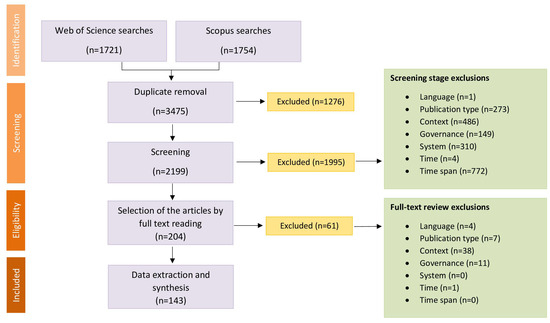
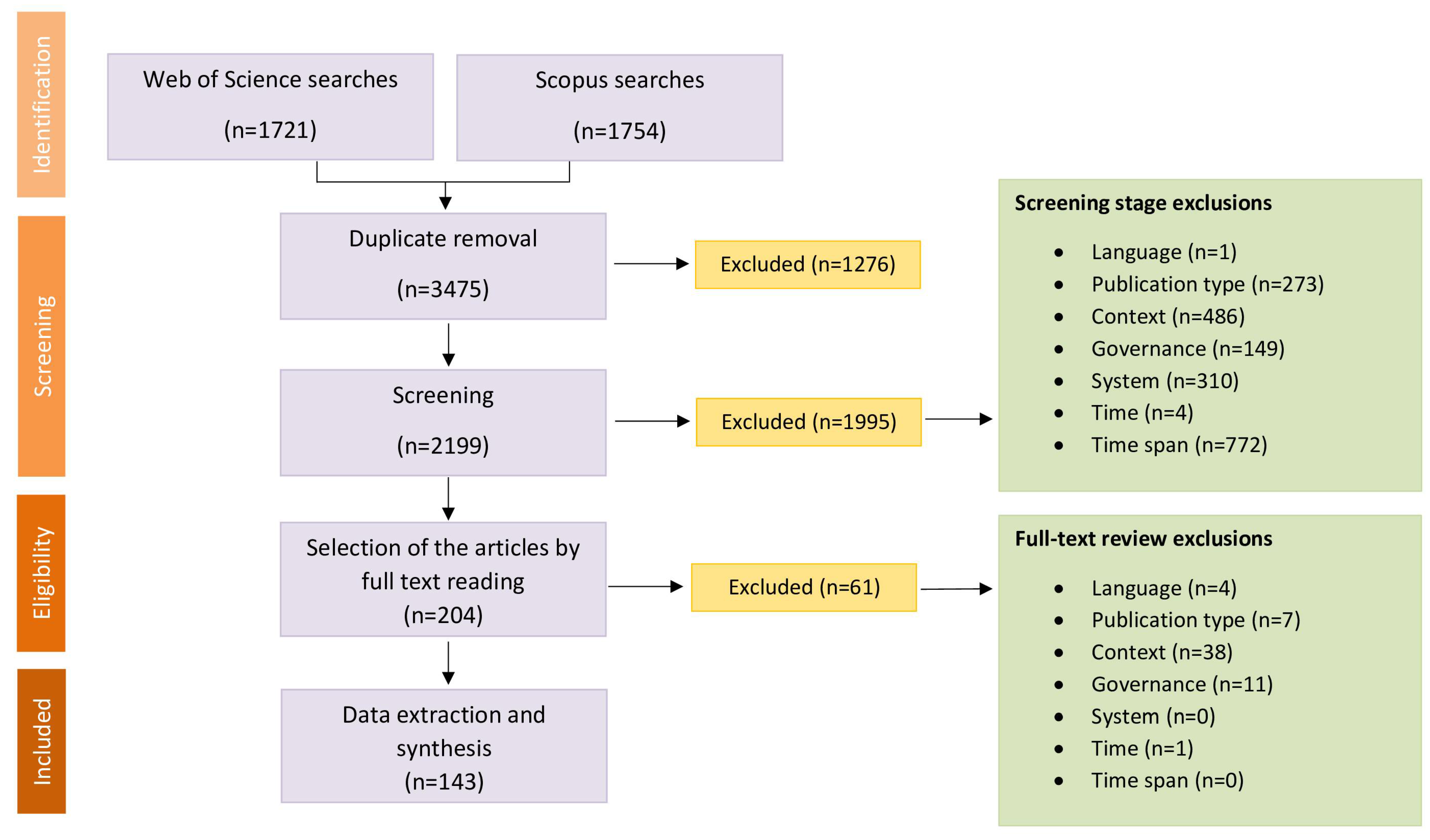
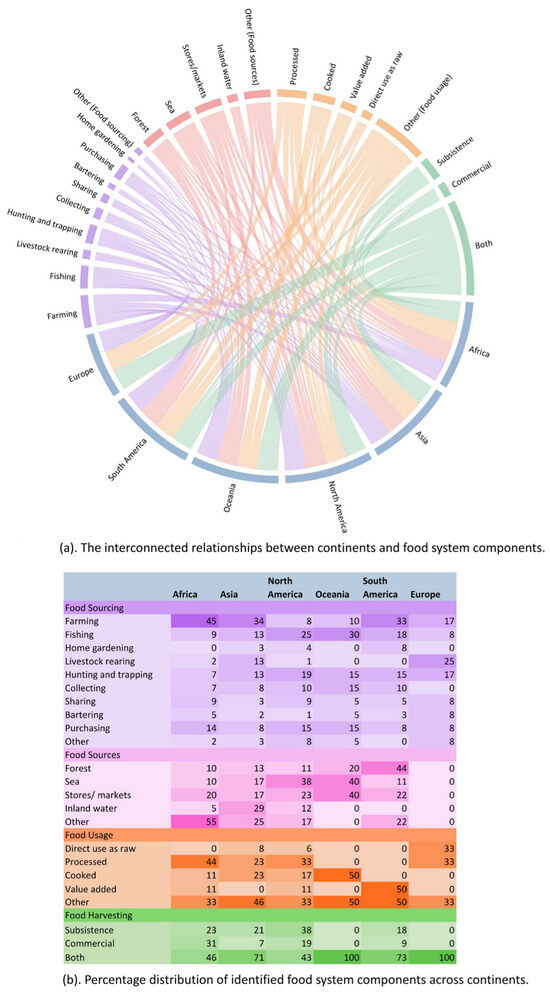
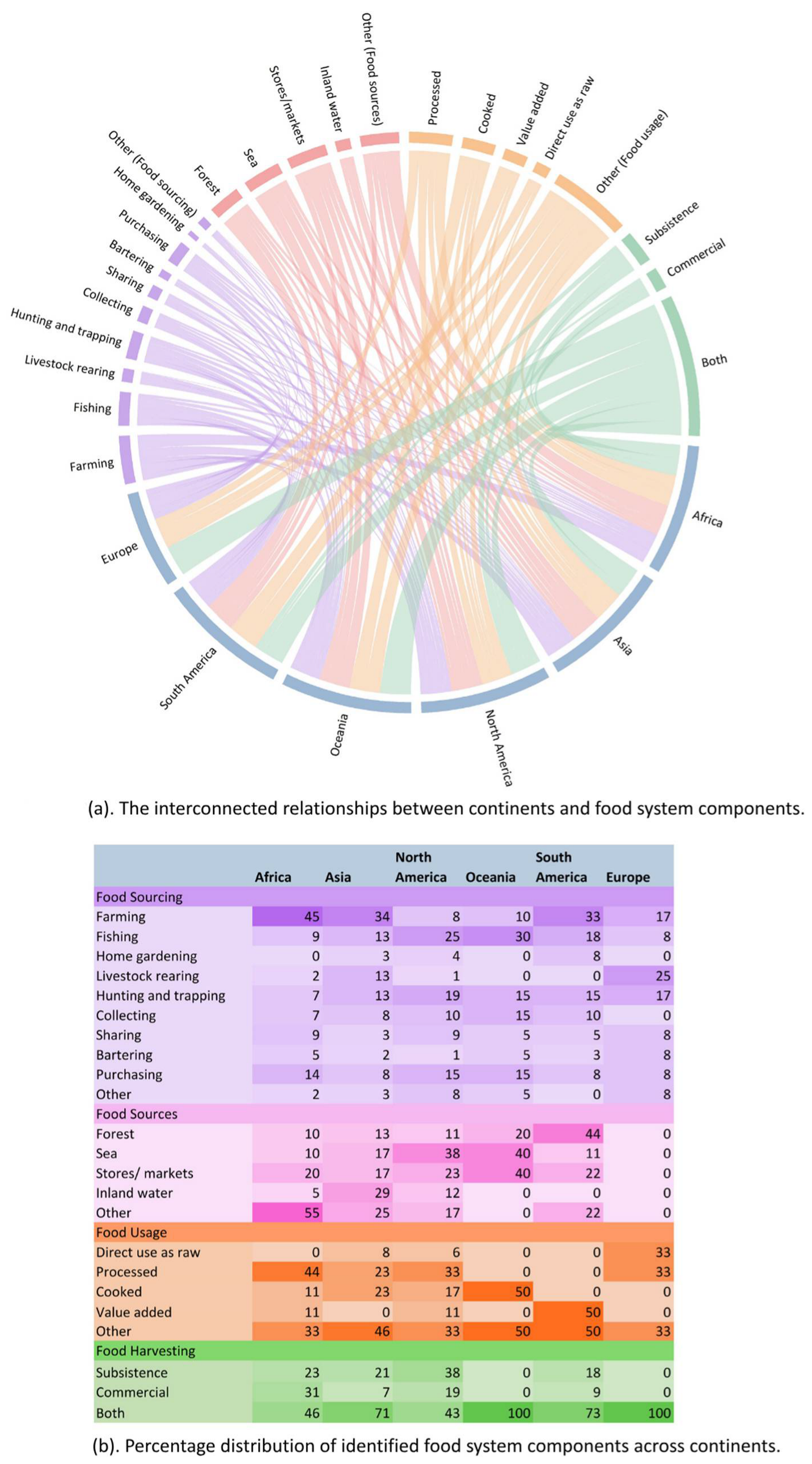
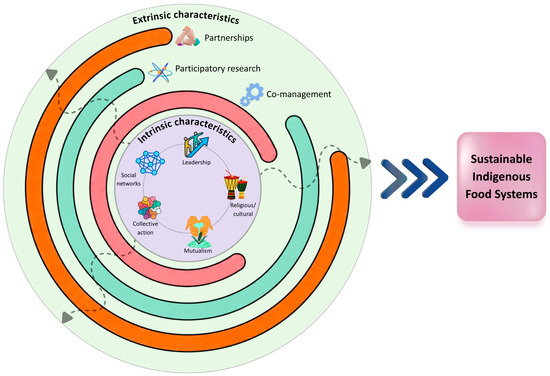
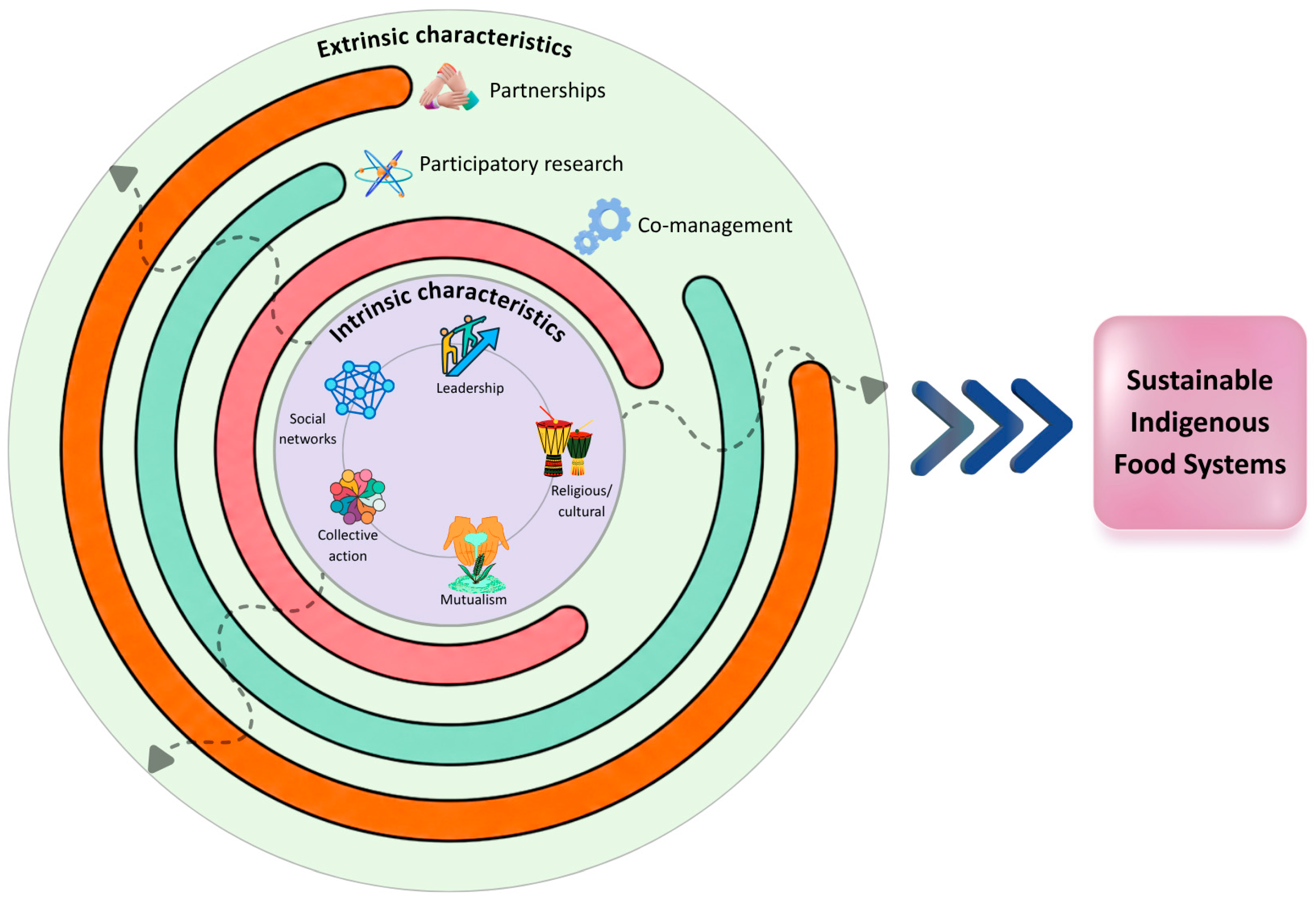

Disclaimer/Publisher’s Note: The statements, opinions and data contained in all publications are solely those of the individual author(s) and contributor(s) and not of MDPI and/or the editor(s). MDPI and/or the editor(s) disclaim responsibility for any injury to people or property resulting from any ideas, methods, instructions or products referred to in the content. |
© 2026 by the authors. Licensee MDPI, Basel, Switzerland. This article is an open access article distributed under the terms and conditions of the Creative Commons Attribution (CC BY) license.