


Abstract
This study examines how Environmental, Social, and Governance (ESG) performance influences firm financial performance within the ASEAN context by integrating internal mechanisms and external institutional dynamics. Using a quantitative approach, this study analyzes 270 financial and non-financial companies from five ASEAN countries over the period 2019–2023. Structural Equation Modeling using Partial Least Squares (PLS-SEM) with WarpPLS is employed to test direct, mediating, and moderating relationships, complemented by multi-group analysis to assess cross-country and sectoral differences. The results show that ESG performance has a positive and significant effect on firm financial performance, both directly and indirectly through innovation capacity. At the same time, stakeholder trust and resource efficiency do not exhibit significant mediating effects. Furthermore, institutional quality, policy effectiveness, and cultural sustainability orientation strengthen the ESG–performance relationship, whereas market competition intensity does not play a significant moderating role. The findings also reveal substantial heterogeneity across countries and sectors, indicating that ESG effectiveness is highly context-dependent. Overall, this study highlights that ESG creates value not only through internal capabilities but also through supportive institutional and cultural environments, emphasizing the importance of contextual factors in shaping sustainability outcomes in emerging markets.
1. Introduction
In recent years, the global business landscape has undergone a profound transformation driven by increasing environmental, social, and governance (ESG) pressures, particularly in emerging economies that face sustainability challenges alongside economic growth demands. These markets are disproportionately exposed to environmental risks and climate-related hazards, despite having strong potential for economic expansion [1,2]. At the same time, institutional constraints and weak regulatory enforcement often hinder the effective implementation of sustainability practices in these contexts [3,4].
In response, Environmental, Social, and Governance (ESG) practices have emerged as a dominant framework guiding corporate sustainability strategies. ESG has gained substantial traction among investors, regulators, and corporations as a key tool for evaluating corporate behavior and long-term financial prospects [5,6]. Firms with strong ESG performance tend to enhance reputation, reduce information asymmetry, and lower financing costs, thereby improving market valuation [7]. Moreover, ESG is increasingly embedded in corporate decision-making, supported by stakeholder, legitimacy, and signaling theories that link sustainability practices to firm value creation [8].
Despite this growing importance, the relationship between ESG performance and corporate financial performance remains highly debated. While several studies report positive effects [9,10], others find negative or insignificant effects, suggesting that ESG investments may impose additional costs that reduce short-term profitability [11,12,13]. Some studies further identify nonlinear relationships, such as inverted U-shaped effects [14]. This inconsistency suggests that the ESG–financial performance nexus is complex and context-dependent, requiring deeper investigation into the conditions under which ESG creates value [15,16].
A critical limitation of prior research lies in the limited examination of the mechanisms through which ESG influences financial performance. A substantial body of literature, such as studies by Treepongkaruna and Suttipun [17], Chung et al. [18], and Velte [19], primarily focuses on the direct impact of ESG or its individual dimensions on firm performance without explicitly examining the underlying transmission processes. In addition, studies such as Dkhili [5], Zahid et al. [20], and Le [21] rely heavily on aggregate ESG scores, thereby overlooking how ESG is operationalized within firms. Furthermore, research such as Chen et al. [7] does not simultaneously incorporate mediating and moderating mechanisms, limiting the ability to capture the complexity of ESG value creation. As a result, ESG initiatives do not automatically translate into financial gains; instead, firms must convert sustainability commitments into internal capabilities that generate value.
From this perspective, several internal mechanisms are particularly relevant. Innovation capacity enables firms to transform ESG engagement into competitive advantage through green innovation and technological development [22]. Resource efficiency improves operational performance by optimizing resource utilization and reducing environmental impact [23,24]. ESG practices may also enhance stakeholder trust by strengthening transparency and legitimacy, thereby improving financial resilience [25]. However, these mechanisms are unlikely to operate uniformly, suggesting that ESG–performance relationships are mediated selectively rather than universally across all channels.
Beyond internal mechanisms, the effectiveness of ESG is shaped by external contextual factors. Institutional quality, policy effectiveness, market competition, and cultural orientation influence how ESG practices are implemented and rewarded. Strong institutional environments enhance regulatory support and stakeholder expectations, thereby strengthening ESG outcomes [26,27], whereas weak institutions may reduce their effectiveness. Market competition influences strategic responses to sustainability pressures [28], while policy frameworks and cultural values shape corporate behavior and stakeholder perceptions [29,30].
The Association of Southeast Asian Nations (ASEAN) region provides a particularly relevant context for examining these dynamics. While the region has shown increasing commitment to sustainability through initiatives such as the ASEAN Corporate Governance Scorecard and Green Bond Standards [26], ESG adoption remains uneven across countries due to differences in institutional quality and regulatory frameworks [21,31]. Unlike more institutionally homogeneous developed markets, ASEAN countries exhibit substantial variation in ESG maturity, governance quality, regulatory effectiveness, and sustainability orientation. This heterogeneity makes ASEAN a particularly relevant setting for examining whether ESG–performance relationships operate consistently across different emerging-market environments.
Prior ESG studies have been widely conducted in other regions, including Europe [5,15,19], Hong Kong [18], India [32], and Levant countries [7]. While these studies provide important evidence regarding the relationship between ESG and firm performance, their findings remain mixed and context-dependent. Moreover, most existing studies are conducted in relatively more established regulatory environments or focus on single-country settings, limiting the understanding of how ESG operates across heterogeneous emerging economies such as ASEAN.
In addition, sectoral differences further complicate the ESG–performance relationship. Firms in financial and non-financial sectors face different regulatory pressures, stakeholder expectations, and risk structures, which may lead to variation in ESG outcomes. Cultural dimensions, such as long-term orientation, also influence sustainability strategies and corporate behavior [33]. These variations highlight the need for a more integrated and context-sensitive analytical framework.
Despite the growing body of ESG research, several important gaps remain. First, empirical findings on the ESG–financial performance relationship are inconsistent. Second, prior studies rarely examine multiple mediating mechanisms simultaneously, and existing evidence remains fragmented. Third, the moderating role of contextual factors remains underexplored, particularly in emerging markets. Fourth, ASEAN-focused studies are often limited to single-country analyses or aggregate ESG measures [6,21]. Finally, cross-country comparative analyses using advanced techniques such as multi-group analysis (MGA) remain limited.
To address these gaps, this study develops an integrated framework that examines the impact of ESG performance on firm financial performance (ROA) by incorporating stakeholder trust, innovation capacity, and resource efficiency as mediating variables, along with institutional quality, market competition intensity, policy effectiveness, and cultural sustainability orientation as moderating variables. Using data from financial and non-financial firms across ASEAN countries, this study provides a comprehensive and context-sensitive analysis of ESG dynamics.
This study contributes to the sustainability and corporate governance literature in several ways. First, it develops an integrated model linking ESG performance to financial outcomes through multiple organizational mechanisms, thereby offering a more nuanced and partial explanation of how ESG creates value rather than assuming uniform effects across all mechanisms. Second, it incorporates institutional, market, policy, and cultural factors to explain variations in ESG effectiveness. Third, it provides comparative cross-country evidence from ASEAN by examining heterogeneity across institutional and sectoral contexts through Multi-Group Analysis (MGA), an approach that remains limited in prior ESG studies focusing on emerging markets. Finally, the use of PLS-SEM combined with Multi-Group Analysis enhances the robustness and generalizability of the findings.
2. Literature Review
2.1. Theoretical Background
This study is grounded in three complementary theoretical perspectives, namely stakeholder theory, the natural resource-based view (NRBV), and institutional theory, which together provide a comprehensive framework for understanding the relationship between ESG performance and firm financial performance. These theories integrate both internal firm capabilities and external environmental pressures, thereby offering a holistic explanation of how ESG practices create value.
Stakeholder theory serves as the primary theoretical foundation for ESG and its relationship with firm performance. Originating from the work of Freeman [34], stakeholder theory posits that firms should create value not only for shareholders but for all stakeholders, including employees, customers, investors, and society at large. The theory suggests that a firm’s long-term success depends on its ability to manage relationships with these stakeholders [35] effectively. ESG practices represent a strategic approach to addressing stakeholder expectations by promoting transparency, accountability, and responsible behavior. By engaging in ESG activities, firms can build stakeholder trust, which serves as social capital that enhances reputation, reduces transaction costs, and improves financial performance [36,37]. Furthermore, sustainability disclosure and communication serve as key mechanisms for strengthening stakeholder relationships and aligning corporate actions with stakeholder demands [19,38].
In addition to stakeholder theory, this study draws on the natural resource-based view (NRBV), which extends the traditional resource-based view by incorporating environmental considerations into strategic management [39]. The NRBV emphasizes that firms can achieve sustainable competitive advantage by developing capabilities related to environmental management, such as pollution prevention, product stewardship, and sustainable development. These capabilities enable firms to improve efficiency, foster innovation, and reduce environmental impact, thereby enhancing financial performance. Empirical evidence supports the NRBV perspective, indicating that ESG practices can serve as strategic resources that contribute to long-term value creation by enhancing innovation and operational efficiency [40,41]. Although ESG investments may involve short-term costs, they can generate long-term benefits by strengthening firms’ competitive positioning and market valuation [42].
Institutional theory further complements these perspectives by emphasizing the role of external environments in shaping organizational behavior. According to institutional theory, firms operate within a framework of formal and informal rules, including regulations, norms, and cultural expectations, which influence their strategic decisions [43]. ESG practices are often adopted not only for economic benefits but also to gain legitimacy and conform to institutional pressures [30]. Institutional factors such as regulatory quality, governance effectiveness, and cultural norms determine how ESG initiatives are implemented and perceived, thereby affecting their financial outcomes. Empirical studies show that institutional quality plays a critical role in shaping ESG performance and its impact on firm outcomes, reinforcing the importance of contextual factors in sustainability research [44,45].
By integrating these three theoretical perspectives, this study proposes a comprehensive framework in which ESG performance influences firm financial performance both directly and indirectly through internal value creation mechanisms, while also being shaped by external contextual factors. Specifically, stakeholder theory explains the role of stakeholder trust as a key mediating mechanism, the NRBV provides a foundation for understanding the roles of innovation capacity and resource efficiency as sources of competitive advantage, and institutional theory explains how contextual variables such as institutional quality, policy effectiveness, and cultural sustainability orientation moderate the ESG–performance relationship.
2.2. ESG Performance and Firm Financial Performance
Environmental, Social, and Governance (ESG) performance has become a central framework for evaluating corporate sustainability and its implications for financial outcomes. ESG reflects a firm’s commitment to environmental stewardship, social responsibility, and sound governance practices, which collectively represent a comprehensive approach to sustainable business operations [5,46]. Specifically, the environmental dimension focuses on pollution control, energy efficiency, and biodiversity preservation, and the social dimension emphasizes stakeholder relationships, employee well-being, and human rights, while the governance dimension relates to ethical conduct, transparency, and effective management structures [14,47,48].
From a theoretical perspective, ESG performance is closely linked to stakeholder theory, signaling theory, and legitimacy theory, which collectively suggest that firms engaging in responsible practices can enhance reputation, strengthen stakeholder relationships, and improve financial performance. ESG disclosure serves as a signal of corporate transparency and accountability, reducing information asymmetry and fostering investor confidence [7,49]. Accordingly, firms with higher ESG performance are more likely to gain access to critical resources, attract investors, and sustain long-term competitive advantages.
Empirical evidence generally supports a positive relationship between ESG performance and corporate financial performance. Several studies find that ESG engagement enhances firm profitability and market valuation by improving stakeholder trust, operational efficiency, and corporate reputation [9,10,21]. For instance, ESG disclosure has been shown to positively influence return on assets (ROA), indicating that firms adopting sustainability practices can use their assets more efficiently [17]. Similarly, ESG performance contributes to value creation by satisfying stakeholder expectations and promoting long-term organizational stability [32].
However, despite these positive findings, the ESG–financial performance relationship remains inconclusive. Some studies [12,20,50] report negative or insignificant effects, suggesting that ESG investments may impose additional costs that reduce short-term profitability. This perspective, often referred to as the trade-off hypothesis, argues that firms engaging in ESG activities incur higher operational and compliance costs, which may outweigh immediate financial benefits. Moreover, prior research indicates that the ESG–performance relationship varies across firm characteristics, industries, and institutional contexts, leading to heterogeneous empirical outcomes [40].
Importantly, prior studies focusing on environmental [38,51], social [18,52], and governance dimensions [19,26] consistently suggest that ESG components do not exert uniform effects on financial performance. Environmental performance, for instance, is often associated with improved efficiency, risk reduction, and enhanced legitimacy, which can positively influence financial outcomes [38,51]. Firms investing in environmentally friendly practices may benefit from reduced operational costs and stronger stakeholder support, although these benefits may materialize over the long term [26].
Similarly, social performance plays a critical role in shaping firm outcomes by influencing stakeholder relationships. Companies that actively engage in social responsibility initiatives tend to build stronger relationships with employees, customers, and communities, thereby enhancing reputation, reducing conflict, and improving overall performance [18,52]. However, evidence from prior studies [12] indicates that the financial impact of social performance may vary depending on stakeholder awareness and contextual conditions.
In contrast, the governance dimension presents more complex and sometimes contradictory effects. Strong governance practices can improve transparency, reduce agency problems, and enhance financial performance [19,26], while excessive governance mechanisms may increase monitoring costs and constrain managerial flexibility, thereby negatively affecting profitability in the short term [15,52]. This dual effect suggests that governance–performance relationships are conditional and depend on the balance between control mechanisms and managerial efficiency.
Overall, the existing literature indicates that ESG performance has the potential to enhance corporate financial performance, particularly when sustainability practices are effectively integrated into firm strategy. At the same time, the mixed empirical findings and the heterogeneous effects across ESG dimensions highlight the importance of examining both aggregate ESG performance and its individual components to avoid oversimplification and potential model redundancy. This approach enables a more comprehensive understanding of ESG-driven value creation, particularly in emerging market contexts.
Based on these theoretical arguments and empirical findings, the following hypotheses are proposed:
H1.
ESG performance has a positive effect on company financial performance (ROA).
H1a.
Environmental performance (E) has a positive effect on company financial performance (ROA).
H1b.
Social performance (S) has a positive effect on company financial performance (ROA).
H1c.
Governance performance (G) has a positive effect on company financial performance (ROA).
2.3. Mediating Mechanisms: Internal Value Creation
While prior studies have extensively examined the direct relationship between ESG performance and financial outcomes [17,18,19], the mechanisms through which ESG creates value remain insufficiently understood. ESG initiatives do not inherently generate financial benefits; instead, their effectiveness depends on the firm’s ability to translate sustainability practices into internal capabilities that enhance performance. Accordingly, internal value creation mechanisms, particularly stakeholder trust, innovation capacity, and resource efficiency, are considered critical channels through which ESG influences firm financial performance [53,54,55].
Stakeholder trust represents a fundamental element in the relationship between firms and their stakeholders, reflecting expectations of responsible behavior and mutual benefit [56]. ESG practices related to transparency, accountability, and ethical conduct contribute to building trust by signaling credibility and reducing information asymmetry [49]. Firms that actively engage in sustainability initiatives strengthen relationships with stakeholders, including investors, customers, and employees, thereby enhancing corporate reputation and long-term stability [57]. Empirical evidence indicates that trust significantly contributes to firm performance by fostering stakeholder loyalty, increasing productivity, and improving market outcomes [53]. In addition, studies focusing on sustainability–performance linkages [58,59] indicate that stakeholder-related outcomes, including trust and satisfaction, play a mediating role in translating sustainability practices into financial performance. The importance of trust is particularly evident during periods of uncertainty, where firms with stronger social capital derived from sustainability practices tend to demonstrate superior resilience and performance [60]. However, the strength and timing of this relationship may vary, as trust-based benefits are often long-term and may not immediately translate into financial outcomes.
Innovation capacity represents another critical mechanism through which ESG performance can generate financial value. Innovation capacity refers to a firm’s ability to transform knowledge and ideas into new products, processes, and systems that create value [61]. It is widely recognized as a dynamic capability that supports sustained competitive advantage [62]. ESG engagement encourages firms to invest in sustainable and green innovations to address environmental challenges and comply with regulatory requirements [22]. Moreover, ESG practices improve transparency and reduce financing constraints, facilitating investment in research and development [46]. Empirical studies [55] demonstrate that ESG performance is positively associated with innovation investment and green technological advancement.
Innovation capacity, in turn, enhances firm performance by improving productivity, enabling differentiation, and creating new market opportunities [63]. Studies focusing on ESG-driven innovation [64,65] provide evidence that innovation acts as a mediating mechanism linking sustainability practices to financial outcomes. However, prior research also highlights that the financial benefits of innovation may involve time lags and depend on firms’ ability to effectively commercialize innovation outputs [54,55].
Resource efficiency constitutes another important pathway through which ESG may influence financial performance. Resource efficiency refers to a firm’s ability to optimize the use of materials, energy, and other inputs while minimizing waste and environmental impact [24,66]. ESG practices promote environmentally responsible processes such as waste reduction, energy efficiency improvement, and the adoption of renewable resources, thereby enhancing operational performance [67,68]. Empirical evidence [69] indicates that ESG practices improve production efficiency and serve as a link between sustainability initiatives and financial performance. Similarly, eco-efficiency measures have been shown to contribute to long-term financial performance by reducing operational costs and improving resource utilization [41].
However, the relationship between resource efficiency and financial performance is not always straightforward. Prior studies [41,70] indicate that efficiency improvements often require substantial initial investment and may only yield financial benefits over time. Furthermore, sustainability initiatives may not create economic value unless they are effectively integrated into the firm’s value chain [71]. This suggests that the mediating role of resource efficiency may be contingent on implementation effectiveness and contextual conditions.
Overall, these internal mechanisms highlight that the financial benefits of ESG performance are not purely direct but are realized through specific organizational capabilities. At the same time, existing evidence suggests that these mechanisms may operate unevenly, implying that ESG does not necessarily translate into financial performance through all pathways simultaneously.
Based on these arguments, the following hypotheses are proposed:
H2.
Stakeholder trust mediates the relationship between ESG performance and company financial performance (ROA).
H3.
Innovation capacity mediates the relationship between ESG performance and company financial performance (ROA).
H4.
Resource efficiency mediates the relationship between ESG performance and company financial performance (ROA).
2.4. Moderating Effects: Contextual Influences
While internal mechanisms explain how ESG performance creates value, its effectiveness is highly contingent on external contextual conditions. ESG practices do not operate in isolation; rather, their impact on financial performance depends on institutional environments, regulatory effectiveness, market structures, and cultural contexts. Prior studies [72,73,74,75] indicate that these contextual factors shape how ESG initiatives are implemented and evaluated, thereby influencing the strength and direction of the ESG–financial performance relationship.
Institutional quality represents one of the most critical contextual factors influencing ESG effectiveness. Institutional environments determine the extent to which firms are pressured to adopt sustainability practices and how stakeholders interpret these practices [72]. Empirical evidence indicates that institutional quality significantly moderates the ESG–performance relationship, transforming ESG investments into value-enhancing activities under robust governance conditions [16]. Strong institutional frameworks mitigate agency problems, enhance the credibility of ESG disclosures, and increase stakeholder confidence, thereby strengthening the financial benefits of ESG engagement. Furthermore, institutional pressures compel firms to adopt sustainable practices to gain legitimacy and maintain their social license to operate [45]. In this context, firms operating in environments with higher institutional quality are more likely to align ESG practices with stakeholder expectations, leading to improved financial performance [76].
Based on these arguments, the following hypothesis is proposed:
H5.
Institutional quality positively moderates the relationship between ESG performance and ROA, such that the relationship is stronger in environments with higher institutional quality.
Market competition intensity further shapes the ESG–performance relationship by influencing firms’ strategic priorities. Market competition refers to rivalry among firms to gain market share, profitability, and competitive advantage through various strategic actions [73]. In competitive environments, firms may adopt ESG practices as a differentiation strategy to enhance reputation and attract stakeholders [77,78]. Empirical studies [79] suggest that competition can strengthen the positive impact of sustainability practices on financial performance, as firms strategically use ESG to gain a competitive advantage.
However, the moderating role of competition is not unidirectional. In highly competitive markets, firms may face resource constraints that limit their ability to invest in ESG initiatives, particularly when such investments are perceived as costly and not immediately profitable [30]. Some studies indicate that intense competition may weaken the ESG–performance relationship, as firms prioritize short-term survival strategies over long-term sustainability investments [80]. Additionally, market competition can influence ESG outcomes differently across firms, industries, and resource availability, highlighting the context-dependent nature of ESG effectiveness [28,81].
Based on these mixed findings, the following hypothesis is proposed:
H6.
Market competition intensity moderates the relationship between ESG performance and ROA, such that the strength of the relationship varies depending on the level of competitive pressure.
In addition to institutional quality and market competition, policy effectiveness plays a crucial role in shaping ESG outcomes. Effective government policies and regulatory frameworks provide the necessary support and enforcement mechanisms that encourage firms to adopt sustainability practices [26,82]. Empirical studies [83,84,85] show that firms are more likely to benefit from ESG initiatives when supported by clear regulatory systems and institutional infrastructure. Moreover, policy interventions such as environmental regulations and green finance initiatives directly influence corporate ESG behavior [27]. Effective policy frameworks also enhance the credibility and legitimacy of ESG initiatives, making them more valuable in the eyes of stakeholders. However, the effectiveness of such policies depends on their implementation and enforcement, as weak regulatory systems may fail to create sufficient pressure for firms to engage in meaningful sustainability practices [45,86,87].
Based on these arguments, the following hypothesis is proposed:
H7.
Policy effectiveness moderates the relationship between ESG performance and ROA.
Finally, cultural sustainability orientation represents an important contextual factor influencing ESG outcomes. Cultural values shape stakeholder expectations, organizational behavior, and strategic decision-making [74,75]. In societies where sustainability is highly valued, ESG practices are more likely to be rewarded by stakeholders, leading to improved financial outcomes [30,88]. Conversely, in contexts where sustainability is less emphasized, ESG initiatives may not generate significant financial benefits.
Cultural dimensions, such as long-term orientation, further influence ESG effectiveness. Societies with strong long-term orientation encourage firms to invest in sustainability strategies that yield long-term benefits [33,89]. Empirical evidence [90] suggests that cultural factors significantly moderate the relationship between ESG performance and financial performance, with ESG initiatives being more effective in cultures that align with sustainability values. Moreover, firms that align their sustainability strategies with prevailing cultural values are more likely to gain legitimacy, enhance stakeholder support, and improve financial performance [75].
Based on these arguments, the following hypothesis is proposed:
H8.
Cultural sustainability orientation positively moderates the relationship between ESG performance and ROA.
Overall, these contextual factors demonstrate that the impact of ESG performance on financial outcomes is not universal but depends on institutional, regulatory, market, and cultural conditions. These moderating influences help explain the heterogeneity observed in prior ESG studies and provide a more comprehensive understanding of ESG-driven value creation.
The conceptual framework of this study, which illustrates the relationships among ESG performance, mediating mechanisms, moderating variables, and firm financial performance, is presented in Figure 1.
Figure 1.
Research model.
3. Materials and Methods
This study employs a quantitative research design using secondary data to examine the relationship between Environmental, Social, and Governance (ESG) performance and firm financial performance. The data were obtained from the London Stock Exchange Group (LSEG) database (London, UK), which provides standardized and widely used ESG scores and financial information for publicly listed firms. The use of LSEG data ensures cross-country comparability and consistency in ESG measurement, which is particularly important for multi-country analysis in emerging markets.
The observation period covers 2019–2023. This period is selected because ESG disclosure practices have become more standardized and consistently reported in recent years, allowing for more reliable comparison across firms and countries. In addition, the selected time frame provides sufficient variation in ESG performance and firm outcomes to support empirical analysis.
The sample consists of publicly listed companies from ASEAN countries that have implemented ESG practices, namely Indonesia, Thailand, Malaysia, Singapore, and the Philippines. Only listed firms are included in the sample to ensure data availability, transparency, and comparability of financial and ESG information. The study does not represent all listed firms in ASEAN countries, as many firms do not consistently disclose ESG-related information or lack complete data in the LSEG database during the observation period. Therefore, the sample selection follows a purposive sampling approach based on data availability and consistency.
The initial dataset comprised 285 firms that met the preliminary inclusion criteria, particularly the availability of ESG disclosure and financial data during the 2019–2023 period. Subsequently, 15 firms were excluded due to incomplete observations and missing values in ESG, financial, or moderating variables required for structural model estimation. As a result, the final sample consists of 270 firms with complete and consistent firm-year observations across the study period.
The final sample comprises 36 firms in the financial sector and 234 firms in the non-financial sector. In terms of country distribution, the sample includes 83 firms from Thailand, 65 from Singapore, 53 from Malaysia, 44 from Indonesia, and 25 from the Philippines. This distribution reflects differences in ESG adoption and reporting practices across ASEAN countries.
Firm financial performance is measured using Return on Assets (ROA), calculated as net income divided by total assets, which is widely used in prior ESG–performance studies [17,38]. ESG performance is measured using the ESG score obtained from LSEG. This measurement is consistent with prior studies that utilize Refinitiv/LSEG ESG scores as a comprehensive indicator of corporate sustainability performance [9,91]. To avoid potential overlap with the ESG controversies score used as a mediating variable, this study employs the ESG score as the primary measure of ESG performance rather than relying solely on controversy-adjusted indicators.
To examine the mechanisms through which ESG influences firm performance, this study incorporates three mediating variables. Stakeholder trust is proxied by the ESG controversies score, which reflects firms’ exposure to ESG-related controversies. Prior studies have used ESG controversies as an indicator of reputational risk and stakeholder reaction, as controversies capture negative stakeholder perceptions and trust erosion [92,93]. However, it is acknowledged that controversies may also reflect differences in disclosure intensity and media visibility, and therefore may not fully capture the underlying trust construct. Innovation capacity is measured using the Environmental Innovation Score from LSEG. This proxy is consistent with prior studies linking ESG engagement to innovation activities, where ESG performance has been shown to stimulate green innovation and technological development [91]. In addition, prior research operationalizes green innovation using indicators such as green patent activity [46], supporting the use of ESG-based innovation scores as a valid proxy for innovation capacity.
Resource efficiency is measured using the resource use score. This measure reflects firms’ eco-efficiency and operational efficiency, which have been widely examined in ESG research as key drivers of financial performance [91,94]. Resource use indicators capture firms’ ability to optimize inputs and reduce environmental impact, aligning with sustainability-oriented performance metrics. All mediating variables are measured contemporaneously with firm financial performance, reflecting concurrent structural relationships rather than lagged causal effects. This approach is consistent with prior ESG studies that focus on structural linkages rather than dynamic panel estimation.
To capture contextual influences, this study includes institutional quality, market competition intensity, policy effectiveness, and cultural sustainability orientation as moderating variables. Institutional quality and policy effectiveness are derived from the World Bank Worldwide Governance Indicators (WGI), which are rescaled to a 0–100 range for comparability. The use of WGI indicators is consistent with prior studies examining the moderating role of governance quality in ESG–performance relationships [16]. Market competition intensity is measured using the Herfindahl–Hirschman Index (HHI), transformed into a competition index and standardized. Cultural sustainability orientation is measured using the Long-Term Orientation (LTO) index.
Firm size is included as a control variable and measured as the natural logarithm of total assets. Table 1 provides a detailed summary of all variables, their measurements, and data sources.
Table 1.
Operationalization of Variables.
This study employs Structural Equation Modeling using Partial Least Squares (PLS-SEM) with WarpPLS version 3 (ScriptWarp Systems, Laredo, TX, USA) to test the proposed model. PLS-SEM is selected because the research model involves multiple mediating and moderating relationships that are estimated simultaneously, making it suitable for analyzing complex structural relationships. In addition, PLS-SEM is appropriate for prediction-oriented research and does not require strict assumptions regarding data distribution.
The dataset consists of firm-year observations over the 2019–2023 period, forming a panel structure. In this study, the data are treated as pooled firm-year observations rather than as a dynamic panel. Each observation represents a firm-year combination, and no temporal aggregation or averaging is applied.
The use of PLS-SEM in this context is justified by the study’s objective, which focuses on examining structural relationships among ESG, mediating mechanisms, and contextual factors, rather than estimating dynamic panel effects. Unlike panel regression models, which are designed to capture time-series dependencies and causal inference, PLS-SEM allows for the simultaneous estimation of direct, indirect (mediating), and moderating effects within a single framework.
Accordingly, this study emphasizes structural and predictive relationships rather than temporal causality, and the results should be interpreted within this context. To ensure robustness, this study conducts Multi-Group Analysis (MGA) to examine differences across countries, including Indonesia, Thailand, Malaysia, Singapore, and the Philippines. In addition, robustness checks are performed by comparing financial and non-financial sectors to assess the consistency of results across industry contexts.
4. Results
4.1. Descriptive Statistics
Table 2 presents the descriptive statistics of the variables used in this study. Overall, ESG performance is moderate, with a mean score of 57.232, indicating that ASEAN firms have implemented sustainability practices to some extent. Among the ESG pillars, environmental performance exhibits the highest average value, followed by social and governance dimensions. Firm financial performance, measured by ROA, shows a mean value of 0.060, suggesting moderate profitability across the sampled firms, with some firms experiencing negative returns. Regarding the mediating variables, resource efficiency shows the highest mean, while stakeholder trust and innovation capacity exhibit relatively lower means, suggesting potential variation in firms’ internal capabilities. For the moderating variables, policy effectiveness and institutional quality show relatively high average values, reflecting differences in governance environments across countries. Meanwhile, market competition intensity and cultural sustainability orientation are moderate. Overall, the results indicate substantial variation across firms and countries, supporting the suitability of further analysis using structural modeling.
Table 2.
Descriptive statistics.
4.2. Measurement and Model Fit Assessment
Table 3 presents the correlation matrix among the variables. Overall, ESG performance shows a strong and positive correlation with firm financial performance (ROA) (r = 0.640, p < 0.01), indicating a preliminary association between sustainability practices and profitability. ESG is also positively correlated with innovation capacity (r = 0.718, p < 0.01) and stakeholder trust (r = 0.309, p < 0.01), suggesting potential indirect mechanisms through which ESG may influence firm performance.
Table 3.
Correlation Matrix of Latent Variables.
The correlations among mediating variables are generally low to moderate, indicating that each variable captures distinct aspects of internal value creation. Resource efficiency exhibits relatively weak correlations with other variables, further supporting its role as an independent mechanism.
Regarding control and moderating variables, most correlations are relatively low, suggesting limited overlap across variables. However, relatively high correlations are observed among institutional quality, policy effectiveness, and cultural sustainability orientation (e.g., IQ–PE = 0.824; IQ–CSO = 0.728; PE–CSO = 0.719), reflecting their shared country-level characteristics. These correlations indicate potential multicollinearity concerns that require careful interpretation and further robustness analysis.
Table 4 presents the evaluation of model fit, predictive power, and quality indices. The model demonstrates a good overall fit, as indicated by significant values of the Average Path Coefficient (APC = 0.163, p < 0.001), Average R-squared (ARS = 0.321, p < 0.001), and Average Adjusted R-squared (AARS = 0.320, p < 0.001).
Table 4.
Evaluation of Model Fit, Predictive Power, and Quality Indices.
In terms of multicollinearity, the Average Full Collinearity VIF (AFVIF = 4.638) is within the acceptable threshold (≤5), suggesting that multicollinearity does not pose a severe concern at the model level. Although the Average Block VIF (AVIF = 5.311) slightly exceeds the recommended threshold, this result should be interpreted with caution, particularly in light of the relatively high correlations among country-level moderators. Therefore, additional robustness tests are conducted in subsequent analysis to ensure that the estimated moderating effects are not driven by multicollinearity.
The model also demonstrates strong explanatory and predictive power. The R-squared value for ROA is 0.589, indicating moderate to strong explanatory capability, while the adjusted R-squared (0.586) confirms the robustness of the model. Furthermore, the Stone–Geisser Q2 value of 0.532 indicates high predictive relevance.
Additional model fit indices further support the adequacy of the model. The Tenenhaus Goodness-of-Fit (GoF = 0.567) indicates a large effect size, while the Simpson’s Paradox Ratio (SPR = 1.000), R-squared Contribution Ratio (RSCR = 1.000), and Statistical Suppression Ratio (SSR = 1.000) all meet the recommended thresholds, confirming the overall quality and stability of the model.
Overall, the results indicate that the proposed model exhibits acceptable measurement properties, satisfactory model fit, and strong predictive capability. However, given the observed correlations among certain contextual variables, the findings should be interpreted with appropriate caution, and additional robustness checks are conducted to validate the stability of the results.
4.3. Structural Model and Hypothesis Testing
Table 5 presents the results of the structural model and hypothesis testing, while Figure 2 illustrates the overall relationships among variables. The findings indicate that ESG performance has a positive and statistically significant effect on firm financial performance (ROA) (β = 0.243, p < 0.001, f2 = 0.159), supporting H1. The effect size falls within the moderate range, suggesting that ESG represents a meaningful driver of firm performance, although it is not the sole determinant.
Table 5.
Structural Model Assessment and Hypotheses Testing Summary.
Figure 2.
Structural Model Results with Path Coefficients and Significance Levels.
When examining the individual ESG dimensions, environmental (β = 0.108, p < 0.001, f2 = 0.069), social (β = 0.082, p = 0.001, f2 = 0.051), and governance (β = 0.049, p = 0.035, f2 = 0.026) performance all show positive and significant effects on ROA, supporting H1a, H1b, and H1c. In terms of effect size, environmental and social dimensions exhibit small to moderate effects, while governance shows a small effect. Although the environmental dimension has the largest coefficient, these differences should be interpreted cautiously, as variations in coefficient magnitude may reflect measurement characteristics rather than substantive dominance.
Regarding the mediating mechanisms, the results reveal heterogeneous patterns. The indirect effect of ESG on ROA through innovation capacity is positive and statistically significant (indirect effect = 0.262, p < 0.001), supporting H3. This indicates that ESG contributes to financial performance through enhanced innovation capability. In contrast, the indirect effects through stakeholder trust (indirect effect = 0.009, p = 0.133) and resource efficiency (indirect effect = 0.001, p = 0.450) are not statistically significant, leading to the rejection of H2 and H4. These findings suggest that ESG-driven value creation is not uniformly transmitted through all internal mechanisms, with innovation capacity emerging as the most effective pathway. It is important to note that mediation is evaluated based on indirect effects, rather than individual path segments, following standard PLS-SEM procedures.
The moderating effects further highlight the importance of contextual factors. Institutional quality significantly strengthens the relationship between ESG and ROA (β = 0.070, p = 0.005, f2 = 0.010), supporting H5. Similarly, policy effectiveness (β = 0.052, p = 0.027, f2 = 0.010) and cultural sustainability orientation (β = 0.069, p = 0.006, f2 = 0.014) also show positive and significant moderating effects, supporting H7 and H8. The effect sizes of these moderating variables are small, indicating that while contextual conditions significantly influence the ESG–performance relationship, their impact is complementary rather than dominant. In contrast, market competition intensity does not significantly moderate the ESG–ROA relationship (β = −0.017, p = 0.262, f2 = 0.002), leading to the rejection of H6.
Among the control variables, firm size (TA) shows a negative and significant effect on ROA (β = −0.070, p = 0.005, f2 = 0.009), indicating a small effect size, which suggests that larger firms may experience slightly lower profitability, potentially due to operational complexity.
Given the relatively high correlations among institutional quality, policy effectiveness, and cultural sustainability orientation, additional robustness tests were conducted by estimating the model with each moderator separately. The results, presented in Table 6, show that the moderating effects remain positive and statistically significant across all alternative specifications. Notably, the magnitude of the interaction effects increases when each moderator is estimated individually (IQ: β = 0.154, p < 0.001; PE: β = 0.146, p < 0.001; CSO: β = 0.147, p < 0.001), suggesting that the inclusion of multiple correlated moderators in the main model may attenuate the estimated effects. These findings confirm that the moderating roles of institutional quality, policy effectiveness, and cultural sustainability orientation are robust and not driven by multicollinearity.
Table 6.
Robustness Test for Moderating Effects.
Overall, the results demonstrate that ESG performance directly enhances firm financial performance and indirectly contributes through innovation capacity, while its effectiveness is further shaped by institutional and cultural contexts.
To further illustrate these moderating effects, Figure 3 presents the interaction plots for institutional quality, policy effectiveness, and cultural sustainability orientation. Across all three moderators, a consistent pattern emerges, where the slope of ESG performance on ROA becomes steeper at higher levels of the moderating variables. This indicates that ESG contributes more strongly to firm financial performance under more favorable institutional and cultural conditions.
Figure 3.
Interaction effects of ESG performance and contextual factors on firm financial performance (ROA). (a) Moderating role of institutional quality. (b) Moderating role of policy effectiveness. (c) Moderating role of cultural sustainability orientation.
Notably, the interaction plots exhibit a similar crossover pattern, reflecting the comparable magnitude of the interaction coefficients observed in the structural model. While firms operating under higher levels of institutional quality, policy effectiveness, and cultural sustainability orientation may exhibit relatively lower baseline performance at low levels of ESG, they experience significantly greater improvements in financial performance as ESG performance increases. This suggests that contextual factors primarily enhance the effectiveness of ESG practices rather than directly influencing firm performance.
4.4. Additional Robustness and Endogeneity Test
To further address potential endogeneity and reverse causality concerns, an additional robustness test was conducted using lagged ESG performance. Specifically, ESG scores from period t − 1 were used to predict firm financial performance (ROA) in period t.
Table 7 shows that lagged ESG performance remains positively and significantly associated with subsequent ROA (β = 0.419, p < 0.001), with a moderate effect size (f2 = 0.175). These findings indicate that the positive ESG–performance relationship remains robust after introducing temporal separation between ESG and financial performance. Accordingly, the results reduce concerns that firms with stronger financial performance are merely more likely to adopt ESG practices. Nevertheless, the findings should still be interpreted as associative rather than strictly causal relationships.
Table 7.
Additional Robustness and Endogeneity Test Using Lagged ESG Performance.
4.5. Multi-Group and Robustness Analysis
To further examine the stability of the results, multi-group analysis (MGA) is conducted across countries and sectors. The analysis is based on firm-year observations, where each observation represents a firm in a specific year. The final sample comprises 36 firms in the financial sector and 234 firms in the non-financial sector. In terms of country distribution, the sample includes 83 firms from Thailand, 65 from Singapore, 53 from Malaysia, 44 from Indonesia, and 25 from the Philippines.
Given the use of firm-year observations, multiple observations may originate from the same firms across different years, which may introduce within-firm dependence. Therefore, the effective sample size within each group may be lower than the total number of observations, and the MGA results should be interpreted with caution as indicative rather than definitive comparisons across groups.
The country-level MGA results (Table 8) indicate variation in the magnitude of path coefficients across ASEAN countries. Differences are observed in the ESG–ROA relationship, particularly across several country pairs, suggesting that the strength of ESG’s financial impact varies across institutional and economic contexts. The social dimension also shows notable variation across multiple comparisons, indicating that the role of social performance may be sensitive to contextual factors within the ASEAN region.
Table 8.
Multi-Group Analysis (MGA) of Path Coefficient Differences across ASEAN Countries.
Among the moderating effects, institutional quality and policy effectiveness exhibit relatively stronger variation across countries, especially in comparisons involving the Philippines. These patterns suggest that governance and regulatory environments may influence how ESG practices translate into financial outcomes. Cultural sustainability orientation also shows variation in several comparisons, whereas market competition intensity does not exhibit consistent differences across country pairs.
However, these differences should be interpreted as descriptive heterogeneity rather than structural causal differences. The MGA results are based on proxy-based constructs and do not involve formal tests of measurement invariance across groups. In addition, the use of firm-year observations implies that repeated observations from the same firms may introduce dependence across observations, which may affect the precision of group comparisons. Therefore, the results provide indicative patterns of variation rather than definitive cross-country causal conclusions.
The sectoral MGA results (Table 9) further show differences in coefficient magnitudes between financial and non-financial firms. The ESG–ROA relationship appears stronger in financial firms (β = 0.499) compared to non-financial firms (β = 0.287), indicating that ESG may play a more prominent role in financial-sector performance. Policy effectiveness also shows a larger moderating coefficient in financial firms (β = 0.228) relative to non-financial firms (β = 0.011), suggesting that regulatory environments may be particularly relevant for financial institutions.
Table 9.
Multi-Group Analysis (MGA) Results for Sectoral Differences (Financial vs. Non-Financial).
Nevertheless, these differences should be interpreted with caution, as variations in coefficients may be influenced by sample size imbalance, sector-specific characteristics, and measurement variability. Other moderating variables, including institutional quality, market competition intensity, and cultural sustainability orientation, do not show consistent sectoral differences.
Regarding control variables, firm size exhibits differing effects across sectors, with a negative relationship in non-financial firms and a positive relationship in financial firms. This variation may reflect differences in scale efficiency and operational structure across industries.
Overall, the MGA results provide additional insights into the heterogeneity of ESG–performance relationships across countries and sectors. However, these findings should be viewed as supplementary and exploratory, supporting the robustness of the main model rather than establishing definitive cross-group structural differences.
5. Discussion
The findings of this study indicate that ESG performance is positively associated with firm financial performance, as reflected in the significant relationship between ESG and ROA, thereby supporting H1. This relationship should be interpreted as an association rather than a causal effect, given the observational design of the study. The result is consistent with prior research suggesting that ESG practices are linked to improved corporate outcomes through enhanced transparency, reputation, and stakeholder engagement [7,49]. From a theoretical perspective, this finding aligns with stakeholder and signaling theories, in which ESG engagement serves as a signal of long-term orientation and responsible management, thereby strengthening firm positioning in capital markets. Empirical evidence from Southeast Asia further reinforces this relationship, indicating that ESG integration contributes to improved financial performance in emerging markets characterized by rapid economic growth and increasing sustainability awareness [21].
A more detailed examination of ESG dimensions reveals that environmental, social, and governance components are all positively associated with ROA, although with varying magnitudes. The environmental dimension exhibits the strongest coefficient, supporting H1a, which is consistent with studies showing that environmental initiatives—such as emission reduction, energy efficiency, and resource optimization—can reduce operational costs and regulatory risks [38,51]. However, the interpretation of relative importance across ESG dimensions should be treated cautiously, as coefficient differences do not necessarily imply statistically significant dominance. Prior studies also report mixed or short-term negative effects due to high implementation costs [26,97], suggesting that the benefits of environmental performance may depend on time horizon and firm capabilities.
The social dimension is also positively associated with ROA, supporting H1b, indicating that firms engaging in social responsibility initiatives may strengthen stakeholder relationships and enhance firm outcomes [18,52]. These activities can improve employee productivity, customer loyalty, and corporate reputation. However, the strength of this relationship may vary across institutional contexts, particularly in emerging markets where stakeholder sensitivity to social issues differs [12].
Similarly, the governance dimension shows a positive but relatively smaller effect, supporting H1c. Governance practices contribute to transparency, accountability, and reduced agency problems [19]. However, prior literature suggests that governance investments may involve compliance and monitoring costs that reduce short-term profitability [15,52]. These findings suggest that ESG dimensions jointly contribute to financial performance rather than one dimension being inherently dominant, reinforcing the multidimensional nature of ESG.
Regarding mediating mechanisms, the results provide a clear distinction between supported and unsupported pathways. Innovation capacity demonstrates a significant indirect effect, supporting H3, indicating that ESG performance is associated with financial outcomes through firms’ ability to develop and implement innovative practices. This finding is consistent with prior studies suggesting that ESG engagement stimulates innovation, particularly in sustainable technologies and processes, which enhance competitiveness and long-term value creation [22,65].
In contrast, stakeholder trust does not significantly mediate the ESG–ROA relationship, leading to the rejection of H2. This result indicates that stakeholder trust does not function as a statistically supported transmission mechanism within the present model. Although prior studies suggest that ESG may enhance stakeholder trust and that trust can influence firm performance [49,53], the relationship is often conditional, nonlinear, and context-dependent [98,99]. However, such explanations are not supported by the current empirical results and therefore are not extended in this study.
Similarly, resource efficiency does not significantly mediate the ESG–performance relationship, resulting in the rejection of H4. While resource efficiency is theoretically expected to reduce costs and improve performance, empirical evidence remains mixed [41,100]. In this study, resource efficiency is not supported as a mediating mechanism, and the interpretation is limited to this empirical finding.
Taken together, these results suggest that the ESG–performance relationship is selectively mediated rather than broadly explained by multiple internal mechanisms. Rather than fully resolving the “black box,” the findings narrow its explanation by identifying innovation capacity as the only empirically supported pathway, while other proposed mechanisms are not confirmed.
The moderating analysis further highlights the role of contextual factors. Institutional quality significantly strengthens the ESG–ROA relationship, supporting H5, consistent with institutional theory, which suggests that stronger governance environments enhance the effectiveness and credibility of ESG practices [16,76]. Policy effectiveness also positively moderates the relationship, supporting H7, indicating that regulatory quality and policy implementation facilitate the translation of ESG practices into financial outcomes [26,87]. Similarly, cultural sustainability orientation strengthens the relationship, supporting H8, suggesting that societal values influence how ESG initiatives are perceived and rewarded [40].
In contrast, market competition intensity does not significantly moderate the ESG–performance relationship, leading to the rejection of H6. This suggests that competitive pressure does not systematically alter the ESG–ROA association within the observed sample, consistent with prior studies reporting mixed evidence on the role of competition [6,30,101].
The additional lagged ESG robustness analysis further strengthens the stability of the findings. The results show that ESG performance measured in the previous period remains positively and significantly associated with subsequent ROA, suggesting that the ESG–performance relationship is not solely driven by contemporaneous profitability conditions. This additional analysis reduces concerns regarding reverse causality, where firms with stronger financial performance may be more likely to implement ESG practices. Nevertheless, given the observational nature of the data, the findings should still be interpreted as associative rather than strictly causal relationships.
The multi-group analysis reveals that the ESG–performance association varies across countries and sectors, indicating the presence of heterogeneity rather than uniform effects. Differences across ASEAN countries are particularly evident in the ESG–ROA relationship and the social dimension, where several country pairs exhibit statistically significant variations. These patterns suggest that the effectiveness of ESG practices differs across institutional and economic environments, rather than being universally consistent.
In addition, the moderating effects of institutional quality and policy effectiveness show substantial variation across countries, particularly in comparisons involving the Philippines, indicating that governance and regulatory conditions play an important role in shaping ESG outcomes. Cultural sustainability orientation also demonstrates variation, although less consistently, while market competition does not show systematic differences across countries.
These findings should be interpreted as descriptive patterns of heterogeneity rather than causal differences across countries, given the limitations of the data structure and potential dependence across firm-year observations. This interpretation aligns with prior studies emphasizing that ESG outcomes are context-dependent and influenced by institutional and cultural environments [21,40].
Sectoral analysis shows that ESG is more strongly associated with financial performance in financial firms compared to non-financial firms. This may reflect differences in regulatory pressure, disclosure requirements, and sensitivity to reputational risk. Prior studies, however, report mixed findings across sectors. For example, Buallay [102] finds positive effects in manufacturing but negative effects in banking, while Feyisetan et al. [103] report contrasting results across sectors. These findings suggest that the ESG–performance relationship is influenced by sector-specific characteristics and should be interpreted within context rather than generalized.
Sectoral analysis further indicates that the ESG–performance association is stronger in financial firms compared to non-financial firms, suggesting that the relevance of ESG varies across industry contexts. This pattern may reflect differences in regulatory pressure, disclosure requirements, and sensitivity to reputational risk, which are generally more pronounced in the financial sector. Financial institutions operate in highly regulated environments where transparency and governance are critical, making ESG practices more closely aligned with performance outcomes. This finding is consistent with Ellili [104], who highlights that governance-related mechanisms influence ESG outcomes across sectors, although their effects vary by industry context.
However, prior studies report mixed and sometimes contradictory findings regarding sectoral differences in the ESG–performance relationship. For example, Buallay [102] finds that ESG positively affects performance in manufacturing firms but negatively affects performance in banking, suggesting sector-specific cost–benefit trade-offs. Similarly, Feyisetan et al. [103] report that ESG may have a negative impact in financial firms but a positive, yet insignificant, effect in non-financial firms. These inconsistencies indicate that the ESG–performance association is not uniform across sectors and depends on industry-specific characteristics.
In this study, the stronger association observed in financial firms should therefore be interpreted as context-specific rather than generalizable across all sectors. Structural differences in governance, regulatory exposure, and ESG integration may contribute to this variation [105,106]. Accordingly, the results are best understood as evidence of sectoral heterogeneity rather than definitive superiority of ESG effectiveness in any particular industry.
Overall, the results indicate that ESG performance is positively associated with firm financial performance, with innovation capacity serving as the only empirically supported mediating mechanism, while the strength of this relationship is conditioned by institutional, policy, cultural, and sectoral contexts. This interpretation provides a more precise and empirically grounded understanding of ESG-related value creation without overstating theoretical claims.
6. Conclusions
6.1. Summary of Findings
This study examines the relationship between ESG performance and firm financial performance in the ASEAN context by incorporating both internal mechanisms and external contextual factors. The findings indicate that ESG performance is positively associated with firm financial performance, both directly and indirectly through innovation capacity. Among the ESG dimensions, environmental, social, and governance components are all positively associated with ROA, although their relative magnitudes differ.
Importantly, the results show that not all proposed mechanisms are supported. Innovation capacity is identified as the only significant mediating pathway, while stakeholder trust and resource efficiency do not exhibit significant indirect effects. In addition, the ESG–performance relationship is strengthened by institutional quality, policy effectiveness, and cultural sustainability orientation, whereas market competition intensity does not significantly moderate this relationship. The findings also reveal heterogeneity across countries and sectors, indicating that the ESG–performance association is context-dependent.
6.2. Theoretical Implications
This study contributes to the ESG and corporate sustainability literature by providing a more precise and context-sensitive understanding of how ESG performance is associated with firm financial outcomes in emerging markets. Rather than assuming that ESG uniformly creates value through multiple organizational mechanisms, the findings demonstrate that ESG-related value creation is selective rather than universal. Specifically, innovation capacity emerges as the primary supported pathway linking ESG and firm financial performance, while other proposed mechanisms are not empirically supported within the observed context. This finding refines existing ESG literature by suggesting that the effectiveness of ESG mechanisms may depend on organizational and institutional conditions rather than operating uniformly across firms.
The study also contributes by demonstrating that the ESG–performance relationship is strongly conditioned by contextual institutional and cultural environments. The significant moderating roles of institutional quality, policy effectiveness, and cultural sustainability orientation indicate that ESG effectiveness is not solely firm-driven, but also shaped by external governance and societal conditions. This extends institutional and stakeholder perspectives by emphasizing the importance of contextual heterogeneity in emerging-market ESG research.
Furthermore, the results highlight the importance of disaggregating ESG into its individual dimensions, as their effects are not uniform. More importantly, the cross-country and sectoral heterogeneity identified through Multi-Group Analysis (MGA) suggests that ESG–performance relationships should not be generalized across institutional settings without considering contextual differences.
6.3. Practical Implications
The findings offer several practical insights for managers, investors, and policymakers. For managers, the results suggest that ESG initiatives should not be treated merely as symbolic compliance or reputational instruments. Instead, ESG strategies should be integrated with innovation-oriented investments and organizational capabilities to generate stronger financial relevance. Firms that adopt ESG practices without strengthening innovation capacity may experience limited financial benefits.
For investors, the findings highlight the importance of considering institutional and contextual conditions when evaluating ESG performance across countries. The results imply that ESG scores may not generate comparable financial implications across different institutional environments, particularly in heterogeneous emerging markets such as ASEAN. Accordingly, investors should evaluate ESG performance together with country-level governance and policy conditions rather than relying solely on aggregate ESG ratings.
For policymakers, the results underscore the role of effective governance systems and regulatory frameworks in strengthening the financial relevance of ESG practices. The findings suggest that improving institutional quality, regulatory effectiveness, and sustainability-oriented policy environments may enhance the ability of firms to translate ESG initiatives into financial outcomes. This is particularly important for emerging economies seeking to accelerate sustainable corporate transformation.
6.4. Limitations and Future Research
This study has several limitations that should be acknowledged. First, the use of secondary data from LSEG may not fully capture firm-specific qualitative aspects of ESG practices. Second, the analysis is based on firm-year observations, which may include repeated observations for the same firms and introduce potential dependence across observations. Third, the use of proxy variables for mediating constructs (e.g., ESG controversies for stakeholder trust and environmental innovation score for innovation capacity) may not fully capture the underlying theoretical constructs.
Fourth, the study relies on observational data and PLS-SEM estimation, which limits causal interpretation. Potential endogeneity issues, including reverse causality between ESG performance and financial performance, as well as omitted variable bias, cannot be fully ruled out. In addition, the model includes a limited set of control variables, primarily firm size, which may not fully account for other firm-level characteristics such as leverage, growth opportunities, firm age, and industry or year-specific effects that could influence both ESG performance and financial outcomes. Although an additional lagged ESG robustness test was conducted to reduce potential reverse causality concerns, residual endogeneity and omitted variable bias cannot be entirely eliminated. Therefore, the findings should be interpreted as evidence of association rather than definitive causality between ESG performance and firm financial performance. Fifth, the focus on ASEAN countries may limit the generalizability of the findings to other institutional contexts.
Future research can address these limitations by employing longitudinal or causal research designs, such as panel regression, fixed-effects models, or instrumental variable approaches, to better establish temporal and causal relationships. Future studies are also encouraged to incorporate a broader set of control variables, including leverage, firm age, growth opportunities, and industry and year effects, to enhance model robustness and reduce potential omitted variable bias.
In addition, future research may explore alternative mediating mechanisms, such as digital transformation, organizational learning, or dynamic capabilities, to further explain how ESG creates value. Expanding the analysis to other regions or conducting comparative studies between developed and emerging markets would provide deeper insights into the role of institutional context. Finally, the use of mixed-method approaches may help capture both quantitative and qualitative dimensions of ESG practices.
Author Contributions
Conceptualization, W.A.P., A.W., A.G.I. and S.; methodology, W.S.H. and A.Z.A.; software, A.W. and A.Z.A.; validation, W.A.P., A.W., W.S.H., A.G.I. and S.; formal analysis, W.A.P., A.G.I. and S.; investigation, A.W. and A.Z.A.; resources, W.A.P.; data curation, A.W. and A.Z.A.; writing—original draft preparation, A.W.; writing—review and editing, W.A.P.; visualization, A.W. and A.Z.A.; supervision, W.A.P.; project administration, W.S.H.; funding acquisition, W.A.P. All authors have read and agreed to the published version of the manuscript.
Funding
This research received no external funding.
Institutional Review Board Statement
Not applicable.
Informed Consent Statement
Not applicable.
Data Availability Statement
The data used in this study are derived from a combination of proprietary and publicly accessible sources. ESG performance and financial indicators were retrieved from the London Stock Exchange Group (LSEG) database, which requires an institutional subscription for access. Institutional quality and policy-related data were obtained from the World Bank’s Worldwide Governance Indicators (WGI), available at https://www.worldbank.org/en/publication/worldwide-governance-indicators (accessed on 5 February 2025). Cultural dimension data were sourced from The Culture Factor Group (formerly Hofstede Insights) country comparison tool, accessible at https://www.theculturefactor.com/country-comparison-tool (accessed on 24 February 2025). Restrictions apply to the availability of the LSEG data due to commercial licensing agreements, while the WGI and cultural datasets are publicly available through their respective official portals.
Conflicts of Interest
Author Aina Zatil Aqmar was employed by the company Research & Data Analysis Department, Prosemora Consulting. The remaining authors declare that the research was conducted in the absence of any commercial or financial relationships that could be construed as a potential conflict of interest.
References
- Narayan, M.; Kumar, N.; Parida, V.K.; Kumari, P. Sustainable Finance in Emerging Markets: Adaptive Governance and Environmental, Social, and Governance Innovation for Equitable Climate Resilience. Dev. Sustain. Econ. Financ. 2025, 8, 100101. [Google Scholar] [CrossRef] [Scilit]
- Kashif, M.; Garg, H.; Shajar, S.N.; David, A. Climate-Related Risks in Emerging Markets: Understanding the Landscape, Challenges and Strategic Solutions. In Climate Risk and Emerging Markets: Valuation, Volatility, and Portfolio Strategies; Emerald Publishing Limited: Leeds, UK, 2026. [Google Scholar] [CrossRef] [Scilit]
- Earnhart, D.H.; Khanna, M.; Lyon, T.P. Corporate Environmental Strategies in Emerging Economies. Rev. Environ. Econ. Policy 2014, 8, 164–185. [Google Scholar] [CrossRef] [Scilit]
- Forcadell, F.J.; Aracil, E. Can Multinational Companies Foster Institutional Change and Sustainable Development in Emerging Countries? A Case Study. Bus. Strategy Dev. 2019, 2, 91–105. [Google Scholar] [CrossRef] [Scilit]
- Dkhili, H. Does Environmental, Social and Governance (ESG) Affect Market Performance? The Moderating Role of Competitive Advantage. Compet. Rev. 2023, 34, 327–352. [Google Scholar] [CrossRef] [Scilit]
- Mohammad, W.M.W.; Wasiuzzaman, S. Environmental, Social and Governance (ESG) Disclosure, Competitive Advantage and Performance of Firms in Malaysia. Clean. Environ. Syst. 2021, 2, 100015. [Google Scholar] [CrossRef] [Scilit]
- Chen, S.; Song, Y.; Gao, P. Environmental, Social, and Governance (ESG) Performance and Financial Outcomes: Analyzing the Impact of ESG on Financial Performance. J. Environ. Manag. 2023, 345, 118829. [Google Scholar] [CrossRef] [Scilit] [PubMed]
- Saini, M.; Aggarwal, V.; Dhingra, B.; Kumar, P.; Yadav, M. ESG and Financial Variables: A Systematic Review. Int. J. Law Manag. 2023, 65, 663–682. [Google Scholar] [CrossRef] [Scilit]
- Aydoğmuş, M.; Gülay, G.; Ergun, K. Impact of ESG Performance on Firm Value and Profitability. Borsa Istanb. Rev. 2022, 22, S119–S127. [Google Scholar] [CrossRef] [Scilit]
- Yu, E.P.; Guo, C.Q.; Van Luu, B. Environmental, Social and Governance Transparency and Firm Value. Bus. Strategy Environ. 2018, 27, 987–1004. [Google Scholar] [CrossRef] [Scilit]
- Canli, S.N.O.; Sercemeli, M. The Impact of Environmental, Social and Governance (ESG) Disclosures on Corporate Financial Performance in the Energy Sector. Int. J. Energy Sect. Manag. 2025, 20, 423–447. [Google Scholar] [CrossRef] [Scilit]
- Gutiérrez-Ponce, H.; Wibowo, S.A. Do Sustainability Practices Contribute to the Financial Performance of Banks? An Analysis of Banks in Southeast Asia. Corp. Soc. Responsib. Environ. Manag. 2024, 31, 1418–1432. [Google Scholar] [CrossRef] [Scilit]
- Saygili, E.; Arslan, S.; Birkan, A.O. ESG Practices and Corporate Financial Performance: Evidence from Borsa Istanbul. Borsa Istanb. Rev. 2022, 22, 525–533. [Google Scholar] [CrossRef] [Scilit]
- Chen, Y.; Xie, Z.; Wang, L.; Zhu, L. ESG Disclosure, Public Perception and Corporate Financial Performance: An Empirical Study Based on Textual Analysis. J. Environ. Manag. 2025, 383, 125320. [Google Scholar] [CrossRef] [Scilit] [PubMed]
- Burinskienė, A.; Grybaitė, V.; Lapinskienė, G. The Link Between ESG Factors and Corporate Profitability: Evidence from Resource-Intensive Industries in Europe and the USA. Sustainability 2025, 17, 10714. [Google Scholar] [CrossRef] [Scilit]
- Demiraj, R.; Demiraj, E.; Dsouza, S. The Moderating Role of Worldwide Governance Indicators on ESG–Firm Performance Relationship: Evidence from Europe. J. Risk Financ. Manag. 2025, 18, 213. [Google Scholar] [CrossRef] [Scilit]
- Treepongkaruna, S.; Suttipun, M. The Impact of Environmental, Social and Governance (ESG) Reporting on Corporate Profitability: Evidence from Thailand. J. Financ. Report. Account. 2024, 24, 815–841. [Google Scholar] [CrossRef] [Scilit]
- Chung, R.; Bayne, L.; Birt, J. The Impact of Environmental, Social and Governance (ESG) Disclosure on Firm Financial Performance: Evidence from Hong Kong. Asian Rev. Account. 2023, 32, 136–165. [Google Scholar] [CrossRef] [Scilit]
- Velte, P. Does ESG Performance Have an Impact on Financial Performance? Evidence from Germany. J. Glob. Responsib. 2017, 8, 169–1781. [Google Scholar] [CrossRef] [Scilit]
- Zahid, R.M.A.; Khan, M.K.; Anwar, W.; Maqsood, U.S. The Role of Audit Quality in the ESG-Corporate Financial Performance Nexus: Empirical Evidence from Western European Companies. Borsa Istanb. Rev. 2022, 22, S200–S212. [Google Scholar] [CrossRef] [Scilit]
- Le, L.T. Impact of Environmental, Social and Governance Practices on Financial Performance: Evidence from Listed Companies in Southeast Asia. Cogent Bus. Manag. 2024, 11, 2379568. [Google Scholar] [CrossRef] [Scilit]
- Zhao, C.; Wang, Z.; Tang, Y.; Yang, F. ESG Performance, Green Technology Innovation, and Corporate Value: Evidence from Industrial Listed Companies. Alex. Eng. J. 2025, 123, 369–380. [Google Scholar] [CrossRef] [Scilit]
- Borojo, D.G. Linking Resource Efficiency to Environmental Sustainability in Developing Countries. Sci. Rep. 2026, 16, 3044. [Google Scholar] [CrossRef] [Scilit] [PubMed]
- Tukker, A.; Ekins, P. Concepts Fostering Resource Efficiency: A Trade-off Between Ambitions and Viability. Ecol. Econ. 2019, 155, 36–45. [Google Scholar] [CrossRef] [Scilit]
- Ellili, N.O.D.; Seow, R.Y.C. Mapping Environmental, Social, and Governance Controversies and Corporate Financial Performance: Insights From Bibliometric and Content Analyses. Bus. Strategy Dev. 2025, 8, e70125. [Google Scholar] [CrossRef] [Scilit]
- Handoyo, S.; Anas, S. The Effect of Environmental, Social, and Governance (ESG) on Firm Performance: The Moderating Role of Country Regulatory Quality and Government Effectiveness in ASEAN. Cogent Bus. Manag. 2024, 11, 2371071. [Google Scholar] [CrossRef] [Scilit]
- Jiang, S.; Ma, Z. How Does the Green Credit Policy Affect Corporate ESG Performance? Int. Rev. Econ. Financ. 2024, 93, 814–826. [Google Scholar] [CrossRef] [Scilit]
- Zhang, T.; Qin, C.; Lu, Z. Market Competitiveness and Corporate ESG Performance. Int. Rev. Econ. Financ. 2025, 101, 104201. [Google Scholar] [CrossRef] [Scilit]
- DasGupta, R.; Roy, A. Performance Shortfall Condition and Environmental, Social, Governance Performance: Does Economic Policy Uncertainty and National Culture Matter? J. Manag. Control 2025, 36, 81–132. [Google Scholar] [CrossRef] [Scilit]
- Cardillo, M.A.d.R.; Basso, L.F.C. Revisiting Knowledge on ESG/CSR and Financial Performance: A Bibliometric and Systematic Review of Moderating Variables. J. Innov. Knowl. 2025, 10, 100648. [Google Scholar] [CrossRef] [Scilit]
- Lee, L.Y.Y.; Xia, J.K.P.; Kee, D.M.H. Advancing Sustainability Reporting in ASEAN: Insights From a Systematic Review (2019–2023). Corp. Soc. Responsib. Environ. Manag. 2025, 32, 5238–5257. [Google Scholar] [CrossRef] [Scilit]
- Maji, S.G.; Lohia, P. Environmental, Social and Governance (ESG) Performance and Firm Performance in India. Soc. Bus. Rev. 2022, 18, 175–194. [Google Scholar] [CrossRef] [Scilit]
- Almashayekhi, A. A Cross-Cultural Longitudinal Analysis of the Effect of Corporate Social Performance on Corporate Financial Performance: An Asian Perspective. J. Asia Bus. Stud. 2026, 20, 295–312. [Google Scholar] [CrossRef] [Scilit]
- Freeman, R.E. Strategic Management: A Stakeholder Approach; Pitman: Boston, MA, USA, 1984. [Google Scholar]
- Donaldson, T.; Preston, L.E. The Stakeholder Theory of the Corporation: Concepts, Evidence, and Implications. Acad. Manag. Rev. 1995, 20, 65–91. [Google Scholar] [CrossRef] [Scilit]
- Freeman, R.E.; Dmytriyev, S. Corporate Social Responsibility and Stakeholder Theory: Learning From Each Other. Symphonya Emerg. Issues Manag. 2017, 2017, 7–15. [Google Scholar] [CrossRef] [Scilit]
- Jones, T.M. Instrumental Stakeholder Theory: A Synthesis of Ethics and Economics. Acad. Manag. Rev. 1995, 20, 404–437. [Google Scholar] [CrossRef] [Scilit]
- Al Amosh, H.; Khatib, S.F.A.; Ananzeh, H. Environmental, Social and Governance Impact on Financial Performance: Evidence from the Levant Countries. Corp. Gov. 2022, 23, 493–513. [Google Scholar] [CrossRef] [Scilit]
- Hart, S.L. A Natural-Resource-Based View of the Firm. Acad. Manag. Rev. 1995, 20, 986–1014. [Google Scholar] [CrossRef] [Scilit]
- Bani-Khaled, S.; Azevedo, G.; Oliveira, J. Environmental, Social, and Governance (ESG) Factors and Firm Value: A Systematic Literature Review of Theories and Empirical Evidence. AMS Rev. 2025, 15, 228–260. [Google Scholar] [CrossRef] [Scilit]
- Sudha, S. Corporate Environmental Performance–Financial Performance Relationship in India Using Eco-Efficiency Metrics. Manag. Environ. Qual. Int. J. 2020, 31, 1497–1514. [Google Scholar] [CrossRef] [Scilit]
- Ahmed, F. Bottom Line of Green Policies: Pollution Prevention and Firm Performance. Environ. Manag. 2025, 75, 2333–2347. [Google Scholar] [CrossRef] [Scilit]
- DiMaggio, P.J.; Powell, W.W. The Iron Cage Revisited Institutional Isomorphism and Collective Rationality in Organizational Fields. Am. Sociol. Rev. 1983, 48, 147–160. [Google Scholar] [CrossRef] [Scilit]
- Pinheiro, A.B.; dos Santos, J.I.A.S.; Cherobim, A.P.M.S.; Segatto, A.P. What Drives Environmental, Social and Governance (ESG) Performance? The Role of Institutional Quality. Manag. Environ. Qual. Int. J. 2023, 35, 427–444. [Google Scholar] [CrossRef] [Scilit]
- Al-Mamun, A.; Seamer, M. The Influence of Institutional Qualities on CSR Engagement: A Comparison of Developed and Developing Economies. Meditari Account. Res. 2021, 30, 94–120. [Google Scholar] [CrossRef] [Scilit]
- Zheng, Y.; Feng, Q. ESG Performance, Dual Green Innovation and Corporate Value—Based on Empirical Evidence of Listed Companies in China. Environ. Dev. Sustain. 2025, 27, 609–624. [Google Scholar] [CrossRef] [Scilit]
- Liu, Y.; Osterrieder, J.; Hadji Misheva, B.; Koenigstein, N.; Baals, L. Navigating the Environmental, Social, and Governance (ESG) Landscape: Constructing a Robust and Reliable Scoring Engine—Insights into Data Source Selection, Indicator Determination, Weighting and Aggregation Techniques, and Validation Processes for Comprehensive ESG Scoring Systems. Open Res. Eur. 2023, 3, 119. [Google Scholar] [CrossRef] [Scilit] [PubMed]
- Martiny, A.; Taglialatela, J.; Testa, F.; Iraldo, F. Determinants of Environmental Social and Governance (ESG) Performance: A Systematic Literature Review. J. Clean. Prod. 2024, 456, 142213. [Google Scholar] [CrossRef] [Scilit]
- Guo, Z.; Jiang, W.; Ye, K. Interplay of ESG, Trust, and Financial Performance: Empirical Evidence From China’s Listed Companies. Sage Open 2025, 15, 21582440251398696. [Google Scholar] [CrossRef] [Scilit]
- Atan, R.; Alam, M.M.; Said, J.; Zamri, M. The Impacts of Environmental, Social, and Governance Factors on Firm Performance: Panel Study of Malaysian Companies. Manag. Environ. Qual. Int. J. 2018, 29, 182–194. [Google Scholar] [CrossRef] [Scilit]
- Seok, J.; Kim, Y.; Oh, Y.K. How ESG Shapes Firm Value: The Mediating Role of Customer Satisfaction. Technol. Forecast. Soc. Change 2024, 208, 123714. [Google Scholar] [CrossRef] [Scilit]
- Yaman, B.; Nugraha, D.P.; Mubarok, F.; Ahmed, A.M.; Fekete-Farkas, M.; Hagen, I.; Tégla, Z. The Effect of Environmental, Social, and Governance on Firm Value in Southeast Asia: The Moderating Role of Digitalization. J. Risk Financ. Manag. 2026, 19, 133. [Google Scholar] [CrossRef] [Scilit]
- Baah, C.; Acquah, I.S.K.; Ofori, D. Exploring the Influence of Supply Chain Collaboration on Supply Chain Visibility, Stakeholder Trust, Environmental and Financial Performances: A Partial Least Square Approach. Benchmarking Int. J. 2021, 29, 172–193. [Google Scholar] [CrossRef] [Scilit]
- Gök, O.; Peker, S. Understanding the Links among Innovation Performance, Market Performance and Financial Performance. Rev. Manag. Sci. 2017, 11, 605–631. [Google Scholar] [CrossRef] [Scilit]
- Shan, X.; Song, Y.; Song, P. How ESG Performance Impacts Corporate Financial Performance: A DuPont Analysis Approach. Int. J. Clim. Change Strateg. Manag. 2024, 17, 1–24. [Google Scholar] [CrossRef] [Scilit]
- Greenwood, M.; Van Buren, H.J., III. Trust and Stakeholder Theory: Trustworthiness in the Organisation–Stakeholder Relationship. J. Bus. Ethics 2010, 95, 425–438. [Google Scholar] [CrossRef] [Scilit]
- Khalfi, A.; Bami, A. Environmental, Social, and Governance (ESG) in Corporate Governance: A Framework for Resilience. GeoJournal 2025, 90, 259. [Google Scholar] [CrossRef] [Scilit]
- Licandro, O.; Burguete, J.L.; Ortigueira-Sánchez, L.C.; Correa, P. Corporate Social Responsibility and Financial Performance: A Relationship Mediated by Stakeholder Satisfaction. Adm. Sci. 2024, 14, 15. [Google Scholar] [CrossRef] [Scilit]
- Yu, Y.; Choi, Y. Corporate Social Responsibility and Firm Performance through the Mediating Effect of Organizational Trust in Chinese Firms. Chin. Manag. Stud. 2014, 8, 577–592. [Google Scholar] [CrossRef] [Scilit]
- Lins, K.V.; Servaes, H.; Tamayo, A.N.E. Social Capital, Trust, and Firm Performance: The Value of Corporate Social Responsibility during the Financial Crisis. J. Financ. 2017, 72, 1785–1824. [Google Scholar] [CrossRef] [Scilit]
- Moreira, A.; Navaia, E.; Ribau, C. Innovation Capabilities and Their Dimensions: A Systematic Literature Review. Int. J. Innov. Stud. 2024, 8, 313–333. [Google Scholar] [CrossRef] [Scilit]
- Baláž, V.; Jeck, T.; Balog, M. Firm Performance over Innovation Cycle: Evidence from a Small European Economy. J. Innov. Entrep. 2023, 12, 40. [Google Scholar] [CrossRef] [Scilit]
- YuSheng, K.; Ibrahim, M. Innovation Capabilities, Innovation Types, and Firm Performance: Evidence From the Banking Sector of Ghana. Sage Open 2020, 10, 2158244020920892. [Google Scholar] [CrossRef] [Scilit]
- Bahta, D.; Yun, J.; Islam, M.R.; Ashfaq, M. Corporate Social Responsibility, Innovation Capability and Firm Performance: Evidence from SME. Soc. Responsib. J. 2020, 17, 840–860. [Google Scholar] [CrossRef] [Scilit]
- Doni, F.; Fiameni, M. Can Innovation Affect the Relationship between Environmental, Social, and Governance Issues and Financial Performance? Empirical Evidence from the STOXX200 Index. Bus. Strategy Environ. 2024, 33, 546–574. [Google Scholar] [CrossRef] [Scilit]
- Sanz-Torro, V.; Calafat-Marzal, C.; Guaita-Martinez, J.M.; Marti, L. An Integrated Approach to Resource Efficiency, Green Markets and Support Measures in SMEs. Int. Entrep. Manag. J. 2025, 21, 84. [Google Scholar] [CrossRef] [Scilit]
- Özbuğday, F.C.; Fındık, D.; Metin Özcan, K.; Başçı, S. Resource Efficiency Investments and Firm Performance: Evidence from European SMEs. J. Clean. Prod. 2020, 252, 119824. [Google Scholar] [CrossRef] [Scilit]
- Kweh, Q.L.; Ting, I.W.K.; Ren, C.; Lu, W.-M. Environmental, Social, and Governance and Corporate Efficiency: Mediating Role of R&D in Achieving Sustainable Development Goals. Appl. Econ. 2024, 56, 6347–6359. [Google Scholar] [CrossRef] [Scilit]
- Arsenopoulou, M.; Nerantzidis, M.; Lazarides, T.G.; Tsifora, E. The Impact of ESG Practices on Firms’ Production Efficiency: A Nonparametric Frontier Analysis. Soc. Bus. Rev. 2025, 20, 721–741. [Google Scholar] [CrossRef] [Scilit]
- Ahmad, M.I.; Naseem, M.A.; Battisti, E.; Rehman, R.U.; Giovando, G. Resource-Efficiency Actions and Financial Performance: Exploring the Moderating Role of Production Cost. Bus. Ethics Environ. Responsib. 2025, 34, 69–80. [Google Scholar] [CrossRef] [Scilit]
- Hasan, I.; Kobeissi, N.; Liu, L.; Wang, H. Corporate Social Responsibility and Firm Financial Performance: The Mediating Role of Productivity. J. Bus. Ethics 2018, 149, 671–688. [Google Scholar] [CrossRef] [Scilit]
- Garcia, A.S.; Orsato, R.J. Testing the Institutional Difference Hypothesis: A Study about Environmental, Social, Governance, and Financial Performance. Bus. Strategy Environ. 2020, 29, 3261–3272. [Google Scholar] [CrossRef] [Scilit]
- Shi, D.; Li, Z.; Huang, Y.; Tan, H.; Ling, Y.; Liu, Y.; Tu, Y. Market Competition and ESG Performance-Based on the Mediating Role of Board Independence. Int. Rev. Financ. Anal. 2024, 96, 103620. [Google Scholar] [CrossRef] [Scilit]
- Adnan, S.M.; Hay, D.; van Staden, C.J. The Influence of Culture and Corporate Governance on Corporate Social Responsibility Disclosure: A Cross Country Analysis. J. Clean. Prod. 2018, 198, 820–832. [Google Scholar] [CrossRef] [Scilit]
- Shi, W.; Veenstra, K. The Moderating Effect of Cultural Values on the Relationship Between Corporate Social Performance and Firm Performance. J. Bus. Ethics 2021, 174, 89–107. [Google Scholar] [CrossRef] [Scilit]
- Ahmad, S.; Mohti, W.; Khan, M.; Irfan, M.; Bhatti, O.K. Creating a Bridge between ESG and Firm’s Financial Performance in Asian Emerging Markets: Catalytic Role of Managerial Ability and Institutional Quality. J. Econ. Adm. Sci. 2026, 42, 496–518. [Google Scholar] [CrossRef] [Scilit]
- Deng, D.; Wu, Y.; Qin, L. CSR Preference, Market Competition, and Corporate Financial Performance. Manag. Decis. Econ. 2023, 44, 1396–1409. [Google Scholar] [CrossRef] [Scilit]
- Lu, W.-M.; Kweh, Q.L.; Ku, H.-L. ESG as a Context-Contingent Capability: Competitive Intensity, Internationalization, and Efficiency in the Global Clothing Industry. Corp. Soc. Responsib. Environ. Manag. 2026, 1–24. [Google Scholar] [CrossRef] [Scilit]
- Long, W.; Li, S.; Wu, H.; Song, X. Corporate Social Responsibility and Financial Performance: The Roles of Government Intervention and Market Competition. Corp. Soc. Responsib. Environ. Manag. 2020, 27, 525–541. [Google Scholar] [CrossRef] [Scilit]
- Jung, Y.L.; Yoo, H.S. Environmental, Social, and Governance Activities and Firm Performance: Global Evidence and the Moderating Effect of Market Competition. Corp. Soc. Responsib. Environ. Manag. 2023, 30, 2830–2839. [Google Scholar] [CrossRef] [Scilit]
- Wang, Q.; Xu, Y. Can Industry Competition Stimulate Enterprises ESG Performance? Int. Rev. Financ. Anal. 2025, 104, 104274. [Google Scholar] [CrossRef] [Scilit]
- Islam, M.U.; Abdul Hamid, B.; Shahid, M.N. ESG Activities and Bank Performance with the Moderating Influence of Competition and Regulatory Quality: A Study in the Organization of Islamic Countries. Int. J. Islam. Middle East. Financ. Manag. 2025, 18, 441–466. [Google Scholar] [CrossRef] [Scilit]
- Hong, X.; Ning, M.; Chen, Q.; Shi, C.; Wang, N. How Does Command-and-Control Environmental Regulation Impact Firm Value? A Study Based on ESG Perspective. Environ. Dev. Sustain. 2025, 27, 11477–11508. [Google Scholar] [CrossRef] [Scilit]
- Li, H.; Gao, X.; Zhang, X.; Zhai, K.; Ling, Y.; Cao, M. The Impacts of China’s Sustainable Financing Policy on Environmental, Social and Corporate Governance (ESG) Performance. Environ. Dev. Sustain. 2025. [Google Scholar] [CrossRef] [Scilit]
- Mendiratta, A.; Singh, S.; Yadav, S.S.; Mahajan, A. ESG Controversies and Firm Performance in India: The Moderating Impact of Government Effectiveness. Glob. Bus. Rev. 2023, 09721509231151490. [Google Scholar] [CrossRef] [Scilit]
- Haque, F.; Ntim, C.G. Environmental Policy, Sustainable Development, Governance Mechanisms and Environmental Performance. Bus. Strategy Environ. 2018, 27, 415–435. [Google Scholar] [CrossRef] [Scilit]
- Kuzey, C.; Al-Shaer, H.; Karaman, A.S.; Uyar, A. Public Governance, Corporate Governance and Excessive ESG. Corp. Gov. 2023, 23, 1748–1777. [Google Scholar] [CrossRef] [Scilit]
- Wasiuzzaman, S.; Ibrahim, S.A.; Kawi, F. Environmental, Social and Governance (ESG) Disclosure and Firm Performance: Does National Culture Matter? Meditari Account. Res. 2022, 31, 1239–1265. [Google Scholar] [CrossRef] [Scilit]
- Lee, K.-H.; Herold, D.M. Cultural Relevance in Corporate Sustainability Management: A Comparison between Korea and Japan. Asian J. Sustain. Soc. Responsib. 2016, 1, 1–21. [Google Scholar] [CrossRef] [Scilit]
- DasGupta, R.; Roy, A. Firm Environmental, Social, Governance and Financial Performance Relationship Contradictions: Insights from Institutional Environment Mediation. Technol. Forecast. Soc. Change 2023, 189, 122341. [Google Scholar] [CrossRef] [Scilit]
- Naeem, N.; Cankaya, S.; Bildik, R. Does ESG Performance Affect the Financial Performance of Environmentally Sensitive Industries? A Comparison between Emerging and Developed Markets. Borsa Istanb. Rev. 2022, 22, S128–S140. [Google Scholar] [CrossRef] [Scilit]
- Ma, S.; Ma, T. ESG Controversies and Firm Value: Evidence from A-Share Companies in China. Sustainability 2025, 17, 2750. [Google Scholar] [CrossRef] [Scilit]
- Wulandari, N.; Saleh, R. ESG Controversy as a Moderator of the Impact of Environmental, Social, and Governance Indicators on High-Profile Companies’ Performance in Asia. Gadjah Mada Int. J. Bus. 2025, 27, 373–401. [Google Scholar] [CrossRef] [Scilit]
- Keeley, A.R.; Chapman, A.J.; Yoshida, K.; Xie, J.; Imbulana, J.; Takeda, S.; Managi, S. ESG Metrics and Social Equity: Investigating Commensurability. Front. Sustain. 2022, 3, 920955. [Google Scholar] [CrossRef] [Scilit]
- Kock, N.; Lynn, G. Lateral Collinearity and Misleading Results in Variance-Based SEM: An Illustration and Recommendations. J. Assoc. Inf. Syst. 2012, 13, 546–580. [Google Scholar] [CrossRef] [Scilit]
- Stone, M. Cross-Validatory Choice and Assessment of Statistical Predictions. J. R. Stat. Soc. Ser. B 1974, 36, 111–133. [Google Scholar] [CrossRef] [Scilit]
- Agliardi, E.; Alexopoulos, T.; Karvelas, K. The Environmental Pillar of ESG and Financial Performance: A Portfolio Analysis. Energy Econ. 2023, 120, 106598. [Google Scholar] [CrossRef] [Scilit]
- Goergen, M.; Chahine, S.; Brewster, C.; Wood, G. Trust, Owner Rights, Employee Rights and Firm Performance. J. Bus. Financ. Account. 2013, 40, 589–619. [Google Scholar] [CrossRef] [Scilit]
- Laplume, A.O.; Harrison, J.S.; Zhang, Z.; Yu, X.; Walker, K. Evidence of an Inverted U–Shaped Relationship between Stakeholder Management Performance Variation and Firm Performance. Bus. Ethics Q. 2022, 32, 272–298. [Google Scholar] [CrossRef] [Scilit]
- Rezende, L.d.A.; Bansi, A.C.; Alves, M.F.R.; Galina, S.V.R. Take Your Time: Examining When Green Innovation Affects Financial Performance in Multinationals. J. Clean. Prod. 2019, 233, 993–1003. [Google Scholar] [CrossRef] [Scilit]
- Li, C.; Li, Y. Market Competition, Resource Allocation and Corporate ESG Performance. Eurasian Bus. Rev. 2025, 1–36. [Google Scholar] [CrossRef] [Scilit]
- Buallay, A. Sustainability Reporting and Firm’s Performance: Comparative Study between Manufacturing and Banking Sectors. Int. J. Product. Perform. Manag. 2019, 69, 431–445. [Google Scholar] [CrossRef] [Scilit]
- Feyisetan, O.O.; Alkaraan, F. Board Gender Diversity and Innovation Strategies: Sectoral Effects on ESG Performance in Financial and Non-Financial Firms. J. Risk Financ. Manag. 2026, 19, 145. [Google Scholar] [CrossRef] [Scilit]
- Ellili, N.O.D. Impact of Corporate Governance on Environmental, Social, and Governance Disclosure: Any Difference between Financial and Non-Financial Companies? Corp. Soc. Responsib. Environ. Manag. 2023, 30, 858–873. [Google Scholar] [CrossRef] [Scilit]
- Shabbir, M.S.; Aslam, E.; Irshad, A.; Bilal, K.; Aziz, S.; Abbasi, B.A.; Zia, S. Nexus between Corporate Social Responsibility and Financial and Non-Financial Sectors’ Performance: A Non-Linear and Disaggregated Approach. Environ. Sci. Pollut. Res. 2020, 27, 39164–39179. [Google Scholar] [CrossRef] [Scilit] [PubMed]
- Erben Yavuz, A.; Kocaman, B.E.; Doğan, M.; Hazar, A.; Babuşcu, Ş.; Sutbayeva, R. The Impact of Corporate Governance on Sustainability Disclosures: A Comparison from the Perspective of Financial and Non-Financial Firms. Sustainability 2024, 16, 8400. [Google Scholar] [CrossRef] [Scilit]
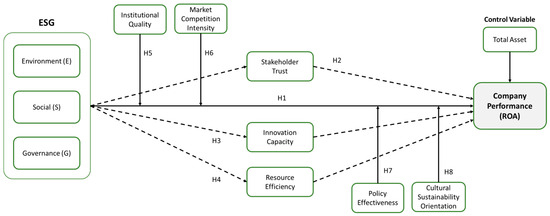
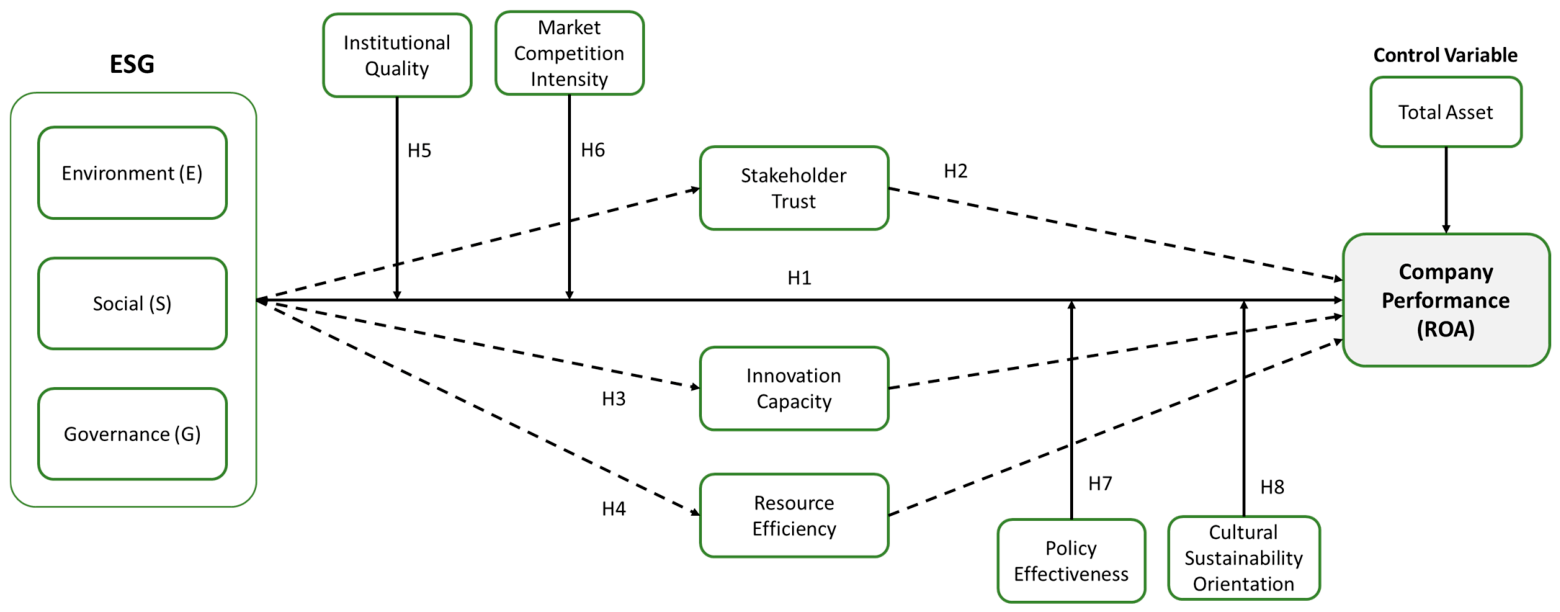
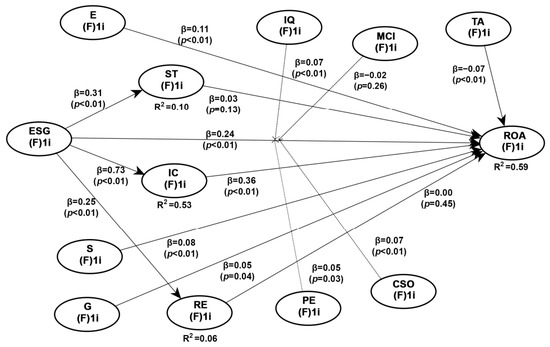
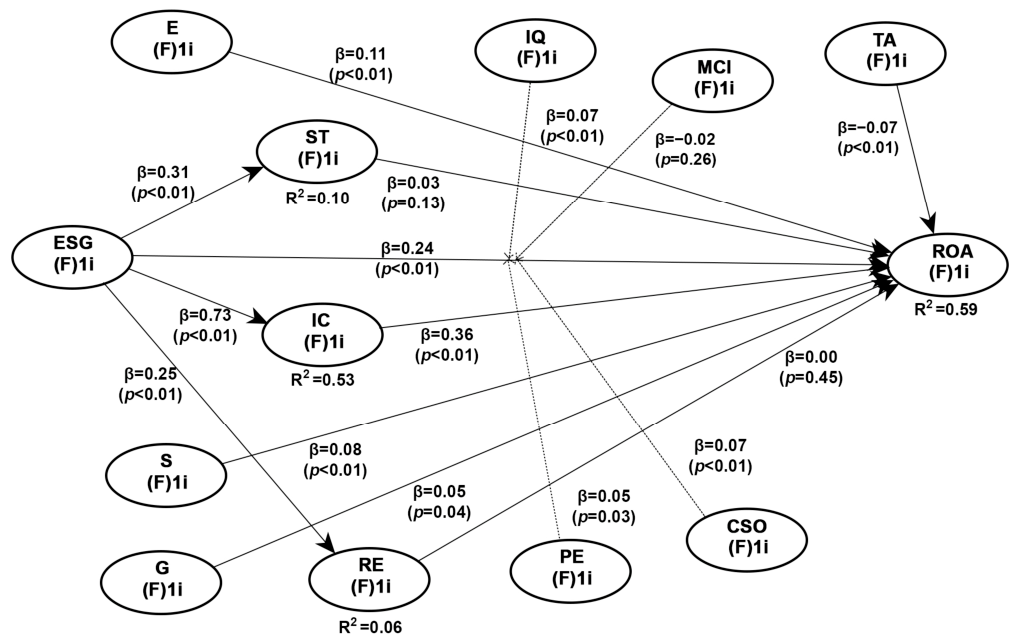
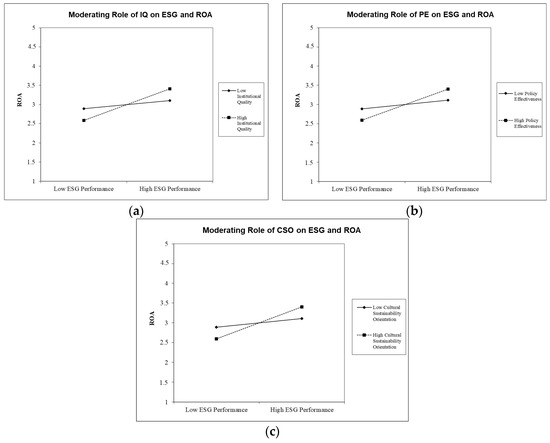
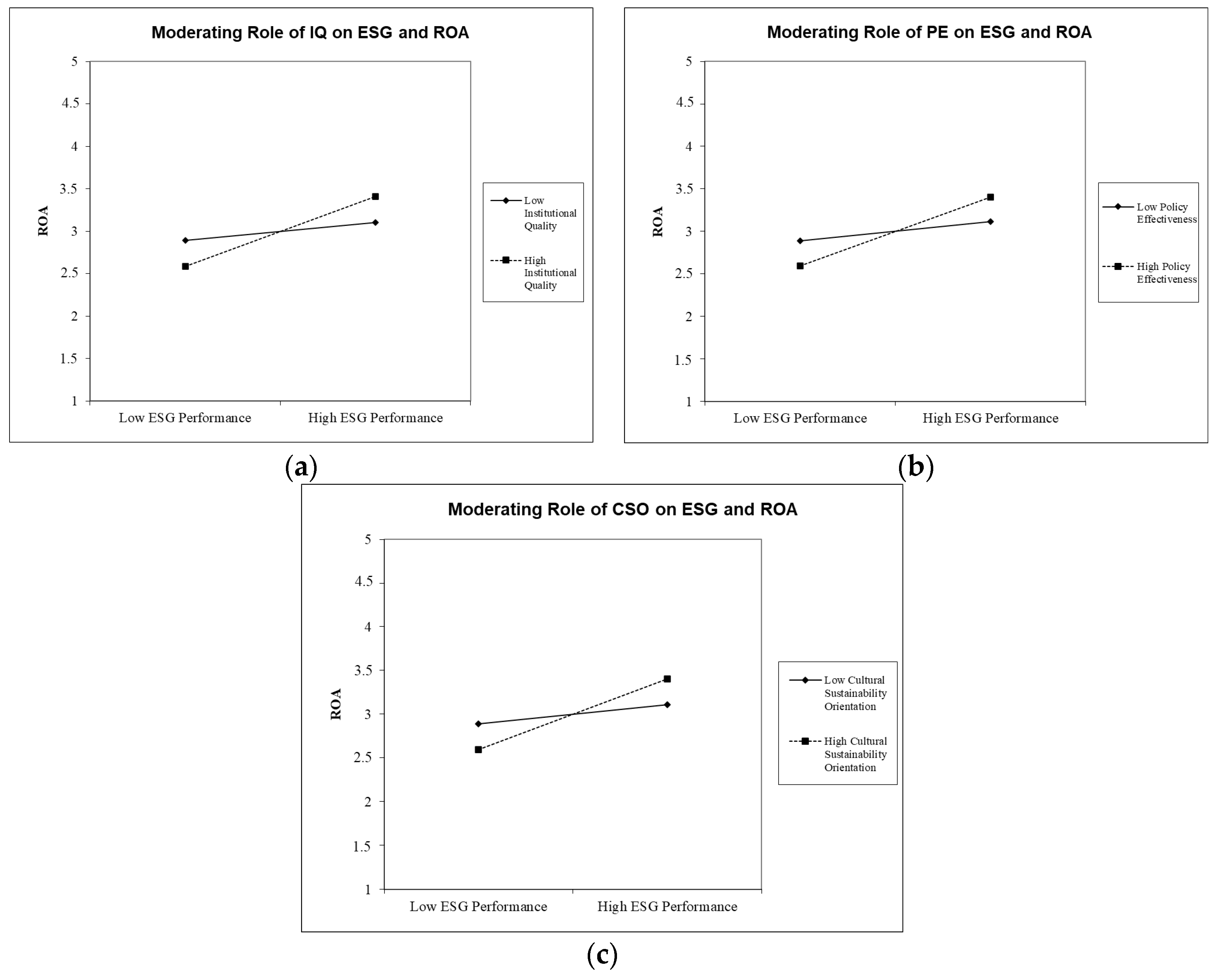

Disclaimer/Publisher’s Note: The statements, opinions and data contained in all publications are solely those of the individual author(s) and contributor(s) and not of MDPI and/or the editor(s). MDPI and/or the editor(s) disclaim responsibility for any injury to people or property resulting from any ideas, methods, instructions or products referred to in the content. |
© 2026 by the authors. Licensee MDPI, Basel, Switzerland. This article is an open access article distributed under the terms and conditions of the Creative Commons Attribution (CC BY) license.