Article

Sustainable Use of Rapeseed (Brassica napus L.) Meal as a Functional Ingredient in Bread: Impact on Dough Rheology, Nutritional Profile, and Bread Quality


1
Faculty of Food Engineering, University of Life Sciences “King Mihai I” from Timisoara, Aradului Street No. 119, 300645 Timisoara, Romania
2
“Food Science” Research Center, University of Life Sciences “King Mihai I” from Timisoara, Aradului Street No. 119, 300645 Timisoara, Romania
3
Doctoral School, University of Life Sciences “King Mihai I” from Timisoara, Aradului Street No. 119, 300645 Timisoara, Romania
4
Faculty of Agriculture, University of Life Sciences “King Mihai I” from Timisoara, Aradului Street No. 119, 300645 Timisoara, Romania
5
S.C. PROSPERO S.R.L., Timisoara, Strada Gheorghe Lazăr 26, 300081 Timisoara, Romania
*
Authors to whom correspondence should be addressed.
These authors contributed equally to this work.
Sustainability 2026, 18(11), 5441; https://doi.org/10.3390/su18115441
Submission received: 27 April 2026 / Revised: 19 May 2026 / Accepted: 25 May 2026 / Published: 28 May 2026
(This article belongs to the Special Issue Sustainable Food Processing and Chemical Analysis)

Abstract

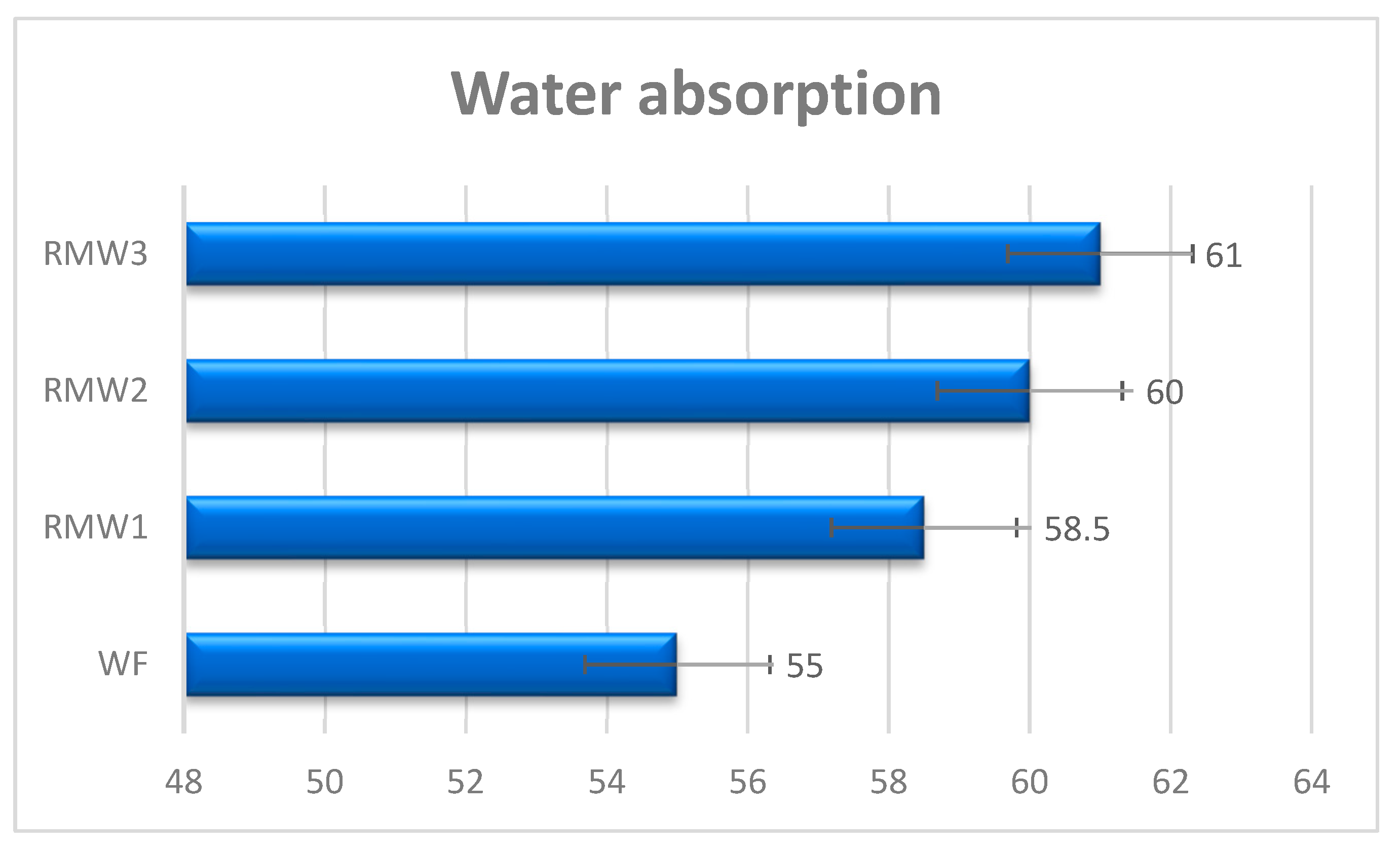
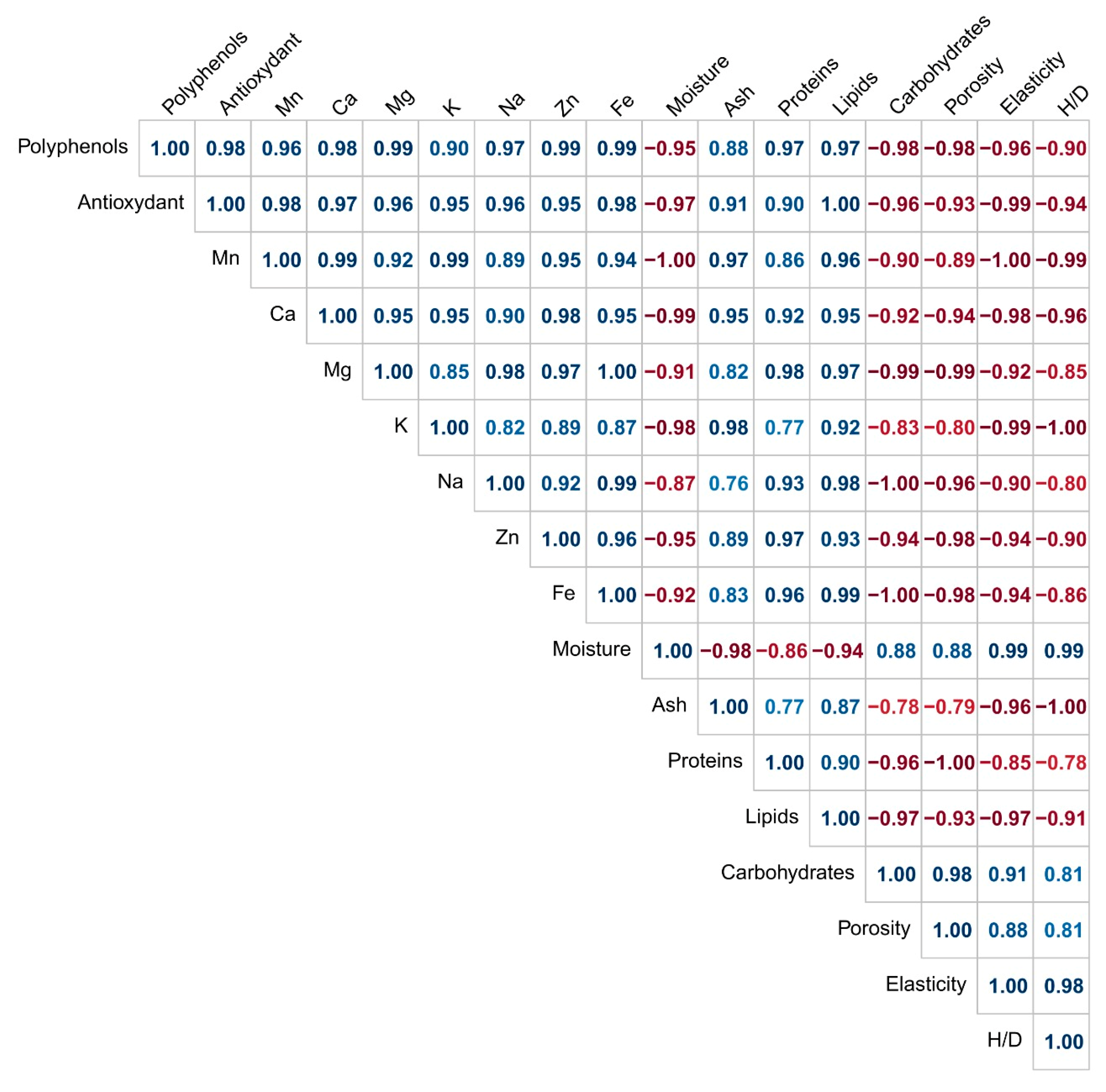
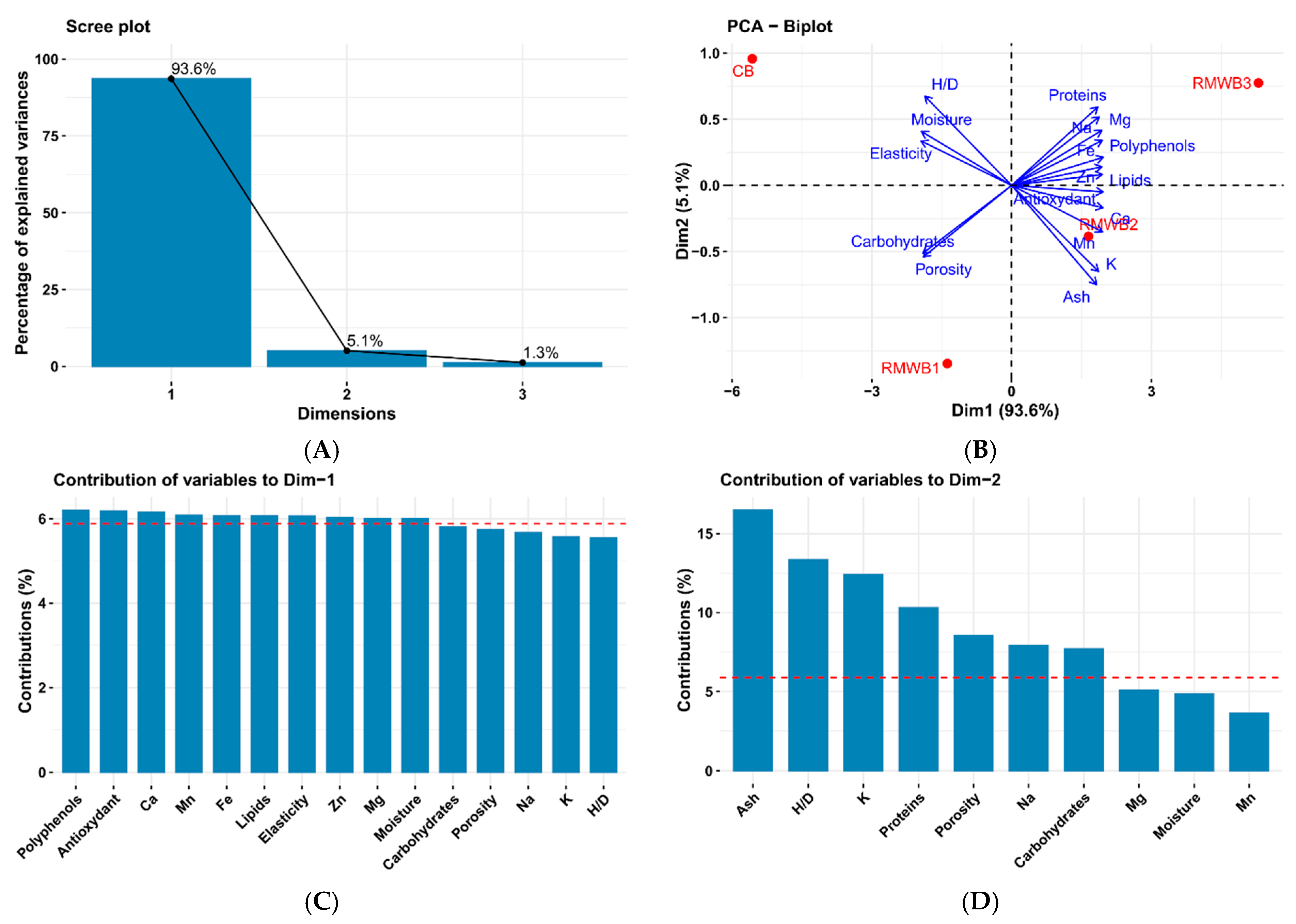
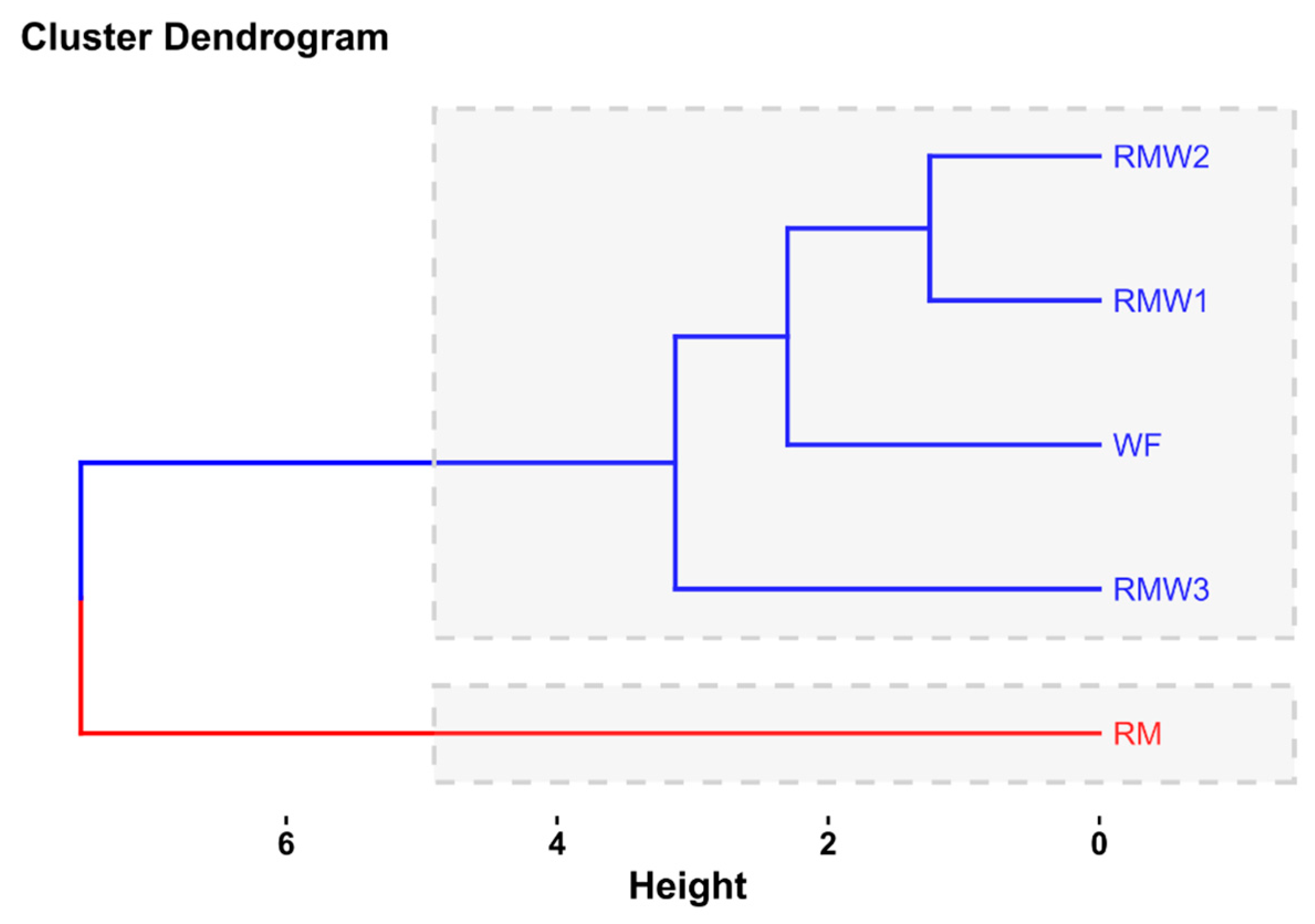
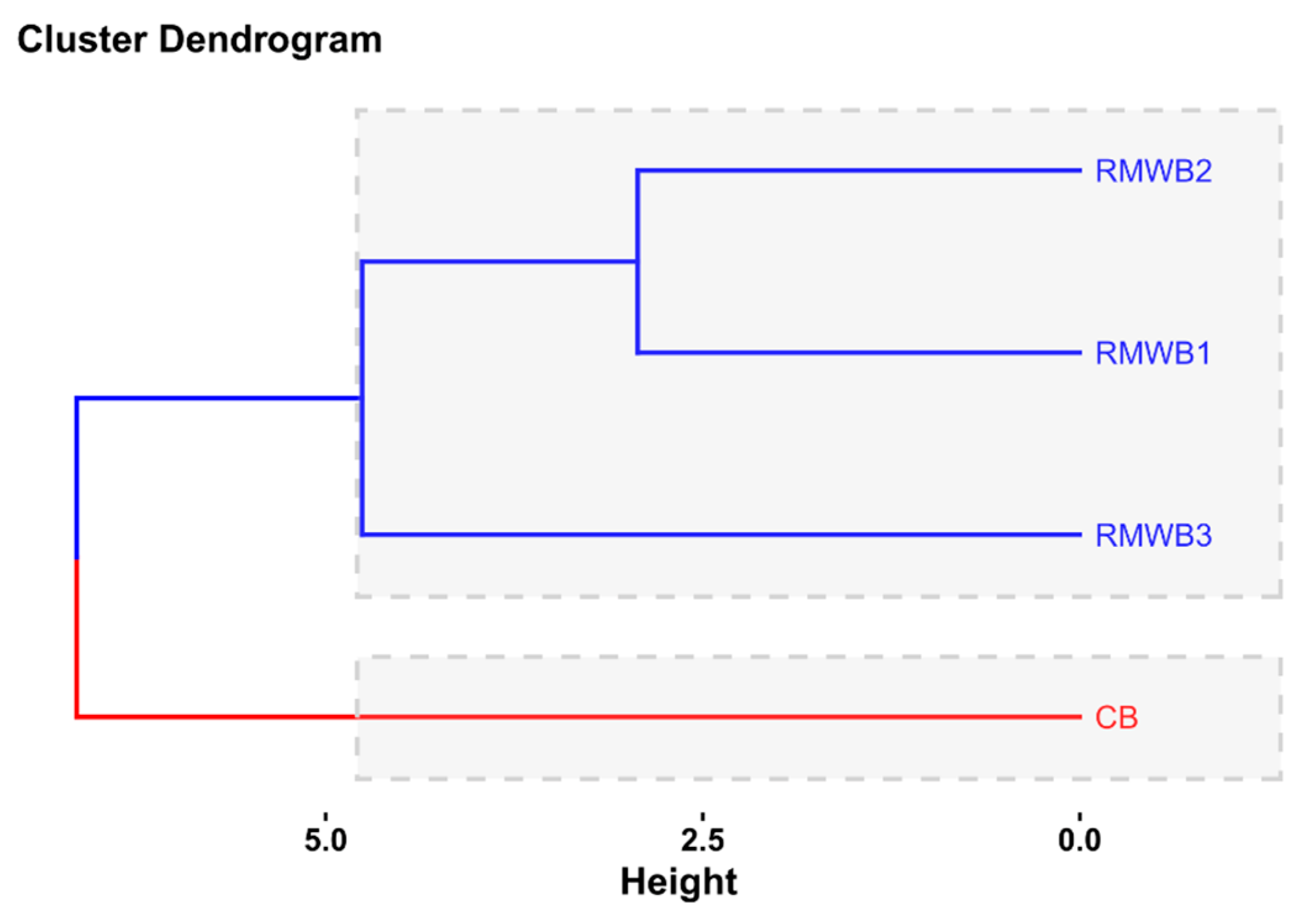
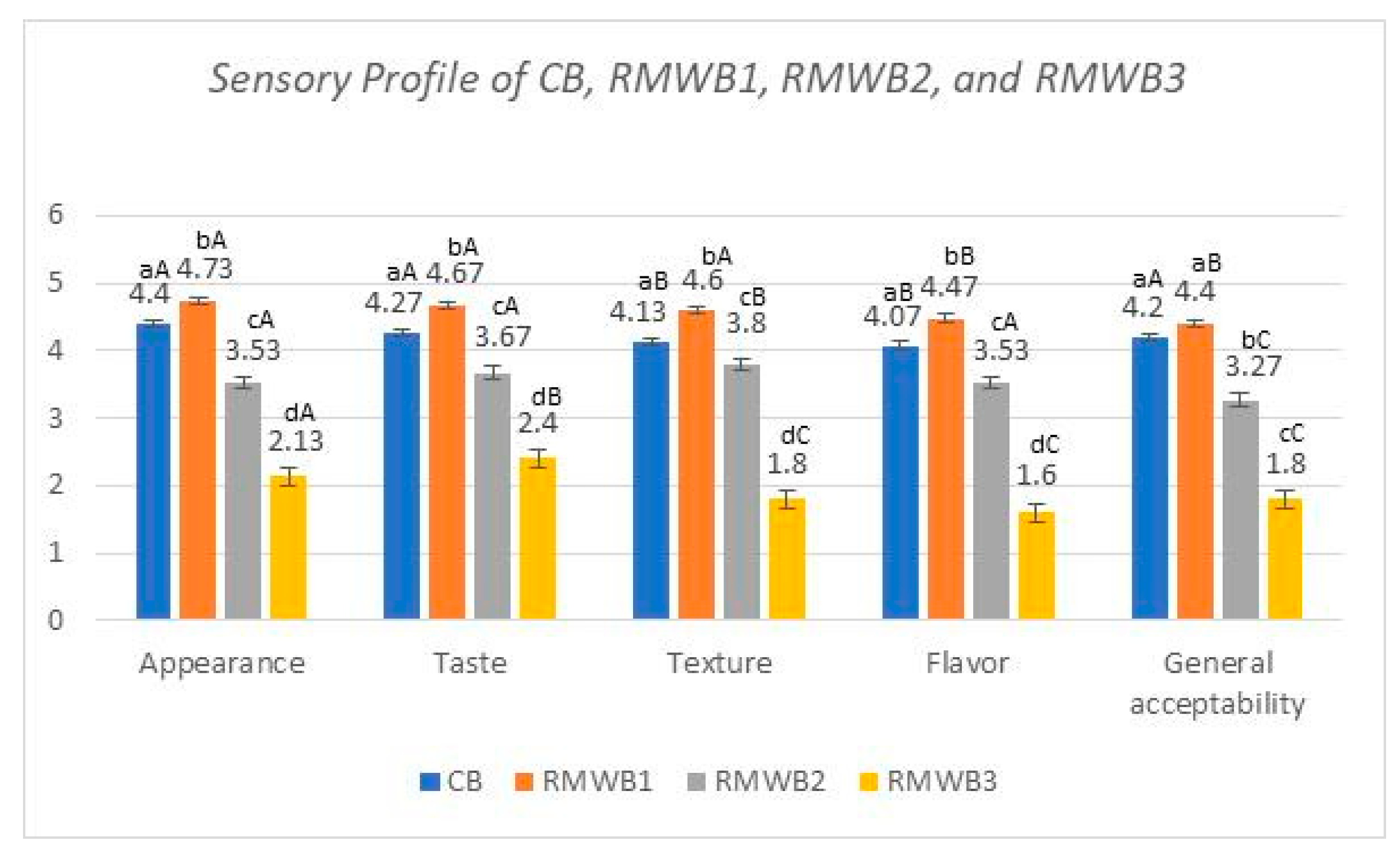
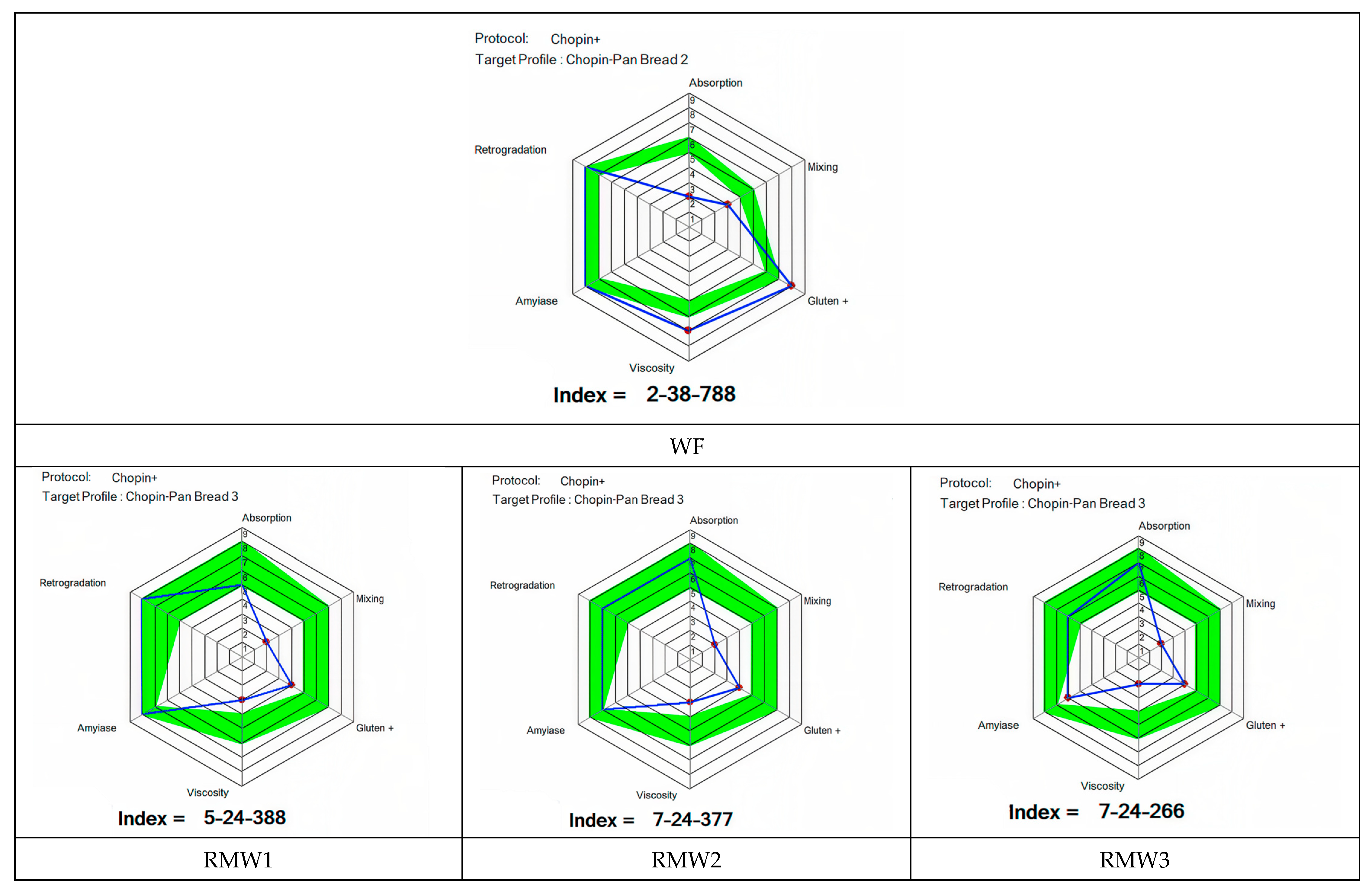
In this study, we investigated the possibility of partially substituting wheat flour in bread-making technology with a by-product (rapeseed meal) obtained after pressing of rapeseed seeds used to obtain edible oil. The research was conducted within the context of sustainable food systems and circular bioeconomy strategies. Experiments were conducted using substitution rates of 10%, 20%, and 30% (RMW1, RMW2, and RMW3), as well as their corresponding breads (RMWB1, RMWB2, and RMWB3). The results reveal a notable improvement in the nutritional profile, correlated with the increase in RM. Indeed, significant increases were observed in protein content (up to 16.64% in flours and 14.19% in breads), fat content (up to 8.72% and 7.89%, respectively), and ash content (up to 2.30% and 2.85%, respectively), while carbohydrates decreased (down to 63.72 g/100 g in flours and 45.76 g/100 g in breads). Furthermore, the phytochemical profile was significantly enhanced, as reflected by the increased antioxidant capacity and elevated total polyphenol concentration, highlighting the functional potential of RM-enriched products. Water absorption increased from 55% to 61%, accompanied by a decrease in dough stability, suggesting modifications in the gluten network. Mixolab analyses indicated reduced viscosity and starch retrogradation, while physical bread properties, including porosity, elasticity, and H/D ratio, decreased with increasing substitution levels. Sensory evaluation revealed that a 10% RM substitution ensured optimal acceptability, whereas higher levels (30%) resulted in significant quality deterioration. From a sustainability perspective, the incorporation of RM contributes to the valorization of agro-industrial by-products, reducing waste streams and promoting resource efficiency. Partial substitution of wheat flour also has the potential to decrease reliance on primary agricultural inputs, thereby lowering the environmental footprint associated with cereal production. Additionally, the improved antioxidant profile may enhance product stability and shelf life, contributing to food loss reduction. In conclusion, an incorporation level of up to 20% provided the most suitable compromise between improved nutritional value, functional and technological properties, consumer acceptability, and sustainability considerations, thereby supporting the formulation of novel bakery products consistent with circular bioeconomy concepts and sustainable dietary approaches.
Keywords: oilseed; food waste; antioxidant activity; agri-food; sustainability oilseed; food waste; antioxidant activity; agri-food; sustainability