


Abstract
Adopting a circular economy approach requires new business models, multi-stakeholder engagement, and tailored financial models and mechanisms as core pillars. This paper examines the conditions needed to scale circular economy initiatives in Europe by analysing insights collected from the DECISO project and conducting a comparative analysis of 38 European projects. The study adopts a mixed methods approach that integrates an online stakeholder survey with inputs generated through participatory workshops and discussions of selected use cases. This combined approach is used to identify the main structural barriers limiting the maturity and investment readiness of circular economy projects, such as regulatory complexity, difficulties in accessing funding, and weak stakeholder dialogue mechanisms. The approach was also used for enabling factors that can support development of circular economy. Particular attention is given to the role of project development assistance, modular financing strategies, and de-risking tools, which are highlighted as crucial elements for supporting the technical and economic credibility of projects and attracting public and private investors. The article also identifies and addresses seven unresolved research gaps in the literature, including the lack of interoperable policy instruments, the absence of business models capable of integrating investor expectations, the paucity of integrated methodologies for assessing technical and economic regulatory feasibility, and the need for trust-building procedures. The findings suggest that the transition to a regenerative economy requires a systemic approach based on coherent policies, de-risking financial instruments, collaborative governance, and strategic technical support throughout the project development cycle.
1. Introduction
The transition to a circular economic model requires adapting existing business models or creating new ones, which may require time and funding for implementation to fully realise the circular advantage [1]. These business models imply the definition of new processes to manage the life cycle of products, including sustainable design, proactive maintenance, recycling, repair, renovation, and remanufacturing [2] and exploring the conceptualization of resource value retention options [3].
The concepts of circular economy (CE) and zero waste have now reached a point of real conceptual maturity. They are no longer understood as narrow, technical solutions but as broad, multidimensional frameworks that bring together technological, organisational and financial dimensions. Yet, despite this intellectual progress, their full systemic implementation is still only beginning to take shape. Foundational studies, such as Kirchherr et al. [4], make this evolution clear: by analysing 114 definitions, they show that the CE is best seen as a systemic transformation rather than a refined version of waste management. In parallel, the idea of “Zero Waste” has expanded from an operational tactic to a strategic vision of “100% Resources,” centred on long-term resource stewardship and value preservation as a new sustainability norm.
Moving from a “Utopian Vision” to a concrete “Public–Private Opportunity” requires a solid theoretical foundation rooted in transition studies. Levitas’ notion of “Utopia as a Method” [5] encourages ambitious sustainability visions not as unrealistic ideals but as legitimate tools for imagining how society can be deeply re-designed. This facilitates the adoption of a Multi-Level Perspective [6] that helps explain how transformative change occurs, acting as early catalysts that gradually challenge and reshape the dominant linear economic system.
This transition is further enabled by a renewed understanding of the role of the state. Building on Mazzucato’s concept of the “Entrepreneurial State” [7], contemporary public policy, including programmes such as Horizon Europe, is no longer seen merely as correcting market failures. Instead, it hypothesises that the public institutions play the role of mission-driven investors, which create the conditions for private actors to engage in “Net Positive” and regenerative business models. When viewed through lenses such as the Resource-Based View and Stakeholder Theory, it becomes evident that aligning the interests of diverse actors—through trust, cooperation and shared incentives—can turn product-life-cycle management and resource-value retention into mature, investable strategies in practice.
Financial instruments (e.g., public and private investments) can shape the market, influencing the behaviour of both producers and consumers, creating incentives for change. However, several studies [8,9,10], including a systematic review of transition barriers and catalysts in business organisations, have highlighted the existence of barriers that prevent the systematic development of the CE, thus limiting the interest of public and private investors. Gatto and Re (2021) [9] specifically highlight the financial hurdles and the “valley of death” for circular projects, emphasising the high costs associated with restructuring existing facilities that were not originally designed for circular practices. Furthermore, many organisations—especially SMEs—find costs too high, and returns un-certain [11] particularly regarding the specific barriers faced by European small and medium-sized firms [12].
The recent literature converges mainly on the crucial challenges for scaling the CE, such as policies and finance. Technical and institutional models reveal barriers and accelerants; stakeholder engagement and customised advisory support are success factors; and project-level interventions are essential to translate ideas into investable ventures. One of the most important obstacles concerns the need to strengthen the dialogue among stakeholders and promote the enabling factors that can facilitate it. A particular criticality that prevents the systematic development of the CE is the attraction of investors (private and public) and the maintenance of their interest. To maintain this interest at a high level throughout the development phase, specific strategies must be implemented by all interested stakeholders, demonstrating the feasibility of the idea at each stage of project development, the financial solidity of the actors involved in the implementation, and the readiness to respond to challenges using specific services and skills, such as assistance in the development of the project to evaluate bankable investments.
The paper is guided by three main research questions:
- What are the key barriers and enabling factors that shape the development and scaling of CE projects in Europe?
Existing studies show that CE initiatives are frequently slowed down by a combination of technical, economic, institutional, and cultural barriers, as highlighted by Kirchherr et al. [13] and De Jesus & Mendonça [14]. These barriers include challenges related to technology readiness, high investment costs, regulatory complexity, and behavioural resistance to change. In this paper, these issues are examined in depth through the analysis of insights gathered from 38 European projects, allowing a detailed understanding of what hinders progress—and what supports it—across different territorial and organisational contexts (Table 1).
Table 1.
The 38 European projects that are examined in the paper.
- 2.
- How can public policies, financial instruments, and project development assistance (PDA) help attract—and retain—investor interest in CE projects?
The literature emphasises that policies, incentives, and financial mechanisms (e.g., those discussed by Lacy et al. and Ferraz & Pyka) [15,16] play a decisive role in lowering investment risk and improving project credibility. De-risking tools, blended finance, and structured support services such as PDA are especially important for making projects “bankable,” helping them reach a stage where investors feel confident in their technical feasibility, economic viability, and long-term impact.
- 3.
- What strategies and practices are most effective for improving stakeholder dialogue and building collaborative ecosystems capable of supporting mature, investable CE projects?
A strong stakeholder ecosystem is essential for circular transitions. Effective dialogue, trust-building, and collaborative governance help align interests, reduce misunderstandings, and mobilise the diverse actors needed to implement CE solutions—from public authorities and businesses to technical experts and local communities.
Technical, economic, institutional, and cultural barriers are recurring factors (e.g., Kirchherr et al., De Jesus & Mendonça) [13,14] that hinder the development of CE projects. The paper objective is to share and facilitate the dissemination of good practices that have emerged from CE projects developed by European organisations, with a particular focus on projects funded by various EU programmes. Pursuing this objective, the paper analyses in depth the barriers and enabling factors that emerged from 38 European projects.
This paper aims to identify the most effective financing mechanisms, the barriers encountered, and how they have been overcome, starting from the experiences developed in DECISO and several European projects on how to increase public and private investments in the CE through policies and/or incentives.
In particular, the paper addresses seven major research gaps not sufficiently explored in the current literature on the CE.
- Policies: There is insufficient understanding of which specific policy instruments can enable rather than constrain data exchange, interoperability, and collaboration among CE stakeholders.
- Business opportunities, sustainable models, and investor expectations: There is a lack of evidence on how to define the clear payback expectations and risk–reward structures that align CE project characteristics with investor requirements, especially for impact investors.
- Stakeholder engagement: There is limited knowledge on how structured open innovation platforms can reduce information asymmetries, clarify expectations, and accelerate stakeholder engagement and alignment in CE project development.
- Financial PDA without private investors: It remains unclear under which conditions a PDA can effectively support CE projects in the absence of private investors, particularly regarding bankability, risk reduction, and long-term financial sustainability.
- Harmonising technical, economic, and regulatory feasibility: There is a lack of integrated methodologies to harmonise technical, economic, and regulatory feasibility assessments, especially in early-stage CE projects facing regulatory complexity.
- Political environment and public administration involvement: There is insufficient research on how political commitment and governance structures influence the creation of shared data infrastructures and the orchestration of circular ecosystems at city and regional levels.
- Trust, business models, and investor certainty: There is a missing framework for trust-building procedures that can validate CE business models, reduce investor uncertainty, and help projects overcome the “valley of death”.
2. Related Works
The catalytic role of public policies and financial incentives in mobilising both public and private capital for CE transitions is crucial. Some studies [15,17] have underlined that policy instruments, from tax incentives and subsidies to green public procurement and regulatory mandates, reduce risk and lower entry barriers for circular business models. Economic instruments, such as eco-taxes and Extended Producer Responsibility (EPR), help internalise environmental costs, making circular solutions more competitive and attractive to investors.
Donaghy [18] underlined that modelling work exposes the systemic nature of CE adoption: feedback loops, path dependencies, and cross-sectoral interactions can either entrench linear practices or accelerate circular transitions. Studies highlight key CE drivers and barriers [18,19,20,21,22]. They show that moving toward a CE is not driven by a single factor but by the combined contribution of four interconnected areas: technology, organisation, finance, and policy. On the technological side, progress in eco-design, modular products, and more efficient recycling and remanufacturing systems helps companies shift to circular models, and digital tools open the door to new business opportunities. Büchel [23] discusses the digital product passport as a solution for sharing product data (repair, disposal, materials) to facilitate stakeholders’ implementation of circular strategies. This is further supported by the concept of the “digital twin” for material tracking [24]; this article identified the digital product passport role as an enabler that provides indications to scale circular business models.
Yet, many organisations still encounter immature technologies and high implementation costs, which slow down adoption.
Within organisations, strong leadership and a clear strategic commitment to the CE remain essential enabling factors. Collaboration across teams and with external stakeholders also plays a positive role. However, resistance to change, limited skills, and coordination challenges often prevent companies from fully implementing circular practices.
Financial aspects add another layer of complexity. While green funding opportunities and the potential for efficiency gains can encourage investments, many organisations—especially SMEs—find costs too high, and returns uncertain.
Policy frameworks such as the EU CE Action Plan provide important signals and incentives; however, inconsistencies across regulations and the absence of clear standards can create uncertainty. Overall, advancing the CE requires aligned efforts across all these domains to overcome the structural barriers that still hinder progress, and a strong collaboration among all actors at different scales. Kirchherr, J. et al. [13] considered the perspective of cultural barriers as very relevant for a transition to the CE, both due to the risk of lack of interest from consumers and the hesitations of companies to move from a linear to a CE concept.
As emerges from the analysis, organisational barriers (i.e., the barriers internal within a company related to its structure, culture, skills, resources, etc., that limit its ability to plan, implement, or scale CE initiatives) must be considered to take into consideration that all the development phases of a product already conceived in the circular project phase must include not only sales and after-sales assistance but also manage all the subsequent phases (such as re-design and restoration, etc.) that can guarantee the life extension of the product and the management of its end-of-life for the reuse of raw materials. This necessitates a more complex supply chain with multiple actors to close the production loop by facilitating recycling and reintegrating products into the economic system thereby transforming waste into valuable resources for a sustainable future [25].
Kujala et al. [26] showed that successful transitions to the CE require moral (values-driven), strategic (interest-aligned), and pragmatic (problem-solving) engagement methods to reconcile diverse stakeholders’ incentives, aiming to avoid misaligned interests and poor communication.
Attracting and retaining investors’ interest is one of the most relevant challenges. To bridge funding gaps, Lacy et al. in their work [15] suggest embedding the CE into the core corporate strategy, demonstrating scalability through reproducible case studies, and deploying green finance instruments (green bonds, sustainability-linked loans). Investors look for clear metrics of performance, risk mitigation measures, and pathways to revenue resilience. However, the financial challenges of CE projects can be overcome by adopting blended finance structures, public–private partnerships, and targeted capacity building. Support mechanisms that combine technical assistance with financial de-risking help early-stage projects achieve bankability. Ferraz & Pyka in their work [16] suggest that integration with adjacent policy agendas (e.g., bioeconomy, SDGs) can broaden the pool of eligible funding and strengthen strategic alignment). Küttim et al. [27] in their 2013 work identified the availability of advisory services as an unexpected challenge. Indeed, SMEs, which are frequently CE actors, do not have the time, expertise, or institutional support to manage standardised advisory input and a large-scale transition. Sohal et al. (2022) [28] identified the pivotal role of SMEs in local circular ecosystems if supported by targeted policy to manage internal resource constraints.
Fragmented service ecosystems and context-sensitive and multi-level advisory programmes (micro, meso, macro) are more likely to succeed. In particular, the literature points to the importance of focused PDA to overcome market barriers. The European Investment Bank (2025) report [29] provides technical and financial advice to help innovative projects move from concept to bankable operation. Effective PDA targets early-stage gaps, feasibility, stakeholder mapping, and communication while systematically aligning project design with investor expectations so that projects can demonstrate long-term value creation and resilient business models. In summary, research indicates that accelerating the CE at scale requires coordinated action across policy, finance, modelling, stakeholders’ engagement, and tailored project support, with particular attention to metrics, trust, and the translation of environmental outcomes into investable propositions.
3. Materials and Methods
Research Design
Europe, especially in the 2020–2027 Work Programmes, has strongly pursued the goal of disseminating circular practices, making them competitive with linear models. The paper designed four steps to identify and validate good practices, policies, incentives, barriers, and enabling factors that have emerged from EU projects. To establish its methodology, the paper takes into account literature not limited to Europe. However, the survey is conducted on European organisations and projects developed in Europe, both (mostly) funded and unfunded. The methodology was structured into several phases, represented in Figure 1, including one online survey, three participatory workshops to explore specific CE topics, and the Slido poll tool (https://www.slido.com/) used during the participatory workshops. Each phase was prepared based on the results of the previous phases:
Figure 1.
Methodological frame.
- (A)
- Preparation of the online survey: At this stage, a comprehensive questionnaire was developed for EC stakeholders, and approximately 100 stakeholders representing 50 European projects funded by various ongoing and concluded projects were identified as recipients and invited to participate in the survey. A total of 38 projects submitted their responses. The questions were structured around seven thematic areas essential for CE implementation: participants and their motivations, policies, and/or incentives to increase public and private investments, barriers and/or enabling factors in modelling CE projects, barriers and/or enabling factors in enhancing stakeholder dialogue, strategies used to attract and maintain investor interest, and measures to support projects in improving their financial health and their viability. The definition of the questions was also shared, tested and validated with some relevant stakeholders. Sixty-six questionnaires were completed in almost all their parts and were used for the analysis; other questionnaires considered incomplete were discarded.
- (B)
- Online survey analysis: The analysis included mapping stakeholder profiles and their involvement in CE projects, quantitative and qualitative analysis of responses, identifying patterns in motivations, barriers, enablers, strategies, and lessons learned, and identifying key aspects to be explored in depth in the conference’s participatory workshop sessions.
- (C)
- Deepening and validation of the survey results: This was done through use case analysis in the participatory workshops managed by two or three moderators with the support of the Slido tool for discussing few key identified topics. The survey was the core of the study, while the participatory workshops served a different and complementary purpose. Rather than simply validating the survey results, the workshops created a space for moderated discussions in which participants could contextualise the findings, uncover underlying factors, and contribute richer qualitative insights. This strengthened the mixed methods approach by deepening the interpretation of the results and cross-checking the patterns that emerged from the survey data.
This phase allowed for a deeper exploration of some questions and the responses provided by stakeholders through the presentation of successful examples and discussion among stakeholders. Specifically, the successful CE projects invited to the conference were analysed to validate the survey data, explore best practices, and foster the exchange of experiences among stakeholders to refine insights. Specifically, the participatory workshops explored questions 7 and 15, were led, and included a brief presentation of the case studies and a discussion involving over 100 participants (in person and online). Nearly all survey participants (about 90%) participated in the participatory workshops.
- (D)
- Comprehensive analysis of survey, use cases, and discussions in participatory workshops: The analysis includes integrating survey results and workshop insights, identifying systemic barriers, enabling factors, and strategic recommendations, and consolidating lessons learned across all phases of the CE project.
The various steps of the methodology involved a sample of 38 European projects representing approximately 300 European organisations working on CE topics and projects, with extensive experience beyond the development of European funded projects. The participating organisations represented all the relevant stakeholder groups (Figure 2): industries, SMEs, local authorities, research institutions, citizens, and finance.
Figure 2.
Participants’ organisation type.
Some questions in the questionnaire were designed to assess the representativeness of the sample of respondents, highlighting several points of note: (a) There was a high level of representation of the various stakeholders involved in the CE. Different points of view have been taken into account. (b) There was broad participation (85%) of stakeholders already active in CE projects, but with 15% of inactive participants who were motivated and interested in developing CE projects. This ensured informed responses and richer insights. (c) Although the survey primarily involved EU-funded projects from various programmes, some projects received local or national funding, and many of the participating organisations brought diverse experiences beyond those of EU-funded projects, in particular regarding local authorities and the private sector.
To address the limitations of stakeholders’ self-reported perceptions, some precautions were taken:
- Transparency about purpose and use of data (informed consent) allowing stakeholders to see how their input would be used;
- Iterative and multi-round elicitation (survey, participatory workshops, Slido poll);
- Mixed methods integration (integrating perception with use cases analysis and discussion in workshops)
- Cross-checking perceptions with reasoning by asking stakeholders to explain their perception;
- Neutrality by ensuring anonymity, the presence of neutral facilitators in the workshops, balanced sampling and stakeholder mapping.
The main limitation of representativeness concerns the geographical restriction to Europe and CE projects in Europe. No projects developed outside Europe participated and only a few non-European stakeholders (only 2) participated in the various phases.
4. Results
This section describes the results produced by each of the four phases described in the research design.
4.1. The Online Survey
A questionnaire was developed to gather information on internal and external (social, territorial, or economic) ecosystem barriers to the CE, engaging stakeholders involved in many European projects. The questions were formulated by also asking for an explanation of the answers. The survey focused on collecting stakeholders’ opinions on six main themes listed below, which were selected due to their critical relevance for overcoming common hurdles and leveraging opportunities in the EU’s transition to a CE:
- How to increase public and private investments in the CE by leveraging policies and/or incentives.
- Modelling CE: Barriers and/or enabling factors.
- Enhancing stakeholders’ dialogue: Barriers and/or enabling factors.
- Employed strategy to attract and maintain investor interest.
- Supporting projects to improve their financial health and viability.
- Unexpected challenges in implementing advisory services or being beneficiaries of advisory services.
Therefore, the first part of the questionnaire aimed at collecting information about the participants and their motivations for actively contributing to the objectives of this study by means of the following six questions:
- Question 1: Type of organisation.
- Question 2: Are you currently participating in a project on CE?
- Question 3: If you answered yes to the previous question, what is the project name (and weblink)?
- Question 4: Are you engaged in a Horizon PDA project?
- Question 5: Are you a partner in any of the following PDA projects?
- Question 6: Summarise in one sentence what you expect from the conference.
The second group of questions (7 and 8) focused on policies and/or incentives to increase public and private investments in the CE and lessons learned from implementing advisory services (such as PDA services).
- Question 7: According to your experience, what policies or incentives could promote increased investment in the CE, particularly attracting more private investors and financiers?
- Question 8: Is there a key lesson you have learned from implementing advisory services (or being a beneficiary of advisory services) that you would like to share with other peers?
The third group of questions (9, 10, and 11) focused on barriers and/or enabling factors encountered in understanding/modelling the CE.
- Question 9: Understanding/Modelling: What slowed you down?
- Question 10: Understanding/Modelling: What powered you up (your key strengths)?
- Question 11: Understanding/Modelling: Is there a key lesson learned in this phase that you would like to share (a success factor, something that in hindsight you would have done differently, the critical set of information/knowledge needed, etc.)?
The fourth group of questions (12, 13, and 14) focused on barriers and/or enabling factors encountered in enhancing stakeholder dialogue.
- Question 12: Stakeholder dialogue: What slowed you down?
- Question 13: Stakeholder dialogue: What powered you up (your key strengths)?
- Question 14: Stakeholder dialogue: Is there a key lesson learned in this phase that you would like to share? (a success factor, something that in hindsight you would have done differently, the critical set of information/knowledge needed, etc.).
Question 15 focused on strategies used to attract and maintain investor interest.
- Question 15: What is the most effective strategy you have employed to attract and maintain investor interest?
The sixth group of questions (16 and 17) focused on measures to support projects in improving their financial health and their viability.
- Question 16: How have you supported projects to improve their financial health and viability?
- Question 17: What is the most impactful risk management or de-risking measure you have implemented or recommend?
The final question concerned the unexpected challenges in implementing advisory services or being beneficiaries of advisory services.
- Question 18: Were there any unexpected challenges you encountered in this process, and how did you overcome them?
4.2. Extraction of Patterns in Motivations, Barriers, Enablers, Strategies, and Lessons Learned from CE Projects Involved in the Survey
The questionnaire aimed to collect information on the experience, practices, and barriers of various European projects in developing CE projects. This section analyses the participants’ responses.
4.2.1. Analysis of the Participants
The first aspect analysed was the response in terms of participation in European projects. The first group of six questions was formulated to quantify and qualify the study conducted in terms of the number and relevance of the projects involved, as this is crucial for validating the feedback’s applicability to EU-level CE discussions. The response was very satisfactory, as thirty-eight projects participated in completing the questionnaire, with sixty-six answers from people from different types of organisations (Figure 2). Notably, eight of the participating European projects (Figure 3) fell under CE PDA directly as they were co-funded by the European Commission under the Horizon Europe Programme on PDA, representing approximately one-third of the survey participants (Figure 4). Insights from these PDA-related stakeholders are particularly valuable as they directly address the practical and financial viability of CE initiatives.
Figure 3.
Participants per PDA projects.
Figure 4.
Participants involved in PDA projects.
Only 15% are not directly involved in CE projects (Figure 5).
Figure 5.
Participants involved in a CE project.
Participants were also asked to specify the motivations that led them to participate in the survey and register for and attend the conference. From the analysis of the answers, four primary motivations were identified.
- Increased knowledge on the CE, lessons learned, solutions, and practices: This motivation was the one that pushed about half of the participants to contribute to the survey and the conference discussion. In particular, many participants were interested in comparing ideas and practices used by other projects regarding the effectiveness of their approaches and to learn lessons from other projects. Some participants with less experience were interested in gathering more information and acquiring more knowledge about the CE and the solutions adopted. This highlights a persistent demand for enhanced capacity building and effective knowledge-sharing platforms at the project level, even within the context of the EU’s extensive policy framework.
- Networking: Networking, in particular, was used to broaden the network within the EC and develop synergies with other organisations. This motivation drove approximately 20% of the participants to contribute to the survey and conference. This group of participants saw networking activities as a relevant factor for the success of their CE initiatives or for developing future CE projects and ideas through networking.
- Deepen specific aspects related to the implementation of CE projects: This motivation drove approximately 20% of the participants to contribute to the survey and conference. This group of participants was motivated by different types of needs that concerned: (1) the phases of project implementation, such as identifying gaps and barriers that may need to be overcome and mistakes to avoid during the preparatory phases, CE project planning and investment preparation, and verifying the financial viability and sustainability of CE investment projects; (2) the use and support provided by some tools such as PDA and how to involve private funders in PDA, digital tools, and Dynamic Life Cycle Assessment; and (3) sharing a strategic vision and future directions on the CE.
- Seize new ideas and opportunities: This motivation drove approximately 10% of the participants to contribute to the survey and conference. The participants who indicated this motivation had less experience in CE projects.
4.2.2. What Policies and/or Incentives Increase Public and Private Investments in the CE
Participants mainly identified the need for policies and incentives (Question 7) aimed at providing financial and regulatory support for the CE. Only a few participants (5%) expressed the need (Figure 6) for policies and incentives aimed at promoting networks and aggregations and increasing knowledge and awareness by promoting training. On the other hand, as highlighted in Figure 7, regarding the motivations provided by the participants, stakeholders already feel very motivated to increase their knowledge and networks and believe that, in these specific aspects, it is not necessary to define policies and incentives.
Figure 6.
Policies and incentives suggested by the participants.
Figure 7.
Main expectations of the participants for the survey and conference.
In particular, about 60% of the participants perceived the public and private financial resources available to develop the CE as unsatisfactory. While specific fiscal measures largely fall under member state competence, their design can be guided by EU objectives to mobilise finance effectively, as supported by instruments such as InvestEU (https://investeu.europa.eu/index_en, accessed on 5 September 2025) and the aims of the Critical Raw Materials Act “https://commission.europa.eu/strategy-and-policy/priorities-2019-2024/european-green-deal/green-deal-industrial-plan/european-critical-raw-materials-act_en” (Last accessed on 5 September 2025). Among the main suggestions for providing financial resources for the CE, the participants indicated fiscal policies, tax credits, and direct subsidies that promote CE projects to reduce financial risk, increase returns for private investors, and accelerate the conversion of production to the CE. These policies and tax breaks should also be targeted at companies that convert their production to circular principles and practices. Key tools for companies could also include grants or low-interest loans for CE startups and SMEs, as well as investment or venture capital funds targeting CE initiatives and impact investment funds.
The fiscal framework should also support all local value chains by encouraging the creation and development of collaborations between public bodies and private companies that promote reuse and recycling. In this way, local authorities will provide strong support to accompany companies in moving towards the CE or in creating partnership opportunities to develop industrial and territorial ecology. These fiscal policies should be guaranteed in the long term to reduce the risk that innovators and investors perceive when investing in the CE.
Participants also suggested that direct incentives for circular value chains could be obtained through tax mechanisms of punishment/rewards based on carbon accounting. This not only aligns with the EU’s “polluter pays” principle but also highlights a call to accelerate efforts to integrate climate objectives with circularity goals across EU fiscal policies and financial incentives. At the corporate/private sector level, waste regulations should be reviewed to ensure that any type of “waste” disposal cost is higher than the different pathways of the 10R model [2]. In addition, rewards and punishments should be established based on the different pathways of the model. While this resonates with the core principle mandated by Article 4 of the Waste Framework Directive (WFD), a deeper interpretation of this input could lead to a reflection on the articulation of waste prevention targets as a potential further leverage to incentivise circularity. These mechanisms could make circularity mandatory for managing raw materials. However, even with these mechanisms of punishment and reward based on environmental sustainability paths, initial financing may be needed for companies, especially SMEs, to adopt circular strategies and technologies and to follow circularity standards. These mechanisms, together with clear sustainability standards and transparent reporting, could attract private investors and financiers to support the green transition of companies, which should provide specific benefits to companies, such as lower credit costs.
Finally, participants highlighted the importance of implementing clear and supportive regulations on waste management, recycling, and resource recovery to create a stable environment for investors. These measures are in line with the EU approach to experimentation and innovation in legislation, and regulatory measures should be based on unified EU-wide standards for end-of-waste status in key value chains (e.g., bioeconomy and construction). It was noted how end-of-waste criteria could evolve to facilitate CE business models by establishing harmonised EU-wide standards with streamlined approval processes, thereby creating regulatory certainty and reducing market barriers for companies that use secondary raw materials. Additionally, integrating these criteria with digital product passports and performance-based quality standards would build market trust and increase the economic value of recovered materials, making circular business models more financially viable across the entire value chain. By implementing these recommendations, the potential of a thriving CE can be unlocked.
These policies should be accompanied by an intensive awareness campaign on value perception and profitability/feasibility supported by new CE-enabling solutions highlighting the following aspects: (a) affordability; (b) better quality; (c) clear policies adopted in a consistent and stable way: I invest in CE because it is a trend from which there is no going back; (d) public investments are available; (e) fiscal incentives that link CE more closely with CO2 reductions and climate protection objectives, through taxes on the linear economy and tax reduction for companies with circular business models.
About 30% suggested the need for policies aimed at promoting the systematic use of CE solutions, tools, and methods. Participants suggested various solutions, tools, and methods that policies should support through specific legislation: (a) The entire process of conception, design, sale on the market, and disposal of a product should be based on eco-design and on a systematic mapping and evaluation of environmental and resource impacts throughout the life cycle of a product/product system (Life Cycle Assessment). (b) Clear sustainability and EU-wide unified standards for end-of-waste status in key value chains and transparent reporting should be defined to further boost investor confidence in CE projects. The framework should incorporate structured multi-level dialogue mechanisms (regional, national, EU) that enable timely criteria updates when technological innovations create new recycling opportunities, ensuring that regulations evolve alongside CE advancements. (c) Regulatory sandboxes should be established to help overcome administrative complexities and incongruent regulations, enabling experimentation and fostering research and innovation. (d) Business models that bring new customers or access to new markets for the participating stakeholders should be established. (e) Methods for better risk management and improved impact measurement of CE projects should be defined.
Only 5% of the participants suggested the need for policies and incentives to increase CE education and awareness opportunities, including training, education, information sharing, best practice collection, awareness campaigns, innovation hubs, and incubators.
Finally, 5% also suggested the need for policies and incentives aimed at developing collaborations and partnerships. Participants suggested encouraging the creation and development of long-term collaborations/partnerships between public bodies and private companies, believing that strong support from local authorities is necessary to accompany companies in moving to a functional economy or to build partnership opportunities to develop industrial and territorial ecology.
Implementing advisory services or being a beneficiary of advisory services (Question 8) allowed participants to learn some lessons (Figure 8). For approximately 27% of participants, the lessons learned concerned the importance of tailoring solutions to specific contexts and needs. The regional context must be known and considered to adapt solutions, policies, and regulations, listen to all stakeholders, map their needs in detail, and avoid the “one size fits all” approach. Additionally, maintaining open communication and providing ongoing support ensure long-term success and stronger collaboration. The participants’ experiences highlight the concerning gap in CE implementation across Europe, with only nine out of 27 EU member states having adopted dedicated CE roadmaps or strategies by 2023. Even those that exist suffer from a lack of binding targets and measurable objectives, significantly hampering the transition toward a more resource-efficient economy. Furthermore, public organisations are generally slow and bureaucratic; even when there are motivated employees, they are hindered by bureaucracy.
Figure 8.
Lesson learnt from implementing advisory services or being a beneficiary of advisory services.
For 27% of participants, the lessons learned included the fact that not only environmental sustainability but also revenues for companies and investors are important for developing the CE. The main lessons learned are the following:
- -
- The co-creation of business models involving all stakeholders in the value chain is crucial for creating viable and attractive business models for investors. A systemic approach is also necessary to enhance the impact of the project.
- -
- In the CE, public investments could be crucial for stimulating private investments, especially for demonstrating feasibility and assisting several phases through PDA.
- -
- Marketing efforts and more “proof” may be required to demonstrate that CE practices are more sustainable than those of the linear model.
- -
- Finding the right financing scheme adapted to each project and context is also particularly important and always includes primary producers increasing their revenue.
- -
- Exploring different forms of project financing as Special Purpose Vehicles (SPVs) with partial equity from project developers, infrastructure funds, industry groups, and/or public bodies, and possibly also with debt financing, such as corporate financing with Weighted Average Cost of Capital (WACC), joint ventures or corporate partnerships, and output-based financing (e.g., sale of future CO2 capture credits), is also important.
- -
- There are three feasibilities: technical, economic, and regulatory. They should be ensured before presenting any proposal to an investor. In fact, projects could be quite immature, and investors may not be ready to invest in them.
- -
- Impact measurement of CE projects is challenging because of the diversity in solutions/projects and the sectors they address; different underlying CE strategies also play a role in this. As a result, the impacts (environmental/social/economic) are sometimes not clear to (impact) investors.
- -
- Companies generally have difficulty buying second-hand equipment.
For approximately 22%, the main lessons learned concerned the process with the various phases of project development. In particular, participants highlighted that, according to their experience, a successful project is based on (a) the certainty and clarity of the organisation’s ambitions that must be taken as the starting point for procurement, operational management and primary processes, (b) green design and green procurement, a needs-based approach to circular procurement that prioritises early market dialogue, supplier engagement, and functional specifications rather than traditional product-focused purchasing, (c) building public acceptance and awareness during the development of the project, and after it is already operational, (d) considering the social dimension of redistribution, (e) also considering all the practical aspects during implementation, (f) establishing multi-stakeholder dialogue platforms that bring together public and private operators to align joint perspectives and objectives that simultaneously address circularity and business viability, and (g) identifying legal frameworks and contractual mechanisms that address uncertainties around warranty, liability, and responsibility when using secondary materials, and creating clear risk-sharing approaches to overcome barriers to circular procurement implementation.
About 18% instead drew attention to their lessons learned on committing to people and the network. All of them considered it important to highlight the involvement and commitment of the different stakeholders, and their relevance for the success of the project, that can be summarised by a sentence by one of the participants: ‘Alone you go fast, together you go far’. In general, the participants considered some categories of stakeholders particularly important, such as private investors—to engage as soon as possible—local authorities, consultants, and advisory services, to bring together advanced pilot investments and help them form a joint project or integrate them into other consortia.
Finally, about 6% of the participants drew attention to their lessons learned on supporting technologies. Based on their experiences, the management of generated data could become a key element toward improving and optimising the circularity of products, processes or services, and digital solutions could assist in identifying and monitoring best practices for applying circular systemic solutions.
4.3. Barriers and Enabling Factors Encountered in Understanding/Modelling the CE
Questions 9, 10 and 11 are aimed at understanding barriers and enablers and lessons learned in understanding/modelling the CE. Regarding barriers (Question 9) and enablers (Question 10), participants seem to agree in considering the human factor particularly relevant for both the success and failure of CE projects (Figure 9). In fact, the answers to questions 9 and 10 were polarised on two factors: organisation, personnel, participation, motivation, and knowledge, and preparation.
Figure 9.
Barriers and enabling factors encountered in understanding/modelling CE.
In considering these responses, it is, however, necessary to keep in mind that 85% of the participants are stakeholders of funded projects (Figure 5), which generally include policymakers. Only 15% of the participants do not participate directly in a funded project, providing additional insights into the relevance of funding and incentive policies.
The responses seen on these two factors in response to the question on barriers are less polarised than in response to the question on enablers. In fact, the intrinsic risks of innovative CE solutions, the lack of data and technological solutions, the lack of policies and the lack of funding and incentives were also relevant to the barriers. The lack of funding and incentives is the main barrier encountered by 15% of the participants not involved in CE projects.
Further analysing Figure 9 with respect to the factor ‘Organisation, personnel, participation and motivation’, participants faced barriers determined by (a) a lack of coordination between the units involved in the supply chain and between the various stakeholders resulting in difficulty in managing a collective decision; (b) a lack of key staff in the organisations involved; (c) difficulty in involving all types of stakeholders on which the project’s success depends; and (d) passivity and lack of commitment of the value chain stakeholders. In relation to ‘Knowledge and preparation’, the barriers identified by the participants were the lack of knowledge and understanding regarding market needs on circularity aspects, and the lack of preparation and mentality to develop promising ideas and clear business plans. Finally, a further barrier was the lack of training opportunities for increasing knowledge and preparation. Participants also identified significant barriers related to the ‘Inherent risks of CE solutions’ in various aspects: (a) quality and availability of the feedstock for the technology/solution to be implemented; (b) making a viable business case; (c) market dynamics; (d) friction of change, as switching to a circular business model or mentality takes time, resources, and a lot of energy; (e) the need to combine complex requirements: climate, energy, environmental, and financial; and (f) level of maturity of the projects that may require significant investments to be competitive. Regarding ‘Availability of data and technological solutions’, the participants identified, in addition to data availability issues, the lack of business intelligence tools and non-commercial technologies that could support circular solutions. The barriers related to ‘Policies’ encountered by the participants were: bureaucracy, regulatory barriers, and uncertainties on which specifications to follow, financial contracts and fragmentation. Finally, some participants identified barriers due to the lack of ‘Funding and incentives’ in particular, at the local level and to finance demonstrators/pilots.
The answers to Question 10 are completely polarised on the two following factors: ‘Organisation, personnel, participation and motivation’ and ‘Knowledge and preparation’. Regarding the ‘Organisation, personnel, participation and motivation’ factor, the stakeholders provide a clear action line by highlighting that it is relevant to start considering the needs for change and that any change starts with a first step; this step consists of finding people who have the same vision of the problem and want to start acting. After that, it is necessary to develop the ability to communicate and engage the target audience for facilitating stakeholders’ communication, as well as performing interviews with several stakeholders, and organising regular events for stimulating and maintaining strong networks. The objective of the stakeholders’ group is to build a clear vision, according to clear goals, to reach expected results by designing a project to follow from the early phases, planning the activities, and creating local (or global) value chains while being prepared for adaptability and problem-solving. Such networks require robust governance structures representing diverse interests, with committed public authorities often serving as trusted central coordinators to maintain alignment on shared objectives and maximise impact. The strong will of project promoters in cities and regions must accelerate the deployment of circular solutions, paying attention to the generation of impact. The participants also highlighted the importance of having motivated employees within the public authority and the interest of entrepreneurs and managing staff in connecting their products and projects with the opportunities offered by the policies and developing dialogue among them. Participation is also relevant for the success of circular solutions with strong stakeholder engagement and trust, creating extended networks and liaison and exchanging activities, and growing a network with experienced European partners over time. Finally, the participants highlighted that projects are powered up, and the partnership is more proactive, when the circular solution solves an actual and urgent need or problem in the city/region. The opinion of the participants on the second factor, ‘Knowledge and preparation’, is that the CE projects were powered up by knowing and understanding the mindset and resistance to change from end-users, analysing their needs and pain points, and identifying the key barriers and opportunities at the value chain. Moreover, the CE projects are powered up by establishing a holistic and systemic shared vision through interdisciplinary knowledge and understanding of technical, economic, and environmental aspects, good practices, and peer review processes. It is also relevant to increase abilities and problem-solving skills through the support of the Circular Cities and Regions Initiative network and its projects. Some participants also identified, for the factor ‘Availability of data and technological solutions’, some empowerments related to the level of innovation of the services offered, enhancing circularity and efficiency and the possibility to use technologies that are already stable enough.
Question 11 instead focused on the lessons learned that participants would like to share (a success factor, something that in hindsight you would have done differently, the critical set of information/knowledge needed, …). The lessons learned reported by the participants (Figure 10) referred to ‘Knowledge and preparation’ (about 38%), ‘Availability of data and technological ‘solutions’ (25%), ‘Organisation, personnel, participation and motivation’ (about 17%), ‘Funding and incentives’ (about 13%) and, finally, ‘Policies’ (about 8%). Regarding ‘Knowledge and ‘Preparation’, participants experienced the need to (a) efficiently combine different components, tools or services to offer solutions that stimulate circularity, (b) improve knowledge through different “try and learn” cycles without ever giving up, (c) plan and schedule even the smallest activities, and (d) improve knowledge of the city/region, because the projects must be tailored to the city/region context and policy makers and other local stakeholders involvement is key for the successful implementation of circularity. Regarding Availability of data and technological ‘solutions’, the participants highlighted the importance of (a) systematic and comprehensive data collection for improving decision-making and streamlining the process and (b) the role assumed by innovation and innovative technologies as an enabling factor in driving change and producing value optimisation. The main lessons learned regarding ‘Organisation, personnel, participation and motivation’ concern the need to (a) communicate clearly to overcome resistance to change, (b) engage stakeholders early and build consensus, including the right partners and stakeholders on board, and (c) capitalise on previous experiences to avoid duplication of efforts. Regarding ‘Funding and incentives’, lessons learned highlighted the critical need for stable, long-term financial mechanisms that extend beyond project initiation to support the full implementation cycle. Stakeholders emphasised that successful CE initiatives require early validation of business models with primary producers and value chain actors, combined with dedicated resources for stakeholder engagement and capacity building to ensure economic viability and sustained commitment throughout the transitional phases from concept to market implementation. Finally, the participants highlighted how circular projects benefit from ‘Policies’ that reduce fragmentation on the technological and regulatory level and introduce biodiversity and green areas in the cities.
Figure 10.
Key lessons learned in understanding/modelling CE.
4.3.1. Barriers and Enabling Factors Encountered in Enhancing Stakeholder Dialogue
The involvement and participation of all actors is an important requirement for the success of the CE. Questions 12, 13 and 14 are aimed at understanding barriers, enablers and lessons learned in enhancing stakeholder dialogue. Regarding barriers (Question 12) and enablers (Question 13), participants agreed on the relevance of the level of engagement and interest for better enhancing the dialogue (Figure 11).
Figure 11.
Barriers and enabling factors encountered in enhancing stakeholder dialogue.
The main difficulties and barriers (Question 12) that participants encountered in stakeholders’ ‘Engagement and interest’ were the time spent organising events and identifying the right stakeholders aligned with the target objectives, the lack of cooperation and continuity in participation and significant contributions to the development of ideas, and the lack of reference networks to involve as needed. Even ‘Policies’ have had negative impacts on stakeholder engagement in implementing business models, mainly due to bureaucracy and the complexity and fragmentation of regulations and laws. Concerning ‘Time and resources’, participants also complained that stakeholder participation was hampered by a lack of time, funding to compensate for time spent, and adequate human resources to allocate to stakeholder engagement and motivation activities. Finally, few participants indicated the lack of ‘Information’ and knowledge and the definition of metrics and standards among the difficulties that limit the involvement of stakeholders.
Regarding enablers (Question 13) the main empowerments connected to ‘Engagement and interest’ the participants experienced are (a) the creation of stakeholder networks, (b) the commitment of some relevant stakeholders and the interest of entrepreneurs in providing solutions, (c) the enthusiasm and great spirit/atmosphere during well-organised events for stakeholder engagement, (d) the skill development in reading the situation, simplifying language, responding to expectations and fostering open dialogue that encouraged stakeholders to share their perspectives, adjusting strategies and approaches, (e) connecting the actors through the supply chain including public administration and investors to better understand their interests and needs, and (f) the local- and transnational-level dialogues. Empowerments connected to ‘Engagement and interest’ gave the opportunity to progress in ‘Developing consistent frameworks for measuring and communicating impact’, via Material Flow Analysis (MFA), Carbon Footprinting (CF), CE indicators, EU taxonomy, Environmental, Social, and Governance factors (ESGs) and Life Cycle Assessment (LCA) considering diverse contexts. Finally, a few participants highlighted the importance of (a) ‘Information’ to clearly communicate technical information to build trust and ensure productive dialogue with different stakeholders, facilitating smoother alignment and collaboration in the project and the knowledge to understand specific and global issues of problems encountered in CE development; (b) ’Policies‘ to help build trust and ensure productive dialogue with different stakeholders; and (c) ’Time and resources‘ to help dialogue with all stakeholders involved through project funding.
The majority of participants (about 36%) reported learning how to ‘Develop[ing] consistent frameworks for achieving, measuring and communicating impacts’ (Figure 12). The main lesson learned from the stakeholders’ dialogue is that the communication strategy with stakeholders should be more proactive or a sort of open working table for innovation to avoid wasting time and misunderstandings. Moreover, it is important to involve local communities and stakeholders in meetings. But stakeholders’ meetings should be organised for specific objectives and only when there is already a clear idea of how to achieve the objectives. Casual meetings without a clear agenda have minor impact. During the meetings, it is necessary to adapt the language to the audience involved, clarify the objectives, what the purpose is and make sure that everyone has understood. It is also necessary to prepare for two phases: the first to have an overall perspective that aims to cover the entire value chain (or whatever the scope of the project is) and the second to delve into specific aspects with the key stakeholders. Both time and resources should be planned accordingly. Participants also considered important and positive (a) the experience of interacting with international partners in order to develop useful and implementable solutions everywhere; (b) the use of flexible mechanisms, such as subcontracting, to involve experts from specific sectors and customise the PDA support provided to companies, avoiding too generic support; and (c) the experience of making the network visible which has proven to be a powerful tool for the development of CE projects. Other participants (about 32%) reported lessons learned about ‘Engagement and interest’. The main lessons learned concern the engagement methodology, that should be agile and iterative, and the phases that are more relevant, namely the needs specification and the investment preparation/design, achieved for example through interviews with investors that could help connect them more with the projects. Furthermore, the involvement of consultancy, the presentation of policy documents and the establishment of permanent associations among the stakeholders were considered positively by the participants. About 20% of the participants reported lessons learned about ‘Information’ concerning the establishment of common ground through definitions, concepts, best practices and exchange of experiences between stakeholders, companies, and public administrations. Finally, a few other participants reported their lessons learned on the unique convening power of cities and regions to engage diverse stakeholders and overcome sectoral silos, while emphasising that circular initiatives require acknowledging the often-undervalued organisational resources and coordination time that traditional project planning fails to adequately account for.
Figure 12.
Key lesson learned in stakeholder dialogues.
4.3.2. What Strategies Attract and Maintain Investor Interest
According to the participants’ opinions (45%), the most relevant strategy to attract and maintain investor interest (Figure 13) is to ‘Quantify and explain benefits for investors and other stakeholders’. In particular, towards investors, the strategic priorities are (a) to develop a solid and transparent business model that outlines cost structures, scalability and revenue streams to quantify financial benefits; (b) create a compelling narrative around the project that highlights its long-term financial benefits; an (c) create an investor database and organise round tables and interviews for presenting/discussing investment opportunities and designing the CE projects together. Towards the other stakeholders the strategic priorities are to (a) identify challenges and show opportunities for different stakeholders and sectors (wastewater treatment, biowaste management, river sediments management, etc.), (b) explain how our project idea contributes to their ambitions, and (c) ask for their advice, what they are looking for, and what would interest them.
Figure 13.
Strategies to attract and maintain investor interest.
Participants (20%) also suggested strategies to ‘Provide a narrative explaining environmental and social benefits’ around the project that highlight its impact on sustainability, social and economic (efficiency in the use of resources) impact and quality of life improvements. Moreover, 15% of the participants also suggested the strategy to ‘Create a community of practice and support networking’ of motivated actors and giving visibility to the network through targeted project communication and organisation of local events. Additionally, maintaining regular communication and providing transparent updates on progress helped build trust and keep investors engaged throughout the project life cycle. Striving for national or regional matchmaking has also appeared to be a promising strategy. Finally, 10% of the participants suggested the strategy to ‘Provide funding opportunities’ by promising some pilot financing to prove the concept or bringing investors to the table.
4.3.3. Measures to Support Projects in Improving Their Financial Health and Viability
The implementation of a successful CE project needs to ensure financial health and viability at every stage of project development, reducing potential risks. Questions 16 and 17 aim to understand the support measures put in place by projects to reduce risks and improve their financial soundness and sustainability. To improve project financial health and viability (Figure 14), approximately 43% of participants ‘Provided services for supporting business development’. The services were provided through well-known methodologies such as: risk analysis, Life Cycle Analysis, territorial marketing, PDA and roadshows. In some cases, specific approaches were defined by projects such as: Ynbusiness ‘https://ynbusiness.nl/’(Last accessed on 23 September 2025) and the HOOP Project Maturity Level tool https://hoop-hub.eu/project_maturity_level.html# (Last accessed on 23 September 2025). Other projects made available platforms for collecting the services offering joint activities. Finally, some projects performed constant interaction with stakeholders and used the services offered by the European Commission, such as the Circular Cities and Regions Initiative ‘https://circular-cities-and-regions.ec.europa.eu/’ (Last accessed on 23 September 2025) and Green Assist ‘https://cinea.ec.europa.eu/programmes/life/green-assist-green-advisory-service-sustainable-investments-support_en’ (Last accessed on 23 September 2025).
Figure 14.
Supports for improving their financial health and viability.
To always improve project financial health and viability, approximately 28% of participants implemented several solutions for ‘Continuous control of project financial ‘viability’ such as: preliminary screening of the business case, detailed financial analysis, planning to optimise cost structures and revenue streams, developing financial projections, cost control and human capital valorisation, and assessments to identify cost saving opportunities and revenue streams. Approximately 18% of participants implemented measures for ‘Managing the relevant information’, particularly related to needs, legal documents (entity status, patents, etc.), the EU sustainable taxonomy and circular methodologies in the frame of research and innovation projects. Finally, approximately 11% of participants implemented measures for ‘Managing risks and funding opportunities’ by applying for specific funds to pair research centres with the private sector, establishing a minimum financial commitment for each partner, and implementing financial schemes that share the risks among all partners.
The most impactful risk management or de-risking measure implemented or recommended (Question 17) has been based on risk assessment frameworks, SWOT analysis, financial projections and calculations. Some projects required specific solutions such as using digital solutions for risk monitoring, modifying the duration of actions and WPs, investing in pilot plans to assess risks before investing in large-scale operations, etc.
4.3.4. Unexpected Challenges in Implementing Advisory Services or Being a Beneficiary of Advisory Services
The last question (Question 18) is formulated to understand, from both the supplier and the beneficiary’s points of view, the challenges that had to be faced (Figure 15).
Figure 15.
Unexpected challenge in implementing advisory services.
About 42% of the participants identified ‘Stakeholder management and engaging the right partnership’ as the most challenging activity for the following unexpected needs: change in partners, overcoming lack of alignment among stakeholders, overcoming difficulties in translating stakeholders’ needs into requirements, becoming more agile to facilitate partnership work, increasing the local stakeholders’ commitment, overcoming individual interests for collective interests, creating benefit for all the stakeholders and finding private supporters. The participants (about 21%) also had to face challenges related to ‘Policy and Regulatory changes’ that impacted on the projects and required adaptation and redefinition. About 21% of the participants faced ‘Challenges due to the context’ such as changes in the energy market, competition between regions and territories, failure in acquiring funds for demo/pilot facility, failure in valorising the project in funding programmes, etc. Finally, about 16% faced ‘Challenges due to knowledge and technical aspects’ such as coordinating several technical aspects and finding solutions that can turn criticality into project opportunities.
4.4. Deepening and Validation of the Survey Results Through Use Case Analysis in Participatory Workshops
During the discussion in the participatory workshops, policies, incentives, and strategies implemented by projects and organisations that have implemented successful CE projects were presented and discussed (some funded, some not funded by the EC). The good practices implemented are described according to the classification of the answers created for questions 7 and 15 previously cited. These participatory workshops allowed for a more detailed analysis of selected case studies and opened discussions on specific themes that emerged from survey responses by participants in the room or online (approximately 100 participants). Slido was also used by the moderators of the participatory workshops during this phase to facilitate the identification of emerging key concepts to be discussed by the speakers and all participants.
4.4.1. Policies and Incentives for Attracting Private Investors
The policies and incentives are discussed here based on the four criteria that emerged from the answers to question 7 of the questionnaire: financial resources, policies for promoting circular solutions, increasing education and awareness, and developing collaborations and networking.
Provide Financial Resources for the CE: Fiscal Policies, Tax Credits and Subsidies Promoting CE Projects, Returns for Private Investors and the Production Conversion to CE
Public funding and policies seem to be very relevant to activate private funding and create public–private synergies. This aspect is evident not only from Figure 8 (Question 7) where the participants suggested fiscal policies, tax credits and direct subsidies that promote CE projects to reduce financial risk but also from the presentations of the various case studies.
Public–private financing solutions have been a way forward for the Circular Initiative of Navarra, although the stakeholders’ perception is that flexibility is lost both because of the rules that citizens must follow and because of the problem of reporting public funding. To make public–private financing mechanisms more effective, it was considered important to involve common interests in a project and, at the same time, have a strategy, define clear objectives and understand how to pursue the same objective with different financing mechanisms and different projects that go in the same direction.
The Walloon Region also founded a Water Cluster with €1.5 million for the period from September 2022 to August 2025. Part of the budget was earmarked for the coordination and monitoring of all these actions, as well as for connecting people, linking projects and reporting on actions. Part of the funding was earmarked for specific actions on relevant topics aimed at citizens, companies, and different types of stakeholders. Eight projects were supported. These projects were selected to remove some of the obstacles to improving water management. Two projects concern water treatment. The first was a study on the recovery and valorisation of materials contained in wastewater, such as phosphorus, nitrogen, metals, polymers, etc. Another study aimed to establish a risk matrix when one wants to use treated wastewater for agricultural or industrial purposes. This is an objective shared by many stakeholders; however, there are some concerns about the risks involved. This study aims to assess and reduce/eliminate the risks associated with water reuse. Two other projects concern the building sector. The first one concerns water saving devices in buildings. The study examined the systems available on the market and their effectiveness/efficiency in terms of water saving. In addition, it also analysed the impact of these devices on the design of evacuation routes. The second study on water and buildings was about promoting rainwater infiltration. However, sediments may be present that could block infiltration, and a pilot project tests different ways of cleaning sediments. Three other projects develop methodologies to support industry in water management. The first one provides a web platform that allows companies to optimse the use of water through different KPIs. The second project provides a tool that allows collaboration with neighbouring companies, to facilitate water circularity. For example, this tool allows supporting the planning and use of water discharged by a company so that it can be used by another company for different purposes.The last project concerns surface water. Given the topography of the region, the aim was to understand if it was still possible to build pumping and turbine plants to ensure greater flexibility of the electricity grid. A mapping of the potential of the region was therefore carried out.
In the region of Western Macedonia, the closure of lignite-based power generation supplying DETEPA’s district heating network necessitated the identification of an alternative energy source to ensure the continuity of heat supply. Consequently, DETEPA initiated a transition toward biomass-based energy production, capitalising on the region’s substantial availability of agricultural biomass. Over the past five years, the organisation has been implementing this strategic shift, supported by financial assistance from the Greek Green Fund, which allocated 1.35 million euros to the initiative. The pilot project, titled “Actions for the Energy Use of Agricultural Biomass for the Amyntaio Biomass District Heating Unit,” is currently under active implementation.
The members of the CWEP (Confederation of European Waste-to-Energy Plants), consisting of public and private companies, have experimented with the financial requirements for incentives, in particular state aid for climate, environmental protection and energy, and sustainable finance and all EU funds. These regulations are not always harmonised with each other, to ensure consistent requirements. Very often, when it comes to implementation at the regional level, we see that on the one hand there are, for example, requirements for sustainable finance that require not causing significant damage and avoiding incineration, but then there is the urgency to avoid landfills, finding viable and economically sustainable solutions at the local level.
In Alentejo the agricultural sector is characterised by nano-enterprises; 98% of those companies employ an average of 2.6 people each. The difficulty they encounter in accessing financing is not due to the absence of projects or programmes to support companies, but to the poor adherence to the needs of these companies that need micro financing to also carry out CE projects. Sometimes, agri-food needs financing from 5000 to 10,000 euros, and the minimum they can request is 25,000 euros, which is a particularly important investment that they cannot afford. Also, bureaucracy is a big obstacle; even when funding opportunities are offered there can be barriers, such as regulations. Other problems encountered are of a logistical nature. Sometimes companies need more support in the logistics field, such as capacity building, and sharing of tools and technologies, than funding. In the meetings with stakeholders, the topic of how the institutions present in our territory can support companies and small businesses in the agri-food sector in legislative matters, in agreements, in collaboration, and in capacity building was addressed. Finally, in this sector, it is difficult to find funding from the private sector. During the meetings with stakeholders, the topic of signing agreements with private foundations was explored in depth.
Promoting CE Solutions: Eco-Design, New Tools, Standards, Maximising Resource Efficiency, Minimising Environmental Impact, Increasing Quality and Convenience
For promoting the CE, the Walloon Region decided to develop a CE strategy called Circular Wallonia and identified six value chains: construction, plastic, metal, agri-food, textile, and water sectors. For the water strategy, the government decided to define nine priorities, nine measures and develop an action plan. Before developing the action plan, a thorough study was done to identify all the ongoing initiatives to avoid duplication and overlap on the same objectives. For example, for the measure on leak detection, a budget was developed for a recovery plan for the main water suppliers, to compare and test different solutions in the field. An inventory was then made and an action plan proposed.
The region of Western Macedonia is facing the challenge of transitioning to a green economy with a reduction in fossil fuels. For this reason, considering the agricultural vocation of the territory, DETEPA has arranged a CE action plan prepared by the municipality of Amyntaio that aims to increase biomass energy production in the region to reduce tariffs, costs for citizens and local communities and, of course, bring economic and social benefits to the territory. So, the transition has been planned to support the district heating needs with the use of many available biomass streams.
In Hamburg, the “Pop-Up Circular Hub” exhibition is a collaborative effort designed to promote the principles of the CE and offer solutions to the pressing environmental challenges of our time. With roughly 50% of global CO2 emissions and more than 90% of biodiversity loss attributed to resource extraction and processing, this initiative aims to showcase innovative projects that support a sustainable, circular approach to production and consumption.
To maximise resource efficiency, over 60% of the plants of the CWEP members in Europe are designed to operate in co-generation mode. This means that they simultaneously recover heat and electricity, and the heat is supplied via district heating, because usually the plants are close to cities or even in some cases in city centres. So, they are well-placed to send hot water to district heating systems. In some cases, there are plants located close to industrial hubs, which then supply steam to industry. And in this way, for example, industry does not use other fossil fuels to obtain energy. The composition of waste is always different from city to city, but at the European level, about 50–60% of the energy from waste incineration is renewable. So, this energy replaces fossil fuels and it is local, so there is no need to import it from somewhere else or extract it. Also, waste-to-energy plants provide energy non-stop, apart from plant shutdowns for maintenance and repairs.
In order to maximise resource efficiency and minimise environmental impact, Friesland started an analysis of the flow of raw materials in Friesland in 2015. This analysis motivated 25 companies to found the association Circular Frontrunners to define a transition programme. The goal is to achieve the national climate goals based on the Paris Agreement in Friesland. The defined model is based on seven pillars. Circular Friesland focuses not only on materials, which are the first pillar, but on all aspects and values that are necessary to realise the CE: clean energy, no harm to water, no harm to biodiversity, social inclusion, human health, and more emphasis on added value rather than profit.
Five circular sectors have also been defined in Friesland. For example, in the construction sector, Friesland has created a comprehensive regional programme on circular construction together with partners. The fact that the province of Friesland has set such high circular procurement standards is exemplary and sets a new standard for future buildings throughout the region.
The main aim of the programme is to match supply and demand, as well as to build value chains for organic waste by involving our Friesland farmers. First and foremost, the aim is to stimulate demand from Friesland municipalities and social housing cooperatives. The implementation of 40 housing projects was supported by helping to define the most appropriate procurement criteria and standards and by supporting the project teams. The supply chain was also supported by stimulating supply, creating new supply chains for urban mining, organic waste management, stimulating the use of innovations such as water technologies and, above all, by developing accelerators that could create the right conditions.
Increase CE Education and Awareness Opportunities: Training, Information Sharing, Awareness Campaigns, Hubs and Incubators
The Navarra Circular Initiative, to fill the knowledge gap and develop new knowledge, has funded a training programme for managers in companies and for consultants, who in turn train other consultants, and has created working groups to work on specific needs.
One key feature of the “Pop-Up Circular Hub” exhibition in Hamburg is its interactive design, which invites visitors to engage directly with the content and share their own ideas for a more sustainable future. The hub highlights practical examples of CE principles in action, such as material recycling, waste reduction, product life extension, and energy efficiency. This participatory approach allows the community not only to learn but also contribute to the development of innovative solutions. Since its inception, the exhibition has fostered valuable connections between various stakeholders, including businesses, researchers, and government agencies, thus accelerating the adoption of CE practices across the region. Participants are provided with tools and resources to help implement circular solutions in their own projects, making the exhibition not just informative but also action oriented.
Circular Friesland has linked training to projects by developing new programmes to match supply and demand and build value chains for organic waste involving Friesland farmers focusing on growing and processing hemp, mescanthus, flax and wet crops such as cattail.
Develop Collaborations and Partnerships
Navarra Circular initiative has defined specific services offered to companies in collaboration with all stakeholders of the ecosystem and innovation, such as universities, research centres, business associations, local associations and development agencies with the aim of supporting all companies in the transition to the CE. Mainly consultancy is provided, and needs and how other companies can provide solutions are identified.
The Wallonia H2O Cluster, together with the entire ecosystem, offers information sharing services for financing, best practices and regulations and supports the implementation of innovation projects or their export. The Cluster also has a mapping of skills and actors in the water sector in the region.
The “Pop-Up Circular Hub” exhibition in Hamburg is part of an ongoing movement in Hamburg to address environmental issues through more sustainable, circular practices. It provides a platform to explore various local projects, research efforts, and concrete actions aimed at reducing waste, reusing materials, and promoting sustainable production. With the backing of several prominent organisations such as Fab City Hamburg e.V., the Hamburg Institute for Innovation, Climate Protection and CE, HafenCity University, and the New Production Institute of the Helmut-Schmidt University, the Pop-Up Circular Hub emphasises collaboration among different stakeholders to accelerate the transition to a CE. The Pop-Up Circular Hub served as a dynamic platform to promote stakeholder engagement in CE initiatives. The Hub offered a diverse array of activities aimed at fostering collaboration among various stakeholders. Contributions to Stakeholder Engagement included:
Interactive Exhibitions: The Hub featured exhibitions that allowed visitors to engage directly with CE concepts, encouraging active participation and idea exchange.
Workshops and Educational Programmes: A series of hands-on workshops, such as 3D printing introduction courses, provided participants with practical skills and insights into sustainable practices.
OpenLab Microfactory: The New Production Institute showcased the potential of local, circular production through an OpenLab Microfactory, demonstrating how digital fabrication can contribute to sustainability.
Networking Events: The Hub facilitated networking opportunities, bringing together stakeholders from various sectors to discuss challenges and opportunities in implementing CE practices.
CWEP found the experiences made in the context of industrial poles or valleys very positive, initiated by several regions where there are regional authorities, industry and, sometimes, also the participation of public bodies and citizens. These approaches have made it possible to overcome limits in the collaboration between industries, which are similar or too close to each other. Even if in these cases, they somehow do not want to talk to each other, but when they are involved by the regional authorities, they start to talk to each other with possible benefits for everyone.
Circular Friesland has created a regional network with more than 180 members. This network stimulates both contact and collaboration in projects to accelerate the circular transition in the region and to cooperate with other circular regions in Europe, for example in bio-waste-based design mainly in the context of Interreg projects for the North Sea region. Finally, Circular Friesland also collaborates at national level to facilitate knowledge exchange, for the national approach to building construction and bio-waste management.
4.4.2. The Most Effective Strategy Employed to Attract and Maintain Investor Interest
The strategies discussed here are based on the four criteria emerged from the answers to question 15 of the questionnaire: create a community of practice, quantify and explain benefits for investors and other stakeholders, provide a narrative explaining environmental and social benefits, and provide funding opportunities.
Create a Community of Practice and Support Networking
The Navarra Circular Initiative has created a symbiosis between different companies to obtain by-products that can be used by other companies. This strategy helps companies to identify the solutions that they can adopt in the context of the regional ecosystem. This strategy allows them not to be alone in facing the transition. The ecosystem also supports the definition of innovation projects and research projects by involving technical centres that can support the definition of solutions.
OOWV, to decide on political and strategic directions and to strengthen and expand the OOWV network, has set up a council that includes districts, cities, municipalities and an association. One of the strategic directions that has been shared with the council is the development of digital tools and data availability to make water management more sustainable.
The community of practice of the Walloon H2O Cluster includes members of a different nature, mainly private companies, but also public water companies, research centres, universities and training centres. The cluster operates strategically with a mix of public and private funding. The community of practice involved both the water and agri-food sectors. In some conferences and workshops, stakeholders from the social housing sector addressed the issue of how to improve water management in housing. Other conferences focused on the agri-food sector to improve its water management. During the inventory phase to recruit members of the community of practice, several organisations were identified that had already started investing with public or private funds from different sources. And now, the community of practice, for the future, is looking to increase for both private and public and European funding.
While specific quantitative data from the “Pop-Up Circular Hub” in Hamburg direct impact is still being measured, early indicators show a growing commitment to circular practices in Hamburg. Local businesses are increasingly adopting sustainable production models, and collaborative projects aimed at reducing waste and promoting resource efficiency have gained traction. The hub has also contributed to the creation of new partnerships, accelerating the city’s transition to a CE. One key project that has emerged from this initiative is “Hamburg Circular City”, which aims to reduce the city’s carbon footprint by 50% by 2030 through circular practices. The initiative is a collaborative effort involving local businesses, government bodies, and research institutions, and is already starting to show positive results in areas like resource management and waste reduction.
Alentejo has created the Forum for CE in Alentejo (FECA) to facilitate collaboration between all stakeholders. Citizens, institutions, research centres, companies, and investors are supported to describe specific problems and needs through the forum. For the different needs presented, entities capable of meeting them are identified. Stakeholders compared three business models to see which one best fits the needs of the region. This strategy based on networking and logistics optimisation also aimed to foster the involvement of private investors for CE projects.
In 2022, Friesland Farms was growing 60 hectares of hemp; in 2024, they grew 500–600 hectares, and the goal is for Friesland Farms to grow 5000 hectares by 2030 to provide building materials from organic waste. For many years, the construction sector and agriculture have caused huge problems for the environment in our region and also in Europe. These sectors, now strategically working together, have the capacity to provide significant solutions to restore and recover our environment.
Quantify and Explain Benefits for Investors and Other Stakeholders
Circular Frisia, through the several organisations involved, plays several roles: (a) facilitator (in its public capacity) of development in the hemp value chain, but also at the end, (b) customer who actually helps to increase demand (through construction companies), and (c) producer (through agricultural companies). The connection between supply and demand is crucial. But also, the collaboration between the public and private sectors has to grow; they have to work together to achieve mutual benefits for supporting policies and changes.
Provide a Narrative Explaining Environmental and Social Benefits
CWEP’s narrative about using waste-to-energy plants is not only about the benefits of reducing waste volume and producing energy, but also about the benefits of recycling metals from bottom ash and the mineral fraction. And this mineral fraction can be used as a building material in specific applications, or in the production of cement or concrete, or in some specific types of building materials. Furthermore, a new perspective for incineration plants is to capture CO2. Some CWEP members are already capturing CO2 for use in horticulture (in The Netherlands), in the chemical industry (Germany) or for storage (Norway). In Finland, there is a project where they produce sustainable fuel from captured CO2 and hydrogen from wind energy. So, there are many thoughts on how these plants can be integrated into the CE.
In Alentejo, to involve micro and small agri-food businesses (often made up of two/three people) in the development of a circular economic business model, business associations are primarily involved and, through them, workshops or daytime meetings are organised to explain all the potential benefits in relation to the characteristics of the businesses, so that they can be more available. In addition, with respect to the organisation of the meetings, we try to adapt the time of regional employees to the needs and opportunities that the businesses have.
Provide Funding Opportunities
The European Circular Innovation Valley project defined a budget of over 15 million euros to be allocated to pilots that want to develop experimental projects. The aim was to have between 15 and 35 projects and between 15 and 30 experiments.
Hamburg aligned different funding sources by using a multi-level financing strategy that combined European, national, and local funding while ensuring coordination with financial institutions and innovative funding mechanisms.
Key approaches to aligning funding sources with project needs: (a) Multi-level funding integration; (b) European funds (e.g., Horizon Europe, ERDF), supporting research, innovation, and infrastructure development; (c) national and regional funding helped with policy implementation, business incentives, and local pilot programmes; and (d) municipal support providing co-financing and administrative backing for CE initiatives.
Coordination with financial institutions: (a) Engagement with banks, venture capital firms, and public–private partnerships to structure financing for sustainability-driven projects and (b) exploring blended financing models, mixing grants, loans, and investment capital to optimise project funding.
A water management and treatment infrastructure like the one that OOWV operates is quite a large investment. It takes years to plan and implement. However, even for this type of infrastructure it is possible to implement research projects on water reuse on smaller scales like for example when it concerns an industry that uses large amounts of water. OOWV has been operating and testing circular solutions on different scales and different levels of funding.
4.5. Final Discussion: Synthesis and Comprehensive Analysis of Survey, Use Cases and Participatory Workshops
In this section, the authors analysed all the results from the previous phases to propose solutions to the main obstacles to the development of CE projects and in particular to the seven major research gaps identified in the introduction. The survey analysis and the presentation and discussion of selected use cases have highlighted some critical issues/problems/opportunities/final solutions that require further reflection. These critical issues/problems/opportunities/solutions are illustrated below, along with the reflections and possible solutions shared by the authors and the community of stakeholders involved:
Policies and regulations are often perceived as obstacles to stakeholder dialogue and strengthening partnerships. The comprehensive analysis highlights policies that could foster smoother data exchange and more effective interoperability between companies and stakeholders.
Policies and regulations on financial incentives are often perceived as complex. An example are the barriers perceived in Table 2 on policy and regulations, and incentives are difficult to obtain or insufficient, which is why there is a need to increase public and private investment in the CE. Table 2 also provides some relevant drivers from the literature concerning policy and regulations. However, policies and regulations should also consider strategies to both attract and retain. This is very important, and it is about the support that improves the health and financial viability of projects that were introduced before, as well as the challenge of implementing consultancy services to implement the strategy. For example, creating standardised protocols for material quality, composition data, and transparent information exchange would significantly improve interoperability between stakeholders while reducing transaction costs. Establishing platforms for pre-competitive collaboration where companies can safely share data and explore circular opportunities without regulatory barriers would facilitate innovation while addressing legitimate concerns about intellectual property and competitive positioning.
Table 2.
Summary of drivers and barriers from [13,14,19,20,21].
Many projects have faced the challenge of clearly outlining business opportunities and sustainable models to convince potential partners, mostly private individuals, to join CE initiatives at the local level. This comprehensive analysis provides some suggestions on how to set clear expectations and financial returns from the early stages of the dialogue process.
In general, private investors, especially venture capitalists, prefer high-risk, high-reward investments. The main criticalities that a private investor sees in a CE project are the risks of payback and the cost of the materials due to the circular value chain, but the added value of the social and territorial perspective is not considered. This low economic added value within the value chain for private investors could be a barrier. See the financial barriers perceived in Table 2.
To overcome this barrier, the role of local authorities and consumers is important: local authorities should promote partnership opportunities with circularity as a mandatory element. They should also finance additional grants or low-interest loans for start-ups and SMEs, complementing those already existing at the international level. The Circular Cities and Regions Initiative Coordination and Support Office (CCRI-CSO) has mapped around 30 types of fiscal and financial instruments at the international and local levels. The CCRI-CSO is the core coordinating body of the European Commission’s Circular Cities and Regions Initiative, providing tailored support to accelerate implementation of CE solutions across European cities and regions. To overcome this barrier, it is also important to actively promote initiatives for investment funds or venture capital [12] for promising projects; nevertheless, this is a difficult challenge. Investment funds or venture capital are significant because they can increase the perception of the value and profitability of new CE solutions. Current CE practices underline that the main kind of investors they are trying to connect with are venture capitalists. The challenge here is to elicit the level of expectations these investors are looking for, especially those we can define as impact investors, i.e., those who care about both the financial return and the real environmental impact. One of the solutions is to offer CE stakeholders a specific service targeted at identifying the right kind of investors specifically interested in that peculiar CE opportunity and the minimum level of expectations to be fulfilled. Initiatives like the European Investment Bank’s Circular City Centre (C3) are proving useful and effective through their advisory services and guidance documents, but we must now focus on scaling up these successful approaches to make them accessible beyond pilot cities, ensuring support services reach a wider range of stakeholders and territories, particularly small and medium enterprises that often struggle to navigate the complexity of CE financing and implementation. Evidence is being collected to build an experiential knowledge base dealing with the operational risks behind early-stage businesses, also leveraging information about the technical visibility (such as, for example, through design emphasising longevity and reparability [17]) and financial feasibility [18] of the proposed solutions. Some CE initiatives point out, on the other hand, that investors are keen to consider solid business plans validated into full-scale CE projects rather than experimental pilots. These requests highlight how technological and market feasibility shall be considered as a prerequisite for the financial assessment of CE initiatives. An updated public fund strategy could help overcome this logical gap.
PDA [16] support includes understanding the level of expectations for investors, especially impact investors, who are not only putting a financial return on the table but obviously would like to see a real environmental impact. That is why PDA should provide a specific service in this direction or help innovative projects understand which the right kind of investors are that can be interested in the project and what the minimum level of expectations are that the project needs to satisfy. Through different skills, legal, technical and financial facilitation services should be provided to quantify the environmental impact, and the social impact, but also ensure that the solution is technically and financially feasible. When everything is ready, then the investor can be involved and the impact is shown, not limited to just the financial one, to make it more attractive to them.
Developing a clear communication process among all stakeholders involved in the decision-making process, development, and supply chain is a key factor in the success of a CE project. The comprehensive analysis revealed that an open innovation working group could help facilitate communication among stakeholders, avoiding wasted time and misunderstandings.
It often happens that at the initial discussion table, when trying to get in touch and involve different stakeholders [22], especially funders, there is not enough information for them, expectations are not well-defined, and it is not clear when and how the investment would be repaid. This lack of information concerns not only the narrative but also the numbers, the solidity, and the reliability of the circular project. A working table for open innovation could help to clarify all aspects. In order to reduce risks, leading CE practices emphasise creating detailed market comparison analyses that identify similar successful initiatives, their business models, and key performance indicators. This evidence-based approach should then inform targeted connections between investors and specific stakeholders along the value chain—including technology providers, potential customers, and public authorities—who can collectively validate the business model and determine the appropriate scale for initial piloting before full-scale implementation.
In this research, PDA was considered a possible solution for developing successful CE projects. Comprehensive analysis explores this possibility and analyses how a financial PDA could be successful even without private investors.
Starting from the idea of a circular project, a question that PDA [16] should answer is: the project seems interesting, but is this project also mature from a financial, technical and legal point of view, and therefore bankable? So, can it be financially sustainable after one or two years of substantial funding depletion? Of course, there are some types of barriers to investing in the CE. Investors perceive the development of projects for the CE as complex and risky, and, therefore, there is uncertainty about the return on investments in terms of when, how, and if the money they invest as investors will return. About 20 or 30 years ago, the field of renewable energy witnessed a similar situation. Thanks to PDA, these obstacles and barriers, as well as markets and investments, have been addressed. Nowadays, the lack of sufficient investment makes this task much more complex, if not impossible, in some cases. Waste management operators, particularly those with public shareholders, are facing a potentially similar transitional scenario, as they possess significant volumes of post-consumer materials that will increasingly need to find applications in circular markets rather than traditional disposal routes. Their existing infrastructure and material flows represent both an opportunity and a challenge, requiring strategic investments to transform from waste handlers to suppliers of secondary raw materials to a resource-constrained economy. Through the Circular Cities and Regions Initiative Coordination and Support Office (CCRI-CSO), the European Commission is actively facilitating the engagement of private capital in CE projects, creating frameworks that reduce perceived risks and increase investor confidence in circular business models. Also, it is fundamental to prioritise funding to scale up projects that are already at technology readiness level TRL7 and take them to TRL9 rather than providing grants for many low or low-medium TRL solutions and ensure successful replications all over Europe.
Before submitting any proposal to an investor, it is necessary to ensure harmonised technical, economic, and regulatory feasibility studies. The comprehensive analysis suggests some approaches that could be followed to address this need.
The experience of the “Circular Invest” project suggests that, given the relevance for investors to deal with the operational risks at an early stage and face any feasibility issues before investments or equity options, one proposed solution is the deployment of vertical sandboxes where disruptive innovators can immediately test the operational feasibility. The sandbox is essentially a controlled testing environment with modified regulatory frameworks where innovative solutions can be tested under real-world conditions with appropriate safeguards and regulatory oversight, rather than complete freedom from rules. Regulatory sandboxes provide temporary exemptions or adaptations of specific regulations while maintaining core safety, environmental, and consumer protection standards. The sandbox can help overcome administrative complexities and inconsistent regulations, enabling experimentation and promoting research and innovation. By creating these kinds of ecosystems, it may be easier to engage investors and speed up investment readiness evaluation. If technologies have to go through long tests to get certified and to demonstrate technical, economic, and regulatory feasibility, sandboxes offer an environment where all technologies can be tested, even in the lab, in specific types of ecosystems. Because very often, regulation can be a very complex obstacle to overcome, especially when it comes to investment readiness.
A key element for the successful implementation of circularity in cities is the involvement of public administration and policymakers. Public administration and policymakers can develop policies that mandate the creation of a shared data repository to gather information and facilitate collaboration between different CE projects. This strategy could overcome the difficulties encountered in gathering information, particularly on material and energy flows, and foster symbiosis between the various projects.
Cities and regions are uniquely positioned to act as data stewards and ecosystem orchestrators for the CE transition. As hubs that concentrate resources, talent, and infrastructure, they can establish digital material passports [19,20] and resource flow monitoring platforms that track the urban metabolism and enable industrial symbiosis at local and regional scales. By leveraging their procurement power and convening authority, local governments can standardise data formats, ensure interoperability between systems, and mandate information sharing that preserves commercial confidentiality while enabling the transparency needed for circular value chains to function effectively.
Stakeholders are fully aware that defining a balanced and coherent business model is the most important aspect in defining and/or planning a CE initiative. However, they believe this step is the most difficult to achieve correctly, especially when it comes to defining a clear payback period. It is a matter of trust between partners. The comprehensive analysis offers some insights into this aspect.
Trust in payback is actually a challenge [11,12] in the development of innovative circular projects. Private investors need a solid business model, as already underlined. Achieving this typically requires a considerable amount of money, in the range of millions of euros, which defines the valley of death [9] where many projects will never find market development. There is really no way, and it is challenging to survive the valley of death without financing. For this reason, it is necessary to build trustable procedures that can increase investor certainty through clear and measurable implementation steps.
5. Conclusions
The transition to a CE is a complex and multidimensional process that requires not only technological innovation and financial investment, but also systemic coordination between the public and private sectors. This article presents the findings emerging from the collective insights of 38 European projects, highlighting the critical enabling factors and persistent barriers to large-scale deployment (toward a zero-waste vision) of CE initiatives, with a focus on investment strategies, stakeholder engagement, and policy frameworks. Zero waste is the ambition a fully circular process should strive for. This is clearly an ambition and a medium- to long-term vision that can be achieved by overcoming current limitations. Concerning the three research questions addressed in the introduction, the analysis of the 38 European projects and the participatory activities of the DECISO Annual Conference reveal that:
- The main barriers and enabling factors for the development and scaling of CE projects can be traced back to the five recurring dimensions already identified in the literature: technological, economic, organisational, regulatory, and cultural. The evidence collected in this article adds a more nuanced empirical perspective and shows how these barriers manifest differently in different regional contexts and project governance models. In particular, the difficulty of engaging with stakeholders, regulatory fragmentation, and limited access to financing emerge as cross-cutting obstacles.
- The role of public policies, financial instruments, and PDA services is crucial in attracting and maintaining investor interest. Policies that promote interoperability, common standards, and targeted incentives help reduce uncertainty and strengthen project credibility. Furthermore, PDA is more effective when it combines technical support, strategic guidance, and risk reduction tools, especially in the early stages, when engaging private investors is more difficult.
- The most effective strategies for improving stakeholder dialogue and building collaborative ecosystems is through structured engagement processes, transparency on risks and impacts, and progressive trust-building.
Overall, the answers to the research questions converge on one key message: scaling the CE requires systemic alignment between policies, finance, technical expertise, and collaborative governance, supported by support tools capable of reducing risks and uncertainties. The need for integrated, context-sensitive strategies that combine financial viability, regulatory clarity, and stakeholder trust emerged as a common thread from the different experiences; regulatory clarity and long-term policy support are critical to attract and retain private investment. PDA plays a pivotal role in an ecosystemic vision, helping to de-risk investments, validate business models, and align technical, economic, and regulatory feasibility before engaging investors. Stakeholder engagement is most effective when supported by clear communication, shared goals, and trust-building mechanisms. CE success depends on integrating technical, economic, and social dimensions from the early project stages.
CE is not a one-size-fits-all solution; it is a dynamic framework that can be tailored to each context and different stakeholders in an ecosystemic framework.
In this perspective Europe can accelerate its transition toward a regenerative, inclusive, and resilient economic model, taking advantage of sharing diverse regional and local experiences and fostering cross-sector collaboration.
The main limitations of this study that emerged are:
- Geographical representativeness: The sample consists exclusively of European projects and stakeholders operating within the EU. This limits the generalizability of the results to non-European contexts, where regulatory, cultural, and market conditions may differ significantly.
- Dependence on subjective perceptions: A significant portion of the data derives from questionnaires and participatory workshops, and therefore from self-reported perceptions. Despite adopting measures to mitigate bias (anonymization, neutral facilitation, triangulation with case studies), some degree of subjectivity remains.
- Heterogeneity of the projects analysed: The 38 projects differ in scale, maturity, sector, and governance model. This diversity enriches the analysis but complicates systematic comparison and the defining of generalizable patterns.
- Lack of quantitative impact assessment: The study focuses on barriers, enablers, and processes, but does not directly measure the economic, environmental, or social impacts of the projects, nor their long-term financial performance.
These limitations do not invalidate the findings but suggest caution in extending them to very different contexts.
Some identified gaps suggest the most promising directions to support the evolution of EC policies and financing instruments. These include: development of integrated methodologies to assess the technical, economic, and regulatory feasibility of CE projects in the early stages; international comparative analysis in non-EU contexts; study of trust mechanisms and collaboration dynamics in EC ecosystems; longitudinal assessments of the impacts of CE projects, to measure economic, environmental, and social performance over time, and, finally, in-depth analysis of the role of PDA in the absence of private investors.
These lines of research can contribute to build a more robust and operational framework accelerating the transition toward a truly CE that is resilient and attractive for investors.
Author Contributions
Conceptualization: F.F., P.G., F.L., F.N., N.J.Z., I.C. and F.A.; Methodology: F.F., P.G., F.L. and F.N.; Validation: S.S., M.M., D.G., R.O., S.M., E.F.N., N.V., T.K., K.K., A.K., V.S. and C.P.; Formal analysis: F.F. and P.G.; Investigation: S.S., M.M., D.G., R.O., S.M., E.F.N., N.V., T.K., K.K., A.K., V.S. and C.P.; Resources: F.F., P.G., N.B., E.N., S.S., M.M., D.G., R.O., S.M., E.F.N., N.V., T.K., K.K., A.K., F.L., Z.B., G.C., V.S., C.P., F.N., N.J.Z., I.C. and F.A.; Data curation: F.F., P.G., N.B., E.N., S.S., M.M., D.G., R.O., S.M., E.F.N., N.V., T.K., K.K., A.K., F.L., Z.B., G.C., V.S., C.P., F.N., N.J.Z., I.C. and F.A.; Writing—original draft: F.F.; Writing—review and editing: F.F., P.G., N.B., E.N., S.S., M.M., D.G., R.O., S.M., E.F.N., N.V., T.K., K.K., A.K., F.L., Z.B., G.C., V.S., C.P., F.N., N.J.Z., I.C. and F.A.; Visualisation: F.F.; Supervision: P.G. and N.B.; Funding acquisition: F.F. and P.G. All authors have read and agreed to the published version of the manuscript.
Funding
This research was conducted by the project “DECISO—Developers of Circular Solutions”, funded by the European Union’s Horizon Europe programme under grant agreement No 101082232.
Institutional Review Board Statement
Ethical review and approval were waived for this study by the Institutional Committee due to legal regulations (EU Regulation 536/2014; Italian Ministerial Decree of 8 February 2013; Ministerial Decree of 30 January 2023), as the activities related to this paper did not fall within the scope of clinical trials or health research governed by national and European regulations on ethics committees, the data collected consists exclusively of non-special categories of personal data rendered irreversibly anonymous, and the activities did not involve any interventions on participants nor did they entail risks, being carried out on a voluntary basis through written informed consent.
Informed Consent Statement
Informed consent for participation was obtained from all subjects involved in the study.
Data Availability Statement
The original contributions presented in this study are included in the article. Further inquiries can be directed to the corresponding author.
Conflicts of Interest
Daniel Gerdes is employed by the company OOWV. Sofia Martins and Elsa Ferreira Nunes are employed by the company IrRadiare. Nikoletta Vogli is employed by the company Dimotiki Epixeirisi Tilethernansis Evriteris Perioxis Amyntaiou. Konstantinos Karamarkos is employed by the company KKC. Francesco Lembo, Zuzana Bohacova, and Gaelle Colas are employed by ACR+. Valentina Scavelli is employed by the company Officinae Verdi Group Srl. Caterina Praticò was a consultant for the company Officinae Verdi Group Srl. Francesco Niglia is employed by the company Koys Lab. The remaining authors declare that the research was conducted in the absence of any commercial or financial relationships that could be construed as a potential conflict of interest.
Abbreviations
The following abbreviations are used in this manuscript:
| CE | Circular Economy |
| DECISO | Developers of Circular Solutions |
| PDA | Project Development Assistance |
| CCRI-PDA | Circular Cities and Regions Initiative’s Project Development Assistance |
| EU | European Union |
References
- Bašić, J.; Jovčić, L.; Janić, L. The circular economy handbook, realizing the circular advantage, by Peter Lacy, Jessica Long, Wesley Spindler, a book review. Econ. Agric. 2020, 67, 601–608. [Google Scholar] [CrossRef] [Scilit]
- Geissdoerfer, M.; Savaget, P.; Bocken, N.M.P.; Hultink, E.J. The circular economy—A new sustainability paradigm? J. Clean. Prod. 2017, 143, 757–768. [Google Scholar] [CrossRef] [Scilit]
- Reike, D.; Vermeulen, W.J.V.; Witjes, S. The circular economy: New or refurbished as CE 3.0? Exploring controversies in the conceptualization of the circular economy through a focus on history and resource value retention options. Resour. Conserv. Recycl. 2018, 135, 246–264. [Google Scholar] [CrossRef] [Scilit]
- Kirchherr, J.; Reike, D.; Hekkert, M. Conceptualizing the Circular Economy: An Analysis of 114 Definitions. Resour. Conserv. Recycl. 2017, 127, 221–232. [Google Scholar] [CrossRef] [Scilit]
- Levitas, R. Utopia as Method: The Imaginary Reconstitution of Society; Palgrave Macmillan: London, UK, 2013. [Google Scholar]
- Geels, F.W. Technological Transitions as Evolutionary Reconfiguration Processes: A Multi-Level Perspective and a Case-Study. Res. Policy 2002, 31, 1257–1274. [Google Scholar] [CrossRef] [Scilit]
- Mazzucato, M. The Entrepreneurial State: Debunking Public vs. Private Sector Myths; Anthem Press: London, UK, 2013. [Google Scholar]
- Brändström, J.; Jazairy, A.; Roos Lindgreen, E. Barriers to adopting circular business models: A cross-sectoral analysis. Bus. Strategy Environ. 2024, 33, 4331–4350. [Google Scholar] [CrossRef] [Scilit]
- Gatto, F.; Re, I. Circular Bioeconomy Business Models to Overcome the Valley of Death: A Systematic Statistical Analysis. Sustainability 2021, 13, 1899. [Google Scholar] [CrossRef] [Scilit]
- Sarja, M.; Onkila, T.; Mäkelä, M. A systematic literature review of the transition to the circular economy in business organizations: Obstacles, catalysts and ambivalences. J. Clean. Prod. 2021, 286, 125492. [Google Scholar] [CrossRef] [Scilit]
- Geissdoerfer, M.; Santa-Maria, T.; Kirchherr, J.; Pelzeter, C. Drivers and Barriers for Circular Business Model Innovation. Bus. Strategy Environ. 2023, 32, 2119–2137. [Google Scholar] [CrossRef] [Scilit]
- García-Quevedo, J.; Jové-Llopis, E.; Martínez-Ros, E. Barriers to the circular economy in European small and medium-sized firms. Bus. Strategy Environ. 2020, 29, 2450–2464. [Google Scholar] [CrossRef] [Scilit]
- Kirchherr, J.; Piscicelli, L.; Bour, R.; Kostense-Smit, E.; Muller, J.; Huibrechtse-Truijens, A.; Hekkert, M. Barriers to the circular economy: Evidence from the European Union (EU). Ecol. Econ. 2018, 150, 264–272. [Google Scholar] [CrossRef] [Scilit]
- De Jesus, A.; Mendonça, S. Lost in transition? Drivers and barriers in the eco-innovation road to the circular economy. Ecol. Econ. 2018, 145, 75–89. [Google Scholar] [CrossRef] [Scilit]
- Lacy, P.; Long, J.; Spindler, W. The Circular Economy Handbook: Realizing the Circular Advantage; Palgrave Macmillan: London, UK, 2020. [Google Scholar] [CrossRef] [Scilit]
- Ferraz, D.; Pyka, A. Circular economy, bioeconomy, and sustainable development goals: A systematic literature review. Environ. Sci. Pollut. Res. 2023, 30, 1–22. [Google Scholar] [CrossRef] [Scilit]
- Chennak, A.; Giannakas, K.; Awada, T. On the economics of the transition to a circular economy. Circ. Econ. Sustain. 2023, 4, 3007–3023. [Google Scholar] [CrossRef] [Scilit]
- Donaghy, K.P. A circular economy model of economic growth with circular and cumulative causation and trade. Netw. Spat. Econ. 2022, 22, 461–488. [Google Scholar] [CrossRef] [Scilit]
- Ritzén, S.; Sandström, G.Ö. Barriers to the circular economy—Integration of perspectives and domains. Procedia CIRP 2017, 64, 7–12. [Google Scholar] [CrossRef] [Scilit]
- Díaz López, F.J.; Bastein, T.; Tukker, A. Business model innovation for resource-efficiency, circularity and cleaner production: What 143 cases tell us. Ecol. Econ. 2019, 155, 20–35. [Google Scholar] [CrossRef] [Scilit]
- Bjørnbet, M.M.; Skaar, C.; Fet, A.M.; Schulte, K.Ø. Circular economy in manufacturing companies: A review of case study literature. J. Clean. Prod. 2021, 302, 126268. [Google Scholar] [CrossRef] [Scilit]
- Mishra, R.; Singh, R.K.; Govindan, K. Barriers to the adoption of circular economy practices in micro, small and medium enterprises: Instrument development, measurement and validation. J. Clean. Prod. 2022, 351, 131389. [Google Scholar] [CrossRef] [Scilit]
- Büchel, J.; Neligan, A. Digital Product Passport: Finding the Right Balance Between Transparency for Circularity and Added Red Tape. Intereconomics 2025, 60, 160–164. [Google Scholar] [CrossRef] [Scilit]
- Adisorn, T.; Tholen, L.; Götz, T. Towards a Digital Product Passport Fit for Contributing to a Circular Economy. Energies 2021, 14, 2289. [Google Scholar] [CrossRef] [Scilit]
- Khan, I.A.; Haq, F.; Kiran, M.; Aziz, T. Circular economy and waste management: Transforming waste into resources for a sustainable future. Int. J. Environ. Sci. Technol. 2025, 22, 17327–17346. [Google Scholar] [CrossRef] [Scilit]
- Kujala, J.; Heikkinen, A.; Blomberg, A. (Eds.) Stakeholder Engagement in a Sustainable Circular Economy: Theoretical and Practical Perspectives; Palgrave Macmillan: Cham, Switzerland, 2023. [Google Scholar] [CrossRef] [Scilit]
- Küttim, M.; Gerstlberger, W.; Hurt, U.; Kotov, A.; Kull, M.; Niine, T.; Ahmadov, T.; Tuisk, T. Enablers and barriers in circular economy: The case of Estonia. In Proceedings of the XXXIV ISPIM Innovation Conference, Ljubljana, Slovenia, 4–7 June 2023. [Google Scholar]
- Sohal, A.; Nand, A.A.; Goyal, P.; Bhattacharya, A. Developing a Circular Economy: An Examination of SMEs’ Role in India. J. Bus. Res. 2022, 142, 435–447. [Google Scholar] [CrossRef] [Scilit]
- European Investment Bank (EIB). Innovation Fund—Project Development Assistance Report; EIB Advisory Services; European Investment Bank (EIB): Luxembourg, 2025. [Google Scholar]
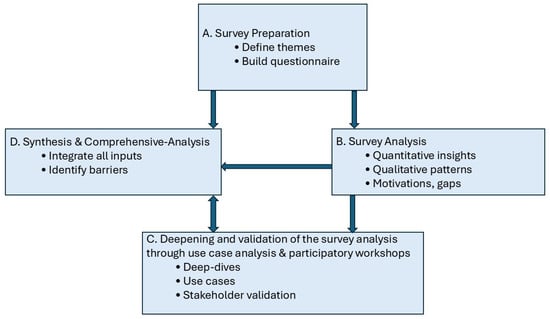
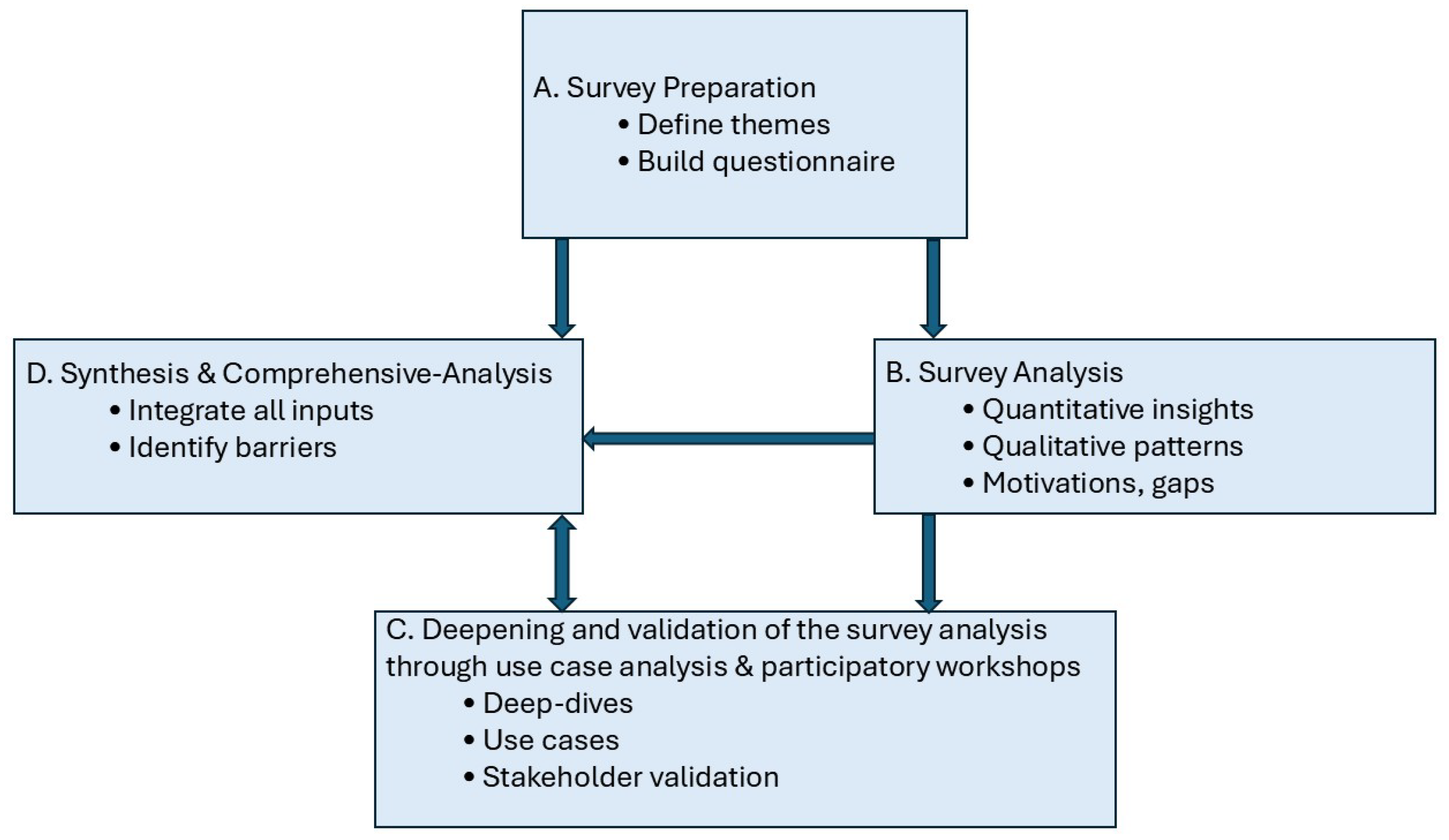
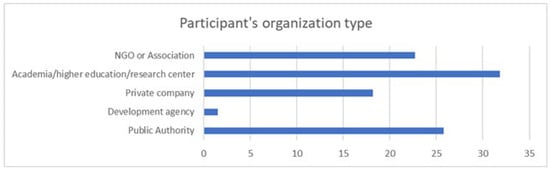
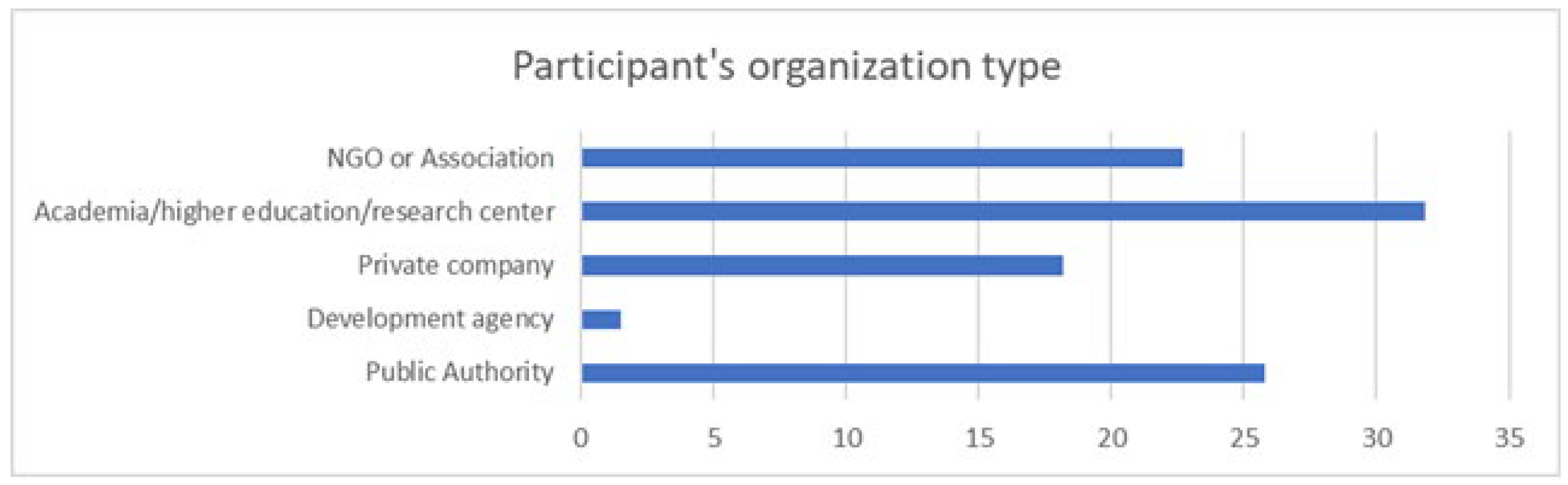
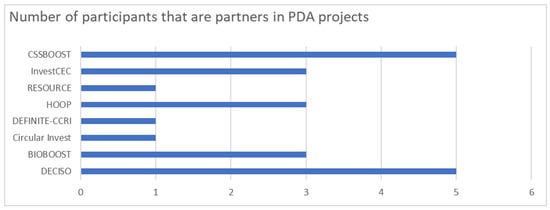
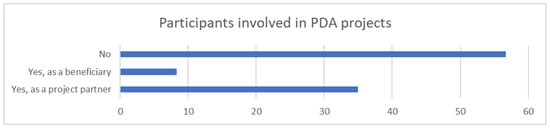
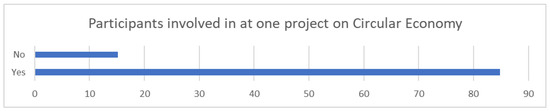
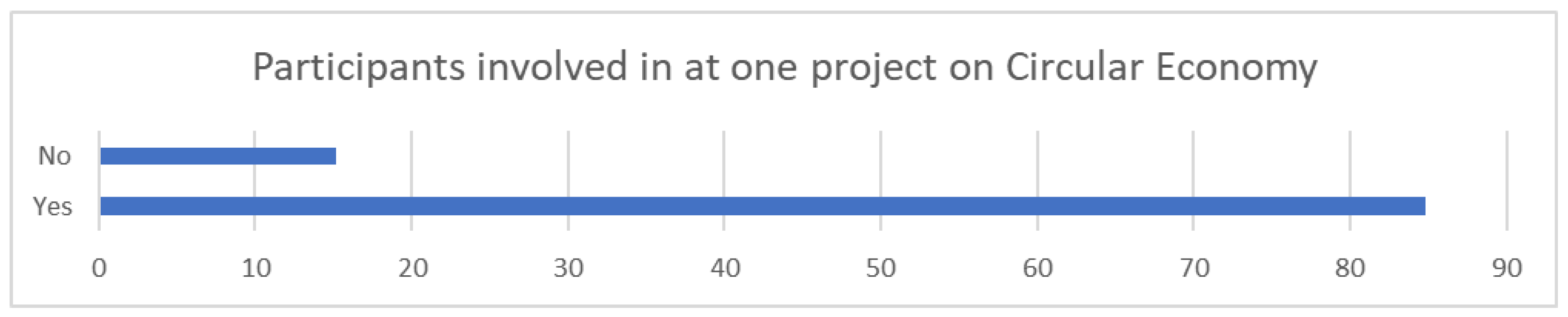
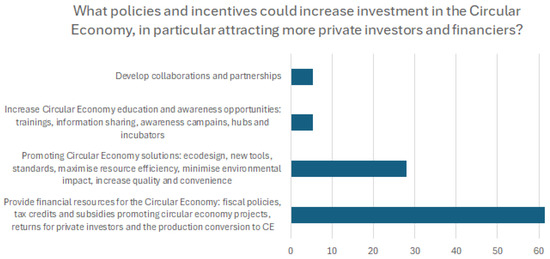
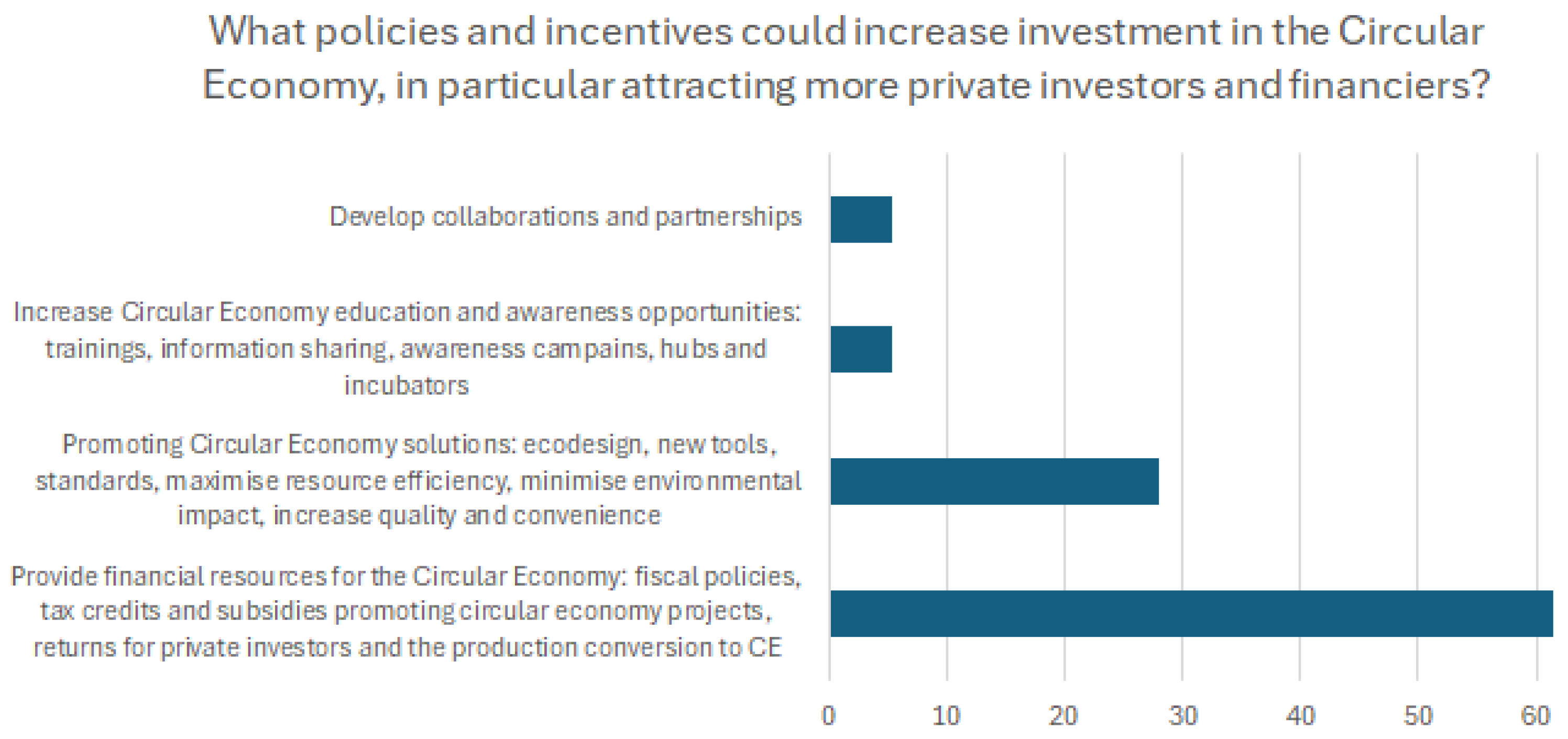
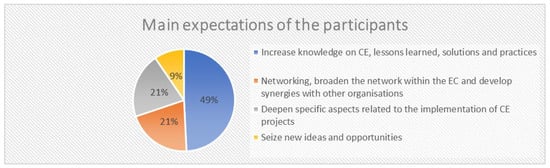
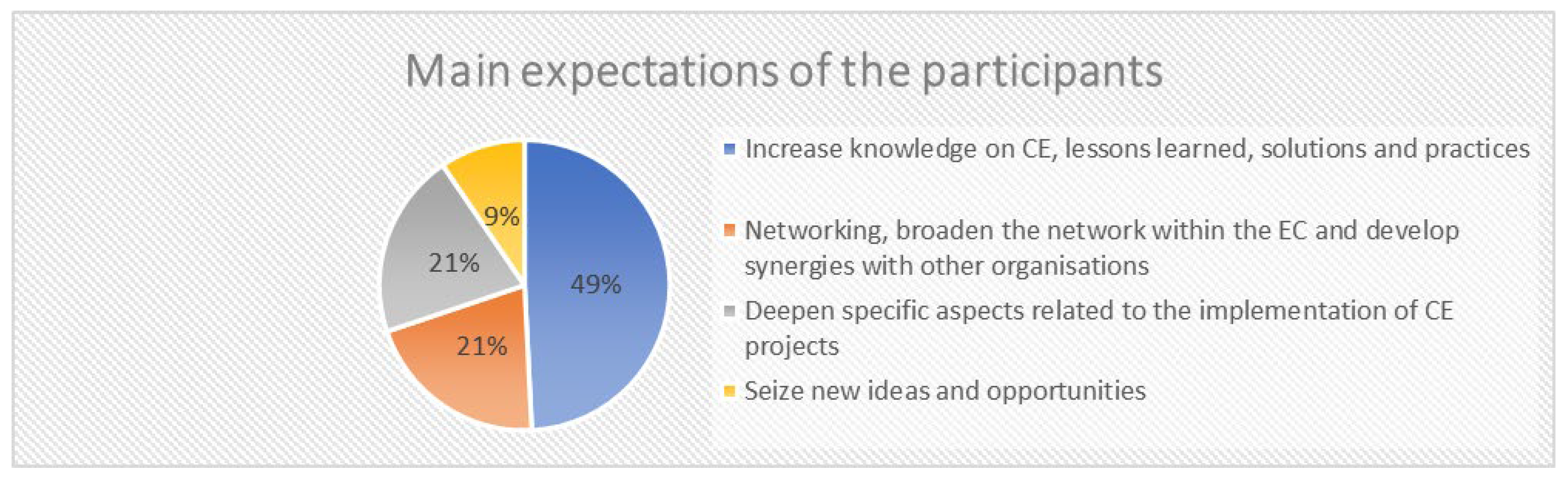
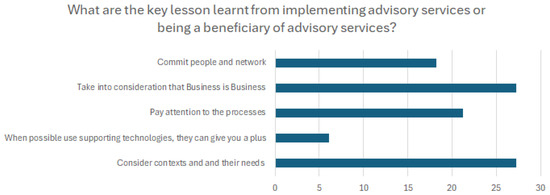
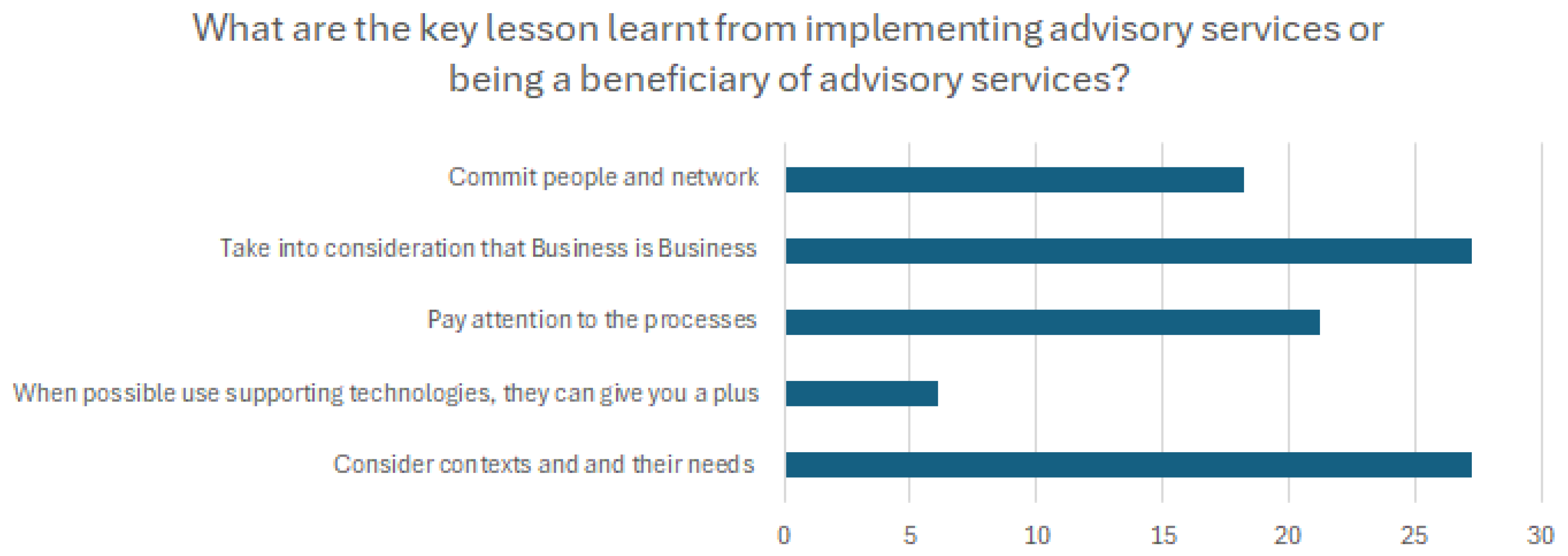
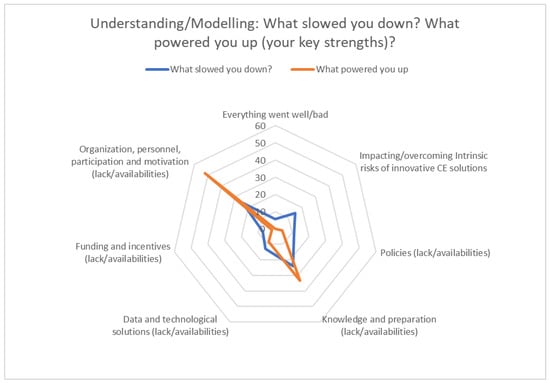
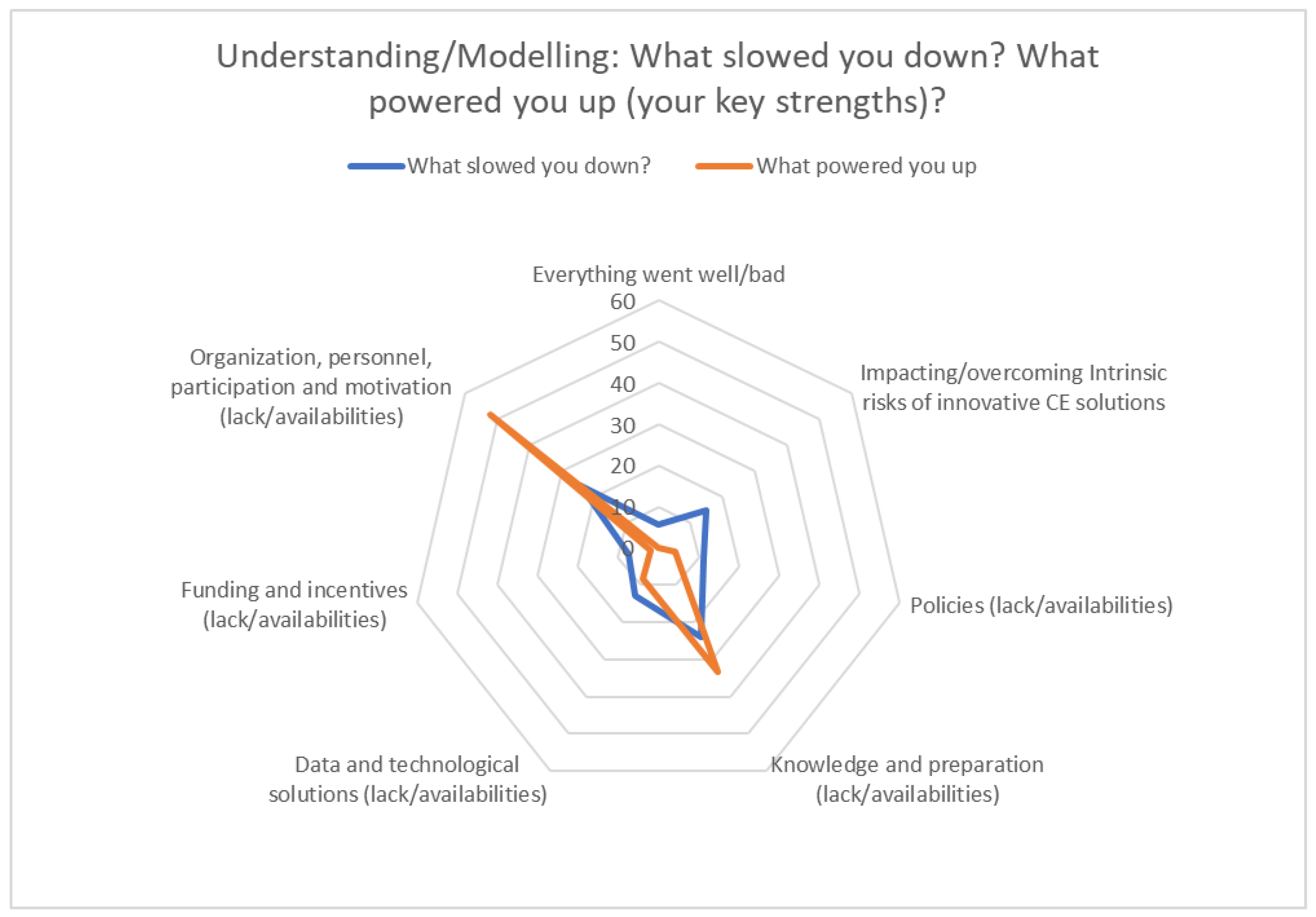
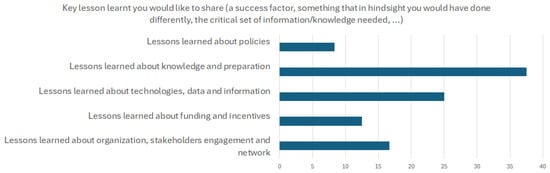
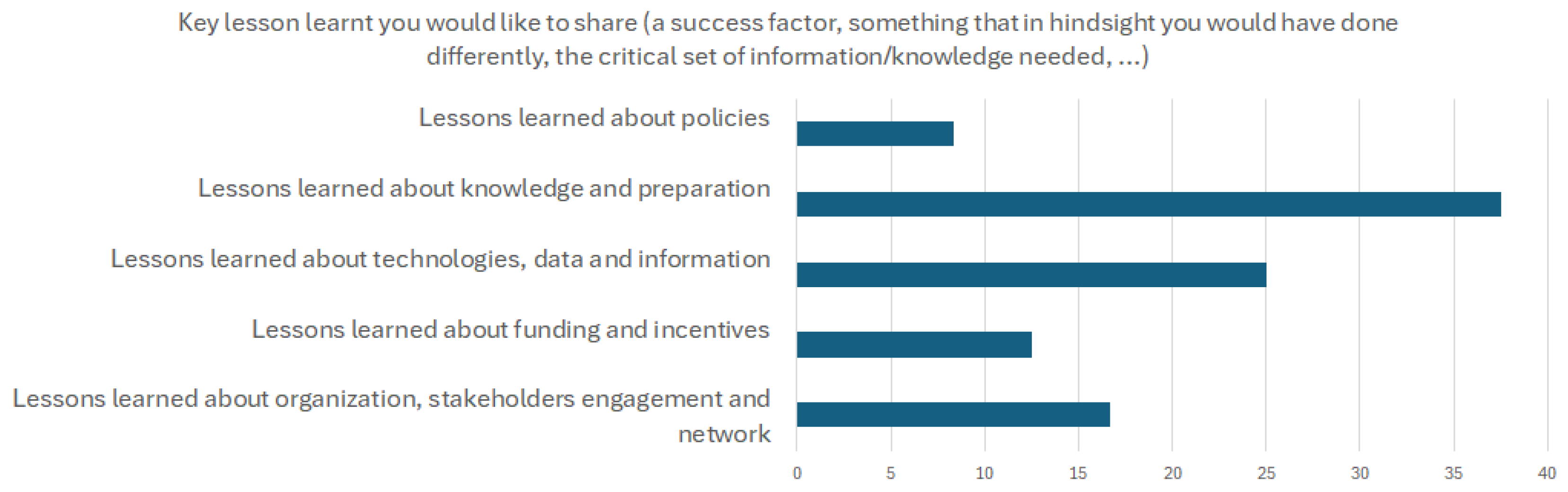
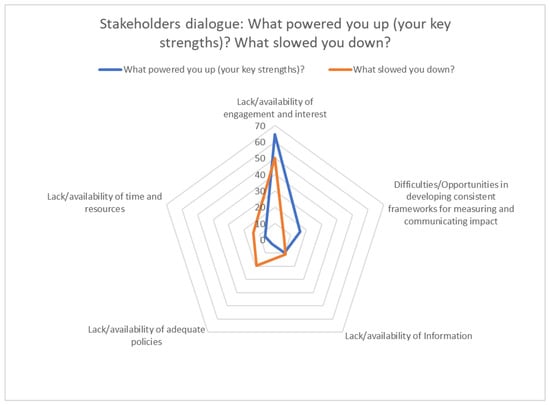
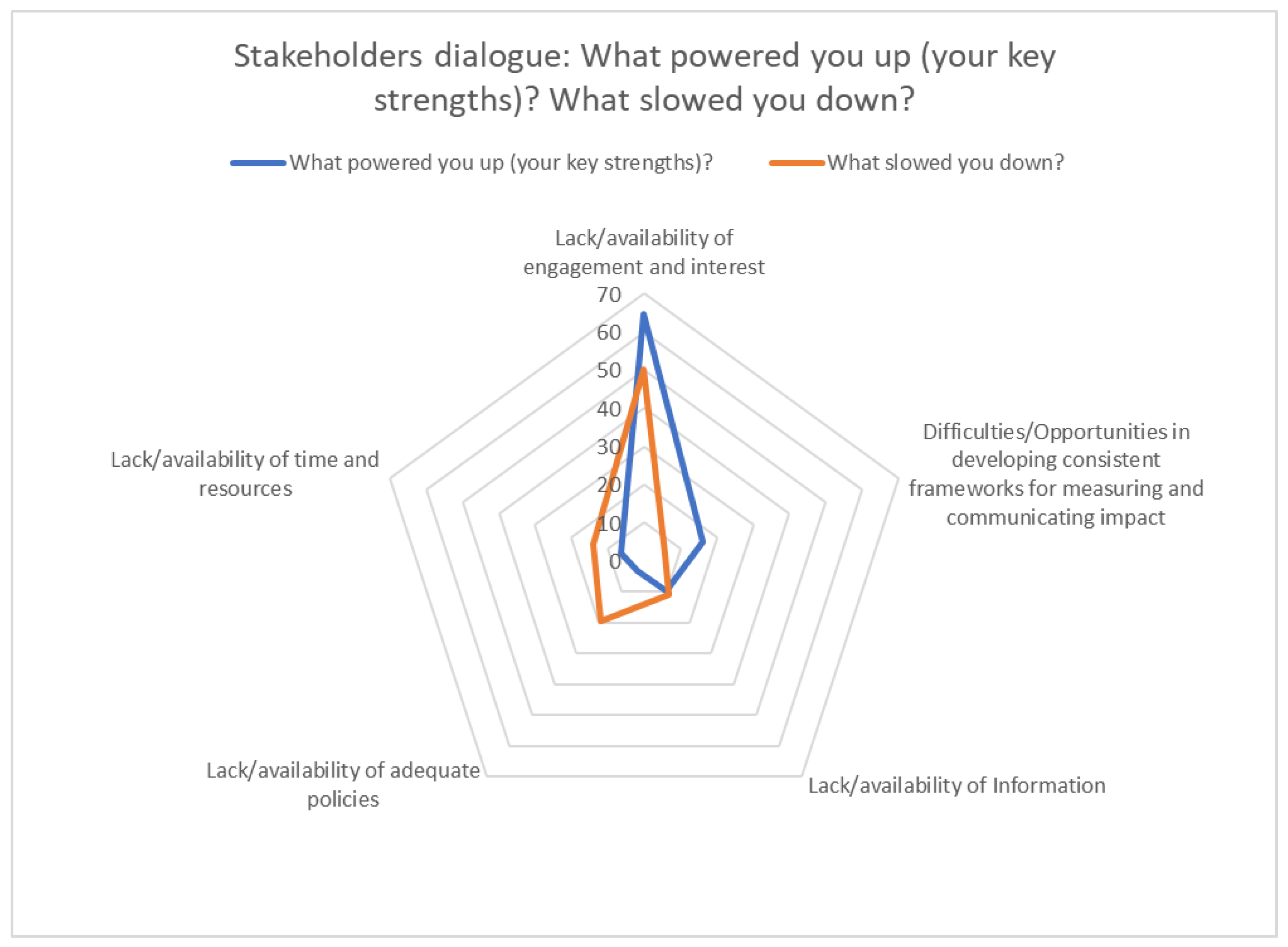
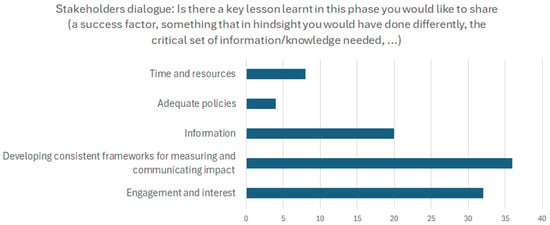
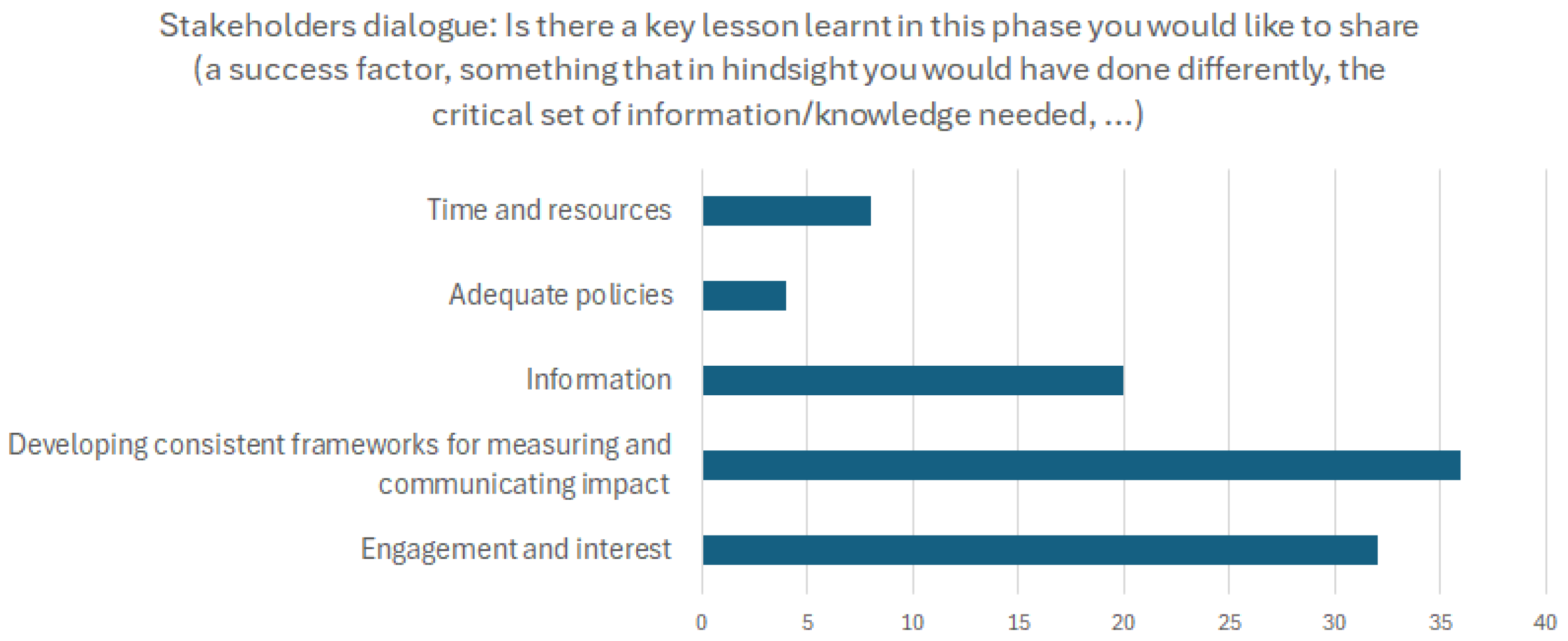
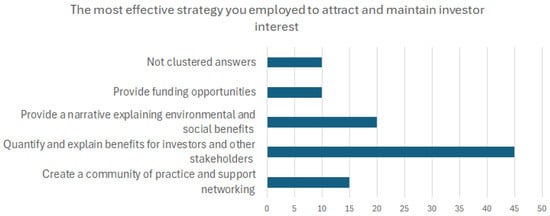
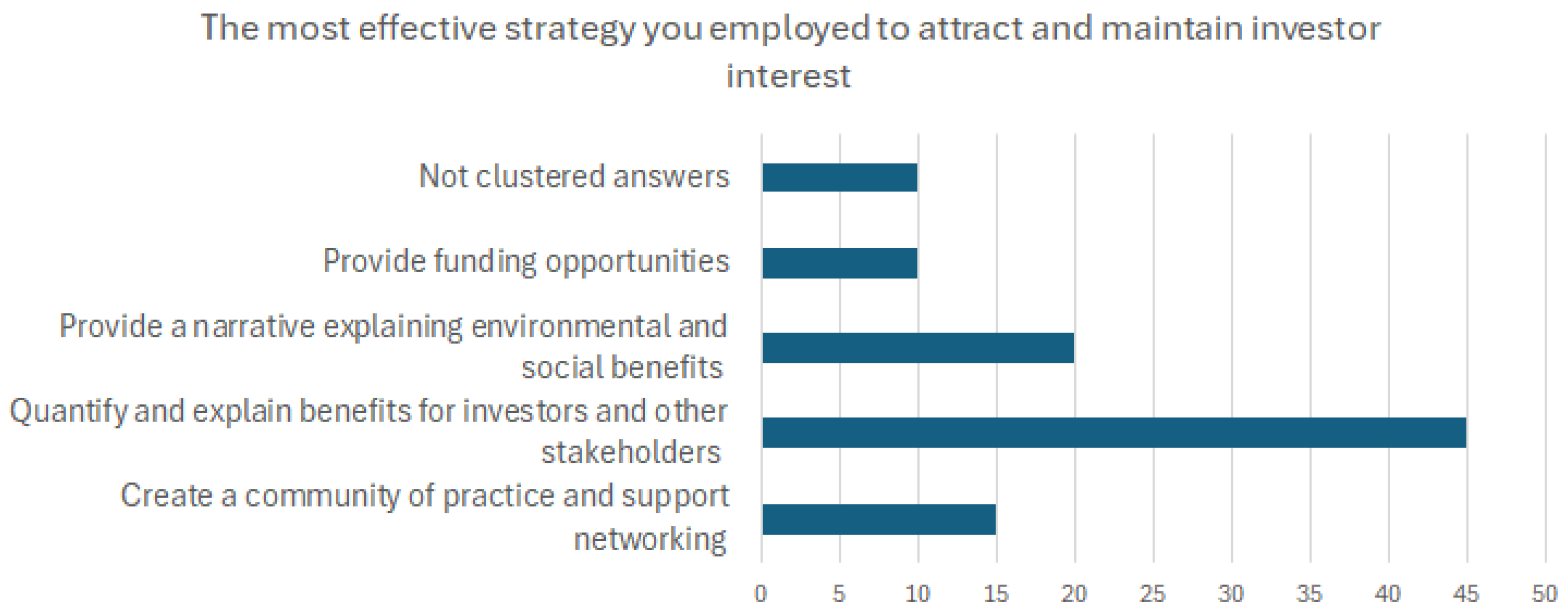
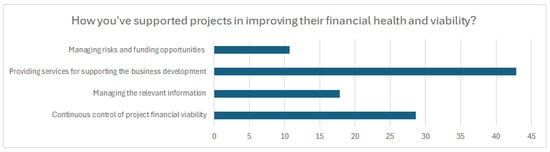
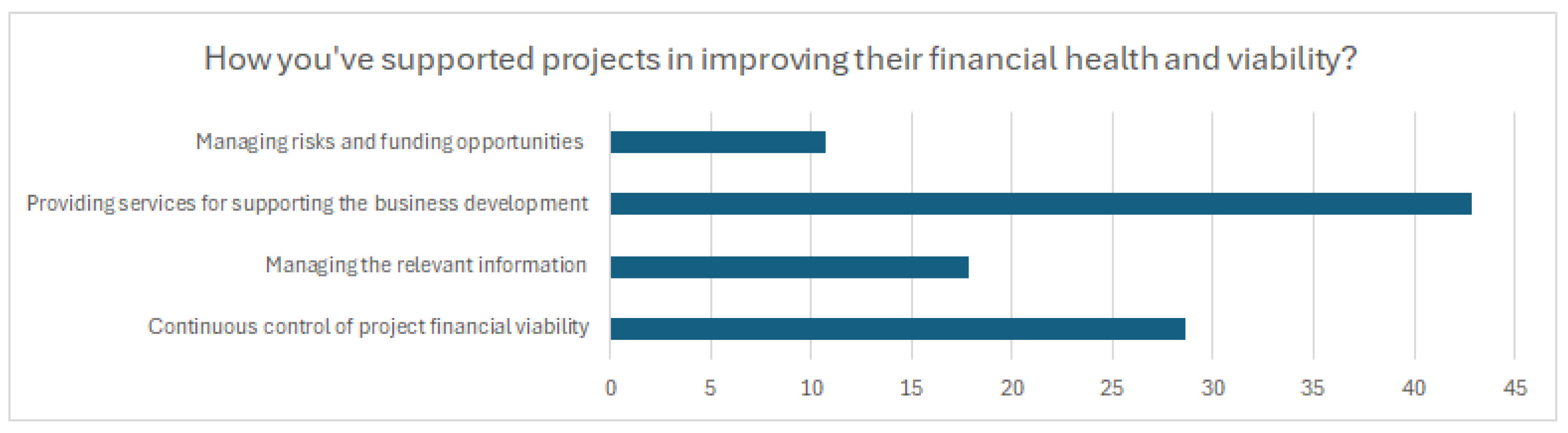
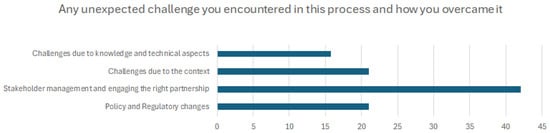

Disclaimer/Publisher’s Note: The statements, opinions and data contained in all publications are solely those of the individual author(s) and contributor(s) and not of MDPI and/or the editor(s). MDPI and/or the editor(s) disclaim responsibility for any injury to people or property resulting from any ideas, methods, instructions or products referred to in the content. |
© 2026 by the authors. Licensee MDPI, Basel, Switzerland. This article is an open access article distributed under the terms and conditions of the Creative Commons Attribution (CC BY) license.