


Abstract
Increasing stakeholder pressures and environmental uncertainty require organizations to move beyond short-term financial outcomes and pursue sustainable performance. Despite the growing interest in sustainable leadership, the mechanisms and conditions under which this leadership approach is associated with sustainable performance have not yet been sufficiently clarified. This study examines the relationships between sustainable leadership and sustainable performance within a framework that incorporates the mediating role of organizational commitment and the moderating role of intra-organizational knowledge sharing. The research model was tested using data obtained from 399 employees working in SMEs operating in Türkiye through a convenience sampling approach, and the hypotheses were examined using PROCESS Macro Model 14 with a bootstrapping procedure (5000 resamples). The findings indicate that sustainable leadership is positively associated with sustainable performance and organizational commitment. Furthermore, organizational commitment is positively associated with sustainable performance and partially mediates the relationship between sustainable leadership and performance. In addition, intra-organizational knowledge sharing strengthens this indirect relationship, such that higher levels of knowledge sharing are associated with a stronger indirect effect. These findings suggest that sustainable performance is not solely a direct outcome of leadership behaviors but is associated with the interaction between employees’ relational bonds with the organization and knowledge-based processes. By integrating the natural resource-based view, social exchange theory, and the knowledge-based view, the study offers a conditional process perspective that is consistent with the observed relationships and contributes to the literature by providing a more integrated and contextually grounded understanding.
1. Introduction
In today’s business environment, increasing environmental uncertainty, intensified competition, and the diversification of stakeholder expectations require organizations to move beyond traditional management approaches focused solely on short-term economic outcomes. Organizations seeking to achieve sustainable competitive advantage are increasingly expected to develop socially and environmentally responsible practices [1]. In this context, sustainable development has emerged as a critical managerial challenge at the global level [2]. Growing pressures from stakeholders—including governments, non-governmental organizations, and the public—are directing organizations toward achieving sustainable performance by simultaneously addressing economic, social, and environmental responsibilities [2]. Accordingly, sustainability extends beyond performance outcomes and requires leadership approaches capable of balancing human, environmental, and economic value creation [3]. In this regard, sustainable leadership is increasingly recognized as an effective approach to addressing sustainability-oriented challenges [4].
Sustainable leadership is generally conceptualized as a strategic and ethically grounded management approach that supports long-term value creation. The triple bottom line perspective suggests that organizational success cannot be evaluated solely on financial performance, but must also incorporate social and environmental impacts [5]. Consistent with this perspective, sustainable leadership represents a holistic approach that integrates economic outcomes, societal well-being, and environmental responsibility. Prior research indicates that sustainable leadership is associated with long-term organizational performance through practices such as investing in employee development, fostering a shared vision, and building stakeholder-oriented relationships [6]. These practices are also likely to be associated with employees’ psychological attachment to the organization and may contribute to sustainable performance through increased organizational commitment.
The organizational behavior literature emphasizes that employees’ emotional and psychological attachment to the organization plays a critical role in shaping organizational outcomes. Organizational commitment is widely regarded as a key attitudinal construct reflecting employees’ identification with organizational goals and values, as well as their willingness to exert voluntary effort toward these goals [7]. Employees with higher levels of commitment are more likely to identify with the organization and contribute consistently to organizational objectives. At the same time, the sustainable performance literature highlights a multidimensional perspective that encompasses not only economic outcomes but also social and environmental impacts. In this context, the interaction between leadership practices and employee attitudes becomes central to understanding sustainable performance.
Despite these developments, empirical evidence regarding the organizational mechanisms through which sustainable leadership is associated with sustainable performance remains limited. Although prior studies provide valuable insights into the direct relationships between sustainable leadership and performance outcomes [8,9], they predominantly focus on linear relationships and pay insufficient attention to underlying psychological and organizational processes. In particular, the mediating role of organizational commitment has received limited empirical attention, and existing research often adopts fragmented approaches that examine variables in isolation. As a result, the mechanisms linking sustainable leadership to sustainable performance are not yet fully clarified.
Similarly, although knowledge sharing has been widely recognized as a key driver of organizational learning and performance, the conditions under which it is associated with the transformation of commitment-based processes into performance outcomes remain underexplored. This suggests that the conditional nature of the leadership–performance relationship has not been sufficiently clarified. Furthermore, a significant portion of the sustainable leadership literature focuses on large organizations, while studies in the SME context remain relatively limited, thereby restricting the contextual generalizability of existing findings.
Previous studies have examined the relationship between sustainable leadership and performance from different perspectives. Most have focused on direct relationships or have examined mechanisms such as knowledge sharing or organizational commitment separately. While these studies provide important insights, they tend to adopt fragmented approaches that do not fully capture the complex and multi-layered nature of the sustainable leadership–performance relationship. More recent studies, emphasize the importance of conditional mechanisms by incorporating moderating variables into performance models. However, these studies are conducted in different contexts and do not specifically address sustainability-oriented leadership. Building on this line of research, the present study integrates mediation and moderation within a unified framework and examines the relationships among sustainable leadership, organizational commitment, and sustainable performance under the condition of intra-organizational knowledge sharing.
Based on these gaps, the primary objective of this study is to examine the relationships among sustainable leadership, organizational commitment, and sustainable performance. Specifically, the study investigates whether sustainable leadership is associated with sustainable performance, as well as the potential mediating role of organizational commitment and the moderating role of intra-organizational knowledge sharing. In this way, the study moves beyond approaches that focus solely on direct relationships and proposes a moderated mediation model that is consistent with the observed data and allows for a more nuanced understanding of how these relationships are structured and under which conditions they become more pronounced.
This study makes three key contributions to the literature. First, it integrates the Natural Resource-Based View, Social Exchange Theory, and the Knowledge-Based View within a unified framework, providing a more comprehensive and multi-layered interpretation of the sustainable leadership–performance relationship. Second, it advances prior research by simultaneously examining mediation and moderation within a conditional process model, offering a more nuanced understanding of how and under what conditions these relationships are associated. Third, by focusing on SMEs in Türkiye, the study provides context-specific insights into sustainability-oriented leadership in resource-constrained environments, thereby extending the contextual relevance of existing findings.
This study is also expected to make several theoretical contributions. First, it offers an integrated framework that combines multiple theoretical perspectives to examine the relationship between sustainable leadership and sustainable performance. Specifically, the Natural Resource-Based View explains the strategic role of sustainable leadership in relation to sustainable performance, Social Exchange Theory explains how leadership is associated with organizational commitment through relational mechanisms, and the Knowledge-Based View explains the contextual conditions under which knowledge sharing strengthens these relationships. By integrating these perspectives, the study provides a more coherent and comprehensive interpretation of the relationships examined.
Finally, the study contributes to the sustainable leadership literature within the SME context. SMEs constitute a substantial proportion of organizations in many economies and play a critical role in achieving sustainable development goals. Their relatively flexible structures may amplify the association between leadership behaviors and employee attitudes. Moreover, in resource-constrained environments, human-centered mechanisms such as organizational commitment and knowledge sharing become particularly important for sustaining long-term performance. Therefore, examining these relationships in the SME context offers meaningful and contextually grounded insights for both theory and practice.
2. Theoretical Framework and Hypothesis Development
2.1. The Relationship Between Sustainable Leadership and Sustainable Performance
Although sustainable leadership is closely related to several environmentally oriented leadership approaches, it represents a broader and more integrative conceptualization. In the literature, constructs such as green leadership, green transformational leadership, and green servant leadership share a common focus on environmental sustainability; however, they differ in scope and underlying mechanisms. Green leadership primarily emphasizes environmentally responsible behaviors and practices within organizational processes, whereas green transformational leadership focuses on inspiring and motivating employees toward pro-environmental goals through transformational influence. Similarly, green servant leadership highlights ethical responsibility and service orientation toward environmental and societal well-being.
In contrast, sustainable leadership extends beyond an exclusively environmental focus by integrating economic, social, and environmental dimensions within a long-term value creation perspective. This holistic orientation enables sustainable leadership to address a wider range of stakeholder expectations and organizational outcomes. Nevertheless, sustainability-oriented leadership approaches may involve high resource requirements, create tensions between short-term performance pressures and long-term sustainability goals, and pose challenges in balancing diverse stakeholder demands. These limitations suggest that their effectiveness may be context-dependent.
Sustainable leadership is associated with organizations’ strategic orientation by embedding long-term value creation and stakeholder balance into organizational processes [6]. By integrating sustainability-oriented principles—such as environmental responsibility, ethical governance, and long-term strategic thinking—into resource configuration and capability development, it is linked to organizations’ capacity to generate sustainable performance [6,10]. Accordingly, sustainable performance can be understood as a multidimensional construct requiring the integrated management of economic, social, and environmental outcomes.
Empirical evidence consistently indicates that sustainable leadership is positively associated with organizational performance [8,11,12]. In particular, sustainable leadership practices are associated with organizational resilience and the continuity of performance outcomes through long-term strategic orientation, stakeholder-based management, and ethical governance [13,14,15]. However, prior research has predominantly focused on direct relationships, providing limited insight into the underlying processes through which sustainable leadership is associated with sustainable performance.
This relationship can be interpreted through the Natural Resource-Based View (NRBV), which suggests that sustainable competitive advantage is associated with organizations’ ability to develop valuable capabilities aligned with environmental and social requirements [16]. From this perspective, sustainable leadership is associated with the development of strategic capabilities—such as environmental sensitivity, stakeholder orientation, and long-term value creation—that underpin sustainable performance. In addition, these capability-based processes may operate alongside employee-level and knowledge-based mechanisms, which are further addressed through complementary theoretical perspectives in the subsequent sections. Particularly in SMEs, where flexible structures amplify leadership–organization interactions, these relationships may become more visible. Therefore, sustainable leadership is considered a key organizational factor associated with sustainable performance.
H1.
Sustainable leadership is positively related to sustainable performance.
2.2. The Relationship Between Sustainable Leadership and Organizational Commitment
Organizational commitment is recognized as a key attitudinal construct reflecting employees’ identification with organizational goals and values, their emotional attachment to the organization, and their willingness to exert voluntary effort toward organizational objectives [17]. The literature consistently indicates that value-based leadership approaches strengthen employees’ identification with the organization and are associated with higher levels of commitment [18,19,20]. In this context, sustainable leadership represents a managerial approach that is associated with the transformation of the employee–organization relationship from a purely economic exchange into a value-based relational bond.
Empirical evidence indicates that sustainable leadership is positively associated with employee commitment and organizational identification [11]. In particular, practices such as investing in employee development, fostering trust-based relationships, and emphasizing long-term value creation are associated with employees’ psychological attachment to the organization. Moreover, ethical governance and participative decision-making processes are linked to stronger perceptions of fairness and trust, thereby supporting positive employee attitudes toward the organization [21,22,23]. These findings collectively suggest that sustainable leadership is systematically associated with organizational commitment. This study extends the literature by examining this relationship within the SME context, where leadership–employee interactions may be more direct and visible.
This relationship can be interpreted through the lens of Social Exchange Theory, which suggests that organizational relationships are shaped by reciprocity and that individuals respond positively to perceived support and fairness [24]. From this perspective, sustainable leadership is associated with the provision of socio-emotional resources—such as trust, support, and development opportunities—that structure the employee–organization relationship as a reciprocal exchange. When these leadership-driven resources are perceived as indicators of organizational support, employees are likely to reciprocate through stronger organizational commitment.
Accordingly, sustainable leadership is associated with employees’ psychological attachment to the organization through perceptions of trust, fairness, and value alignment. This process facilitates the internalization of organizational values, strengthens identification with the organization, and is associated with greater voluntary contributions toward organizational goals. These relational mechanisms complement the capability-based perspective introduced earlier and may also interact with knowledge-based processes in shaping organizational outcomes. These effects may be particularly salient in SMEs, where closer leader–employee interactions amplify the visibility of leadership behaviors. Therefore, sustainable leadership is considered a key relational mechanism associated with organizational commitment.
H2.
Sustainable leadership is positively related to organizational commitment.
2.3. The Relationship Between Organizational Commitment and Sustainable Performance
The literature indicates that employees with high levels of organizational commitment are more likely to remain within the organization, contribute to organizational goals, and engage in voluntary behaviors beyond their formal job responsibilities [25,26]. These behaviors are associated with higher levels of productivity, job satisfaction, and overall organizational contributions, thereby contributing to organizational outcomes [27,28]. Accordingly, organizational commitment is considered a key construct shaping the behavioral foundations of organizational performance.
Empirical evidence consistently indicates that organizational commitment is positively associated with employee performance and organizational success indicators [28,29,30]. In addition, organizational commitment has been associated with sustainable performance capacity. Taken together, these findings suggest that commitment is an important factor linked to performance-related outcomes. This study contributes to the literature by examining this relationship within the SME context, where employee-based mechanisms may play a more critical role under resource constraints.
Conceptually, organizational commitment can be interpreted as a behavioral mechanism through which employees’ individual goals become aligned with organizational objectives. Employees with strong psychological attachment are more likely to engage in quality improvement, process development, and innovation-related activities beyond formal role requirements. These voluntary contributions are associated with increased knowledge sharing, stronger collaboration, and more active organizational learning processes. In addition, higher levels of commitment are associated with lower employee turnover, which contributes to the retention of organizational knowledge and the stability of organizational processes.
This relationship can be interpreted within the framework of the Natural Resource-Based View (NRBV), which suggests that sustainable competitive advantage is associated with valuable and inimitable organizational resources [16]. From this perspective, organizational commitment represents a human-based resource linked to employees’ knowledge, experience, and behavioral contributions. By supporting knowledge retention, behavioral stability, and adaptive capacity, commitment is associated with organizations’ ability to sustain performance over time. At the same time, the extent to which these commitment-based contributions are reflected in organizational outcomes may depend on how effectively knowledge is shared and integrated within the organization, pointing to the relevance of knowledge-based processes addressed in the following section. These dynamics may be particularly salient in SMEs, where limited resources and higher environmental uncertainty increase the importance of employee commitment. Therefore, organizational commitment is considered a key mechanism associated with sustainable performance.
H3.
Organizational commitment is positively related to sustainable performance.
2.4. The Mediating Role of Organizational Commitment
The model developed by Steers [31] suggests that individual experiences and organizational conditions are associated with employee commitment, which in turn is linked to performance and retention-related behaviors. In this context, sustainable leadership may be associated with higher levels of organizational commitment by shaping employees’ work experiences through a long-term orientation, stakeholder focus, and value-based management approach [6]. Accordingly, practices such as ethical consistency, employee participation, and a focus on well-being are associated with employees’ identification with organizational goals and their level of commitment [32].
Although prior studies have examined the relationships between sustainable leadership, organizational commitment, and performance separately, limited attention has been given to how these relationships operate within an integrated process. This suggests a need for a more comprehensive interpretation of the mechanisms through which leadership is associated with performance outcomes. The present study addresses this gap by positioning organizational commitment as a central mechanism linking sustainable leadership and sustainable performance.
Conceptually, sustainable leadership can be associated with performance outcomes through its relationship with employees’ psychological attachment to the organization. By fostering value internalization, strengthening employees’ intention to remain, and supporting a sense of responsibility, sustainable leadership is associated with higher levels of organizational commitment. In turn, stronger commitment is associated with voluntary contributions such as participation in innovation, process improvement, and quality enhancement, which are linked to sustainable performance outcomes [33]. In this sense, organizational commitment can be interpreted as a behavioral transmission mechanism through which leadership-related practices are associated with performance-related outcomes [34].
This mechanism can be interpreted through Social Exchange Theory, which suggests that employees respond to perceived organizational support and fairness with positive attitudes and behaviors [24]. Sustainable leadership is associated with the provision of socio-emotional resources—such as trust, support, and development opportunities—that structure the employee–organization relationship as a reciprocal exchange. When these resources are perceived as indicators of organizational support, employees are likely to reciprocate through stronger organizational commitment, which is in turn associated with performance-related outcomes.
This relational mechanism complements the capability-based perspective introduced through NRBV by explaining how leadership-related practices are internalized at the employee level, and it also provides a basis for understanding how these effects may interact with knowledge-based processes addressed in the following section. Accordingly, the relationship between sustainable leadership and sustainable performance can be interpreted as being indirectly associated through organizational commitment. This mechanism may be more visible in SMEs, where closer leader–employee interactions amplify the association between leadership and employee attitudes. Therefore, organizational commitment is considered a key mediating mechanism in the relationship between sustainable leadership and sustainable performance.
H4.
Organizational commitment mediates the relationship between sustainable leadership and sustainable performance.
2.5. The Role of Intra-Organizational Knowledge Sharing
The relationship between sustainable leadership and sustainable performance can be understood not only as a direct association but also as a multi-stage process operating through organizational commitment. As a key attitudinal construct reflecting employees’ identification with the organization and their willingness to exert voluntary effort, organizational commitment can be interpreted as a behavioral pathway through which leadership-related practices are associated with performance-related outcomes [31]. Accordingly, commitment associated with sustainable leadership may contribute to sustainable performance by supporting employees’ contributions toward organizational objectives.
The literature suggests that the relationship between organizational commitment and performance may be contingent upon knowledge-based processes. In particular, intra-organizational knowledge sharing is considered a critical mechanism that enables the transformation of individual knowledge and experience into organizational memory and supports the development of dynamic capabilities [35,36]. In organizational contexts characterized by higher levels of knowledge sharing, employees’ contributions are more likely to generate collective impact, as individual knowledge is more effectively disseminated and integrated. In contrast, when knowledge sharing is limited, these contributions may remain at the individual level, thereby reducing their association with organizational performance. Accordingly, intra-organizational knowledge sharing represents an important contextual condition shaping the strength of the commitment–performance relationship.
This relationship can be interpreted within the framework of the Knowledge-Based View (KBV), which suggests that knowledge constitutes a critical strategic resource whose value depends on processes of sharing and integration [37]. From this perspective, while organizational commitment is associated with employees’ willingness to contribute and share knowledge, the extent to which these contributions are reflected in sustainable performance depends on the effectiveness of knowledge circulation within the organization [38,39]. Therefore, knowledge sharing can be interpreted as a mechanism through which commitment-based individual contributions are associated with organizational-level value creation.
Importantly, this perspective complements the capability-based explanation provided by NRBV and the relational mechanisms emphasized by Social Exchange Theory by highlighting the conditions under which these processes are translated into organizational outcomes. In this sense, knowledge sharing provides the contextual layer that connects employee-level commitment and capability-based processes to performance outcomes.
Accordingly, the indirect relationship between sustainable leadership and sustainable performance through organizational commitment can be interpreted as varying depending on the level of intra-organizational knowledge sharing. When knowledge sharing is high, commitment-driven contributions are more likely to be reflected in performance outcomes through collective learning and integration processes. Conversely, when knowledge sharing is low, these contributions may have a more limited organizational impact. These dynamics may be particularly salient in SMEs, where limited resources increase the importance of effectively utilizing existing knowledge. Therefore, intra-organizational knowledge sharing is conceptualized as a key contextual factor that moderates the indirect relationship between sustainable leadership and sustainable performance.
H5.
The indirect effect of sustainable leadership on sustainable performance through organizational commitment is moderated by intra-organizational knowledge sharing.
The research model presents the relationships among sustainable leadership, organizational commitment, and sustainable performance within a comprehensive framework. In the model, sustainable leadership is considered the primary determinant of sustainable performance, while organizational commitment is positioned as the key psychological mechanism mediating this relationship. It is suggested that employees’ emotional and normative attachment to the organization constitutes a critical process through which the value-based orientation derived from sustainable leadership is translated into sustainable performance outcomes. Furthermore, intra-organizational knowledge sharing is expected to play a contextual moderating role that strengthens this indirect effect. Accordingly, in order to test the hypotheses presented in Figure 1, the following section provides a detailed description of the research methodology, sample, data collection process, and analytical techniques.
Figure 1.
Research Model. Note: H1: Sustainable Leadership → Sustainable Performance; H2: Sustainable Leadership → Organizational Commitment; H3: Organizational Commitment → Sustainable Performance; H4: Mediating effect of Organizational Commitment; H5: Moderating effect of Intra-organizational Knowledge Sharing.
3. Method
3.1. Sample and Procedures
The sample of this study consists of individuals employed in small- and medium-sized enterprises (SMEs) operating in Türkiye. Data were collected from organizations located in three different cities in Türkiye in order to ensure the representation of diverse organizational contexts. A convenience sampling method was employed; however, particular attention was given to reaching organizations from different sectors to enhance data diversity. In line with commonly accepted definitions, SMEs in this study refer to firms that meet the criteria defined in the Turkish SME classification framework based on the number of employees and annual turnover. Although convenience sampling may limit the generalizability of the findings, it is widely used in organizational research, particularly when access to respondents is constrained. To mitigate potential biases associated with this method, efforts were made to include participants from different organizational settings and backgrounds, thereby increasing the heterogeneity of the sample. In addition, the relatively large sample size and the use of established measurement scales contribute to the robustness and internal validity of the findings. Therefore, while the results should be interpreted with caution in terms of generalizability, the sampling strategy is considered appropriate for the research context.
During the data collection process, the relevant organizations were contacted, and the purpose of the study was clearly explained. Participation was entirely voluntary, and no incentives were provided, reducing the likelihood of response bias. Participants were explicitly informed that the survey would be used solely for scientific purposes, that their personal information would remain confidential, and that their anonymity would be preserved. These procedures were implemented to minimize potential response bias and enhance the reliability of the data. The questionnaires were distributed and collected in sealed envelopes to further ensure confidentiality and reduce social desirability concerns. Due to the nature of the data collection process, it was not possible to determine the exact number of organizations approached or to calculate a precise response rate. This limitation is acknowledged and considered in the interpretation of the findings.
At the end of the four-week data collection period, the returned questionnaires were carefully reviewed, and incomplete or incorrectly filled forms were excluded from the dataset. The final analyses were conducted based on 399 usable questionnaires. This sample size is considered adequate for regression-based analyses, particularly for models tested using PROCESS Macro. According to commonly accepted guidelines, a sample size exceeding 200 is sufficient to ensure statistical power and stability of parameter estimates in mediation and moderation analyses. Therefore, the sample size of this study provides a reliable basis for testing the proposed research model. It should also be noted that the data were collected from individual employees, and more than one participant may have been drawn from the same organization. However, firm-level identifiers were not systematically recorded, and therefore the potential non-independence of observations could not be statistically controlled. This issue is acknowledged as a limitation.
Of the participants, 152 were female and 247 were male. A total of 207 participants were married, while 192 were single. Regarding educational background, 20 participants had below high school education, 51 held an associate degree, 259 held a bachelor’s degree, and 69 had a graduate degree. In terms of age distribution, 97 participants were between 18 and 25 years, 83 were between 26 and 35 years, 76 were between 35 and 45 years, and 143 were aged 45 and above.
Although the study aimed to include participants from diverse sectors to enhance data variability, detailed sectoral distribution data were not systematically recorded during the data collection process. This represents a limitation in terms of explicitly demonstrating sectoral representation. However, the inclusion of SMEs from multiple cities and different organizational contexts is considered to provide a reasonable level of heterogeneity within the sample. Therefore, while the findings should be interpreted with caution regarding sector-specific generalizations, the overall diversity of the sample supports the validity of the results within the SME context.
Ethical approval for this study was obtained from the Ethics Committee of European Leadership University (Approval No: ALU-ETK-2026-01/13-43). The research was conducted in accordance with established ethical standards. Participation was entirely voluntary, informed consent was obtained from all participants prior to data collection, and anonymity and confidentiality were strictly ensured throughout the study.
3.2. Measures
All constructs in this study were measured based on individual employees’ perceptions. Accordingly, the variables represent perceptual evaluations of organizational-level phenomena rather than objective organizational-level indicators.
Sustainable Leadership: Participants’ perceptions of sustainable leadership regarding their managers were measured using a four-item scale developed by Di Fabio and Peiró [40]. The scale was designed as a five-point Likert-type measure. Sample items include “My manager leaves out the superfluous by focusing the resources on the crucial aspects of work.” and “My manager supports my collaborators in their personal/career growth.” This scale has been widely used in the literature to capture leadership behaviors associated with sustainability-oriented management and has demonstrated satisfactory psychometric properties across different organizational contexts.
Organizational Commitment: Organizational commitment was assessed using a five-item scale developed by Allen and Meyer [33]. The scale was structured as a seven-point Likert-type measure. Sample items include “I am proud to tell others I work at my organization” and “I feel a strong sense of belonging to my organization.” This scale represents one of the most widely used and theoretically grounded measures of organizational commitment and has been extensively validated in prior research.
Sustainable Performance: Sustainable performance was measured using a five-item scale developed by Gelhard and Von Delft [41]. The scale was structured as a seven-point Likert-type measure. Sample items include “We develop new services or improve existing services that are regarded as sustainable for society and the environment” and “Our reputation in terms of sustainability is better than the sustainability reputation of our competitors.” It should be noted that this construct reflects employees’ perceptions of their organization’s sustainability performance rather than objective performance indicators. This scale captures the multidimensional nature of sustainable performance and has been applied in studies examining sustainability-oriented organizational outcomes.
Intra-Organizational Knowledge Sharing: Intra-organizational knowledge sharing was measured using a ten-item scale developed by Van Den Hooff and De Ridder [42]. The scale was designed as a seven-point Likert-type measure. Sample items include “I share the information I have with colleagues within my department” and “When I’ve learned something new, I see to it that colleagues in my department can learn it as well.” This scale has been widely used to assess knowledge-sharing behaviors and has shown strong reliability and validity across different organizational settings.
Control Variables: In the analyses, demographic characteristics such as gender, age, education level, and marital status were included as control variables to account for potential confounding effects. The findings indicate that the effects of these control variables on sustainable performance are limited and not statistically significant, suggesting that the observed relationships among the main variables are not driven by demographic characteristics.
All measurement scales were originally developed in English and were translated into Turkish using a back-translation procedure to ensure linguistic equivalence. First, the items were translated into Turkish by a bilingual expert and then independently translated back into English by another expert. Any discrepancies between the original and back-translated versions were carefully reviewed and resolved to ensure semantic consistency.
Although some of the measurement scales used in this study were developed more than a decade ago, they have been consistently employed and validated in recent research. These scales are well-established instruments with demonstrated reliability and validity across different cultural and organizational contexts. Therefore, their continued use is considered appropriate, as they provide a theoretically grounded and comparable basis for measuring the constructs examined in this study.
3.3. Data Analysis
The hypothesis testing process consisted of two main stages. First, descriptive statistics were calculated and the measurement model (validity and reliability) was assessed. In the second stage, hypothesis testing was conducted using PROCESS Macro (Model 14). To examine the indirect and interaction effects among the variables, the bootstrap method—known for minimizing sampling error—was employed. In the evaluations based on a 95% confidence interval, the absence of zero between the LLCI and ULCI values was considered the primary criterion for statistical significance (p < 0.05).
In line with the analytical approach of this study, a regression-based framework was adopted rather than a covariance-based structural equation modeling (SEM) approach. Therefore, confirmatory factor analysis (CFA) was not conducted as part of the main analytical procedure. Instead, the measurement model was assessed using widely accepted reliability and validity indicators, including Cronbach’s alpha, composite reliability (CR), average variance extracted (AVE), McDonald’s omega, the Fornell–Larcker criterion, and the HTMT ratio. This approach is consistent with prior research employing PROCESS Macro, where the primary focus is on testing conditional process relationships rather than evaluating a full latent variable model.
The PROCESS Macro was preferred over alternative approaches such as structural equation modeling (SEM) due to its suitability for testing conditional process models in a regression-based framework. In particular, PROCESS allows for the simultaneous examination of mediation and moderation effects, providing direct estimates of indirect and interaction effects. In addition, the bootstrapping procedure enhances the robustness of the results by generating confidence intervals without relying on normal distribution assumptions. Therefore, PROCESS Macro is considered an appropriate and efficient analytical tool for testing the proposed moderated mediation model.
4. Findings
4.1. Common Method Bias
In this study, the collection of all variables through self-reported measures raises the potential concern of common method bias (CMB). To address this issue, both procedural and statistical remedies recommended in the literature were implemented [43].
During the data collection phase, anonymity and confidentiality were assured to participants to reduce social desirability bias. Participants were explicitly informed that there were no right or wrong answers and that only their sincere opinions were expected. In addition, different scale formats (e.g., five-point and seven-point Likert scales) were used to minimize the risk of response patterns caused by cognitive fatigue. Previously validated measurement scales were employed, and the survey items were presented in a mixed order. These procedural remedies are consistent with established recommendations for mitigating common method bias [43].
From a statistical perspective, Harman’s single-factor test was first conducted as an initial diagnostic. The results indicated that the largest factor accounted for less than 50% of the total variance (explained variance: 38.58%), suggesting that common method variance is unlikely to be a dominant concern.
Given the limitations of Harman’s single-factor test, a more rigorous approach was employed using the marker variable technique. In this context, the 13-item short form of the Marlowe–Crowne Social Desirability Scale was included as a theoretically unrelated marker variable. This scale captures respondents’ tendency to provide socially desirable responses and is widely used as a proxy for response bias. Following the procedure proposed by Lindell and Whitney [44], partial correlations were computed by controlling for the marker variable. The results indicated that controlling for social desirability did not lead to any substantial changes in the magnitude or significance of the relationships among the main study variables, suggesting that the observed associations are not driven by common method variance.
In addition, the recommendations of Bagozzi et al. [45] were followed, and inter-construct correlations were examined. None of the correlations exceeded the threshold of 0.90, providing further evidence that common method bias is unlikely to pose a serious threat to the validity of the findings.
Taken together, the results from both procedural and statistical remedies suggest that common method variance does not appear to systematically bias the findings of this study.
4.2. Reliability and Validity Analyses
Prior to hypothesis testing, the validity and reliability of the measurement scales were assessed. In this context, internal consistency reliability, convergent validity, and discriminant validity were examined. In addition, descriptive statistics, including means and standard deviations, were calculated for all main constructs to provide a clearer overview of the data structure. The reliability results are presented in Table 1.
Table 1.
Reliability Results.
Internal consistency reliability was assessed using Cronbach’s alpha (α) and composite reliability (CR) values. In the literature, Cronbach’s alpha and CR values above 0.70 are considered indicative of acceptable reliability [46,47]. The analysis results indicate that the Cronbach’s alpha values for all variables exceed 0.70. Similarly, the composite reliability (CR) values were found to surpass the recommended threshold. These findings suggest that the scales demonstrate adequate internal consistency reliability.
Convergent validity was evaluated through Average Variance Extracted (AVE) and factor loadings. For convergent validity to be established, factor loadings should exceed 0.50, and AVE values should be 0.50 or higher [46,48]. The analysis results indicate that all factor loadings exceed the recommended threshold values. Factor loadings above the threshold further suggest that the items have a strong capacity to represent their respective constructs [49]. In addition, the AVE values calculated for all constructs were found to be above 0.50. These findings indicate that convergent validity has been established.
Discriminant validity was assessed using the Fornell–Larcker criterion and the HTMT ratio (Table 2).
Table 2.
Discriminant Validity.
According to the Fornell–Larcker criterion, the square root of the AVE for each construct should be greater than its correlations with other constructs [48]. The findings indicate that the square root of the AVE values for all constructs exceed the corresponding correlation coefficients. In addition, to provide a more rigorous assessment of discriminant validity, the Heterotrait–Monotrait (HTMT) ratio was calculated. HTMT values below 0.85 (more conservative criterion) or 0.90 (more liberal criterion) are considered indicative of adequate discriminant validity [50]. The analysis results reveal that all HTMT values fall below the recommended thresholds. These findings suggest that discriminant validity has been established within the measurement model.
Consistent with the regression-based analytical framework adopted in this study, the measurement model was evaluated using reliability and validity indicators rather than confirmatory factor analysis. This approach ensures that the constructs are adequately represented while maintaining alignment with the PROCESS Macro methodology employed for hypothesis testing.
Overall, the reliability and validity analyses indicate that the constructs used in the study demonstrate adequate reliability, as well as satisfactory convergent and discriminant validity.
4.3. Hypothesis Testing
The empirical analysis of the research hypotheses was conducted using the PROCESS Macro (Model 14) developed by Hayes [51]. To ensure the statistical robustness of the parameter estimates, a bootstrapping procedure with 5000 resamples was employed, and the results were examined at the 95% confidence interval (CI) level. All findings obtained from the analysis are presented in detail in Table 3. In addition to statistical significance, effect sizes were considered to provide a more comprehensive interpretation of the results. The reported coefficients represent standardized estimates (β), allowing for the comparison of the relative strength of the relationships among variables. The findings indicate that the observed relationships are not only statistically significant but also meaningful in magnitude.
Table 3.
Hypothesis Testing Results.
The findings indicate that sustainable leadership is positively associated with both sustainable performance (β = 0.436, SE = 0.056, 95% CI [0.366, 0.513], p < 0.001) and organizational commitment (β = 0.277, SE = 0.047, 95% CI [0.207, 0.392], p < 0.001). In addition, organizational commitment is positively associated with sustainable performance (β = 0.232, SE = 0.033, 95% CI [0.122, 0.281], p < 0.001). Based on these findings, hypotheses H1, H2, and H3 are supported.
The analyses conducted to examine the mediating role indicate that the indirect relationship between sustainable leadership and sustainable performance through organizational commitment is statistically significant (β = 0.075, SE = 0.021, 95% CI [0.034, 0.145]). This finding provides evidence consistent with a partial mediating role of organizational commitment, supporting hypothesis H4.
Within the scope of the final hypothesis, the study examined whether the indirect relationship between sustainable leadership and sustainable performance through organizational commitment varies depending on the level of intra-organizational knowledge sharing. The findings indicate that the index of moderated mediation is statistically significant (β = 0.071, SE = 0.032, 95% CI [0.019, 0.133]). These results provide evidence that intra-organizational knowledge sharing is associated with the strength of the indirect relationship, supporting hypothesis H5.
As illustrated in Figure 2, the indirect relationship between sustainable leadership and sustainable performance (via organizational commitment) varies across levels of intra-organizational knowledge sharing. Specifically, the indirect relationship appears weaker at low levels of knowledge sharing (β = 0.025, CI [0.009, 0.051]) and stronger at high levels (β = 0.089, CI [0.055, 0.147]). These findings indicate that higher levels of knowledge sharing are associated with a stronger indirect relationship.
Figure 2.
Simple slope plot of the moderating effect of intra-organizational knowledge sharing.
The effects of control variables (gender, age, education level, and marital status) were also examined within the regression models. The results indicated that none of these variables had a statistically significant association with sustainable performance (p > 0.05). These findings suggest that the observed relationships are not driven by demographic characteristics.
To assess the robustness of the findings, bootstrapping procedures with 5000 resamples were employed, generating bias-corrected confidence intervals for all estimates. This approach reduces sensitivity to distributional assumptions and enhances the reliability of the results. The consistency of the findings across model estimations and confidence intervals suggests that the results are stable and robust.
5. Discussion
The findings of this study can be interpreted through an integrated framework combining the Natural Resource-Based View (NRBV), Social Exchange Theory (SET), and the Knowledge-Based View (KBV). Rather than operating as separate lenses, these perspectives jointly provide a multi-layered interpretation of how sustainable leadership is associated with sustainable performance. It should be emphasized that these interpretations are based on employees’ perceptions of organizational-level phenomena rather than objective organizational-level indicators.
From a strategic standpoint, NRBV provides a useful perspective for understanding how sustainable leadership is associated with the development of valuable organizational capabilities aligned with environmental and social demands. Building on this perspective, SET offers a relational explanation suggesting that sustainable leadership practices may be perceived by employees as signals of trust, support, and fairness, which are associated with higher levels of organizational commitment. In turn, this commitment may be linked to performance-related outcomes through employees’ attitudinal and behavioral responses.
KBV adds a contextual dimension by suggesting that the strength of these relationships may depend on knowledge sharing within the organization. In particular, knowledge sharing appears to strengthen the extent to which commitment-based individual contributions are reflected in organizational-level outcomes. In this sense, KBV helps to frame the conditions under which the indirect relationship between sustainable leadership and performance becomes more pronounced.
Taken together, these perspectives provide a coherent interpretation of the proposed model, suggesting that sustainable performance is associated not only with leadership practices but also with the interaction of strategic capabilities, relational dynamics, and knowledge-based processes.
The results further indicate that the relationships among sustainable leadership, organizational commitment, and sustainable performance operate within an interconnected framework. The association between sustainable leadership and performance is not limited to a direct relationship; it is also linked to employees’ attitudinal responses and intra-organizational knowledge processes. Importantly, the findings indicate a partial mediation structure, in which sustainable leadership is associated with sustainable performance both directly and indirectly through organizational commitment. When the mediating role of organizational commitment and the moderating role of knowledge sharing are considered together, sustainable performance appears as the outcome of a multi-layered process. These findings suggest that sustainable performance may be better understood not only as a strategic outcome but also as a product of relational and knowledge-based dynamics within the organization.
Beyond statistical significance, the magnitude of the observed relationships provides additional insight into their practical relevance. The standardized coefficients indicate that the association between sustainable leadership and sustainable performance can be considered moderate in magnitude, suggesting that leadership-related practices represent a meaningful—yet not exclusive—factor associated with performance outcomes. Similarly, the indirect relationship through organizational commitment, although smaller in magnitude, indicates a non-negligible pathway through which leadership-related practices are associated with performance. These findings suggest that while individual effects may be modest, their combined influence contributes to a practically relevant and interpretable pattern of relationships within the organizational context.
The positive association between sustainable leadership and sustainable performance is consistent with the general expectations of NRBV. This suggests that sustainable leadership is linked to firms’ ability to adapt to environmental demands and to support long-term value creation through the integration of environmental and social considerations. While consistent with prior research [52], these findings should be interpreted as indicative of relationships rather than definitive causal effects. In this respect, sustainable leadership may be considered as a strategic capability associated with the configuration of organizational resources.
Similarly, the association between sustainable leadership and organizational commitment can be interpreted within the framework of SET. The findings suggest that sustainable leadership practices are associated with employees’ perceptions of organizational support and fairness, which, in turn, are related to higher levels of commitment [24]. This aligns with prior research [18], while also suggesting that sustainable leadership may be associated with changes in the employee–organization relationship.
The positive association between organizational commitment and sustainable performance indicates that commitment may function as a valuable organizational resource. From a resource-based perspective, commitment is linked to the alignment of employees’ knowledge, experience, and efforts with organizational goals. While consistent with previous findings [53], these results suggest that commitment may contribute to continuity and resilience in the context of sustainable performance. Accordingly, organizational commitment can be interpreted not only as an attitudinal construct but also as a strategic organizational resource.
One of the key findings of this study is that organizational commitment partially mediates the relationship between sustainable leadership and sustainable performance. This indicates that the association between sustainable leadership and performance is explained in part—but not entirely—by employees’ attitudinal and behavioral responses. Within the SET framework, leadership-related practices are associated with higher levels of commitment, which, in turn, are linked to performance-related outcomes through employees’ voluntary contributions. This provides a more nuanced interpretation of how the leadership–performance relationship may be structured.
Another important finding is the moderating role of intra-organizational knowledge sharing. Consistent with KBV, knowledge sharing is associated with the transformation of individual contributions into organizational-level capacity [37]. The results suggest that the indirect relationship between sustainable leadership and performance through organizational commitment becomes stronger at higher levels of knowledge sharing. This indicates that the extent to which commitment-based contributions are reflected in performance outcomes may depend on the circulation of knowledge within the organization. Particularly in SMEs, where resource constraints and uncertainty are more pronounced, knowledge sharing appears to be an important contextual factor associated with organizational learning and adaptability.
Overall, the findings suggest that sustainable performance is associated with the interaction of leadership practices, employee attitudes, and knowledge processes. These relationships should be interpreted as reflecting employees’ perceptual evaluations of organizational dynamics rather than objective organizational-level causal effects. These results indicate that unidimensional explanations may be insufficient and highlight the relevance of multi-layered, process-oriented interpretations. In the SME context, the findings underscore the importance of considering leadership, employee commitment, and knowledge sharing jointly when interpreting sustainable performance outcomes. Accordingly, the study offers a more cautious and integrated contribution to the sustainable performance literature.
5.1. Theoretical Contributions
Although the existing literature has established a positive relationship between sustainable leadership and sustainable performance, it offers limited insight into how this relationship is structured and under which conditions it becomes more pronounced. Prior research has predominantly focused on direct relationships or has examined mediating and moderating variables in isolation. As a result, there remains a need for more integrated and multi-layered theoretical perspectives that provide a clearer understanding of the relationships among these variables. This study addresses this gap by reframing the leadership–performance relationship not only in terms of its existence but also in terms of how it can be understood within a conditional and process-oriented framework. Importantly, this interpretation is based on employees’ perceptions of organizational-level phenomena rather than objective organizational-level indicators.
First, the study contributes to the Natural Resource-Based View (NRBV) by conceptualizing sustainable leadership as a strategic capability associated with organizations’ environmental and social adaptation. While NRBV traditionally emphasizes organizational resources and capabilities, this study suggests that leadership may be associated with the development of these capabilities. In addition, drawing on Social Exchange Theory, organizational commitment is considered a relational mechanism through which leadership practices are associated with employee-level responses. This perspective allows the leadership–performance relationship to be understood not only through structural factors but also through underlying psychological processes. The combined use of NRBV and SET thus provides a more comprehensive explanation by indicating that the relationships observed in this study are associated with both strategic capacity and employee-based reciprocity dynamics.
Furthermore, the study contributes to the literature by incorporating the Knowledge-Based View (KBV) into the model. While prior research has given limited attention to contextual conditions, this study positions intra-organizational knowledge sharing as a boundary condition associated with the strength of the relationship between sustainable leadership and performance through organizational commitment. In this context, the findings support a partial mediation structure, suggesting that the association between sustainable leadership and sustainable performance is explained both directly and indirectly through organizational commitment. This suggests that the extent to which individual-level commitment is reflected in organizational-level outcomes may depend on the organization’s ability to share and integrate knowledge effectively. In this way, the study establishes a link between micro-level psychological processes and meso-level knowledge-based organizational dynamics, thereby offering a conditional process perspective within the sustainable leadership literature.
Importantly, the findings suggest that the relationships examined in this study are not only statistically significant but also exhibit meaningful patterns when considered jointly. While the magnitude of individual effects may be moderate, their combined structure provides a theoretically relevant explanation of how leadership, employee attitudes, and knowledge processes are associated within organizational settings.
Overall, this study reframes the sustainable leadership–performance relationship by moving beyond a linear perspective and conceptualizing it as a multi-layered and conditional process. This process is associated with the interaction of strategic (NRBV), relational (Social Exchange Theory), and knowledge-based (KBV) mechanisms. These relationships should be interpreted as reflecting perceptual and process-based associations rather than definitive organizational-level causal mechanisms. By integrating these perspectives, the study offers a more coherent and theoretically grounded explanation of the relationships examined.
5.2. Managerial Implications
The findings of this study suggest that sustainable leadership is associated with sustainable performance not only directly but also through intra-organizational mechanisms such as organizational commitment and knowledge sharing. In line with the empirical design of the study, these implications are derived from employees’ perceptions of organizational processes rather than objective organizational-level performance indicators. This insight may be particularly relevant for SMEs operating under conditions of limited resources and high uncertainty. In this context, performance outcomes appear to be associated not only with financial investments but also with how effectively human resources are managed and how knowledge circulates within the organization. Accordingly, managers may benefit from prioritizing internal organizational processes as a strategic lever for supporting competitive advantage.
Rather than focusing on specific operational practices, the findings point to several managerial priorities. First, strengthening organizational commitment emerges as a key consideration. Managers may benefit from adopting leadership approaches that reinforce employees’ sense of alignment with organizational goals and values, thereby supporting more consistent and voluntary contributions. Second, fostering effective knowledge-sharing processes appears to be an important priority. Encouraging the circulation and integration of knowledge may support the transformation of individual contributions into broader organizational outcomes. Importantly, these findings suggest a partial mediation structure, indicating that while organizational commitment plays a meaningful role, sustainable leadership is also associated with performance through a direct pathway.
In addition, the findings suggest that the effectiveness of these mechanisms may depend on the broader organizational context. In particular, creating a supportive environment characterized by trust, openness, and psychological safety may enhance employees’ willingness to engage in knowledge sharing and organizational processes. In this respect, leadership behavior may play an important facilitating role in shaping the conditions under which these processes become more visible.
Overall, the results indicate that the joint consideration of leadership practices, employee commitment, and knowledge-sharing processes may provide a useful managerial perspective for supporting sustainable performance. These implications should be interpreted as indicative of perceptual and relational dynamics within organizations rather than prescriptive causal effects. While the magnitude of individual effects is moderate, their combined influence suggests that aligning these elements may contribute to more stable performance outcomes and improved organizational adaptability, particularly in SME contexts.
6. Limitations and Future Research
Although this study provides important theoretical and empirical contributions, it has several methodological limitations. First, the use of cross-sectional data limits the ability to capture temporal dynamics and draw causal inferences. Accordingly, the findings should be interpreted as indicating statistical associations among variables rather than definitive causal relationships. However, cross-sectional designs are widely used in the sustainable leadership and organizational behavior literature, making this approach consistent with established research practices. In addition, the reliance on self-reported measures may introduce common method bias. Although such measures are appropriate for capturing perceptual constructs, future research could enhance methodological rigor by employing multi-source data, multi-level designs, and objective performance indicators.
Another important limitation relates to the data collection procedure. Due to the nature of the sampling process, detailed information regarding the exact number of organizations approached and the response rate could not be systematically recorded. In addition, more than one participant may have been drawn from the same organization, and firm-level identifiers were not available. Therefore, the potential non-independence of observations cannot be fully ruled out. This issue should be considered when interpreting the findings.
Another limitation relates to the contextual scope of the study. The research was conducted in SMEs in Türkiye, and the findings should therefore be interpreted within a specific cultural and institutional setting. As leadership perceptions, organizational commitment, and knowledge-sharing behaviors are shaped by cultural values and institutional conditions, the generalizability of the results to different national or organizational contexts may be limited. In particular, the observed relationships may vary in environments characterized by different cultural norms, organizational structures, or levels of resource availability. Accordingly, the findings should be interpreted as context-specific and may not be directly generalizable beyond the Turkish SME setting. Nevertheless, focusing on a single context also enables a more in-depth examination of the relationships under study, which is a common approach in sustainable leadership research.
Furthermore, although efforts were made to include participants from diverse sectors, detailed sectoral distribution data were not systematically recorded. This limits the ability to fully assess the representativeness of the sample and suggests that the findings should be interpreted with caution in terms of sector-specific generalizations.
These limitations suggest several directions for future research. First, longitudinal designs could provide deeper insight into how sustainable leadership is associated with performance over time through employee attitudes and organizational processes. Second, comparative studies across countries and sectors could test the contextual sensitivity of the model and enhance its generalizability. Third, although organizational commitment is examined as the primary psychological mechanism in this study, future research could explore alternative mechanisms—such as psychological empowerment, organizational trust, or employee well-being—to broaden the understanding of leadership-related effects.
Furthermore, while intra-organizational knowledge sharing is modeled as a moderating variable, future studies could examine knowledge-based processes using multi-level and process-oriented approaches. In particular, integrating knowledge sharing with organizational learning, innovation, and knowledge integration processes may offer a more comprehensive understanding of how sustainable performance is associated with different organizational dynamics. Finally, given the multidimensional nature of organizational commitment, future research could examine its affective, normative, and continuance dimensions separately to identify which dimension plays a more critical role in the leadership–performance relationship.
Overall, while this study demonstrates the multi-layered nature of the sustainable leadership–performance relationship, it also outlines a research agenda for further investigation across different contexts, methods, and mechanisms.
7. Conclusions
This study aimed to examine the relationships among sustainable leadership, organizational commitment, and sustainable performance by considering the roles of intra-organizational knowledge sharing. The findings are based on employees’ perceptions of organizational-level phenomena rather than objective organizational-level indicators. The findings suggest that the relationship between sustainable leadership and performance is not limited to direct associations but is also linked to employee-based and knowledge-based processes.
The results indicate that sustainable leadership is positively associated with sustainable performance. In addition, this relationship is partially explained through organizational commitment and appears to be conditioned by intra-organizational knowledge sharing. This indicates a partial mediation structure in which sustainable leadership is associated with sustainable performance both directly and indirectly through organizational commitment. Accordingly, the strength of the relationship between sustainable leadership and performance may vary depending on employees’ level of commitment and the effectiveness of knowledge-sharing processes within the organization.
These findings suggest that sustainable performance should not be viewed solely as a direct outcome of leadership behaviors. Rather, it can be understood as a multi-layered construct associated with the interaction of leadership practices, employee attitudes, and knowledge processes. In this context, organizational commitment appears to function as a mechanism through which leadership-related practices are reflected in performance outcomes, while knowledge sharing represents a contextual factor associated with the strength of this relationship. Therefore, sustainable performance may be better understood as the result of interconnected organizational processes rather than isolated factors.
Overall, this study contributes to the sustainable leadership literature by offering a more cautious and process-oriented interpretation of the relationships examined. These relationships should be interpreted as indicative of perceptual and relational dynamics rather than definitive causal effects at the organizational level. In the SME context, the findings highlight the relevance of jointly considering leadership practices, employee commitment, and knowledge sharing when interpreting sustainable performance under conditions of resource constraints and environmental uncertainty. In this respect, the study provides an integrated and contextually grounded perspective that contributes to the understanding of sustainable performance.
Author Contributions
Conceptualization, L.S.; Methodology, O.Y., V.E., L.S., M.B. and B.C.; Validation, V.E.; Formal analysis, L.S.; Investigation, V.E. and B.C.; Resources, O.Y.; Data curation, V.E.; Writing—original draft, V.E.; Writing—review & editing, V.E.; Visualization, V.E. and B.C.; Supervision, L.S. and M.B. All authors have read and agreed to the published version of the manuscript.
Funding
This research received no external funding.
Institutional Review Board Statement
The study was conducted in accordance with the Declaration of Helsinki, and the protocol was approved by the Ethics Committee of European Leadership University (ALU-ETK-2026-01/13-43) on [13 January 2026].
Informed Consent Statement
Informed consent was obtained from all subjects involved in the study.
Data Availability Statement
The data presented in this study are available on request from the corresponding author.
Conflicts of Interest
The authors declare no conflict of interest.
References
- Knudsen, J.S.; Moon, J.; Slager, R. Government policies for corporate social responsibility in Europe: Support and institutionalization. SSRN Electron. J. 2013. [Google Scholar] [CrossRef] [Scilit]
- Ramirez, G.A. Sustainable development: Paradoxes, misunderstandings and learning organizations. Learn. Organ. 2012, 19, 58–76. [Google Scholar] [CrossRef] [Scilit]
- Metcalf, L.; Benn, S. Leadership for sustainability: An evolution of leadership ability. J. Bus. Ethics 2013, 112, 369–384. [Google Scholar] [CrossRef] [Scilit]
- Shriberg, M.; MacDonald, L. Sustainability leadership programs: Emerging goals, methods & best practices. J. Sustain. Educ. 2013, 5, 1–21. [Google Scholar]
- Elkington, J. Cannibals with Forks: The Triple Bottom Line of 21st Century Business; Capstone: Oxford, UK, 1997. [Google Scholar]
- Avery, G.C.; Bergsteiner, H. Sustainable leadership practices for enhancing business resilience and performance. Strategy Leadersh. 2011, 39, 5–15. [Google Scholar] [CrossRef] [Scilit]
- Meyer, J.P.; Allen, N.J. A three-component conceptualization of organizational commitment. Hum. Resour. Manag. Rev. 1991, 1, 61–89. [Google Scholar] [CrossRef] [Scilit]
- Burawat, P. The relationships among transformational leadership, sustainable leadership, lean manufacturing and sustainability performance in Thai SMEs manufacturing industry. Int. J. Qual. Reliab. Manag. 2019, 36, 1014–1036. [Google Scholar] [CrossRef] [Scilit]
- Piwowar-Sulej, K.; Iqbal, Q. Leadership styles and sustainable performance: A systematic literature review. J. Clean. Prod. 2023, 382, 134600. [Google Scholar] [CrossRef] [Scilit]
- Montiel, I. Corporate social responsibility and corporate sustainability: Separate pasts, common futures. Organ. Environ. 2008, 21, 245–269. [Google Scholar] [CrossRef] [Scilit]
- Iqbal, Q.; Ahmad, N.H.; Halim, H.A. How does sustainable leadership influence sustainable performance? SAGE Open 2020, 10, 2158244020969394. [Google Scholar] [CrossRef] [Scilit]
- Thapa, A.; Gurung, V.J. Leadership for sustainable performance: A systematic literature review. J. Manag. Sustain. 2025, 7, 66–78. [Google Scholar] [CrossRef] [Scilit]
- Harrison, J.S.; Wicks, A.C. Stakeholder theory, value, and firm performance. Bus. Ethics Q. 2013, 23, 97–124. [Google Scholar] [CrossRef] [Scilit]
- Peterlin, J.; Dimovski, V.; Penger, S. Creation of sustainable leadership development: Conceptual model validation. Manag. Glob. Transit. 2013, 11, 201–216. [Google Scholar]
- Gerard, L.; McMillan, J.; D’Annunzio-Green, N. Conceptualising sustainable leadership. Ind. Commer. Train. 2017, 49, 116–126. [Google Scholar] [CrossRef] [Scilit]
- Hart, S.L.; Dowell, G. A natural-resource-based view of the firm: Fifteen years after. J. Manag. 2011, 37, 1464–1479. [Google Scholar] [CrossRef] [Scilit]
- Meyer, J.P.; Allen, N.J. Affective, continuance, and normative commitment to the organization: An examination of construct validity. J. Vocat. Behav. 1996, 49, 252–276. [Google Scholar] [CrossRef] [Scilit]
- Demirtas, O.; Akdogan, A.A. The effect of ethical leadership behavior on ethical climate, turnover intention, and affective commitment. J. Bus. Ethics 2015, 130, 59–67. [Google Scholar] [CrossRef] [Scilit]
- Haque, A.; Fernando, M.; Caputi, P. The relationship between responsible leadership and organisational commitment and the mediating effect of employee turnover intentions: An empirical study with Australian employees. J. Bus. Ethics 2019, 156, 759–774. [Google Scholar] [CrossRef] [Scilit]
- Han, Z.; Wang, Q.; Yan, X. How responsible leadership predicts organizational citizenship behavior for the environment in China. Leadersh. Organ. Dev. J. 2019, 40, 305–318. [Google Scholar] [CrossRef] [Scilit]
- Kantabutra, S. Sustainable leadership: Honeybee practices at Thailand’s oldest university. Int. J. Educ. Manag. 2013, 27, 356–376. [Google Scholar] [CrossRef] [Scilit]
- Kantabutra, S.; Avery, G.C. Sustainable leadership at Siam Cement Group. J. Bus. Strategy 2011, 32, 32–41. [Google Scholar]
- Al-Hadhrami, A.M.K.; Yusof, R. The influence of sustainable leadership towards sustainable development and organizational commitment in Omani sustainable schools. Open Access Libr. J. 2025, 12, e1113419. [Google Scholar] [CrossRef]
- Cropanzano, R.; Mitchell, M.S. Social exchange theory: An interdisciplinary review. J. Manag. 2005, 31, 874–900. [Google Scholar] [CrossRef] [Scilit]
- Alhamad, A.H.; Noor, A.A.B.M. The impact of organizational commitment on employee performance in Jordanian public universities. Int. J. Acad. Res. Bus. Soc. Sci. 2023, 13, 201–212. [Google Scholar]
- Wahjedi, T. The effect of organizational culture on employee performance mediated by job satisfaction and work motivation: Evidence from SMEs in Indonesia. Manag. Sci. Lett. 2021, 11, 2053–2060. [Google Scholar] [CrossRef] [Scilit]
- Kelvin, O. Employee productivity and organizational outcomes. Int. J. Product. 2022, 15, 89–101. [Google Scholar]
- Loan, L.T.M. The influence of organizational commitment on employees’ job performance: The mediating role of job satisfaction. Manag. Sci. Lett. 2020, 10, 3307–3312. [Google Scholar] [CrossRef] [Scilit]
- Syarifin, M.H.; Atmaja, H.E. The influence of organizational commitment, organizational culture and job satisfaction on employee performance: A literature study. J. Humanit. Soc. Sci. Bus. 2023, 2, 458–467. [Google Scholar] [CrossRef] [Scilit]
- Damayanti, F.; Darmawan, D. The influence of organizational commitment and job satisfaction on employee performance. J. Manaj. Bisnis Dan Terap. 2025, 3, 104–108. [Google Scholar] [CrossRef] [Scilit]
- Steers, R.M. Antecedents and outcomes of organizational commitment. Adm. Sci. Q. 1977, 22, 46–56. [Google Scholar] [CrossRef] [Scilit]
- Cahyadi, A.; Natalisa, D.; Poór, J.; Perizade, B.; Szabó, K. Predicting the relationship between green transformational leadership, green human resource management practices, and employees’ green behavior. Adm. Sci. 2023, 13, 5. [Google Scholar] [CrossRef] [Scilit]
- Allen, N.J.; Meyer, J.P. The measurement and antecedents of affective, continuance and normative commitment to the organization. J. Occup. Psychol. 1990, 63, 1–18. [Google Scholar] [CrossRef] [Scilit]
- Bańka, A.; Bazińska, R.; Wołowska, A. Polska wersja Meyera i Allen Skali Przywiązania do Organizacji [Polish version of Meyer and Allen’s Organizational Commitment Scales]. Czas. Psychol. 2002, 8, 65–74. [Google Scholar]
- Chien, S.Y.; Tsai, C.H. Dynamic capability, knowledge, learning, and firm performance. J. Organ. Change Manag. 2012, 25, 434–444. [Google Scholar] [CrossRef] [Scilit]
- Roberts, N.; Grover, V. Leveraging information technology infrastructure to facilitate a firm’s customer agility and competitive activity: An empirical investigation. J. Manag. Inf. Syst. 2012, 28, 231–270. [Google Scholar] [CrossRef] [Scilit]
- Nonaka, I. A dynamic theory of organizational knowledge creation. Organ. Sci. 1994, 5, 14–37. [Google Scholar] [CrossRef] [Scilit]
- Sudibjo, N.; Prameswari, R.K. The effects of knowledge sharing and person–organization fit on the relationship between transformational leadership and innovative work behavior. Heliyon 2021, 7, e07334. [Google Scholar] [CrossRef] [Scilit]
- Zhang, X.; Ordóñez de Pablos, P.; Xu, Q. Culture effects on the knowledge sharing in multi-national virtual classes: A mixed method. Comput. Hum. Behav. 2014, 31, 491–498. [Google Scholar] [CrossRef] [Scilit]
- Di Fabio, A.; Peiró, J.M. Human capital sustainability leadership to promote sustainable development and healthy organizations: A new scale. Sustainability 2018, 10, 2413. [Google Scholar] [CrossRef] [Scilit]
- Gelhard, C.; Von Delft, S. The role of organizational capabilities in achieving superior sustainability performance. J. Bus. Res. 2016, 69, 4632–4642. [Google Scholar] [CrossRef] [Scilit]
- Van Den Hooff, B.; De Ridder, J.A. Knowledge sharing in context: The influence of organizational commitment, communication climate and CMC use on knowledge sharing. J. Knowl. Manag. 2004, 8, 117–130. [Google Scholar] [CrossRef] [Scilit]
- Podsakoff, P.M.; MacKenzie, S.B.; Lee, J.Y.; Podsakoff, N.P. Common method biases in behavioral research: A critical review of the literature and recommended remedies. J. Appl. Psychol. 2003, 88, 879–903. [Google Scholar] [CrossRef] [Scilit]
- Lindell, M.K.; Whitney, D.J. Accounting for common method variance in cross-sectional research designs. J. Appl. Psychol. 2001, 86, 114–121. [Google Scholar] [CrossRef] [Scilit]
- Bagozzi, R.P.; Yi, Y.; Phillips, L.W. Assessing construct validity in organizational research. Adm. Sci. Q. 1991, 36, 421–458. [Google Scholar] [CrossRef] [Scilit]
- Hair, J.F.; Black, W.C.; Babin, B.J.; Anderson, R.E. Multivariate Data Analysis, 8th ed.; Cengage: Boston, MA, USA, 2018. [Google Scholar]
- Sürücü, L.; Şeşen, H.; Maslakçı, A. Regression, Mediation/Moderation, and Structural Equation Modeling with SPSS, AMOS, and PROCESS Macro; Livre de Lyon: Lyon, France, 2023. [Google Scholar]
- Fornell, C.; Larcker, D.F. Evaluating structural equation models with unobservable variables and measurement error. J. Mark. Res. 1981, 18, 39–50. [Google Scholar] [CrossRef] [Scilit]
- Sürücü, L.; Yıkılmaz, İ.; Maşlakçı, A. Exploratory factor analysis (EFA) in quantitative researches and practical considerations. Gümüşhane Üniv. Sağlık Bilim. Derg. 2024, 13, 947–965. [Google Scholar] [CrossRef] [Scilit]
- Henseler, J.; Ringle, C.M.; Sarstedt, M. A new criterion for assessing discriminant validity in variance-based structural equation modeling. J. Acad. Mark. Sci. 2015, 43, 115–135. [Google Scholar] [CrossRef] [Scilit]
- Hayes, A.F. Introduction to Mediation, Moderation, and Conditional Process Analysis: A Regression-Based Approach; Guilford Press: New York, NY, USA, 2017. [Google Scholar]
- Iqbal, Q.; Ahmad, N.H. Sustainable development: The colors of sustainable leadership in learning organization. Sustain. Dev. 2021, 29, 108–119. [Google Scholar] [CrossRef] [Scilit]
- Suharto, S.; Suyanto, S.; Hendri, N. The impact of organizational commitment on job performance. Int. J. Econ. Bus. Adm. 2019, 7, 189–206. [Google Scholar] [CrossRef] [Scilit]
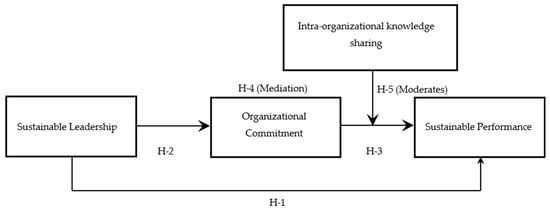
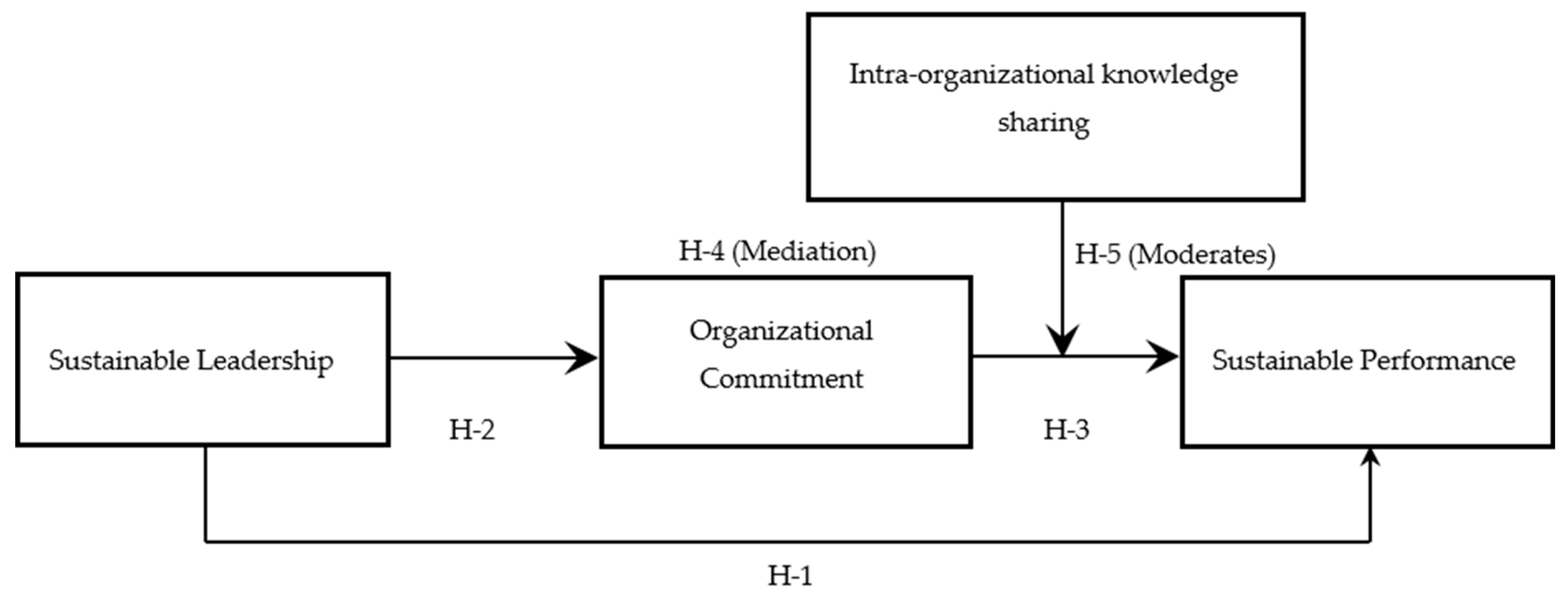
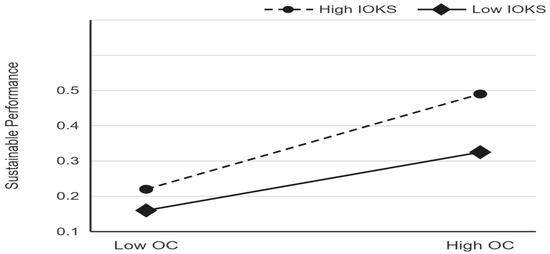
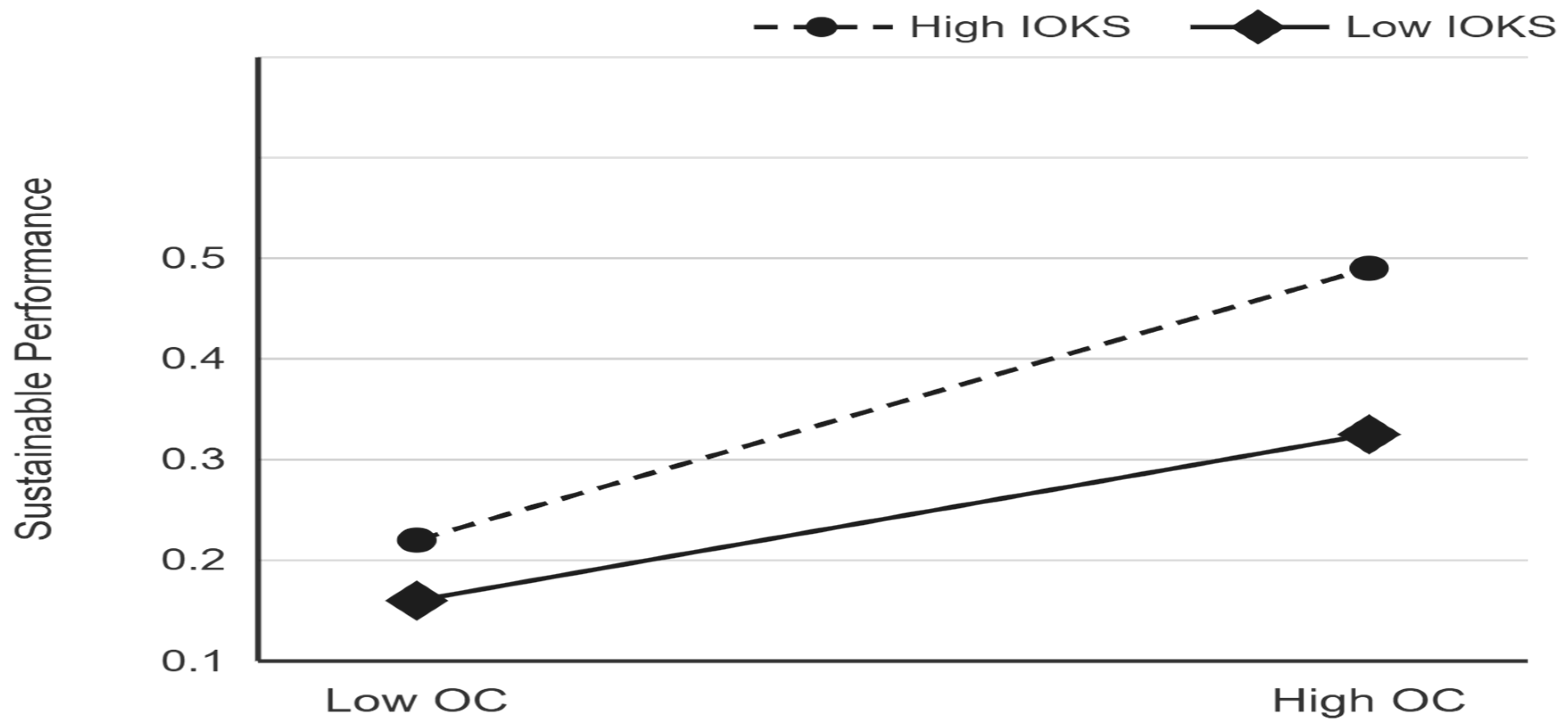

Disclaimer/Publisher’s Note: The statements, opinions and data contained in all publications are solely those of the individual author(s) and contributor(s) and not of MDPI and/or the editor(s). MDPI and/or the editor(s) disclaim responsibility for any injury to people or property resulting from any ideas, methods, instructions or products referred to in the content. |
© 2026 by the authors. Licensee MDPI, Basel, Switzerland. This article is an open access article distributed under the terms and conditions of the Creative Commons Attribution (CC BY) license.