Article

Material Characterization and Sustainable Management of End-of-Life Meteorological Sensors as a Specialized WEEE Stream

by
Mariela Moreno Palacios
1,*,
Héctor Trujillo Vallejo
2,
Arquimides Haro Velasteguí
1,
Steven Ramos-Romero
3 and
Nelly Perugachi
1
1
Grupo de Energías Alternativas y Ambiente (GEAA) de la Escuela Superior Politécnica de Chimborazo, Riobamba 060155, Ecuador
2
Independent Researcher, Riobamba 060104, Ecuador
3
Facultad de Industrias Agropecuarias y Ciencias Ambientales, Carrera de Agropecuaria, Universidad Politécnica Estatal del Carchi (UPEC), Tulcán 040102, Ecuador
*
Author to whom correspondence should be addressed.
Sustainability 2026, 18(10), 4702; https://doi.org/10.3390/su18104702
Submission received: 2 March 2026 / Revised: 2 April 2026 / Accepted: 13 April 2026 / Published: 8 May 2026
(This article belongs to the Section Waste and Recycling)

Abstract

The expansion of climate monitoring networks has generated an increasing accumulation of end-of-life meteorological sensors, creating a specialized stream of waste electrical and electronic equipment (WEEE) that remains largely unaddressed in developing countries. This study presents a material characterization and sustainable management framework for obsolete meteorological sensors installed in automatic weather stations in Ecuador. A hybrid methodological approach was applied, combining field inventory of 16 stations, gravimetric measurements, and analysis of manufacturer technical specifications to estimate material composition and recovery potential. Results show that 65–90% of the total sensor mass consists of recyclable materials, including aluminum, stainless steel, copper, glass, and engineering polymers. A smaller fraction contains components requiring controlled management due to the potential presence of hazardous additives, such as PVC (polyvinyl chloride) elements and electronic microdevices. Based on these findings, a multi-phase management protocol is proposed, incorporating selective disassembly, material segregation, traceability mechanisms, and processing under extended producer responsibility principles. The framework supports circular economy strategies and offers a replicable model for improving sustainability in climate monitoring infrastructure and specialized WEEE management in low- and middle-income countries.

1. Introduction

The global generation of waste electrical and electronic equipment (WEEE) has increased significantly in recent years, reaching approximately 62 million metric tons in 2022 and projected to continue rising due to accelerated technological consumption and population growth [1,2,3]. In 2019 alone, 53.6 million metric tons of e-waste were generated worldwide, with Asia and the Americas being major contributors [4]. Improper disposal and informal recycling practices, particularly in developing countries, pose serious environmental and public health risks due to the release of toxic metals and hazardous substances, including lead, cadmium, and brominated flame retardants [2,5,6]. Despite international legislative efforts to regulate WEEE management [7], significant challenges persist, especially in low- and middle-income countries.
The implementation of meteorological sensors has enhanced the capacity to monitor atmospheric processes and support critical sectors such as agriculture, disaster risk management, aviation, and renewable energy planning [8]. However, the growing installation of automatic weather stations has created a less explored environmental challenge: the management of end-of-life meteorological sensors. These devices contain mixed materials, including metals, polymers, glass, and electronic components, which complicate recycling and final disposal processes.
Although WEEE management has been widely studied, limited attention has been given to specialized monitoring equipment such as meteorological sensors. In countries like Ecuador, where climate monitoring infrastructure has expanded in recent years [9,10], the absence of specific protocols for managing obsolete sensors raises concerns about environmental contamination, particularly in ecologically sensitive regions such as moorlands, wetlands, and agricultural areas [11].
Efficient WEEE management is essential for achieving sustainable development and promoting circular economy principles [6]. From this perspective, the characterization of material composition and the identification of recyclable and potentially hazardous fractions are critical steps toward designing appropriate management strategies. Therefore, this study aims to characterize the material composition of end-of-life meteorological sensors and propose a sustainable management framework adapted to the Ecuadorian regulatory context.
Despite the growing body of literature on waste electrical and electronic equipment (WEEE), most studies have focused on conventional categories such as household appliances, consumer electronics, and information technology equipment. In contrast, specialized devices such as meteorological sensors remain largely underexplored, particularly in developing countries where monitoring networks are expanding but end-of-life management strategies are still lacking. In Ecuador, there is currently no established protocol for the collection, treatment, or final disposal of meteorological sensors, which poses environmental and operational challenges. Therefore, this study aims to address this gap by characterizing the material composition of meteorological sensors and proposing a context-specific management protocol based on technical, environmental, and regulatory considerations. This contribution seeks to support sustainable practices in the management of this emerging and specialized WEEE stream.

2. Materials and Methods

2.1. Study Area and Monitoring Network

The study was conducted using data from 16 automatic meteorological stations located in the province of Chimborazo, Ecuador. These stations are distributed across high-altitude Andean ecosystems and agricultural zones. Each station is equipped with multiple meteorological sensors, including temperature and humidity probes, pluviometers, anemometers, pyranometers, barometers, and soil temperature sensors.
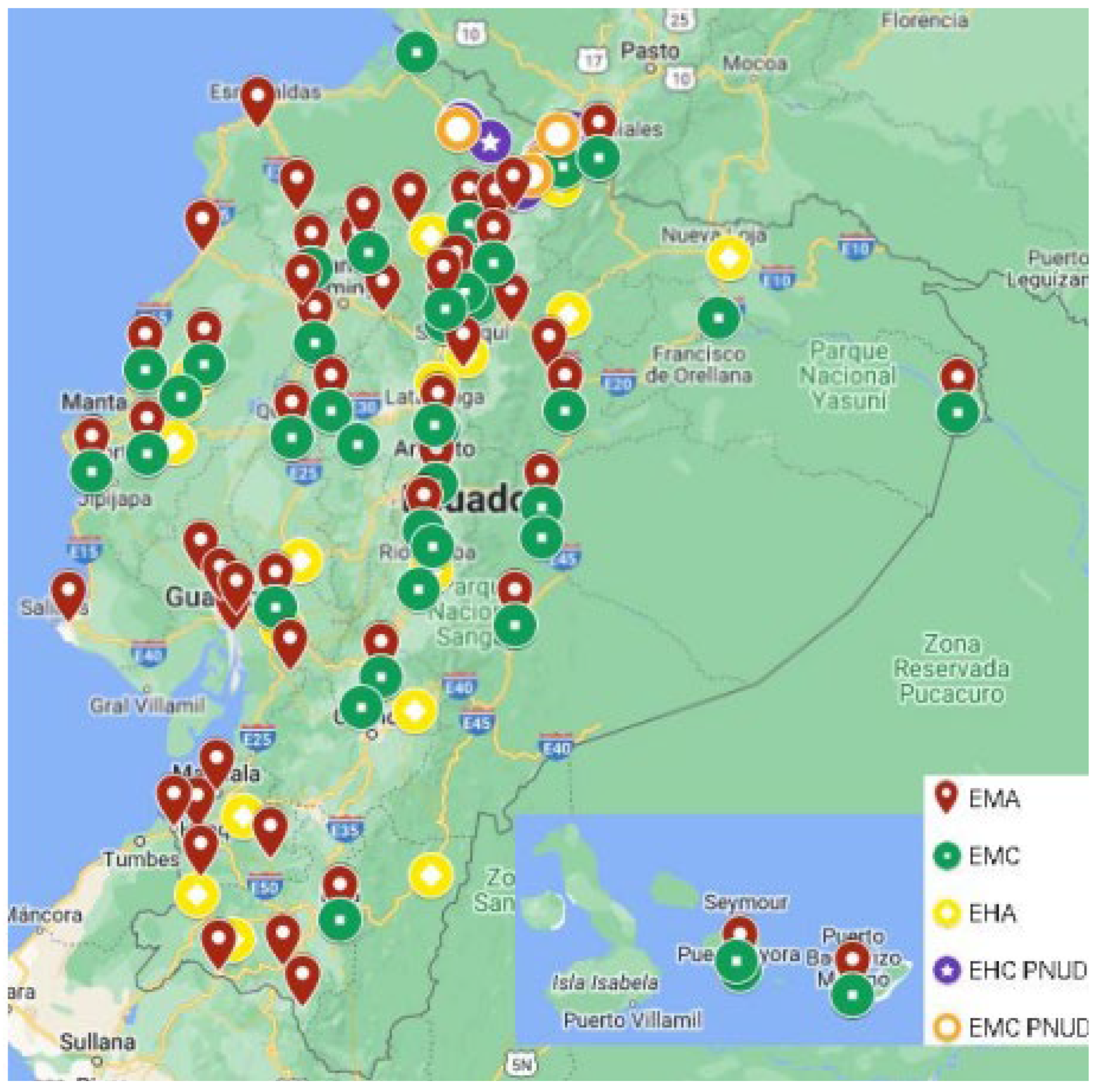
Figure 1 shows the geographic distribution of the meteorological stations across Ecuador, highlighting their provincial location and the spatial extent of the network considered in this study.
The formula for a finite population determines the sample since all the observation units that comprise it are known [12]:
n = N Z α 2 p q e 2 N 1 + Z α 2 P Q
where:
  • n = sample size;
  • Z = value corresponding to the Gaussian distribution, zα = 0.05 = 1.96;
  • e = error (10%);
  • N = total population (118);
  • p = expected prevalence of the parameter to be evaluated (0.05);
  • q = 1 – p.
n = ( 118 ) 1.96 2 ( 0.05 ) ( 0.95 ) 0.10 2 118 1 + 1.96 2 0.05 0.95
n = 15.69 = 16
Although a finite sampling frame of 118 meteorological stations was constructed, the selection of the 16 stations included in this study did not follow a probabilistic design. The finite population formula presented earlier was therefore used only as a theoretical reference to estimate a minimally acceptable sample size when the sampling fraction (n/N) exceeds 10%, but not as a mechanism for site selection. In practice, station inclusion depended on technical and operational constraints—such as accessibility, safety conditions, maintenance schedules, and availability of specialized personnel—which made a convenience-based sampling strategy necessary. Consequently, the final sample reflects the stations that could be effectively accessed during field campaigns while still covering a broad range of geographic, climatic, and operational conditions relevant for this exploratory research.
We constructed a finite, enumerated frame of N = 118 eligible stations. Because the sampling fraction was non-negligible (n/N ≈ 13.6%), the finite population correction (FPC) was applied solely to justify the minimum theoretical sample size under simple random sampling. The FPC is recommended when sampling from finite frames with n/N ≥ 5–10%, as it prevents overestimating the required n. In this study, Equation (1) was therefore used exclusively for theoretical justification, not for station selection.
This research was ultimately carried out with 16 automatic meteorological stations, the names and coordinates of which are detailed below (Table 1).
Table 1 lists the automatic weather stations included in the study, with UTM coordinates, region, and elevation, to document siting characteristics relevant to inventory and logistics.

2.2. Inventory and Sample Selection

An inventory of end-of-life meteorological sensors was carried out during maintenance and equipment replacement campaigns. Sensors that were permanently removed due to malfunction, technological obsolescence, or structural degradation were classified as end-of-life units. A total of 715 individual sensors were evaluated as independent analytical units.
Each device was catalogued according to type, manufacturer, and installation year. Technical datasheets provided by manufacturers were collected to support material identification.

2.3. Material Characterization Procedure

Material characterization followed a hybrid workflow combining gravimetric analysis and technical specification review. Each device was weighed on a calibrated digital scale with a precision of ±0.01 kg. When feasible, devices were manually disassembled to separate visible material fractions—metallic components, polymer housings, glass elements, and printed circuit boards (PCBs)—and the direct mass of each separable part was recorded.
The three independent evaluations were conducted by the authors: two environmental engineers trained in WEEE dismantling and one co-author specialized in meteorological instrumentation and end-of-life management. For each sensor type, the evaluators independently: (a) classified components as removable or non-separable, considering safety and tooling constraints; (b) recorded the mass of removable components; and (c) mapped each non-separable subassembly to the manufacturer’s documentation (datasheets, exploded views, and part lists/BOM), noting the corresponding model and revision.
Inter evaluator agreement for the removable vs. non-separable classification is reported as percent agreement per sensor type. Any discrepancy in mass measurements exceeding ±3% of the total device mass or ±0.01 kg (whichever was greater) triggered a consensus workflow consisting of: (1) joint re-inspection of the subassembly; (2) reweighing when feasible; and/or (3) BOM-based recalculation using the manufacturer-stated configuration. The consolidated dataset reflects the consensus approved by all three evaluators.
The ±3% threshold was selected as an operational tolerance commonly used in manual WEEE disassembly studies, reflecting the precision limits of the ±0.01 kg calibrated digital scale and minor handling variability during weighing. This threshold was applied exclusively to detect inconsistencies among evaluators rather than as a statistical decision rule. Inter-evaluator agreement for the removable versus non-separable classification exceeded 95% across sensor types, and discrepancies that triggered the consensus protocol represented fewer than 5% of all measurements. This high level of agreement indicates that subjective variation had minimal influence on the consolidated dataset.
When subassemblies could not be safely or practically disassembled (e.g., potted PCBs, sealed bearings, integrated drive units, magnet–reed switch housings), their material composition was estimated from manufacturer technical documentation and, when available, vendor application notes referenced therein.
This classification enabled the differentiation between recyclable/reusable materials and those requiring specialized treatment due to their potential hazards, such as monocrystalline silicon or PVC containing toxic additives. This information was integrated into comparative matrices that supported the development of the technical disposal protocol.

Unit of Analysis

The unit of analysis in this study was the individual sensor. All 715 end-of-life devices collected from the 16 stations were catalogued and analyzed independently. Material characterization was performed at the device level, and results were subsequently aggregated by sensor type and by manufacturer model (e.g., pyranometers, rain gauges, barometers, ultrasonic anemometers). No aggregation was performed at the station level, as the objective of the study was to assess material composition patterns associated with device design rather than geographic location.

2.4. Estimation of Recyclable and Hazardous Fractions

Recyclable fractions were identified based on material type and established recycling pathways commonly available in Ecuador. Components containing PVC elements or electronic microdevices were categorized as requiring controlled management due to potential hazardous additives.
The percentage composition of each material category was calculated as the ratio between the mass of the separated fraction and the total device mass.

2.5. Protocol Design

The current regulatory frameworks in Ecuador concerning WEEE management were identified and assessed, focusing on the Extended Producer Responsibility Law (EPR) and Ministerial Agreement MAATE-2022-067. This assessment enabled the development of guidelines for creating a technical protocol for the final disposal of meteorological sensors [13].
Based on the information gathered, the options for recycling, reusing, or properly disposing of sensor components were assessed, considering their material makeup, hazards, and the technical practicality of treatment.
Based on sensor characterization and current regulatory analysis, a technical protocol was created for the thorough management of unused meteorological sensors. The protocol’s design considered criteria such as sustainability, environmental safety, traceability, and operational feasibility, and was organized into three main phases: collection, transportation, and treatment or final disposal.

3. Results

First, a thorough review of weather station characteristics was conducted, examining their components and the materials commonly used in the main sensors. This review helped identify parts that could be recycled or reused, as well as those that are unsuitable for such procedures due to their potential environmental impact.
From the group of stations installed in the country according to the INAMHI report [10] (Figure 1), the sample to be studied was selected based on its characteristics, location, accessibility, and climate diversity. In total, 16 meteorological stations were visited to identify the meteorological sensors installed, the materials they are made of, their brands, and their locations.
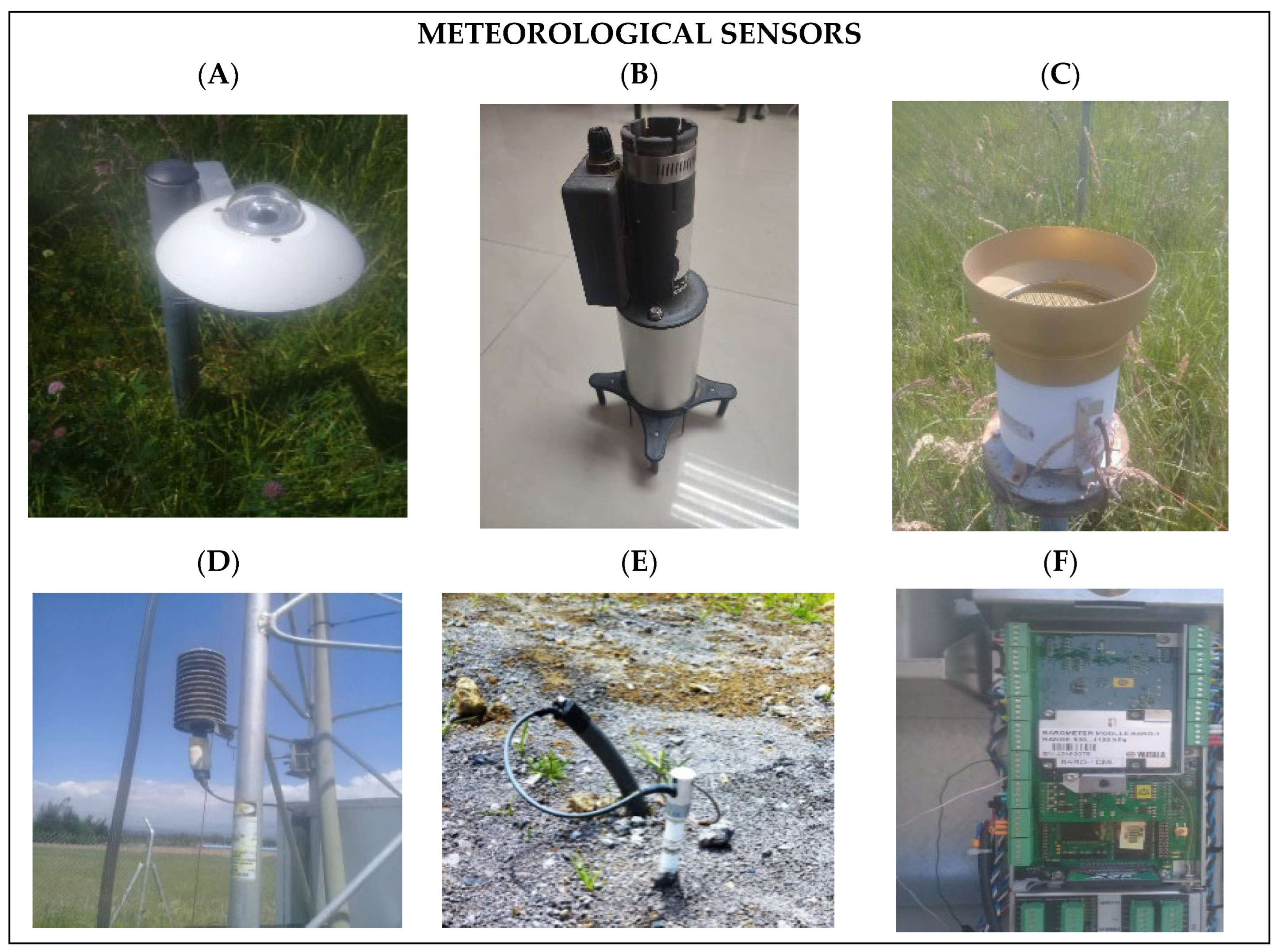
To illustrate the sensor types encountered during field visits, Figure 2 presents representative examples of the main instruments installed at the evaluated stations (pyranometer, anemometer, rain gauge, temperature/humidity probe, soil temperature probe, and barometer).

3.1. Inventory of Meteorological Sensors and Selection of the Type of Sensors to Work with

A systematic information collection process was conducted through structured interviews with the technical managers of the 16 meteorological stations chosen for the study.
During the interviews, information was gathered about the types of sensors used to measure key climate variables such as temperature, radiation, precipitation, atmospheric pressure, humidity, and wind direction and speed. Additionally, data was collected on the total number of devices available at each station. A total of 715 individual sensors were evaluated as independent analytical units.
All of this information is detailed in Table 2, providing a comprehensive overview of the sensor and equipment inventory at the study weather stations.

3.2. Classification of Recyclable Materials for Each Sensor

An initial grouping of meteorological sensors was based on their make and model, followed by a detailed classification considering their physicochemical and structural features. Although all devices serve similar functions in measuring climate variables, they exhibit significant differences in their component materials, which directly affect their classification as waste and the management approaches needed for their final disposal or reuse.
The analyzed sensors contain a combination of materials such as technical plastics, metals (aluminum, stainless steel, and copper), and electronic components (printed circuits, microcontrollers, and connectors), which require specific analysis to determine their recycling viability or the need for specialized treatment according to current environmental regulations. This characterization enabled a precise classification between recyclable and non-recyclable elements, thereby optimizing electronic waste management strategies. The results of this classification are shown in Table 3.
Subsequently, a detailed analysis of the structural components of each selected meteorological sensor was conducted, using the technical information from the manufacturer’s catalogs for each brand and model as the primary source. This analysis enabled the identification of the main materials used in the sensors’ construction to assess their recycling potential and classify them according to environmental management criteria.
Based on this characterization, the main recyclable materials in each device were identified, including metals (aluminum, stainless steel, gold), polymers (plastics, PVC), glass, and electronic components (microcontrollers, resistance sensors). It should be noted that some materials, like monocrystalline silicon or potentially hazardous PVC, require specialized treatment in accordance with current environmental regulations.
Table 4 shows the detailed classification of each sensor’s constituent materials, including its brand, model, component types, and the approximate percentage each material makes up of the entire device structure.

3.3. Summary of the Approximate Percentage of Hazardous Materials in the Sensors

Based on the compositional analysis of the sensors, the materials considered potentially hazardous according to international environmental standards such as the Basel Convention and the European waste list were identified and quantified. Table 5 shows a summary of the approximate percentage of these materials in each sensor type, including components like heavy metals, PVC (polyvinyl chloride), and silicon, which require specialized handling due to their environmental impact and associated risks to human health.
This analysis helps prioritize different management actions for each sensor type to reduce environmental risks during final disposal or recycling processes.
The recyclability range (65–90%) was obtained by summing the mass percentages of materials with established recycling pathways in Ecuador (Al, SS, Cu, glass, and technical polymers), as shown in Table 3, Table 4 and Table 5.
Polyvinyl chloride (PVC) is a petrochemical monomer that poses a significant environmental threat due to its behavior during use and disposal [14]. When incinerated, especially under uncontrolled conditions, it produces highly toxic byproducts such as dioxins and furans, which have persistent and bioaccumulative effects on ecosystems and human health. Additionally, PVC can release hazardous additives, like plasticizers and stabilizers containing metals, even during its useful life [15], thereby increasing its danger. Its high resistance to natural degradation makes it a lasting pollutant in the environment. For these reasons, waste management must be carried out following strict technical protocols that include proper segregation, recycling at authorized facilities, or, if necessary, final disposal at specialized centers that comply with national and international environmental regulations. Additionally, some components related to meteorological sensors may contain heavy metals, which require separate treatment according to the standards of the Basel Convention and other international guidelines on hazardous waste.
To characterize the material composition of the cables used in meteorological sensors, an analysis of the black cable was performed. Table 6 presents the main components and subcomponents of the cable along with their approximate mass percentages.
A detailed analysis of the black cable used in all meteorological sensors was conducted to determine its materials and their proportions. This analysis allows for accurate classification of the cable as mixed e-waste, containing recyclable components like copper and materials such as PVC that need separate disposal. This information is crucial for developing sustainable waste management strategies after consumer use.

3.4. Protocol Proposal: Protocol for Management and Final Treatment of Meteorological Sensors

Within the scope of this study, and following the guidelines set by current environmental regulations, the researchers created a technical protocol for the comprehensive management and final disposal of obsolete meteorological sensors. This protocol was developed with considerations of sustainability, environmental safety, and operational practicality, based on the physicochemical analysis of the sensors’ materials. Our proposed framework includes recommendations for legislative measures that encourage higher collection rates and maintain socially and environmentally responsible treatment standards throughout the supply chain [16].
The protocol defines specific guidelines for the different handling of components, focusing on identifying recyclable, hazardous, and specialized materials. It includes procedures for segregation, temporary storage, transportation, and final disposal, along with recommendations for traceability and process documentation, in line with international standards like the Basel Convention and relevant national regulations.
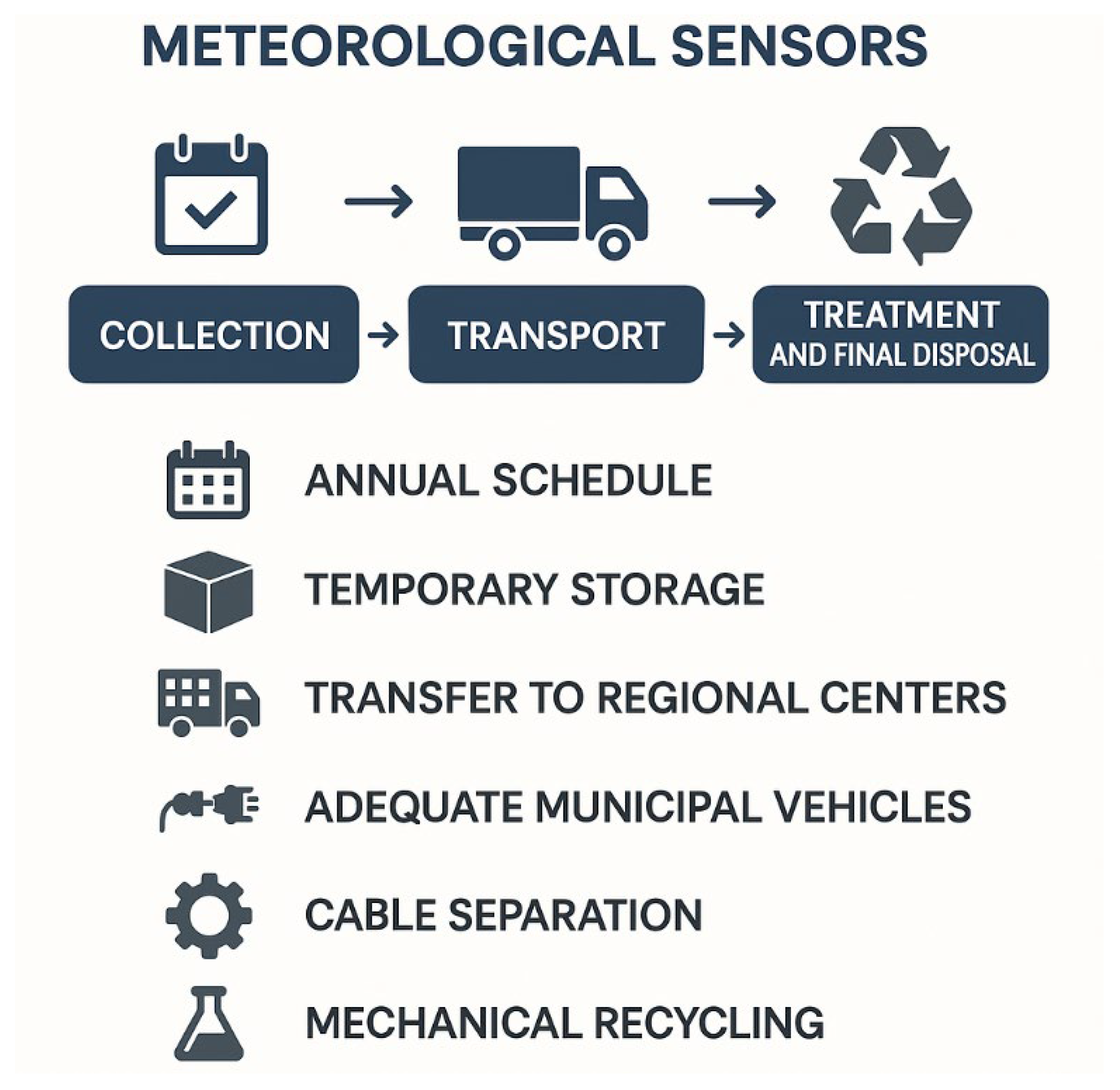
Figure 3 synthesizes the proposed management protocol as a staged flow—from collection to transport and final treatment—emphasizing traceability and alignment with Ecuadorian EPR rules.
Objective: Design a standardized procedure for the final disposal of meteorological sensors that minimizes environmental impact, guarantees human safety, and complies with national and international regulations on electronic waste.
Scope: This protocol applies to all obsolete meteorological sensors generated by public or private institutions in Ecuador.
Phases of the Protocol:
a. 
Collection:
In this initial stage of the process, an annual collection schedule and roadmap are planned for a specific month, week, and time. This process must be managed by the municipal Decentralized Autonomous Governments (GAD) of each of Ecuador’s cities. Collection points are established at universities, municipalities, research centers, and other locations, where specialized containers will be installed to facilitate sensor delivery. The collected meteorological sensors must be temporarily stored in the city where they were gathered, in secure locations that prevent contact with heat sources, humidity, or hazardous chemicals, and are ready for their next phase of transportation to collection and recycling centers.
b. 
Transport:
The transportation phase involved moving the collected meteorological sensors to regional collection centers located in Ecuador’s three mainland regions: the Coast, the Sierra, and the Amazon. This process used municipal vehicles designated for solid waste collection, which had to meet appropriate technical specifications for managing waste electrical and electronic equipment (WEEE), such as closed compartments, smooth, impermeable, and corrosion-resistant internal surfaces, following the guidelines set by national and international environmental regulations. For sensors from the island region (Galápagos), transportation was conducted via maritime routes or commercial flights to the coastal region, from where they were transferred to collection centers near the arrival point. Once at the collection centers, the sensors were systematically recorded, including the number of units, material composition, weight, and dimensions. This procedure enables annual monitoring of the volume and characteristics of electronic waste collected by region, ensuring traceability and safety throughout the process, in line with the principles of integrated WEEE management.
c. 
Treatment and Final Disposal:
The final stage in the process pertains to the proper treatment of these meteorological sensors. First, a preliminary assessment must be conducted to identify the composition of each sensor before proceeding with methods for recovering compounds or recycling.
After this initial evaluation, the process begins by separating the cables from all meteorological sensors, as they follow a different procedure. Once separated, the cables’ outer sheath is stripped using a shredder to reduce their size for purification. These small cable fragments enter a pneumatic separation chamber, where air currents distinguish light particles from heavier ones, such as copper. To ensure the copper recovered is highly pure, the cables are then passed through a magnetic separator that captures ferrous metals and residual impurities, leaving the copper free of contamination.
Next, the sensors undergo a mechanical or physical recycling process, which involves disassembling, separating, and crushing their components. This mechanical process sorts the different components into toxic and non-toxic fractions, followed by washing and granulation to remove impurities and reduce polymer size.
Components containing PVC, heavy metals, or toxic substances—like the barometers in this case—must be handled separately in specialized facilities that adhere to hazardous waste regulations. The environmental and health impacts of e-waste, related to both direct exposure during informal recycling and indirect environmental contamination, are poorly studied and inadequately managed in terms of safety and ecological responsibility [17].
Regulatory compliance
The proposed protocol aligns with Ecuador’s current legal framework for managing waste electrical and electronic equipment (WEEE) and upholds the principles of co-responsibility, traceability, and environmental sustainability. It is based on the following regulatory tools:
Extended Producer Responsibility Law (EPR): It sets the legal duty for producers, importers, assemblers, and marketers of electrical and electronic equipment to manage the waste generated at the end of their products’ lifecycle. This law encourages the adoption of individual or collective management systems, focusing on prevention and material recovery.
Ministerial Agreement No. MAATE-2022-067: Issues the technical-administrative instructions for the application of the REP in the context of WEEE of domestic origin. It defines the requirements, procedures, and responsibilities for the actors involved in the management chain, including the collection, storage, transportation, treatment, and final disposal of waste. This agreement also establishes the criteria for the approval of management plans and the authorization of authorized environmental managers [13].
Guide for WEEE Management in Ecuador: A complementary technical document that provides operational guidelines for the implementation of WEEE management systems, including aspects of classification, labeling, temporary storage, occupational safety, and traceability. This guide serves as a reference for the design of specific protocols, such as the one proposed in this study, ensuring their consistency with the best national practices [18].
Together, these regulatory instruments ensure that the proposed protocol is framed within a legally viable, environmentally responsible, and technically replicable strategy, both at the national level and in regional contexts with equivalent regulatory frameworks.
Stockholm Agreement: An international treaty adopted in 2001 to protect human health and the environment from Persistent Organic Pollutants (POPs), which are toxic chemicals that persist in the environment, accumulate in living organisms, and can cause severe health and ecological damage [19].

4. Discussion

The literature review did not identify specific protocols for recycling meteorological sensors, which justifies adopting methods used for waste electrical and electronic equipment (WEEE), especially those implemented in countries with advanced environmental management systems. This approach accounts for the presence of potentially hazardous materials in the sensors, requiring special handling measures [20,21]. In line with this approach, Jayasiri et al. (2024) [22] emphasize the need to improve recycling infrastructure by expanding specialized plants focused on efficiently recovering polymers, iron (Fe), and copper (Cu) from small electronic devices. This advice is relevant for meteorological sensors, considering their composition and increasing numbers in climate monitoring networks [22]. The classification in this study confirms that meteorological sensors have high recycling potential, with recyclability percentages that vary depending on the sensor type. This agrees with European findings linking the effectiveness of WEEE treatment to proper component separation and the reprocessing of recycled granules [23]. In this process, shredding constitutes a critical stage in the recycling technology [24].
In the European Union, about 48% of WEEE is managed informally. Countries like the Netherlands have developed monitoring systems to track these flows, including business waste and exports for reuse, which improves traceability and control [25], or the robot that uses detection techniques to automate the disassembly process of electronic devices [26]. This scenario resembles Ecuador, where informal waste management persists without improved systems or systematic monitoring. Given the volume of waste generated by meteorological sensors, mechanical or physical recycling appears to be a viable alternative, especially in regions where ecological integrity is at risk due to informal disposal practices. Recycling in these contexts becomes a tool not only for resource recovery but also for ecosystem protection. This method, widely used for plastic waste from WEEE, is economically accessible and technically applicable to most sensors [27]. Additionally, alternative methods like thermochemical recycling, especially thermal pyrolysis, have been explored. This process decomposes plastics in the absence of oxygen, producing reusable byproducts such as oils, gases, and carbon residues. Yet, European studies highlight limitations, such as variability in waste composition, reactor scalability, and the formation of halogenated compounds—particularly brominated ones due to flame retardants in WEEE plastics [27]. In Ecuador, implementing pyrolysis faces further hurdles, including the lack of specialized infrastructure, the absence of specific regulations for meteorological WEEE, and limited capacity to handle hazardous byproducts. Therefore, although promising, these technologies require careful economic and technical evaluation and an improved regulatory framework to ensure environmentally safe and effective management. A viable technical alternative for recycling plastics from WEEE, including meteorological sensors, is the combination of Soxhlet extraction and thermal pyrolysis. This method has been effective in managing brominated plastics, enabling the selective removal of halogenated compounds before thermal recycling, which greatly reduces bromine content in the final products [1]. The subsequent pyrolysis process recovers monomers and valuable compounds, enhancing resource use.
Results from Greece demonstrate the process’s high efficiency, nearly eliminating bromine and enabling effective waste recovery. Still, further studies are needed to confirm its larger-scale and diverse-condition viability. For cables, because they contain copper and PVC, they were analyzed separately. Copper is fully recyclable, while PVC can be mechanically processed to prevent toxic emissions, reduce energy costs, and lower hazardous waste. Moving toward a circular economy in the EEE sector requires integrated regulations. Pfeffer et al. (2025) identify three major barriers: regulatory fragmentation, lack of economic incentives, and weak institutional coordination [28]. Ecuador might consider emerging technologies such as rapid microwave recycling, which can recover copper and carbon efficiently in just 30 s, saving 80% energy compared to conventional thermal methods [29]. Furthermore, artificial intelligence is gaining importance for improving waste classification through machine learning and computer vision, as shown in printed circuit board recycling [30]. Analyzing international WEEE management systems allowed adaptation of strategies to Ecuadorian conditions, fixing issues and developing more sustainable policies [31]. However, Liu et al. (2024) [32] warn that recycling’s economic viability should not rely solely on environmental reasons. Active participation of manufacturers, recyclers, and retailers requires strong regulatory frameworks, extended producer responsibility schemes, and incentives like deposit and return systems [32]. Recycling WEEE is urgent due to its rapid waste generation and material value. Developed countries are adopting advanced shredding and automated separation technologies [33], while international organizations warn of the exponential growth of this waste globally [34]. India’s new regulations (EWMR) incorporate extended producer responsibility and promote formal recycling through public education, sustainable technologies, and rules [35]. Ecuador, aligning with these trends, has assigned sector regulation to the Ministry of Environment (MAE) and local governments, including formalizing and strengthening recyclers [18]. It is important to note that although the protocol was designed considering Ecuador’s technical and regulatory context, its modular structure and sustainability-based approach make it potentially adaptable to other countries facing similar challenges in WEEE management. Particularly, nations with regulations supporting extended producer responsibility and logistical capabilities for collecting and treating technological waste can adopt and implement this protocol as an effective strategy for the final disposal of meteorological sensors. Moreover, its integration into national biodiversity strategies and conservation policies can enhance the protection of ecosystems affected by technological waste, especially in regions with high ecological sensitivity.

5. Limitations

This study presents several limitations inherent to its exploratory design. First, the sample analyzed was restricted to sensors that could be safely removed, transported, and dismantled, which may limit the representativeness of the national-level inventory.
Second, advanced analytical techniques such as X-ray fluorescence (XRF) or inductively coupled plasma mass spectrometry (ICP-MS) were not employed to verify the elemental composition of internal components. As a result, the estimation of material composition for non-separable subassemblies relied partially on the manufacturer’s technical documentation. Although acceptable for preliminary assessments, this approach introduces uncertainty associated with model variability, production series, and internal alloy composition.
Additionally, the study did not evaluate the spatial or temporal variability in the generation of these end-of-life sensors, nor their distribution across administrative regions, which restricts the extrapolation of the findings. Finally, operational factors such as logistical constraints during dismantling, transportation, and classification influenced the sampling process and may have introduced unintentional biases. Future research incorporating laboratory-based spectrometric validation is recommended to complement and refine the exploratory findings presented here.

6. Recommendations

Based on the findings obtained, several actions are proposed to advance toward a more efficient and sustainable management of end-of-life meteorological sensors in Ecuador. From a technical standpoint, future studies should incorporate higher-resolution analytical techniques (e.g., XRF, ICP-MS) to accurately characterize the composition of metals and critical materials. This would allow for a more reliable assessment of recovery potential and associated environmental risks.
From an operational perspective, it is recommended to initiate pilot programs with formal WEEE recyclers that already possess basic infrastructure for classification and pre-processing. This would enable a gradual validation of the proposed protocol under real-world conditions. Furthermore, establishing inter-institutional agreements to systematize a national inventory of end-of-life sensors and to design dedicated collection routes would support more efficient resource recovery.
Finally, progress toward public policies incorporating circular economy principles and extended producer responsibility (EPR) is encouraged. Such policies should promote the procurement of modular, easily dismantlable sensors with reduced hazardous material content.

7. Conclusions

  • Across the analyzed models, recyclable materials represent 65–90% of total mass, principally Al/SS/Cu, polymers, and glass—evidence that supports resource recovery at scale (Table 3 and Table 4).
  • The inventory and classification identified PVC-containing parts, silicon-based electronics, and heavy-metal sub-assemblies as controlled-management fractions, reinforcing the need for authorized treatment routes (Table 5; Section 2.3).
  • The proposed protocol (Section 3.4) is implementable in stages: immediate steps—manual pre-sorting, safe dismantling, and fraction routing—can be executed with existing formal WEEE partners, while advanced separation operations are positioned as long-term.
  • Given that Ecuador currently lacks a dedicated end-of-life pathway for meteorological sensors, we recommend pilot programs with formal recyclers and inter-institutional agreements to consolidate a national inventory and dedicated collection routes.
  • The methods and decision logic are replicable for other monitoring infrastructures facing similar constraints, offering a pragmatic bridge from preliminary characterization to circular economy implementation.

Author Contributions

Conceptualization, A.H.V. and N.P.; methodology, M.M.P. and H.T.V.; validation, S.R.-R.; formal analysis, M.M.P.; investigation, H.T.V. and M.M.P.; data curation, H.T.V. and M.M.P.; writing—original draft preparation, M.M.P.; writing—review and editing, S.R.-R.; visualization, N.P.; supervision, A.H.V.; project administration, A.H.V. All authors have read and agreed to the published version of the manuscript.

Funding

The APC was funded by Facultad de Industrias Agropecuarias y Ciencias Ambientales, Carrera de Agropecuaria, Universidad Politécnica Estatal del Carchi (UPEC).

Institutional Review Board Statement

The study was conducted in accordance with the Declaration of Helsinki, and approved by the Research Bioethics Committee of Escuela Superior Politécnica de Chimborazo (CBIESPOCH) (protocol code ESPOCH-CIBE-2023-0087 and date of approval 18 January 2023).

Informed Consent Statement

Informed consent was obtained from all subjects involved in the study.

Data Availability Statement

The data presented in this study are available on request from the corresponding author. The data are not publicly available due to institutional data management policies.

Acknowledgments

The authors acknowledge the Grupo de Energías Alternativas y Ambiente (GEAA) for providing access to the meteorological monitoring network and for the technical support that made this research possible. The information collected from the monitoring stations was essential for the material characterization and analysis conducted in this study. During the preparation of this manuscript, the authors used ChatGPT (OpenAI, GPT-5.2 version) exclusively for English language refinement and structural editing. The authors have carefully reviewed and edited the generated content and take full responsibility for the final version of this publication.

Conflicts of Interest

The authors declare no conflicts of interest.

Abbreviations

The following abbreviations are used in this manuscript:
EEEElectrical and Electronic Equipment
EPRExtended Producer Responsibility
GEAAGrupo de Energías Alternativas y Ambiente
ICP-MSInductively Coupled Plasma Mass Spectrometry
PVCPolyvinyl Chloride
RAEEResiduos de Aparatos Eléctricos y Electrónicos
TCLPToxicity Characteristic Leaching Procedure
TGAThermogravimetric Analysis
WEEEWaste Electrical and Electronic Equipment
XRFX-ray Fluorescence
BOMBill of Materials
UTMUniversal Transverse Mercator

References

  1. Charitopoulou, M.-A.; Papadimitriou, M.; Papadopoulou, L.; Achilias, D.S. Extraction-Based Pretreatment of End-of-Life Plastics from Waste Electrical and Electronic Equipment for Brominated Flame Retardant Removal and Subsequent Valorization via Pyrolysis. Processes 2025, 13, 1458. [Google Scholar] [CrossRef]
  2. Yong, Y.S.; Lim, Y.A.; Ilankoon, I.M.S.K. An analysis of electronic waste management strategies and recycling operations in Malaysia: Challenges and future prospects. J. Clean. Prod. 2019, 224, 151–166. [Google Scholar] [CrossRef]
  3. Dagiliūtė, R.; Zabulionis, D.; Sujetovienė, G.; Žaltauskaitė, J. Waste of electrical and electronic equipment: Trends and awareness among youths in Lithuania. Waste Manag. Res. 2019, 37, 95–101. [Google Scholar] [CrossRef] [PubMed]
  4. Forti, V.; Baldé, C.P.; Kuehr, R.; Bel, G. Observatorio Mundial de Los Residuos Electrónicos 2020: Cantidades, Flujos y Potencial de la Economía Circular. 2020. Available online: https://www.scycle.info/global-e-waste-monitor-2020/ (accessed on 25 June 2025).
  5. Abalansa, S.; El Mahrad, B.; Icely, J.; Newton, A. Electronic Waste, an Environmental Problem Exported to Developing Countries: The GOOD, the BAD and the UGLY. Sustainability 2021, 13, 5302. [Google Scholar] [CrossRef]
  6. Ali, S.; Shirazi, F. A Transformer-Based Machine Learning Approach for Sustainable E-Waste Management: A Comparative Policy Analysis Between the Swiss and Canadian Systems. Sustainability 2022, 14, 13220. [Google Scholar] [CrossRef]
  7. Patil, R.A.; Ramakrishna, S. A comprehensive analysis of e-waste legislation worldwide. Environ. Sci. Pollut. Res. 2020, 27, 14412–14431. [Google Scholar] [CrossRef]
  8. Montenegro, C. Modelo de comunicación basado en IoT para la transmisión de datos de estaciones meteorológicas. In Modelo de Comunicación Basado en IoT Para la Transmisión de Datos de Estaciones Meteorológicas; Universidad Distrital Francisco José de Caldas: Bogotá, Colombia, 2020. [Google Scholar]
  9. Gutierrez, A. Monitorización, Detección y Estimación de Estados de Fallo en la Calidad Del Agua de Redes de Distribución Urbanas; Universitat Politecnica de Valencia: València, Spain, 2021. [Google Scholar]
  10. INAMHI. Visor de Estaciones Meteorológicas E Hidrológicas. 2022. Available online: https://inamhi.gob.ec/info/visor (accessed on 19 April 2023).
  11. Fundación Naturalia. Ecuador y la Gestión de Residuos: Desafíos y Oportunidades Hacia Un Futuro Sostenible. La Problemática Del Manejo de Residuos. 2024. Available online: https://www.naturaliafundacion.org/residuos/ecuador-y-la-gestion-de-residuos-desafios-y-oportunidades-hacia-un-futuro-sostenible/ (accessed on 29 May 2023).
  12. Cochran, W. Técnicas de Muestreo, 2nd ed.; CECSA: Mexico City, Mexico, 1977. [Google Scholar]
  13. Ministerio del Ambiente, Agua y Transición Ecológica. Acuerdo Ministerial No. MAATE-2022-067. 1 August 2022. Available online: https://vlex.ec/vid/acuerdo-ministerial-n-maate-908302912 (accessed on 29 May 2023).
  14. Ruíz-Santoyo, V.; Cruz-Mérida, J.A.; García Carvajal, S.; Arenas Arrocena, M.C. Microplásticos y nanoplásticos: Una amenaza para la salud humana y el medio ambiente. Mundo Nano. Rev. Interdiscip. en Nanociencias y Nanotecnología 2025, 18, e69832. [Google Scholar] [CrossRef]
  15. Peng, T.; Yang, Z.; Chen, D.; Cao, H.; Deng, Y.; Zhao, W. Microplastics Meet Metoprolol in Natural Water: Sorption Behavior and Mechanism. Water 2024, 16, 3278. [Google Scholar] [CrossRef]
  16. Schumacher, K.A.; Agbemabiese, L. Towards comprehensive e-waste legislation in the United States: Design considerations based on quantitative and qualitative assessments. Resour. Conserv. Recycl. 2019, 149, 605–621. [Google Scholar] [CrossRef]
  17. Andeobu, L.; Wibowo, S.; Grandhi, S. Environmental and Health Consequences of E-Waste Dumping and Recycling Carried out by Selected Countries in Asia and Latin America. Sustainability 2023, 15, 10405. [Google Scholar] [CrossRef]
  18. Ministerio del Ambiente, Agua y Transición Ecológica. Política Nacional de la Gestión de Aparatos Eléctricos y Electrónicos (RAEE) y Plan de Acción; Ministerio del Ambiente, Agua y Transición Ecológica: Quito, Ecuador, 2024; pp. 5–88.
  19. ONU Programa Para el Medio Ambiente. Convenio de Estocolmo Sobre Contaminantes Orgánicos Percistentes (COP). 2020. Available online: https://quimicos.minambiente.gov.co/wp-content/uploads/2021/05/Texto_Convenio_Estocolmo_2021_Espanol.pdf (accessed on 2 June 2023).
  20. Zambrano, C.; Macías, J.; Medina, N. Best Practices in the Management of Electronic Waste in Latin America. Rev. Estud. del Desarro. Soc. Cuba y Am. Lat. 2022, 10, 58–66. Available online: http://scielo.sld.cu/scielo.php?pid=S2308-01322022000100005&script=sci_arttext (accessed on 10 June 2023).
  21. González Arencib, M.; Gervantes Rosa, M.d.l.Á. Convergencia de la Economía Circular y la Digitalización: Caminos para un Futuro Sostenible. 2024. Available online: https://www.rilco.org/wp-content/uploads/2024/12/Libro_Innovacio%CC%81n_digital_20241105.pdf (accessed on 12 January 2026).
  22. Jayasiri, G.; Herat, S.; Kaparaju, P. Repair and Reuse or Recycle: What Is Best for Small WEEE in Australia? Sustainability 2024, 16, 3035. [Google Scholar] [CrossRef]
  23. Nève, N.; Mackré-Delannoy, X.; Fayolle, B.; Gervais, M.; Pompidou, S.; Charbuillet, C.; Sollogoub, C.; Perry, N. A Review of Methods and Data on the Recycling of Plastics from the European Waste Stream of Electric and Electronic Equipment. Recycling 2025, 10, 148. [Google Scholar] [CrossRef]
  24. Yan, G.; Zhang, J.; Zhao, L.; Liu, S.; Gao, X.; Wang, M. Peeling and enrichment of electrode active materials from current collector under shear crushing. Powder Technol. 2025, 465, 121334. [Google Scholar] [CrossRef]
  25. Ilgemann, P.; Fishman, T.; Oudshoorn, R.; Tukker, A. Improving WEEE monitoring: Insights from The Netherlands. Resour. Conserv. Recycl. 2025, 222, 108486. [Google Scholar] [CrossRef]
  26. Díaz, I.; Borro, D.; Iparraguirre, O.; Eizaguirre, M.; Ricardo, F.A.; Muñoz, N.; Gil, J.J. Robotic system for automated disassembly of electronic waste: Unscrewing. Robot. Comput. Integr. Manuf. 2025, 95, 103032. [Google Scholar] [CrossRef]
  27. Achilias, D.S.; Charitopoulou, M.-A.; Ciprioti, S.V. Thermal and Catalytic Recycling of Plastics from Waste Electrical and Electronic Equipment—Challenges and Perspectives. Polymers 2024, 16, 2538. [Google Scholar] [CrossRef]
  28. Pfeffer, D.; Reike, D.; Bening, C.R. Analyzing policy mixes for the circular economy transition: The case of recycled plastics in electronics. Environ. Innov. Soc. Transit. 2025, 56, 100982. [Google Scholar] [CrossRef]
  29. Bourlinos, A.B.; Chalmpes, N.; Giannelis, E.P.; Gournis, D.P.; Moschovas, D.; Avgeropoulos, A.; Salmas, C.E.; Karakassides, M.A. Total Recycling of Copper Cable Scrap and Production of Carbon Using Fast Microwave Technology. Eng 2025, 6, 74. [Google Scholar] [CrossRef]
  30. Mohsin, M.; Rovetta, S.; Masulli, F.; Cabri, A. Artificial Intelligence Approach for Waste-Printed Circuit Board Recycling: A Systematic Review. Computers 2025, 14, 304. [Google Scholar] [CrossRef]
  31. Xavier, L.H.; Ottoni, M.; Lepawsky, J. Circular economy and e-waste management in the Americas: Brazilian and Canadian frameworks. J. Clean. Prod. 2021, 297, 126570. [Google Scholar] [CrossRef]
  32. Liu, Y.; Liu, W.; Li, C. Recycling Models of Waste Electrical and Electronic Equipment under Market-Driven Deposit-Refund System: A Stackelberg Game Analysis. Mathematics 2024, 12, 2187. [Google Scholar] [CrossRef]
  33. Vogelgesang, M.; Kaczmarek, V.; Lopes, A.d.C.P.; Li, C.; Ionescu, E.; Schebek, L. Automated material flow characterization of WEEE in sorting plants using deep learning and regression models on RGB data. Waste Manag. 2025, 204, 114904. [Google Scholar] [CrossRef] [PubMed]
  34. Hashim, R.; Salleh, N.A.; Ibrahim, J.A.; Mohd Zahari, F.; Cooper, S. E-Waste Management Practices Through the Eyes of Responsible Departments at Malaysian Public Universities. J. Adv. Res. Appl. Sci. Eng. Technol. 2024, 52, 309–319. [Google Scholar] [CrossRef]
  35. Kosarkar, M.; Barthwal, S. Environmentally conscious but helpless: Consumer challenges for participation in Formal e-waste collection initiatives of India. Clean. Waste Syst. 2025, 12, 100363. [Google Scholar] [CrossRef]
Figure 1. Meteorological stations owned by INAMHI are spread across Ecuador. The acronym EMA refers to Automatic Meteorological Stations, EMC to Conventional Meteorological Stations, and EMC UNDP to Conventional Meteorological Stations operated by the United Nations Development Programme. Source: Ref. [10].
Sustainability 18 04702 g001
Figure 2. Meteorological sensors were identified during field sampling at the 16 stations evaluated. (A) Pyranometer—measures global solar radiation. (B) Anemometer—measures wind speed and direction. (C) Rain gauge—measures precipitation. (D) Ambient temperature and humidity sensor. (E) Soil temperature sensor. (F) Barometer—measures atmospheric pressure.
Sustainability 18 04702 g002
Figure 3. Diagram of the phases of the proposed protocol for the management of meteorological sensors.
Sustainability 18 04702 g003
Table 1. Description of the automatic weather stations under study.
Station NameUTM CoordinatesRegion Altitude
m.a.s.l.
xY
1ESPOCH98066880764073Mountains2754
2Alao97931620773487Mountains3064
3Cumandá97555590706070Mountains331
4Multitud97649080725686Mountains1483
5Pishilli Yacupungo97613320749103Mountains3546
6Quimiag98164110770083Mountains2709
7San Juan98189080746636Mountains3232
8Tunshi98066780764087Mountains2840
9Urbina98353590754581Mountains3642
10Camaronera Songa626962,889747165,06Coast3
11Puyo534796,59−77,943889 Amazon960
12Papallacta560071,831324507,12Mountains3150
13Sayausi502607,631222192Mountains2711
14Guamaní Antisana556686,041311469,87Mountains4148
15Pichilingue539194,711174360,84Coast81
16Inguincho438483,331295454,54Mountains3140
Table 2. Sensors at each station.
VariableSensorAutomatic Meteorological Stations
AlaoCumandáMultitudUrbinaQuimiagSan JuanTunshiPishilli YacupungoESPOCHCamaronera songaPuyoPapallactaSayausiGuamaní AntisanaPichilingueInguinchoTotal
Global RadiationRG Pyranometer111111111111111116
Diffuse RadiationRD Pyranometer11111111100000009
Reflected RadiationRR Pyranometer00000000011111117
PrecipitationElectronic Rain Gauge111111111111111116
PressureBarometer111111110 8
Wind Direction and SpeedMechanical Anemometer00000000100000001
Ultrasonic Anemometer011111111111111115
Soil TemperatureSoil Temp. Sensor11111111100000009
Air TemperatureTemp. and Humidity Sensor111111111111111116
Air Humidity
Total, Sample677777777555555597
Total, estimated sensors 44525252525252525237373737373737715
Table 3. Classification of sensors according to their brand, model and technical specifications.
VariableSensor NameMake, Model and SpecificationsAverage Mass (kg)Technical Sheet Link
RadiationGlobal radiation pyranometers
Diffuse radiation pyranometers
HUKSEFLUX
SR11
Measures solar radiation received by a flat surface from a 180° viewing angle.
The standard setting is 4 mA to 0 W/m2 and 20 mA to 1600 W/m2.
2.50 kgAccessed on 10 June 2024. https://www.hukseflux.com/uploads/product-documents/SR11_manual_v2110.pdf
PrecipitationRain gaugesTEXAS ELECTRONICS
TR-525M
Reach 27″ (700 mm) per hour
It has a 9.66″ collector and is a remote tipping bucket rain gauge that measures liquid precipitation.
3.63 kgAccessed on 11 July 2024. https://texaselectronics.com/product/rain-gauge-tr-525m-metric/
PressureBarometerVAISALA BAROCAP
Barocap Baro-1
Observation range 500 … 1100 hPa
Operating temperature −40 … +60 °C (−40 … +140 °F)
0.05 kgAccessed on 10 June 2024.
https://docs.vaisala.com/v/u/B211084EN-D/en-US
Wind direction and speedUltrasonic anemometerYOUNG
85000
Wind speed: 0 to 5000 mV (0 to 100 m/s)
Wind direction: 0 to 5000 mV (0 to 360° or 0 to 540°)
Power supply: 9 to 16 VDC.
0.70 kg Accessed on 10 June 2024.
https://www.youngusa.com/wp-content/uploads/2020/01/85000-90J.pdf
Ambient temperature and humidityAmbient temperature and humidity sensorVAISALA
HMP 155
There are three HMP155 models: A, D, and E.
Observation range:
0–100%
0.093 kgAccessed on 10 June 2024.
https://docs.vaisala.com/r/M210912ES-G.1/es-ES/GUID-4D91D94D-2595-4596-BB81-8D2FEF28B897
Soil temperatureSoil temperature sensor probeVAISALA
QMT107
Measuring range: −40 to +60 °C
Accuracy: ±0.5 °C
Length: 100 mm
1.80 kgAccessed on 13 April 2026.
https://docs.vaisala.com/r/M213317EN-A/en-US/GUID-6E0E62F6-2DD8-4442-9F01-4C9B33E285C3?tocId=tn_oYnqvhXVwDI5ozHntEQ
RadiationElectronic pyranometerHUKSEFLUX
SR20-D2
uses a high-end 24-bit A/D converter.
Zero offset at 5 W/m2 unventilated and 2.5 W/m2 vented.
2.50 kgAccessed on 10 June 2024.
https://www.hukseflux.com/products/pyranometers-solar-radiation-sensors/pyranometers/sr20-d2-pyranometer
PrecipitationElectronic rain gaugeSUTRON
5600-0525-2
Features a 314 cm2 tank
2.90 kgAccessed on 10 June 2024.
https://www.labcocomunicaciones.com/Productos/Detalles/5600-0525-2
RadiationPyranometerHUKSEFLUX
SR15-D1
20 m extension cable with 2 connectors
Hardware interface
2-wire RS-485 (half duplex)
2.50 kgAccessed on 10 June 2024.
https://www.hukseflux.com/products/pyranometers-solar-radiation-sensors/pyranometers/sr15-d1-pyranometer
PressureBarometerVAISALA
PTB 110
Resolution 0.1 hPa
Voltage calibration uncertainty ± 0.7 mV
0.09 kgAccessed on 20 June 2024.
https://docs.vaisala.com/v/u/B210681EN-E/en-US
Wind direction and speedAnemometerVAISALA
WMT 702
Pulse 0 V/10 V: 0…2 kHz
1.80 kgAccessed on 20 June 2024.
https://www.vaisala.com/sites/default/files/documents/WMT700%20User’s%20Guide%20in%20Spanish.pdf
Table 4. Classification of composite materials of each sensor that can be recycled and reused.
Sensor NameBrandModelComponentsApproximate%
Rain gauges TEXAS ELECTRONICTR-525MAluminum housing85
Magnet containing heavy metals2
Plastic-coated cables12
Screws1
BarometerVAISALA BAROCAPBarocap Baro-1Aluminum metal plate75
Transparent plastic hose1
Gold4
Aluminum5
Monocrystalline silicon, specialized handling required15
Ultrasonic anemometerYOUNG85000Housing90
made of thermoplastic,1
stainless steel, and anodized aluminum, with PVC9
Ambient temperature and humidity sensorVAISALAHMP 155Housing (polymers, PVC, which can be hazardous)92
Resistance sensors (platinum)3
Cables 5
Soil temperature sensor probeVAISALAQMT107Plastic housing with PVC95
Cables 3
Electronic pyranometerHUKSEFLUXSR20-D2Anodized aluminum housing90
Glass7
Screws1
Cables2
Electronic rain gaugeSUTRON5600-0525-2Stainless Steel Housing90
Cables2
Glass7
Screws1
PyranometerHUKSEFLUX
KIPP & ZONEN
SR15
CMP3
Anodized aluminum housing90
Glass7
Cables3
AnemometerVAISALAWMT 702Housing90
(stainless steel)4
Microcontroller with heavy metals2
Bolts and nuts3
Table 5. Percentage of hazardous materials in sensors.
SensorDangerous ComponentPercentage
Rain gauge (TEXAS ELECTRONIC, TR-525M)Heavy Metal Magnet2%
Barometer (VAISALA BAROCAP, Barocap Baro-1)Silicon15%
Ultrasonic anemometer (YOUNG, 85000).PVC Housing90%
Environmental temperature and humidity sensor (VAISALA, HMP 155).PVC Housing and Platinum Sensors95%
Soil temperature sensor probe (VAISALA, QMT107).PVC95%
Anemometer (VAISALA, WMT 702).Microcontroller with Heavy Metals4%
Table 6. Composition of the cables of the meteorological sensors.
ComponentSubcomponentsApproximate%
Black cableCopper metal conductor50
Insulation or coating: Polyvinyl chloride (PVC)25
Sheath: Polyvinyl chloride (PVC)25
Disclaimer/Publisher’s Note: The statements, opinions and data contained in all publications are solely those of the individual author(s) and contributor(s) and not of MDPI and/or the editor(s). MDPI and/or the editor(s) disclaim responsibility for any injury to people or property resulting from any ideas, methods, instructions or products referred to in the content.