Enhancing Microbial Biodegradation of PPCPs in Wastewater via Natural Self-Purification in a Novel Constructed Wetland System

 ,
,  , ,
, ,  ,
,  , and
, and
Abstract
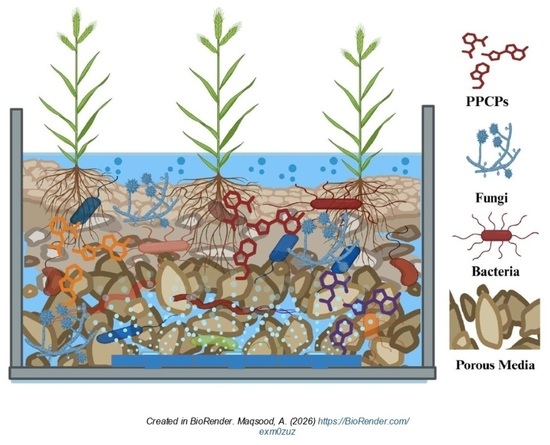
1. Introduction
2. Materials and Methods
2.1. Chemicals and Reagents
2.2. Aquarium Unit Description
2.3. Synthetic Wastewater Preparation
2.4. Microorganisms
2.5. Sample Extraction and Purification
3. Results
3.1. Microbial Inhibition
3.2. Microbial Biomass Growth
3.3. Plant Growth
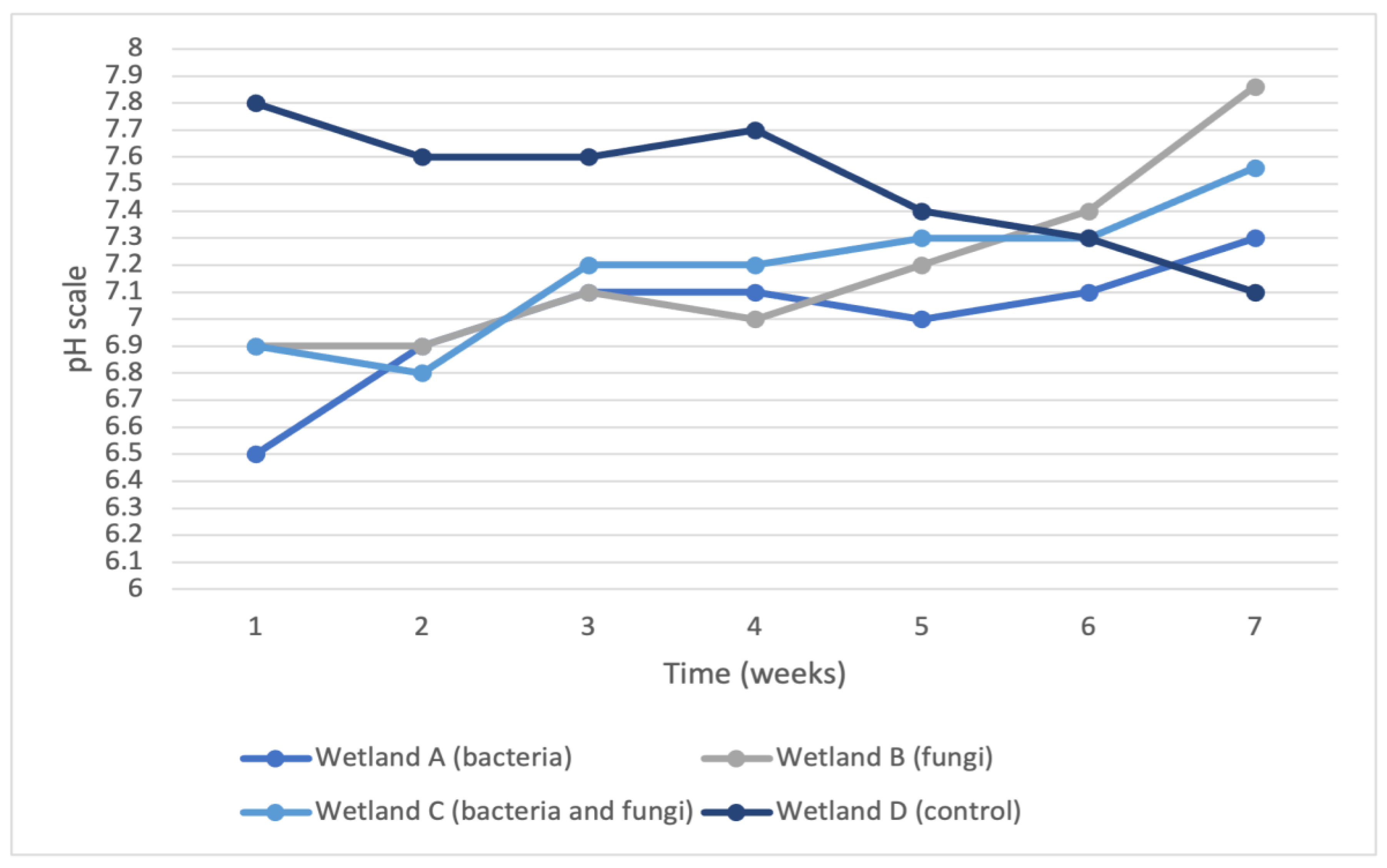
3.4. pH Measurements in Constructed Wetlands over Time
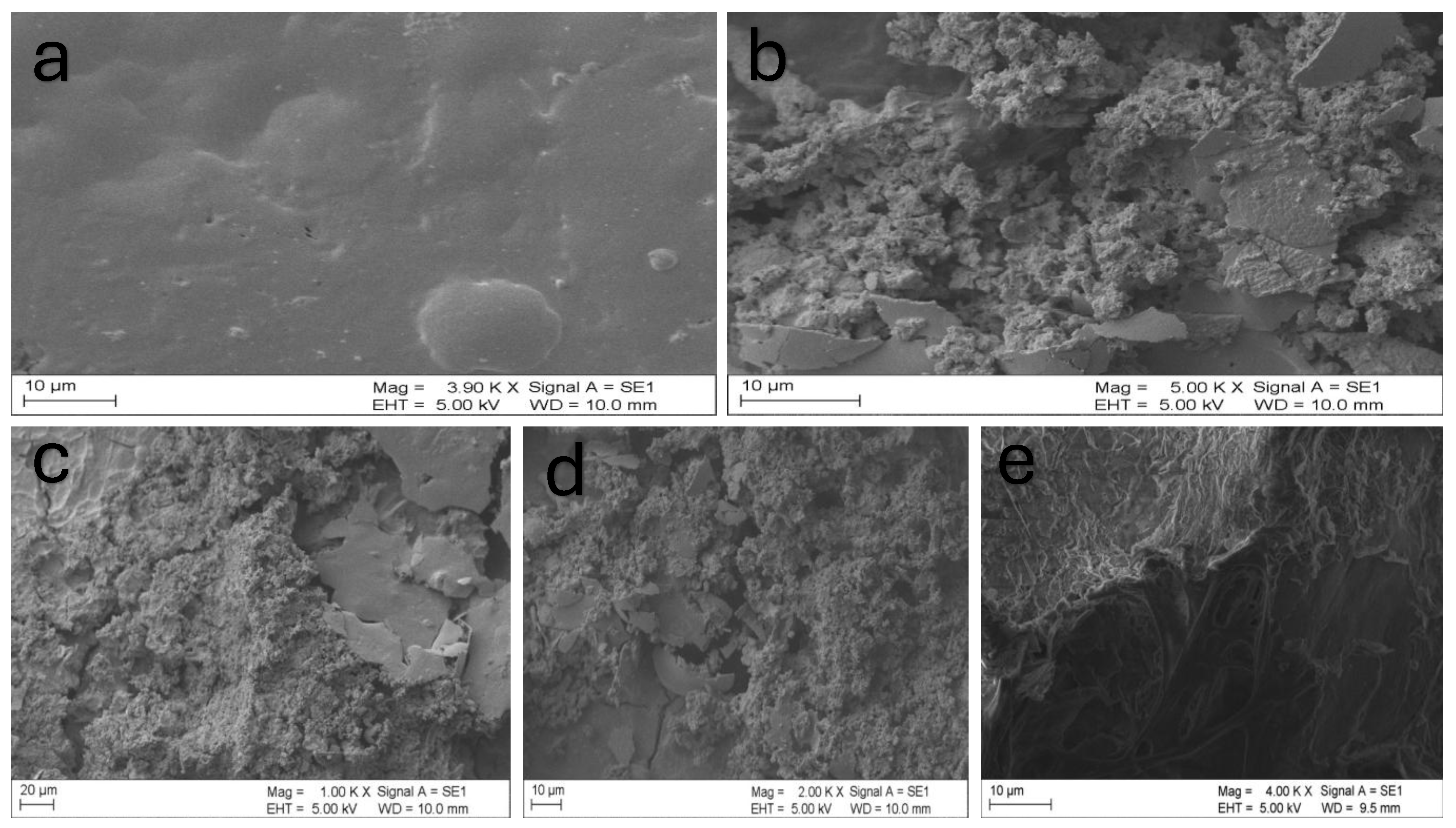
3.5. Scanning Electron Microscopy (SEM) Analysis
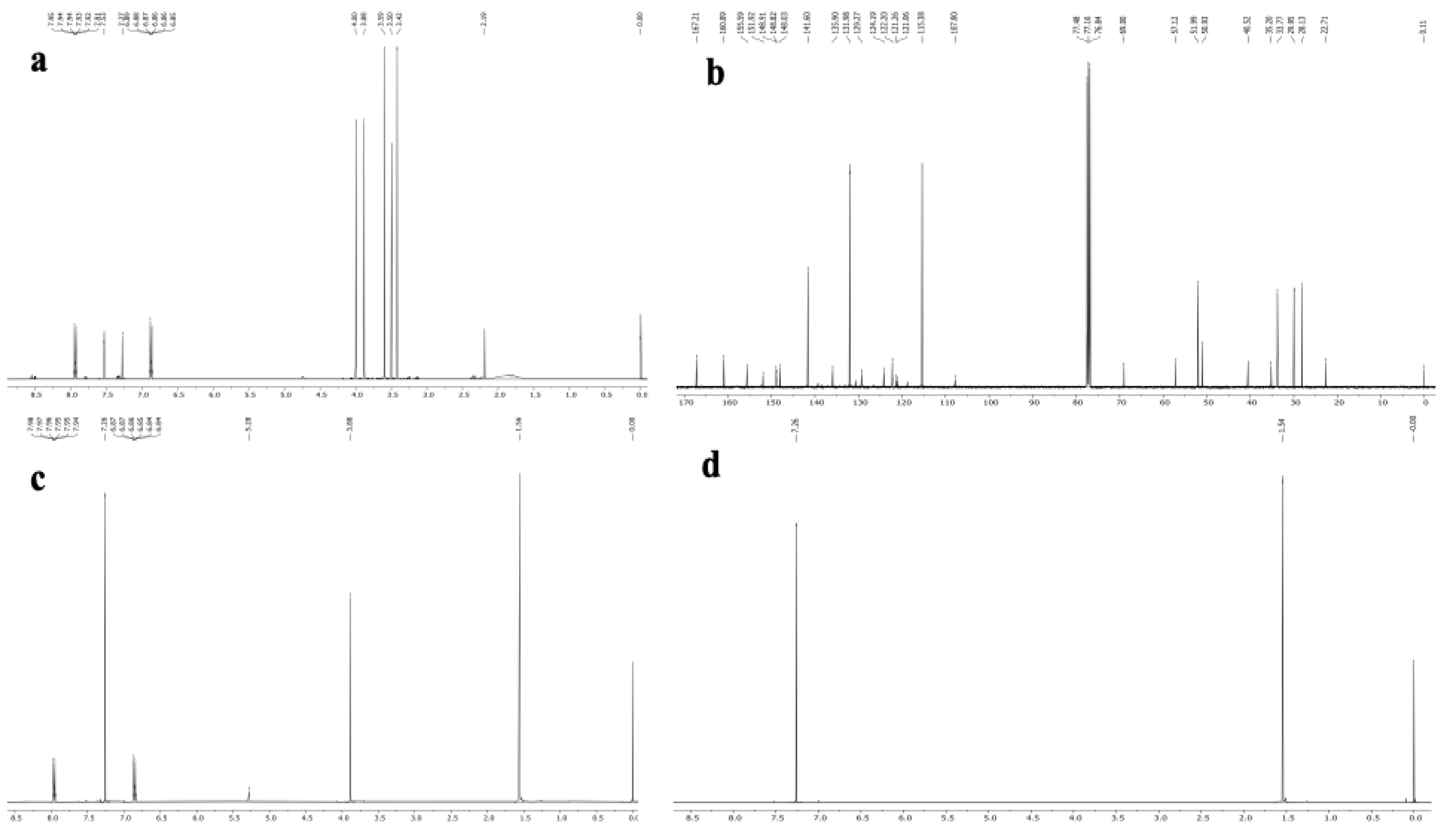
3.6. Degradation Analysis Vis High-Resolution NMR Spectroscopy
3.6.1. Baseline and Analytical Setup
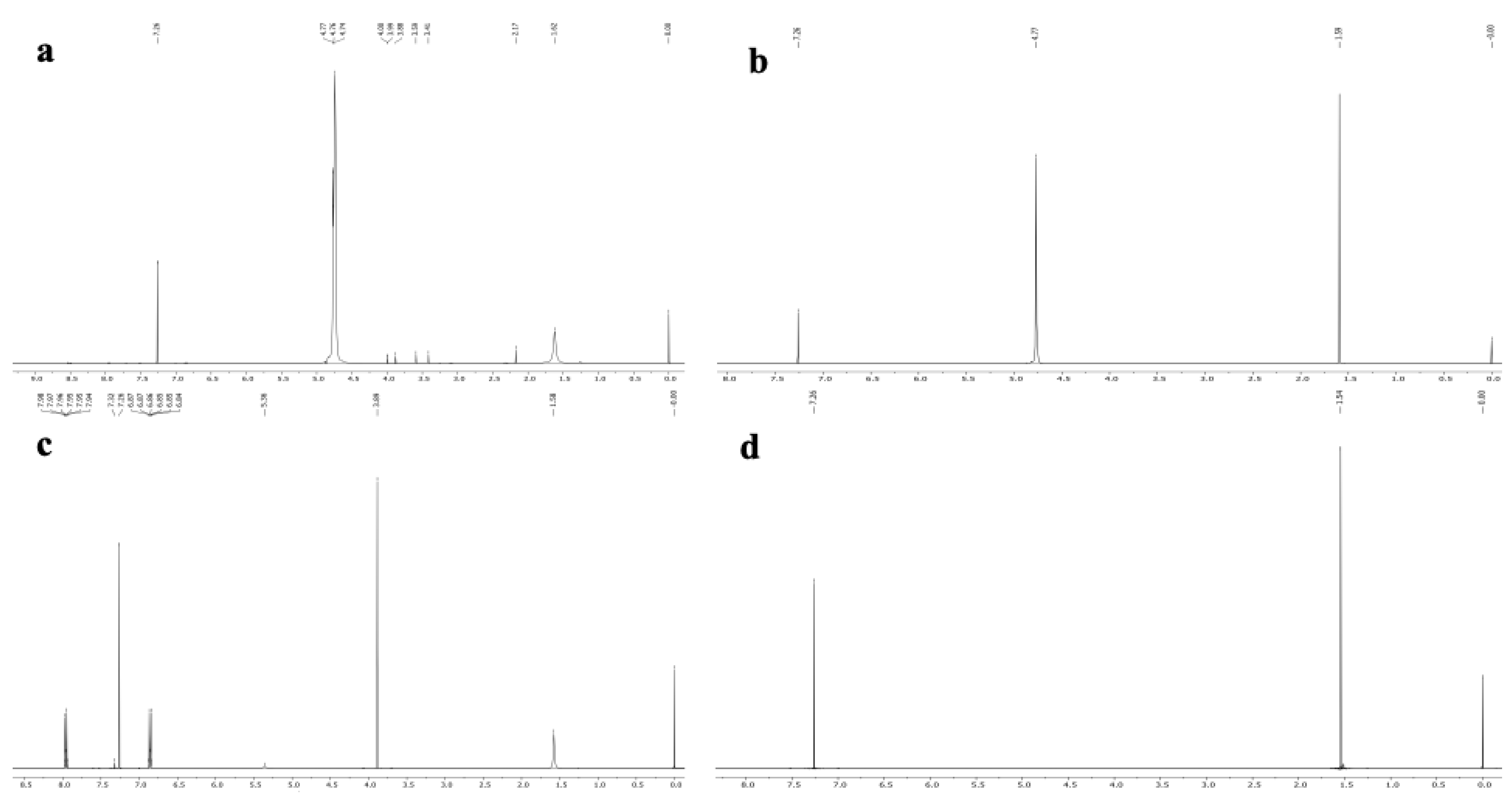
3.6.2. Pollutant Degradation Kinetics and Efficacy
4. Discussion
5. Conclusions
Author Contributions
Funding
Institutional Review Board Statement
Informed Consent Statement
Data Availability Statement
Acknowledgments
Conflicts of Interest
References
- Varma, M.; Gupta, A.K.; Ghosal, P.S.; Majumder, A. A Review on Performance of Constructed Wetlands in Tropical and Cold Climate: Insights of Mechanism, Role of Influencing Factors, and System Modification in Low Temperature. Sci. Total Environ. 2021, 755, 142540. [Google Scholar] [CrossRef] [PubMed]
- Wu, H.; Zhang, J.; Ngo, H.H.; Guo, W.; Hu, Z.; Liang, S.; Fan, J.; Liu, H. A Review on the Sustainability of Constructed Wetlands for Wastewater Treatment: Design and Operation. Bioresour. Technol. 2015, 175, 594–601. [Google Scholar] [CrossRef] [PubMed]
- Sun, H.; Tian, Y.; Zhang, H.; Meng, Y.; Wang, S.; Li, L.; Zhan, W.; Zhou, X.; Zuo, W. Decoding China’s Anthropogenic Typical Pollutant Discharge Patterns: Long-Term Dynamics and Hotspot Transitions Driven by Population, Diet, and Sanitation. Water Res. 2024, 250, 121049. [Google Scholar] [CrossRef] [PubMed]
- Dave, B.; Moysa, E.L.; Kuźnik, A. Enhancing Fungal Adaptation for Efficient Caffeine Degradation in Wastewater: Biomimetic Approach and Environmental Optimization. Desalination Water Treat. 2025, 321, 100938. [Google Scholar] [CrossRef]
- Kumar, R.; Vuppaladadiyam, A.K.; Antunes, E.; Whelan, A.; Fearon, R.; Sheehan, M.; Reeves, L. Emerging Contaminants in Biosolids: Presence, Fate and Analytical Techniques. Emerg. Contam. 2022, 8, 162–194. [Google Scholar] [CrossRef]
- Deviller, G.; Lundy, L.; Fatta-Kassinos, D. Recommendations to Derive Quality Standards for Chemical Pollutants in Reclaimed Water Intended for Reuse in Agricultural Irrigation. Chemosphere 2020, 240, 124911. [Google Scholar] [CrossRef]
- Chen, F.; Jiang, F.; Ma, J.; Alghamdi, M.A.; Zhu, Y.; Yong, J.W.H. Intersecting Planetary Health: Exploring the Impacts of Environmental Stressors on Wildlife and Human Health. Ecotoxicol. Environ. Saf. 2024, 283, 116848. [Google Scholar] [CrossRef]
- Sharma, P.; Vidyarthi, V.K. Impact of Microplastic Intake via Poultry Products: Environmental Toxicity and Human Health. J. Hazard. Mater. Adv. 2024, 14, 100426. [Google Scholar] [CrossRef]
- Patel, M.; Kumar, R.; Kishor, K.; Mlsna, T.; Pittman, C.U.; Mohan, D. Pharmaceuticals of Emerging Concern in Aquatic Systems: Chemistry, Occurrence, Effects, and Removal Methods. Chem. Rev. 2019, 119, 3510–3673. [Google Scholar] [CrossRef]
- Brandt, K.K.; Amézquita, A.; Backhaus, T.; Boxall, A.; Coors, A.; Heberer, T.; Lawrence, J.R.; Lazorchak, J.; Schönfeld, J.; Snape, J.R.; et al. Ecotoxicological Assessment of Antibiotics: A Call for Improved Consideration of Microorganisms. Environ. Int. 2015, 85, 189–205. [Google Scholar] [CrossRef]
- Kovalakova, P.; Cizmas, L.; McDonald, T.J.; Marsalek, B.; Feng, M.; Sharma, V.K. Occurrence and Toxicity of Antibiotics in the Aquatic Environment: A Review. Chemosphere 2020, 251, 126351. [Google Scholar] [CrossRef] [PubMed]
- Wang, J.; Chu, L.; Wojnárovits, L.; Takács, E. Occurrence and Fate of Antibiotics, Antibiotic Resistant Genes (ARGs) and Antibiotic Resistant Bacteria (ARB) in Municipal Wastewater Treatment Plant: An Overview. Sci. Total Environ. 2020, 744, 140997. [Google Scholar] [CrossRef] [PubMed]
- Gu, X.; Xu, L.; Huang, X.; Chen, Y.; Li, Y.; Shan, Y.; Yan, X.; Liu, Z.; Zeng, H.; Chen, W.; et al. N-Nitrosamines in Karst Groundwaters in Southwestern China: Risks and Implications for Drinking Water Safety. Emerg. Contam. 2025, 11, 100497. [Google Scholar] [CrossRef]
- Dave, B.; Łobos-Moysa, E. A Comprehensive Review of Caffeine and Nicotine as Emerging Environmental Contaminants in Water Systems. Archit. Civ. Eng. Environ. 2025, 18, 171–190. [Google Scholar] [CrossRef]
- Zhang, H.; Du, B.; Li, D.; Peng, Z.; An, Z. Enhancing Pollutant Removal and Desalination in Microbial Desalination Cells Using a Rotating Algal Biofilm Cathode. Desalination 2024, 586, 117832. [Google Scholar] [CrossRef]
- Wang, X.; Qi, F.; Wang, S.; Zhu, P.; Wei, X.; Li, Z.; Zhao, J. Simultaneous Desalination and Removal of Organic Pollutants in a Novel Bifunctional FCDI System: The Enhancement by in-Situ Reutilization of Chloride Ions. Desalination 2024, 592, 118107. [Google Scholar] [CrossRef]
- N Lotha, T.; Sorhie, V.; Bharali, P.; Jamir, L. Advancement in Sustainable Wastewater Treatment: A Multifaceted Approach to Textile Dye Removal through Physical, Biological and Chemical Techniques. ChemistrySelect 2024, 9, e202304093. [Google Scholar] [CrossRef]
- Abdykadyrov, A.; Abdullayev, S.; Tashtay, Y.; Zhunussov, K.; Marxuly, S. Purification of Surface Water by Using the Corona Discharge Method. Min. Miner. Depos. 2024, 18, 125–137. [Google Scholar] [CrossRef]
- Abdykadyrov, A.; Abdullayev, S.; Kuttybayeva, A.; Marxuly, S.; Izbairova, A.; Altayeva, Z.; Ermanova, D. Wastewater Treatment Technologies Using Electrical Discharge after Processing of Mineral Raw Materials. Min. Miner. Depos. 2025, 19, 121–131. [Google Scholar] [CrossRef]
- Trivedi, Y.; Sharma, M.; Mishra, R.K.; Sharma, A.; Joshi, J.; Gupta, A.B.; Achintya, B.; Shah, K.; Vuppaladadiyamd, A.K. Biochar Potential for Pollutant Removal during Wastewater Treatment: A Comprehensive Review of Separation Mechanisms, Technological Integration, and Process Analysis. Desalination 2025, 600, 118509. [Google Scholar] [CrossRef]
- Kamińska, G.; Dave, B.; Appiah, A.N.S.; Majewska, J. Exploitation of Bentonite and Halloysite Fixed Bed Columns—Removal of Organic Micropollutants and Microbiological Regeneration. Desalin. Water Treat. 2025, 322, 101113. [Google Scholar] [CrossRef]
- Dave, B.; Moysa, E.L.; Kuźnik, A. Comparative Analysis of Cosmetic Ingredient Degradation: Fungal vs. Bacterial Activity in Diverse Media as Potential Replacements. Int. Biodeterior. Biodegrad. 2024, 191, 105795. [Google Scholar] [CrossRef]
- Wei, T.; Zhao, Y.; Zhou, M.; Zhang, Z.; Wei, Y.; Núñez, A.E. Initial Concept and Embodiment to Develop Modular Constructed Wetland: A Unique and Promising Solution to Sustainability Transitions in Water Management. J. Clean. Prod. 2024, 450, 141912. [Google Scholar] [CrossRef]
- Apolayo, S.; Deago, E. A Comprehensive Literature Review on Constructed Wetlands: Design, Function, and Modeling Approaches. In Proceedings of the 2024 9th International Engineering, Sciences and Technology Conference (IESTEC), Panama City, Panama, 23–25 October 2024; IEEE: Piscataway, NJ, USA, 2024; pp. 130–133. [Google Scholar]
- Wei, J.; Keenahan, J.; Cotterill, S. Review of Experimental Methods and Numerical Models for Hydraulic Studies in Constructed Wetlands. Sustainability 2025, 17, 3303. [Google Scholar] [CrossRef]
- Zahra, Z.; Song, M.; Habib, Z.; Ikram, S. Advances in Per- and Polyfluoroalkyl Substances (PFAS) Detection and Removal Techniques from Drinking Water, Their Limitations, and Future Outlooks. Emerg. Contam. 2025, 11, 100434. [Google Scholar] [CrossRef]
- Echeverri González, A.F.; Zúñiga-Benítez, H.; Peñuela, G.A. Removal of Herbicide 2,4-D Using Constructed Wetlands at Pilot Scale. Emerg. Contam. 2019, 5, 303–307. [Google Scholar] [CrossRef]
- Xu, C.; Feng, Y.; Li, H.; Li, Y.; Yao, Y.; Wang, J. Constructed Wetlands for Mariculture Wastewater Treatment: From Systematic Review to Improvement Measures and Insights. Desalination 2024, 579, 117505. [Google Scholar] [CrossRef]
- Jia, W.; Zhang, J.; Wu, J.; Xie, H.; Zhang, B. Effect of Intermittent Operation on Contaminant Removal and Plant Growth in Vertical Flow Constructed Wetlands: A Microcosm Experiment. Desalination 2010, 262, 202–208. [Google Scholar] [CrossRef]
- Shelef, O.; Gross, A.; Rachmilevitch, S. Role of Plants in a Constructed Wetland: Current and New Perspectives. Water 2013, 5, 405–419. [Google Scholar] [CrossRef]
- Zhang, J.; Shao, Z.; Li, B.; Bai, G.; Yang, L.; Chi, Y.; Wang, M.; Ren, Y. Root Vertical Spatial Stress: A Method for Enhancing Rhizosphere Effect of Plants in Subsurface Flow Constructed Wetland. Environ. Res. 2023, 231, 116083. [Google Scholar] [CrossRef]
- Yalcuk, A.; Pakdil, N.B.; Turan, S.Y. Performance Evaluation on the Treatment of Olive Mill Waste Water in Vertical Subsurface Flow Constructed Wetlands. Desalination 2010, 262, 209–214. [Google Scholar] [CrossRef]
- Valipour, A.; Ahn, Y.-H. Constructed Wetlands as Sustainable Ecotechnologies in Decentralization Practices: A Review. Environ. Sci. Pollut. Res. 2016, 23, 180–197. [Google Scholar] [CrossRef] [PubMed]
- Kumar, S.; Dutta, V. Constructed Wetland Microcosms as Sustainable Technology for Domestic Wastewater Treatment: An Overview. Environ. Sci. Pollut. Res. 2019, 26, 11662–11673. [Google Scholar] [CrossRef] [PubMed]
- Fahim, R.; Cheng, L.; Mishra, S. Structural and Functional Perspectives of Carbon Filter Media in Constructed Wetlands for Pollutants Abatement from Wastewater. Chemosphere 2023, 345, 140514. [Google Scholar] [CrossRef]
- Zhuang, L.-L.; Li, M.; Li, Y.; Zhang, L.; Xu, X.; Wu, H.; Liang, S.; Su, C.; Zhang, J. The Performance and Mechanism of Biochar-Enhanced Constructed Wetland for Wastewater Treatment. J. Water Process Eng. 2022, 45, 102522. [Google Scholar] [CrossRef]
- Feng, L.; Gao, Z.; Hu, T.; He, S.; Liu, Y.; Jiang, J.; Zhao, Q.; Wei, L. Performance and Mechanisms of Biochar-Based Materials Additive in Constructed Wetlands for Enhancing Wastewater Treatment Efficiency: A Review. Chem. Eng. J. 2023, 471, 144772. [Google Scholar] [CrossRef]
- Bose, S.; Kumar, P.S.; Vo, D.-V.N.; Rajamohan, N.; Saravanan, R. Microbial Degradation of Recalcitrant Pesticides: A Review. Environ. Chem. Lett. 2021, 19, 3209–3228. [Google Scholar] [CrossRef]
- Sharma, P.; Nadda, A.K.; Kumar, S. Microbial Community Profiling in Bio-Stimulated Municipal Solid Waste for Effective Removal of Organic Pollutants Containing Endocrine Disrupting Chemicals. Microbiol. Res. 2023, 267, 127273. [Google Scholar] [CrossRef]
- Zhao, C.; Xie, H.; Xu, J.; Xu, X.; Zhang, J.; Hu, Z.; Liu, C.; Liang, S.; Wang, Q.; Wang, J. Bacterial Community Variation and Microbial Mechanism of Triclosan (TCS) Removal by Constructed Wetlands with Different Types of Plants. Sci. Total Environ. 2015, 505, 633–639. [Google Scholar] [CrossRef]
- Gupta, P.; Ann, T.; Lee, S.-M. Use of Biochar to Enhance Constructed Wetland Performance in Wastewater Reclamation. Environ. Eng. Res. 2016, 21, 36–44. [Google Scholar] [CrossRef]
- Vymazal, J.; Kröpfelová, L. A Three-Stage Experimental Constructed Wetland for Treatment of Domestic Sewage: First 2 Years of Operation. Ecol. Eng. 2011, 37, 90–98. [Google Scholar] [CrossRef]
- Stamm, G.; Basapuram, G.; Duttagupta, S.; Dutta, A. Anion-Mediated Pathways in Organophosphate Degradation in the Oconee River Watershed in Georgia. Emerg. Contam. 2025, 11, 100542. [Google Scholar] [CrossRef]
- Wang, H.; Sheng, L.; Xu, J. Clogging Mechanisms of Constructed Wetlands: A Critical Review. J. Clean. Prod. 2021, 295, 126455. [Google Scholar] [CrossRef]
- Shi, Q.; Yuan, Y.; Zhou, Y.; Yuan, Y.; Liu, L.; Liu, X.; Li, F.; Leng, C.; Wang, H. Pharmaceutical and Personal Care Products (PPCPs) Degradation and Microbial Characteristics of Low-Temperature Operation Combined with Constructed Wetlands. Chemosphere 2023, 341, 140039. [Google Scholar] [CrossRef]
- Wu, D.; Van Den Brink, P.J.; Smidt, H.; Bai, H.; Ying, G.-G.; Schuijt, L.M. The Effects of Triclosan on Microbial Communities in Different Sources of Water and Sediments. Ecotoxicol. Environ. Saf. 2025, 303, 118778. [Google Scholar] [CrossRef]
- Matamoros, V.; Arias, C.; Brix, H.; Bayona, J.M. Removal of Pharmaceuticals and Personal Care Products (PPCPs) from Urban Wastewater in a Pilot Vertical Flow Constructed Wetland and a Sand Filter. Environ. Sci. Technol. 2007, 41, 8171–8177. [Google Scholar] [CrossRef]
- Oh, S.; Choi, D.; Cha, C.-J. Ecological Processes Underpinning Microbial Community Structure during Exposure to Subinhibitory Level of Triclosan. Sci. Rep. 2019, 9, 4598. [Google Scholar] [CrossRef]
- Liu, S.; Zhang, Y.; Feng, X.; Pyo, S.-H. Current Problems and Countermeasures of Constructed Wetland for Wastewater Treatment: A Review. J. Water Process Eng. 2024, 57, 104569. [Google Scholar] [CrossRef]
- Badhe, N.; Saha, S.; Biswas, R.; Nandy, T. Role of Algal Biofilm in Improving the Performance of Free Surface, up-Flow Constructed Wetland. Bioresour. Technol. 2014, 169, 596–604. [Google Scholar] [CrossRef]
- Rosendo, J.C.M.; Da Paz, G.M.; Rosendo, A. Constructed Wetlands Applied on Domestic Wastewater for Decetralized Systems: Concepts, Processes, Modalities, Combinations and Enhancements; a Review. Rev. Environ. Sci. Biotechnol. 2022, 21, 371–397. [Google Scholar] [CrossRef]
- Huang, Y.; An, W.; Ning, T.; Ma, Z.; Li, Y.; Liu, K.; Ji, L.; Liu, H.; Hui, D.; Ren, H. Functionality of Bacterial Communities in Constructed Wetlands Used for Water Purification: Influence of Root Components and Seasonality. Front. Plant Sci. 2025, 16, 1480099. [Google Scholar] [CrossRef] [PubMed]
- Rodarte-Morales, A.I.; Feijoo, G.; Moreira, M.T.; Lema, J.M. Degradation of Selected Pharmaceutical and Personal Care Products (PPCPs) by White-Rot Fungi. World J. Microbiol. Biotechnol. 2011, 27, 1839–1846. [Google Scholar] [CrossRef]
- Alidoosti, F.; Giyahchi, M.; Moghimi, H. Synergistic Bioremediation: Fungal-Bacterial Partnership Degrades LDPE Microplastics Twice as Fast. Curr. Res. Microb. Sci. 2025, 9, 100450. [Google Scholar] [CrossRef] [PubMed]
- Łobos-Moysa, E.; Bodzek, M. Application of Hybrid Biological Techniques to the Treatment of Municipal Wastewater Containing Oils and Fats. Desalination Water Treat. 2012, 46, 32–37. [Google Scholar] [CrossRef]
- Tu, Y.; Han, L.; Ding, X.; Zhu, X.; Xu, G.; Xie, X.; Zhou, Q.; Shuang, C.; Li, A. Degradation of Pharmaceuticals and Personal Care Products (PPCPs) in Municipal Wastewater by White Rot Fungi: Neutral Environment Exploitation and Degradation Mechanisms. Chem. Eng. J. 2025, 507, 160794. [Google Scholar] [CrossRef]
- Khatua, S. Myco-Enzymes as a Potent Tool for the Degradation of Xenobiotics. In Plant-Microbe Interaction Under Xenobiotic Exposure; Roy, S., Mandal, V., Eds.; Springer Nature Singapore: Singapore, 2025; pp. 549–584. ISBN 978-981-96-8259-1. [Google Scholar]
- Upadhyay, R.; Przystaś, W.; Dave, B. Myco-Remediation of Synthetic Dyes: A Comprehensive Review on Contaminant Alleviation Mechanism, Kinetic Study and Toxicity Analysis. Int. J. Environ. Sci. Technol. 2025, 22, 521–538. [Google Scholar] [CrossRef]
- Nie, H.; Guo, D.; Wang, Y.; Wang, L.; Cao, S.; Huang, Z.; Zhao, T. Glucose Co-Metabolism Enhances Extracellular ROS-Mediated TBBPA Biodegradation by Pseudomonas Aeruginosa NY3 and Reshapes Microbial Communities in Wastewater Treatment Systems. J. Water Process Eng. 2025, 75, 107989. [Google Scholar] [CrossRef]
- Das, P.; Mehra, A.; Sachan, S.G.; Chattopadhyay, S. Screening Different Solid Supports for Pseudomonas Aeruginosa Biofilm Formation and Determining Its Efficiency for Decolorization and Degradation of Congo Red. Arch. Microbiol. 2024, 206, 402. [Google Scholar] [CrossRef]
- Jureczko, M.; Przystaś, W.; Krawczyk, T.; Gonciarz, W.; Rudnicka, K. White-Rot Fungi-Mediated Biodegradation of Cytostatic Drugs—Bleomycin and Vincristine. J. Hazard. Mater. 2021, 407, 124632. [Google Scholar] [CrossRef]
- Javid, F.; Ali, G.; Rehman, A.; Naeem, R.; Ali, I.; Naz, I. Assessment of Plastic Degradation by Indigenous Bacteria from Waste Disposal Sites. Emerg. Contam. 2024, 10, 100323. [Google Scholar] [CrossRef]
- Dave, B.; Moysa, E.L.; Kuźnik, A. Nicotine Degradation by Trametes Versicolor: Insights from Diverse Environmental Stressors and Wastewater Medium. Molecules 2025, 30, 2658. [Google Scholar] [CrossRef]
- Younes, E.A.; El-Sheikh, A.H.; Alsmadi, R.B. The Use of New Class α-Amino Nitrile Modified Magnetic Adsorbents for Removal of Cd(II) from Aqueous Medium: Sorbent Modification vs. α-Amino Nitrile Addition to the Adsorption Medium. Emerg. Contam. 2024, 10, 100261. [Google Scholar] [CrossRef]
- Rodrigues, R.; Oliveira, M.B.P.P.; Alves, R.C. Chlorogenic Acids and Caffeine from Coffee By-Products: A Review on Skincare Applications. Cosmetics 2023, 10, 12. [Google Scholar] [CrossRef]
- Gautam, P.; Carsella, J.S.; Kinney, C.A. Presence and Transport of the Antimicrobials Triclocarban and Triclosan in a Wastewater-Dominated Stream and Freshwater Environment. Water Res. 2014, 48, 247–256. [Google Scholar] [CrossRef] [PubMed]
- Schabacker, J.; Gerlach, J.; Münderle, M.; Dietzen, C.; Ludwigs, J.-D. Focal Bird Species and Risk Assessment Approach for Nonagricultural Grassland Scenarios in Central Europe. Environ. Toxicol. Chem. 2014, 33, 2055–2061. [Google Scholar] [CrossRef] [PubMed]
- Adhikari, S.; Kumar, R.; Driver, E.M.; Perleberg, T.D.; Yanez, A.; Johnston, B.; Halden, R.U. Mass Trends of Parabens, Triclocarban and Triclosan in Arizona Wastewater Collected after the 2017 FDA Ban on Antimicrobials and during the COVID-19 Pandemic. Water Res. 2022, 222, 118894. [Google Scholar] [CrossRef]
- Marco-Urrea, E.; Pérez-Trujillo, M.; Cruz-Morató, C.; Caminal, G.; Vicent, T. Degradation of the Drug Sodium Diclofenac by Trametes Versicolor Pellets and Identification of Some Intermediates by NMR. J. Hazard. Mater. 2010, 176, 836–842. [Google Scholar] [CrossRef]
- Bhattacherjee, A.K.; Shukla, P.K.; Dikshit, A.; Garg, N. Biodegradation of Imidacloprid by Microbial Consortium in Sterile and Non-Sterile Soil under in Vitro Conditions. J. Eco-Friendly Agric. 2022, 17, 105–109. [Google Scholar] [CrossRef]
- Wdowczyk, A.; Szymańska-Pulikowska, A. Effect of Substrates on the Potential of Phragmites Australis to Accumulate and Translocate Selected Contaminants from Landfill Leachate. Water Resour. Ind. 2023, 29, 100203. [Google Scholar] [CrossRef]
- Truu, M.; Juhanson, J.; Truu, J. Microbial Biomass, Activity and Community Composition in Constructed Wetlands. Sci. Total Environ. 2009, 407, 3958–3971. [Google Scholar] [CrossRef]
- Dave, B.; Sanghvi, G. Enzyme Action for Dye Degradation. In Dye Biodegradation, Mechanisms and Techniques; Muthu, S.S., Khadir, A., Eds.; Sustainable Textiles: Production, Processing, Manufacturing & Chemistry; Springer Singapore: Singapore, 2022; pp. 141–163. ISBN 978-981-16-5931-7. [Google Scholar]
- Keizer-Vlek, H.E.; Verdonschot, P.F.M.; Verdonschot, R.C.M.; Dekkers, D. The Contribution of Plant Uptake to Nutrient Removal by Floating Treatment Wetlands. Ecol. Eng. 2014, 73, 684–690. [Google Scholar] [CrossRef]
- Vymazal, J. Constructed Wetlands for Wastewater Treatment: Five Decades of Experience. Environ. Sci. Technol. 2011, 45, 61–69. [Google Scholar] [CrossRef] [PubMed]
- Kadlec, R.H.; Wallace, S. Treatment Wetlands, 2nd ed.; CRC Press: Boca Raton, FL, USA, 2008; ISBN 978-0-429-13795-2. [Google Scholar]
- Ilyas, H.; Van Hullebusch, E.D. Performance Comparison of Different Constructed Wetlands Designs for the Removal of Personal Care Products. Int. J. Environ. Res. Public Health 2020, 17, 3091. [Google Scholar] [CrossRef] [PubMed]
- Löffler, P.; Escher, B.I.; Baduel, C.; Virta, M.P.; Lai, F.Y. Antimicrobial Transformation Products in the Aquatic Environment: Global Occurrence, Ecotoxicological Risks, and Potential of Antibiotic Resistance. Environ. Sci. Technol. 2023, 57, 9474–9494. [Google Scholar] [CrossRef]
- Faulwetter, J.L.; Gagnon, V.; Sundberg, C.; Chazarenc, F.; Burr, M.D.; Brisson, J.; Camper, A.K.; Stein, O.R. Microbial Processes Influencing Performance of Treatment Wetlands: A Review. Ecol. Eng. 2009, 35, 987–1004. [Google Scholar] [CrossRef]
- Gruenke, L.D.; Craig, J.C.; Wester, R.C.; Maibach, H.I.; North-Root, H.; Corbin, N.C. A Selected Ion Monitoring GC/MS Assay for 3,4,4′-Trichlorocarbanilide and Its Metabolites in Biological Fluids. J. Anal. Toxicol. 1987, 11, 75–80. [Google Scholar] [CrossRef]
- Kennedy, R.; Fling, R.; Terry, P.; Menn, F.-M.; Chen, J.; Borman, C. Extraction of 3,4,4′-Trichlorocarbanilide from Rat Fecal Samples for Determination by High Pressure Liquid Chromatography–Tandem Mass Spectrometry. Int. J. Environ. Res. Public Health 2015, 12, 8125–8132. [Google Scholar] [CrossRef]
- Papadimitriou, C.A.; Papatheodoulou, A.; Takavakoglou, V.; Zdragas, A.; Samaras, P.; Sakellaropoulos, G.P.; Lazaridou, M.; Zalidis, G. Investigation of Protozoa as Indicators of Wastewater Treatment Efficiency in Constructed Wetlands. Desalination 2010, 250, 378–382. [Google Scholar] [CrossRef]
- Akhiladas, E.K.; Chakraborty, S. Bioremediation of Petroleum Refinery Wastewater Using Constructed Wetlands: A Focus on Microbial Diversity and Pollutant Degradation. Int. Biodeterior. Biodegrad. 2025, 204, 106152. [Google Scholar] [CrossRef]
- Rani, A.; Chauhan, M.; Kumar Sharma, P.; Kumari, M.; Mitra, D.; Joshi, S. Microbiological Dimensions and Functions in Constructed Wetlands: A Review. Curr. Res. Microb. Sci. 2024, 7, 100311. [Google Scholar] [CrossRef]
- Ali, H.; Min, Y.; Yu, X.; Kooch, Y.; Marnn, P.; Ahmed, S. Composition of the Microbial Community in Surface Flow-Constructed Wetlands for Wastewater Treatment. Front. Microbiol. 2024, 15, 1421094. [Google Scholar] [CrossRef]
- Nivala, J.; Wallace, S.; Van Afferden, M.; Müller, R.A. Evapotranspiration Dynamics in Aerated and Non-Aerated Subsurface Flow Treatment Wetlands. Sci. Total Environ. 2022, 843, 156605. [Google Scholar] [CrossRef]
- Wang, H.; Xu, D.; Han, J.; Xu, R.; Han, D. Reshaped Structure of Microbial Community within a Subsurface Flow Constructed Wetland Response to the Increased Water Temperature: Improving Low-Temperature Performance by Coupling of Water-Source Heat Pump. Sci. Total Environ. 2021, 781, 146798. [Google Scholar] [CrossRef]



| Parameters | Wetland A (Bacteria) | Wetland B (Fungi) | Wetland C (Bacteria and Fungi) | Wetland D (Control) |
|---|---|---|---|---|
| Capacity | 30 L | 30 L | 30 L | 30 L |
| Length (cm) | 40 cm | 40 cm | 40 cm | 40 cm |
| Width (cm) | 25 cm | 25 cm | 25 cm | 25 cm |
| Height (cm) | 30 cm | 30 cm | 30 cm | 30 cm |
| Synthetic wastewater volume | 15 L | 15 L | 15 L | 15 L |
| Porosity (%) | 40–45 | 40–43 | 50–52 | 50–55 |
| Heater and thermostat | yes | yes | yes | yes |
| Temperature | 37 °C | 25 °C | 30 °C | Room temp. |
| Microbial species | Pseudomonas aeruginosa | Trametes versicolor | Pseudomonas aeruginosa + Trametes versicolor | None |
| Aeration setup | yes | no | yes | yes |
| Vegetation type | Species Phragmites australis | Species Phragmites australis | Species Phragmites australis | Species Phragmites australis |
| Pollutant | Baseline 1H NMR Characteristic Peak (δ in ppm) | Initial Degradation (% at t = 0) |
|---|---|---|
| Caffeine | (7.94) (A prominent singlet) | (0%) (Figure 6a,b) |
| Methylparaben | (2.19) (Methyl proton peak) | (0%) (Figure 6a,b) |
| Trichlorocarbanilide (TCC) | Not detectable | Not applicable |
 | ||
| Treatment (Wetland) | Time (Weeks) | Caffeine Degradation % | Methylparaben Degradation % | TCC Degradation % | Key Observation |
|---|---|---|---|---|---|
| Wetland D control | First day | Peak at 7.94, 0% degradation (Figure 6a,b) | Peak at 2.19, 0% degradation (Figure 6a,b) | Not detectable (Figure 6a,b) | - |
| Wetland A (fungi) | 4th week | Very small peak, 95 to 99% degradation (Figure 7a) | Peak value at 1.62, 73.97% degradation (Figure 7a) | - | High initial caffeine removal |
| 7th week | No value, 99 to 100% degradation (Figure 7b) | No value, 99 to 100% degradation (Figure 7b) | - | Complete removal achieved | |
| Wetland B (bacteria) | 4th week | Peak value at 2.36, 70.28% degradation (Figure 7c) | Peak value at 1.58, 72.14% degradation (Figure 7c) | - | Slower initial removal rate |
| 7th week | No value, 99 to 100% degradation (Figure 7d) | No value, 99 to 100% degradation (Figure 7d) | - | Complete removal achieved | |
| Wetland C (fungi + bacteria) | 4th week | No value, 99 to 100% degradation (Figure 6c) | No value, 99 to 100% degradation (Figure 6c) | - | Fastest Removal and total degradation |
| 7th week | No value, 99 to 100% degradation (Figure 6d) | No value, 99 to 100% degradation (Figure 6d) | - |
Disclaimer/Publisher’s Note: The statements, opinions and data contained in all publications are solely those of the individual author(s) and contributor(s) and not of MDPI and/or the editor(s). MDPI and/or the editor(s) disclaim responsibility for any injury to people or property resulting from any ideas, methods, instructions or products referred to in the content. |
© 2026 by the authors. Licensee MDPI, Basel, Switzerland. This article is an open access article distributed under the terms and conditions of the Creative Commons Attribution (CC BY) license.
Share and Cite
Dave, B.; Łobos-Moysa, E.; Kuznik, A.; Maqsood, A.; Appiah, A.N.S.; Krzeszowski, S.; Joshi, R. Enhancing Microbial Biodegradation of PPCPs in Wastewater via Natural Self-Purification in a Novel Constructed Wetland System. Sustainability 2026, 18, 548. https://doi.org/10.3390/su18010548
Dave B, Łobos-Moysa E, Kuznik A, Maqsood A, Appiah ANS, Krzeszowski S, Joshi R. Enhancing Microbial Biodegradation of PPCPs in Wastewater via Natural Self-Purification in a Novel Constructed Wetland System. Sustainability. 2026; 18(1):548. https://doi.org/10.3390/su18010548
Chicago/Turabian StyleDave, Bhautik, Ewa Łobos-Moysa, Anna Kuznik, Abdullah Maqsood, Augustine Nana Sekyi Appiah, Swiatoslaw Krzeszowski, and Rushikesh Joshi. 2026. "Enhancing Microbial Biodegradation of PPCPs in Wastewater via Natural Self-Purification in a Novel Constructed Wetland System" Sustainability 18, no. 1: 548. https://doi.org/10.3390/su18010548
APA StyleDave, B., Łobos-Moysa, E., Kuznik, A., Maqsood, A., Appiah, A. N. S., Krzeszowski, S., & Joshi, R. (2026). Enhancing Microbial Biodegradation of PPCPs in Wastewater via Natural Self-Purification in a Novel Constructed Wetland System. Sustainability, 18(1), 548. https://doi.org/10.3390/su18010548