Article

Empowering Teaching in Higher Education Through Artificial Intelligence: A Multidimensional Exploration


by
Teng Zhao
1,2,*,
Chengcheng Lin
2,3,
Cheng Qian
2,3 and
Xiaojiao Zhang
2,3
1
Zhejiang Academy of Higher Education, Hangzhou Dianzi University, Hangzhou 310018, China
2
Center for Research in Science, Technology, and Innovation Education, Hangzhou Dianzi University, Hangzhou 310018, China
3
Chinese Academy of Sciences and Education Evaluation, Hangzhou Dianzi University, Hangzhou 310018, China
*
Author to whom correspondence should be addressed.
Sustainability 2026, 18(1), 147; https://doi.org/10.3390/su18010147
Submission received: 26 October 2025 / Revised: 14 December 2025 / Accepted: 18 December 2025 / Published: 22 December 2025
(This article belongs to the Section Sustainable Education and Approaches)

Abstract

Artificial intelligence (AI) has significantly influenced higher education, accelerating the arrival of College 4.0. Given its core mission of cultivating talent through teaching, understanding how AI can empower teaching in higher education is crucial. Utilizing second-hand survey data from the Zhejiang Provincial Department of Education, this study empirically diagnoses the status of AI-empowered teaching in higher education across 81 universities, 4085 faculty members, and 24,095 students, by descriptive statistical analysis. The results reveal critical structural misalignments. At the institutional level, while 94% of universities have formulated AI plans, a severe disciplinary imbalance exists, with science and engineering accounting for 60.1% of specialized courses compared to only 4.5% in agriculture and medicine. At the faculty level, a “high cognition, low practice” gap is evident; although willingness is high, 96% of instructors lack significant industry practice experience. At the student level, a substantial misalignment appears between the demand for AI skills and educational supply. Based on these findings, we propose targeted strategies for optimizing resource allocation and establishing cross-boundary teacher training systems to promote AI-empowered teaching to achieve sustainable higher education.

1. Introduction

Artificial intelligence (AI) has emerged as a catalytic force driving the transformation of education, redefining teaching practices and exerting a profound influence on curriculum design, teaching strategies, and the cultivation of key 21st-century competencies. The educational applications of AI have evolved significantly, progressing from early adaptive learning systems to sophisticated generative AI-powered educational agents and LLM-based chatbots that emulate human complex cognitive processes [1]. In contemporary higher education, AI is increasingly applied in conversational AI tutors (e.g., ChatGPT-based tools), automated assessment tools, and predictive analytic platforms. Notably, as generative AI tools become more popular, there is growing interest in how AI can improve teaching, learning, and research [2]. Moreover, AI enables universities to optimize resource allocation, enhance administrative efficiency, promote educational equity, and maintain a sustainable development of higher education [3].
In practice, however, regional higher education systems continue to encounter systemic challenges when implementing AI-enabled initiatives, including uneven disciplinary integration, disparate faculty capabilities, and imbalances in resource allocation [4]. In the literature, the majority of existing studies have focused either on a single stakeholder group [5] or on specific technological applications [6]. Consequently, there is a lack of holistic, system-level analysis that interconnects institutional policies, faculty readiness, and student learning needs, particularly within the context of teaching.
This study aims to address these gaps by conducting a comprehensive, quantitative investigation into AI integration in higher education teaching within the regional context of Zhejiang Province, China. Utilizing large-scale survey data, our primary objective is to empirically diagnose the status quo of AI-empowered teaching in regional higher education and identify the key barriers restricting its sustainable development from a multidimensional perspective. Given the exploratory and diagnostic nature of this investigation, the study is guided by three specific Research Questions (RQs) rather than experimental hypotheses:
RQ1: To what extent have higher education institutions integrated AI into their curricula and resource allocation, and what disciplinary disparities exist?
RQ2: What is the status of AI cognition, training participation, and practical application among faculty, and does a significant gap exist between their theoretical understanding and practical application?
RQ3: What are students’ learning demands and application behaviors regarding AI, and to what extent does the educational supply align with their needs?
To investigate these RQs, this study utilizes survey data from the Zhejiang Provincial Department of Education in October 2024, and conducts a multidimensional empirical analysis of 81 universities, 4085 faculty, and 24,095 students across the province. Questionnaires were used to gather data on institutional curriculum development and resource allocation, faculty perceptions and practices, as well as student learning needs and engagement behaviors.
This study aims to provide empirical evidence for optimizing AI education policies by systematically diagnosing the aforementioned barriers. It focuses on proposing improvement strategies for the mechanism of imbalance in course disciplines, enhancing pathways for faculty’s capability development, and refining models of resource allocation, thereby promoting the sustainable and intelligent transformation of regional higher education.

2. Literature Review

2.1. Teaching in Higher Education

Higher education serves as a cornerstone for cultivating innovative talent and fostering social development. It plays a critical role in advancing human capital through knowledge creation and application, thereby forming a fundamental basis for technological innovation and industrial transformation [7]. Audretsch and Vivarelli noted that professionals driving regional scientific and technological innovation largely originate from higher education institutions, with teaching remaining one of the most effective means of nurturing such professionals [8].
Empirical studies have solidified the role of specific innovative practices in higher education. Evidence confirms that blended learning is a dominant trend, with research showing it enhances teaching flexibility and efficiency and promotes the development of student autonomy and collaborative skills [9,10]. This is operationalized through online platforms that provide ubiquitous access to materials and offline classrooms dedicated to discussion and practice, an approach shown to optimize institutional resource allocation [11]. Parallel findings exist for the flipped classroom; research demonstrates that this pedagogical restructuring, which moves content exposure outside of class and active problem-solving into it, leads to measurable gains in student engagement, instructional effectiveness, and learner satisfaction [12,13].
Although blended learning has been widely implemented globally, the extent to which it actually improves learning outcomes across different disciplinary contexts remains controversial. Recent meta-analyses indicate that the effectiveness of blended learning exhibits significant disciplinary heterogeneity: in science, technology, engineering, and mathematics (STEM) fields, the effect sizes are generally higher, while in humanities disciplines, the effect sizes are relatively lower [14]. Another systematic review also confirms that the academic improvement generated by blended learning is typically greater for students in science and engineering disciplines than for those in humanities and social sciences [15]. Furthermore, the digital divide continues to constrain the equity of technology-dependent pedagogical models. A 2024 survey of migrant students revealed that students from low-income families commonly face structural barriers such as unreliable internet access and insufficient digital literacy, which further exacerbates educational inequalities [16]. Therefore, when promoting blended learning, it is essential to integrate disciplinary characteristics and implement policies that bridge the digital divide.
Furthermore, AI-powered teaching innovations are creating unprecedented opportunities in higher education [14]. The integration of generative AI models, such as ChatGPT, into teaching practices enables personalized learning support and feedback for students, diversifying and individualizing teaching methodologies [6]. By leveraging AI technology, educators can gain deeper insights into students’ learning needs and progress, allowing for the development of more effective teaching strategies [17].
Yet, the long-term impact of AI-mediated learning on students’ critical thinking and creativity remains a subject of ongoing debate. Recent studies suggest that excessive dependence on algorithmic recommendations may constrain rather than broaden learners’ intellectual horizons [18]. For instance, systematic reviews highlight that while AI tools can enhance certain cognitive skills, they also risk reducing opportunities for original idea generation and critical analysis if not carefully integrated into pedagogical designs [19].

2.2. The Evolution of AI in Education

Since the concept of AI was first introduced in the 1950s, its application in education has evolved from theoretical exploration to systematic implementation. In the early stages, AI was primarily applied in the development of intelligent tutoring systems (ITS), such as ELIZA, which facilitated instruction through basic conversational simulations [20]. As computer technology advanced, the scope of AI applications expanded to encompass adaptive and personalized learning [21], intelligent assessment [18], and other related domains. For instance, generative AI can dynamically create personalized learning materials and pathways tailored to students’ cognitive levels and learning behaviors, thereby delivering truly individualized guidance [22]. In fields like language learning and STEM, AI-powered adaptive learning systems have been proven to significantly enhance learning motivation and mastery levels [23].
The convergence of big data, cloud computing, and machine learning has precipitated a qualitative leap in educational AI applications over the past decade. This has shifted research from recognizing AI’s general potential to empirically investigating its capacity to optimize teaching processes, improve learning efficiency, and promote educational equity [24]. Evidence now demonstrates that AI provides targeted support for students; research shows that intelligent recommendation systems and personalized learning pathways can deliver precise, adaptive learning assistance [25]. Concurrently, studies indicate that AI empowers instructors by using data analytics and predictive modeling to yield deeper insights into student learning conditions, thereby informing the development of more effective teaching strategies [26]. Furthermore, AI-driven technologies are fostering pedagogical innovation, with research documenting their role in creating immersive learning experiences through virtual and augmented reality [27].
At present, research on AI in education demonstrates a trend of multidimensional deepening. Horizontally, AI technologies are increasingly integrated across various educational domains, including classroom teaching, online learning, and education management, thereby shaping a comprehensive intelligent education system. The emergence of generative AI further enables the automatic creation of teaching content and learning materials, providing educators and learners with access to richer and more personalized resources [28]. Vertically, the fusion of AI with technologies such as VR and AR has revolutionized learning experiences by offering immersive and interactive environments. For instance, students can step into historical scenes via VR to experience historical events firsthand, while AR enables them to observe cell structures for a more intuitive understanding of biological concepts, thereby enhancing both comprehension and knowledge retention [29]. Moreover, as AI technologies continue to advance, educational AI has made notable progress in ensuring data security, promoting algorithm transparency, and fostering educational equity. These advancements collectively lay a robust foundation for a more intelligent and personalized education ecosystem [30].
Nevertheless, the existing literature continues to exhibit substantial gaps and unresolved debates. A key uncertainty concerns the long-term effectiveness and sustainability of AI-driven educational interventions [31]. Recent systematic reviews point out that many studies on artificial intelligence in education still face methodological shortcomings, such as small sample sizes, brief intervention durations, and insufficient use of control groups [32]. Moreover, the problem of algorithmic bias in educational AI systems has not been adequately tackled. Contemporary research demonstrates that when AI models are trained on biased historical data or deployed without contextual calibration, they tend to reinforce and even exacerbate existing educational disparities [33].

2.3. Previous Studies on AI in Higher Education

In recent years, AI has been increasingly integrated into higher education institutions, with its scope and depth continually expanding. According to Ouyang and Jiao [24], AI technologies have been widely adopted across multiple university functions, including admissions, personalized instruction, intelligent tutoring systems, and learning assessments. By leveraging AI, universities can more accurately analyze student performance, provide tailored learning pathways, and recommend customized resources—ultimately enhancing teaching efficiency and improving learning outcomes.
Generative AI tools such as ChatGPT exhibit significant potential in higher education writing and assessment. Strzelecki found that students are generally receptive to using ChatGPT for academic writing, test preparation, and assignment completion [34]. Similarly, Kuleto in their survey of Serbian students’ perceptions of AI and machine learning, revealed that these technologies not only improve learning outcomes but also promote collaborative learning, thereby contributing to safer and more efficient research environments in higher education [27]. These empirical findings suggest that AI is becoming an increasingly essential component of higher education, driving unprecedented innovation in university teaching and administration.
The existing literature widely acknowledges the multifaceted benefits of AI in higher education. AI enhances pedagogical practices by enabling more personalized and interactive teaching. Chatterjee and Bhattacharjee demonstrated that AI can deliver customized instructional content aligned with individual students’ learning habits and progress, thereby improving learning outcomes [26]. Furthermore, AI supports optimized resource allocation, strengthens administrative efficiency, and promotes educational equity within institutions [3]. For instance, intelligent admissions systems enable universities to evaluate applicants’ potential more comprehensively, ensuring greater fairness and transparency throughout the process.
However, the integration of AI in higher education also faces several limitations. First, technology acceptance and user trust remain critical barriers to its widespread adoption. Tian et al. found that although AI shows substantial potential in teaching and assessment, trust in AI remains relatively low among both students and educators, thereby constraining its effectiveness [35]. Second, the implementation of AI applications raises significant concerns regarding data privacy and ethics. As AI systems often collect and process vast quantities of student data, ensuring data security and confidentiality has become a critical challenge [36]. Third, researchers have expressed concerns that over-reliance on AI technology may hinder the development of students’ critical thinking and problem-solving abilities [3].
Despite the optimistic consensus on AI’s potential, significant controversies and unknowns remain in the literature. Regarding what is disputable, while some scholars argue that AI liberates teachers from repetitive tasks [37], others, such as Knox [38], warn that algorithmic decision-making may erode teacher autonomy and reduce education to mere data processing, potentially compromising humanistic values. Additionally, there is conflicting evidence regarding equity: while AI offers personalized learning, Zawacki-Richter et al. [39] suggest it may paradoxically widen the digital divide if high-quality AI resources are concentrated in privileged institutions.

2.4. Synthesis of Research Gaps and Methodological Limitations

Previous studies have demonstrated that AI holds great potential to enhance teaching efficiency, facilitate personalized learning, and promote innovative teaching methodologies in higher education. However, it exhibits notable limitations that this study aims to address.
First, while existing literature [18,27] has examined these stakeholders individually or in small-scale case studies, there remains a scarcity of large-scale empirical research that systematically diagnoses the structural misalignments among them within a regional higher education ecosystem [40]. Specifically, few studies have quantitatively mapped the disconnects—such as the gap between institutional resource allocation and faculty pedagogical needs—across an entire province.
Second, regarding scope, existing works predominantly focus on isolated stakeholder groups—either analyzing student acceptance [3,25] or faculty readiness [26,29]—thereby failing to capture the systemic structural misalignments between institutional supply, faculty capability, and student demand. In addition, the existing studies have not yet systematically explored how AI can empower teaching from comprehensive institutional, faculty, and student perspectives.
Third, concerning methodology, a significant portion of current research [15,41] relies on small-scale samples or single-institution case studies, which limits the generalizability of findings to broader regional contexts. Furthermore, many studies [16,23] suffer from methodological constraints such as the use of ad hoc, unvalidated self-report instruments, which may compromise data reliability.
Consequently, there is a critical need for large-scale, multidimensional investigations that can holistically diagnose the ecosystem of AI-empowered teaching in the regional higher education landscape. This study aims to bridge these specific knowledge gaps.

2.5. Theoretical Framework

To systematically investigate the multidimensional integration of AI in regional higher education, this study constructs a framework grounded in the Knowledge-Attitude-Practice (KAP) Model and Ertmer’s barrier framework.
First, for the individual dimensions (teachers and students), this study adopts the KAP Model [42,43]. This model suggests that changes in human behavior progress from acquiring Knowledge (Cognition) to generating beliefs (Attitude), and finally to forming actions (Practice). Accordingly, the survey items for faculty and students captured the progression—and potential disconnections—between AI cognition, pedagogical attitudes, and actual application behaviors.
Second, for the institutional dimension, we draw upon Ertmer’s barrier framework [44], which distinguishes between first-order barriers (resource-based, extrinsic) and second-order barriers (pedagogy-based, intrinsic). This lens guides our analysis of university infrastructure (hardware) versus soft power construction (curriculum and policy), allowing us to diagnose structural imbalances in the educational ecosystem.

3. Research Design and Data Collection

3.1. Data and Sample

This second-hand data for this study were originally collected from a survey on AI empowering the innovation of teaching conducted in October 2024 by Zhejiang Provincial Department of Education. The survey employed a stratified convenience sampling strategy. The questionnaires were distributed digitally through the administrative channels of the Zhejiang Provincial Department of Education to the academic affairs offices of all 108 higher education institutions in the province. While the Department encouraged broad dissemination, participation was strictly voluntary for both institutions and individual respondents. Informed consent was obtained at the beginning of the online questionnaire, ensuring anonymity and data protection. It should be noted that, to strictly adhere to data privacy regulations and minimize the collection of sensitive personal information, detailed demographic data for faculty members and students (e.g., gender, age) was not recorded in this survey. In addition, classification characteristics for institutions (e.g., public vs. private, or 4-years vs. 3-years) were not recorded. The survey comprised three questionnaires targeting schools, faculty, and students.
The survey instruments were developed based on the KAP model, Ertmer’s barrier framework, and existing literature. To ensure content validity, the questionnaires underwent a two-stage review process: first by a panel of five experts in educational technology, and second through a pilot test with a small sample (N = 30) to refine question clarity [45]. This rigorous process ensures that the collected data accurately reflects the respondents’ genuine perceptions and behaviors.
Then, the survey was distributed to all 108 higher education institutions in the province, and the survey was a total of 81 valid responses were received, yielding a response rate of 75%. The school questionnaire collected key information on AI discipline development, curriculum design, teaching resource allocation, and the construction of practical training platforms. These data provide a comprehensive overview of the current status of AI teaching practices in higher education across Zhejiang Province.
The faculty questionnaire collected data on university instructors’ disciplinary backgrounds, their cognitive understanding of AI, and its practical application in their professional roles. It also examined faculty members’ attitudes toward AI-enabled education, their participation in relevant training programs, contributions to AI-related curriculum development, adjustments in teaching practices, and evaluations of AI implementation effectiveness in educational contexts. After validation and listwise deletion of incomplete responses, the final analytical sample included 4085 participants, comprising 296 full professors (7.2%), 1165 associate professors (28.5%), and 850 lecturers or staff with other professional titles (20.8%).
The student questionnaire collected information on college students’ AI learning needs, including their levels of interest and comprehension, as well as preferences regarding course content. It also examined their learning objectives and resource requirements, such as preferred learning channels and instructional formats, types of supportive resources, and expected application frequency. After validation and listwise deletion, the final analytical sample comprised 24,095 participants.
While random sampling was not feasible due to logistical constraints, the large sample size and broad disciplinary coverage provide a robust basis for regional diagnosis.

3.2. Methodological Approach

This study employs a quantitative cross-sectional survey design, which is widely recognized as an effective method for assessing attitudes, characteristics, and trends across a large population at a single point in time [46,47]. Given the scale of the higher education system in Zhejiang Province and the multidimensional nature of AI integration, the survey method allows for the efficient collection of standardized data from diverse stakeholders (institutions, faculty, and students), thereby ensuring the generalizability of the findings to the regional context.
Furthermore, regarding data analysis, this study primarily utilizes descriptive statistics. According to Loeb et al. [48], descriptive analysis is essential in education policy research, particularly for diagnosing the current landscape and identifying structural patterns before causal inference can be effectively attempted. As AI education is still in its developmental phase, accurately mapping the “status quo” and identifying distributional imbalances (e.g., across disciplines or stakeholder groups) is a critical prerequisite for informed policy-making.

3.3. Data Analysis

The current practices of AI-enabled higher education from three dimensions, namely universities, faculty, and students, were systematically analyzed using descriptive statistical methods to provide an empirical basis for further analysis. At the university level, indicators such as frequency and percentage were used to quantify the progress of course construction (such as the establishment of general and specialized courses), input in teaching resources (such as hardware facilities and textbook development), and discipline distribution characteristics. In addition, visual tools, including pie charts and waterfall charts, were employed to illustrate differences in interdisciplinary integration. At the faculty level, based on statistical measures such as mean values and standard deviations, the analysis examined instructors’ cognition of AI (including basic understanding and awareness of ethical policies), participation in training programs (both on- and off-campus), and adjustments in teaching practices (such as curriculum development and instructional reform). At the student level, the study analyzed preferences for course content, learning motivation (such as career-oriented goals), and access to learning resources (including school curricula and online self-study platforms) through mean rankings of demand preferences and distribution statistics of learning goals.
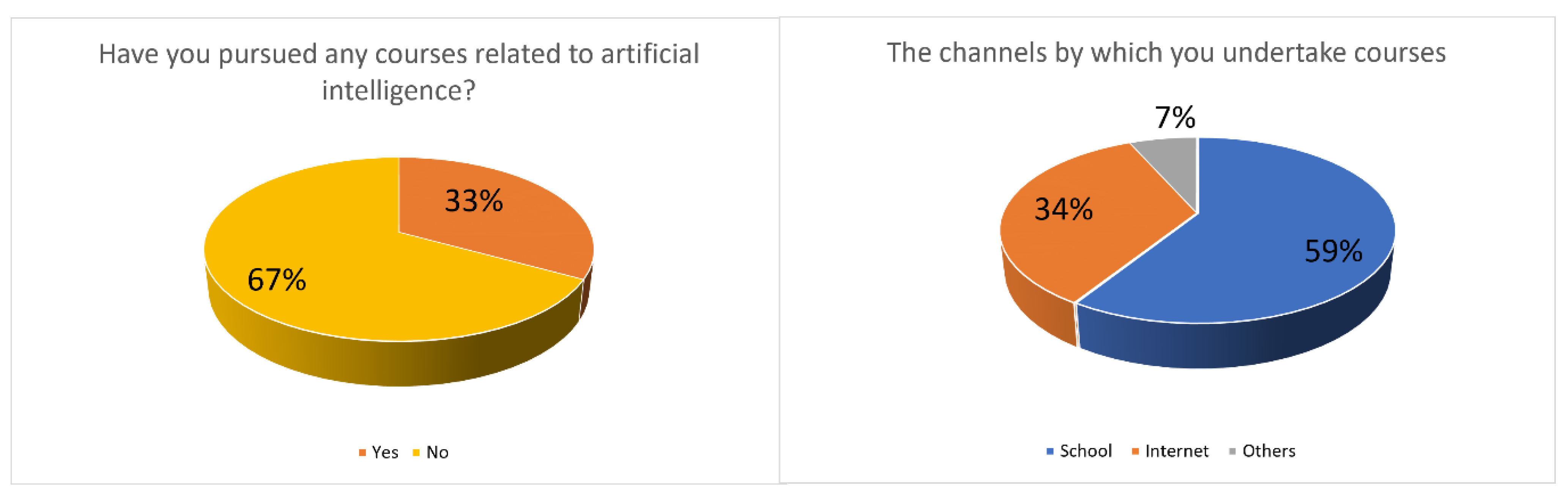
Data processing and analysis were conducted using Stata 18. The survey identified three core contradictions. At the institutional level, while 94% of universities have formulated AI education plans, the development of “AI + X” specialized courses exhibits market disciplinary disparities—science and engineering disciplines account for 60.1% of such courses, whereas agriculture and medicine comprise only 4.5%. At the faculty level, although 50% of instructors self-assessed as having a “basic understanding” of AI, only 22% had participated in on-campus training, and 96% lacked industry experience exceeding three months—a threshold commonly used in regional policy to distinguish substantive industry engagement from superficial visits, highlighting a significant gap between cognition and practice. At the student level, although 70% of students identified mastery of technical skills as a core objective, only 33% had enrolled in related courses, with 59% relying solely on limited university-provided resources, indicating a substantial misalignment between demand and supply.

4. Results

4.1. The Higher Education Institutions Dimension

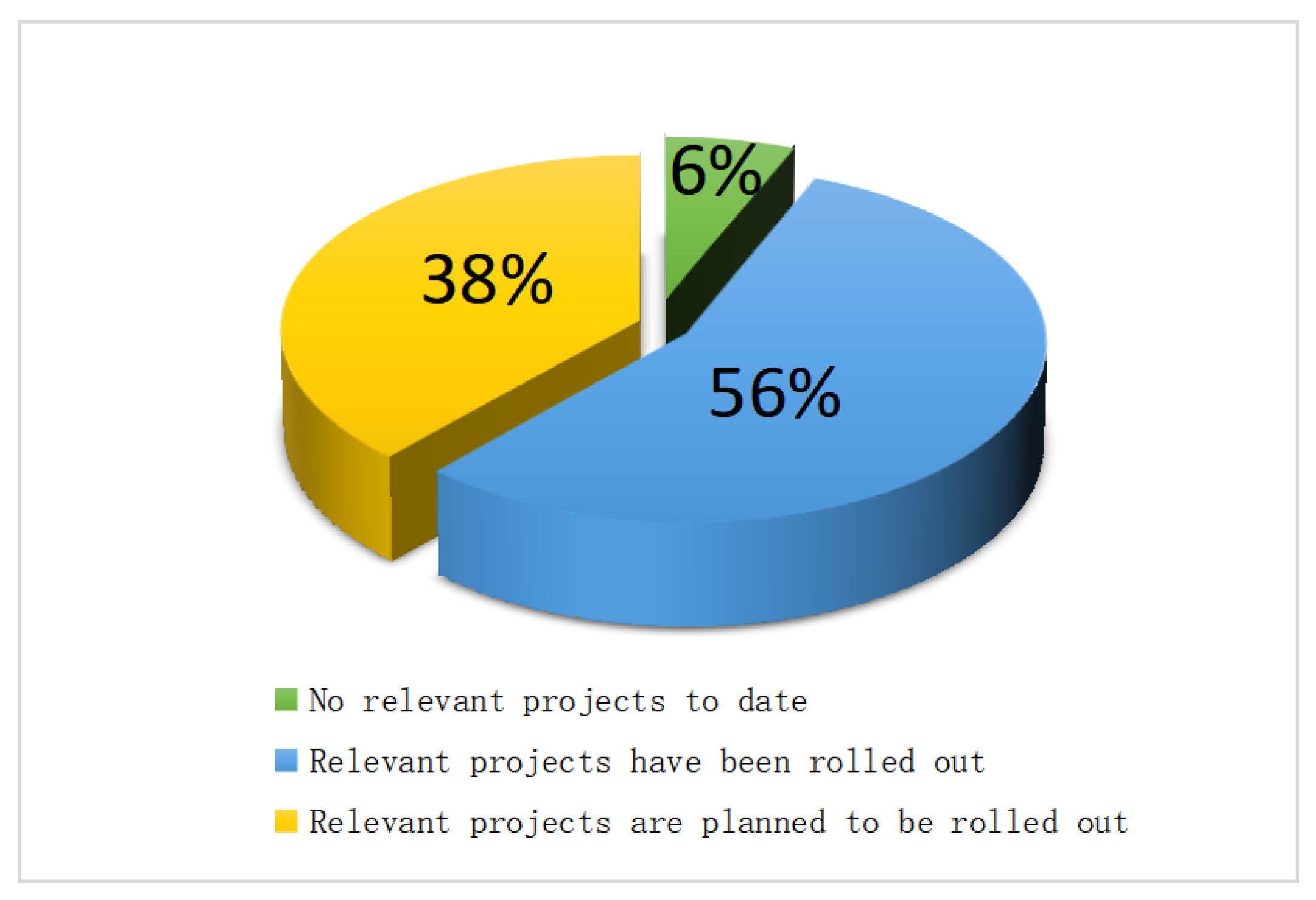
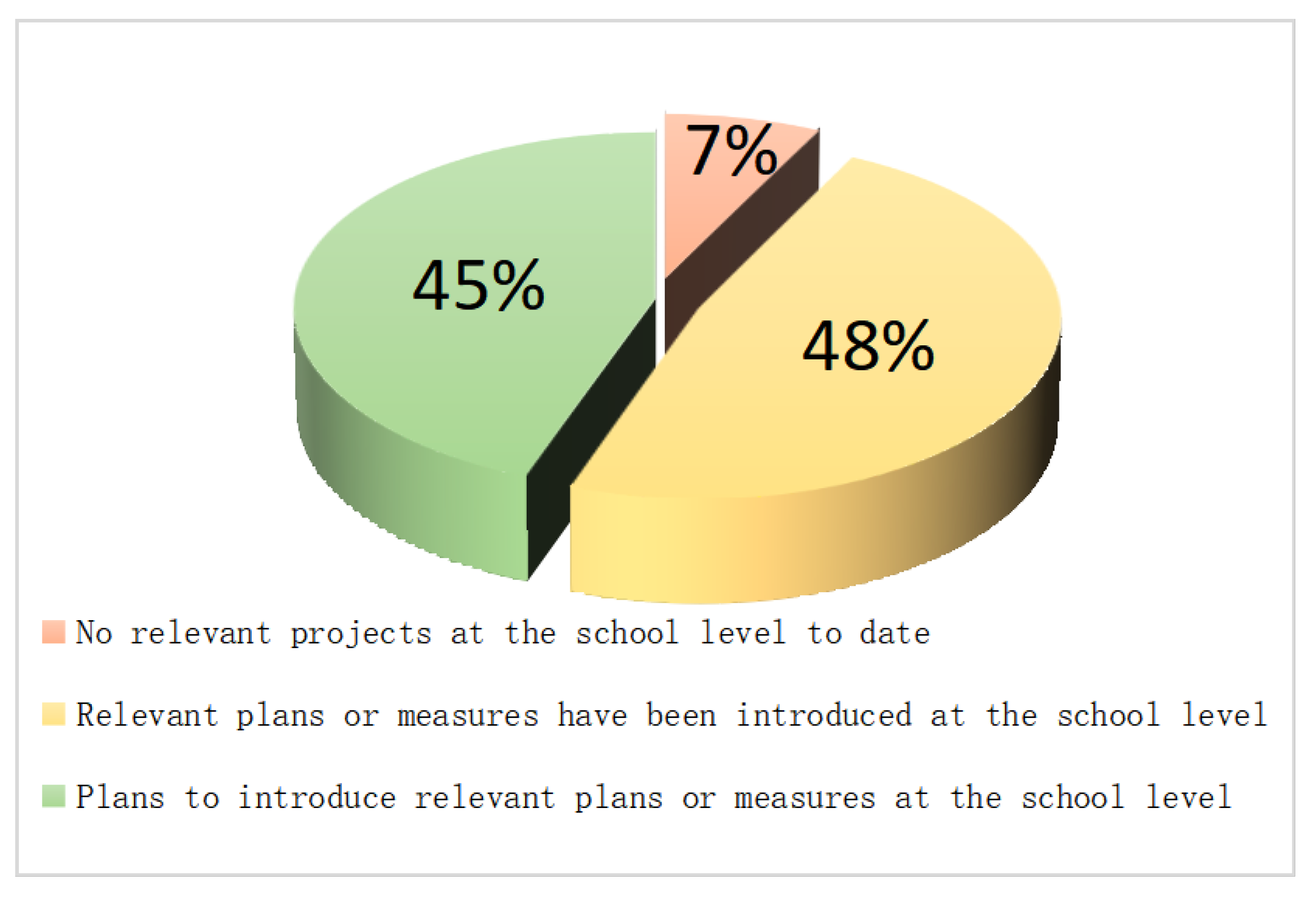
The survey data indicate that higher education institutions in Zhejiang Province have made extensive efforts to integrate AI into education and teaching. As illustrated in Figure 1, more than 90% of colleges and universities in the province have either implemented or plan to implement relevant programs and initiatives at the institutional level, collectively advancing the “AI+” talent cultivation initiative. Furthermore, Figure 2 shows that 94% (95% CI: 89.8–98.2%) of these institutions have already initiated or intend to initiate such programs.

4.1.1. Construction of AI Courses

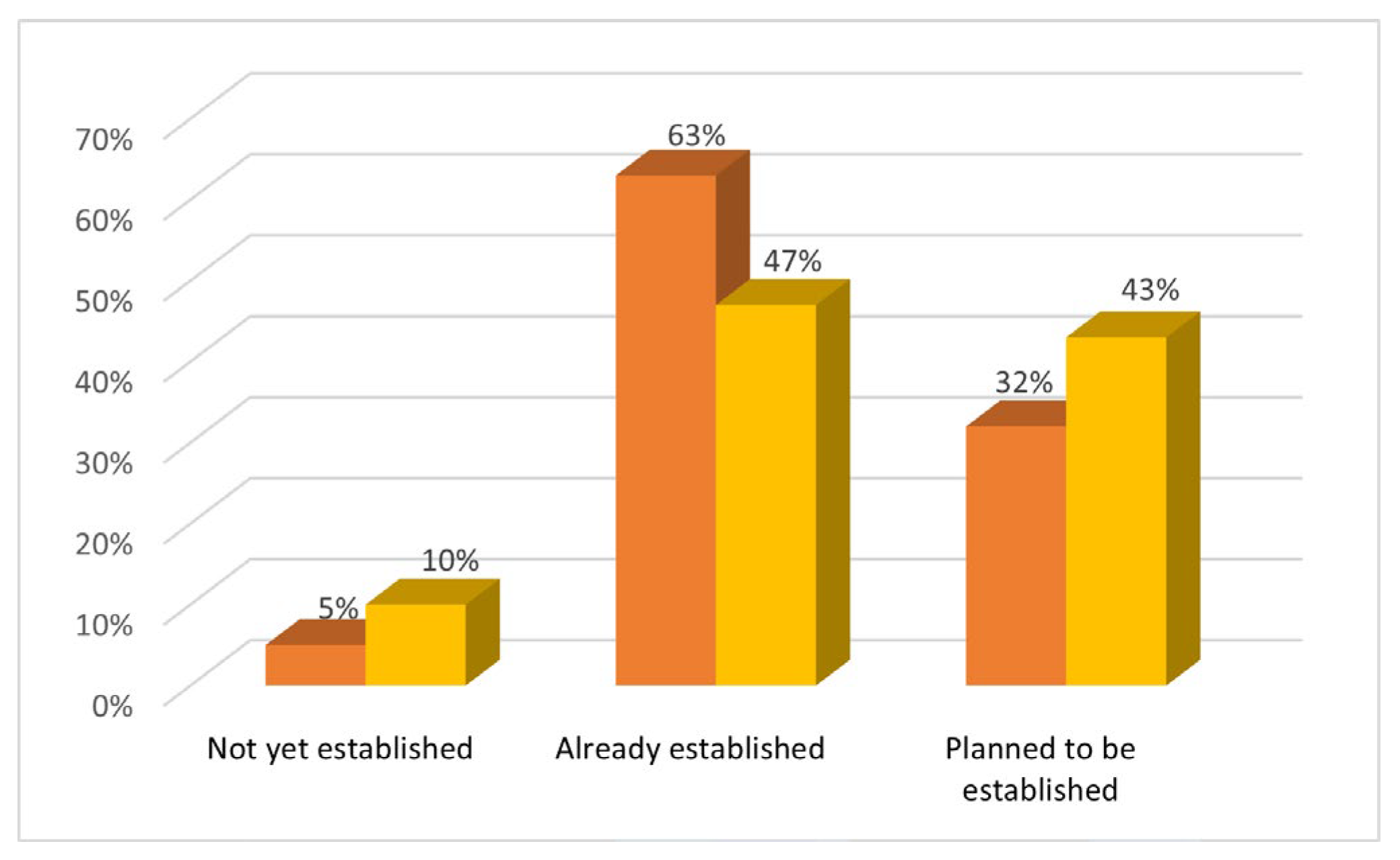
The construction of AI curricula in higher education institutions across Zhejiang Province demonstrates a pattern of “general knowledge first, followed by professional differentiation.” In the domain of AI general education, approximately 63% of institutions have already implemented such courses, around 32% are planning to introduce them, and roughly 5% have not yet initiated such offerings, see Figure 3. Among the universities that have established AI general courses, each institution provides an average of about 2.96 courses, enrolling a total of 149,740 students, with an average of approximately 2948 students per institution. Each course carries an average of 2.04 credits and involves 31.89 class hours.
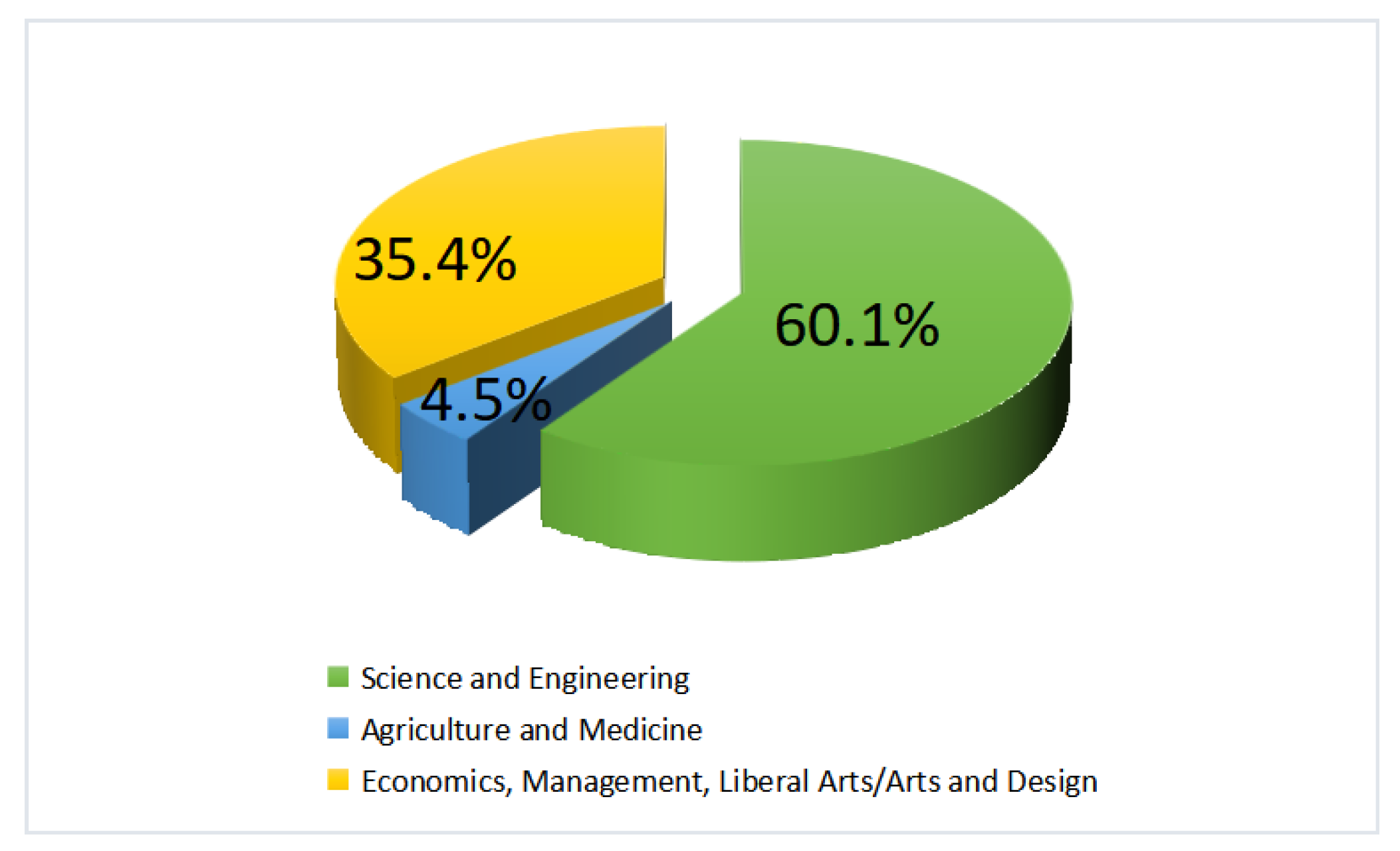
However, the progress in developing “AI + X” specialized courses remains relatively limited. The implementation rate stands at 47%, with about 43% of institutions planning to offer such courses and roughly 10% having no immediate plans. Among universities that have launched “AI + X” specialized courses, each institution offers an average of 22.45 courses. Within this category, science and technology-related “AI + X” specialized courses account for the largest proportion (60.1%), whereas agricultural and medical fields represent the smallest share (4.5%), see Figure 4. To rigorously verify the observed imbalance, we formulated the hypothesis that the distribution of “AI + X” courses is significantly dependent on disciplinary categories. The Pearson Chi-Square Goodness of Fit Test was conducted to compare the observed frequency of courses across disciplines against a uniform distribution. The results indicated a statistically significant difference (X2 = 428.06, df = 2, p < 0.001). This statistical evidence confirms that the dominance of Science and Engineering disciplines (60.1%) represents a significant structural feature of the current AI education landscape, rather than random variation.

4.1.2. Construction of AI Teaching Resources

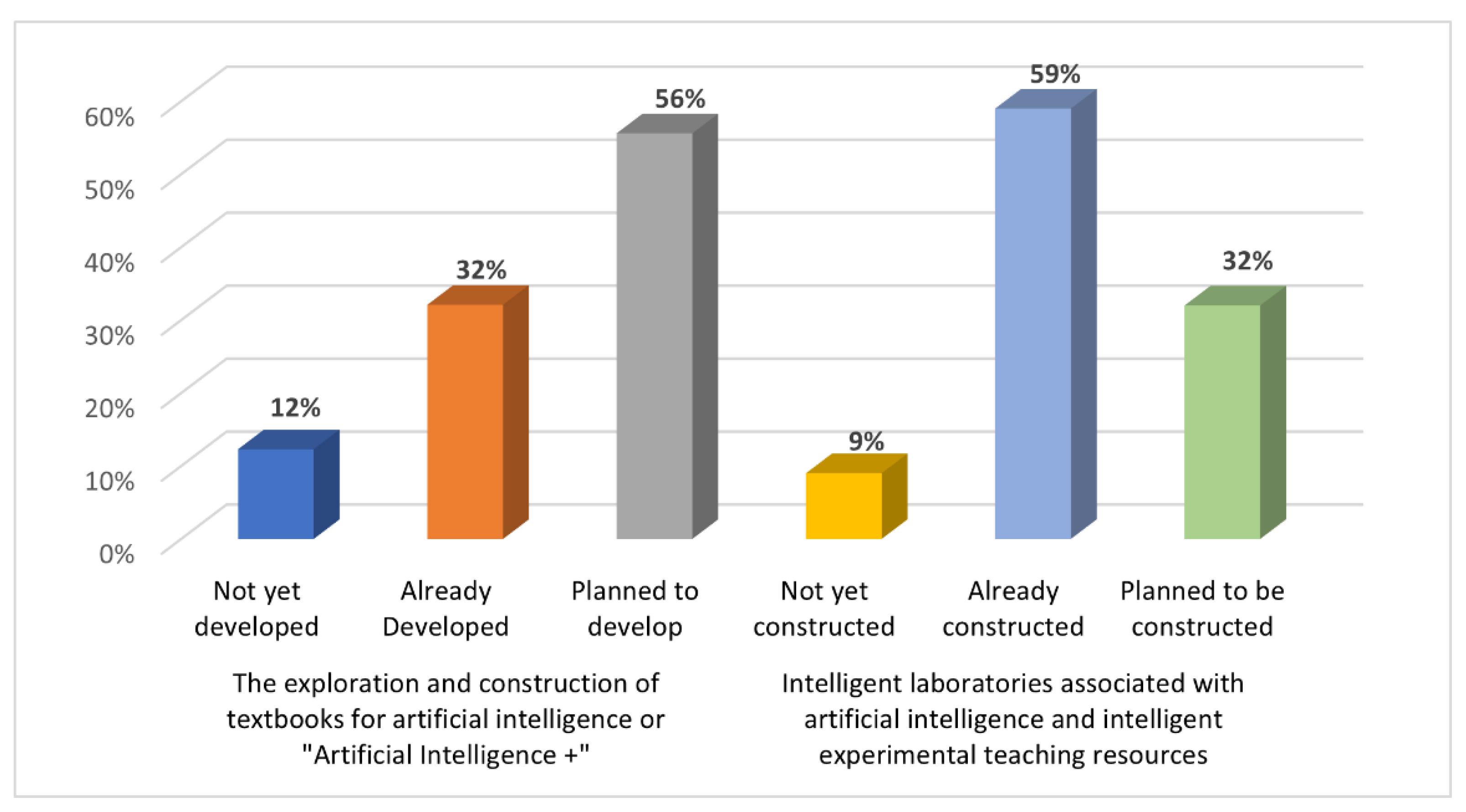
The construction of AI teaching resources in Zhejiang’s higher education institutions exhibits a phased pattern in which “hardware development outpaces software.” In terms of hardware facilities, 59% of colleges and universities have established AI laboratories or intelligent experimental teaching environments, reflecting relatively strong infrastructure investment. However, progress in the development of teaching materials has been significantly slower. Only 32% of institutions have completed the preparation of relevant teaching materials, while 56% remain in the planning stage, resulting in a completion rate 27% lower than that of laboratory-related teaching resources (as shown in Figure 5). In addition, 12% of universities have not yet initiated the development of teaching materials.

4.1.3. Construction of AI Practice and Training Platforms

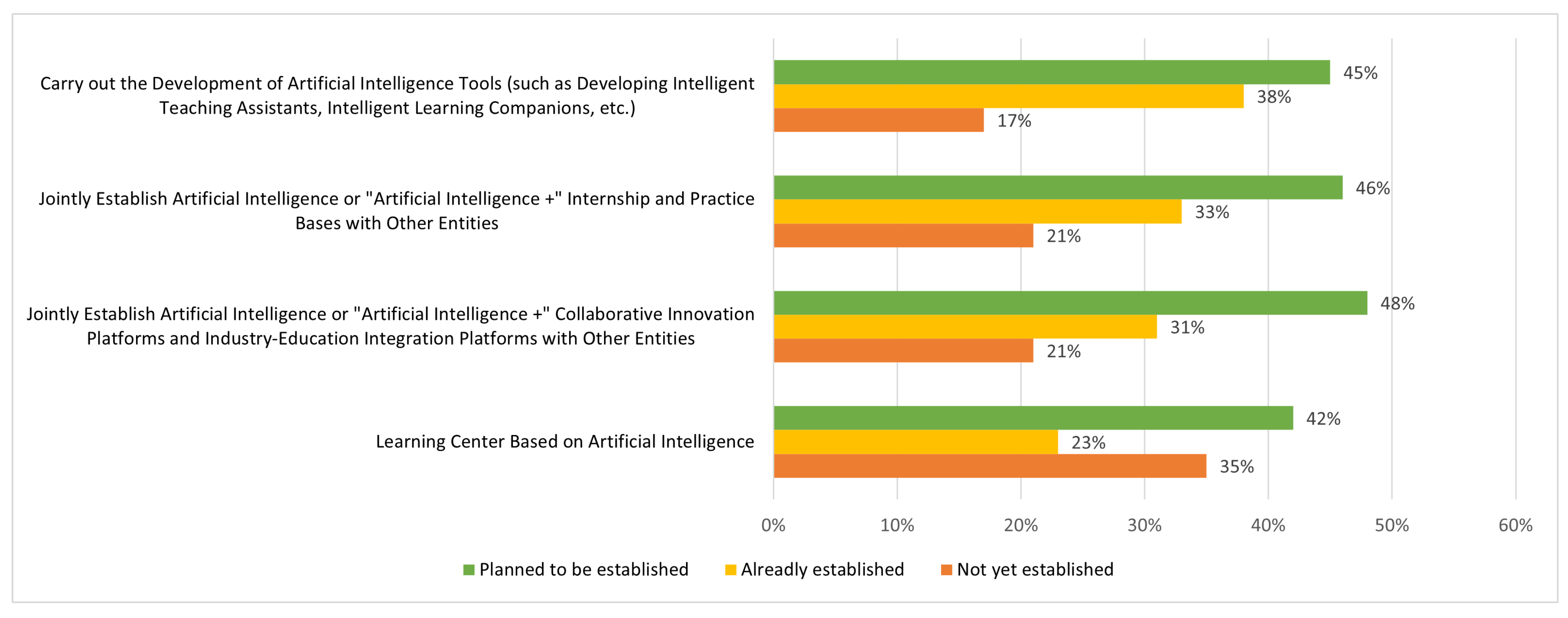
The construction of practical training platforms is currently characterized by a “plan-driven and exploratory implementation” stage. As shown in Figure 6, 23%, 31%, and 33% of colleges and universities have established AI learning centers, collaborative innovation platforms, and practice bases, respectively. These figures suggest that the integration of industry and education has begun to take shape, though overall coverage remains limited. Notably, more than 40% of institutions are planning such developments (42% for learning centers, 48% for collaborative platforms, and 46% for practice bases), indicating a strong and growing demand for practical training platforms in higher education. Among these initiatives, the development of AI tools has progressed most rapidly: 38% of universities have already created intelligent teaching assistants or similar tools, and 45% plan to further expand their use.

4.2. The Faculty Dimension

4.2.1. Cognition and Attitudes Toward AI

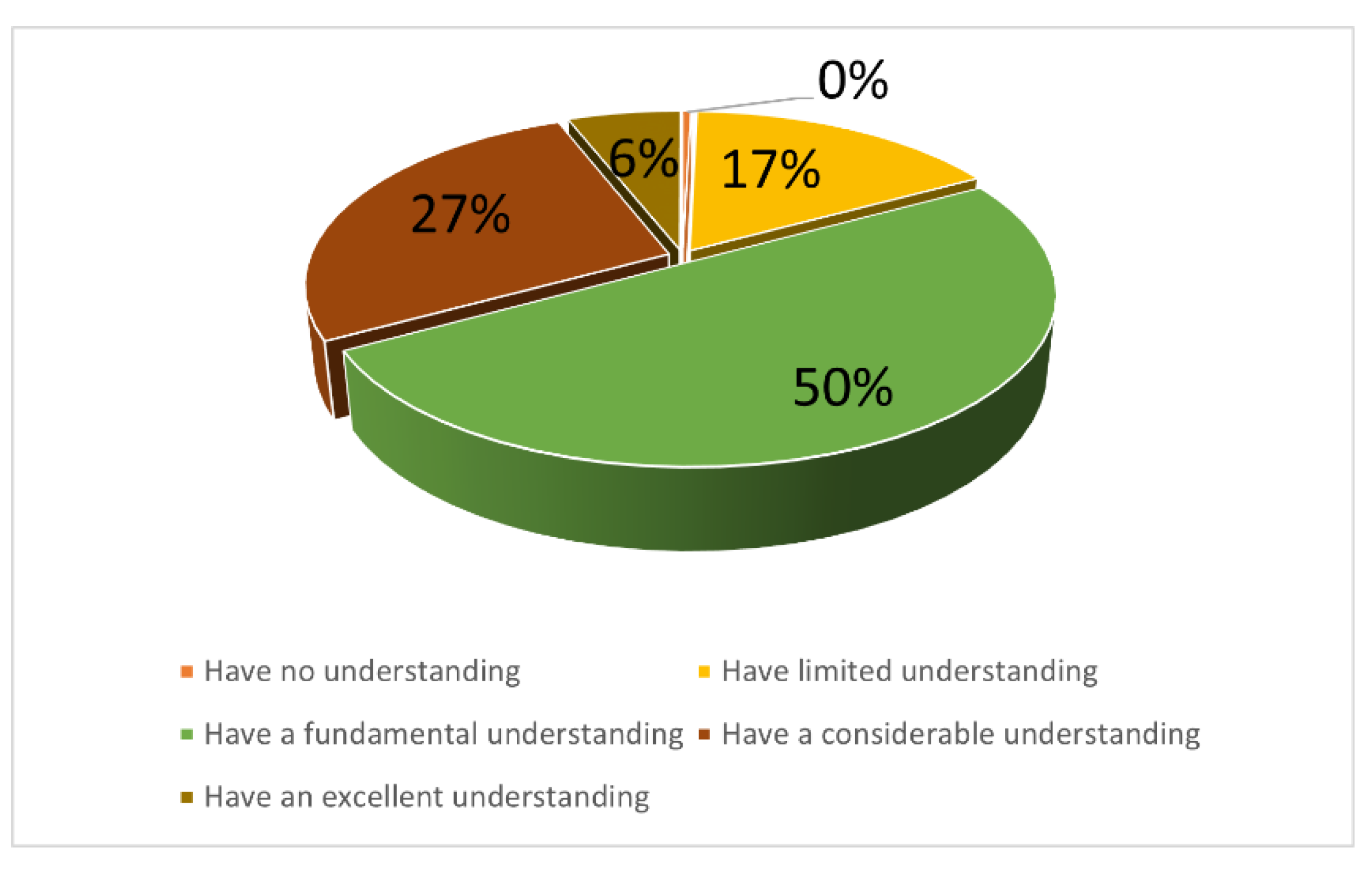
In terms of cognitive level, as shown in Figure 7, 50% of teachers reported having a “basic understanding” of AI, 27% indicated a “good understanding,” 6% claimed a “very good understanding,” and only 17% acknowledged having “little understanding.” These results suggest that while most teachers possess some level of exposure or foundational knowledge of AI, the proportion with a deep understanding remains relatively low (only 33% reached a level of “good understanding” or higher). The distribution of cognitive levels reflects the increasing prevalence of AI in education; however, opportunities for professional training and in-depth learning remain limited.
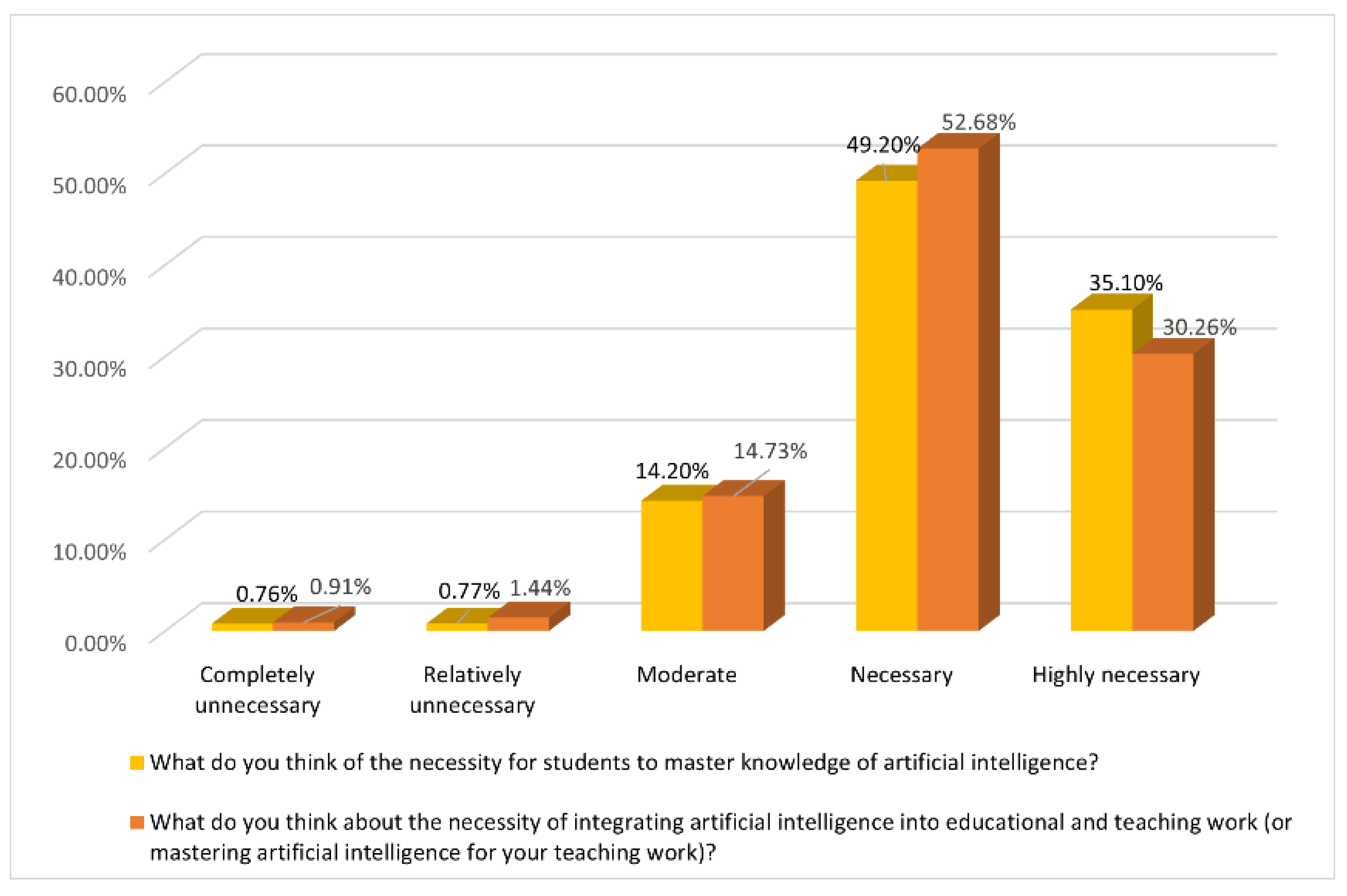
Regarding attitudes, teachers demonstrate strong support for the integration of AI into education. Regarding the “necessity for students to master AI knowledge,” nearly half of the teachers (49.20%) considered it “necessary,” while 35.10% viewed it as “very necessary,” resulting in a total support rate of 84.3%, see Figure 8. Only 1.54% of teachers expressed negative attitudes (“not necessary” or “not necessary at all”), and 14.16% maintained a neutral position. Similarly, when asked about the “necessity of introducing AI into teaching,” 52.68% of teachers selected “necessary,” and 30.21% chose “very necessary,” yielding a total support rate of 82.84%, with 2.35% opposed and 14.73% neutral. Both support rates exceed 80%, indicating that teachers broadly recognize the value of AI in educational contexts.

4.2.2. Training and Practice Status

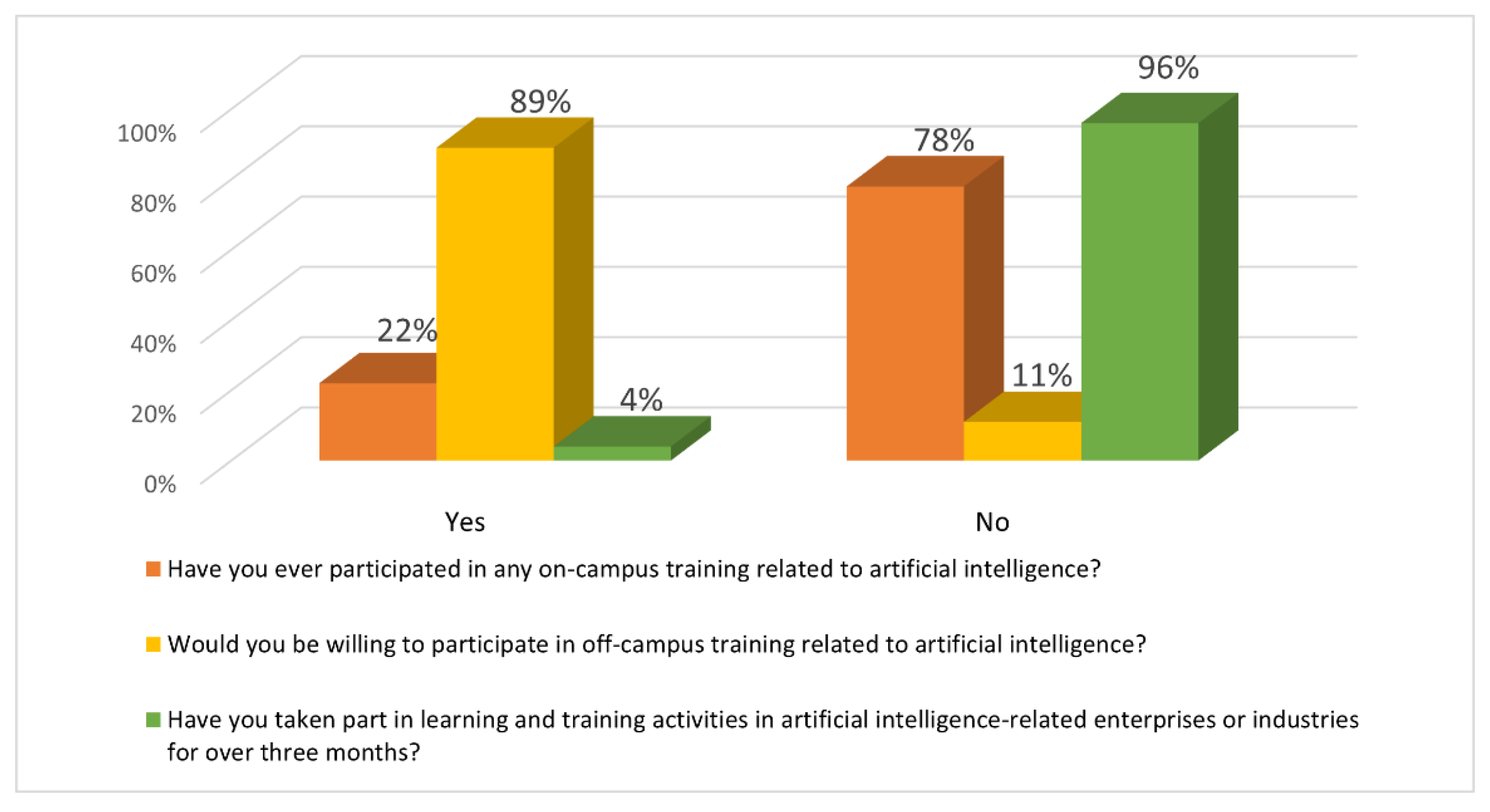
In the current landscape of AI training and practice, teachers demonstrate a clear characteristic of “high willingness but low participation.” Regarding on-campus training, only 22% of teachers have taken part in AI-related programs, while a substantial 78% have not received any such training, as shown in Figure 9. This low participation rate suggests a potential gap in AI capacity building. While this could stem from insufficient institutional investment or limited training opportunities, alternative explanations must also be considered. For instance, faculty members may be constrained by heavy teaching and research workloads when in campus, or there may be information asymmetry where training sessions are offered but not effectively communicated. In sharp contrast, faculty exhibit a strong desire for off-campus training. A total of 89% of teachers explicitly expressed willingness to participate in external AI training programs, while only 11% reported a negative attitude. This may indicate that faculty generally recognize the importance of updating their knowledge and adapting to technological advancements; however, the lack of adequate on-campus channels has compelled many to seek external professional development resources.
At the practical level, teachers’ involvement in deep learning or industry-based AI practices remains extremely limited. Only 4% (95% CI: 3.4–4.6%) of teachers have participated in AI-related practice lasting more than three months, while 96% reported no such experience. These findings reveal a persistent gap between the education sector and industry: although teachers are theoretically motivated to engage in AI training, they lack access to practical scenarios that would enable them to translate AI knowledge into teaching competence. Consequently, this “theoretical” dilemma may leave their understanding of AI technology relatively superficial, hindering the effective integration of AI into classroom instruction.

4.2.3. Curriculum Construction and Teaching Adjustment

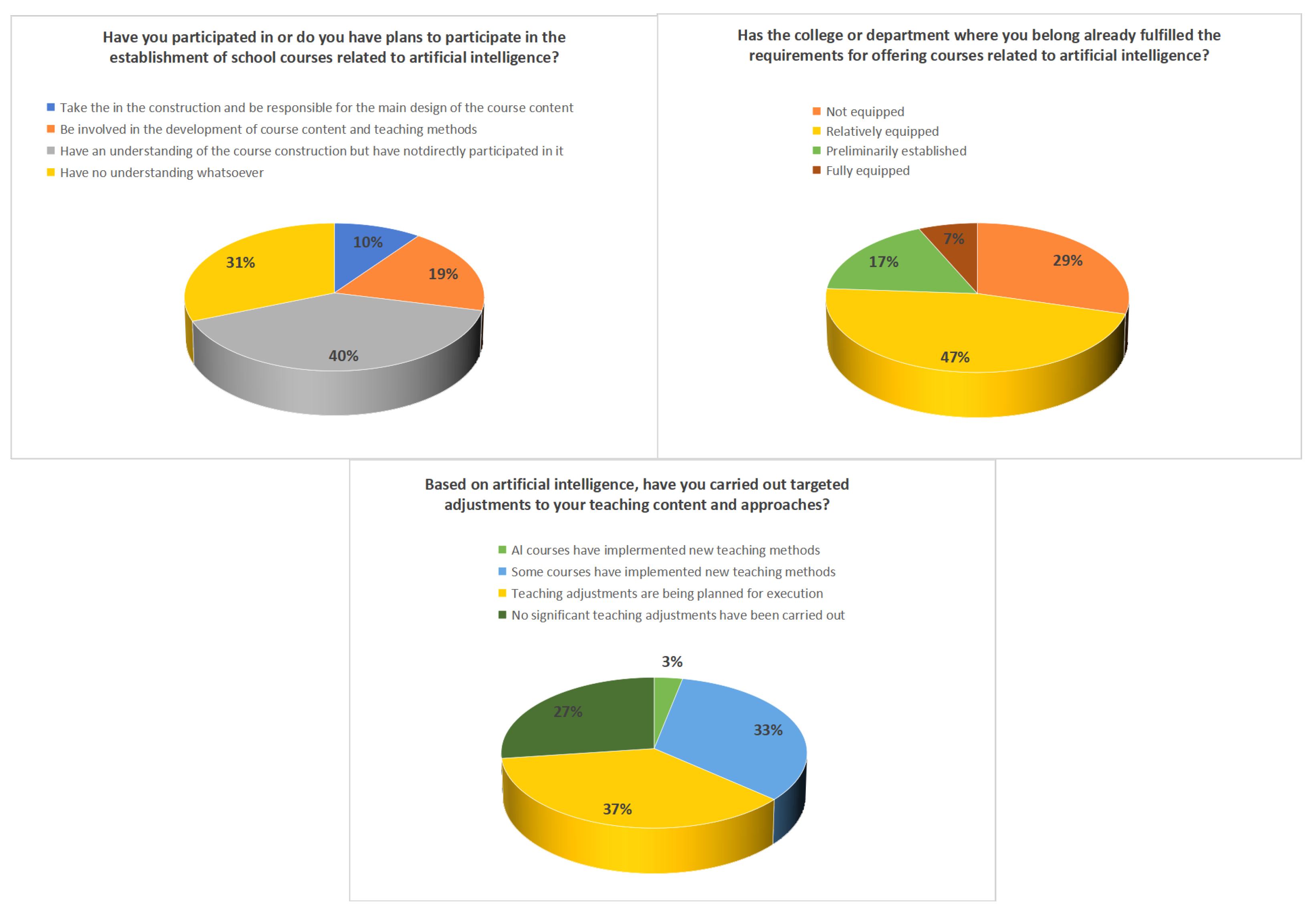
In the construction of AI-related courses and the adjustment of teaching methods, teachers exhibit the characteristics of “insufficient participation, inadequate conditions, and slow progress.” Regarding curriculum construction, only 29% of teachers are directly involved in curriculum development (10% leading the design and 19% participating in development), while 40% remain at the stage of general understanding, and 31% are unaware of ongoing progress, as shown in Figure 10. Furthermore, the establishment of AI courses is constrained by underdeveloped conditions: 29% of teachers report having “no conditions,” 47% are “initially equipped,” and less than one quarter (24%) are either “relatively equipped” or “fully equipped.” This indicates that shortages of infrastructure, qualified teachers, and teaching materials remain the primary barriers restricting the implementation of AI courses.
In terms of teaching adjustment, only 3% of teachers have fully implemented AI-related teaching reforms across all courses, 33% have experimented with partial adjustments, 37% are still in the planning phase, and 27% have made no significant changes. This distribution suggests that although most teachers recognize the impact of AI on teaching, practical implementation continues to face substantial barriers. The combined 64% of teachers in the “planning” and “unadjusted” categories may reflect insufficient departmental support (e.g., a lack of technical tools or training opportunities), unclear pedagogical application scenarios, or low confidence in the effectiveness of reforms. Notably, the pace of teaching adjustment lags significantly behind curriculum development needs—only 36% of teachers have entered the practice stage (including both full and partial adjustments), a situation further exacerbated by inadequate departmental conditions.
To further explore the determinants of curriculum construction and teaching adjustment, a multivariate regression analysis was conducted (see Table 1). The results reveal that factors such as faculty age, prior AI knowledge, and perceived AI application prospects significantly influence engagement. Crucially, consistent with our earlier descriptive findings, industry practice experience and organizational support emerged as strong predictors for both curriculum construction and teaching adjustment. This statistical evidence confirms that practical exposure and institutional backing are not merely facilitating factors but potential drivers for fostering AI teaching innovation.

4.2.4. Ethics and Integrity Cognition

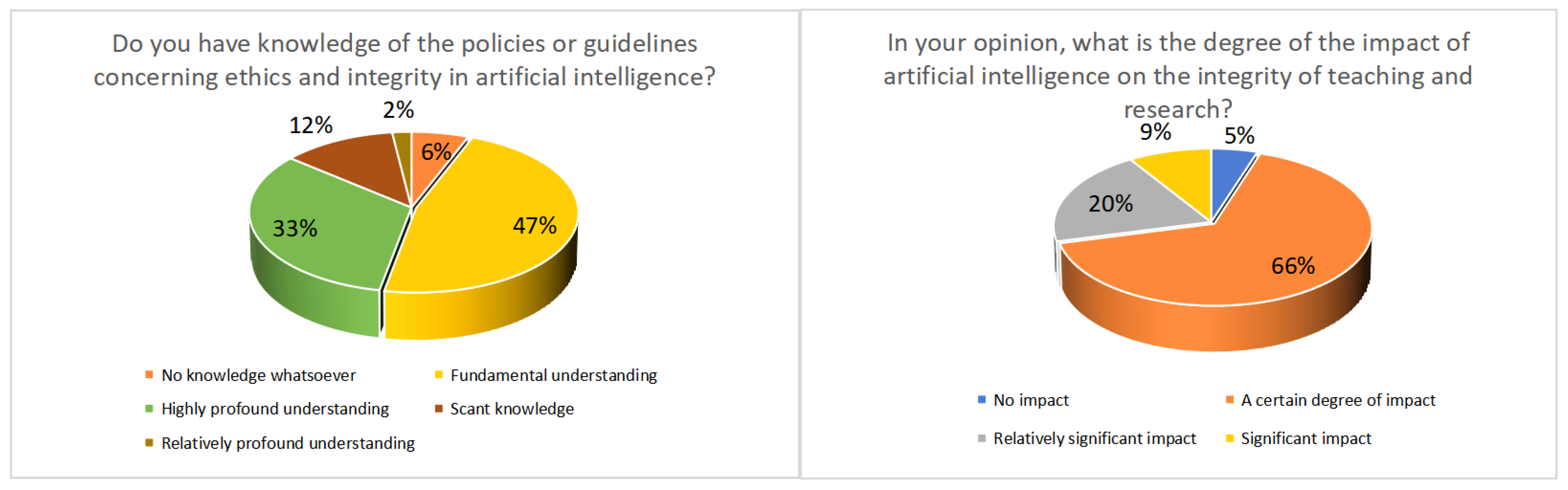
Teachers’ cognition of AI ethics and integrity exhibits the dual characteristics of “weak foundational understanding but strong risk awareness.” Regarding comprehension of ethical policies, only 14% of teachers have reached the levels of “fairly understanding” or “very understanding” (12% + 2%), while 53% reported “not very understanding” or “not at all understanding” (47% + 6%), as shown in Figure 11. This indicates that the majority of teachers lack systematic knowledge of AI ethical guidelines, potentially due to insufficient training opportunities or limited dissemination of relevant policies. Notably, 33% of teachers selected “basic understanding,” indicating some exposure to ethical concepts without a thorough grasp of specific rules. Such a vague understanding may increase the risk of unintentional violations in practical teaching scenarios.
In contrast, teachers display strong awareness of integrity risks. 95% of teachers believe that AI exerts varying degrees of influence on the integrity of teaching and research. Specifically, 66% of teachers consider AI to have “some impact,” 20% perceive a “relatively significant impact,” 9% regard it as having a “great impact,” and only 5% think it has “no impact.” This distribution reveals that teachers generally recognize the potential for AI technologies (e.g., generative tools and algorithmic bias) to exacerbate issues related to academic plagiarism, data falsification, and assessment inaccuracies.

4.3. The Student Dimension

4.3.1. Students’ Knowledge and Understanding of AI Technology

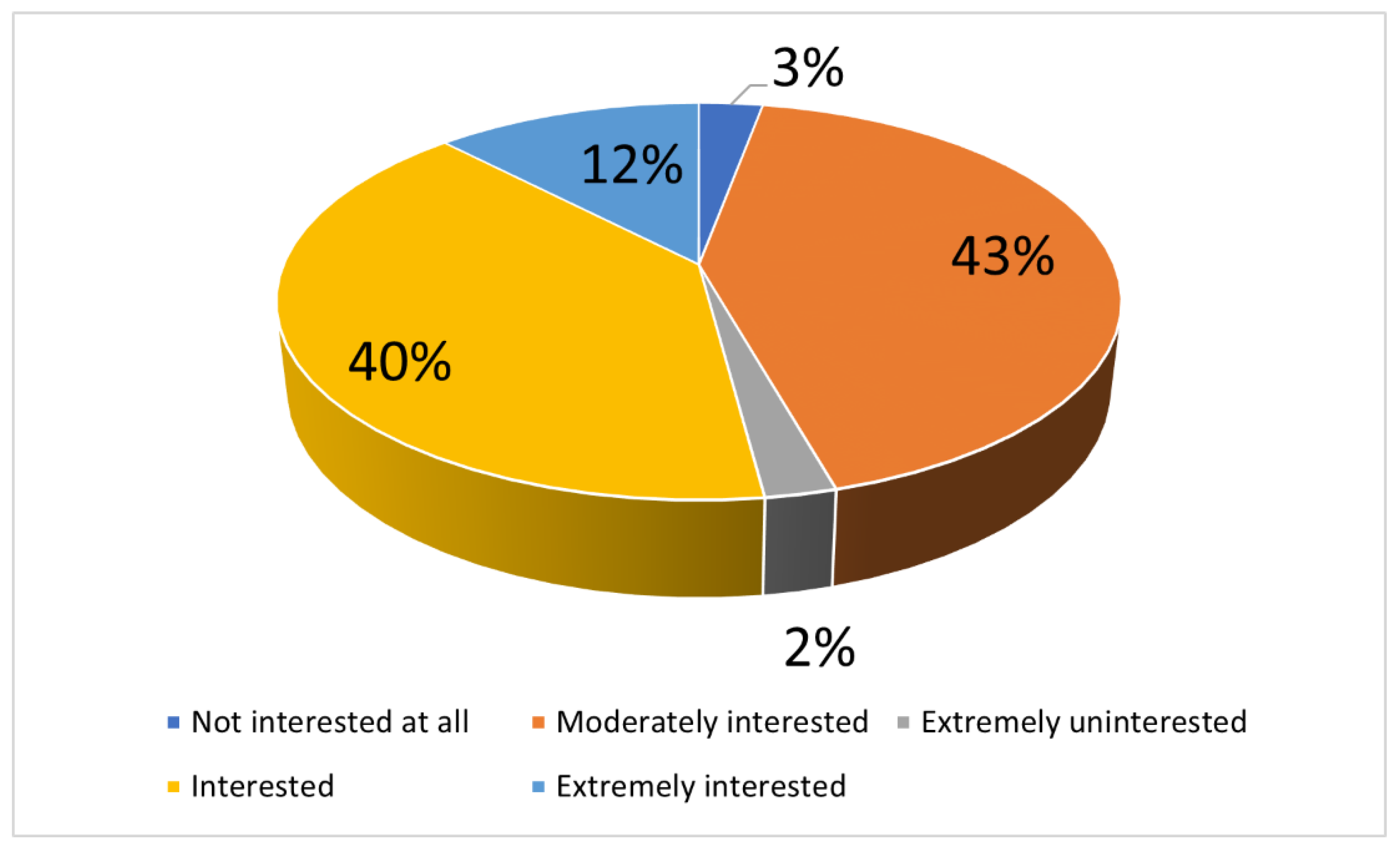
According to the data (Figure 12), the proportion of high-interest student groups (“interested” + “very interested”) exceeds 50% (95% CI: 49.4–50.6%) of respondents, indicating that most students hold positive or neutral attitudes toward AI. This suggests that AI has achieved a high level of acceptance and attention among the student population.
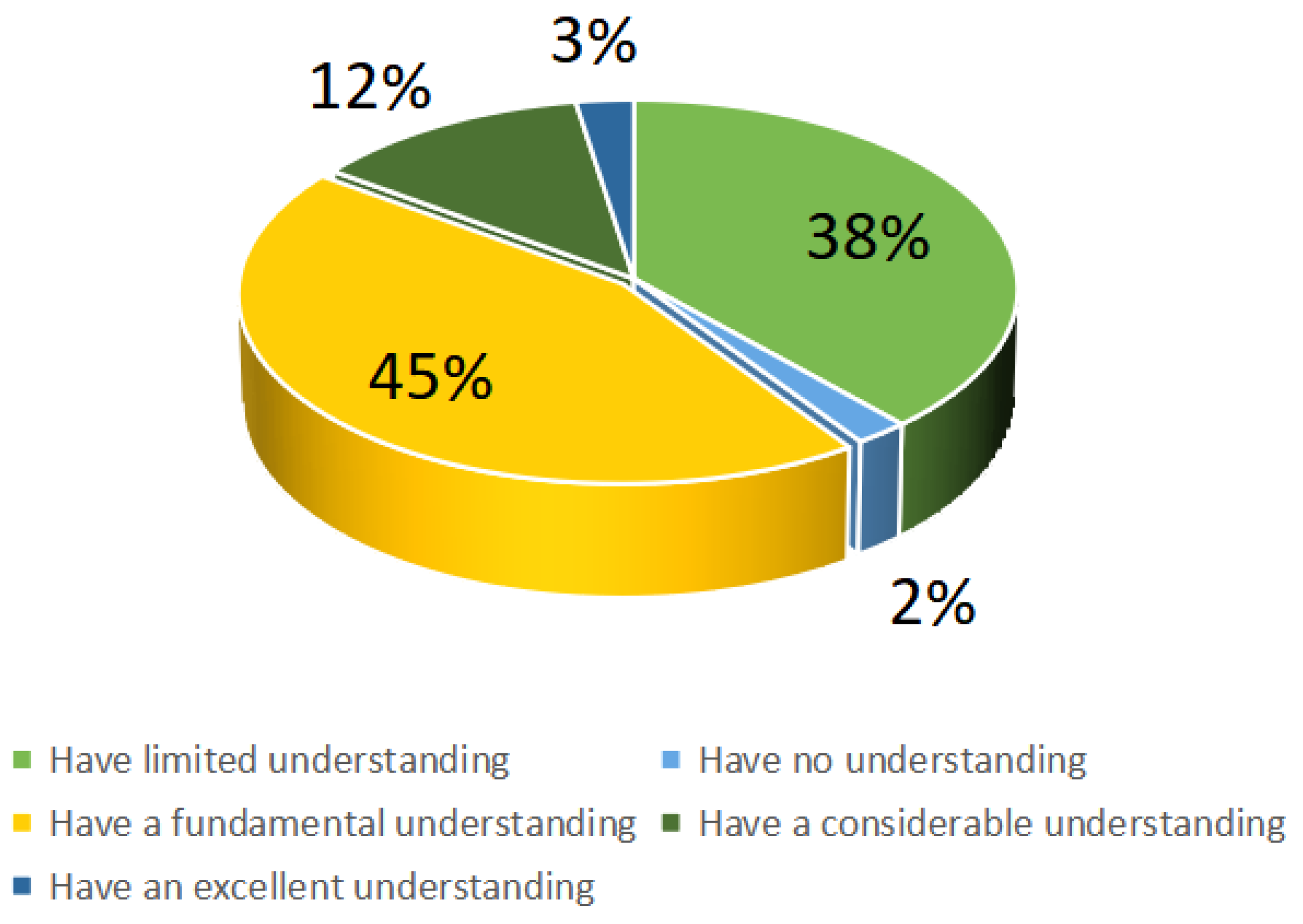
As shown in Figure 13, the distribution of students’ knowledge of AI reveals that most students possess a certain level of understanding, while some have only limited knowledge. This implies that students are generally familiar with the basic concepts and applications of AI but lack deeper comprehension.

4.3.2. Analysis of Students’ Demand for AI Courses

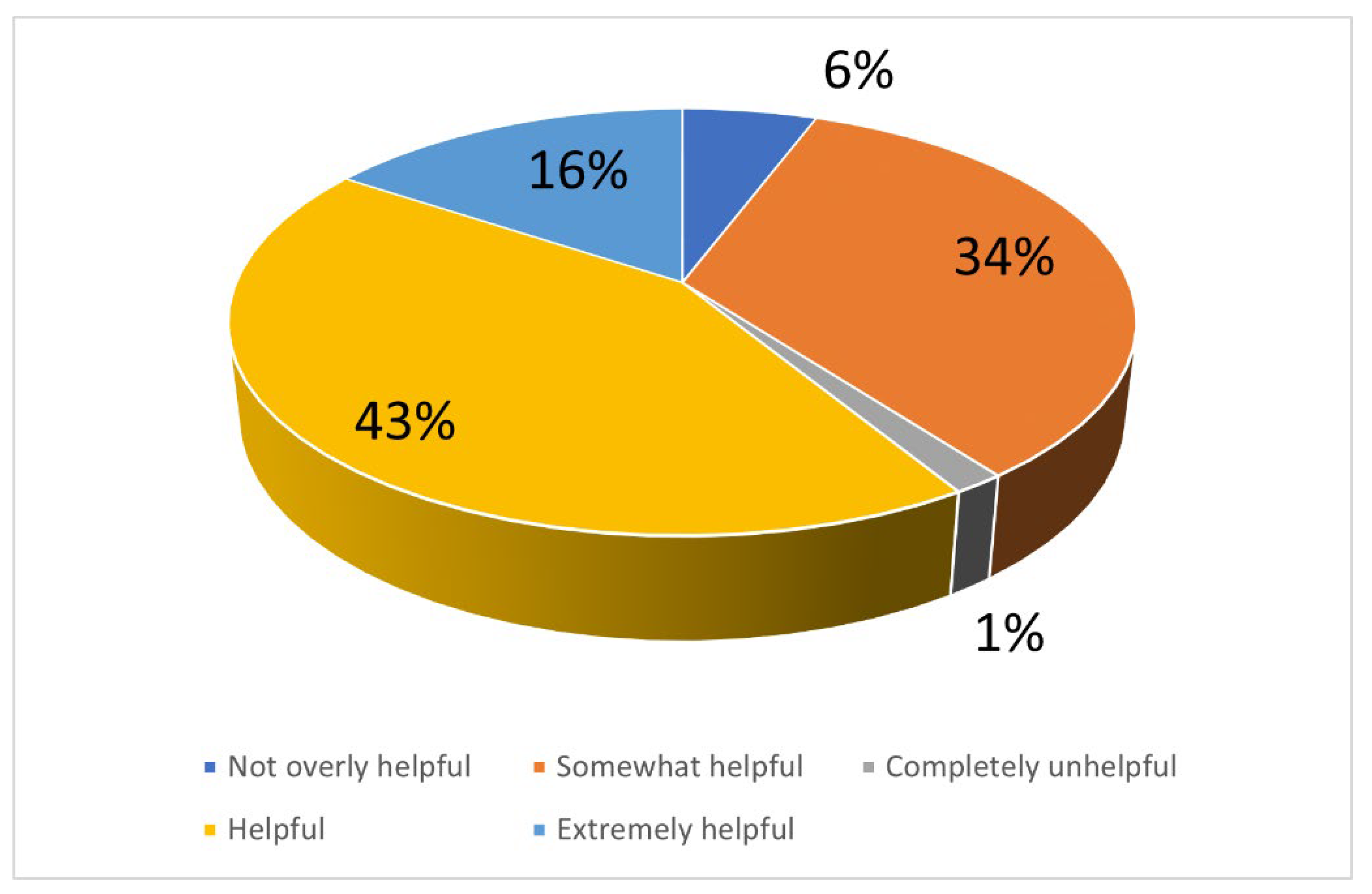
According to the data (Figure 14), only 7% of the students believe that offering AI courses is not helpful.
As shown in Table 2, students demonstrated the highest demand for courses on basic computer and programming skills, commonly used AI tools, and foundational AI theories, with each area approaching 50%. This indicates that most undergraduates require further reinforcement in fundamental computer knowledge.
Nearly 70% of students identified mastering technical skills and foundational knowledge as their primary learning goal (Table 3), while over 60% emphasized career development and keeping pace with technological progress (“technical timeliness” in Table 3). These findings reflect students’ strong and urgent demand for both practical skills and foundational knowledge.
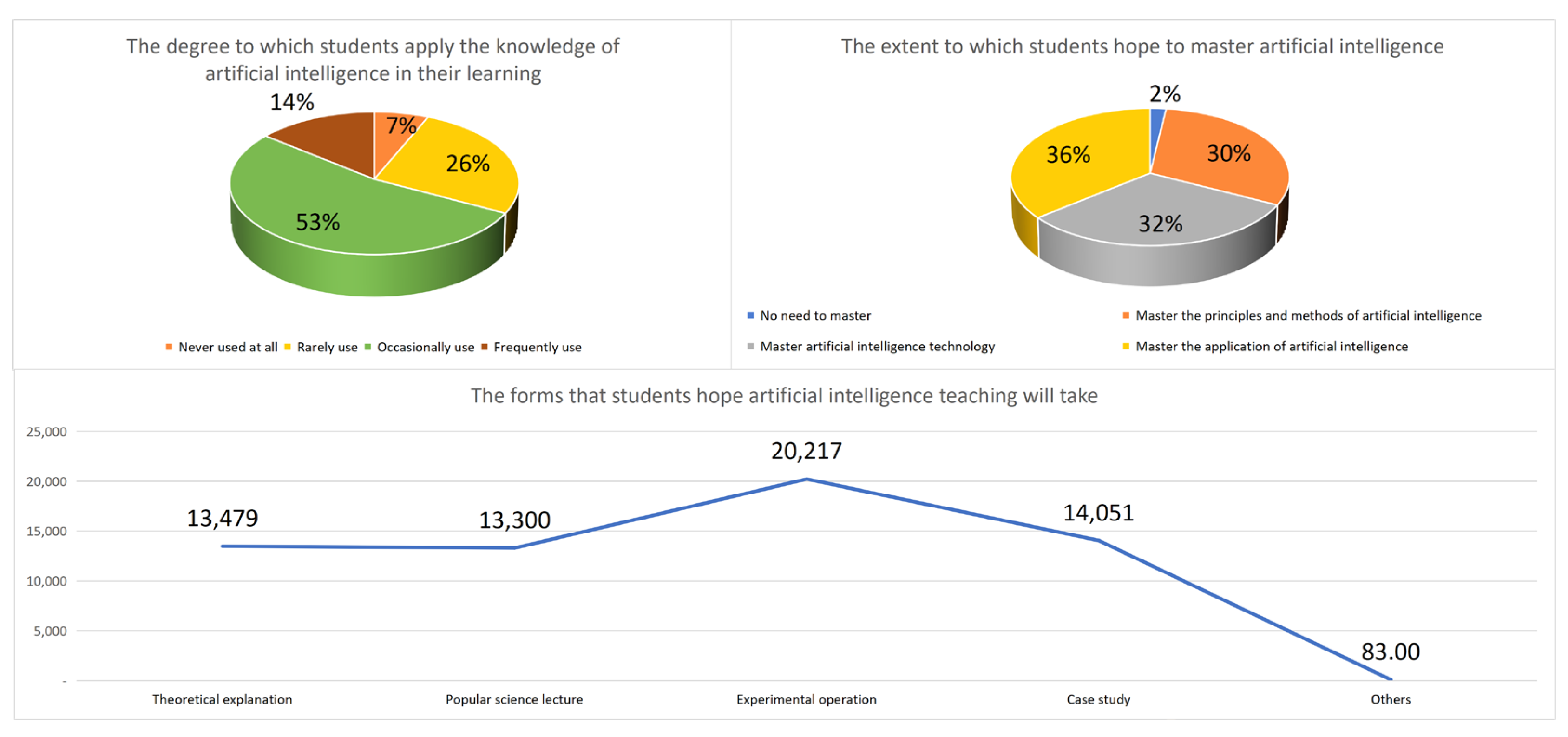
As shown in Figure 15, 33% of students have taken AI-related courses. Among them, 59% rely mainly on school-based courses as their learning channel, while 34% use online resources for supplementary learning.
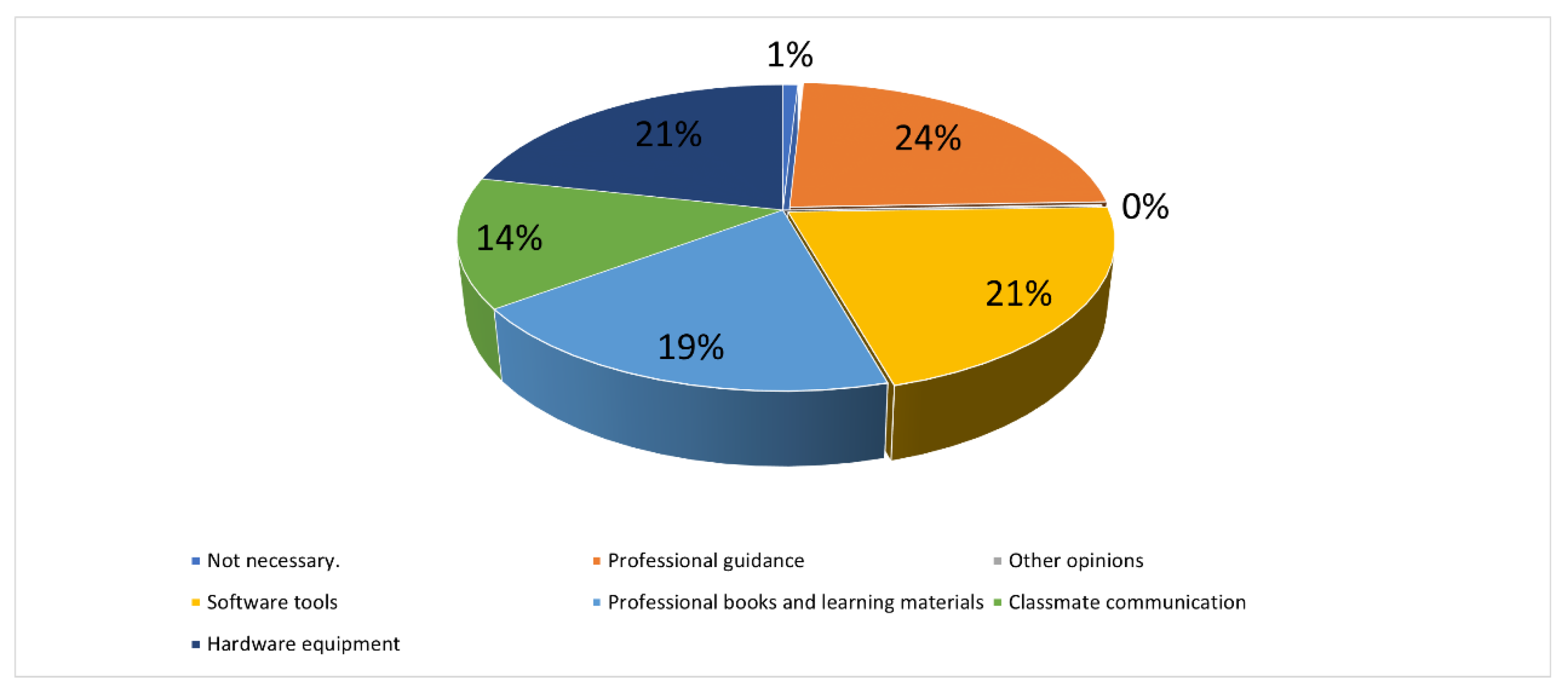
When studying in the field of AI, students generally agree that effectively mastering relevant knowledge requires access to multiple forms of support and resources. These essential supports include professional guidance, hardware equipment, software tools, specialized literature, and opportunities for communication and discussion with peers. Only a very small proportion of students consider such support and resources unnecessary for learning about AI (Figure 16).

4.3.3. Students’ Application of AI Technology in Daily Learning

As shown in Figure 17, students exhibit certain deficiencies in the practical application of AI knowledge, which may be related to the current shortage of innovative AI teaching courses. Moreover, students widely agree on the need to master the principles, methods, technologies, and applications of AI. The survey also revealed that the most preferred teaching method among students is experimental operation, suggesting that hands-on practice is regarded as more conducive to students’ learning.

5. Discussion

While this study is geographically limited to Zhejiang Province, the findings possess significant transferability. As one of China’s leading hubs for the digital economy and AI development, Zhejiang’s higher education system represents a “front-runner” case. The structural misalignments identified here—such as the lag in curriculum development relative to infrastructure—are likely to be encountered by other regions and countries as they reach similar stages of AI integration. Thus, this regional diagnosis offers valuable anticipatory insights for global educational policymakers.

5.1. Empowering Higher Education Institutions Through AI

At the university level, addressing RQ1 regarding institutional AI integration and resource allocation, this study systematically elucidates the implementation path and initial practical outcomes of higher education institutions in Zhejiang Province during the process of integrating AI technology into the education system. Compared with existing literature, the academic contributions of this study are primarily reflected in the following three theoretical dimensions.
First, it verifies the disciplinary heterogeneity in the diffusion of AI technology. In the construction of “AI + X” courses, universities in Zhejiang Province exhibit significant disciplinary disparities—science and technology disciplines account for 60.1% of such courses, while agriculture and medicine represent only 4.5%—revealing a clear imbalance in cross-disciplinary integration. This phenomenon may result from disparities in disciplinary foundations, teacher resources, and industrial demand. Science and engineering disciplines inherently possess stronger technical adaptability, whereas agriculture and medicine require more complex interdisciplinary integration. This finding aligns with Selwyn’s theory of the “technology penetration gradient,” which suggests that the depth of technology application is shaped by both the inherent knowledge structure of a discipline and the external societal demand [49]. This discovery validates the disequilibrium in technology diffusion and highlights the distinct patterns of technological penetration across disciplines. For example, agriculture and medicine may require complex interdisciplinary knowledge reorganization, whereas science and engineering disciplines often emphasize direct technology adaptation.
Second, this study identifies structural imbalances in the construction of AI educational resources. The substantial gap between hardware facility development (59% completion rate) and teaching material development (32% completion rate) echoes Ertmer’s [44] classic distinction between “first-order barriers” (infrastructure) and “second-order barriers” (pedagogical innovation), further highlighting the “infrastructure-first orientation” in resource allocation. This imbalance may stem from the longer integration period required for cutting-edge technologies, teaching experience, and industry standards in textbook development, whereas laboratory construction can be more rapidly implemented through equipment procurement. The lag in teaching material development may lead to fragmented teaching content and reduced teaching coherence. Establishing a dynamic collaborative mechanism could help balance hardware investment and curriculum design capabilities, thus promoting a more coordinated approach [29].
Third, this study uncovers the issue of “system–practice disconnection” in the integration of industry and education. Although 94% of colleges and universities have formulated AI education programs, the coverage of practical training platforms remains insufficient (23–33%), reflecting the classic dilemma of weak industry–university collaboration—specifically, the weak coupling between policy frameworks (government–universities) and industrial practice (enterprises) [50]. This study further reveals that decentralized platform construction (e.g., repetitive laboratory investments) may exacerbate resource fragmentation, while short-term and fragmented school–enterprise cooperation struggles to establish a systematic talent cultivation ecosystem [51].
In practical terms, the research findings provide targeted strategies for the digital transformation of regional education. At the policy level, it is essential to establish a disciplinary classification support mechanism, where special support funds could be allocated to underrepresented fields like Agriculture and Medicine, to facilitate “AI + X” specialized course development. At the university level, the experience of MIT’s Modular Course Library offers valuable insights [52]. Universities can form a regional teaching material development alliance, employ open-source platforms for case resource sharing, and address the challenge of teaching materials lagging behind technological iteration. At the industry collaboration level, adopting the German dual system model [53] may prove effective. Universities can cooperate with enterprises to jointly operate practical training platforms (e.g., co-developing certification courses and providing practical tutors), to overcome inter-university resource barriers.

5.2. Empowering Teachers Through AI

In response to RQ2 concerning the faculty cognition-practice gap, this research, based on multidimensional data concerning teachers’ cognition, attitudes, and practices related to AI, provides a novel empirical basis for understanding the interactive relationship between AI and teacher education. Unlike prior studies that predominantly focused on teachers’ willingness to adopt technology or assessed technological ability from a single dimension, this study reveals that teachers’ cognition of AI exhibits a contradictory pattern characterized by “superficial popularization” and “deep scarcity.” While 84% of teachers possess a basic cognitive foundation of AI, only 33% demonstrate a deep understanding. This hierarchical structure of cognition appears more dynamic and complex than previously reported findings [39], suggesting that traditional technology acceptance models should incorporate cognitive depth variables to more accurately predict teachers’ AI application behaviors.
Furthermore, this study finds that teachers’ practical challenges arise not only from resource shortages but also from structural disconnections between the education system and industry. With 96% of teachers lacking industry practice experience exceeding three months, AI capability development remains largely theoretical, constrained by the disconnect between production and education. This exposes the practical limitations of the current “training–application” model in faculty professional development, suggesting that relying solely on traditional training sessions is insufficient. Consequently, it implies a need to construct a cross-boundary, collaborative, and ecologically driven training system. Simultaneously, the lag in teaching adjustment (with 64% still in planning or unimplemented stages) and the low participation rate in curriculum development (with only 29% of teachers involved) reveal the interaction mechanism between teacher initiative and institutional support. These findings offer empirical insights into the complexities of technology integration in regional higher education teaching, highlighting the interplay between teacher initiative and institutional support.
At the practical level, the research data provide multidimensional implications for the pathways for AI empowerment within education systems. First, the “understanding gap” observed in teachers’ cognitive structure (with only 33% achieving deep understanding) highlights the need to establish a differentiated training system that cultivates teachers’ abilities in technological criticism and transformative thinking, moving beyond operational skills toward a foundation rooted in general education [34]. Second, the disparity between insufficient in-school training opportunities (78% unengaged) and high demand for off-campus training (89% willing to participate) calls for institutional commitment to AI capacity building. Schools should embed teacher training into their development strategies rather than relying solely on individual efforts. To address the persistent challenge of integrating production and education, it is advisable to establish a teacher-enterprise practice credit system, incorporate industry experience into professional title evaluations, and resolve the structural contradiction wherein heavy teaching workloads constrain professional development. Regarding curriculum construction, the positive correlation between institutional maturity and teacher participation suggests the need for a collaborative improvement strategy that links “infrastructure, teacher capability, and system incentives.” Measures such as establishing special funds for AI curriculum construction and forming interdisciplinary teaching teams could effectively enhance teaching innovation and implementation.
Although teachers demonstrated a limited understanding of AI ethics (only 14% of teachers reported a “fair” or “very good” comprehension of ethical policies), 95% expressed concern about AI’s potential impact on the integrity of teaching and research. This finding aligns with existing research [35], indicating that despite insufficient AI ethics training within the educational community, teachers remain highly aware of the ethical risks associated with AI, particularly those affecting academic integrity. These results suggest that, alongside promoting AI technology application, the educational community should strengthen ethics education and policy dissemination to ensure teachers adhere to ethical guidelines when applying AI, thereby preventing misconduct and preserving academic integrity.

5.3. Empowering Students Through AI

Focusing on RQ3 regarding the alignment of educational supply and student needs, this study investigates students’ specific needs and cognitive characteristics regarding AI education, drawing upon survey data. The findings indicate a significant interest in AI among students, with over 50% categorized as a high-interest group. However, their cognitive understanding predominantly remains at a foundational level; only 33% of participants have taken related courses, and many report a lack of sufficient learning resources. This discrepancy between high interest and lower participation should not be interpreted solely as a lack of student initiative. Rather, when viewed alongside the institutional data—only 47% of universities offer specialized AI courses—it strongly suggests a result of structural supply shortages—students desire to learn, but the educational system has not yet provided sufficient access. This aligns with the “disconnection between interest and cognition” described in Hidi and Renninger’s model of interest development [54]. Furthermore, recent scholarship, such as Renninger and Hidi [55], suggests that sustaining interest in technology-driven fields like AI is contingent upon systematic learning support and resource availability. Our data substantiates this claim, revealing that 59% of students depend on school-provided courses for AI knowledge, whereas 34% engage in self-directed online learning. These results underscore the critical role of educational resource allocation in fostering sustained student interest.
Regarding course demand, over 60% of students identified “future career development” and “technical timeliness” as their primary learning objectives. This finding is highly consistent with the Social Cognitive Career Theory (SCCT), which posits that career goals are a primary driver of learning behavior [56]. Our study further reveals that students most desire practical courses, such as “fundamentals of computers and programming” (51.99%) and “common AI tools” (49.49%), while also demonstrating strong interest in cutting-edge domains like “fundamentals of machine learning” (45.75%) and “large model technology and application” (42.22%). This demand distribution starkly contrasts with traditional information technology curricula, which often prioritize theory, suggesting that AI education must place greater emphasis on practical application and industry integration. Furthermore, students expressed a strong preference for hands-on experimental learning (33%), a sentiment that echoes the “practice-oriented strategy” advocated by Kirkwood and Price [57] and supports the broader pedagogical consensus on the value of active learning and “learning by doing” [58]. This study, through a large-scale sample, confirms the primacy of hands-on learning in AI education and quantifies its demand, thereby providing an empirical basis for pedagogical reform.

5.4. Broader Implications and Ethical Considerations

5.4.1. Complexity Dilemmas of Data Governance

Given our finding that 59% of institutions are building AI laboratories, the deep integration of AI technology into education has given rise to a series of complex and multidimensional challenges in data governance. The deployment of AI systems in educational settings typically involves the extensive collection of student data, including sensitive information such as personally identifiable information (PII), learning behaviors, and academic performance [59]. Balancing the effective use of these data to enhance educational quality with the imperative of protecting student privacy, while simultaneously preventing data breaches and misuse, has become an urgent issue demanding immediate attention. AI systems often store large volumes of students’ data, and the manner in which these data are utilized and the potential for third-party misuse are critical concerns. Such risks can lead to privacy breaches and security vulnerabilities, underscoring the necessity for educational institutions to clearly define data protection responsibilities in collaboration with service providers and to ensure adherence to relevant regulations and standards. At the system architecture level, persistent vulnerabilities and emerging cyberattack paradigms challenge traditional protection mechanisms. Meanwhile, the management of data security throughout the entire life-cycle faces increasing strain due to the rapid pace of technological advancement [60].

5.4.2. Fairness Paradox of Algorithmic Decision-Making

Our results highlight a significant disciplinary imbalance. Beyond this structural inequality, the algorithmic transformation of educational decision-making systems has revealed a profound fairness dilemma. The “black box” nature of AI systems often renders their internal decision-making processes opaque and difficult to interpret, leading to a lack of transparency. This can erode trust in AI systems among educators and students, ultimately constraining the effective application of AI technologies in education. For instance, McConvey noted that despite the widespread adoption of deep learning models in educational decision-making, their limited interpretability and transparency may pose potential threats to educational equity [61].
Moreover, AI systems may fail to adequately address diversity and cultural differences when processing student data, which can result in unequal treatment of certain groups. Chinta et al. [62] stressed that the integration of AI in education must prioritize equity, bias mitigation, and ethical considerations to prevent algorithms from inadvertently exacerbating existing educational inequalities.

5.4.3. Conflict Between Educational Subjectivity and Technology Dependence

As our survey indicates that nearly 50% of students desire access to “common AI tools”, when educational activities become overly reliant on AI tools, both teachers and students may perceive them as authoritative sources, thereby diminishing critical thinking and autonomous learning capabilities [63]. Students may come to depend excessively on AI-generated content, losing the ability to think independently and analytically, which in turn impedes the development of their critical thinking skills. This heightened reliance on technology further exacerbates the erosion of educational subjectivity, causing both teachers and students to gradually lose initiative and creativity in the teaching and learning process. The pervasive adoption of AI tools not only transforms the manner in which knowledge is acquired but also risks standardizing educational practices, undermining the significance of human interaction and individualization in education.

5.4.4. Imbalance Between Technical Rationality and Educational Value in Teaching

The application of AI in education primarily centers on personalized learning, intelligent tutoring systems, and automated assessment, aiming to enhance teaching efficiency and improve student learning outcomes. However, excessive reliance on technology may result in the neglect of the humanistic values at the heart of education. AI systems may fall short in comprehending students’ emotional needs and the significance of social interaction, which are crucial to their holistic development.
Moreover, the integration of AI technology into educational contexts may lead to an overemphasis on technical rationality, overshadowing the social and humanistic dimensions of education. Education, beyond being a process of knowledge transmission, also serves as a platform for shaping values and fostering a sense of social responsibility. Over-reliance on AI risks diminishing these foundational functions of education [64].

5.5. Limitations and Future Directions

This study was characterized by several limitations. First, in terms of geographical scope, the research primarily utilized data from universities in Zhejiang Province. Future studies should expand the geographical coverage to include institutions from more diverse regions and of different types, thereby enhancing the generalizability and applicability of the findings. Second, regarding sampling, this study relied on stratified convenience sampling rather than random sampling. While the sample size is large (N > 28,000) and covers 75% of institutions in the province, potential self-selection bias cannot be ruled out—individuals more interested in AI might have been more likely to participate. In addition, the dataset lacked specific classification variables for both institutions (e.g., public vs. private) and students (e.g., gender). This data constraint prevented detailed heterogeneity analyses, such as cross-tabulations by institution type or student background. Future studies should systematically collect these attribute variables to allow for sub-group comparisons.
Third, regarding the research methodology, this study mainly employed descriptive statistical methods to map the “status quo”. Future research could incorporate more sophisticated statistical models and experimental designs, such as randomized controlled trials and mediation analysis, to delve deeper into the causal relationships and interactive mechanisms among variables. Specifically, researchers could integrate the Technology Acceptance Model [65] to quantitatively analyze the determinants of students’ and facultys’ behavioral intentions by using advanced methodologies like propensity score matching [66] and structure equation modeling [67], moving the field from descriptive diagnosis to explanatory analysis.
Fourth, the measurement of respondents’ AI understanding relied on self-reported data, which subjects the findings to potential social desirability bias. However, this potential inflation implies that the observed “Knowledge-Practice Gap”—the disconnect between high reported cognition and low practical implementation—may be a conservative estimate. If objective knowledge is lower than reported, the challenge of faculty capability building is even more acute than our data suggests. Last, the exploration of AI ethics and fairness in this study was relatively limited. Future endeavors should further strengthen investigations in this area (e.g., by collecting protected demographic attributes like gender to measure equity and by proposing specific ethical guidelines and equity safeguards). Building upon these limitations, potential avenues for future research include conducting cross-regional comparative studies, examining causal relationships and mediation effects, deepening inquiries into AI ethics and fairness, undertaking longitudinal tracking studies such as mapping student interest-to-enrollment trajectories, and constructing multidimensional evaluation frameworks.

Supplementary Materials

The following supporting information can be downloaded at: https://www.mdpi.com/article/10.3390/su18010147/s1, File S1: Institutional Questionnaire; File S2: Faculty Questionnaire; File S3: Student Questionnaire; File S4: Statistical Code.

Author Contributions

Conceptualization, T.Z. and C.L.; methodology, C.L. and C.Q.; software, C.L.; validation, T.Z.; formal analysis, C.L. and C.Q.; investigation, C.L. and C.Q.; resources, T.Z.; data curation, T.Z.; writing—original draft preparation, T.Z., C.L., C.Q. and X.Z.; writing—review and editing, T.Z. and C.L.; visualization, T.Z.; supervision, T.Z.; project administration, T.Z.; funding acquisition, T.Z. All authors have read and agreed to the published version of the manuscript.

Funding

This research was funded by Zhejiang Province Association of Higher Education (grant number: KT2025002), and Hangzhou Yuhang Department of Education Major Joint Running-schools Project (grant number: KYH263123003).

Institutional Review Board Statement

This study was conducted according to the guidelines of Hangzhou Dianzi University and approved by the Institutional Review Board of Zhejiang Academy of Higher Education (#2025.0003, 18 April 2025).

Informed Consent Statement

Informed consent was obtained from all individuals involved in the study.

Data Availability Statement

The data presented in this study are owned by the Zhejiang Provincial Department of Education. Due to strict privacy protocols and governmental data management regulations, the raw dataset is not publicly available. However, the statistical code (Supplementary File S4) and README file have been deposited in the Open Science Framework (OSF) repository at: https://osf.io/5c3jw/overview?view_only=ca761903682747a9abeb6cb276e02581 (accessed on 14 December 2025). Qualified researchers may request access to the underlying data by submitting a formal application to the Higher Education Division of the Zhejiang Provincial Department of Education.

Conflicts of Interest

The authors declare no conflicts of interest.

References

  1. Baidoo-Anu, D.; Ansah, L. Education in the Era of Generative Artificial Intelligence (AI): Understanding the Potential Benefits of ChatGPT in Promoting Teaching and Learning. J. AI 2023, 7, 52–62. [Google Scholar] [CrossRef]
  2. Jackson, G.T.; McNamara, D.S. Motivation and Performance in a Game-Based Intelligent Tutoring System. J. Educ. Psychol. 2013, 105, 1036–1049. [Google Scholar] [CrossRef]
  3. Abbas, M.; Jam, F.A.; Khan, T.I. Is it harmful or helpful? Examining the causes and consequences of generative AI usage among university students. Int. J. Educ. Technol. High. Educ. 2024, 21, 10. [Google Scholar] [CrossRef]
  4. Alshahrani, B.T.; Pileggi, S.F.; Karimi, F. A Social Perspective on AI in the Higher Education System: A Semisystematic Literature Review. Electronics 2024, 13, 1572. [Google Scholar] [CrossRef]
  5. Chan, C.K.Y.; Hu, W. Students’ voices on generative AI: Perceptions, benefits, and challenges in higher education. Int. J. Educ. Technol. High. Educ. 2023, 20, 43. [Google Scholar] [CrossRef]
  6. Rasul, T.; Nair, S.; Kalendra, D.; Robin, M.; Santini, F.; Ladeira, W.; Sun, M.; Day, I.; Rather, A.; Heathcote, L. The Role of ChatGPT in Higher Education: Benefits, Challenges, and Future Research Directions. J. Appl. Learn. Teach. 2023, 6. [Google Scholar] [CrossRef]
  7. Wu, N.; Liu, Z. Higher education development, technological innovation and industrial structure upgrade. Technol. Forecast. Soc. 2021, 162, 120400. [Google Scholar] [CrossRef]
  8. Audretsch, D.B.; Vivarelli, M. Firms size and R&D spillovers: Evidence from Italy. Small Bus. Econ. 1996, 8, 249–258. [Google Scholar] [CrossRef]
  9. Hofer, S.I.; Nistor, N.; Scheibenzuber, C. Online teaching and learning in higher education: Lessons learned in crisis situations. Comput. Hum. Behav. 2021, 121, 106789. [Google Scholar] [CrossRef]
  10. Müller, C.; Mildenberger, T. Facilitating flexible learning by replacing classroom time with an online learning environment: A systematic review of blended learning in higher education. Educ. Res. Rev.-Neth. 2021, 34, 100394. [Google Scholar] [CrossRef]
  11. Miranda, J.; Navarrete, C.; Noguez, J.; Molina-Espinosa, J.M.; Ramírez-Montoya, M.S.; Navarro-Tuch, S.A.; Bustamante-Bello, M.R.; Rosas-Fernández, J.B.; Molina, A. The core components of education 4.0 in higher education: Three case studies in engineering education. Comput. Electr. Eng. 2021, 93, 107278. [Google Scholar] [CrossRef]
  12. Lacka, E.; Wong, T.C.; Haddoud, M.Y. Can digital technologies improve students’ efficiency? Exploring the role of Virtual Learning Environment and Social Media use in Higher Education. Comput. Educ. 2021, 163, 104099. [Google Scholar] [CrossRef]
  13. Bygstad, B.; Ovrelid, E.; Ludvigsen, S.; Dæhlen, M. From dual digitalization to digital learning space: Exploring the digital transformation of higher education. Comput. Educ. 2022, 182, 104463. [Google Scholar] [CrossRef]
  14. Shi, F.; Wu, Y.; He, R. Meta-analysis reveals the effectiveness evaluation of blended learning models across different academic disciplines. Forum Educ. Stud. 2025, 3, 2501. [Google Scholar] [CrossRef]
  15. Yu, Z.; Xu, W.; Sukjairungwattana, P. Meta-analyses of differences in blended and traditional learning outcomes and students’ attitudes. Front. Psychol. 2022, 13, 926947. [Google Scholar] [CrossRef]
  16. Horsley, N.; Kakos, M.; Koehler, C.; Kooijman, K.; Tudjman, T. Online schooling and the digital divide: Challenges and opportunities for migrant students’ educational inclusion. Intercult. Educ. 2024, 36, 218–227. [Google Scholar] [CrossRef]
  17. Dogan, M.E.; Goru Dogan, T.; Bozkurt, A. The Use of Artificial Intelligence (AI) in Online Learning and Distance Education Processes: A Systematic Review of Empirical Studies. Appl. Sci. 2023, 13, 3056. [Google Scholar] [CrossRef]
  18. Crawford, J.; Cowling, M.; Allen, K.-A. Leadership is needed for ethical ChatGPT: Character, assessment, and learning using artificial intelligence (AI). J. Univ. Teach. Learn. Pract. 2023, 20, 1–19. [Google Scholar] [CrossRef]
  19. Zhai, C.; Wibowo, S.; Li, L.D. The effects of over-reliance on AI dialogue systems on students’ cognitive abilities: A systematic review. Smart Learn. Environ. 2024, 11, 28. [Google Scholar] [CrossRef]
  20. Van Seters, J.R.; Ossevoort, M.A.; Tramper, J.; Goedhart, M.J. The influence of student characteristics on the use of adaptive e-learning material. Comput. Educ. 2012, 58, 942–952. [Google Scholar] [CrossRef]
  21. Maghsudi, S.; Lan, A.; Xu, J.; Schaar, M.v.d. Personalized Education in the Artificial Intelligence Era: What to Expect Next. IEEE Signal Process. Mag. 2021, 38, 37–50. [Google Scholar] [CrossRef]
  22. Agbong-Coates, I.J. ChatGPT integration significantly boosts personalized learning outcomes: A Philippine study. Int. J. Educ. Manag. Dev. Stud. 2024, 5, 165–186. [Google Scholar] [CrossRef]
  23. Anuyahong, B.; Rattanapong, C.; Patcha, I. Analyzing the Impact of Artificial Intelligence in Personalized Learning and Adaptive Assessment in Higher Education. Int. J. Res. Sci. Innov. 2023, 10, 88–93. [Google Scholar] [CrossRef]
  24. Ouyang, F.; Jiao, P. Artificial intelligence in education: The three paradigms. Comput. Educ. Artif. Intell. 2021, 2, 100020. [Google Scholar] [CrossRef]
  25. Lui, R.W.C.; Bai, H.; Zhang, A.W.Y.; Chu, E.T.H. GPTutor: A Generative AI-powered Intelligent Tutoring System to Support Interactive Learning with Knowledge-Grounded Question Answering. In Proceedings of the 2024 International Conference on Advances in Electrical Engineering and Computer Applications (AEECA), Dalian, China, 16–18 August 2024; pp. 702–707. [Google Scholar]
  26. Chatterjee, S.; Bhattacharjee, K.K. Adoption of artificial intelligence in higher education: A quantitative analysis using structural equation modelling. Educ. Inf. Technol. 2020, 25, 3443–3463. [Google Scholar] [CrossRef]
  27. Kuleto, V.; Ilic, M.; Dumangiu, M.; Rankovic, M.; Martins, O.M.D.; Paun, D.; Mihoreanu, L. Exploring Opportunities and Challenges of Artificial Intelligence and Machine Learning in Higher Education Institutions. Sustainability 2021, 13, 10424. [Google Scholar] [CrossRef]
  28. García Peñalvo, F.J.; Vázquez Ingelmo, A. What Do We Mean by GenAI? A Systematic Mapping of The Evolution, Trends, and Techniques Involved in Generative AI. Int. J. Interact. Multimed. Artif. Intell. 2023, 8, 7–16. [Google Scholar] [CrossRef]
  29. Timms, M.J. Letting Artificial Intelligence in Education Out of the Box: Educational Cobots and Smart Classrooms. Int. J. Artif. Intell. Educ. 2016, 26, 701–712. [Google Scholar] [CrossRef]
  30. Huang, C.; Yang, C.; Wang, S.T.; Wu, W.; Su, J.; Liang, C.Y. Evolution of topics in education research: A systematic review using bibliometric analysis. Educ. Rev. 2020, 72, 281–297. [Google Scholar] [CrossRef]
  31. Adil, G.J., Jr. AI in Education: A Systematic Literature Review of Emerging Trends, Benefits, and Challenges. Semin. Med. Writ. Educ. 2025, 4, 795. [Google Scholar] [CrossRef]
  32. Chounta, I.-A.; Limbu, B.; van der Heyden, L. Exploring the Methodological Contexts and Constraints of Research in Artificial Intelligence in Education. In Proceedings of the Generative Intelligence and Intelligent Tutoring Systems, Thessaloniki, Greece, 10–13 June 2024; Springer: Cham, Switzerland, 2024; pp. 162–173. [Google Scholar]
  33. Oseremi, O.-O.; Yinka James, O.; Nsisong Louis, E.-U.; Damilola Oluwaseun, O. Revolutionizing Education through Ai: A Comprehensive Review of Enhancing Learning Experiences. Int. J. Appl. Res. Soc. Sci. 2024, 6, 589–607. [Google Scholar] [CrossRef]
  34. Strzelecki, A. To use or not to use ChatGPT in higher education? A study of students’ acceptance and use of technology. Interact. Learn Environ. 2024, 32, 5142–5155. [Google Scholar] [CrossRef]
  35. Tian, W.Q.; Ge, J.S.; Zhao, Y.; Zheng, X. AI Chatbots in Chinese higher education: Adoption, perception, and influence among graduate students-an integrated analysis utilizing UTAUT and ECM models. Front. Psychol. 2024, 15, 1268549. [Google Scholar] [CrossRef]
  36. Farazouli, A.; Cerratto-Pargman, T.; Bolander-Laksov, K.; McGrath, C. Hello GPT! Goodbye home examination? An exploratory study of AI chatbots impact on university teachers’ assessment practices. Assess. Eval. High. Educ. 2024, 49, 363–375. [Google Scholar] [CrossRef]
  37. Luckin, R.; Holmes, W. Intelligence Unleashed: An Argument for AI in Education; UCL Knowledge Lab: London, UK, 2016. [Google Scholar]
  38. Knox, J. Artificial intelligence and education in China. Learn. Media Technol. 2020, 45, 298–311. [Google Scholar] [CrossRef]
  39. Zawacki-Richter, O.; Marín, V.I.; Bond, M.; Gouverneur, F. Systematic review of research on artificial intelligence applications in higher education—Where are the educators? Int. J. Educ. Technol. High. Educ. 2019, 16, 39. [Google Scholar] [CrossRef]
  40. Celik, I.; Dindar, M.; Muukkonen, H.; Järvelä, S. The Promises and Challenges of Artificial Intelligence for Teachers: A Systematic Review of Research. TechTrends 2022, 66, 616–630. [Google Scholar] [CrossRef]
  41. Kolb, D.A. Experiential Learning: Experience as the Source of Learning and Development; FT Press: Upper Saddle River, NJ, USA, 1984. [Google Scholar]
  42. Wicker, A.W. Attitudes versus actions: The relationship of verbal and overt behavioral responses to attitude objects. J. Soc. Issues 1969, 25, 41–78. [Google Scholar] [CrossRef]
  43. Milfont, T.L. The effects of social desirability on self-reported environmental attitudes and ecological behaviour. The Environmentalist 2009, 29, 263–269. [Google Scholar] [CrossRef]
  44. Ertmer, P.A. Addressing first- and second-order barriers to change: Strategies for technology integration. Educ. Technol. Res. Dev. 1999, 47, 47–61. [Google Scholar] [CrossRef]
  45. Babbie, E.R. The Practice of Social Research, 15th ed.; Cengage Learning Inc.: Boston, MA, USA, 2020. [Google Scholar]
  46. Creswell, J.W. Research Design Qualitative, Quantitative, and Mixed Methods Approaches, 4th ed.; SAGE Publications, Inc.: Thousand Oaks, CA, USA, 2014. [Google Scholar]
  47. Cohen, L.M.; Morrison, K. Research Methods in Education, 8th ed.; Routledge: London, UK, 2018. [Google Scholar]
  48. Loeb, S.; Dynarski, S.; McFarland, D.; Morris, P.; Reardon, S.; Reber, S. Descriptive Analysis in Education: A Guide for Researchers; National Center for Education Evaluation and Regional Assistance: Washington, DC, USA, 2017. [Google Scholar]
  49. Selwyn, N.; Henderson, M.; Finger, G.; Larkin, K.; Smart, V.L.; Chao, S.-H. What Work and Why? Understanding Successful Technology Enables Learning Within Institutional Contexts: Final Report 2016 (Part A); Griffith University: Sydney, Australia, 2016. [Google Scholar]
  50. Etzkowitz, H.; Leydesdorff, L. The dynamics of innovation: From National Systems and “Mode 2” to a Triple Helix of university–industry–government relations. Res. Policy 2000, 29, 109–123. [Google Scholar] [CrossRef]
  51. Geuna, A.; Muscio, A. The Governance of University Knowledge Transfer: A Critical Review of the Literature. Minerva 2009, 47, 93–114. [Google Scholar] [CrossRef]
  52. OpenCourseWare. MIT Open Learning Library. Available online: https://ocw.mit.edu/collections/mit-open-learning-library/ (accessed on 15 June 2025).
  53. Deissinger, T. The German dual vocational education and training system as ‘good practice’? Local Econ. J. Local Econ. Policy Unit 2015, 30, 557–567. [Google Scholar] [CrossRef]
  54. Hidi, S.; Renninger, K.A. The Four-Phase Model of Interest Development. Educ. Psychol. 2006, 41, 111–127. [Google Scholar] [CrossRef]
  55. Renninger, K.A.; Hidi, S.E. To Level the Playing Field, Develop Interest. Policy Insights Behav. Brain Sci. 2020, 7, 10–18. [Google Scholar] [CrossRef]
  56. Lent, R.W.; Sheu, H.B.; Miller, M.J.; Cusick, M.E.; Penn, L.T.; Truong, N.N. Predictors of Science, Technology, Engineering, and Mathematics Choice Options: A Meta-Analytic Path Analysis of the Social-Cognitive Choice Model by Gender and Race/Ethnicity. J. Couns Psychol. 2018, 65, 17–35. [Google Scholar] [CrossRef]
  57. Kirkwood, A.; Price, L. Technology-enhanced learning and teaching in higher education: What is ‘enhanced’ and how do we know? A critical literature review. Learn. Media Technol. 2013, 39, 6–36. [Google Scholar] [CrossRef]
  58. Freeman, S.; Eddy, S.L.; McDonough, M.; Smith, M.K.; Okoroafor, N.; Jordt, H.; Wenderoth, M.P. Active learning increases student performance in science, engineering, and mathematics. Proc. Natl. Acad. Sci. USA 2014, 111, 8410–8415. [Google Scholar] [CrossRef] [PubMed]
  59. Alotaibi, N.S. The Impact of AI and LMS Integration on the Future of Higher Education: Opportunities, Challenges, and Strategies for Transformation. Sustainability 2024, 16, 10357. [Google Scholar] [CrossRef]
  60. Sajja, R.; Sermet, Y.; Cikmaz, M.; Cwiertny, D.; Demir, I. Artificial Intelligence-Enabled Intelligent Assistant for Personalized and Adaptive Learning in Higher Education. Information 2024, 15, 596. [Google Scholar] [CrossRef]
  61. McConvey, K.; Guha, S.; Kuzminykh, A. A Human-Centered Review of Algorithms in Decision-Making in Higher Education. In Proceedings of the 2023 CHI Conference on Human Factors in Computing Systems, Hamburg, Germany, 23–28 April 2023; pp. 1–15. [Google Scholar]
  62. Chinta, S.V.; Wang, Z.; Yin, Z.; Hoang, N.; Gonzalez, M.; Quy, T.L.; Zhang, W. FairAIED: Navigating fairness, bias, and ethics in educational AI applications. arXiv 2024, arXiv:2407.18745. [Google Scholar] [CrossRef]
  63. Popenici, S.A.D.; Kerr, S. Exploring the impact of artificial intelligence on teaching and learning in higher education. Res. Pract. Technol. Enhanc. Learn. 2017, 12, 22. [Google Scholar] [CrossRef] [PubMed]
  64. Sijing, L.; Lan, W. Artificial Intelligence Education Ethical Problems and Solutions.pdf. In Proceedings of the 2018 13th International Conference on Computer Science & Education (ICCSE), Colombo, Sri Lanka, 8–11 August 2018; pp. 1–5. [Google Scholar]
  65. Venkatesh, V.; Morris, M.G.; Davis, G.B.; Davis, F.D. User acceptance of information technology: Toward a unified view. Mis. Quart. 2003, 27, 425–478. [Google Scholar] [CrossRef]
  66. Zhao, T.; Perez-Felkner, L.; Hu, S.P. The Impact of Merit Aid on STEM Major Choices: A Propensity Score Approach. Educ. Eval. Policy An. 2025, 47, 939–959. [Google Scholar] [CrossRef]
  67. Wu, J.C.; Zhao, T. Encouraging China’s College Students to Achieve Sustainable Careers: Evidence from Structural Equation Modeling. Sustainability 2022, 14, 9837. [Google Scholar] [CrossRef]
Figure 1. The proportion of higher education institutions in Zhejiang Province introducing programs or measures to enable education and teaching through AI.
Sustainability 18 00147 g001
Figure 2. The proportion of higher education institutions in Zhejiang Province Initiating AI or “AI+” talent cultivation projects.
Sustainability 18 00147 g002
Figure 3. The proportions of higher education institutions offering AI courses.
Sustainability 18 00147 g003
Figure 4. The proportions of “AI + X” specialized course categories.
Sustainability 18 00147 g004
Figure 5. The construction status of AI teaching resources.
Sustainability 18 00147 g005
Figure 6. The construction status of AI practice and training platforms.
Sustainability 18 00147 g006
Figure 7. The degree of teachers’ understanding of AI.
Sustainability 18 00147 g007
Figure 8. Teachers’ perceptions of the necessity of AI.
Sustainability 18 00147 g008
Figure 9. The current status of AI training and practice among teachers.
Sustainability 18 00147 g009
Figure 10. The current status of teachers in the construction of AI courses and teaching adjustments.
Sustainability 18 00147 g010
Figure 11. Teachers’ cognition of ethics and integrity in AI.
Sustainability 18 00147 g011
Figure 12. The degree of students’ interest in AI.
Sustainability 18 00147 g012
Figure 13. The degree of students’ understanding of AI.
Sustainability 18 00147 g013
Figure 14. Students’ perceptions of the role of offering AI courses.
Sustainability 18 00147 g014
Figure 15. Students’ participation in AI-related courses.
Sustainability 18 00147 g015
Figure 16. The support and resources required for acquiring AI-related knowledge.
Sustainability 18 00147 g016
Figure 17. Students’ application of AI technology in daily learning.
Sustainability 18 00147 g017
Table 1. The regression results of the determinants of curriculum construction and teaching adjustment.
Curriculum ConstructionTeaching Adjustment
βSE95% CIβSE95% CI
Age0.10 ***0.01[0.08, 0.13]−0.04 ***0.01[−0.06, −0.02]
Prior AI knowledge0.27 ***0.02[0.24, 0.31]0.20 ***0.02[0.17, 0.23]
AI application prospect0.19 ***0.02[0.15, 0.23]0.22 ***0.02[0.19, 0.26]
Practice experience0.35 ***0.02[0.31, 0.40]0.20 ***0.02[0.16, 0.24]
Organizational support0.20 ***0.02[0.17, 0.23]0.27 ***0.01[0.24, 0.29]
Constant−0.56 ***0.10
F test281.52275.91
Sample N40854085
Note: *** p < 0.001. SE = Standard Error, CI = Confidence Intervals.
Table 2. The contents of AI courses that students would prefer to be offered.
Course ContentMeanSDMinMax
1. Basic theory of AI50%0.5001
2. Fundamentals of computers and programming52%0.5001
3. Fundamentals of searches and solutions30%0.4601
4. Fundamentals of machine learning46%0.5001
5. Neural networks and deep learning37%0.4801
6. Intelligent decision-making and reinforcement learning35%0.4801
7. Large model technology and application42%0.4901
8. AI ethics and safety34%0.4701
9. AI application cases46%0.5001
10. Common AI tools49%0.5001
11. Other1%0.0901
Note: N = 24,095, SD = Standard Deviation.
Table 3. The main objectives of students’ learning of AI-related knowledge.
Main ObjectivesMeanSDMinMax
1. Master the basics67%0.4701
2. Master technical skills69%0.4601
3. Career development64%0.4801
4. Academic research efficiency43%0.4901
5. Cultivate innovative thinking55%0.5001
6. Cross-disciplinary application45%0.5001
7. Technical timeliness60%0.4901
8. Effective social participation47%0.5001
9. Other0%0.0601
Note: N = 24,095, SD = Standard Deviation.
Disclaimer/Publisher’s Note: The statements, opinions and data contained in all publications are solely those of the individual author(s) and contributor(s) and not of MDPI and/or the editor(s). MDPI and/or the editor(s) disclaim responsibility for any injury to people or property resulting from any ideas, methods, instructions or products referred to in the content.