Abstract
Consumer attitude shift and green transport advocacy in the sharing economy highlight shared two-wheeled electric scooters (STWESs) for short-distance commuting. Current designs often overlook user emotions and aesthetic alignment with product characteristics. A product design methodology is proposed in this study, constructing optimization models from both the functional experiential and perceptual visual layers. Utilizing context analysis theory (CAT) and the KANO model, an STWES contextual requirements optimization model is formulated. The expert method is then applied to identify five key design elements, generating a category diagram based on typical samples, followed by Kansei evaluation. Using quantitation theory type I (QT-1), regression equations are fitted to determine the impact of different design categories on Kansei evaluation. Illustrated in a campus setting, this approach optimizes the shared mobility experience, meeting college students’ aesthetic preferences. This method serves as a valuable reference for product design in diverse contexts.
1. Introduction
In recent years, the concept of “shared mobility” has rapidly gained prominence [1], leading to the emergence of shared services for two-wheeled electric scooters (TWESs) in many cities worldwide [2]. In regions such as South Asia, East Asia, Taiwan, and China, TWESs have become a prevalent mode of daily transportation [3,4]. Furthermore, the TWES market in Europe has matured significantly, with TWESs becoming synonymous with environmentally friendly and youthful commuting practices [5]. In the United States, government initiatives are also encouraging eco-friendly travel, primarily for urban delivery services and school commutes through the utilization of local TWESs [6]. Electric scooters offer higher energy efficiency compared to traditional gasoline-powered vehicles, while shared two-wheel electric scooters (STWESs) offer enhanced flexibility, ease of operation, and significant contributions to mitigating carbon emissions, noise, and air pollution [7]. Additionally, their shared nature reduces the overall vehicle ownership rate, freeing up public spaces that were previously occupied by private vehicles, thus promoting greater sustainability in the overall public environment [5,8].
However, the promotion of STWESs in various regions is subject to a range of objective factors and subjective preferences. Safety concerns play a significant role in the adoption of shared two-wheeled electric scooters (STWESs). Bieliński and Agnieszka’s survey [2] identified helmet absence, technical malfunctions, and difficulties in locating scooters as key barriers to adoption in Polish cities. Additionally, Bakker’s research [9] highlights that regulatory improvements and infrastructure development contribute to a safer and more attractive TWES ecosystem. While these factors are critical, this study primarily focuses on optimizing STWES product design to enhance user experience and functionality. Bakker’s research [9] suggests that improving relevant policies and regulations can enhance the utilization of TWESs, with an emphasis on increasing their attractiveness and safety. Bieliński and Agnieszka’s survey [2] of Polish cities identified factors hindering user adoption of STWESs, including difficulties in finding available scooters nearby, technical malfunctions, poor comfort, hygiene issues, and the absence of helmets (related to safety concerns). Thuy and Hong’s study [10] in Hanoi, Vietnam, found that the preference factors for TWESs among high school and college students included economic considerations, convenience of use, environmental friendliness, and design aesthetics. As the market and cost structures become more transparent, and suppliers of components mature, the core technology and external appearance of TWES tend to become more homogeneous. However, influenced by the experience economy, consumer demands are becoming increasingly diversified and personalized [11], leading to a mismatch between supply and demand. Moreover, studies suggest that individual factors such as gender, as well as the perception of the built environment, may influence user attitudes toward shared mobility products, including STWESs. These contextual dimensions are important for understanding differences in adoption and usage patterns across demographic groups [12,13]. Consequently, the improvement and design of functionalities and aesthetics of TWESs have become a focal point in the electric scooter industry at present.
The development of green and sustainable transportation systems has become a global necessity in response to climate change, air pollution, and deteriorating urban livability [14,15,16]. Facilitated by the sharing economy, shared bicycles and electric scooters have gained popularity in urban environments, with university campuses being a typical example. To clarify, shared two-wheeled electric scooters (STWESs) should not be confused with private electric scooters (e-scooters) or electric bicycles (e-bikes). STWESs operate within shared mobility networks and are optimized for short-distance commuting, whereas e-scooters are privately owned and used for personal transportation. E-bikes, on the other hand, provide pedal-assisted propulsion and serve as a hybrid mode between bicycles and motorized vehicles. University campuses often have large areas and multiple campuses, resulting in long and time-consuming daily commutes for students, especially considering their generally low economic status. Therefore, the widespread promotion of STWESs within university campuses holds distinct advantages. However, research has shown that (P1) the user experience and the user touchpoints in the existing STWES systems on university campuses are not well-defined and require optimization, and (P2) product functionality and design are highly homogeneous, with little consideration given to the experiential aspects of specific user needs in specific scenarios. Patented designs, such as CN209776676U [17] and Ninebot’s innovations [18], improve ride stability and modularity. Integrating them with Kansei engineering may enhance STWES design. Existing studies focus primarily on functional efficiency, overlooking the integration of user experience and design aesthetics. This study addresses this gap by applying Kansei engineering and context theory to develop a user-centered optimization model for STWESs. This study, focusing on the Shanghai area, aims to explore STWES usage in the university campus context. The research objectives are as follows: to investigate the relevant touchpoints in shared scenarios of two-wheel electric scooter usage, construct a context-based demand optimization model, and, by combining functional and user experiential requirements, comprehensively optimize the user experience and product design of STWESs. In addition, previous research has highlighted that road-induced vibration significantly impacts rider comfort and physical health in micro-mobility contexts, suggesting that future design efforts should include ergonomic improvements to address these effects [19,20].
Therefore, this paper proposes a product design approach that integrates situational theory and Kansei engineering. By using situational theory to establish an initial demand model, the approach then integrates Kansei cognition to derive an optimization model that fulfills both functional and Kansei design requirements, thus achieving an overall optimization goal for shared two-wheel electric scooters in terms of use and Kansei perception.
The paper begins by reviewing relevant research on user service touchpoints and user Kansei preferences and explains how it applies situational theory and Kansei engineering theory to address the identified issues. It then utilizes situational theory and the KANO model to create a product demand optimization model, and employs Kansei engineering and QT-Ⅰ theory for quantitative analysis to construct a Kansei appearance optimization model for STWESs. Finally, the method is validated using the example of university students in a campus setting.
2. Literature Review
2.1. User Service Touchpoints
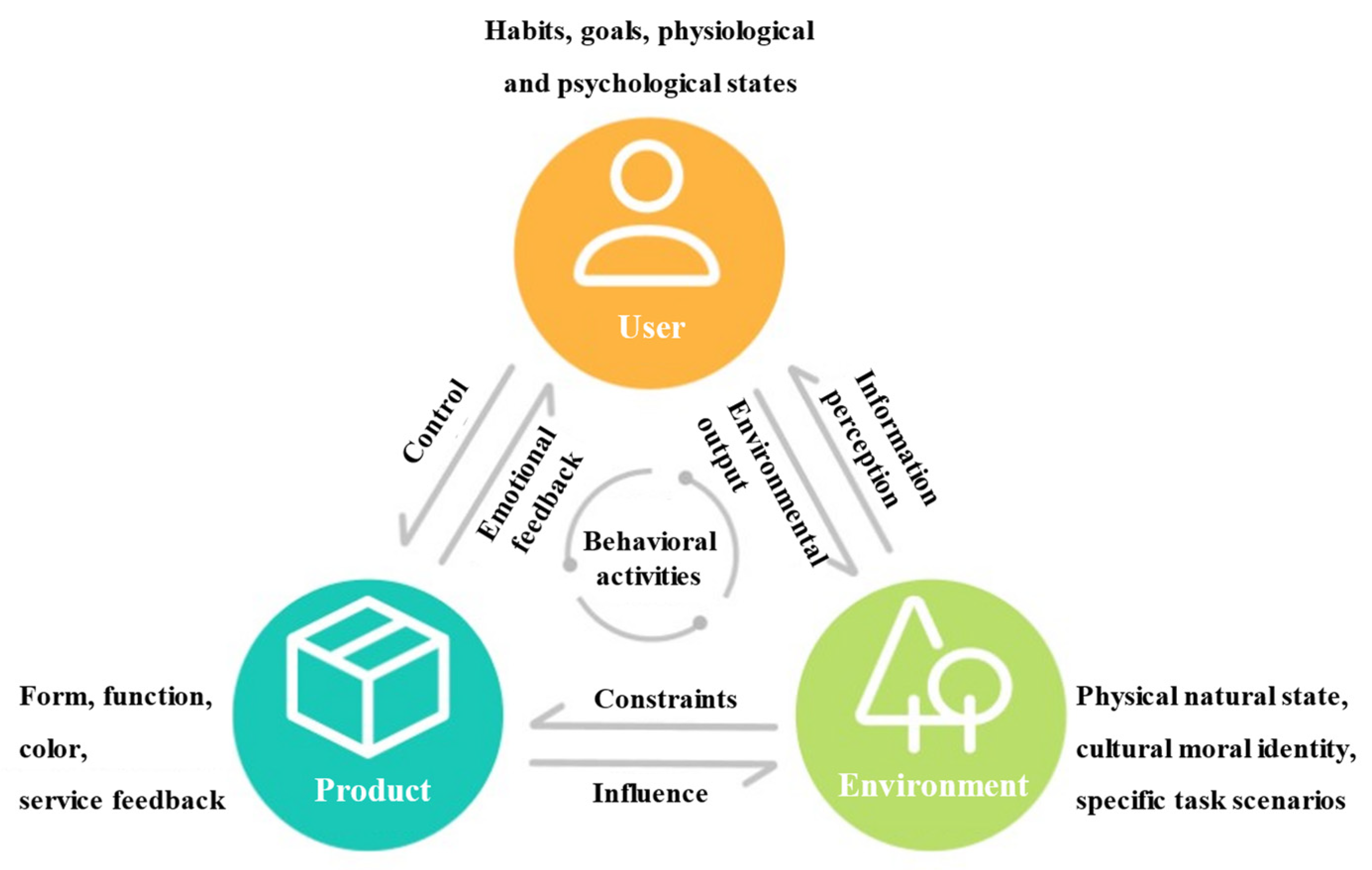
In the early stages of product design, users often struggle to accurately articulate their real needs, making it challenging for designers to grasp the core user requirements, leading to deviations in the design direction. During this phase, the study of user service touchpoints is crucial for uncovering user needs and enhancing the product service experience. The significance of each service touchpoint varies with different user experience contexts [21,22]. Wang [23] introduced service design innovation methods into the design of smart home terminal products, proposing a user service touchpoint correlation model to identify new design opportunities by analyzing user service touchpoints and their connections to user behavior. Bolton [24] guided e-commerce platform service experience design by analyzing the relationship between user service touchpoints and service quality satisfaction. Zhang [25] argued that even when encountering entirely new product forms, users tend to associate them with symbolic elements based on their perceptual memory, demonstrating the connection between user service touchpoints and Kansei cognition. Gentner’s research [26] suggested that Kansei cognition is centered around individual subjective psychological activities, while the overall experience encompasses users, interaction behaviors, environments, etc. The Kansei–experience framework, formed by the two, can describe how users interact with products in a given environment. As Schilit [27] proposed in “situational theory”, the subject of study is the entities involved in the development process, including individuals, related users and products, external environments, and behaviors, as shown in Figure 1.
Figure 1.
An aggregation of users, products, external environments, and behaviors.
Currently, there are numerous studies in the field of product design that utilize user contexts to guide design, and the research methods primarily fall into two categories: the first involves designers immersing themselves as protagonists in specific user scenarios, studying all the behavioral touchpoints in the entire scenario, and deriving final experiential feedback [28,29]; the second employs research, interviews, or on-site observations to obtain real user behavioral processes and experiences in specific scenarios. Nemoto [30] and others explore the “value of context”, proposing a context-based demand analysis framework and applying it to product service system design. Khayamian [31] places target users in the context of sun exposure, observes their specific behaviors and attitudes towards various sunblock product samples, and infers their behavioral habits and product preferences. Chiara et al. [29] focus on an amputees’ scenarios and use questionnaires and interviews to prioritize user characteristics, daily behavioral processes, and pain points, guiding the design of automated prosthetic limbs. Mona Bartling et al. [32] recruit volunteers to study user behavioral processes and click preferences in the context of using map navigation applications, aiming to enhance the user experience of mobile applications.
In summary, situational theory is an effective method for assessing and analyzing user service touchpoints. By investigating and analyzing all relevant elements, behavioral processes, and psychological perceptions of specific users during the completion of a particular event, it optimizes existing processes and uncovers real-time user needs in specific contexts. This ultimately leads to the development of context-based demand models to guide the design process. Compared to the past reliance on design directions based solely on designers’ subjective experiences, using situational theory to extract and analyze various contextual factors, and uncovering real-time user needs in specific contexts, contributes to obtaining genuine user experiences and perceptions, providing a more reliable and effective direction for design. This is especially valuable for products with diverse application scenarios and multifaceted service functions, such as STWESs, as context-specific analysis can make product designs more tailored to the actual needs of users in specific usage scenarios.
2.2. Users’ Kansei Preferences for Products
Currently, emotional preferences have become a significant factor for consumers when purchasing products [33]. In the product design process, Kansei engineering is often used for analyzing users’ emotional preferences to meet their Kansei preferences for products [34]. It aims to explore the relationship between people and objects, translating customers’ perceptions, emotions, and needs for a particular product into specific design parameters. When it comes to the design of STWESs, it is possible to refine aesthetic elements that resonate with users’ aesthetics through Kansei evaluation and integrate them into the product’s appearance design, allowing for mass production while considering users’ Kansei demands for product appearance.
Kansei engineering techniques can be categorized into three types [35]: Type I, which classifies product design elements; Type II, which applies computer technologies like neural network models and genetic algorithms; and Type III, which uses mathematical structural models. In the application of Type II, Xie [36] built a model based on collaborative filtering algorithms for rapidly capturing user Kansei preferences, but this model did not account for cognitive differences arising from users’ varying educational backgrounds, living environments, and personalities. One of the commonly used methods in Type III is QT-1, which is often used to assess the weight of design factors that influence user preferences. In the current practical application of Kansei engineering in the design process, a combination of qualitative and quantitative research methods is widely used to better infer users’ latent Kansei requirements. Liu [37] applied Kansei engineering methods to analyze the perceptual images and product form elements of shared bicycles and established a relationship model through Quantitative Theory I. Li [38] employed a similar approach for electric vehicle research. Xi [39] introduced the “cool” semantic evaluation grid method, combined with QT-1 and fuzzy KANO multilevel deconstruction of “cool” semantic factors, to assist designers in accurately understanding users’ preferences for the style of microelectric vehicles. In addition, AHP and TOPSIS have been widely applied in product evaluation. AHP enables hierarchical prioritization of design attributes, whereas TOPSIS ranks alternatives based on multiple criteria [40]. However, these methods primarily rely on predefined weighting schemes, which may not fully capture users’ emotional and intuitive preferences. Recent studies have explored the role of micro-mobility in urban transport optimization. Bigotte et al. [41] examined shared e-scooters’ integration into urban networks, aligning with STWES development. Furthermore, Kumar et al. [42] analyzed the comparative effectiveness of AHP and TOPSIS in electric vehicle optimization, reinforcing the importance of structured decision-making frameworks in STWES design. These studies provide additional insights into the application of decision-making methodologies in micro-mobility product design and optimization. However, the aforementioned studies lack consideration for the user experience aspect, focusing solely on the product itself, and require optimization based on existing samples in the design, making it challenging to generate breakthrough designs. Therefore, integrating Kansei engineering into situational theory not only complements the deficiencies of Kansei engineering in functional analysis but also enables the generation of creative functional and design requirements based on situational models, optimizing the overall user experience. This approach also provides insights for future research on similar products.
3. Methods
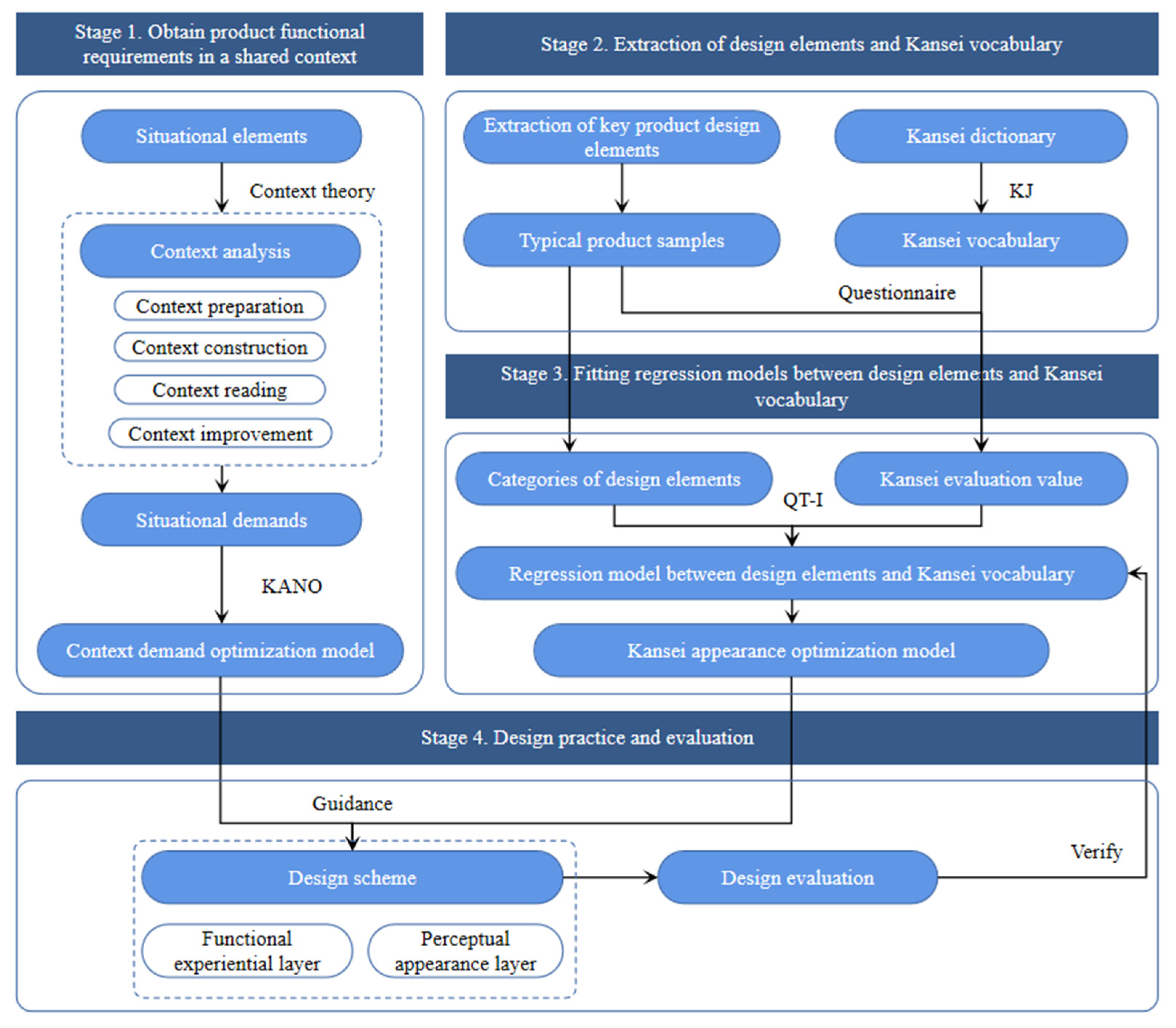
First, break down and analyze the user, product, and environmental elements in the STWES service within a specific context. Clarify the user’s interactive process in a shared context, extract corresponding functional experiential needs guided by situational theory, and build a product context needs optimization model. Then, using Kansei engineering and Quantitative Theory I, fit regression equations between the Kansei evaluations of STWESs in a specific context and various design categories. This output provides guidance for the optimization of STWESs in both functional experiential and Kansei appearance layers, followed by design practices and evaluation (Figure 2).
Figure 2.
A product design method framework that integrates situational theory and Kansei engineering.
3.1. Obtain Product Functional Requirements in a Shared Context
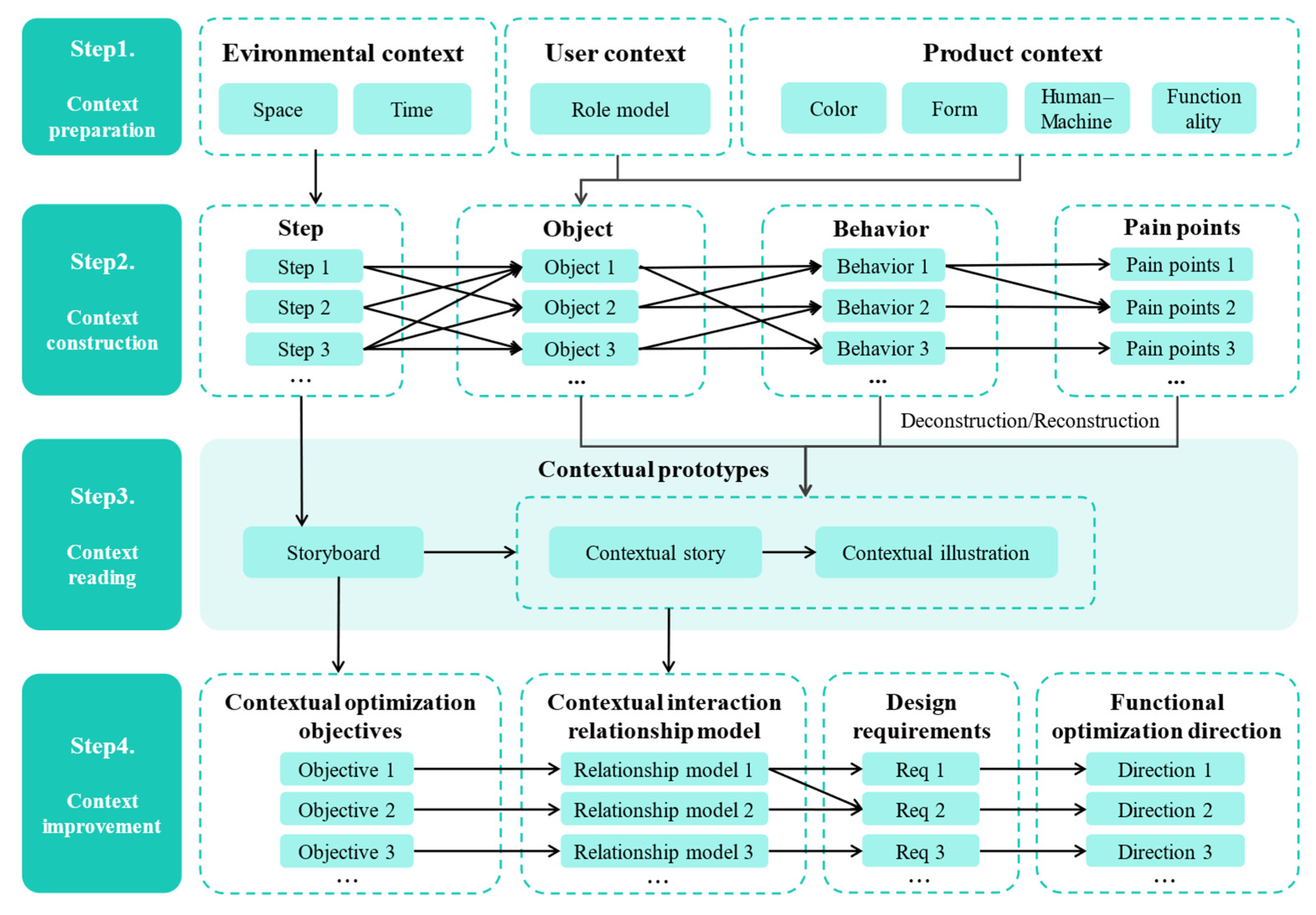
This paper conducts situational analysis of the product in four steps, as shown in Figure 3. Context preparation: determine the research objectives and scope, list potential sub-situations around user context, product context, and environmental context, and intervene in the process of collecting situational data. Context construction: Through surveys, interviews, on-site observations, and experiential experiences, gather relevant information on users’ activities, and organize information effectively. After collecting the data, organize user-product-environment-behavior touchpoints based on the timeline of events and integrate the situational system for this task. Explore all user pain points under each specific touchpoint. Context reading: discuss and analyze the primary situational data obtained, propose corresponding situational prototypes, deconstruct pain points, re-evaluate each touchpoint, and finally generate situational stories and extract explicit and implicit needs within the situational task. Context improvement: summarize the situational optimization directions, develop solutions based on user needs, compare the optimized situation with the original situation, and address any gaps, building a requirement model that meets user expectations for subsequent satisfaction validation of the context demand optimization model.
Figure 3.
The context analysis process.
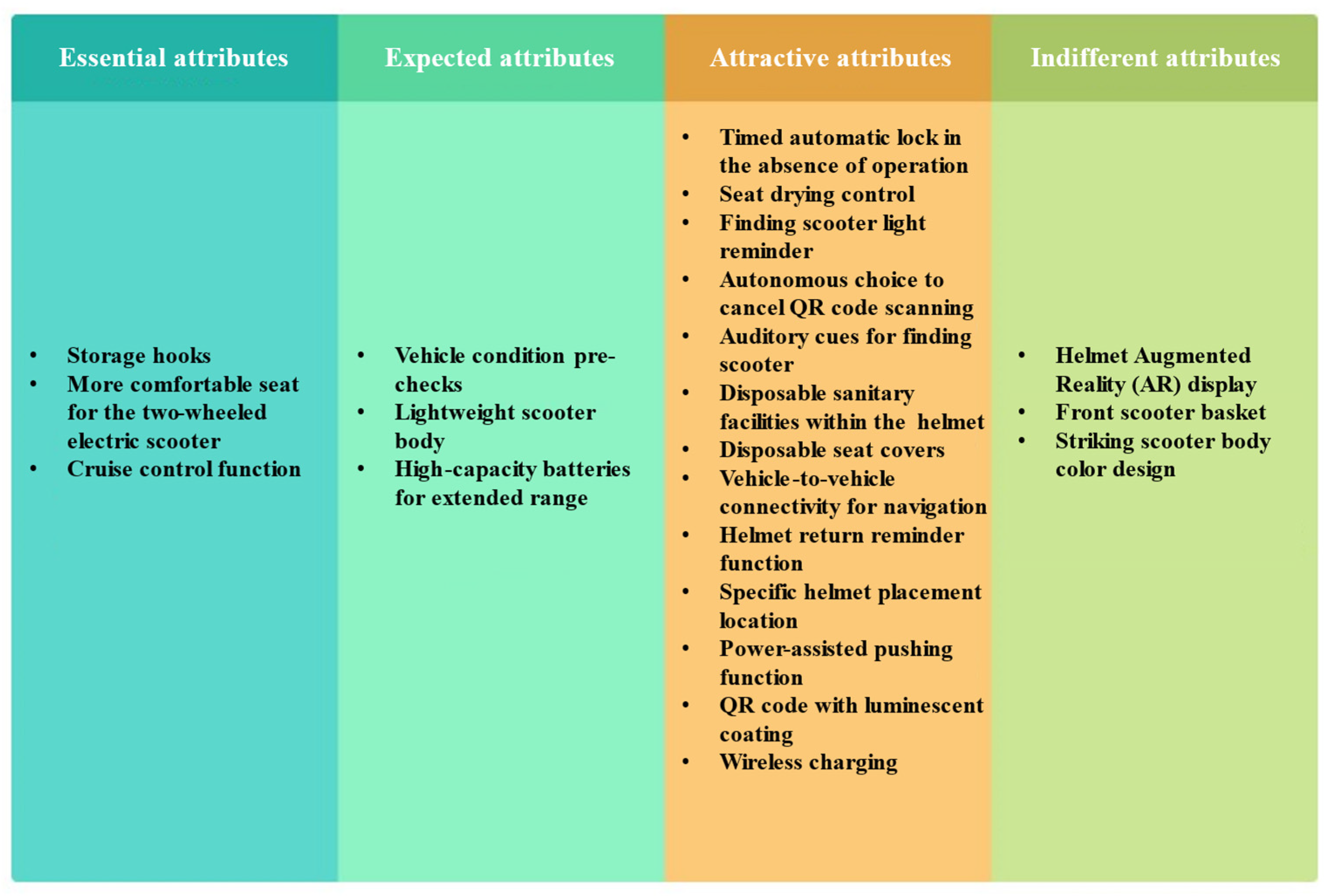
Combining the previous analysis of situational theory, the paper employs the KANO model to classify and grade the compiled functional optimization directions, constructing a relatively systematic functional requirement model. In this model, essential attributes, when missing, significantly reduce user satisfaction. Hence, these functions need to be prioritized. For performance attributes, high-level completion leads to increased user satisfaction, while their absence leads to decreased satisfaction. Hence, these functions also need prioritization. For attractive attributes, high-level completion significantly raises user satisfaction, while their absence has a less pronounced effect on satisfaction. These functions are more about enhancing the product’s appeal and should be considered in conjunction with current technology and cost constraints. Indifferent attributes show no clear relationship with satisfaction, and thus are not considered in subsequent design.
3.2. Extraction of Design Elements and Kansei Vocabulary
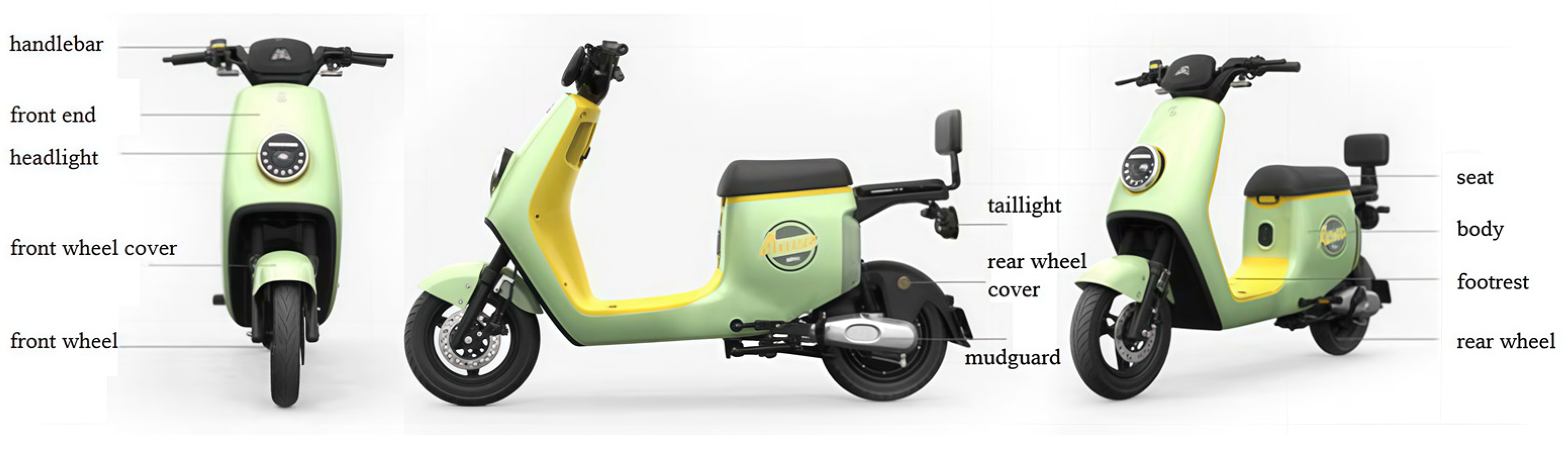
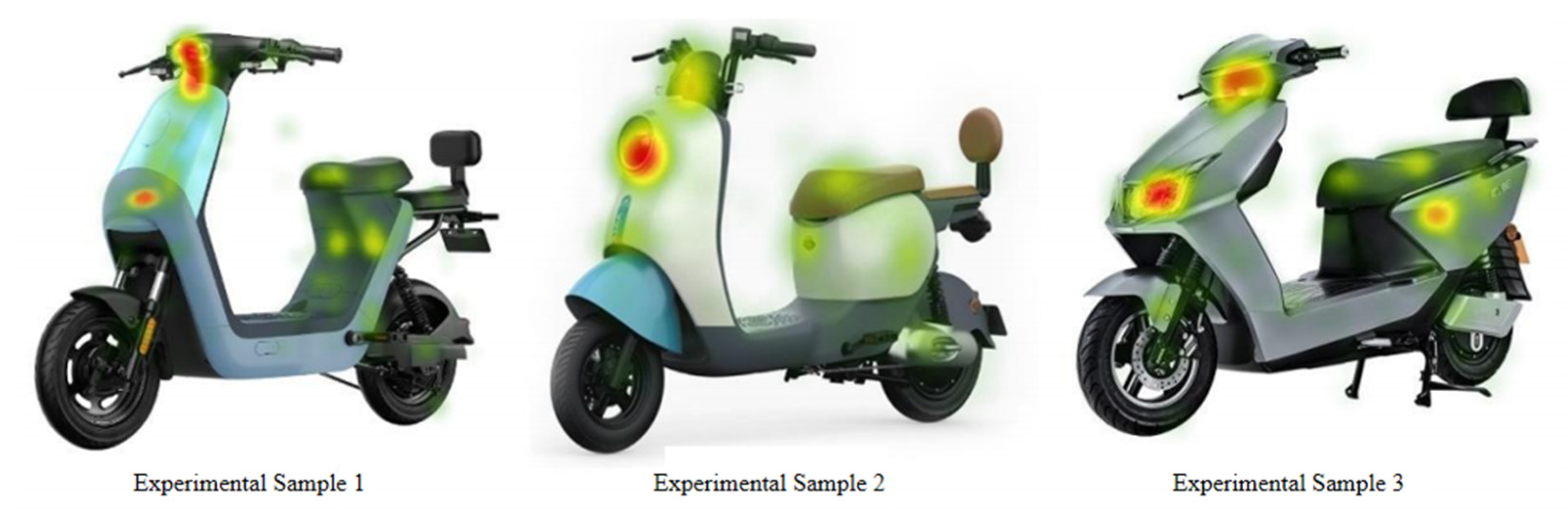
First, focus on the design elements that users are most concerned about by combining questionnaire surveys and eye-tracking experiments. First, select the experimental sample images: Choose a clear vehicle model that includes all major design elements as the sample image for the questionnaire experiment, as shown in Figure 4. Label the design element names and create test images and questionnaires. Invite relevant experts and target users in specific situations to rate the importance of each design element on a scale of 0–5. This process determines the importance ranking of design elements for STWESs. Then, conduct the eye-tracking experiment: Select three different types of STWES, including turtle type, ox type, and eagle type, as the test samples for the eye-tracking experiment. Participants from the previous questionnaire survey are invited to participate in the eye-tracking experiment. User visual preferences are determined by observation duration and the number of observations.
Figure 4.
Compilation of design elements for STWESs.
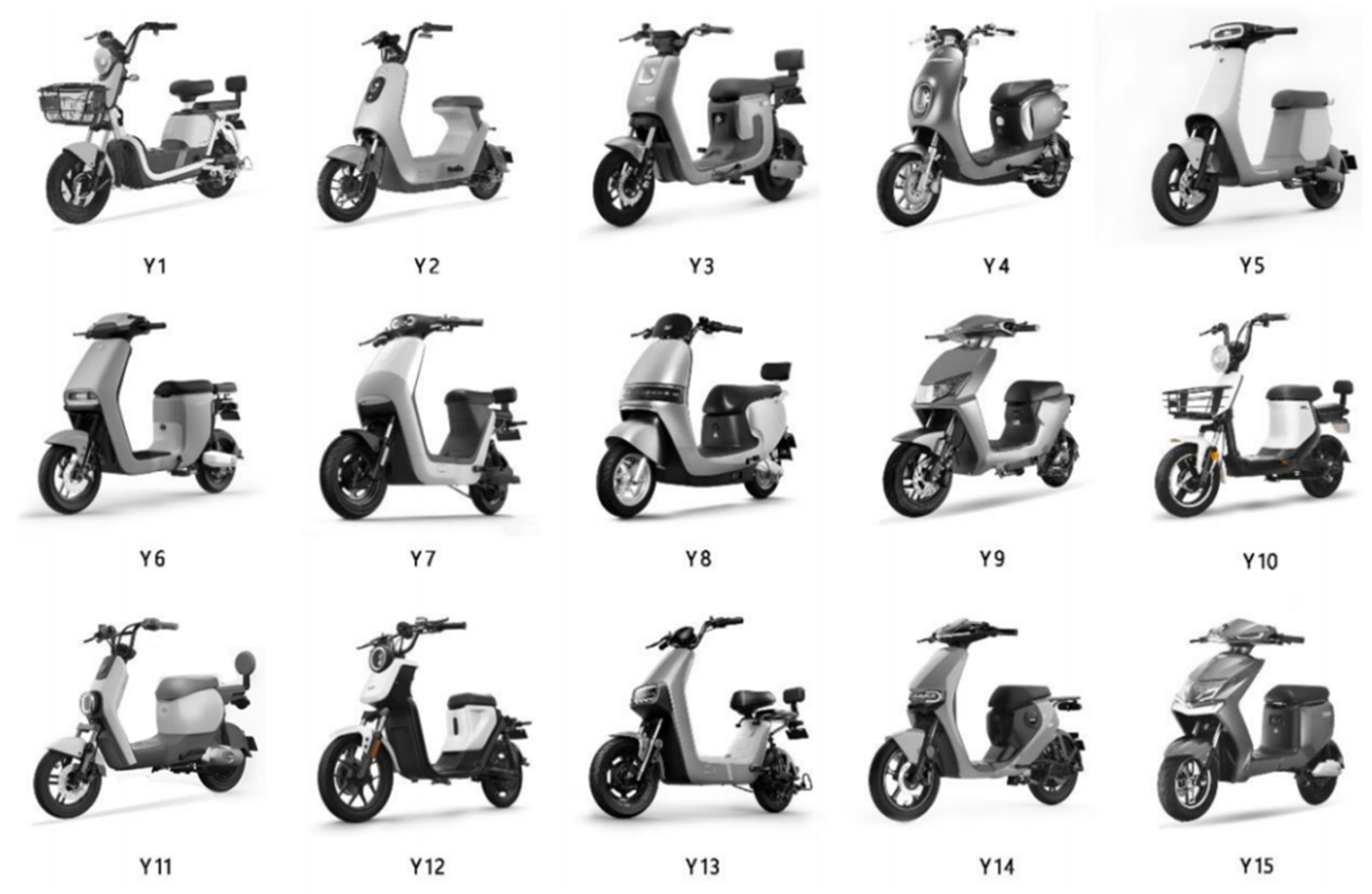
Afterwards, collect sample images from the market that meet the requirements and cluster them to obtain typical samples. Based on these typical samples, further subdivide the design elements that users are most concerned about to create various design categories and codes. Summarize and simplify the categories to form a schematic representation of the categories.
Finally, select and create Kansei vocabulary. Use methods such as literature research, online comments extraction, KJ method evaluation, and expert selection to compile a set of Kansei vocabulary pairs. Combine the typical samples and representative Kansei vocabulary pairs to create questionnaires. Use the Likert seven-point scale to evaluate samples for Kansei image assessment and perform reliability and validity testing on the collected data.
3.3. Fitting Regression Models Between Design Elements and Kansei Vocabulary
According to Quantitative Theory I, take the design elements of TWES models as items, and consider specific design elements as categories. There are n items, and for the gth item, there are rg categories, for a total of categories. For s samples, δs(g,h) (g = 1, 2,…, n; h = 1, 2, …, rg; s = 1, 2, …, k) can represent the reaction equation for the gth item in the Yth electric scooter sample for the hth category. Integrate the elements contained in the samples, transcribe each sample representative image, and label each code as 1 if it possesses a specific form category feature or 0 if it does not. The average values of Kansei word assessments are taken as statistical results, and in conjunction with the encoded matrix, a multivariate linear regression analysis is conducted using IBM SPSS Statistics Version 26.0. This analysis yields the constant terms for each Kansei word equation, the multiple correlation coefficient R, the adjusted coefficient of determination R2, the category scores for each morphological feature, and the partial correlation coefficients for the five major design factors of TWESs.
To construct a semantic equation for the evaluation of Kansei words, with the morphological features of the design categories as independent variables and the values of Kansei word assessments as dependent variables, the following equation is formulated:
In the equation, ys represents the evaluation value of Kansei words, bgh denotes the coefficients corresponding to each design category, specifically indicating the final score for the hth category in the gth design project, and εs represents the final error from the sth sampling. Based on the regression-fitting equations for each Kansei word pair and satisfaction, the positive and negative impacts and their magnitudes of various design categories on Kansei word evaluations are obtained. This process results in the construction of a Kansei appearance optimization model for STWESs.
3.4. Design Practice and Evaluation
Ultimately, the resulting Kansei appearance optimization model, in conjunction with the context demand optimization model discussed earlier, will yield design strategies for both functional experience and Kansei appearance aspects. These strategies serve as guidance for advancing the design solutions. After completing the design practice, the effectiveness of this approach is verified through questionnaire surveys and regression modeling to evaluate the design outcomes.
4. Case Study
4.1. Construction of the Contextual Requirement Optimization Model
4.1.1. Context Preparation
This paper explores the overall behavioral paths of STWESs in the university campus environment in the context of fulfilling users’ commuting tasks conveniently and quickly. The specific context includes the movement between two locations within the campus and the surrounding university city. The main contextual task in this scenario is to facilitate the users’ commuting tasks, which include finding the TWES, riding it, and returning it. Sub-contexts related to this main task involve wearing helmets, navigation, and adjusting the seating.
4.1.2. Context Construction
Through methods such as a literature review, field experiments, and user interviews, the following preliminary conclusions were reached: when faced with medium to long-distance travel within the campus and its surroundings, over 70% of students prefer STWESs as their mode of transportation compared to shared bicycles, privately owned TWESs, and public buses. Additionally, data analysis indicates various factors affecting the user experience with STWESs, such as adverse weather conditions (rain, extreme heat), convenience of unlocking and parking, ride cost, and speed limits. The entire process of using STWESs, from locating the vehicle to returning it, was analyzed and categorized into six steps as shown in Table 1.
Table 1.
Steps for using shared two-wheel electric scooters.
4.1.3. Context Reading
Incorporating the user pain points identified in each step of using the STWESs, focus group discussions and brainstorming sessions were conducted with the STWESs’ users and experts to deduce typical contextual prototypes based on user characteristics. The resulting contextual stories are presented in Table 2.
Table 2.
Typical contextual prototypes.
4.1.4. Context Improvement
Building upon the contextual stories from the previous step, explicit and latent user needs were uncovered through four typical frames. Firstly, based on the elements and their interactions within the context, the entire process of using two-wheelers within the campus was summarized into three contextual design optimization directions: “finding the vehicle context optimization”, “ride preparation/return context optimization”, and “riding context optimization”. Secondly, by analyzing the interactions between users and various devices throughout the process of using the vehicle, core and common requirements were defined after breaking down and analyzing the relationships between different stakeholders and elements. Finally, the design demands in this context interaction were summarized, leading to the derivation of corresponding functional optimization directions (Table 3). The campus shared electric two-wheeler contextual requirement optimization model was developed using the KANO model classification, resulting in Figure 5.
Table 3.
Summary of the interaction relationships.
Figure 5.
Campus STWES contextual demand optimization model.
4.2. Construction of the Kansei Appearance Optimization Model
4.2.1. Extraction and Selection of Design Elements
Nine experts in the field of TWESs and 14 target users of campus STWESs evaluated design elements. The results are presented in Table 4.
Table 4.
Average scores of the design elements.
Three different types of two-wheeled electric vehicles, representing turtle-type, ox-type, and eagle-type designs, each encompassing all common design elements, were selected as test samples. Based on eye-tracking heatmap analysis (Figure 6), the visual attention of campus users focused on the headlights, handlebars, front face, body, and seat. In combination with the results from the previous survey, the study selected the body, seat, front face, handlebar, and headlight as the five major fundamental design elements for STWESs.
Figure 6.
Eye-tracking heatmap for the TWESs.
The images collected from market research were screened, and a second round of review was conducted by experts to obtain 31 images that met the same criteria as the initial sample. Subsequently, the initial sample was subjected to clustering, resulting in a final selection of 15 experimental samples for the research. These samples were randomly labeled as Y1 to Y15, as shown in Figure 7.
Figure 7.
Compilation of typical samples of STWESs.
4.2.2. Simplification of Design Categories
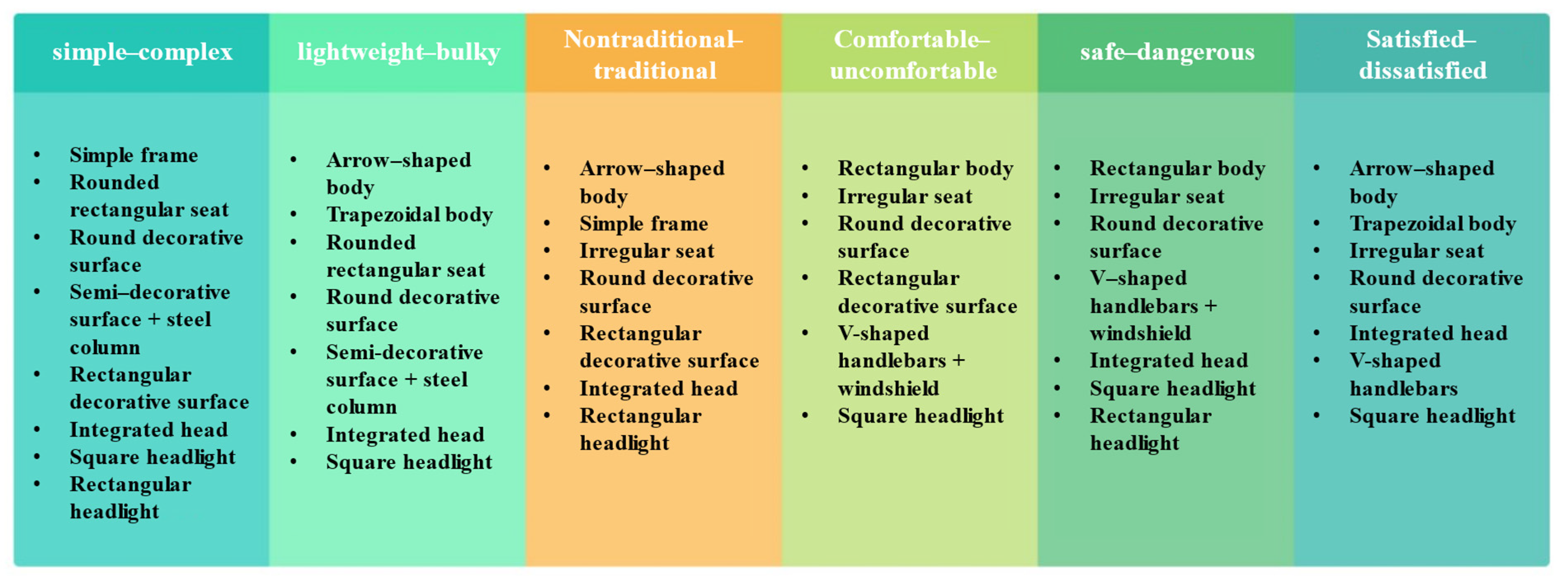
The five design elements were further divided into 19 design categories. For example, the body design element can be divided into four category characteristics: “rectangular”, “trapezoidal”, “arrow-shaped”, and “simple frame” (Table 5).
Table 5.
Summary of the design elements for STWESs.
4.2.3. Obtaining Kansei Evaluation Values for the Typical Samples
For the appearance of campus shared two-wheel electric vehicles, five pairs of Kansei terms were derived: “complex-simple”, “bulky-lightweight”, “traditional-nontraditional”, “uncomfortable-comfortable”, and “dangerous-safe”. Additionally, a satisfaction rating “satisfied-dissatisfied” was included in the set of Kansei evaluation terms.
User evaluations of these terms for 15 typical samples were collected through a questionnaire, with 74 participants, including designers and campus shared electric two-wheeler users. A total of 65 valid questionnaires were collected. Factor analysis was performed on the data using IBM SPSS Statistics Version 26.0, resulting in a KMO value of 0.720, indicating good inter-variable correlations, and a significance level of 0.000. Subsequently, an Alpha model was used to analyze the data for reliability, showing a Cronbach’s Alpha coefficient of 0.801.
In this experiment, there were 15 samples (s = 1, 2, …, 15) and five major design elements (g = 5): body (X1), seat (X2), front face (X3), head (X4), and headlight (X5). Each design element had a varying number of design categories (r1 = 4, r2 = 3, r3 = 4, r4 = 4, r5 = 4). The design element–category coding matrix is presented in Table 6.
Table 6.
Design element–category coding matrix.
4.2.4. Linear Regression Analysis of the Kansei Word Pairs
The multivariate linear regression results for the “simple-complex” word pairs obtained through IBM SPSS Statistics Version 26.0 analysis are presented in Table 7. The word pair “integrated front end” shows a strong positive correlation with the Kansei words, indicating that this design element predominantly exhibits a modern style, overall unity, and aerodynamic features. These qualities can serve as valuable references in future designs. In contrast, the “wing-shaped headlights” exhibit a strong negative correlation with these Kansei words. Wing-shaped headlights are typically used in eagle-themed vehicle models, which incorporate angular and sharp features. Additionally, for this word pair, both the design factors of car seats and the car front-end have partial correlation coefficients exceeding 0.5, indicating that these two design factors have the most significant impact on this set of Kansei words.
Table 7.
Linear regression calculation results for “Simple-Complex”.
The morphological semantic equation for this word pair is as follows:
Similarly, semantic equations for the remaining five pairs of words were constructed. Subsequently, a regression analysis was performed to determine the impact of these Kansei word pairs on user satisfaction. These findings can serve as a reference for future design trends. Table 8 reveals that the model’s adjusted R2 value is 0.714, indicating that simplicity, lightness, nontraditional, safety, and comfort can collectively explain 71.4% of the variation in satisfaction. The F-test for the model yielded an F-value of 14.972 (p = 0.000 < 0.05), signifying that at least one of these attributes (simplicity, lightness, nontraditional, safety, or comfort) affects satisfaction. Specifically, the regression coefficient for “nontraditional” is 0.590 (t = 3.440, p = 0.005 < 0.05), suggesting a significant positive relationship with satisfaction. The regression coefficient for “comfort” is 0.400 (t = 2.330, p = 0.038 < 0.05), indicating a significant positive effect on satisfaction. However, the p-values for simplicity, lightness, and safety are all greater than 0.05, implying no significant impact on satisfaction.
Table 8.
Linear regression results for satisfaction and Kansei words.
To quantify the influence of STWES design attributes on user satisfaction, we conducted multiple regression analysis. The regression coefficient (β) represents the relative impact of each factor, where higher β values indicate a stronger positive effect, and negative β values suggest an inverse relationship. Statistical significance is assessed using t-values and p-values, with p < 0.05 indicating a significant effect. Table 9 presents the regression results, showing that ‘Non-traditional Design’ and ‘Comfort’ significantly enhance user satisfaction, while ‘Safety’ has a negative but statistically insignificant effect. These findings highlight the importance of aesthetic innovation and comfort in STWES design while suggesting that safety concerns may require further investigation.
Table 9.
Impact of STWES design elements on user satisfaction.
The optimization model for the Kansei design of STWES is presented in Figure 8. Furthermore, by fitting models for satisfaction and each Kansei word pair, the two Kansei word pairs with the greatest influence on satisfaction are identified as “nontraditional” and “comfort”. Based on this, further analysis of the fitting equations for the “nontraditional” and “comfort” word pairs is conducted. It is found that “shell-shaped decorative surface” and “square body” have a positive correlation with “comfort”. Additionally, “arrow body” and “rectangular lights” positively influence the perception of “nontraditional”. On the other hand, “simple plate-like body”, “rounded rectangular seats”, and “wing–shaped headlights” are strongly negatively correlated with “comfort”. “Semi–decorative surface” and “V–shaped handlebars” negatively impact the perception of “nontraditional”. These findings can guide the decision to retain or discard specific design categories in future design.
Figure 8.
Kansei appearance optimization model.
4.3. Design Practice and Method Validation
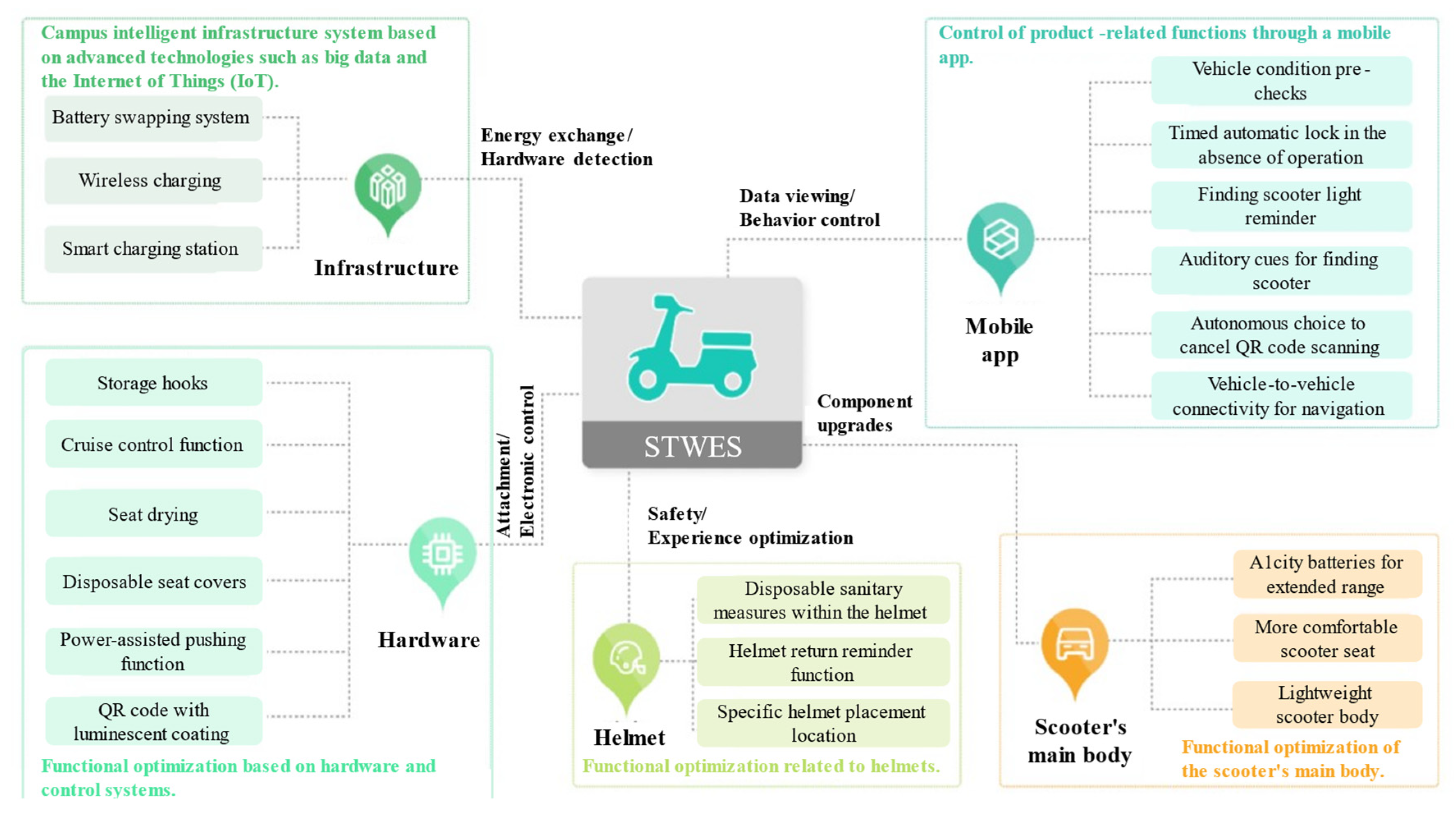
Referring to the optimization model for contextual requirements developed earlier, various attribute-based functional optimization requirements were obtained. These were categorized as basic infrastructure functions, integrated mobile control functions, hardware/chip functions, helmet-related functions, and main body functions. The interrelations and practical operation processes of these categories were taken into account, and a functional system diagram for the campus STWESs was developed (Figure 9).
Figure 9.
Functional System Diagram for Campus STWES.
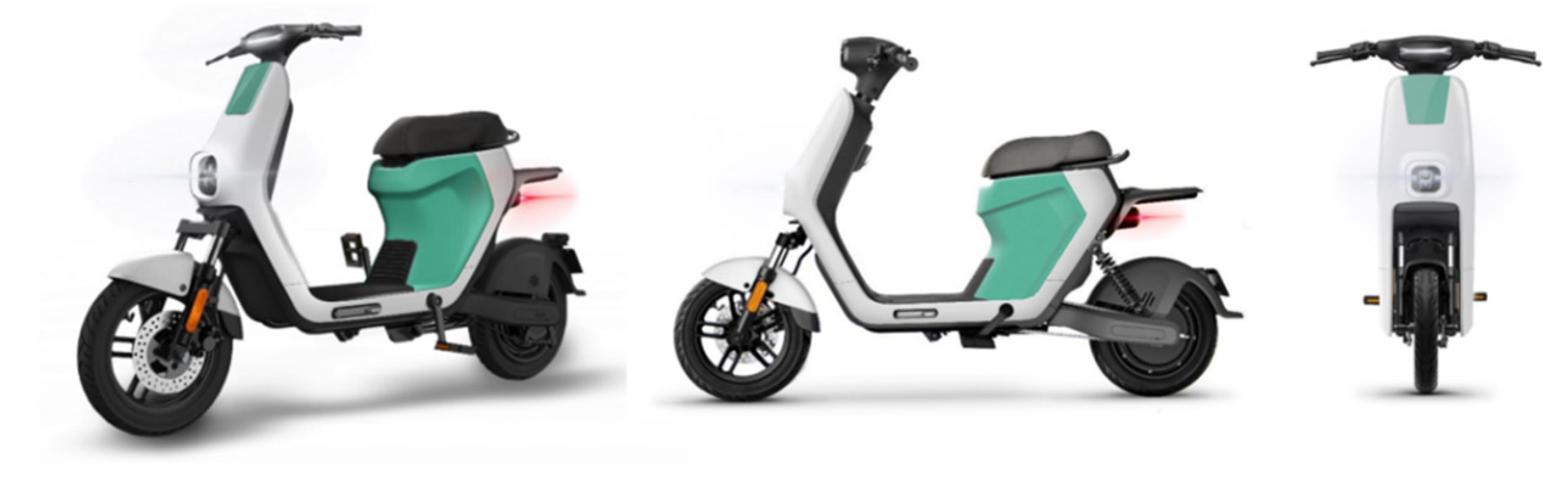
Using the comprehensive analysis of Kansei engineering and quantitative theory type I conducted earlier, Kansei imagery such as “nontraditional” and “comfort” were integrated into the design of the TWESs. This process, combined with the vehicle body and enhancing riding comfort, resulted in a target product with comprehensive design elements. The final design outcome is illustrated in Figure 10.
Figure 10.
Rendering of the campus STWESs.
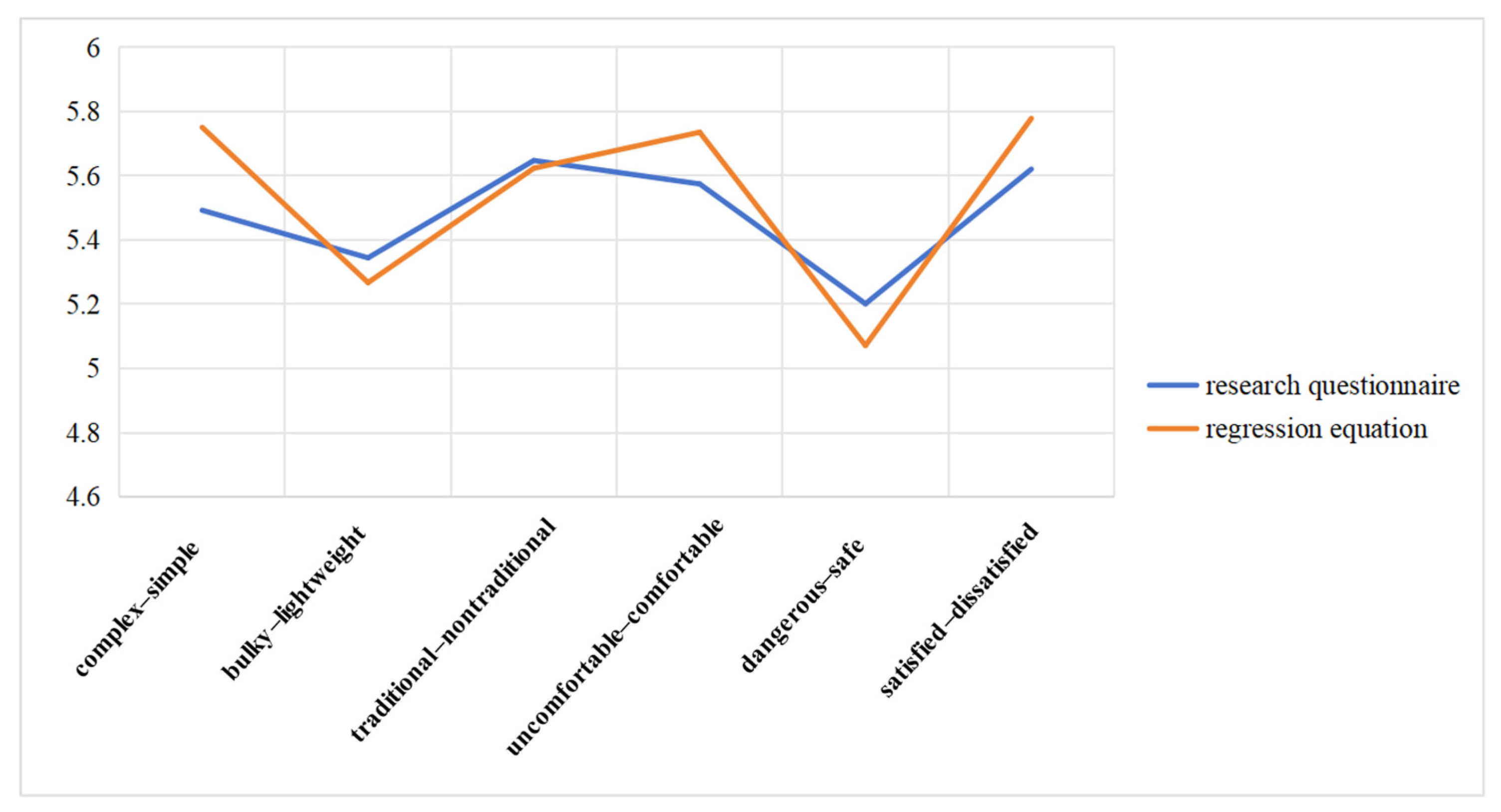
A survey was conducted using a 45-degree frontal view rendering to create a research questionnaire. The questionnaire was distributed to the same group of users who had been previously involved in the research, aiming to eliminate the influence of different user demographics on the evaluation criteria. The questionnaire format remained consistent with a 7-point Likert scale, assessing the aesthetic satisfaction of the new design of the two-wheeled electric scooters. A total of 68 questionnaires were distributed, and 64 valid responses were collected. After organizing the data and calculating the means, the scores for sensory evaluation words regarding the output design proposals are presented in Figure 11. Utilizing the previously fitted sensory evaluation equations, inputting the design categories from the design drawings into the regression model allowed for the calculation of predicted scores for the sensory evaluation words, which were found to be 5.750, 5.267, 5.623, 5.735, 5.071, and 5.778. Furthermore, it is observed that the overall satisfaction with the final design output is higher than the highest satisfaction among the samples in the earlier stages of sensory research (Sample 5: average satisfaction rating of 5.176). Therefore, it can be concluded that the design optimization strategies derived from a combination of sensory engineering and Quantitative Theory I effectively cater to user preferences for the appearance of the target product. This method serves as a scientifically effective means to guide the design optimization of similar products.
Figure 11.
Comparison of the questionnaire scores and regression equation predicted scores.
5. Discussion
This study integrated situational theory and Kansei engineering to jointly guide the product development and design process, resulting in a comprehensive optimization strategy for shared two-wheeled electric scooters (STWESs). Compared to existing designs, such as those presented in patent CN209776676U [17] and by Ninebot [18], our research offers a structured, user-centered methodology. Unlike conventional electric vehicle optimization methods, which primarily address energy efficiency, mechanical performance, and structural enhancements, our study prioritizes user perception and emotional experience. We have demonstrated the effectiveness of combining context theory and Kansei engineering, leveraging their distinct strengths to achieve an optimal balance between functionality and aesthetics.
Taking a situational perspective, this research systematically analyzed the entire STWES usage process, identified key behavioral touchpoints, and addressed both explicit and implicit user needs. This laid a robust foundation for developing practical and user-oriented design solutions. Furthermore, by applying Kansei engineering combined with Quantitative Theory I (QT-I), the study effectively explored users’ aesthetic preferences, offering a quantifiable framework for enhancing the visual and emotional appeal of STWES designs.
Despite these advancements, several limitations remain that warrant future research. First, this study focused exclusively on a university campus setting. While our optimization model offers promising results within this context, its applicability in other environments—such as tourist attractions and industrial parks—requires further validation. Additionally, our primary research participants were university students, resulting in findings predominantly reflecting youthful perspectives. Although the framework proposed may extend to other demographic groups, including working professionals and tourists, future studies should incorporate broader demographic samples to better understand variations in user preferences across diverse mobility contexts. In addition, previous studies have emphasized that perceptions of safety and the built environment—as well as individual socio-demographic factors such as gender—may also shape attitudes toward shared mobility products like STWESs. These contextual variables are worth further exploration to understand how environmental cues and personal attributes influence perceived usability, safety, and satisfaction [12,13].
Moreover, due to constraints in time and resources, our design practice emphasized optimization of functional experiences and Kansei aesthetics, with relatively limited consideration of structural details, interfaces, and human–computer interactions. Future research should explore ergonomic enhancements in greater depth, particularly addressing handlebar grip comfort, seat ergonomics, and interactive control interfaces to further improve user satisfaction. The methodology’s reliance on subjective evaluation methods like KANO and QT-I also suggests potential variability when applied across diverse populations. User demographics significantly influence preference categorization and Kansei factor interpretation. Therefore, future studies should examine the robustness and consistency of these methodologies within broader urban populations, including elderly users and other professional groups, to ensure wider applicability and reliability.
Additionally, integrating STWES design improvements with urban infrastructure planning and policy frameworks holds substantial promise for enhancing user safety and overall experience. As STWESs become increasingly integral to urban last-mile solutions, investigating their integration into multi-modal transportation systems could significantly contribute to sustainable urban mobility. Optimizing riding comfort remains another key challenge. Future investigations should examine factors such as road-induced vibrations, seat ergonomics, and handlebar stability through biomechanical testing and user trials. Previous research has highlighted the critical influence of vibration on rider comfort and physical health. For example, Basri [19] demonstrated that vibrations transmitted through scooter handlebars and seating significantly decrease perceived comfort, potentially causing fatigue and discomfort, thus affecting long-term adoption rates. Similarly, Basri and Vijayakumar [20] identified that sustained exposure to vibrations, particularly at specific frequencies, adversely impacts rider comfort and increases the risk of musculoskeletal issues. Therefore, future research should specifically incorporate ergonomic enhancements like vibration-damping seats, handlebar grips, and suspension systems, validated through empirical user testing and biomechanical analysis, to holistically improve rider comfort and safety. Economic feasibility, including analyses of cost-effectiveness, user willingness to pay, and operational sustainability, should also be prioritized to inform practical deployment strategies.
Lastly, integrating advanced safety features, mobile app interactions, and real-time user feedback mechanisms represent promising future directions. Potential innovations include smart alert systems, adaptive braking technologies, and AI-driven ride analytics. Incorporating continuous feedback mechanisms—such as ride experience ratings, real-time parking availability, and predictive vehicle diagnostics—could significantly refine system usability. Future studies should further explore AI-based data processing and adaptive learning models to enhance operational efficiency and user satisfaction.
6. Conclusions
With the continuous advancement of smart and IoT (Internet of Things) technologies, shared two-wheeled electric scooters (STWESs) are expected to attract increasing attention for their convenience, flexibility, and sustainability. This study investigates campus-specific usage scenarios of STWESs, employing a multi-theoretical integration approach to comprehensively explore users’ multidimensional needs. Guided by context theory, we identified key functional optimization points within user-product interactions, while Kansei engineering combined with Quantitative Theory Type I (QT-1) was utilized to analyze and fulfill users’ emotional and aesthetic preferences. Consequently, our research provides an integrative, structured methodology to balance functionality with user experience in STWES design. Moreover, the QT-1-based regression model developed herein offers a quantifiable framework for refining both aesthetic appeal and practical functionality, enhancing the overall effectiveness of micro-mobility design solutions.
To facilitate real-world implementation, manufacturers should prioritize user-centered enhancements such as ergonomic handlebar grips, improved seat comfort, and AI-driven vehicle personalization. Modular scooter designs and integrated smart docking stations are also recommended, as these can significantly enhance usability, operational flexibility, and fleet efficiency. Concurrently, from an urban planning perspective, the integration of STWES-friendly infrastructure—including dedicated parking zones, accessible charging hubs, and improved road connectivity—is essential. Such infrastructure enhancements could markedly encourage broader adoption and ensure safer operations across diverse urban environments.
Future research could expand upon this foundation by exploring alternative optimization frameworks, such as multi-criteria decision-making (MCDM) models (e.g., AHP, TOPSIS), to further validate and enrich the findings. Additionally, empirical testing across diverse user demographics beyond university campuses—including urban commuters, elderly populations, and tourists—would be beneficial for verifying the robustness and applicability of the proposed methodology.
Author Contributions
Conceptualization, J.Y. and Y.G.; methodology, J.Y. and Y.G.; software, Y.G., H.L. and F.Y.; validation, Y.G., H.L. and F.Y.; formal analysis, J.Y., H.L., F.Y. and C.Y.; investigation, Y.G.; resources, J.Y. and C.Y.; writing—original draft, Y.G. and F.Y.; writing—review & editing, J.Y., H.L. and C.Y.; visualization, Y.G., H.L. and F.Y.; supervision, J.Y. and C.Y.; project administration, J.Y.; funding acquisition, J.Y. and C.Y. All authors have read and agreed to the published version of the manuscript.
Funding
This research was funded by Humanities and Social Sciences Research Planning Youth Fund project of Ministry of Education of China (23YJC760144), Project supported by Shanghai Summit Discipline in Design (DC19301), The Fundamental Research Funds for the Central Universities of China (JKZ01212202, JKZ022023001), Sponsored by Shanghai Pujiang Program (2020PJC025), The Generative Design Talent Studio Project for Colleges and Universities of Shanghai Municipal Education Commission (SZ2409Z0001).
Institutional Review Board Statement
Ethical review and approval were waived for this study in accordance with Article 32 of the Policy Regulations for Ethical Review of Life Science and Medical Research Involving Human Beings issued by the National Health Commission of the People’s Republic of China, the Ministry of Education, the Ministry of Science and Technology, and the National Administration of Traditional Chinese Medicine. The research involved anonymous questionnaire data and did not collect any sensitive personal information or cause harm to individuals. The exemption has been confirmed by the institutional ethics review management office.
Informed Consent Statement
Informed consent was obtained from all participants prior to the questionnaire survey. All participants were informed of the study’s purpose and voluntarily signed a written informed consent form. No personally identifiable information is included in the paper.
Data Availability Statement
The original contributions presented in this study are included in the article. Further inquiries can be directed to the corresponding author.
Conflicts of Interest
The authors declare no conflict of interest.
References
- Mouratidis, K. Bike-Sharing, Car-Sharing, e-Scooters, and Uber: Who Are the Shared Mobility Users and Where Do They Live? Sustain. Cities Soc. 2022, 86, 104161. [Google Scholar] [CrossRef]
- Bieliński, T.; Ważna, A. Electric Scooter Sharing and Bike Sharing User Behaviour and Characteristics. Sustainability 2020, 12, 9640. [Google Scholar] [CrossRef]
- Jou, R.-C.; Lin, C.W.; Wang, P.L. College Students’ Choice Behavior of Electric Two-Wheeled Vehicle. J. Adv. Transp. 2022, 2022, 4136191. [Google Scholar] [CrossRef]
- Patil, M.; Majumdar, B.B.; Sahu, P.K.; Truong, L.T. Evaluation of Prospective Users’ Choice Decision toward Electric Two-Wheelers Using a Stated Preference Survey: An Indian Perspective. Sustainability 2021, 13, 3035. [Google Scholar] [CrossRef]
- Christoforou, Z.; De Bortoli, A.; Gioldasis, C.; Seidowsky, R. Who Is Using E-Scooters and How? Evidence from Paris. Transp. Res. Part D Transp. Environ. 2021, 92, 102708. [Google Scholar] [CrossRef]
- Weiss, M.; Dekker, P.; Moro, A.; Scholz, H.; Patel, M.K. On the Electrification of Road Transportation—A Review of the Environmental, Economic, and Social Performance of Electric Two-Wheelers. Transp. Res. Part D Transp. Environ. 2015, 41, 348–366. [Google Scholar] [CrossRef]
- Longo, M.; Hossain, C.A.; Roscia, M. Smart Mobility for Green University Campus. In Proceedings of the 2013 IEEE PES Asia-Pacific Power and Energy Engineering Conference (APPEEC), Hong Kong, China, 8–11 December 2013. [Google Scholar]
- Eccarius, T.; Lu, C.-C. Adoption Intentions for Micro-Mobility—Insights from Electric Scooter Sharing in Taiwan. Transp. Res. Part D Transp. Environ. 2020, 84, 102327. [Google Scholar] [CrossRef]
- Bakker, S. Electric Two-Wheelers, Sustainable Mobility and the City. In Sustainable Cities—Authenticity, Ambition and Dream; Almusaed, A., Almssad, A., Eds.; IntechOpen: London, UK, 2019; ISBN 978-1-78985-523-4. [Google Scholar]
- Thuy, T.T.; Hong, P.T.T. Attitude to and Usage Intention of High School Students Toward Electric Two-Wheeled Vehicles in Hanoi City. VNU J. Econ. Bus. 2019, 35, 47–62. [Google Scholar] [CrossRef]
- Yang, C.; Liu, F.; Ye, J. A Product Form Design Method Integrating Kansei Engineering and Diffusion Model. Adv. Eng. Inform. 2023, 57, 102058. [Google Scholar] [CrossRef]
- Coppola, P.; Silvestri, F. Gender Inequality in Safety and Security Perceptions in Railway Stations. Sustainability 2021, 13, 4007. [Google Scholar] [CrossRef]
- Lu, H.; Gan, H. Unraveling the Influence of Perceived Built Environment on Commute Mode Choice Based on Hybrid Choice Model. Appl. Sci. 2024, 14, 7921. [Google Scholar] [CrossRef]
- Longe, O.M. An Expository Comparison of Electric Vehicles and Internal Combustion Engine Vehicles in Africa—Motivations, Challenges and Adoption Strategies. In Proceedings of the 2022 IEEE PES/IAS PowerAfrica, Kigali, Rwanda, 22–26 August 2022. [Google Scholar]
- Chachdi, A.; Rahmouni, B.; Aniba, G. Socio-Economic Analysis of Electric Vehicles in Morocco. Energy Procedia 2017, 141, 644–653. [Google Scholar] [CrossRef]
- Babar, A.H.K.; Ali, Y.; Khan, A.U. Moving toward Green Mobility: Overview and Analysis of Electric Vehicle Selection, Pakistan a Case in Point. Environ. Dev. Sustain. 2021, 23, 10994–11011. [Google Scholar] [CrossRef]
- Zhan, H.; Li, Y. Modular Electric Scooter. CN Patent CN209776676U, 13 December 2019. [Google Scholar]
- Segway-Ninebot. Record-Breaking: Segway-Ninebot’s Global Sales of Smart eKickScooter Exceed 1.3 Million Units. Available online: https://www.prnewswire.com/news-releases/record-breaking-segway-ninebots-global-sales-of-smart-ekickscooter-exceed-13-million-units-302285907.html (accessed on 8 March 2025).
- Basri, B.; Griffin, M.J. Predicting Discomfort from Whole-Body Vertical Vibration When Sitting with an Inclined Backrest. Appl. Ergon. 2013, 44, 423–434. [Google Scholar] [CrossRef]
- Vijayakumar, K.; Raman Jagadeeswaran, K. Evaluation of Human Exposure to Vibration in the Hand-Arm System during Motorcycle Riding Activities. Work 2023, 75, 1319–1330. [Google Scholar] [CrossRef]
- Rosenbaum, M.S.; Otalora, M.L.; Ramírez, G.C. How to Create a Realistic Customer Journey Map. Bus. Horiz. 2017, 60, 143–150. [Google Scholar] [CrossRef]
- Halvorsrud, R.; Kvale, K.; Følstad, A. Improving Service Quality through Customer Journey Analysis. J. Serv. Theory Pract. 2016, 26, 840–867. [Google Scholar] [CrossRef]
- Wang, W.; Wei, T.; Zhang, Y.; Wang, Y. A Method of Intelligent Product Design Cue Construction Based on Customer Touchpoint Correlation Analysis and Positive Creativity Theory. Adv. Mech. Eng. 2019, 11, 1687814018819347. [Google Scholar] [CrossRef]
- Bolton, R.N.; Gustafsson, A.; Tarasi, C.O.; Witell, L. Designing Satisfying Service Encounters: Website versus Store Touchpoints. J. Acad. Mark. Sci. 2022, 50, 85–107. [Google Scholar] [CrossRef]
- Zhang, S.; Wang, S.; Zhou, A.; Liu, S.; Su, J. Cognitive Matching of Design Subjects in Product Form Evolutionary Design. Comput. Intell. Neurosci. 2021, 2021, 8456736. [Google Scholar] [CrossRef]
- Gentner, A.; Bouchard, C.; Favart, C. Representation of Intended User Experiences of a Vehicle in Early Design Stages. Int. J. Veh. Des. 2018, 78, 161–184. [Google Scholar] [CrossRef]
- Schilit, B.; Adams, N.; Want, R. Context-Aware Computing Applications. In Proceedings of the 1994 First Workshop on Mobile Computing Systems and Applications, Santa Cruz, CA, USA, 8–9 December 1994; pp. 85–90. [Google Scholar]
- Hernandez Bueno, A.V. Becoming a Passenger: Exploring the Situational Passenger Experience and Airport Design in the Copenhagen Airport. Mobilities 2021, 16, 440–459. [Google Scholar] [CrossRef]
- Fanciullacci, C.; McKinney, Z.; Monaco, V.; Milandri, G.; Davalli, A.; Sacchetti, R.; Laffranchi, M.; De Michieli, L.; Baldoni, A.; Mazzoni, A.; et al. Survey of Transfemoral Amputee Experience and Priorities for the User-Centered Design of Powered Robotic Transfemoral Prostheses. J. NeuroEng. Rehabil. 2021, 18, 168. [Google Scholar] [CrossRef]
- Nemoto, Y.; Uei, K.; Sato, K.; Shimomura, Y. A Context-Based Requirements Analysis Method for PSS Design. Procedia CIRP 2015, 30, 42–47. [Google Scholar]
- Esfahani, B.K. Putting User in Context: A Participatory Design Approach Using a Simulated Beach Environment. In Proceedings of the Design Society: DESIGN Conference; Cambridge University Press: London, UK, 2020; Volume 1, pp. 1941–1948. [Google Scholar]
- Bartling, M.; Robinson, A.C.; Resch, B.; Eitzinger, A.; Atzmanstorfer, K. The Role of User Context in the Design of Mobile Map Applications. Cartogr. Geogr. Inf. Sci. 2021, 48, 432–448. [Google Scholar] [CrossRef]
- Chang, Y.-M.; Chen, C.-W. Kansei Assessment of the Constituent Elements and the Overall Interrelations in Car Steering Wheel Design. Int. J. Ind. Ergon. 2016, 56, 97–105. [Google Scholar] [CrossRef]
- Baroroh, D.K.; Amalia, M.; Lestari, N.P. Kansei Engineering Approach for Developing Electric Motorcycle. Commun. Sci. Technol. 2019, 4, 50–56. [Google Scholar] [CrossRef][Green Version]
- Nagamachi, M. Kansei Engineering: A New Ergonomic Consumer-Oriented Technology for Product Development. Int. J. Ind. Ergon. 1995, 15, 3–11. [Google Scholar] [CrossRef]
- Xie, N.; Chen, D.; Fan, Y.; Zhu, M. The Acquisition Method of the User’s Kansei Needs Based on Double Matrix Recommendation Algorithm. J. Intell. Fuzzy Syst. 2021, 41, 3809–3820. [Google Scholar] [CrossRef]
- Liu, F.; Gao, X.; Li, Y.; Hao, R.; Huang, W.; Yang, T. Research on Bicycle Shape Design Method Based on Kansei Engineering. In Proceedings of the 2021 2nd International Conference on Intelligent Design (ICID), Xi’an, China, 19 October 2021; pp. 393–398. [Google Scholar]
- Li, M.; He, C.; Lu, Z.; Huang, L. Quantitative Research on the Relationship Between Design Elements and Kansei Image of Electric Vehicle Styling. In Advances in Interdisciplinary Practice in Industrial Design; Springer: Berlin/Heidelberg, Germany, 2020; Volume 968, pp. 240–250. [Google Scholar]
- Xi, L.; Li, S.-N.; Zhang, H.; Cheng, J.-X. Cool Semantics of Mini Electric Vehicles Considering Appearance Attractive Factors. Int. J. Veh. Des. 2022, 88, 12–32. [Google Scholar] [CrossRef]
- Lin, M.-C.; Wang, C.-C.; Chen, M.-S.; Chang, C.A. Using AHP and TOPSIS Approaches in Customer-Driven Product Design Process. Comput. Ind. 2008, 59, 17–31. [Google Scholar] [CrossRef]
- Bigotte, J.F.; Ferrao, F. The Future Role of Shared E-Scooters in Urban Mobility: Preliminary Findings from Portugal. Sustainability 2023, 15, 16467. [Google Scholar] [CrossRef]
- Kumar, P.; Channi, H.K.; Kumar, R.; Stević, Ž.; Singh, S.; Bhattacherjee, A.; Bhowmik, A. Optimizing Electric Mobility: A Multi-Criteria Decision-Making Approach for Sustainable Future of Electric Vehicles Through Smart Motor Choices. J. Eur. Syst. Autom. 2024, 57, 1825–1845. [Google Scholar] [CrossRef]
Disclaimer/Publisher’s Note: The statements, opinions and data contained in all publications are solely those of the individual author(s) and contributor(s) and not of MDPI and/or the editor(s). MDPI and/or the editor(s) disclaim responsibility for any injury to people or property resulting from any ideas, methods, instructions or products referred to in the content. |
© 2025 by the authors. Licensee MDPI, Basel, Switzerland. This article is an open access article distributed under the terms and conditions of the Creative Commons Attribution (CC BY) license (https://creativecommons.org/licenses/by/4.0/).