Article

Sustainable Utilization of Dewatered Sewage Sludge via Hydrothermal Conversion: Focus on Steroid Transformation


1
College of Civil Engineering, Yancheng Institute of Technology, No. 1 Xiwang Middle Road, Yancheng 224051, China
2
Coastal City Low Carbon Construction Engineering Technology Research Center, Yancheng 224056, China
3
Institute of Water Science in Coastal Regions of Jiangsu Province, Dongtai 224200, China
*
Author to whom correspondence should be addressed.
Sustainability 2025, 17(7), 2815; https://doi.org/10.3390/su17072815
Submission received: 17 February 2025 / Revised: 16 March 2025 / Accepted: 18 March 2025 / Published: 21 March 2025
(This article belongs to the Section Energy Sustainability)

Abstract

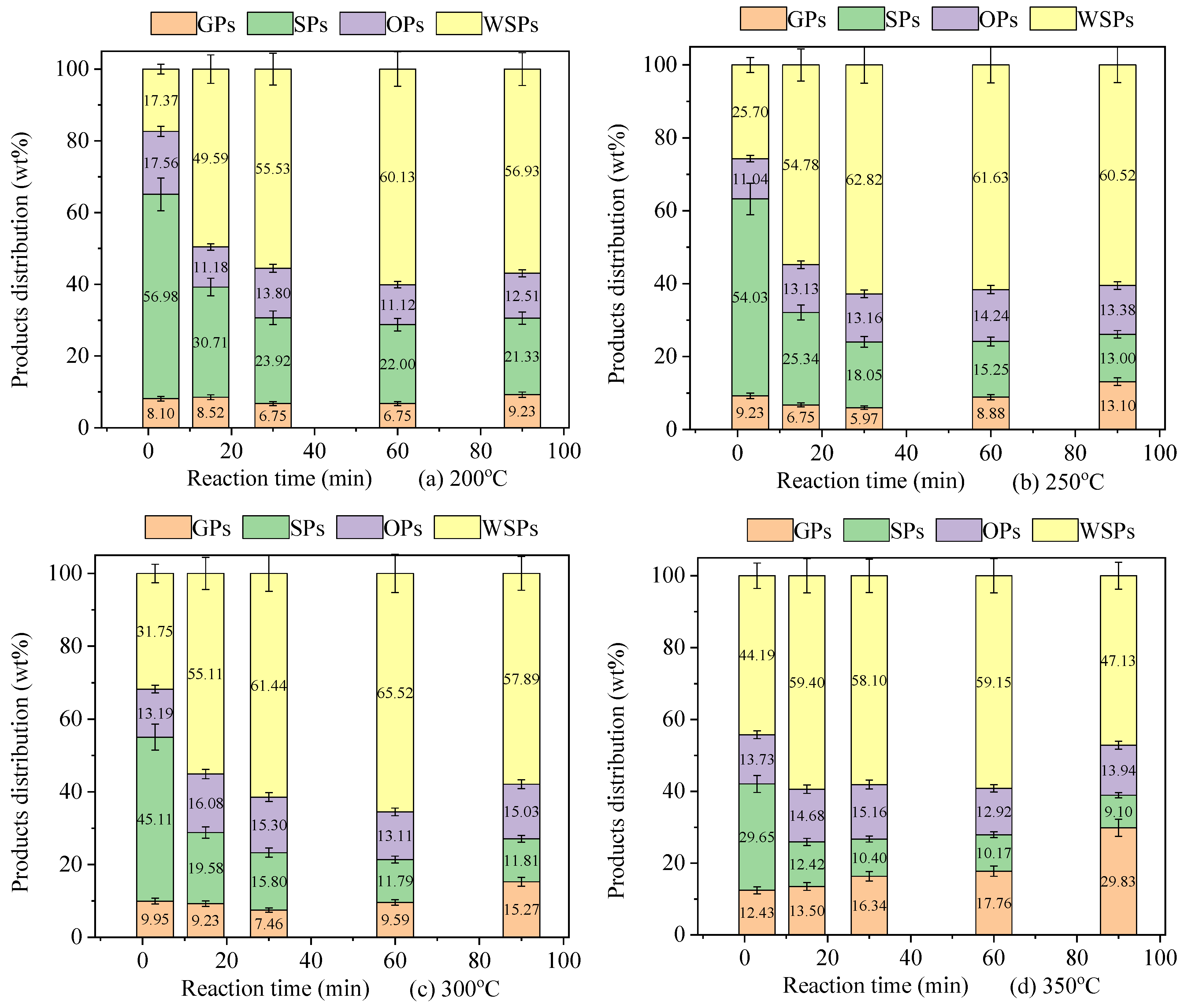
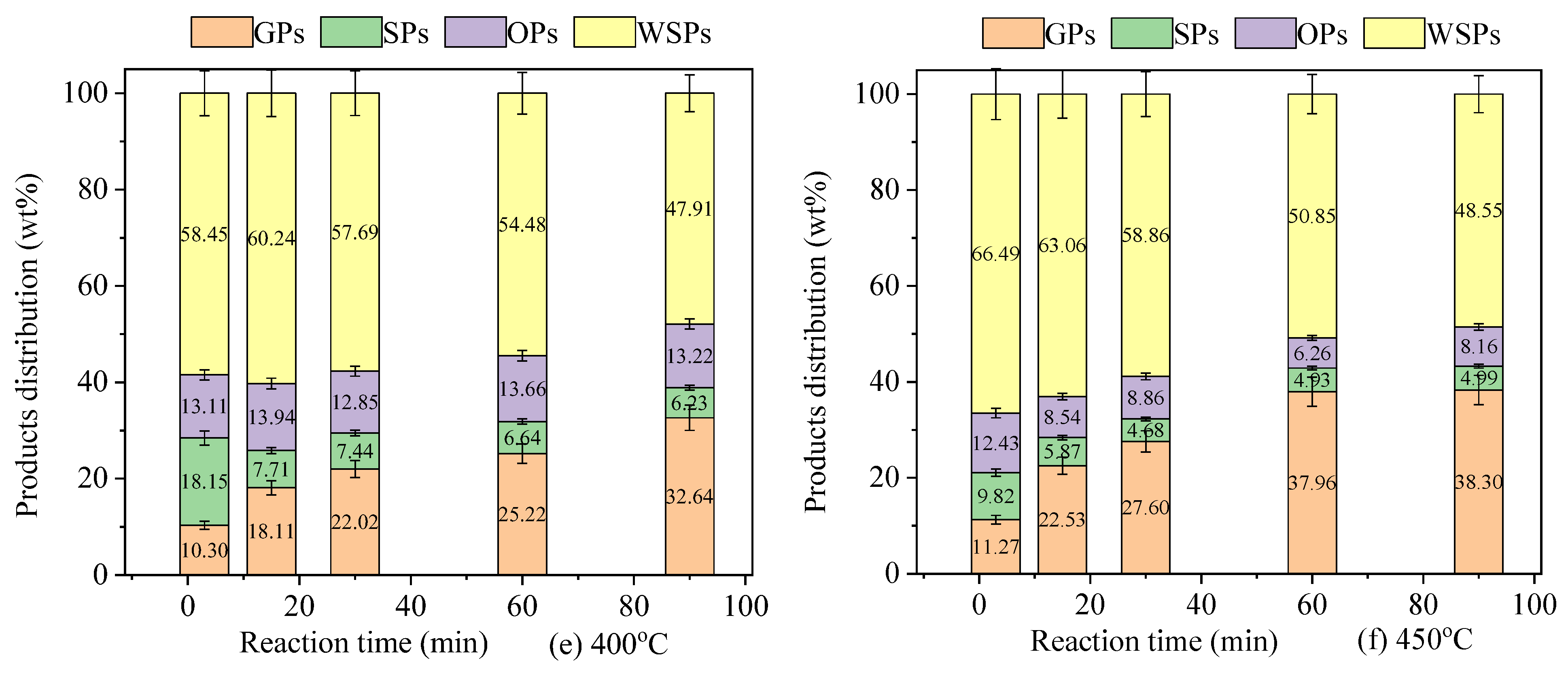
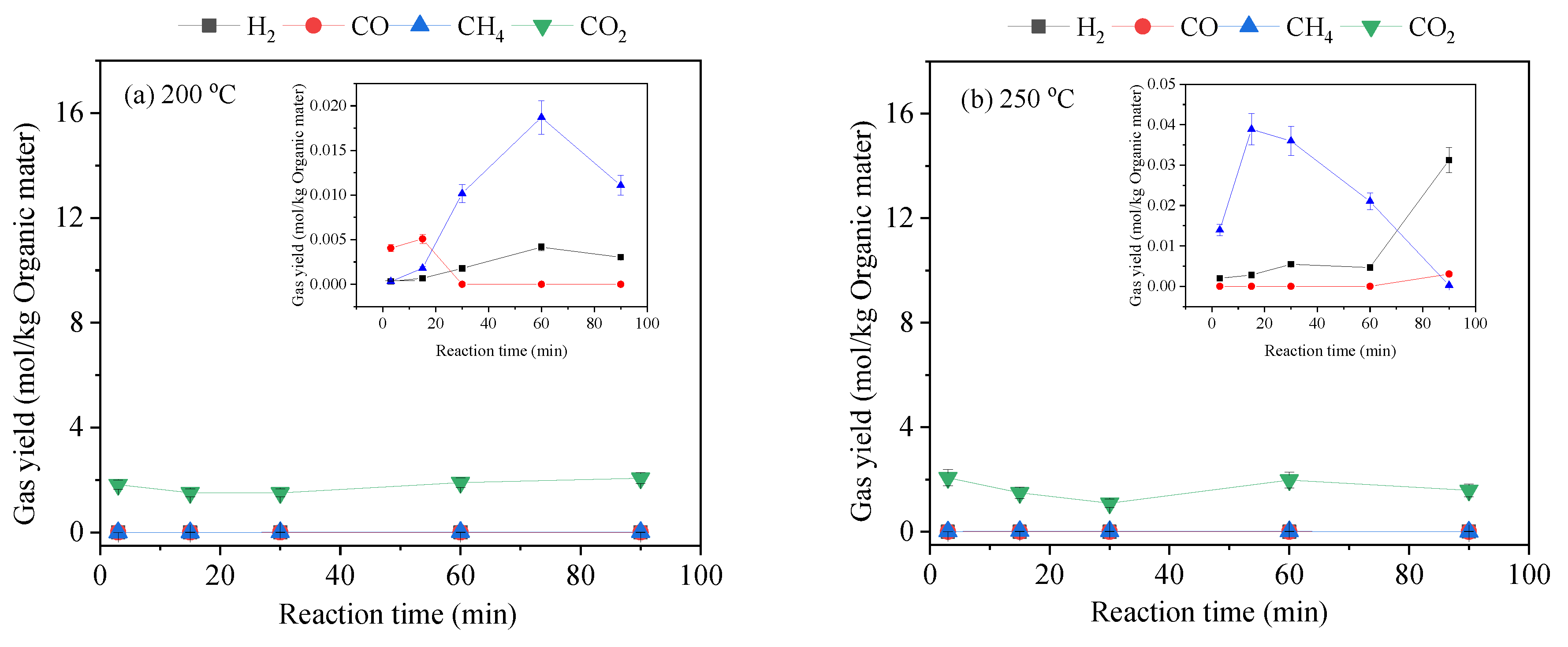
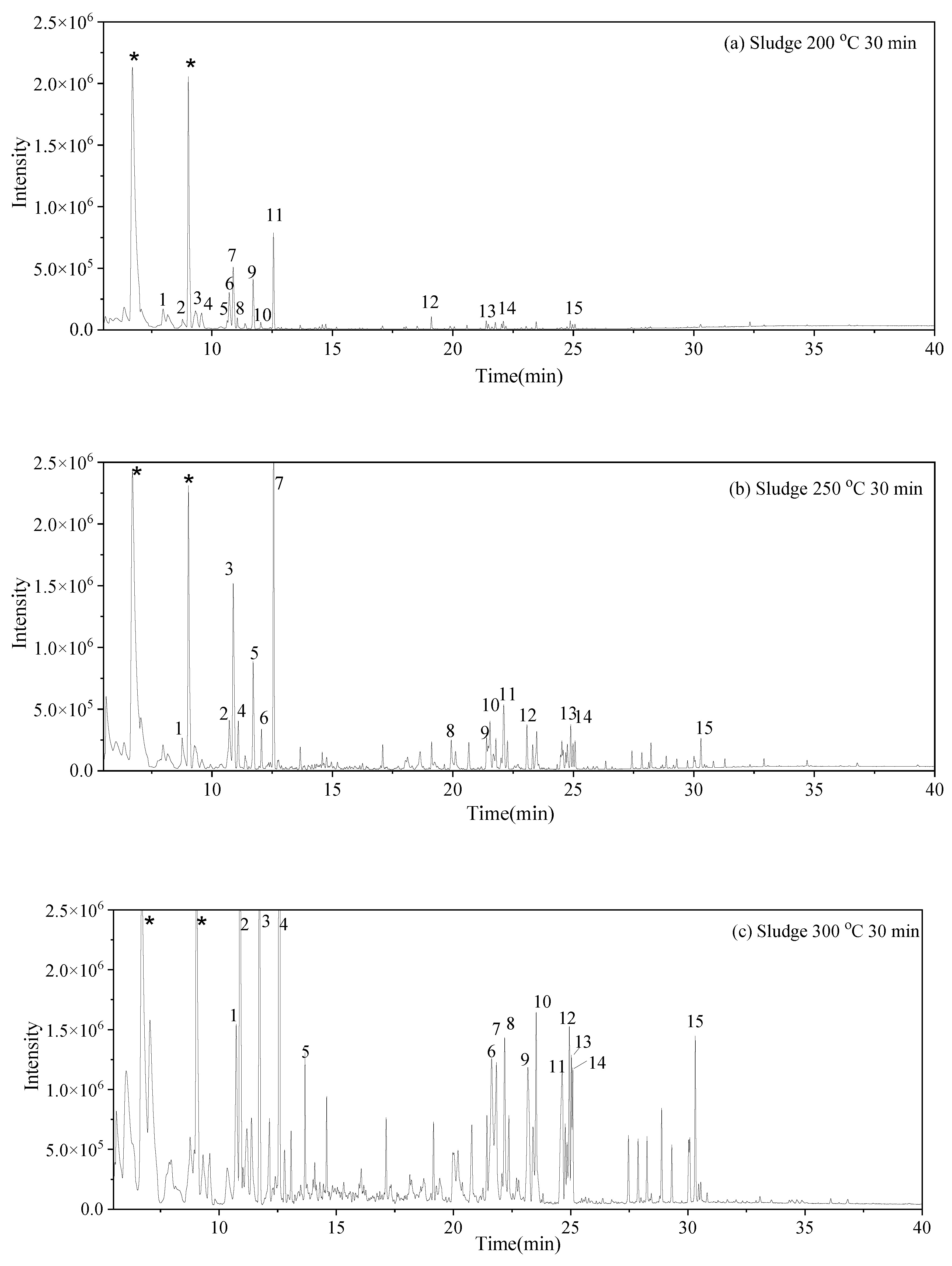
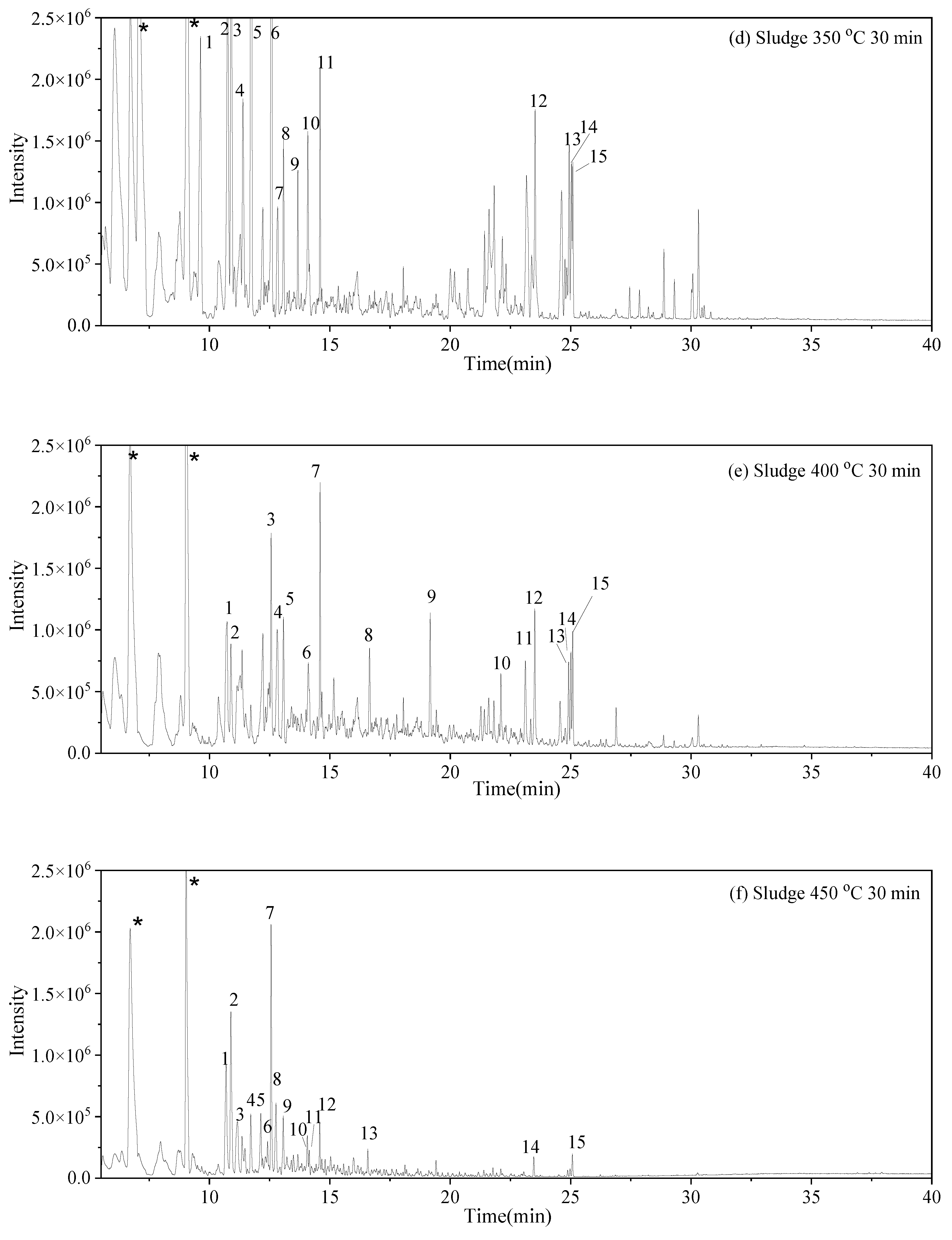
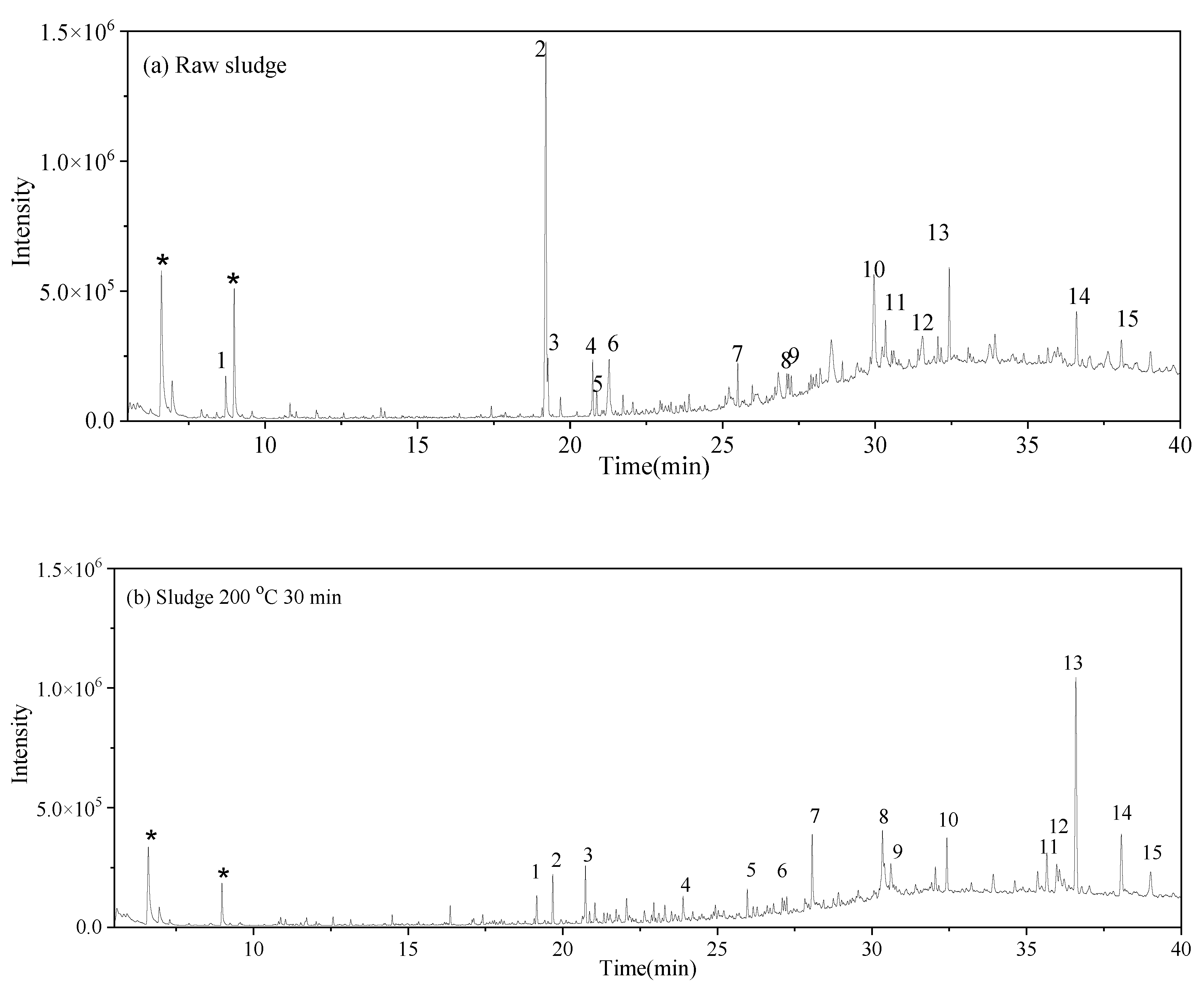
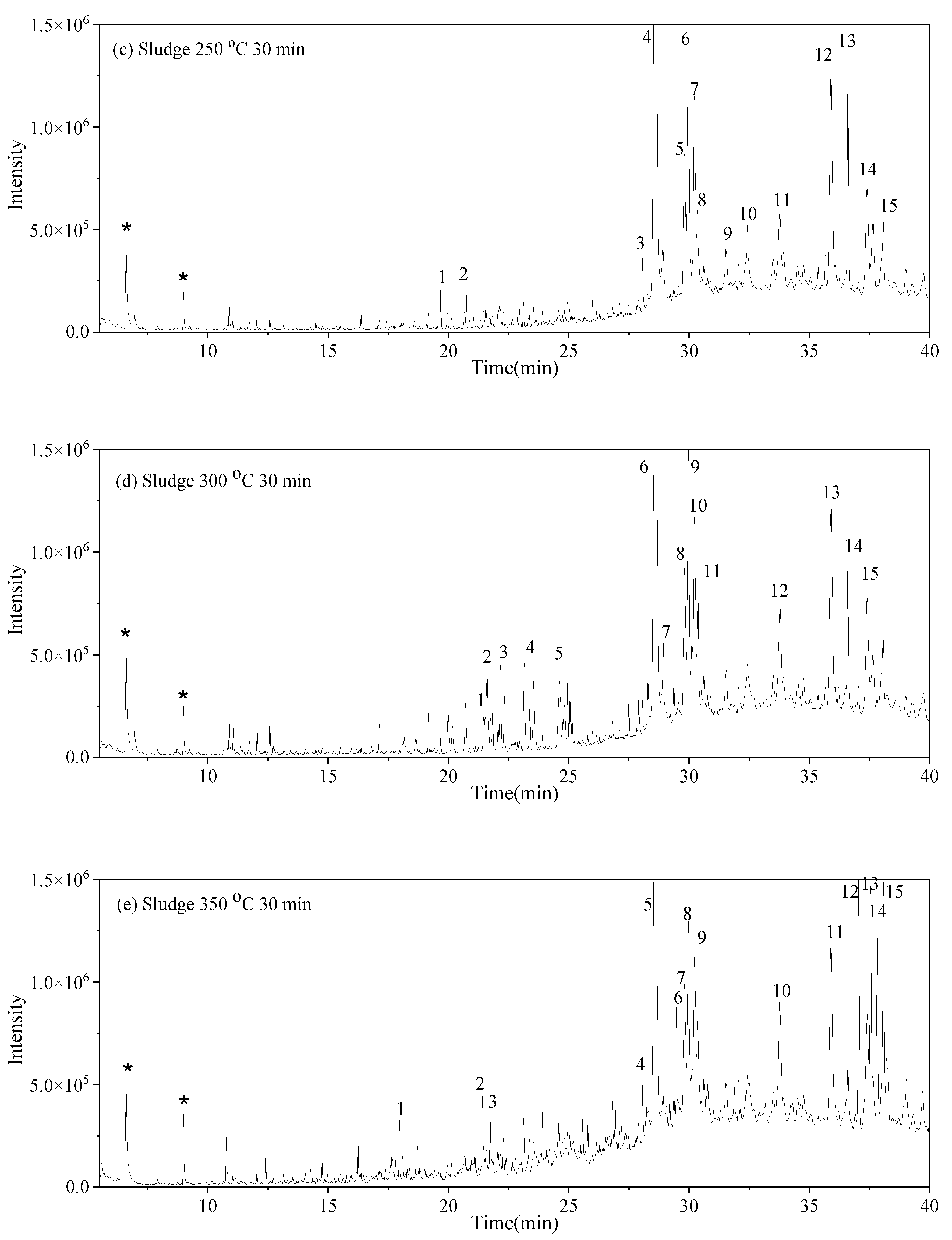
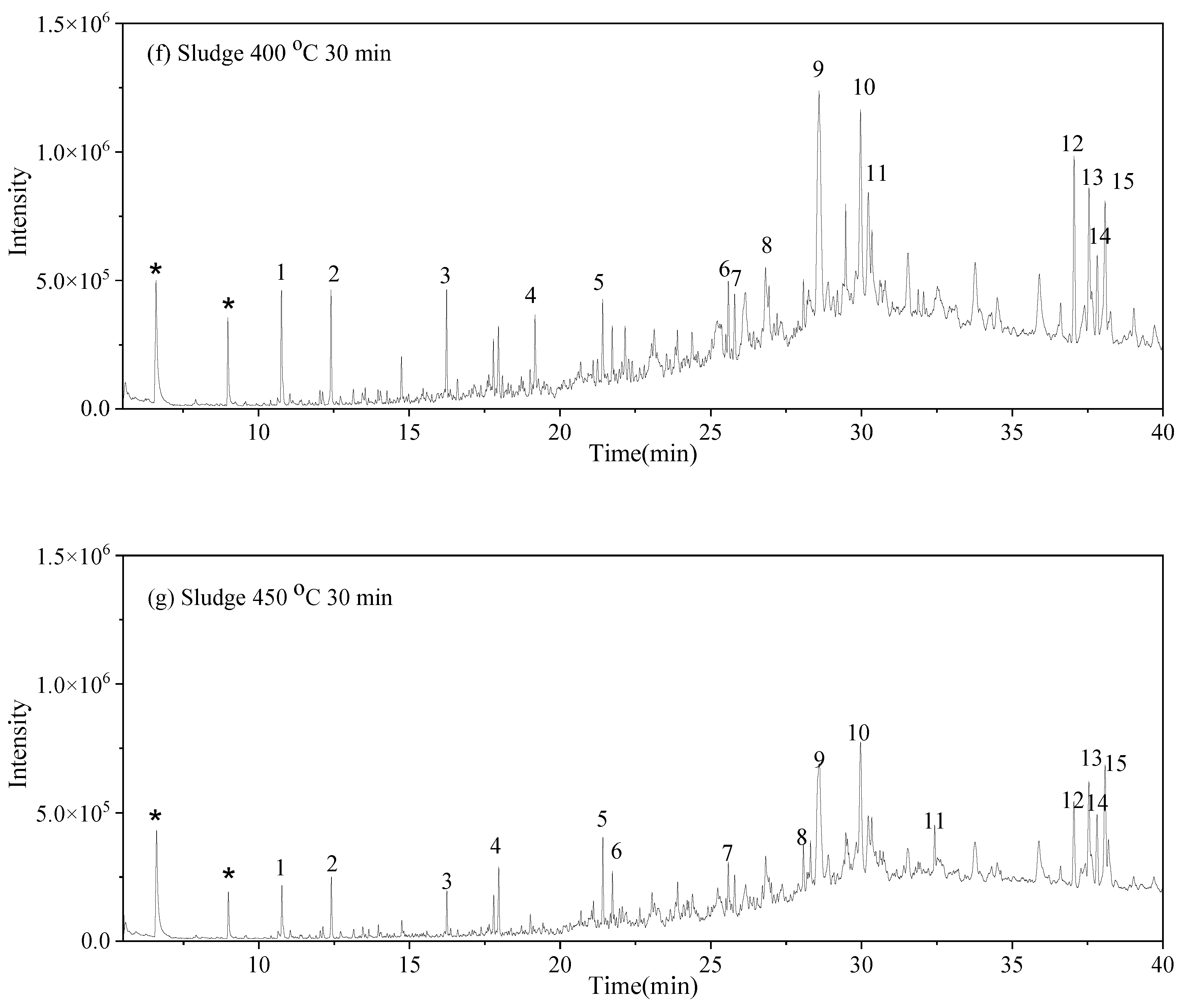
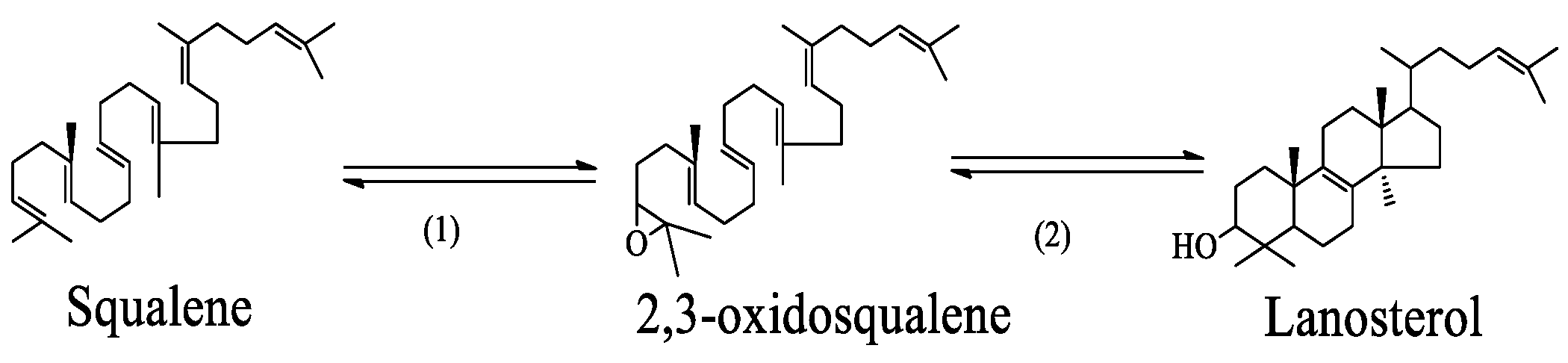
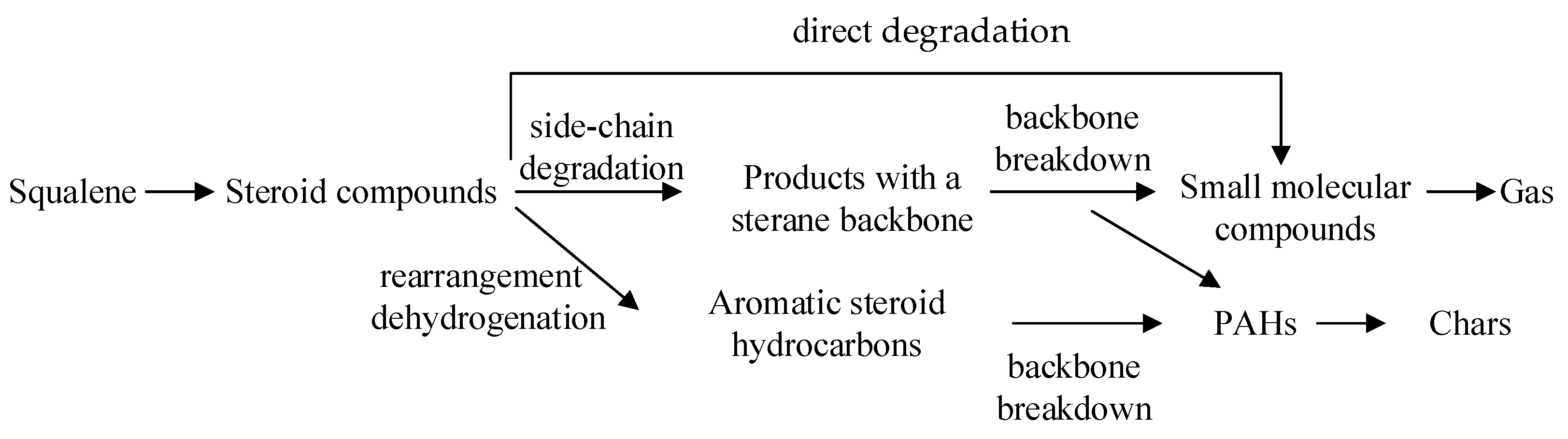
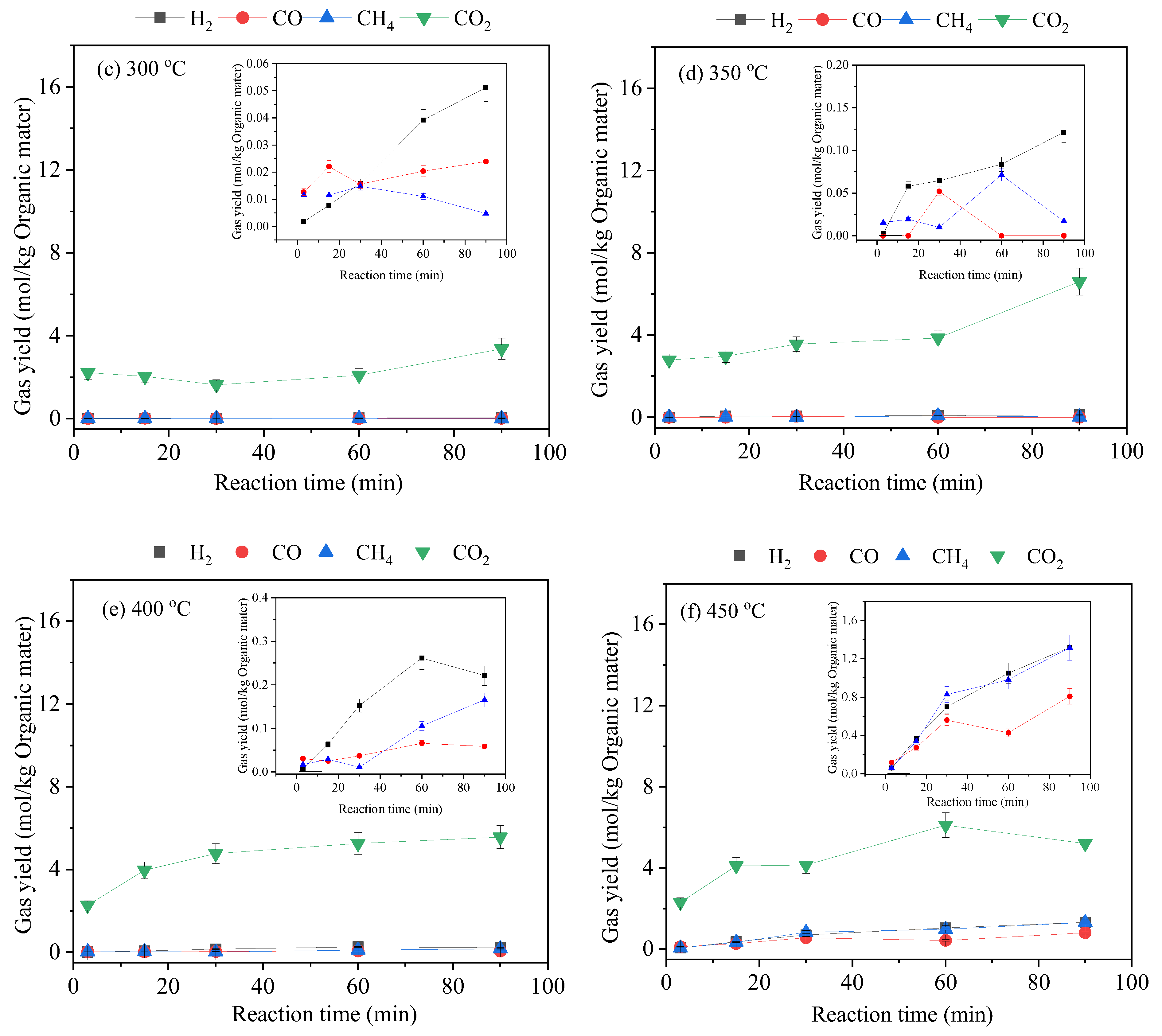
With the acceleration of urbanization, the disposal of dewatered sewage sludge (DSS) has become an urgent environmental issue worldwide. Hydrothermal conversion (HC) of DSS is an important method for sludge sustainable utilization due to its combination of efficiency and economic and environmental advantages. This study investigates the product distribution and composition of products during the HC of DSS under subcritical and supercritical water conditions (200–450 °C, 5–90 min), with a particular focus on the formation and conversion mechanisms of steroid compounds. The results indicate that increasing temperature and reaction time leads to a rise in gas-phase products (GPs) and a corresponding decline in solid-phase products (SPs), with phenolic compounds identified as the predominant constituents. In the water-soluble products (WSPs), nitrogen-containing cyclic compounds are the major products. Saturated nitrogen heterocycles dominate at lower temperatures (200 °C), while at elevated temperatures (300–350 °C), saturated azapolycyclic compounds emerge, ultimately transitioning into unsaturated aromatic nitrogen heterocycles at 450 °C. Steroids are primarily concentrated in the oil-phase products (OPs). The conversion process involves the initial conversion of lipids in the DSS to long-chain olefins at 200 °C, which are then converted to steroids at 250–350 °C. At higher temperatures (400–450 °C), these steroids might decompose into gaseous products or undergo polymerization to form char. This suggests the potential for steroids to act as precursor compounds in the process of char formation. This work could contribute to a deeper understanding of the HC mechanism of DSS and provide valuable technical insights for improving bio-oil quality.
Keywords: sustainable utilization; hydrothermal conversion; sewage sludge; bio-oil; steroids sustainable utilization; hydrothermal conversion; sewage sludge; bio-oil; steroids