Article

Facile Recovery of Polycationic Metals from Acid Mine Drainage and Their Subsequent Valorisation for the Treatment of Municipal Wastewater


by
Khathutshelo Lilith Muedi
1,
Job Tatenda Tendenedzai
1,
Vhahangwele Masindi
2,
Nils Hendrik Haneklaus
3,4,* and
Hendrik Gideon Brink
1,*
1
Department of Chemical Engineering, Faculty of Engineering, Built Environment and Information Technology, University of Pretoria, Private Bag X20, Hatfield 0028, South Africa
2
Department of Environmental Sciences, School of Agriculture and Environmental Sciences, University of South Africa (UNISA), P.O. Box 392, Florida 1710, South Africa
3
Td-Lab Sustainable Mineral Resources, University for Continuing Education Krems, Dr.-Karl-Dorrek-Straße 30, 3500 Krems, Austria
4
Unit for Energy and Technology Systems—Nuclear Engineering, North-West University, 11 Hoffman Street, Potchefstroom 2520, South Africa
*
Authors to whom correspondence should be addressed.
Sustainability 2025, 17(6), 2701; https://doi.org/10.3390/su17062701
Submission received: 4 February 2025 / Revised: 11 March 2025 / Accepted: 14 March 2025 / Published: 18 March 2025

Abstract

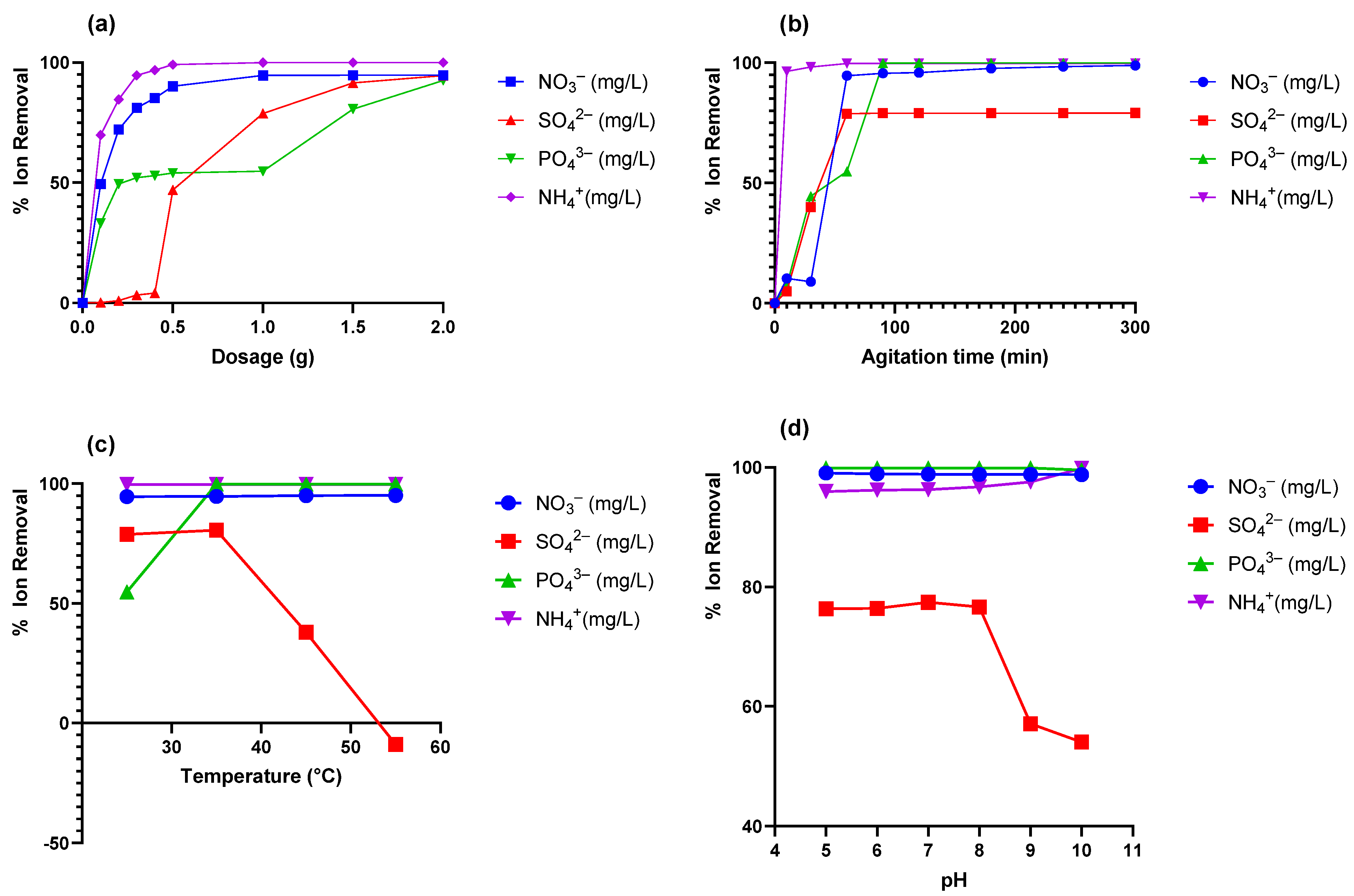
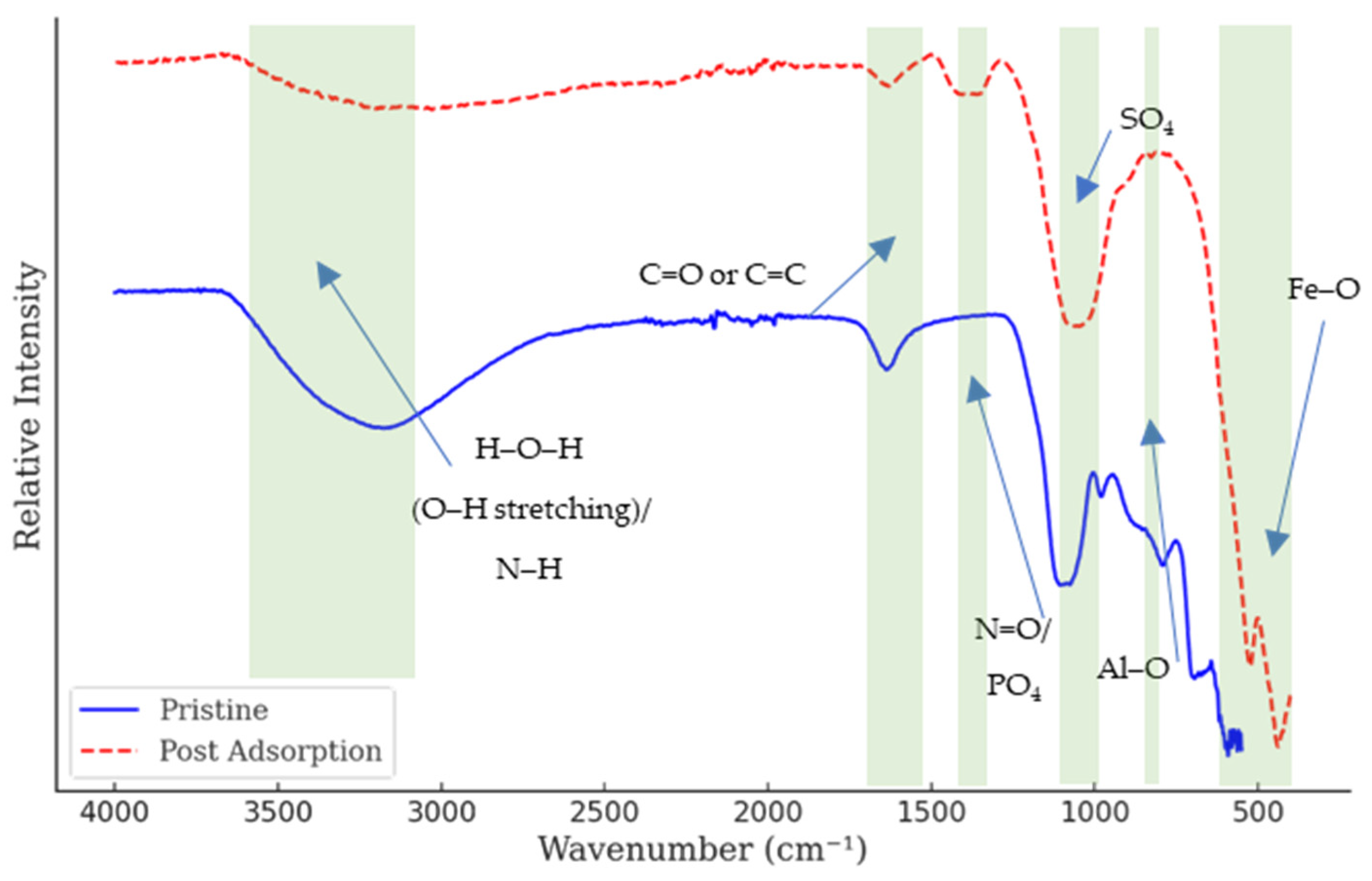
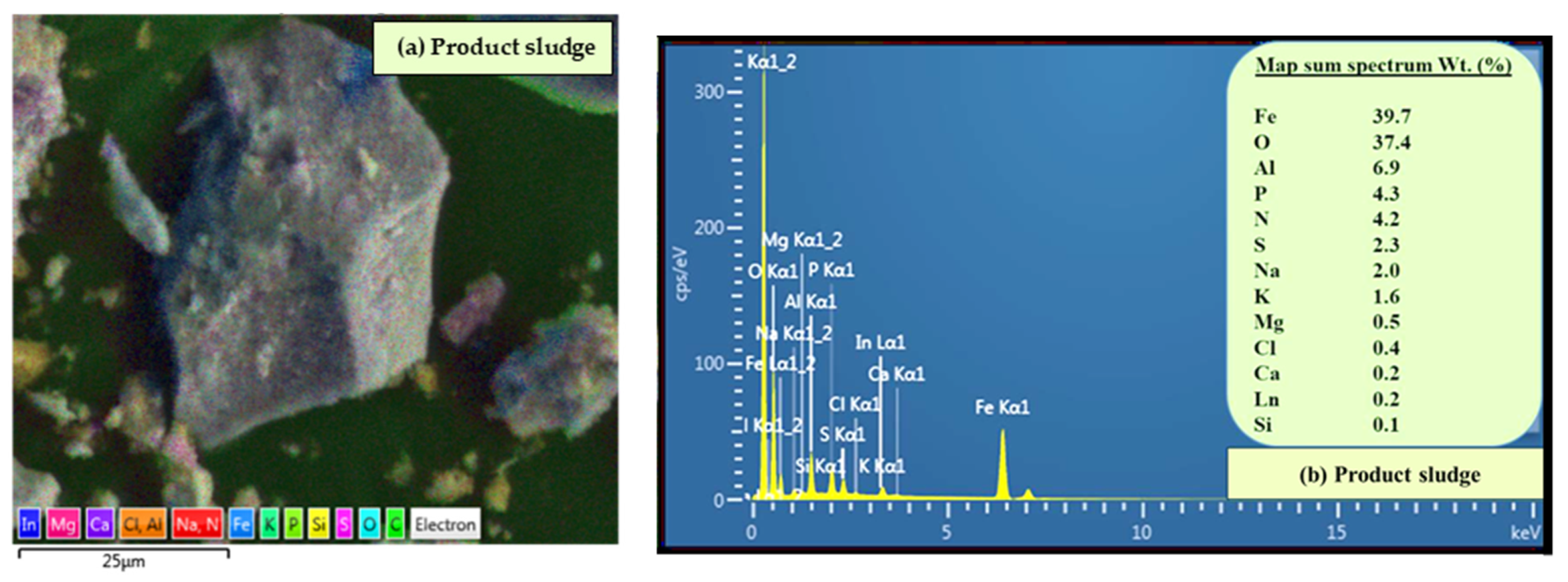
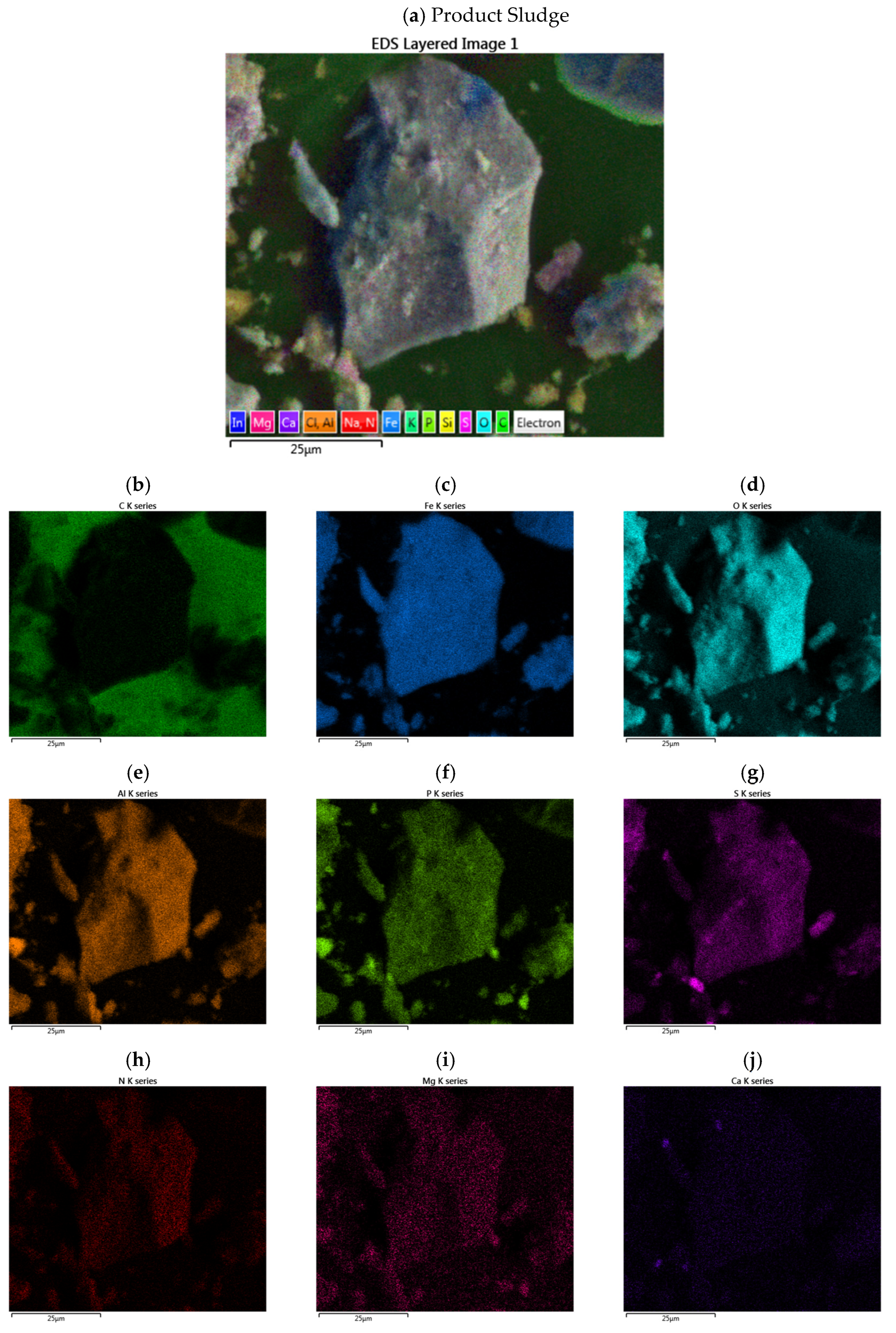
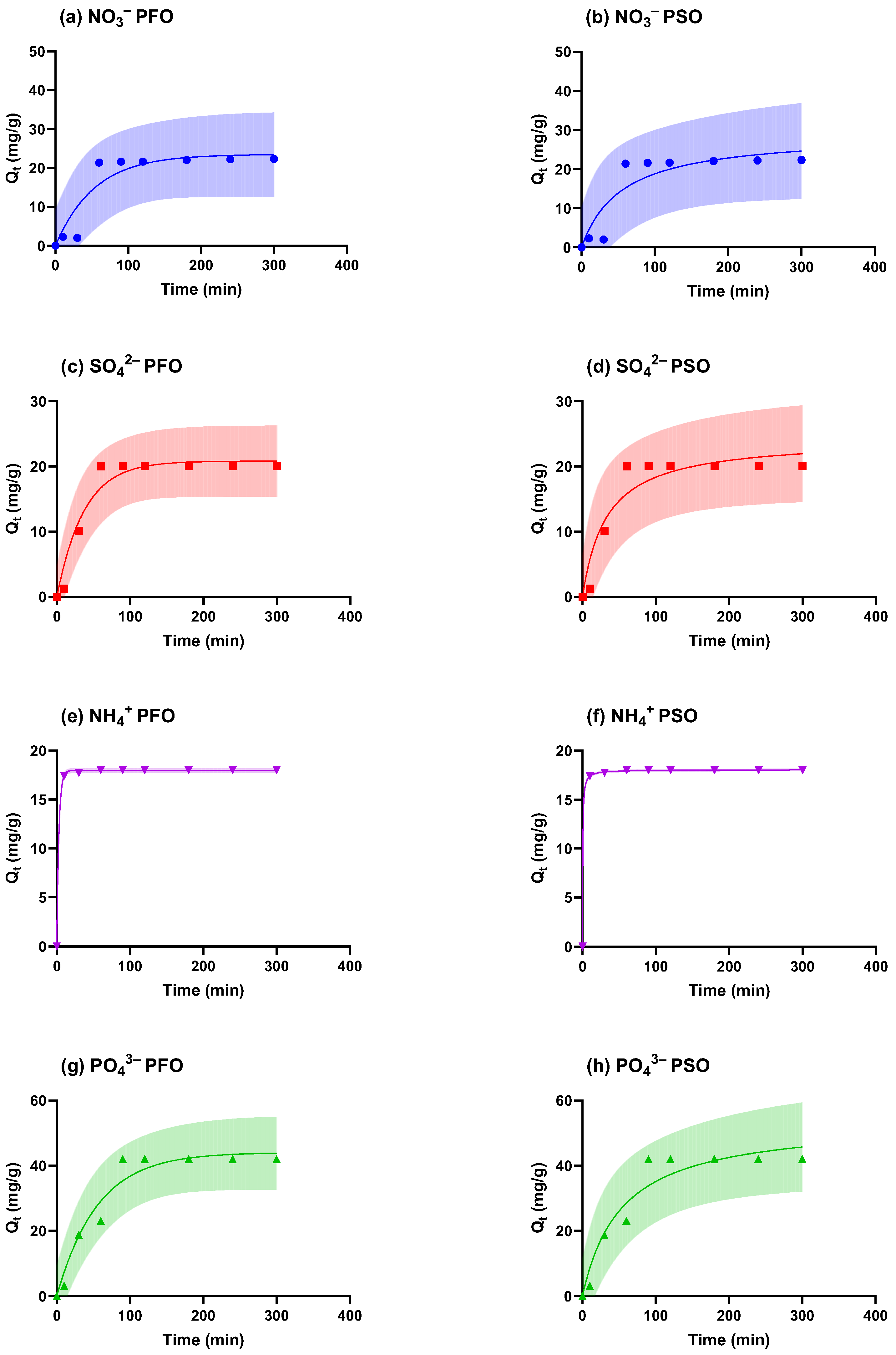
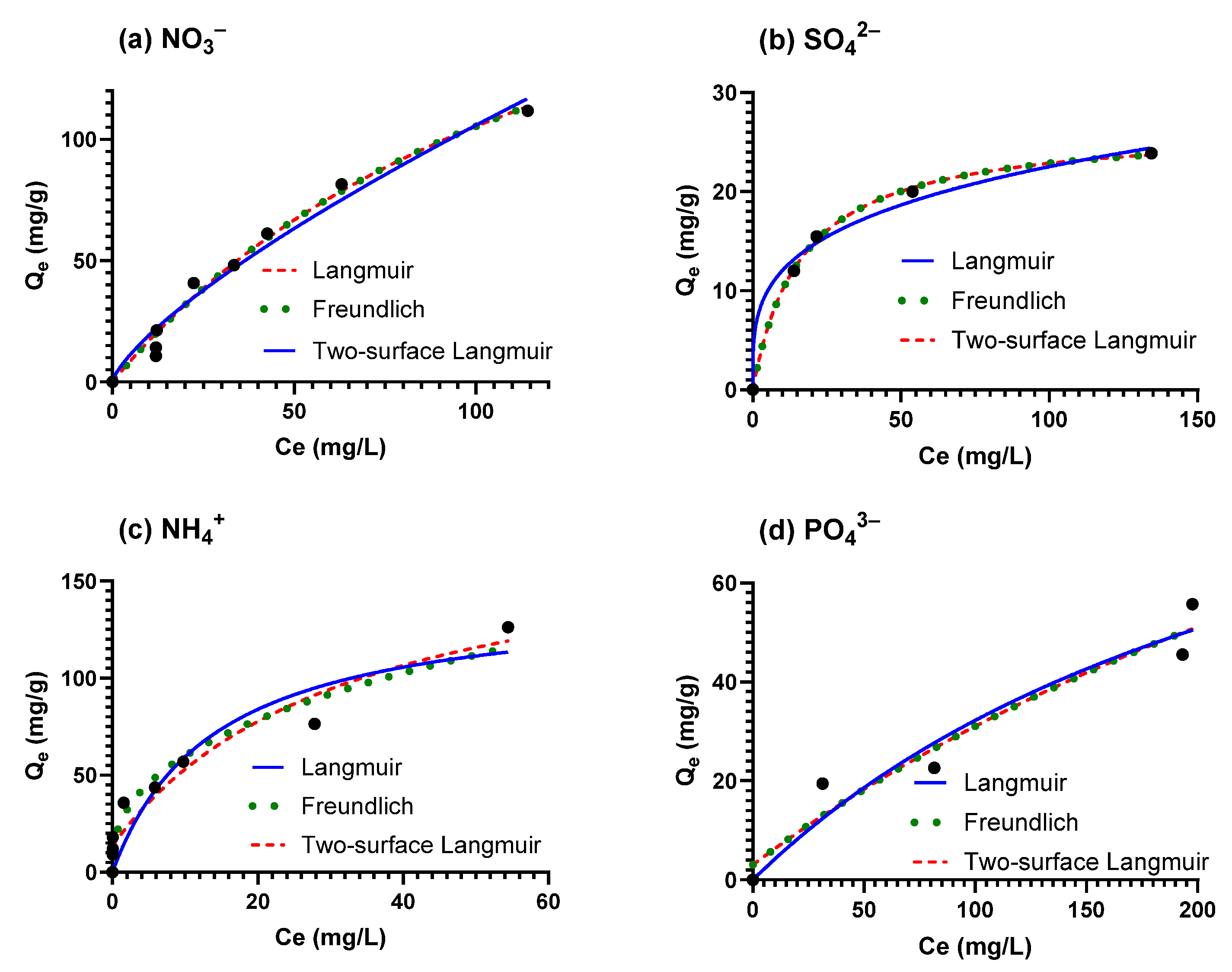
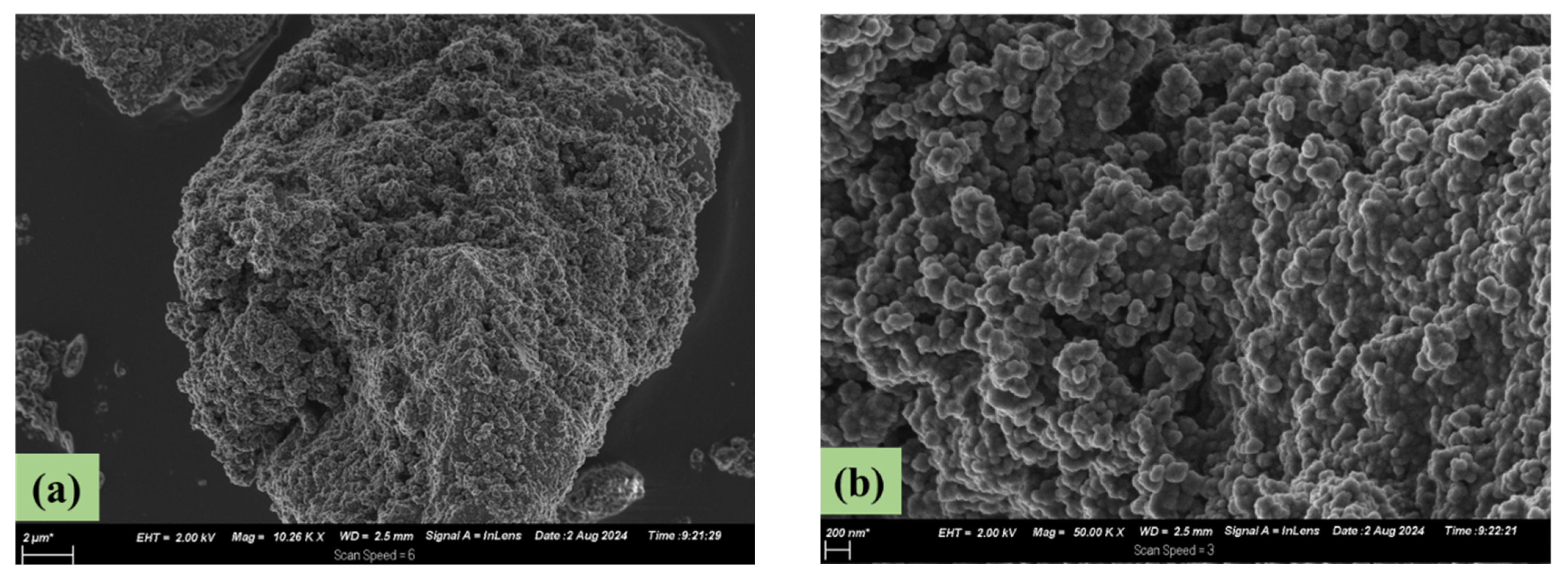
The presence of toxic and hazardous chemical species in municipal wastewater poses a significant environmental and public health challenge, necessitating innovative, sustainable, and cost-effective treatment solutions. This study pioneers the recovery and valorisation of polycationic metals from real acid mine drainage (AMD) for municipal wastewater treatment, demonstrating a novel approach that integrates resource recovery with wastewater remediation. A key strength of this study is the use of real municipal wastewater (authentic MWW) in the treatment phase, ensuring that the findings accurately reflect real-world conditions. Advanced analytical techniques were employed to characterise both aqueous and solid samples, and batch experiments were conducted to assess the removal efficiency of polycationic metals for key contaminants: ammonium (NH4+), sulphate (SO42−), phosphate (PO43−), and nitrate (NO3). The optimised conditions are 2 g of polycationic metals per 100 mL, 90 min of contact time, and 35 °C. The yielded exceptional removal efficiencies are PO43− (>99.9%), NH4+ (>99.7%), NO3 (>99%), and SO42− (>96%), achieving final concentrations of <0.5 mg/L for PO43− and NH4+, 2.1 mg/L for NO3, and 9.1 mg/L for SO42−. Adsorption kinetics followed a pseudo-first-order model, indicating physisorption, while the Two-Surface Langmuir model suggested a combination of homogeneous and heterogeneous adsorption mechanisms. FTIR, SEM-EDX mapping, and XRF analyses confirmed the retention of P, S, and N in the product sludge, validating the adsorption process. This study is the first of its kind to recover Al-rich Fe species from real AMD and activate them for municipal wastewater remediation using authentic MWW, bridging the gap between laboratory-scale research and real-world applications. By simultaneously addressing AMD pollution and municipal wastewater treatment, this research advances circular economy principles, promotes sustainable water management, and contributes to national and global efforts toward water security and environmental protection.
Keywords: resource recovery; environmental remediation; sustainable wastewater treatment; industrial effluent management; nutrient sequestration; waste valorisation; circular economy in water treatment resource recovery; environmental remediation; sustainable wastewater treatment; industrial effluent management; nutrient sequestration; waste valorisation; circular economy in water treatment