Article

Spatial Decision Support for Determining Suitable Emergency Assembly Places Using GIS and MCDM Techniques


by
Ridvan Ertugrul Yildirim
* and
Aziz Sisman
Department of Geomatics, Faculty of Engineering, Ondokuz Mayis University, Samsun 55139, Türkiye
*
Author to whom correspondence should be addressed.
Sustainability 2025, 17(5), 2144; https://doi.org/10.3390/su17052144
Submission received: 13 January 2025 / Revised: 23 February 2025 / Accepted: 26 February 2025 / Published: 1 March 2025

Abstract

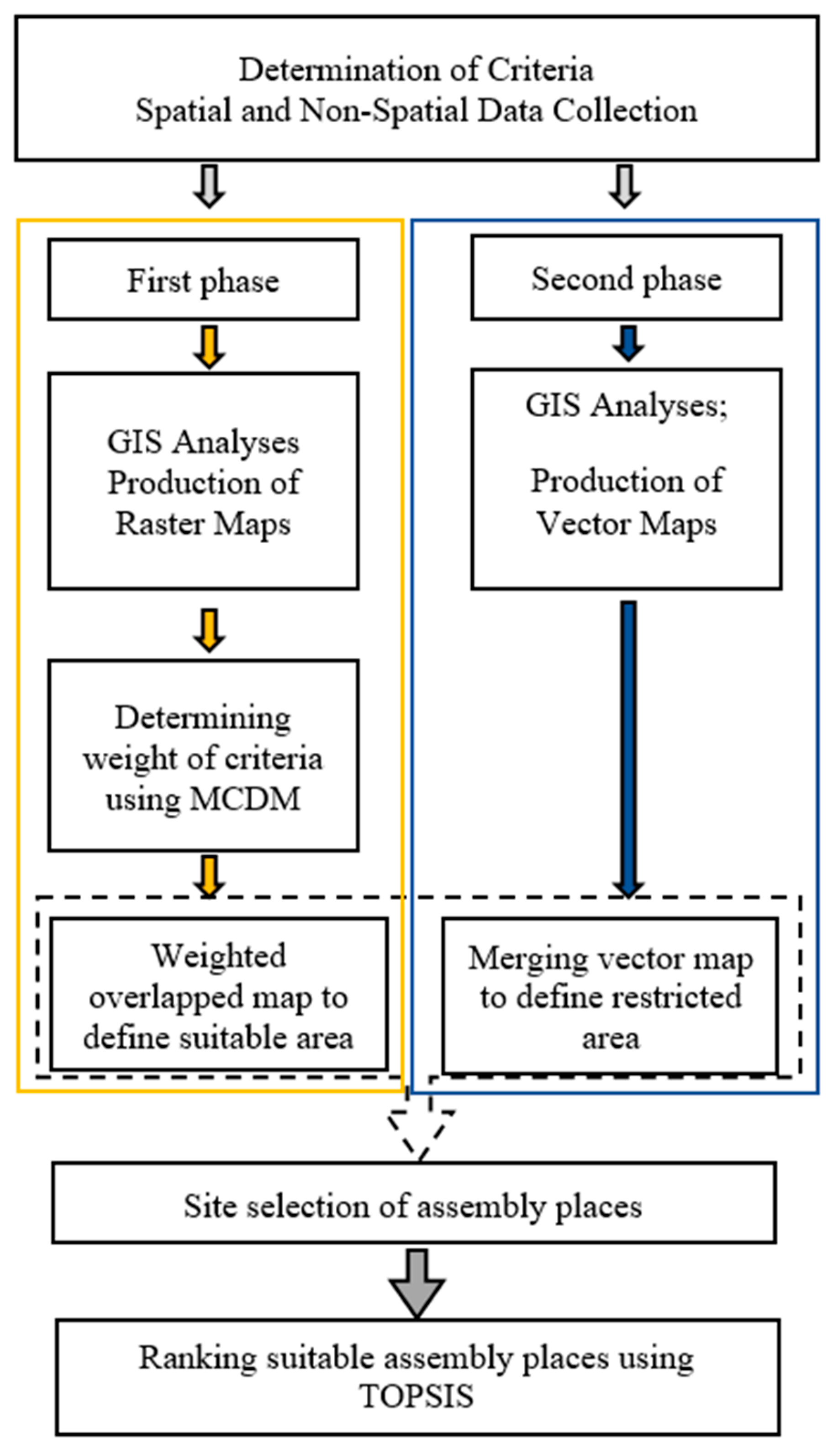
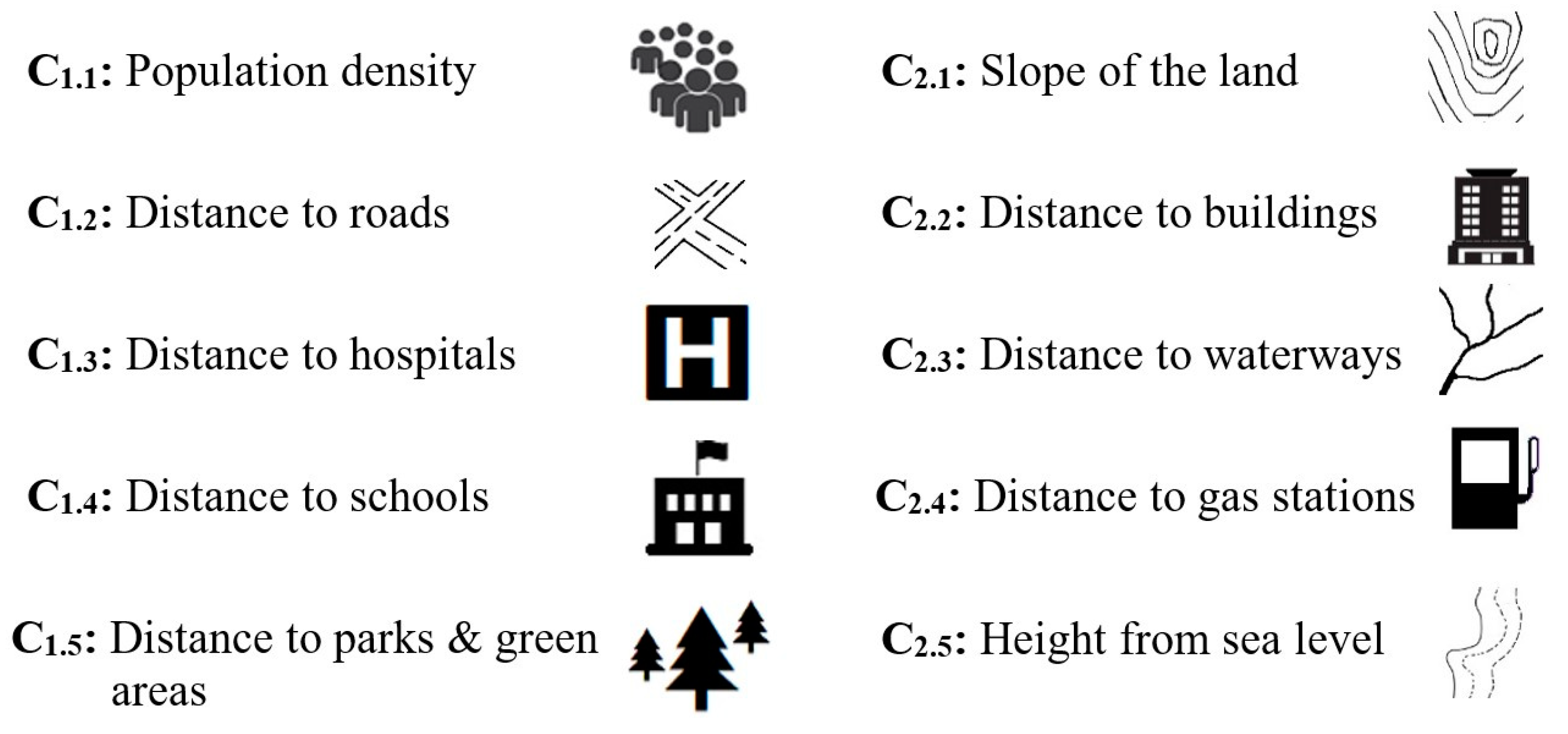
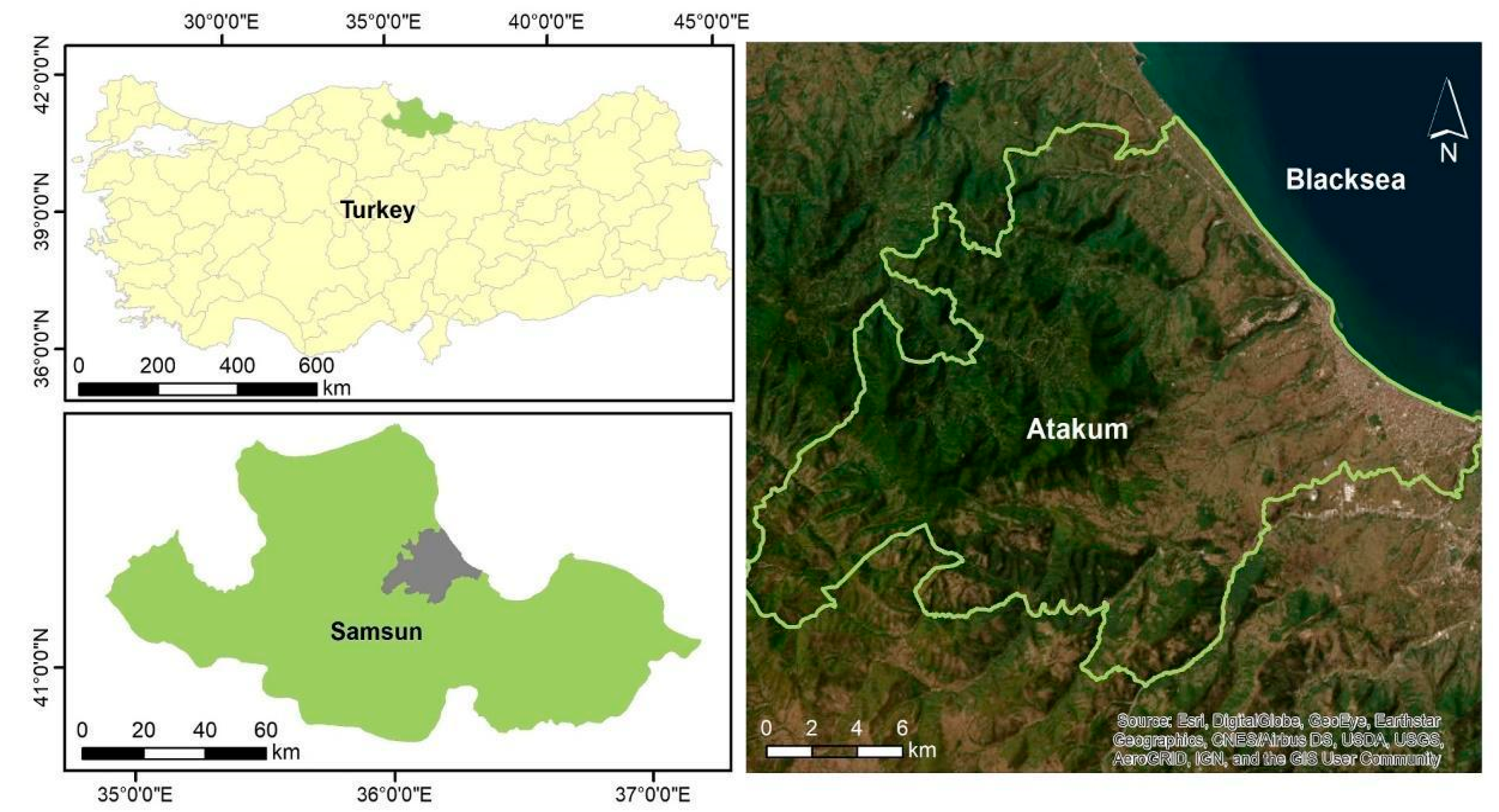
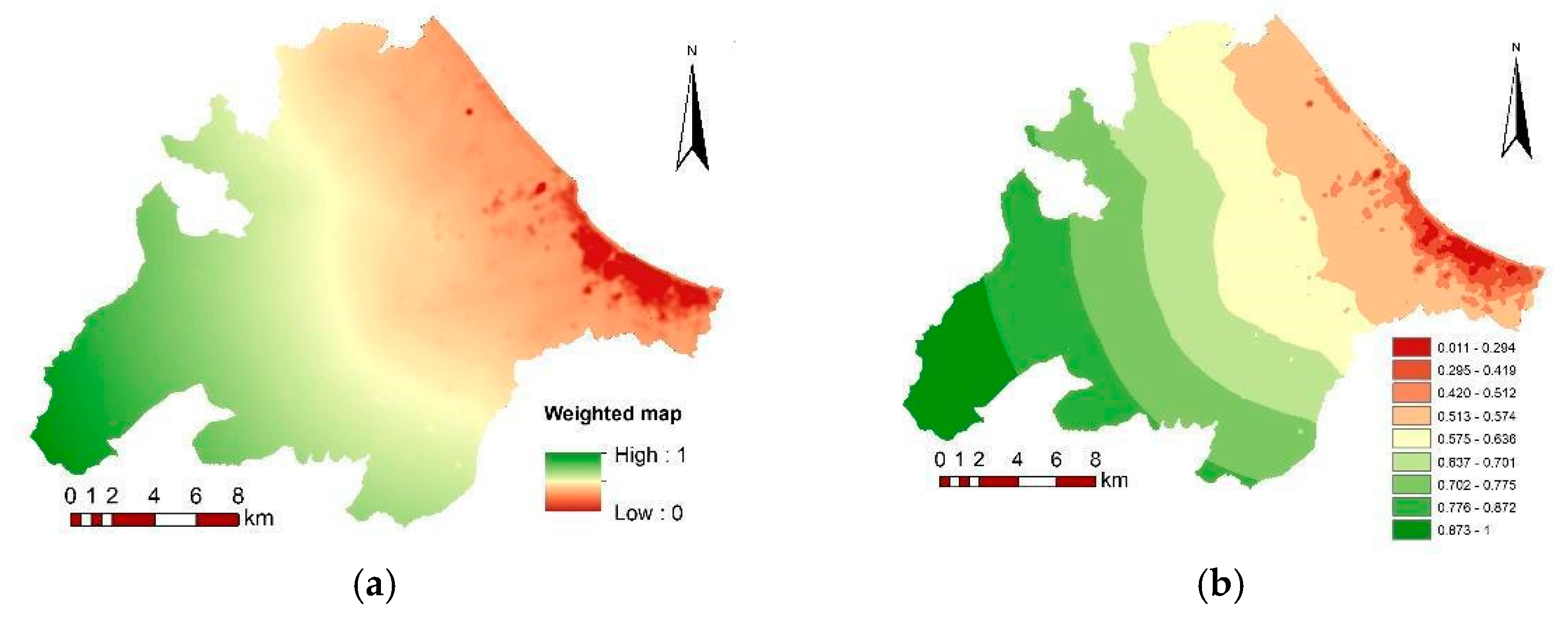
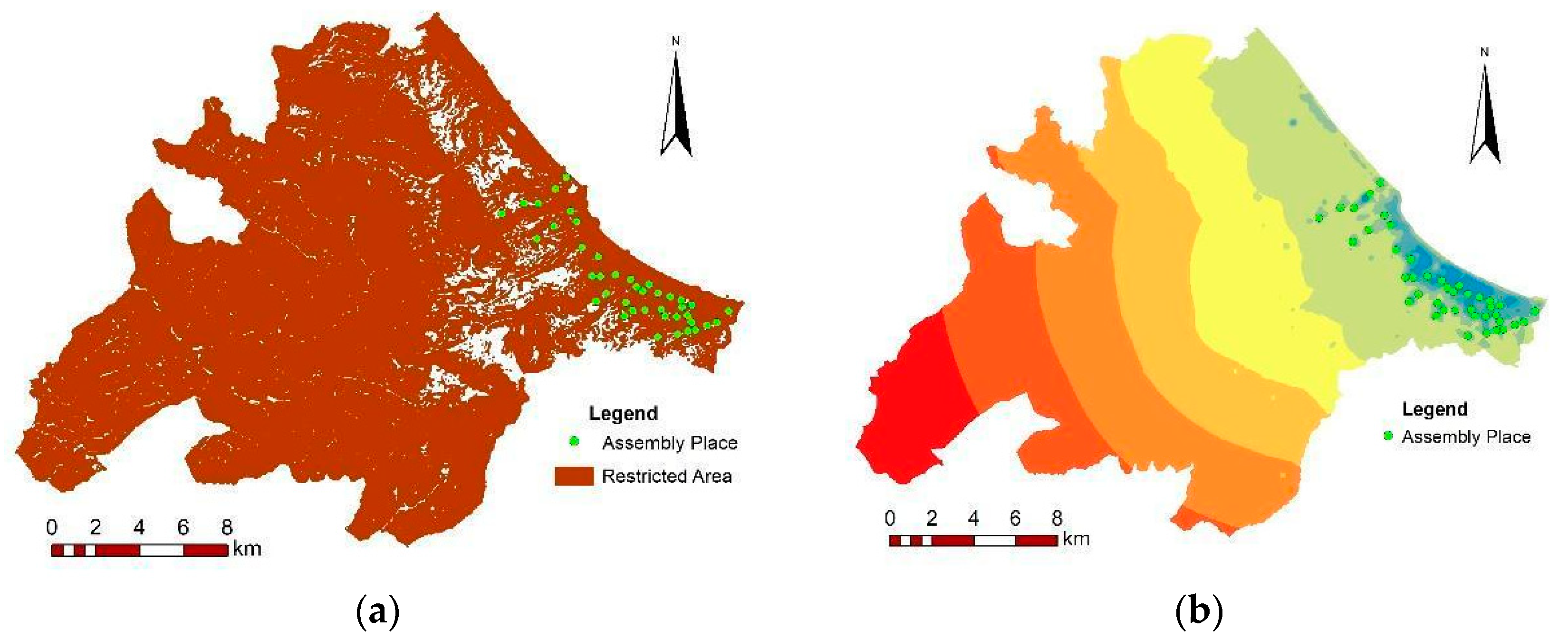
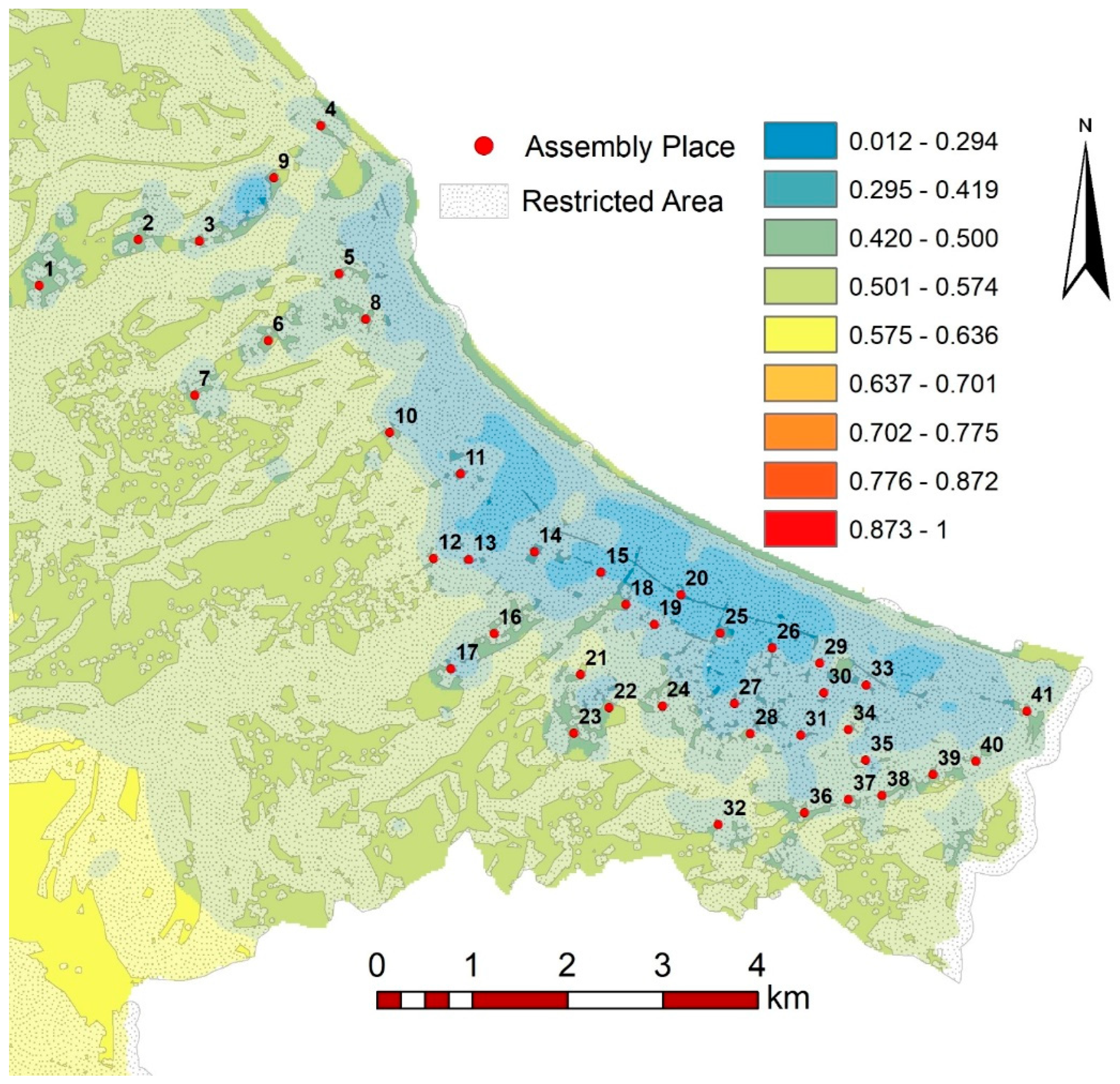
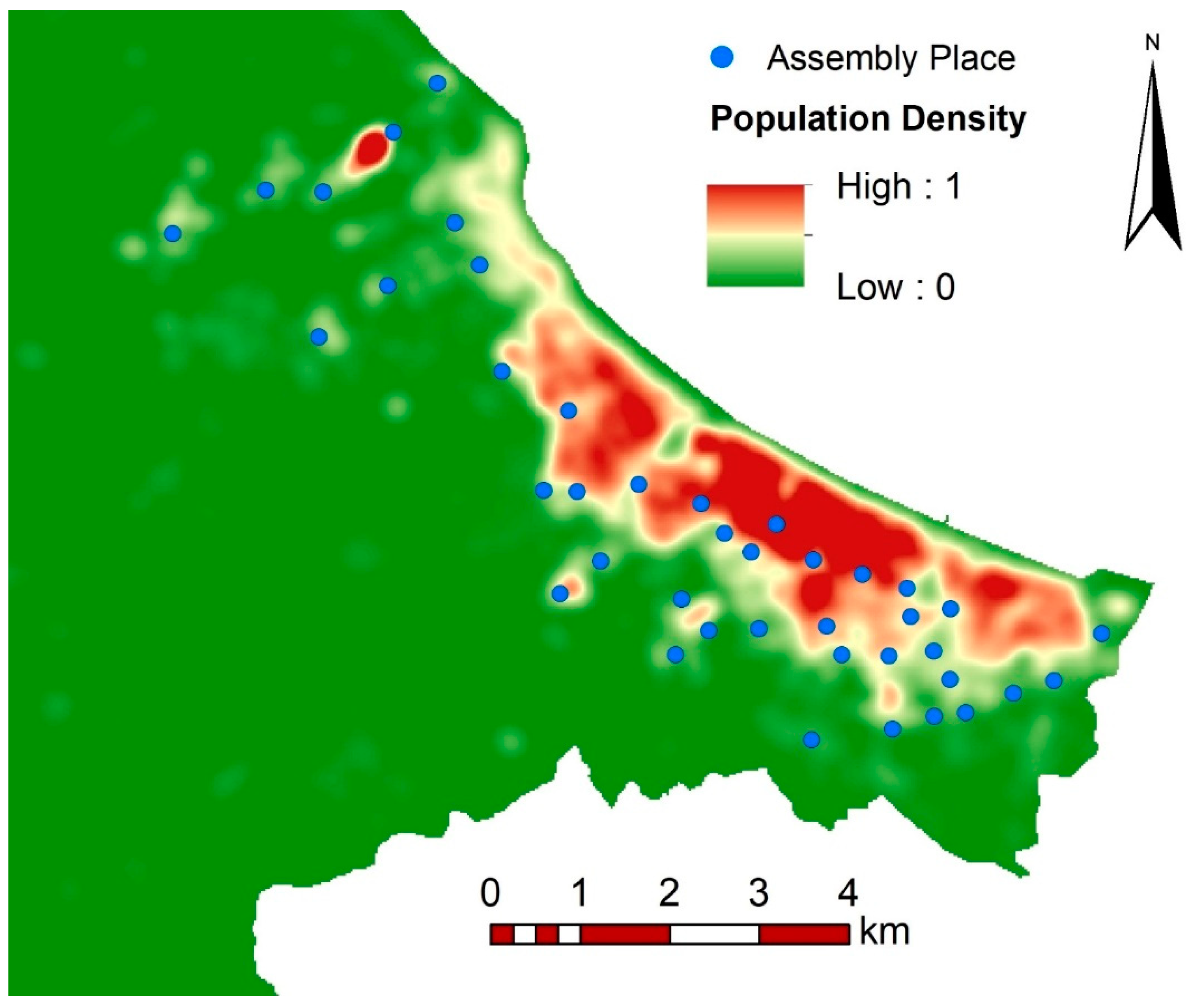
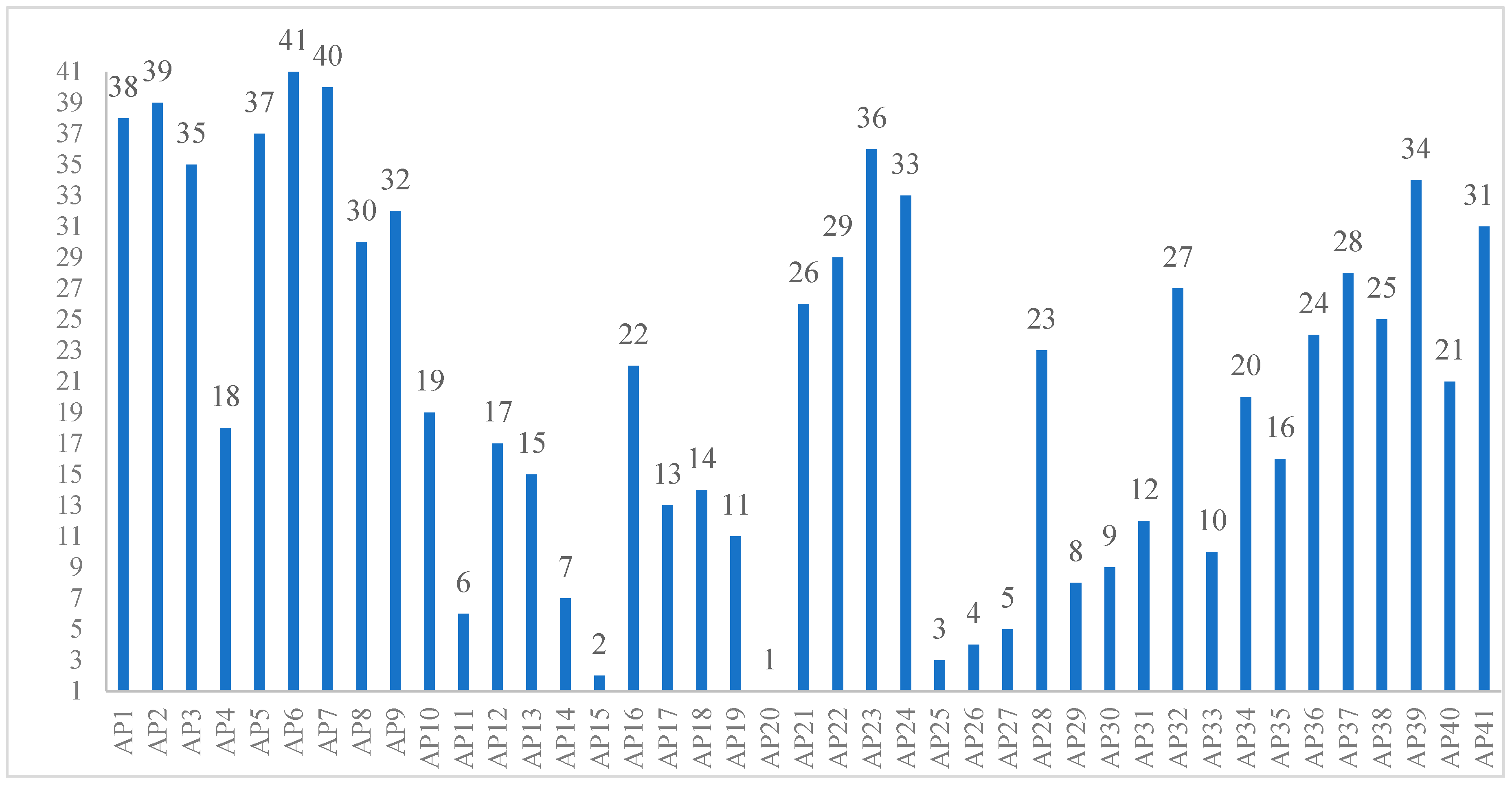
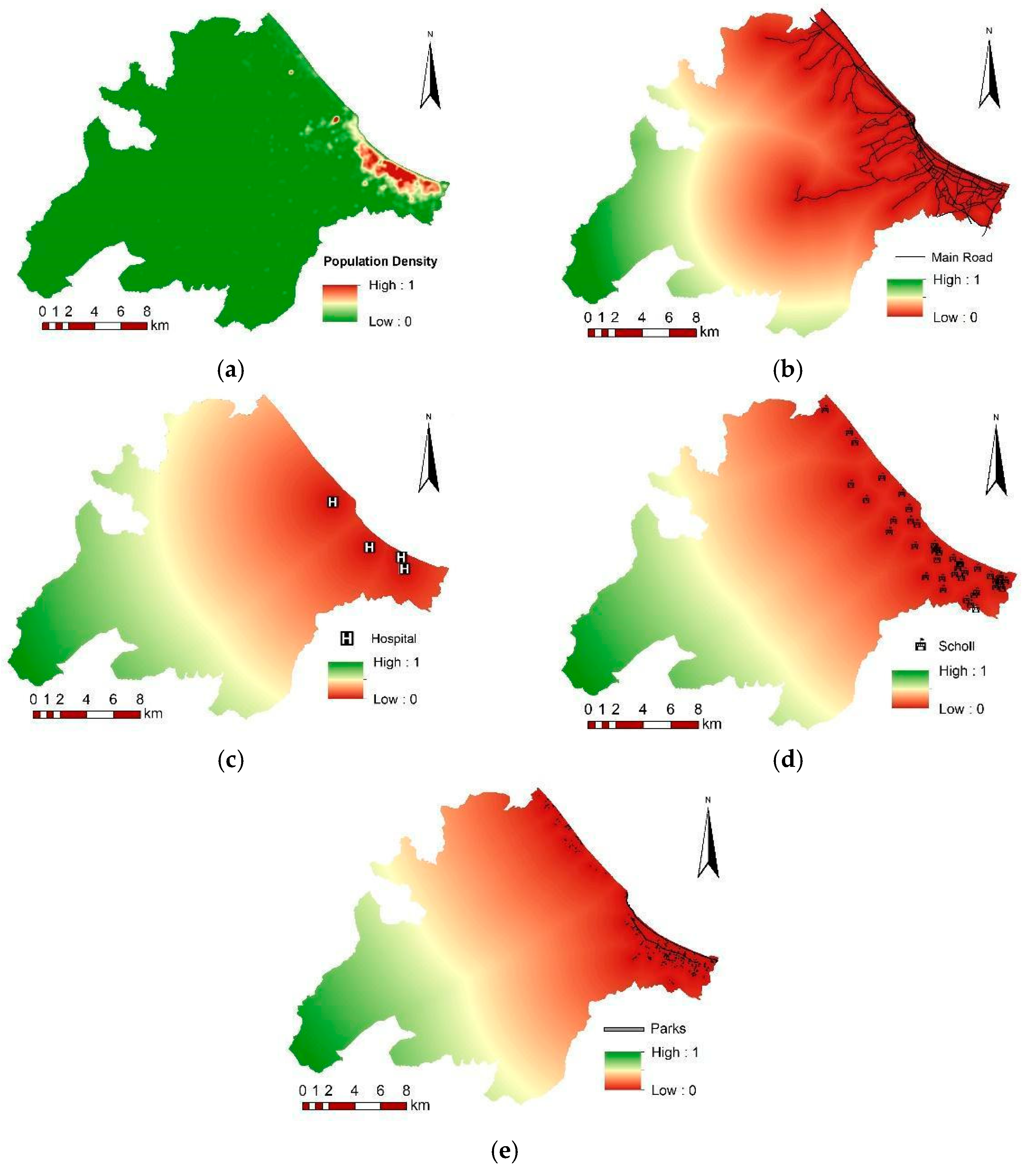
Natural and man-made disasters threaten humans. Effective emergency management is essential to minimize disasters and their harmful effects. Prevention, preparation, response, and recovery are the basic phases of emergency management. Emergency assembly places are very important in emergency management during the preparation phase, as these are the first places to be reached during and after the disaster. This study aims to identify the most suitable locations for emergency assembly points, which play a critical role in sustainable disaster management. The location of emergency assembly points is influenced by many criteria. In this study, suitable locations for emergency places were investigated on the basis of criteria. The Best–Worst Method (BWM), a relatively new multi-criteria decision-making (MCDM) method that requires fewer pairwise comparisons and yet provides consistent results, is used to calculate the weights of the criteria after comparing results with the Analytical Hierarchy Process (AHP). The weighted criteria were then used to perform spatial analyses using Geographic Information Systems (GIS). In this study, a two-phase approach was used to determine suitable locations for assembly points: In the first phase, suitable areas were identified by applying raster-based analyses, and in the second phase, vector-based analyses were performed. The results of the two phases were evaluated together, and suitable locations for disaster assembly places were determined. In Atakum District, which is the study area, 41 emergency assembly places were identified, and suitable assembly places were ranked by the Preference Ranking Technique with Similarity to Ideal Solution (TOPSIS) method. Results showed that the first three highest-ranked assembly points (AP) were AP20, AP15, and AP25, while the last three lowest-ranked assembly points were AP2, AP7, and AP6. The identification of these locations will provide crucial decision support for local governments, disaster management authorities, urban planners, etc. in ensuring a more sustainable city.
Keywords: assembly place; BWM; emergency management; GIS; MCDM; TOPSIS assembly place; BWM; emergency management; GIS; MCDM; TOPSIS