Article

Computer Simulation as a Tool for Cost and CO2 Emission Analysis in Production Process Simulations


1
Department of Production Engineering, Faculty of Material Engineering and Digitalization of Industry, Silesian University of Technology, Krasińskiego 8, 40-019 Katowice, Poland
2
Department of Metallurgy and Recycling, Faculty of Materials Engineering and Digitization of Industry, Silesian University of Technology, Krasińskiego 8, 40-019 Katowice, Poland
*
Author to whom correspondence should be addressed.
Sustainability 2025, 17(24), 10932; https://doi.org/10.3390/su172410932
Submission received: 16 October 2025 / Revised: 24 November 2025 / Accepted: 5 December 2025 / Published: 7 December 2025

Abstract

Sustainable development is currently a key priority in improving production systems, requiring an integrated approach that combines economic efficiency, environmental responsibility, and rational energy management. In response to these challenges, this article presents a novel application of computer simulation as a tool for comprehensively assessing the impact of technological improvements in the machining process. The study introduces and compares two models: a baseline model representing the actual state of the machinery fleet with conventional machine tools, and an innovative alternative model incorporating modern numerically controlled (CNC) machines. The results demonstrate, for the first time in this context, that the implementation of CNC technology not only significantly reduces process time and energy demand but also improves resource efficiency, thereby lowering CO2 emissions and operating costs. This research highlights the innovative use of computer simulation to support decision-making in sustainable manufacturing, offering a practical framework for evaluating technological modernization options and promoting the sustainable development of production enterprises.

1. Introduction

The Fourth Industrial Revolution, which we are currently witnessing, focuses on achieving maximum efficiency and flexibility of production processes while minimizing resource consumption [1]. The technologies developed within this concept enable greater integration, intelligence, and customization to meet individual market needs [2]. Key solutions that enhance production efficiency, streamline information flow across supply chains, and integrate various areas of enterprise operations include the Internet of Things (IoT), Cyber-Physical Systems (CPS), Augmented Reality (AR), Virtual Reality (VR), blockchain technology, Machine Learning (ML), Artificial Intelligence (AI), Big Data Analytics, and Digital Twins (DT) [3,4]. As highlighted by de Sousa Jabbour et al. [5], these technologies possess considerable potential to generate sustainable value in economic, environmental, and social dimensions.
By improving resource efficiency and reducing the negative environmental impact of industrial activities, these technologies form the foundation for achieving sustainable development goals. Computer simulation tools and digital twins play a particularly important role in advancing the Industry 4.0 concept and supporting the pursuit of sustainable business development.
Digital twins can be defined as virtual representations of real objects, systems, or processes that continuously collect, process, and analyze data from the real environment. This enables a dynamic depiction of the object’s current physical state and allows for the prediction of its future behavior. Technically, a digital twin is an integrated, multi-scale simulation model that combines sensor data, physical models, and advanced analytical algorithms to enable continuous monitoring, optimization, and real-time decision support [6,7]. Computer simulation of production processes, in turn, is based on the construction of digital models of material flow and operations using specialized software. It enables the analysis of the behavior of machines, employees, and resources, as well as the assessment of production line performance while taking into account random factors, failures, and human variability. Simulation allows for the identification of bottlenecks, optimization of production planning, and efficient use of resources, without the need to interfere with the actual industrial environment [8,9]. Modrák and Gregor [10] emphasize that computer simulation tools play an important role in supporting the sustainable development of industry by enabling the optimization of production processes, reducing waste, and improving the efficiency of raw material use. Furthermore, Ondov et al. [11] described the practical application of computer simulation in redesigning production processes, aiming to increase their efficiency and sustainability by reducing costs, resource consumption, and negative environmental impacts.
Khan and Abonyi [12] highlight the role of simulation in designing sustainable production solutions that support the implementation of circular economy principles by analyzing tools and methods that enable process optimization and minimize environmental impact. However, the scope of computer simulation applications is much broader. It can be used not only to analyze production process parameters but also for production planning and the verification and optimization of logistics solutions, as indicated in Table 1.
Advanced production process simulation tools, such as FlexSim [21,22], ARENA [23,24], Plant Simulation [25,26], SIMIO [27,28], and Enterprise Dynamics [29,30], provide powerful capabilities for modeling, analyzing, and optimizing production systems. Despite differences in interface and specific functions, these tools enable realistic representation of processes and allow assessment of the effects of various decision-making scenarios on system efficiency.
This article examines the feasibility of using computer simulation to support decision-making in technological upgrades, specifically replacing conventional machines with numerically controlled (CNC) devices. The analysis considers sustainability factors, including electricity consumption, operating costs, CO2 emissions, and production lead times, both before and after modernization.
A case study in a production facility was conducted using two simulations: one reflecting the current machinery setup and another modeling the process after the introduction of CNC machines. The simulations also predicted process parameters based on the number of machines involved, enabling a comprehensive evaluation of the proposed changes. This methodology provides an objective assessment of modernization effects, encompassing traditional production metrics such as cycle time and efficiency, as well as environmental and energy factors critical for sustainable enterprise development.
The literature on the subject has extensively examined the impact of production process automation and machine modernization, particularly through the replacement of conventional machines with computer numerical control (CNC) devices. The results of selected studies by Glaser [31] indicate that implementing automation can increase production efficiency by approximately 30% and reduce operating costs by up to 50%. Other research by Kampa et al. [32] focused on a comparative analysis of energy consumption measurement methods during CNC machining, contrasting automated solutions with traditional approaches. Meanwhile, the study by Cotton-Millan [33] employed simulation tools to assess the effects of implementing automated workstations, demonstrating that the use of industrial robots improved the Overall Equipment Effectiveness (OEE) index by 48% compared to manual processes.
In addition, numerous studies have focused on the application of computer simulation for analyzing sustainability in manufacturing enterprises. Ondov et al. [11] employed simulation tools to redesign a production process and evaluate its performance following the introduction of new machinery. As a result of the proposed modifications, the production time of a single order was reduced by approximately half, while both energy consumption and environmental impact were significantly decreased. This demonstrates that simulation can effectively support decision-making aimed at enhancing operational efficiency and sustainability. Similarly, Kaur and Kander [34] developed a system dynamics model to simulate manufacturing and supply chain processes in the textile industry. The optimized scenario led to a reduction in fabric consumption by around 14% and equipment usage by about 33%, while production output increased by nearly 24%. These findings indicate that simulation modeling can serve as a valuable tool for identifying resource-efficient and sustainable production strategies. Pawlewski [35] further discussed the use of computer simulation in remanufacturing processes within the framework of the circular economy. The study emphasized that simulation contributes to reducing waste, energy consumption, and raw material usage, thereby supporting environmental objectives in manufacturing. However, the author also highlighted the need for more comprehensive models that integrate economic, environmental, and operational dimensions of sustainability.
As the studies presented above indicate, computer simulation constitutes an effective tool supporting decision-making processes aimed at improving the efficiency and sustainability of production systems. Nevertheless, previous research has typically focused on selected areas of process improvement, such as enhancing production efficiency or reducing energy consumption, while overlooking a comprehensive analysis of the interrelationships between economic, environmental, and operational factors.
In particular, the existing literature lacks studies that holistically and quantitatively assess the impact of replacing conventional machines with computer numerical control (CNC) devices on combined sustainability indicators—including energy consumption, CO2 emissions, operating costs, and process lead time.
Therefore, the objective of this study is to develop and verify an integrated approach to assessing the effects of production process modernization through the use of computer simulation, simultaneously considering technical, economic, and environmental aspects. The contribution of this work lies in the empirical verification of the applicability of computer simulation as a decision-support tool for modernization planning, enabling quantitative comparison of technological alternatives from the perspective of sustainable development principles.

2. Materials and Methods

2.1. Description of the Production Process Parameters

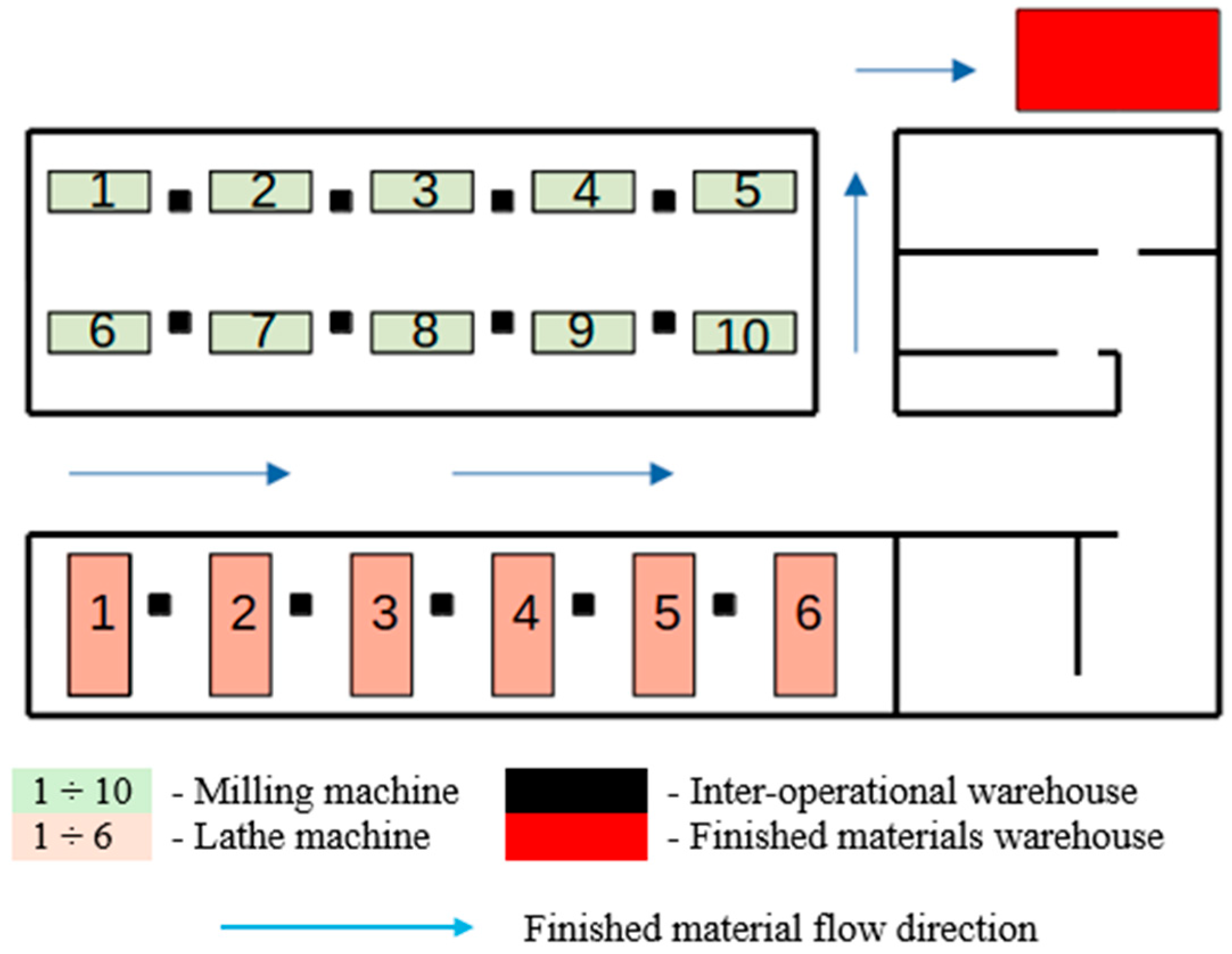
The production plant analyzed in this study is engaged in the mass production of steel components for the engineering industry. The scope of the analysis is limited to a single department—machining—which currently comprises 16 production stations, including 10 milling machines and 6 lathes. The analyzed process utilizes all available workstations. In most cases, the components manufactured on both groups of machines are independent of one another, and the production range is determined by current customer needs and orders. Since the same product is produced in batches, input materials are delivered to each workstation prior to production, in accordance with the Just-in-Time system implemented at the plant. Upon completion, a forklift transports each batch of 30 finished products to the finished goods warehouse (Figure 1).
The parameters of the production process were provided by the manufacturing company, and the analysis presented in this study was conducted based on these data. The operation times for production processes were determined by the company through time studies carried out under real manufacturing conditions and therefore represent empirical data. The authors relied entirely on the provided results and had no possibility to verify them against actual production conditions. The levels of electricity consumption for individual workstations were obtained from equipment manufacturers (Table 2).
The analyzed case study did not include internal transport processes, focusing solely on the efficiency of the production machines to achieve the target production volume. This decision was motivated by the fact that the changes introduced in the model (both before and after the improvements) did not affect the loading capacity of the transport equipment and, consequently, did not alter the number of transport routes required to meet the objectives of the analyzed case study. For simulation purposes, a batch size of 500 units was assumed for the conventional lathes group and 500 units for the conventional milling group.

2.2. Methodology of the Study

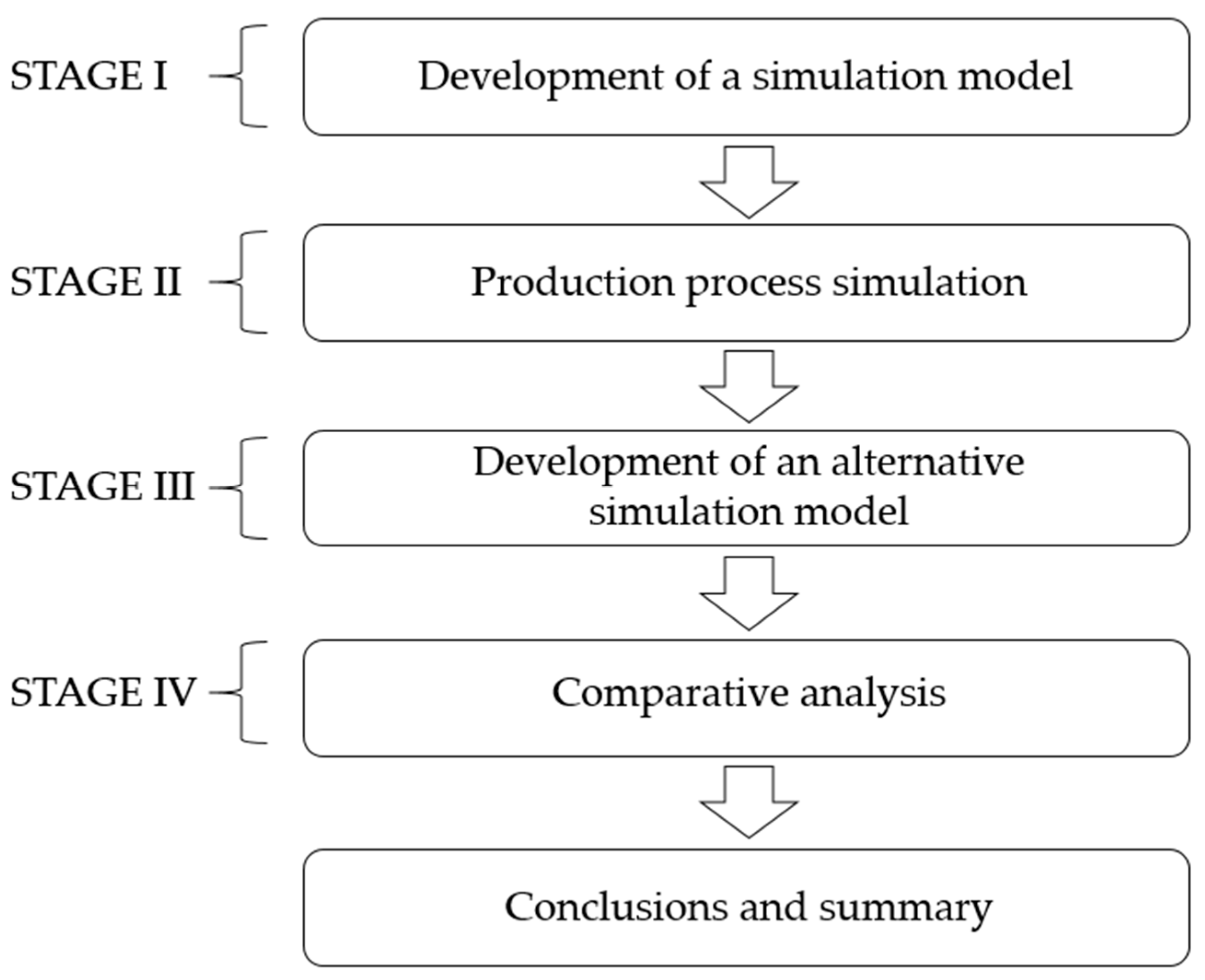
In order to achieve the assumed goal of the work, an original work methodology was developed, based on four logically related stages, which constitute a coherent and consistent structure for the implementation of the entire research process, Figure 2.
In the first stage (STAGE I), a model of the analyzed production process was developed within a simulation environment. The simulation model was developed in accordance with the methodology described in the literature, namely by Averill M. Law in Simulation Modeling and Analysis [36], Table 3.
As outlined in the introduction, a variety of software solutions currently available on the market enable the modeling and analysis of production processes. In this study, FlexSim 22.2.1 was selected as the simulation environment due to its dedicated modules that facilitate a detailed examination of production process parameters, particularly in terms of operational efficiency. A notable feature of this software is the Experimenter module, which supports the design and execution of simulation experiments as well as the forecasting of outcomes under complex scenario conditions. An additional rationale for selecting this tool was the availability of a valid license, which permitted the authors to exploit the software’s full analytical and functional capabilities.
In the second stage (STAGE II), a simulation was performed to represent the current state, corresponding to the actual configuration of the analyzed department. The simulation generated results encompassing parameters related to the efficiency of individual production stations as well as the total execution time of the examined process. During the development of the current state model, a validation procedure was carried out to assess how accurately the simulation reproduced the real system.
The obtained data also allowed for the determination of electricity consumption by production stations, which was possible by linking the machines’ operating times with their individual energy consumption profiles.
E m a c h i n e = j = 1 n ( P j A · T j A + P j P · T j P )
where
  • E m a c h i n e   —total electricity consumption by machines [kWh],
  • n —number of production stations,
  • P j A —electricity consumption in active mode by station j [kWh],
  • P j P —electricity consumption in waiting mode by station j [kWh],
  • T j A —total active work time of station j [h],
  • T j P —total waiting time of station j [h].
The total energy costs generated by the process were then calculated.
K t o t = j = 1 n P j A · T j A + P j P · T j P · C
where
C—unit price of electricity [PLN/kWh]. For the purposes of this article, the price for 1 kWh = PLN 0.90.
Based on the results obtained, it was also possible to estimate the level of carbon dioxide emissions associated with the production of electricity consumed in the manufacturing process.
E C O 2 = j = 1 n E t o t · ε
where
ε —emission factor of electricity production [kg CO2/kWh]. Carbon dioxide (CO2) emissions factor per unit of electricity, determined based on the source of energy supplied to the charging system. Based on the 2024 report of the National Center for Emissions Balancing and Management the EI factor for Poland is 0.597 kg CO2 per each kilowatt-hour (kWh) produced.
The information thus compiled served as a reference point for further analyses aimed at assessing the impact of implementing numerically controlled machines.
In the third stage of the research (STAGE III), an alternative simulation model was developed, incorporating the replacement of conventional machine tools with CNC machines. This model included the actual technological and energy parameters of the new equipment, such as their reduced operating times. Using the Experimenter module, a series of simulation experiments were then carried out to evaluate the impact of varying the number of CNC stations on key performance indicators, particularly the total process time, workstation efficiency, and projected energy consumption.
The final stage of the research (STAGE IV) involved a comparative analysis of the results obtained for both scenarios—the current state and the configuration utilizing CNC machines. The analysis compared the duration of the production process, workstation efficiency, total electricity consumption, and the associated energy costs. The proposed research methodology enabled a comprehensive assessment of the effects of implementing numerically controlled machine tools on the technical and economic efficiency of the analyzed production process. The ultimate objective of these efforts was to reduce electricity consumption, operating costs, and CO2 emissions.
m i n   Z 1 = i n E m a c h i n e m i n   Z 2 = i n K t o t m i n   Z 3 = i n E C O 2
The proposed research methodology enables the simultaneous assessment of the economic and environmental aspects of the analysed production process, which is in line with the concept of sustainable development.

3. Results

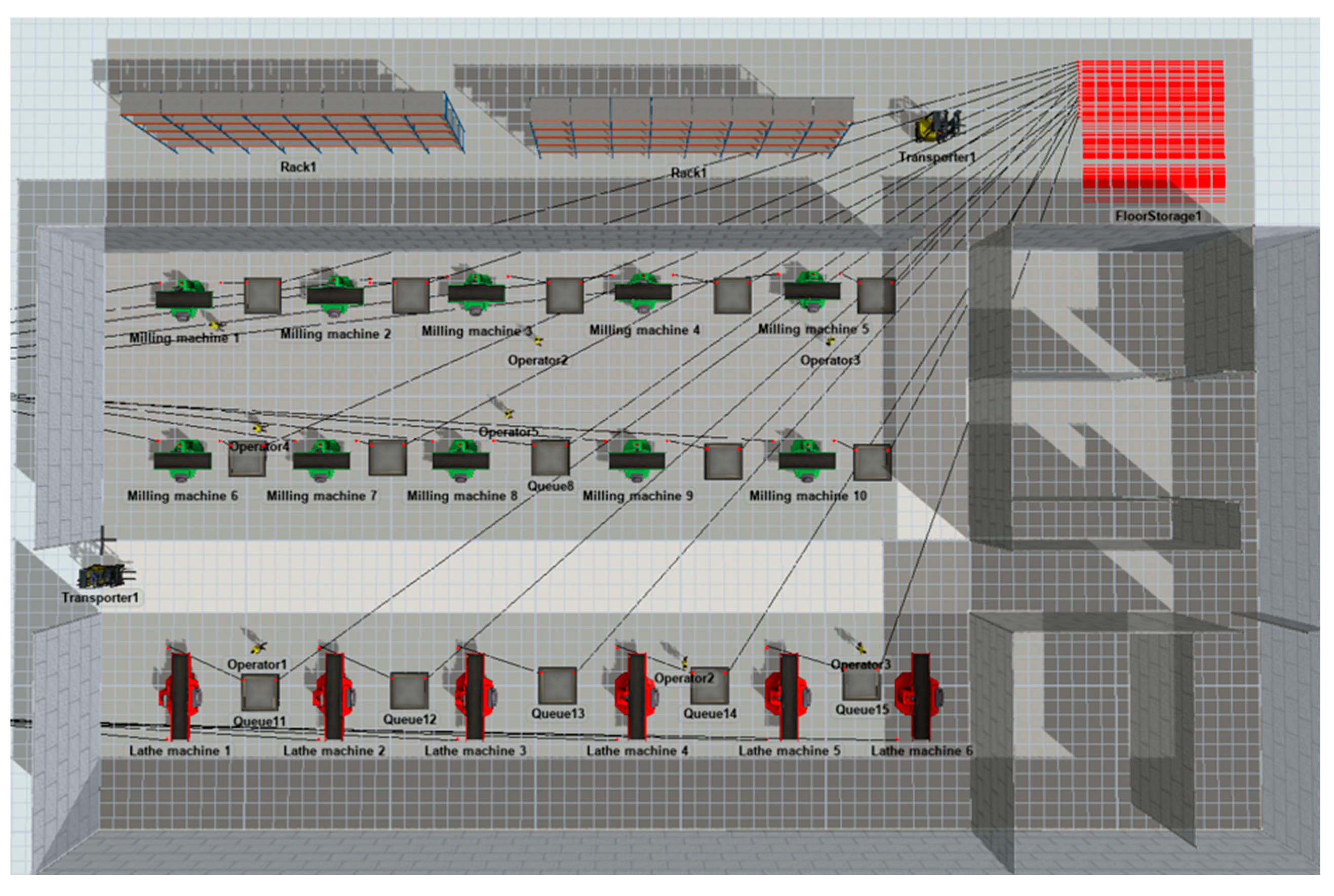
In accordance with the adopted research methodology, the first stage involved the development of a simulation model representing the actual course of the production process, which included a machine park composed of conventional lathes and milling machines (see Figure 3).
The production process parameters, particularly the operation execution times, were implemented in the simulation model based on the values summarized in Table 1. To accurately reflect real technological conditions, a triangular distribution was applied to model the variability of operation durations. Specifically, a distribution of triangular (720.0, 960.0, 840.0, get-stream (current)) was assigned to operations performed on milling machines, while triangular (600.0, 780.0, 690.0, get-stream (current)) was used for operations conducted on lathes. This approach ensured consistency between the simulated model and the actual characteristics of process execution times.
The simulation produced values characterizing the duration of the production process, amounting to 76,532 s for the milling machine group and 41,961 s for the lathe group. The minor discrepancy observed for the lathe group can be attributed to a failure that occurred on one of the machines during the actual production run. The authors relied on data obtained from a real manufacturing facility and did not have access to information on other factors that might have influenced potential discrepancies between the actual and theoretical processing times. Therefore, in order to avoid introducing assumptions based on unverified data, the analysis was based solely on measurements carried out within the enterprise, which represents a limitation of the study. Nevertheless, the adopted approach does not affect the achievement of the article’s objective or the validity of the conclusions drawn from the conducted simulations.
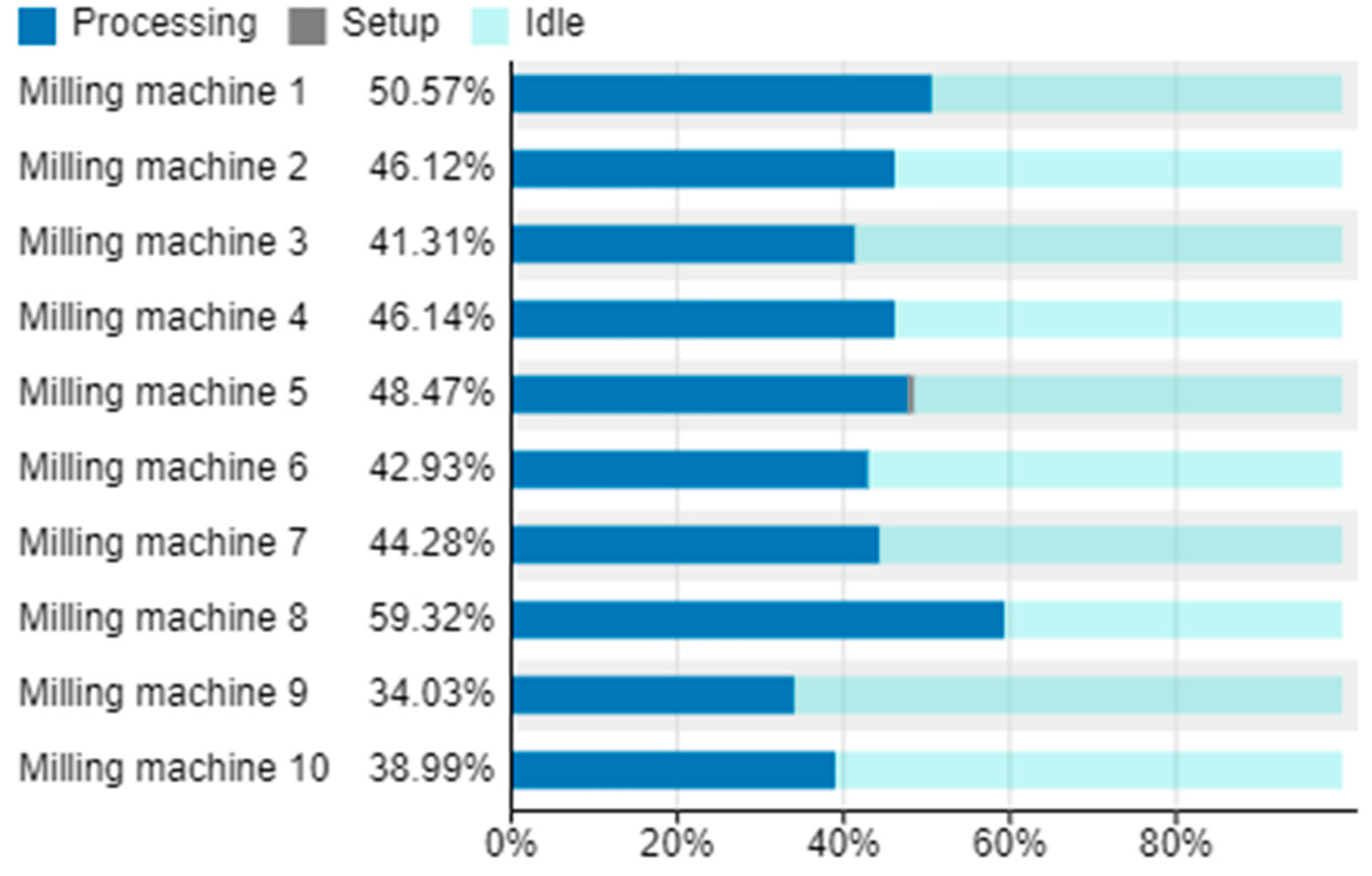
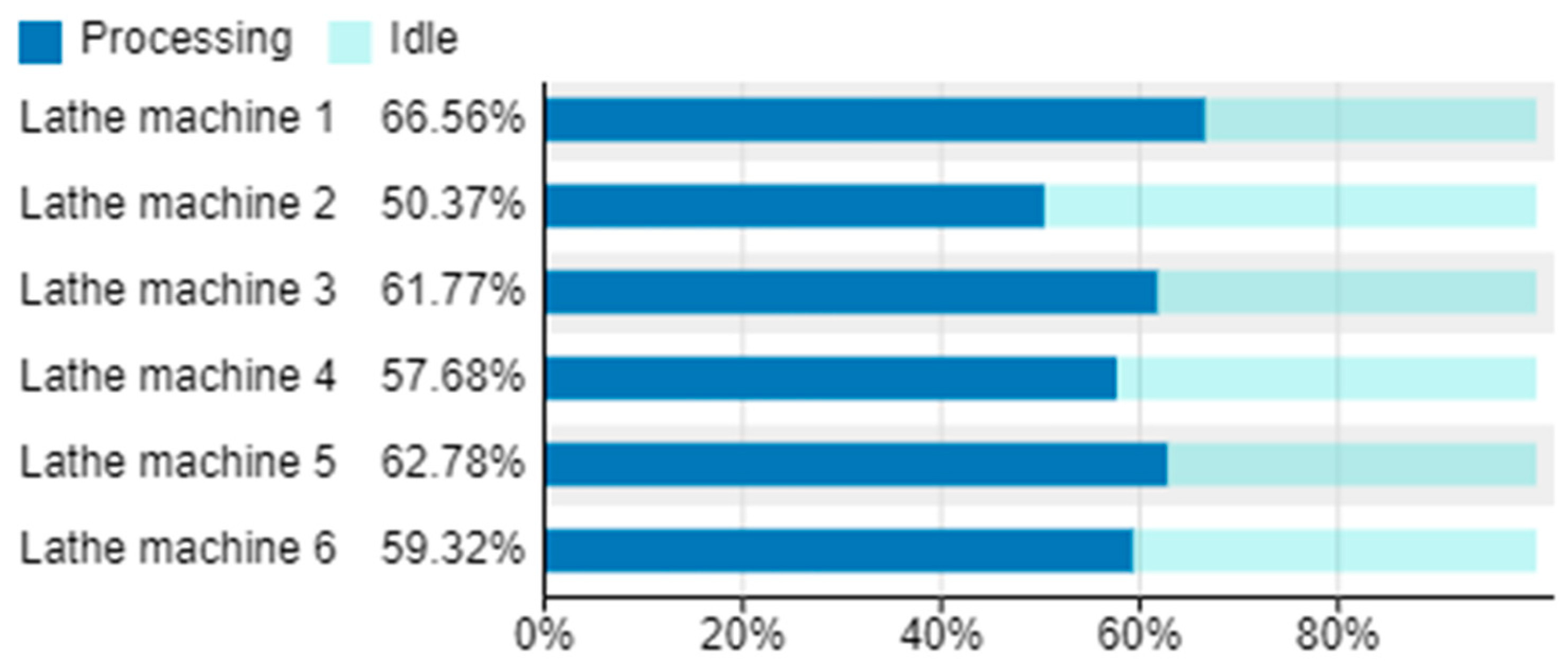
Figure 4 presents the percentage share of individual lathes in the overall production process.
The simulation results suggest that the utilization rate of individual milling machines was uneven, ranging from 34.03% to 59.32%. Milling machine no. 8 achieved the highest value (59.32%), while milling machine no. 9 achieved the lowest (34.03%). The values for the remaining stations ranged from 38.99% to 50.57%, indicating varying, yet moderate, machine utilization. The difference in utilization across machines resulted from the practical product transport strategy of shipping to the first available station. The average utilization for the entire group of milling machines was 45.27%. Figure 5 shows the percentage utilization of lathe.
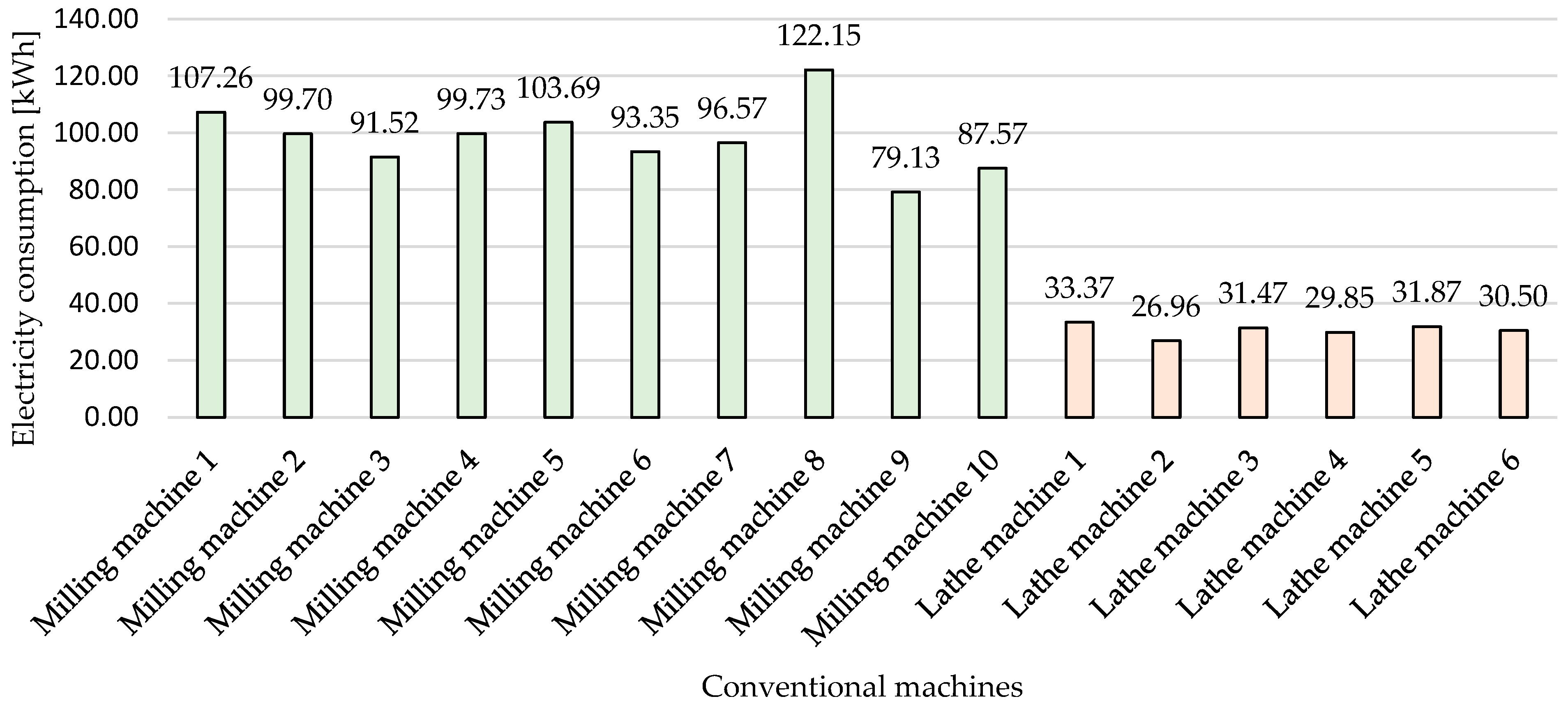
Lathe utilization rates ranged from 50.37% to 66.56%. Lathe No. 1 achieved the highest utilization rate (66.56%), while Lathe No. 2 achieved the lowest (50.37%). The remaining machines achieved scores ranging from 57.68% to 62.78%. The average lathe utilization rate was 59.75%. Based on the obtained utilization rate results, the electricity consumption rate for the two machine groups was calculated, taking into account energy consumption during both operating and waiting times, as shown in Figure 6.
It was found that the electrical energy consumption values of the machine tools varied significantly depending on the station type. For milling machines, the values ranged from 79.13 kWh (Milling machine 9) to 122.15 kWh (Milling machine 8). Milling machine no. 9 had the lowest consumption in this group, while milling machine no. 8 had the highest, with the remaining machines having intermediate values, ranging from 90 to 107 kWh.
For lathes, the values obtained were significantly lower than for milling machines, ranging from 26.96 kWh (Lathe machine 2) to 33.37 kWh (Lathe machine 1). The lower electricity consumption of lathes is due to shorter production times and lower energy demand during both work and waiting times than for lathes. The total energy consumption of all analyzed machine tools (10 milling machines and 6 lathes) was 1164.69 kWh.
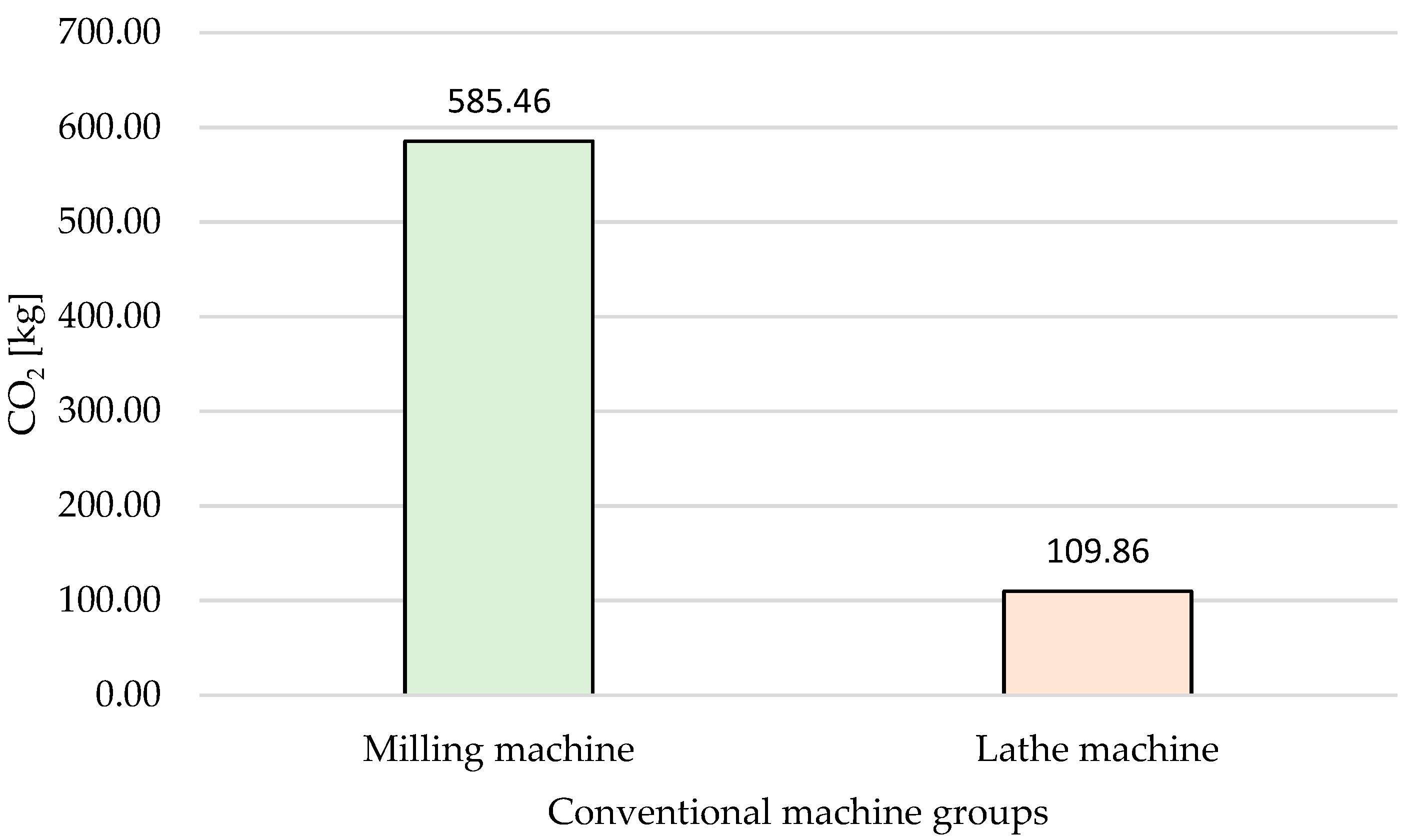
Then, based on the obtained data, we calculated the CO2 emissions resulting from electricity consumption by the two groups of production stations. The total CO2 emissions amounted to 695.32 kg (Figure 7).
The costs generated by the production stations amounted to PLN 882.60 for milling machines and PLN 165.63 for lathes, respectively.
Next, in accordance with the methodology, data defining the production parameters generated by the numerically controlled machines were implemented in the FlexSim simulation software. The data on operating times for CNC machines, as well as for conventional machines, were obtained from the manufacturing company. The operation times were measured by the company during production tests. (Table 4).
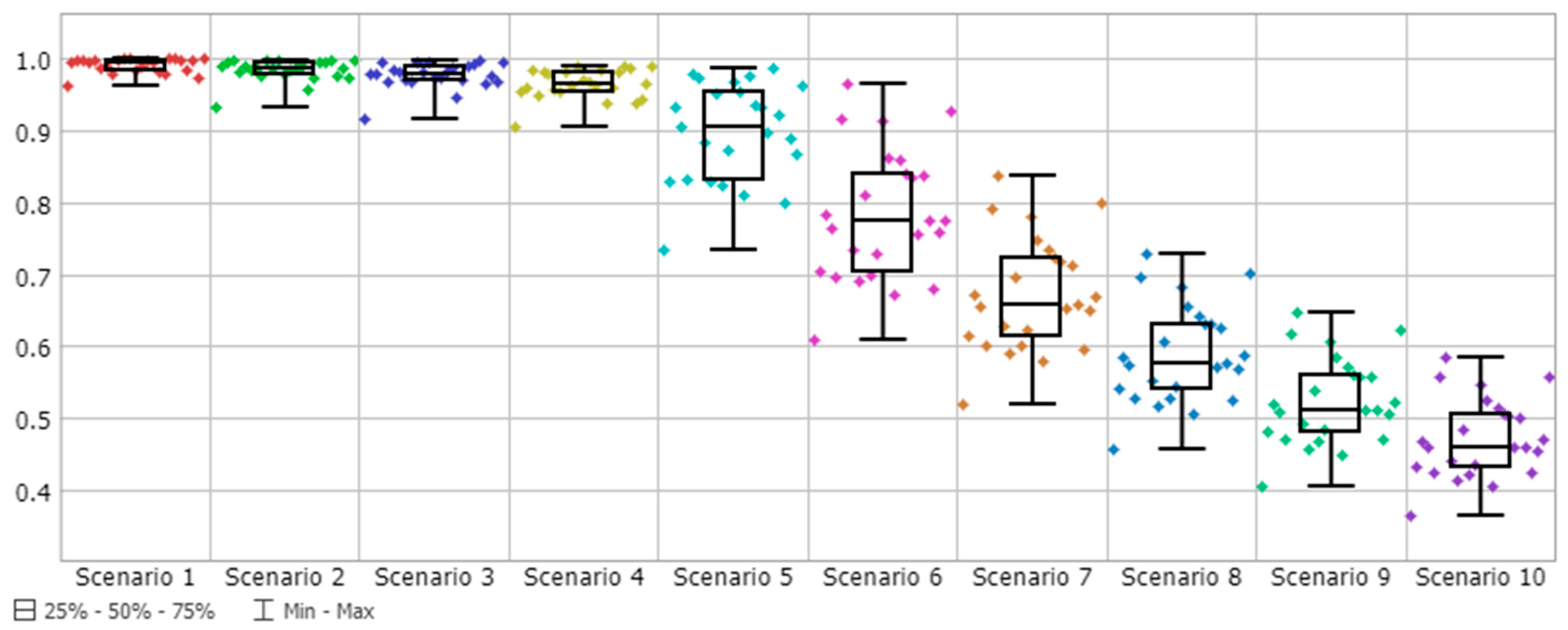
In the subsequent stage of the research, the Experimenter module available in the FlexSim simulation software was employed to conduct a series of 25 replications aimed at assessing the utilization rate of individual workstation groups under various experimental scenarios. For the CNC milling machine group, ten variants were developed, differing in the number of stations—from a single station in Scenario 1 to a complete set of ten stations in Scenario 10 (see Figure 8).
The analysis results indicate that when operating with one to five CNC milling machines, the utilization rate exceeded 92%, which is considered critical for maintaining process stability. In contrast, the scenarios involving nine and ten milling machines yielded utilization rates of 52% and 46%, respectively, indicating relatively low workstation utilization. The most favorable configuration was identified in the scenario employing six milling machines, which achieved a utilization rate of 78%. This result, on the one hand, represents a substantial improvement compared to the utilization levels of conventional machines, and on the other hand, prevents excessive workstation loading, thereby ensuring the stability and safety of the production process. In this scenario, the total duration of the production process performed by the group of milling machines was 55,519 s.
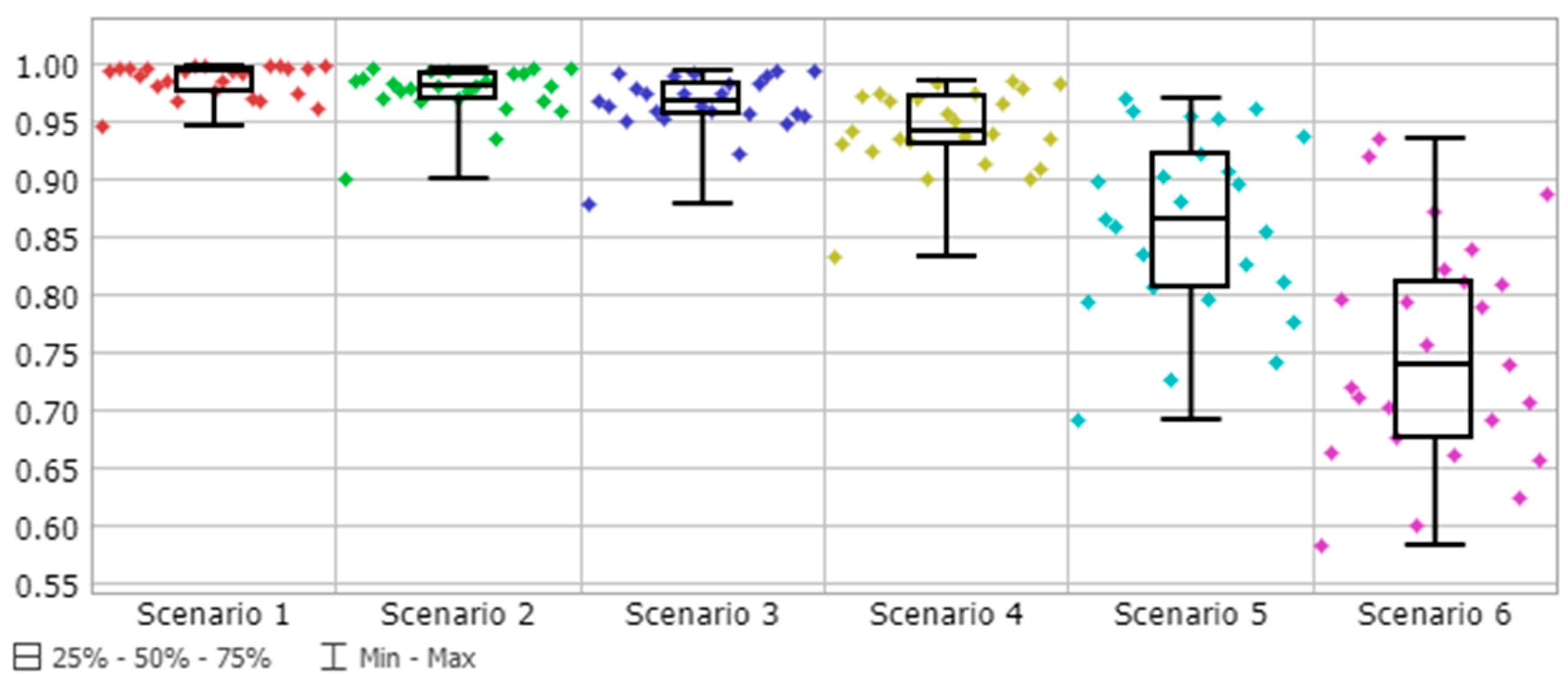
In the next part of the study, a similar analysis was conducted for CNC lathes. In this case, six experimental scenarios were considered, covering different numbers of stations—from one lathe in Scenario 1 to the full number of six milling machines in Scenario 6, see Figure 9.
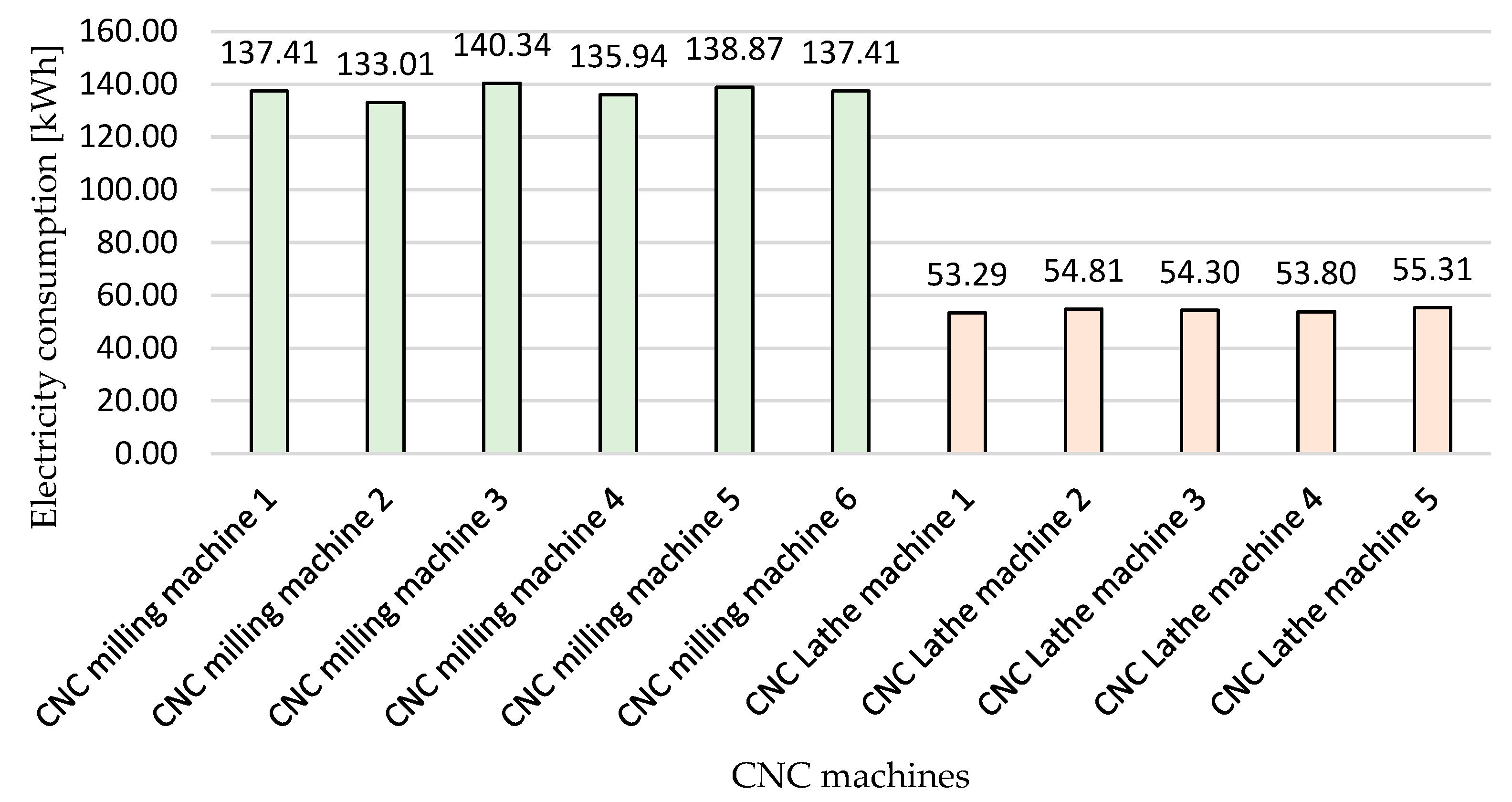
Analysis of the results for the CNC lathe group showed that utilization rates exceeded 93% when using one to four machines, which should be considered critical for process stability. The variant with five milling machines reduced utilization to 87%, which, while still high, was assessed as the most advantageous of the analyzed solutions. With the full number of stations, i.e., six milling machines, utilization dropped to 74%. The production process time for the five lathes was 33,716 s. Based on the obtained results, the electrical energy consumption levels for the two groups of CNC stations were determined (see Figure 10).
Based on the obtained results, a clear difference in energy consumption was observed among the CNC milling machines and CNC lathes. For the CNC milling machines, the recorded energy consumption values ranged from 133 kWh (CNC milling machine no. 2) to approximately 140 kWh (CNC milling machine no. 3). The lowest energy consumption was noted for milling machine no. 2, while the highest was recorded for milling machine no. 3. The remaining milling machines exhibited comparable energy use, ranging from 135 to 139 kWh.
For the CNC lathes, energy consumption values were considerably lower, ranging from just over 53 kWh (Lathe machine 1) to approximately 55 kWh (Lathe machine 5). The differences between individual lathes were minimal, indicating a stable and uniform level of energy usage within this group. The total energy consumption for the six CNC milling machines and five CNC lathes was approximately 1139 kWh.
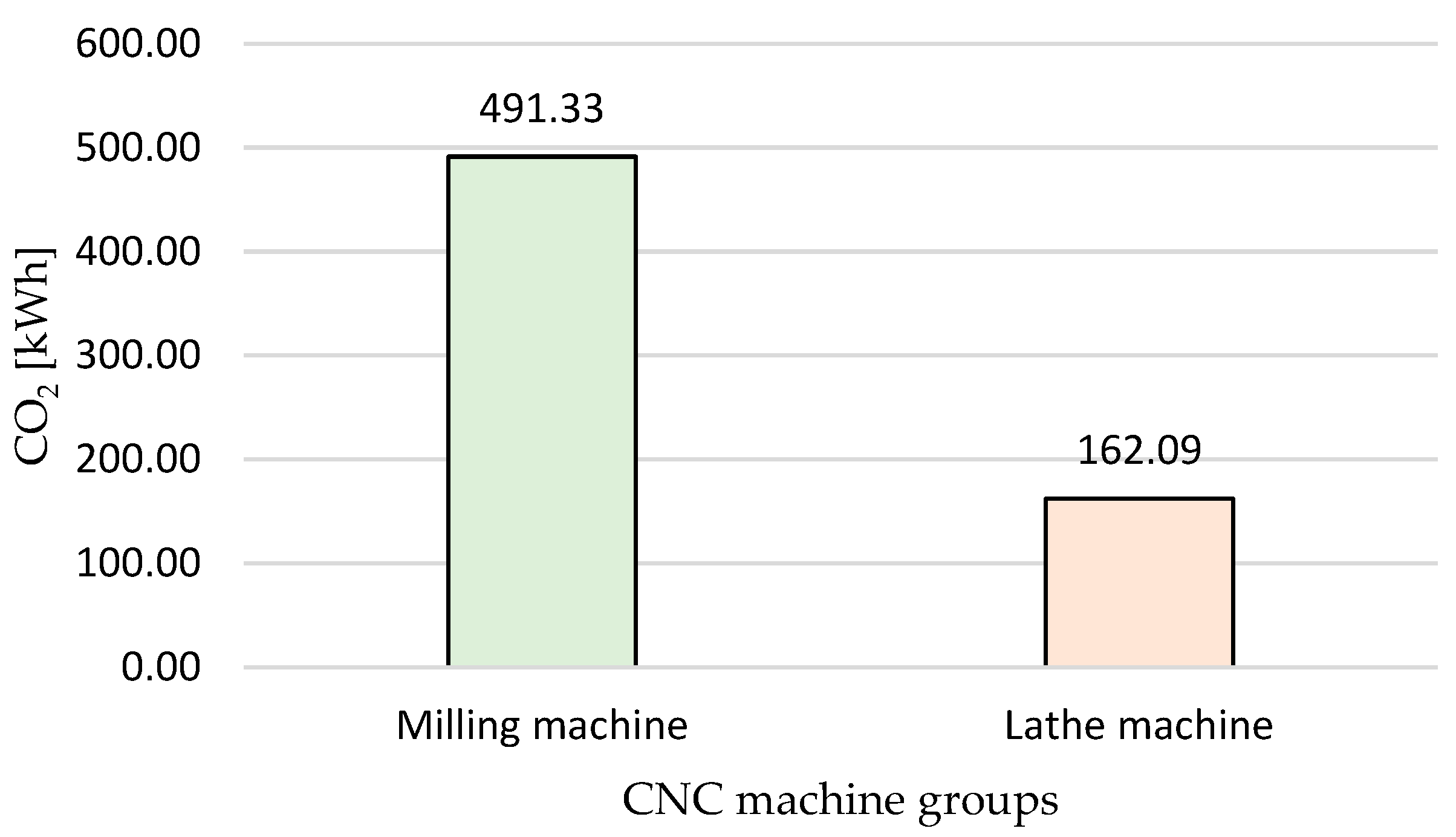
The CO2 emissions resulting from the electricity consumption of the two groups of production stations were then determined. The total CO2 emissions amounted to 653.42 kg, see Figure 11.
The costs generated by the production stations amounted to PLN 794.70 for CNC milling machines and PLN 247.96 for CNC lathes, respectively.
Table 5 presents a comparison of the base variant, which included a total of 16 machining stations equipped with conventional machines, with the optimization solution, which included 11 stations equipped with numerically controlled machine tools, selected on the basis of simulation.
The analysis of the data presented in Table 5 clearly demonstrates that replacing conventional machine tools with CNC equipment enabled a reduction in the number of machining stations by five, from sixteen to eleven, while maintaining the full production capacity of the system. Despite this substantial reduction in the number of machines, total electricity consumption decreased only slightly, from 1164.69 kWh to 1139.49 kWh, which corresponds to a reduction in merely 2.2%. Similarly, carbon dioxide emissions decreased only marginally, by approximately 6% (from 695.32 kg to 653.42 kg), and energy-related costs declined only modestly, from 1048.22 to 1025.54 PLN.
The relatively small scale of improvements in energy and environmental parameters, despite reducing the size of the machine park by more than 30%, may appear counterintuitive. This effect results from the high unit energy consumption of CNC machines, which are characterized by more powerful drives and more complex machining cycles compared with conventional equipment. Consequently, although the overall number of stations decreased substantially, the higher unit energy demand of CNC machines significantly offsets the potential gains associated with reducing the machine park.
At the same time, the production batch completion time was reduced considerably, from 118,493 s for the conventional configuration to 89,235 s for the CNC variant, confirming a substantial improvement in operational efficiency. The efficiency level increased from 52.59% to 82.85%, with CNC lathes achieving the highest efficiency at 87.11%. These findings indicate that the use of simulation tools was essential for accurately assessing the consequences of modernizing the production system. Conducting simulations for both the baseline configuration and the variant incorporating CNC machines enabled a precise analysis of changes in machine loading and their impact on energy, cost, and environmental performance.
The use of detailed input data, including real processing times, machine operating modes, and energy consumption profiles, allowed for the reliable representation of complex relationships between the number of stations, their utilization levels, and the overall energy demand of the process. Computer simulation therefore made it possible not only to identify the optimal configuration of the machine park, but also to understand the reasons behind the relatively modest energy and environmental benefits despite the significant reduction in the number of stations.
This constitutes an important contribution from the perspective of evaluating the economic feasibility of modernization and meeting sustainability requirements, as modernization decisions can be made based on verified forecasts of energy consumption, operating costs, and CO2 emissions. In this context, computer simulation proves to be an indispensable tool supporting the design and transformation of modern production systems.

4. Discussion

The results of the study confirm the high utility of computer simulation as a tool for supporting decision-making in machine modernization. The data indicate that replacing conventional machines with numerically controlled (CNC) machines results in substantial improvements in operational efficiency, while simultaneously reducing energy consumption and CO2 emissions. These findings are consistent with previous studies [31,32,33], which have demonstrated the positive impact of automation on the efficiency and cost-effectiveness of production processes. However, the present study extends this analysis by incorporating aspects of sustainable development, an area that has been rarely addressed in similar publications to date.
Despite certain limitations arising from the adopted model assumption, such as the simplification of technological parameters based on data provided by the manufacturing company, the omission of machine failure rates, the exclusion of internal transport, and the use of a constant CO2 emission factor relative to electricity consumption, the obtained results confirm the validity of using computer simulation as a reliable and flexible tool supporting decision-making processes. The presented case study, although limited in scope to a single production plant, demonstrates the broad potential of simulation in designing and improving production systems in the context of sustainable development. Simulation tools make it possible not only to quantitatively assess the effects of modernization but also to forecast their impact on energy efficiency, operating costs, and greenhouse gas emissions. In this context, it is appropriate to corroborate the findings reported by Modrak and Gregor [10], Ondor et al. [11], and Khan and Abonyi [12], which highlight that computer simulation can serve as a critical tool in planning technological transformations within enterprises and in supporting the implementation of Industry 4.0 initiatives and sustainable development strategies.

5. Conclusions

The conducted research clearly demonstrated that replacing conventional machine tools with CNC machines leads to a substantial improvement in the efficiency of the production process. The most significant outcome is the reduction in the number of machining stations from 16 to 11, i.e., by five machines accompanied by a shortening of the production batch lead time by approximately 25% and an increase in the overall productivity of the process.
Despite the reduction in the number of machines, total electricity consumption decreased only slightly, by 2.2% (from 1164.69 kWh to 1139.49 kWh), which resulted in a moderate reduction in CO2 emissions of approximately 6% (from 695.32 kg to 653.42 kg), as well as a slight decrease in operating costs associated with energy use. This outcome may be perceived as not entirely intuitive, since a decrease in the number of workstations would typically be expected to yield a more pronounced reduction in energy demand. However, the observed effect arises from the relatively high unit power consumption of CNC machines, both in active operation and in standby mode, which partially offsets the positive influence of reducing the number of machining stations on the overall energy performance of the system. This phenomenon confirms that although CNC machines are significantly more productive, their energy intensity remains an important factor shaping the overall energy balance.
A crucial element of the analysis was the computer simulation of the production process combined with an evaluation of machine utilization levels. The use of the FlexSim environment made it possible to accurately determine the optimal configuration of both the number and types of workstations, and to identify variants that ensure process stability without the need to conduct experiments in a real manufacturing setting. The analysis of CNC machine utilization, supported by the Experimenter module, was essential for the correct interpretation of both energy and process-related outcomes. The results obtained provide strong evidence that computer simulation is an exceptionally valuable decision-support tool in the design and modernization of production systems, particularly when the goal is the simultaneous optimization of performance, energy efficiency, and environmental impact.
Despite the limitations of this case study, the results demonstrate the potential of computer simulation as a tool for designing modern and sustainable production systems that integrate high technological efficiency with minimal environmental impact. Future research should broaden the scope of analysis to incorporate comprehensive technological data on the production process, including machine failure rates. It would also be valuable to examine the influence of renewable energy sources on CO2 emissions and operating costs, as well as to conduct a detailed economic assessment encompassing total investment costs, including the acquisition and maintenance of CNC machines.

Author Contributions

Conceptualization, S.P.; methodology, S.P.; validation, M.S.; investigation, S.P.; resources, S.P.; writing—original draft preparation, M.S.; writing—review and editing, M.S.; visualization, S.P.; supervision, M.S. All authors have read and agreed to the published version of the manuscript.

Funding

This research received no external funding.

Institutional Review Board Statement

Not applicable.

Informed Consent Statement

Not applicable.

Data Availability Statement

Data on request.

Conflicts of Interest

The authors declare no conflicts of interest.

References

  1. Stock, T.; Seliger, G. Opportunities of Sustainable Manufacturing in Industry 4.0. In Proceedings of the 13th Global Conference on Sustainable Manufacturing—Decoupling Growth from Resource Use, Binh Duong, Vietnam, 16–18 September 2016; Seliger, G., Malon, J., Kohl, H., Eds.; Elsevier, B.V.: Amsterdam, The Netherlands, 2016; Volume 40, pp. 536–541. [Google Scholar]
  2. Machado, C.G.; Winroth, M.P.; Ribeiro da Silva, E.H.D. Sustainable Manufacturing in Industry 4.0: An Emerging Research Agenda. Int. J. Prod. Res. 2019, 58, 1462–1484. [Google Scholar] [CrossRef]
  3. Sharma, R.; Jabbour, C.J.C.; Lopes de Sousa Jabbour, A.B. Sustainable Manufacturing and Industry 4.0: What We Know and What We Don’t. J. Enterp. Inf. Manag. 2021, 34, 230–266. [Google Scholar] [CrossRef]
  4. Jamwal, A.; Agrawal, R.; Sharma, M.; Giallanza, A. Industry 4.0 Technologies for Manufacturing Sustainability: A Systematic Review and Future Research Directions. Appl. Sci. 2021, 11, 5725. [Google Scholar] [CrossRef]
  5. De Sousa Jabbour, A.B.L.; Jabbour, C.J.C.; Foropon, C.; Filho, M.G. When Titans Meet—Can Industry 4.0 Revolutionise the Environmentally-Sustainable Manufacturing Wave? The Role of Critical Success Factors. Technol. Forecast. Soc. Change 2018, 132, 18–25. [Google Scholar] [CrossRef]
  6. Botín-Sanabria, D.M.; Mihaita, A.-S.; Peimbert-García, R.E.; Ramírez-Moreno, M.A.; Ramírez-Mendoza, R.A.; Lozoya-Santos, J.d.J. Digital Twin Technology Challenges and Applications: A Comprehensive Review. Remote Sens. 2022, 14, 1335. [Google Scholar] [CrossRef]
  7. Emmert-Streib, F. Defining a Digital Twin: A Data Science-Based Unification. Mach. Learn. Knowl. Extr. 2023, 5, 1036–1054. [Google Scholar] [CrossRef]
  8. Barosz, P.; Gołda, G.; Kampa, A. Efficiency Analysis of Manufacturing Line with Industrial Robots and Human Operators. Appl. Sci. 2020, 10, 2862. [Google Scholar] [CrossRef]
  9. Grznár, P.; Gregor, M.; Krajčovič, M.; Mozol, Š.; Schickerle, M.; Vavrík, V.; Ďurica, L.; Marschall, M.; Bielik, T. Modeling and Simulation of Processes in a Factory of the Future. Appl. Sci. 2020, 10, 4503. [Google Scholar] [CrossRef]
  10. Modrak, V.; Gregor, M. What Role Does Simulation Play in Sustainable Industrial Development? Processes 2024, 12, 1007. [Google Scholar] [CrossRef]
  11. Ondov, M.; Rosova, A.; Sofranko, M.; Feher, J.; Cambal, J.; Feckova Skrabulakova, E. Redesigning the Production Process Using Simulation for Sustainable Development of the Enterprise. Sustainability 2022, 14, 1514. [Google Scholar] [CrossRef]
  12. Khan, A.A.; Abonyi, J. Simulation of Sustainable Manufacturing Solutions: Tools for Enabling Circular Economy. Sustainability 2022, 14, 9796. [Google Scholar] [CrossRef]
  13. Lewicki, W.; Niekurzak, M.; Wróbel, J. Development of a Simulation Model to Improve the Functioning of Production Processes Using the FlexSim Tool. Appl. Sci. 2024, 14, 6957. [Google Scholar] [CrossRef]
  14. Kliment, M.; Kronová, J.; Pekarčíková, M.; Trebuňa, P.; Baluch, M. The Implementation of Simulation in Designing Production Expansion. Processes 2025, 13, 299. [Google Scholar] [CrossRef]
  15. Ferro, R.; de Oliveira, J.V.P.; Cordeiro, G.A.; Ordóñez, R.E.C. Application of Modeling and Simulation in a Self-Reprogrammable Prototype of a Manufacturing System. Appl. Sci. 2025, 15, 3298. [Google Scholar] [CrossRef]
  16. Janeková, J.; Fabianová, J.; Kádárová, J. Optimization of the Automated Production Process Using Software Simulation Tools. Processes 2023, 11, 509. [Google Scholar] [CrossRef]
  17. Bendowska, K.; Zawadzki, P. Development and Verification of a Simulation Model of an Automated Assembly Line. Appl. Sci. 2023, 13, 10142. [Google Scholar] [CrossRef]
  18. Skapinyecz, R. Recent Trends in the Optimization of Logistics Systems Through Discrete-Event Simulation and Deep Learning. Algorithms 2025, 18, 573. [Google Scholar] [CrossRef]
  19. Deng, J. Resource Management in FlexSim Modelling: Addressing Drawbacks and Improving Accuracy. Appl. Sci. 2023, 13, 5760. [Google Scholar] [CrossRef]
  20. Benmoussa, O. Improving Replenishment Flows Using Simulation Results: A Case Study. Logistics 2022, 6, 34. [Google Scholar] [CrossRef]
  21. Du, J.; Mumtaz, J.; Zhao, W.; Huang, J. FlexSim-Simulated PCB Assembly Line Optimization Using Deep Q-Network. Eng. Proc. 2024, 75, 34. [Google Scholar] [CrossRef]
  22. Dominik, M.; Kęsek, M. Zastosowanie symulacji komputerowej do oceny parametrów wydajności procesu lutowania selektywnego. Appl. Sci. 2025, 15, 8649. [Google Scholar] [CrossRef]
  23. Sevella, V.; Ali, A.; Abdelhadi, A.; Alkhaleefah, A. Data-Driven Optimization of CNC Manufacturing Using Simulation and DOE Techniques. Appl. Sci. 2025, 15, 7637. [Google Scholar] [CrossRef]
  24. Park, S.; Hwang, J.; Yang, H.; Kim, S. Simulation Modelling for Automated Guided Vehicle Introduction to the Loading Process of Ro-Ro Ships. J. Mar. Sci. Eng. 2021, 9, 441. [Google Scholar] [CrossRef]
  25. Fedorko, G.; Molnár, V.; Strohmandl, J.; Horváthová, P.; Strnad, D.; Cech, V. Research on Using the Tecnomatix Plant Simulation for Simulation and Visualization of Traffic Processes at the Traffic Node. Appl. Sci. 2022, 12, 12131. [Google Scholar] [CrossRef]
  26. Ojstersek, R.; Buchmeister, B.; Vujica Herzog, N. Use of Data-Driven Simulation Modeling and Visual Computing Methods for Workplace Evaluation. Appl. Sci. 2020, 10, 7037. [Google Scholar] [CrossRef]
  27. Jeon, H.-w.; Ebrahimi, A.; Lee, G.-h. A Simulation-Based Experimental Design for Analyzing Energy Consumption and Order Tardiness in Warehousing Systems. Sustainability 2023, 15, 14891. [Google Scholar] [CrossRef]
  28. Halverson, R. Simulation with Enterprise Dynamics Software: Tutorial Presentation. J. Comput. Sci. Coll. 2006, 21, 161. [Google Scholar]
  29. Gola, A.; Wiechetek, Ł. Modelling and Simulation Production Flow in Job-Shop Production System with Enterprise Dynamics Software. Appl. Comput. Sci. 2017, 13, 87–97. [Google Scholar] [CrossRef]
  30. Zurnacı, E.; Uzuner, S.; Nas, E. Porównanie metod pomiaru zużycia energii wspomaganych automatyzacją i metod konwencjonalnych w obróbce numerycznej. Machines 2025, 13, 148. [Google Scholar] [CrossRef]
  31. Glaser, A. Industrial Robots; Industrial Press: New York, NY, USA, 2009. [Google Scholar]
  32. Kampa, A.; Gołda, G.; Paprocka, I. Discrete Event Simulation Method as a Tool for Improvement of Manufacturing Systems. Computers 2017, 6, 10. [Google Scholar] [CrossRef]
  33. Coto-Millán, P.; Paz Saavedra, D.; de la Fuente, M.; Fernandez, X.L. Integracja logistyki z globalną produkcją: Nowe podejście. Logistics 2024, 8, 99. [Google Scholar] [CrossRef]
  34. Kaur, G.; Kander, R. Supply Chain Simulation of Manufacturing Shirts Using System Dynamics for Sustainability. Sustainability 2023, 15, 15353. [Google Scholar] [CrossRef]
  35. Pawlewski, P. Scientific and Practical Challenges for the Development of a New Approach to the Simulation of Remanufacturing. Sustainability 2024, 16, 3857. [Google Scholar] [CrossRef]
  36. Law, A.M. Simulation Modeling and Analysis; McGraw-Hill Education: New York, NY, USA, 2015. [Google Scholar]
Figure 1. Layout of facilities within the production plant.
Sustainability 17 10932 g001
Figure 2. Methodology of procedure.
Sustainability 17 10932 g002
Figure 3. Computer simulation model in the FlexSim simulation software.
Sustainability 17 10932 g003
Figure 4. The level of use of conventional milling machines in the production process.
Sustainability 17 10932 g004
Figure 5. The level of use of conventional lathe machines in the production process.
Sustainability 17 10932 g005
Figure 6. Energy consumption of conventional machines.
Sustainability 17 10932 g006
Figure 7. CO2 emissions from conventional machines.
Sustainability 17 10932 g007
Figure 8. The result of the experiment conducted in the FlexSim simulation software regarding the level of utilization of CNC milling machines (y-axis—level of utilization of production stations, x-axis—scenario number).
Sustainability 17 10932 g008
Figure 9. The result of an experiment conducted in FlexSim simulation software regarding the level of utilization of CNC lathes machines (y-axis—level of utilization of production stations, x-axis—scenario number).
Sustainability 17 10932 g009
Figure 10. Energy consumption of CNC machines.
Sustainability 17 10932 g010
Figure 11. CO2 emissions from CNC machine group.
Sustainability 17 10932 g011
Table 1. Research on the use of computer simulation in production and logistics processes.
Author(s)/YearTitleScope of Research (Methods/Findings)
Lewicki, W.; Niekurzak, M.; Wróbel, J. (2024), [13]Development of a Simulation Model to Improve the Functioning of Production Processes Using the FlexSim ToolMethods: FlexSim 2023 software was used to build a three-dimensional simulation model of a specific production system in the plant.
Findings: Bottlenecks in the flow of materials were identified and improvements were proposed, which enabled increased efficiency and better use of resources.
Kliment, M.; Kronová, J.; Pekarčíková, M.; Trebuňa, P.; Baluch, M. (2025), [14]The Implementation of Simulation in Designing Production ExpansionMethods: Siemens Tecnomatix Plant Simulation was used to model the production and storage process, analyzing various production expansion scenarios.
Findings: Potential bottlenecks were identified and resource deployment was optimized, supporting expansion planning with limited risk of changes to the actual system.
Ferro, R.; de Oliveira, J.V.P.; Cordeiro, G.A.; Ordóñez, R.E.C., [15]Application of Modeling and Simulation in a Self-Reprogrammable Prototype of a Manufacturing SystemMethods: A prototype of a production system with self-programming features was created, integrating the simulation model with its management (digital twin concept) in order to verify the interaction of the system with the simulator.
Findings: It has been confirmed that digital twin simulation enables dynamic system reconfiguration and increases production flexibility.
Janeková, J.; Fabianová, J.; Kádárová, J. (2023), [16]Optimization of the Automated Production Process Using Software Simulation ToolsMethods: Production investment variants were simulated using dedicated simulation tools, analyzing profitability and risk to increase productivity by at least 50%.
Findings: Economically optimal variants were revealed, which could be verified in a simulation in terms of risk before being implemented in practice.
Bendowska, K.; Zawadzki, P. (2023), [17]Development and Verification of a Simulation Model of an Automated Assembly LineMethods: A simulation model of an automated assembly line was developed and verified (in the Smart Factory laboratory) using the Tecnomatix Plant Simulation environment.
Findings: The model enabled the analysis of production scenarios and the selection of the optimal variant in terms of performance criteria and cycle times.
Skapinyecz, R. (2025), [18]Recent Trends in the Optimization of Logistics Systems Through Discrete-Event Simulation and Deep LearningMethods: Literature review covering simulation approaches (mainly discrete-event simulation) and integration with deep learning in the context of logistics systems optimization.
Findings: It was pointed out that discrete event simulation is the basic approach for modeling material flows and that its increasingly frequent combination with machine learning algorithms increases the possibilities of forecasting and optimization.
Deng, J. (2023), [19]Resource Management in FlexSim Modelling: Addressing Drawbacks and Improving AccuracyMethods: An example of 3D modeling in FlexSim is presented, which analyzes the impact of using “external resources” on waiting times in queues and proposes an alternative flow model that eliminates measurement errors.
Findings: It is shown that the careless use of external resources can lead to distortion of simulation results, and a corrective approach is proposed that improves the accuracy of waiting time measurements.
Benmoussa, O. (2022), [20]Improving Replenishment Flows Using Simulation Results: A Case StudyMethods: DMAIC and 5-Why methods were used to analyze logistics processes in an automotive plant, and then simulations were run based on the collected data to verify the proposed improvements.
Findings: Based on the simulation results, adjustments to the warehouse replenishment flow were proposed, which resulted in improved inventory tracking, reduced logistics costs and improved process efficiency.
Table 2. Parameters of conventional machines.
ParameterMilling MachineLathe
Number of machines106
Processing time of 1 piece [s]720–960600–780
Energy consumption per 1 h of operation (active) [kWh/1 h]9.04.0
Energy consumption in standby mode [kWh/1 h]1.00.6
Table 3. Description of the simulation model development methodology.
StageTitleDescription of the Activities Carried Out
1Definition of the study objective and problemDevelopment of a simulation model reflecting the actual production process. The model was created to obtain data on the utilization level of production workstations and the duration of the manufacturing process, depending on the applied production resources and their quantity.
2Development of the conceptual modelDetermination of the material flow within the analyzed process, involving the execution of a production order through the performance of specific manufacturing operations at designated workstations, followed by transferring semi-finished products to intermediate buffers. The Just-in-Time (JIT) system was applied.
3Collection of input data for the modelImplementation of key input data into the simulation model, including:
  • operation times,
  • electrical energy consumption levels,
  • CO2 emissions.
In the analyzed case study, data on process execution times and energy consumption were provided directly by the manufacturer and were not subject to further analysis, as the authors had no feasible way to verify or further examine these values and had to assume their conformity with the real parameters generated during the actual manufacturing process.
4Construction of the simulation modelThe simulation model was built using the FlexSim 22.2.1 simulation software.
5Verification and validation of the modelDuring the development of the current-state model, a validation procedure was carried out to assess the accuracy of the model’s reflection of the real system. The validation process consisted of comparing the data implemented in the model with the data obtained from analyses conducted by the manufacturer.
6Execution of the experimentSimulation experiments were carried out for the real variant, which included the actual number of conventional machine tools involved in the execution of production operations, as well as for the future-state experiment aimed at determining the required number of CNC machines. The analysis was performed using the Experimenter function in the software, with 25 replications executed
7Analysis of the resultsA comparative analysis of the obtained simulation results was conducted to evaluate the impact of different production configurations on system efficiency, resource utilization, CO2 emission levels, and costs.
Table 4. CNC machine parameters.
ParameterCNC Milling MachineCNC Lathe
Processing time of 1 piece [s]360–600 300–420
Energy consumption per 1 h of operation (active) [kWh/1 h]11.00 6.5
Energy consumption in standby mode [kWh/1 h]1.5 1.1
Table 5. Analysis of parameters generated by conventional and CNC machines.
ParameterBefore ImprovementsAfter Improvements
Milling MachineLathe MachineCNC Milling MachineCNC Lathe Machine
Number of positions10665
1611
Batch lead time76,53241,96155,51933,716
118,49389,235
Energy consumption [kWh]980.66 184.03882.99275.51
1164.69 1139.49
Efficiency level [%]45.7659.4178.6187.11
52.5982.85
CO2 emission level [kg]585.46109.86491.33162.09
695.32653.42
Cost [PLN]882.59165.63794.70247.96
1048.221025.54
Disclaimer/Publisher’s Note: The statements, opinions and data contained in all publications are solely those of the individual author(s) and contributor(s) and not of MDPI and/or the editor(s). MDPI and/or the editor(s) disclaim responsibility for any injury to people or property resulting from any ideas, methods, instructions or products referred to in the content.