Article

Integrating Industry 4.0 and Sustainability Toward Attaining Smart Manufacturing Systems

1
Department of Humanities and Social Sciences, Indian Institute of Space Science and Technology, Department of Space, Valiamala P.O., Thiruvananthapuram 695547, Kerala State, India
2
CET School of Management, College of Engineering Trivandrum, Thiruvananthapuram 695016, Kerala State, India
3
Department of Mechanical Engineering, Government Engineering College Barton Hill, Kunnukuzhi, Thiruvananthapuram 695035, Kerala State, India
*
Author to whom correspondence should be addressed.
Sustainability 2025, 17(23), 10674; https://doi.org/10.3390/su172310674
Submission received: 24 October 2025 / Revised: 21 November 2025 / Accepted: 21 November 2025 / Published: 28 November 2025

Abstract

Making smart and sustainable manufacturing operations is a top priority for industries in the era of digitization. Numerous studies have demonstrated the feasibility of attaining sustainability goals by incorporating Industry 4.0 technologies. There is still a scarcity of research in the existing literature on deploying smart and sustainable systems within a smart manufacturing context. This study aims to develop an implementation framework for smart sustainable systems and analyze its impact on business practices. It presents a multiple case study analysis of manufacturing organizations based on secondary data collection. The outcomes of these studies assist in developing a framework for a smart sustainable system structured into five layers. These include identification of the area, establishing a correlation, system integration, development of sustainability 4.0, and analyzing the performance based on the Triple Bottom Line (TBL) approach. The study’s results indicate that implementation of smart sustainable systems leads to enhanced organizational performance, which is particularly seen in the areas of sustainable purchasing, sustainable manufacturing, sustainable logistics, and sustainable marketing. Implementation of smart sustainable operations contributes to achieving economic sustainability 4.0, social sustainability 4.0, and environmental sustainability 4.0. The findings of this research will offer guidance to the academic and business communities in their pursuit of sustainability 4.0.

1. Introduction

By introducing state-of-the-art technologies like big data, digital twins, Internet of Things (IoT), Cyber–Physical Systems (CPSs), Artificial Intelligence (AI), robotics, additive manufacturing, and blockchain, Industry 4.0 plays a significant role in sustainable value creation. The key benefits of using these technologies include resource optimization, end-to-end digitization, and continuous improvement [1]. Through the successful deployment of these technologies, a more sustainable and technologically advanced business would be seen in the future [2,3]. The literature has various perspectives on the concept of sustainability. It is defined as the ability to fulfil the current generation’s demands without affecting those of future generations [4]. Sustainability has undergone four major transformations along with market dynamics; these are sustainability 1.0, sustainability 2.0, sustainability 3.0, and sustainability 4.0 [5]. Figure 1 shows the changing landscape of sustainability transformation [6].
The focus of sustainability 1.0 is entirely to achieve economic benefits for the organization. It places greater emphasis on centralizing and standardizing processes to achieve financial gains. Customer orientation is achieved through enhanced marketing and communication strategies [7]. Sustainability 2.0 identifies the importance of social and environmental dimensions, along with the economic dimension. Only the existing members benefited from strategic and management practices [8].
Sustainability 3.0 shifted the focus from getting advantages for its existing members only to the development of common commodities that benefit society [9]. The integration of Industry 4.0 technologies into a sustainable supply chain, while considering their impact on the TBL, gives rise to the emergence of a concept which is known as Sustainability 4.0. This innovative approach offers new insights into Industry 4.0 technologies, which are considered the digitization of operations.
Technological innovation has a profound impact on sustainable development. Thus, considerable attention has been paid to the potential consequences of smart technologies on sustainable development by both governmental and industrial organizations [10]. These technologies provide significant advantages to industrial outputs by enhancing productivity levels. The benefits of digitalization include innovation, increased labor productivity, and shorter lead times [11]. Table 1 lists various countries’ strategies for their sustainability initiatives.
Digital transformation is an absolute necessity for all businesses to remain competitive on a global scale. Nonetheless, the industry is presently facing the absence of a holistic strategy for adopting sustainability practices in business through digitization. Poor management practices adversely affect supply chain operations. Tseng et al. [16] emphasized that inadequate sustainability integration with the existing supply chain is the primary cause of failures. A lack of information regarding implementing smart, sustainable practices hinder practitioners’ adoption of these practices. Transitioning to a smart and sustainable network can effectively mitigate the decline in traditional supply chain performance [4,17]. Therefore, a substantial opportunity exists to integrate Industry 4.0 technologies with sustainable practices to develop a smart sustainable system. The impact of smart technologies on the growth of sustainable industries requires further investigation. This study examines the operational mechanisms of smart technologies to attain sustainable business practices, ultimately leading to sustainable outcomes.
This study addresses the following research questions:
(1)
What is the impact of Industry 4.0 technologies on the advancement of sustainability 4.0?
(2)
How does the integration of smart technologies lead to the development of smart sustainable systems?
(3)
How can smart and sustainable practices contribute to economic sustainability 4.0, social sustainability 4.0, and environmental sustainability 4.0?
This paper is further structured as follows:
Section 2 discusses the literature reviews on Industry 4.0, the correlation between smart sustainability practices and TBL dimensions, and the changing smart manufacturing paradigms. Section 3 covers a multiple-case study analysis. In Section 4, we describe an implementation framework that integrates smart technologies with sustainability practices. The challenges to adopting smart sustainable systems are detailed in Section 5. Finally, in Section 6, we conclude the paper with academic and managerial applications, as well as the scope of future research in sustainability 4.0.

2. Literature Review

Academic and managerial attention has recently been drawn to Industry 4.0, sustainability, and smart manufacturing. The literature review section is divided into three subsections. The first subsection is related to Industry 4.0 advancements. The second subsection covered the correlation between smart sustainability practices and TBL dimensions. The third subsection elaborates on the changing paradigms of smart manufacturing.

2.1. Industry 4.0 Advancements

The emergence of Industry 4.0 technologies has totally transformed the way organizations used to conduct their businesses. In this evolving business landscape, organizations can independently set up, improve, and expand the system’s capacity, leveraging Industry 4.0 technologies [18]. One of the advantages of Industry 4.0 technologies is that they connect people and machines via a virtual platform to form a smart network. Through these technologies, businesses can streamline their operations, enhance their managerial practices, and offer better customer service.
Digital transformation at every level in the supply chain network is necessary in Industry 4.0 for establishing a value chain [19]. Many challenges experienced by businesses, such as shorter product life cycles, competitive market conditions, and changing client demands, can be addressed using these technologies [20]. Industry 4.0 also enables building of an interconnected supply chain network, where customer demands can be fulfilled in eco-friendly methods [21]. All of these have increased the efficiency of business operations in many areas like product management, material utilization, manufacturing operations, and production systems [22].
Adopting Industry 4.0 technologies enables organizations to enhance their performance indicators. IoT and CPS enhance business productivity by real-time tracking of manufacturing operations [23]. Digital twins create a virtual replica of a physical model and test it under different working conditions. Simulation modelling helps to understand how the model will work in a physical environment [24]. Big data and AI contribute to the continuous improvement of the project through autonomously identifying the system’s condition [25]. Augmented reality provides a virtual human–machine interface that offers employees an innovative and creative working environment.

2.2. Correlation Between Smart Sustainability Practices and TBL Dimensions

Industry 4.0 technologies are capable of enhancing every dimension of the TBL. Kamble et al. [26] proposed a conceptual framework based on the collaboration of people and machines. It describes the interconnection among economic, social, and environmental dimensions. Margherita and Braccini [27] conducted a review and found a correlation between Industry 4.0 technologies and the TBL, with a specific emphasis on the economic dimension. These technologies have significantly impacted various aspects of the social dimension, including working conditions, working hours, and workplace health and safety [28]. Smart operations have the ability to alleviate societal problems such as poverty, a lack of unity, and social instability [29]. Müller et al. [30] highlighted the importance of implementing Industry 4.0 technologies for achieving environmental sustainability.
The impact of Industry 4.0 technologies varies depending on the specific type of technologies used [31]. Moktadir et al. [32] detailed the significance of information sharing in the development of green product design. Liu and Giovanni [33] employed mathematical modeling to demonstrate the potential of green practices in achieving environmental sustainability. Birkel and Müller [34] studied the impact of Industry 4.0 technologies in the domain of logistics and reverse logistics. They claimed that these technologies streamline logistics processes. Rajput and Singh [35] asserted that implementing smart technologies would enhance the efficiency of sustainable supply chain operations by enabling real-time monitoring of processes.
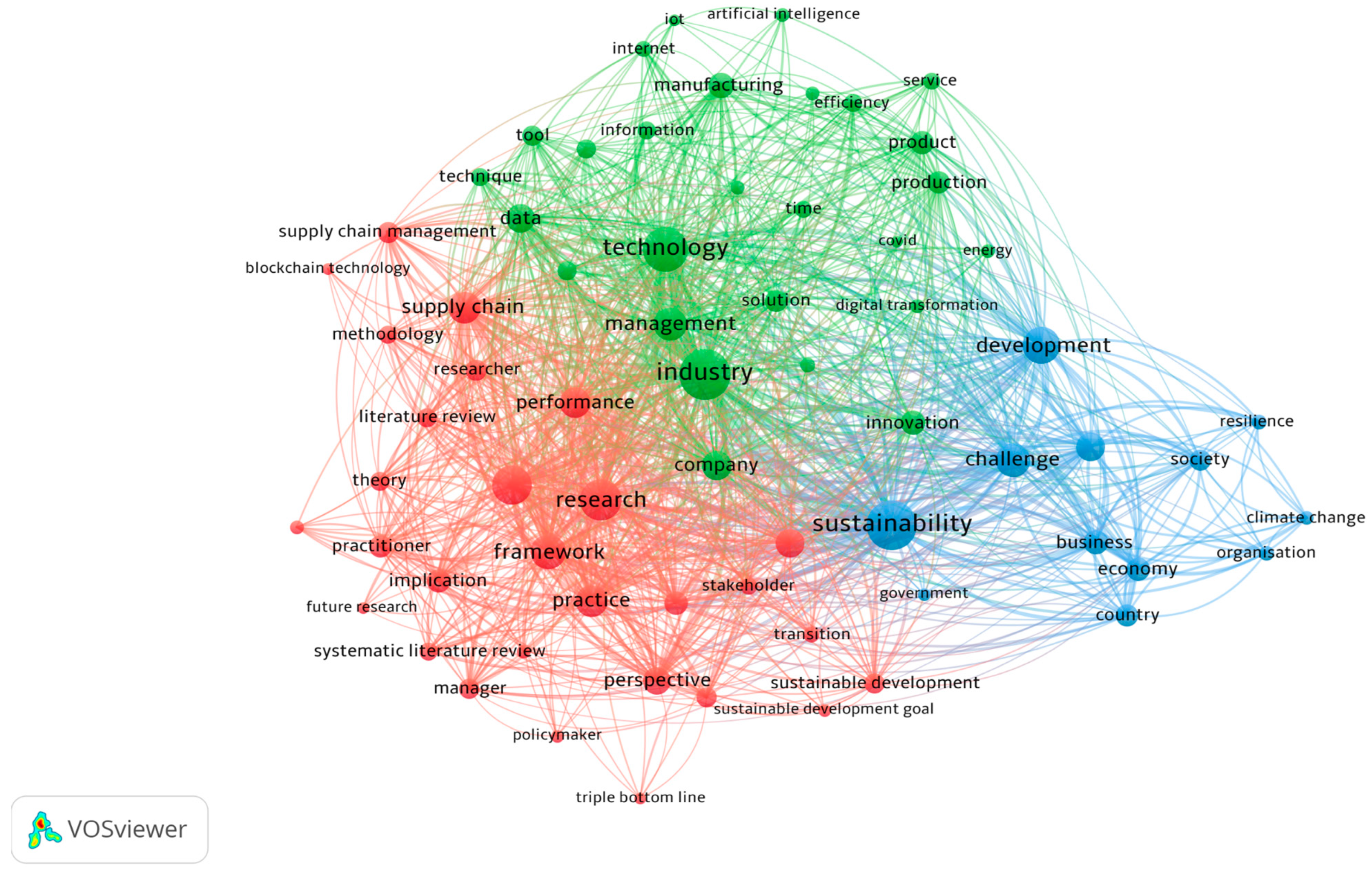
Figure 2 depicts a keyword analysis of different areas of sustainability using VOSviewer software version 1.6.19. The approach employed in this analysis is distance-based visualization. It shows a network of many keywords and the connections between them. The arrangement of keywords within a bibliometric network is such that the proximity between two keywords approximates the keywords’ degree of relatedness. Higher relatedness is generally associated with shorter distances between keywords.
The magnitude of the dot size corresponds to the intensity of the connections. The frequency of these keywords is higher. The color of the cluster signifies conceptual similarity. This particular example contains three clusters. The keywords in each cluster are more closely related to each other. The keywords industry, technology, and sustainability exhibit a relatively large number of occurrences.

2.3. The Changing Smart Manufacturing Paradigms

Many studies have examined the correlation between Industry 4.0 and sustainability, as well as its repercussions on manufacturing operations. Jayashree et al. [36] asserted that these newly emerging technologies are the technological cornerstones of the fourth industrial revolution. They concluded that these technologies have the potential to create a sustainable future for society by continuously improving manufacturing operations.
Smart manufacturing is a virtual representation of manufacturing operations that resulted in the development of a self-monitoring system. It is a data-driven process that enhances resource efficiency, product customization, and precise decision-making [37]. A smart factory integrates these technologies into shop floor operations to enhance flexibility and establish a robust shop floor system. Luthra et al. [38] have found that for the successful implementation of these technologies, it is necessary to have integration in both horizontal and vertical dimensions across all levels, which enables the formation of a sustainable culture within the supply chain network.
Incorporating Industry 4.0 technologies reduces the setup times in manufacturing operations [39]. Ricci et al. [40] detailed the data characteristics of smart manufacturing, which included self-control, self-execution, and self-learning inside the system. Smart manufacturing systems have advanced characteristics like interconnected machines that can track the status of events occurring in other systems, allowing them to make smart decisions in real time [41]. In their research, Rahardjo et al. [42] highlighted a model for a smart and sustainable manufacturing system based on the principles of Define, Measure, Analyse, Improve, and Control.
The implementation of Industry 4.0 technologies to achieve sustainability offers various benefits, including improved operational efficiency, enhanced quality, and reduced lead times [43]. However, there are challenges in employing smart technologies, specifically teaching new management skills, procuring additional human resources, and transforming organizational culture [44].
A lack of management commitment to adopt smart technologies and inconsistent alignment of sustainability practices with organizational goals are significant barriers to implementing smart sustainable systems. The absence of effective communication within the supply chain network and a lack of understanding of smart, sustainable standards are other reasons for the ineffective adoption of sustainability measures. Therefore, having a framework to direct the effective execution of smart and sustainable practices is necessary.
The literature study reveals extensive research on Industry 4.0 and its impact on separate aspects of sustainability. The social dimension has received comparatively less attention in the existing literature when compared to the other two dimensions. The literature has various frameworks that have not been tested for their practicality. Several studies have indicated that Industry 4.0 technologies offer potential solutions. However, these studies have not been able to establish a strong connection between smart technologies and sustainable practices. Although the literature study addressed the problems that occurred during the adaptation of smart technologies, only a few studies suggested methods for effectively integrating smart and sustainable practices. The literature fails to address the correlation between Industry 4.0 and the overall performance of the TBL.
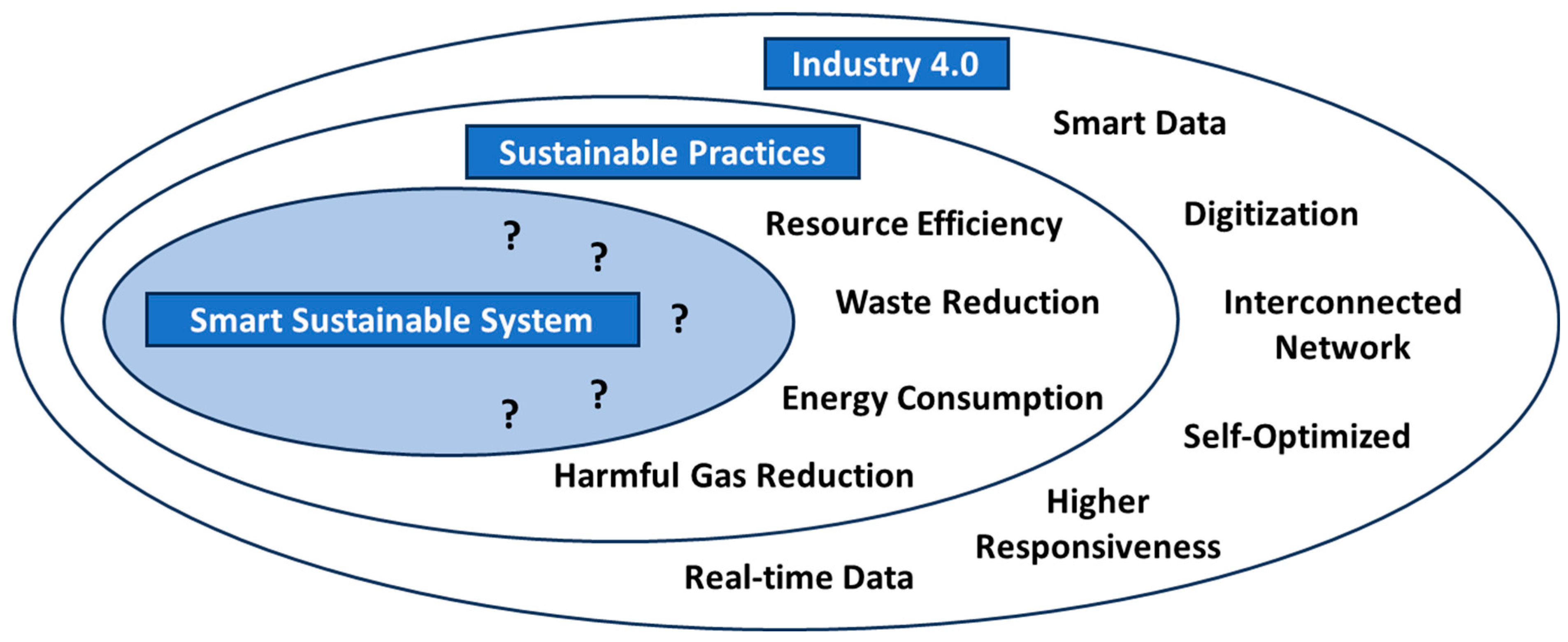
The findings of the distance-based keyword analysis demonstrate that industry, technology, and sustainability are the most frequently encountered terms in the analysis, hence showcasing their significance. Limited research is available on sustainability 4.0 since it is a newly developed area under the superset of Industry 4.0. This study aims to fill the research gap identified in the blue-shaded region of Figure 3.

3. Multiple Case Study Analysis

This study employs a multiple case study analysis, which allows for data to be collected from various case studies. This approach permits comparing results from different scenarios to determine if they apply to all of them or just one. Using case data, multiple case study analysis enables the construction of logical arguments and the discovery of patterns of relationships among cases. The methodology consists of selecting a number of cases, triangulating data during data collection, and subsequently assessing the data for each case as well as across them all.
We consider the following criteria for case selection:
(1)
All three cases are from the manufacturing industry.
(2)
They adopted Industry 4.0 technologies to enhance their business.
(3)
These cases are from the small and medium-sized enterprises category.
We consider three case studies from previous literature because they enable us to analyze how the adoption of Industry 4.0 technologies can potentially address economic, social, and environmental challenges. These cases are described below:
Case A: It is a ceramic manufacturing company that decided to adopt Industry 4.0 technologies to innovate manufacturing processes. This company incorporated IoTs, CPS, robots, autonomous forklifts, mechanical arms, and an informative system to address the issue of economic sustainability.
Case B: It is a shipbuilding company that decided to integrate Industry 4.0 technologies to promote sustainable practices within the company. This company employed augmented and virtual reality, smart glasses, IoTs, and autonomous vehicles to deal with the issues of social sustainability.
Case C: It is a cement manufacturing plant that adopted a sustainable manufacturing model to tackle the issue of environmental sustainability. This model is composed of four domains, namely, smart production, smart maintenance, smart energy, and smart water.

3.1. Case A

The first case illustrates a case study investigation of a ceramic manufacturing company aimed at attaining economic sustainability. This company faces challenges such as a lack of technological innovation, lower production efficiency, and a high rate of product defects. Furthermore, the company uses a lot of energy, with expenses accounting for 3% of annual income.
The standard operating procedure for this company consists of three phases. Prototype development activities are carried out in the first phase. In the second phase, the production of the product is done. The third phase consists of the packaging and shipping of commodities, as well as waste disposal.
The company’s management decided to implement Industry 4.0 to innovate its ceramic manufacturing process, using technologies as IoTs, CPS, robots, autonomous forklifts, mechanical arms, and information systems. The timeframe for transforming traditional assembly lines into a smart factory was five years. The initial phase involved reconfiguring the physical plant layout.
The adoption of CPS integrated all machines and built a control system that monitors data generated by the assembly line, allowing the company to manage production processes with flexibility. The organization began using simulation and modelling technology to create new prototypes. They consistently experiment with materials and production operations to identify innovative methods for making ceramics and reducing product defect rates.
Workers served as supervisors, while various types of robots carried out the physical tasks. All employees were trained to understand the modifications to their roles resulting from the implementation of Industry 4.0 technologies. Autonomous vehicles load both finished and partially finished products onto shelves.
Braccini and Margherita [45] conducted semi-structured interviews with the chief executive officer, the chief production officer, a shop floor employee, and a representative from the R&D department. They also observed production lines under the direction of the chief production officer. They compiled field notes after observations and utilized secondary data from the company’s official balance statements and newspaper articles that provided information on the firm’s economic performance.
The implementation of Industry 4.0 technology had a positive impact on the case company. There exists a downward trend from 2011 to 2013, as shown in Table 2. During the same period, the workforce decreased by about 30 people. The EBITDA index, which represents earnings before interest, taxes, depreciation, and amortization, increased by 30% between 2014 and 2017. The pattern of sales and net profit is similar. There was no change in employee population in the years that followed the transition to Industry 4.0.
The organization increased production output by 30% by decreasing the lead time. The replacement of human labor with autonomous robots facilitated a decrease in defects and damaged products. As a result, the company has achieved a decrease in the defect rate of its products from 30% to 9%.

3.2. Case B

The second case study analyzes how the shipbuilding company addresses social sustainability challenges. This company is accountable for the design and building of highly specialized vessels. The case study offers a set of digital solutions to promote sustainable practices in shipbuilding. It investigates the impact of Industry 4.0 technology on sustainability concerns in a shipbuilding company.
The initial challenge faced by this company was dependency on manual operations. The reliance of operators on paper-based product designs was high. The yard’s operations were mainly dependent on manual labour and exhibited a low degree of automation. Operators in shipyards often encountered significantly more hazardous and harsh working conditions. The dispersed distribution of materials, tools, and equipment made operating the shipyard more difficult, lowering efficiency and production.
The company’s management decided to address these issues by using digital solutions through the implementation of Industry 4.0 technologies. Augmented and virtual reality technologies assist operators by showing work instructions. Shipyard operators can enhance their efficiency by using wearable smart equipment, such as smart glasses. Technologically advanced wearables improve the working conditions of shipyard employees and ensure a safer environment [14]. IoTs can offer a timely alert regarding potential hazards through real-time communication. Autonomous vehicles can efficiently supply the yard with tools, components, and finished goods with minimal human intervention [44]. Communication within the supply chain network is evolving due to technological innovations in the business, hence strengthening relationships with suppliers.
Strandhagen et al. [46] gathered data from primary resources, including archival records, interviews, documentation, and direct observations. The documentation and archives included findings from a four-year study project that ran from 2013 to 2017. The authors made three site visits to the designated shipyard as part of this work. Three members of the shipbuilding company, including the deputy managing director and two business analysts, were interviewed in a semi-structured manner. A representative from the shipbuilding company conducted a visit to the yard for the authors, explaining the yard’s activities as well as the movement of supplies and information both inside and outside the organization.
This paper provides a pathway for practitioners regarding the application of Industry 4.0 to address the challenges of social sustainability in a shipbuilding company. Adopting Industry 4.0 technologies enhances workers’ efficiency, makes them technologically advanced, provides seamless connection, helps to manage better relationships, and saves them from hazardous working conditions, resulting in a safer working environment [42,43].

3.3. Case C

In the third case study, we examine how a cement manufacturing plant improved the environmental sustainability in its organization. This case study, conducted by Jena et al. [46] on a cement mill, specializes in the production of Pozzolana Portland Cement (PPC) that had an annual capacity of 1.2 million tonnes.
Significant quantities of water, electricity, and natural resources like coal and limestone are used for running a cement plant. Jena et al. [47] proposed a sustainable manufacturing model with four domains, namely, smart production, smart maintenance, smart energy, and smart water, to overcome the challenge of environmental sustainability. All these domains are interconnected to enable sustainable operations.
The smart production domain connects all machines to a single dashboard. The shop floor is equipped with sensors that are linked to the internet. All production activity data is saved on a cloud platform that is accessible online. In the event of an unexpected incident, a specific algorithm is designed to manage production operations. Smart maintenance employed vibration, temperature, pressure, ammeter, and voltmeter sensors on the floor to collect data. Data is transmitted by connecting these sensors to an internet monitoring system. Programming the system using an algorithm helps predict faults and initiates the maintenance process automatically.
Under the smart energy domain, all energy meters and fuel usage meters are connected to a single dashboard. The algorithm is integrated into the system to activate an alarm or stop the machinery in cases of irregular energy consumption. As specific energy consumption reduces, the carbon footprint also reduces [47]. All of the factory’s water meters are linked to a server in the smart water domain. A user with the proper credentials can view real-time statistics on water consumption at any time. The server also stores the historical trends.
In 2018, the proposed sustainable manufacturing model was implemented in a factory to conduct this investigation. The proposed model integrates all of the factories’ operations across these domains. To enhance the factory’s real-time control and monitoring capabilities, the entire system is stored in cyberspace. The user can make an informed decision using the data. This case study involves the collection of several metrics prior to and subsequent to the implementation of Industry 4.0 technologies.
Following the implementation of a sustainable manufacturing model in combination with Industry 4.0 technologies, the key performance indicators (KPIs) are analyzed for the periods preceding and succeeding the adoption of Industry 4.0 technology at this factory. The findings indicate a 13.24% increase in total production, a 12.79% reduction in process waste, a 9.33% decrease in energy consumption, a 9.33% reduction in carbon footprint, and a 3.12% decrease in water consumption following the implementation of the smart factory. Table 3 shows sustainable outcomes achieved in these three cases after adopting Industry 4.0 technologies.
All of these case studies focused on only one dimension of the TBL. Case A’s challenges are associated with shop floor operations; Case B’s are related to labour working conditions; and Case C’s are pertained to environmental variables. Case A includes technologies such as IoTs, CPS, robots, autonomous vehicles, simulation and modelling, and an informative system; Case B includes augmented and virtual reality, wearable smart equipment, autonomous vehicles, and sensor-based technology; and Case C includes sensors, a cloud platform, a temperature sensor, a pressure sensor, an ammeter, a voltmeter, and an internet monitoring system. Cases A and C are validated by case studies; however, Case B just provides a set of digital solutions, which is a shortcoming of Case B.

4. Discussion on the Implementation Framework of Smart Sustainable Systems

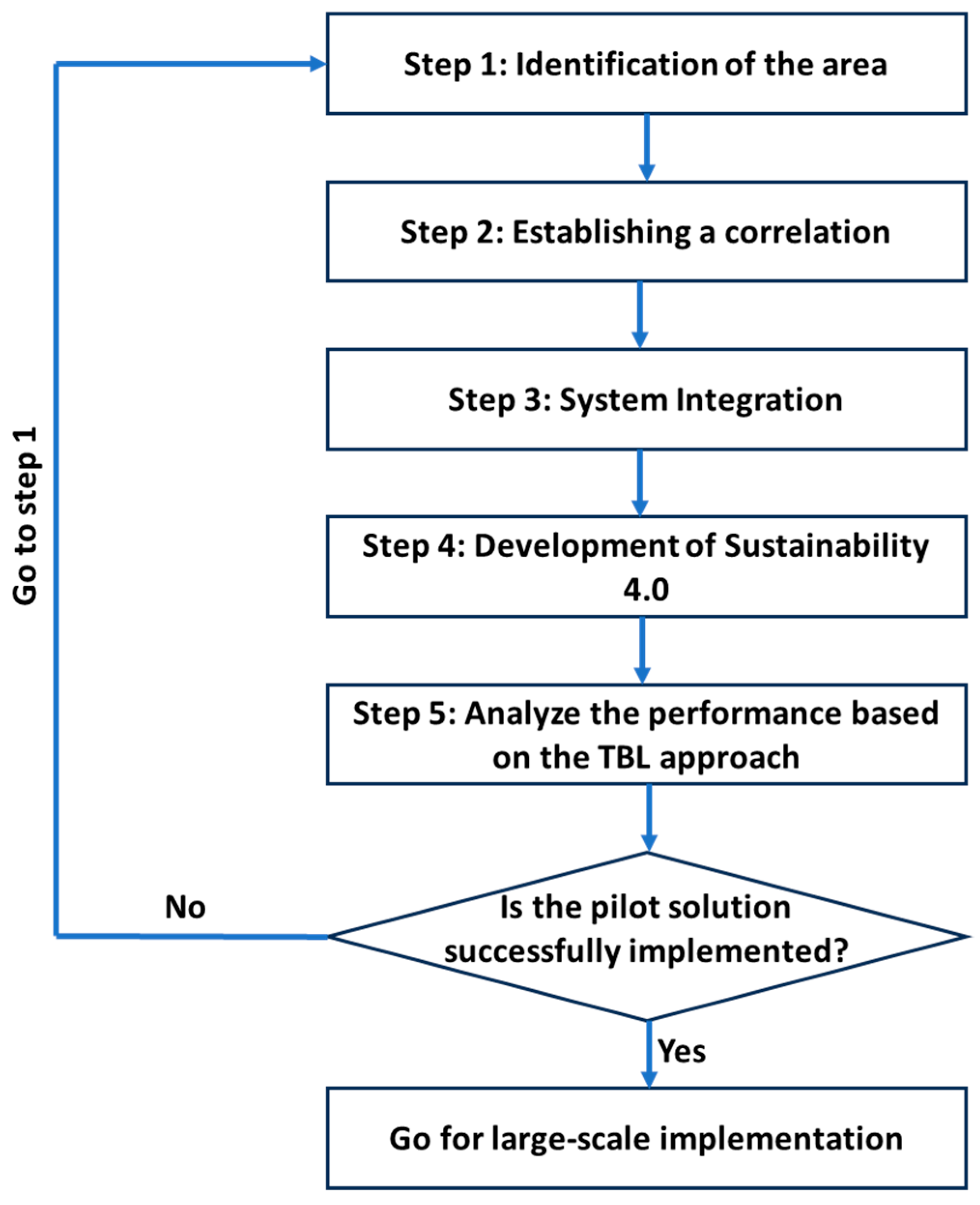
The outcomes of multiple case studies are used to develop the implementation framework of smart sustainable systems. A flowchart of the proposed implementation framework is shown in Figure 4.
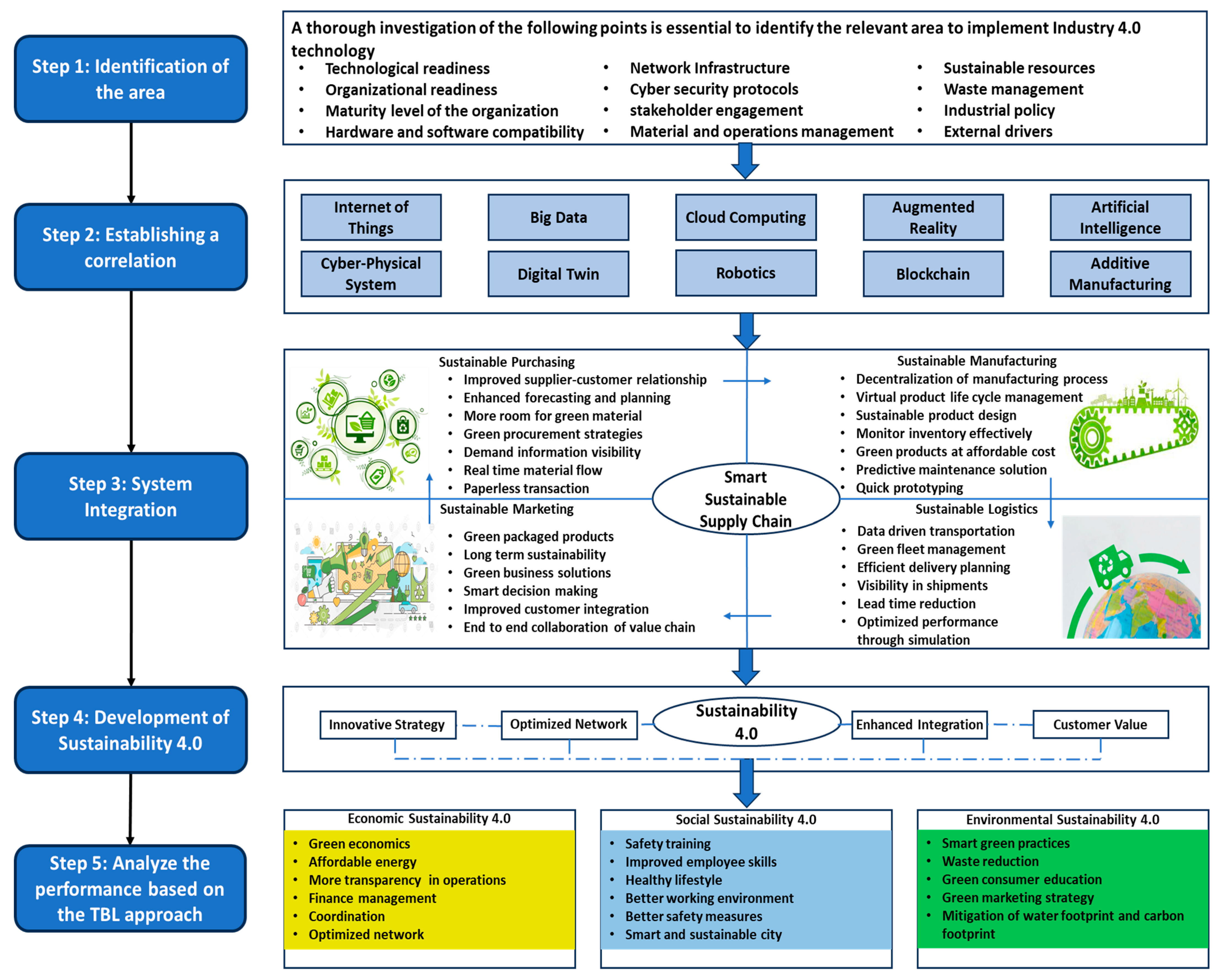
It consists of five distinct layers, namely identification of the area, establishing a correlation, system integration, development of sustainability 4.0, and analyzing the performance based on the TBL approach. The first layer identifies the relevant organizational area for implementing Industry 4.0 technologies. The second layer establishes a correlation between organizational practices and Industry 4.0 technologies. The third layer explores how to transition conventional systems into smart and sustainable systems using Industry 4.0 technologies. The fourth layer addresses how smart and sustainable business practices contribute to the development of sustainability 4.0. The final layer signifies sustainable outcomes, which reflect the positive effects on the TBL dimensions. This emphasizes the efficacy of smart sustainable systems utilizing the TBL approach. A comprehensive explanation of these layers is provided below.

4.1. Step 1: Identification of the Area for Implementing Industry 4.0 Technologies

Organizations need to examine their current state of technology adoption before adopting Industry 4.0 technologies. Analysis of technological and organizational readiness level indicates whether they have the internal competencies and necessary infrastructure for effectively integrating new technologies. The area can be identified depending on the organization’s current maturity level. Furthermore, a comprehensive examination of hardware and software compatibility, network infrastructure, cybersecurity protocols, stakeholder engagement, materials and operations management, sustainable resource utilization, industrial policy, waste management, and external drivers is essential. This investigation explains how an organization can synergize its current objectives, goals, and scope with those of Industry 4.0 technologies. This will pave the way for a seamless execution flow and successful implementation of Industry 4.0 technologies within the organization [48]. The proposed implementation framework for a smart sustainable system is shown in Figure 5.

4.2. Step 2: Establishing a Correlation Between Industry 4.0 Technology and Organizational Practices

This layer overviews how smart technologies accelerate sustainable practices within the organization.
  • Internet of Things: This technology will link virtual and physical objects to share and monitor data within the system [49]. It is used to make the system precise, responsive, and smooth in its communication flow.
  • Cyber–Physical System: This technology interacts with people via human–machine Interfaces (HMI). It improves various areas of business, including quality control, logistics management, and engineering practices [10].
  • Big Data: This technology is useful in various areas of supply chain management, like inventory management, warehouse management, logistics, manufacturing, and customer relationship management. It facilitates informed decision-making by timely acquisition and analysis of data [50].
  • Cloud Computing: This technology is usually used for storing and distributing data as per the requirements. It operates on various algorithms, including cognitive agents and swarm intelligence, to effectively integrate and evaluate data [51].
  • Artificial Intelligence: This technology reduces the need for a human operator at the workplace by conducting data analysis autonomously. It monitors extensive data in production and manufacturing operations, offering an improved solution for a complex problem [52].
  • Digital Twin: It is a virtual presentation of a physical model to perform its operations virtually. A new model is created virtually and tested for different working conditions. Results obtained from experiments are used to examine the performance of the product [53].
  • Additive Manufacturing: It is referred to as 3D Printing or Rapid Prototyping. A three-dimensional object is created by layer-by-layer deposition of material, which can be in either liquid or particle form. The final product is achieved by applying a thin coating of raw material [54].
  • Robotics: Robots are built using various electronic devices and software. They can handle multiple operations simultaneously [55]. The advantages of using robots at the industry level are employee cost-cutting, quality enhancement, and operational time reduction.
  • Blockchain: This technology enables the establishment of a secure and collaborative platform that supports the seamless data exchange among stakeholders [49]. It allows for transparent communication and sharing of information gathered from suppliers, manufacturers, retailers, and customers.

4.3. Step 3: System Integration

This layer discusses how the integration of Industry 4.0 technologies with sustainable business practices results in the building of a smart sustainable supply chain network. It focuses mostly on purchasing, manufacturing, logistics, and marketing operations.

4.3.1. Sustainable Purchasing

IoT enables information exchange and enhances decision-making among suppliers, manufacturers, and customers via real-time data monitoring.
This information can be utilized to enhance capacity planning, prevent stock shortages, and monitor inventory levels. Big data collects the data and allows for the evaluation of products from various perspectives and the distribution of this information among relevant stakeholders. Allowing connections between the virtual and real worlds makes the purchasing process more transparent [23].
Cloud computing has the capability to evaluate the repetitive patterns of hazardous material use and distinguish between different materials based on their respective levels of toxicity. This ability proves to be advantageous in the field of waste management. These data patterns are used to optimize the processes of recycling, reusing, and remanufacturing, as well as for the development of materials during the design phase [56]. Cloud platforms have been found to have a good influence on the maintenance of relationships with stakeholders. This is achieved by the constant monitoring of ongoing actions, the seamless sharing of information, and easy access to data [52].
Smart technologies provide online purchase solutions that enable effective operational troubleshooting by analyzing large amounts of data. Additive manufacturing is regarded as the most sustainable technology since it allows for customizing items closer to the customer’s location, thereby minimizing raw material inventory levels. Radio-Frequency Identification (RFID) allows faster material scanning, which leads to quicker inventory processing. It is possible to check the current positioning of inventory, counting and scanning all of it within a few seconds with the help of RFID. Consequently, RFID has the potential to significantly reduce labor expenses compared to having multiple laborers perform these processes.
AI analyzes large amounts of data and manages the prompt availability of customer data to coordinate orders [25]. The ability of the AI to incorporate data from suppliers and consumers improves resource management in purchasing operations, thereby increasing resource efficiency. The integration of a collaborative virtual platform that combines smart technologies streamlines the process of identifying and selecting suppliers who adhere to sustainable practices. The following proposition on sustainable purchasing is derived from these factors:
Proposition 1.
Sustainable purchasing enhances suppliers’ decision-making capabilities by analyzing product data in real-time, evaluating recurring data patterns to reduce waste, and monitoring customer behaviors to understand their orders better.

4.3.2. Sustainable Manufacturing

IoT has enabled sustainable manufacturing by optimizing manufacturing operations, recommending energy-efficient processes, and implementing energy management strategies [48]. Digital maintenance has replaced physical activities with virtual examinations [17].
A Cyber–Physical Production System (CPPS) is able to manage energy resources in both the cyber and physical domains. AI monitors energy-deficient manufacturing operations, resulting in reduced energy consumption [57]. Automated technology has replaced labor-intensive tasks, which has increased safety within the workplaces [24]. Digital-twin technology is used for scheduling energy-efficient operations by creating a replica of the product in a virtual environment [53]. Machine learning is used to find out anomalies in manufacturing operations and to predict the operational lifespan of machines [51]
By collecting data on product usage, product life cycles, and end-of-life activities, these technologies support the implementation of zero-waste manufacturing. Monitoring and analyzing data during various manufacturing operations is useful for developing eco-friendly products [58]. Additive manufacturing also supports sustainable manufacturing practices by implementing tactics such as resource conservation, product design enhancement, and waste recycling [54]. The following proposition on sustainable manufacturing is drawn based on these observations:
Proposition 2.
Sustainable manufacturing improves the factory’s bottom line by enhancing resource conservation, optimizing networks, monitoring energy-efficient operations, and substituting labor-intensive activities with automated technologies.

4.3.3. Sustainable Logistics

It is a novel approach in logistics that offers faster service delivery by using sustainable practices. The system has many technological components, including bar codes, the Global Positioning System (GPS), and RFID, collectively contributing to a rapid shipping process [59,60]. Numerous organizations have lately started using drones for their logistics, selecting their mode of transportation based on the weight of the cargo and the distance between the customer and the warehouse. Several logistics companies have begun to use green logistics systems to address the prevailing environmental challenges, such as CO2 emissions and the expense of gasoline.
Logistics costs can be reduced substantially through 3D printing because it permits the decentralized manufacture of products [45]. Blockchain technology proves advantageous in monitoring and disseminating up-to-date information within logistics networks. It decreases the time spent on administrative duties and lessens the possibility of human error. Robotic systems are used in transportation networks to lift heavy objects, reducing employees’ workload. Digital technologies in logistics operations have been found to enhance forecasting precision [61].
Here, AI analyzes the data within transport systems, which enables informed decision-making. Big data technology is used for the optimization of routes of truck fleets. RFID technology enables improved decision-making capabilities and reduces operational expenses [62]. Thus, based on the above observations, the following proposition about sustainable logistics is proposed:
Proposition 3.
Integration of digital technologies into sustainable logistics enhances the flexibility and agility of the shipping process while concurrently reducing the adverse environmental impacts of logistics operations.

4.3.4. Sustainable Marketing

Collection of data related to customer behavior is possible using Industry 4.0 technologies that enable organizations to make strategic changes to improve sustainability. Adopting a sustainable culture within the organization enables the building of reliable relationships with consumers who prioritize environmental consciousness.
A new concept of sustainable computing has emerged, which aims to mitigate carbon emissions during operations while encouraging innovation. AI in marketing examines client behavior and offers suggestions for an effective marketing strategy. Blockchain enhances digital marketing by providing a safe and collaborative network [63].
There are three types of sustainable marketing such as consumer-focused marketing, social marketing, and smart marketing. In the first type, consumers are more concerned about a product’s economic, social, and environmental consequences, demanding sustainable manufacturing practices. The primary emphasis is on environmental and social concerns. IoT supports promoting sustainable purchase decisions among customers by providing green consumer education.
Society-oriented marketing strategically aligns customer needs with company objectives while considering environmental sustainability [64]. Businesses, for instance, are attempting to lower their carbon footprints, so it makes sense that those particular businesses are substituting biodegradable bags for plastic bags. Smart marketing involves leveraging Industry 4.0 technologies to improve a company’s product development, services, and marketing strategies. This could involve creating new technological advancements to enhance product quality or improve the overall well-being of society that uses them [51]. The following proposition on sustainable marketing is formulated from these factors:
Proposition 4.
Integrating smart technologies into sustainable marketing provides long-term benefits to customers by better understanding their needs while simultaneously considering the dimensions of the Triple Bottom Line.

4.4. Step 4: Development of Sustainability 4.0

Adapting smart technologies within sustainable supply chain management, considering their impact on TBL performance, leads to developing a new outcome called Sustainability 4.0. It incorporates digitization into all aspects of the organization and creates a value chain process inside and across the company. Sustainability 4.0 is a comprehensive solution that offers an optimized network, effective troubleshooting, green solutions, and customer value in supply chain operations. It is a collection of new business strategies, technical skills, enhanced integration, and information knowledge. Sustainability 4.0 incorporates data from sustainable purchasing, sustainable manufacturing, sustainable logistics, and sustainable marketing, enabling faster and more accurate decision-making to provide a holistic view of the smart sustainable network. Businesses of any scale can strengthen their competitive edge by implementing smart and sustainable strategies [15].

4.5. Step 5: Analyze the Performance Based on the TBL Approach

The final layer ensures the positive impact on economic sustainability 4.0, social sustainability 4.0, and environmental sustainability 4.0 following the implementation of a smart sustainable system. A detailed description is given below.

4.5.1. Economic Sustainability 4.0

The development of a green economy that prioritizes the efficient use of resources within systems is possible by adopting smart sustainable operations. These technologies enable optimization of renewable resources, hence reducing operational costs. IoT integrates with a cloud platform, enabling the exchange of relevant information related to products and services, which enhances transparency in operations [17]. This leads to enhancing customer service level along with managing finances.
CPS optimizes the network by continuously tracking product life cycle management to ensure the provision of affordable energy. Predictive analysis anticipates probable disturbances in machinery, thereby diminishing maintenance costs and enhancing coordination on the shop floor. Additive manufacturing allows for the customization of products near the customer’s location, resulting in significant cost savings. Robotics supports uninterrupted operations, automatically enhancing the firm’s profitability [65].

4.5.2. Social Sustainability 4.0

The organization can efficiently monitor labor-related concerns and take corrective action with technological advancement to create a better working environment. It could also help to track mental health problems by supporting work–life balance features that encourage a healthy lifestyle. Automation could result in the replacement of low-skilled workers; however, it also offers highly skilled workers a variety of chances for discoveries [3].
Smart shelf technology is an inventory management technique that reduces the physical and mental efforts of labor. Smart technology in human resource management enables better employee safety measures by offering safety training. These initiatives are designed to promote employee satisfaction, which results in a smart and sustainable city. Sustainability 4.0 is firmly aligned with the principles of reusing, recycling, and refurbishing products. It facilitates the establishment of local employment networks, thereby enhancing the socio-economic well-being of the community [66].

4.5.3. Environmental Sustainability 4.0

Smart technology has great promise in reducing harmful gases, controlling pollution, and developing environmentally friendly products by adopting smart green practices [67]. These technologies offer a viable approach to address energy-deficient operations in manufacturing. Big data processes valuable information in real-time, leading to the development of eco-innovation and a reduction in CO2 emissions [68]. Many businesses employ green marketing to educate their customers on the importance of incorporating environmental and social factors throughout manufacturing, making it easier to build customer loyalty [69].
Every department within the organization must understand its responsibilities and functions to effectively monitor each of the aforementioned stages and enhance overall performance. It is necessary to disseminate the appropriate outline of each stage to each stakeholder within the organization. The successful implementation of the pilot solution can be assessed based on the performance indicators achieved by the organization in the domains of economic sustainability 4.0, social sustainability 4.0, and environmental sustainability 4.0, as discussed in the proposed framework. Then, it can be used more broadly across the industry to create smart sustainable systems.

5. Challenges to Smart Sustainable Systems

Although smart sustainable systems can handle the various issues in contemporary industry, there are still some barriers to overcome when integrating Industry 4.0 technologies.
  • Security Issues: To share information over the Internet, all data must be secure and encrypted from end to end. Therefore, every part of the network should be secure from external attacks and unauthorized data usage [70].
  • Incompatibility of devices: The second challenge in establishing a smart sustainable system is combining new technologies with existing equipment. Certain communication methods for controlling older machines may be outdated, and newer devices may use a different protocol. The incompatibility between old and new devices makes it difficult to use smart technologies [71].
  • Interoperability: It refers to different systems’ capacity to comprehend and utilize each other’s functionalities independently. Differences in communication bandwidth, operational frequency, communication mode, hardware capabilities, etc., limit the system’s ability to work with other systems [72].
  • Limited resources: One problem with switching to smart sustainable systems is insufficient resources. Specifically, it is related to economic limitations, as currently available solutions require high investments and long amortization periods [73].
  • Return on Investment: A meticulous analysis of financial implications and return on investment is essential when transitioning from an existing manufacturing system to a more advanced technology. The time it takes to get a return on the investment with the current system would be compared to the amount of money that should be spent to get newer technology [73].
  • Diverse requirements: It can be difficult for some businesses to identify the needs of all market participants, including clients, partners, and suppliers. Since every company is trying its best to fulfill customers’ demands, many products in the market provide the same service. The lifecycle of a product is getting shorter. Customer requirements are changing day by day. However, a company must quickly adopt and recognize the requirements to remain competitive in business today [74].
  • Cultural restraints: Supervisory-level staff are unwilling to adopt the changes in the smart factory over the traditional ones. In small and medium-sized industries, employees are reluctant to actively participate in acquiring new skills and underestimate the potential benefits of digitization [75].
The organization must reevaluate and restructure its business plan to address these challenges more effectively.

6. Conclusions

In the contemporary age of environmentally aware consumers, offering sustainable solutions to preexisting challenges has become imperative. Smart technologies not only help transform conventional manufacturing methods but also give long-term benefits in terms of sustainability. This research provided an extensive overview of the strategies employed by several nations to achieve sustainable development. We performed multiple case study analysis by selecting three case studies based on secondary data. It reveals that several outcomes, such as real-time information sharing, a better working environment, an efficient production process, reduced energy consumption, and better communication among supply chain partners, are common in all three cases.
Case A shows that the implementation of Industry 4.0 technologies results in the enhancement of economic dimensions, including the EBITDA index, production performance, total sales, and net profit. Case B illustrates that adopting Industry 4.0 technologies improves social sustainability outcomes, such as a better and safer working environment, relationship management, more work autonomy for workers, and better coordination and collaboration among the supply chain network. Regarding the environmental dimension, the implementation of these technologies in case C leads to a decrease in waste generation, energy consumption, carbon footprint, and water usage.
In response to our first research question, Industry 4.0 technologies are helping organizations to pursue sustainability 4.0 by making efficient use of data. Every stakeholder in the supply chain network realized the importance of sustainable practices after the recent pandemic crisis. Subsequently, many businesses have launched sustainability strategies by incorporating Industry 4.0 technologies. These technologies allow for enhanced integration, network optimization, and improved service level by creating a value chain network. They mitigate waste generation, make efficient use of renewable resources, and increase energy savings through greater transparency and visibility in operations. Adopting Industry 4.0 technology enables the development of sustainable products and services that have a positive impact on society.
While addressing the second question, we proposed an implementation framework for smart sustainable systems based on the findings of multiple case study analysis. In sustainable purchasing, these technologies facilitate effective supplier relationship management, inventory optimization, more transparent purchase operations, waste management, online purchase solutions, enhance forecasting precision, and efficient resource management. Adopting smart technologies in sustainable manufacturing results in energy management, product design enhancement, resource conservation, zero waste management, waste recycling, and better safety at the workplace, improving decision-making.
In sustainable logistics, these technologies enable a rapid shipping process, less CO2 emissions, decentralized manufacturing of products, minimize the possibility of human error, lower logistics costs, and effective troubleshooting. In sustainable marketing, these technologies contribute to the development of a sustainable culture, enhance customer satisfaction, foster the development of a collaborative network, promote green consumer education, and strengthen companies’ services and marketing strategies.
In the context of answering the third question, this framework endorses building a smart, sustainable culture within an organization while addressing sustainable issues. Firstly, to attain economic sustainability 4.0, it emphasizes the importance of information sharing at different layers of the supply chain to optimize the network, minimize resource consumption, streamline manufacturing processes, and improve the quality of customer service, resulting in significant cost savings. This supports Da-Rocha et al. [6], Kamble et al. [26], and Hamza et al. [55], who asserted that the exchange of data across many tiers would enable optimization of inventory, minimize wastages, and facilitate faster product delivery, thus directly contributing to revenue improvement.
Secondly, to contribute to social sustainability 4.0, this research analyzes smart technologies to create a better working environment, track and solve employees’ mental health issues, reduce the workforce’s physical efforts, and provide better factory safety measures to build a smart society. It validates the assertions of Panigrahi et al. [3] and Satyro et al. [72] that adaptation of emerging technologies fosters the development of a smart and sustainable society. Literature has given more importance to the economic and environmental dimensions of business development. This study stated that the social dimension equally plays a significant role in remaining competitive in the current situation. Businesses should consider every dimension of TBL while making development decisions.
Thirdly, to achieve environmental sustainability 4.0, it is asserted that the use of Industry 4.0 technologies helps in addressing potential environmental challenges, including waste generation, hazardous gas emissions, escalating pollution, efficient energy management, and the development of carbon and water footprints. We agree with Javaid et al. [14], Telukdarie et al. [18], and Ferreira et al. [54] that mitigating adverse environmental impacts contributes to achieving a superior competitive edge for the organization in the contemporary business environment, which results in building customer loyalty.

6.1. Academic Implications

In this research, we have emphasized the importance of integrating Industry 4.0 technologies with sustainable practices. We have built a comprehensive implementation framework of smart sustainable systems that can enable researchers to understand various stages involved in adopting smart sustainable systems. The researchers may explore other sustainability matrices and practices to identify the significance of sustainability 4.0 across various domains.

6.2. Managerial Implications

This research has implications for supply chain managers and industry practitioners. The manager should raise awareness about integrating these methods across all tiers of the supply chain network. They should also encourage stakeholders to establish smart and sustainable operations. It is crucial to thoroughly analyze the economic investment and eventual returns when switching to advanced technology. Management should allocate sufficient funds for adopting new technologies by considering their long-term benefits. Training programs supported by management to understand the working of new technologies are crucial to cultivating a culture of sustainability 4.0.

6.3. Future Research Areas in the Field of Sustainability 4.0

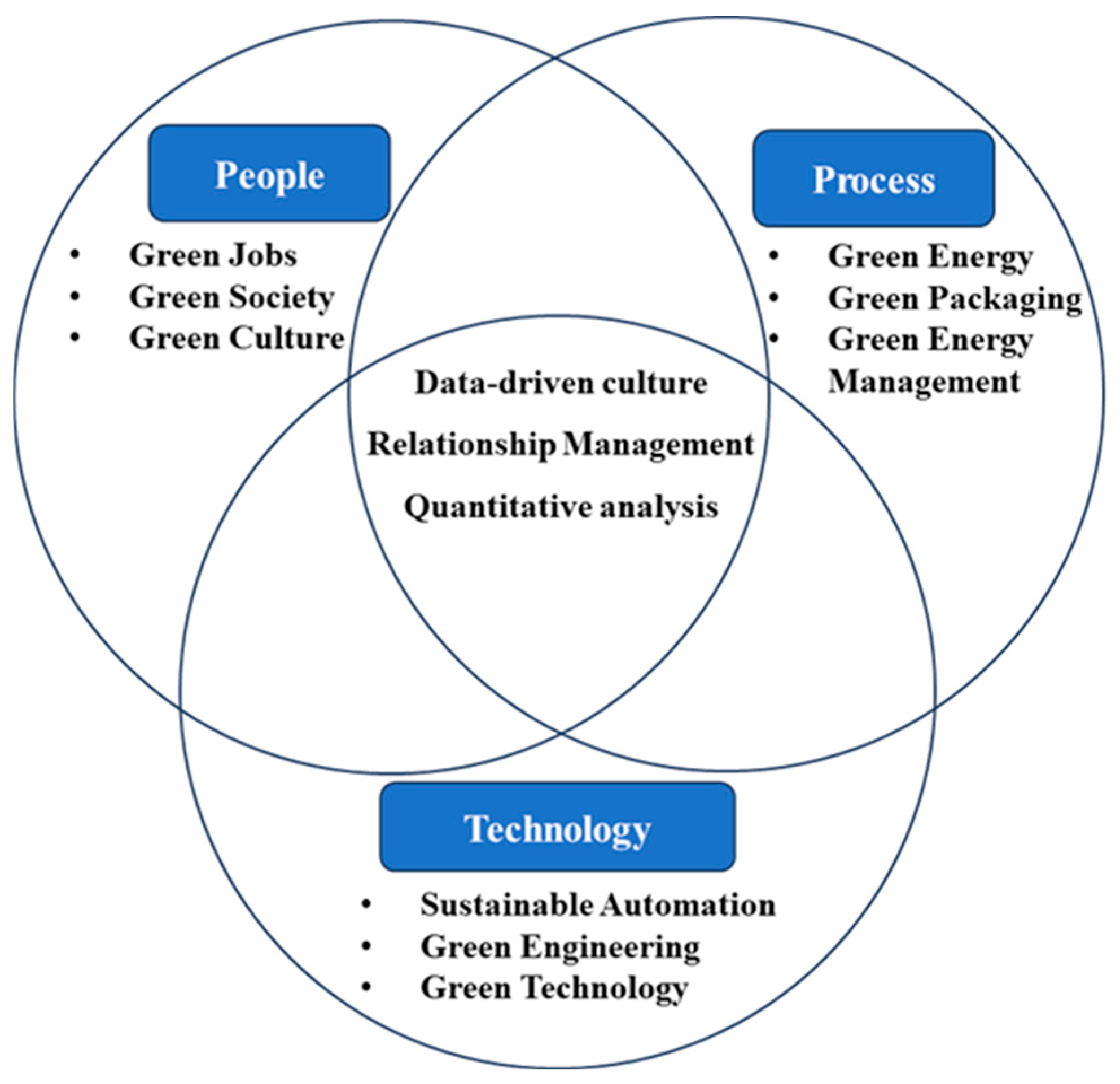
Figure 6 shows the key research areas for future studies in the field of sustainability 4.0. These areas are divided into people, process, technology, and the intersection of these three domains.
Green jobs are an interesting area for future research that endorses environmentally conscious product modification without compromising quality. They raise public awareness about environmental issues and encourage research in waste mitigation, pollution control, and energy management to establish a green society. Organizations are incorporating green culture into their manufacturing processes to attract new employees and customers. This culture values energy-saving technologies, paperless workplaces, environmentally friendly operations, and green teams. The consequences of green culture could be another potential research area.
Many businesses are switching to green energy, which refers to energy derived from natural resources that emits little to no air pollution. This shift is beneficial not only for the environment but also for people’s health. Green energy management is a new area that brings the right solution to waste management and renewable energy. It comprehends the issue, investigates the causes, and offers the best remedies for environmental, economic, and social uplift. Green packaging prioritizes materials that limit the adverse effects of packaging on the environment. It prefers biodegradable and recyclable materials to reduce greenhouse gas emissions.
Green engineering is a novel area that promotes the adoption of innovative technologies to minimize the adverse impact of products on human health and the environment without compromising their quality. Green technology enables factories to integrate eco-friendly practices into their manufacturing processes, which lowers the ecological footprint associated with industrial activities. Sustainable automation employs green technology to improve the sustainability of processes and offers green solutions. Modern technology allows real-time information systems to process enormous volumes of data stored in the cloud. This functionality facilitates ecologically responsible practices and contributes to the transition to sustainability 4.0.
A data-driven culture in sustainability is a novel concept that uses data analysis techniques to optimize sustainable operations. Organizations can make better-informed decisions, reduce waste generation, predict future trends, improve transparency and collaboration across various operations through real-time data monitoring. The researcher can investigate the implications of the data-driven culture on the existing organizational system. Implementing sustainability 4.0 will change the relationship with resource management by reducing energy-deficient operations, customer relationship management by offering environmentally friendly products, and employee management by providing a better working environment. So, future research could focus on relationship management while achieving the goals of sustainable development. Smart sustainable system introduces an innovative ecosystem in the industry by synergizing the balance between smart technologies and sustainable business practices. Quantitative future research can be conducted to investigate the influence of each of these distinct technologies on the TBL dimensions. This can be achieved by employing various methods, such as structural equation modeling, MICMAC analysis, and DEMETAL techniques, to better understand the relationship between smart technologies and TBL dimensions.

Author Contributions

Conceptualization, P.C.K., R.V., S.S. and B.D.; methodology, P.C.K. and R.V.; software, P.C.K.; validation, P.C.K., R.V., S.S. and B.D.; formal analysis, P.C.K. and R.V.; investigation, P.C.K., R.V., S.S. and B.D.; resources, P.C.K. and R.V.; data cu-ration, P.C.K. and R.V.; writing—original draft preparation, P.C.K. and R.V.; writing—review and editing, P.C.K. and R.V.; visualization, P.C.K., R.V., S.S. and B.D.; supervision, R.V.; project administration, R.V., S.S. and B.D.; funding acquisition, R.V. All authors have read and agreed to the published version of the manuscript.

Funding

This research received no external funding.

Institutional Review Board Statement

Not applicable.

Informed Consent Statement

Not applicable.

Data Availability Statement

The original data presented in the study are openly available in [45,46,47].

Conflicts of Interest

The authors declare no conflicts of interest.

References

  1. Machado, C.G.; Winroth, M.P.; Ribeiro da Silva, E.H.D. Sustainable manufacturing in Industry 4.0: An emerging research agenda. Int. J. Prod. Res. 2020, 58, 1462–1484. [Google Scholar] [CrossRef]
  2. Mayer, C.H.; Oosthuizen, R.M. Sustainability in Industry 4.0 Business Practice: Insights from a Multinational Technology Company. Front. Sustain. 2022, 3, 886986. [Google Scholar] [CrossRef]
  3. Panigrahi, S.S.; Bahinipati, B.; Jain, V. Sustainable supply chain management: A review of literature and implications for future research. Manag. Environ. Qual. Int. J. 2018, 30, 1001–1049. [Google Scholar] [CrossRef]
  4. Almashhadani, M.; Almashhadani, H.A. The Impact of Sustainability Reports to Enhance Company Performance and its Sustainability. Int. J. Sci. Manag. Res. 2023, 6, 149–163. [Google Scholar] [CrossRef]
  5. Siekmann, F.; Schlör, H.; Venghaus, S. Linking sustainability and the Fourth Industrial Revolution: A monitoring framework accounting for technological development. Energy Sustain. Soc. 2023, 13, 26. [Google Scholar] [CrossRef]
  6. Da-Rocha, A.B.T.; de Oliveira, K.B.; Espuny, M.; da Motta Reis, J.S.; Oliveira, O.J. Business transformation through sustainability based on Industry 4.0. Heliyon 2022, 8, 10015. [Google Scholar] [CrossRef]
  7. Keller, A. Sustainability 3.0 in Libraries: A Challenge for Management. Publications 2023, 11, 6. [Google Scholar] [CrossRef]
  8. Henao-Hernández, I.; Solano-Charris, E.L.; Muñoz-Villamizar, A.; Santos, J.; Henríquez-Machado, R. Control and monitoring for sustainable manufacturing in the Industry 4.0: A literature review. IFAC-PapersOnLine 2019, 52, 195–200. [Google Scholar] [CrossRef]
  9. Vreja, L.O.; BĂLAN, S. The fourth industrial revolution and Sustainability. In Proceedings of the International Management Conference 2020, Bucharest, Romania, 5–6 November 2020; Volume 14, pp. 1103–1113. [Google Scholar] [CrossRef]
  10. Abubakr, M.; Abbas, A.T.; Tomaz, I.; Soliman, M.S.; Luqman, M.; Hegab, H. Sustainable and smart manufacturing: An integrated approach. Sustainability 2020, 12, 2280. [Google Scholar] [CrossRef]
  11. Dolgui, A.; Ivanov, D. Metaverse supply chain and operations management. Int. J. Prod. Res. 2023, 61, 8179–8191. [Google Scholar] [CrossRef]
  12. Mittal, S.; Khan, M.A.; Romero, D.; Wuest, T. Smart manufacturing: Characteristics, technologies and enabling factors. Proc. Inst. Mech. Eng. Part B J. Eng. Manuf. 2019, 233, 1342–1361. [Google Scholar] [CrossRef]
  13. Bag, S.; Telukdarie, A.; Pretorius, J.C.; Gupta, S. Industry 4.0 and supply chain sustainability: Framework and future research directions. Benchmarking Int. J. 2021, 28, 1410–1450. [Google Scholar] [CrossRef]
  14. Javaid, M.; Haleem, A.; Singh, R.P.; Suman, R.; Gonzalez, E.S. Understanding the adoption of Industry 4.0 technologies in improving environmental sustainability. Sustain. Oper. Comput. 2022, 3, 203–217. [Google Scholar] [CrossRef]
  15. Tran, N.H.; Park, H.S.; Nguyen, Q.V.; Hoang, T.D. Development of a smart cyber-physical manufacturing system in the industry 4.0 context. Appl. Sci. 2019, 9, 3325. [Google Scholar] [CrossRef]
  16. Tseng, M.L.; Lim, M.K.; Wu, K.J. Improving the benefits and costs on sustainable supply chain finance under uncertainty. Int. J. Prod. Econ. 2019, 218, 308–321. [Google Scholar] [CrossRef]
  17. Schroeder, A.; Ziaee Bigdeli, A.; Galera Zarco, C.; Baines, T. Capturing the benefits of industry 4.0: A business network perspective. Prod. Plan. Control. 2019, 30, 1305–1321. [Google Scholar] [CrossRef]
  18. Telukdarie, A.; Buhulaiga, E.; Bag, S.; Gupta, S.; Luo, Z. Industry 4.0 implementation for multinationals. Process Saf. Environ. Prot. 2018, 118, 316–329. [Google Scholar] [CrossRef]
  19. Raji, I.O.; Shevtshenko, E.; Rossi, T.; Strozzi, F. Modelling the relationship of digital technologies with lean and agile strategies. Supply Chain. Forum Int. J. 2021, 22, 323–346. [Google Scholar] [CrossRef]
  20. Valilai, O.F.; Sodachi, M. Inspiration of Industry 4.0 to enable a proactive sustainability assessment model through the supply chain. Procedia Manuf. 2020, 52, 356–362. [Google Scholar] [CrossRef]
  21. Popolo, V.; Vespoli, S.; Gallo, M.; Grassi, A. A systemic analysis of the impacts of Product 4.0 on the triple bottom-line of Sustainability. IFAC-PapersOnLine 2022, 55, 1110–1115. [Google Scholar] [CrossRef]
  22. Stock, T.; Obenaus, M.; Kunz, S.; Kohl, H. Industry 4.0 as enabler for a sustainable development: A qualitative assessment of its ecological and social potential. Process Saf. Environ. Prot. 2018, 118, 254–267. [Google Scholar] [CrossRef]
  23. Mohamed, M. Challenges and benefits of industry 4.0: An overview. Int. J. Supply Oper. Manag. 2018, 5, 256–265. [Google Scholar] [CrossRef]
  24. Bai, C.; Dallasega, P.; Orzes, G.; Sarkis, J. Industry 4.0 technologies assessment: A sustainability perspective. Int. J. Prod. Econ. 2020, 229, 107776. [Google Scholar] [CrossRef]
  25. Birkel, H.S.; Veile, J.W.; Müller, J.M.; Hartmann, E.; Voigt, K.I. Development of a risk framework for Industry 4.0 in the context of sustainability for established manufacturers. Sustainability 2019, 11, 384. [Google Scholar] [CrossRef]
  26. Kamble, S.S.; Gunasekaran, A.; Gawankar, S.A. Sustainable Industry 4.0 framework: A systematic literature review identifying the current trends and future perspectives. Process Saf. Environ. Prot. 2018, 117, 408–425. [Google Scholar] [CrossRef]
  27. Margherita, E.G.; Braccini, A.M. Organizational impacts on sustainability of industry 4.0: A systematic literature review from empirical case studies. In Digital Business Transformation Organizing, Managing and Controlling in the Information Age; Springer: Cham, Switzerland, 2020; pp. 173–186. [Google Scholar] [CrossRef]
  28. Sanchez, M.; Exposito, E.; Aguilar, J. Industry 4.0: Survey from a system integration perspective. Int. J. Comput. Integr. Manuf. 2020, 33, 1017–1041. [Google Scholar] [CrossRef]
  29. Yang, H.; Kumara, S.; Bukkapatnam, S.T.; Tsung, F. The Internet of Things for Smart manufacturing: A review. IISE Trans. 2019, 51, 1190–1216. [Google Scholar] [CrossRef]
  30. Müller, J.M.; Kiel, D.; Voigt, K.I. What drives the implementation of Industry 4.0? The role of opportunities and challenges in the context of sustainability. Sustainability 2018, 10, 247. [Google Scholar] [CrossRef]
  31. Singh, M.; Goyat, R.; Panwar, R. Fundamental pillars for industry 4.0 development: Implementation framework and challenges in manufacturing environment. TQM J. 2024, 36, 288–309. [Google Scholar] [CrossRef]
  32. Moktadir, M.A.; Rahman, T.; Rahman, M.H.; Ali, S.M.; Paul, S.K. Drivers to sustainable manufacturing practices and circular economy: A perspective of leather industries in Bangladesh. J. Clean. Prod. 2018, 174, 1366–1380. [Google Scholar] [CrossRef]
  33. Liu, B.; Giovanni, P. Green process innovation through Industry 4.0 technologies and supply chain coordination. Ann. Oper. Res. 2019, 349, 767–802. [Google Scholar] [CrossRef]
  34. Birkel, H.; Müller, J.M. Potentials of industry 4.0 for supply chain management within the triple bottom line of sustainability—A systematic literature review. J. Clean. Prod. 2021, 289, 125612. [Google Scholar] [CrossRef]
  35. Rajput, S.; Singh, S.P. Connecting circular economy and industry 4.0. Int. J. Inf. Manag. 2019, 49, 98–113. [Google Scholar] [CrossRef]
  36. Jayashree, S.; Hassan Reza, M.N.; Malarvizhi, C.A.N.; Maheswari, H.; Hosseini, Z.; Kasim, A. The impact of technological innovation on industry 4.0 implementation and sustainability: An empirical study on Malaysian small and medium sized enterprises. Sustainability 2021, 13, 10115. [Google Scholar] [CrossRef]
  37. ElMaraghy, H.; ElMaraghy, W. Adaptive cognitive manufacturing system (ACMS)—A new paradigm. Int. J. Prod. Res. 2022, 60, 7436–7449. [Google Scholar] [CrossRef]
  38. Luthra, S.; Kumar, A.; Zavadskas, E.K.; Mangla, S.K.; Garza-Reyes, J.A. Industry 4.0 as an enabler of sustainability diffusion in supply chain: An analysis of influential strength of drivers in an emerging economy. Int. J. Prod. Res. 2020, 58, 1505–1521. [Google Scholar] [CrossRef]
  39. Kusiak, A. Predictive models in digital manufacturing: Research, applications, and future outlook. Int. J. Prod. Res. 2023, 61, 6052–6062. [Google Scholar] [CrossRef]
  40. Ricci, R.; Battaglia, D.; Neirotti, P. External knowledge search, opportunity recognition and industry 4.0 adoption in SMEs. Int. J. Prod. Econ. 2021, 240, 108234. [Google Scholar] [CrossRef]
  41. Aichouni, A.B.E.; Silva, C.; Ferreira, L.M.D. A systematic literature review of the integration of total quality management and industry 4.0: Enhancing sustainability performance through dynamic capabilities. Sustainability 2024, 16, 9108. [Google Scholar] [CrossRef]
  42. Rahardjo, B.; Wang, F.K.; Yeh, R.H.; Chen, Y.P. Lean manufacturing in industry 4.0: A smart and sustainable manufacturing system. Machines 2023, 11, 72. [Google Scholar] [CrossRef]
  43. Filgueiras, I.F.L.V.; Melo, F.J.C.D. Sustainability 4.0 in services: A systematic review of the literature. Benchmarking Int. J. 2024, 31, 1771–1796. [Google Scholar] [CrossRef]
  44. Wang, B.; Tao, F.; Fang, X.; Liu, C.; Liu, Y.; Freiheit, T. Smart manufacturing and intelligent manufacturing: A comparative review. Engineering 2021, 7, 738–757. [Google Scholar] [CrossRef]
  45. Braccini, A.M.; Margherita, E.G. Exploring organizational sustainability of industry 4.0 under the triple bottom line: The case of a manufacturing company. Sustainability 2018, 11, 36. [Google Scholar] [CrossRef]
  46. Strandhagen, J.W.; Buer, S.V.; Semini, M.; Alfnes, E.; Strandhagen, J.O. Sustainability challenges and how Industry 4.0 technologies can address them: A case study of a shipbuilding supply chain. Prod. Plan. Control. 2022, 33, 995–1010. [Google Scholar] [CrossRef]
  47. Jena, M.C.; Mishra, S.K.; Moharana, H.S. Application of Industry 4.0 to enhance sustainable manufacturing. Environ. Prog. Sustain. Energy 2020, 39, 13360. [Google Scholar] [CrossRef]
  48. Jamwal, A.; Agrawal, R.; Sharma, M. Deep learning for manufacturing sustainability: Models, applications in Industry 4.0 and implications. Int. J. Inf. Manag. Data Insights 2022, 2, 100107. [Google Scholar] [CrossRef]
  49. Phuyal, S.; Bista, D.; Bista, R. Challenges, opportunities and future directions of smart manufacturing: A state of art review. Sustain. Futures 2020, 2, 100023. [Google Scholar] [CrossRef]
  50. Parhi, S.; Joshi, K.; Akarte, M. Smart manufacturing: A framework for managing performance. Int. J. Comput. Integr. Manuf. 2021, 34, 227–256. [Google Scholar] [CrossRef]
  51. Wamba, S.F.; Queiroz, M.M.; Guthrie, C.; Braganza, A. Industry experiences of artificial intelligence (AI): Benefits and challenges in operations and supply chain management. Prod. Plan. Control. 2022, 33, 1493–1497. [Google Scholar] [CrossRef]
  52. Lu, Y.; Xu, X.; Wang, L. Smart manufacturing process and system automation—A critical review of the standards and envisioned scenarios. J. Manuf. Syst. 2020, 56, 312–325. [Google Scholar] [CrossRef]
  53. Jaspert, D.; Ebel, M.; Eckhardt, A.; Poeppelbuss, J. Smart retrofitting in manufacturing: A systematic review. J. Clean. Prod. 2021, 312, 127555. [Google Scholar] [CrossRef]
  54. Ferreira, J.J.; Lopes, J.M.; Gomes, S.; Rammal, H.G. Industry 4.0 implementation: Environmental and social sustainability in manufacturing multinational enterprises. J. Clean. Prod. 2023, 404, 136841. [Google Scholar] [CrossRef]
  55. Hamza, A.J.; Esteves, L.S.; Cvitanović, M.; Kairo, J.G. Sustainable natural resource management must recognise community diversity. Int. J. Sustain. Dev. World Ecol. 2023, 30, 727–744. [Google Scholar] [CrossRef]
  56. Parhi, S.; Joshi, K.; Gunasekaran, A.; Sethuraman, K. Reflecting on an empirical study of the digitalization initiatives for sustainability on logistics: The concept of Sustainable Logistics 4.0. Clean. Logist. Supply Chain. 2022, 4, 100058. [Google Scholar] [CrossRef]
  57. Jamkhaneh, H.B.; Shahin, R.; Tortorella, G.L. Analysis of Logistics 4.0 service quality and its sustainability enabler scenarios in emerging economy. Clean. Logist. Supply Chain. 2022, 4, 100053. [Google Scholar] [CrossRef]
  58. Paravizo, E.; Chaim, O.C.; Braatz, D.; Muschard, B.; Rozenfeld, H. Exploring gamification to support manufacturing education on industry 4.0 as an enabler for innovation and sustainability. Procedia Manuf. 2018, 21, 438–445. [Google Scholar] [CrossRef]
  59. Liu, L.; Song, W.; Liu, Y. Leveraging digital capabilities toward a circular economy: Reinforcing sustainable supply chain management with Industry 4.0 technologies. Comput. Ind. Eng. 2023, 178, 109113. [Google Scholar] [CrossRef]
  60. Beltrami, M.; Orze, G.; Sarkis, J.; Sartor, M. Industry 4.0 and sustainability: Towards conceptualization and theory. J. Clean. Prod. 2021, 312, 127733. [Google Scholar] [CrossRef]
  61. Rauch, E.; Brown, C.A. Teaching axiomatic design for a long-term sustainable introduction of industry 4.0 in SMEs. Procedia CIRP 2021, 91, 69–174. [Google Scholar] [CrossRef]
  62. Yeshey, R.J.; Ford, R.M.; Nitschke, C.R. Sustainable development implications of human wildlife conflict: An analysis of subsistence farmers in Bhutan. Int. J. Sustain. Dev. World Ecol. 2023, 30, 548–563. [Google Scholar] [CrossRef]
  63. Celik, A.; Usman, O.; Alola, A.A. Material productivity and material intensity as drivers of environmental sustainability in G-7 economies. Int. J. Sustain. Dev. World Ecol. 2024, 31, 43–56. [Google Scholar] [CrossRef]
  64. Ocelík, V.; Kolk, A.; Ciulli, F. Multinational enterprises, industry 4.0 and sustainability: A multidisciplinary review and research agenda. J. Clean. Prod. 2023, 413, 137434. [Google Scholar] [CrossRef]
  65. Serrano-Ruiz, J.C.; Mula, J.; Poler, R. Development of a multidimensional conceptual model for job shop smart manufacturing scheduling from the Industry 4.0 perspective. J. Manuf. Syst. 2022, 63, 185–202. [Google Scholar] [CrossRef]
  66. Maggi, F.; Balduzzi, M.; Vosseler, R.; Rösler, M.; Quadrini, W.; Tavola, G.; Pogliani, M.; Quarta, D.; Zanero, S. Smart factory security: A case study on a modular smart manufacturing system. Procedia Comput. Sci. 2021, 180, 666–675. [Google Scholar] [CrossRef]
  67. Makris, D.; Hansen, Z.N.L.; Khan, O. Adapting to supply chain 4.0: An explorative study of multinational companies. Supply Chain. Forum Int. J. 2019, 20, 116–131. [Google Scholar] [CrossRef]
  68. Asif, M. Are QM models aligned with Industry 4.0? A perspective on current practices. J. Clean. Prod. 2020, 258, 120820. [Google Scholar] [CrossRef]
  69. Valero, M.R.; Newman, S.T.; Nassehi, A. Link4Smart: A new framework for smart manufacturing linking Industry 4.0 relevant technologies. Procedia CIRP 2022, 107, 1594–1599. [Google Scholar] [CrossRef]
  70. Sharma, R.; Villányi, B. Evaluation of corporate requirements for smart manufacturing systems using predictive analytics. Internet Things 2022, 19, 100554. [Google Scholar] [CrossRef]
  71. Morgan, J.; Halton, M.; Qiao, Y.; Breslin, J.G. Industry 4.0 smart reconfigurable manufacturing machines. J. Manuf. Syst. 2021, 59, 481–506. [Google Scholar] [CrossRef]
  72. Satyro, W.C.; De Almeida, C.M.V.B.; Pinto Jr, M.J.A.; Contador, J.C.; Giannetti, B.F.; de Lima, A.F.; Fragomeni, M.A. Industry 4.0 implementation: The relevance of sustainability and the potential social impact in a developing country. J. Clean. Prod. 2022, 337, 130456. [Google Scholar] [CrossRef]
  73. Alkhodair, M.; Alkhudhayr, H. Harnessing industry 4.0 for SMEs: Advancing smart manufacturing and logistics for sustainable supply chains. Sustainability 2025, 17, 13. [Google Scholar] [CrossRef]
  74. Jaskó, S.; Ruppert, T. The Future of Manufacturing and Industry 4.0. Appl. Sci. 2025, 15, 4655. [Google Scholar] [CrossRef]
  75. Bermeo-Ayerbe, M.A.; Ocampo-Martínez, C.; Diaz-Rozo, J. Adaptive predictive control for peripheral equipment management to enhance energy efficiency in smart manufacturing systems. J. Clean. Prod. 2021, 291, 125556. [Google Scholar] [CrossRef]
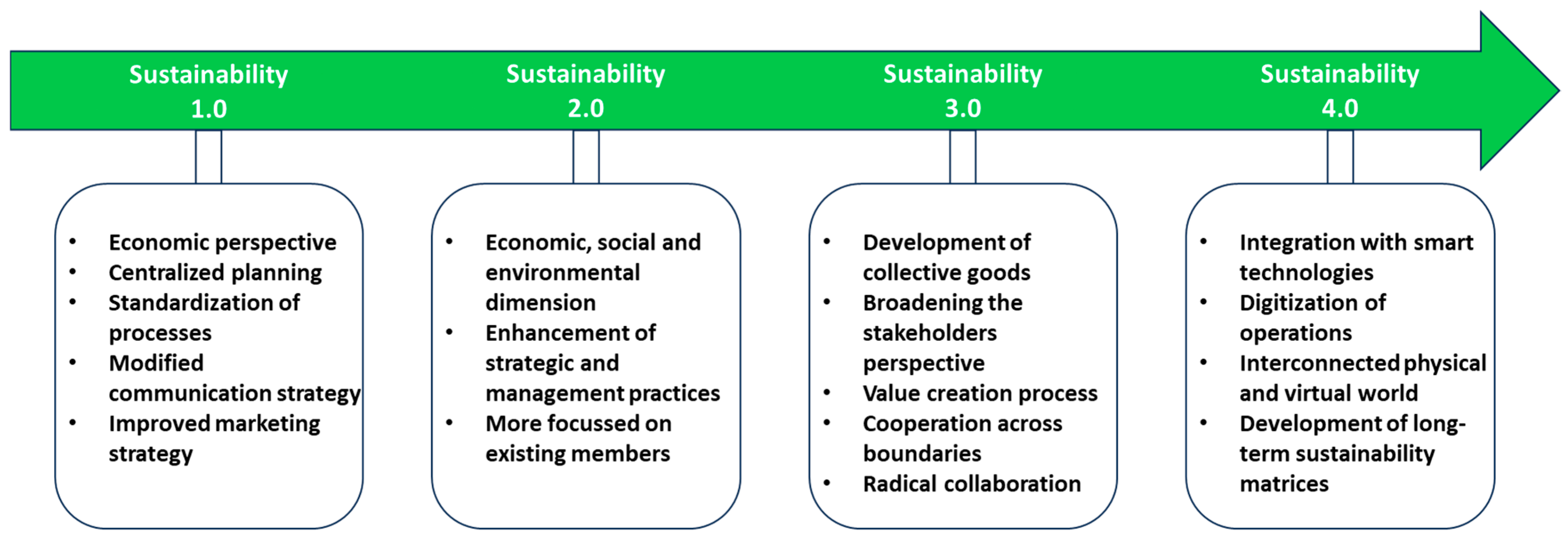
Figure 1. Sustainability Transformation.
Sustainability 17 10674 g001
Figure 2. Keyword Analysis on Sustainability.
Sustainability 17 10674 g002
Figure 3. Current Research Gap.
Sustainability 17 10674 g003
Figure 4. Flowchart of the proposed framework.
Sustainability 17 10674 g004
Figure 5. Implementation Framework of Smart Sustainable Systems.
Sustainability 17 10674 g005
Figure 6. Potential Research Avenues in Sustainability 4.0.
Sustainability 17 10674 g006
Table 1. Strategies deployed by various nations to promote sustainable development.
Country of OriginStrategy NameOriginating YearAimFocus AreasReferences
GermanyGerman sustainable development2002To build a sustainable society by aligning national policy with the UN’s sustainable goals.Human well-being and social justice, climate action, energy transition, circular economy, sustainable agriculture, and pollutant-free environment.[10,12,13]
IndiaSustainable India 20472003To promote sustainable living and responsible use of natural resources throughout all socio-economic sectors to increase the nation’s production.Renewable energy, net zero emission, clean fuel, green and cleaner processes, sustainable agriculture, and technology.[12,13,14]
AustriaOSTRAT2010To attain sustainable improvement in all areas of society.Climate change, resource management, social welfare, sustainable economic growth, knowledge and innovation, and international cooperation.[4,7,15]
UKA Green Future2013To build a sustainable industrial ecosystem in the UK.Waste management, water conservation, leadership in low-carbon technology, and energy regulation.[2,3,5]
JapanSuper Smart Society2016To deal with social problems by using digital technology.Healthcare, transportation, infrastructure, and Industry 4.0 technology.[3,12,16]
SwitzerlandSustainable Development Strategy 20302016To establish a sustainable world in alignment with nature, fostering peace, prosperity, and collaboration.Sustainable consumption and production, climate change, biodiversity, equal opportunities, and social cohesion.[10,12]
FinlandSociety’s commitment to sustainable development2016To achieve a prosperous, socially equitable, and environmentally conscious society by 2050.Skillful society, social equality, sustainable economy, carbon neutrality, renewable energy, and biodiversity.[10,11,14]
SwedenProduktion 20302017To achieve long-term sustainability in an industrial environment.Sustainable production and delivery, flexible, integrated, and human-centered production development.[2,10,14]
European UnionFactories of the Future2018To enable a more sustainable and competitive European industry.Remanufacturing Systems, manufacturer-centric circular economy, zero defect manufacturing, and human-centric solutions.[2,13,15]
DenmarkA changing world: Partnerships in development2025To tackle sustainability issues through the enhancement of global partnerships.Clean energy, environmental cooperation, poverty reduction, renewable energy, and water management.[14,15,17]
Table 2. Economic impact of case A.
Index2011201220132014201520162017
EBITDA€8,035,000€7,500,000€6,100,000€8,150,000€11,300,000€15,000,000€13,000,000
Sales€36,860,000€35,495,000€36,335,000€39,293,00€43,280,000€48,585,000€47,480,000
Net Profit€2,330,000€2,032,000€1,248,000€1,590,000€4,115,000€6,293,000€5,376,000
Workers284284267237237224233
Table 3. Sustainable outcomes achieved after implementing Industry 4.0 technologies.
CasesSustainability DimensionsOutcomes of Industry 4.0 Technologies
AEconomicEBITDA index enhanced by 30%
AEconomicIncrement in sales and net profit
AEconomicNo change in employee population
AEconomicProduction output enhanced by 30%
AEconomicDefect rate reduction from 30% to 9%
BSocialEfficient information sharing
BSocialBetter coordination among various departments
BSocialClose collaboration with suppliers
BSocialBetter working environment for employees
BSocialReduction in hazardous activities
CEnvironmental12.79% reduction in process waste
CEnvironmental9.33% decrease in energy consumption
CEnvironmental9.33% reduction in carbon footprint
CEnvironmental3.12% decrease in water consumption
AllSocialminimal human participation
AllEconomicMore efficient production process
AllEnvironmentalReduction in energy consumption
AllSocialMore work autonomy for workers
AllSocialSafe working environment
AllEconomic, Social, EnvironmentalBetter coordination among supply chain partners
Disclaimer/Publisher’s Note: The statements, opinions and data contained in all publications are solely those of the individual author(s) and contributor(s) and not of MDPI and/or the editor(s). MDPI and/or the editor(s) disclaim responsibility for any injury to people or property resulting from any ideas, methods, instructions or products referred to in the content.