Systematic Review

A Taxonomy of Responsible Consumption Initiatives and Their Social Equity Implications

by
Elizabeth Emperatriz García-Salirrosas
1,*,
Angel Acevedo-Duque
2,* and
Dany Yudet Millones-Liza
3
1
Research and Innovation Group for Entrepreneurship and Sustainability, Universidad Nacional Tecnológica de Lima Sur, Lima 15816, Peru
2
Doctoral Program in Social Sciences, Universidad Autonoma de Chile, Santiago 7500912, Chile
3
Unidad de Ciencias Empresariales, Escuela de Posgrado, Universidad Peruana Unión, Lima 15102, Peru
*
Authors to whom correspondence should be addressed.
Sustainability 2025, 17(23), 10672; https://doi.org/10.3390/su172310672
Submission received: 23 September 2025 / Revised: 17 November 2025 / Accepted: 19 November 2025 / Published: 28 November 2025

Abstract

In recent years, responsible consumption has emerged as a central practice in organizational transformation towards more sustainable and socially committed models; however, the real impact of these initiatives in terms of social equity has not yet been sufficiently systematized in the scientific literature. This systematic review analyzed organizational responsible consumption initiatives and their contribution to social equity by searching Scopus and Web of Science, applying the PRISMA 2020 protocol to identify, select, and analyze empirical studies published between 2010 and 2025 globally. From 228 documents initially identified, 47 studies that met the eligibility criteria were included after a rigorous selection process. The results revealed a taxonomy of eleven thematic clusters of organizational initiatives that address multiple dimensions of equity: access, distributive, recognition, participatory, contextual, environmental, social, temporal, technological, and relational. Public and social organizations are leading initiatives for equitable access and democratic participation, while the private sector focuses on sustainable business models and technological innovation. The most effective initiatives integrate multiple dimensions of equity and prevent the reproduction of existing inequalities. However, significant limitations were identified, such as greenwashing risks, scalability challenges, and unequal benefit sharing. Evidence suggests that the transformative potential of responsible consumption critically depends on systemic approaches, cross-sector partnerships, and institutional frameworks that ensure long-term, sustainable, equitable impacts.

1. Introduction

Responsible consumption has emerged as a central practice in transforming organizational dynamics toward sustainable and socially engaged models [1], representing a structural response to growing inequalities and demands for distributive justice. Organizations across public, private, and social sectors have adopted initiatives integrating ethical, environmental, and social criteria into their production and consumption decisions [2]. However, the real impact on social equity remains insufficiently documented in the scientific literature.
Despite advances in sustainability frameworks, significant gaps persist in rigorously assessing how organizational initiatives reduce inequalities [3]. This stems from dispersed knowledge, methodological heterogeneity, and lack of critical synthesis across contexts.
Equity must be understood as an operational dimension of sustainability practices [4]. Responsible consumption policies require concrete mechanisms ensuring fair benefit distribution, particularly for excluded groups [5]—including vulnerable communities in value chains, equitable access to sustainable products, and decent employment in circular economies.
Comprehensive evaluation models must incorporate equity metrics alongside economic and environmental indicators [6]. Strengthening the consumption–equity nexus demands participatory governance, social audits, and multi-stakeholder accountability. This enables identifying good practices and scaling transformative initiatives that reduce structural inequalities, advancing social justice agendas from local to global levels.
Faced with this situation, this research aimed to conduct a systematic review of the scientific literature published between 2015 and 2023, with the aim of identifying, analyzing, and synthesizing empirical studies from diverse geographical and socioeconomic contexts that address the relationship between organizational responsible consumption initiatives and their contribution to social equity. The review was conducted under the methodological guidelines of the PRISMA model and its PRISMA-ScR extension, which allowed for the application of a rigorous protocol for searching, selecting, and analyzing evidence.
Through the use of specialized databases such as Scopus and Web of Science, we were able to construct an up-to-date, multidisciplinary, and highly scientifically valuable corpus of documents, which served as the basis for a critical analysis of the results. This systematic review not only seeks to offer an integrative view of the state of the art in the field but also to provide theoretical and practical input for organizational decision-making oriented toward social justice, as well as for the design of public policies and regulatory frameworks that promote more equitable and sustainable consumption.
The following sections detail the methodological strategy used for the selection and analysis of the included studies, present the main findings, and discuss their theoretical and practical implications regarding social equity from an organizational perspective.

2. Literature Review

2.1. Responsible Consumption and Equity in Organizational Contexts

Responsible consumption involves conscious decision-making when purchasing goods or services, considering environmental, social, and ethical impacts alongside economic criteria [7]. This practice emerges as a response to mass consumption’s negative effects on the environment and living conditions [8], linking ethical consumption to solidarity and social justice through preferences for fair trade and sustainable production [9]. Responsible consumers act as change agents in development models by educating themselves about product origins, production processes, and consumption impacts [10].
The educational dimension is essential, as responsible consumption requires training, critical reflection, and information access rather than spontaneous adoption [11]. Educational institutions and civic spaces promote sustainability literacy as part of active citizenship [12]. This practice emphasizes self-management of needs, waste reduction, reuse, and prioritizing durable, low-impact products [13], contrasting with market-driven impulsive consumption. Strengthening responsible consumption contributes to Sustainable Development Goals, particularly SDG 12 on sustainable production and consumption patterns [14]. Equity, a fundamental principle involving fair treatment that recognizes differences, backgrounds, and particular needs [15], differs from equality by ensuring individuals receive necessary support to achieve equal opportunities, compensating for structural inequalities [16]. As a cross-cutting principle of public policies in contexts of inequality [17], equity encompasses fair resource distribution, equitable access to basic services, and effective participation in decision-making not merely equal distribution, but fair action [18].
In organizational contexts, equity requires inclusive strategies addressing consumer diversity across socioeconomic, cultural, territorial, and gender dimensions that influence consumption patterns and market access [17,19]. Beyond distributive justice, organizational equity enables equitable value generation, ensuring all population segments participate under fair market conditions [20]. This approach reduces structural gaps, strengthens consumer trust, and promotes ethical, sustainable competitiveness. Equity thus represents not an abstract ideal but an operational imperative for just, democratic, inclusive societies [21]. Its integration into organizational practices, public policies, and educational systems strengthens social cohesion and sustainable human development [22]. From this perspective, equity must translate into concrete mechanisms—participatory governance, social audits, and accountability processes—that ensure responsible consumption initiatives effectively reduce inequalities and promote dignity, recognition, and rights protection.

2.2. Responsible Consumption and Equity from Social Justice Perspectives

Understanding the theoretical relationship between organizational responsible consumption and social equity requires integrating multiple perspectives of justice that have evolved from purely distributive conceptions toward more comprehensive, multidimensional approaches. Rawls’s theory of justice (1971) provides a foundational framework for analyzing organizational responsible consumption initiatives from an equity perspective [23]. Rawls’s difference principle establishes that social and economic inequalities are justifiable only when they benefit the least advantaged members of society. Applied to the organizational context, this principle suggests that responsible consumption initiatives should be assessed not only in terms of their aggregate environmental impact but also by their capacity to improve the living conditions of the most vulnerable populations.
The capability approach developed by Sen (1999) and Nussbaum (2011) expands the notion of equity beyond the mere distribution of resources by focusing on the substantive freedoms individuals have to achieve valuable functioning [24,25]. From this perspective, organizational responsible consumption should be evaluated not only in terms of what it distributes, but also in terms of the capabilities it enables. However, the capability approach also reveals critical limitations in many initiatives: if beneficiaries lack prior educational, social, or political capital to exercise effective participation, formal inclusion mechanisms may inadvertently perpetuate substantive exclusions. This concern is particularly relevant for initiatives involving collaborative spaces and technology for sustainability, where cultural capital barriers can reproduce existing privileges [26].
Fraser’s theory of recognition (2009) introduces another crucial dimension: justice cannot be reduced solely to economic redistribution or political participation; it also requires the symbolic recognition of the dignity and worth of all social groups [27]. Fraser advocates for a tridimensional framework that integrates redistribution, recognition, and representation.
Initiatives in ethical trade and value chains (fair trade, transparent certifications) operate simultaneously across these three dimensions: they redistribute economic value toward vulnerable producers, provide symbolic recognition through certifications that validate traditional practices, and enable representation by including small producers in value chain governance. However, critical studies of fair trade have documented risks of tokenism, whereby symbolic recognition does not translate into substantive material transformations [28].
Environmental justice scholarship (Schlosberg, 2007; Pellow, 2015) demonstrates that ecological degradation and social inequality are intrinsically interconnected: vulnerable communities disproportionately bear both resource extraction burdens and exposure to environmental contamination [29,30]. This perspective is fundamental for understanding initiatives related to conservation and environmental management, as well as circular production and consumption.
From an organizational theory perspective, the capacity and motivation to implement responsible consumption initiatives oriented toward equity varies systematically by organizational type [31]. Institutional theory (DiMaggio and Powell, 1983 [31]) suggests that public and social organizations face normative isomorphic pressures toward equity (legal mandates, social expectations), whereas private organizations respond primarily to coercive pressures (regulation) and mimetic pressures (reputational competition) [32]. Resource-based theory (Barney, 1991) complements this analysis: implementing complex initiatives that integrate multiple dimensions of equity requires specific organizational resources—specialized human capital, monitoring systems, intersectoral networks that are not evenly distributed across organizations [33]. Table 1 provides a structured synthesis of the theoretical bases, key components, and operational manifestations of the six equity dimensions that guide the conceptual framework of this review.
Building on this theoretical foundation, this study addresses the research question: How do organizational responsible consumption initiatives contribute to promoting social equity according to evidence reported in the recent academic literature? To answer this question, we established the general objective of analyzing organizational initiatives for responsible consumption and their contribution to social equity based on evidence from recent academic studies. This general objective is operationalized through three specific aims: (1) analyze responsible consumption initiatives implemented by organizations across different contexts; (2) examine the forms of social equity addressed in reviewed studies; and (3) evaluate the impact of organizational responsible consumption initiatives on promoting social equity.

3. Materials and Methods

This systematic review followed the PRISMA 2020 guidelines [34,35] and the PRISMA-ScR extension for exploratory reviews without meta-analysis [36] to identify, evaluate, and synthesize evidence on organizational responsible consumption initiatives and their contribution to social equity.

3.1. Eligibility Criteria

For this systematic review, we considered only research published in peer-reviewed scientific journals and academic conference proceedings. Regarding the types of documents selected, we included scientific articles and papers from conference presentations, provided they met the criteria established during the PRISMA protocol identification phase. This selection was based on the objective of analyzing primary empirical evidence that directly addressed the relationship between organizational responsible consumption initiatives and their impact on social equity, thus ensuring the inclusion of studies with original data relevant to the study objectives.
On the other hand, documents such as theoretical reviews, editorials, letters to the editor, brief notes, press reports, study protocols, and abstracts were excluded, as they generally do not contain empirical information or have not undergone rigorous peer-review processes. Likewise, books and book chapters were not considered, as they may selectively report results and analyses, which can introduce bias into the systematic review [37]. This decision allowed the review to focus on works with higher methodological quality and thematic relevance.
Likewise, the analysis period was limited to studies published between 2010 and 2025, in order to consider research that reflects the trend in the study of the topic in contemporary organizational and social contexts across diverse geographical regions. Only documents written in Spanish or English, open access, and in final publication status were included. While no geographical restrictions were applied regarding country of origin, institutional affiliation, journal, sponsor, or specific subject area, provided that the content of the study aligned with the inclusion criteria defined for this review, special attention was given to identifying studies from Latin American contexts, particularly Peru, to provide comparative insights relevant to developing-country contexts.

3.2. Sources of Information

To identify the scientific documents included in this systematic review, we used the multidisciplinary databases Scopus (Elsevier) and Web of Science (WoS) (Clarivate), considered among the most important and robust internationally due to their broad scope, rigorous indexing criteria, and availability of peer-reviewed literature in a wide range of disciplines. These platforms were selected due to their ability to offer advanced tools for analyzing, visualizing, and filtering scientific information from specialized journals, conference proceedings, books, and other relevant academic sources.
Both databases have significant coverage in areas such as social sciences, management, organizational studies, and topics related to consumption and equity, making them relevant sources for the objectives of this study. Furthermore, their use guarantees the traceability and reliability of the results by providing access to high-impact publications that meet rigorous peer-review standards. The initial search was conducted on 20 December 2024, and the search was completed on 11 April 2025, ensuring the updating and relevance of the documentary corpus used. Therefore, the combined use of Scopus and WoS is considered sufficient and appropriate to identify the most relevant and highest-quality studies that address the contribution of organizational responsible consumption initiatives to social equity, in both national and international contexts.

3.3. Search Strategy

To conduct a strategic and exhaustive search, a set of key terms, along with synonyms and related concepts, were selected and organized according to the PEO (Population, Exposure, Outcome) model, as shown in Table 2. These terms were identified based on a review of the previous literature and the use of specialized sources such as academic thesauri and filters suggested by search platforms, particularly Scopus, which offers related terms directly from the most frequent abstracts and keywords in indexed research. This strategy allowed us to broaden and refine the search for relevant documents, ensuring the inclusion of studies pertinent to the organizational approach to responsible consumption and its contribution to social equity.
From the selected terms, different search equations were constructed through an iterative process of testing and adjustment, with the aim of identifying the documents most aligned with the purpose of this systematic review. To structure these equations, Boolean operators such as AND and OR were used, allowing for the combination and intersection of key concepts or sets of related terms. The truncation symbol (asterisk *) was also used, useful for encompassing different variations of the same lexical root, and quotation marks were used to group expressions composed of several words representing a single conceptual variable.
Likewise, structural logic principles were applied in the development of the equations, using parentheses to organize the combinations and avoid ambiguities, and eliminating unnecessary terms that could generate search noise. After multiple trials, it was decided to simplify the search strings, prioritizing the most representative terms from each conceptual category and avoiding complex truncation or proximity operators that could excessively restrict the results. As a result, the final equations presented in Table 2 were defined, which provided adequate and relevant coverage for the purposes of this study.
This search string was joined as follows:
(“responsible consumption” OR “sustainable consumption” OR “ethical consumption”) AND (“equity” OR “social justice” OR “inequality” OR “inclusion”) AND (“organization*” OR “company*” OR “firm*” OR “business” OR “corporate”)

3.4. Selection Process

The study selection process followed the three phases recommended by the PRISMA 2020 flowchart: (1) Identification, (2) Screening, and (3) Inclusion. During the identification phase, records extracted from the [36] Scopus and Web of Science databases were collected, and duplicates were removed by comparing metadata in a spreadsheet. Furthermore, retracted papers, books, and book chapters were excluded as they may selectively report results and analyses, potentially introducing bias into the systematic review [37]. This first stage was carried out by the three researchers in a coordinated manner.
In the selection phase, a three-stage procedure was applied. In the first, a blind peer-review of the abstracts was conducted to verify whether the studies addressed topics related to organizational responsible consumption initiatives and their link to equity. Researchers independently assessed thematic alignment with the review objective, then cross-referenced their observations to resolve discrepancies and make consensual decisions on the inclusion or exclusion of studies.
The second stage consisted of obtaining the full texts of the preselected documents, using three main channels: (1) official portals of scientific publishers, (2) institutional access provided by the Technological University of Lima Sur, the Peruvian Union University and other allied universities, and (3) the academic network ResearchGate.
In the third stage, the eligibility of the studies was assessed through a comprehensive content analysis. To this end, a new peer-review was conducted with a reorganized group of reviewers. Each document was analyzed using eight specific criteria, accompanied by guiding questions to standardize the evaluation:
Relevance of the objective: Is the purpose of the study aligned with the objective of this systematic review?
Research design: Does the methodology adequately explore organizational initiatives on responsible consumption and equity?
Organizational context: Is the study conducted in public, private, or social sector organizations?
Responsible consumption dimension: Are responsible consumption practices addressed from an organizational perspective?
Equity or inequality dimension: Does the study analyze aspects related to equity or inequality reduction?
Instruments and analytical approach: Are valid tools used to analyze organizational impacts or perceptions?
Key Findings: Are findings presented that contribute to the understanding of the link between responsible consumption and equity?
Conclusions: Do the conclusions relate to the objective of the systematic review?
Each document was evaluated using the options: “yes,” “no,” and “probably.” A study was excluded if it received two or more negative responses. “Probably” assessments were not directly grounds for exclusion unless their relevance was discussed and agreed upon among the reviewers.
Finally, in the inclusion phase, studies that met all the criteria of the selection process were registered, and key data were extracted from each to answer the posed research question. Documents outside this systematic procedure were not considered.

3.5. Data Collection Process

Complete metadata (authors, title, year, source, abstract, keywords, publisher, language, document type, DOI) were exported from Scopus (CSV format) and WoS (Excel format), then integrated into a centralized tracking sheet following the PRISMA 2020 flowchart structure.
After selection, three researchers distributed studies for detailed reading and critical analysis, extracting relevant information on responsible consumption and equity in organizational contexts. Extracted data were systematized in the same record sheet for organized synthesis and comparative analysis.

3.6. Data Elements

After a thorough review of each of the selected documents, relevant information was systematically extracted to answer the research questions and structure this report. To this end, the following analysis items were defined: concept of responsible consumption; concept of equity; theoretical model applied to the study of responsible consumption; theoretical model related to equity in organizational contexts; context of the study (including geographic location, with analysis of representation across developed and developing-country contexts, including Latin America); type of organization analyzed (public, private, or social sector); main conclusion of the study, particularly regarding the relationship between responsible consumption and equity; variables associated with responsible consumption (e.g., sustainability, social responsibility, consumer perception, among others); key results linked to responsible consumption practices in organizations; and relevant findings on the promotion of responsible consumption and its impact on equity or reduction in inequality.
Each study was analyzed according to these criteria, allowing for a structured comparison of approaches and results. It was noted that some documents did not contain all the required information, so only those elements clearly defined in the study content were recorded. Data extraction focused exclusively on explicit information, avoiding subjective interpretations that could bias the reported findings.

3.7. Synthesis Methods

To analyze the data and answer the research questions, a qualitative synthesis approach using thematic analysis was used to identify, organize, and interpret common patterns in the data extracted from the primary studies. This analysis process was carried out in several stages.
First, the studies were classified according to their year of publication and geographic context, systematically analyzing the distribution across global regions, with particular attention to the representation of studies from developing countries, including Latin America, to identify potential geographical biases in the evidence base. Subsequently, data on variables linked to responsible consumption were extracted and compared with evidence related to equity in organizations. This information was grouped according to conceptual and methodological similarities, leading to the identification of eleven key thematic categories that represent the main approaches and findings reported.
The findings of each study were then analyzed in detail, paying special attention to the authors’ interpretations of the relationship between organizational responsible consumption practices and their influence on equity, as well as the factors that facilitate or hinder this relationship in different sectors (public, private, and social).
Once the information was organized into comparative matrices, a high-level thematic analysis was conducted, allowing for a comparison of the identified categories by type of organization, region of application, and focus of the study (theoretical or empirical). This process facilitated the identification of similarities, differences, and knowledge gaps regarding how responsible consumption can contribute to reducing inequalities within the organizational sphere. Finally, the results were summarized in tables, allowing for subsequent hermeneutic and heuristic analysis, thus providing a deeper understanding of the observed dynamics.

4. Results

4.1. Selection of Studies

To illustrate the different inclusion and exclusion phases implemented in this systematic review, the PRISMA 2020 flow diagram was used [36], which covers the Identification, Filtering and Selection stages (Figure 1).
In the identification phase, after applying the search criteria, 130 documents were identified in Scopus and 98 in Web of Science, for a total of 228. Of these, 50 duplicate records appearing in both databases were eliminated. One retracted document and 28 books or book chapters were also excluded. In this initial phase, 79 records were discarded, leaving 149 for further selection.
In the selection phase, a blind evaluation was conducted using the abstracts of the included studies. The reviewers agreed to exclude 50 publications that did not align with the themes of responsible consumption, equity, and their impacts on social inequality across diverse organizational and geographical contexts, leaving 99 articles for the subsequent stages of analysis. After attempts to obtain the full papers through various sources, 21 studies proved inaccessible due to institutional access restrictions and high costs. Consequently, these studies were excluded. Ultimately, 78 publications were collected for evaluation in the eligibility phase.
In the second review, a comprehensive analysis of the full texts was conducted, using eight evaluation criteria to determine their relevance to the study of responsible consumption and equity in the Peruvian context. After comparing the similarities and differences in the ratings and resolving any doubtful cases, 31 studies were excluded. The reasons for exclusion were as follows:
Study Objective: Eleven studies did not primarily aim to analyze how responsible consumption practices contribute to equity and the reduction in social inequality, although they mentioned these variables in the report.
Methodology: Thirteen studies employed designs that did not focus on the relationship between responsible consumption and equity, comprising primarily qualitative research that analyzed other variables without establishing the main connection with the central theme of the study.
Organization: Thirteen studies did not focus on an organizational context or the sector related to responsible consumption, but rather on contexts or populations not relevant to the objective of the study.
Responsible Consumption: Seventeen studies either did not address responsible consumption as a central component of their findings or dealt with it superficially without directly linking it to equity or inequality reduction.
Equity and Inequality: Twenty studies did not directly assess the effects of responsible consumption initiatives on equity or social inequality or did so tangentially without an in-depth analysis of the relationship between these variables.
Instruments: Nine studies did not use appropriate instruments to measure the variables of interest, relying on unstructured qualitative approaches or informal interviews.
Relationship Between Responsible Consumption and Equity: Ten studies did not present sufficient arguments to support the relationship between responsible consumption and equity.
Conclusion: Eight studies did not present conclusions relevant to the research question, as they did not link responsible consumption with inequality reduction.
In the final inclusion phase, 47 articles that met the established criteria were accepted. These studies were selected for their relevance in identifying organizational initiatives that promote responsible consumption and contribute to reducing inequality. The complete list of selected studies and the exclusions made is available in a spreadsheet linked to the Supplementary Materials.

4.2. Characteristics of the Study

Table 3 presents a bibliometric synthesis of the 47 scientific articles that met the inclusion criteria established in this systematic review. The selected studies cover a 12-year period (2013–2025), showing a temporal evolution that reflects the growing academic interest in the relationship between organizational responsible consumption initiatives and their contribution to social equity. The temporal distribution reveals a clear concentration in recent years, with 5 studies published between 2013 and 2016 [21,22,23,24,25,26,27,28,29,30,31,32,33,34,35,36,37,38,39,40,41,42] studies between 2017 and 2020 [43,44], and 21 studies between 2021 and 2025 [45,46,47]. This upward trend coincides with the consolidation of the Sustainable Development Goals and the strengthening of the global agenda on sustainability and social justice.
The sample presents a broad geographical representation spanning five continents, allowing for a robust comparative analysis of different socioeconomic and cultural contexts. Europe is the most represented region, with 19 studies distributed across countries such as the United Kingdom [48,49,50,51,52,53], Germany [52,53,54,55,56], Spain [57,58,59,60,61], and other European countries such as Switzerland [40,41,42,43,44,45,46,47,48,49,50,51,52,53,54,55,56,57,58,59,60,61,62,63,64], the Czech Republic [46], Denmark [65,66,67], the Netherlands [68,69,70,71,72,73,74], Romania [55], Slovenia [68], and Cyprus [75]. North America contributes 8 studies, mainly from the United States [42,58,61,63,64,73] and Canada [44,50]. Asia is represented by 6 studies, including China [60,71], India [69,76,77,78], Pakistan [70,75,79,80], and Bangladesh [81,82].
Latin America contributes studies from Mexico [47,77], Uruguay [57], and Peru [80]. Africa includes studies from Ghana [81,82,83] and Nigeria [84]. This underrepresentation of Latin American contexts constitutes a significant limitation of the current evidence base, particularly when considering that equity challenges are often more acute in developing-country contexts. The study by Velásquez Chacón and Salinas Gainza [80], which examines the difficulties in integrating the circular economy into the sustainable strategic management of small- and medium-sized enterprises in Arequipa, Peru, provides valuable but isolated insights into the Peruvian context. Africa is represented by two studies from Ghana [81] and Nigeria [84], while seven studies adopt a multinational approach [41,45,64,66,67,68,75], covering multiple countries or regions in their comparative analyses.
The titles of the selected studies reveal considerable thematic and methodological diversity, including empirical analyses in specific sectors such as textiles [82], food [66,73,76], and technology [68,77]; evaluations of public policies and regulatory frameworks [47,57]; research on social and solidarity economy [45,57,59,67]; analysis of sustainable supply chains [60,81]; and studies on the role of technology and digitalization in promoting sustainability [68,77]. This thematic and geographical diversity provides a solid basis for the comprehensive analysis of organizational responsible consumption initiatives and their contribution to social equity in different contexts and economic sectors.
Table 3. Studies selected for outcome analysis.
AuthorsYearQualificationCountry
Furlong, K. [38]2013The Dialectics of Equity: Consumer Citizenship and the Extension of Water Supply in Medellin, ColombiaColombia (Medellín)
Lyon, S. [39]2014Fair trade towns USA: Growing the market within a diverse economyUSA
Balsiger, P. [40]2014Between shaming corporations and promoting alternatives: The politics of an “ethical shopping map”Swiss
Milovantseva, N.; Fitzpatrick, C. [41]2015Barriers to electronics reuse of transboundary e-waste shipment regulations: An evaluation based on industry experiencesMultinational, with emphasis on countries in the European Union, the United States, Costa Rica, Venezuela, Ukraine, India, Jordan, South Africa, among others.
Kingston, L.N.; Guellil, J. [42]2016TOMS and the Citizen-Consumer: Assessing the Impacts of Socially Minded ConsumptionUSA
Gough, I. [43]2017Recomposing consumption: Defining necessities for sustainable and equitable well-beingUnited Kingdom
Ladhari, R; Tchetgna, N.M. [44]2017Values, socially conscious behavior and consumption emotions as predictors of Canadians’ intent to buy fair trade productsCanada
Argüelles, L.; Anguelovski, I.; Dinnie, E. [45]2017Power and privilege in alternative civic practices: Examining imaginaries of change and embedded rationalities in community economiesMultiple countries in Europe: Finland, Germany, Italy, Scotland and Spain
De Hoop, E.; Jehlička, P. [46]2017Reluctant pioneers in the European periphery? Environmental activism, food consumption and “growing your own”Czech Republic (post-socialist context of Eastern Europe)
Cardozo, L.R. [47]2017Development of Mexican Non-Governmental Organizations and its Coincidences with the United Nations Sustainable Development GoalsMexico
Tolosa, A.E.; Irizar, M.Z.; Elena, M.T. [48]2017An approach to consequences of market orientation in the Basque social Economy fostering public serviceSpain (Autonomous Community of the Basque Country)
Rommel, J.; Radtke, J.; von Jorck, G.; Mey, F.; Yildiz, Ö. [62]2018Community renewable energy at a crossroads: A think piece on degrowth, technology, and the democratization of the German energy systemGermany
Hankammer, S.; Kleer, R. [49]2018Degrowth and collaborative value creation: Reflections on concepts and technologiesGermany (RWTH Aachen University and Technical University of Berlin)
Lobato-Calleros, M.O.; Fabila, K.; Shaw, P.; Roberts, B. [50]2018Quality assessment methods for index of community sustainabilityCanada (Cowichan Valley, British Columbia)
Cuomo, M.T.; Foroudi, P.; Tortora, D.; Hussain, S.; Melewar, T.C. [51]2019Celebrity Endorsement and the Attitude Towards Luxury Brands for Sustainable ConsumptionUnited Kingdom (data collected in London)
Garcia-De los Salmones, M.D.M.; Laziness. [54]2019The role of brand utilities: application to buying intention of fair trade productsSpain (University of Cantabria; study at a fair trade university in Spain)
Jones, R.; Wham, C.; Burlingame, B. [52]2019New Zealand’s food system is unsustainable: A survey of the divergent attitudes of agriculture, environment, and health sector professionals towards eating guidelinesUnited Kingdom (both authors are affiliated with UK universities: University of Manchester and University of Bristol)
Welch, D.; Southerton, D. [53]2019After Paris: transitions for sustainable consumptionUnited Kingdom (both authors affiliated with British universities)
Dinu, M.; Patarlageanu, S.R.; Petrariu, R.; Constantin, M.; Potcovaru, A.M. [55]2020Empowering Sustainable Consumer Behavior in the EU by Consolidating the Roles of Waste Recycling and Energy ProductivityRomania (Bucharest University of Economic Studies; applied study of the European Union)
Caruana, R.; Glozer, S.; Eckhardt, G.M. [56]2020‘Alternative Hedonism’: Exploring the Role of Pleasure in Moral MarketsUnited Kingdom (authors affiliated with British universities and interviews conducted in the UK)
Guerra, P.; Lavega, S.R. [57]2020Social and solidarity economy law in Uruguay: Text and contextUruguay
Lynch, A.J.; Elliott, V.; Phang, S.C.; Claussen, J.E.; Harrison, I.; Murchie, K.J.; Steel, E.A.; Stokes, G.L. [58]2020Inland fish and fisheries integral to achieving the Sustainable Development GoalsUnited States (organizations and authors linked to the USGS, Smithsonian, American universities)
Villalba-Eguiluz, U.; Egia-Olaizola, A.; from Mendiguren, J.C.P. [59]2020Convergences between the Social and Solidarity Economy and Sustainable Development Goals: Case Study in the Basque CountrySpain (Basque Country)
Zhou, M.; Govindan, K.; Xie, X.B. [60]2020How fairness perceptions, embeddedness, and knowledge sharing drive green innovation in sustainable supply chains: An equity theory and network perspective to achieve sustainable development goalsChina (empirical study applied to 225 manufacturing companies in 16 provinces)
Garwood, K.C.; Steingard, D.; Balduccini, M. [61]2020Dynamic collaborative visualization of the united nations sustainable development goals (SDGs): Creating an SDG dashboard for reporting and best practice sharingUnited States (Saint Joseph’s University, Philadelphia)
Hess, O.; Relan, A.; Shaghaghi, N. [63]2020GoodBuysUnited States (Santa Clara University, California)
Mathai, M.V.; Isenhour, C.; Stevis, D.; Vergragt, P.; Bengtsson, M.; Lorek, S.; Mortensen, L.F.; Coscieme, L.; Scott, D.; Waheed, A.; Alfredsson, E. [64]2021The Political Economy of (Un)Sustainable Production and Consumption: A Multidisciplinary Synthesis for Research and ActionAn international and comparative approach with contributions from authors from India, the United States, Europe, Japan, and Pakistan.
Olwig, M.F. [65]2021Sustainability superheroes? For-profit narratives of “doing good” in the era of the SDGsDenmark (although with implications for European and global multinationals)
Hatipoglu, B.; Inelmen, K. [66]2021Effective management and governance of Slow Food’s Earth Markets as a driver of sustainable consumption and productionMultinational exhibition (52 markets in 14 countries); largest representation in Italy
Morell, M.F.; Espelt, R.; Cano, M.R. [67]2021Expanded abstract Platform cooperativism: Analysis of the democratic qualities of cooperativism as an economic alternative in digital environmentsSpain (although it includes platforms from several European countries)
Stojanova, S.; Cvar, N.; Verhovnik, J.; Bozic, N.; Trilar, J.; Kos, A.; Duh, E.S. [68]2022Rural Digital Innovation Hubs as a Paradigm for Sustainable Business Models in Europe’s Rural AreasSlovenia (case study: Divina Wine Hub in Šmarje)
Narayanan, S. [69]2022Does Generation Z value and reward corporate social responsibility practices?India
Khaskhely, M.K.; Qazi, S.W.; Khan, N.R.; Hashmi, T; Chang, A.A.R. [70]2022Understanding the Impact of Green Human Resource Management Practices and Dynamic Sustainable Capabilities on Corporate Sustainable Performance: Evidence From the Manufacturing SectorPakistan
Zhang, X.M.; Cao, J.; Zhao, Y.; Lu, J.S. [71]2022Fairness Concern in Remanufacturing Supply Chain-A Comparative Analysis of Channel Members’ Fairness PreferencesChina (Zhejiang University of Technology) and USA (University of Iowa, co-author)
Sänger, J. [72]2023Stepping up on climate action—How can book sector associations support businesses in reducing CO2 emissions?Germany (Börsenverein des Deutschen Buchhandels)
Cleveland, D.A. [73]2023What’s to Eat and Drink on Campus? Public and Planetary Health, Public Higher Education, and the Public GoodUnited States (University of California, Santa Barbara)
Hoekstra, J.C.; Leeflang, P.S.H. [74]2023Thriving through turbulence Lessons from marketing academia and marketing practiceNetherlands (University of Groningen) and United Kingdom (Aston Business School)
Bisquert I Pérez, K.M.; Meira Cartea, P.Á.; Agúndez Rodríguez, A. [76]2023Ecocitizenship and Food Consumption Education. Socio-Educational Good Practices in Citizen Initiatives of Responsible ConsumptionSpain (province of A Coruña, Galicia)
Huerta, M.K.; Garizurieta, J.; González, R.; Infante, L.-Á.; Horna, M.; Rivera, R.; Clotet, R. [77]2023A Long-Distance Wi-Fi Network as a Tool to Promote Social Inclusion in Southern Veracruz, MexicoMexico (Mecayapan, Veracruz)
Gupta, S.; Bothra, N. [78]2023Is CSR still optional for Luxury Brands, or can they afford to ignore it?India (both authors are from universities in Delhi)
Leonidou, L.C.; Theodosiou, M.; Nilssen, F.; Eteokleous, P.; Voskou, A. [75]2024Evaluating MNEs’ role in implementing the UN Sustainable Development Goals: The importance of innovative partnershipsMultinational study (authors based in Cyprus and Norway); the analysis includes multinational companies from North America, Europe, and Asia.
Stein, L.; Michalke, A.; Gaugler, T.; Stoll-Kleemann, S. [79]2024Sustainability Science Communication: Case Study of a True Cost Campaign in GermanyGermany
Velásquez Chacón, E.; Salinas Gainza, F.R. [80]2024Difficulties for the integration of the circular economy in the strategic sustainable management of SMEs in Arequipa, PeruPeru (Arequipa region)
Appiah, M.K.; Dordaah, J.N. Sam, A.; Amaning, N. [81]2024Modeling the implications of sustainable supply chain management practices on firm performance: the mediating role of green performanceGhana
Saha, P.; Belal, H.M.; Talapatra, S. [82]2024Driving Toward Sustainable Development Goals (SDGs) in the Ready-Made Garments (RMGs) Sector: The Role of Digital Capabilities and Operational TransparencyBangladesh
Xu, Z.Y.; Song, Z.W.; Fong, K.Y. [83]2025Perceived Price Fairness as a Mediator in Customer Green Consumption: Insights from the New Energy Vehicle Industry and Sustainable PracticesChina
Adeborode, K.O.; Dora, M.; Umeh, C.; Hina, S.M.; Eldabi, T. [84]2025Leveraging organizational agility in B2B ecosystems to mitigate food waste and loss: A stakeholder perspectiveNigeria

4.3. Results of the Synthesis

4.3.1. Responsible Consumption Initiatives Implemented by Organizations in Different Contexts

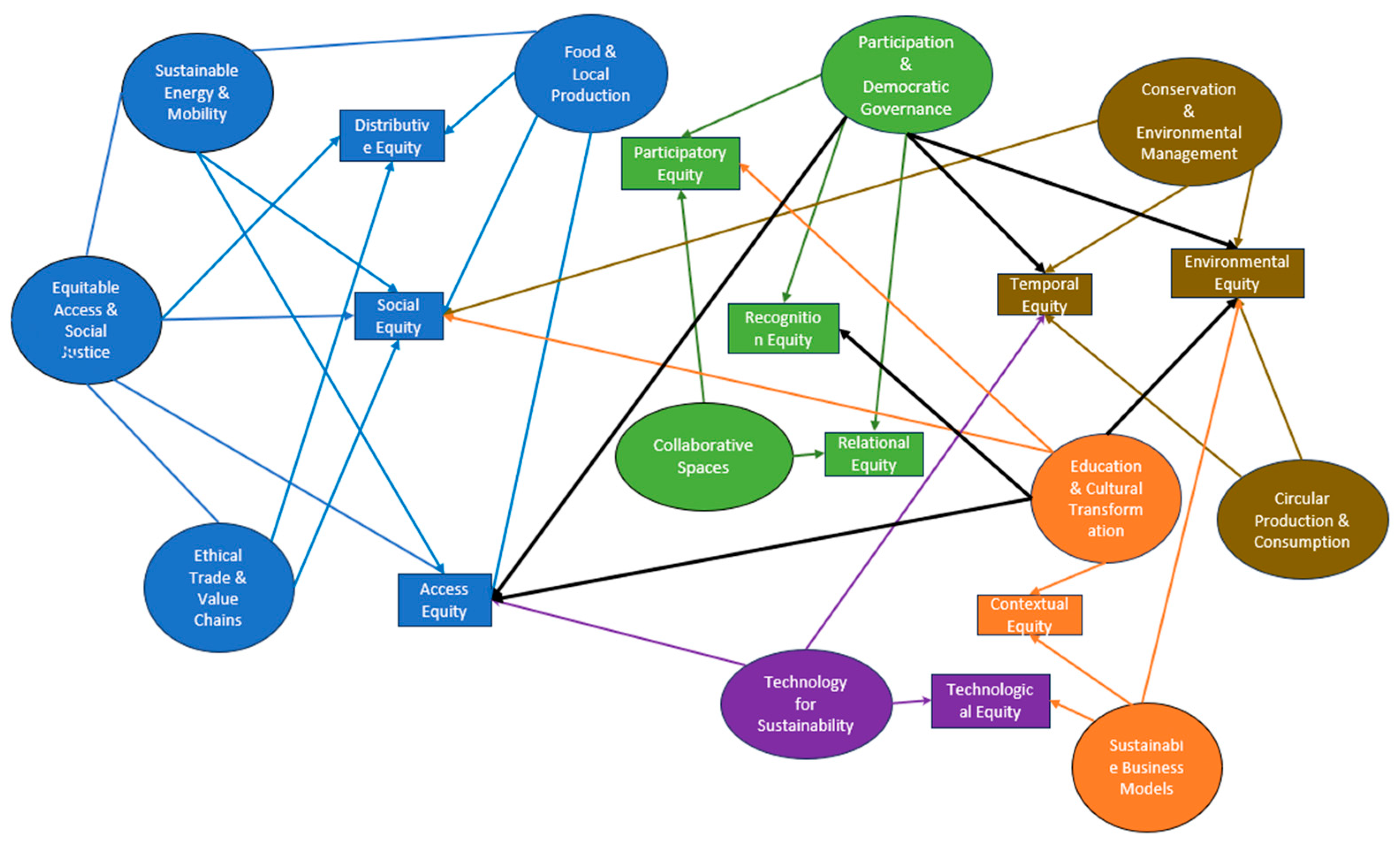
Table 4 presents a taxonomy of eleven thematic clusters of organizational responsible consumption initiatives, revealing patterns in organizational leadership and sectoral application.
Equitable access and social justice initiatives, led primarily by public and social organizations, directly reduce access gaps through differentiated tariffs, job insertion, and universal basic income mechanisms [38,41,57,59,77], demonstrating resource redistribution toward historically marginalized groups.
Participation and democratic governance initiatives strengthen social capital and institutional legitimacy through community participatory mechanisms and decision-making democratization [38,47,58,61,62,78], fostering collaborative processes across diverse social actors.
Ethical trade and value chains demonstrate multi-sectoral participation, with fair trade initiatives, transparent certifications, and sustainable supply chains promoting economic redistribution to vulnerable producers and improved working conditions [39,40,44,54,57,60,63,79,81].
Circular production and consumption, predominantly private-sector-led with public and social participation, contributes to environmental sustainability and social equity through product reuse, material return systems, and waste management, creating jobs and enabling access to lower-cost products [41,45,52,55,66,80,84].
Sustainable energy and mobility initiatives, led by social and public organizations, promote community energy autonomy and equitable sustainable energy access through cooperatives and emissions reduction, though facing challenges in benefit distribution [45,52,53,62].
Local food and production initiatives by social and public organizations strengthen rural economies, promote food sovereignty, and generate social cohesion through urban gardens, farmers’ markets, and sustainable institutional food systems [39,46,59,66,73,76].
Conservation and environmental management show balanced sectoral distribution, protecting traditional livelihoods and enhancing vulnerable community resilience through Indigenous and local participation [38,47,58,78,82].
Sustainable business models, primarily private-sector-led, include CSR programs, sustainable marketing, and ethical tourism, demonstrating both benefits and limitations including greenwashing risks that may perpetuate inequalities [42,56,69,74,78,83].
Sustainability technology initiatives by private and social organizations democratize technological access through collaborative platforms, rural digital hubs, and transparency systems, while facing economic sustainability and scalability challenges [49,52,67,68,82].
Education and cultural transformation, implemented across all sectors, promotes cultural change toward equitable, sustainable consumption through awareness raising, educational tools, and sufficient lifestyles [39,40,43,44,63,64,74].
Collaborative spaces, promoted by social and public organizations, facilitate collective participation and community empowerment through sustainable community spaces and shared infrastructures, though risking privilege reproduction without careful design [45,49,55,56,57,58,59,60,61,63,64,65,66,67,68,69,70,71,72,73,74,75,76,77,78,79,80,81,82,83,84,85].
This taxonomy reveals that equity-oriented initiatives are led predominantly by public and social organizations, while the private sector leads technological innovation and sustainable business models, suggesting the need for comprehensive cross-sectoral approaches maximizing both sustainability and equity impacts.

4.3.2. Forms of Social Equity Addressed in the Reviewed Studies

Table 5 presents a taxonomy of ten equity dimensions identified across 47 studies, revealing conceptual complexity in the responsible consumption literature.
Access equity, the most frequently addressed dimension (21 studies [38,39,40,41,42,43,45,46,47,48,50,51,52,53,54,57,61,63,68,75,77]), encompasses access and inclusion, information and digital equity, and education access. This became a fundamental priority post-COVID-19, when inequalities in basic services, technology, and education intensified.
Distributive equity (20 studies [38,39,43,44,49,50,52,53,55,57,58,60,62,65,66,67,77,78,83,86]) includes economic equity and perceived price fairness. Organizations implemented various redistribution mechanisms—differentiated tariffs to surplus redistribution—ensuring fairer benefit distribution, particularly relevant to SDG 10 on reducing inequalities.
Recognition equity (18 studies [38,39,40,42,43,44,45,46,49,51,52,53,54,56,57,62,63,64]) encompasses symbolic and cultural equity, reflecting the quest for dignity and valuing diversity regardless of religious, cultural, or origin identities, contributing to inclusive societies.
Participatory equity (24 studies [38,39,40,42,43,44,45,46,47,48,49,50,52,53,56,57,58,59,60,61,62,66,67,76,77]) highlights inclusive decision-making and democratization in responsible consumption initiatives, including procedural and governance equity.
Contextual equity (20 studies [39,40,41,42,43,44,45,46,47,49,50,53,56,59,61,62,66,68,76,80,87]) recognizes interventions must adapt to local territorial specificities across socioeconomic, cultural, and geographic contexts.
Environmental equity (17 studies [40,41,45,46,47,55,57,58,59,61,63,64,66,67,75,79,81]) addresses disproportionate environmental impacts on vulnerable communities, requiring equitable distribution of both benefits and ecological burdens.
Social equity (14 studies [57,58,59,61,63,64,66,67,73,75,76,79,82]) encompasses gender, racial, labor, working conditions, and food equity.
Intergenerational equity (7 studies [43,52,53,55,56,58,64,88]) ensures current consumption decisions do not compromise future generations’ opportunities, aligning with sustainability principles.
Technological equity [49] and relational equity [60], though underrepresented, present significant research opportunities given increasing digitalization and the need for equitable access to sustainable technologies.
This taxonomy reveals an understanding of multidimensional equity beyond economic distribution. However, imbalances exist, with technological equity requiring further development. The most effective initiatives address multiple equity dimensions in an integrated manner, recognizing interconnections between access, distribution, recognition, and participation.
Table 5. Forms of social equity addressed in the studies reviewed.
General CategorySpecific Forms of EquityQuotes
Equal accessEquity of access and inclusion; Equity of access; Information and digital equity; Equity in education and access to knowledge[38,39,40,41,42,43,45,46,47,48,50,51,52,53,54,57,61,63,68,75,77]
Distributive equityDistributive equity; Economic equity; Perceived price equity[38,39,43,44,49,50,52,53,55,57,58,60,62,65,66,67,77,78,80,83]
Equity of recognitionEquity of recognition; Symbolic equity; Cultural and recognition equity[38,39,40,42,43,44,45,46,49,51,52,53,54,56,57,62,63,64]
Participatory equityParticipatory equity; Procedural equity; Digital and governance equity[38,39,40,42,43,44,45,46,47,48,49,50,52,53,56,57,58,59,60,61,62,66,67,76,77]
Contextual equityContextual equity; Territorial equity; Global equity[39,40,41,42,43,44,45,46,47,49,50,53,56,59,61,62,66,68,76,80]
Environmental equityEnvironmental equity; Ecological equity; Sustainability and natural resource equity[40,41,45,46,47,55,57,58,59,61,63,64,66,67,75,79,81]
Social equitySocial equity; Gender equity; Racial and social equity; Labor equity; Equity in working conditions; Food equity[57,58,59,61,63,64,66,67,73,75,76,79,82,87]
Temporary equityIntergenerational equity[43,52,53,55,56,58,64]
Technological equityTechnological equity[49]
Relational equityRelational equity[60]

4.3.3. Equity Promotion Mechanisms and Outcomes

Table 6 reveals complex patterns where initiatives generate significant equity benefits while facing structural limitations and risks perpetuating inequalities.
Equitable access and social justice initiatives demonstrate direct impacts reducing structural inequalities through basic service extension and differentiated tariffs [38,41,57,59,77], substantially improving marginalized communities’ quality of life. However, benefits critically depend on the program’s financial sustainability and institutional capacity, with technological and resource redistribution facing scalability challenges limiting transformative reach.
Participation and democratic governance significantly impact community empowerment and social capital strengthening [38,43,47,61,62,75,89], improving organizational legitimacy while developing local self-management and advocacy capacities. Yet these processes require substantial time and resource investments, potentially limited by pre-existing inequalities in social and educational capital affecting participation capacity.
Ethical trade and value chains show mixed equity impacts [39,40,44,54,60,63,79,81,90], documenting fair price and working condition improvements for vulnerable producers. Effectiveness depends critically on supply chain transparency and monitoring capacity, often lacking, with risks of benefit concentration among relatively privileged producers excluding the most vulnerable unable to meet certification standards.
Circular production and consumption demonstrate equity potential [41,55,66,71,80,84] through job creation and lower-cost product access benefiting low-income communities, though requiring prohibitive initial infrastructure and training investments for resource-limited communities.
Sustainable energy and mobility present complex equity landscapes [45,52,53,62], potentially promoting community energy autonomy and equitable sustainable energy access while generating new exclusions through uneven participation.
Food and local production consistently show positive but limited-reach equity impacts [46,59,66,73,76], improving healthy food access regardless of income, strengthening rural economies, and promoting food sovereignty.
Conservation and environmental management demonstrate significant potential protecting traditional livelihoods and enhancing vulnerable community resilience [47,58,82] through Indigenous and local participation.
Sustainable business models present ambivalent equity impacts [42,56,69,74,78,83] documenting both benefits and limitations including superficiality, greenwashing, and inequality reinforcement risks.
Sustainability technology shows democratization potential [49,52,67,68,82] through cooperative platforms and digital hubs improving inclusion and working conditions, though facing persistent economic sustainability challenges.
Education and cultural transformation significantly impact value changes and consumer empowerment [39,40,43,44,63,64,74,91], generating lasting attitude and behavioral changes.
Collaborative spaces benefit collective participation and empowerment [45,49,55], strengthening community ties and democratizing technology access, though risking social privilege reproduction without an equity-centered design.
Evidence suggests organizational responsible consumption initiatives possess significant equity promotion potential, though effectiveness critically depends on design, implementation, and context. The most successful initiatives address multiple equity dimensions integrally, incorporating explicit mechanisms that prevent inequality reproduction.

5. Discussion

5.1. Forms of Social Equity and Initiative Impacts

The reviewed studies address equity across multiple interconnected dimensions, with particular emphasis on access equity (inclusion, digital access, education, knowledge) and recognition equity (dignity, cultural identity, workplace fairness). This diversity reflects heightened attention to post-pandemic inequalities and the 2030 Agenda’s emphasis on reducing educational and income disparities [85,86]. While digital equity has received substantial attention globally—addressing both developed countries’ management challenges and developing nations’ basic access gaps [87,88]—technological equity (effective use of technological resources, including elder inclusion in virtual environments) remains underexplored [89], presenting opportunities for new theoretical frameworks and assessment tools.
Organizational responsible consumption initiatives demonstrate significant equity promotion through comprehensive approaches addressing economic, social, and environmental inequalities [38,59]. Strategies including basic service extension, decision-making democratization, and fair trade promotion reduce access gaps and improve vulnerable communities’ living conditions [34,45,85]. However, challenges persist: economic unsustainability in certain models, greenwashing risks, and social privilege reproduction in collaborative spaces can limit transformative impact [46,59]. The effectiveness of circular economy models and collaborative technologies depends critically on intentional design that prevents inequality perpetuation and ensures long-term sustainability [90,92].

5.2. Causal Mechanisms: How Initiatives Generate Equity

Equity is a principle that has been investigated with the purpose of acquiring a greater understanding. Beyond describing initiatives and impacts, understanding the causal mechanisms through which organizational responsible consumption generates—or fails to generate—social equity is essential. We identify five key mechanisms operating differently depending on organizational context and beneficiary population characteristics.
The mechanism of direct material redistribution operates through transferring economic resources, goods, or services to vulnerable populations, generating material living condition improvements and reducing distributive inequities. Initiatives such as differentiated-tariff basic service extension [38], labor insertion programs [34,45], and cooperative surplus redistribution [85] exemplify this process. Furlong [38] documents how tiered water tariffs in Medellín enabled low-income household access to essential services, significantly improving health and well-being indicators. However, effectiveness depends critically on the redistributive scheme’s financial sustainability, institutional targeting capacity, and political will maintaining cross-subsidy arrangements. Evidence shows programs lacking sustainable structural financing generate temporary benefits but fail to transform structural inequities [59].
The social capital and collective agency development mechanism operates through creating participatory spaces, fostering frequent social interaction and cooperation, building trust, reciprocity norms, and social networks that strengthen collective action capacity. Participation and democratic governance initiatives [59,62,85] generate equity not only by redistributing formal power but also by cultivating social capital and enabling sustained collective agency. Rommel et al. [62] document how German community energy cooperatives democratized energy infrastructure decision-making while strengthening interpersonal trust networks and self-management capacities which transferred to other collective action domains. Supported by social capital theory (Putnam, 2000) [91,93], repeated deliberative space participation fosters democratic process learning, reduces information asymmetries, and develops local leadership. However, this mechanism faces the participation paradox: communities with greater pre-existing social capital participate more effectively, risking that participatory mechanisms reproduce already-advantaged group privileges, as Argüelles et al. [45] identified in European community–economy spaces dominated by educated middle-class populations.
The value chain transformation mechanism operates through ethical certifications and fair trade schemes creating production condition transparency, generating organizational reputational pressure, and leading to improved prices for vulnerable producers and better labor conditions—thus redistributing value along supply chains. Fair trade and sustainable value chain initiatives [63,79,81] reconfigure power relations within global chains. Lyon [39] shows fair trade coffee certification enabled small Guatemalan producers to capture 15–20% more final value, financing community investments. From the global value chain theory perspective (Friedman et al., 2020) [93], responsible consumption acts as a social upgrading mechanism allowing subordinate producers to increase value appropriation through ethical differentiation. However, evidence reveals critical limitations: certifications frequently exclude the poorest producers unable to meet technical standards [94], additional costs are often transferred to consumers making certified products inaccessible for low-income populations [61], and persistent fair-washing risk exists where certifications are used cosmetically without substantive transformation [78].
The inclusive technological innovation mechanism operates through developing appropriate sustainability-oriented technologies, reducing entry barriers (costs, technical knowledge), democratizing sustainable solution access, and generating technological equity. Technology-for-sustainability initiatives [54,63] foster equity through deliberately inclusive design. Huerta et al. [77] document how long-range Wi-Fi network implementation in marginalized rural Mexican communities not only reduced digital divide but also enabled remote education, telemedicine, and direct commercialization access, generating educational, health, and economic equity multiplier effects. Following the appropriate technologies theory (Schumacher, 1991) [90,94], such innovations prioritize simplicity, low cost, and high labor intensity using local workforces, maximizing technology appropriability by vulnerable populations. A critical challenge is the tension between democratizing access and ensuring financial viability: Stojanova et al. [68] find that rural digital hubs depended heavily on public subsidies, and once discontinued, initiatives collapsed, reversing technological equity gains.
The cultural change and normative transformation mechanism operates through education and awareness-raising about consumption impacts, shifting individual values and attitudes, transforming social norms around “appropriate” consumption, and creating social pressure on organizations to adopt responsible practices. Education and cultural transformation initiatives [63,74] catalyze this gradual normative shift. Balsiger [29] documents how “ethical shopping map” campaigns in Switzerland sparked public debates reshaping collective corporate responsibility perceptions, pressuring retailers to adopt more ethical policies. From the normative change theory perspective (Bicchieri, 2017) [95], social norms shift when critical individual masses adopt new publicly visible practices and reputational sanctions activate. However, this mechanism faces fundamental critique: it risks shifting systemic transformation responsibility onto individual consumer choices, potentially depoliticizing required structural changes [85]. Mathai et al. [64] argue that “responsible consumers” overemphasis may obscure state regulation need and production system structural transformation.
These mechanisms do not operate in isolation; the most transformative initiatives activate multiple mechanisms simultaneously, generating synergies. For example, community energy cooperatives [46,96] combine material redistribution, social capital development, technological innovation, and normative change. However, tensions also emerge: direct material redistribution may generate dependency, inhibiting collective agency development; technological innovation may concentrate among populations with higher educational capital, exacerbating inequalities; and normative change without material redistribution may legitimize persistent structural inequalities. Figure 2 graphically illustrates these interrelationships.

5.3. Limitations and Future Studies

This systematic review presents methodological limitations requiring careful interpretation. The search strategy of being limited to two multidisciplinary databases (Scopus and Web of Science) may have excluded relevant studies in specialized regional databases, particularly from Latin America. More critically, an analysis revealed a significant geographical imbalance with evidence concentration from developed countries (Europe and North America: 60.6%) and critical Global South underrepresentation, particularly Latin America (8.5%) and Africa (4.3%), where equity challenges are most acute. This geographical bias fundamentally limits understanding how responsible consumption initiatives function in developing-country contexts, where institutional frameworks, resource constraints, socioeconomic conditions, and cultural factors substantially differ. While initially aiming to provide Latin American and Peruvian context insights, limited regional representation (only four Latin American studies, including one from Peru) constrains context-specific conclusions or regionally appropriate recommendations. Language restriction to Spanish and English may have excluded significant contributions from other languages, particularly pioneering European sustainability and social justice traditions published in native languages.
Future research should prioritize comparative studies examining responsible consumption initiative functioning across different development contexts, emphasizing dedicated Latin American, African, and Asian research programs, employing culturally appropriate methodologies, and incorporating local epistemologies rather than simply applying Northern frameworks. Given critical Global South perspective underrepresentation, longitudinal mixed-methods studies assessing equity impact sustainability in resource-constrained environments are urgently needed, while developing integrated theoretical frameworks incorporating decolonial perspectives and recognizing culturally diverse responsible consumption and social equity conceptualizations. Specific technological equity research is essential considering accelerating consumption, digitalization, and persistent digital divides, particularly in post-pandemic contexts where digital exclusion has intensified social inequalities. Future systematic reviews should deliberately incorporate regional databases and multilingual search strategies to ensure balanced geographical representation, potentially revealing alternative responsible consumption models emerging from contexts outside of dominant Anglo-European research landscapes, thus enriching the understanding of how organizational initiatives contribute to social justice across diverse economic, institutional, and cultural settings worldwide. Additionally, future research should implement original surveys with strategically selected representative samples analyzing consumers’ perceptions, behaviors, and capabilities to influence organizational responsible consumption initiatives, contrasting the literature findings with direct empirical evidence and strengthening the understanding of the responsible consumption–equity relationship in real-world contexts.

5.4. Implications

This systematic review contributes significantly to theoretical development by proposing a multidimensional taxonomy transcending traditional conceptualizations focused solely on economic or environmental aspects. Findings demonstrate equity should be understood as a multifaceted construct encompassing access, distribution, recognition, participation, context, environment, social, temporal, technological, and relational dimensions. This expanded conceptualization challenges existing unidimensional theoretical frameworks, suggesting a need for integrated theoretical models that recognize the complex interconnections among dimensions. The identification of eleven thematic clusters reveals responsible consumption evolution from individualistic approaches to complex organizational systems, requiring theoretical frameworks that incorporate sociotechnical systems perspectives and complexity theories. Findings suggest the need to develop hybrid theories articulating the distributive justice theory, capability approach, systems theory, and decolonial perspective elements to adequately understand the causal mechanisms through which organizational initiatives generate (or fail to generate) equitable impacts.
Regarding practical implications, findings provide concrete guidance for designing more effective organizational initiatives promoting social equity. Evidence suggests that most successful initiatives address multiple equity dimensions integrally, combine strategies from different thematic clusters, and include explicit mechanisms that prevent existing inequality reproduction. Organizations should adopt systemic approaches, recognizing environmental sustainability–social justice interconnections and avoiding fragmented initiatives that address dimensions in isolation. The proposed taxonomy offers practical tools for organizations to assess current initiative portfolios and identify equity approach gaps. Findings indicate public and social organizations lead equitable access and social justice initiatives while the private sector focuses on sustainable business models, suggesting significant cross-sector partnership opportunities combining complementary strengths.
Regarding public policy implications, findings reveal the need for regulatory and public policy frameworks that facilitate and strengthen organizational responsible consumption initiatives while addressing identified limitations. Public policies should promote institutional ecosystem creation, foster cross-sector collaboration, provide incentives for initiatives demonstrating verifiable equitable impacts, and establish accountability mechanisms preventing greenwashing and fair-washing. Evidence suggests that the most effective public policies adopt differentiated approaches according to local contexts, recognize multiple identified equity dimensions, and promote marginalized community meaningful participation in initiative design and evaluation. Governments should develop evaluation frameworks incorporating multi-dimensional equity indicators and establish monitoring systems capturing both social change outcomes and processes.
Regarding academic and educational practice implications, findings suggest the need to transform management, sustainability, and social sciences curricula by incorporating multidimensional equity perspectives and systemic responsible consumption approaches. Educational institutions should develop interdisciplinary programs combining sustainability and technical competencies with deep understanding of social inequality dynamics and distributive justice. Academic research should adopt more collaborative and participatory approaches involving communities and organizations as knowledge production partners, overcoming traditional theory–practice divisions. Findings indicate the importance of developing Global South research capacities to reduce Northern-developed conceptual framework reliance and promote contextually relevant knowledge production.

6. Conclusions

Organizational responsible consumption initiatives have emerged as multifaceted instruments with significant potential to promote social equity, although effectiveness depends critically on contextual factors, institutional design, and long-term political commitment. This systematic review reveals a field evolution from individualistic responsible consumption conceptions toward systemic approaches, recognizing the need for structural organizational practice transformations and their distributive impacts. The eleven-thematic-cluster taxonomy highlights the complexity and diversity of the approaches organizations adopt across sectors to simultaneously address sustainability and equity objectives. The most effective initiatives integrate multiple equity dimensions—access, distribution, recognition, participation, contextual, environmental, social, temporal, technological, and relational—overcoming fragmented approaches that address aspects in isolation. This multidimensional conceptualization challenges traditional distributional-focused equity theories, contributing to the development of comprehensive theoretical frameworks that recognize complex social justice–environmental sustainability interconnections.
Evidence reveals distinctive sectoral patterns: public and social organizations focus on equitable access, democratic participation, and social justice initiatives, while the private sector leads sustainable business models, technological innovation, and circular production. This distribution suggests both cross-sector partnership opportunities combining complementary strengths and fragmentation risks limiting the transformative impact of individual initiatives. Fundamental tensions emerge between sustainability and equity objectives requiring explicit design resolution, with significant greenwashing, fair-washing, and existing social privilege reproduction risks—particularly in private-sector-led initiatives or collaborative spaces lacking explicit inclusion mechanisms. These tensions are exacerbated by economic sustainability constraints, scalability challenges, and unequal benefit sharing potentially perpetuating the inequalities initiatives aim to address.
Critical gaps exist in geographical and cultural research representation, with significant Global South underrepresentation and an absence of decolonial perspectives that recognize alternative understandings of the consumption–sustainability–social justice relationship. This limitation is particularly problematic considering equity challenges are more acute in developing-country contexts where responsible consumption initiatives could generate differentiated impacts not captured by Northern-developed conceptual frameworks. Transformative potential depends on simultaneously addressing multiple inequality forms while avoiding existing privilege reproduction, requiring participatory governance frameworks ensuring the meaningful inclusion of marginalized communities in all initiative designs, implementations, and evaluation phases. Evidence indicates isolated initiatives, regardless of design, have a limited capacity to generate structural power relation and inequality dynamic transformations; transformative potential emerges when organizational initiatives articulate with frameworks enabling public policy, cultural-change-promoting social movements, and institutional ecosystems sustaining long-term social innovation.
An urgent need exists for developing integrated theoretical frameworks articulating distributive justice perspectives, capability approaches, sociotechnical systems theories, and Southern epistemologies to adequately understand the complex causal mechanisms linking responsible consumption initiatives with equity outcomes. Future research should prioritize longitudinal mixed-methodology studies capturing both social change outcomes and processes, incorporating participatory approaches that recognize communities as knowledge co-producers. Technological equity identification as an emerging but underrepresented dimension highlights critical research and practice frontier, particularly considering post-pandemic digitalization acceleration and its differentiated sustainable consumption opportunity access implications. Specific research is needed on digital technology design and governance that simultaneously promotes resource efficiency and distributive justice.
This systematic review demonstrates that organizational responsible consumption initiatives represent an important but complex social experimentation field, where the potential for social equity promotion coexists with the significant risks of reproducing the inequalities they seek to address. Responsible consumption should be understood not as a technical sustainability solution but as a political contestation field where different social justice and sustainable future visions compete for hegemony. Progress toward more equitable and sustainable societies requires not only well-designed organizational initiative multiplication but also deeper transformations in the institutional structures, power relations, and the social imaginary that shape contemporary production–consumption patterns. Organizational responsible consumption initiatives must be understood as necessary but insufficient components of broader social transformation processes requiring diverse actor strategic coordination, extended timeframes, and sustained political commitment to distributive justice and ecological sustainability principles. The evidence presented provides a solid foundation for advancing this transformative agenda while revealing the magnitude of remaining challenges and the need to maintain critical perspectives that recognize both the possibilities of current responsible consumption approaches and their limitations as a social equity vehicle.

Supplementary Materials

The following supporting information can be downloaded at: https://www.mdpi.com/article/10.3390/su172310672/s1, Table S1 and PRISMA Checklist.

Author Contributions

Conceptualization, E.E.G.-S., D.Y.M.-L. and A.A.-D.; methodology, E.E.G.-S., D.Y.M.-L. and A.A.-D.; software, E.E.G.-S., D.Y.M.-L. and A.A.-D.; validation, E.E.G.-S., D.Y.M.-L. and A.A.-D.; formal analysis E.E.G.-S., D.Y.M.-L. and A.A.-D.; investigation E.E.G.-S., D.Y.M.-L. and A.A.-D.; resources, E.E.G.-S., D.Y.M.-L. and A.A.-D.; data curation, E.E.G.-S., D.Y.M.-L. and A.A.-D.; writing—original draft preparation, E.E.G.-S., D.Y.M.-L. and A.A.-D.; writing—review and editing, E.E.G.-S., D.Y.M.-L. and A.A.-D.; visualization, E.E.G.-S., D.Y.M.-L. and A.A.-D.; supervision, E.E.G.-S., D.Y.M.-L. and A.A.-D.; project administration, E.E.G.-S., D.Y.M.-L. and A.A.-D.; funding acquisition, E.E.G.-S., D.Y.M.-L. and A.A.-D. All authors have read and agreed to the published version of the manuscript.

Funding

This research was funded by Programa Nacional de Investigación Científica y Estudios Avanzados PROCIENCIA (PE501088976-2024).

Institutional Review Board Statement

Not applicable.

Informed Consent Statement

Not applicable.

Data Availability Statement

The original contributions presented in this study are included in the article/Supplementary Materials. Further inquiries can be directed to the corresponding author.

Conflicts of Interest

The authors declare no conflicts of interest.

References

  1. Borg, K.; Macklin, J.; Kaufman, S.; Curtis, J. Consuming responsibly: Prioritising responsible consumption behaviours in Australia. Clean. Responsible Consum. 2024, 12, 100181. [Google Scholar] [CrossRef]
  2. Jain, V.; Dahiya, A.; Tyagi, V.; Sharma, P. Development and validation of scale to measure responsible consumption. Asia-Pac. J. Bus. Adm. 2023, 15, 795–814. [Google Scholar] [CrossRef]
  3. Jabłońska-Karczmarczyk, K. Towards Socially Responsible Consumption: Assessing the Role of Prayer in Consumption. Religions 2024, 15, 445. [Google Scholar] [CrossRef]
  4. Loh, C.G.; Caffray, K.; Maas, K. Implementing Equity: Planners, Officials, and Equity Policy. J. Am. Plan. Assoc. 2025, 91, 380–393. [Google Scholar] [CrossRef]
  5. Shyamsundar, P.; Marques, P.; Smith, E.; Erbaugh, J.; Ero, M.; Hinchley, D.; James, R.; Leisher, C.; Nakandakari, A.; Pezoa, L.; et al. Nature and equity. Conserv. Lett. 2023, 16, e12956. [Google Scholar] [CrossRef]
  6. de Oliveira, M.O.R.; Heldt, R.; Silveira, C.S.; Luce, F.B. Brand equity chain and brand equity measurement approaches. Mark. Intell. Plan. 2023, 41, 442–456. [Google Scholar] [CrossRef]
  7. Raman, A.; Ramachandaran, S. Online Apparel Purchase and Responsible Consumption Among Malaysians. TEM J. 2023, 12, 2378–2384. [Google Scholar] [CrossRef]
  8. Baranowski, M.; Kopnina, H. Socially responsible consumption: Between social welfare and degrowth. Econ. Sociol. 2022, 15, 319–335. [Google Scholar] [CrossRef]
  9. Karpova, S.; Cherenkov, V.; Rozhkov, I. Responsible consumption in the evolution of marketing. OOO “Zhurnal “Voprosy Istorii. 2022, 2022, 204–217. [Google Scholar] [CrossRef]
  10. Marcombe, A.-C.; Sayfullaev, K.; Islamova, N. Redefining responsible consumption decent work: Insights from the second-hand industry in Uzbekistan. J. East. Eur. Cent. Asian Res. (JEECAR) 2024, 11, 604–620. [Google Scholar] [CrossRef]
  11. Kumari, N.; Solanki, C.S.; Kumar, A. Responsible energy production and consumption: Improving knowledge, attitude and behaviour through energy literacy training in India. Clim. Policy 2025, 1–15. [Google Scholar] [CrossRef]
  12. Shah, S. Environmental mitigation through responsible consumption: A Markov process model on parental influence. Environ. Dev. Sustain. 2024. [Google Scholar] [CrossRef]
  13. Shah, S. Culture and individual attitudes towards responsible consumption. J. Islam. Mark. 2025, 16, 2077–2112. [Google Scholar] [CrossRef]
  14. Falcão, D.; Roseira, C. Mapping the socially responsible consumption gap research: Review and future research agenda. Int. J. Consum. Stud. 2022, 46, 1718–1760. [Google Scholar] [CrossRef]
  15. Moon, B. Debt or equity? Financial impacts of R&D support across firm demographics. Technol. Econ. Dev. Econ. 2024, 31, 45–65. [Google Scholar] [CrossRef]
  16. Herrera-Echeverri, H.; Rosso, J.; Fragua, D.F. Effects of Foreign Investment on Domestic Private Equity. Int. J. Econ. Bus. 2021, 28, 247–279. [Google Scholar] [CrossRef]
  17. Herrera-Echeverri, H.; Nandy, D.K.; Fragua, D. The role of private equity investments on exports: Evidence from OECD countries. J. Multinatl. Financ. Manag. 2022, 65, 100739. [Google Scholar] [CrossRef]
  18. Guo, M.; Pan, H. Can cross-listing relax financial frictions in trade and equity holdings? A sector-level analysis. Appl. Econ. 2015, 47, 2012–2029. [Google Scholar] [CrossRef]
  19. Gruber, L. Globalisation with Growth and Equity: Can we really have it all? Third World Q. 2011, 32, 629–652. [Google Scholar] [CrossRef]
  20. Yeerken, A.; Feng, D. Does digital service trade promote inclusive domestic growth?—Empirical research of 46 countries. Econ. Labour Relat. Rev. 2024, 35, 292–318. [Google Scholar] [CrossRef]
  21. Cen, S.; Li, L.; Cui, W. How Does Foreign Equity Right Impact Manufacturing Enterprise Innovation Behaviors? Mediation Test Based on Technology Introduction. Discret. Dyn. Nat. Soc. 2020, 2020, 8921083. [Google Scholar] [CrossRef]
  22. Jung, S.; Lee, J.-D.; Hwang, W.-S.; Yeo, Y. Growth versus equity: A CGE analysis for effects of factor-biased technical progress on economic growth and employment. Econ. Model. 2017, 60, 424–438. [Google Scholar] [CrossRef]
  23. Rawls, J. A Theory of Justice; Harvard University Press: Cambridge, MA, USA, 1971. [Google Scholar] [CrossRef]
  24. Sen, A. Development as Freedom; Oxford University Press: Oxford, UK, 1999. [Google Scholar]
  25. Nussbaum, M.C. Creating Capabilities; Harvard University Press: Cambridge, MA, USA, 2011. [Google Scholar] [CrossRef]
  26. Hargittai, E.; Hsieh, Y.P. Digital Inequality; Oxford University Press: Oxford, UK, 2013; Volume 1. [Google Scholar] [CrossRef]
  27. Fraser, N. Reimagining Political Space in a Globalizing World; Columbia University Press: New York, NY, USA, 2009; Available online: http://www.jstor.org/stable/10.7312/fras14680 (accessed on 18 November 2025).
  28. Jaffee, D. Fair Trade Coffee, Sustainability, and Survival, 1st ed.; University of California Press: Oakland, CA, USA, 2007; Available online: http://www.jstor.org/stable/10.1525/j.ctt1pp2mq (accessed on 18 November 2025).
  29. Schlosberg, D. Defining Environmental Justice; Oxford University Press: Oxford, UK, 2007. [Google Scholar] [CrossRef]
  30. Pellow, D.N. Total Liberation: The Power And Promise of Animal Rights and the Radical Earth Movement; University of Minnesota Press: Minneapolis, MN, USA, 2015; Volume 24, pp. 840–842. [Google Scholar] [CrossRef]
  31. DiMaggio, P.J.; Powell, W.W. The Iron Cage Revisited: Institutional Isomorphism and Collective Rationality in Organizational Fields. Am. Sociol. Rev. 1983, 48, 147. [Google Scholar] [CrossRef]
  32. Scott, W.R. Institutions and Organizations: Ideas, Interests, and Identities, 4th ed.; SAGE Publications: Washington, DC, USA, 2014; Volume 32. [Google Scholar] [CrossRef]
  33. Barney, J Firm Resources and Sustained Competitive Advantage. J. Manag. 1991, 17, 99–120. [CrossRef]
  34. Ferreira González, I.; Urrútia, G.; Alonso-Coello, P. Systematic Reviews and Meta-Analysis: Scientific Rationale and Interpretation. Rev. Española Cardiol. (Engl. Ed.) 2011, 64, 688–696. [Google Scholar] [CrossRef] [PubMed]
  35. Sobrido Prieto, M.; Rumbo-Prieto, J.M. The systematic review: Plurality of approaches and methodologies. Enfermería Clínica (Engl. Ed.) 2018, 28, 387–393. [Google Scholar] [CrossRef]
  36. Page, M.J.; McKenzie, J.E.; Bossuyt, P.M.; Boutron, I.; Hoffmann, T.C.; Mulrow, C.D.; Shamseer, L.; Tetzlaff, J.M.; Akl, E.A.; Brennan, S.E.; et al. The PRISMA 2020 statement: An updated guideline for reporting systematic reviews. BMJ 2021, 372, n71. [Google Scholar] [CrossRef] [PubMed]
  37. Page, M.J.; Higgins, J.P.; Sterne, J.A. Assessing risk of bias due to missing results in a synthesis. In Cochrane Handbook for Systematic Reviews of Interventions; Wiley: Hoboken, NJ, USA, 2019; pp. 349–374. [Google Scholar] [CrossRef]
  38. Furlong, K. The Dialectics of Equity: Consumer Citizenship and the Extension of Water Supply in Medellín, Colombia. Ann. Assoc. Am. Geogr. 2013, 103, 1176–1192. [Google Scholar] [CrossRef]
  39. Lyon, S. Fair trade towns USA: Growing the market within a diverse economy. J. Polit. Ecol. 2014, 21, 145–160. [Google Scholar] [CrossRef]
  40. Balsiger, P. Between shaming corporations and promoting alternatives: The politics of an ‘ethical shopping map’. J. Consum. Cult. 2014, 14, 218–235. [Google Scholar] [CrossRef]
  41. Milovantseva, N.; Fitzpatrick, C. Barriers to electronics reuse of transboundary e-waste shipment regulations: An evaluation based on industry experiences. Resour. Conserv. Recycl. 2015, 102, 170–177. [Google Scholar] [CrossRef]
  42. Kingston, L.N.; Guellil, J. TOMS and the Citizen-Consumer: Assessing the Impacts of Socially-Minded Consumption. J. Hum. Rights Pract. 2016, 8, 284–297. [Google Scholar] [CrossRef]
  43. Gough, I. Recomposing consumption: Defining necessities for sustainable and equitable well-being. Philos. Trans. R. Soc. A Math. Phys. Eng. Sci. 2017, 375, 20160379. [Google Scholar] [CrossRef] [PubMed]
  44. Ladhari, R.; Tchetgna, N.M. Values, socially conscious behaviour and consumption emotions as predictors of Canadians’ intent to buy fair trade products. Int. J. Consum. Stud. 2017, 41, 696–705. [Google Scholar] [CrossRef]
  45. Argüelles, L.; Anguelovski, I.; Dinnie, E. Power and privilege in alternative civic practices: Examining imaginaries of change and embedded rationalities in community economies. Geoforum 2017, 86, 30–41. [Google Scholar] [CrossRef]
  46. de Hoop, E.; Jehlička, P. Reluctant pioneers in the European periphery? Environmental activism, food consumption and ‘growing your own. Local Environ. 2017, 22, 809–824. [Google Scholar] [CrossRef]
  47. Cardozo, L.R. El desarrollo de las ONG de México y su coincidencia con los Objetivos para el Desarrollo Sostenible de Naciones Unidas. CIRIEC-Espana Revista de Economia Publica Social y Cooperativa 2017, 59–84. [Google Scholar] [CrossRef]
  48. Tolosa, A.; Irizar, M.; Martínez, E. An approach to consequences of market orientation in the Basque social Economy fostering public service. CIRIEC-Espana Revista de Economia Publica Social y Cooperativa 2017, 89, 55–79. [Google Scholar]
  49. Hankammer, S.; Kleer, R. Degrowth and collaborative value creation: Reflections on concepts and technologies. J. Clean. Prod. 2018, 197, 1711–1718. [Google Scholar] [CrossRef]
  50. Lobato-Calleros, M.O.; Fabila, K.; Shaw, P.; Roberts, B. Quality assessment methods for index of community sustainability. Bus. Process Manag. J. 2018, 24, 1339–1354. [Google Scholar] [CrossRef]
  51. Cuomo, M.T.; Foroudi, P.; Tortora, D.; Hussain, S.; Melewar, T.C. Celebrity endorsement and the attitude towards luxury brands for sustainable consumption. Sustainability 2019, 11, 6791. [Google Scholar] [CrossRef]
  52. Jones, R.; Wham, C.; Burlingame, B. New zealand’s food system is unsustainable: A survey of the divergent attitudes of agriculture, environment, and health sector professionals towards eating guidelines. Front. Nutr. 2019, 6, 99. [Google Scholar] [CrossRef]
  53. Welch, D.; Southerton, D. After Paris: Transitions for sustainable consumption. Sustain. Sci. Pract. Policy 2019, 15, 31–44. [Google Scholar] [CrossRef]
  54. Garcia-De los Salmones, M.D.M.; Perez, A. The role of brand utilities: Application to buying intention of fair trade products. J. Strateg. Mark. 2019, 27, 119–135. [Google Scholar] [CrossRef]
  55. Dinu, M.; Pătărlăgeanu, S.R.; Petrariu, R.; Constantin, M.; Potcovaru, A.M. Empowering sustainable consumer behavior in the eu by consolidating the roles of waste recycling and energy productivity. Sustainability 2020, 12, 9794. [Google Scholar] [CrossRef]
  56. Caruana, R.; Glozer, S.; Eckhardt, G.M. ‘Alternative Hedonism’: Exploring the Role of Pleasure in Moral Markets. J. Bus. Ethics 2020, 166, 143–158. [Google Scholar] [CrossRef]
  57. Guerra, P.; Lavega, S.R. Social and solidary economy law in uruguay: Text and context. CIRIEC-Espana, Revista Juridica de Economia Social y Cooperativa 2020, 2020, 53–80. [Google Scholar] [CrossRef]
  58. Lynch, A.J.; Elliott, V.; Phang, S.C.; Claussen, J.E.; Harrison, I.; Murchie, K.J.; Steel, E.A.; Stokes, G.L. Inland fish and fisheries integral to achieving the Sustainable Development Goals. Nat. Res. 2020, 3, 579–587. [Google Scholar] [CrossRef]
  59. Villalba-Eguiluz, U.; Egia-Olaizola, A.; de Mendiguren, J.C.P. Convergences between the social and solidarity economy and sustainable development goals: Case study in the Basque Country. Sustainability 2020, 12, 5435. [Google Scholar] [CrossRef]
  60. Zhou, M.; Govindan, K.; Xie, X. How fairness perceptions, embeddedness, and knowledge sharing drive green innovation in sustainable supply chains: An equity theory and network perspective to achieve sustainable development goals. J. Clean. Prod. 2020, 260, 120950. [Google Scholar] [CrossRef]
  61. Garwood, K.C.; Steingard, D.; Balduccini, M. Dynamic collaborative visualization of the united nations sustainable development goals (SDGs): Creating an SDG dashboard for reporting and best practice sharing. In VISIGRAPP 2020, Proceedings of the 15th International Joint Conference on Computer Vision, Imaging and Computer Graphics Theory and Applications, Valletta, Malta, 27–29 February 2020; SciTePress: Setúbal, Portugal, 2020; pp. 294–300. [Google Scholar] [CrossRef]
  62. Rommel, J.; Radtke, J.; von Jorck, G.; Mey, F.; Yildiz, Ö. Community renewable energy at a crossroads: A think piece on degrowth, technology, and the democratization of the German energy system. J. Clean. Prod. 2018, 197, 1746–1753. [Google Scholar] [CrossRef]
  63. Hess, O.; Relan, A.; Shaghaghi, N. GoodBuys. In Proceedings of the 2020 IEEE Global Humanitarian Technology Conference, GHTC 2020, Seattle, WA, USA, 29 October 2020–1 November 2020; Institute of Electrical and Electronics Engineers Inc.: New York, NY, USA, 2020. [Google Scholar] [CrossRef]
  64. Mathai, M.V.; Isenhour, C.; Stevis, D.; Vergragt, P.; Bengtsson, M.; Lorek, S.; Mortensen, L.F.; Coscieme, L.; Scott, D.; Waheed, A.; et al. The Political Economy of (Un)Sustainable Production and Consumption: A Multidisciplinary Synthesis for Research and Action. Resour. Conserv. Recycl. 2021, 167, 105265. [Google Scholar] [CrossRef]
  65. Olwig, M.F. Sustainability superheroes? For-profit narratives of ‘doing good’ in the era of the SDGs. World Dev. 2021, 142, 105427. [Google Scholar] [CrossRef]
  66. Hatipoglu, B.; Inelmen, K. Effective management and governance of Slow Food’s Earth Markets as a driver of sustainable consumption and production. J. Sustain. Tour. 2021, 29, 1970–1988. [Google Scholar] [CrossRef]
  67. Morell, M.F.; Espelt, R.; Cano, M.R. Expanded abstract Platform cooperativism: Analysis of the democratic qualities of cooperativism as an economic alternative in digital environments. CIRIEC-Espana Revista de Economia Publica Social y Cooperativa 2021, 102, 5–31. [Google Scholar] [CrossRef]
  68. Stojanova, S.; Cvar, N.; Verhovnik, J.; Božić, N.; Trilar, J.; Kos, A.; Stojmenova Duh, E. Rural Digital Innovation Hubs as a Paradigm for Sustainable Business Models in Europe’s Rural Areas. Sustainability 2022, 14, 14620. [Google Scholar] [CrossRef]
  69. Narayanan, S. Does Generation Z value and reward corporate social responsibility practices? J. Mark. Manag. 2022, 38, 903–937. [Google Scholar] [CrossRef]
  70. Khaskhely, M.K.; Qazi, S.W.; Khan, N.R.; Hashmi, T.; Chang, A.A.R. Understanding the Impact of Green Human Resource Management Practices and Dynamic Sustainable Capabilities on Corporate Sustainable Performance: Evidence from the Manufacturing Sector. Front. Psychol. 2022, 13, 844488. [Google Scholar] [CrossRef]
  71. Zhang, X.; Cao, J.; Zhao, Y.; Lu, J. Fairness Concern in Remanufacturing Supply Chain—A Comparative Analysis of Channel Members’ Fairness Preferences. Sustainability 2022, 14, 3813. [Google Scholar] [CrossRef]
  72. Sänger, J. Stepping up on climate action—How can book sector associations support businesses in reducing CO2 emissions? Inf. Serv. Use 2023, 44, 49–53. [Google Scholar] [CrossRef]
  73. Cleveland, D.A. What’s to Eat and Drink on Campus? Public and Planetary Health, Public Higher Education, and the Public Good. Nutrients 2023, 15, 196. [Google Scholar] [CrossRef]
  74. Hoekstra, J.C.; Leeflang, P.S.H. Thriving through turbulence: Lessons from marketing academia and marketing practice. Eur. Manag. J. 2023, 41, 730–743. [Google Scholar] [CrossRef]
  75. Leonidou, L.C.; Theodosiou, M.; Nilssen, F.; Eteokleous, P.; Voskou, A. Evaluating MNEs’ role in implementing the UN Sustainable Development Goals: The importance of innovative partnerships. Int. Bus. Rev. 2024, 33, 102259. [Google Scholar] [CrossRef]
  76. Bisquert I Pérez, K.M.; Meira Cartea, P.Á.; Agúndez Rodríguez, A. Ecocitizenship and Food Consumption Education. Socio-Educational Good Practices in Citizen Initiatives of Responsible Consumption. Pedagog. Soc. 2023, 42, 181–195. [Google Scholar] [CrossRef]
  77. Huerta, M.K.; Garizurieta, J.; González, R.; Infante, L.Á.; Horna, M.; Rivera, R.; Clotet, R. A Long-Distance WiFi Network as a Tool to Promote Social Inclusion in Southern Veracruz, Mexico. Sustainability 2023, 15, 9939. [Google Scholar] [CrossRef]
  78. Gupta, S.; Bothra, N. Is CSR still optional for Luxury Brands, or can they afford to ignore it? Int. J. Exp. Res. Rev. 2023, 35, 169–176. [Google Scholar] [CrossRef]
  79. Stein, L.; Michalke, A.; Gaugler, T.; Stoll-Kleemann, S. Sustainability Science Communication: Case Study of a True Cost Campaign in Germany. Sustainability 2024, 16, 3842. [Google Scholar] [CrossRef]
  80. Velásquez Chacón, E.; Salinas Gainza, F.R. Difficulties for the integration of the circular economy in the strategic sustainable management of SMEs in Arequipa, Peru. Eur. Public Soc. Innov. Rev. 2024, 9, 1–15. [Google Scholar] [CrossRef]
  81. Appiah, M.K.; Dordaah, J.N.; Sam, A.; Amaning, N. Modelling the implications of sustainable supply chain management practises on firm performance: The mediating role of green performance. Cogent Eng. 2024, 11, 2370898. [Google Scholar] [CrossRef]
  82. Saha, P.; Belal, H.M.; Talapatra, S. Driving Toward Sustainable Development Goals (SDGs) in the Ready-Made Garments (RMGs) Sector: The Role of Digital Capabilities and Operational Transparency. IEEE Trans. Eng. Manag. 2024, 71, 14071–14082. [Google Scholar] [CrossRef]
  83. Xu, Z.; Song, Z.; Fong, K.Y. Perceived Price Fairness as a Mediator in Customer Green Consumption: Insights from the New Energy Vehicle Industry and Sustainable Practices. Sustainability 2025, 17, 166. [Google Scholar] [CrossRef]
  84. Olushola Adeborode, K.; Dora, M.; Umeh, C.; Hina, S.M.; Eldabi, T. Leveraging organisational agility in B2B ecosystems to mitigate food waste and loss: A stakeholder perspective. Ind. Mark. Manag. 2025, 125, 254–271. [Google Scholar] [CrossRef]
  85. Jenkins, K.; McCauley, D.; Heffron, R.; Stephan, H.; Rehner, R. Energy justice: A conceptual review. Energy Res. Soc. Sci. 2016, 11, 174–182. [Google Scholar] [CrossRef]
  86. Healy, N.; Barry, J. Politicizing energy justice and energy system transitions: Fossil fuel divestment and a ‘just transition’. Energy Policy 2017, 108, 451–459. [Google Scholar] [CrossRef]
  87. Hinrichs, C.C. Embeddedness and local food systems: Notes on two types of direct agricultural market. J. Rural Stud. 2000, 16, 295–303. [Google Scholar] [CrossRef]
  88. Mount, P. Growing local food: Scale and local food systems governance. Agric. Human Values 2012, 29, 107–121. [Google Scholar] [CrossRef]
  89. Seele, P.; Gatti, L. Greenwashing Revisited: In Search of a Typology and Accusation-Based Definition Incorporating Legitimacy Strategies. Bus. Strategy Environ. 2017, 26, 239–252. [Google Scholar] [CrossRef]
  90. Schumacher, E.F. Small Is Beautiful: Economics as If People Mattered; Borgo Press: San Bernardino, CA, USA, 1991. [Google Scholar]
  91. Putnam, R.D. Bowling alone: The collapse and revival of American community. In Proceedings of the 2000 ACM conference on Computer Supported Cooperative Work, Philadelphia, PA, USA, 2–6 December 2000; ACM: New York, NY, USA, 2000; p. 357. [Google Scholar] [CrossRef]
  92. Mulgan, G. Social Innovation: How Societies Find the Power to Change; Policy Press: Bristol, UK, 2019; p. 228. [Google Scholar]
  93. Friedman, J.; York, H.; Graetz, N.; Woyczynski, L.; Whisnant, J.; Hay, S.I.; Gakidou, E. Measuring and forecasting progress towards the education-related SDG targets. Nature 2020, 580, 636–639. [Google Scholar] [CrossRef]
  94. Smith, G. Democratic Innovations; Cambridge University Press: Cambridge, UK, 2009. [Google Scholar] [CrossRef]
  95. Bicchieri, C. Norms in the Wild: How to Diagnose, Measure, and Change Social Norms; Oxford University Press: Oxford, UK, 2017. [Google Scholar] [CrossRef]
  96. Jackson, T. Post Growth: Life After Capitalism; Polity Press: Hoboken, NJ, USA, 2021. [Google Scholar]
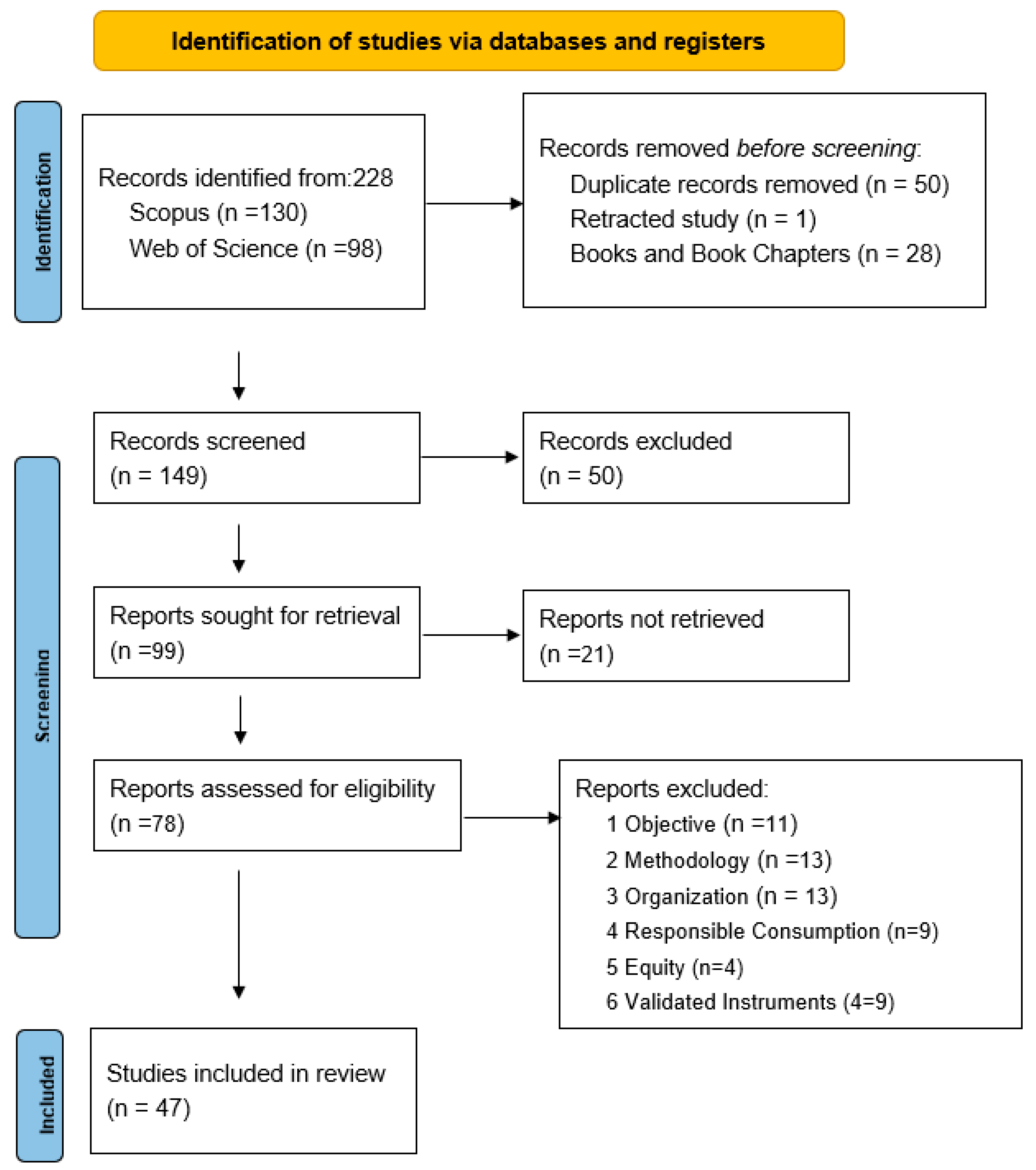
Figure 1. The PRISMA 2020 flow diagram of the study selection process.
Sustainability 17 10672 g001
Figure 2. Initiative categories and equity dimensions: conceptual interconnections from empirical studies. Note: Line shading and color coding indicate the type and strength of relationships between initiative categories and equity dimensions. Darker lines represent the most frequently documented and robust connections in the reviewed literature, while colored lines distinguish specific thematic pathways through which different initiatives promote particular equity dimensions.
Sustainability 17 10672 g002
Table 1. Theoretical foundations of equity dimensions and their application to organizational responsible consumption.
DimensionTheoretical BasisKey ComponentsApplication in Responsible Consumption
1. Distributive EquityRawls (1971) [23] —Theory of JusticeRedistribution of economic resources; equitable access to goods/services; opportunities for disadvantaged groupsTiered tariffs; cross-subsidies; labor inclusion of vulnerable groups
2. Capability EquitySen (1999) [24]—Capability ApproachAgency-building; development of human and social capital; expansion of substantive freedomsTraining programs; organizational strengthening; community empowerment
3. Recognition EquityFraser (2009) [27]—Theory of RecognitionValuation of cultural identities; combating systemic stigmatization; symbolic inclusionEthical certifications; fair trade; recognition of traditional producers
4. Procedural EquityParticipatory Justice TheoriesAccess to decision-making; democratization of governance; effective political voiceParticipatory governance; cooperatives; deliberative councils; multi-stakeholder forums
5. Environmental EquityEcological Justice (Schlosberg, 2007 [29])Equitable distribution of environmental benefits/burdens; protection of vulnerable communitiesResponsible localization; environmental monitoring; conservation of natural resources
6. Contextual EquityTerritorial Justice TheoriesAdaptation to local specificities; geographic/territorial diversity; respect for local knowledgeContextualized design; respect for cultural traditions; territorial governance
Table 2. Search strings for each keyword.
PEO CategoryKeywordSuggested Search String
P (Population)Organizations(“organization*” OR “company*” OR “firm*” OR “business” OR “corporate”)
E (Exposure)Responsible consumption(“responsible consumption” OR “sustainable consumption” OR “ethical consumption”)
O (Outcome)Equity/Reduction in inequality(“equity” OR “social justice” OR “inequality” OR “inclusion”)
Search string chosen after a selection based on trial and error.
Table 4. Responsible consumption initiatives of organizations.
Thematic ClusterCategories IncludedRepresentative InitiativesMain QuotesPredominant Types of Organization
Equitable access and social justice
  • Equitable access to services and resources
  • Sustainable labor policies
  • Social and solidarity economy
  • Access to basic services
  • Differentiated rates
  • Reducing the digital divide
  • Job placement
  • Universal basic income
  • Consumer cooperatives
[38,41,57,59,77]Public; Social
Participation and democratic governance
  • Participation and governance
  • Multi-stakeholder alliances
  • Community participatory mechanisms
  • Democratization of decisions
  • Participatory methodologies
  • Collaborative work groups
  • Alliances between sectors
[38,47,48,58,78]Public; Social
Ethical trade and value chains
  • Fair trade and certifications
  • Responsible institutional purchasing
  • Promotion of fair trade
  • Certification evaluation
  • Transparent labeling
  • Ethical institutional purchasing
  • Sustainable supply chains
[39,40,54,57,60,78,79,81]Public; Social; Private
Circular production and consumption
  • Circular economy
  • Resource and waste management
  • Reuse of products
  • Material return systems
  • Waste management
  • Remanufacturing
  • Plastic reduction
  • Waste management
[41,45,52,55,66,71,84]Private; Social; Public
Energy and sustainable mobility
  • Renewable and sustainable energy
  • Sustainable mobility
  • Energy cooperatives
  • Emission reduction
  • Energy savings
  • Shared mobility
  • Sustainable community transport
[45,52,53,55,62]Social; Public
Food and local production
  • Urban and sustainable agriculture
  • Local and proximity consumption
  • Sustainable food
  • Urban gardens
  • Local consumption campaigns
  • Producers’ markets
  • Alternative channels
  • Sustainable institutional food
[39,46,66,73,76]Social; Public
Conservation and environmental management
  • Environmental conservation
  • Socio-environmental programs
  • Ecosystem conservation
  • Responsible fishing practices
  • Comprehensive socio-environmental programs
  • Support for local communities
[38,47,58,78]Public; Social; Private
Business models and sustainable innovation
  • Sustainable business models
  • Sustainable innovation
  • Responsible tourism
  • Models with social impact
  • Social and environmental marketing
  • CSR programs
  • Co-creation of sustainable products
  • Ethical tourism
  • Green human resources
[42,49,56,69,74,83]Private
Technology for sustainability
  • Technology for sustainability
  • Digitization and transparency
  • Collaborative economy platforms
  • Good practice platforms
  • Digital cooperative platforms
  • Rural digital hubs
  • Technological democratization
[52,61,67,68,82]Private; Social
Education and cultural transformation
  • Education and awareness
  • Promotion of sustainable lifestyles
  • Alternative economic models
  • Raising awareness about responsible consumption
  • Educational tools
  • Thematic events
  • Differentiated taxes
  • Promotion of sufficient life
  • Alternative economic models
[39,40,43,63,64,74]Public; Social; Private
Collaborative spaces
  • Innovation spaces
  • Shared infrastructures
  • Sustainable community spaces
  • FabLabs and maker spaces
  • Shared infrastructures
  • Co-living and co-working
[45,49,55]Social; Public
Table 6. Impact of organizational responsible consumption initiatives on promoting social equity.
Thematic ClusterRepresentative InitiativesImpact on Social EquityAuthors
Equitable access and social justiceExtension of basic services; Tiered rates; Bridging the digital divide; Job placement; Universal basic income
  • Improving the quality of life in marginalized communities
  • Reduction in inequalities in access to basic resources
  • Inclusion and sense of belonging
  • Jobs for vulnerable groups
  • Technological and resource redistribution
[38,41,57,59,77]
Participation and democratic governanceCommunity participatory mechanisms; Democratization of decision-making; Participatory methodologies; Collaborative working groups
  • Community empowerment
  • More inclusive decision-making
  • Strengthening social capital
  • Legitimacy and accountability
  • Inclusion of marginalized groups in policies
[38,43,47,61,62,75]
Ethical trade and value chainsFair trade promotion; Certification assessment; Transparent labeling; Sustainable supply chains
  • Economic redistribution to vulnerable producers
  • Fairer and more transparent prices
  • Improvement of working conditions
  • Reduction in information asymmetries
  • Awareness of global inequalities
[39,40,44,54,60,63,79,81]
Circular production and consumptionProduct reuse; Return systems; Waste management; Remanufacturing; Plastic reduction; Anti-waste
  • Access to lower-cost products
  • Job creation in the circular economy
  • Reduction in environmental impacts in vulnerable communities
  • Redistribution of surpluses
  • Conservation of resources for future generations
[41,55,66,71,80,84]
Energy and sustainable mobilityEnergy cooperatives; Emissions reduction; Energy efficiency; Shared mobility
  • Greater community energy autonomy
  • Equitable access to sustainable energy
  • Redistribution of energy benefits
  • Reducing climate vulnerability for marginalized groups
  • Problems of unequal participation
[45,52,53,62]
Food and local productionUrban gardens; Local consumption campaigns; Producer markets; Alternative channels; Sustainable institutional food
  • Access to healthy foods regardless of income
  • Strengthening rural economies
  • Empowerment of local producers
  • Social cohesion and community identity
  • Food sovereignty and dependency reduction
[46,59,66,73,76]
Conservation and environmental managementEcosystem conservation; Responsible fishing practices; Comprehensive socio-environmental programs
  • Protection of traditional livelihoods
  • Sustainable access to natural resources
  • More equitable distribution of ecosystem services
  • Improving resilience for vulnerable communities
  • Indigenous and local participation in environmental management
[47,58,82]
Business models and sustainable innovationModels with social impact; Sustainable marketing; CSR programs; Product co-creation; Ethical tourism
  • Greater awareness of social issues
  • Positive perceptions and attitudes toward sustainability
  • Better positioning of ethical brands
  • Limitations: superficiality, greenwashing, and attitude–behavior gaps
  • Risk of reinforcing existing inequalities
[42,56,69,74,78,83]
Technology for sustainabilityCollaborative economy platforms; Best practice platforms; Cooperative platforms; Rural digital hubs
  • Technological democratization
  • Better working conditions on cooperative platforms
  • Digital inclusion of rural communities
  • Transparency and accountability
  • Challenges: limited economic sustainability and scale
[49,52,67,68,82]
Education and cultural transformationRaising awareness about responsible consumption; Educational tools; Thematic events; Differentiated taxes; Promoting a sufficient life
  • Increased awareness of the impacts of consumption
  • Shifts in values toward social justice and equality
  • Empowering consumers to make ethical decisions
  • Tension between individual and structural change
  • Emotional and motivational impacts
[39,40,43,44,63,64,74]
Collaborative spacesSustainable community spaces; Fab Labs and maker spaces; Shared infrastructure; Co-living and co-working
  • Collective participation in creation and production
  • Empowerment through democratized technologies
  • Better use of resources
  • Limitation: reproduction of social privileges
  • Strengthening community ties
[45,49,55]
Disclaimer/Publisher’s Note: The statements, opinions and data contained in all publications are solely those of the individual author(s) and contributor(s) and not of MDPI and/or the editor(s). MDPI and/or the editor(s) disclaim responsibility for any injury to people or property resulting from any ideas, methods, instructions or products referred to in the content.