Systematic Review

Towards Sustainable Vertical Farming: A Systematic Review of Energy Return on Investment Efficiency and Optimization Strategies

by
Abdulaziz Aborujilah
Department of Management Information System, College of Commerce & Business Administration, Dhofar University, Salalah 211, Oman
Sustainability 2025, 17(18), 8142; https://doi.org/10.3390/su17188142
Submission received: 7 June 2025 / Revised: 18 August 2025 / Accepted: 19 August 2025 / Published: 10 September 2025

Abstract

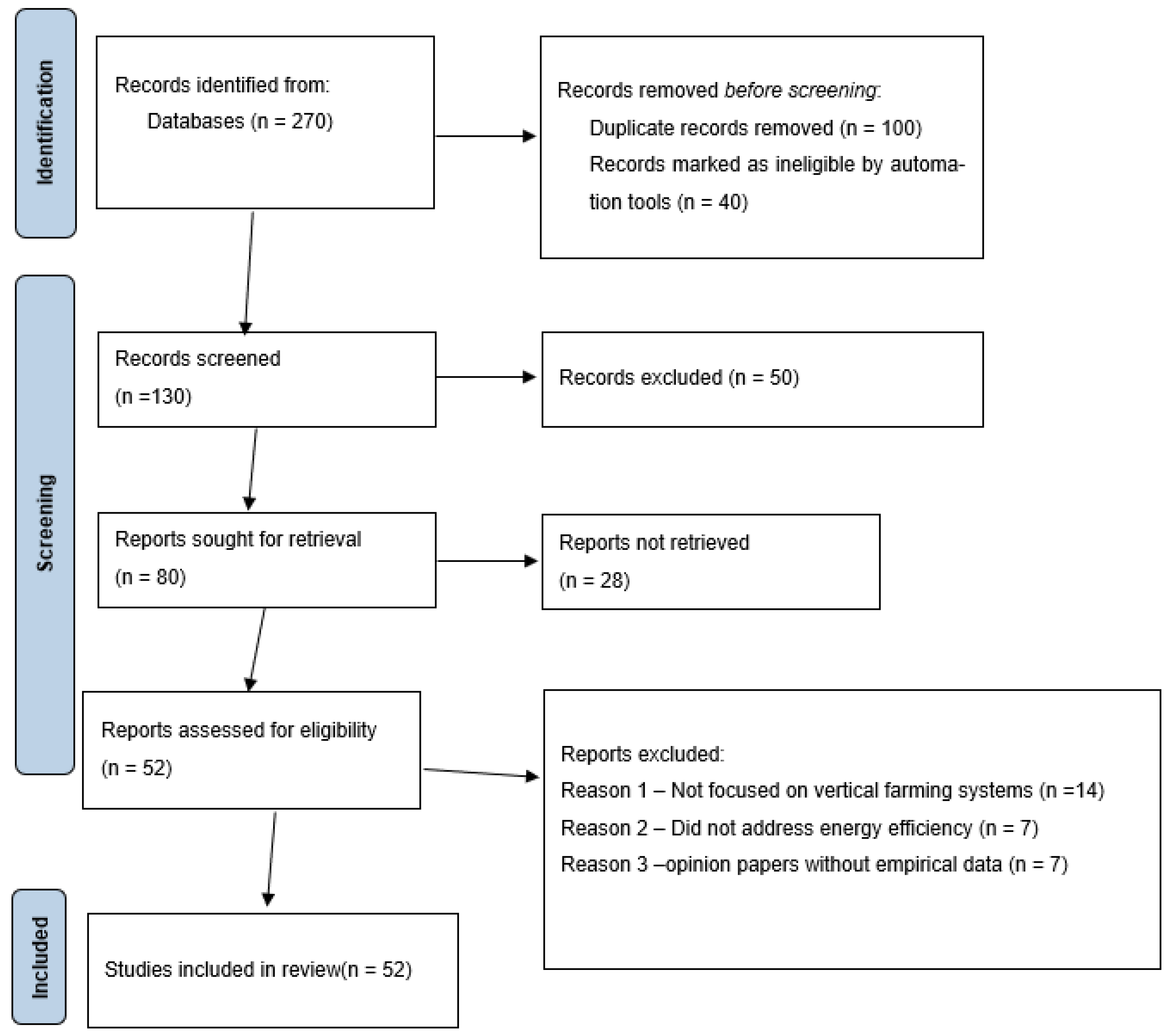
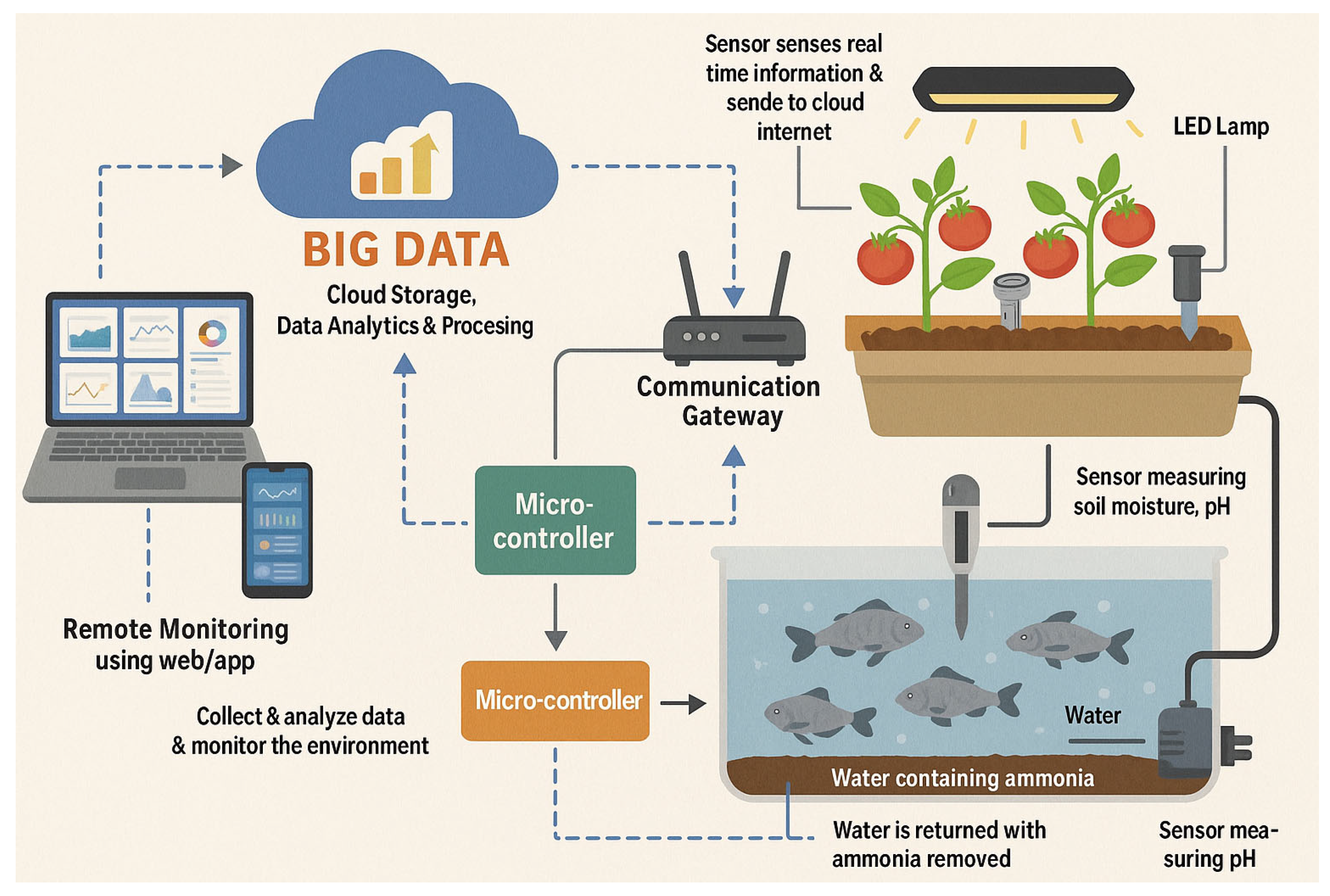
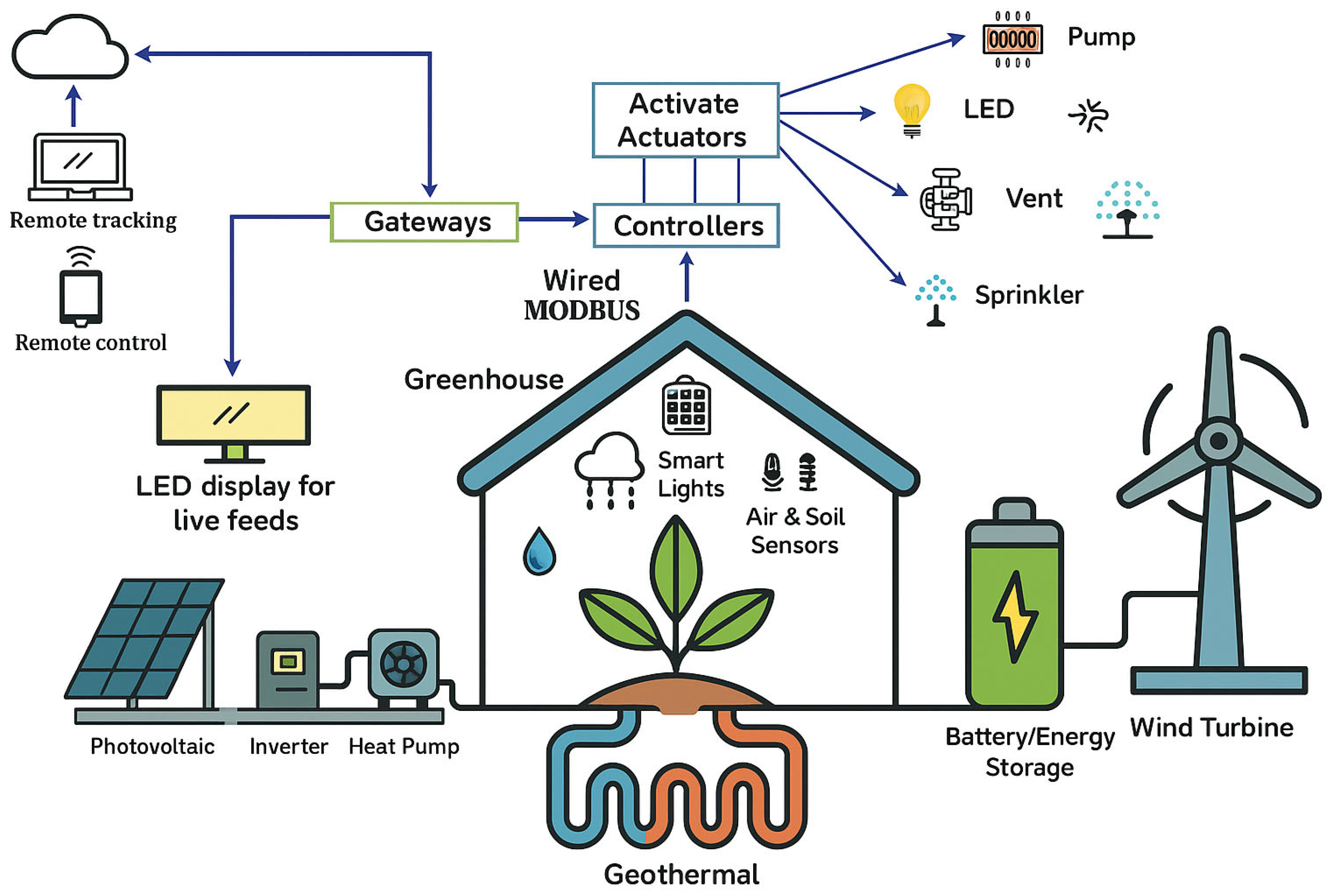
Vertical farming offers one potential sustainable solution to food production in cities as populations increase and available farmland decreases. However, the large-scale adoption of vertical farms is still impeded by high energy requirements and costs. This research attempts to assess how energy optimization strategies that improve the sustainability and feasibility of vertical farming systems are applied systematically. Following the PRISMA guidelines, a systematic review of 52 articles published between 2014 and early 2024 was conducted on four major academic databases: ScienceDirect, Scopus, Web of Science, and Google Scholar. These reviews revealed that some modern technologies like high-efficiency LED lights, smart HVAC control, and IoT-based smart irrigation systems provided great advancements in reducing electricity consumption. However, even with these innovations, energy savings were heavily impacted by factors such as crop variety, climate, facility layout, system design, and geography. Other critical factors like high upfront spending, limited access to qualified personnel, inconsistent reporting standards, and a lack of real-world data further impede widespread adoption of the technology. This review emphasizes the need for multidisciplinary longitudinal field studies, standardized metric definitions, strategic integration of renewable resources, and supplementary training for operators. These analyses provide a foundation which can assist policymakers, researchers, and investors in developing energy-efficient, low-cost, and eco-friendly vertical farming systems.
Keywords: vertical farming; energy optimization; sustainability; smart irrigation; LED lighting; renewable energy integration; urban agriculture; automation and IoT vertical farming; energy optimization; sustainability; smart irrigation; LED lighting; renewable energy integration; urban agriculture; automation and IoT