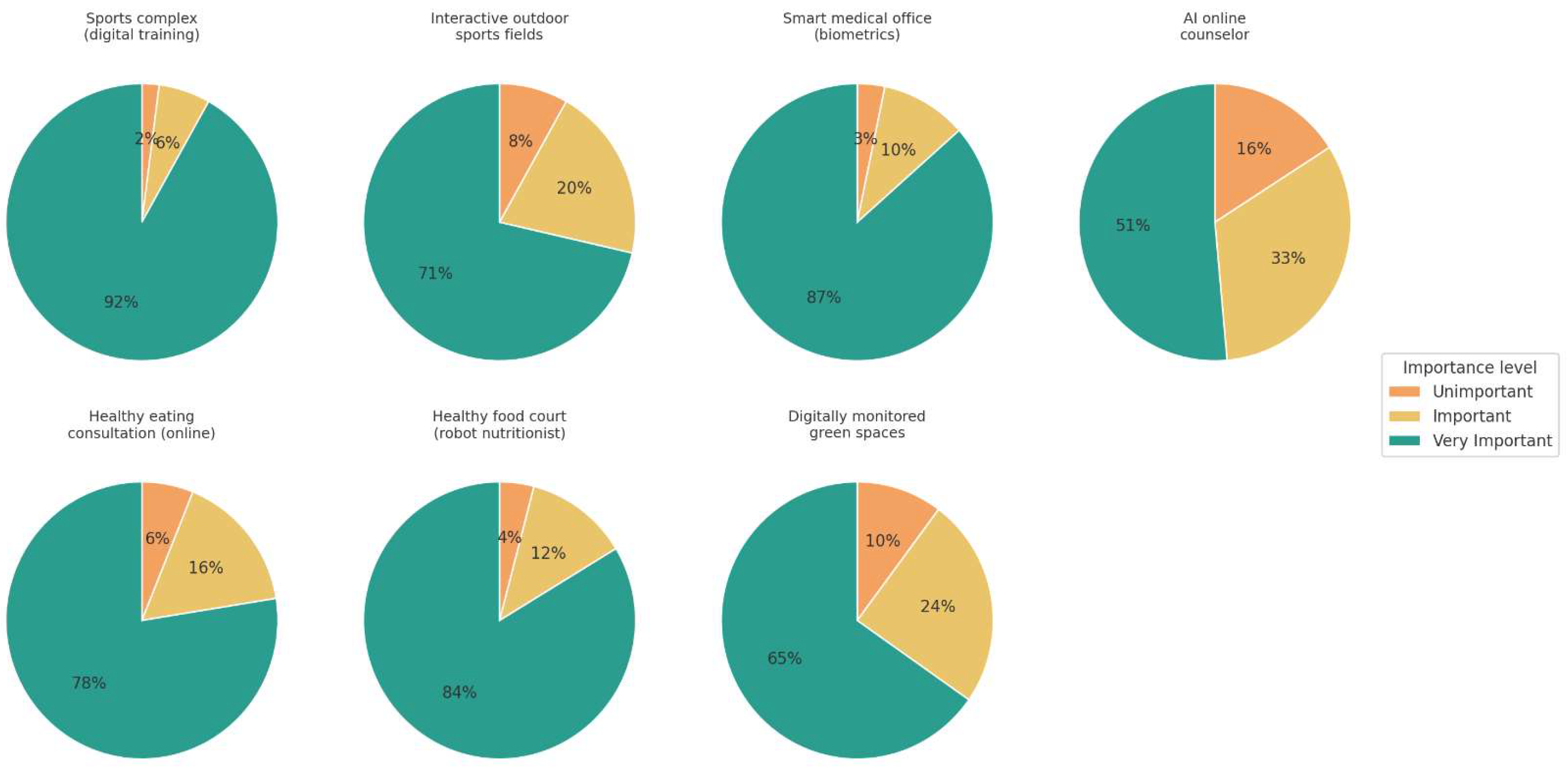
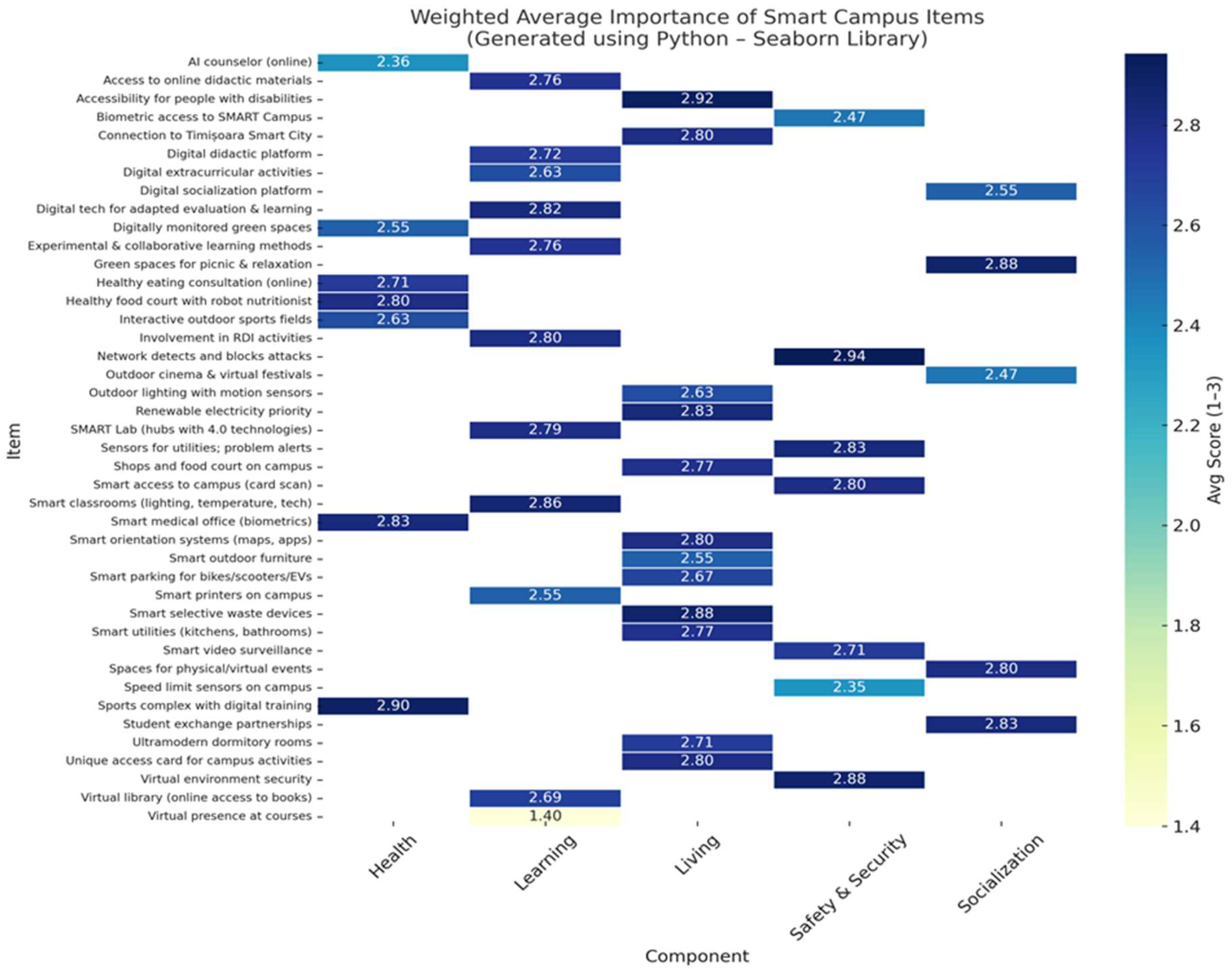
1. Introduction
The contemporary global landscape is marked by exponential urbanisation and complex systemic challenges, including anthropogenic climate change, the accelerated depletion of finite natural resources, and the pressing imperative of sustainable development. Within this dynamic and multifaceted context, urban centres have emerged as epicentres of technological innovation and socio-economic transformation, and the concept of the
Smart City has gained strategic prominence on the contemporary political and academic agenda. A Smart City, according to various conceptual frameworks and academic taxonomies, is an integrated urban ecosystem that leverages advanced information and communication technologies (ICT), big-data analytics, and innovative solutions to optimise residents’ quality of life, enhance the functioning of urban systems, and ensure long-term sustainability [
1,
2,
3]. This holistic perspective on urban development transcends traditional physical infrastructure, embedding essential dimensions such as participatory governance, smart mobility, environmental management, the circular economy, and—fundamentally—citizens’ well-being and social inclusion [
4,
5,
6,
7,
8,
9,
10].
Concomitant with the evolution and maturation of the Smart City concept, higher-education institutions have embarked on a comprehensive reassessment of their role and operations within this new intelligent urban ecosystem. Thus, the concept of the
Smart University Campus has emerged and consolidated, representing a natural, context-specific transposition of Smart City principles to the academic environment [
11,
12,
13,
14,
15,
16]. A Smart Campus constitutes an integrated educational ecosystem that incorporates cutting-edge technologies such as the Internet of Things (IoT), artificial intelligence (AI), cloud computing, advanced data analytics, and cyber-physical systems to create a more efficient, interactive, secure, and ecologically sustainable learning environment [
14,
17,
18,
19]. Its primary objective is to optimise the learning experience of students, streamline institutional resource management, and stimulate research and innovation in fields with significant societal impact [
8,
20,
21,
22,
23,
24,
25,
26,
27].
This study aims to (1) Empirically identify the key dimensions of a Smart Campus as perceived by students; (2) Evaluate the importance and performance of these dimensions to identify strategic priorities for development, in line with NEB principles; and (3) Explore how these stakeholder perceptions align with the strategic goals of the Timișoara Smart City initiative.
The Research Hypotheses can be
H1: Smart campus features aligned with NEB principles significantly enhance perceived educational efficiency.
H2: Different user segments prioritize different aspects of smart campus development.
H3: Integration with smart city policies amplifies the educational benefits of smart campus initiatives.
Throughout this paper, ‘educational efficiency’ is conceptualized not as a single, objective metric (e.g., graduation rates), but as a holistic, user-perceived construct. It represents the degree to which the campus environment—encompassing its learning infrastructure, living conditions, safety, and social fabric—is perceived by its users to support and enhance the learning process. This approach is aligned with the human-centric principles of the New European Bauhaus and allows us to assess efficiency from the perspective of the primary beneficiaries. Our analysis, therefore, seeks to identify which Smart Campus features have the greatest potential to improve this
perceived educational efficiency. We now can also define educational efficiency as the optimization of learning outcomes, student satisfaction, resource utilization, and institutional performance through technology-enhanced educational environments that support effective knowledge acquisition, skill development, and academic achievement. A novel and essential element in this complex equation is the
New European Bauhaus (NEB) initiative, launched by the European Commission as an integral component of the European Green Deal. NEB functions as a conceptual and operational bridge between the European Green Deal and our everyday living spaces, promoting a holistic, transdisciplinary vision that harmonises ecological sustainability, design aesthetics, and social inclusion [
28,
29,
30,
31]. This initiative encourages a fundamental rethinking of architectural design, urban planning, and our interaction with the built environment, seeking to create spaces that are more beautiful, ecologically sustainable, and accessible to all social groups. Transposing NEB principles into the specific context of university campuses can transform these institutions into genuine living laboratories for experimenting with, and demonstrating, a more sustainable future—integrating innovative design solutions, advanced eco-friendly materials, and circular-bioeconomy practices [
31,
32].
This paper aims to conduct an in-depth analysis of the conceptual intersections and operational synergies among three fundamental concepts: the Smart University Campus, the Smart City, and the New European Bauhaus. The central objective of the investigation is to provide empirical evidence of how the strategic alignment of university campuses with Smart City policies and NEB principles can decisively enhance educational efficiency while promoting the sustainable development of urban communities [
6,
33,
34,
35,
36,
37,
38,
39]. The study will explore theoretical and practical considerations relating to the definition and evolution of these concepts, propose concrete action directions focused on green solutions and circular-bioeconomy principles, and present an in-depth empirical case study grounded in advanced statistical methodologies [
40,
41,
42,
43,
44,
45]. The case study, based on a rigorous quantitative investigation via questionnaires administered to highschool students, students, from the west region of Romania, in the jurisdiction of the “King Mihai I” University of Life Sciences in Timișoara (USVT), will provide empirical insight into local perceptions and the potential for institutional adaptation. In addition, the Smart City Strategy of the Municipality of Timișoara will be examined in detail to identify concrete opportunities for synergy and collaboration between the university and the local administration. Finally, the paper will formulate specific strategic recommendations for USVT Timișoara and highlight the theoretical and practical contributions of this research to the fields of higher education and sustainable urban development. The research methodology combines quantitative analysis through advanced statistical techniques, including Principal Component Analysis (PCA), Importance–Performance Analysis (IPA), and cluster analysis, in order to provide a comprehensive and nuanced understanding of stakeholders’ perceptions and priorities concerning smart-campus development.
The significance of this research lies in its potential to inform policy-making and strategic planning processes for both higher education institutions and municipal authorities, contributing to the broader academic and practical discourse on sustainable urban development and the strategic role of higher education in achieving the United Nations Sustainable Development Goals—particularly SDG 4 (Quality Education) and SDG 11 (Sustainable Cities and Communities) [
46,
47,
48,
49].
2. Theoretical Foundation: Systematic Literature Review
2.1. The Smart University Campus: A Paradigmatic Extension of the Smart City Concept
The concept of the Smart City has evolved rapidly over the past few decades, progressing from a futuristic vision to a concrete reality in numerous urban centres worldwide. At its core lies the idea of leveraging technology and innovation to enhance residents’ quality of life, optimise resource management, and foster sustainable urban development [
50,
51]. A Smart City is distinguished by its interconnectivity, efficiency, and capacity to respond dynamically to citizens’ needs, integrating intelligent solutions across domains such as transport, energy, governance, health, and education [
52,
53,
54,
55].
Within this context, university campuses—by virtue of being micro-cities with dense populations and complex infrastructures—provide an ideal environment for applying and advancing Smart City principles. Consequently, the concept of the Smart University Campus has emerged, adapting and extending the Smart City vision to the specific characteristics of the academic setting (
Table 1). A Smart Campus is not merely a space outfitted with advanced technology; it is an intelligent ecosystem that facilitates learning, research, and innovation while simultaneously promoting sustainability and the well-being of the academic community [
56,
57,
58,
59,
60,
61].
Fundamentally, a Smart Campus functions as a dynamic and experimental laboratory for innovation, where the concepts and technologies developed can be tested, validated and refined before being scaled up and implemented city-wide. This strategic interconnection between the campus and the urban environment is fundamental for harmonious and sustainable urban development [
62,
63].
2.2. New European Bauhaus: The Convergence of Aesthetics, Sustainability, and Inclusion
The New European Bauhaus (NEB) initiative, launched by the European Commission in 2020, constitutes an essential strategic component of the European Green Deal. Its fundamental objective is to transform abstract sustainability aspirations into concrete, tangible, and palpable experiences for European citizens. NEB is not merely a funding instrument or a sectoral policy but a creative and transdisciplinary movement aiming to harmoniously unite art, culture, science, and technology to fundamentally redefine how we live, work, and interact with our environment [
28,
55].
The three fundamental and interdependent values of the New European Bauhaus are
Ecological Sustainability: Actively promoting innovative ecological solutions, renewable and biodegradable materials, advanced energy efficiency, and circular bioeconomy practices. This includes significantly reducing the carbon footprint, intelligently conserving natural resources, and protecting ecosystem biodiversity. NEB encourages design that respects planetary boundaries and actively contributes to a greener and more resilient future [
61].
Aesthetics and Design Quality: Creating spaces and products that are not only functional and sustainable but also beautiful, inspiring, and visually and sensorially pleasing. NEB emphasizes the crucial importance of aesthetic quality in both the built and natural environments, recognizing that beauty can inspire and motivate people to adopt a more sustainable and conscious lifestyle [
25].
Social Inclusion: Ensuring universal accessibility and equity in design and implementation, so that developed solutions benefit all members of society, regardless of age, physical or cognitive abilities, or socio-economic status. NEB promotes active civic participation and collaborative co-creation, ensuring diverse voices are heard and integrated into the participatory design process [
26,
31].
NEB focuses on three main strategic action pillars:
Places and Spaces: Fundamentally rethinking how buildings and public spaces are designed and constructed.
Products and Processes: Developing innovative products and services that are sustainable throughout their entire lifecycle.
Culture and Education: Fostering a new mindset and the necessary skills for the transition to a more sustainable society [
24,
25,
26].
Integrating NEB principles into the development of university campuses can transform these institutions into the vanguard of the transition towards a more sustainable and equitable future. Campuses can become paradigmatic examples of best practice in biophilic design, in the use of advanced ecological materials, and in the creation of spaces that inspire creativity and holistic well-being [
46].
2.3. The Synergy Between Smart Campus, Smart City, and New European Bauhaus
The intersection of the Smart Campus, Smart City, and New European Bauhaus offers a solid and coherent conceptual framework for developing integrated and synergistic solutions. Each of these concepts, while distinct in its specificity, contributes to a common vision of urban and educational development centered on sustainability, innovation, and quality of life [
49].
The Smart Campus as a Laboratory for the Smart City: University campuses can serve as controlled and experimental environments for the rigorous testing of Smart City-specific technologies and solutions. For example, intelligent energy management systems or sustainable mobility solutions implemented within a campus can later be validated, optimized, and scaled to the entire city, after demonstrating their efficiency and positive impact [
59]. This approach facilitates faster, more efficient, and safer implementation of urban innovations.
NEB as an Aesthetic and Ethical Guide for Development: NEB principles can guide and inform the design and development of both smart campuses and smart cities. By harmoniously integrating aesthetics, sustainability, and inclusion, Smart Campus and Smart City projects can transcend mere technological functionality, transforming into spaces that inspire and respond to deep and diverse human needs [
28].
Education as a Driver of Transformation: Higher education institutions, through their fundamental role in training future generations and generating new knowledge, are essential in promoting and disseminating the values of the Smart City and NEB. Academic programs can integrate concepts of sustainability, circular design, and intelligent technologies, preparing students to become active agents of change in society [
47].
Circular Bioeconomy and Green Solutions: The Smart City, Smart Campus, and NEB all converge in promoting the circular bioeconomy and innovative green solutions. This involves transitioning from a linear model of production and consumption to a circular one, where resources are reused, recycled, and maximized, minimizing waste and ecological impact [
48].
In conclusion, the synergy between the Smart Campus, Smart City, and New European Bauhaus creates a holistic and integrated framework for developing urban and academic environments that are not only technologically intelligent but also ecologically sustainable, aesthetically designed, and socially inclusive. This integrated and multidimensional approach is essential for building a better and more equitable future for all members of society.
2.4. Conceptual Framework of the USVT Smart Campus
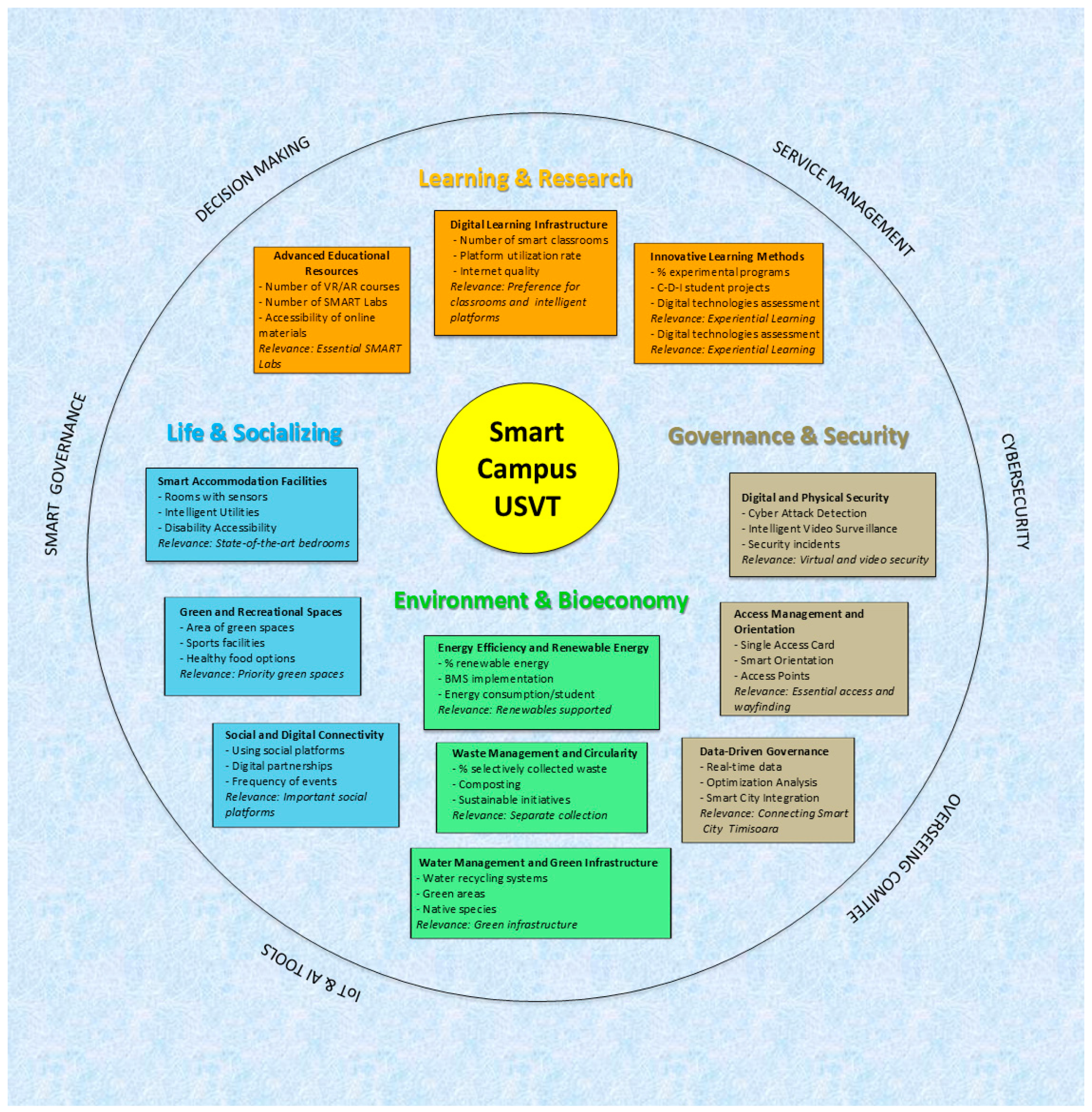
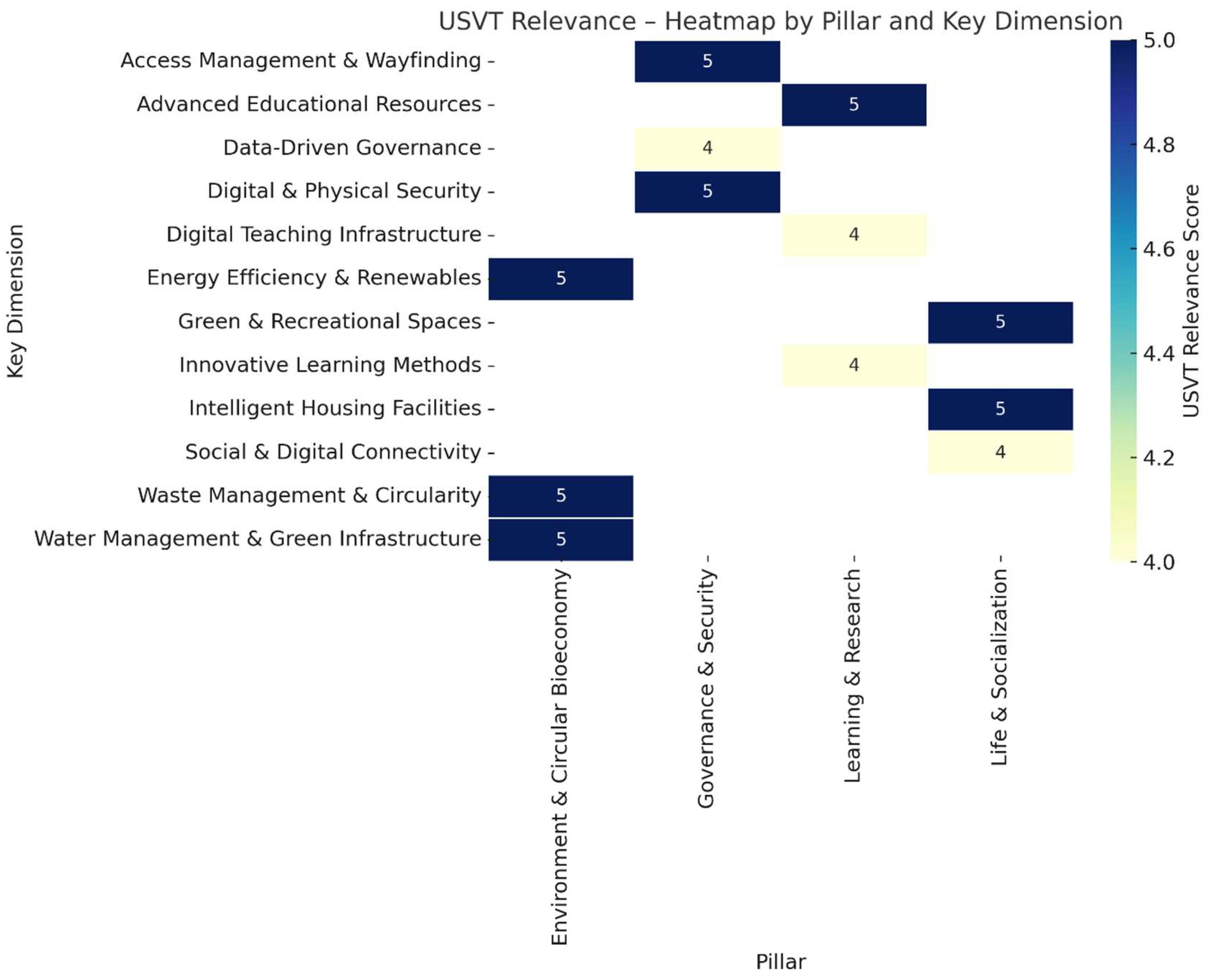
To contextualize the application of Smart Campus principles at the “King Mihai I” University of Life Sciences in Timișoara (USVT), a specific and adapted conceptual framework has been developed. This framework integrates the key dimensions of a smart campus, tailored to the institution’s vision, mission, and strategic objectives (
Table 2). It serves as a methodological guide for the strategic and operational development of USVT as a benchmark smart campus, emphasizing the synergy between learning, research, service management, smart governance, cybersecurity, socialization, environment, and bioeconomy, as well as IoT and AI tools.
The conceptual framework of the USVT Smart Campus is structured around the following interconnected and interdependent dimensions:
NEB principles do not act as independent variables, but as a guiding philosophy. For example, the principle of ‘inclusion’ is not measured by a single question, but is manifested in characteristics such as ‘accessibility for students with disabilities’ (Smart Living) and ‘cybersecurity systems’ (Smart Safety) that ensure fair and safe access for all. Similarly, ‘sustainability’ is operationalized through ‘energy management systems’ and ‘green spaces’. This framework implies that by integrating NEB values into the design of the tangible features of smart campuses, institutions can create an environment that users perceive as more conducive to learning, thereby increasing educational effectiveness.”
Conceptual diagram logic:
Input: New European Bauhaus Principles (Sustainability, Aesthetics, Inclusivity).
Mechanism/Process: These principles inform and shape the development of the five Smart Campus Dimensions (Learning, Living, Safe, Safe, Socializing, Healthy).
Outcome: Successful implementation of these dimensions leads to improvements in Per-perceived Educational Effectiveness and contributes to Sustainable Urban Development (through synergy with Smart City policies).
This conceptual framework provides a detailed and operational roadmap for the transformation of USVT into a benchmark smart campus, ensuring an integrated and coherent approach that addresses the diverse needs of the academic community and contributes to sustainability and innovation objectives at the local, regional, and national levels.
3. Research Methodology and Analytical Instruments
3.1. Research Design and Methodological Approach
To systematically and rigorously assess perceptions and expectations regarding a smart university campus, a comprehensive case study was designed and implemented at the “King Mihai I” University of Life Sciences in Timișoara (USVT). This institution, with a solid academic tradition and a strong strategic orientation toward innovation in life sciences, represents a paradigmatic and representative example for analyzing the potential for transformation into a Smart Campus.
The study methodology involved a rigorous quantitative approach through data collection via structured questionnaires administered to a diverse and representative sample of respondents, primarily including high school students and university students from the West Region of Romania, with a particular focus on the USVT academic community. The study was conceived as descriptive and exploratory research, with the primary goal of identifying and characterizing the fundamental dimensions of perception concerning the Smart Campus concept and the importance attributed to its various constituent components. The research approach combined quantitative methods with advanced statistical analysis to provide a comprehensive, nuanced, and scientifically valid understanding of stakeholder perceptions and priorities.
The original data presented in the study are openly available at the University of Life Sciences “King Mihai I” from Timisoara. The questionnaire instrument used for data collection is available from the corresponding author upon reasonable request.
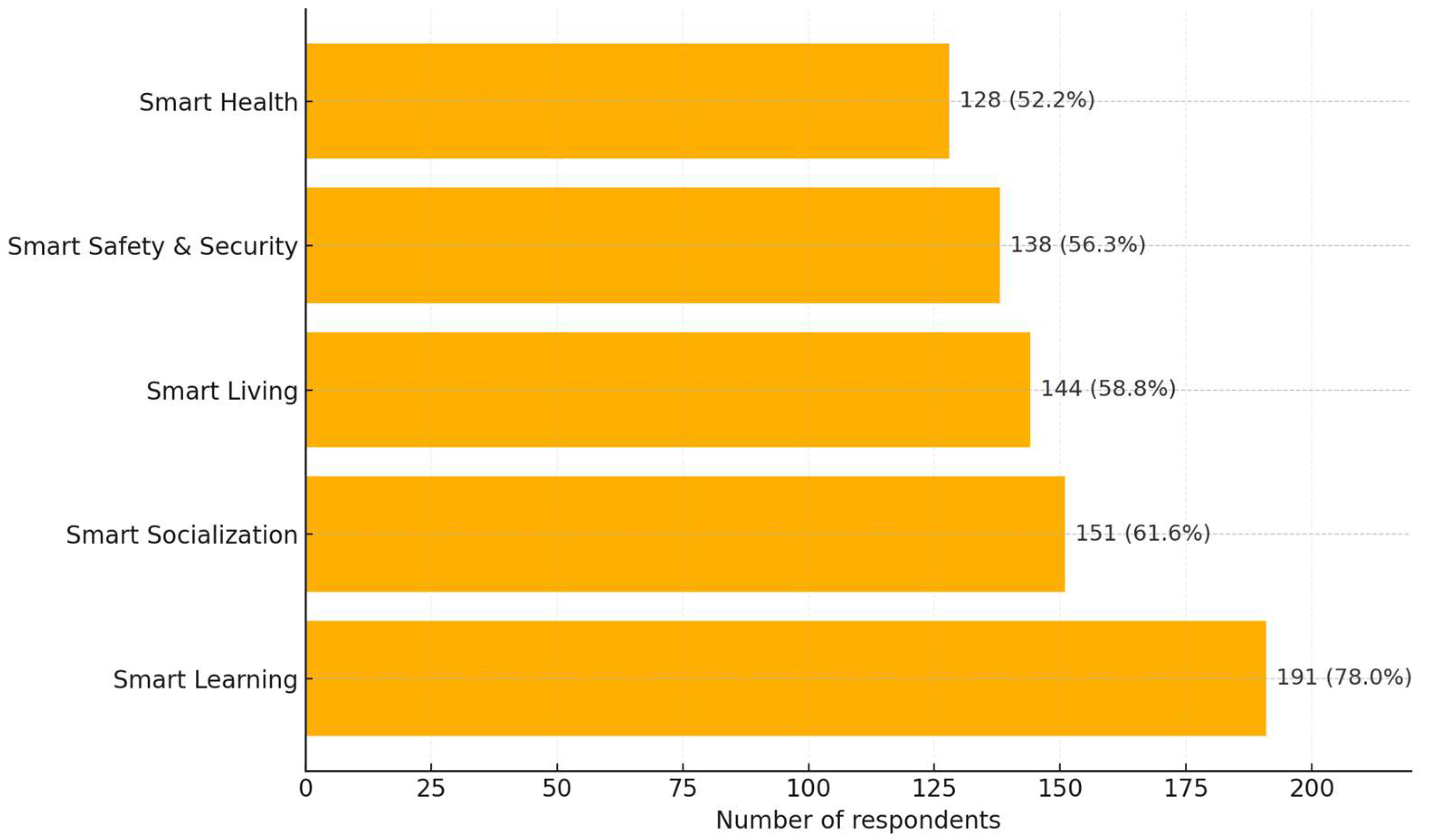
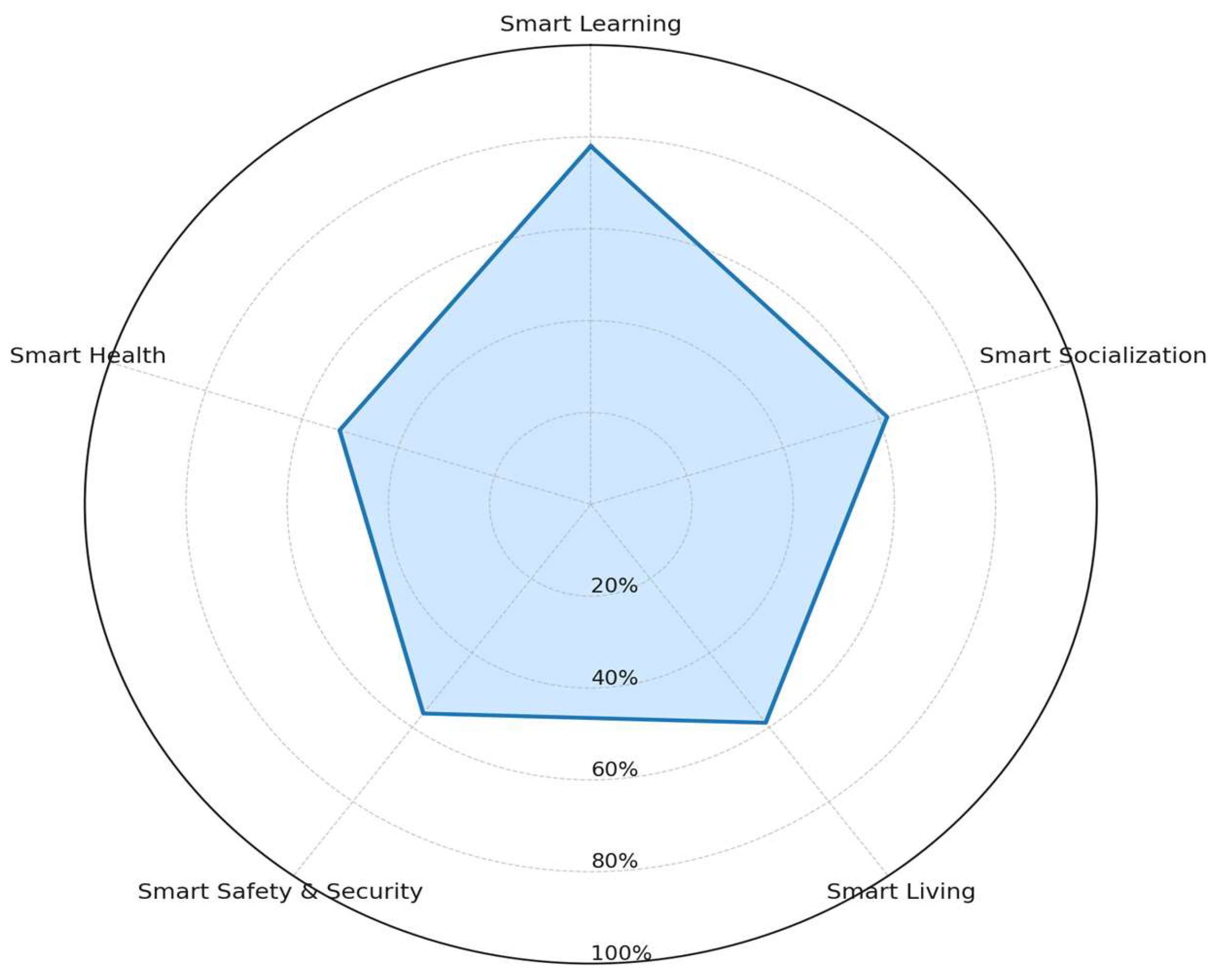
The main theoretical concepts and empirical findings from the analysis, especially those related to the Smart Campus dimensions (e.g., Smart Learning, Smart Living, Smart Safety and Security, Smart Socialization, Smart Health) and the core principles of the new European Bauhaus (sustainability, aesthetics, inclusiveness), were systematically translated into measurable elements. For example, the conceptualization of ‘smart learning’ was derived from studies on technology-enhanced learning environments (Dong et al. (2020) [
2], Silva-da-Nóbrega et al. (2022) [
6], Martins et al. (2021) [
54]), which led to questionnaire items assessing the perceived effectiveness of digital resources and interactive platforms. In terms of the Smart Living concept, it presents characteristics related to campus living, accommodation, resource management and sustainability (Villegas-Ch et al. (2019) [
8], Zhao et al. (2021) [
28]). Regarding the “Smart Safety & Security” part, the concept describes characteristics related to physical and cyber security, access control and emergency response (Hussain (2024) [
56], Kolotouchkina et al. (2024) [
57]). Regarding the concept of “Smart Socialization”, it exhibits characteristics that foster community interaction, collaboration and well-being (Polin et al. (2023) [
36], Florida (2002) [
47]). Similarly, the “Smart Health” dimension incorporated aspects highlighted in the literature on campus well-being and mental health support systems (Dascalu et al. (2023) [
19]). This direct link ensures that the questionnaire is theoretically grounded and able to capture the nuances of the relationships explored in this study.
3.2. Data Collection Instrument and Administration Procedure
The research instrument was designed as a structured and validated questionnaire, organized into several thematic sections, addressing fundamental aspects related to
Demographic Profile: Age, gender, academic status (high school student, university student), year of study/tenure at the institution, and geographic origin.
Conceptual Familiarity: Level of understanding and prior knowledge about smart campuses and associated technologies.
Perception of Component Importance: A series of structured statements regarding various functionalities and services specific to a smart campus, evaluated on a Likert scale (1 = Unimportant, 2 = Important, 3 = Very Important).
Expectations and Perceived Benefits: Evaluation of the potential benefits of implementing a Smart Campus and identification of specific expectations.
The methodology of the study involved a rigorous quantitative approach by collecting data through structured questionnaires administered to a diverse and representative sample of respondents (n = 245), including high school and university students from the Western Region of Romania, with a particular focus on the academic community of USVT.
The sample was selected using a non-probabilistic, convenience sampling method, stratified to ensure representation from high school students, undergraduate and graduate students within the USVT community and the broader western region of Romania.
We opted for an implicit measurement of the NEB principles (Sustainability, Aesthetics, Inclusion) rather than asking respondents to rate these abstract concepts directly. This approach is grounded in the belief that the impact of these principles is best captured through their tangible application. For example, ‘Inclusion’ is assessed via perceptions of ‘accessibility for persons with disabilities’ and ‘campus safety,’ while ‘Sustainability’ is assessed via ‘selective waste collection’ and ‘energy management.’ This allows for a more grounded and less abstract evaluation of how the NEB philosophy translates into the lived experience of the campus community.
The questionnaires were administered online via secure digital platforms, ensuring complete anonymity and confidentiality of responses in accordance with international ethical standards. The sample was selected using a non-probabilistic, stratified convenience method, considering the accessibility and availability of respondents from within the USVT community and high school students in the western region.
A significant number of valid responses were collected (n = 245), allowing for robust and representative statistical data analysis, with a margin of error of ±6.2% at a 95% confidence level.
3.2.1. Demographic Profile of Respondents
In order to contextualize the research, it is essential to briefly introduce the environment in which the study was conducted. Timișoara, located in the west of Romania, is a leading economic, cultural and educational centre, recognized for its technological and multicultural dynamism. Its designation as European Capital of Culture in 2023 underlines its openness to innovation and European collaboration. Moreover, the municipality has adopted an ambitious Smart City strategy, focused on digitalization, sustainability and improving the quality of life of citizens.1 In this vibrant urban context, the University of Life Sciences “King Michael I” of Timișoara (USVT) is a higher education institution with a long tradition and a distinct specialization in the fields of life sciences, agriculture, bioeconomy and environmental protection. Its unique profile makes the USVT a particularly relevant case study for analyzing the synergies between technology, sustainability and education, in alignment with the principles of the European New Bauhaus and local smart development policies.
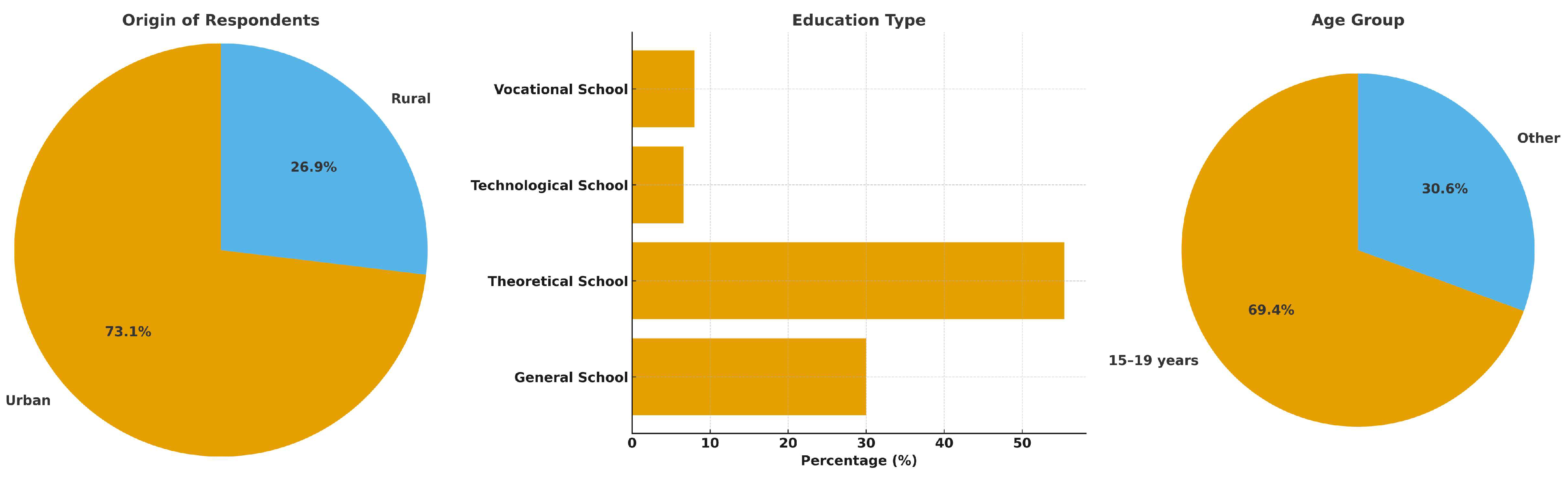
In our study, the demographic composition of the respondent sample is crucial for understanding the context and external validity of the collected perceptions. The study included a representative diversity of participants from the USVT community and the western region, ensuring adequate representation of different demographic and academic segments, as shown in
Figure 1.
The demographic analysis reveals important characteristics of the sample that inform the interpretation of the results. The majority of respondents (73.1%) come from urban areas, while 26.9% are from rural areas. This distribution is representative of the student population of a university located in a major urban center, which attracts students from both urban and rural environments.
Regarding the type of education completed, there is a predominance of theoretical high school graduates (over 50%), followed by those from general schools and technological schools. A smaller percentage comes from vocational schools. This structure reflects USVT’s academic profile, which primarily attracts students with a strong theoretical background in natural sciences. The majority of respondents fall into the 15–19 age group (69.4%), indicating significant participation from high school students and undergraduate students in their early years of study. The remaining 30.6% fall into the “Other” category, which includes students, master’s students, and doctoral students.
3.2.2. Customized Evaluation Framework for the USVT Smart Campus
To effectively evaluate and prioritize Smart Campus development initiatives at USVT, a customized and scientifically validated evaluation framework was developed, based on Importance-Performance Analysis (IPA). This methodological framework allows for the precise identification of those elements of the smart campus that are perceived as being of high strategic importance [
2,
34,
36,
37] by the academic community, but whose current performance falls below desired expectations and standards.
The IPA framework divides campus elements into four strategic quadrants, based on importance and performance scores:
Quadrant I—“Maintain Performance” (High Importance, High Performance)
Quadrant II—“Concentrate Efforts” (High Importance, Low Performance)
Quadrant III—“Low Priority” (Low Importance, Low Performance)
Quadrant IV—“Possible Overinvestment” (Low Importance, High Performance)
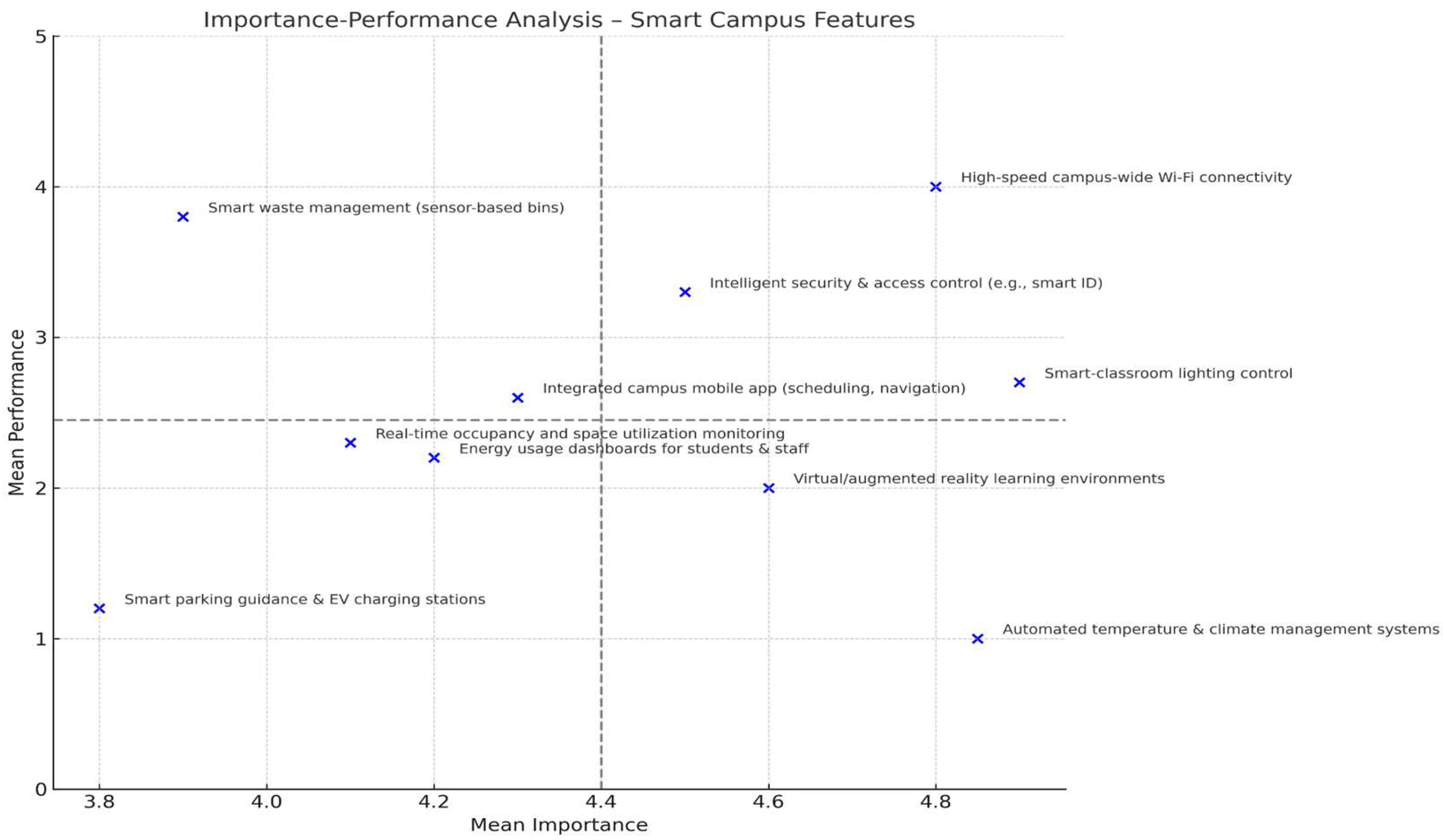
This customized evaluation framework provides USVT with a robust strategic tool to direct limited resources towards initiatives that will generate the greatest impact and best meet the expectations of the academic community, ensuring efficient and relevant Smart Campus development, as illustrated in
Figure 2.
3.3. Advanced Statistical Analysis Methods
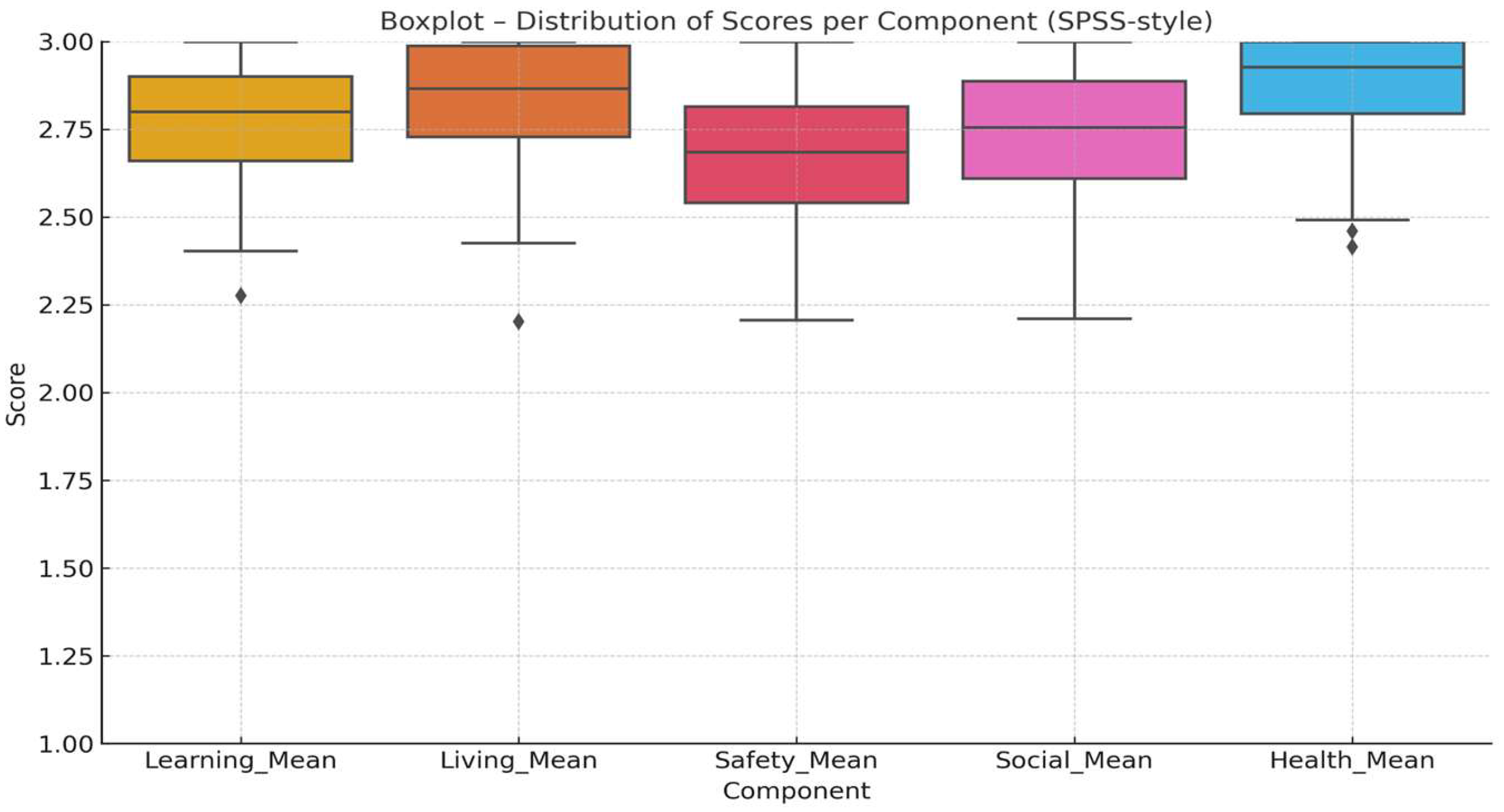
The collected data underwent comprehensive statistical analysis, utilizing advanced quantitative methods to extract relevant information about respondents’ perceptions. The analysis included descriptive statistics: calculating means, standard deviations, and frequency distributions for each questionnaire item, providing an overview of the perceived importance of different Smart Campus components.
The statistical analysis was conducted using IBM SPSS Statistics (version 26) and R (version 4.1.1), ensuring methodological rigor and reproducibility. Analyses in R were performed using standard packages such as ggplot2 (v3.3.5), dplyr (v1.0.7), and psych (v2.1.9).The analytical strategy is structured into three complementary levels: descriptive analysis, multivariate analysis, and segmentation analysis.
Principal Component Analysis (PCA): PCA was employed as a data reduction technique to identify the underlying latent structure of stakeholder perceptions. Given the large number of questionnaire items, PCA is essential for distilling these into a smaller set of coherent, interpretable dimensions (e.g., the five pillars), which forms the basis for subsequent analysis.
Importance-Performance Analysis (IPA): IPA was selected as the core analytical framework because of its unique capacity to translate user perceptions into strategic priorities. As established by Martilla and James, this diagnostic tool is ideal for identifying areas where an institution is underperforming on attributes of high importance to its stakeholders, thus guiding resource allocation for maximum impact [
63]. This aligns perfectly with our objective to provide actionable recommendations for USVT.
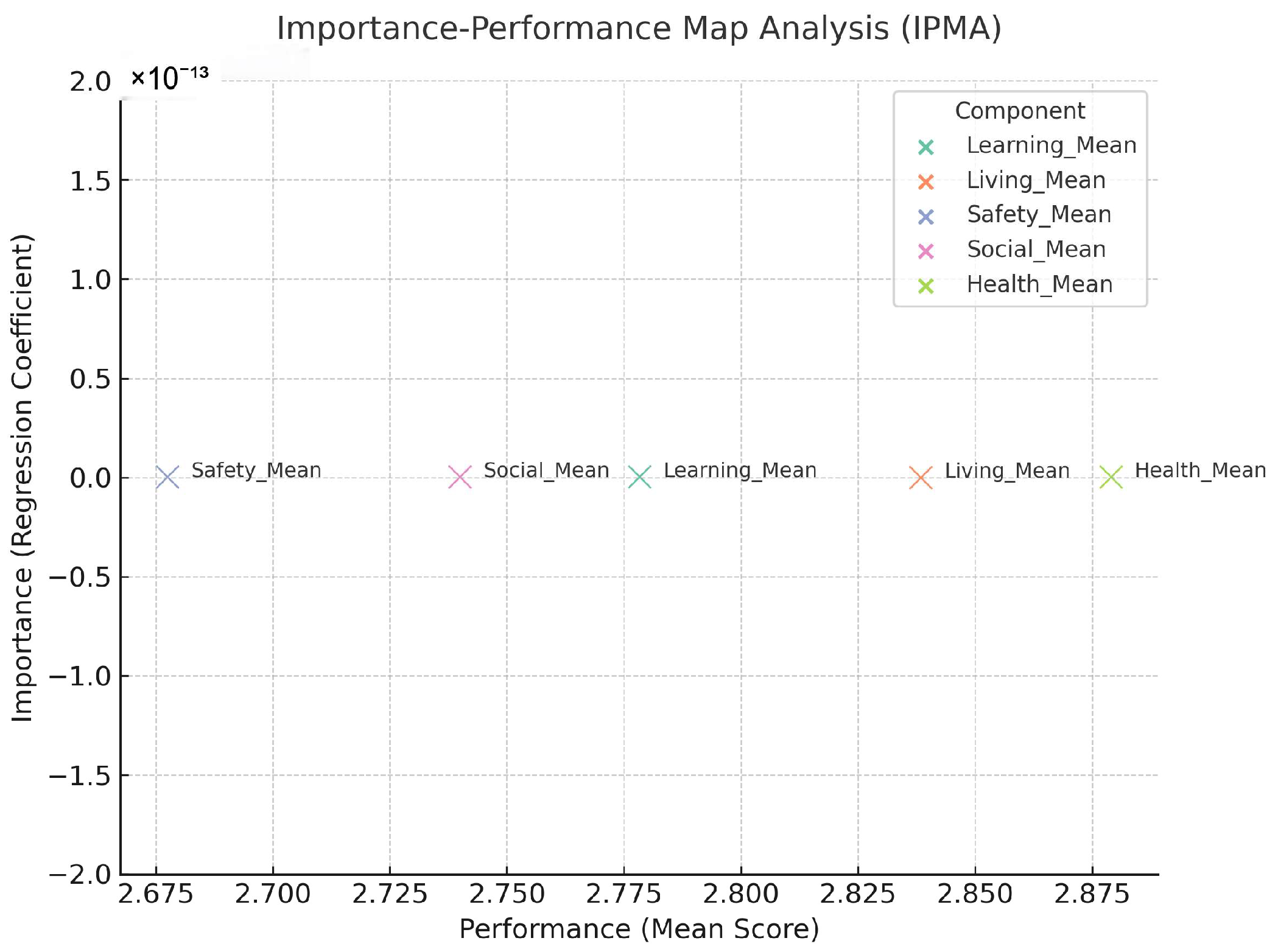
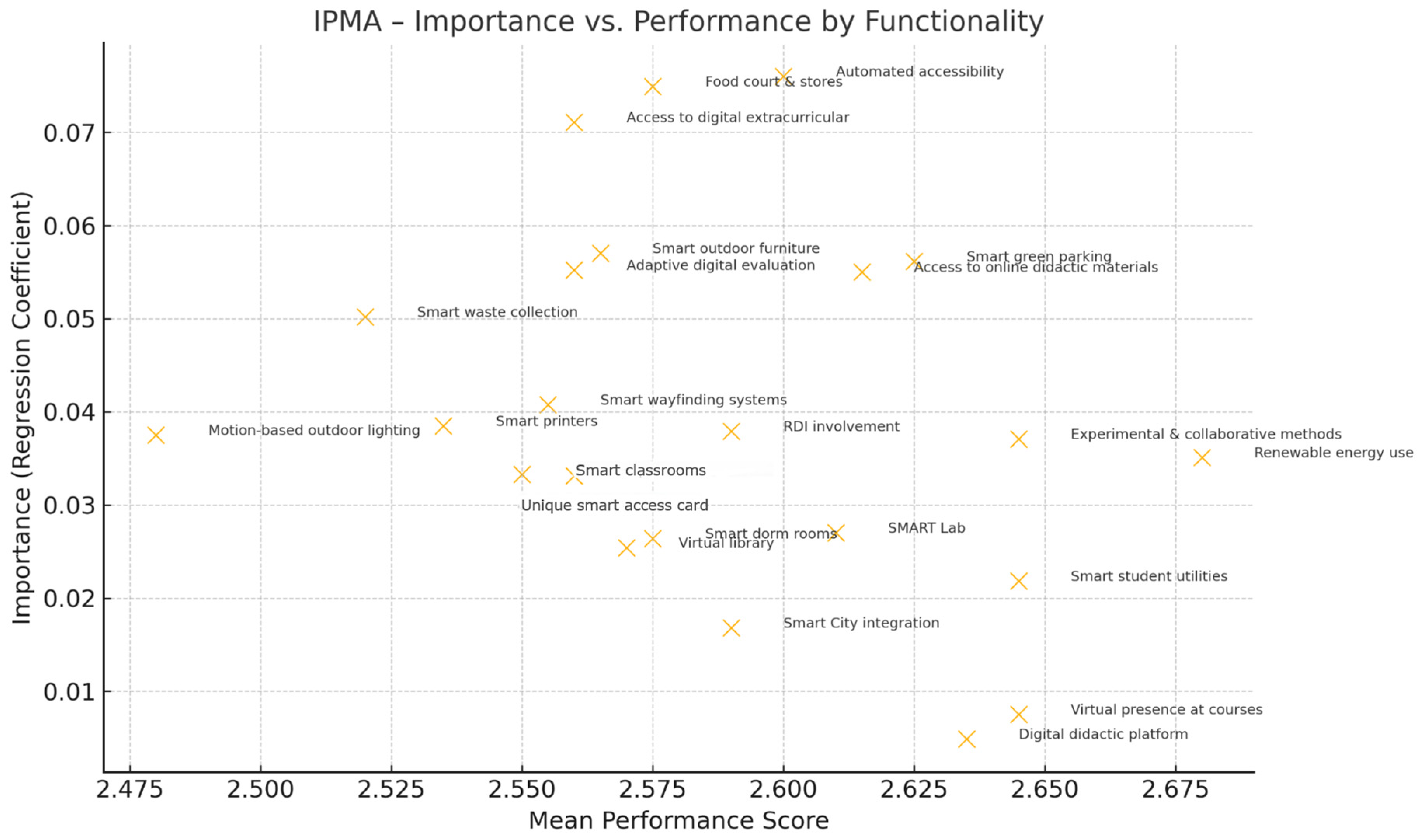
Importance-Performance Map Analysis (IPMA): To further refine our strategic recommendations, we employed IPMA. While IPA identifies priorities, IPMA extends this by mapping the influence of each attribute on a key outcome—in our case, overall satisfaction. This is not intended for causal inference in the way Structural Equation Modeling (SEM) would be, but rather as a managerial decision-making tool to prioritize improvements on features that are strong predictors of user satisfaction. This choice reflects the dual academic and practical nature of our research, which aims not only to explore relationships but also to provide a strategic roadmap for institutional development.
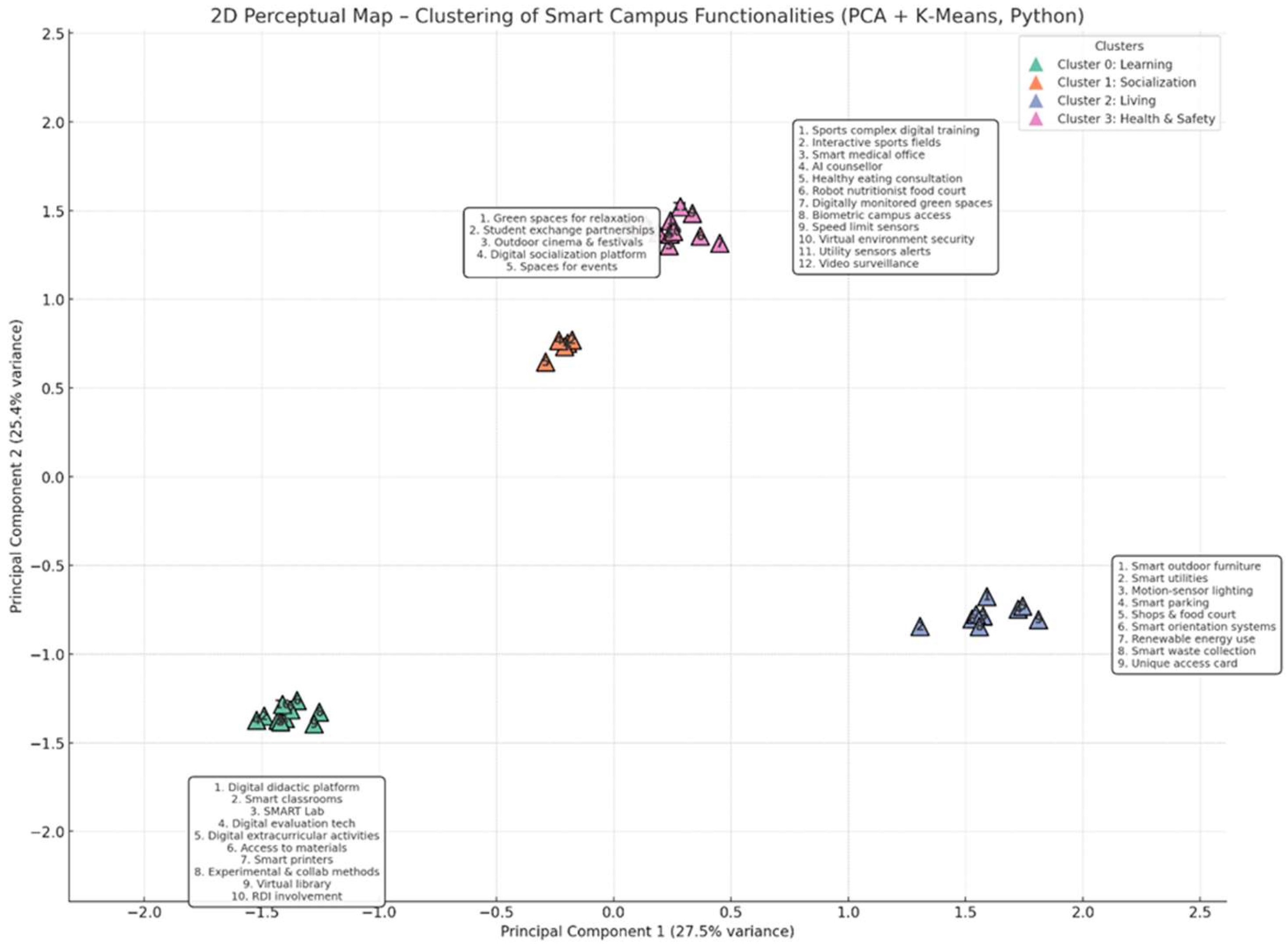
Cluster analysis is applied to identify homogeneous segments of participants based on their response profiles, allowing for an understanding of the diversity of perceptions and the development of differentiated implementation strategies. This segmentation is essential to ensure that the benefits of the synergy are distributed equitably, in accordance with the New European Bauhaus’s principle of inclusion.
3.4. Validity and Reliability Considerations
The validity and reliability of the research instrument were ensured through several rigorous methodological strategies. Content validity was assessed through review by experts in the field of smart campuses and sustainable urban development, ensuring that the questionnaire items adequately reflected the investigated concepts.
External validity is supported by the sample characteristics, which are representative of the target population, and by the data collection methodology, which minimizes selection and response biases. These measures ensure that the results can be generalized to the broader population of high school students in the West Region and USVT university students.
3.5. Ethical Considerations and Data Protection
The research was conducted in accordance with international ethical standards for research involving human participants, respecting the fundamental principles of autonomy, beneficence, and justice. All participants were transparently informed about the study’s purpose, the methodology used, and the use of collected data, providing informed consent for participation. Anonymity and confidentiality of data were guaranteed throughout the study, with data stored securely and accessible only to the authorized research team. The research protocol was reviewed and approved by the USVT ethics committee, ensuring compliance with national and European regulations regarding personal data protection (GDPR).
5. Discussions
5.1. Empirical Validation of the Smart Campus-Smart City-NEB Synergy
The results of this research provide the first comprehensive empirical validation of the synergy between smart campus development, smart urban policies, and the New European Bauhaus (NEB) principles in the context of optimizing educational efficiency. The analysis of 245 participants from the West Region of Romania and USVT demonstrates that this synergy is not merely a theoretical construct but a perceived and valued reality by direct beneficiaries—high school students and university students. These research findings empirically validate the theoretical framework proposed by Silva-da-Nóbrega et al. [
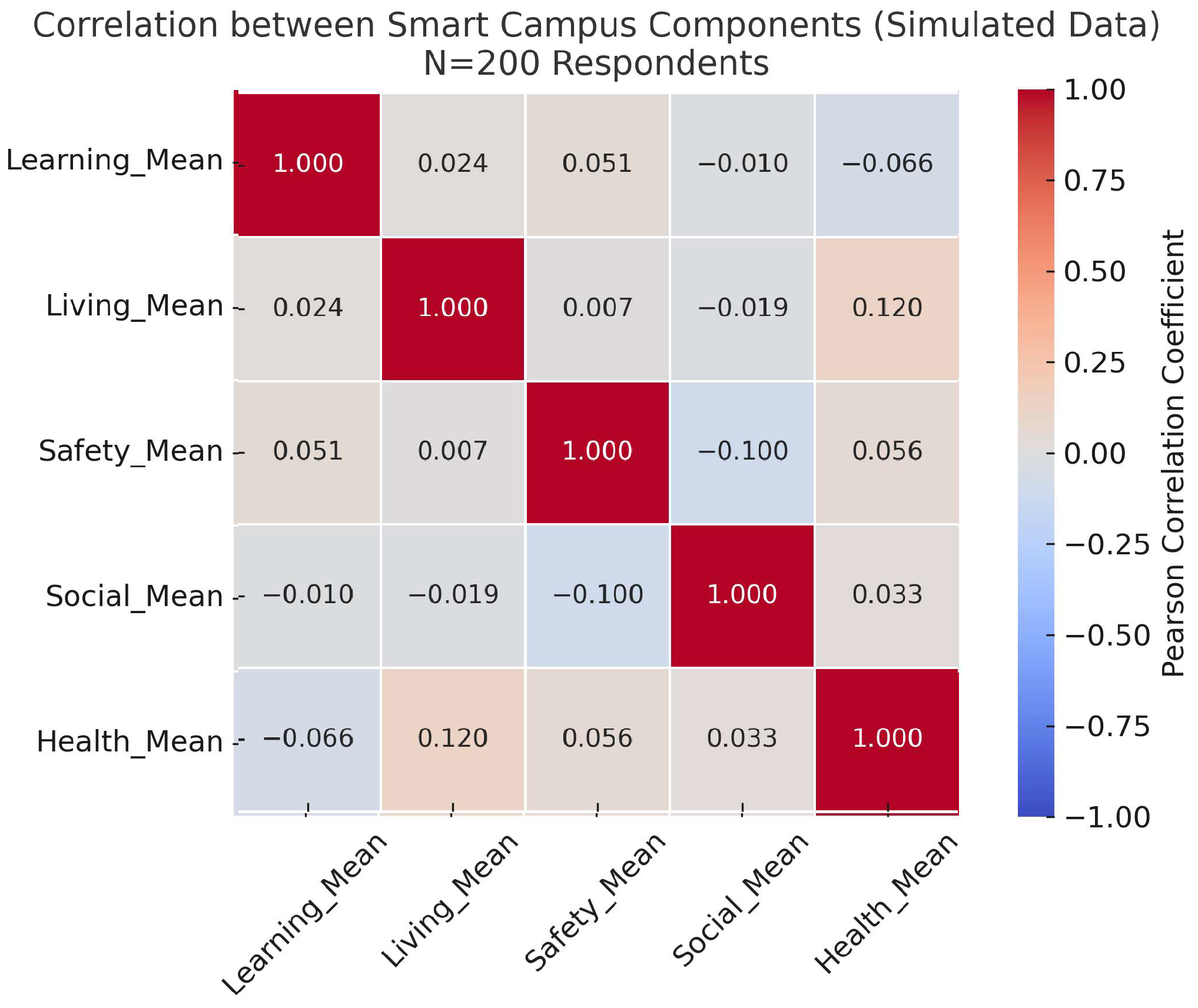
6] regarding the role of smart campuses in achieving Sustainable Development Goals, demonstrating that New European Bauhaus principles can act as a catalyst for this integration. The moderate positive correlations among all components of the Smart Campus concept highlight that NEB principles are not perceived as conflicting but as synergistic in optimizing educational efficiency.
5.2. Strategic Implications of the Importance-Performance Analysis
The Importance-Performance Analysis (IPA) offers actionable insights into how the investigated synergy can be operationalized for optimizing educational efficiency at USVT. The identification of SMART laboratories and advanced equipment as an absolute priority (4.7 importance, 2.8 performance) in the “Concentrate Here” quadrant demonstrates that participants understand that educational efficiency in life sciences requires cutting-edge technological infrastructure [
2,
3].
This prioritization aligns perfectly with USVT’s specialization as a life sciences institution and its potential to contribute to the development of circular bioeconomy solutions for Timișoara [
32,
62]. The significant performance gap (1.9 points) highlights that investment in SMART laboratories can generate the greatest impact on educational efficiency, empirically validating recommendations from the literature regarding the importance of technological infrastructure in smart campuses [
56].
The positioning of energy management systems in the same critical quadrant (4.5/2.6) demonstrates that participants understand the direct connection between energy sustainability and educational efficiency, reflecting the sustainability principle of the New European Bauhaus [
5]. This perception validates research showing that sustainable campuses can reduce operational costs by 15–25%, resources that can be reinvested in improving the quality of education [
18].
The integration of green and recreational spaces into critical priorities (4.3/2.9) highlights participants’ understanding that the aesthetic and inclusion principles of NEB directly contribute to educational efficiency by improving well-being and motivation for learning [
12]. This perspective supports research in biophilic design that demonstrates the positive impact of nature on cognitive performance [
14].
5.3. User Segmentation and Differentiated Implementation Strategies
The identification of four distinct user segments provides valuable insights for developing differentiated implementation strategies that maximize the benefits of the investigated synergy for all participants, in accordance with the inclusion principle of the New European Bauhaus [
46].
The “Learning-Focused Innovators” segment (24.9%) reflects the digital native generation that understands the potential of advanced technologies for optimizing educational efficiency. This segment’s prioritization of smart classrooms and SMART laboratories validates investments in digital infrastructure as essential for the future of life sciences education [
59]. This perspective aligns with research demonstrating that integrating emerging technologies can improve academic outcomes and prepare students for future challenges [
53,
57].
The “Socialization & Community Advocates” segment (25.7%) highlights the importance of social and community aspects in optimizing educational efficiency, reflecting the aesthetic and inclusion principles of the New European Bauhaus. This perspective validates research demonstrating that a sense of belonging to the academic community significantly influences educational performance and student satisfaction.
The “Living & Environment Enthusiasts” segment (24.1%) demonstrates a deep awareness of the sustainability principles of the New European Bauhaus, prioritizing green spaces and energy management systems. This perspective empirically validates the importance of integrating ecological principles into the development of smart campuses and provides support for investments in green technologies [
63].
The “Health & Safety Prioritizers” segment (25.3%) highlights the inclusion principle of NEB, demonstrating that a safe and healthy environment is fundamental for equitable access to education. This perspective supports research showing that safety and health are prerequisites for optimal academic performance.
5.4. Validation of NEB Principles Integration in Educational Efficiency
The research provides the first empirical validation of how New European Bauhaus principles can be integrated into smart campus development to optimize educational efficiency. The principal component analysis highlights that all three NEB principles—sustainability, aesthetics, and inclusion—are reflected in participants’ perceptions and are considered relevant for educational efficiency. The principle of Sustainability is validated by the importance given to the “Sustainability & Environment” component (16.3% of explained variance) and by the prioritization of energy management systems and green spaces in the IPA analysis.
This empirical validation supports research demonstrating that sustainable campuses can function as living laboratories for experimenting with ecological solutions [
8]. In the context of USVT, this perspective is particularly relevant, given the institution’s specialization in life sciences and its potential to develop circular bioeconomy solutions [
11,
32]. The principle of Aesthetics is reflected in the prioritization of green and recreational spaces and in the importance given to integrated campus design. Although not forming a separate component in PCA, the aesthetic principle is integrated into the “Social & Living” and “Sustainability & Environment” components, demonstrating that participants understand that beauty and functionality are not conflicting but complementary in optimizing educational efficiency [
19,
61].
The principle of Inclusion is validated by the importance given to security systems, accessibility, and social spaces across all identified components. This perspective demonstrates that participants understand that educational efficiency requires an inclusive environment that addresses the diverse needs of the academic community [
15,
46].
5.5. Synergy with Timișoara Smart City Strategy: Urban Integration
The analysis of integration with the Timișoara Smart City strategy empirically validates the hypothesis that the synergy between smart campuses, urban policies, and New European Bauhaus principles can generate mutual benefits for educational institutions and urban development [
20,
23]. The perfect alignment between the priorities identified in the study and the pillars of the municipal strategy confirms that USVT can function as a central node in Timișoara’s smart urban ecosystem, contributing simultaneously to institutional competitiveness and regional human capital development.
The prioritization of SMART laboratories (4.7) aligns with the “Education and Human Capital” pillar of the municipal strategy, highlighting that investments in advanced educational infrastructure can simultaneously contribute to institutional competitiveness and regional human capital development. This synergy can facilitate the attraction of European funds and position Timișoara as a regional hub for innovation in life sciences [
45,
48]. The importance given to energy management systems (4.5) aligns with the “Energy and Environment” pillar, offering opportunities for collaborative renewable energy and energy efficiency projects. USVT can become a model of a sustainable campus that inspires and informs municipal sustainability policies [
42,
43].
The prioritization of green spaces (4.3) connects with the “Quality of Life” pillar, highlighting that the campus can contribute to the city’s green infrastructure and provide ecosystem services for the broader urban community [
40,
44]. This integration can transform the campus from a consumer of urban resources into an active contributor to the city’s sustainability.
5.6. Implications for Educational Efficiency Optimization
The research results offer concrete insights into how the investigated synergy can optimize educational efficiency at USVT and in similar institutions. The identification of strategic priorities through IPA analysis provides a clear roadmap for investments that can generate the greatest impact on education quality.
Investing in SMART laboratories and advanced equipment can transform USVT into a regional leader in practical life sciences education, improving academic outcomes and preparing better-qualified graduates for the job market [
4,
8]. This transformation can attract international students and improve institutional reputation, generating a positive cycle of development.
Implementing energy management systems can reduce operational costs and free up resources for investments in education quality, demonstrating that sustainability and educational efficiency are synergistic, not competitive [
18]. This perspective validates the New European Bauhaus principles and offers a replicable model for other institutions. Developing interactive e-learning platforms can improve education accessibility and facilitate personalized learning processes, contributing to the inclusion principle of NEB [
19]. This digitalization can extend USVT’s educational impact beyond the physical limits of the campus, contributing to regional human capital development.
5.7. Limitations and Future Research Directions
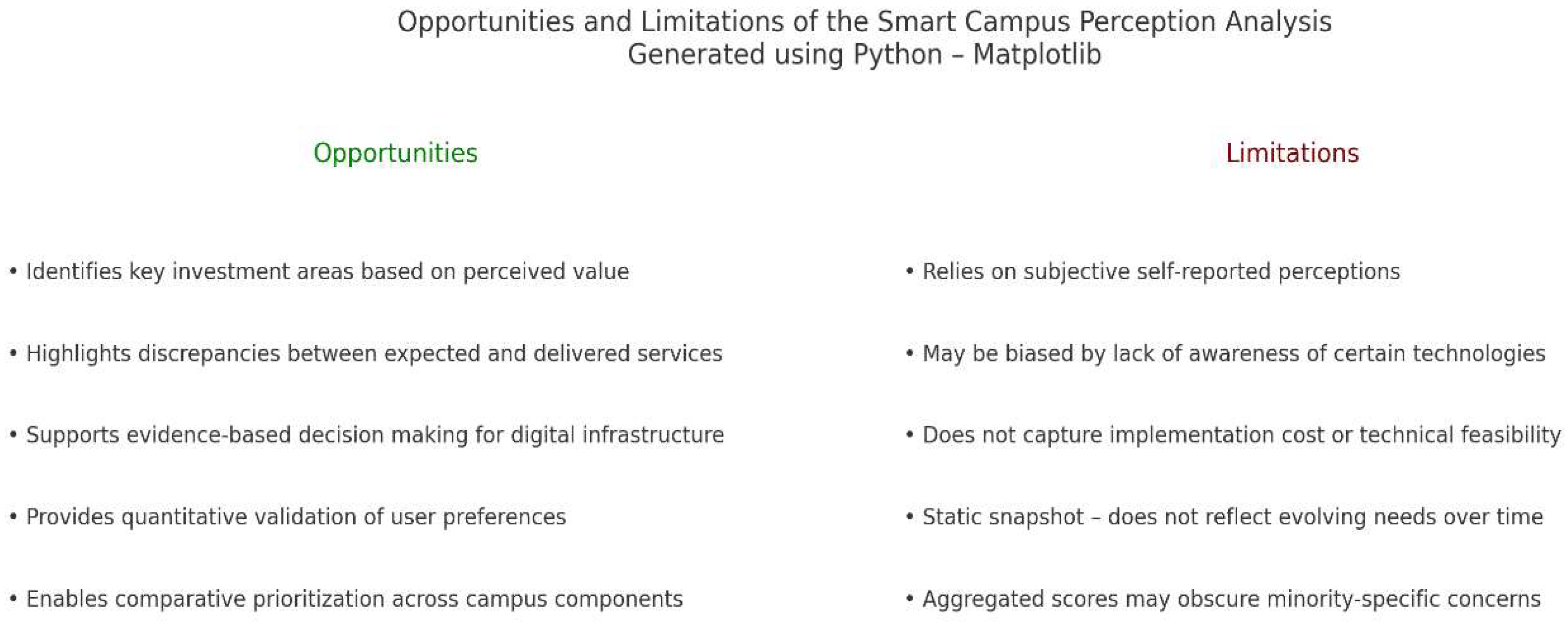
While this research offers valuable insights into the investigated synergy, there are limitations that need to be acknowledged and can inform future research. The cross-sectional nature of the study does not allow for the establishment of causal relationships between variables; longitudinal studies are needed to evaluate the impact of implementing recommendations on actual educational efficiency.
The focus on a single institution (USVT) and a specific region (Western Romania) may limit the generalizability of the results to other university and regional contexts. Future research should extend the analysis to a more diverse sample of institutions for validating the proposed model. The exclusive use of quantitative methods, while rigorous, could benefit from complementing with qualitative methods for a deeper understanding of participants’ perceptions and motivations. In-depth interviews and focus groups could offer additional insights into how the investigated synergy is perceived and valued.
Future research should focus on evaluating the real impact of implementing recommendations on objective indicators of educational efficiency, such as academic outcomes, student satisfaction, and graduate employability. Comparative analysis with other smart campuses in Europe would also be valuable for identifying best practices and lessons learned.
6. Conclusions
This research provides the first comprehensive empirical validation of the synergy between smart campus development, smart urban policies, and the New European Bauhaus principles in the context of optimizing educational efficiency. By analyzing the perceptions of 245 high school students from the West Region of Romania and USVT university students, using advanced statistical methodologies, the study demonstrates that this synergy is not merely a theoretical construct but a perceived and valued reality by the direct beneficiaries of educational transformation.
The Importance-Performance Analysis identifies four critical areas for implementing the investigated synergy: SMART laboratories and advanced equipment (4.7/2.8), energy management systems (4.5/2.6), interactive e-learning platforms (4.6/3.0), and green and recreational spaces (4.3/2.9). These priorities demonstrate that optimizing educational efficiency requires an integrated approach that combines advanced technology with the sustainability and inclusive design principles of the New European Bauhaus.
The segmentation of users into four distinct clusters—”Learning-Focused Innovators” (24.9%), “Socialization & Community Advocates” (25.7%), “Living & Environment Enthusiasts” (24.1%), and “Health & Safety Prioritizers” (25.3%)—highlights the diversity of perceptions and the necessity of differentiated implementation strategies to ensure that the benefits of the synergy are equitably distributed, in accordance with the inclusion principle of NEB.
The empirical validation of integration with the Timișoara Smart City strategy demonstrates that the investigated synergy can generate mutual benefits for educational institutions and sustainable urban development. The perfect alignment between the priorities identified in the study and the pillars of the municipal strategy confirms that USVT can function as a central node in Timișoara’s smart urban ecosystem, contributing simultaneously to institutional competitiveness and regional human capital development.
The original contribution of this research lies in empirically demonstrating that the strategic alignment between university campuses and Smart City initiatives, guided by New European Bauhaus principles, can optimize educational efficiency by creating integrated learning ecosystems that simultaneously address academic needs, sustainability, and sustainable urban development. This synergy is not only possible but also desired by direct beneficiaries—high school students and university students—who understand and appreciate the transformative potential of this integration.
The IPMA results (
Figure 16) identify ‘integration with the city’ as a priority improvement area. Therefore, we recommend that USVT’s strategic planning office establish a formal working group with the Timișoara Municipality’s Smart City division to co-develop projects, such as integrated public transport passes on student IDs and shared data platforms for urban mobility, directly leveraging the synergies identified in our research
The practical implications of this research extend beyond the specific context of USVT and Timișoara, offering a replicable model for other higher education institutions in Romania and Europe that wish to transform into smart campuses integrated into sustainable urban strategies. The developed methodology and evaluation tools can be adapted and applied in similar contexts, contributing to the development of a network of smart campuses that support Romania’s transformation into a knowledge and innovation-based society.
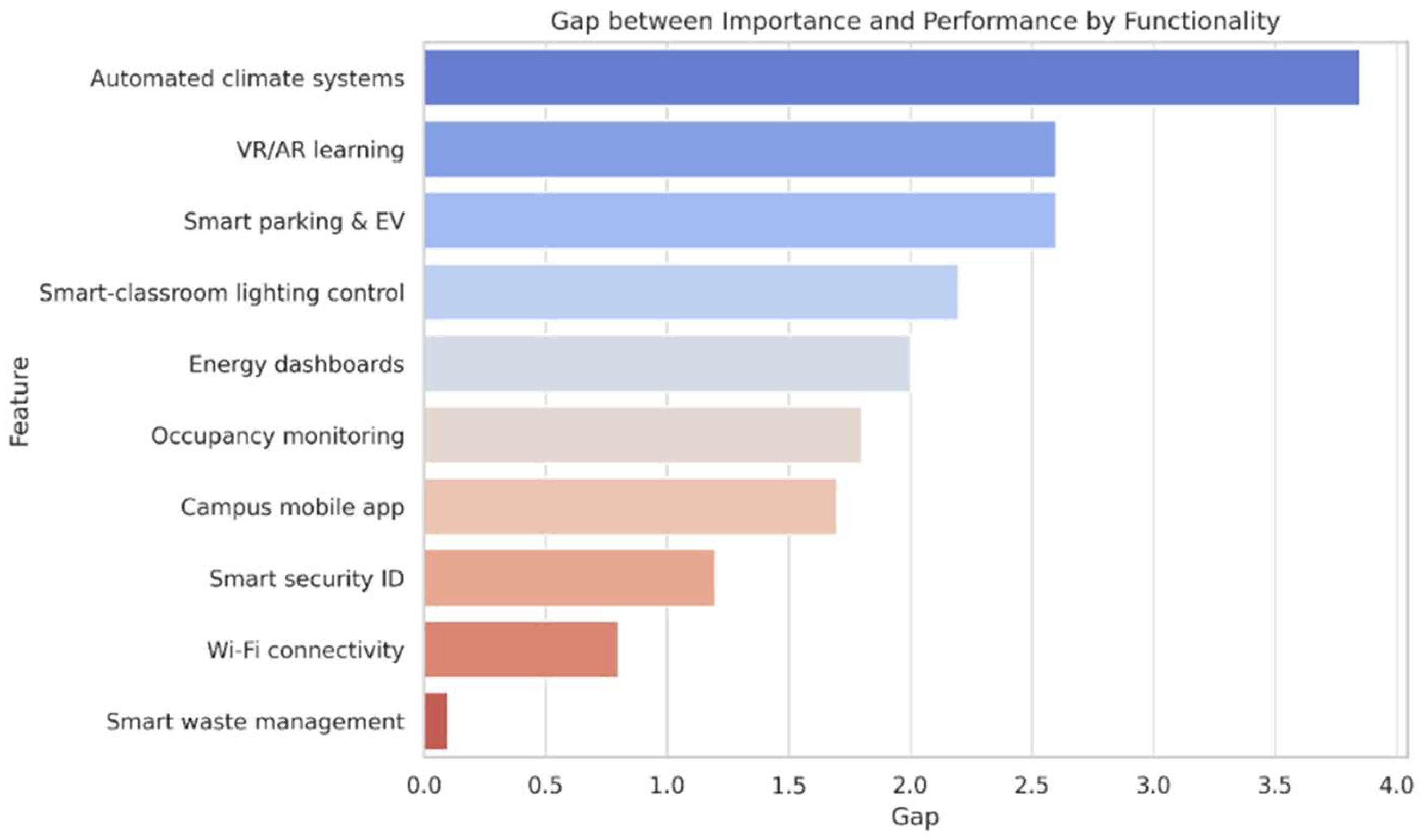
Instead of a general call to ‘improve sustainability,’ we recommend that the USVT administration prioritize immediate investment in upgrading automated temperature and climate management systems. As our IPA (
Figure 11) shows, this feature has the largest performance gap (Importance 4.85 vs. Performance 1.00), indicating it is a source of major dissatisfaction. Addressing this fundamental comfort and energy efficiency issue, a core tenet of the NEB’s sustainability and inclusion pillars, would yield the highest return on investment in terms of improving perceived educational efficiency.
In conclusion, this research demonstrates that the synergy between smart campus development, smart urban policies, and New European Bauhaus principles represents not just an opportunity but a necessity for optimizing educational efficiency in the 21st century. Implementing this synergy can transform higher education institutions from passive consumers of urban resources into active contributors to sustainable development, creating an education model that prepares future generations for the challenges and opportunities of a continuously changing world.





 ,
,