Systematic Review

Artificial Intelligence for Sustainability: A Systematic Review and Critical Analysis of AI Applications, Challenges, and Future Directions


Mining Engineering, Surveying and Civil Engineering Department, Faculty of Mines, University of Petrosani, 332006 Petrosani, Romania
Sustainability 2025, 17(17), 8049; https://doi.org/10.3390/su17178049
Submission received: 27 July 2025 / Revised: 28 August 2025 / Accepted: 1 September 2025 / Published: 7 September 2025

Abstract

This comprehensive review critically analyzes the multifaceted role of artificial intelligence (AI) in advancing global sustainability and achieving the Sustainable Development Goals (SDGs). While AI offers powerful solutions for climate action, resource management, and other challenges, its own significant ecological footprint and potential for bias present critical risks that must be proactively managed. This study provides a synthesis of the recent literature (published between 2018 and 2024) to address three primary research questions: (1) What are the main applications of AI for sustainability and their contribution to specific SDGs? (2) What are the primary ecological, socio-economic, and ethical risks of AI adoption? (3) What are the key research gaps and future directions for more sustainable and responsible AI application? A key contribution is a comprehensive, multi-dimensional framework that connects AI applications with an in-depth analysis of their interconnected ecological, algorithmic, and socio-economic risks. This framework, along with a synthesized risk matrix, offers a structured tool for future governance and research, highlighting the need for responsible development to fully leverage AI’s potential for a sustainable future.

1. Introduction

The 21st century is marked by a defining duality: an unprecedented acceleration of technological innovation, especially in the field of artificial intelligence (AI), alongside increasing pressure on planetary and social systems. Global challenges such as climate change, natural resource depletion, biodiversity loss, socio-economic inequalities, and threats to food security necessitate integrated and large-scale solutions [1,2]. In this context, AI has emerged as a tool with vast potential to address these complex issues, offering new perspectives and capabilities to navigate the transition towards a more sustainable future.

1.1. The Global Context of Sustainability

The concept of sustainability has become a central paradigm in global discourse, which recognizes the interdependence of ecological well-being, economic prosperity, and social equity. The seminal definition, proposed in the Brundtland Report Our Common Future (1987) [3], defines sustainability as “development that meets the needs of the present without compromising the ability of future generations to meet their own needs.” This holistic vision was operationalized through the adoption of the 2030 Agenda for Sustainable Development by the United Nations in 2015. The 17 Sustainable Development Goals (SDGs), with their 169 specific targets, represent a universal call to action to eradicate poverty, protect the planet, and ensure prosperity for all, which are intrinsically interconnected and indivisible [4]. In parallel, the urgency of limiting global warming to 1.5 °C above pre-industrial levels has generated a global climate target of carbon neutrality (Net Zero) by mid-century, an imperative for reducing greenhouse gas emissions and sequestering the remaining emissions [5,6]. Achieving these ambitious goals requires not only fundamental policy and behavioral changes, but also an unprecedented mobilization of technological innovation.

1.2. The Rise of Artificial Intelligence (AI)

In recent decades, artificial intelligence (AI) has experienced exponential growth, evolving from a futuristic concept to a technological reality deeply integrated into almost all sectors of modern life [7]. This rapid ascent is primarily due to significant advancements in computational power, the availability of massive volumes of data (Big Data), and the development of increasingly sophisticated algorithms, especially in the fields of machine learning and deep learning [8,9].
Initially limited to specific tasks, such as chess games or simple pattern recognition, contemporary AI demonstrates impressive capabilities in diverse domains. From autonomous vehicles and intelligent virtual assistants (e.g., Siri and Alexa) to personalized medicine (AI-assisted diagnostics and new drug discovery) and industrial process optimization (automation and predictive maintenance), AI redefines efficiency, productivity, and innovation [10]. Its ability to process and analyze vast amounts of information at a pace and scale impossible for human intelligence, to identify hidden correlations and patterns, and to make autonomous or semi-autonomous decisions has fundamentally transformed how we operate in many fields.
This vast computational and analytical power positions AI not only as an economic engine but also as a potentially revolutionary tool in addressing some of the most complex and pressing sustainability issues. Through its ability to predict scenarios, optimize resource utilization, and automate monitoring and management, AI offers new perspectives and solutions to better manage the environment, reduce the carbon footprint, and accelerate progress towards a more equitable and resilient future [11,12]. The integration of AI into sustainability strategies thus becomes a strategic necessity, transforming global challenges into opportunities for innovation and progress.

1.3. Scope and Structure of the Article

Against the backdrop of the global urgency imposed by the climate crisis and the urgent need for sustainable development, as well as in the context of the rapid advancement of artificial intelligence, this review article aims to provide a critical analysis and comprehensive synthesis of recent scientific literature (especially from the last five years) regarding the complex and multifaceted role of artificial intelligence in promoting sustainability and accelerating the achievement of the United Nations Sustainable Development Goals (SDGs).
Unlike many existing reviews that focus solely on applications, this study aims to fill a critical gap by providing a multi-dimensional analysis that bridges the benefits of AI for sustainability with its inherent, and often overlooked, risks. Furthermore, the paper explores AI’s contribution to the carbon neutrality (Net Zero) objective, a fundamental pillar of climate change mitigation efforts.
Against this backdrop, it is essential to define a few key terms that will underpin our critical analysis. “Green AI” refers to the development and use of AI algorithms and systems that are more energy-efficient and have a reduced ecological footprint, with the goal of minimizing the energy consumption and carbon emissions associated with training and utilizing AI models. Similarly, the “AI divide” represents the global and social disparity in the access, use, and benefits of AI technologies—a gap that can exacerbate the existing inequalities between countries or communities.
The central objective of this review is to go beyond a mere enumeration of AI applications and offer a balanced perspective that highlights not only the transformative potential of this technology but also the inherent challenges and limitations associated with its development and implementation in the context of sustainability.
The structure of this article has been meticulously designed to facilitate a clear understanding of the subject and logical progression of the discussion. Following this comprehensive introduction, Section 2 establishes the theoretical foundations and key concepts, defining essential terms such as sustainability and carbon neutrality and introducing the relevant types of AI. Subsequently, Section 3 details AI applications in sustainability, providing a vast overview of the contributions supported by concrete examples and references to relevant studies from the specialized literature. Section 4 offers an in-depth analysis of AI challenges and limitations, providing a balanced perspective. Section 5 outlines future directions and strategic recommendations, and finally, Section 6 synthesizes the key conclusions.

2. Methodology

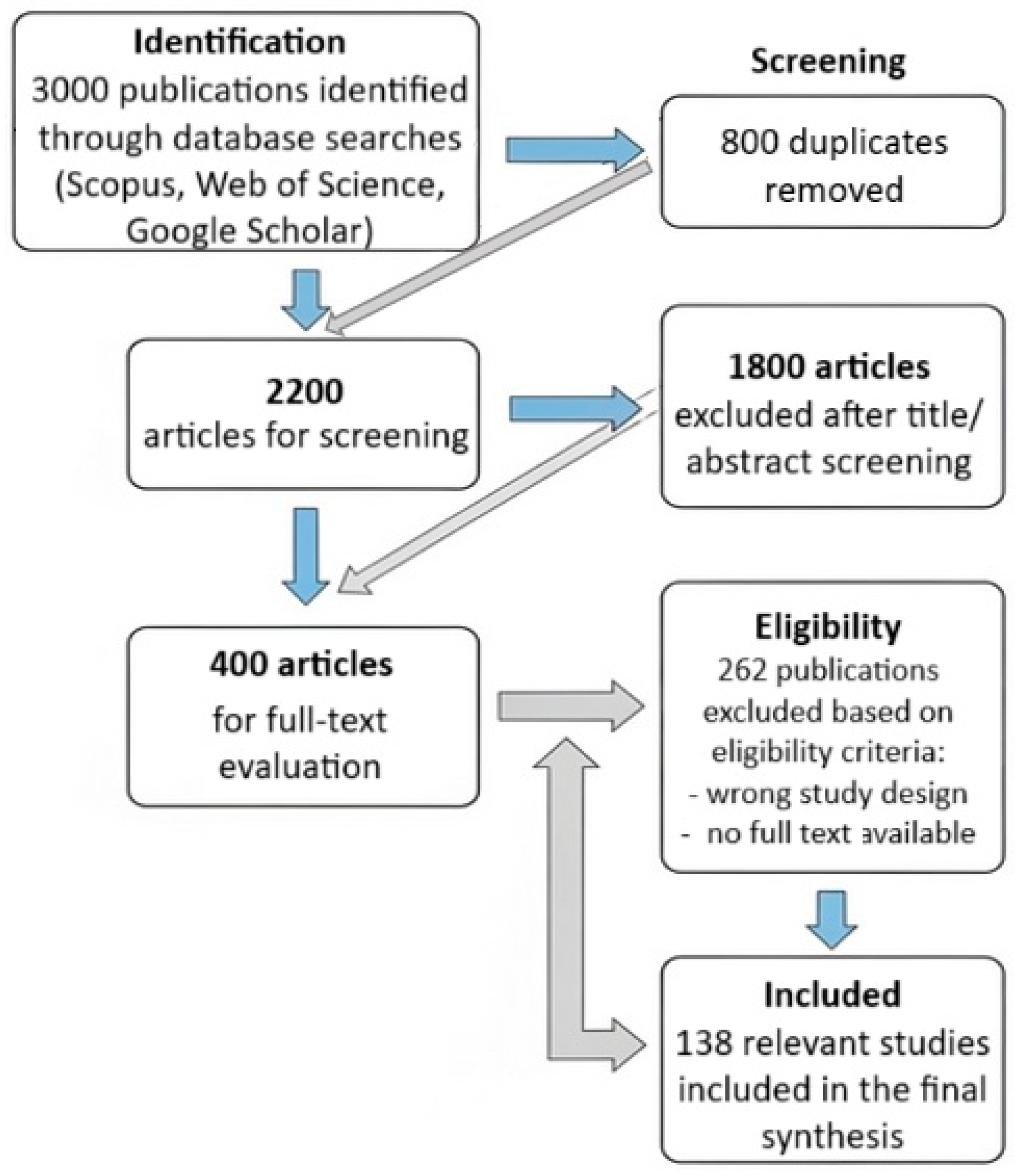
To conduct this comprehensive review, a systematic approach was adopted to identify, select, and synthesize relevant literature following the principles of the PRISMA (Preferred Reporting Items for Systematic Reviews and Meta-Analyses) framework. The literature search was performed across major academic databases, including Scopus, Web of Science, and Google Scholar, using a combination of keywords such as “artificial intelligence”, “sustainability”, “sustainable development goals”, “AI and environment”, “Green AI”, “ethical AI”, and “smart cities”.
The selection process commenced with an initial identification of 3000 records. A rigorous set of inclusion and exclusion criteria was developed to ensure the relevance and quality of the analysis. Initially, 800 duplicate articles were removed. The remaining 2200 articles were assessed based on their titles and abstracts, leading to the exclusion of 1800 due to a lack of direct relevance to the intersection of artificial intelligence and sustainability.
The full texts of the remaining 400 articles were then evaluated in detail to verify their final eligibility. At this stage, only studies that explicitly demonstrated a direct link between the applications, challenges, or future directions of artificial intelligence and sustainability goals were included. Non-academic materials such as press articles and blog posts were also excluded. This process resulted in a final curated set of 138 relevant studies, which formed the basis of this analysis. The literature included both foundational works and recent advancements, with a strong focus on publications from 2018 onwards to reflect the latest developments. The literature search for this review was concluded on 12 August 2025. Additionally, a limited number of pre-prints were included to reflect the most recent and innovative research directions.
The risk analysis in Section 4 is qualitative and was based on a synthesis of key challenges identified in the literature, rather than a quantitative scoring methodology. The study selection process is detailed in the PRISMA flow diagram in Figure 1.

3. Theoretical Foundations and Key Concepts

To fully understand the intersection of artificial intelligence and sustainability, it is essential to define the fundamental concepts that underpin this complex relationship. This section will clarify the key terms and establish the necessary theoretical framework for the subsequent analysis of AI applications, challenges, and future directions in the global context of sustainable development.

3.1. Sustainability and the Sustainable Development Goals (SDGs)

Sustainability is a normative and multidimensional concept whose definition has evolved over time. The most widely accepted definition comes from the report of the World Commission on Environment and Development (known as the Brundtland Commission) titled Our Common Future (1987) [3], which defines it as “development that meets the needs of the present without compromising the ability of future generations to meet their own needs.” This definition underscores an essential intragenerational and intergenerational balance that transcends mere environmental conservation, integrating economic and social dimensions [13].
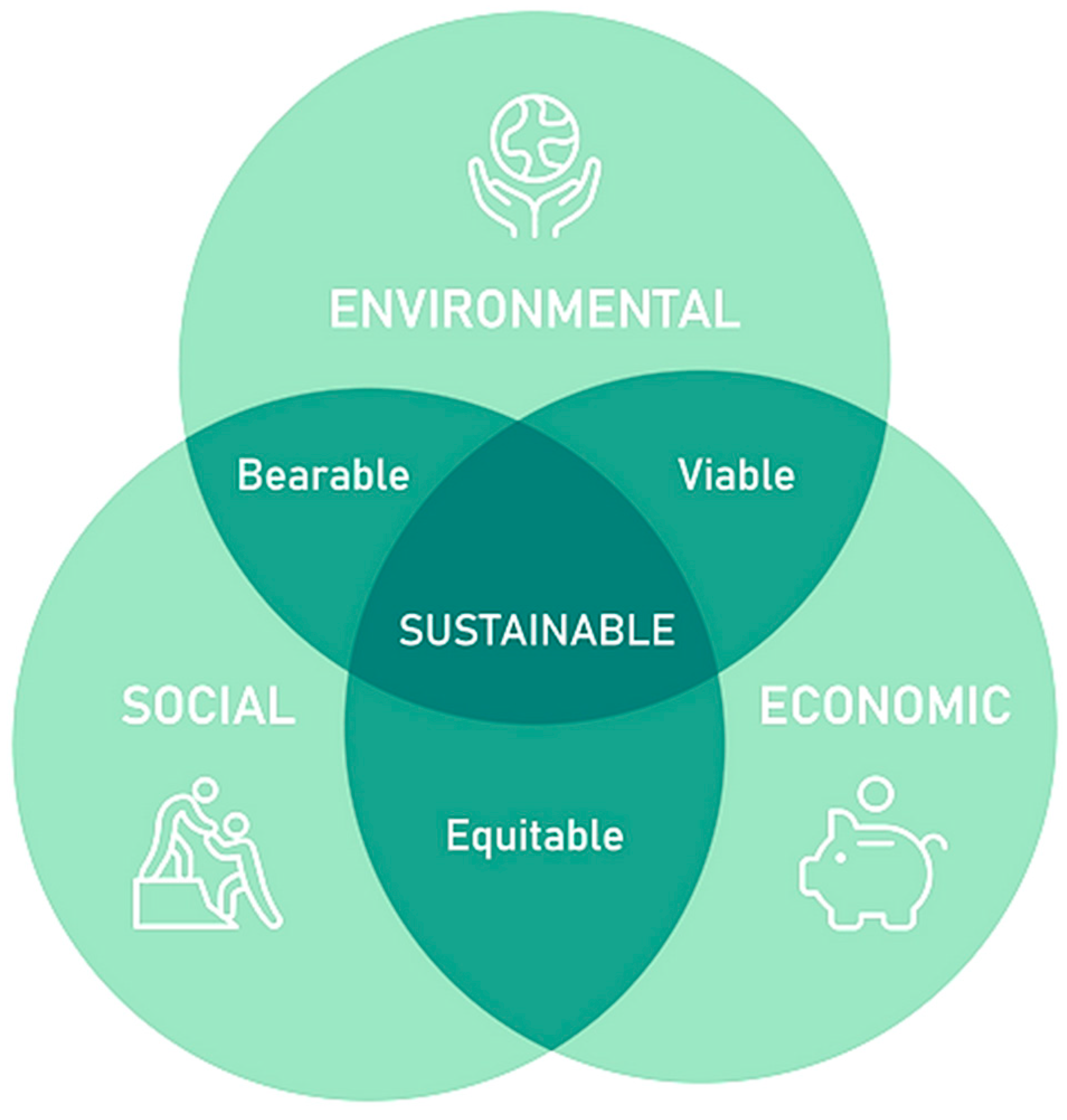
The predominant model for analyzing sustainability is based on three interdependent pillars (Figure 2): environmental (ecological), social, and economic pillars. The environmental pillar refers to the integrity of ecosystems, the conservation of resources, the protection of biodiversity, and reducing pollution and greenhouse gas emissions. This involves the transition to a circular economy, responsible water and land management, and habitat protection [14,15]. The social pillar aims for social justice, equity, inclusion, health, and education, ensuring equal access to resources and opportunities and strengthening community cohesion [16]. Finally, the economic pillar involves creating and maintaining long-term economic prosperity that is inclusive, resilient, resource-efficient, and decoupled from environmental degradation [17]. It is important to note that these pillars do not operate in isolation but are deeply interconnected; the most effective solutions are those that simultaneously address ecological, social, and economic aspects [1].
To operationalize the concept of sustainability globally, the United Nations (UN) adopted the 2030 Agenda for Sustainable Development in September 2015, which includes 17 Sustainable Development Goals (SDGs), also known as Global Goals [4]. These SDGs are universal, interconnected, and indivisible, representing a plan of action for peace and prosperity for people and the planet. Among the 17 SDGs, several are directly relevant to the discussion of AI’s role in sustainability, particularly those related to Zero Hunger (SDG 2); Clean Water and Sanitation (SDG 6); Affordable and Clean Energy (SDG 7); Industry, Innovation, and Infrastructure (SDG 9); Sustainable Cities and Communities (SDG 11); Responsible Consumption and Production (SDG 12); Climate Action (SDG 13); Life Below Water (SDG 14); and Life on Land (SDG 15). AI, with its ability to optimize complex systems, positions itself as a vital tool in achieving these aspirations [12].

3.2. Carbon Neutrality (Net Zero)

Carbon Neutrality, often referred to as Net Zero, represents a crucial climate objective that refers to achieving a global balance between anthropogenic greenhouse gas (GHG) emissions released into and removed from the atmosphere [5]. This target is not limited to carbon dioxide (CO2) and includes all greenhouse gases. The objective is fundamental for limiting global warming in accordance with the goals of the Paris Agreement (2015) [18], which aims to keep the temperature increase below 2 °C, preferably 1.5 °C [18]. Achieving Net Zero by mid-century requires a combination of two complementary strategies [6]: drastic emission reductions (decarbonization) and removal (offsetting) of residual emissions. Decarbonization primarily involves a transition to renewable energy sources [19], increasing energy efficiency [20], and electrification [21,22], while the removal of emissions can be achieved through Nature-based Solutions (NbSs) like reforestation [23,24] and Technological Carbon Dioxide Removal (CDR) solutions such as Carbon Capture and Storage (CCS) [25,26]. Carbon neutrality is not just a climate objective but a powerful engine for innovation, stimulating investment in clean technologies and fundamentally transforming industries towards a more resilient economic model.

3.3. Methodologies and Techniques of Artificial Intelligence Relevant to Sustainability

Artificial intelligence (AI) is a multidisciplinary field of computer science dedicated to creating systems capable of performing tasks that traditionally require human intelligence [7]. Recent developments, especially those related to the processing capacity of massive data (Big Data) and advanced algorithms, have propelled AI into becoming an essential tool for addressing complex challenges, including those related to sustainability. In the context of the struggle for a sustainable future, certain specific branches and techniques of AI are particularly relevant.
Machine learning (ML) is the fundamental branch of AI that allows systems to learn from data without being explicitly programmed for each task [27]. A key subfield is deep learning (DL), which uses neural networks to process complex, unstructured data like images, sound, and text [8]. For example, Convolutional Neural Networks (CNNs) are highly effective for analyzing satellite imagery to monitor land changes, while Recurrent Neural Networks (RNNs) are used for tasks involving time-series data like weather forecasting [28,29].
Other important techniques include computer vision (CV), a branch of AI that allows machines to “see,” process, and interpret real-world images and videos [30,31]. CV is important for environmental monitoring, precision agriculture (analyzing plant health, detecting diseases and pests), and waste management (the automatic sorting of recyclable materials in recycling facilities [32]). Similarly, Natural Language Processing (NLP) focuses on the interaction between computers and human language, enabling machines to understand, interpret, and generate human language [33]. The newer and more powerful Transformer models are revolutionizing NLP and can analyze large volumes of sustainability reports [30].
Robotics and autonomous systems, combined with AI, can perform complex and automated tasks [34]. For example, in agriculture, robots can be used for planting, irrigating, and harvesting, while in waste management, industrial robots can sort materials quickly and efficiently. Furthermore, autonomous systems with sensors are used for monitoring infrastructure or forests.
Multi-Agent Systems (MASs) involve autonomous agents, which interact to solve complex problems, and optimization algorithms, which seek the best solution from a set of alternatives [35]. Applications include smart grids, where AI agents manage energy distribution and route optimization to reduce fuel consumption. Federated Learning (FL) allows for the training of models on multiple decentralized devices without transferring raw data, which is crucial for privacy protection. Reinforcement Learning (RL) is a powerful methodology for optimizing complex and dynamic systems, while generative artificial intelligence offers new perspectives for creating complex simulation scenarios or discovering new sustainable materials.
These AI technologies, through their ability to analyze massive amounts of data, learn from experience, automate processes, and find optimized solutions, offer unprecedented opportunities for addressing sustainability challenges at a scale and with a precision unattainable through traditional methods. They enable the transition from a reactive to a predictive and proactive approach in environmental and resource management.

4. Applications of Artificial Intelligence in Sustainability

Artificial intelligence (AI) can be a powerful catalyst for sustainability, offering innovative solutions for resource optimization, emission reduction, and efficient ecosystem management. Its ability to analyze massive datasets, identify complex patterns, and automate processes makes it an indispensable tool in achieving the Sustainable Development Goals (SDGs) and carbon neutrality targets [11,12]. A critical perspective, however, reveals that the effectiveness of these solutions is often constrained by factors such as data quality, scalability, and implementation costs, which can create a technological divide. These limitations are addressed in detail in the following section.

4.1. AI for Efficient Resource Management and Decarbonization

One of AI’s most significant areas of impact is the energy sector, which is crucial for global economic decarbonization and reducing greenhouse gas emissions [11,36]. AI enables the dynamic management of modern electricity grids, using machine learning (ML) to balance energy demand and supply in real time and minimize energy losses by reducing the need to activate fossil fuel power plants [37]. For instance, AI algorithms have been used to optimize the cooling systems of data centers, resulting in a significant reduction in total energy consumption [38]. AI also facilitates the management of microgrids and distributed energy storage, enhancing the energy system’s resilience. To address the inherent intermittency of renewable energy sources like wind and solar, AI models, fed with meteorological and historical data, can make more precise production forecasts, improving operational planning and the efficient integration of renewables [39,40].
Furthermore, AI plays a transformative role in reducing energy consumption in buildings and industry, two areas with a significant energy footprint [41]. AI systems can analyze energy consumption patterns through the continuous monitoring of sensors, dynamically adjusting the settings for heating, ventilation, and air conditioning (HVAC) systems and leading to substantial energy reductions [42,43]. Similarly, in industry, AI optimizes machine and process operations, identifying inefficiencies and opportunities for saving energy and raw materials [44]. This is also critical for energy storage management, where AI can optimize the charging and discharging strategies for batteries, maximizing the utilization of surplus clean energy [45].
AI also has the potential to revolutionize the agricultural sector by promoting efficiency and resilience in the face of climate change challenges [46,47]. This directly contributes to achieving SDG 2 (Zero Hunger) and SDG 6 (Clean Water and Sanitation). AI-driven precision agriculture uses data from sensors and drones to determine the exact water and fertilizer requirements for each plant, reducing excessive use and minimizing pollution [48,49]. Computer vision-based systems can identify weeds with remarkable accuracy, reducing chemical use by up to 90% [50], which has a direct impact on soil health. Deep learning algorithms can also detect early signs of diseases or pests in crops by analyzing aerial images, enabling timely interventions and reducing the reliance on widespread chemical treatments [51,52]. AI models can also predict future crop yields and provide hyper-local weather forecasts, which helps with production planning and anticipating potential deficits [49,53,54]. AI also optimizes irrigation by analyzing plant needs, and it contributes to monitoring soil erosion and waste reduction by optimizing supply chains [32,55,56].

4.2. AI for Environmental Resilience, Smart Cities, and the Circular Economy

AI has been proven to be a vital tool for understanding, monitoring, and protecting Earth’s natural systems, contributing to SDGs such as SDG 13 (Climate Action) and SDG 15 (Life on Land) [11,12]. Machine learning and deep learning algorithms can process immense volumes of satellite data to track and analyze large-scale deforestation [57,58], the melting of polar ice caps [59], atmospheric pollution [60], and water quality [61]. AI also offers powerful tools for protecting species and their habitats [62]. Through computer vision and acoustic analysis, AI can identify animals from camera trap recordings and detect illegal activities like poaching [63]. Algorithms can analyze disparate data sources to identify patterns and forecast high-risk areas for illegal wildlife trade, enabling preventative interventions [64]. AI can also model how climate change will affect habitats and species distributions, informing conservation efforts [65].
In the context of natural disaster prediction and management, AI can play a crucial role in mitigating the impact of extreme events, contributing to community resilience [66]. AI models can integrate weather data, vegetation conditions, and topography to forecast wildfire risk and optimize intervention routes for firefighters [67]. Similarly, AI can analyze hydrological data to forecast floods [68] and monitor land stability to predict landslides [69].
AI plays an essential role in the transition to a circular economy, which aims to maximize the value and utility of products and materials, thereby eliminating waste and pollution [70,71]. Robotic systems using computer vision and deep learning can quickly and accurately sort various types of waste, significantly increasing the recovery rate of recyclable materials [32,72]. AI can also optimize industrial supply chains to identify inefficiencies and waste [73], and it can accelerate the discovery and design of new sustainable materials [74]. This directly contributes to the concept of “circular design” [75]. AI also underpins digital platforms that facilitate the sharing, reuse, and repair of products [76] and, through Natural Language Processing (NLP), analyzes sustainability reports to support corporate transparency and accountability [77].
As the global population becomes increasingly urbanized, AI-driven solutions are fundamental for creating more sustainable smart cities in alignment with SDG 11 (Sustainable Cities and Communities) [78,79]. In this context, a critical point is that technological efficiency must not be achieved at the expense of urban quality of life and community-oriented design. As urban theorist Michael Mehaffy highlights, “cities are not trees,” but complex, organic systems where human and physical interconnections are essential for resilience and prosperity [80,81]. A detailed analysis of the urban planning principles discussed is available in the Supplementary Materials. Therefore, a holistic approach that combines AI solutions with intelligent and equitable urban design is crucial to avoid a “smart utopia” that fails to materialize in practice.
AI systems can analyze traffic flows in real time to dynamically adjust traffic lights and optimize public transport schedules, leading to a significant reduction in congestion and GHG emissions [82,83,84]. AI can also support the development of Mobility as a Service (MaaS) systems, integrating various transport options and encouraging the use of public transport and active forms of mobility [85,86,87]. AI can also contribute to efficient urban resource management by optimizing energy and water distribution networks [88,89]. Smart buildings, equipped with AI systems, can maintain optimal comfort with minimal energy consumption by analyzing sensor data and occupant behavior patterns [89]. Additionally, predictive maintenance, enabled by AI, can identify potential equipment failures before they occur, preventing costly downtime and extending equipment lifespans [90]. Networks of urban air quality sensors, integrated with AI, allow for continuous monitoring and forecasting of pollutant levels [91]. Furthermore, AI can process vast amounts of geographical and socio-economic data to assist urban planning, helping to identify suitable development areas and assess the potential impact of different scenarios on sustainability [92,93].
The implementation of AI in the industrial sector thus contributes to a fundamental transformation towards the concept of “Industry 4.0” or “Green Industry 4.0” [94,95]. AI enables predictive maintenance by analyzing sensor data to foresee machine failures, reducing costly downtime and waste [96,97]. AI can also optimize energy and resource consumption across the entire production flow by automatically adjusting operational parameters [98]. In cement or steel factories, AI can optimize the raw material mix to reduce emissions [99], while in the chemical industry, it minimizes waste [100]. AI-assisted quality control can prevent the production of faulty products [101], and AI can be used in the design phase to simulate and optimize the ecological performance of new industrial equipment and processes [102]. However, the promise of the “Green Industry 4.0” has been subjected to critical scrutiny. The high initial implementation costs and the need for specialized expertise can be prohibitive for small- and medium-sized enterprises (SMEs), creating technological stratification where only large corporations can benefit from these advantages.

5. Discussion: A Critical Analysis of the Challenges and Future Directions of AI in Sustainability

The preceding sections have meticulously examined the growing role of artificial intelligence (AI) as a transformative force in the global effort to achieve sustainable development. The evidence presented—from optimizing energy consumption to revolutionizing agriculture and enhancing environmental monitoring—underscores AI’s potential to help achieve a more efficient and resilient future. By providing unprecedented capabilities for analyzing vast and complex datasets and automating processes, AI can facilitate the transition from reactive to proactive strategies in managing our most critical resources [103,104]. This capacity makes AI not just a technological tool but a fundamental engine for realizing the Sustainable Development Goals (SDGs) and mitigating the challenges posed by climate change.
Nevertheless, a critical and pragmatic perspective is essential. The integration of AI to achieve sustainability is not without its limitations and risks. A central paradox emerges: on the one hand, AI promises solutions for the most pressing global problems, while on the other, its own technological lifecycle generates a significant ecological and socio-economic impact.

5.1. The “AI Green Paradox” and Key Challenges

One of the most stringent paradoxes of using AI in sustainability is the “AI green paradox,” where its potential to facilitate ecological solutions is counterbalanced by its own ecological costs [104,105,106]. The training of deep learning models, especially Large Language Models (LLMs), requires a massive amount of energy, generating a considerable carbon footprint [107]. This paradox extends to the electronic waste (e-waste) generated by the rapid hardware replacement cycles [108,109,110] and the water consumption of data centers for cooling, which can exacerbate local water shortages [111]. Addressing this paradox necessitates a fundamental strategic direction: the development and adoption of the “Green AI” paradigm. In this context, it is crucial to define “digital pollution” as the cumulative ecological impact of digital infrastructure, including the massive energy consumption of data centers and the carbon emissions associated with the production and disposal of electronic waste (e-waste) [109,111]. Furthermore, “green debt” refers to the risk that the short-term benefits of AI for sustainability are outweighed by the long-term ecological and resource costs of its development and operation, creating a net ecological deficit [104].
The effectiveness of any AI system also depends on the quality, quantity, and ethics of its training data. A critical problem is data bias, where historical datasets can perpetuate social inequalities or may be unrepresentative of certain regions or communities [112,113,114]. Thus, AI solutions may fail to meet the needs of marginalized communities, creating a digital and social “AI divide.” Moreover, many deep learning models function as “black boxes,” making it difficult to explain how they arrive at certain conclusions [115,116]. This lack of transparency undermines public trust, especially in critical applications, and makes it difficult to establish algorithmic accountability in the case of erroneous decisions [117,118]. To manage these risks, the development of explainable AI (XAI) is imperative, as it makes models more transparent and interpretable, allowing for human intervention and auditing [119,120,121,122]. Additionally, data governance frameworks are necessary to promote the collection of diverse and equitable data, reducing bias and ensuring data ethics [123].
Finally, the implementation of AI also raises socio-economic risks, such as high initial costs and technological dependence, which can be prohibitive for developing countries or for small- and medium-sized enterprises (SMEs) [124,125]. Consequently, there is a risk that the benefits of AI for sustainability will be concentrated in the hands of a few corporations and nations, deepening the existing inequalities [126,127]. To address these challenges, clear strategic recommendations are necessary. These include, first and foremost, funding and incentive policies, which should allocate dedicated funds for “Green AI” innovation and provide fiscal incentives for sustainability solutions [104,106]. Another essential component is international collaboration and public–private partnerships (PPPs) [71,128,129]. These would facilitate the exchange of expertise and technology, ensuring an equitable global distribution of AI benefits [130,131]. It is also crucial to promote open-source platforms through the development of open algorithms and datasets that reduce barriers to technology access [132,133,134]. Finally, education and capacity building play a fundamental role. Through training programs, a new generation of “Green AI engineers” can be created, and skills development can be supported in developing countries [135,136,137,138].

5.2. A Critical Risk Analysis

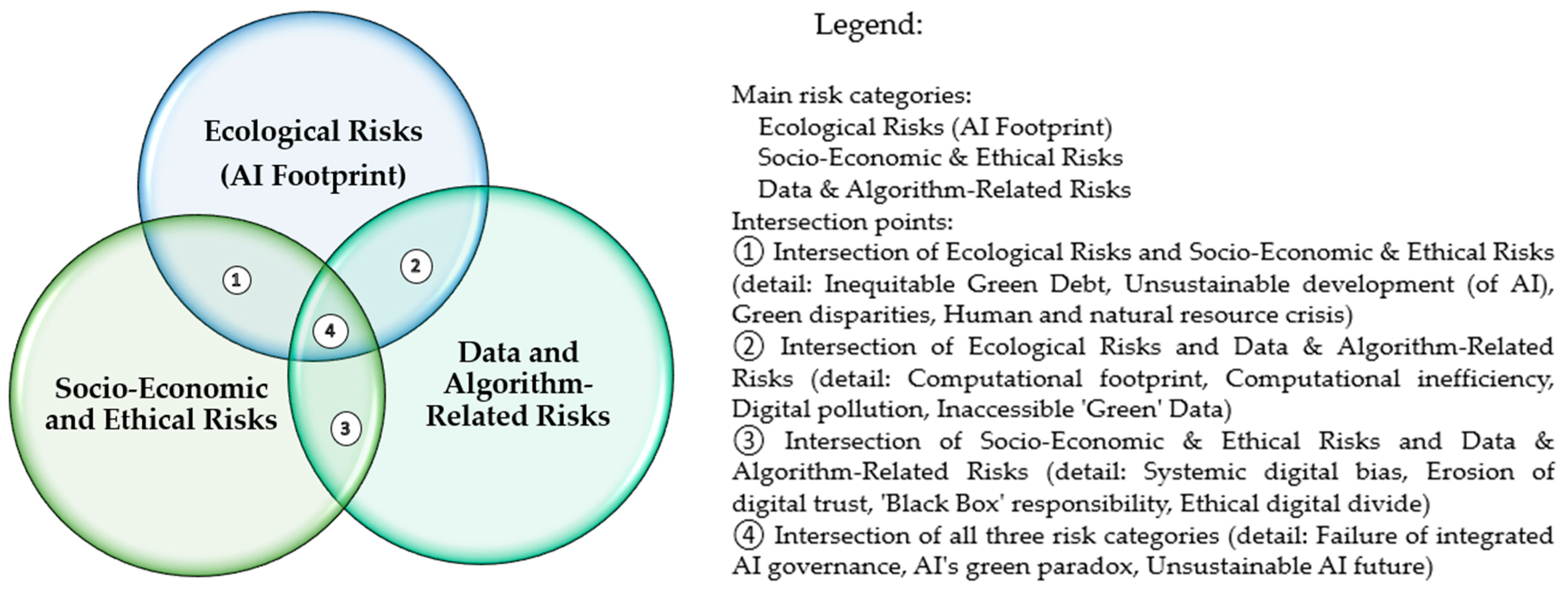
Although artificial intelligence (AI) holds transformative potential for achieving sustainability goals, its widespread implementation is not without inherent challenges and risks. A critical approach necessitates a rigorous analysis of these risks to ensure a responsible, ethical, and efficient integration of AI into global environmental and social strategies. Identifying, assessing, and prioritizing these risks are essential for developing appropriate mitigation strategies and for avoiding undesirable consequences. Risks can be classified into several main categories, as illustrated in Figure 3. The risk categories include the following: inherent ecological risks of AI (AI’s ecological footprint), data- and algorithm-related risks, and socio-economic and ethical risks.
The analysis of risks in the implementation of artificial intelligence for sustainability becomes particularly complex at the intersection of the main categories, revealing multifactorial challenges that require an integrated and nuanced approach.
Ecological Risks and Socio-Economic and Ethical Risks: This intersection addresses the environmental impact of AI and its inherent social, economic, and ethical consequences. It gives rise to the concept of inequitable green debt, which highlights the central paradox of using AI for sustainability: while AI promises ecological solutions, its own ecological footprint (through energy consumption, e-waste, and water usage) creates a “green debt” [121,138]. If unaddressed or improperly managed, this debt could exacerbate social and economic inequalities, as its disproportionate impact on certain communities or unequal access to its benefits transforms it into an “inequitable” one [121]. This dynamic also points to the risk of the unsustainable development (of AI), where the significant ecological footprint [109,111], if ignored, undermines the very idea of sustainable development [138]. When the processes of creating and operating AI are not sustainable, they can perpetuate or aggravate existing social and ecological imbalances. Furthermore, this leads to green disparities, where the negative ecological impact is not uniformly distributed, and the most vulnerable communities may bear a disproportionate burden regarding pollution, resource depletion, or the management of electronic waste. Finally, the human and natural resource crisis perspective connects AI’s dependence on intensive natural resources (rare minerals, energy, and water for data centers) with its impact on communities and the workforce, generating potential social conflicts, population displacement, or inequitable labor conditions [121,138].
Ecological and Data- and Algorithm-Related Risks: This intersection examines how the volume, quality, and management of data, along with the efficiency of algorithms, directly influence the ecological footprint of AI systems. This relationship manifests as a computational footprint, the direct ecological impact resulting from the immense computational resources needed for training and operating AI models [104,105,106]. The massive energy and resource consumption of data centers, which is directly proportional to algorithm complexity and data volume, contributes significantly to carbon emissions and resource depletion. This issue is amplified by computational inefficiency, which arises when algorithms are sub-optimized or the data is managed poorly, leading to excessive energy and resource consumption [104]. This inefficiency needlessly amplifies AI’s ecological footprint. This effect is often referred to as digital pollution, a metaphorical expression for the negative ecological impact of the digital infrastructure whose operation depends on massive data volumes and algorithms, encompassing energy consumption, carbon emissions, and e-waste [104,106]. Moreover, inaccessible “green” data poses a significant challenge; if the data required to develop effective “green” AI solutions (e.g., for climate monitoring or energy optimization) is difficult to collect, store, or process due to technical or financial barriers, it impedes ecological progress and the adoption of sustainable AI.
Socio-Economic and Ethical Risks and Data- and Algorithm-Related Risks: This intersection is one of the most critical areas. It addresses how data and algorithm characteristics can generate inequalities, ethical problems, or threats to fundamental rights. It highlights the problem of systemic digital bias, where inherent bias in training data, once propagated and amplified by algorithms, becomes a systemic issue of social discrimination [113,116]. This can lead to inequitable decisions in employment, lending, justice, or access to services, deepening the existing inequalities. The lack of algorithmic transparency (the “black box” problem) [117], coupled with confidentiality issues, also leads to the erosion of digital trust. This erodes public confidence not only in AI systems but also in the institutions that use them, with profound social consequences. Furthermore, the “black box” responsibility expression refers to the fundamental difficulty of attributing responsibility for errors or damages generated by opaque AI systems, making it challenging to establish legal and ethical accountability [118,119]. Finally, this intersection amplifies the notion of the ethical digital divide, suggesting that unequal access to advanced AI technologies and their benefits, combined with poor data governance, could deepen global socio-economic and ethical disparities [122].
The Complex Intersection of All Three Risk Categories: The most complex intersection is the one for all three risk categories (ecological, socio-economic/ethical, and data/algorithm-related), representing situations where all risks manifest simultaneously. This highlights the potential for the failure of integrated AI governance, where, if regulatory mechanisms fail to address these three dimensions simultaneously, the result can be a systemic failure of sustainability [123,135,136]. Partial benefits could be offset by negative, multidimensional consequences. This leads to what can be called AI’s green paradox, which reiterates the idea that AI, despite its potential to support sustainability, can pose a threefold negative impact through its resource consumption (ecological), perpetuating biases and generating inequalities (socio-ethical), and through its challenges related to data and algorithm opacity [104,121,138]. This culminates in a powerful warning about an unsustainable AI future, serving as a label for a trajectory where, without a holistic and proactive management of these interconnected risks, the development of AI could lead to a future that is unsustainable from all perspectives, undermining global efforts to build an equitable society and a healthy environment [121].
To better understand the gravity and urgency of each identified risk, I conducted a quantitative assessment based on a standard risk matrix. This matrix (Table 1) combines the probability of a risk’s occurrence (1–5) with the severity of its impact (1–5), resulting in a risk score (between 1 and 25). The obtained score allows for the prioritization of mitigation efforts. Based on the calculated risk score (probability × impact), risks are further categorized to facilitate prioritization and response:
  • Very low risk (green; score of 1–4): These risks are generally negligible and require minimal monitoring;
  • Low risk (yellow; score of 5–8): These risks are typically manageable and require routine monitoring;
  • Moderate risk (orange; score of 9–15): These risks require specific attention and proactive management strategies;
  • High risk (red; score of 16–19): These risks demand immediate and significant mitigation efforts due to their potential major impact or high likelihood;
  • Critical risk (dark red; score of 20–25): These represent the most severe risks, requiring urgent and top-priority interventions and robust governance frameworks.
For a comprehensive understanding of the challenges associated with AI implementation for sustainability, I conducted a detailed analysis of each risk, evaluating its probability and impact, and proposing specific mitigation measures (Table 2). This systematic approach allows for the prioritization of efforts and the development of proactive strategies to effectively manage AI’s limitations.
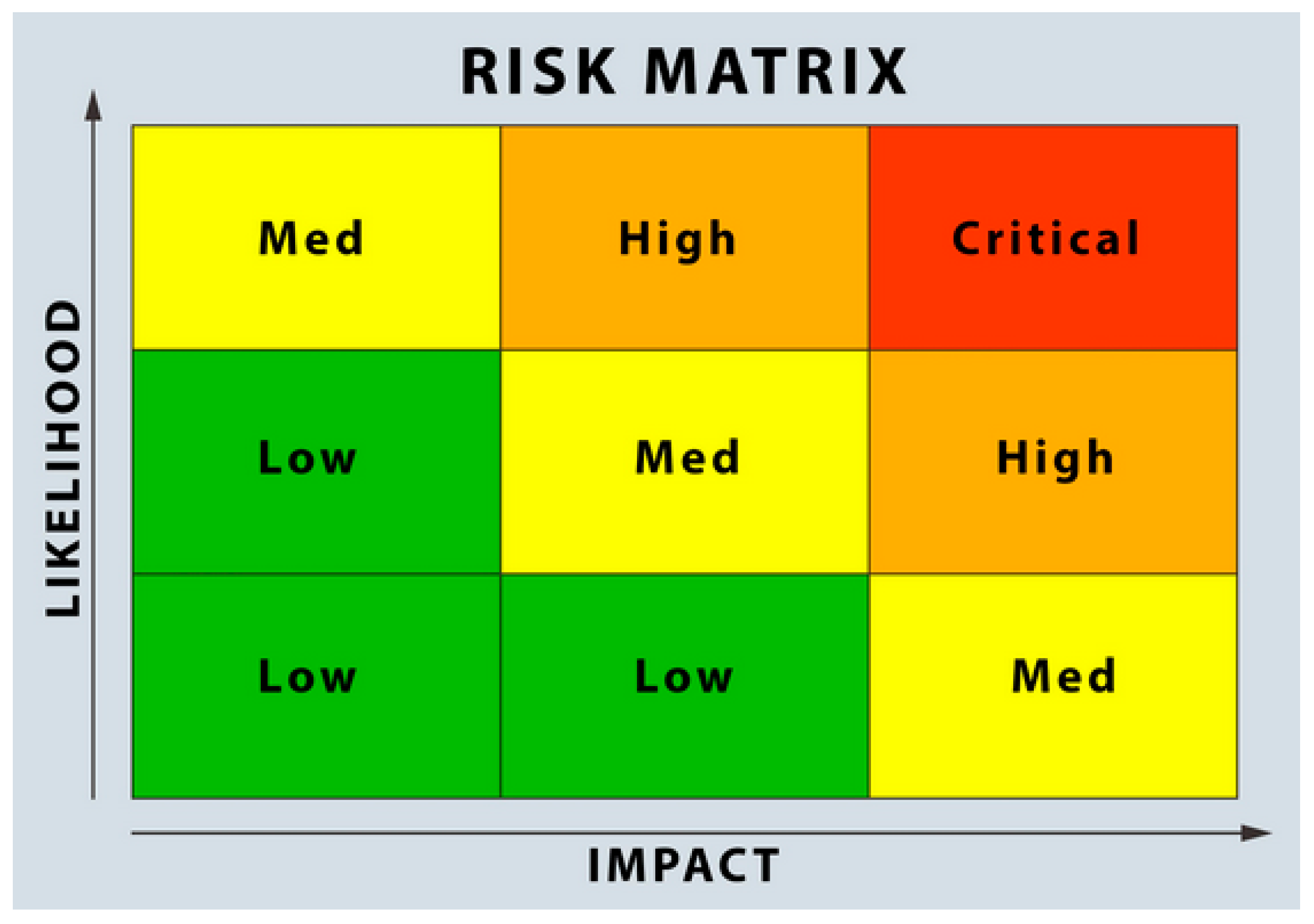
Table 2 provides a detailed analysis of the risks associated with implementing AI for sustainability, assessing each one based on its probability, impact, and calculated risk score. The framework highlights critical areas that require immediate and strategic attention to ensure that AI’s benefits for sustainability outweigh its inherent challenges (Figure 4).

5.3. Mitigation Strategies and Future Recommendations

The critical analysis presented here demonstrates that AI is a powerful tool for sustainability, but its benefits are deeply intertwined with complex challenges. The central argument is that to harness AI’s full potential, a strategic and proactive approach is needed, one that recognizes and mitigates its inherent risks. The path forward involves a commitment to developing “Green AI” that is focused on energy efficiency and responsible hardware management and to building systems that are transparent, equitable, and accountable. These measures, combined with robust governance frameworks and international cooperation, will ensure that AI’s development contributes to a truly sustainable and just future for all [121,138].
Clear strategic recommendations are necessary. These include, first and foremost, funding and incentive policies that allocate dedicated funds for “Green AI” innovation and provide fiscal incentives for sustainability solutions [104,106]. Another essential component is international collaboration and public–private partnerships (PPPs) [71,128,129]. These would facilitate the exchange of expertise and technology, ensuring an equitable global distribution of AI benefits [130,131]. It is also crucial to promote open-source platforms through the development of open algorithms and datasets that reduce barriers to technology access [132,133,134]. Finally, education and capacity building also play a fundamental role. Through training programs, a new generation of “Green AI engineers” can be created, and skills development can be supported in developing countries [135,136,137,138].

6. Conclusions

This study analyzed the dynamic and complex role of artificial intelligence (AI) in promoting global sustainability. It has been demonstrated that AI is an indispensable tool, capable of processing massive volumes of data, identifying patterns, and optimizing complex systems in crucial sectors, from energy and agriculture to environmental monitoring and smart city development. These applications highlight AI’s remarkable potential to support every pillar of sustainability—ecological, social, and economic.
However, the integration of AI is not without challenges. The analysis has brought to light the “AI green paradox” (its ecological footprint), issues related to data bias and the lack of transparency in “black box” models, as well as the socio-economic risks, such as the high implementation costs and technological disparities.
To maximize AI’s benefits and mitigate its risks, it is essential to follow clear strategic directions. These include developing research in “Green AI,” creating ethical and responsible governance frameworks, fostering international collaboration, and investing in education and training. AI represents a transformative technological force with immense potential to accelerate the transition towards a sustainable future. Nevertheless, recognizing and proactively managing its limitations is just as important as celebrating its successes. Only through a conscious, ethical, and collaborative approach can we ensure that AI truly becomes a real partner in building a healthier planet and a more equitable society for present and future generations.

Supplementary Materials

The following supporting information can be downloaded at: https://www.mdpi.com/article/10.3390/su17178049/s1.

Funding

This research received no external funding.

Institutional Review Board Statement

Not applicable.

Informed Consent Statement

Not applicable.

Data Availability Statement

The original contributions presented in this study are included in the article. Further inquiries can be directed to the corresponding author.

Conflicts of Interest

The author declares no conflicts of interest.

References

  1. Sachs, J.D. The Age of Sustainable Development; Columbia University Press: New York, NY, USA, 2015. [Google Scholar]
  2. Intergovernmental Panel on Climate Change. AR6 Synthesis Report: Climate Change 2023; IPCC: Geneva, Switzerland, 2023. [Google Scholar]
  3. Brundtland Commission. Our Common Future: Report of the World Commission on Environment and Development; Oxford University Press: Oxford, UK, 1987. [Google Scholar]
  4. UN (United Nations). Transforming Our World: The 2030 Agenda for Sustainable Development; UN Publishing: New York, NY, USA, 2015. [Google Scholar]
  5. IPCC. IPCC, 2018: Summary for Policymakers. In Global Warming of 1.5 °C. An IPCC Special Report on the Impacts of Global Warming of 1.5 °C Above Pre-Industrial Levels and Related Global Greenhouse Gas Emission Pathways, in the Context of Strengthening the Global Response to the Threat of Climate Change, Sustainable Development, and Efforts to Eradicate Poverty; Masson-Delmotte, V., Zhai, P., Pörtner, H.-O., Roberts, D., Skea, J., Shukla, P.R., Pirani, A., Moufouma-Okia, W., Péan, C., Pidcock, R., et al., Eds.; Cambridge University Press: Cambridge, UK; New York, NY, USA, 2018; pp. 3–24. [Google Scholar] [CrossRef]
  6. IEA (International Energy Agency). Net Zero by 2050: A Roadmap for the Global Energy Sector; IEA Publishing: Paris, France, 2021; Available online: https://www.iea.org/reports/net-zero-by-2050 (accessed on 14 September 2024).
  7. Russell, S.J.; Norvig, P. Artificial Intelligence: A Modern Approach, 4th ed.; Pearson: London, UK, 2021. [Google Scholar]
  8. Goodfellow, I.; Bengio, Y.; Courville, A. Deep Learning; MIT Press: Cambridge, MA, USA, 2016. [Google Scholar]
  9. LeCun, Y.; Bengio, Y.; Hinton, G. Deep learning. Nature 2015, 521, 436–444. [Google Scholar] [CrossRef]
  10. Brynjolfsson, E.; McAfee, A. The Second Machine Age: Work, Progress, and Prosperity in a Time of Brilliant Technologies; W. W. Norton & Company: New York, NY, USA, 2014. [Google Scholar]
  11. Cenek, M.; Haro, R.; Sayers, B.; Peng, J. Climate Change and Power Security: Power Load Prediction for Rural Electrical Microgrids Using Long Short Term Memory and Artificial Neural Networks. Appl. Sci. 2018, 8, 749. [Google Scholar] [CrossRef]
  12. Vinuesa, R.; Azizpour, H.; Leite, I.; Balaam, M.; Dignum, V.; Domisch, S.; Fennell, P.; Georgieff, R.; Jacobsson, A.; Jernberg, J.; et al. The role of artificial intelligence in achieving the Sustainable Development Goals. Nat. Commun. 2020, 11, 233. [Google Scholar] [CrossRef]
  13. Kates, R.W.; Clark, W.C.; Corell, R.J.; Hall, M.; Jaeger, C.C.; Lowe, I.; McCarthy, J.J.; Schellnhuber, H.J.; Bolin, B.; Dickson, N.M.; et al. Sustainability science. Science 2001, 292, 641–642. [Google Scholar] [CrossRef]
  14. Rockström, J.; Steffen, W.; Noone, K.; Persson, Å.; Chapin, F.S., III; Lambin, E.F.; Lenton, T.M.; Scheffer, M.; Folke, C.; Schellnhuber, H.J.; et al. A safe operating space for humanity. Nature 2009, 461, 472–475. [Google Scholar] [CrossRef] [PubMed]
  15. Meadows, D.H.; Meadows, D.L.; Randers, J.; Behrens, W.W., III. The Limits to Growth; Universe Books: Los Angeles, CA, USA, 1972. [Google Scholar]
  16. Costanza, R.; Hart, M.; Talberth, S.; Moeller, L. An Introduction to Ecological Economics; CRC Press: Boca Raton, FL, USA, 2014. [Google Scholar]
  17. Jackson, T. Prosperity Without Growth: Economics for a Finite Planet; Earthscan: London, UK, 2009. [Google Scholar]
  18. UNFCCC (United Nations Framework Convention on Climate Change). The Paris Agreement; UNFCCC: Bonn, Germany, 2015; Available online: https://unfccc.int/process-and-meetings/the-paris-agreement (accessed on 11 May 2025).
  19. IRENA (International Renewable Energy Agency). Renewable Power Generation Costs in 2019; IRENA: Abu Dhabi, The United Arab Emirates, 2020. [Google Scholar]
  20. IEA. Energy Efficiency 2023; IEA Publishing: Paris, France, 2023; Available online: https://www.iea.org/reports/energy-efficiency-2023 (accessed on 11 May 2025).
  21. BloombergNEF. Long-Term Electric Vehicle Outlook 2024; BloombergNEF: London, UK, 2024. [Google Scholar]
  22. World Economic Forum. Mission Possible Partnership reports and initiatives; World Economic Forum: Cologny, Switzerland, 2023. [Google Scholar]
  23. IPCC (Intergovernmental Panel on Climate Change). Climate Change and Land: An IPCC Special Report on Climate Change, Desertification, Land Degradation, Sustainable Land Management, Food Security, and Greenhouse Gas Fluxes in Terrestrial Ecosystems; World Meteorological Organization: Geneva, Switzerland, 2019. [Google Scholar]
  24. SCBD (Secretariat of the Convention on Biological Diversity). Global Biodiversity Outlook 5; SCBD: Jakarta, Indonesia, 2020. [Google Scholar]
  25. National Academies of Sciences, Engineering, and Medicine. Negative Emissions Technologies and Reliable Sequestration: A Research Agenda; The National Academies Press: Washington, DC, USA, 2019. [Google Scholar]
  26. IEA (International Energy Agency). Carbon Capture, Utilisation and Storage 2023; IEA Publishing: Paris, France, 2023; Available online: https://www.iea.org/energy-system/carbon-capture-utilisation-and-storage (accessed on 24 April 2025).
  27. Géron, A. Hands-On Machine Learning with Scikit-Learn, Keras, and TensorFlow: Concepts, Tools, and Techniques to Build Intelligent Systems, 2nd ed.; O’Reilly Media: Sebastopol, CA, USA, 2019. [Google Scholar]
  28. Ukoba, K.; Onisuru, O.R.; Jen, T.C. Harnessing machine learning for sustainable futures: Advancements in renewable energy and climate change mitigation. Bull. Natl. Res. Cent. 2024, 48, 99. [Google Scholar] [CrossRef]
  29. Hasanat, S.M.; Younis, R.; Alahmari, S.; Ejaz, M.T.; Haris, M.; Yousaf, H.; Watara, S.; Kaleem Ullah, K.; Ullah, Z. Enhancing Load Forecasting Accuracy in Smart Grids: A Novel Parallel Multichannel Network Approach Using 1D CNN and Bi-LSTM Models. Int. J. Energy Res. 2024, 2024, 2403847. [Google Scholar] [CrossRef]
  30. Vaswani, A.; Shazeer, N.; Parmar, N.; Uszkoreit, J.; Jones, L.; Gomez, A.N.; Polosukhin, I. Attention Is All You Need. In Proceedings of the 31st International Conference on Neural Information Processing Systems (NIPS 2017), Long Beach, CA, USA, 4–9 December 2017; pp. 5998–6008. [Google Scholar]
  31. Szeliski, R. Computer Vision: Algorithms and Applications, 2nd ed.; Springer Nature: Berlin/Heidelberg, Germany, 2022. [Google Scholar]
  32. Abdallah, M.; Talib, M.A.; Feroz, S.; Nasir, Q.; Abdalla, H.; Mahfood, B. Artificial intelligence applications in solid waste management: A systematic research review. Waste Manag. 2020, 109, 231–246. [Google Scholar] [CrossRef]
  33. Jurafsky, D.; Martin, J.H. Speech and Language Processing: An Introduction to Natural Language Processing, Computational Linguistics, and Speech Recognition with Language Models, 3rd ed.; Stanford University: Stanford, CA, USA, 2025. [Google Scholar]
  34. Siciliano, B.; Khatib, O. (Eds.) Springer Handbook of Robotics; Springer: Berlin/Heidelberg, Germany, 2016. [Google Scholar]
  35. Wooldridge, M. An Introduction to MultiAgent Systems, 2nd ed.; John Wiley & Sons: Hoboken, NJ, USA, 2009. [Google Scholar]
  36. Priyanka, K.D.; Memala, W.A. Artificial Intelligence Applications in Renewable Energy Systems. J. Electr. Syst. 2024, 20, 1903–1916. [Google Scholar] [CrossRef]
  37. Huotari, M.; Malhi, A.; Främling, K. Machine Learning Applications for Smart Building Energy Utilization: A Survey. Arch. Comput. Methods Eng. 2024, 31, 2537–2556. [Google Scholar] [CrossRef]
  38. Evans, R.; Gao, J. DeepMind AI reduces Google data centre cooling bill by 40%. Deep. Blog 2016, 20, 158. [Google Scholar]
  39. Ying, C.; Wang, W.; Yu, J.; Li, Q.; Yu, D.; Jianhua Liu, J. Deep learning for renewable energy forecasting: A taxonomy, and systematic literature review. J. Clean. Prod. 2023, 384, 135414. [Google Scholar] [CrossRef]
  40. Gupta, M.; Arya, A.; Varshney, U.; Mittal, J.; Tomar, A. A review of PV power forecasting using machine learning techniques. Prog. Eng. Sci. 2025, 2, 100058. [Google Scholar] [CrossRef]
  41. Pérez-Lombard, L.; Ortiz, J.; Pout, C. A review on buildings energy consumption information. Energy Build. 2008, 40, 394–398. [Google Scholar] [CrossRef]
  42. Panchalingam, R.; Chan, K.C. A state-of-the-art review on artificial intelligence for Smart Buildings. Intell. Build. Int. 2019, 13, 203–226. [Google Scholar] [CrossRef]
  43. Zhou, S.L.; Shah, A.A.; Leung, P.K.; Zhu, X.; Liao, Q. A comprehensive review of the applications of machine learning for HVAC. DeCarbon 2023, 2, 100023. [Google Scholar] [CrossRef]
  44. Wuest, T.; Weimer, D.; Irgens, C.; Thoben, K.D. Machine learning in manufacturing: Advantages, challenges, and applications. Prod. Manuf. Res. 2016, 4, 23–41. [Google Scholar] [CrossRef]
  45. Nazaralizadeh, S.; Banerjee, P.; Srivastava, A.K.; Famouri, P. Battery Energy Storage Systems: A Review of Energy Management Systems and Health Metrics. Energies 2024, 17, 1250. [Google Scholar] [CrossRef]
  46. Kamilaris, A.; Prenafeta-Boldú, F.X. Deep learning in agriculture: A survey. Comput. Electron. Agric. 2018, 147, 70–90. [Google Scholar] [CrossRef]
  47. Karim, S.; Hussain, K.; Alvi, M.B.; Rahu, M.A.; Kaloi, M.A.; Haleem, H. Artificial Intelligence in Sustainable Smart Agriculture: Concepts, Applications, and Challenges. VAWKUM Trans. Comput. Sci. 2025, 13, 307–342. [Google Scholar] [CrossRef]
  48. Liakos, K.G.; Busato, P.; Moshou, D.; Pearson, S.; Bochtis, D. Machine Learning in Agriculture: A Review. Sensors 2018, 18, 2674. [Google Scholar] [CrossRef]
  49. Talaviya, T.; Shah, D.; Patel, N.; Yagnik, H.; Shahd, M. Implementation of artificial intelligence in agriculture for optimisation of irrigation and application of pesticides and herbicides. Artif. Intell. Agric. 2020, 4, 58–73. [Google Scholar] [CrossRef]
  50. Coleman, G.R.Y.; Bender, A.; Hu, K.; Sharpe, S.M.; Schumann, A.W.; Wang, Z.; Bagavathiannan, M.V.; Boyd, N.S.; Walsh, M.J. Weed detection to weed recognition: Reviewing 50 years of research to identify constraints and opportunities for large-scale cropping systems. Weed Technol. 2022, 36, 741–757. [Google Scholar] [CrossRef]
  51. Barbedo, J.G.A. A review on the use of unmanned aerial vehicles and imaging sensors for monitoring and assessing plant stresses. Drones 2019, 3, 40. [Google Scholar] [CrossRef]
  52. Upadhyay, A.; Chandel, N.S.; Singh, K.P.; Subeesh, A.; Chakraborty, S.K.; Nandede, B.M.; Kumar, M.; Upendar, K.; Salem, A.; Elbeltagi, A. Deep learning and computer vision in plant disease detection: A comprehensive review of techniques, models, and trends in precision agriculture. Artif. Intell. Rev. 2025, 58, 92. [Google Scholar] [CrossRef]
  53. Joshi, R.; Gurav, O.; Jadhav, R.; Shinde, T. Crop Prediction Using Machine Learning Algorithm. Int. J. Multidiscip. Res. (IJFMR) 2023, 5, IJFMR230611095. [Google Scholar]
  54. Hendy, Z.M.; Abdelhamid, M.A.; Gyasi-Agyei, Y.; Mokhtar, A. Estimation of reference evapotranspiration based on machine learning models and timeseries analysis: A case study in an arid climate. Appl. Water Sci. 2023, 13, 216. [Google Scholar] [CrossRef]
  55. Kalpana, P.; Smitha, L.; Madhavi, D.; Nabi, S.A.; Kalpana, G.; Kodati, S. A Smart Irrigation System Using the IoT and Advanced Machine Learning Model: A Systematic Literature Review. Int. J. Comput. Exp. Sci. Eng. 2024, 10, 526. [Google Scholar] [CrossRef]
  56. Mavani, N.R.; Ali, J.M.; Othman, S.; Hussain, M.A.; Hashim, H.; Abd Rahman, N. Application of Artificial Intelligence in Food Industry—A Guideline. Food Eng. Rev. 2022, 14, 134–175. [Google Scholar] [CrossRef]
  57. Reichstein, M.; Camps-Valls, G.; Stevens, B.; Jung, J.; Denzler, J.; Oh, I.S. Deep learning and process understanding for data-driven Earth system science. Nature 2019, 566, 195–204. [Google Scholar] [CrossRef]
  58. Hansen, M.C.; Potapov, P.V.; Moore, R.; Hancher, M.; Turubanova, S.A.; Tyukavina, A.; Thau, D.; Stehman, S.V.; Goetz, S.J.; Loveland, T.R.; et al. High-resolution global maps of 21st-century forest cover change. Science 2013, 342, 850–853. [Google Scholar] [CrossRef] [PubMed]
  59. Kwok, R.; Rothrock, D.A. Decline in Arctic sea ice thickness from submarine sonars: Data extension and insights from seasonal cycles. Geophys. Res. Lett. 2009, 36, 1958–2008. [Google Scholar] [CrossRef]
  60. Guo, R.; Qi, Y.; Zhao, B.; Pei, Z.; Wen, F.; Wu, S.; Zhang, Q. High-Resolution Urban Air Quality Mapping for Multiple Pollutants Based on Dense Monitoring Data and Machine Learning. Int. J. Environ. Res. Public Health 2022, 19, 8005. [Google Scholar] [CrossRef]
  61. Zhu, M.; Wang, J.; Yang, X.; Zhang, Y.; Zhang, L.; Ren, H.; Wu, B.; Ye, L. A review of the application of machine learning in water quality evaluation. Eco Environ. Health 2022, 1, 107–116. [Google Scholar] [CrossRef] [PubMed] [PubMed Central]
  62. Mishra, A.K. Artificial intelligence in wildlife conservation. Int. J. Avian Wildl. Biol. 2023, 7, 67. [Google Scholar] [CrossRef]
  63. Kuruppu, S. AI System to Protect Endangered Animal Population and Prevent Poaching Threats using Weapon Detection. Int. J. Innov. Sci. Res. Technol. 2023, 8, 1270–1275. [Google Scholar] [CrossRef]
  64. Kumar, B.; Ghosh, O. An Overview of AI Applications in Wildlife Conservation. In AI and Machine Learning Techniques for Wildlife Conservation; Raghav, Y., Chauhan, A., Pandey, P., Khan, S., Eds.; IGI Global Scientific Publishing: Hershey, PA, USA, 2025; pp. 19–48. [Google Scholar] [CrossRef]
  65. Branco, V.V.; Correia, L.; Cardoso, P. The use of machine learning in species threats and conservation analysis. Biol. Conserv. 2023, 283, 110091. [Google Scholar] [CrossRef]
  66. Wibowo, A.; Amri, I.; Surahmat, A.; Rusdah, R. Leveraging artificial intelligence in disaster management: A comprehensive bibliometric review. JAMBA 2025, 17, 1776. [Google Scholar] [CrossRef]
  67. Alkhatib, R.; Sahwan, W.; Alkhatieb, A.; Schütt, B. A Brief Review of Machine Learning Algorithms in Forest Fires Science. Appl. Sci. 2023, 13, 8275. [Google Scholar] [CrossRef]
  68. Mosavi, A.; Ozturk, P.; Chau, K.-w. Flood Prediction Using Machine Learning Models: Literature Review. Water 2018, 10, 1536. [Google Scholar] [CrossRef]
  69. Rouet-Leduc, B.; Hulbert, C.; Carpenter, B.; Lechmann, A.; Bolton, D.; Guyer, R.A. Machine learning predicts laboratory earthquakes. Geophys. Res. Lett. 2017, 44, 9276–9282. [Google Scholar] [CrossRef]
  70. Ellen MacArthur Foundation. Towards a Circular Economy: Business Rationale for an Accelerated Transition; Ellen MacArthur Foundation: Cowes, UK, 2015. [Google Scholar]
  71. UNEP (United Nations Environment Programme). The Weight of Cities: Resource Requirements of Future Urbanization; UNESCO: Paris, France, 2018. [Google Scholar]
  72. Kiran, S.P.; Sneha, M.L.; Aiswarya, S.; Arya, B.A.; Geena, P. Municipal Solid Waste Management: A Review of Machine Learning Applications. E3S Web Conf. 2023, 455, 02018. [Google Scholar] [CrossRef]
  73. Olola, T.M.; Olatunde, T.I. Artificial Intelligence in Financial and Supply Chain Optimization: Predictive Analytics for Business Growth and Market Stability in The USA. Int. J. Appl. Sci. Radiat. Res. 2025, 2, 18. [Google Scholar] [CrossRef]
  74. Zeng, X. A Review on Design of Sustainable Advanced Materials by Using Artificial Intelligence. Adv. Mater. Sustain. Manuf. 2024, 1, 10006. [Google Scholar] [CrossRef]
  75. de Padua Pieroni, M.; McAloone, T.; Pigosso, D. Business Model Innovation for Circular Economy: Integrating Literature and Practice into a Conceptual Process Model. Proc. Des. Soc. Int. Conf. Eng. Des. 2019, 1, 2517–2526. [Google Scholar] [CrossRef]
  76. Geissdoerfer, M.; Pieroni, M.P.; Pigosso, D.C.; McAloone, O.C. Circular business models: A review. J. Clean. Prod. 2020, 277, 123741. [Google Scholar] [CrossRef]
  77. Pardo Vásquez, C.Y.; Gómez Rodríguez, G. Artificial intelligence and its impact on corporate social responsibility. South. Perspect. Perspect. Austral 2025, 3, 32. [Google Scholar] [CrossRef]
  78. Anthopoulos, L. Smart utopia VS smart reality: Learning by experience from 10 smart city cases. Cities 2017, 63, 128–148. [Google Scholar] [CrossRef]
  79. Angelidou, M. The Role of Smart City Characteristics in the Plans of Fifteen Cities. J. Urban Technol. 2017, 24, 3–28. [Google Scholar] [CrossRef]
  80. Mehaffy, M.W. Notes on an Incomplete Architecture: On the Bewitchment of Intelligence And the Nature of Habitat. Mijnbestseller.nl: Rotterdam, The Netherlands, 2023. [Google Scholar]
  81. Combating The Growth of Sprawl and The Decline of Healthy Public Space Systems. Available online: https://unhabitat.org/combating-the-growth-of-sprawl-and-the-decline-of-healthy-public-space-systems (accessed on 12 August 2025).
  82. Gracias, J.S.; Parnell, G.S.; Specking, E.; Pohl, E.A.; Buchanan, R. Smart Cities—A Structured Literature Review. Smart Cities 2023, 6, 1719–1743. [Google Scholar] [CrossRef]
  83. Kaur, A. Artificial Intelligence (AI) in Traffic Management. Int. J. Sci. Technol. (IJSAT) 2025, 16. [Google Scholar] [CrossRef]
  84. Kriswardhana, W.; Domokos Esztergár-Kiss, D. A systematic literature review of Mobility as a Service: Examining the socio-technical factors in MaaS adoption and bundling packages. Travel Behav. Soc. 2023, 31, 232–243. [Google Scholar] [CrossRef]
  85. Albino, V.; Berardi, U.; Dangelico, R.M. Smart cities: Definitions, dimensions, performance, and initiatives. J. Urban Technol. 2015, 22, 3–21. [Google Scholar] [CrossRef]
  86. Syed, T.A.; Khan, M.Y.; Jan, S.; Albouq, S.; Alqahtany, S.S.; Naqash, M.T. Integrating Digital Twins and Artificial Intelligence Multi-Modal Transformers into Water Resource Management: Overview and Advanced Predictive Framework. AI 2024, 5, 1977–2017. [Google Scholar] [CrossRef]
  87. Khemakhem, S.; Krichen, L. A comprehensive survey on an IoT-based smart public street lighting system application for smart cities. Frankl. Open 2024, 8, 100142. [Google Scholar] [CrossRef]
  88. Neema, S.; Kaushal Gor, K. Smart Waste Management Using IoT. Int. J. Sci. Res. Sci. Eng. Technol. 2022, 9, 16–21. [Google Scholar] [CrossRef]
  89. Ali, D.M.T.E.; Motuzienė, V.; Džiugaitė-Tumėnienė, R. AI-Driven Innovations in Building Energy Management Systems: A Review of Potential Applications and Energy Savings. Energies 2024, 17, 4277. [Google Scholar] [CrossRef]
  90. Kari, A.; Sierla, S. An Overview of Machine Learning Applications for Smart Buildings. Sustain. Cities Soc. 2022, 76, 103445. [Google Scholar] [CrossRef]
  91. Morain, A.; Nedd, R.; Poole, K.; Hawkins, L.; Jones, M.; Washington, B.; Anandhi, A. Artificial Intelligence Application in Nonpoint Source Pollution Management: A Status Update. Sustainability 2025, 17, 5810. [Google Scholar] [CrossRef]
  92. Neirotti, P.; De Marco, A.; Cagliano, A.C.; Mangano, G.; Scorrano, F. Current trends in smart city initiatives: Some stylised facts. Cities 2014, 38, 25–36. [Google Scholar] [CrossRef]
  93. Mashhood, M.; Salman, H.; Amjad, R.; Nisar, H. The Advantages of Using Artificial Intelligence in Urban Planning—A Review of Literature. Stat. Comput. Interdiscip. Res. 2023, 5, 1–12. [Google Scholar] [CrossRef]
  94. Müller, J.M.; Kiel, D.; Voigt, K.-I. What Drives the Implementation of Industry 4.0? The Role of Opportunities and Challenges in the Context of Sustainability. Sustainability 2018, 10, 247. [Google Scholar] [CrossRef]
  95. Stock, T.; Seliger, G. Opportunities of sustainable manufacturing in Industry 4.0. Procedia CIRP 2016, 40, 536–541. [Google Scholar] [CrossRef]
  96. Plathottam, S.J.; Rzonca, A.; Lakhnori, R.; Iloeje, C.O. A review of artificial intelligence applications in manufacturing operations. J. Adv. Manuf. Process. 2023, 5, e10159. [Google Scholar] [CrossRef]
  97. Sohaib, M.; Mushtaq, S.; Uddin, J. Deep Learning for Data-Driven Predictive Maintenance. In Vision, Sensing and Analytics: Integrative Approaches. Intelligent Systems Reference Library; Ahad, M.A.R., Inoue, A., Eds.; Springer: Cham, Germany, 2021; Volume 207. [Google Scholar] [CrossRef]
  98. Mhlanga, D. Artificial Intelligence and Machine Learning for Energy Consumption and Production in Emerging Markets: A Review. Energies 2023, 16, 745. [Google Scholar] [CrossRef]
  99. Oguntola, O.; Boakye, K.; Simske, S. Towards Leveraging Artificial Intelligence for Sustainable Cement Manufacturing: A Systematic Review of AI Applications in Electrical Energy Consumption Optimization. Sustainability 2024, 16, 4798. [Google Scholar] [CrossRef]
  100. Wang, J.; Ma, Y.; Zhang, L.; Gao, R.X.; Wu, D. Deep learning for smart manufacturing: A review. J. Manuf. Syst. 2017, 48, 114–121. [Google Scholar] [CrossRef]
  101. Monsreal, M.M.; Carmona Benitez, R.B. Impact of IoT on Supply Chain Performance. J. Appl. Res. Technol. 2022, 20, 584–593. [Google Scholar] [CrossRef]
  102. Charles, A.; Bayat, M.; Elkaseer, A.; Scholz, S. Simulation in Additive Manufacturing and Its Implications for Sustainable Manufacturing in the Era of Industry 4.0. In Sustainable Design and Manufacturing; Scholz, S.G., Howlett, R.J., Setchi, R., Eds.; SDM 2022. Smart Innovation, Systems and Technologies; Springer: Singapore, 2023; Volume 338. [Google Scholar] [CrossRef]
  103. Rolnick, D.; Donti, P.L.; Kaack, L.H.; Kochanski, K.; Lacoste, A.; Sankaran, K.; Ross, A.S.; Milojevic-Dupont, N.; Jaques, N.; Waldman-Brown, A.; et al. Tackling Climate Change with Machine Learning. ACM Comput. Surv. 2022, 55, 42. [Google Scholar] [CrossRef]
  104. Schwartz, R.; Dodge, J.; Smith, N.A.; Etzioni, O. Green AI. Commun. ACM 2020, 63, 54–63. [Google Scholar] [CrossRef]
  105. Strubell, E.; Ganesh, A.; McCallum, A. Energy and Policy Considerations for Deep Learning in NLP. arXiv 2019, arXiv:1906.02243. [Google Scholar] [CrossRef]
  106. Patterson, D.; Gonzalez, J.; Le, Q.; Liang, C.; Munguia, L.M.; Rothchild, D.; So, D.; Texier, M.; Dean, J. Carbon Emissions and Large Neural Network Training. Comput. Sci. Mach. Learn. arXiv 2021, arXiv:2104.10350. [Google Scholar] [CrossRef]
  107. Akter, S.; Babu, M.M.; Hani, U.; Sultana, S.; Bandara, R.; Grant, D. Unleashing the power of artificial intelligence for climate action in industrial markets. Ind. Mark. Manag. 2024, 117, 92–113. [Google Scholar] [CrossRef]
  108. AlSagri, H.S.; Sohail, S.S. Evaluating the role of Artificial Intelligence in sustainable development goals with an emphasis on “quality education”. Discov Sustain 2024, 5, 458. [Google Scholar] [CrossRef]
  109. Chen, S. How much energy will AI really consume? The good, the bad and the unknown. Nature 2025, 639, 22–24. [Google Scholar] [CrossRef]
  110. Katirai, A. The Environmental Costs of Artificial Intelligence for Healthcare. Asian Bioeth. Rev. 2024, 16, 527–538. [Google Scholar] [CrossRef] [PubMed]
  111. Ewim, D.R.E.; Ninduwezuor-Ehiobu, N.; Orikpete, O.F.; Egbokhaebho, B.A.; Fawole, A.A.; Onunka, C. Impact of Data Centers on Climate Change: A Review of Energy Efficient Strategies. J. Eng. Exact. Sci. 2023, 9, 16397-01e. [Google Scholar] [CrossRef]
  112. Hayes, P.; van de Poel, I.; Steen, M. Algorithms and Values in Justice and Security. AI Soc. J. Hum. Centered Syst. Mach. Intell. 2020, 35, 533–555. [Google Scholar] [CrossRef]
  113. Caliskan, A.; Parth Ajay, P.; Charlesworth, T.; Wolfe, R.; Banaji, M.R. Gender Bias in Word Embeddings: A Comprehensive Analysis of Frequency, Syntax, and Semantics. In Proceedings of the AIES ’22: AAAI/ACM Conference on Artificial Intelligence, Ethics, and Society, Oxford, UK, 1–3 August 2022; ACM: New York, NY, USA, 2022. [Google Scholar] [CrossRef]
  114. Donoho, D. 50 Years of Data Science. J. Comput. Graph. Stat. 2017, 26, 745–766. [Google Scholar] [CrossRef]
  115. Ching, T.; Himmelstein, D.S.; Beaulieu-Jones, B.K.; Kalinin, A.A.; Do, B.T.; Way, G.P.; Ferrero, E.; Agapow, P.M.; Zietz, M.; Hoffman, M.M.; et al. Opportunities and obstacles for deep learning in biology and medicine. J. R. Soc. Interface 2018, 15, 20170387. [Google Scholar] [CrossRef]
  116. Belenguer, L. AI bias: Exploring discriminatory algorithmic decision-making models and the application of possible machine-centric solutions adapted from the pharmaceutical industry. AI Ethics 2022, 2, 771–787. [Google Scholar] [CrossRef] [PubMed]
  117. Castelvecchi, D. Can we open the black box of AI? Nature 2016, 538, 20–23. [Google Scholar] [CrossRef] [PubMed]
  118. Adadi, A.; Berrada, M. Peeking Inside the Black-Box: A Survey on Explainable Artificial Intelligence (XAI). IEEE Access 2018, 6, 52138–52160. [Google Scholar] [CrossRef]
  119. Gunning, D.; Stefik, M.; Choi, J.; Haake, T.; Ding, Y. XAI—Explainable artificial intelligence. Sci. Robot. 2019, 4, eaay7120. [Google Scholar] [CrossRef]
  120. Jobin, A.; Ienca, M.; Vayena, E. The global landscape of AI ethics guidelines. Nat. Mach. Intell. 2019, 1, 389–399. [Google Scholar] [CrossRef]
  121. Crawford, K. Atlas of AI: Power, Politics, and the Planetary Costs of Artificial Intelligence; Yale University Press: New Haven, CT, USA, 2021. [Google Scholar] [CrossRef]
  122. Kitsara, I. Artificial Intelligence and the Digital Divide: From an Innovation Perspective. In Platforms and Artificial Intelligence. Progress in IS; Bounfour, A., Ed.; Springer: Cham, Germany, 2022. [Google Scholar] [CrossRef]
  123. Floridi, L.; Cowls, J. A Unified Framework of Five Principles for AI in Society. Harv. Data Sci. Rev. 2019, 1, Pg.2–15. [Google Scholar] [CrossRef]
  124. Băbuț, G.; Moraru, R.I.; Cioca, L.I. “Kinney methods”: Useful or harmful tools in risk assessment and management process? In Proceedings of the Manufacturing Science and Education, Sibiu, Romania, 2–4 June 2021; pp. 315–318. [Google Scholar]
  125. Acemoglu, D.; Restrepo, P. Automation and New Tasks: How Technology Displaces and Reinstates Labor. J. Econ. Perspect. 2019, 33, 3–30. [Google Scholar] [CrossRef]
  126. European Commission. Proposal for a Regulation Laying down Harmonised Rules on Artificial Intelligence; European Commission: Brussels, Belgium, 2021. [Google Scholar]
  127. Dutta, L.; Bharali, S. TinyML Meets IoT: A Comprehensive Survey. Internet Things 2021, 16, 100461. [Google Scholar] [CrossRef]
  128. Hinton, G.; Vinyals, O.; Dean, J. Distilling the Knowledge in a Neural Network. arXiv 2015, arXiv:1503.02531. [Google Scholar] [CrossRef]
  129. Siqueira, M.B.; Santos, V.M.; dos Diniz, E.H.; Cruz, A.P.A. Artificial Intelligence for Sustainability: A Systematic Literature Review in Information Systems. Rev. De Gestão RGSA 2024, 18, e07885. [Google Scholar] [CrossRef]
  130. Tejaswini, T.N.; Pooja, V.R.; Shruti, H.H.; Nalina, V. Energy Efficiency in Green Data Centers: A Review. J. Netw. Commu-Nications Emerg. Technol. (JNCET) 2020, 10, 1–7. [Google Scholar]
  131. Luccioni, S.; Jernite, Y.; Debauche, A. Estimating the Carbon Footprint of AI Models: An Industry Perspective. arXiv 2022, arXiv:2204.05315. [Google Scholar] [CrossRef]
  132. Fauzi, C. A Review Geospatial Artificial Intelligence (Geo-AI): Implementation of Machine Learning on Urban Planning. In Advances in Engineering Research 230, Proceedings of the International Conference on Applied Science and Technology on Engineering Science 2023 (iCAST-ES 2023), Tarakan, Indonesia, 20 October 2023; Al Rasyid, M.U.H., Mufid, M.R., Eds.; Atlantis Press: Dordrecht, The Netherlands, 2023. [Google Scholar] [CrossRef]
  133. Ham, Y.; Kim, J.; Luo, J. Deep Learning for Multi-Year ENSO Forecasts. Nature 2019, 573, 568–572. [Google Scholar] [CrossRef] [PubMed]
  134. van Klompenburg, T.; Kassahun, A.; Catal, C. Crop yield prediction using machine learning: A systematic literature review. Comput. Electron. Agric. 2020, 177, 105709. [Google Scholar] [CrossRef]
  135. OECD (Organisation for Economic Co-operation and Development). Recommendation of the Council on Artificial Intelligence; OECD/LEGAL/0449; OECD Publishing: Paris, France, 2019. [Google Scholar]
  136. UNESCO (United Nations Educational, Scientific and Cultural Organization). Recommendation on the Ethics of Artificial Intelligence; UNESCO: Paris, France, 2021. [Google Scholar]
  137. UNESCO (United Nations Educational, Scientific and Cultural Organization). Artificial Intelligence in Education: Compendium of Promising Initiatives: Mobile Learning Week 2019; UNESCO: Paris, France, 2019. [Google Scholar]
  138. UNEP (United Nations Environment Programme). Artificial Intelligence (AI) End-to-End: The Environmental Impact of the Full AI Lifecycle Needs to be Comprehensively Assessed; UNEP: Nairobi, Kenya, 2021. [Google Scholar]
Figure 1. PRISMA flow diagram for study selection.
Sustainability 17 08049 g001
Figure 2. Three pillars of sustainability.
Sustainability 17 08049 g002
Figure 3. Intersection of artificial intelligence risk categories in the context of sustainability.
Sustainability 17 08049 g003
Figure 4. Risk matrix for comprehensive analysis of risks and mitigation strategies for using AI in sustainability.
Sustainability 17 08049 g004
Table 1. Risk matrix for assessing the impact of AI on sustainability.
Probability
Risk Category (Impact)1 (Very low)2 (Low)3 (Moderate)4 (High)5 (Critical)
5 (Catastrophic)510152025
4 (Major)48121620
3 (Moderate)3691215
2 (Minor)246810
1 (Negligible)12345
Table 2. Detailed analysis of AI risks in the context of sustainability and mitigation measures.
Identified RiskProbability (1–5)Impact (1–5)Risk Score (P × I)Risk CategoryMitigation Measures/Key Recommendations
Ecological footprint of AI (the “Green debt” of AI)High energy consumption of training and inference processes4416HighDevelopment of more energy-efficient algorithms (smaller models, TinyML, and sparse models); powering data centers using renewable energy; optimization of cooling systems
Carbon footprint of hardware (production and electronic waste)3412ModerateOptimization of hardware lifecycle (efficient design, extending lifespan, and facilitating recycling); developing standards for measuring and reporting carbon footprints
Water consumption for data center cooling339ModerateOptimization of water-based cooling systems—this involves using recycled water and exploring alternatives to water cooling
Data quality, availability, and biasNeed for large data volumes and associated costs4312ModerateInvestments in open data infrastructures; partnerships for data collection and management; streamlining data access
Data bias and risk of amplifying inequalities4520CriticalRegulatory frameworks (data ethics and bias mitigation); development of explainable AI (XAI) models; diversification of data sources and multi-stakeholder collaboration
Lack of data standardization, interoperability, and accessibility3412ModeratePromotion of open standards; international collaborations for data interoperability; open-source AI platforms
Complexity, lack of transparency, and trust (Explainable AI (XAI))Difficulty understanding AI decisions (“black box” problem)3412ModerateResearch and development in explainable AI (XAI) and trustworthy AI models; establishment of explainability standards for critical applications
Challenges for validation, auditing, and adoption339ModeratePromotion of algorithmic transparency; development of audit methodologies for AI systems; building trust through XAI
Accountability and error (difficulty establishing responsibility)248ModerateDevelopment of clear legal frameworks for algorithmic accountability; public education on AI limitations
Implementation costs, unequal access, and technological gapsHigh initial costs and infrastructure requiring massive investments4416HighIncentives and funding for Green AI innovation; public–private partnerships; access to shared cloud infrastructure
Technological divide (“AI divide”)4520CriticalPromotion of open-source AI and open infrastructure; capacity building in developing countries (access to technology and training)
Technological dependency and monopoly3412ModerateEncouraging competition; promoting open standards and open-source solutions; antitrust regulations where applicable
Ethical considerations, governance, and social implicationsData ethics and privacy4416HighRegulatory frameworks for data protection and privacy; robust data governance; transparency in data collection and use
Impact on the workforce (job displacement)339ModerateReskilling and upskilling programs; strategic planning for the transition to an AI-driven economy
Accountability and legal framework (legislative gaps)339ModerateUrgent development of legal and ethical frameworks; international collaboration for regulatory harmonization
Autonomous decisions and human control248ModerateMaintaining human-in-the-loop control for critical decisions; development of ethical principles and guidelines for AI autonomy
Disclaimer/Publisher’s Note: The statements, opinions and data contained in all publications are solely those of the individual author(s) and contributor(s) and not of MDPI and/or the editor(s). MDPI and/or the editor(s) disclaim responsibility for any injury to people or property resulting from any ideas, methods, instructions or products referred to in the content.