1. Introduction
Today’s mobility systems are facing multiple and interrelated sustainability challenges. Road transport remains one of the largest contributors to greenhouse gas emissions and air pollution, while also causing congestion, noise, safety concerns, and inefficient land use [
1,
2]. These issues not only contribute to climate change but also reduce quality of life in urban areas. At the same time, cities must remain accessible, inclusive, and functional for a wide range of users and activities. This necessitates a shift away from private car use and toward more sustainable, space-efficient, and low-emission transport solutions.
Bicycles offer clear advantages over private cars in this regard: they are space-efficient, low-emission, cost-effective, and promote health. However, bicycles still account for only a small share of urban trips. A key reason is that conventional bicycles often cannot replace the full range of functions provided by private cars. In particular, cars are commonly used for trips that involve transporting children, groceries, goods, or equipment—trips that are more logistically demanding and where convenience and carrying capacity matter. These types of trips are often the most car-dependent and are among the last to be shifted to more sustainable modes [
3].
Cargo bikes—bicycles designed with built-in cargo space or extended frames—present a promising alternative for shifting these trips away from cars [
4,
5]. Electrification has further expanded their usability, reducing physical effort and making them accessible to a broader range of users. Compared to motorized transport, cargo bikes generate less pollution, noise, and traffic, while using public space more efficiently [
6,
7,
8]. Importantly, they enable trips that conventional bikes cannot easily support—such as dropping children off at daycare, shopping for large items, or carrying tools and equipment.
Yet, despite their benefits, the adoption of cargo bikes for private use remains limited. Several barriers contribute to this: they are more expensive, bulkier, and harder to store than regular bicycles. Limited knowledge and few opportunities to try cargo bikes can also slow their adoption.
This is where shared cargo bike systems may offer a particularly meaningful contribution to sustainable urban mobility. The very features that make private ownership problematic—cost, space requirements, and occasional use—make cargo bikes highly suitable for sharing. Many of the everyday trips for which cargo bikes are useful are performed infrequently or irregularly, which means a shared model could meet user needs at lower economic and spatial cost. Shared mobility services are often highlighted as part of the solution for future sustainable urban mobility [
9,
10,
11], and have the potential to increase awareness and normalize new transport modes. Research on innovation diffusion highlights visibility, perceived usefulness, and trialability as key factors in encouraging adoption of new technologies and practices [
5,
9,
12].
While shared e-scooters and e-bikes have become commonplace in many cities, shared cargo bike systems are still rare and often remain in pilot or demonstration phases. This is despite their potential to serve as a bridge between cycling and car use, offering a viable and flexible alternative for trip types that are otherwise hard to shift away from private car dependency. Shared cargo bikes may also support more equitable access to sustainable transport by allowing households that cannot afford private ownership to benefit from this mode.
Nevertheless, research on what makes shared cargo bike systems successful remains scarce. Overall, research on cargo bikes focuses primarily on logistics and freight, with little attention to private everyday use [
4,
5,
9]. There is still limited knowledge about the factors that promote or hinder private adoption and how these vary across user groups.
To translate insights into practice, methodological development is needed. Identifying relevant factors is not enough; they must be operationalized and made measurable to inform urban planning. This includes both spatial conditions (e.g., infrastructure, land use) and immaterial factors (e.g., social norms, institutional support). A mixed-methods approach is therefore essential. Spatial conditions can be analyzed using Geographic Information Systems (GIS), while qualitative methods are needed to understand the social and institutional enablers and barriers that shape urban mobility choices.
This article aims to identify key enabling factors of shared cargo bike systems for private everyday use and to operationalize them in a GIS-based analysis to guide optimal station placement. The study uses a mixed-methods approach: qualitative interviews with researchers, planners, and industry stakeholders identify key success factors, which are then translated into spatial criteria and implemented in a GIS-based multi-criteria analysis (MCA). Gothenburg, Sweden, serves as the case study for the GIS component.
A cargo bike is defined here as a bicycle designed to carry at least 50 kg in addition to the rider’s weight. Typically, they feature an extended frame or built-in cargo area—such as a box or tray—and can be either electric or non-electric and have two or three wheels [
8].
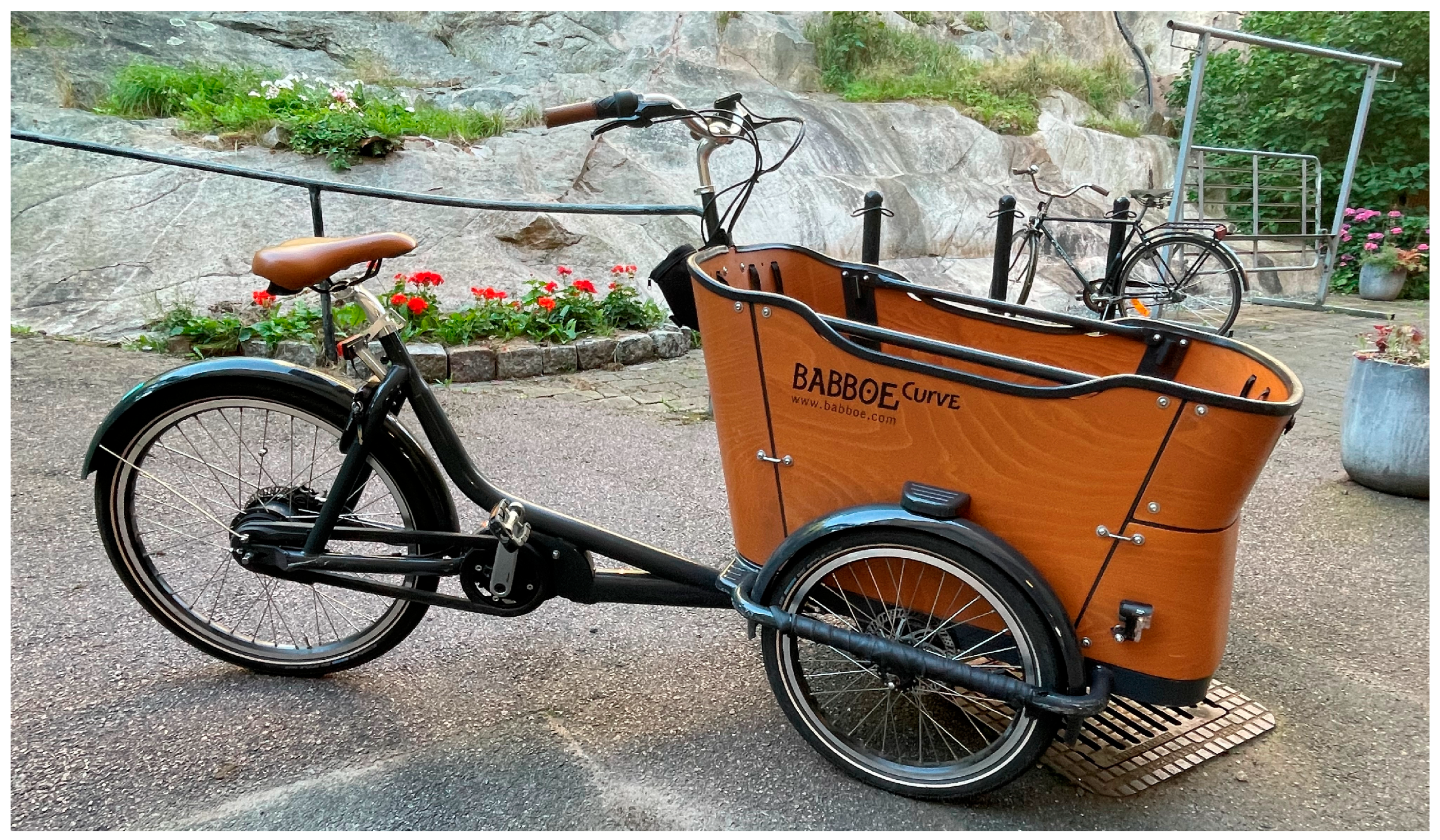
Figure 1 and
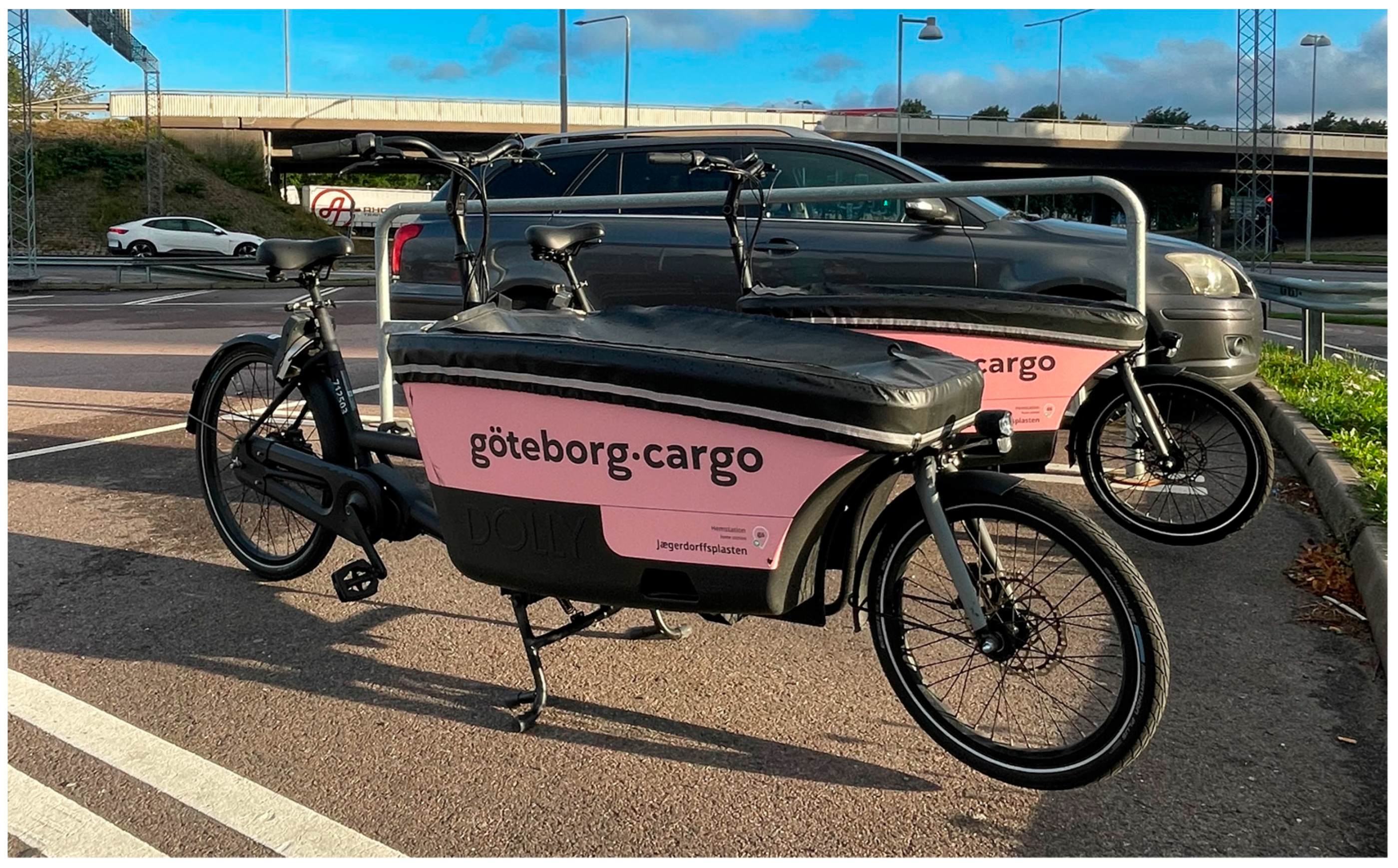
Figure 2 exemplify two types of cargo bikes.
2. Literature Review
Cargo bikes have mostly been studied within the context of freight transport and logistics—last-mile delivery, integration into logistics chains, and technological performance analysis dominate the literature [
6,
7,
13,
14,
15]. These studies highlight cargo bikes as a sustainable alternative in commercial delivery systems, especially for improving urban logistics efficiency and reducing emissions. For instance, cargo bikes are increasingly used as a last-mile solution for e-commerce deliveries and pick-up point systems, including parcel lockers. However, the present study focuses on private, everyday use of cargo bikes—such as grocery shopping, commuting with children, or general urban mobility—rather than logistics applications. This is a relatively underexplored area, with the existing literature either treating private cargo bike use as a secondary topic or analyzing it primarily through simulations and theoretical models [
4,
5,
9]. To help readers navigate the broader research landscape, we point to recent work that evaluates cargo bikes in last-mile delivery and logistics planning as well as introduces these concepts [
16,
17,
18]. Nevertheless, this study contributes to the less-developed field of cargo bikes for personal use, particularly within the context of shared systems aimed at promoting sustainable mobility in urban areas.
Despite this gap, some studies highlight sizable potential for private everyday use of cargo bikes. Using simulations based on a virtual European city, Wrighton and Reiter found that up to 60% of private transport—including shopping, leisure, and commuting—could shift to cargo bikes [
5]. They argue that cargo bikes become most viable in dense urban areas, especially where shops and services are within walking or cycling distance. Geographical density enhances cargo bike suitability [
15], yet Narayanan and Antoniou highlight that the actual potential remains uncertain and must be explored in varied urban contexts [
8]. Their recommendation for detailed regionally specific simulation studies aligns closely with our mixed-methods and GIS-based approach.
A pressing concern in the shared mobility literature is identifying the modes that are being replaced [
19,
20]. When it comes to cargo bikes, some authors stress that shared cargo bikes have substantial potential to substitute car trips [
11,
21]. The empirical evidence presented so far confirms this. Becker and Rudolf found that nearly half (46%) of shared cargo bike trips in Germany and Austria replaced car journeys [
9]. The Bavarian State Ministry for housing (BSM) echoes these findings: around 60% of shared cargo bike trips replace car trips [
12]. Bissel and Becker also find that cargo bikes, both privately owned and shared, reduce car dependency and lower car ownership rates [
21]. Carracedo and Mostofi add nuance, noting that cargo bikes may also draw users away from other sustainable modes like walking or public transport—signifying the importance of context and design in realizing net environmental benefits [
4].
The existing literature also highlights a distinct socio-demographic profile among shared cargo bike users, who are typically upper-middle class, well-educated men with an established habit of cycling [
4,
9,
10]. Expanding the user base to include more diverse groups requires targeted interventions—such as subsidies, strategic station placement, and inclusive governance models [
11]. Furthermore, shared bikes are used periodically, mainly for transporting goods rather than children [
9], while private cargo bike users—often transporting children—represent a separate, more committed user group [
22]. This suggests the existence of two user segments: occasional, shared-system users and daily, owner–users.
Critical infrastructural and systemic enablers emerge consistently in the literature. Infrastructure improvements—such as wider lanes, larger turning radii, dedicated bike tracks, and secure parking—are fundamental to safe and efficient cargo bike use [
4,
5,
8,
9]. Wrighton and Reiter showed that 65% of participants in a cargo bike trial expressed a desire for better infrastructure [
5]. Shared systems further require station space integrated into street designs [
11]. Beyond infrastructure, social norms and regulatory frameworks also matter. Initiatives, such as cargo bike safety training, framing cargo bikes as symbolic of environmental conscience and sustainability, as well as embedding bike culture in municipal planning, foster acceptance [
4,
21,
22]. Regulatory support, such as reduced car speed limits, prohibition of parking in bike lanes, prioritized bike traffic, and low-emission policies, strengthens the comparative attractiveness of cargo bikes [
5,
8,
11].
Economic incentives also amplify adoption, where purchase subsidies, operational funding for shared systems, and municipal facilitation encourage diverse user groups to adopt cargo bikes [
9,
11,
21]. Carrots must be paired with sticks—such as restrictive parking or congestion pricing—to shift mobility patterns effectively [
11]. Furthermore, framing cargo bikes as financially appealing compared to cars reinforces their role as economic viable alternatives [
4,
21].
Shared mobility, more broadly, has become an essential component of urban transport systems [
9,
10,
19,
20], yet shared cargo bikes lag behind shared bicycles and e-scooters in uptake. Shared cargo bikes alleviate common ownership barriers—such as upfront cost, storage, maintenance, and theft risk—and may therefore be particularly suited for occasional users [
23]. Success in shared bike programs depends on a dense and locally tailored station network, visibility through prominent placement, integration with public transport, clear pricing, and reliable digital and physical services [
9,
11,
12]. Mixed ownership models—municipal, private, community-led—could offer resilience and broader coverage [
11].
The critical success factors for shared cargo bike systems identified in the emerging literature include proximity of stations to homes and transport hubs, conspicuous placement to support visibility, marketing and safety, digital platforms as gateways to users, and high-quality maintenance, as well as clear and transparent information systems [
9,
11,
12]. The Bavarian system demonstrated that stations within 300 m of residences and near busy zones significantly improved adoption [
12].
Additionally, Thoma and Gruber studied organizational adoption, identifying key motivators: cost savings, soft benefits such as public image, and urban advantages like access [
24]. Although organizations face unique constraints, parallels exist: cost savings compared to car ownership, positive image, accessibility, and health benefits can drive private adoption. The primary organizational barrier—vehicle performance—is probably less of an issue for individuals, but both groups presumably share concerns around theft, infrastructure, and overall convenience.
Furthermore, there are also several barriers to wider cargo bike adoption. Cultural resistance is a key factor, in part because cargo bikes are perceived as less professional or prestigious than cars [
5,
15]. Car-dominant norms further skew planning priorities away from bikes [
4]. Economic barriers—cargo bikes are more expensive than regular bikes, and storage remains an issue—compound adoption challenges [
4,
22]. Car-centric infrastructure—narrow lanes, obstructed cycle paths, and mixed traffic conditions—adds safety concerns, especially when transporting children [
8,
9,
15]. In addition, shared systems face additional barriers of affordability, reliability, and ease of use, with top concerns including theft risk, poor maintenance, and inconsistent service [
12,
24].
However, when individuals try cargo bikes, satisfaction rates are high: Wrighton and Reiter report that 91% of former car users found their expectations met or exceeded [
5], and Becker and Rudolf found that 93% of shared cargo bike users intended to continue—35% planned to buy one and 38% intended to keep sharing [
9]. Awareness, however, remains low: users commonly report discovering cargo bikes through personal networks, urban presence, and online media, suggesting that visibility and outreach are critical for adoption [
9].
In summary, despite these recent advances, important research gaps remain. While most existing studies on cargo bikes focus on freight logistics, the understanding of how private use of cargo bikes can shift behavior and reinforce cycling culture is still emerging. In particular, there is limited insight into shared cargo bikes as tools for everyday private use. In this context, the spatial dimension of deploying shared systems—how station locations, proximity, and network design shape adoption—remains unexplored, especially through GIS or MCA tools, which is the main contribution of this article. This article addresses those gaps by leveraging qualitative interviews to uncover enablers and barriers, translating those insights into spatial criteria, and applying a GIS-based MCA to offer a practical methodology for planners to design successful shared cargo bike systems that support private mobility transitions.
4. Results
The results are presented in three parts. The first part (
Section 4.1) draws from the qualitative interviews to explore the role of shared cargo bike systems in sustainable urban mobility and to identify key user groups that such systems should target. The second part (
Section 4.2) uses the interview findings to identify critical criteria for the successful implementation of shared cargo bike systems, highlighting both spatial and non-spatial factors. The third part (
Section 4.3) focuses on operationalizing the identified spatial criteria using GIS. Criteria suitable for spatial analysis are selected and weighted based on stakeholder insights. Recommended GIS tools, data sources, and an application example from Gothenburg are provided to illustrate how these tools can support planning at different spatial scales.
4.1. The Role of Shared Cargo Bike Systems and Target User Groups
One of the most prominent themes was the recognition of shared cargo bikes as a tool to promote greater adoption of cargo bikes and reduce car dependency, particularly by reducing the economic barrier posed by the high upfront investment required for individual ownership. Some respondents highlighted that, depending on the design and placement of the service, shared cargo bikes could cater to both daily and occasional users. However, the consensus was that shared cargo bikes primarily hold the greatest potential for occasional users who rely on other modes for daily commuting but need cargo capacity intermittently for errands such as shopping (not least infrequent purchase of large or bulky items), recycling, or excursions, exemplified by the mobility expert at Framtiden (tenant company):
“I think that shared cargo bike services can solve many everyday necessities. It will not work for everyone though. You cannot expect someone that needs to pick up children every morning and every afternoon from preschool, to use shared cargo bike services. Shared cargo bikes won’t be the solution for them, it must be supplemented with private cargo bikes. But for households that need to wholesale shop once a week, shared cargo bikes could be a very big part [of the solution]”
For shared cargo bike systems to be viable for daily users, respondents highlighted the critical importance of integrating services into people’s immediate living environments, such as within housing developments. Tenant–owner associations, rental property companies, or municipalities could manage these services, making them more convenient and reliable for daily use. Nonetheless, many noted that daily users require high reliability and guaranteed availability—conditions that are hard to guarantee in a shared system since someone else might have already booked the cargo bike when needed.
Many respondents viewed shared cargo bikes as a transitional tool—a means of fostering a broader cargo bike culture and increasing public familiarity. Their visibility in urban areas provides opportunities for potential users to test and experience cargo bikes. This “try-before-you-buy” function was seen as essential to lowering the threshold to eventual private ownership. Test rides, demonstration events, and targeted marketing were cited as critical strategies for changing behaviors and integrating shared cargo bikes into daily life. Without sustained efforts to introduce, educate, and market these services, many people would remain hesitant or unaware of how to use them. Respondents emphasized that visible and well-maintained stations, strategically located in busy areas, can enhance awareness and normalize cargo bike use.
In summary, respondents identified two key roles for shared cargo bike services: (1) to serve as a mobility option for occasional users who only periodically need additional cargo capacity; and (2) to act as a transitional tool to introduce and promote cargo bikes more broadly. While a few respondents acknowledged the possibility of shared cargo bikes serving daily users, most concluded that practical challenges currently limit this potential. Therefore, shared services should primarily focus on occasional users and on promoting the use of cargo bikes more generally.
A planner from the City of Gothenburg working with shared mobility services summarized this perspective:
“I am really in favor of not having to own a private one, so I want to say that sharing cargo bikes, in combination with other shared services like carpooling, bike-sharing, and so on, has the greatest potential. But I also believe that if you have your own vehicle, you will end up using it more. We see that with regular bikes: people start with shared bikes, then switch to a private one and use it more, because they have one. So, it is probably the privately owned cargo bike that gets used the most.”
4.2. Identified Criteria for a Successful Shared Cargo Bike System
This section presents the key enablers for successful implementation and sustained use of shared cargo bike services, with a particular focus on occasional users and their transitional function (as identified in
Section 4.1). These enablers, summarized in
Table 2, are grouped into spatial and non-spatial criteria. Spatial enablers can be operationalized and evaluated using GIS and spatial analysis tools (as shown in
Section 4.3). Non-spatial enablers relate to user perception, service design, and institutional arrangements—factors equally vital but not directly measurable through spatial data. Together, they reflect the multifaceted conditions necessary for implementation success.
Among the spatial enablers, visibility emerged as the most critical. Respondents repeatedly stressed that visibility is not only a matter of marketing but also a prerequisite for making users aware of the service’s existence and availability. For example, stations placed along popular pedestrian flows or near key destinations like grocery stores, libraries, or schools were seen as likely to attract spontaneous use. Visibility also contributes to a sense of security and legitimacy—users feel more confident using services that are integrated into the daily urban landscape rather than hidden away in back alleys or basements.
Pedestrian flows were highlighted as a complementary factor to visibility. Respondents argued that high pedestrian traffic creates “natural surveillance,” which, in turn, reduces the risk of vandalism and increases users’ sense of safety. High foot traffic also means that more people are exposed to the service on a daily basis, potentially triggering curiosity and trial use through daily nudging.
Proximity to residential areas was identified as crucial for integrating shared cargo bike services into everyday life. Several respondents noted that shared cargo bikes are most likely to be used for activities such as shopping, errands, and transporting children—trips that typically start or end at home. Locating stations near housing (optimally closer than car parking) therefore maximizes convenience and reduces the psychological threshold to choosing a cargo bike over a car.
Respondents also emphasized the importance of local centers and squares as nodes of daily life. These are places where people naturally spend time, meet friends, or run errands, making them ideal for integrating shared mobility services. Public transport stops were similarly valued for their potential to support sustainable multimodal trips, encouraging users to combine cycling with longer-distance public transport. This integration was seen as particularly important for expanding the catchment area of shared cargo bike services beyond the immediate neighborhood.
Population density was considered a background factor that indirectly shapes demand. While not decisive on its own, higher density increases the potential user base and creates opportunities for economies of scale in service provision.
On the non-spatial side, respondents repeatedly emphasized marketing and sustained communication. This includes not just advertising but also information campaigns, demonstration days, and user education. Such efforts build trust and awareness, particularly in areas where cargo bikes are still a novel concept. Several respondents also stressed the importance of continuity in these efforts—highlighting that communication must not be a one-off initiative but rather a sustained process over time. Maintaining visibility and awareness is essential to ensure the service remains “top of mind” when users reach key transition points in life, such as the end of a car lease or a recent move to a new neighborhood where shared mobility services are available. Strategic timing of outreach and persistent presence in the urban information landscape were seen as critical to ensuring long-term uptake.
Ease of use, including intuitive mobile applications and straightforward registration processes, was also cited as essential. Users must be able to understand and engage with the system quickly, ideally without having to navigate complicated interfaces or lengthy sign-up forms.
Reliability—both technical and operational—was another key enabler. Respondents underscored the importance of ensuring that bikes are consistently available, in good working order, and supported by reliable booking and locking systems. A single failed attempt to book a bike can undermine trust and discourage future use.
Respondents also stressed the importance of visual identity and station design as part of the user experience. Stations that are visually attractive and clearly branded signal quality and reliability while also integrating seamlessly into the urban environment. Moreover, offering trial opportunities—such as free test rides or promotional periods—was highlighted as a way to lower barriers and build user confidence.
Several respondents noted that economic subsidies could play a pivotal role, especially in the early phases of implementation. Subsidies can help keep user fees affordable while ensuring that service providers have sufficient resources to maintain quality and reliability. Such measures could also encourage more actors—such as tenant-owned associations or property developers—to invest in shared cargo bike solutions.
These are the enablers that we were able to derive from the interviews. However, it is important to emphasize that a key recurring theme emphasized by many respondents is that the enablers for shared cargo bike services cannot be separated, are deeply interconnected, and often reinforce each other. Respondents consistently emphasized that no single factor alone can ensure success; rather, it is the combined effect of multiple enablers that determines the likelihood of successful implementation and sustained usage. For example, many respondents noted that barriers can accumulate and compound, ultimately leading to reduced usage. This could metaphorically be described as a “mean time to failure”—a term borrowed from engineering to describe how quickly a system fails under stress. Here, it is used to describe how quickly a potential user might abandon an attempt to engage with a new mobility service if they encounter repeated or cumulative obstacles.
For instance, in a hypothetical residential area where a rental company initiates a shared cargo bike service, the “mean time to failure” could reflect how users disengage due to lack of information on how the system works, a complicated mobile application that requires downloading and registration, inconveniently located bikes behind multiple doors, or missing instructions on battery insertion. These barriers accumulate, and for most people, the “mean time to failure” would occur before they successfully use the service. Conversely, extensive pre-launch marketing, easy app registration, trial events where staff demonstrate bike usage and station locations, and clear signage could significantly reduce barriers, lengthen the “mean time to failure,” and promote successful adoption.
It is important to note that both cargo bikes and shared cargo bike services remain relatively novel in Sweden. This novelty creates uncertainty—both for companies evaluating the business case and for users uncertain whether they can rely on such a service. Many respondents emphasized the role of municipalities and municipal rental companies in supporting the emergence of shared cargo bike services. They can provide economic subsidies—especially during the initial phase—to ensure that services are both accessible to users and financially sustainable for providers. Such interventions could help build user trust and a long-term demand for shared cargo bike services. Municipalities also have unique opportunities to influence service placement in public spaces and to market services directly to residents via municipal housing companies.
In summary, the enablers identified through the interviews form the foundation for the following section, which operationalizes the spatial criteria in GIS. There, spatial enablers are made measurable and weighted using insights derived from the qualitative analysis.
4.3. Operationalization and Spatial Analysis (MCA)
To operationalize the identified spatial enablers, an MCA was developed and applied to a district in Gothenburg. The MCA aimed to systematically evaluate the suitability of different locations for shared cargo bike stations by integrating both qualitative insights and quantitative data.
The analysis began by assigning weights to each spatial criterion primarily based on a qualitative analysis of their relative importance as emphasized by respondents as well as the frequency they were mentioned (
Table 3). While the weights in the MCA mostly follow the frequency of mentions of each criterion by respondents, testing of the MCA with different weights led to some minor changes in relative weight between the criteria. For instance, close to residencies proved to be relatively continuous throughout the studied area, making local differences harder to identify, and this criterion was therefore assigned slightly less weight than the respondents initially suggested. In contrast, local centers/squares received a somewhat higher weight than “proximity to residences,” despite both being mentioned equally often. This adjustment reflected the fact that local centers also tend to contribute to higher visibility and perceived safety/theft protection—two of the most important criteria identified—and therefore interact more strongly with key drivers of station success.
In total, seven different weightings were tested with slightly different weight values, but there was never a different hierarchy between criteria. The weighting of the MCA that yielded the outcome deemed most reasonable, based on the authors knowledge of the local sites and a qualitative assessment, was selected as the final weighting. Visibility and pedestrian flows were both assigned the highest weight (20%) due to their consistently strong emphasis by respondents. Criteria such as proximity to public transport and local centers/squares received slightly lower weights (15%), while proximity to residences, population density, and proximity to cycle paths were weighted at 10%. Outdoor placement was considered a fundamental prerequisite and therefore treated as a binary constraint rather than a weighted criterion. In the same way, locations without reasonably close access to a cycle path (within approximately 50 m) were also excluded from consideration, as this was viewed as a minimum requirement for usability and integration with the broader cycling network.
To operationalize these criteria, a selection of relatively simple and widely accessible GIS data sources (including buildings, population data, public transport stops, and cycle paths) and analytical methods were employed (
Table 4). Visibility was evaluated using viewshed analysis based on building heights and ground elevation data, which can be derived from commonly available digital elevation models and building footprint datasets. Pedestrian flows were estimated using the Angular Integration measure in the Place Syntax Tool, which predicts approximately 65% of pedestrian movement based on the morphology of the street network, with the remainder influenced by local attractors [
31]. This method leverages open-source or municipal street data. Proximity measures were calculated using buffer zones around key features such as public transport stops, residential buildings, and cycle paths, applying straightforward spatial queries that are standard in most GIS software. Local centers (i.e., areas with a high density of amenities), were identified using a kernel density tool to create a continuous surface representing potential centers of activity. Urban amenities (e.g., grocery stores, parks, schools) can easily be identified using, for example, OpenStreetMap. The same approach was applied to produce a smoothed raster of population density, ensuring that the data was appropriate for fine-resolution analysis (2 m × 2 m cell size) while also capturing broader population trends.
These approaches were chosen to demonstrate a practical and replicable framework suitable for contexts where data availability and technical resources might be limited. However, the specific choice of tools and data resolution should be adapted to the local context, depending heavily on the quality, granularity, and completeness of available spatial datasets. In settings where higher-resolution data or more advanced analytical capabilities exist, more sophisticated methods—such as LiDAR-based visibility modeling, dynamic pedestrian flow simulations, or multi-modal network analyses—can be applied to refine and enhance operationalization. These possibilities and their implications are discussed further in
Section 5.
Each criterion was scored on a scale from 1 (low suitability) to 9 (high suitability), depending on the specific spatial context. The scoring system is designed to capture local differences—what constitutes a high pedestrian flow, for example, can vary greatly between different urban contexts.
Table A1 in
Appendix A illustrates how the criteria might be operationalized with example thresholds and scores tailored to the case study area. The values were derived specifically for the district of Gothenburg shown in the example maps. Using GIS software, the underlying spatial layers for each criterion were classified into raster cells. To establish an even spread of values across the nine-point scale, we initially applied quantile classification for the categories measuring sums, ensuring that approximately the same number of cells fell into each class. These classifications were then subject to minor manual adjustments to better reflect local conditions and contextual knowledge of the study area. For the categories measuring proximity, relatively short distance thresholds were applied. This reflects the respondents’ emphasis on micro-scale urban design and the importance of short proximities due to people’s cognitive capacity for spatial perception.
However, this scoring is intentionally designed to be flexible. In high-density cities, a flow of 400 people per hour might be considered moderate, whereas in smaller cities, a similar flow could represent a high potential for natural surveillance and marketing exposure. Therefore, the scoring thresholds must be calibrated to reflect local conditions and data availability. It is important to emphasize that it is not intended as a one-size-fits-all solution. Instead, it should be adapted iteratively by planners and project stakeholders to ensure that the local context, stakeholder knowledge, and lived experiences are integrated into the decision-making process. For instance, a site with moderate scores in multiple criteria might, through local knowledge, be identified as particularly attractive due to qualitative factors not captured in the quantitative model—such as a new housing development or an upcoming urban revitalization project.
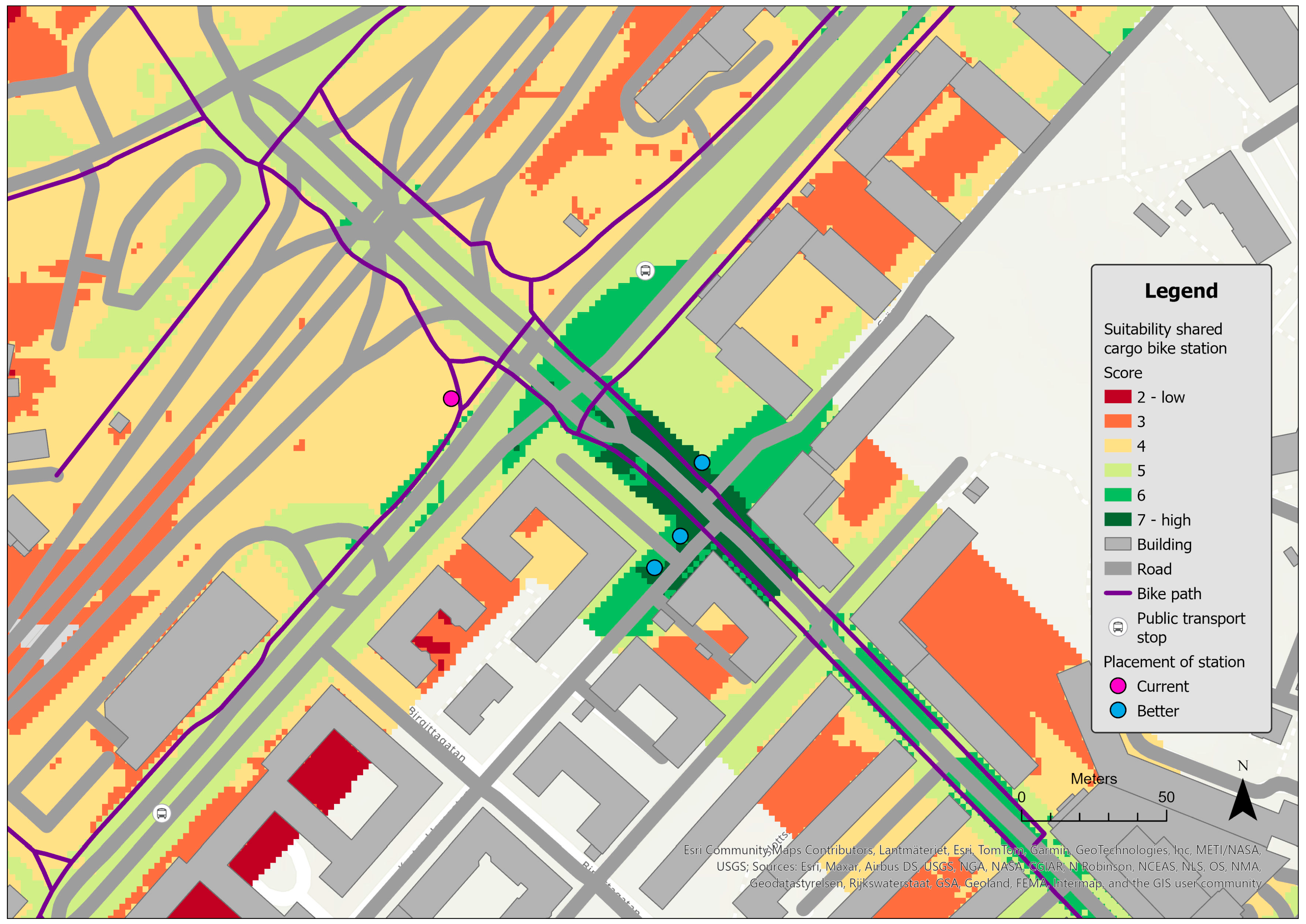
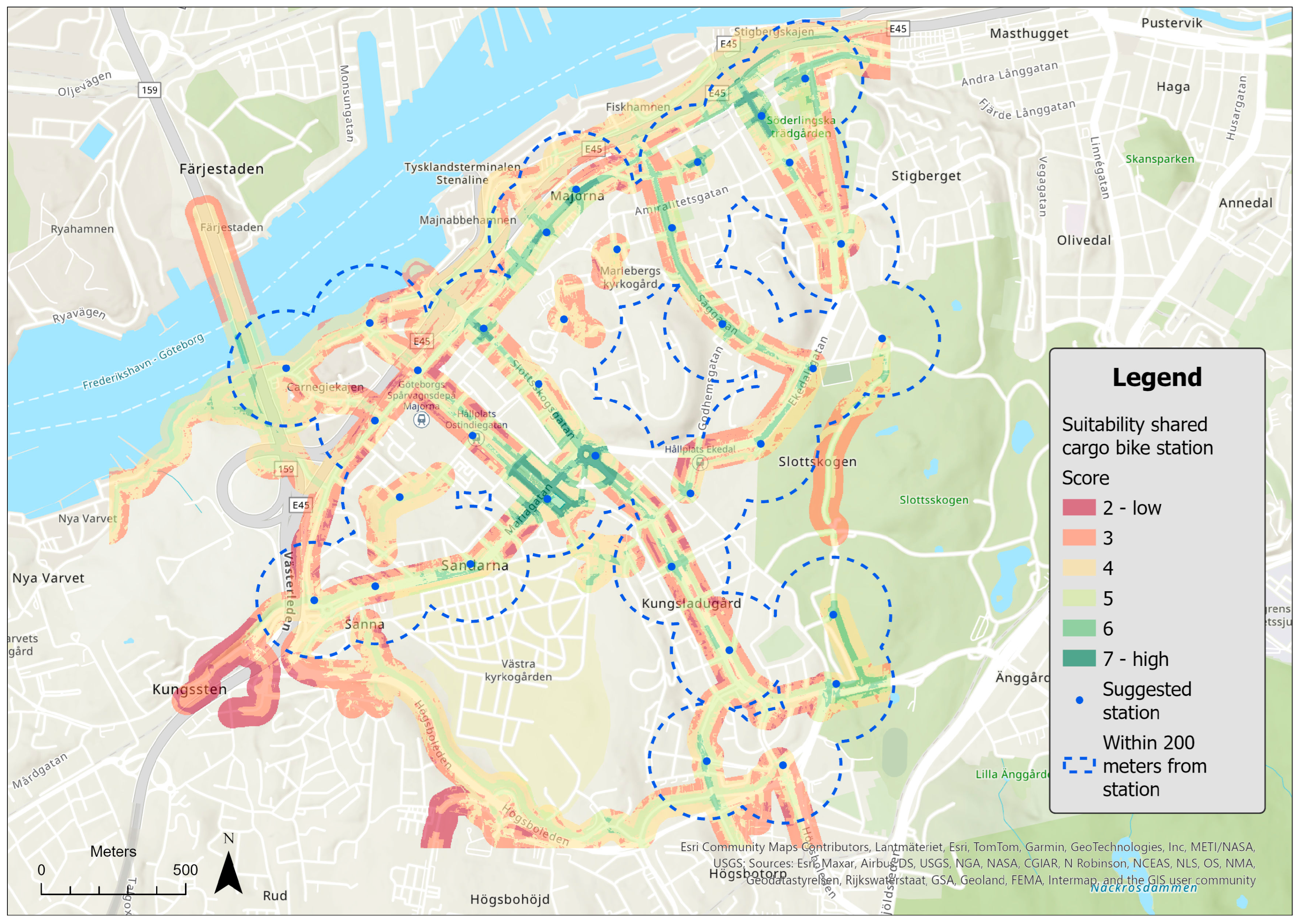
The MCA can be applied at both micro and macro levels to capture both the fine-grained local context (illustrated in
Figure 3) and the broader district-wide accessibility (illustrated in
Figure 4). At the local scale, the model is able to highlight small but important differences between adjacent potential station locations—differences that can significantly affect usage, visibility, and competition with other street functions.
Figure 3 illustrates the results of the MCA at Jaegerdorfsplatsen in Gothenburg. The map uses a color scale ranging from dark red (least suitable) to orange to dark green (most suitable). A dark green area represents a location where most criteria scored 7 or higher, indicating high overall suitability. In this case, the analysis identified three alternative locations with enough space for two cargo bikes each and no direct competing uses. These locations scored higher than the current placement (see
Figure 2) of two cargo bikes due to better pedestrian flows, higher visibility, and proximity to key amenities. The least suitable locations, by contrast, were situated in inner courtyards or behind large buildings where visibility, foot traffic, and general accessibility were significantly lower.
At the macro scale, the MCA was applied to an entire district in Gothenburg.
Figure 4 shows the resulting suitability map, using the same color scale. Areas with high combined scores across all criteria are highlighted in green. These zones tend to be characterized by mixed-use developments, high footfall, and good public transport accessibility. Such areas are recommended as priority zones for the first phase of shared cargo bike station implementation. Importantly, used on this scale, the model also supports the development of a comprehensive and spatially cohesive network—an aspect identified by respondents as a key spatial enabler. In addition to identifying the most suitable areas overall, the MCA also points to the relatively best local options, even in parts of the district where overall suitability is lower. This allows planners to ensure spatial coverage across different neighborhoods while still prioritizing the most favorable micro-locations within each area.
In summary, the scoring system and the MCA as a whole should be seen as a living tool rather than a static prescription. It provides a structured, transparent way to integrate different data sources and stakeholder perspectives. However, it ultimately requires local adjustment to ensure relevance and success—highlighting the importance of on-the-ground knowledge, stakeholder involvement, and iterative refinement throughout the planning process.
5. Discussion and Conclusions
This article confirms that shared cargo bike systems have an important role to play in promoting the use of cargo bikes in urban contexts. However, their primary value appears to lie not in replacing everyday travel by other modes but rather as a catalyst for behavioral change: a “try-out opportunity” and a marketing tool that lowers psychological and practical barriers. This aligns with prior research showing that people who try cargo bikes often report high satisfaction and intend to continue using them—either through shared systems or by purchasing their own [
9]. This reinforces the notion that shared cargo bikes can serve as a transitional tool: enabling initial trials, generating visibility, and integrating cargo bikes into the urban landscape, thereby strengthening cycling culture overall.
The expert interviews suggest that shared services are particularly appealing to occasional users—such as those who may lack secure storage, have cost concerns, or fear of theft—factors also highlighted by Beroud et al. [
23] and BSM [
12]. While end-users were not interviewed in this study, experts emphasized that shared cargo bike systems can lower entry barriers and thus contribute to broader accessibility and social equity.
A central contribution of this study is the identification of spatial design factors that influence high usage. Eight such factors were highlighted, many of which align with previous findings, especially visibility, proximity to pedestrian flows, accessibility, and safety [
9,
12]. Importantly, the study also confirms the critical role of network density: ensuring stations are not only near major destinations but also well distributed across residential areas, transport hubs, and public spaces. This echoes the findings of BSM and supports the idea that coverage is key to ensuring accessibility and practical usefulness [
12].
The study also highlights the importance of non-spatial factors—such as clear information, reliable maintenance, and robust digital infrastructure—which have a significant impact on user experience and system success [
12]. These factors ensure that a well-placed station can be effectively used.
The identified spatial criteria and their relative importance were operationalized through an MCA, tested in a Gothenburg city district. This constitutes the most novel contribution of the study: not the discovery of new enablers per se—as recognized in some earlier work [
9,
12]—but their translation into spatial, measurable criteria that planners can apply to guide station placement and network design. The MCA proved intuitively useful and practical at the district level by helping identify potential station locations that align with both visibility and pedestrian flows. On a more local scale, however, the MCA’s output requires careful interpretation and real-world validation. For instance, in the example from Jaegerdorfsplatsen, the MCA suggested three alternative locations close to a tram stop—between residential buildings and a local square—rather than the current placement on a parking lot across a junction with lower pedestrian activity. Intuitively, these alternative sites appear better, but real-world testing is needed to confirm this, highlighting the importance of context-sensitive evaluation.
5.1. Limitations and Suggestions for Future Research
A key strength of the methodological approach is its integration of qualitative expert interviews with GIS-based spatial analysis. This combination grounds the MCA in real-world experience while translating it into operational, spatial decision-making tools for urban planning. However, this also introduces challenges. Translating qualitative insights into quantitative scores requires interpretation and operationalization. For example, when respondents described “safety” as critical, some, but not all, linked it explicitly to pedestrian flows. This nuance was modelled using estimated pedestrian flow data in GIS. While efforts were made to respect both perceived significance and conceptual overlap, inevitably some detail is lost in the process. This tension between qualitative depth and quantitative operationalization is an important consideration for future applications.
Another aspect deserving attention is the scoring system itself. While the MCA provides a structured framework, its thresholds (e.g., pedestrian flows, distances) must be locally calibrated to ensure relevance. For example, what constitutes “high” pedestrian flow can vary greatly between a dense city center and a residential neighborhood.
Table A1 illustrates how a full scoring range can be operationalized for the spatial criteria, but it also highlights the need to adapt thresholds to local conditions, seasonality, and specific site characteristics—something that would benefit from local stakeholder input. Future research could also explore the use of alternative classification scales—such as five-point or three-point categories—to evaluate whether reduced complexity improves interpretability or decision-making in different planning contexts.
A key methodological limitation concerns the process for assigning weights to the spatial criteria in the MCA. While the weights used in this study were grounded in expert interviews employing a GIS-based weighted overlay approach inspired by AHP principles (reflecting the relative emphasis placed on each factor by the respondents), the approach lacked a formalized or replicable procedure. The translation of qualitative interview insights into quantitative weights involved interpretative judgment rather than structured methods such as formalized AHP. Although this was deemed appropriate for an exploratory study with a small, qualitative sample, it limits the reproducibility and generalizability of the results. Future research should therefore prioritize the development of more systematic weighting procedures—ideally involving a broader and more diverse respondent base. This could include follow-up surveys, workshops, or structured elicitation techniques such as AHP, applied to both experts and end users. A more robust weighting process would not only strengthen methodological transparency but also enhance the applicability of the MCA across different urban contexts. Also, future research could explore alternative multi-criteria decision-making methods such as Technique for Order Preference by Similarity to Ideal Solution (TOPSIS) or Preference Ranking Organization Method for Enrichment Evaluation (PROMETHEE). These methods may provide more direct ranking of discrete location alternatives and offer complementary insights, especially in later planning stages when comparing specific sites.
In relation to this, future studies should explore user-weighted criteria rather than relying solely on expert opinions. This could involve stated preference surveys or participatory workshops to refine weightings and thresholds, ensuring that the MCA reflects user needs and perceptions as well as expert insights. While thematic saturation was reached in our sample and findings were consistent across sectors, the interviewee group was skewed toward public sector and academic experts with limited private sector involvement and no direct end-user representation. In particular, the lack of end-users is a key limitation, particularly regarding aspects such as ease of use, reliability, and everyday utility. Future research should therefore prioritize the inclusion of users—both current and potential—through surveys, interviews, or pilot studies. Broadening stakeholder representation will be crucial for designing shared cargo bike systems that are not only strategically viable but also aligned with real-world user expectations and behaviors.
Moreover, the GIS methods could be refined. For example, visibility was analyzed using a viewshed model based on ground elevation and standard building heights. While robust, this model could be improved using LiDAR data to incorporate trees, bridges, and other obstacles or by testing alternative approaches such as analysis in a 3D model.
Finally, future research should test the MCA framework in the real world—preferably through longitudinal studies that compare usage at different station locations over time. This would allow for validation of the MCA’s practical relevance, including how different placements affect usage across varying user groups and temporal patterns.
5.2. Policy Implementation
In addition to spatial criteria, the successful implementation of shared cargo bike services depends on enabling policies and supporting structures. Respondents emphasized the role of municipalities and public housing companies in creating the conditions for uptake, particularly during the initial phase. Start-up subsidies, public–private partnerships, or municipal ownership models were proposed to mitigate financial risks for operators while enhancing affordability and equity for users.
Phased marketing strategies were also highlighted as essential. Communication efforts should begin before station rollout and include visible branding, trial opportunities, and hands-on demonstrations to reduce uncertainty and build user confidence. For instance, involving tenants in selecting bike types or testing apps in advance can strengthen engagement and increase the sense of ownership. Furthermore, emphasis should be on maintaining communication and marketing when the service is up and running to reach new tenants as well as persuading existing ones to transit to cargo bikes through continuous nudging.
Governance frameworks must enable coordination between stakeholders—such as municipalities, property owners, and service providers—to ensure coherent planning and long-term system reliability. In this context, the MCA can support a flexible, scalable planning process. As a “living tool”, it can evolve with local feedback, making it useful not only for identifying suitable locations but also for informing broader strategies tied to funding, communication, and operational management.
5.3. Conclusions
In conclusion, this study highlights the potential of shared cargo bike systems to promote sustainable urban mobility, not primarily as a replacement for everyday travel but as an important marketing tool and entry point into cargo bike culture and reduced car dependence. A holistic approach, integrating spatial and non-spatial factors, is crucial to designing effective shared cargo bike systems. The MCA approach presented here provides a promising tool to support this, though its practical application requires ongoing calibration and real-world validation to ensure its full potential is realized.