1. Introduction
Significant transformations towards low-carbon transitions have been embraced across all sectors of society to achieve the carbon peak and carbon neutrality. The logistics and transportation sector, a major contributor to greenhouse gas emissions and urban air pollution, faces urgent sustainability challenges due to its reliance on fossil fuels [
1]. Accelerating a higher rate of electric vehicle (EV) adoption represents a critical pathway to reduce greenhouse gas emissions from fuel use [
2,
3] and advance sustainable mobility. The adoption of electric vehicles in the transportation sector can significantly facilitate the advancement of green logistics [
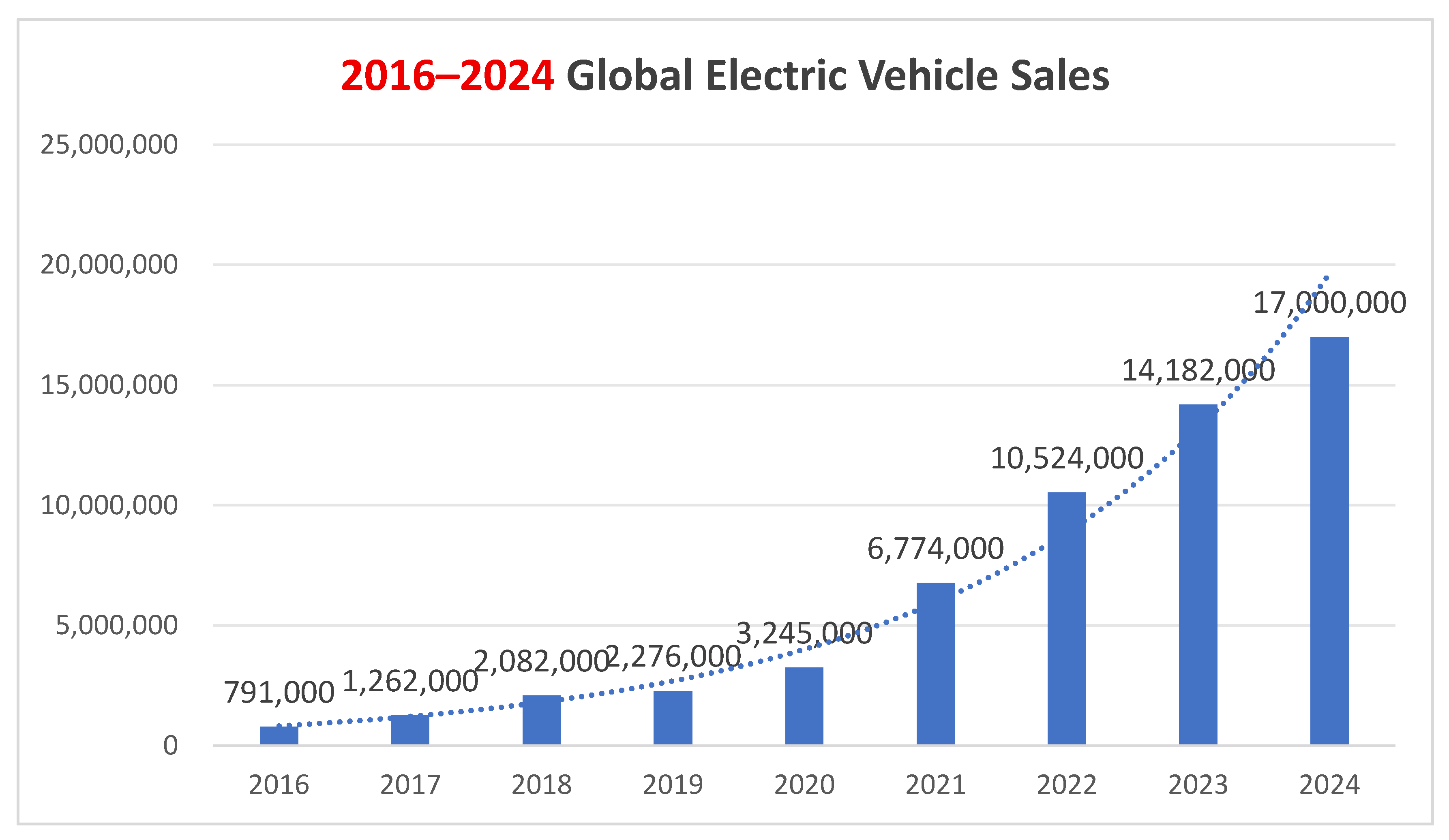
4], enhancing environmental quality and resource efficiency. According to data released by EV-Volumes and IEA, global sales of electric vehicles reached 17 million units in 2024, as shown in
Figure 1 [
5,
6]. Despite this progress, a significant sustainability gap remains: Compared with the vigorous development of electric vehicles, the development of electric logistics vehicles lags critically behind, hindering decarbonization efforts in freight transport.
In the logistics and transportation industry, conventional logistics vehicles are characterized by high energy consumption, high emissions, and high pollution, making them a key area for carbon emission reduction [
1]. Therefore, the electrification of logistics vehicles has great potential to reduce carbon emissions and improve urban air quality [
7,
8]. Recognizing this sustainability imperative, various countries have introduced corresponding policies and regulations to promote the electrification transformation of the logistics and transportation industry. Chinese national ministries have successively issued a series of policies to promote the penetration of electric vehicles in the logistics sector. The “Electric Vehicle Industry Development Plan (2021–2035)” mentions that starting from 2021, in national ecological civilization pilot areas and critical regions for air pollution prevention and control, the proportion of electric vehicles in newly added or updated public transport, taxis, logistics distribution, and other vehicles should not be less than 80%. This sets a target from a macro quantity perspective [
9]. The German cabinet has proposed a discount for electric logistics vehicles, equivalent to 50% of the vehicle’s purchase cost, with this measure set to end in 2030 [
10]. The Norwegian government has set a target for all new trucks to be zero-emission or use biogas by 2030, aiming to increase the share of electric logistics vehicles from 10% to 20% [
11], and requires that all newly built residential and office buildings be equipped with charging piles and that ultra-fast charging stations be set up every 50 km of the national road network, with the goal of achieving 100% public charging coverage by 2025 [
12]. The European Union plans to pass legislation requiring car rental companies (such as Sixt and Europcar) and large enterprises with fleets to purchase only pure electric vehicles starting from 2030, covering approximately 60% of new car sales in the EU (about 6.4 million units per year). This move aims to make up for the lack of electrification power at the consumer end through centralized procurement by enterprises and accelerate the realization of the goal of completely banning the sale of fuel vehicles by 2035 [
12]. These policies highlight the global commitment to leveraging ELVs for sustainable freight. However, as of 2024, the global penetration rate of electric vehicles has reached 19.2%, while the penetration rate for logistics vehicles is significantly lower than this figure. For instance, China, the largest market and manufacturing base for electric vehicles, also had an electric penetration rate of only 13.8% for its logistics vehicles. This gap persists due to sustainability-related barriers: electric logistics vehicles require larger battery capacity and more extended range—the constraints of driving distance and the imperfect charging infrastructure limit the promotion of electric logistics vehicles [
13]. The lengthy downtime required for charging severely impacts operational efficiency and economic viability [
14], undermining their environmental and economic sustainability. To address these sustainability bottlenecks, some companies have proposed a battery-swapping mode to alleviate user mileage anxiety [
15]. The battery-swapping mode is an innovative business approach where batteries are centrally stored and recharged at charging stations, and vehicles are quickly energized by swapping batteries at the station [
16]. Under normal circumstances, an electric logistics vehicle equipped with battery swapping capabilities can complete recharging within 10 min, matching the operational efficiency of traditional fuel vehicles. The battery-swapping model alleviates users’ range anxiety, and the way consumers choose electric logistics vehicles is no longer singular. Furthermore, BSM facilitates better battery management and potential for second-life applications, enhancing circularity. Despite its potential, early BSM adoption faced challenges: high costs, limited infrastructure, and a lack of standards led to failures (e.g., Better Place [
17]). Recent technological advances (e.g., Sany Heavy Industry’s 1.9-min swaps [
18]) and corporate commitments (e.g., Volvo’s 2030 electrification goal [
19]) signal renewed potential for BSM to overcome these hurdles and contribute significantly to sustainable logistics.
However, new sustainability challenges threaten ELV adoption: Supply-demand imbalances for critical materials [
20] and subsidy reductions (e.g., in China and the UK [
20,
21]), coupled with high manufacturer pricing, dampen consumer willingness [
22]. This creates a critical tension: the urgent need for sustainable logistics solutions versus the economic barriers to ELV/BSM adoption. Optimizing pricing strategies within the BSM framework is thus essential to unlock its full environmental and economic sustainability potential. Facing the stagnation in industry development caused by the mismatch between sale prices and demand, electric logistics vehicles increasingly require a business model innovation combined with resource recycling, relevant policy changes, and other means to optimize existing pricing strategies. This is necessary to quickly reverse the current predicament and achieve the overall healthy development of the industry.
Facing the contradiction between the high pricing of electric logistics vehicles and the urgent demand from consumer enterprises, the battery-swapping model breaks through the limitations of traditional charging methods, establishing a win-win system for consumers and manufacturers. It enhances the efficiency of resource utilization, thereby promoting further development of the industry.
From the above content, it can be seen that although the electric logistics vehicle has been given importance, its development is not easy. Therefore, this paper aims to build a tripartite evolutionary game model involving the government, consumers, and electric logistics vehicle manufacturers. By incorporating the discount rate, we explicitly analyze the long-term economic sustainability implications of pricing strategies and subsidy policies. Our core objective is to identify pathways that simultaneously promote BSM-ELV adoption (environmental sustainability) and ensure economic viability for stakeholders (economic sustainability).
Our research contributions are summarized as follows:
Sustainability-Centric Framework: This study incorporates the government, consumers, and electric logistics vehicle manufacturers into a unified three-party evolutionary game framework to analyze dynamic pricing strategies under BSM and their impact on sustainable ELV adoption.
Lifecycle Cost Analysis for Sustainable Decisions: This article integrates the discount rate as the core parameter and uses net present value (NPV) analysis to reveal the advantages of the battery leasing model in terms of long-term economic sustainability.
Policy Levers for Sustainable Markets: This article reveals that both the market size and the manufacturers’ expectations are the key factors that jointly drive the prices towards a sustainable equilibrium. This finding provides an important reference basis for formulating effective policies.
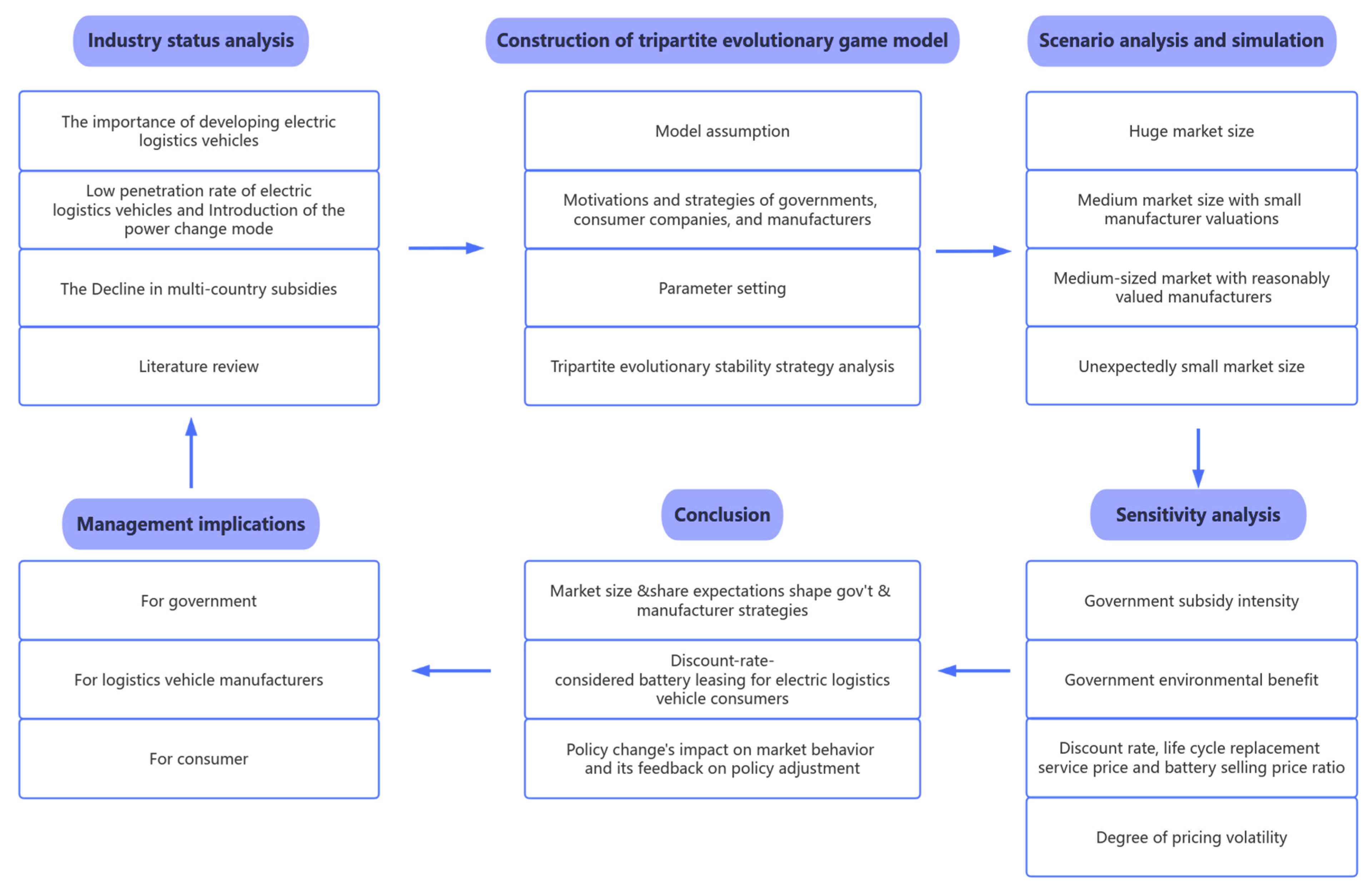
The remaining sections of this article, as depicted in
Figure 2, are organized logically.
Section 2 reviews the relevant literature.
Section 3 establishes a foundation by outlining a series of assumptions, setting key parameters, and constructing a comprehensive tripartite evolutionary game model.
Section 4 delves deeper into the analysis, identifying and examining the stable points within the evolutionary game framework.
Section 5 then applies this theoretical framework by assigning specific values to the parameters and conducting a scenario-based simulation analysis to explore the evolution of pricing strategies for electric logistics vehicle manufacturers.
Section 6 follows with a sensitivity analysis, highlighting the model’s sensitivity to changes in various parameters. Finally,
Section 7 summarizes this research’s essential findings and conclusions and offers practical insights and management implications for governments, electric logistics vehicle manufacturers, and consumers, drawing from the preceding analyses.
2. Literature Review
This paper is closely related to four aspects: the research of the battery-swapping mode of electric vehicles, the development of electric logistics vehicles, the application of evolutionary game theory in the research of electric vehicles, and smart charging infrastructure and emerging technologies.
2.1. Research on the Battery-Swapping Mode of Electric Vehicles
Scholars have conducted different research focusing on the battery-swapping mode. Yuan and colleagues explore the critical points of different operational models of battery leasing services and battery swapping services from the perspective of consumer utility [
23]. Battery leasing services and battery swapping services, as important business models for the development of electric vehicles, must not overlook technical safety issues. Hu and colleagues focus on analyzing the critical technologies of battery-swapping electric vehicles to contribute to the safety of the swapping process [
24]. Considering the differences between charging and battery-swapping as energy replenishment methods, Zhang and colleagues have constructed a site selection model to derive the optimal strategy for construction costs, operational costs, and user satisfaction [
25]. To save time for electric vehicle owners and optimize the operation of battery-swapping stations, scholars such as Wang have proposed a real-time optimization strategy. This strategy involves electric vehicles sending requests and the system recommending the best charging station for them [
26]. Zu and colleagues aim to minimize the electrical energy electric vehicles consume while traveling to battery-swapping stations. They analyze the impact of the involved parameters to determine the optimal layout for charging and swapping stations, providing a reference for the siting of urban battery-swapping and charging stations [
27]. Additionally, battery-swapping stations must keep certain batteries in stock to maintain customer service. Wang and colleagues have explored the optimal number and scheduling of batteries in inventory for battery-swapping stations [
28]. However, as the core component of electric vehicles, the cost of batteries accounts for half of the total operating expenses of a Battery Swapping Station (BSS). To optimize the operation of BSS and increase its profitability, scholars such as Wang have constructed a sustainable battery supply selection decision framework for BSS battery suppliers based on the battery-swapping operation model [
29]. Deng and colleagues developed a mathematical model to determine the optimal configuration of battery-swapping stations, considering battery capacity degradation, thereby reducing total costs [
30]. Zeng and other scholars proposed a tiered battery-swapping mode, which formulates different energy replenishment plans for low-demand, medium-demand, and high-demand users on highways to reduce the operating costs of BSS [
31]. Scholars’ research on battery-swapping mode covers many aspects. These studies not only enrich the theoretical system of power transfer modes but also provide essential support and guidance for developing and applying electric vehicles.
Conceptual Clarification:
Throughout this study, two distinct but interrelated concepts are systematically differentiated, as follows:
Battery-swapping service: Refers to the technical operation where depleted batteries are physically exchanged for fully charged units at dedicated stations, typically within 5–10 min. This constitutes the core energy replenishment mechanism.
Battery leasing: Denotes the business model where users lease batteries instead of purchasing them outright. Under battery leasing, battery ownership remains with manufacturers/operators, while users pay periodic usage fees covering battery leasing, maintenance, and swapping services.
2.2. Development of Electric Logistics Vehicles
Many scholars have explored electric logistics vehicles to regulate and reduce carbon emissions in the transportation industry. Research by Xue and others indicates that the greenhouse gas emissions from conventional fuel commercial vehicles will peak before 2030, and the development of electric commercial vehicles and the improvement of their penetration rate are the main ways to save energy and reduce emissions [
32]. Many countries in the European Union promote electric logistics vehicles through financial incentives to reduce carbon emissions from urban freight transport [
33]. The European Parliament, in its legislation on promoting environmentally friendly, energy-efficient road transport vehicles, has defined the form and obligations for procuring ecologically friendly vehicles in urban logistics environments [
34]. This directive has been incorporated into the legislation of EU member states to achieve the minimum share targets for procuring environmentally friendly vehicles in road transport for the years 2025 and 2030 [
35]. He and other scholars proposed a digital twin method to predict the performance of electric commercial vehicle battery brackets to enhance their safety factor and speed on the road [
36]. Speaking of safety issues, Lal and other scholars believe that the government could consider establishing differential insurance premiums for electric logistics vehicles compared to conventional fuel logistics vehicles to promote the popularization of electric logistics vehicles. In addition, temperature can affect the cost of energy, and the government could set corresponding energy charging standards in different temperature regions to promote the penetration of electric logistics vehicles [
37]. There is a clear distinction between electric logistics vehicles and passenger cars. Logistics vehicles operate around the clock with higher usage intensity, while passenger cars exhibit a tidal characteristic. Therefore, the demand for energy replenishment and other support services is higher for users of electric logistics vehicles. Raeesi addresses the limited driving range issue of electric logistics vehicles by coordinating the addition of charging and battery-swapping stations within transportation routes [
38]. Ghobadi et al. studied the vehicle routing problem based on the premise that transportation companies have efficiency issues in identifying the impact of uncertain factors in their daily logistics operations [
39]. The development of electric logistics vehicles has attracted much attention. However, existing studies mostly focus on the promotion policies and environmental impacts of electric logistics vehicles, and there are few discussions on their pricing strategies and market mechanisms. Under the premise of the development of electric logistics vehicles, this paper deeply analyzes the pricing strategy of electric replacement new energy under the discount rate, which enriches the research in this field.
2.3. Application of Evolutionary Game in the Research of Electric Logistics Vehicles
As the in-depth exploration of the development of electric logistics vehicles continues, evolutionary game theory that considers multiple perspectives has been widely used in the study of electric logistics vehicles. From the supply chain perspective, Shi and colleagues constructed an evolutionary game model that includes the government, consumers, and electric vehicle manufacturers to explore the participants’ evolutionary stable states and investment portfolio stable strategies [
40]. Similarly, Song and others proposed a tripartite evolutionary game model between electric vehicle manufacturers, consumers, and the government, offering more practical recommendations for the government and electric vehicle manufacturers compared to traditional policies of direct government subsidies [
41]. Wang and colleagues proposed two strategies, continuous subsidies and adaptive subsidies. They constructed an evolutionary game model for the diffusion of electric vehicles based on the network, evaluating the subsidy strategies from both the supply and demand sides to maximize the benefits of subsidies [
42]. With the green development of the express delivery industry supply chain as the background, Shi and others established a tripartite evolutionary game involving the government, vehicle suppliers, and express delivery companies, exploring decisions that maximize the interests of all three parties [
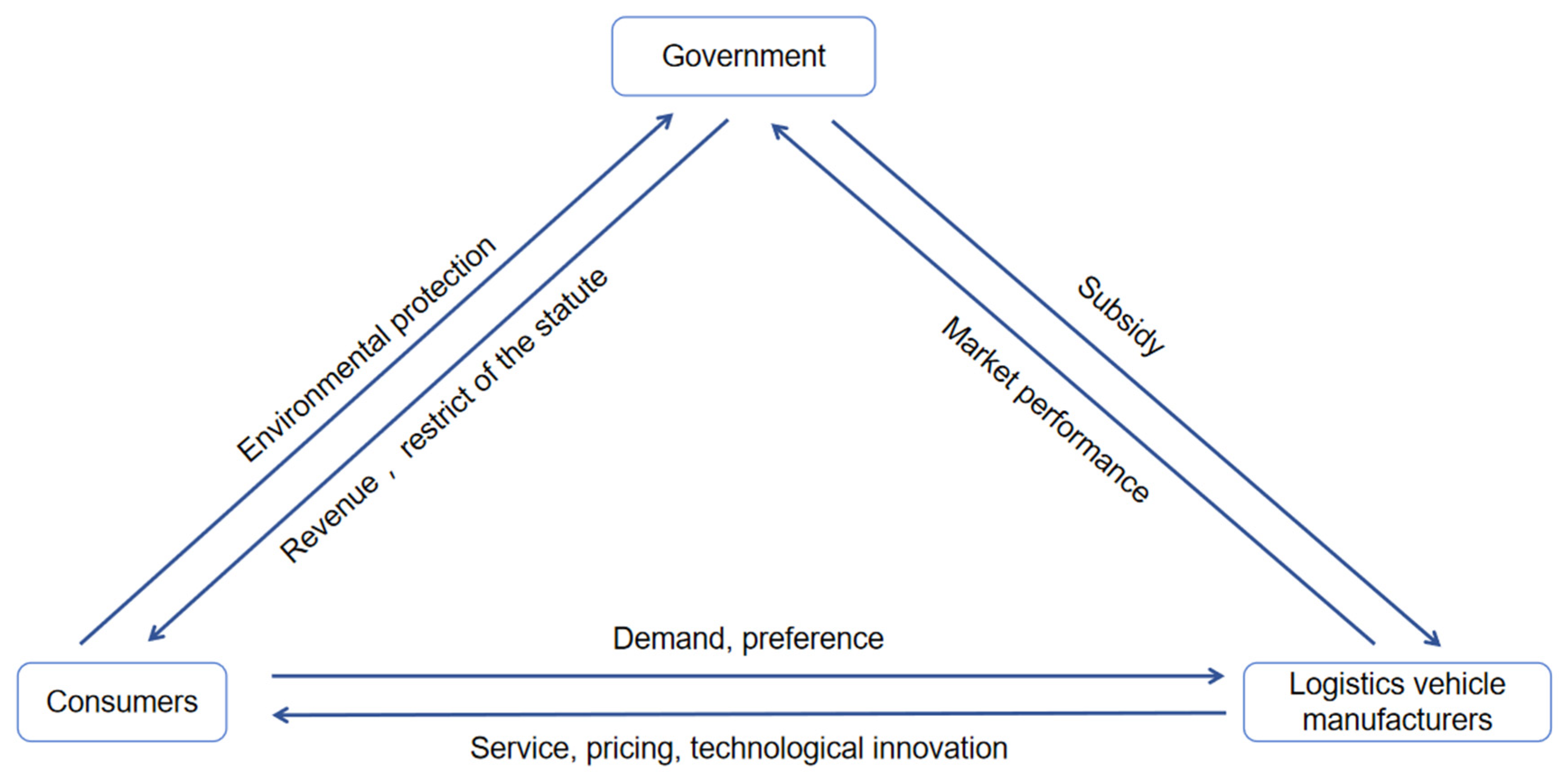
43]. By combining relevant literature, the relationship between the government, consumer enterprises, and logistics vehicle manufacturers is shown in
Figure 3.
2.4. Smart Charging Infrastructure and Emerging Technologies
Beyond battery-swapping, smart charging infrastructure plays a complementary role in EV energy replenishment. For shared EV fleets, integrated models jointly optimize charging station deployment and dynamic pricing strategies to balance grid loads and user demand [
44]. Meanwhile, bidirectional charging (V2G) leverages data-driven control to transform EVs into grid assets. Qualitative studies highlight its potential for peak shaving and renewable energy integration, though challenges persist in stakeholder coordination and battery degradation [
45]. While these advancements enhance energy flexibility, battery-swapping remains optimal for commercial logistics vehicles due to minimal downtime and centralized management.
The above research results have laid a solid theoretical foundation for this research, but there are still some areas that need further research. Few scholars have researched the pricing strategies of battery-swapping electric logistics vehicles. How the purchasing methods adopted by consumers and the pricing strategies formulated by manufacturers under different car purchase subsidies will interact with each other has become a key issue to be solved to promote the rationalization of pricing of electric logistics vehicles, promote the low-carbon development of logistics and transportation, and achieve the global “dual carbon” goal. This is also a challenge to logistics and transportation caused by the change of electric electrification and power replacement technology. Therefore, in the context of the “dual-carbon” goal to promote the electrification transformation of the logistics and transportation industry, this study dug into the important factors affecting the pricing strategy of electric logistics vehicles, and studied the influence of the interaction among manufacturers’ pricing strategy, car purchase subsidies and consumers’ purchasing methods on the evolutionary game path of the application and promotion of electric logistics vehicles. On this basis, reasonable countermeasures and suggestions are provided for manufacturers.
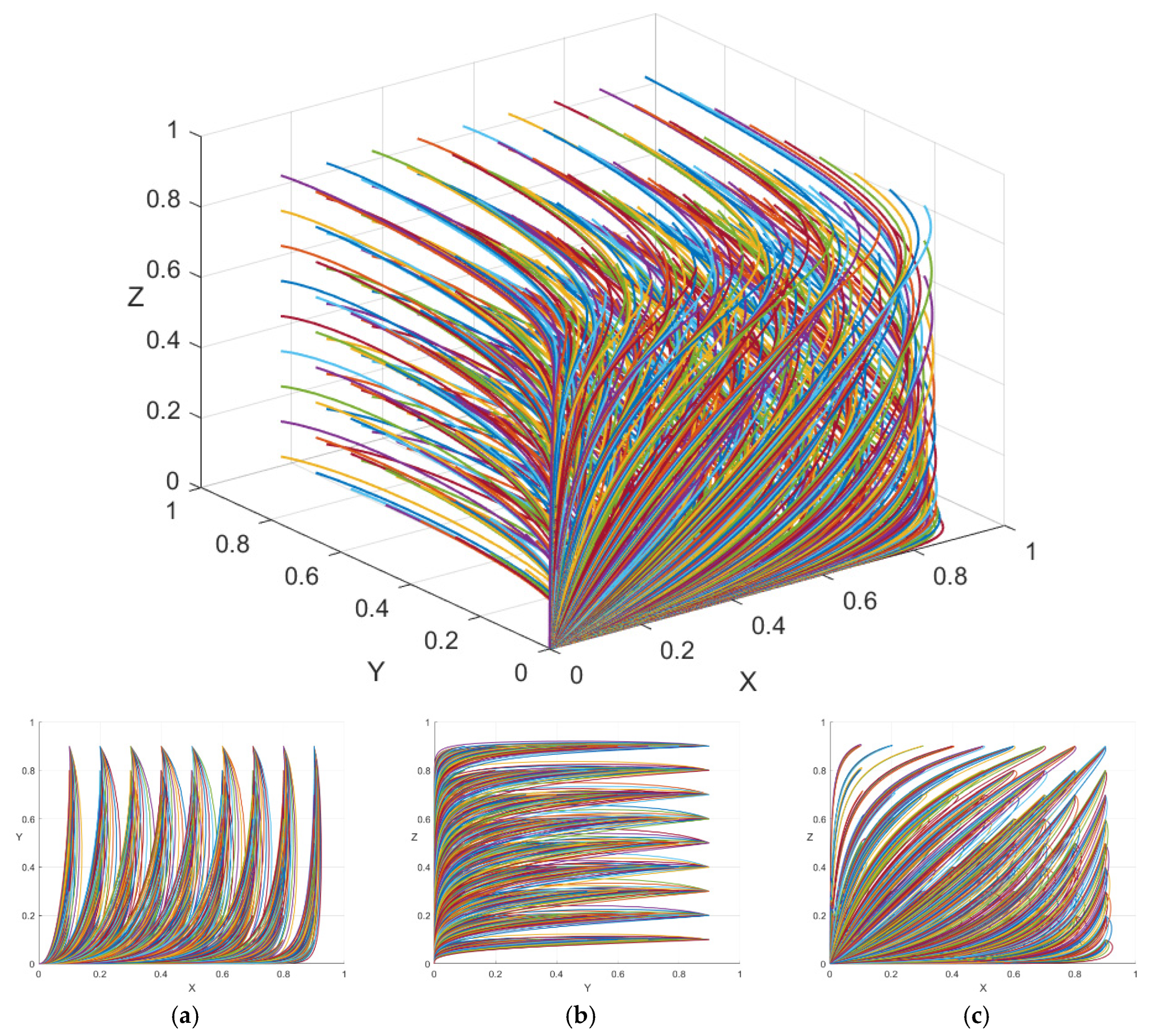
6. Sensitivity Analysis
The previous section discussed the pure strategy analysis of the three-party evolutionary game system under four different scenarios. This paper selects Scenario Three, which is most in line with the current situation of the Chinese market, as the reference for subsequent sensitivity analysis scenarios and parameter values. This section mainly discusses the impact of government subsidies , the environmental benefits obtained by the government from the electrification of logistics vehicles, the direct price rates, and the price fluctuations , and when manufacturers set pricing strategies to and discounted price ratio between battery leasing and purchasing batteries, the strategic choices of the three parties.
6.1. The Sensitivity Analysis of Government Subsidy Intensity S
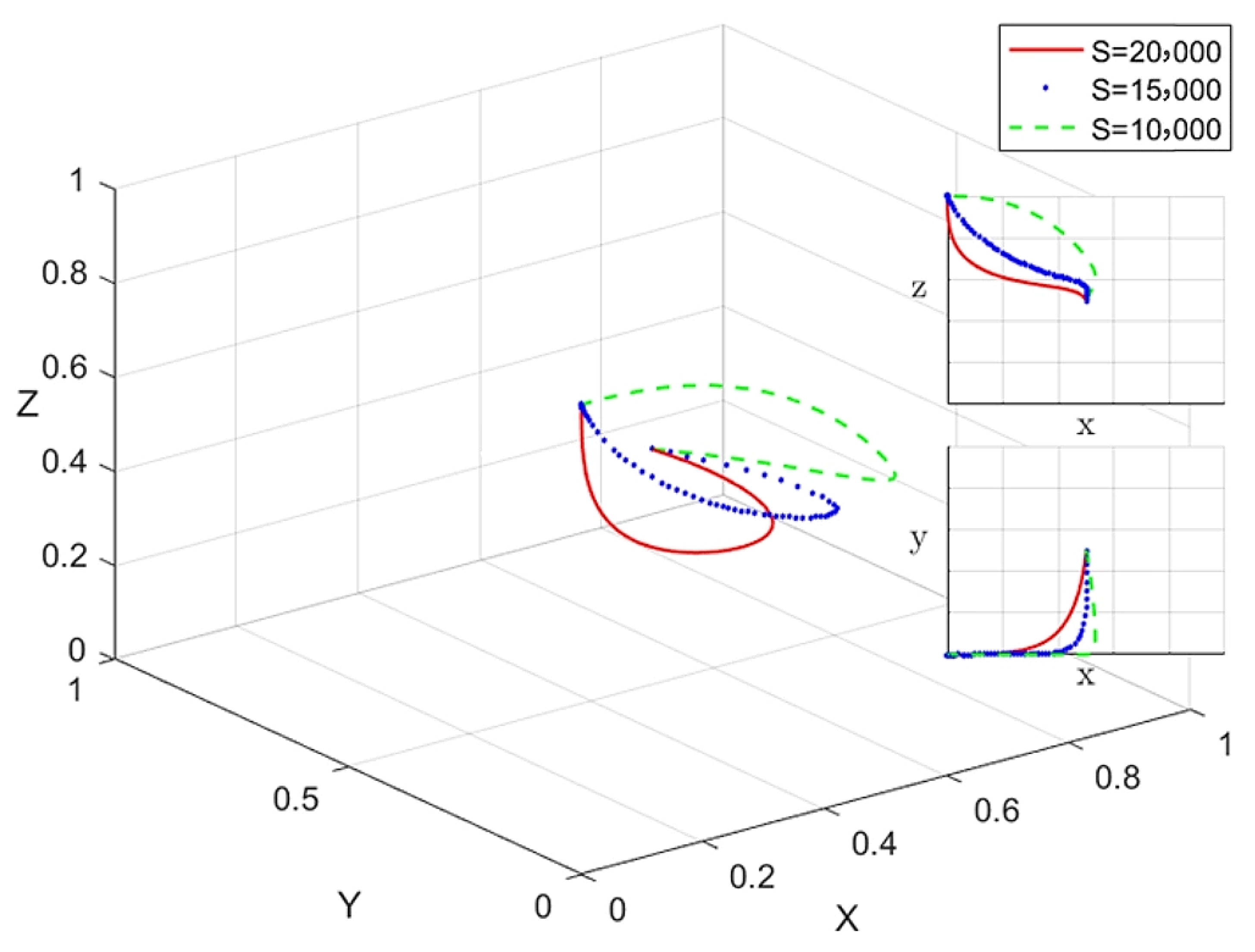
The intensity of government subsidies, denoted as , is a crucial consideration for policymakers in addition to the duration of subsidy policies. A reasonable subsidy level can promote industry development without imposing unnecessary additional financial burdens on the government. This section sets the subsidy intensity at three levels, 20,000, 15,000, and 10,000, to simulate the gradual withdrawal of government subsidy policies and the step-by-step reduction of subsidy intensity in the current era.
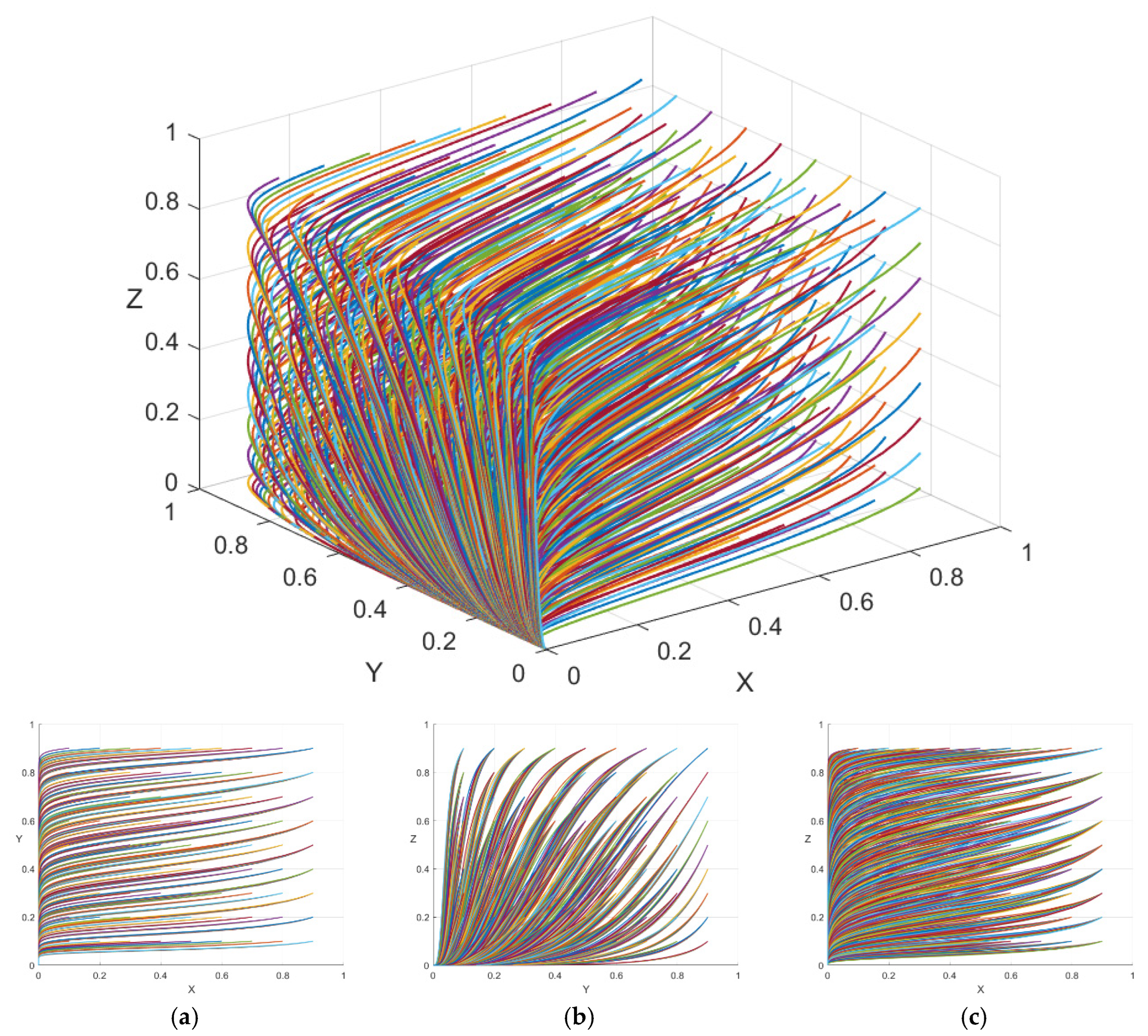
Figure 8 reflects the impact of the government subsidy amount S on the evolution of the system’s stable strategy. It can be observed that the gradual reduction of subsidy intensity effectively promotes the evolution process of the model towards a stable point. From the right-side
view, it is visible that as the subsidy intensity decreases, even if the policy subsidy probability starts at the same initial position, consumer enterprises will still converge more quickly to the choice of battery leasing to compensate for the additional expenditure cost caused by the insufficient subsidy.
It is worth noting that during the phase of government subsidy intensity, the convergence process of the evolutionary game curve is initially driven mainly by the rapid shift in the purchase methods of consumer enterprises and the government’s efforts to maintain vehicle purchase subsidies. At this time, the government subsidy probability remains around the initial value of 0.5 without significant changes. However, as the consumer enterprise group quickly converges on the purchase method of battery leasing, the overall purchase cost will no longer decrease significantly. At this point, the manufacturers’ penetration pricing behavior is the main driving force for further market growth. After the purchase cost decreases and the market scale gradually emerges, the government subsidy decision will quickly converge on the subsidy phase-out, allowing the market to self-improve. Conversely, when the government subsidy intensity is high and very close to the environmental benefits that the government gains from the electrification of logistics vehicles, the net benefit generated by the subsidy policy is relatively low. Therefore, the government initially opted for a subsidy phase-out decision to reduce expenditure costs.
6.2. The Environmental Benefits U That the Government Gains from the Electrification of Logistics Vehicles
In this article, since factors such as industry taxes and social welfare are not considered, the environmental benefits gained by the government from the electrification of logistics vehicles will be the only benefit obtained by the government from electrifying logistics vehicles. The environmental benefits brought about by the low noise and zero emissions of electric logistics vehicles will be the main driving force for the government to promote the development of the electric logistics vehicle industry. This section sets three levels of environmental benefits at 25,000, 15,000, and 35,000 to explore their impact on the evolutionary game system.
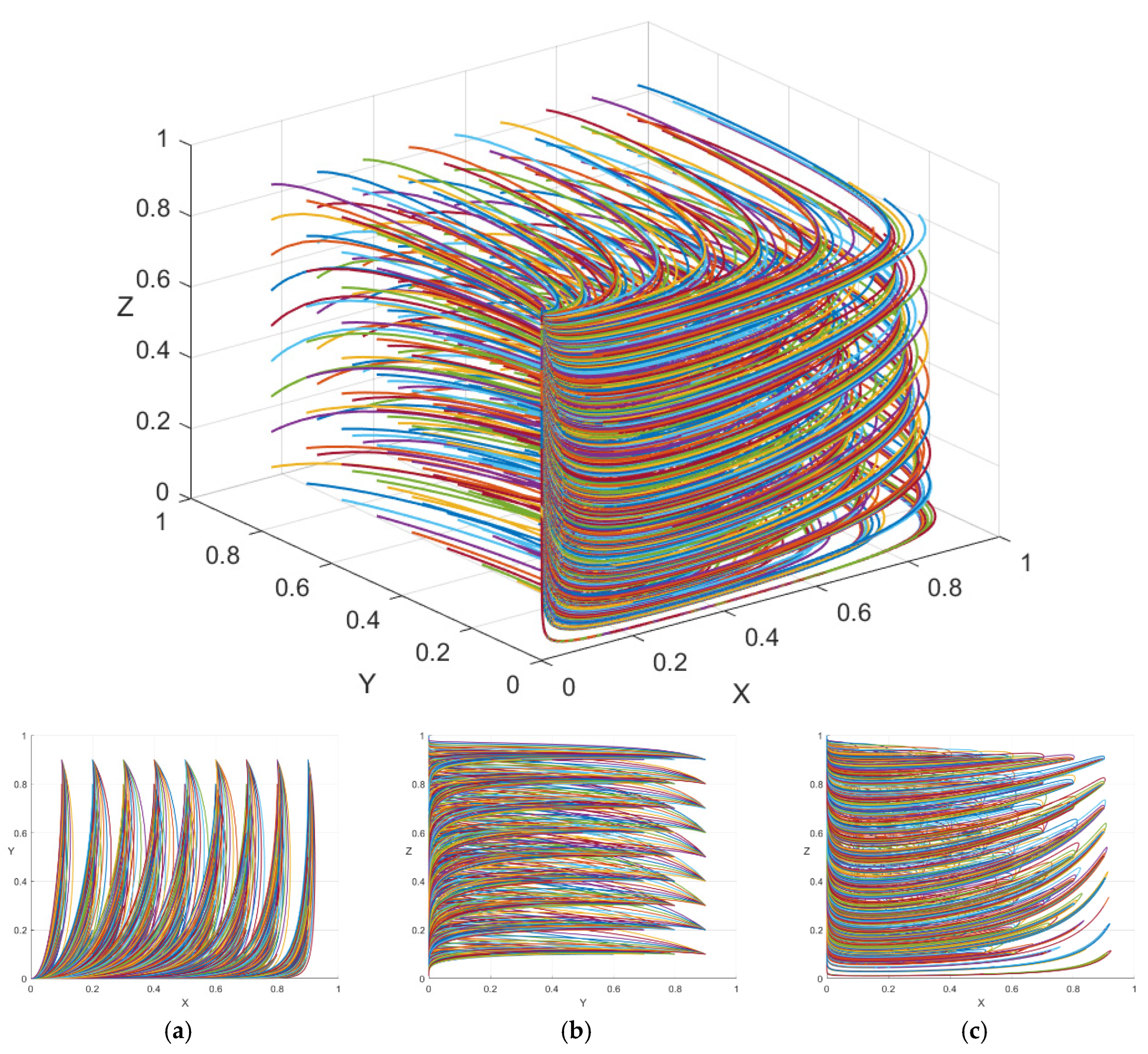
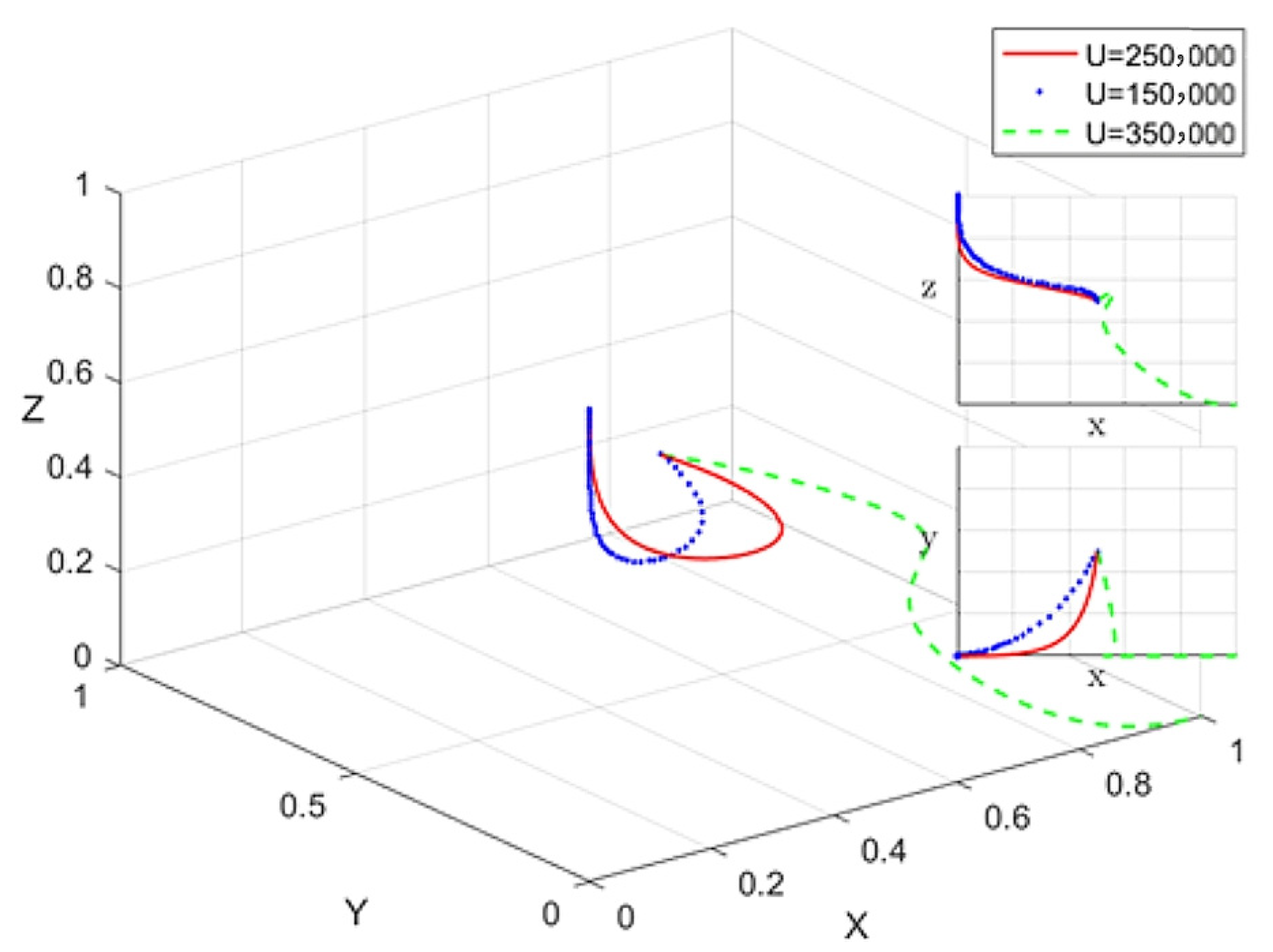
Figure 9 reflects the impact of environmental benefits U on the evolution of the system’s stable strategy. It can be seen that the magnitude of environmental benefits directly affects the probability of government subsidies; when there are significant benefits, government decision-making will shift towards continuing to implement subsidy policies. Environmental benefits are mainly composed of fuel savings from the electrification of logistics vehicles, as well as the reduction in emissions of harmful gases such as carbon dioxide, nitrogen oxides, and particulate matter, which are beneficial to improving urban air quality. From the inset on the right, it can be seen that a reduction in environmental benefits is conducive to accelerating the evolution of the game system. When environmental benefits are significant, the market size will increase, and manufacturers’ expectations for market size will also increase, so even if manufacturers adopt non-penetrating pricing, they can still obtain sufficient profits.
However, such benefits are currently primarily based on subjective pricing, and few regions or countries have established detailed pricing policies for these benefits. Since these benefits are difficult to quantify, the government mainly adopts encouragement and tax subsidies for environmental protection actions. The diagram shows that only when the environmental net benefits are far higher than the reasonable range, and the subsidy intensity remains unchanged, will the government continue to adopt financial subsidy strategies. This strategy is optimal if there are scenarios with severe environmental pollution and high environmental benefits, such as mines. The common logistics hubs and urban roads currently do not meet this definition, which makes this subsidy scenario only applicable in a limited scope.
6.3. The Discount Rate , the Discount Ratio of the Total Price of Battery-Swapping Services over the Entire Lifecycle Compared to the Price of Power Batteries, and the Intuitive Ratio
Although at first glance, compared to the one-time cost of purchasing batteries directly, the cost of battery-swapping services that consumer enterprises have to pay over the entire lifecycle is higher when choosing to lease batteries, this ratio is reflected as the intuitive ratio in the text. It is clear that at this time. Even without considering factors such as currency devaluation and inflation, consumer enterprises that choose to lease batteries will also gain liquidity benefits from the deferred cash flow, and the benefits from this will be more evident for high-investment, heavy-asset, slow-return transformation projects like the electrification of electric logistics vehicles. According to practical operations such as changes in accounting estimates, the discount rate should typically range between 5% and 15% and be negative in rare deflationary situations.
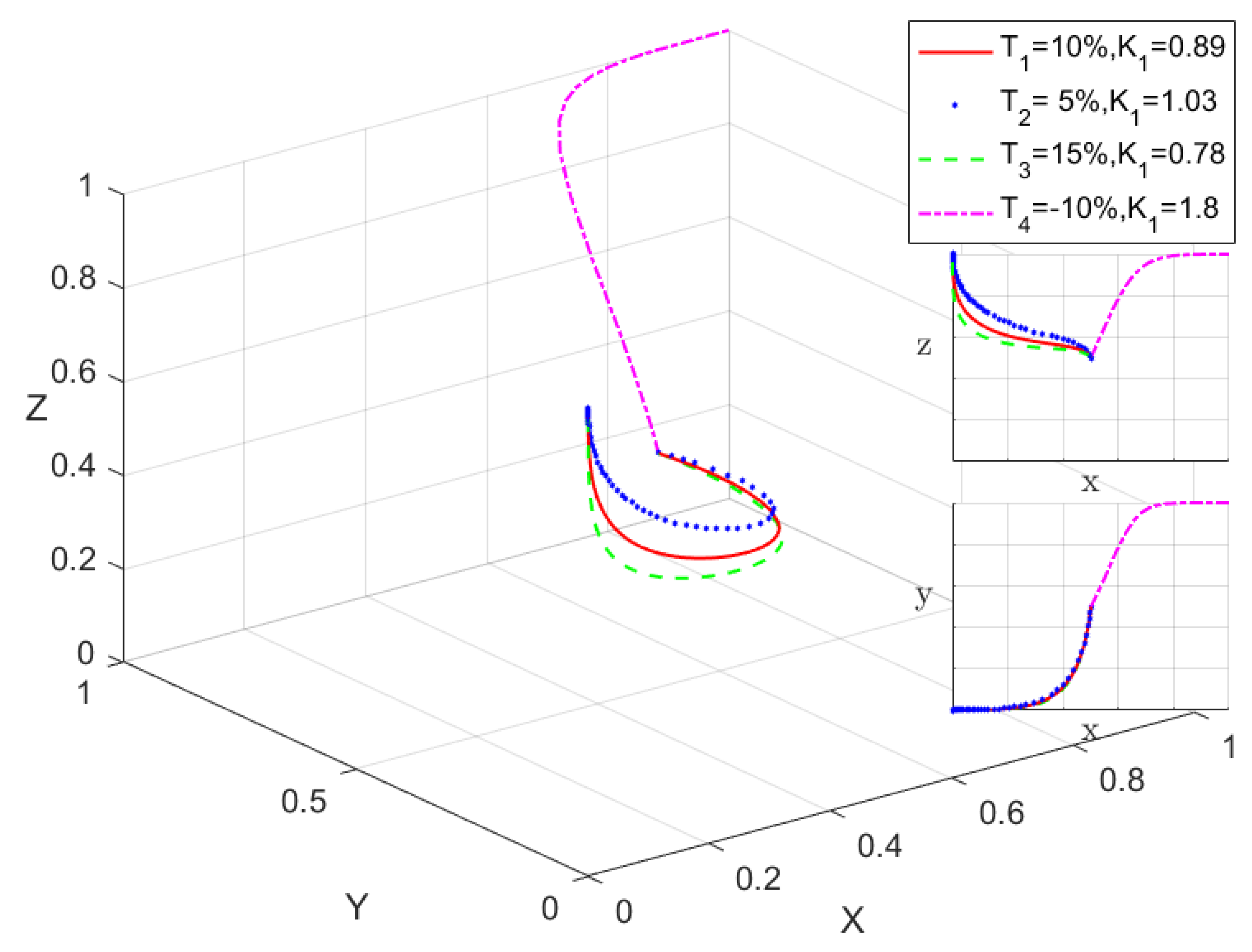
This paper adjusts the discount rate T to indicate the quality of each consumer enterprise’s operations and the differences in future valuation performance to suit different end users, taking 5%, 10%, 15%, and −10%, respectively, as shown in
Table 7.
Figure 10 reflects the impact of the ratio
, between the discounted price of battery-swapping services and the selling price of power batteries on the evolution of the system’s stable strategy.
will be a key factor influencing consumers’ choices in car purchase patterns. As assumed (e) in the previous text, the range of values for
mainly depends on the total expenditure cost of battery-swapping services over the entire lifecycle of electric logistics vehicles and the discount rate.
When the lifecycle price of battery-swapping services and the discount rate are within a reasonable range, that is, when the expenditure on battery-swapping services is slightly higher than the selling price of power batteries and when , consumers tend to opt for the battery leasing purchase method to reduce initial investment capital and total expenditure over the period. From the curve where the discount rate is 0.05 and the discount ratio is 1.03, it can be observed that even when the expenditure on battery-swapping services slightly exceeds the cost of directly purchasing power batteries, consumer enterprises still use the battery leasing purchase method. This is due to the different price sensitivities of consumers to the two types of payment methods.
Additionally, even if the expenditure on battery-swapping services and the selling price of power batteries remain unchanged, when the external economic environment experiences deflation, consumer enterprises face further financing difficulties, or their business operations contract, the discount rate will become negative. Consumer enterprises will now switch to the whole vehicle purchase method. In this scenario, the vehicle-battery separation and battery leasing solution provided in the battery-swapping mode significantly lacks efficiency in the utilization of funds. From the curve where the discount rate is −0.1 and the discount ratio is 1.8, the price of battery-swapping services, driven by tight cash flow, has somewhat hindered the healthy development of the overall market. Even at this time, manufacturers, out of an advanced pricing strategy for market share and an optimistic view of future market scenarios, are still committed to a penetration pricing strategy. The government is also inevitably turning towards continued subsidies, indicating that the market scale has contracted and is unfavorable in this scenario.
6.4. The Degree of Pricing Fluctuation α and β
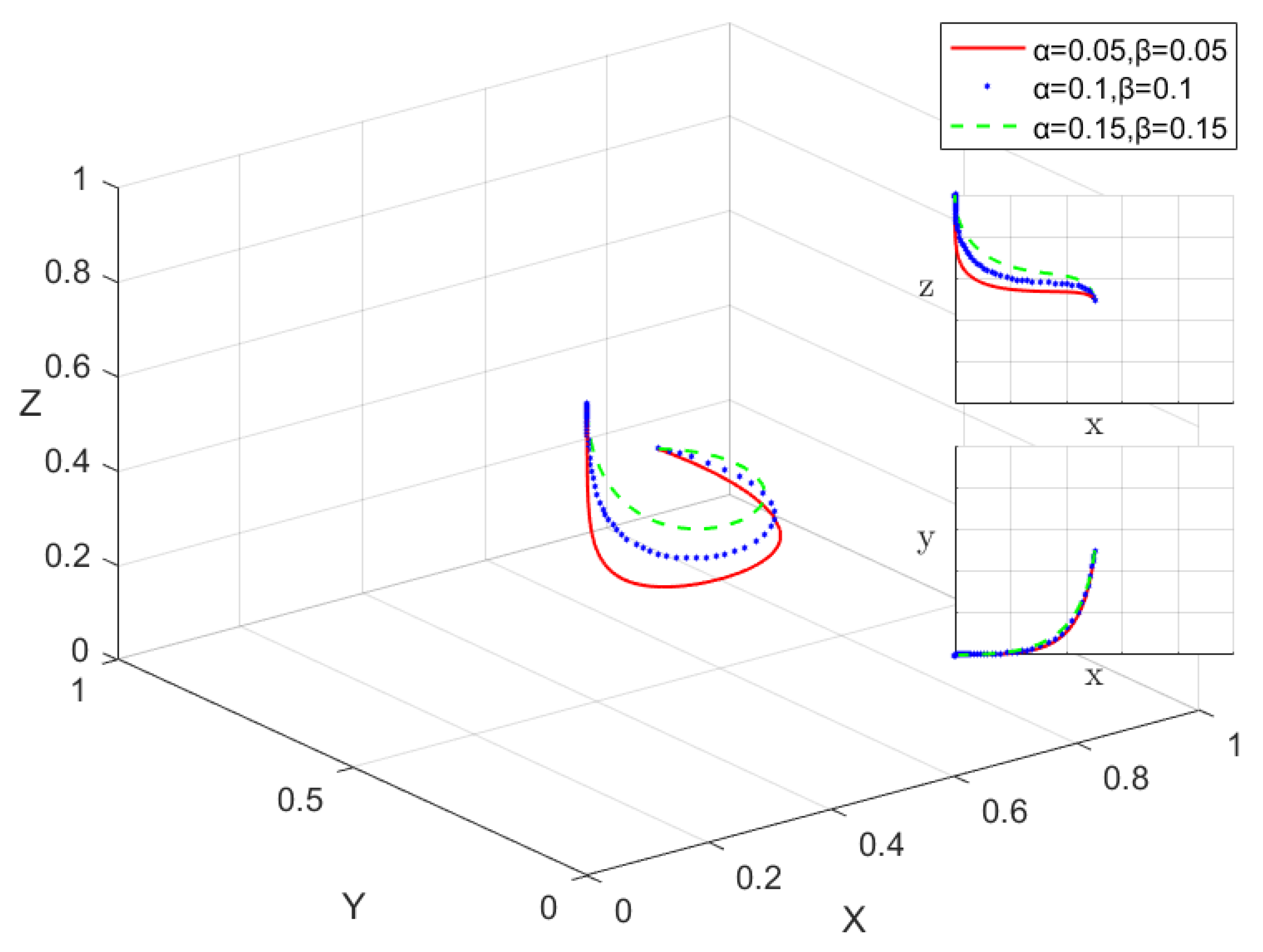
Figure 11 reflects the impact of the degree of pricing fluctuation α and
on the system’s evolutionarily stable strategy when manufacturers adopt different pricing methods. No matter how the pricing fluctuations α and β change, manufacturers tend to prefer a penetration pricing model, that is, to reduce the selling price of electric logistics vehicles and the price of battery-swapping services to capture a larger market share. This is determined by the manufacturer’s advanced pricing for market share and an optimistic view of future market scenarios. Unlike the rapid development of electric passenger cars in recent years, heavy asset electric commercial vehicles, represented by electric logistics vehicles, have characteristics such as a late start, an imperfect supply chain, and a low market penetration rate. Various models on sale are usually in the product route selection stage, and the market still has a vast potential consumer demand.
Under the premise that manufacturers are accelerating to capture market share, the emergence of penetration pricing as an evolutionarily stable result in the evolutionary game is realistic. Currently, many manufacturers adopt a marketing model that combines penetration pricing with battery-swapping, highlighting the head start of their leading enterprises in perfecting their supply chain architecture while also indicating an optimistic expectation for the future market, proving that the good market prospects of electric logistics vehicles are sufficient to compensate for short-term profit losses. On the contrary, whether manufacturers can reverse the current profit margin situation depends on whether the potential market demand is fully released and whether their manufacturing processes and supply chain systems can be further improved. Otherwise, with the influx of new competitors and the further intensification of price wars, manufacturers’ profits may experience a significant contraction. At this point, manufacturers are very likely to fall into a vicious cycle of over-competition, where extremely low base profit margins and fierce external competition limit the manufacturer’s pricing strategy shift, ultimately leading to difficulties in developing the enterprise and the industry.
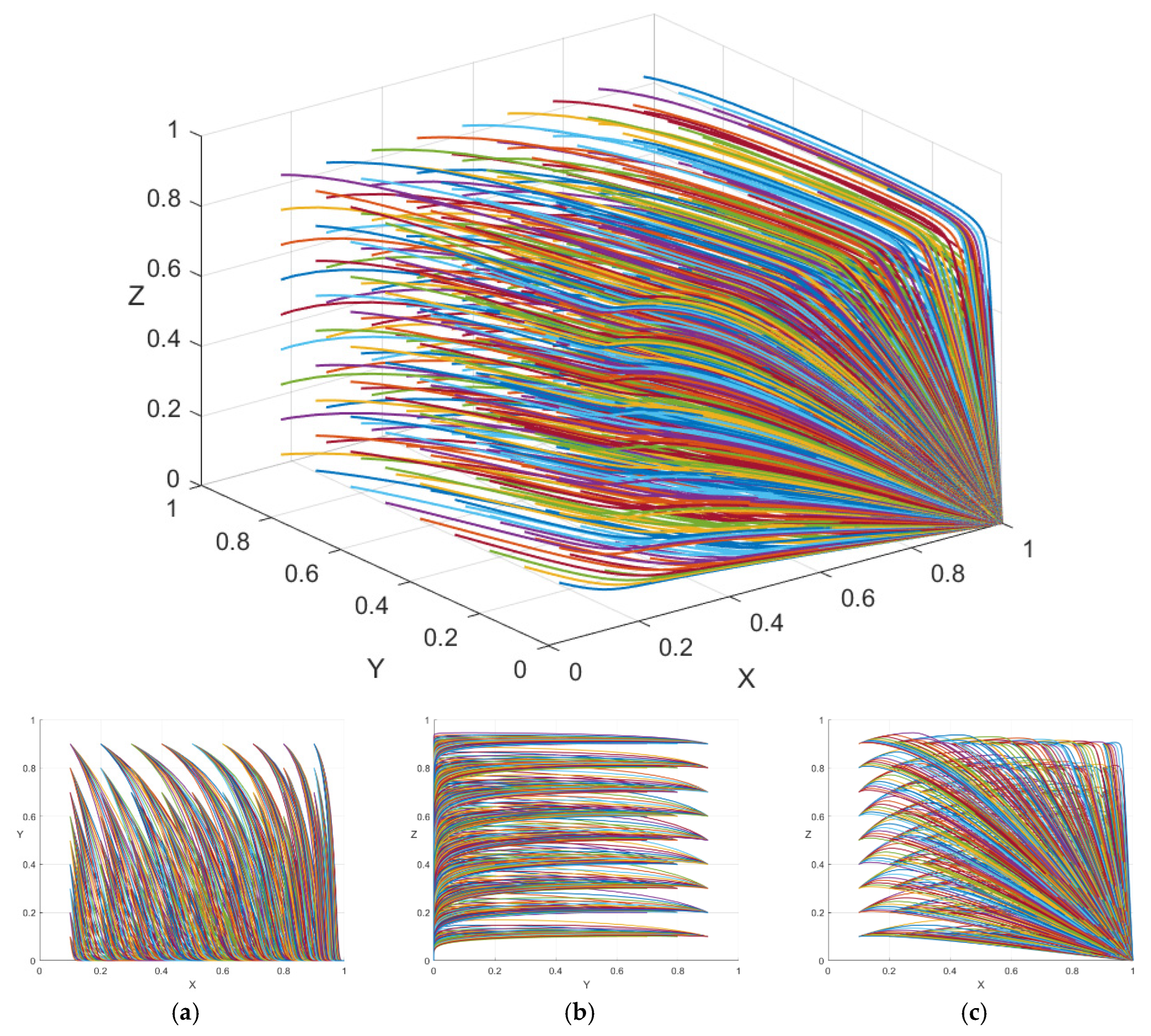
After determining that manufacturers in this scenario tend to adopt penetration pricing strategies, the degree of pricing fluctuation and also significantly impact the government’s strategic choices. From the government’s perspective, it is known that after manufacturers adopt penetration pricing, the selling price of electric logistics vehicles will decrease further. Coupled with the promotion of the battery leasing purchase plan, the purchase cost for consumer enterprises has been further reduced, leading to a significant increase in market size. It can be seen from the right-hand figure that more aggressive penetration pricing will slow down the government’s process of subsidy phase-out because, under the same level of subsidy intensity, a faster electrification process of electric logistics vehicles will bring greater environmental benefits, which balances part of the government’s fiscal expenditure.
7. Conclusions and Implications
7.1. Research Conclusions
In this paper, an evolutionary game model involving the government, consumer enterprises, and manufacturers during the electrification process of electric logistics vehicles is constructed based on evolutionary game theory. The strategic choices of each participant are explored, and the dynamic evolution of the strategic decisions under different scenarios is simulated using real-world data. The paper further analyzes the impact of government subsidies, the environmental benefits obtained by the government from the electrification of logistics vehicles, the direct and discounted ratios of battery leasing to purchasing battery prices, and the influence of price fluctuations and system evolution on manufacturers’ pricing strategies. Based on the above analysis, the following conclusions are reached.
Firstly, the strategies of the government and manufacturers are influenced by the market size and manufacturers’ expectations of market share. When the market size is large or manufacturers hold lower expectations for future market growth, they will adopt a non-penetration pricing strategy. The market size is directly related to the demand of consumer enterprises; due to the significant demand, even if manufacturers choose to sell at a higher price, many consumers are still willing to pay, and the government does not need to continue providing subsidies. Conversely, when manufacturers believe that the market has no potential, they will still choose a non-penetration pricing strategy to ensure their profits; even if the government chooses to invest in subsidies to promote the expansion of the market size, it is still not enough to turn the situation around. On the premise that manufacturers have an optimistic attitude towards the market, in the face of the government’s subsidy phase-out measures, manufacturers will change their pricing strategy to maintain sales volume growth. Since manufacturers have a more reasonable estimate of the market share of electric logistics vehicles, they are more willing to choose a penetration pricing strategy. However, if malicious low-price competition arises, the government’s subsidy phase-out process will slow down.
Secondly, considering the discount rate, leasing batteries is a better choice for consumer enterprises that operate electric logistics vehicles. When designing and adjusting market strategies, it is necessary to comprehensively consider multiple factors, such as price and discount rate, and how they affect consumers’ car purchase decisions and the market’s healthy development. Electric logistics vehicles are capital-intensive projects with high initial purchase costs and long payback periods. Under general economic conditions, for consumer enterprises, the method of battery leasing can avoid a one-time payment of high purchase costs, reducing the initial investment cost. Changes in the discount rate will affect consumers’ preferences for different car purchase models. Suppose the external economic environment leads to a negative discount rate. Consumers may turn to the whole vehicle purchase method because the leasing model has lower capital utilization efficiency under tight cash flow conditions.
Thirdly, policy changes can affect market behavior, and the feedback from market behavior can, in turn, influence policy adjustments. The government’s reduction in subsidy (triggered at >20% [
9] market penetration or <¥650/kWh battery cost [
53]) efforts can effectively encourage the market to develop toward battery leasing. Even if the probability of policy subsidies remains unchanged, consumer enterprises will more quickly turn to battery leasing to offset the additional costs resulting from reduced subsidies. When consumer enterprises widely choose battery leasing and the purchase cost no longer significantly decreases, the manufacturer’s penetration pricing strategy becomes the main driving force for market growth. When the government’s subsidy efforts are substantial and close to environmental benefits, it will prioritize reducing subsidies to lower expenditure costs, indicating that it will consider net benefits and cost-effectiveness in subsidy policies. As the market size grows and purchase costs decrease, the government’s subsidy decisions will converge more quickly toward the phase-out direction, allowing market forces to play a role without government intervention.
7.2. Management Implications
This study provides management recommendations for the government, electric logistics vehicle manufacturers, and consumer enterprises.
The government can decide whether to provide car subsidies according to the market size of electric logistics vehicles. From the market size perspective, when the market size is medium or small, the government can reduce the R&D costs for manufacturers and maintain their operations by appropriately extending and increasing subsidies. At the same time, the government’s providing subsidies can play a guiding role, reduce the car purchase costs for consumers, stimulate consumers’ enthusiasm for buying electric logistics vehicles, and drive the overall market demand. However, when the market size is large, the impact of the subsidy phase-out on manufacturers is limited. At this point, the government should stop providing purchase subsidies for electric logistics vehicles and let them shift from policy-driven to market-driven. The phase-out of subsidies allows manufacturers to gradually eliminate their dependence on financial subsidies, respect market laws, let the market regulate itself, and let the fittest survive.
Due to the relative concentration of production and the absolute dispersion of consumption, manufacturers must increase their investment and optimize supply chain management through digital technology to respond to consumer demand promptly. They should use historical data to estimate the demand for battery-swapping and energy replenishment of electric logistics vehicles in terms of quantity, time, and location. This helps in planning the density of the battery-swapping and energy replenishment network, optimizing the location of swapping stations, and storing a certain number of spare batteries. By doing so, manufacturers can meet customer needs while controlling costs. In addition, the lack of uniformity in battery-swapping standards across different brands of electric logistics vehicles is a significant bottleneck restricting market expansion. Proprietary standards confine manufacturers to serving only their own models, fragmenting the service network and limiting consumer choice. To overcome this critical barrier and unlock economies of scale, manufacturers should actively pursue concrete paths towards standardization, particularly focusing on battery swap interface protocols. This could involve: 1. Forming Strategic Alliances with Leading Players: Collaborate with key industry stakeholders (e.g., major vehicle manufacturers like Sany, Volvo, and battery giants like CATL) to establish technical working groups. These groups would be tasked with defining and agreeing upon common physical interfaces (e.g., mechanical locking mechanisms, electrical connectors, coolant couplings) and communication protocols (e.g., data exchange standards for battery status, authentication) for battery swap systems. 2. Phased Implementation and Pilot Programs: Initiate standardization efforts through regional pilot programs involving alliance members. This allows for testing and refinement of the proposed standards in real-world logistics corridors before attempting nationwide or global rollout. Government support could be crucial in facilitating these pilots and providing neutral testing grounds. 3. Leveraging Policy Synergy: Advocate for and align standardization efforts with government regulations and incentive programs. For instance, eligibility for future subsidies or preferential access to urban logistics zones could be linked to adherence to the newly established industry-wide standards.
Consumer enterprises can achieve higher economic benefits through the research and promotion of the battery-swapping and energy replenishment model for electric logistics vehicles, which lowers the threshold for purchasing vehicles. The payment method of battery leasing offers better financial flexibility, significantly reducing the initial investment for consumer enterprises and improving their cash flow to a certain extent. Considering the discount rate, a lower initial investment means that less capital needs to be discounted, thereby reducing the time cost of capital. Moreover, in the long run, the operating costs of electric logistics vehicles are lower than those of traditional fuel vehicles under the battery-swapping mode. Consumer enterprises in the electric logistics vehicle sector have different business scopes, and their needs and usage scenarios also vary. When selecting electric logistics vehicles, each consumer enterprise has its own focus. To address the contradiction between diverse needs and homogenized products, consumer enterprises can collaborate with upstream manufacturers to optimize the BMS according to actual working environments and temperature conditions, ensuring stable operation and meeting specific requirements. Furthermore, through this partnership, both parties can share battery usage data, conduct in-depth analysis, continuously refine BMS algorithms, enhance battery performance, and drive progress in the electric logistics vehicle industry.
This paper only considers the government, manufacturers, and consumer companies, but there are actually other decision-making bodies, such as retired battery recyclers. In addition, in future research, we can refine the progress of electrification in the logistics and transportation industry from the perspective of competition among charging and replacing models, which may achieve new research results.
7.3. Model Generalizability and Sensitivity
7.3.1. Generalizability
This model captures the dynamic interaction among the government, manufacturers, and consumers through a three-party evolutionary game framework. Its core mechanisms (such as the effect of policy subsidies, the calculation of the net present value of battery leasing, and the feedback loop of market size) have cross-scenario universality. However, the current parameter calibration (such as battery cost, vehicle body price) relies on public data from the Chinese market (CATL financial reports, 360che platform), which may limit the direct applicability of the model in low-income countries.
7.3.2. Sensitivity
The model’s stability outcomes are sensitive to battery cost ratios. Cost structures based on CATL data (
Section 5.1) reflect a region. However, emerging markets with underdeveloped supply chains may exhibit shifted equilibria. While replicator dynamics capture strategic learning, they assume: Homogeneous rationality: All consumers identically perceive
and
.
7.4. Limitations
Firstly, to ensure the universality of this study, our model assumes the same lifetime utility , and does not consider that the leasing model should bring additional efficiency benefits. Secondly, this article only considers the three entities of the government, manufacturers, and consumer enterprises. However, in reality, there are other decision-making entities, such as battery recycling companies for retired batteries. Thirdly, this article only considers the subsidies from the government, and merely divides the government’s decisions into “with vehicle purchase subsidy” and “without vehicle purchase subsidy” two categories. In fact, consumers may also receive support from social financing and other sources, and the government’s strategies can be more diverse. In addition, we assume uniform environmental benefits U and recycling revenues M, real-world variations exist (e.g., carbon pricing in the EU vs. emerging economies). Similarly, constant battery-replacement costs () overlook supply chain volatilities. This simplification allows clearer attribution of outcomes to strategic interactions—future work will incorporate stochastic parameters via robust optimization. Subsequent research should focus on deepening the model (utility, leasing benefits), expanding the subjects (recycling enterprises), and enriching the policy/funding mechanisms (diversified tools, social capital), in order to better align with the complexity of reality and expand the research boundaries.