Article

Exploring the Impact of Architectural Landscape Characteristics of Urban Functional Areas in Xi’an City on the Thermal Environment in Summer Using Explainable Machine Learning


1
College of Landscape Architecture & Arts, Northwest A&F University, Yangling 712100, China
2
School of Architecture and Fine Art, Dalian University of Technology, Dalian 116024, China
*
Author to whom correspondence should be addressed.
These authors contributed equally to this work.
Sustainability 2025, 17(14), 6489; https://doi.org/10.3390/su17146489
Submission received: 5 June 2025 / Revised: 29 June 2025 / Accepted: 10 July 2025 / Published: 16 July 2025

Abstract

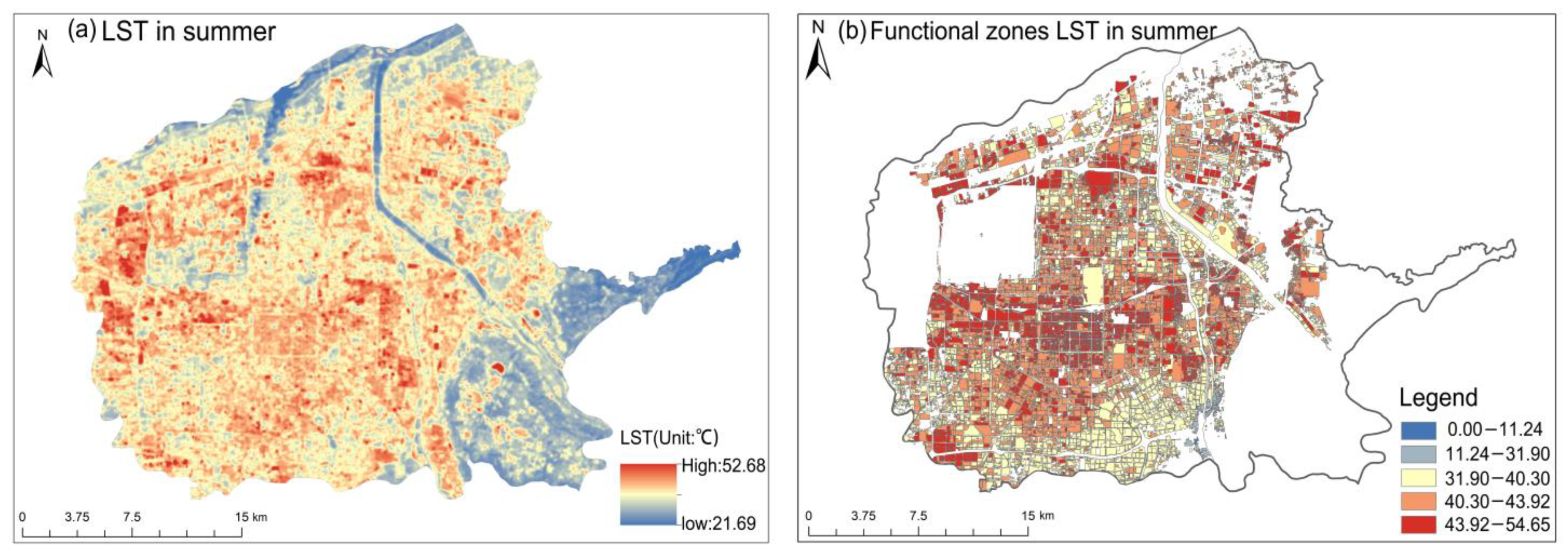
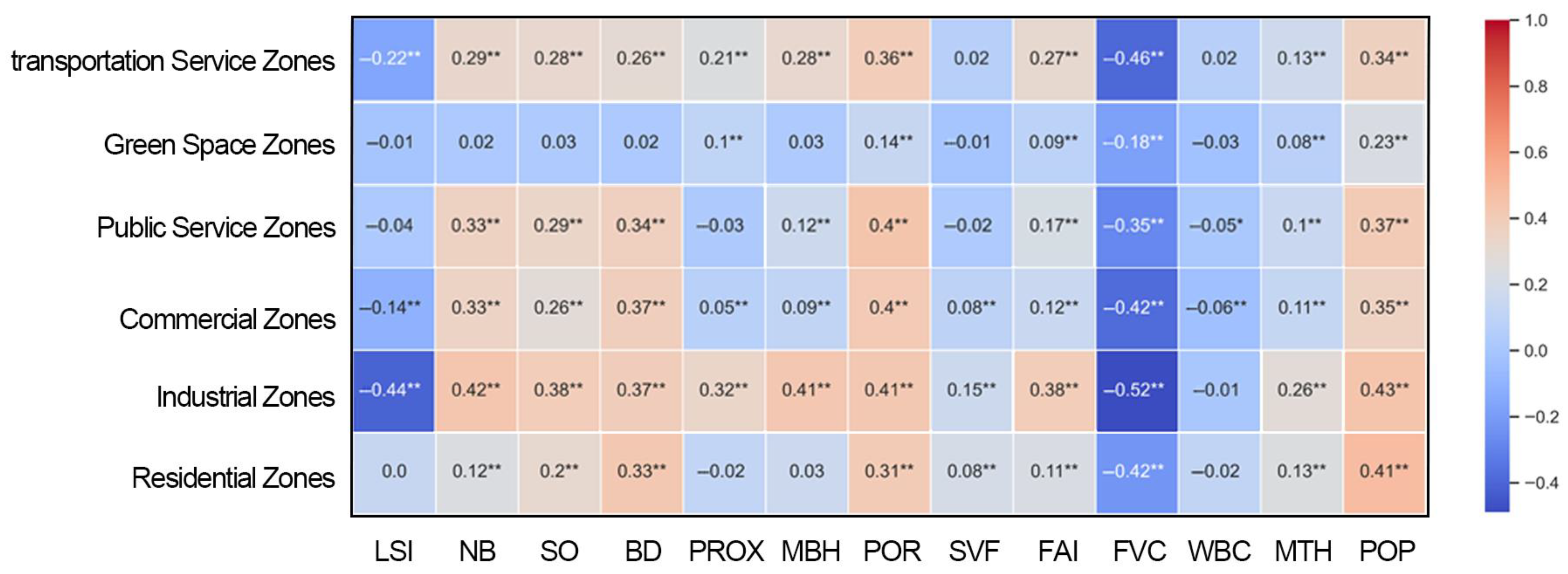
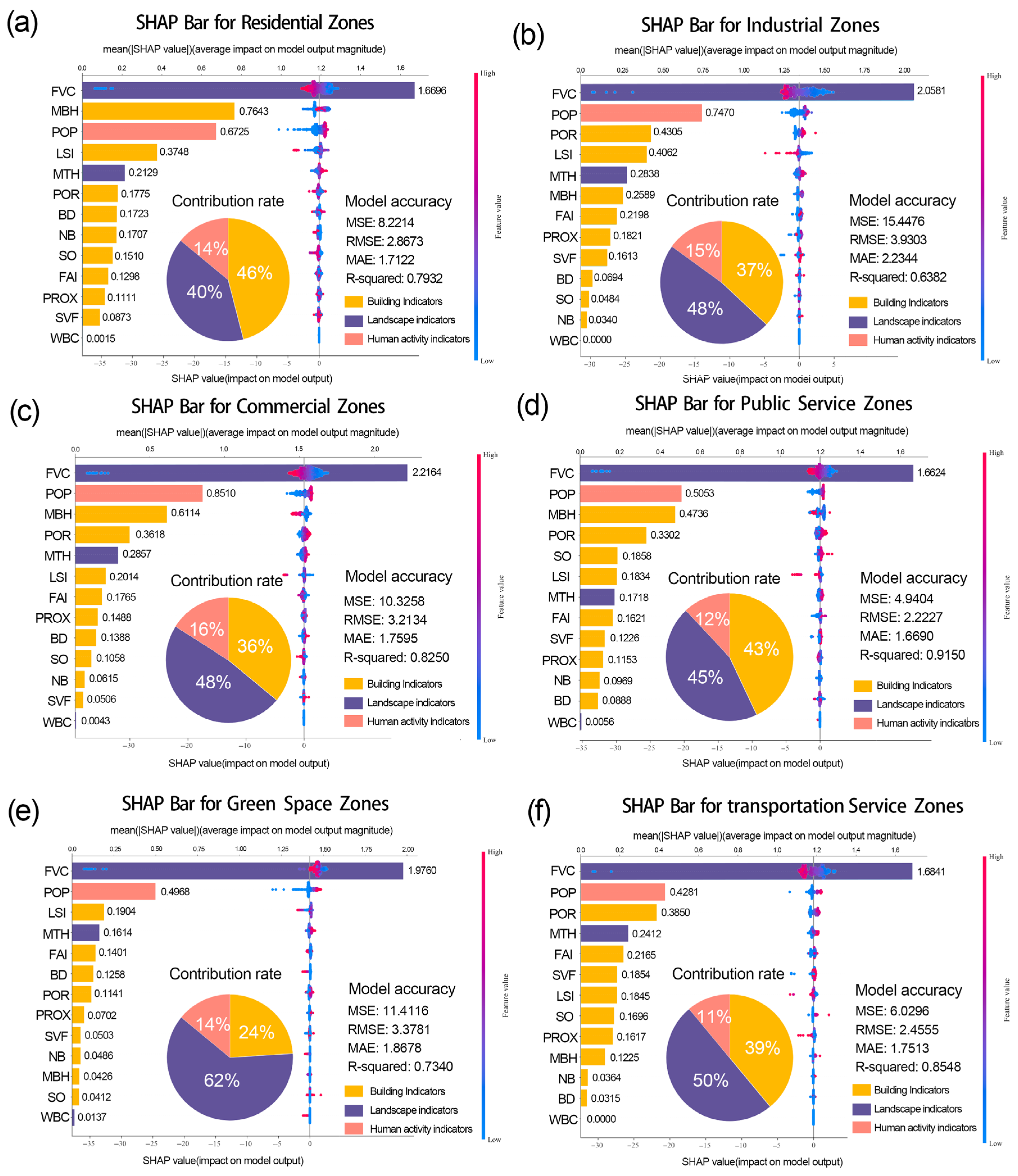
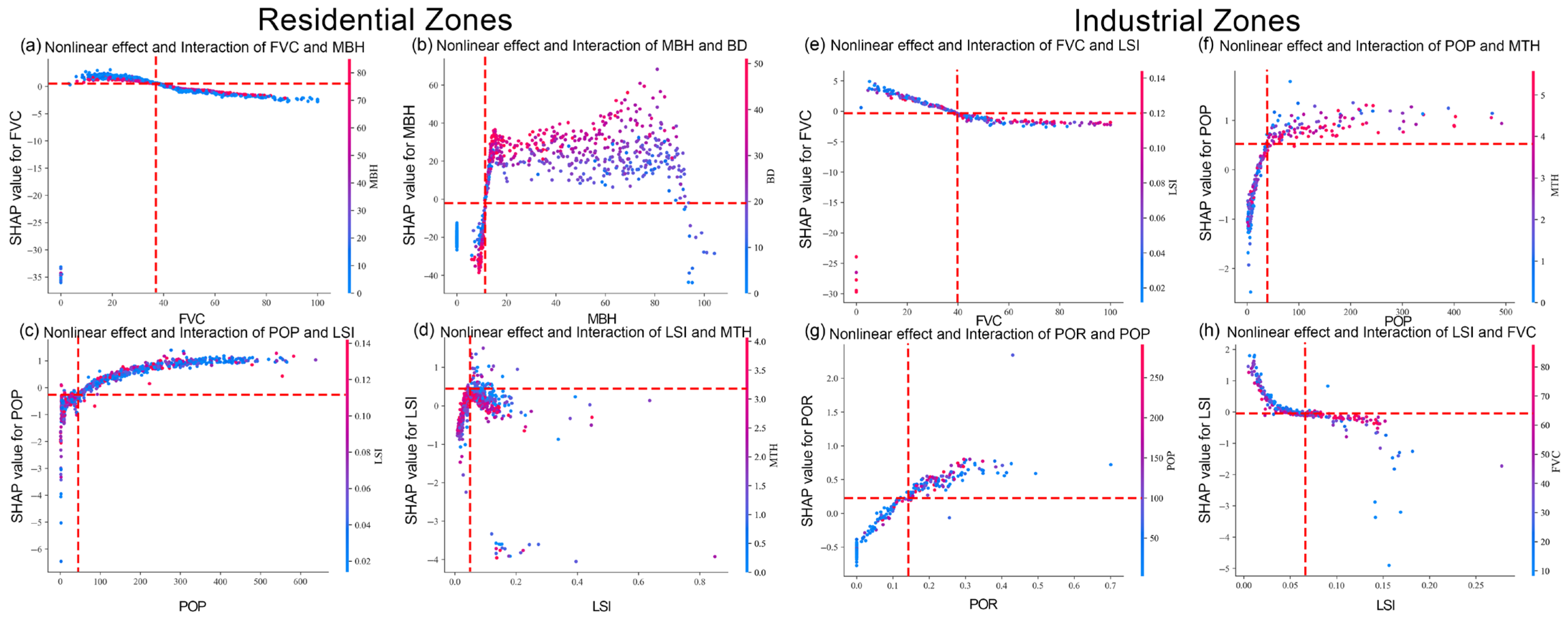
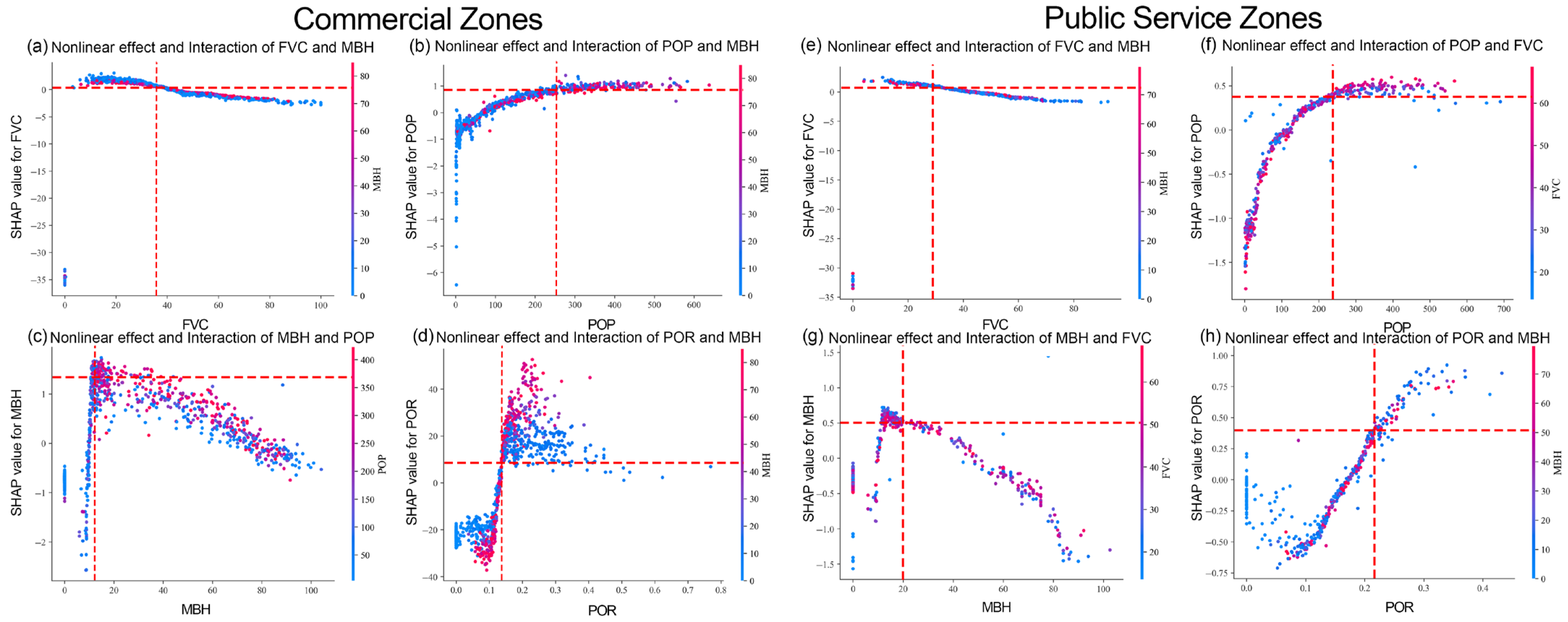
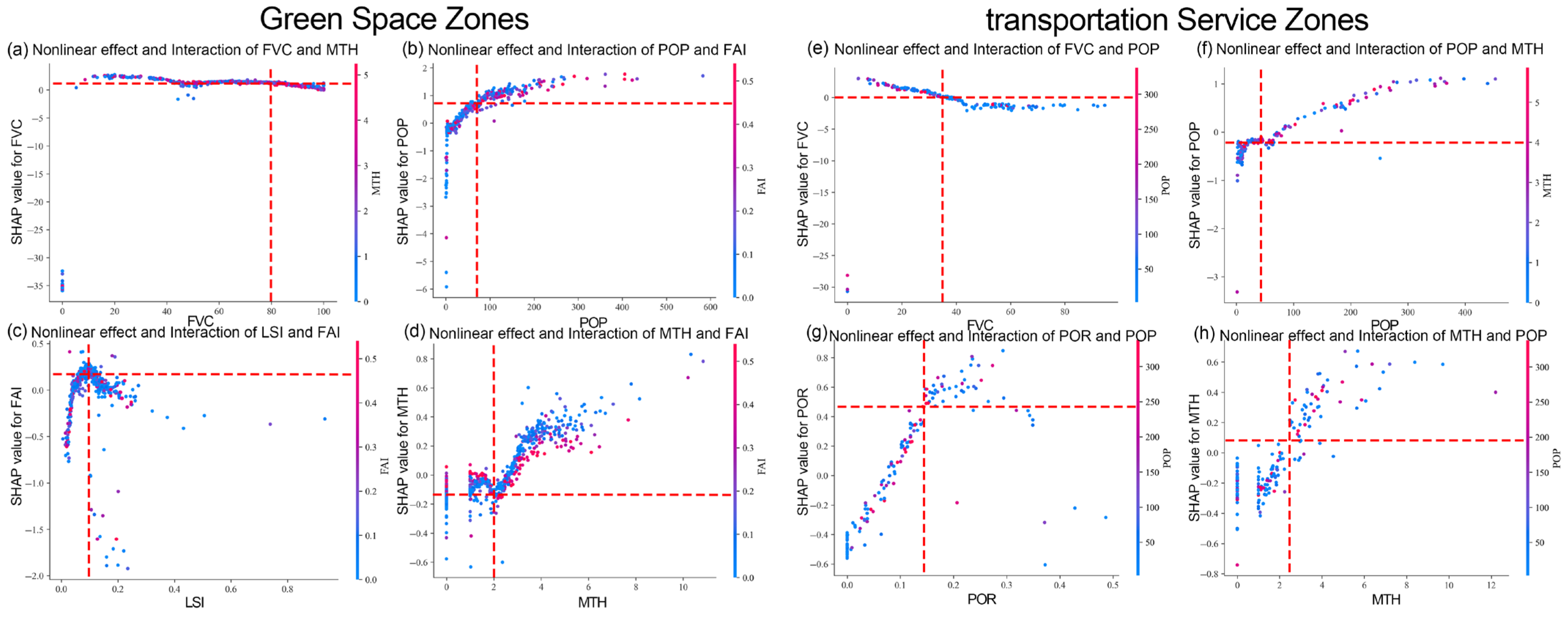
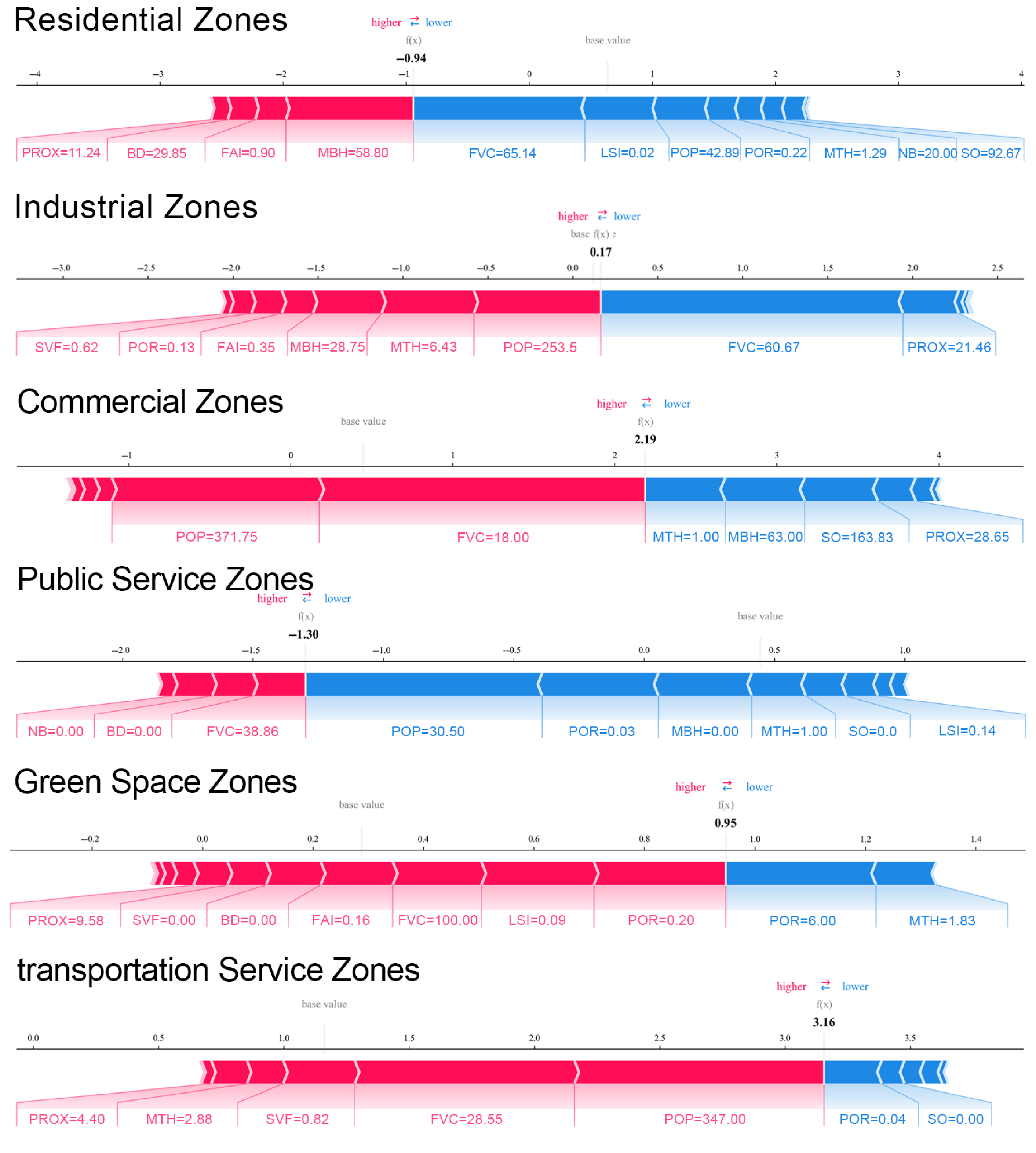
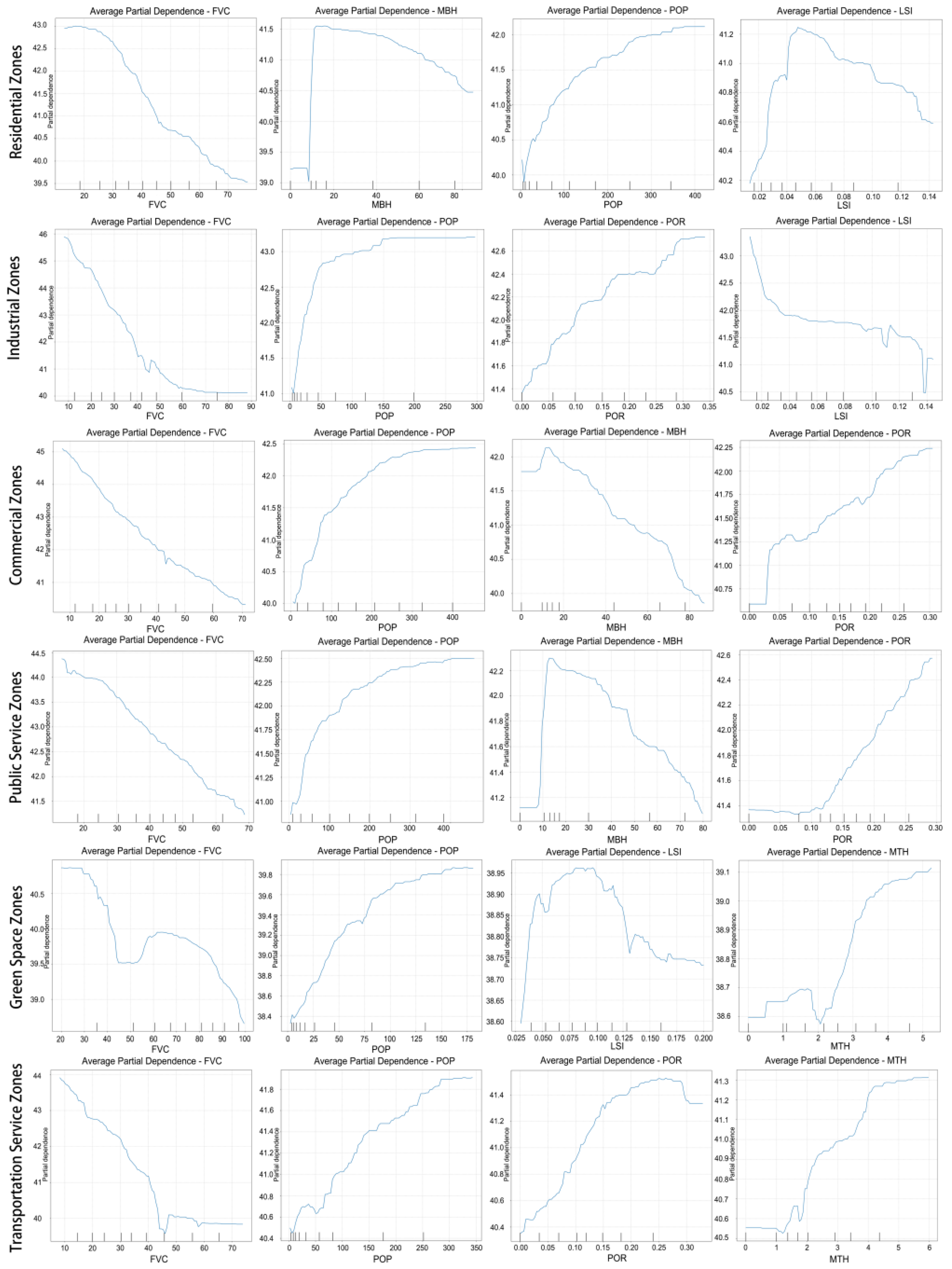
Rapid urbanization has exacerbated the urban heat island effect, posing a significant threat to human health and urban ecosystems. While numerous studies have demonstrated that urban morphology significantly influences land surface temperatures (LSTs), few have systematically explored the impact and contribution of urban morphology on LST across different functional zones. Therefore, this study takes Xi’an as a case and employs an interpretable CatBoost-SHAP machine learning model to evaluate the nonlinear influence of building landscape features on LST in different functional zones during summer. The results indicate the following: (1) The highest LST in the study area reached 52.68 °C, while the lowest was 21.68 °C. High-temperature areas were predominantly concentrated in the urban center and industrial zones with dense buildings, whereas areas around water bodies and green spaces exhibited relatively lower temperatures. (2) SHAP analysis revealed that landscape indicators exerted the most substantial impact across all functional zones, with green space zones contributing up to 62%. Among these, fractional vegetation coverage (FVC), as a core landscape factor, served as the primary cooling factor in all six functional zones and consistently demonstrated a negative effect. (3) Population density (POP) exhibited a generally high SHAP contribution across all functional zones, showing a positive correlation. Its effect was most pronounced in commercial zones, accounting for 16%. When POP ranged between 0 and 250 people, the warming effect was particularly prominent. (4) The mean building height (MBH) constituted a major influencing factor in most functional zones, especially in residential zones, where the SHAP value reached 0.7643. Within the range of 10–20 m, the SHAP value increased sharply, indicating a significant warming effect. (5) This study proposes targeted cooling strategies tailored to six functional zones, providing a scientific basis for formulating targeted mitigation strategies for different functional zones to alleviate the urban heat island effect.
Keywords: central urban area; surface temperature; multi-dimensional urban form; urban functional zone; interpretable machine learning central urban area; surface temperature; multi-dimensional urban form; urban functional zone; interpretable machine learning