Article

Numerical Analysis of Bifacial Photovoltaic Systems Under Different Snow Climatic Conditions

1
Department of Electrical and Electronics Engineering, Kahramanmaras Sutcu Imam University, 46050 Kahramanmaras, Turkey
2
Gaziantep Islam Science and Technology University, 27010 Gaziantep, Turkey
*
Author to whom correspondence should be addressed.
Sustainability 2025, 17(14), 6350; https://doi.org/10.3390/su17146350
Submission received: 15 May 2025 / Revised: 25 June 2025 / Accepted: 3 July 2025 / Published: 11 July 2025
(This article belongs to the Section Energy Sustainability)

Abstract

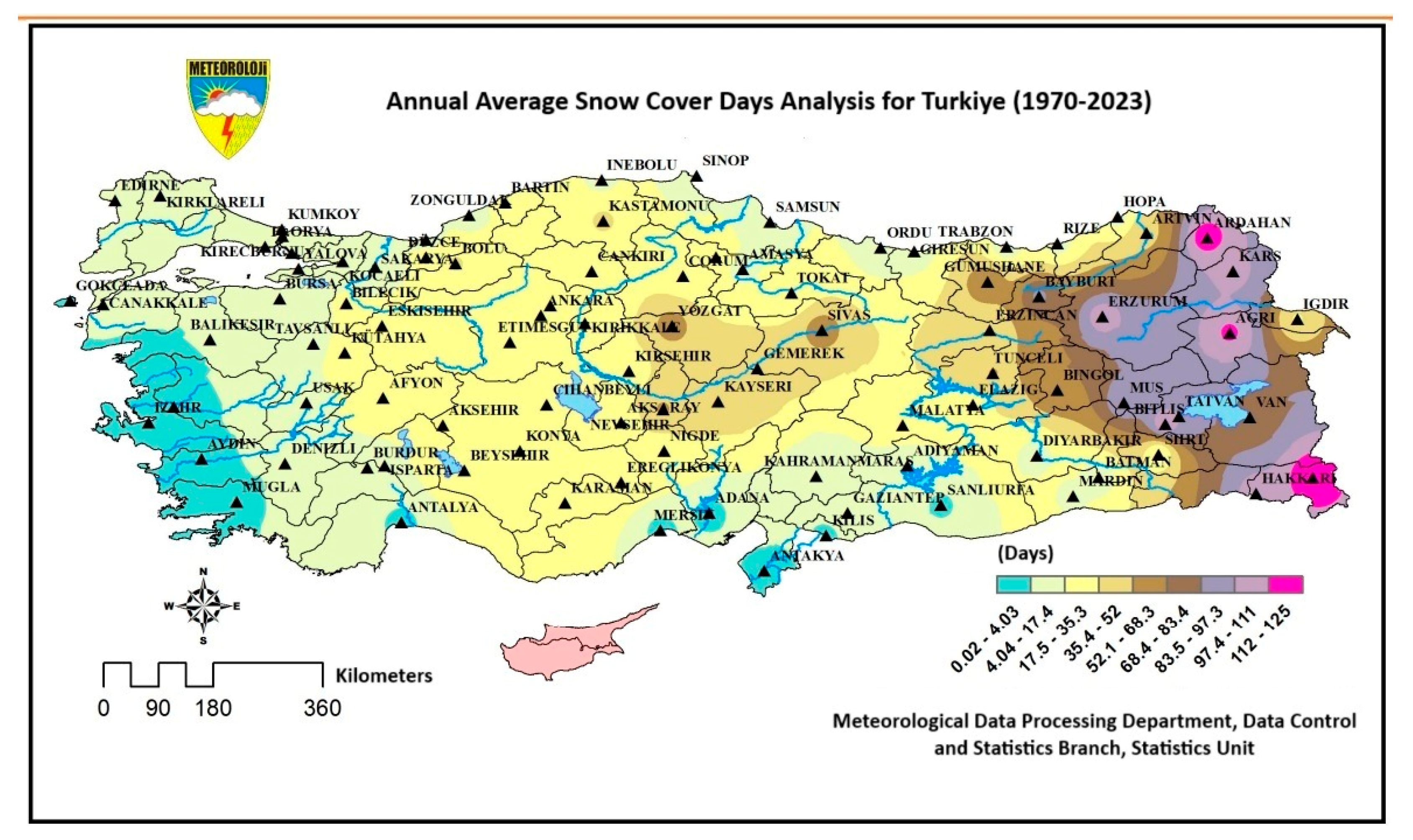
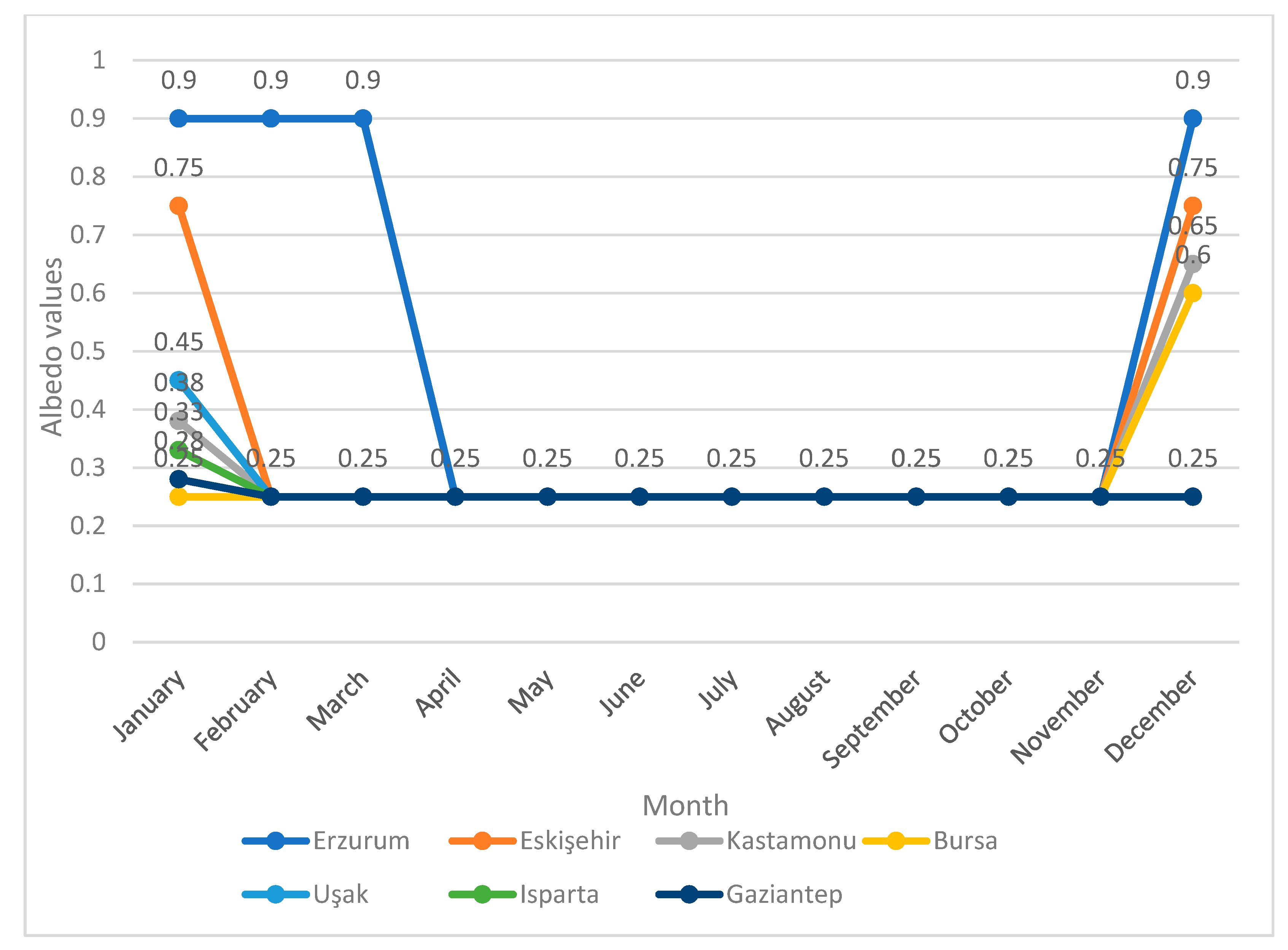
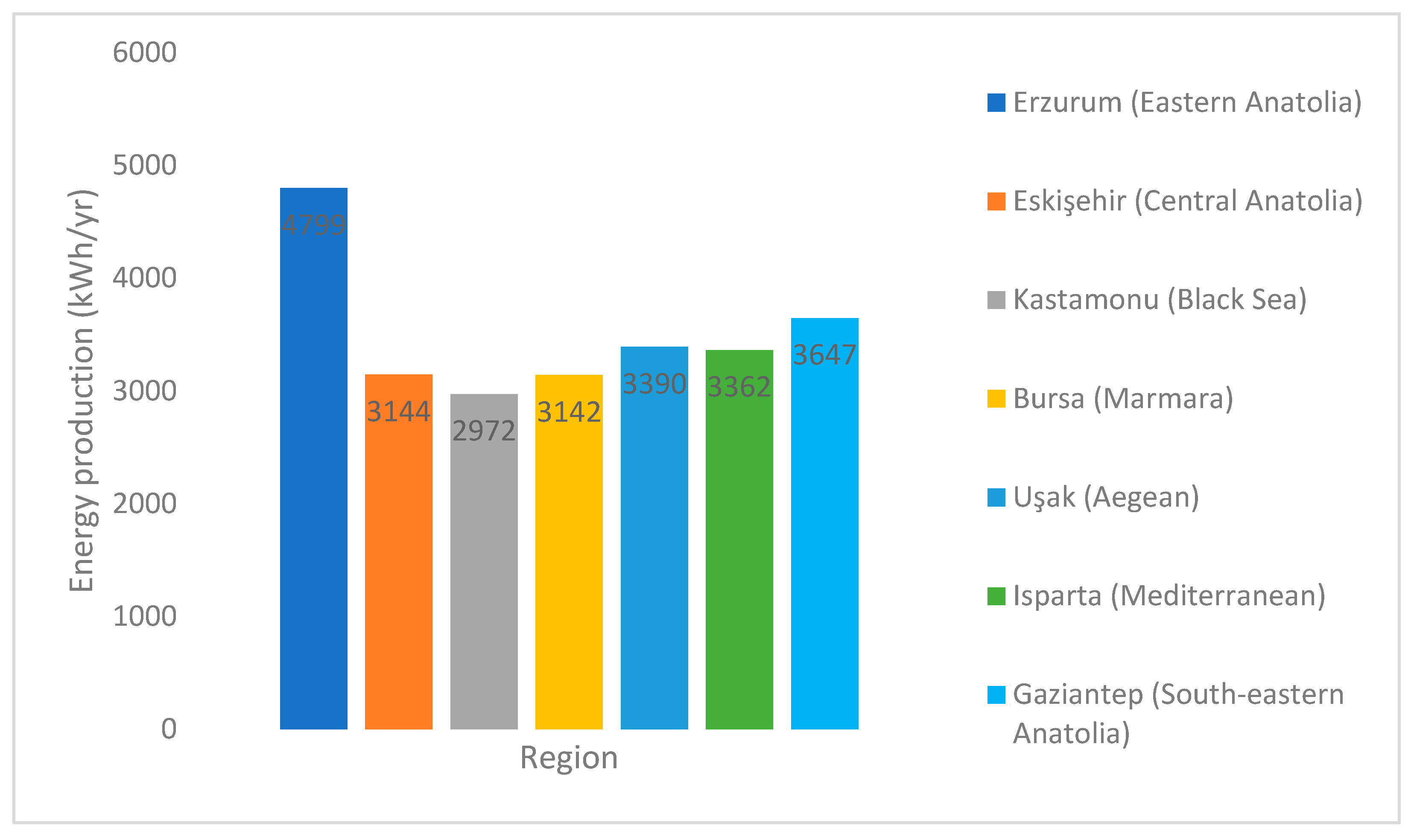
The reflective property (albedo) of the ground plays an important role in the performance of bifacial photovoltaic modules. Snow, as a natural light-colored surface, reflects most of the light that falls on it. However, snow does not have a fixed albedo value. Therefore, it is essential to investigate the high albedo provided by snow in bifacial panels, which are becoming increasingly common. The albedo value of snow is influenced by numerous factors, including the precipitation characteristics of the snow, its depth, and the time since the previous snowfall. This study aims to investigate the impact of snow cover and the number of days with snow cover on the energy production of bifacial panels. An innovative dynamic albedo model integrating the snow type, depth, and duration was developed to advance bifacial PV system performance analysis under various snow and climate scenarios. PVsyst simulations were conducted to analyze the annual energy yield of bifacial photovoltaic panels in Erzurum Province under various snow conditions and accumulation levels. Furthermore, the variation in the number of days with snow cover according to different climatic regions and its effect on the energy production were evaluated for seven different provinces located in seven different regions of Turkey.
Keywords: bifacial photovoltaic; snow depth; performance; albedo effect; Turkey bifacial photovoltaic; snow depth; performance; albedo effect; Turkey