Article

Evaluating Design Guidelines for Intuitive, Therefore Sustainable, Virtual Reality Authoring Tools


by
Iolanda L. Chamusca
1,*,
Yiyu Cai
2,
Pedro M. C. Silva
3,
Cristiano V. Ferreira
4,
Thiago B. Murari
5,6,
Antonio L. Apolinario, Jr.
7 and
Ingrid Winkler
5,6,*
1
Ford Motor Company, Camaçari 42831-710, Brazil
2
School of Mechanical & Aerospace Engineering, College of Engineering, Nanyang Technological University, Singapore 639798, Singapore
3
NVIDIA Brazil & Latin America, Rua George Ohm, 206, São Paulo 04576-020, Brazil
4
Technological Center of Joinville, Federal University of Santa Catarina, Rua Dona Francisca, 8300, Zona Industrial Norte, Joinville 89219-600, Brazil
5
Department of Industrial Management and Technology, SENAI CIMATEC University Center, Salvador 41650-010, Brazil
6
Institute for Science, Innovation and Technology in Industry 4.0/INCITE INDUSTRIA 4.0, Salvador 41650-010, Brazil
7
Department of Computer Science, Federal University of Bahia, Salvador 40170-110, Brazil
*
Authors to whom correspondence should be addressed.
Sustainability 2024, 16(5), 1744; https://doi.org/10.3390/su16051744
Submission received: 19 January 2024 / Revised: 17 February 2024 / Accepted: 18 February 2024 / Published: 20 February 2024

Abstract

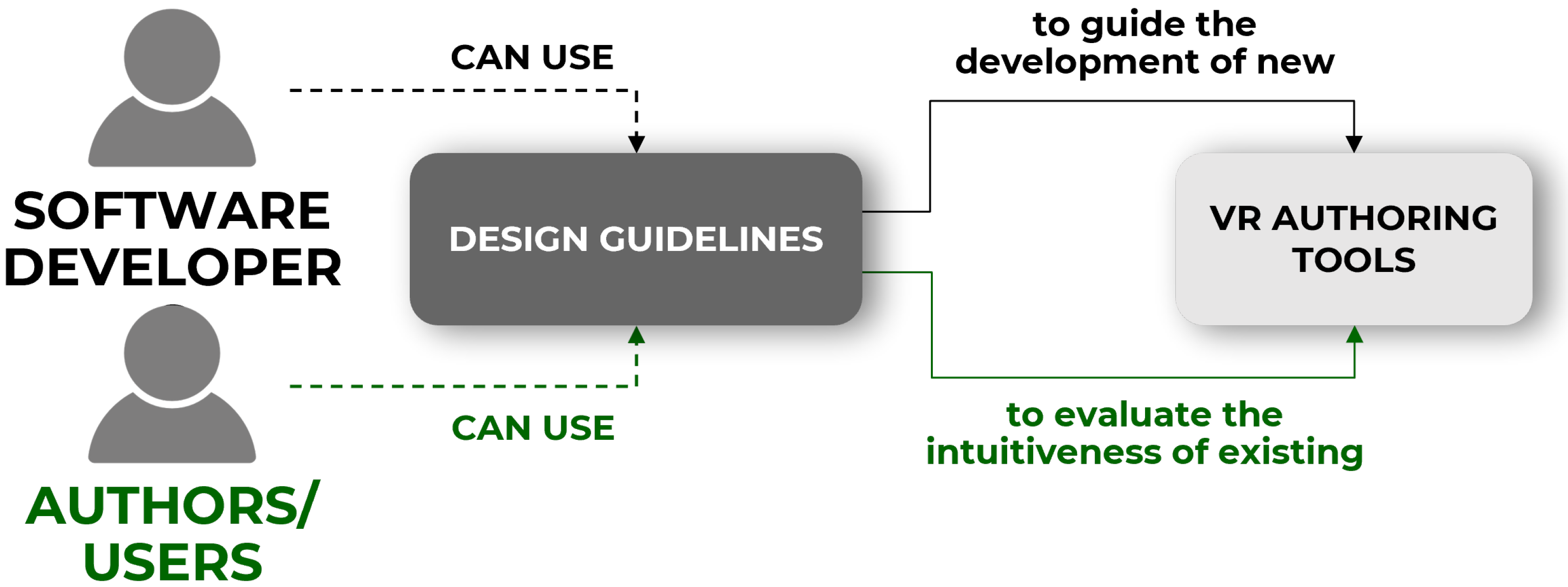
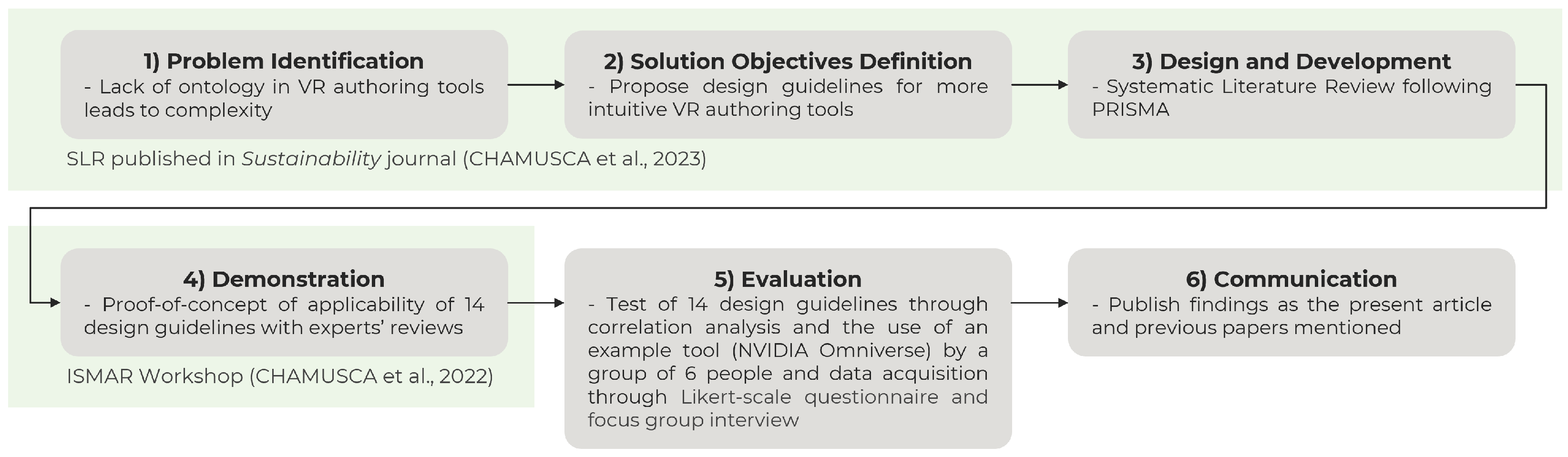
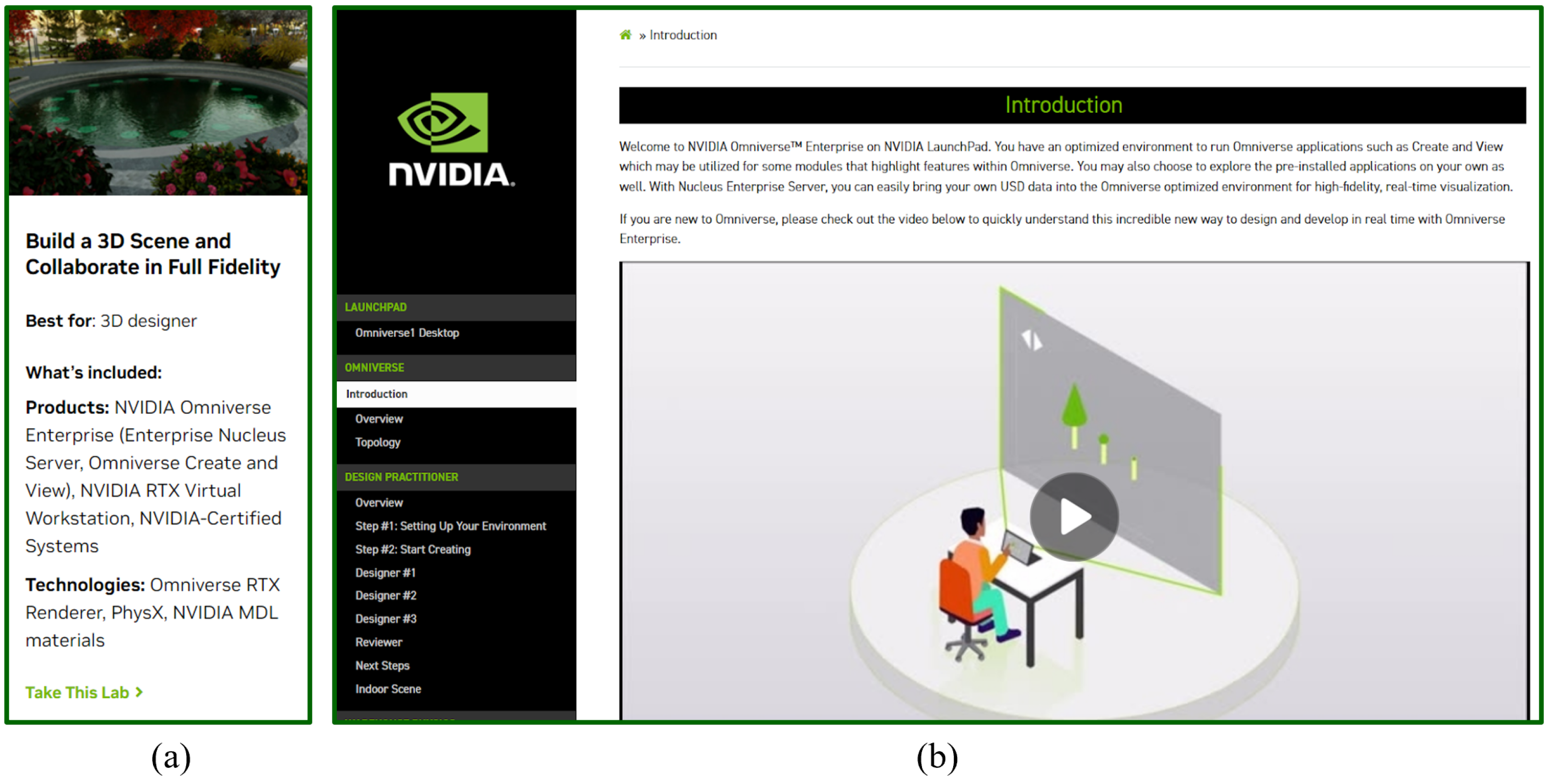
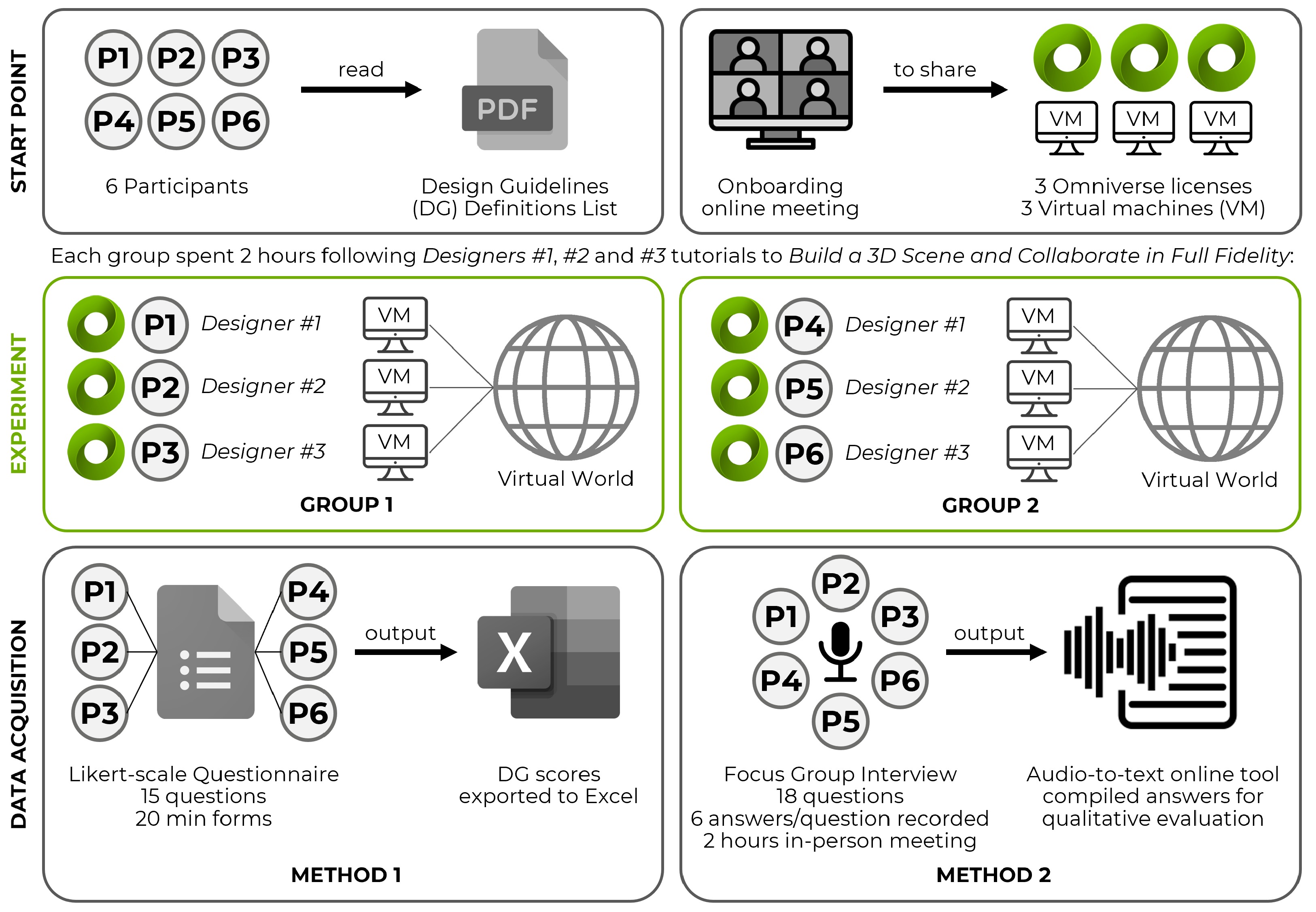
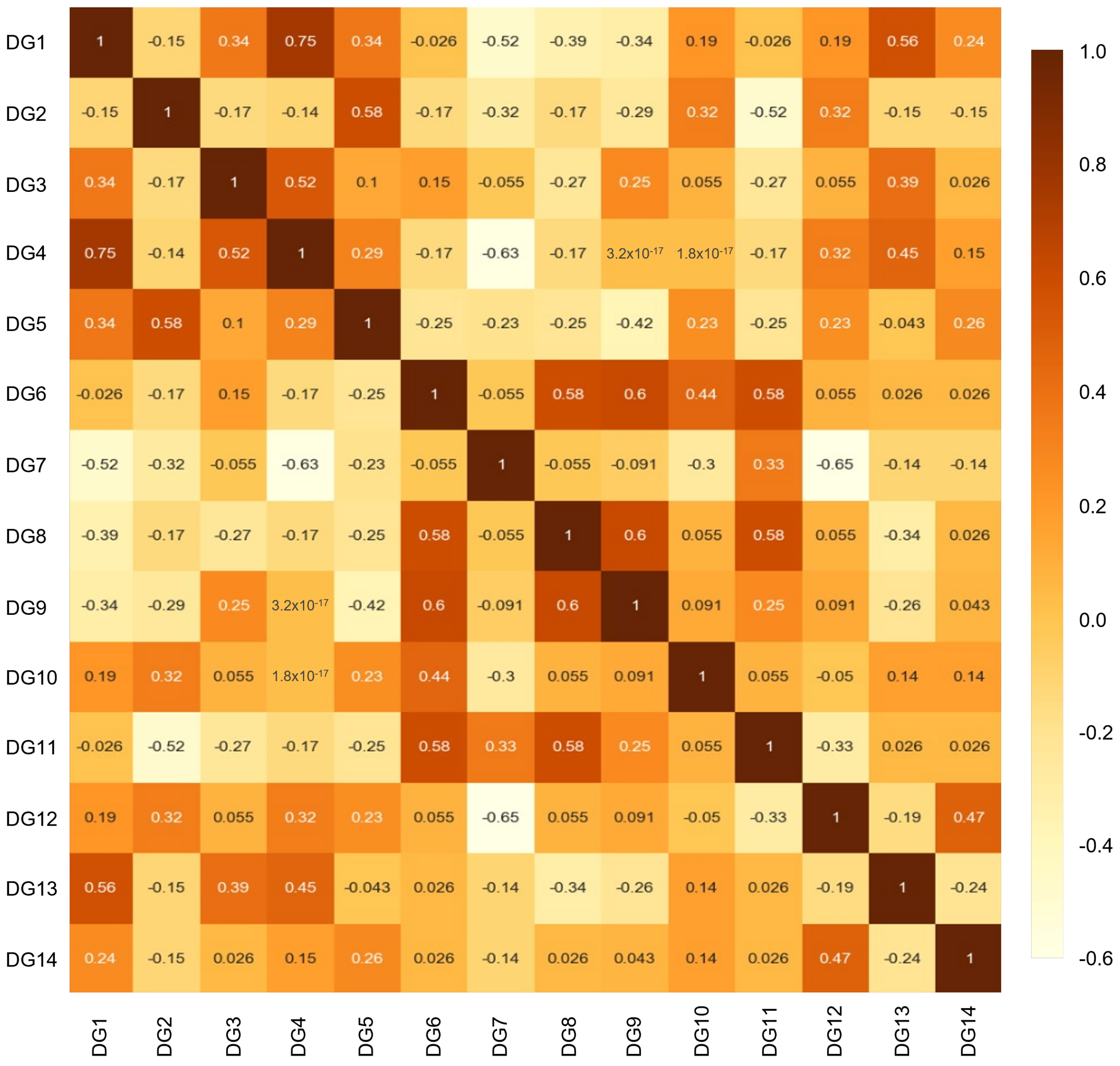
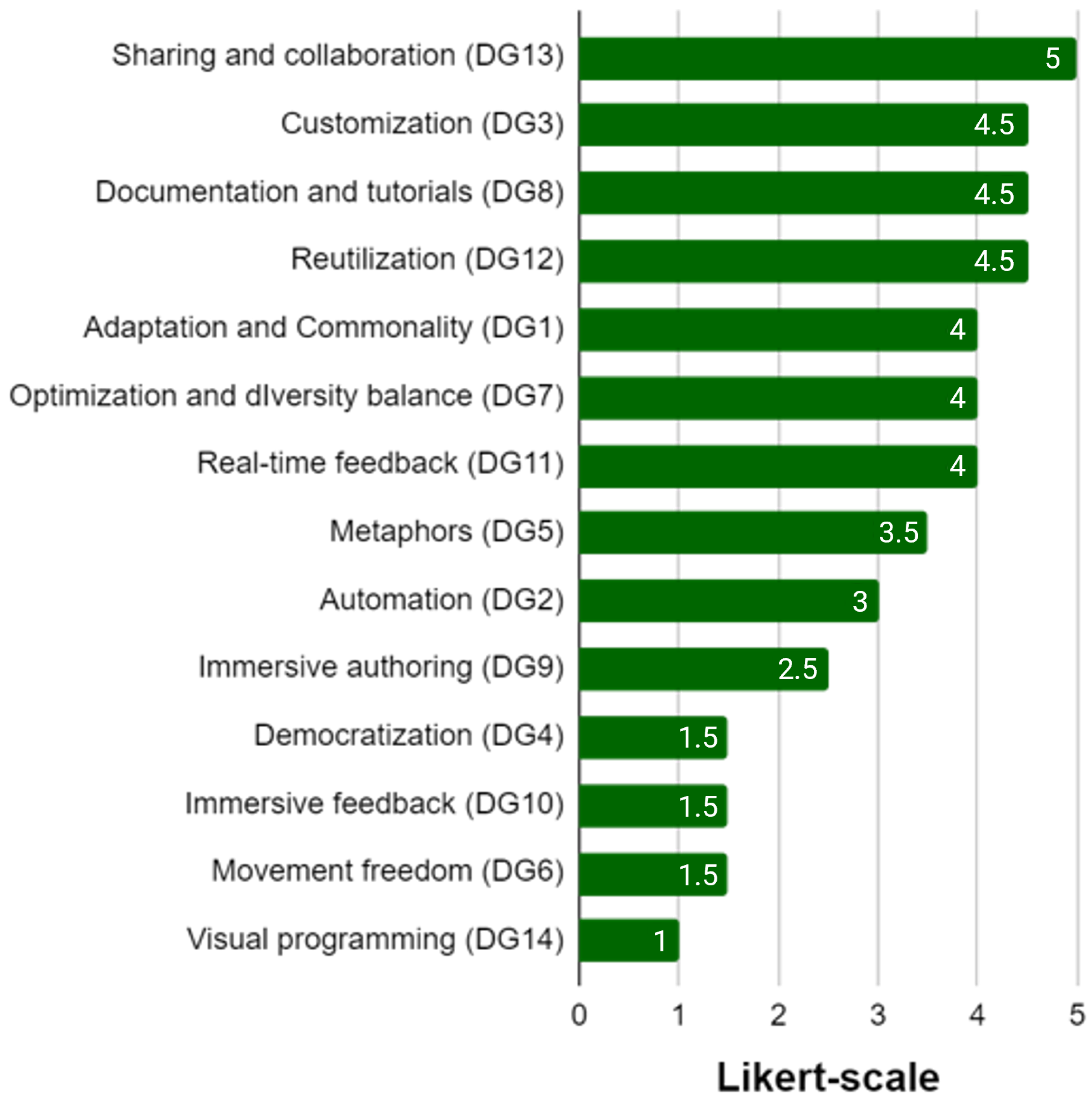
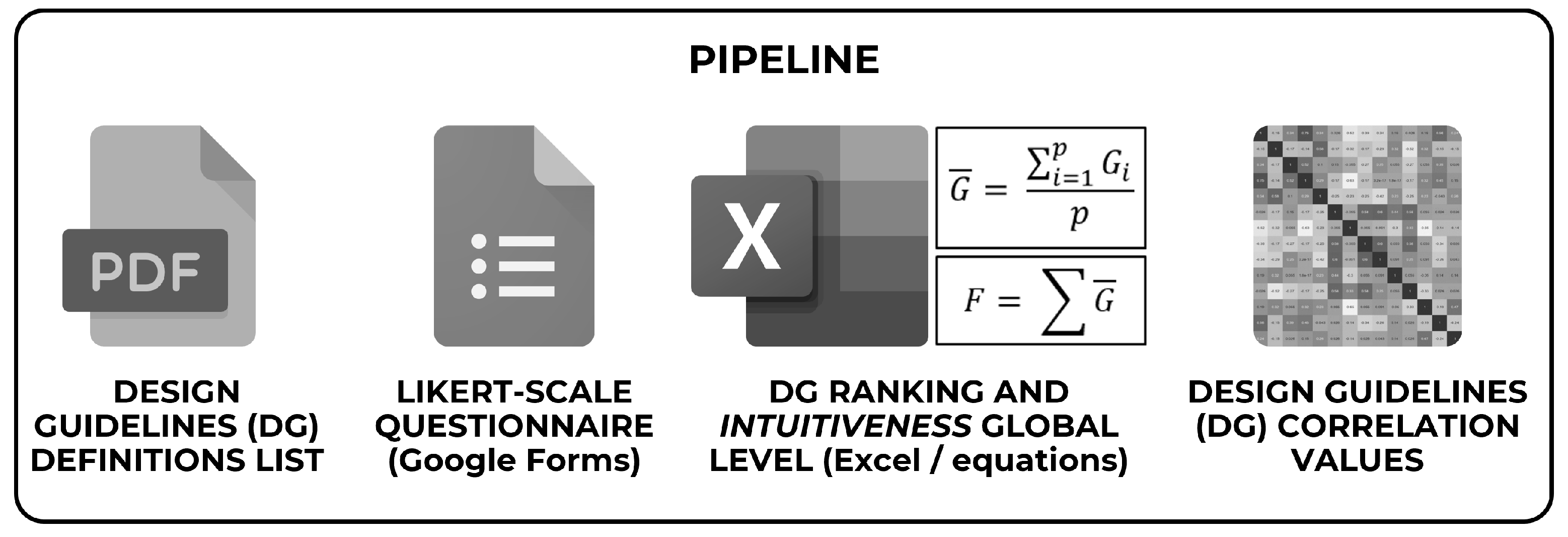
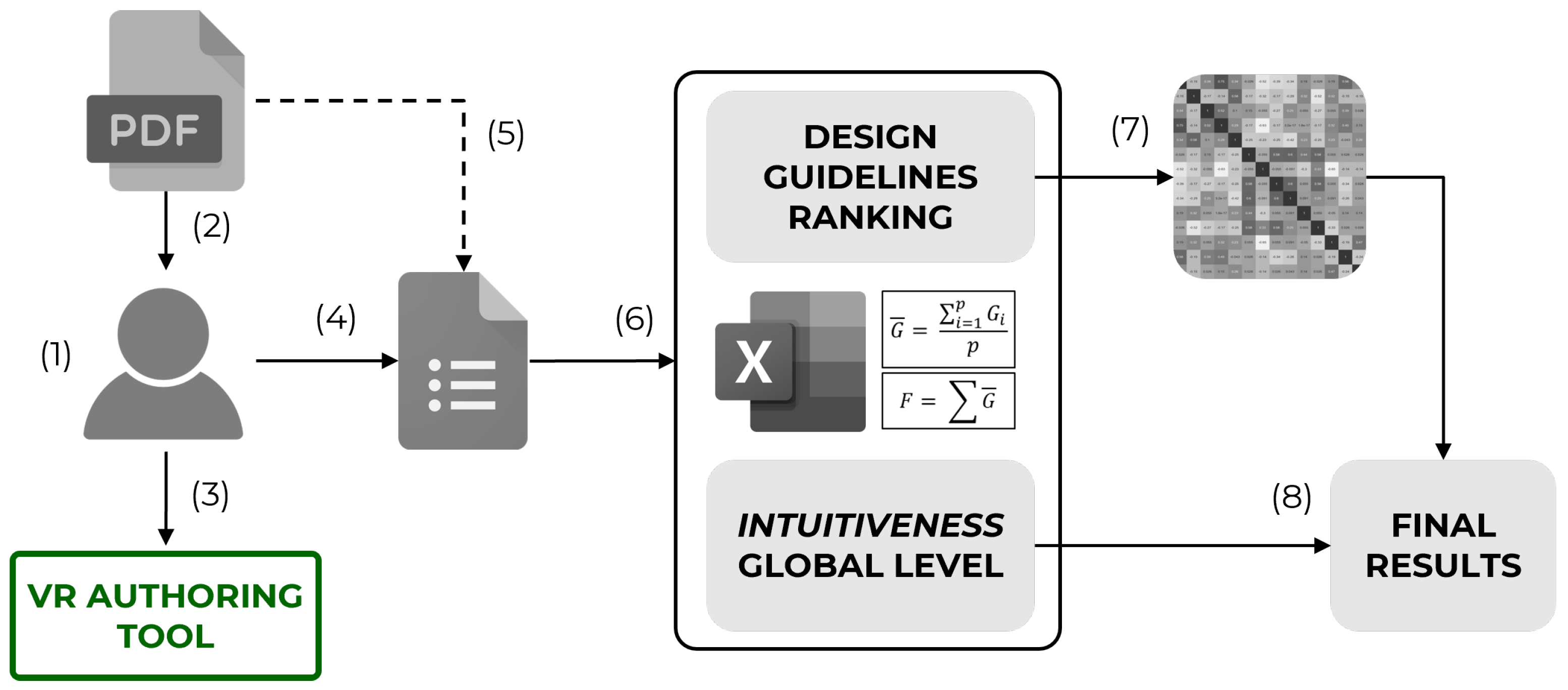
Virtual reality software might be challenging to utilize for beginners and unskilled professionals who do not have a programming or 3D modeling background. Concurrently, there is a knowledge gap in software project design for intuitive virtual reality authoring tools, which were supposed to be easier to use. These tools are frequently insufficient due to a lack of support and standard operating procedures. This study evaluates the validity of fourteen design guidelines for the development of intuitive virtual reality authoring tools. Adopting the Design Science Research approach, a previous study completed the first steps of the protocol by identifying problems, defining solution objectives, and developing and demonstrating the design guidelines. This work evaluates their application in a experiment. A group of engineering students with no prior experience in creating virtual worlds were tasked with examining the design guidelines while using the NVIDIA Omniverse Enterprise as an exemplary use case by following the tutorials in the platform. Previously, the students answered a Likert-scale questionnaire and a focus group interview, with eighteen questions about how they perceived these guidelines. An average score value for the tool was estimated through the questionnaire answers and a correlation analysis and, using the Pearson Correlation Coefficient (PCC), it was confirmed that most guidelines scores behaved as expected and were ranked according to the use-case functionality. The participants understood the guidelines’ definition and could decide if they agreed or disagreed with their presence during the experiment. We evaluated that, in accordance with the Design Science Research, the proposed artifact is useful, i.e., the design guidelines for virtual reality authoring tools perform what they are designed to do and are operationally reliable in accomplishing their goals.
Keywords: virtual reality; authoring tools; NVIDIA Omniverse; intuitiveness; user-centered design; human-computer interaction; design guidelines virtual reality; authoring tools; NVIDIA Omniverse; intuitiveness; user-centered design; human-computer interaction; design guidelines