Review

Measuring the Bioeconomy Economically: Exploring the Connections between Concepts, Methods, Data, Indicators and Their Limitations


by
Sebastián Leavy
1,2,3,
Gabriela Allegretti
3,4,5,
Elen Presotto
6,
Marco Antonio Montoya
7 and
Edson Talamini
3,4,8,*
1
National Institute of Agricultural Technology—INTA-AER Vedia, Vedia, Buenos Aires 6030, Argentina
2
Faculty of Agricultural Sciences, National University of Rosario, Rosario 2000, Argentina
3
Bioeconomics Research Group, Interdisciplinary Center for Research and Studies in Agribusiness—CEPAN, Universidade Federal do Rio Grande do Sul—UFRGS, Porto Alegre 91540-000, Brazil
4
Brazilian Institute of Bioeconomy—INBBIO, Sapucaia do Sul 93214-360, Brazil
5
Business Administration, Universidade de Rio Verde—UniRV, Rio Verde 75900-000, Brazil
6
Faculty of Agronomy and Veterinary Medicine—FAV, University of Brasília—UnB, Brasília 70910-900, Brazil
7
Agribusiness Economics and Management Research Group, Faculty of Economics, Management, and Accounting—FEAC, University of Passo Fundo—UPF, Passo Fundo 99010-090, Brazil
8
Department of Economics and International Relations—DERI, Faculty of Economics—FCE, Universidade Federal do Rio Grande do Sul—UFRGS, Porto Alegre 90040-000, Brazil
*
Author to whom correspondence should be addressed.
Sustainability 2024, 16(20), 8727; https://doi.org/10.3390/su16208727
Submission received: 13 August 2024 / Revised: 26 September 2024 / Accepted: 26 September 2024 / Published: 10 October 2024
(This article belongs to the Special Issue Advanced Agricultural Economy: Challenges and Opportunities)

Abstract

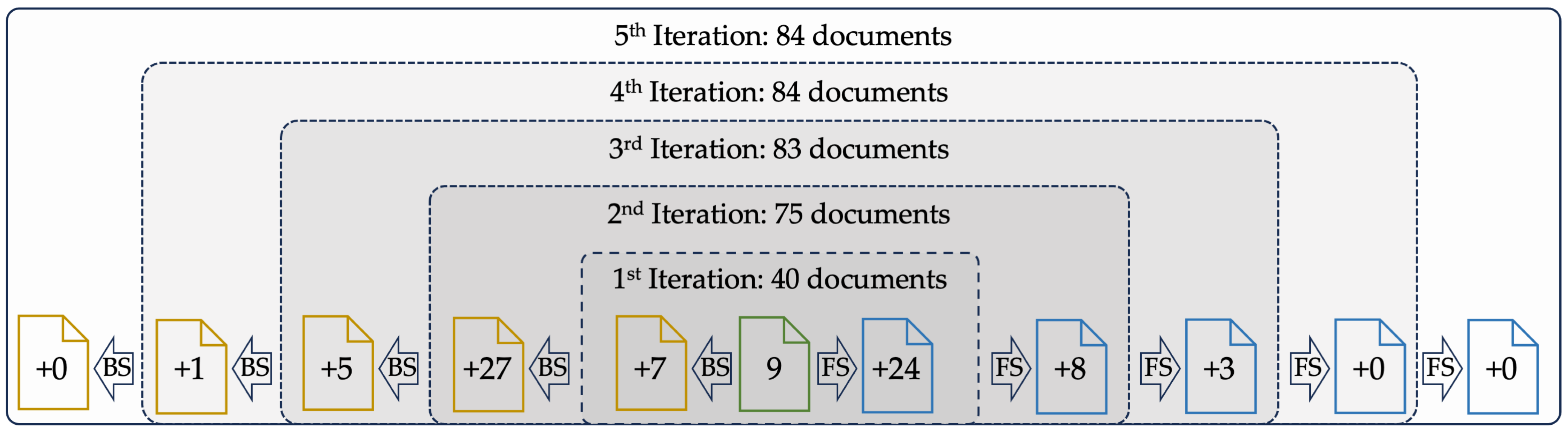
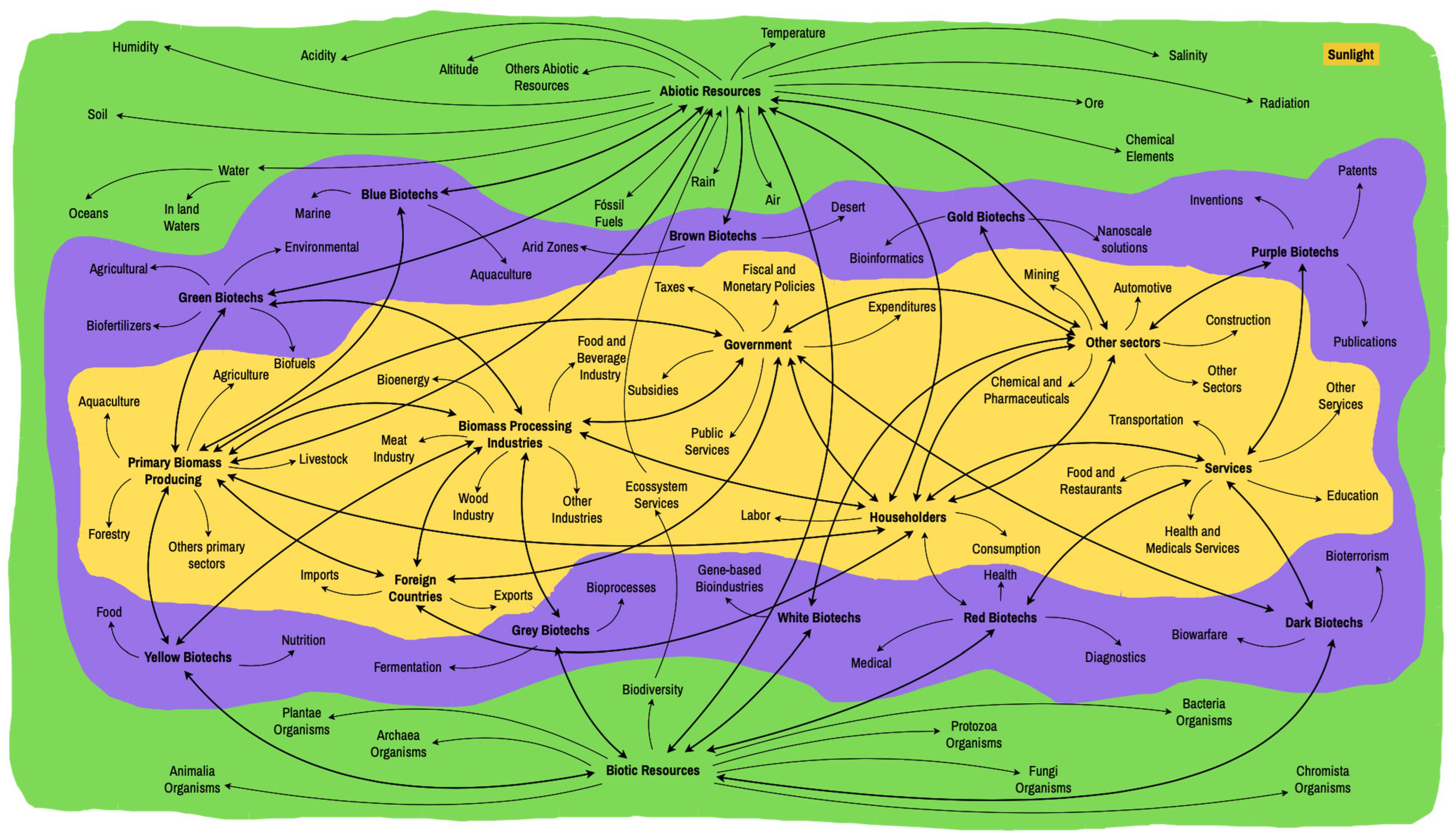
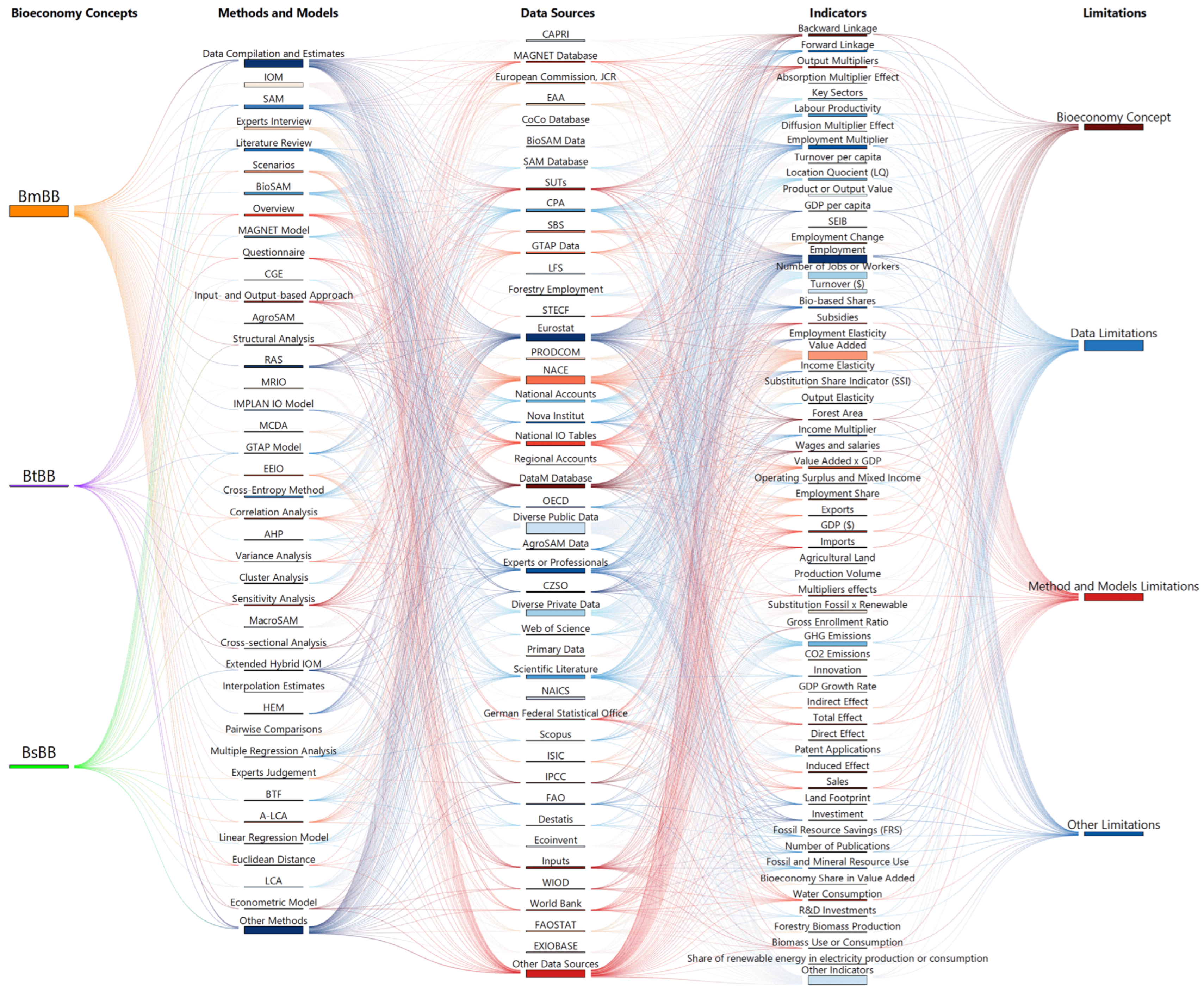
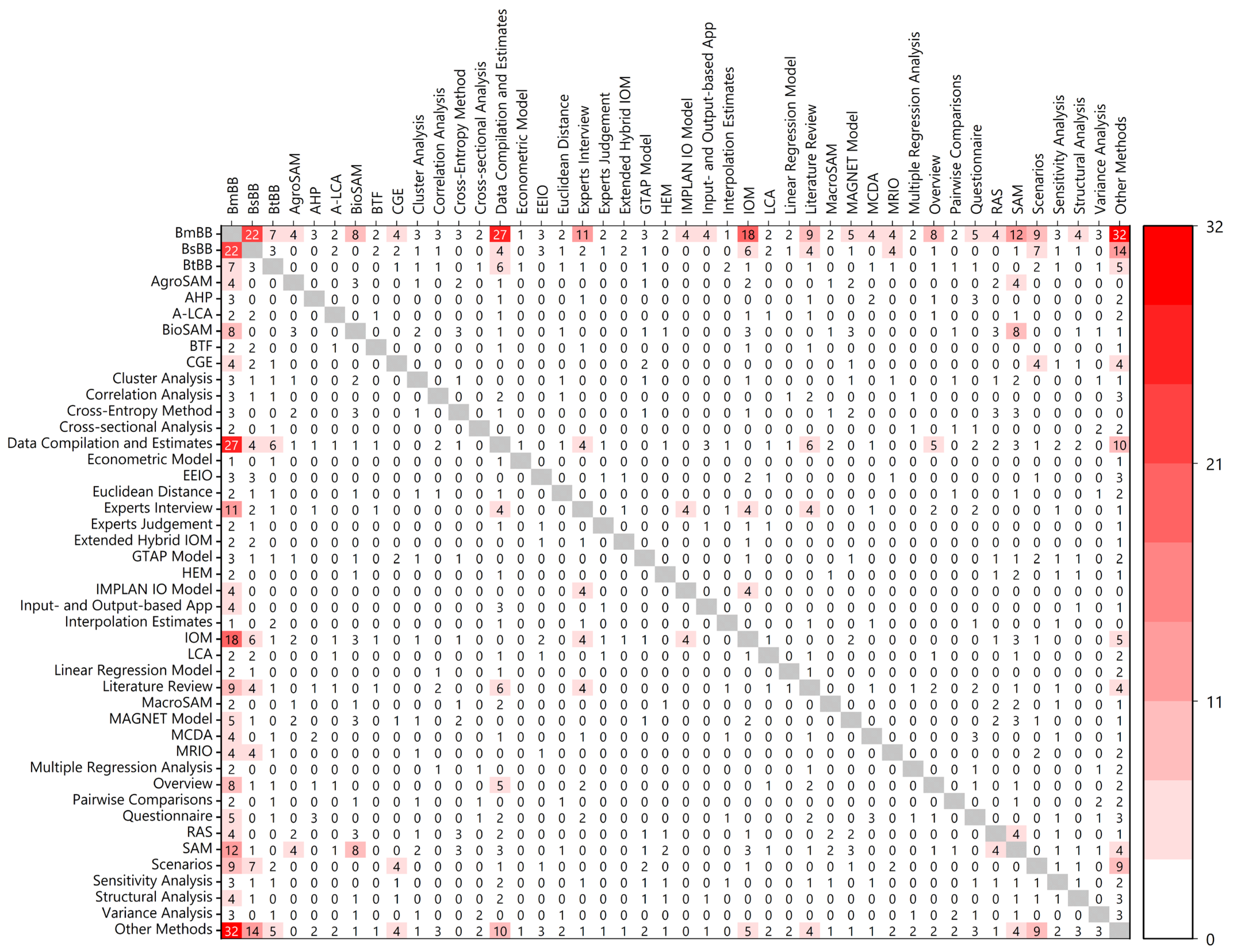
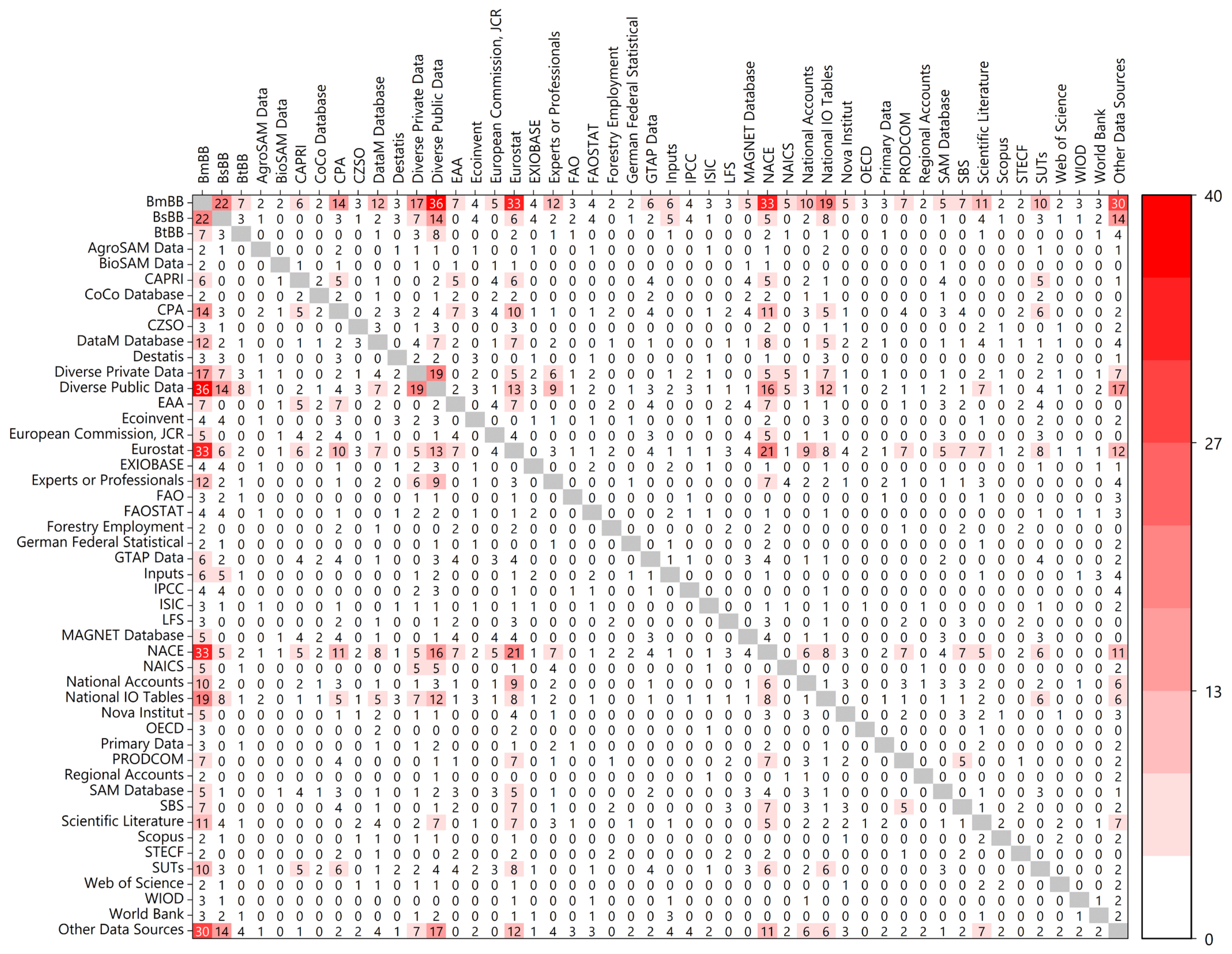
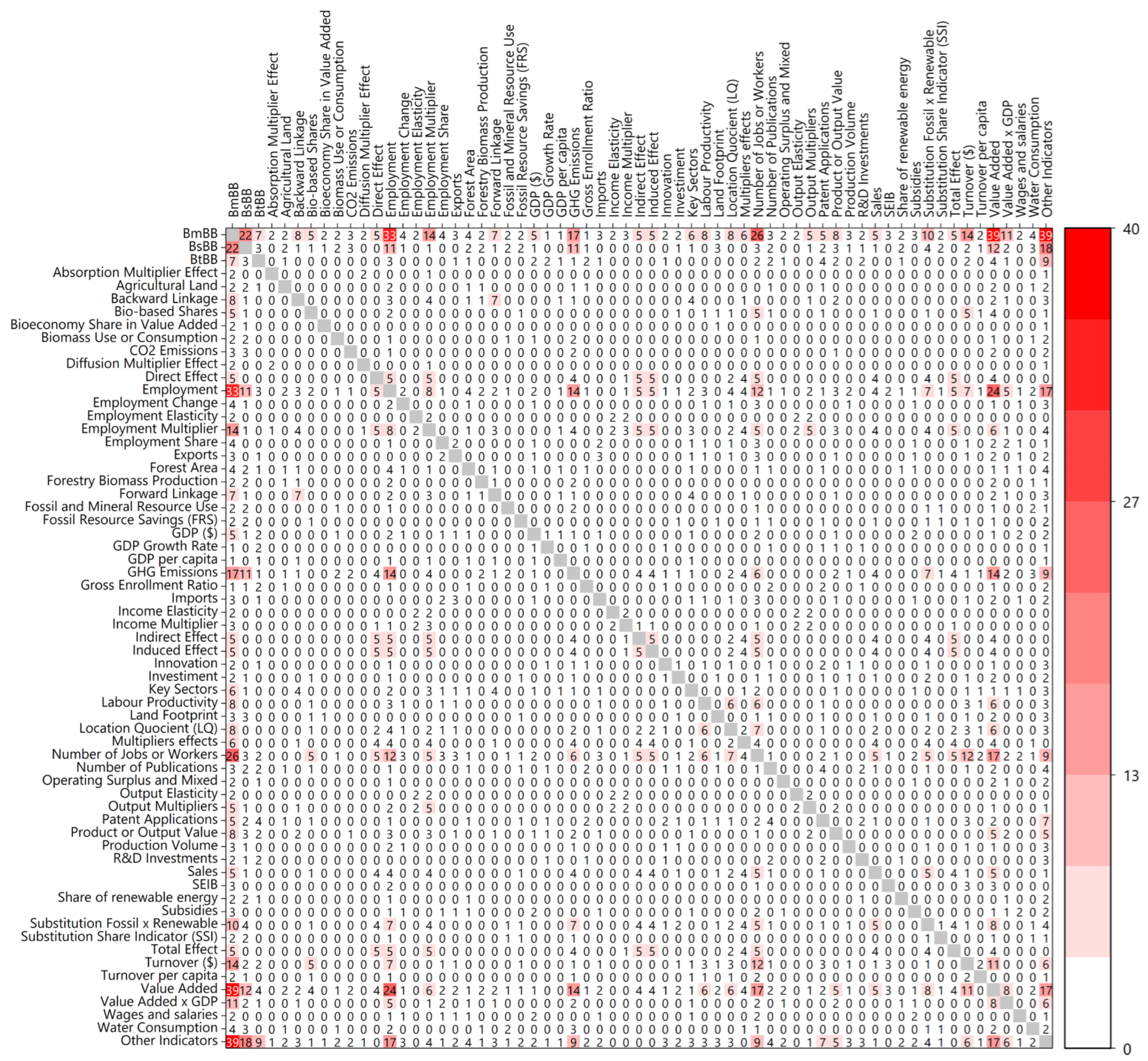
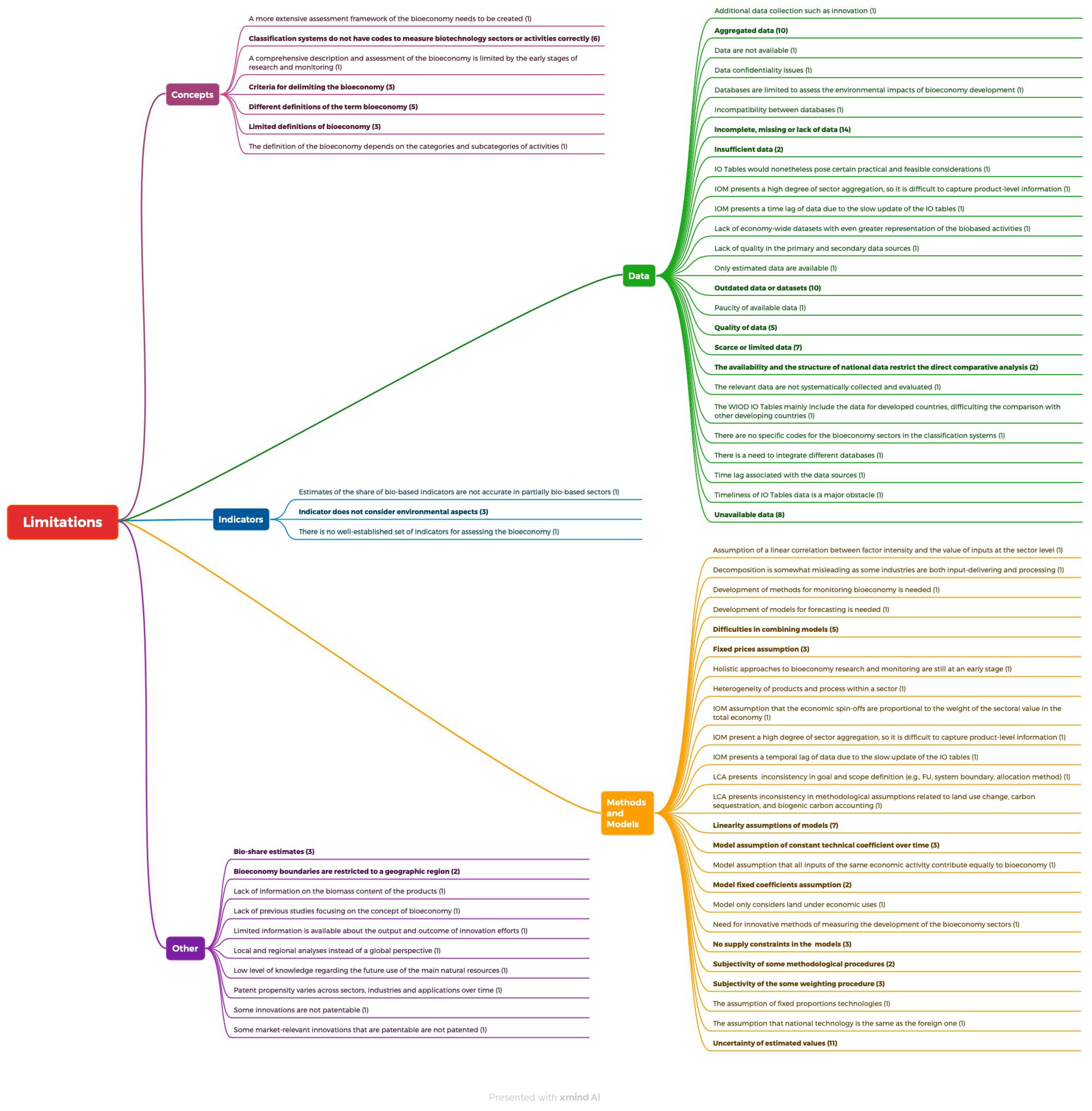
Despite its relevance, measuring the contributions of the bioeconomy to national economies remains an arduous task that faces limitations. Part of the difficulty is associated with the lack of a clear and widely accepted concept of the bioeconomy and moves on to the connections between methods, data and indicators. The present study aims to define the concepts of bioeconomy and to explore the connections between concepts, methods, data, and indicators when measuring the bioeconomy economically and the limitations involved in this process. The bioeconomy concepts were defined based on a literature review and a content analysis of 84 documents selected through snowballing procedures to find articles measuring “how big is the bioeconomy?” The content of the 84 documents was uploaded to the Quantitative Data Analysis (QDA Miner) software and coded according to the bioeconomy concept, the methods or models used, the data sources accessed, the indicators calculated, and the limitations reported by the authors. The results of the occurrence and co-occurrence of the codes were extracted and analyzed statistically, indicating the following: the measurement of the bioeconomy (i) needs to recognize and pursue the proposed concept of a holistic bioeconomy; (ii) rarely considered aspects of a holistic bioeconomy (3.5%); (iii) is primarily based on the concept of biomass-based bioeconomy (BmBB) (94%); (iv) the association with the concept of biosphere (BsBB) appeared in 26% of the studies; (v) the biotech-based bioeconomy (BtBB) was the least frequent (1.2%); (vi) there is a diversity of methods and models, but the most common are those traditionally used to measure macroeconomic activities, especially input-output models; (vii) depending on the prevailing methods, the data comes from various official statistical databases, such as national accounts and economic activity classification systems; (viii) the most frequently used indicators are value added, employment, and Greenhouse Gases (GHG) emissions; (ix) there are various limitations related to the concept, methods and models, data, indicators, and others, like incomplete, missing, or lack of data, aggregated data, outdated data or databases, uncertainty of the estimated values, the subjectivity in the bio-shares weighting procedures, and other limitations inherent to methods and models. We conclude that current efforts only partially measure the contributions of the bioeconomy, and efforts should be encouraged toward a full assessment, starting by recognizing that the measurement of a holistic bioeconomy should be pursued.
Keywords: bioeconomics; holistic bioeconomy; bio-based economy; biotechnology; biotechonomy; bioecology; digitalization bioeconomics; holistic bioeconomy; bio-based economy; biotechnology; biotechonomy; bioecology; digitalization