Article

Short-Term Wind Power Prediction Based on a Modified Stacking Ensemble Learning Algorithm

College of Electrical Engineering, Zhejiang University, Hangzhou 310027, China
*
Author to whom correspondence should be addressed.
Sustainability 2024, 16(14), 5960; https://doi.org/10.3390/su16145960
Submission received: 15 April 2024 / Revised: 19 June 2024 / Accepted: 19 June 2024 / Published: 12 July 2024

Abstract

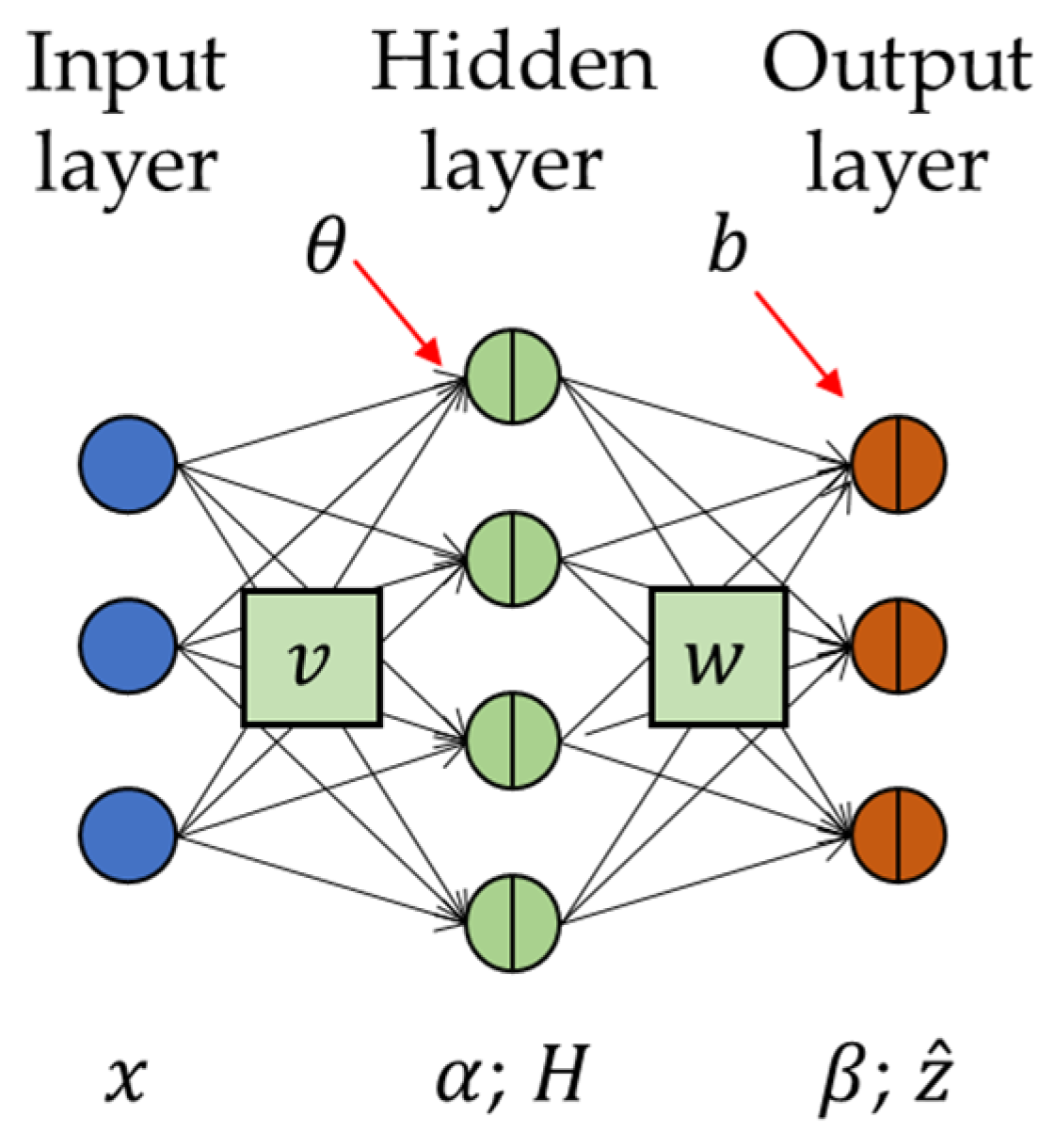
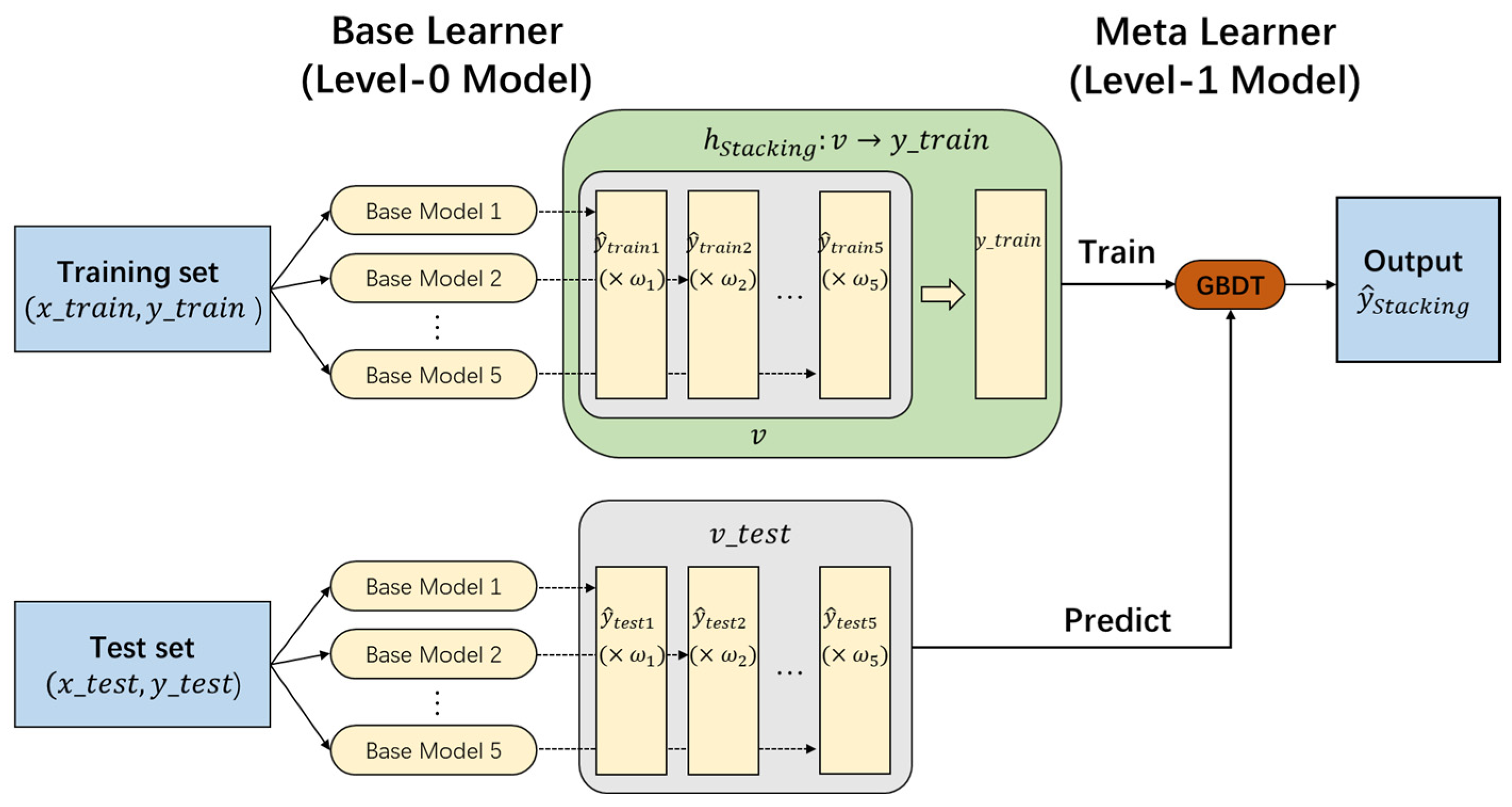
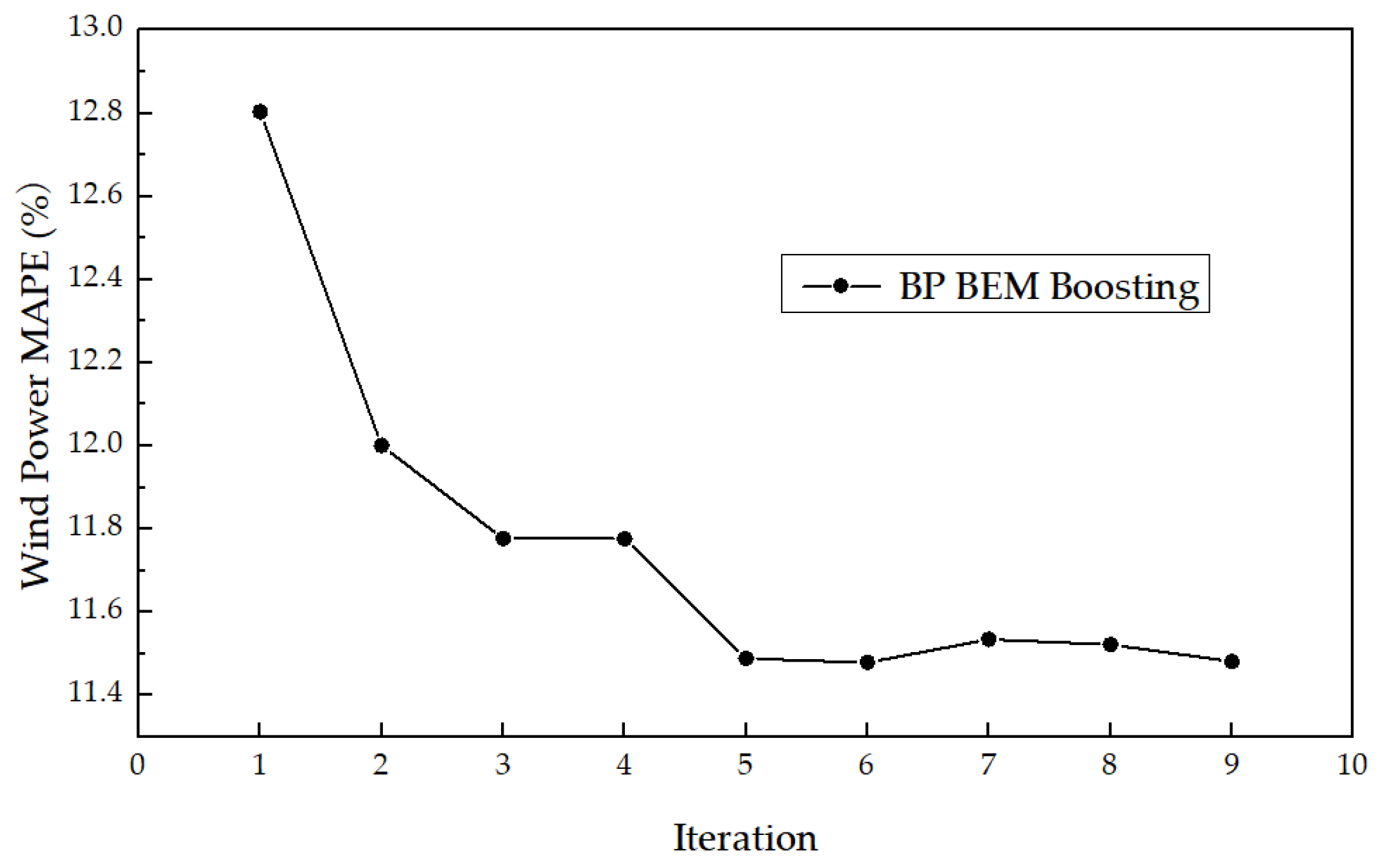
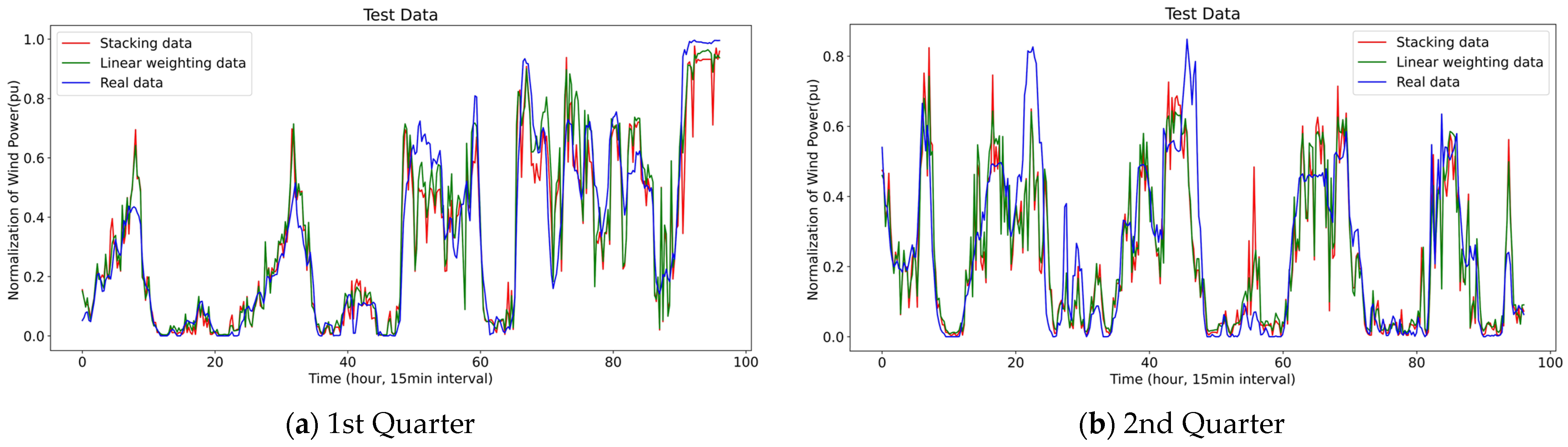
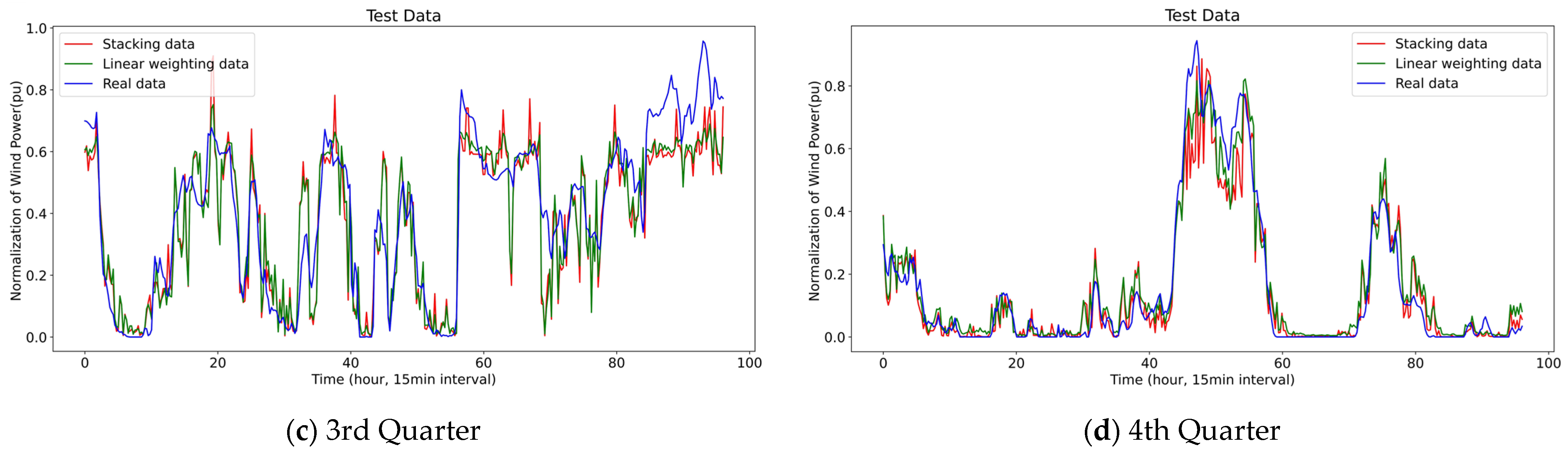
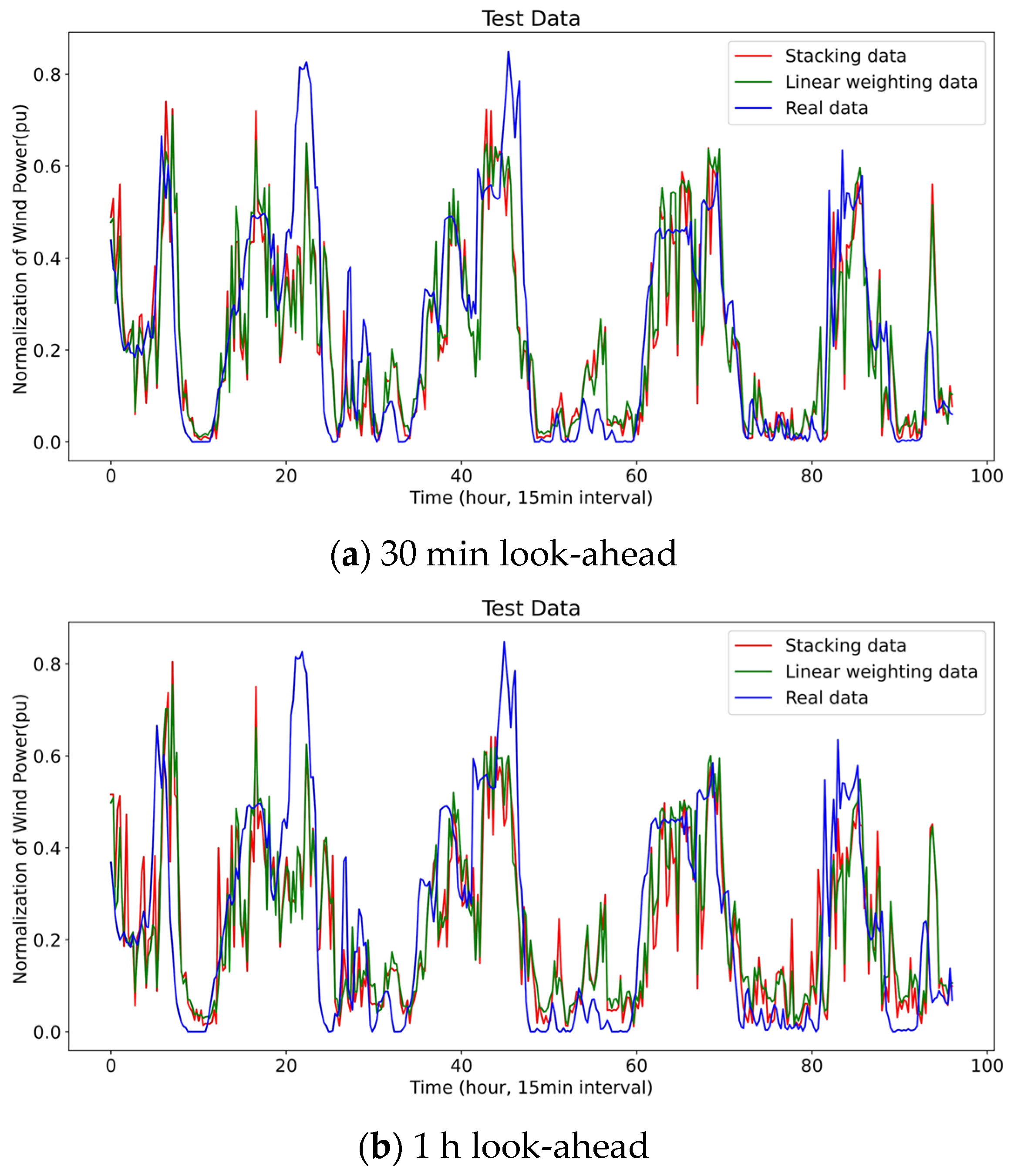
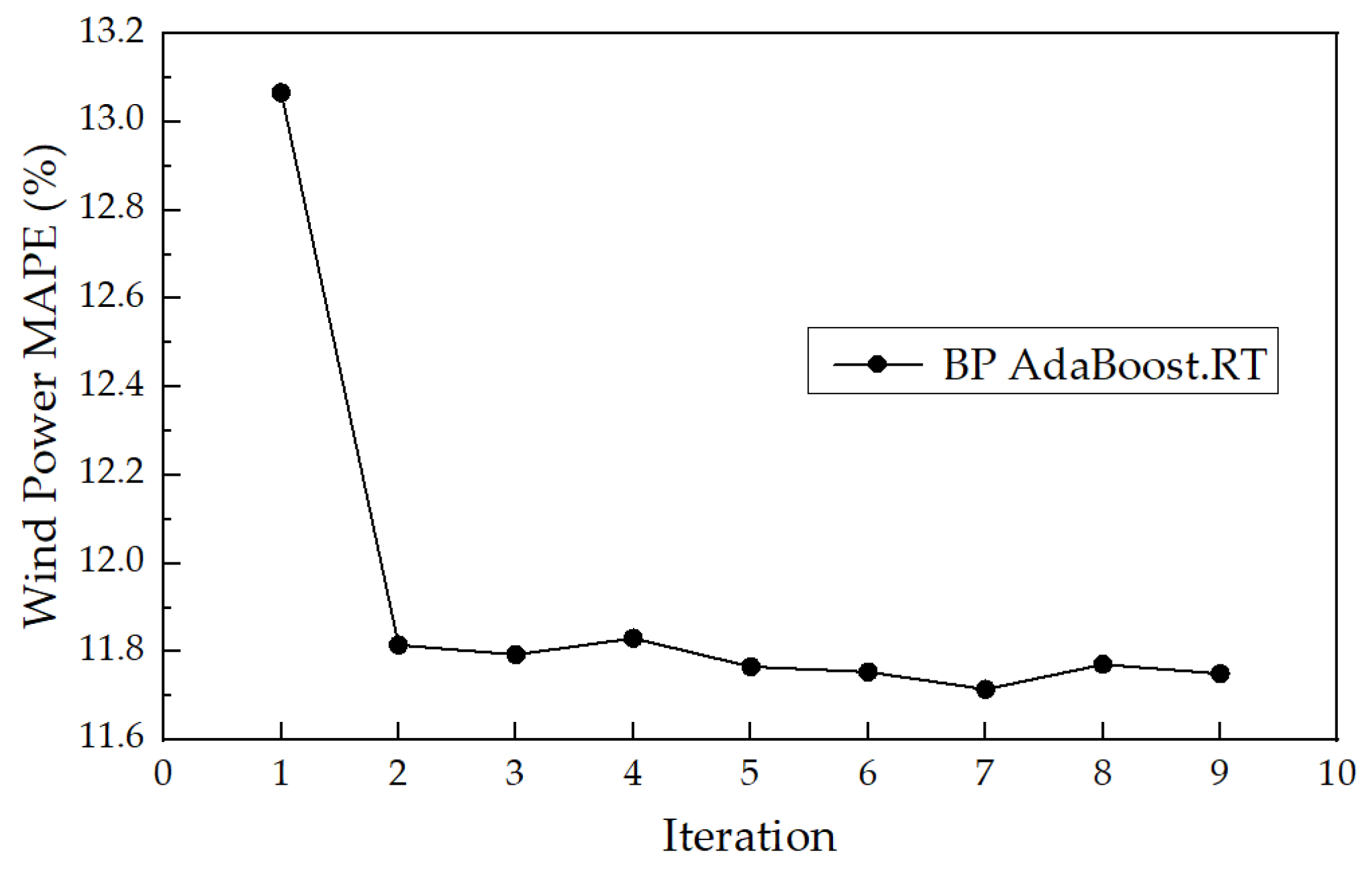
A high proportion of new energy has become a prominent feature of modern power systems. Due to the intermittency, volatility, and strong randomness in wind power generation, an accurate and reliable method for the prediction of wind power is required. This paper proposes a modified stacking ensemble learning method for short-term wind power predictions to reduce error and improve the generalization performance of traditional single networks in tackling the randomness of wind power. Firstly, the base learners including tree-based models and neural networks are improved based on the Bagging and Boosting algorithms, and a method for determining internal parameters and iterations is provided. Secondly, the linear integration and stacking integration models are combined to obtain deterministic prediction results. Since the modified stacking meta learner can change the weight, it will enhance the strengths of the base learners and optimize the integration of the model prediction to fit the second layer prediction, compared to traditional linear integration models. Finally, a numerical experiment showed that the modified stacking ensemble model had a decrease in MAPE from about 8.3% to 7.5% (an absolute decrease of 0.8%) compared to a single learner for the 15 min look-ahead tests. Changing variables such as the season and predicting the look-ahead time showed satisfactory improvement effects under all the evaluation criteria, and the superiority of the modified stacking ensemble learning method proposed in this paper regarding short-term wind power prediction performance was validated.
Keywords: wind power prediction; stacking; ensemble learning; bagging and boosting algorithms; fusion models wind power prediction; stacking; ensemble learning; bagging and boosting algorithms; fusion models