Article

Understanding the Synergistic Effects of Walking Accessibility and the Built Environment on Street Vitality in High-Speed Railway Station Areas


1
School of Transportation, Southeast University, Nanjing 211189, China
2
Jiangsu Key Laboratory of Urban ITS, Southeast University, Nanjing 211189, China
3
Jiangsu Collaborative Innovation Center of Modern Urban Traffic Technologies, Southeast University, Nanjing 211189, China
4
Department of Logistics and Maritime Studies, Faculty of Business, The Hong Kong Polytechnic University, Hung Hom, Hong Kong
*
Author to whom correspondence should be addressed.
Sustainability 2024, 16(13), 5524; https://doi.org/10.3390/su16135524
Submission received: 20 May 2024 / Revised: 15 June 2024 / Accepted: 24 June 2024 / Published: 28 June 2024

Abstract

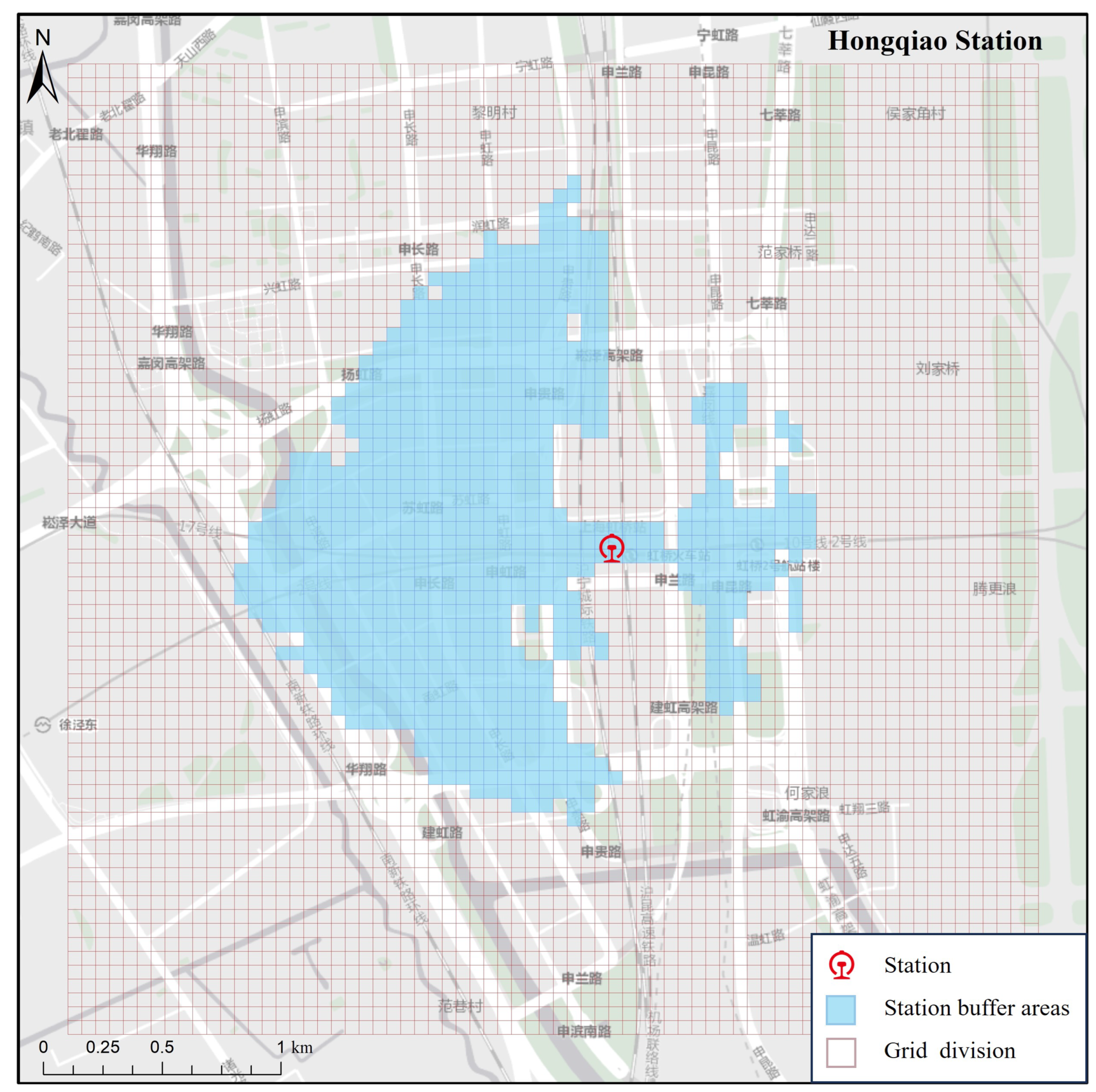
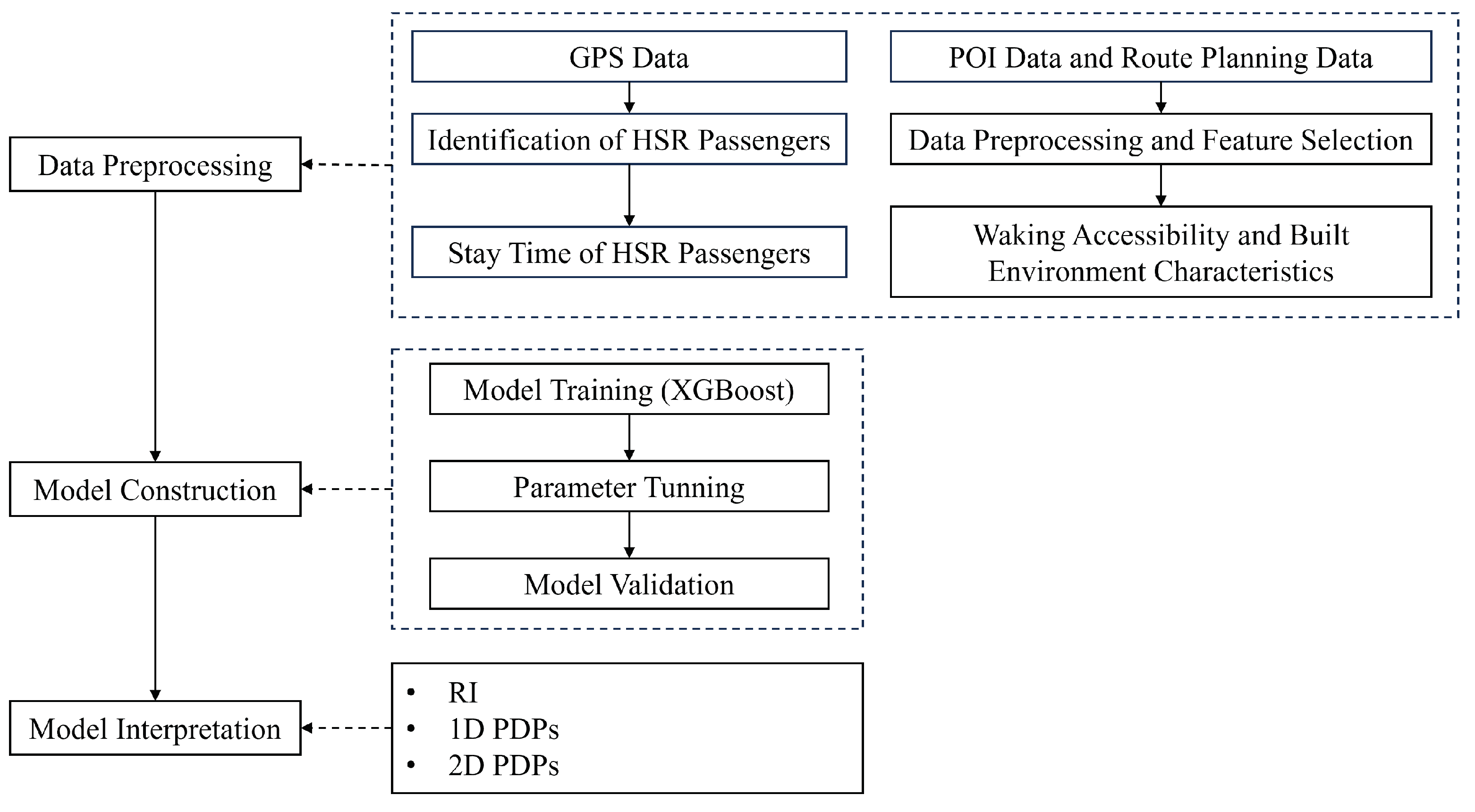
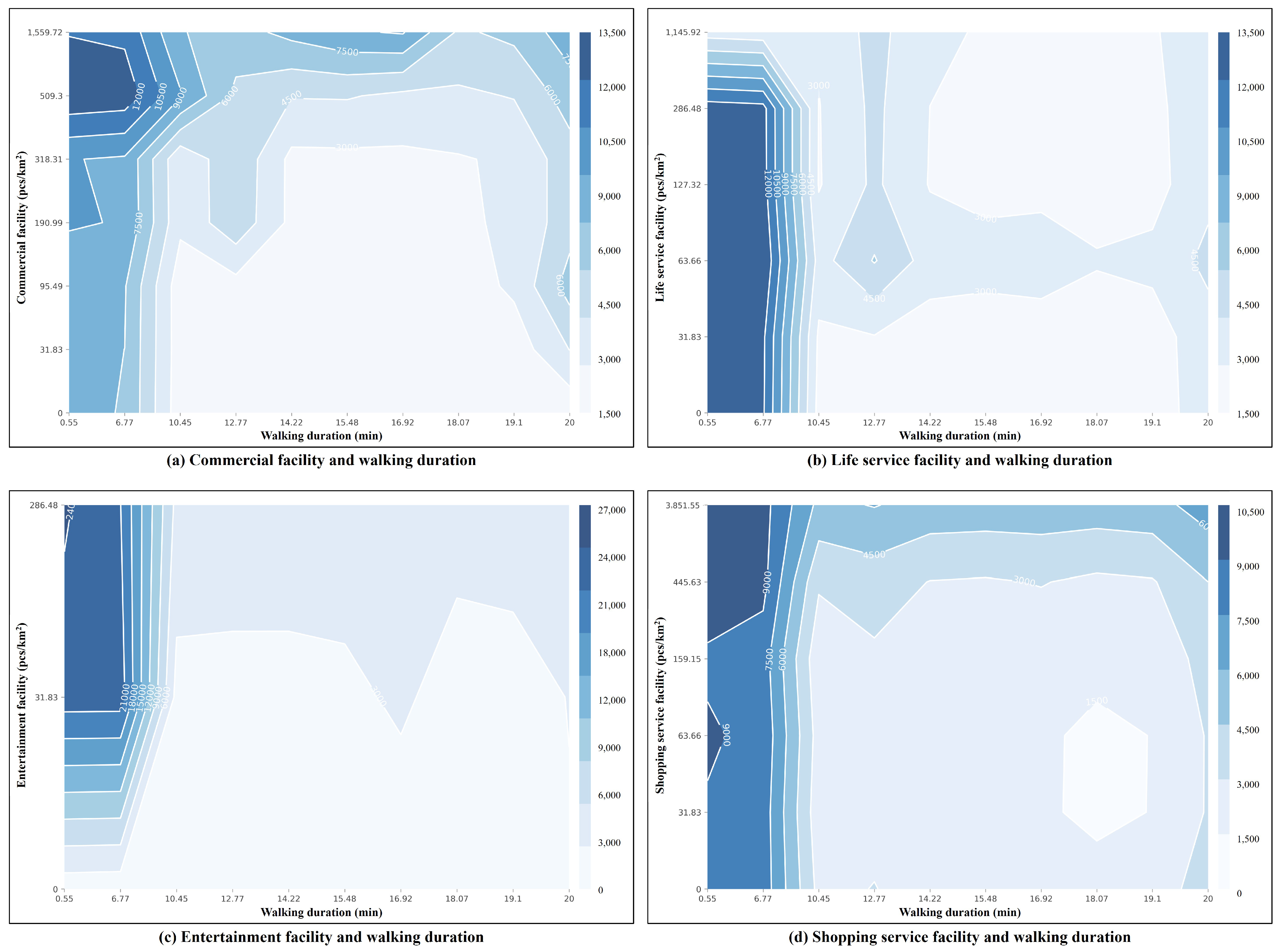
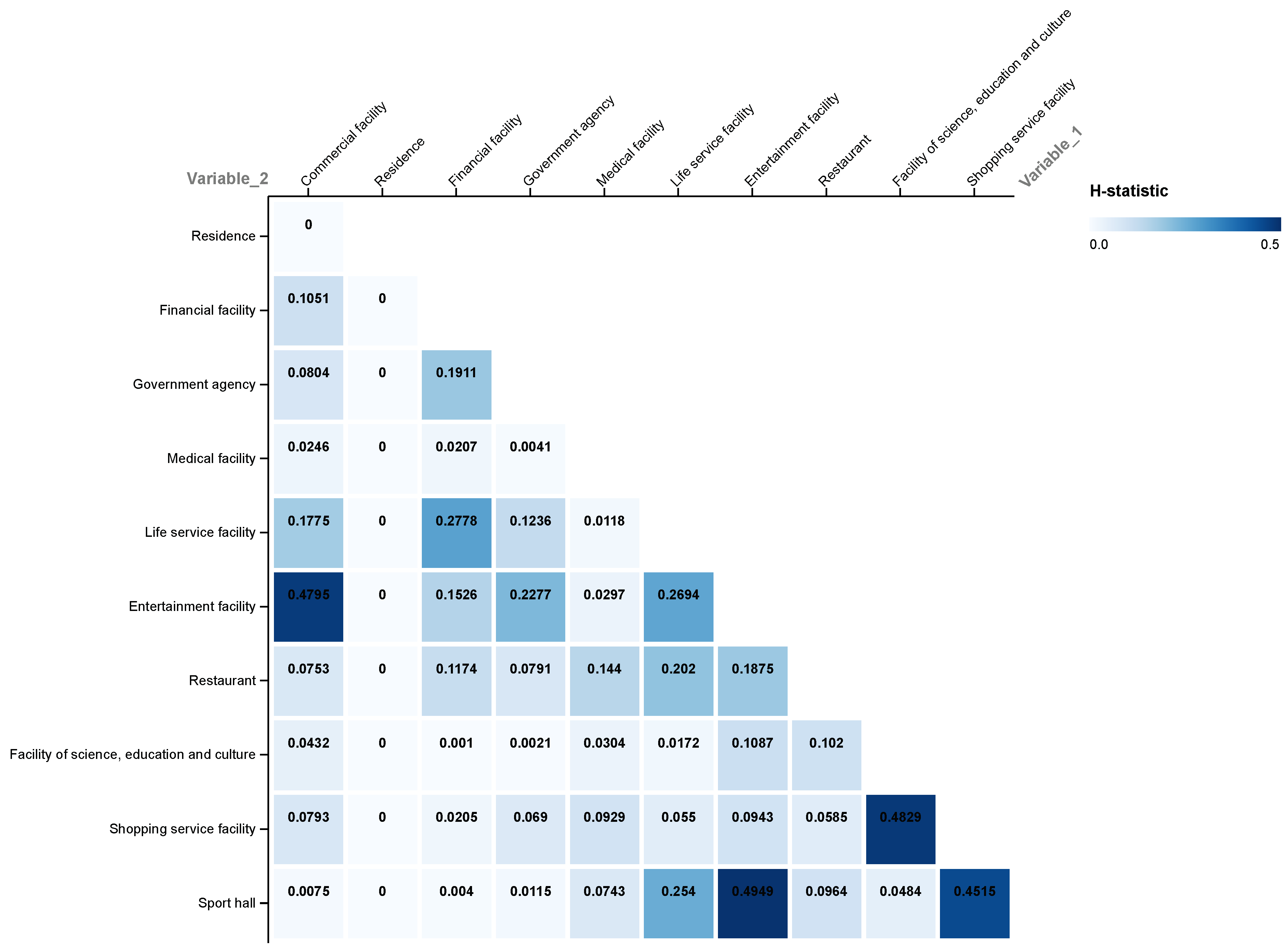
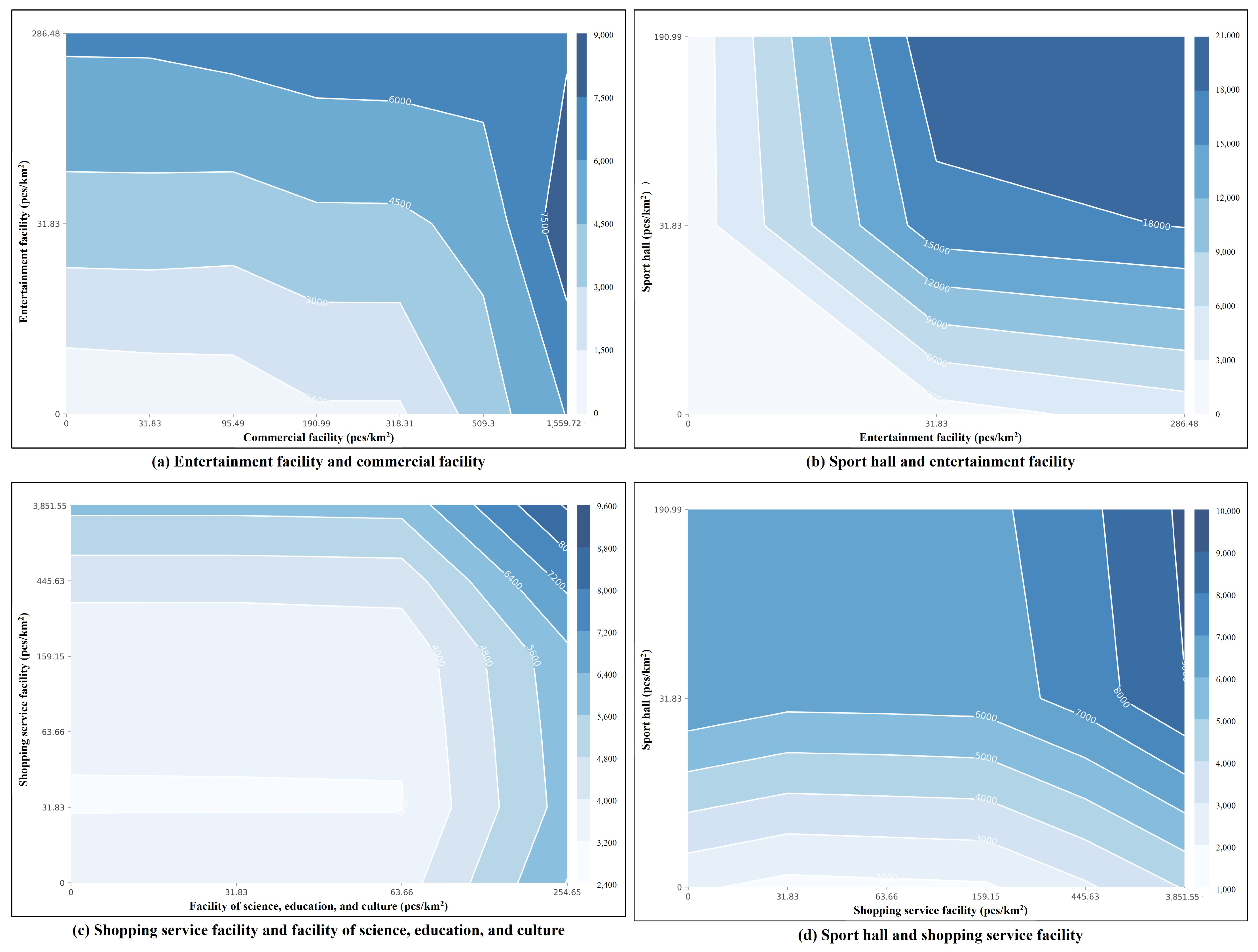
The high-speed railway (HSR) has profoundly influenced individuals’ lifestyles and travel behaviors. The development of HSR stations and their surrounding areas plays a critical role in urban growth, enhancing both transport efficiency and urban functionality. This study investigates the development of HSR station areas, with a particular focus on Shanghai Hongqiao station, emphasizing the enhancement of street vitality as essential for integrated urban development. Street vitality in station areas is closely associated with individuals’ activities and travel behaviors, influenced by walking accessibility and the built environment. Understanding these factors is crucial for improving the efficiency and attractiveness of HSR station areas. Although extensive research has examined the separate impacts of the built environment and walking accessibility on street vitality, a significant gap remains in comprehending their synergistic effects. This study employs GPS and point-of-interest (POI) data to analyze the stay time of HSR passengers in station areas. Utilizing machine learning algorithms and geographic information system (GIS) tools, this research models the impact of walking accessibility and the built environment on passengers’ stay time. The results indicate that passengers are more inclined to remain within areas accessible by a 7 min walk from the station. Furthermore, the synergistic effects of walking accessibility and the built environment can inform the spatial planning of various functions. These findings provide valuable insights for urban planners and policymakers aiming to enhance the development and efficiency of HSR station areas.
Keywords: high-speed railway station; street vitality; built environment; walking accessibility; XGBoost model; synergistic effects high-speed railway station; street vitality; built environment; walking accessibility; XGBoost model; synergistic effects