Article

Simulation of Coupled Hydraulic–Thermal Characteristics for Energy-Saving Control of Steam Heating Pipeline

1
Huadian Electric Power Research Institute Co., Ltd., Hangzhou 310030, China
2
School of Environmental Science and Engineering, Tianjin University, Tianjin 300350, China
*
Author to whom correspondence should be addressed.
Sustainability 2024, 16(12), 5043; https://doi.org/10.3390/su16125043
Submission received: 29 April 2024 / Revised: 24 May 2024 / Accepted: 3 June 2024 / Published: 13 June 2024
(This article belongs to the Special Issue Renewable Energy Technology and Sustainable Building Research)

Abstract

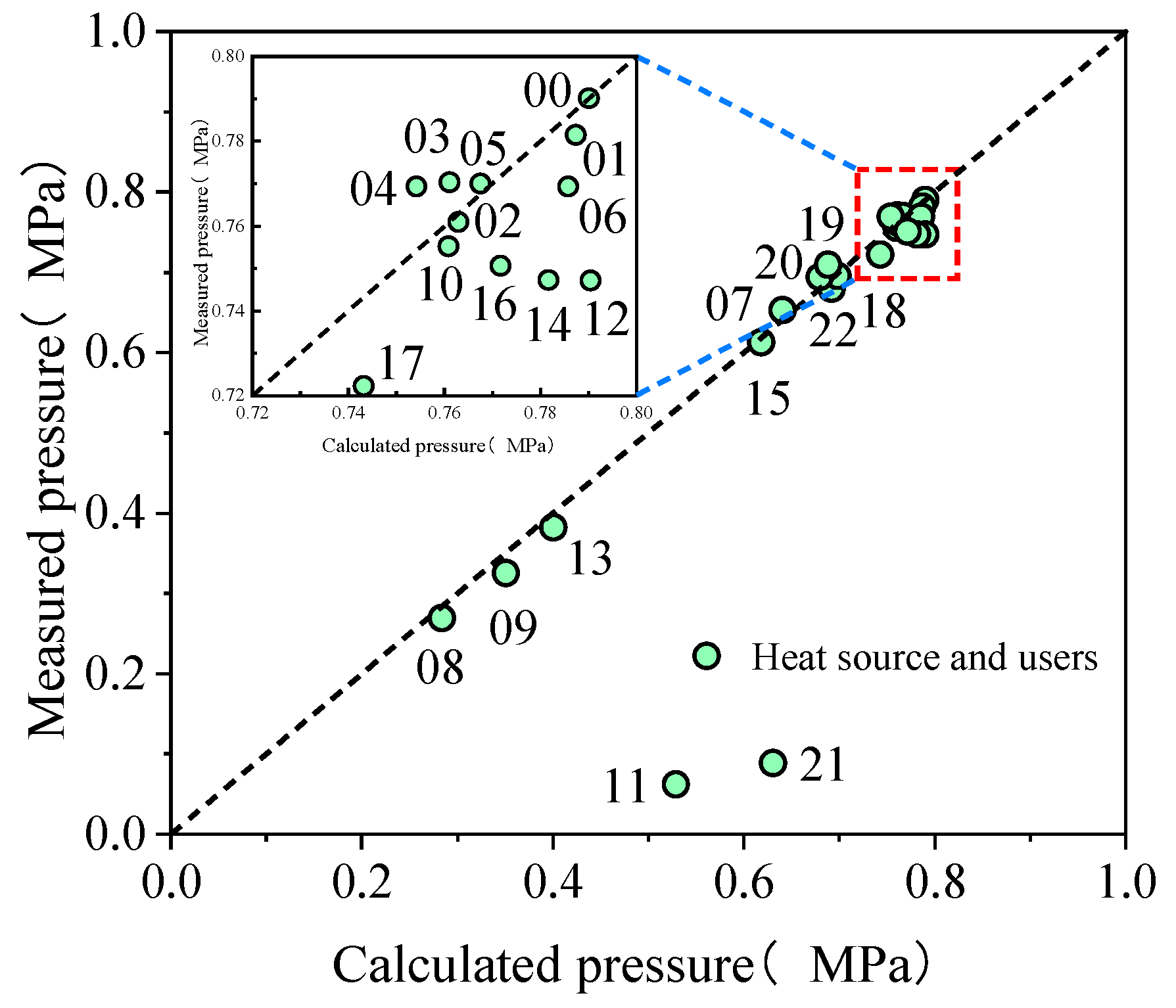
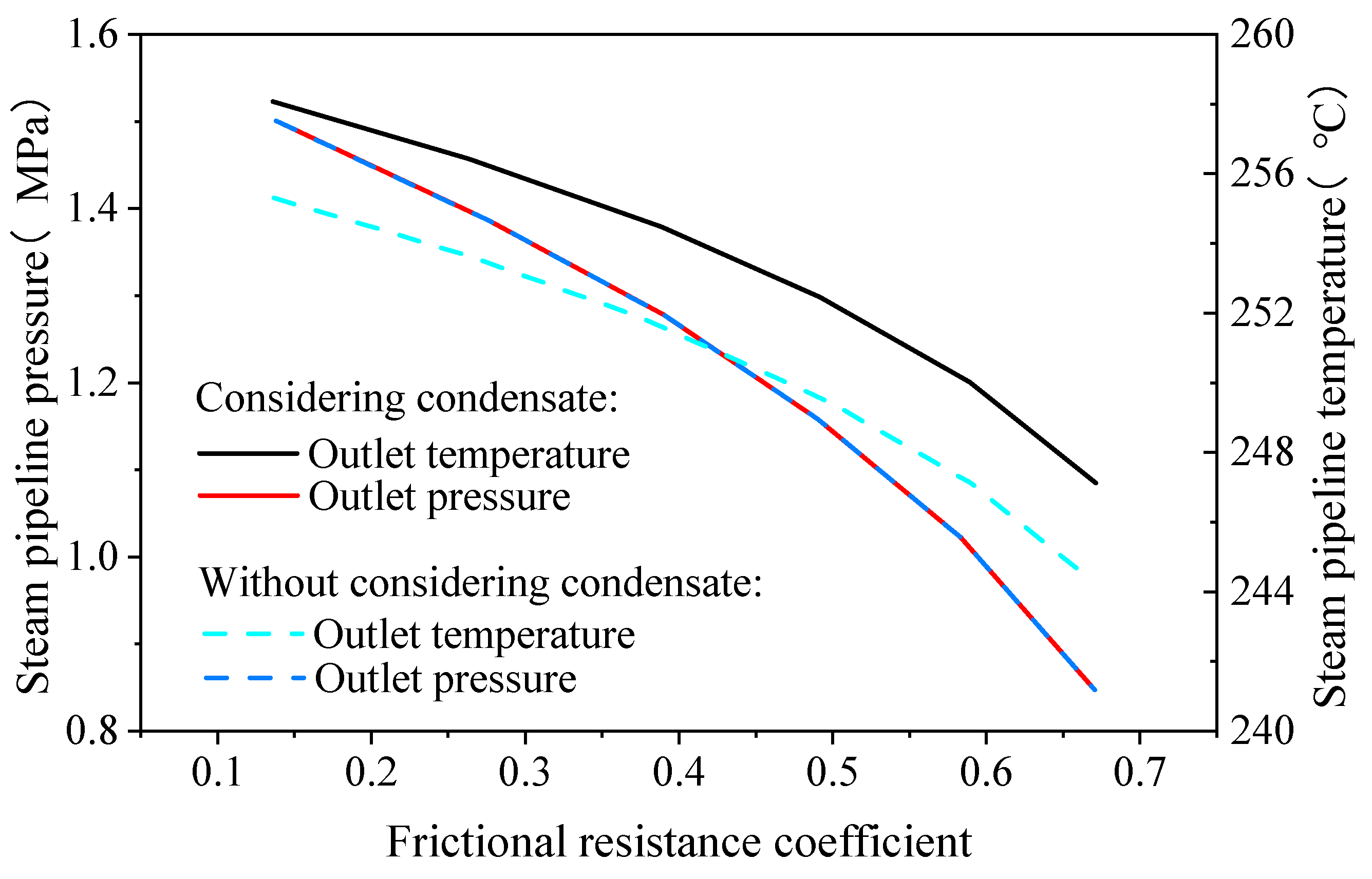
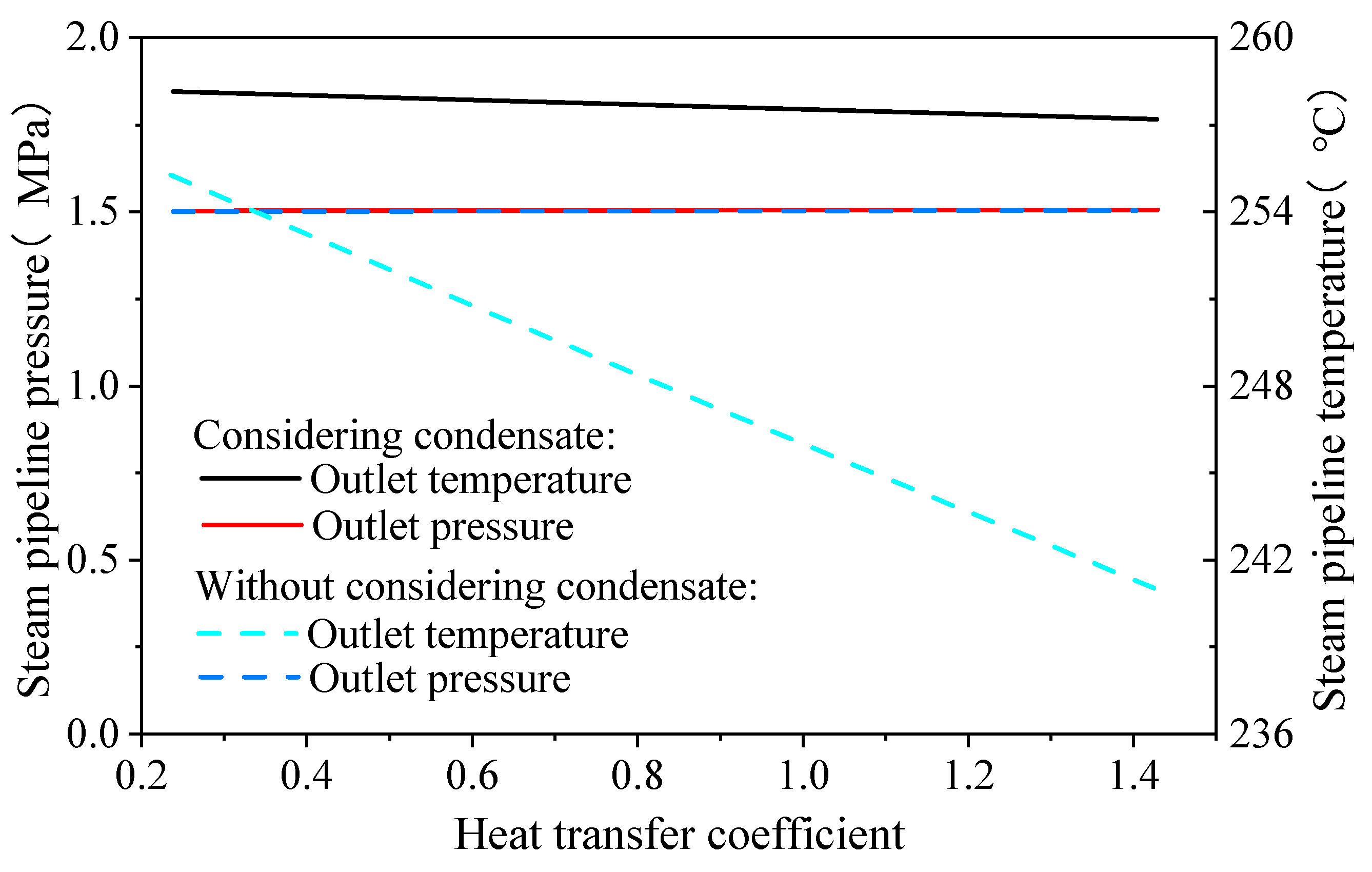
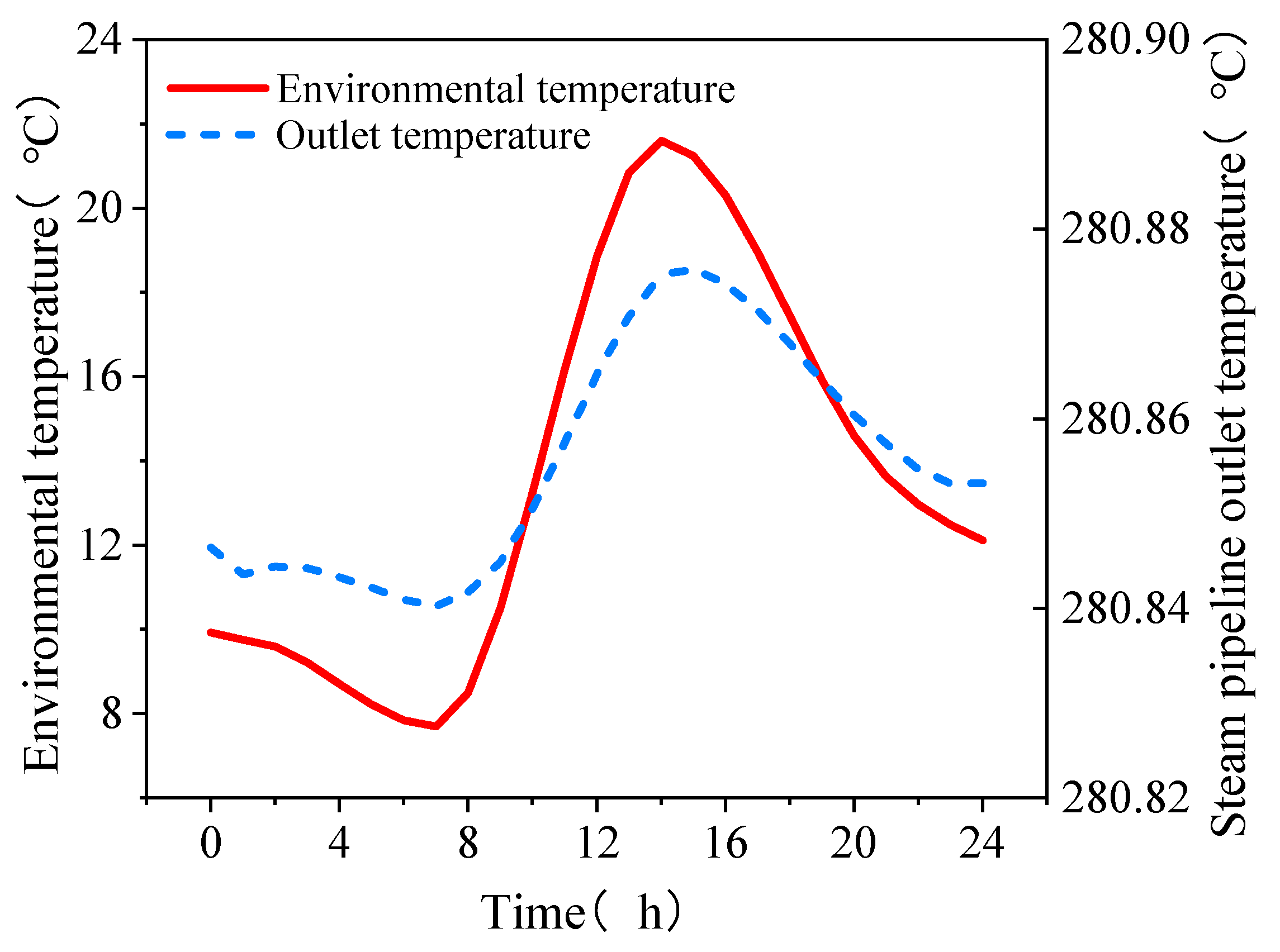
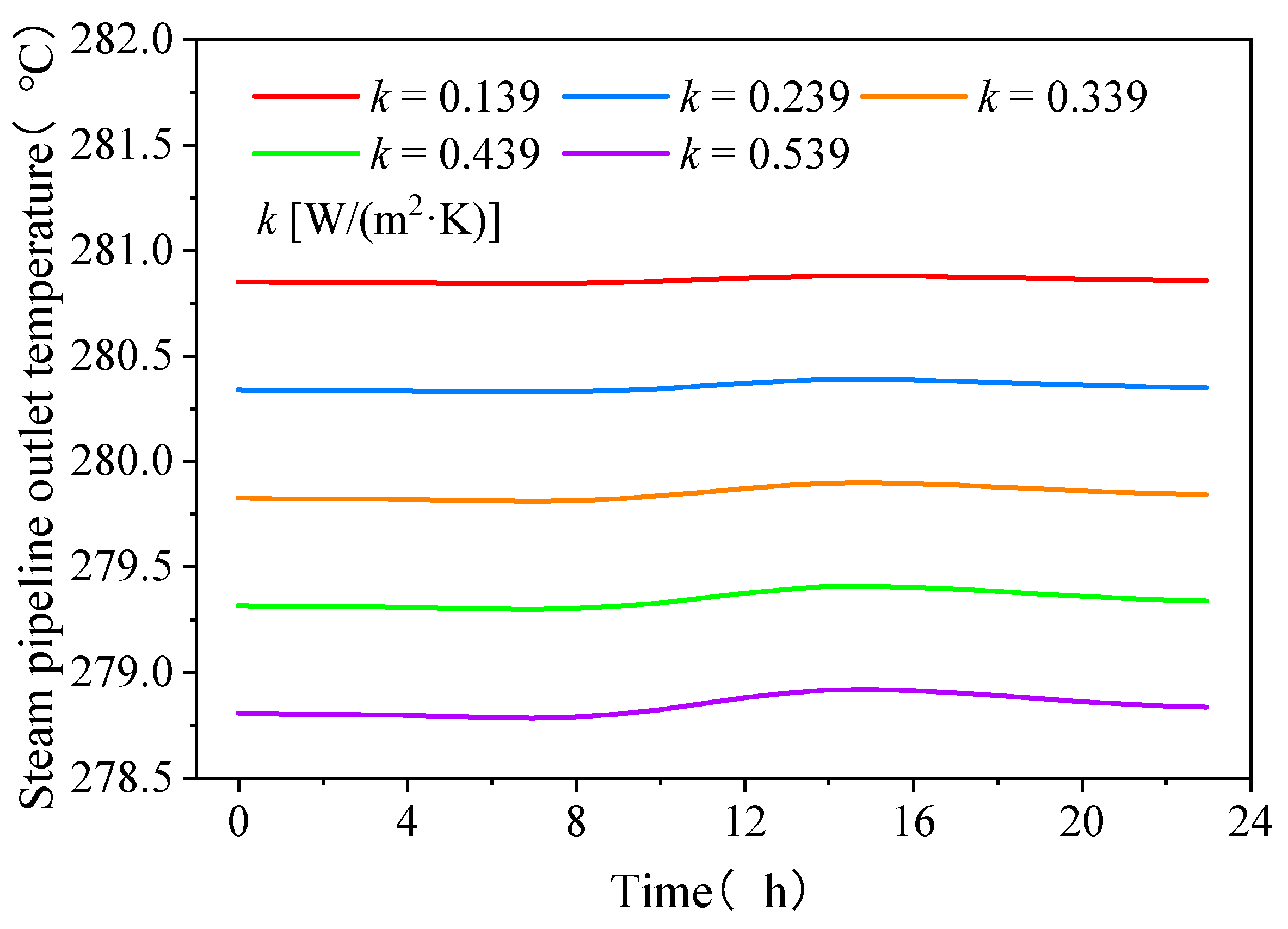
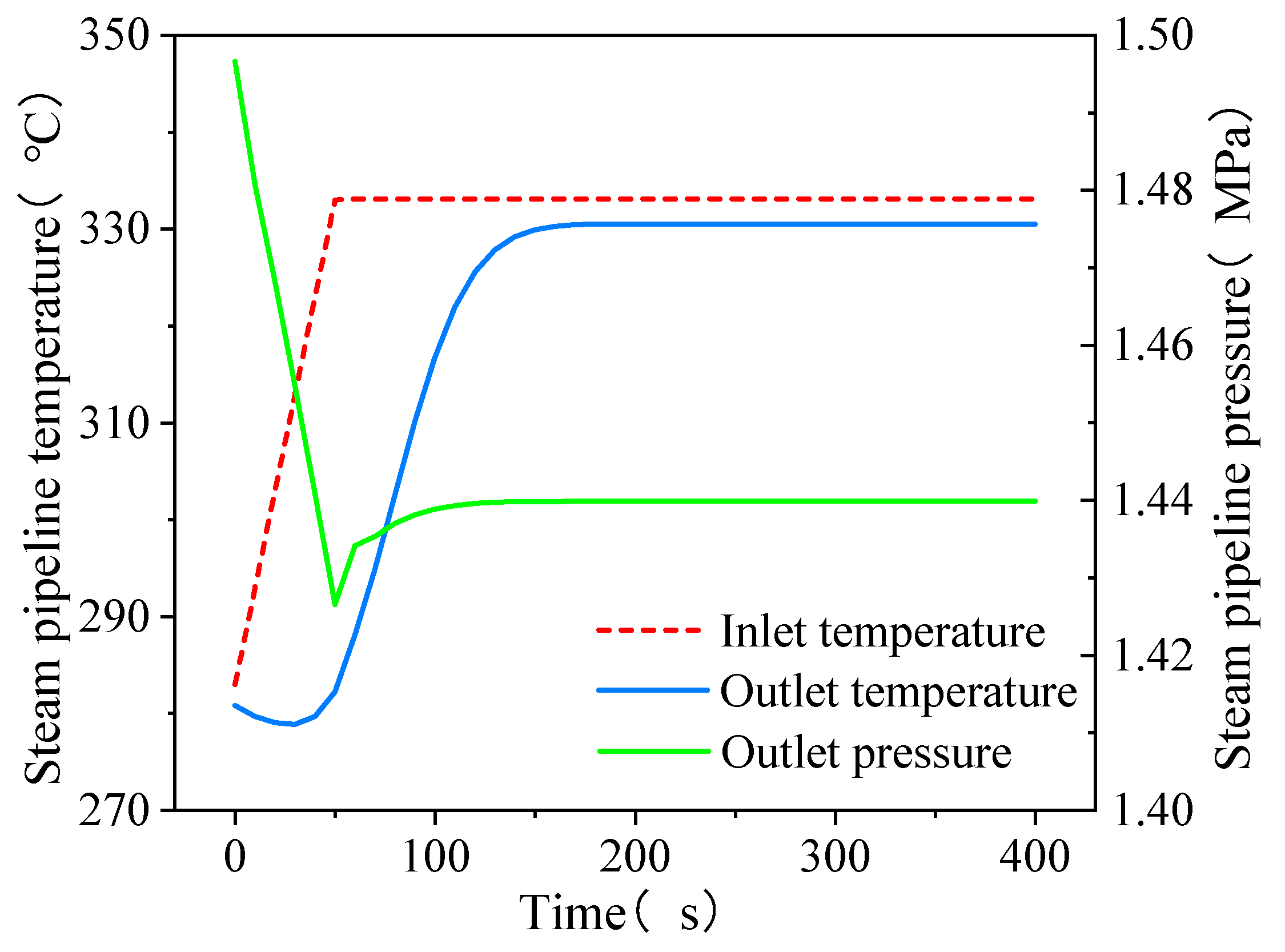
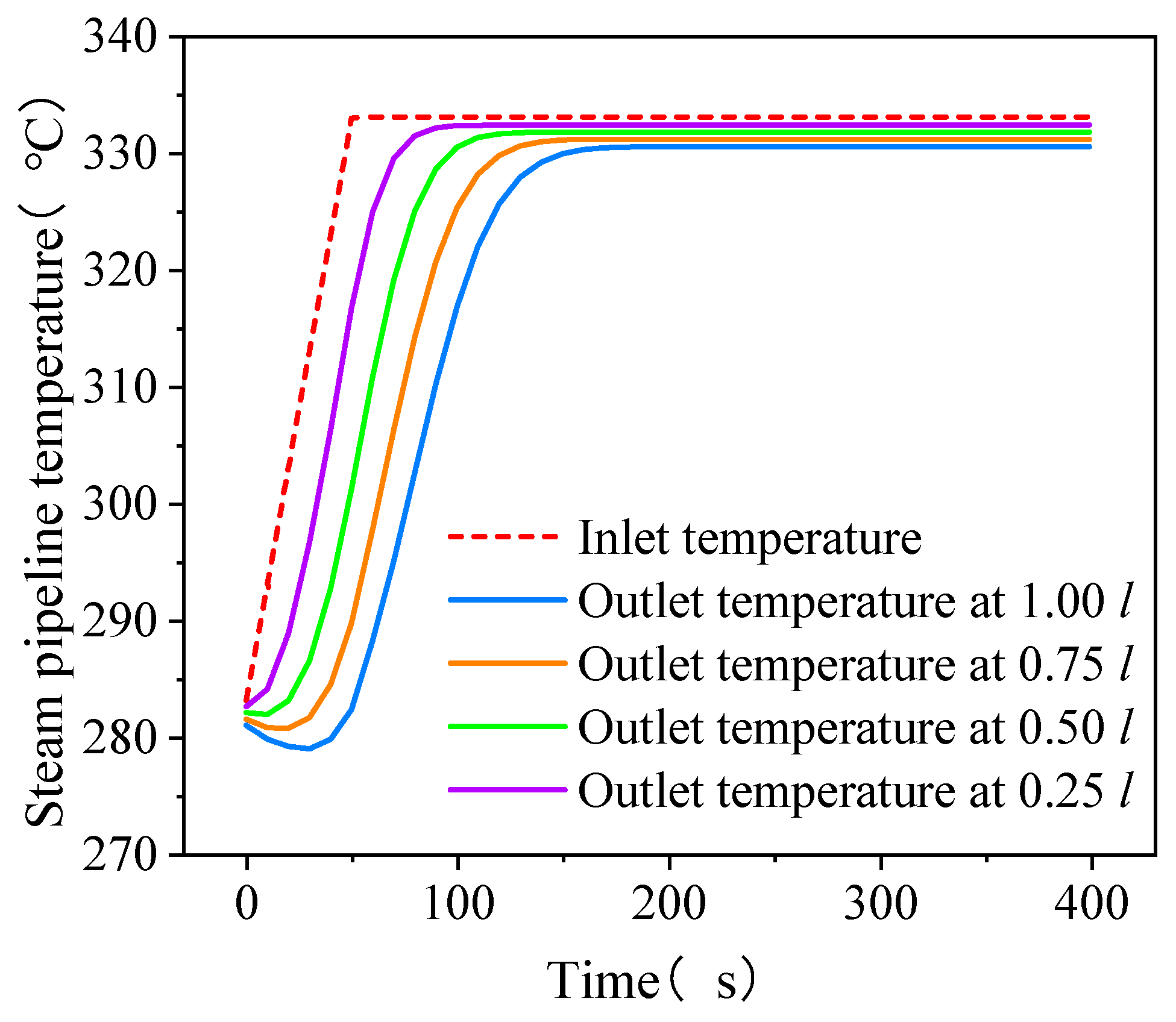
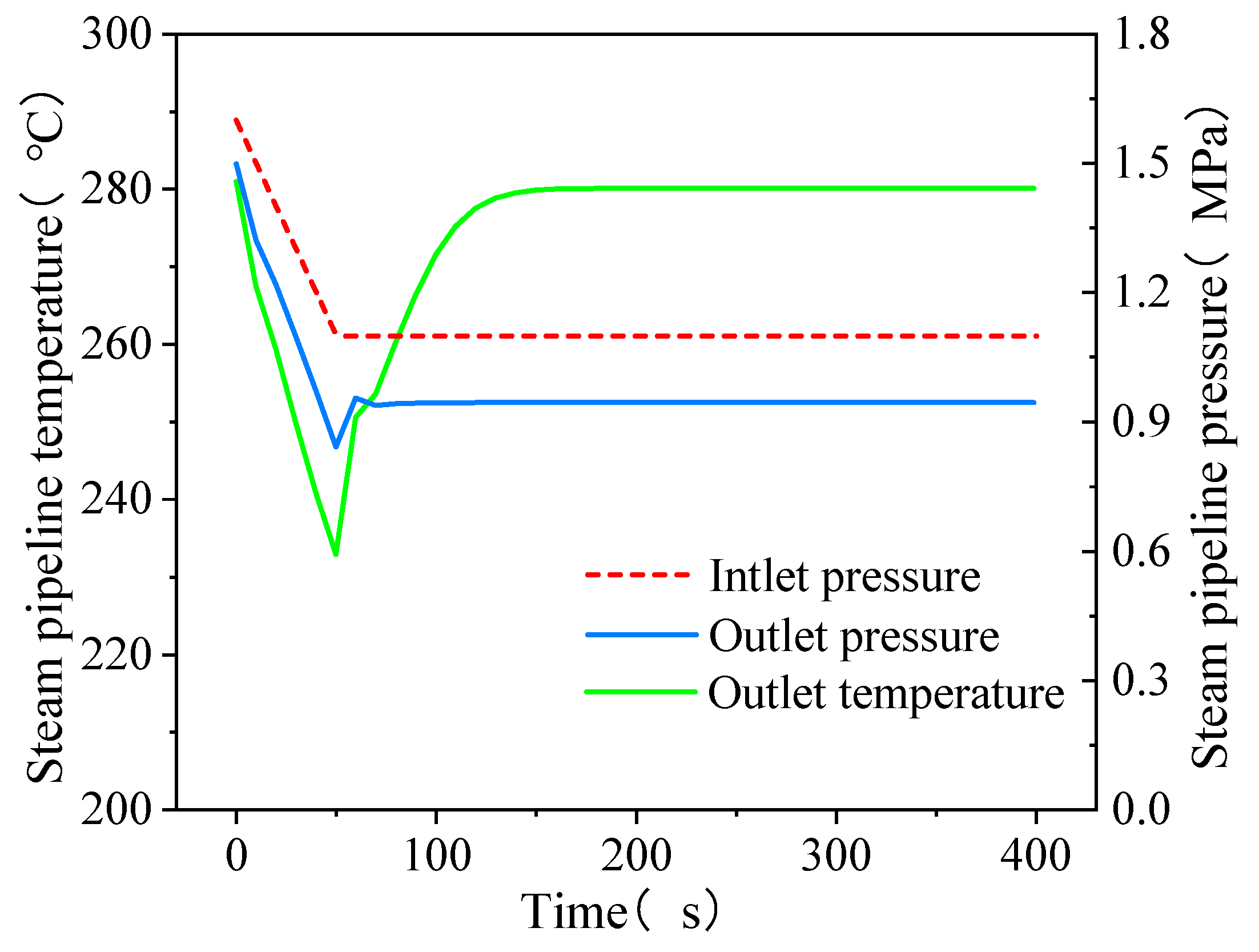
The steam heating pipeline, as a heat energy delivery method, plays an important role in petrochemical, food processing, and other industrial fields. Research on dynamic hydraulic and thermal calculation methods for steam heating pipelines is the basis for the realization of precise control and efficient operation of steam pipe networks, which is also the key to reducing the energy consumption and carbon emissions of urban heating. In this study, the coupled hydraulic–thermal model of a steam pipeline is established considering the steam state parameter changes and condensate generation, the SIMPLE algorithm is used to realize the model solution, and the accuracy of the model is verified by the actual operation data of a steam heat network. The effects of condensate, environmental temperature, and steam pipeline inlet temperature and pressure changes on the hydraulic and thermal characteristics of the steam pipeline are simulated and analyzed. Results indicate that condensate only has a large effect on the steam outlet temperature and has almost no effect on the outlet pressure. As the heat transfer coefficient of the steam pipeline increases, the effect of both condensate and environmental temperature on the steam outlet temperature increases. The effect of the steam inlet pressure on the outlet pressure is instantaneous, but there is a delay in the effect of the inlet temperature on the outlet temperature, and the time required for outlet temperature stabilization increases by about 25 s to 30 s for each additional 400 m of pipeline length. The research can be applied to the control of supply-side steam temperature and pressure parameters in actual steam heating systems. Utilizing the coupled hydraulic–thermal characteristics of the steam pipeline network, tailored parameter control strategies can be devised to enhance the burner’s combustion efficiency and minimize fuel consumption, thereby significantly augmenting operational efficiency and fostering sustainable development within the steam heating system.
Keywords: steam heating pipeline; hydraulic–thermal characteristics; mathematical model; operational energy efficiency steam heating pipeline; hydraulic–thermal characteristics; mathematical model; operational energy efficiency