Article

A Trust-Based Secure Parking Allocation for IoT-Enabled Sustainable Smart Cities

1
College of Computing and Informatics, Saudi Electronic University, Riyadh 11673, Saudi Arabia
2
Department of Basic Sciences, College of Science and Theoretical Studies, Saudi Electronic University, Riyadh 11673, Saudi Arabia
*
Author to whom correspondence should be addressed.
Sustainability 2023, 15(8), 6916; https://doi.org/10.3390/su15086916
Submission received: 4 March 2023 / Revised: 8 April 2023 / Accepted: 13 April 2023 / Published: 20 April 2023
(This article belongs to the Special Issue Secure, Sustainable Smart Cities and the IoT)

Abstract

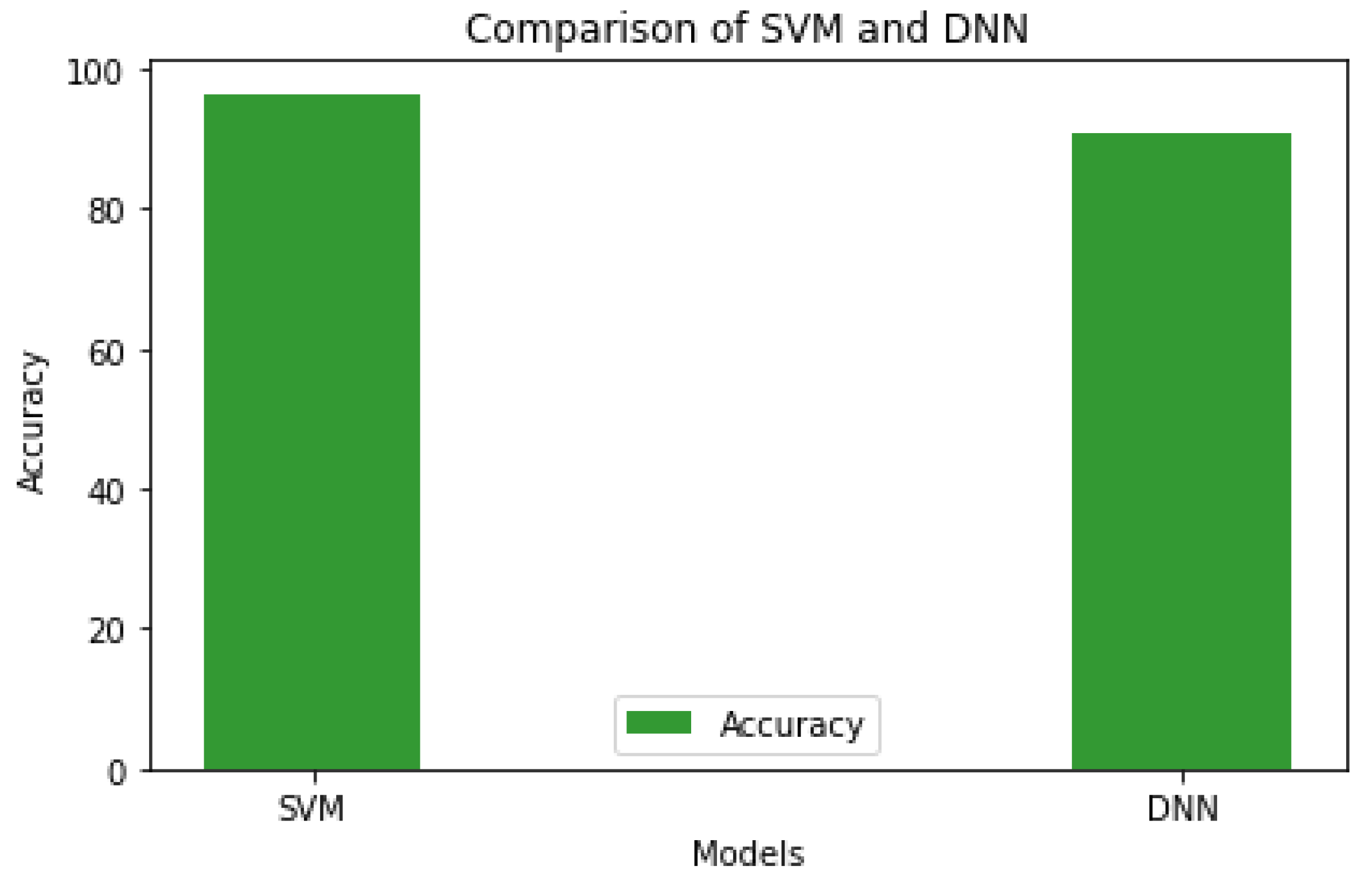
Smart parking is a crucial component of smart cities that aims to enhance the efficiency and sustainability of urban environments. It employs technology such as sensors and IoT devices to optimize the use of parking resources and improve drivers’ experiences. By reducing traffic congestion, decreasing air pollution, and enhancing accessibility, smart parking systems can contribute to the overall well-being of urban areas. IoT-enabled smart parking refers to the application of IoT technology to optimize and improve parking efficiency in smart cities. However, security and privacy challenges in IoT-enabled smart parking pose risks and concerns related to the collection and use of data by parking systems, such as unauthorized access or misuse of data, potential data breaches, and the need to ensure responsible data collection and usage to maintain user trust and confidence. To address these challenges, we propose a novel hybrid approach to trust management using machine learning algorithms to enhance the security and privacy of the system. Our approach consists of SVM and ANNs, taking into account credibility, availability, and honesty as key parameters. Furthermore, we use ensemble machine learning to select the best-predicted model from different trained models, leading to efficient performance and a trustworthy environment. Our results show that the proposed hybrid SVM classifier with a trust parameters approach achieved an accuracy of 96.43% in predicting and eliminating malicious or compromised nodes.
Keywords: Internet of things; smart parking; sustainable smart cities; security; trust management; privacy preservation; trustworthiness Internet of things; smart parking; sustainable smart cities; security; trust management; privacy preservation; trustworthiness