Article

Digital Quantitative Study on Fracture Gas Storage Space for a Three-Layer Composite Residual Mining Area


1
College of Mining Engineering, Taiyuan University of Technology, Taiyuan 030024, China
2
Key Laboratory of Shanxi Province for Mine Rock Strata Control and Disaster Prevention, Taiyuan 030024, China
3
Shanxi Province Coal-Based Resources Green and High-Efficiency Development Engineering Center, Taiyuan 030024, China
4
College of Safety and Emergency Management Engineering, Taiyuan University of Technology, Taiyuan 030024, China
5
Shanxi Coking Coal Group Co., Ltd., Taiyuan 030024, China
6
State Key Laboratory of Hydraulics and Mountain River Engineering, College of Water Resource & Hydropower, Sichuan University, Chengdu 610065, China
*
Author to whom correspondence should be addressed.
Sustainability 2023, 15(8), 6348; https://doi.org/10.3390/su15086348
Submission received: 21 February 2023 / Revised: 31 March 2023 / Accepted: 2 April 2023 / Published: 7 April 2023
(This article belongs to the Special Issue Challenges and Strategies for Sustainable Development in Deep Mines)

Abstract

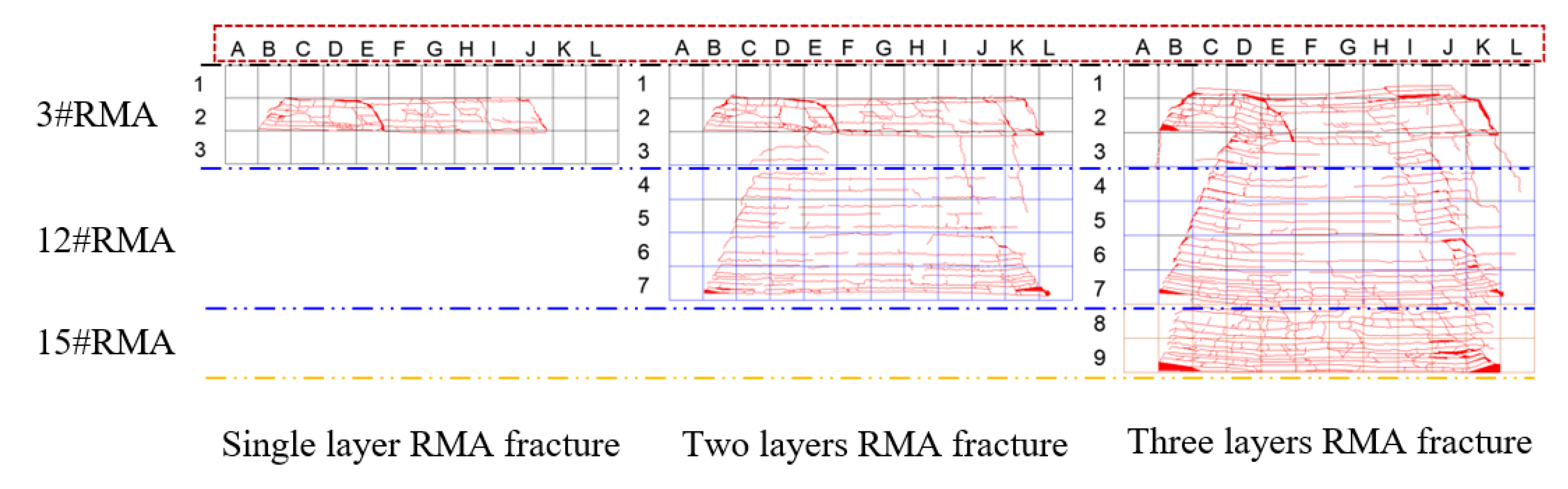
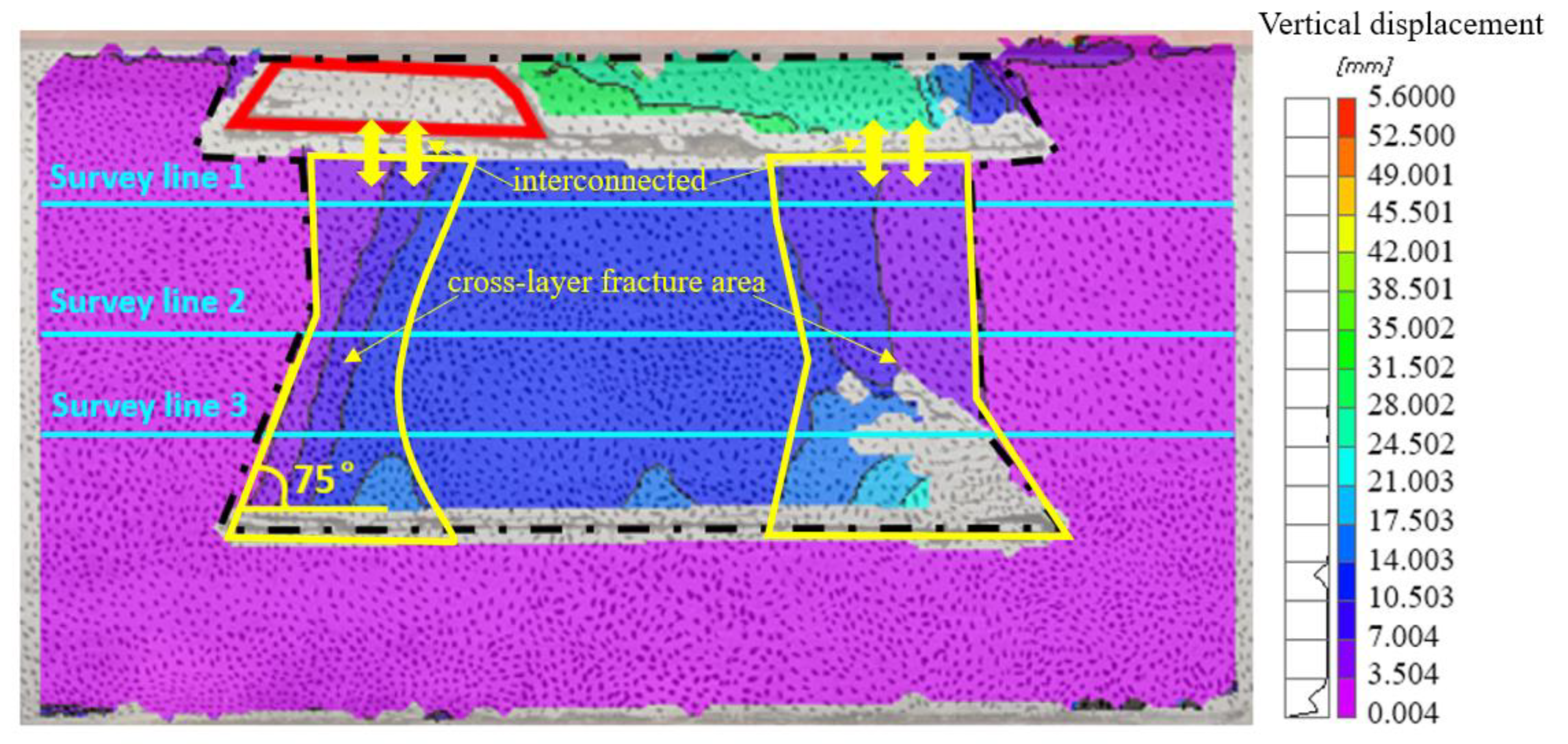
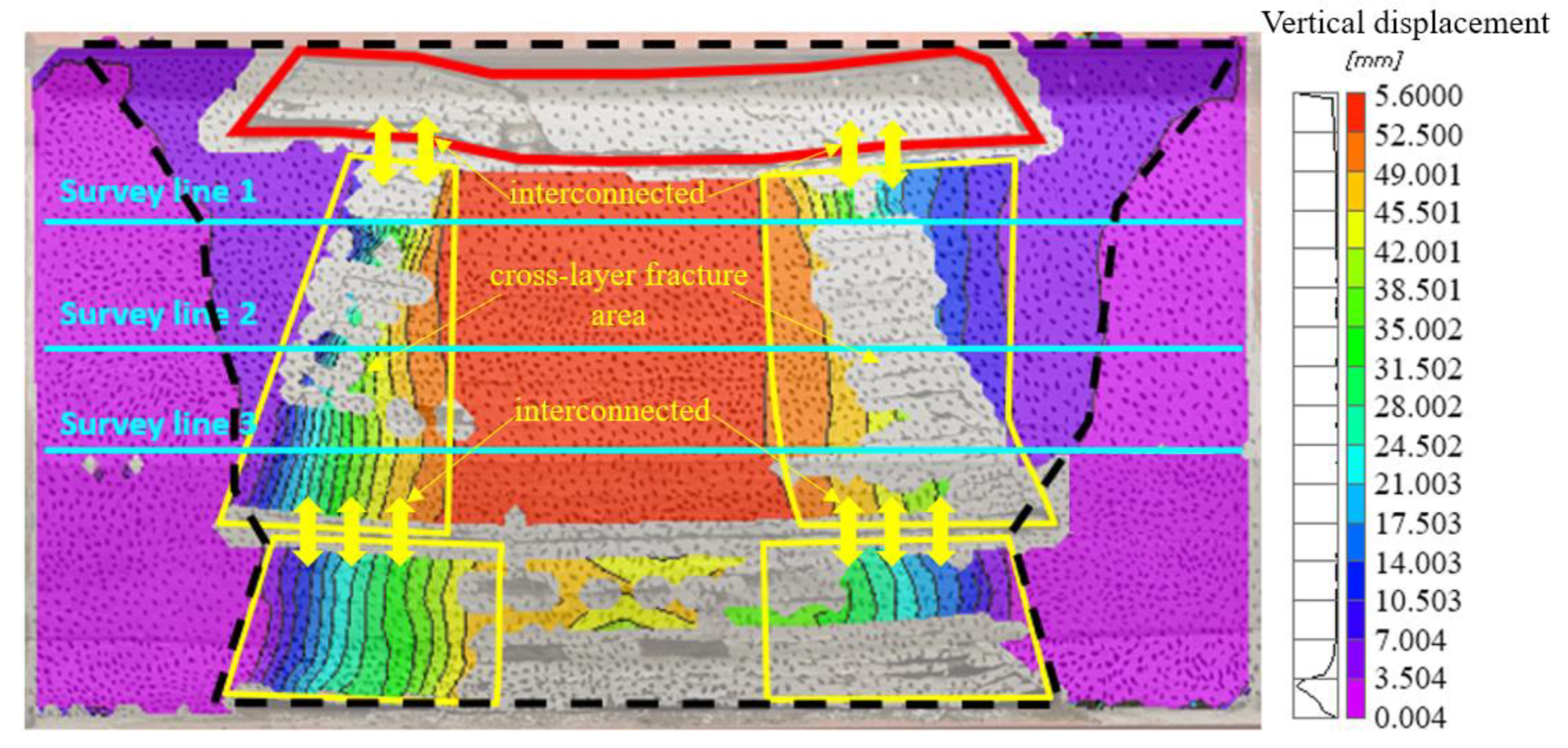
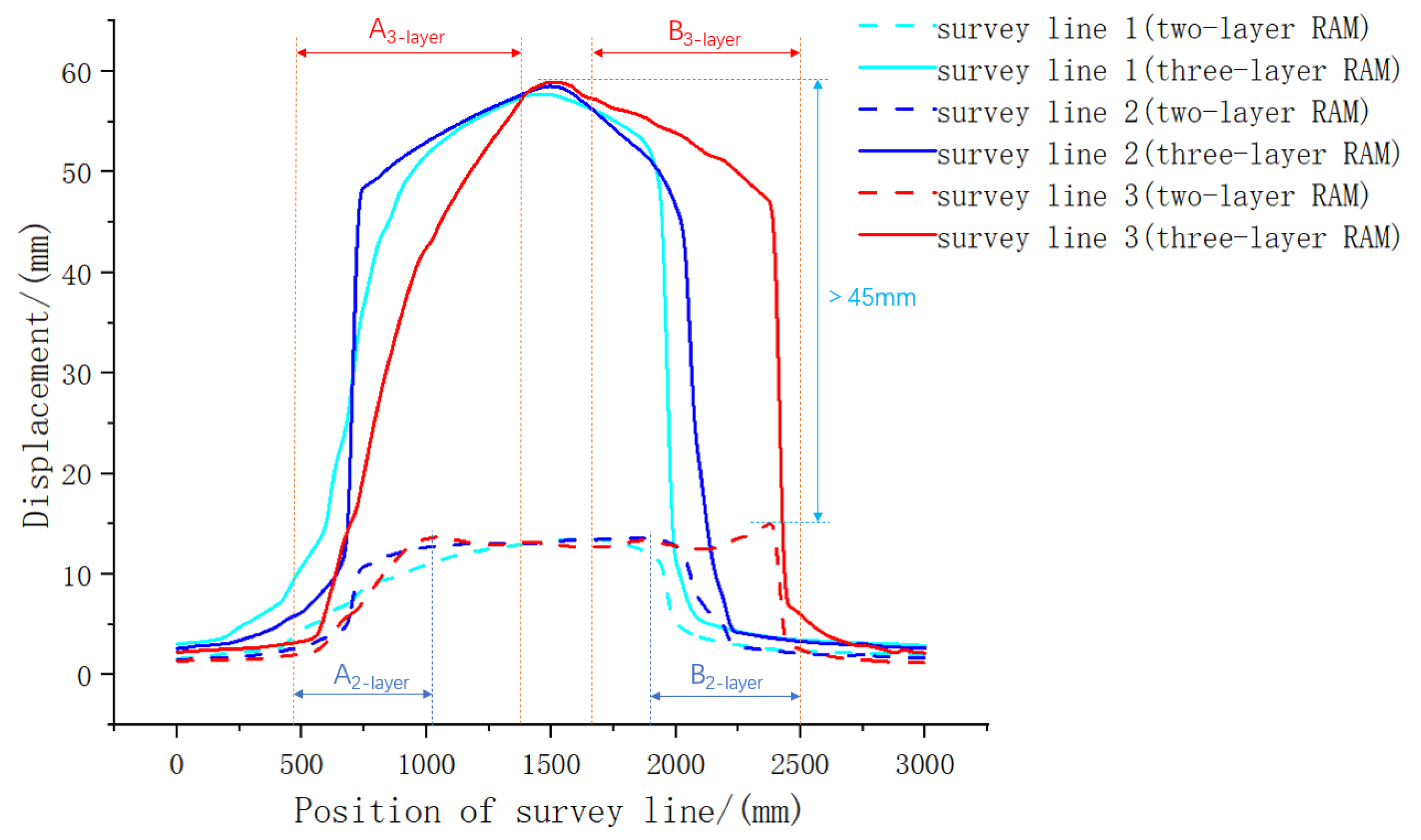
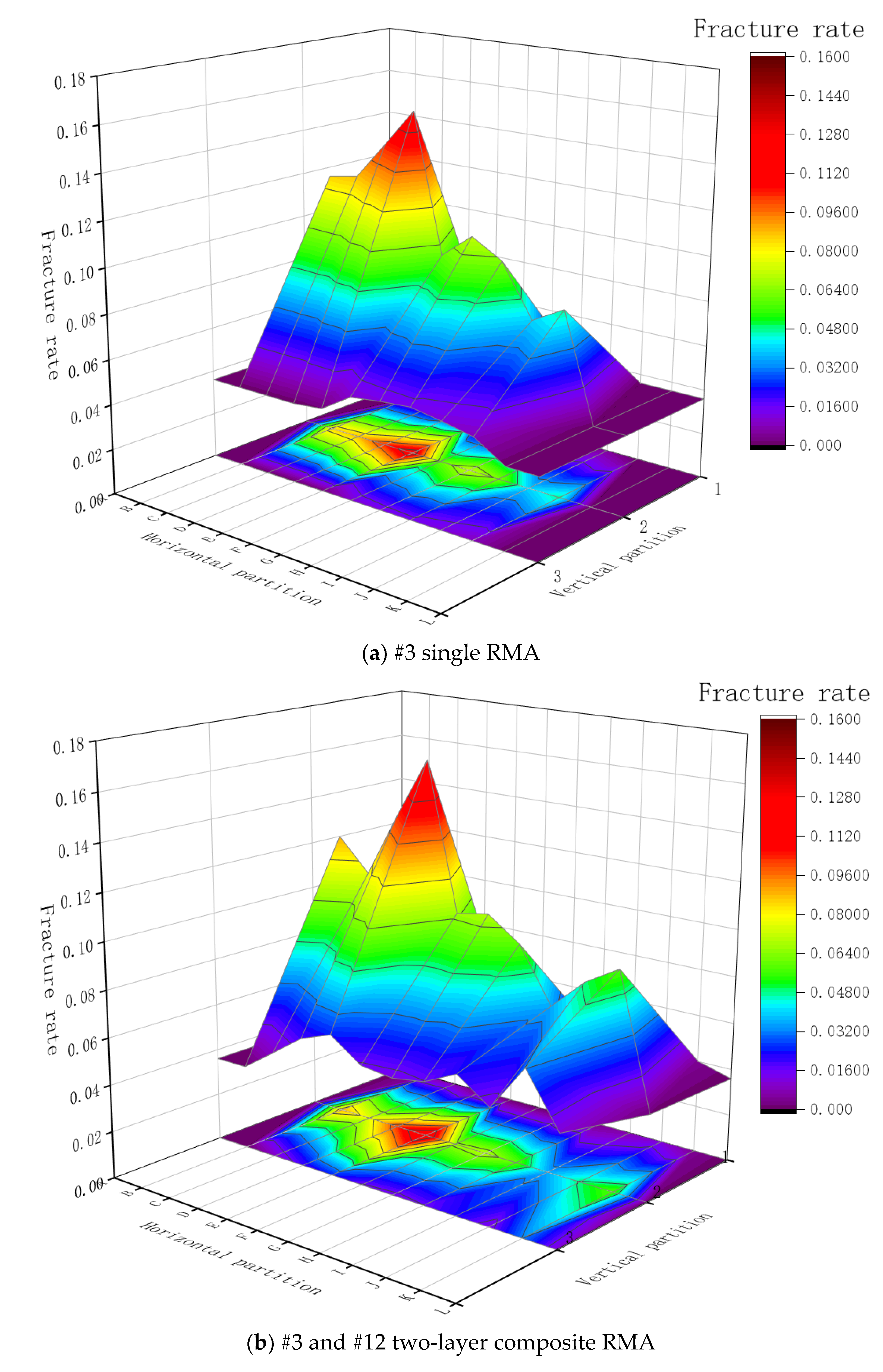
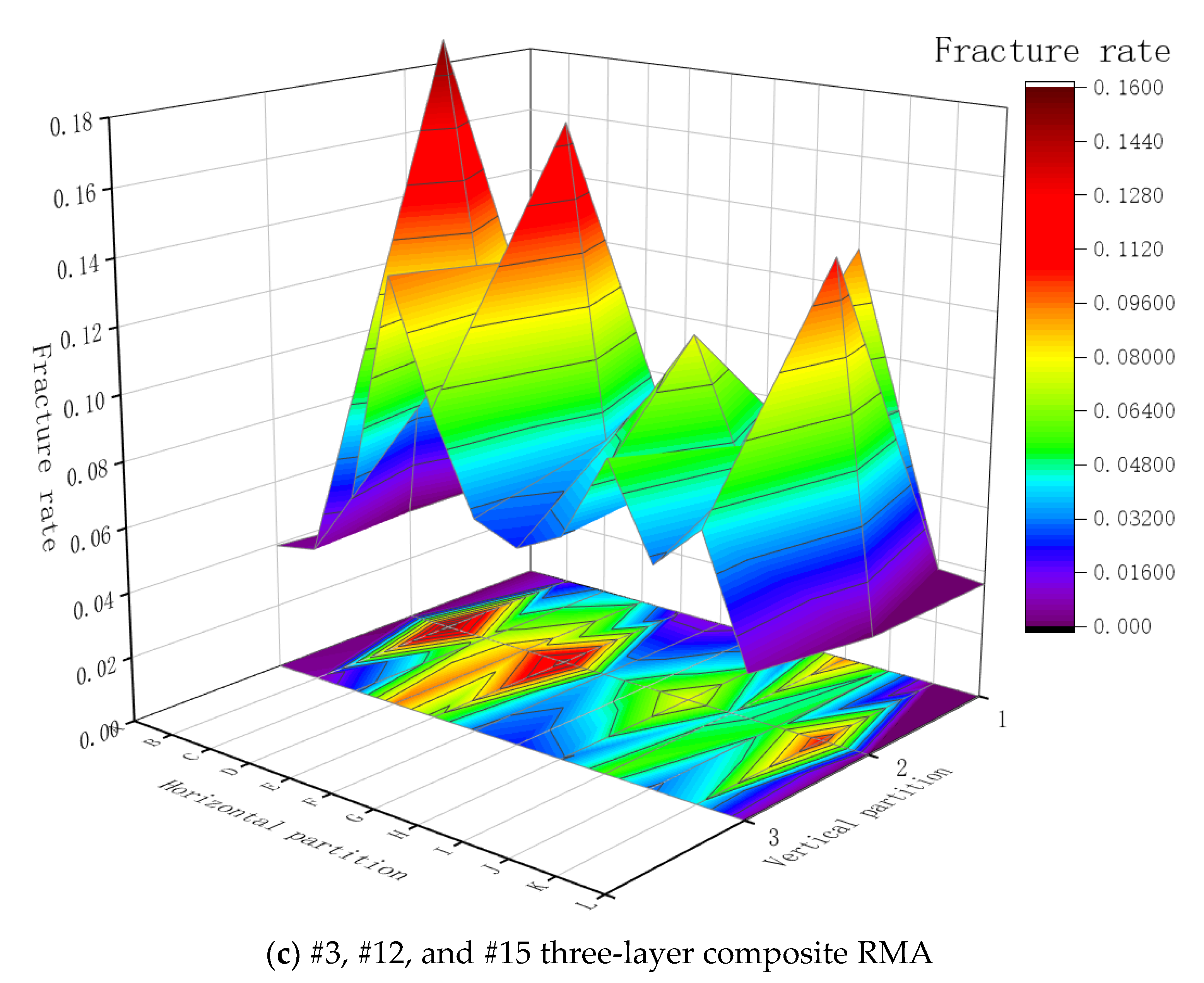
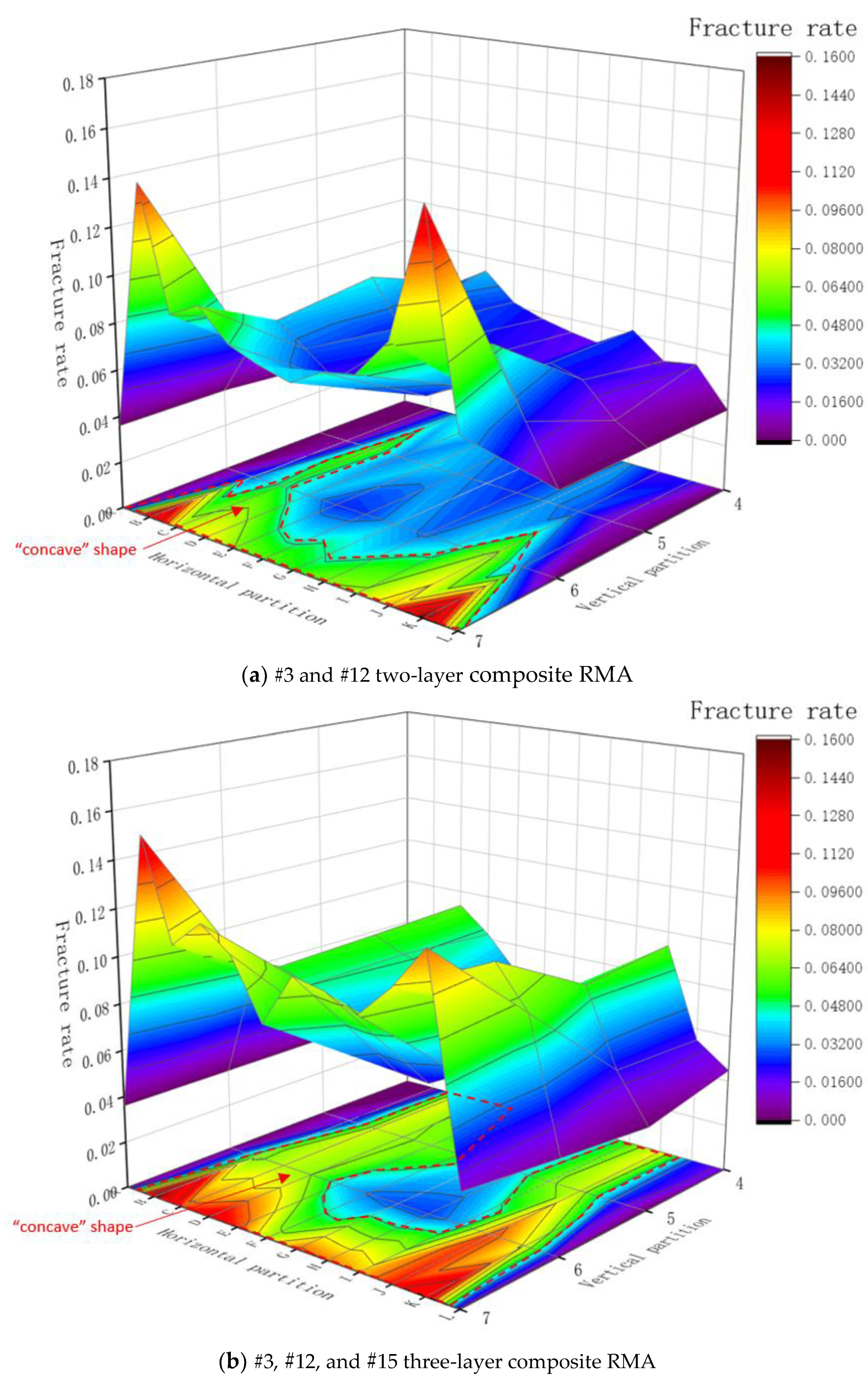
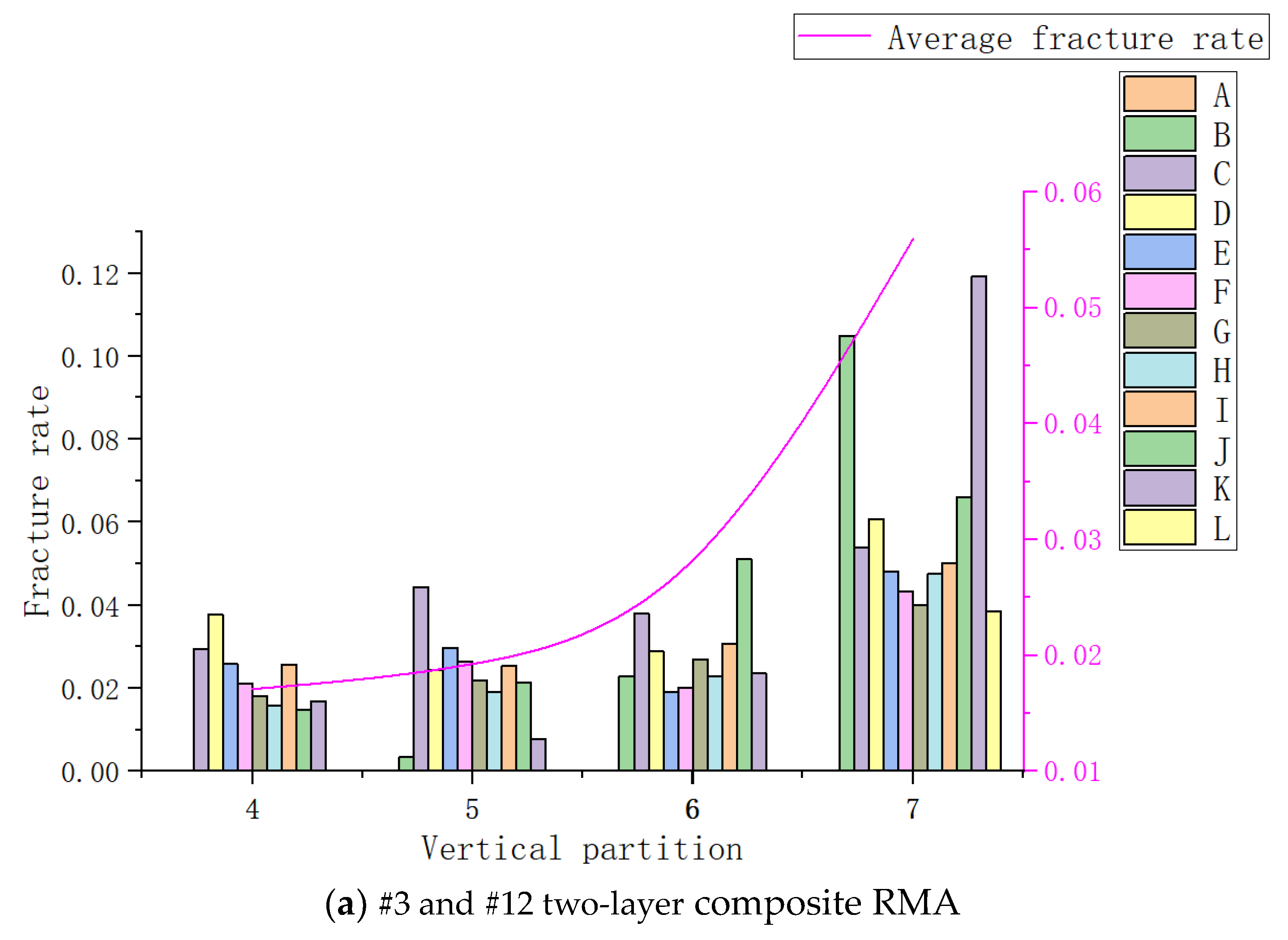
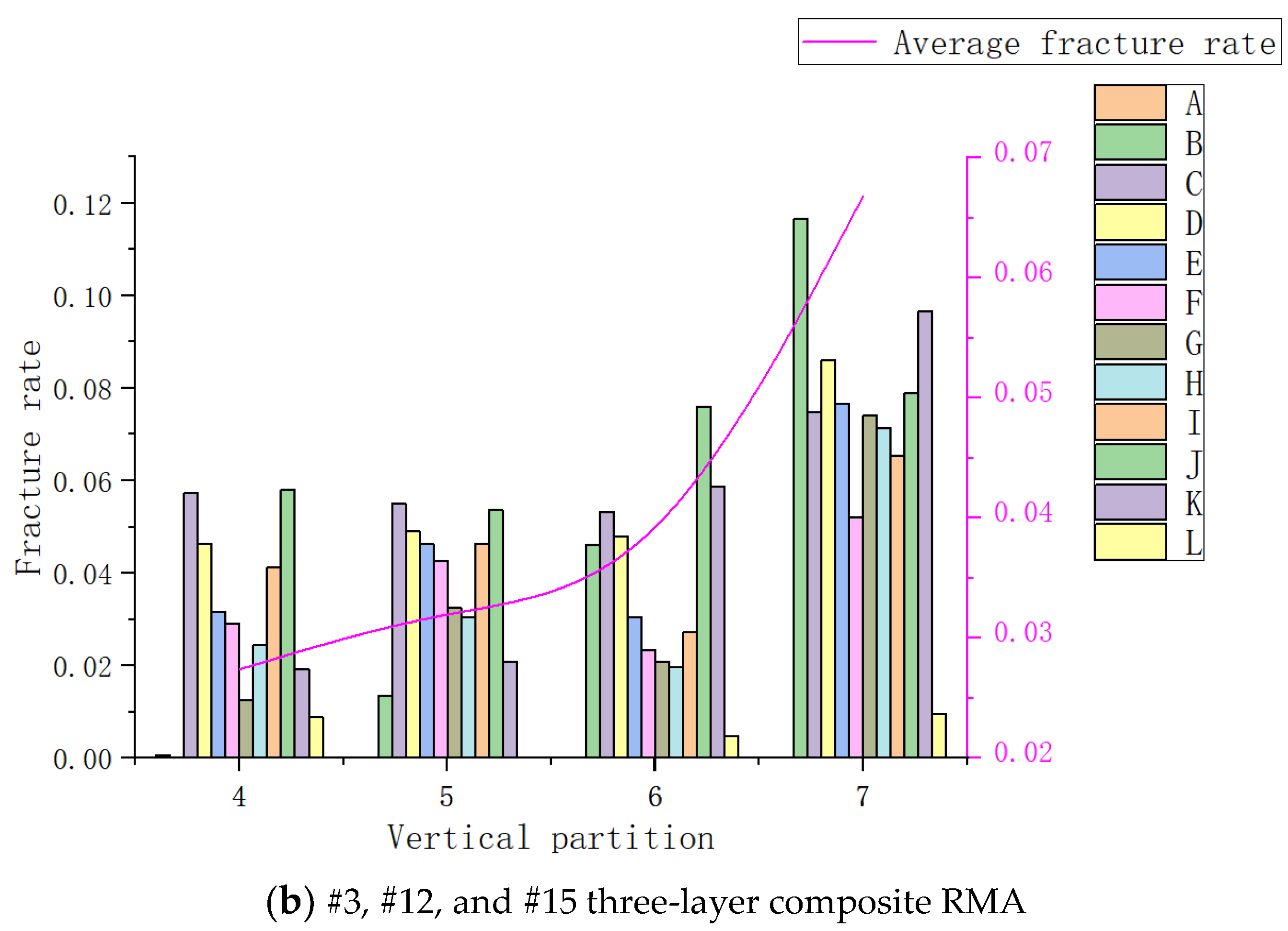
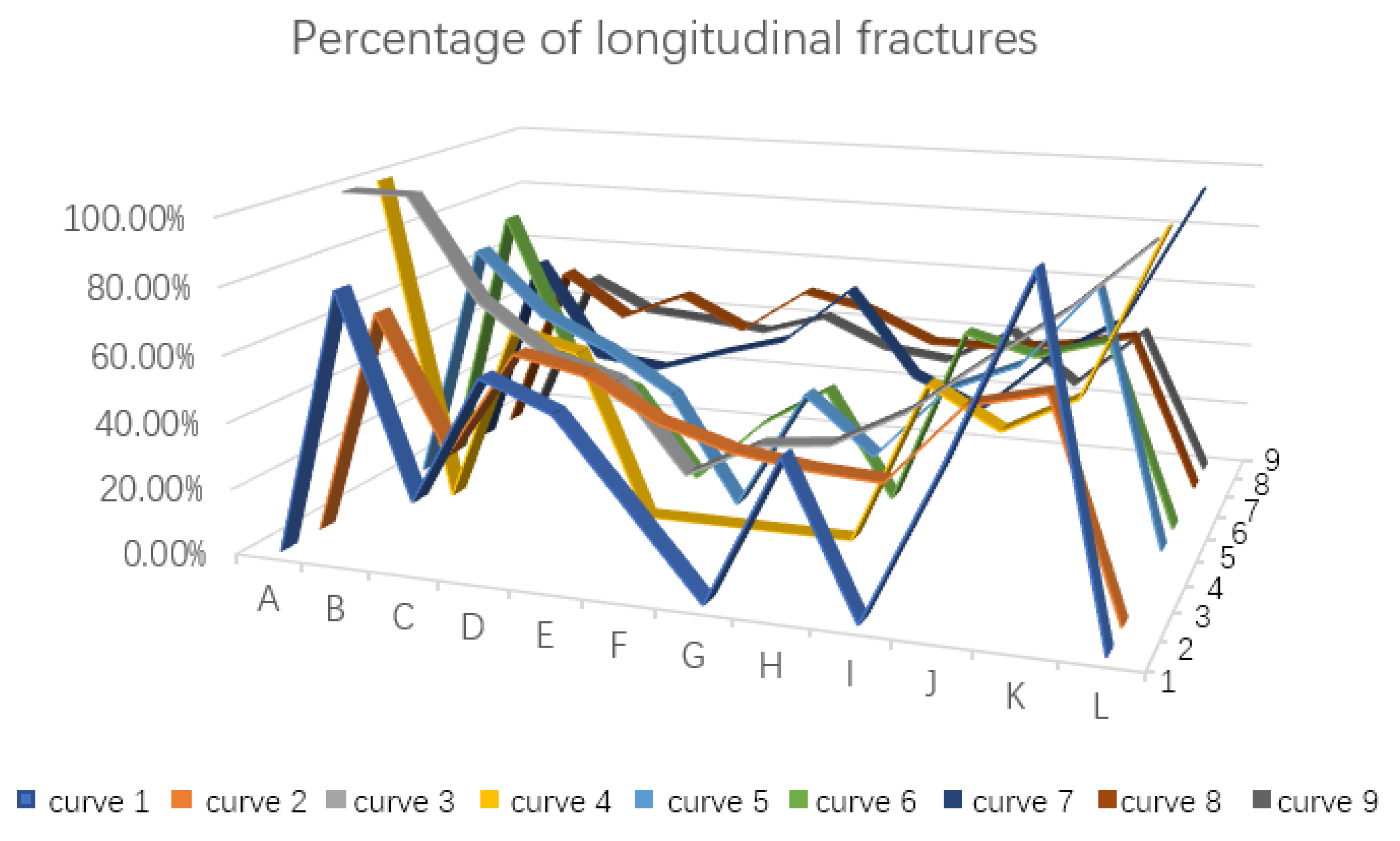
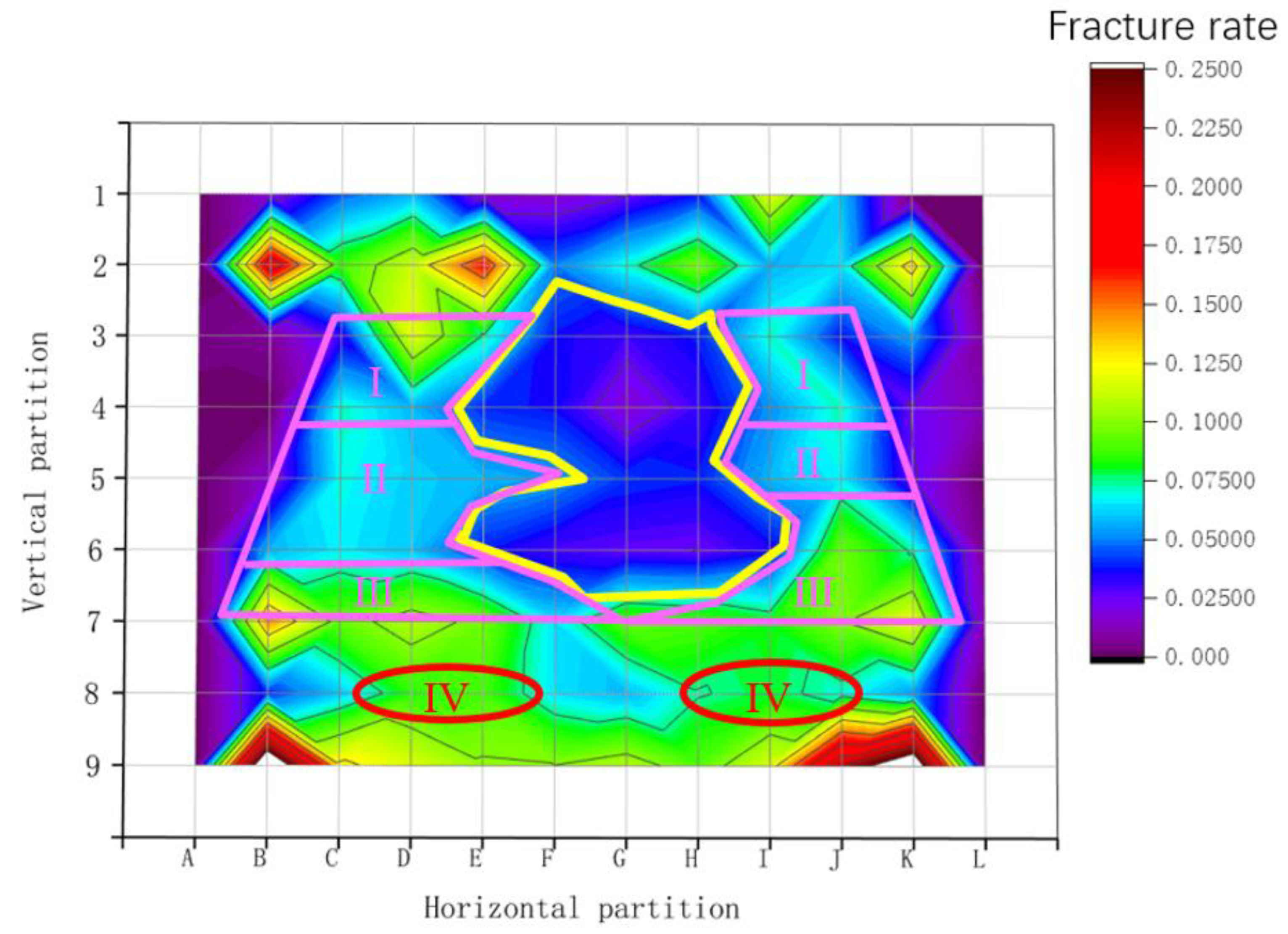
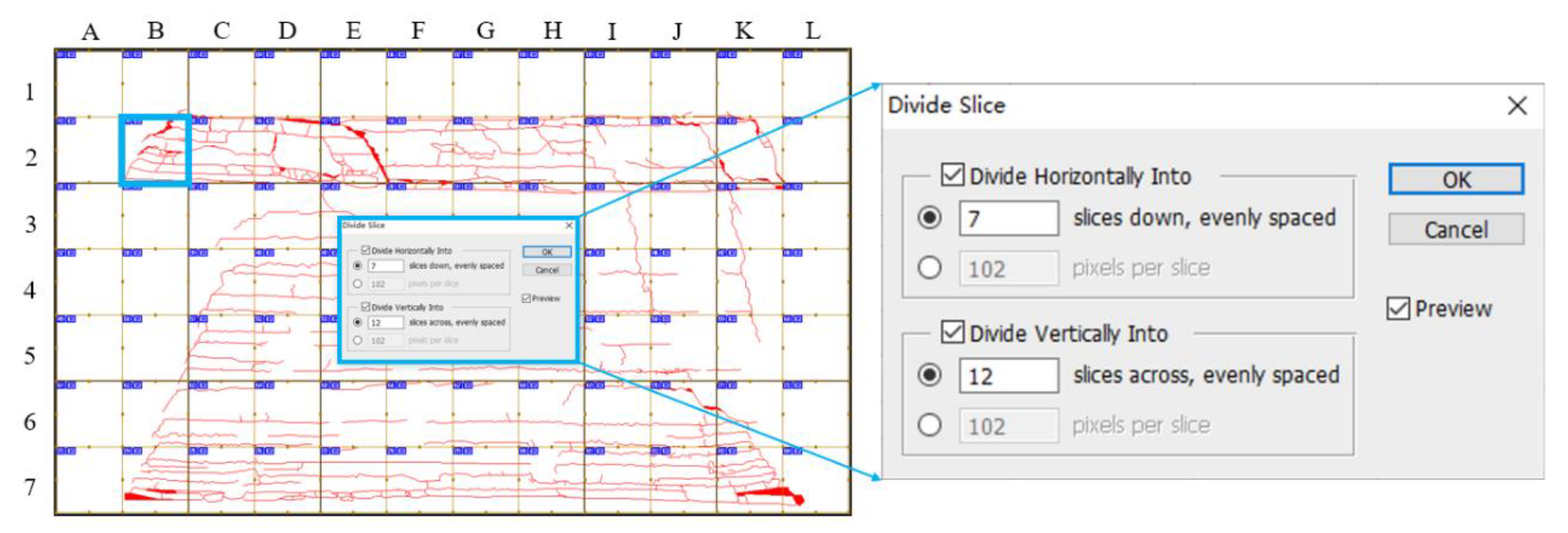
Quantifying the fracture gas storage space is the key to improving the coalbed methane (CBM) extraction efficiency in residual mining areas (RMAs). In this paper, a new digital quantitative description method of fractures is proposed when using a digital image correlation (DIC) system to monitor strata displacement, which improves the accuracy of fracture statistical data. The results show that with the evolution of RMA from single to three layers, the rock strata area with displacement greater than 3.5 mm increases radially and the maximum fracture rate of the uppermost RMA increases by 64.26%. The fracture rate increases exponentially from top to bottom in a long-distance composite RMA and distributes parabolically in the horizontal partition. The area with the highest average fracture rate (12.65%) in the close-distance composite RMA is defined as the concentrated growth area. The longitudinal fracture rate of a cross-layer fracture area in the three-layer RMA exceeds 60%. The cross-layer fracture area connecting the composite RMA at the open-cut side is a favorable extraction location for surface drilling. The research results will provide theoretical support for the safe and sustainable exploitation of CBM and residual coal in composite RMA.
Keywords: coalbed methane; gas storage space; fracture development; digitization; sustainable coalbed methane; gas storage space; fracture development; digitization; sustainable