Abstract
E-scooter sharing systems are a new mobility solution that is emerging in cities all throughout the world. Its rapid diffusion and disruptive nature have gained immediate attention from scholars, decision-makers, the public and the media (with strong arguments in favor of or against being put forward). To date, the scientific community has focused mostly on studying the determinants for adoption by end-users, the trip patterns, the safety, and the sustainability of such systems. This research work provides preliminary insights on the future role that these shared mobility systems can play in urban mobility. The study focuses on recent experiences in Portugal (more than a dozen cities and a dozen service providers) drawing on a literature review and an expert survey (N = 23) with local decision-makers, scholars, service providers and civic associations. The analysis provides a positive outlook on the future of shared e-scooters, observes that deployment has been taking place through waves of launch–test–withdraw/expand, and highlights which policies and actions should be prioritized so that these systems can make a truly significant contribution towards sustainable urban mobility and livable cities.
1. Introduction
E-scooter sharing systems represent the latest addition to shared mobility solutions within urban environments. These systems consist of a fleet of e-scooters dispersed throughout an urban area and a mobile app that allows users to unlock and lock the vehicles at their origin and destination points, respectively. Each e-scooter is shared among multiple users, each utilizing it during different time windows, typically paying a fee for both unlocking the vehicle and per minute of use.
Introduced in September 2017 in the United States [1,2], shared e-scooters have been diffusing rapidly across the world. According to a report by the BCG consulting company [3], shared e-scooters are recognized as “one of the fastest-growing worldwide consumer phenomena in memory”, with these systems identified in more than 300 cities globally. The rapid dissemination of new mobility services owes itself to a highly replicable and scalable business model, coupled with a fiercely competitive and dynamic market [4]. All these business elements are present in the shared e-scooters space and can help to explain the fast worldwide diffusion of such systems.
As these systems proliferate, they draw increasing attention from scholars, practitioners, decision-makers, the general public and the media. Shared e-scooters, within a short span, have sparked substantial curiosity and concern [2].
The rapidly growing body of literature on e-scooter sharing systems can be divided into four main sub-fields. One examines user acceptance and adoption [5,6,7,8,9], another studies trip patterns and modal shift [10,11,12,13], a third addresses safety concerns [14,15,16,17] and the fourth explores the contributions of such systems to sustainable mobility [13,18,19,20]. The scientific community has therefore been focusing on the analysis of the current systems—Who are their users? How are shared e-scooters used and what for? What are their impacts (on health, sustainability, etc.)?
However, few attempts have been made to understand whether shared e-scooters are just a passing phenomenon or a long-lasting solution, and what they can represent to the future of cities and urban mobility. To the authors’ knowledge, the few exceptions providing some insights into the future include [2,21,22,23]. The question about the future of such systems becomes even more relevant due to the highly dynamic and competitive market (with several competitor companies, backed with large amounts of venture capital, emerging in a short period of time and engaging in frequent mergers and acquisitions), to the viability of the business model that has yet to be proven (in fact, there are numerous examples of cities in which shared e-scooters were launched and the operations were shut down only a few months later), and to the increasing regulation from city and/or transport authorities.
Therefore, to fill this significant knowledge gap, this article aims to answer two key research questions:
- RQ1: Will e-scooter sharing systems play a role in the future of cities and urban mobility?
- RQ2: If so, what contribution can these systems make to sustainable mobility and livable cities?
Our research approach involves a literature review alongside an expert survey. The review encompasses both scientific and grey literature, aiming to identify current challenges, potential impacts, and relevant policies and actions related to shared e-scooters. Insights from this review informed the design of the survey. The experts (N = 23) were asked to classify the degree of agreement with statements about potential contributions of shared e-scooters, the degree of importance of current problems and the degree of priority of policy actions on a 1–5 Likert scale. The survey also included open-ended questions to allow the experts to share examples and additional perspectives.
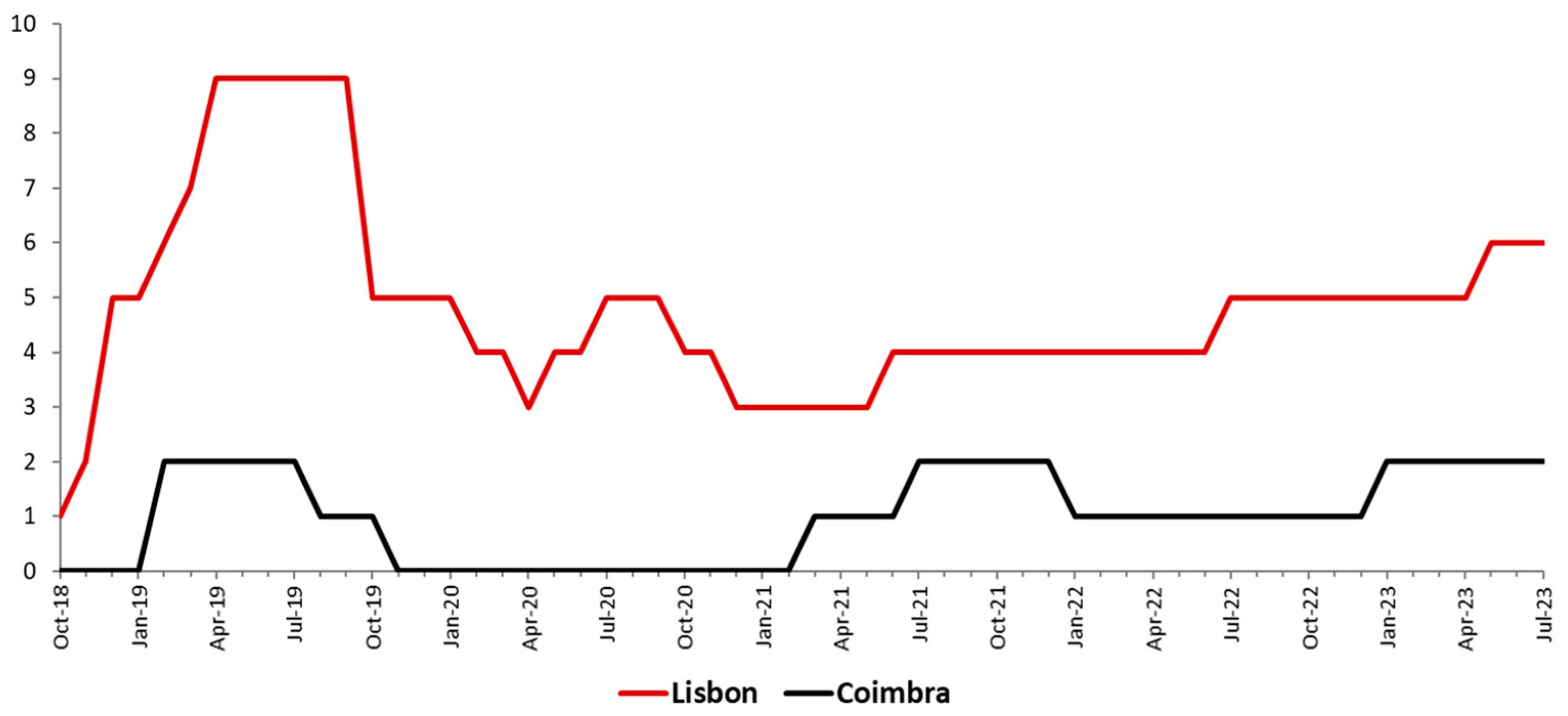
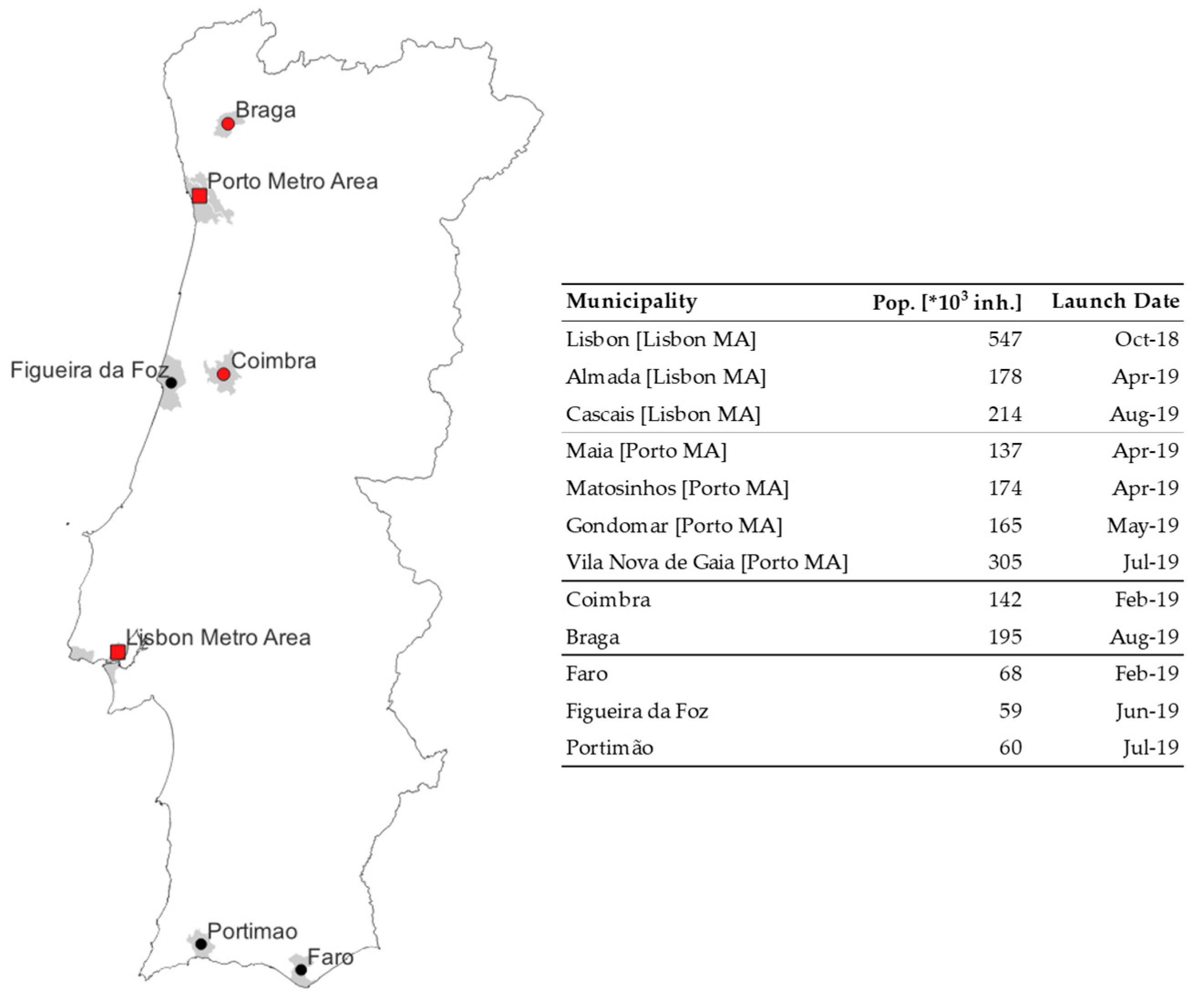
The study describes the Portuguese experience and draws conclusions for other international contexts. Portugal has emerged as a significant early-stage test market for global companies. In fact, since the first scheme (Lime, in the city of Lisbon, in October 2018), more than a dozen of the major global shared e-scooters providers have operations (or have operated) in Portugal. Notably, both the Estonian company Bolt and the German company Hive chose Portugal (not their home countries) to launch their first shared e-scooters service (in the cities of Faro and Lisbon, respectively). Moreover, the American company JUMP initiated the internationalization of its shared e-scooters business to Europe in Lisbon (the company was afterwards acquired by Uber and later on taken over by Lime in a Uber–Lime business agreement). A recent industry report acknowledged Lisbon as the city with the second-highest number of shared e-scooter trips per capita in Europe during the second quarter of 2022 [24]. Another notable aspect of the Portuguese experience is that, at the outset, e-scooter sharing systems were deployed not only in the large metropolitan areas but also in many small and medium-sized cities—a context that is yet to be properly addressed in the literature. For all these reasons, relevant insights can be drawn from this case.
The article is structured as follows. Section 2 provides relevant background information. Section 3 details the research approach. Section 4 delves into the implementation of shared e-scooters in Portugal. Section 5 presents the results from the expert survey, and, finally, Section 6 discusses the results and summarizes the conclusions of the study.
2. Background
Shared e-scooters are an emerging new mobility service (NMS), initially introduced in September 2017, by Bird, in Santa Monica (CA, USA). Among all NMSs, e-scooter sharing systems exhibit one of the highest paces of diffusion at the global level—much faster than bikesharing [25] and comparable only to ride-hailing [4]. Besides their rapid diffusion, shared e-scooters have also had an immediate and very noticeable impact on cities and daily urban life. The topic has caught media attention and has made several news headlines [2,14]. Various and very strong arguments have arisen both in favor and against shared e-scooters [23]. The literature reports several issues related to shared e-scooters, from which we highlight conflicts over space, irresponsible behavior and doubts about the impacts on health and on the environment. To date, research has chiefly focused on four main research lines.
One research line concerns the study of the demand and focuses on describing the (potential) users and the factors influencing the stated intention to use or the determinants for adoption and continued use. Ref. [5], which is one of the earliest articles to study e-scooter demand, fits logit models to the observed mobility choices of e-scooter owners, frequent shared e-scooter users and non-frequent users in Paris (France). Ref. [6] distinguishes the characteristics and motivations of e-scooter users and non-users in Thessaloniki (Greece) through a classification tree and a logit model. Ref. [7] models e-scooter adoption in Germany based on the Unified Theory of Acceptance and Use of Technology (UTAUT2). Ref. [8] also employs a modified UTAUT2 to model the behavioral intention towards shared e-scooters in Turkey. Ref. [9] adds to this knowledge by modeling the intention to continue using e-scooters in Chicago (IL, USA) through a modified Technology Acceptance Model (TAM).
Another line of research is related to the understanding of trip patterns and modal shift. Ref. [10] was, arguably, the first to study the spatial and temporal usage patterns of shared e-scooters and to compare them with the usage patterns of shared bikes. Ref. [11] analyzes trip patterns in Washington (DC, USA) and applies spatial regression models to explain trip departures and trip arrivals. In [12], geographically weighted regression is also used to model shared e-scooter trip density based on demographic characteristics of the users and attributes of the built environment. Ref. [13] performs a Germany-wide user survey and employs a multinomial logit model to examine the reasons for switching transport modes to a shared e-scooter.
A third sub-field addresses the safety of shared e-scooters. Ref. [14] characterizes more than 160 crashes involving e-scooters reported in the US media from 2017 to 2019. Ref. [15] compares medical records in Salt Lake City (UT, USA) prior to the launch of an e-scooter sharing system with the ones after the launch and observes an increase in head injuries and musculoskeletal injuries. Ref. [16] studies the relationship between spatial dimensions and road crashes in Brookline (MA, USA) and highlights the need for dedicated infrastructure. Ref. [17] analyzes shared e-scooter fatalities in the US and concludes that the two most deadly crash configurations correspond to when a motor vehicle hits an e-scooter from behind or when the rider loses control of the vehicle, particularly during nighttime or under adverse climacteric conditions.
The fourth research line analyzes shared e-scooters from the point of view of environmental sustainability. Using life cycle analysis (LCA), Ref. [18] highlights that e-scooter production, collection and rebalancing operations, e-scooter lifetime and the transport modes that are displaced are critical factors affecting the sustainability of the e-scooter sharing system in Raleigh (NC, USA). Ref. [19] employs LCA to the case of Brussels (Belgium) and concludes that the type of modal shift and the lifespan of the vehicles are the most critical factors determining environmental performance. Ref. [20] also uses LCA to examine the environmental impacts of shared e-scooters in Lisbon (Portugal) and suggests implementation strategies to foster the sustainability of such systems. All these studies address rather preliminary implementations of shared e-scooters and highlight that the lifetime of e-scooters has been increasing. In addition, materials and operations have also been continuously improving and becoming more sustainable. For a recent review, the reader is referred to [23].
The scientific community has therefore focused on the analysis of existing systems—Who are their users? How are shared e-scooters used and what for? What are their impacts (on health, sustainability, etc.)? How have cities reacted to these new mobility services? A relevant research gap concerns the role that shared e-scooters might play in the future of cities and urban mobility. To the authors knowledge, no article has addressed the question of whether e-scooter sharing systems are likely to be a passing phenomenon or a permanent new mobility solution. Notable exceptions providing a few insights about the future role of such systems include [2,21,22,23]. Ref. [2] analyzes ten cases of cities where shared e-scooters have been introduced and reviews the measures taken to minimize conflicts and improve the systems. In this sense, it provides recommendations for future implementations. It also briefly discusses the potential of shared e-scooters to become a niche innovation and to transform urban mobility based on the socio-technical transitions theory [26]. Ref. [21] sheds some light into the future through discussion about the significant role that shared e-scooters played during the COVID-19 pandemic, namely through the reduction in social inequalities related to transport, an increase in accessibility in remote areas and avoiding a larger modal shift from public transport to private cars due to social distancing concerns. Ref. [22] analyzes the (late) introduction of e-scooter sharing systems in German cities through semi-structured interviews with experts and distinguishes three introduction styles for cities—protective, proactive and laissez-faire/operator-driven. The experts’ responses to a question about “what would an e-scooter sharing system ideally look like in a year” allow the authors to derive two key aspects for the future—multimodality and sustainability. Finally, Ref. [23] provides a recent review on shared e-scooters, calling for further research on longer-term impacts on cities, society, and urban mobility.
3. Methodology
This section outlines our methodology, comprising a literature review and an expert survey. The review encompassed both scientific and secondary sources, enabling an analysis of the diffusion of shared e-scooters in Portugal, the main issues associated with their introduction, and the policy measures implemented to address the encountered problems. Subsequently, we describe how the survey was designed, the expert selection process and the composition of the expert sample. The survey was conducted in June 2020, approximately a year and a half after the first implementation of shared e-scooters in Portugal, with dozens of systems already in operation in diverse Portuguese cities. We note that this timeframe corresponds to a period in which several measures to tackle the spread and the impact of the COVID-19 pandemic were still in place in the country [27]. Possible limitations of our research due to the pandemic or to methodological aspects are discussed throughout the text.
3.1. The Review
The scientific literature on e-scooter sharing systems is growing rapidly. Nevertheless, it is still scarce, and the number of articles is still manageable. Therefore, we performed a typical narrative review (as opposed, for instance, to a systematic literature review). For an authoritative examination of types and methods of literature reviewing, the reader is referred to [28]. In addition, we extensively analyzed online news from Portuguese media outlets and the official websites of the Portuguese City Councils and shared e-scooters companies.
Given the evolution of digital media, online news sources have already been effectively used in diverse scientific articles such as [2,14,25]. Ref. [25] studies the chronological uptake of public bikesharing in Europe and North America based on data from operators and secondary online sources. Ref. [2] analyzes the introduction of e-scooters in ten cities around the world through online news published before and after their launch in the respective cities. Ref. [14] examines media reports to compile a dataset about accidents involving e-scooters.
Given the relatively recent and impactful nature of e-scooter sharing systems in cities and the scarcity of extensive scientific studies, the review of online news emerged as the most appropriate method for our investigation. This methodology serves as a kind of opinion poll, in which the media identify the issues deserving attention and provide the viewpoints of various stakeholders: the general public, city officials and service providers.
We used the online news sources to depict the diffusion of shared e-scooters in Portugal, capturing the start and the shutdown of operations, as well as the key issues linked to system introductions and the responsive measures undertaken by authorities.
The identification of news items involved comprehensive internet searches, employing combinations of transport-related terms with geographic terms such as electric scooters, shared e-scooters, e-scooter sharing, Portugal, Lisbon, Porto and Coimbra, among others. In the analysis, we tried to distinguish opinions from facts. Wherever possible, we cross-validated the information extracted from the media by referring to official sources—websites of the City Councils and the shared e-scooters operators. In total, 94 news items were meticulously scrutinized.
Due to inherent limitations, it is crucial to acknowledge that this methodology may not be devoid of flaws. For an in-depth discussion of the advantages and limitations associated with this approach, the reader is referred to [29]. However, rigorous efforts were made to mitigate these limitations. Thus, we are confident in the solidity and value of the final research outcome.
3.2. The Expert Survey
A major goal of our research is to discern the role of shared e-scooters in shaping the future of cities and urban mobility. Naturally, envisioning the future of cities and mobility is a complex exercise. Therefore, given the novelty of shared e-scooters and the fact that the “ordinary citizen” may not be aware of trends, planning concepts, technological possibilities, etc., we turned to an expert survey to collect views and opinions from people possessing advanced expertise in spatial planning and urban mobility.
Expert surveys have been widely employed in transport literature, both in studies focusing on shared mobility and those delving into the future of transport. Examples of the former include [30], which referred to carsharing specialists from various countries to analyze the global diffusion of carsharing systems, and [25], which used a combination of methods such as secondary literature review and online surveys of companies to examine bikesharing’s evolution. Regarding forwarding-looking studies, Ref. [31] performed a two-round expert survey to study how intermodal transport can be promoted, Ref. [32] sought experts’ opinions to analyze the (long-term) impacts of COVID-19 on transport and Ref. [33] identified the main barriers for the future implementation of mobility-as-a-service (MaaS) in the Global South using an online expert survey with two iterations.
Our survey was designed based on the knowledge extracted from the review and was structured across four stages. In the first stage, we invited the respondents to envision the ideal future scenario of cities and urban mobility and to classify how shared e-scooters may contribute to that “vision of perfection”. Using a Likert scale ranging from 1—Strongly disagree—to 5—Strongly agree—respondents were asked to classify their level of agreement with statements about the contribution that e-scooter sharing systems may have regarding relevant transport issues such as traffic congestion, car parking needs, pollution, number and severity of traffic accidents, physical and mental health and well-being, equity and gender equality in transport, overall mobility and accessibility, multi-modal trips, quality of urban space and quality of life in cities. Subsequently, we asked the experts to anticipate the success levels of shared e-scooters in the future, ranging from 1—Highly unsuccessful (to the point of disappearing)—to 5—Very successful. At the end of this stage (as well as at the end all the subsequent stages), we allowed the experts to freely provide additional comments on the subject.
The second stage was aimed at collecting the experts’ opinions about the existing implementations of shared e-scooters. Accordingly, experts were asked to classify the level of importance of each of the main challenges associated with the deployment and the usage of such systems (that we identified from both the scientific literature and the specific secondary literature in Portugal), ranging from 1—Not important at all—to 5—Very important.
The third stage explored the transition from the current situation (stage two) to the envisioned future (stage one). The experts were asked to classify the priority of implementation of a set of relevant policy measures and technological developments (that were also identified in the review), ranging from 1—Not a priority at all—to 5—Highest priority. Such items were related to e-scooter usage (i.e., imposition of speed limits, minimum age restrictions, need of a “rider’s” license, mandatory use of helmet, need of insurance, prohibition on cellphone or earphone use when riding), the transport system (i.e., pre-defined number of operator licenses through public tender, imposition of minimum and maximum thresholds on the number of e-scooters, specification of operational and no service areas, specification of dedicated parking areas for e-scooters, data sharing requirements and rules, expansion of cycling lanes, public charging infrastructure for e-scooters), the continuous improvement of vehicles (i.e., lights and reflectors, braking system, suspension system, detachable seat, in-app feature for instant reporting of problems and misconduct, definition of charging standards) and education and enforcement (i.e., campaigns on traffic rules and riding behavior, e-scooter riding lessons, traffic inspections and fines).
Finally, the fourth stage focused on collecting respondent characteristics. Specifically, we asked about the respondents’ main field of activity (to distinguish between public and private sector, academia and NGOs) and if the respondent had already engaged in activities related to e-scooter sharing systems (i.e., planning, operations, research, etc.).
To ensure diverse viewpoints, we reached out to a varied set of experts, from shared e-scooters companies to public authorities, academics and NGOs. The experts were identified and selected based on both internet searches and from the professional networks of the authors. We contacted a total of 32 experts and received 26 responses, of which 23 were considered valid (the other three were incomplete). No compensation was offered to the respondents. Please note that although we contacted the experts directly via e-mail, the survey was filled out online, and responses were anonymous. A summary of the profile of the panel of respondents is presented in Table 1. The more information one collects about respondents, the easier it becomes to identify the individual behind the response. Therefore, for privacy reasons, we did not collect detailed information such as age or gender (we also note that while these individual characteristics are fundamental in the study of user’s preferences and behavior, they typically do not have the same value for analyzing expert responses). The highest response rate corresponded to experts from public authorities and the lowest number of responses came from e-scooter service providers (that had already proven to be the most difficult to identify as well). We only contacted public authorities in cities that already have (or have had) e-scooter sharing systems in operation but, at the onset, we did not know if those experts had already dealt with shared e-scooters in their activity. Around two thirds (N = 16) of the urban mobility experts surveyed had directly engaged in professional activities linked to shared e-scooters.
Table 1.
Profile of the expert panel.
5. Survey Results
5.1. Vision for the Future
The majority (70%) of experts have a positive outlook on the future of e-scooter sharing systems: 39% are confident that they will be successful, and an additional 31% believe that such systems will have medium success. However, no one has considered that these systems will be highly successful—not even the experts working for e-scooter operators, who were unanimous in considering shared e-scooters will be successful (but not highly successful). On the other hand, 9% of experts provided a truly unfavorable opinion, foreseeing the disappearance of such systems in the medium/long term. Interestingly, all of these correspond to experts working for public authorities. It is worth mentioning another substantial difference in responses. While the opinions of experts that have not been involved in activities related to shared e-scooters (N = 7) tend to be negative (57% among these), those of experts that have already engaged directly with these systems (N = 16) are clearly positive (81% among these). This difference is particularly noticeable among public sector experts.
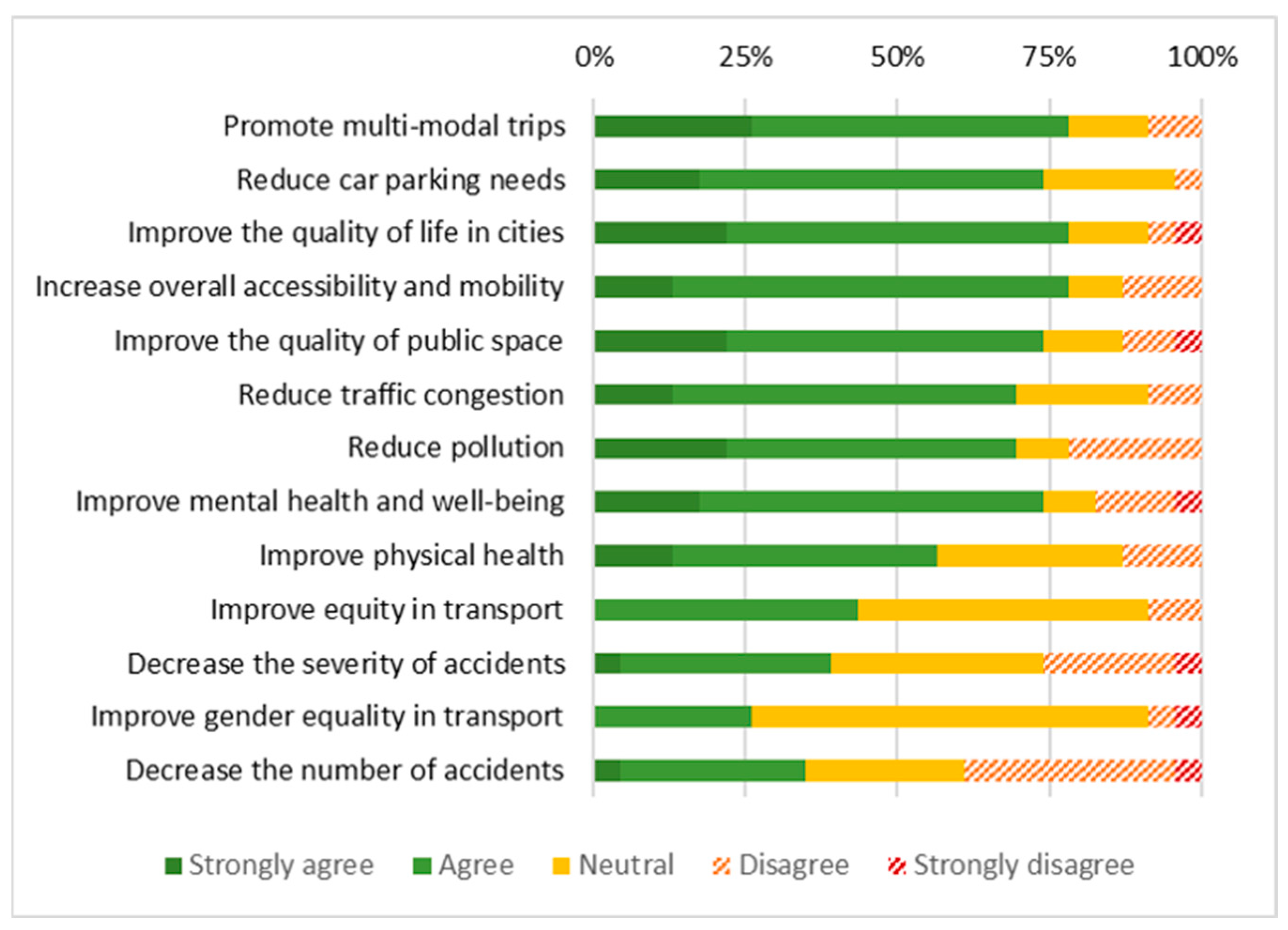
Regarding the role of shared e-scooters in the ideal vison of cities and urban mobility (Figure 3), around three-quarters of the experts agree or strongly agree that they can contribute to promoting multi-modal trips, to improving the quality of life in cities, to increasing overall mobility and accessibility, to improving the quality of public space and to improving mental health and well-being. Moreover, between 67% and 75% of the experts also agree or strongly agree that shared e-scooters can help to reduce negative externalities of transport systems such as car parking needs, pollution and traffic congestion.
Figure 3.
Opinion about potential contributions of shared e-scooters to an ideal city.
Opinions on the remaining factors are divided, and it can be considered that shared e-scooters will have a neutral (or net zero) contribution to equity and gender equality in transport as well as to the number and severity of traffic accidents.
5.2. Current Challenges
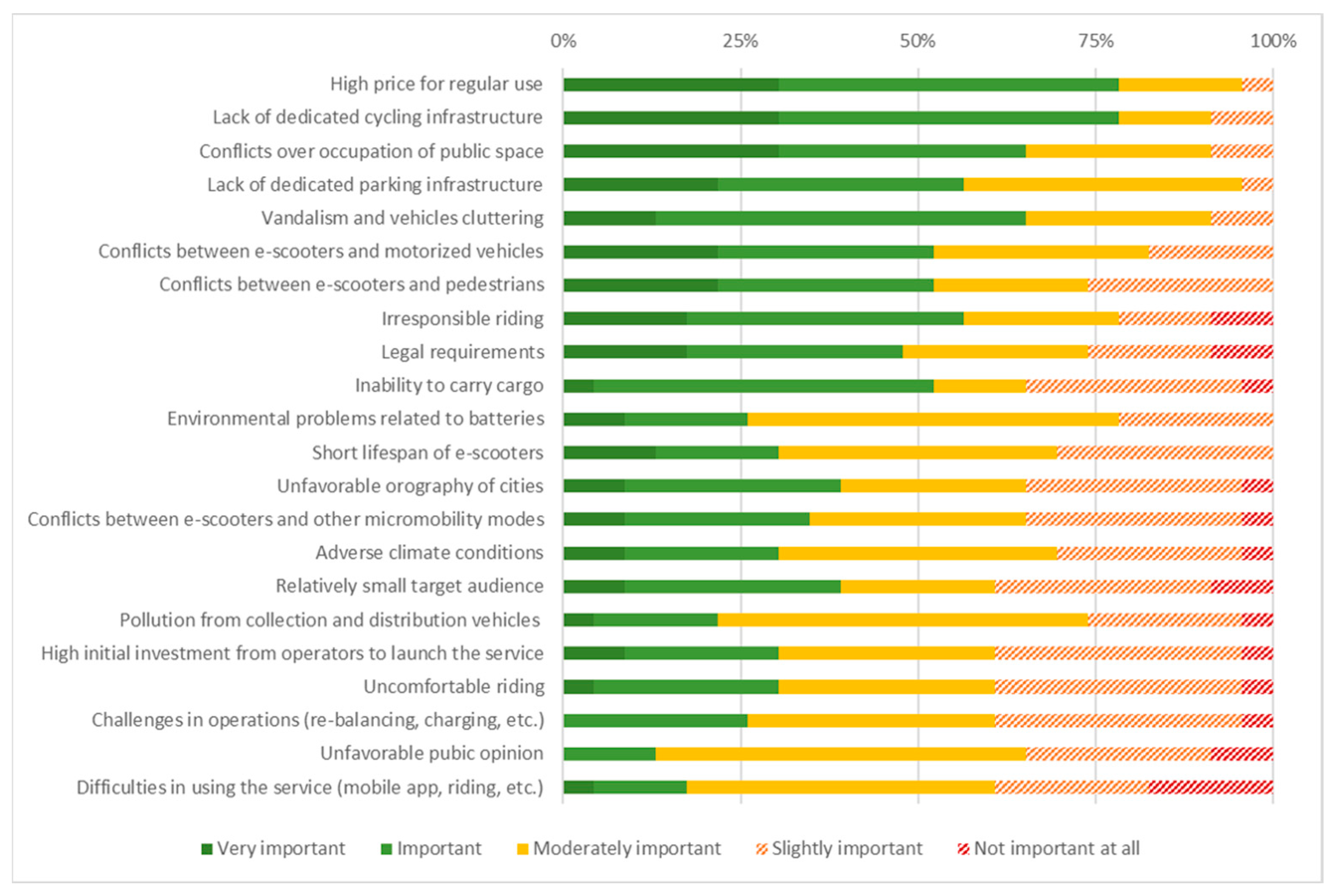
The experts considered that the existing e-scooter sharing systems are associated with three main problems: a high cost for regular use, a lack of dedicated infrastructure for circulation, and conflicts over the occupation of public space. Indeed, the vast majority of experts (66% to 78%) agreed on the relevance of these situations, with 30% of the experts classifying them as “5. very important” (Figure 4).
Figure 4.
Degree of importance of current challenges.
Vandalism and the piling up of vehicles, the lack of dedicated parking areas and irresponsible riding also stood out, with about 67% of the experts considering them either as very important or important. Following these, the most relevant factors were conflicts between e-scooters and motorized traffic, conflicts between e-scooters and pedestrians, and inability to carry cargo, with more than half of the experts classifying them either as very important or important.
On the other hand, the following factors were classified as “1. not important at all” or as “2. slightly important” by 40% of the experts: need for high initial investment from service providers, uncomfortable riding of e-scooters, challenges in operation, possible user difficulty in utilizing the system (e.g., mobile application and/or riding) and unfavorable public opinion.
5.3. Priorities for the Transition
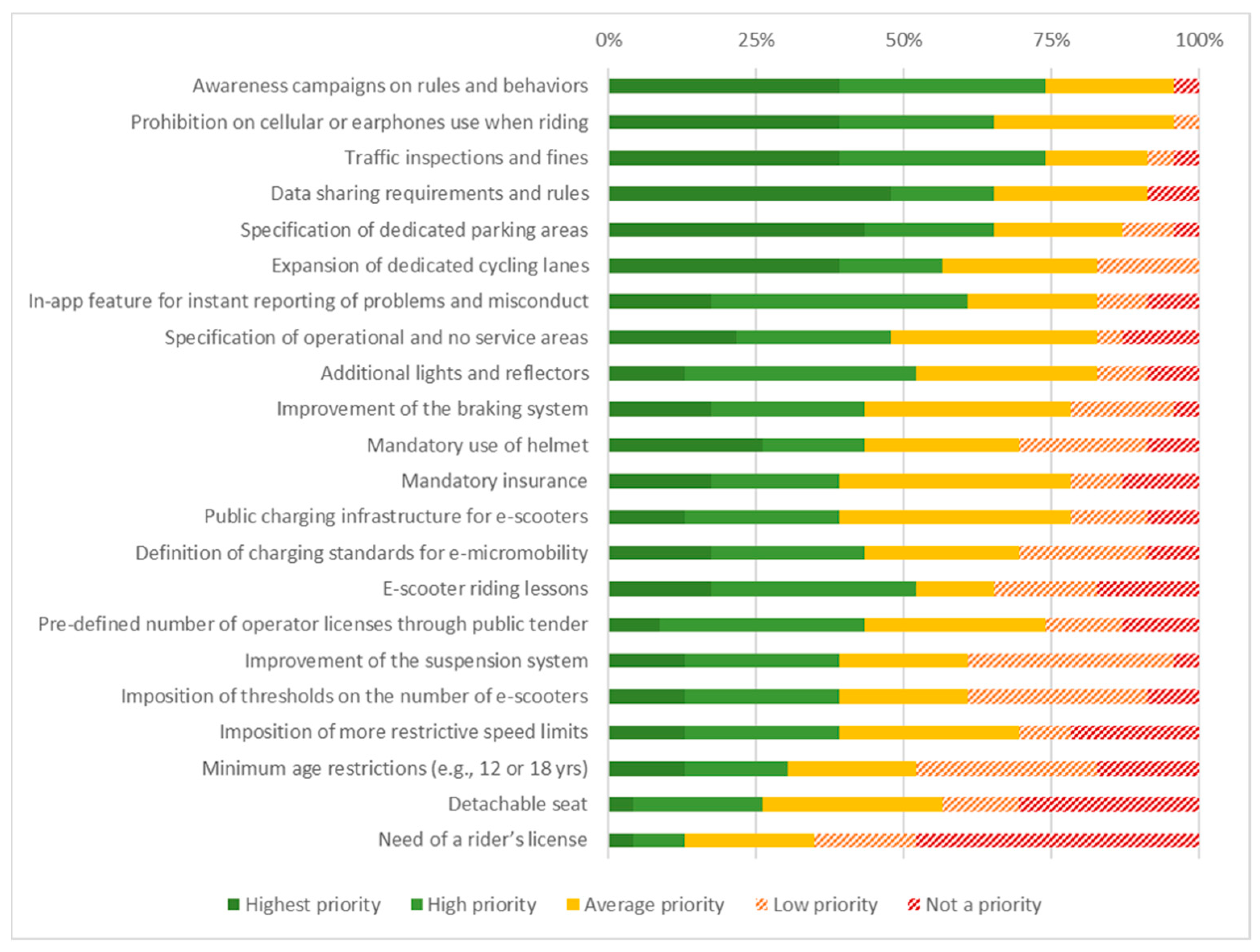
In order to understand the best way to evolve from the current context to an ideal future context, experts were asked to rank the priority of implementing a broad set of actions that could potentially be taken (Figure 5). Among the various actions, those to which more than two-thirds of the specialists attributed ”4. High priority” or “5. Highest priority” are awareness campaigns on traffic rules and riding behavior, prohibition of mobile phone or earphone use while traveling, inspection and fines for non-compliance, sharing of data on the use of the system with public entities and specification of dedicated spaces for parking e-scooters.
Figure 5.
Level of priority of policies and actions.
In addition to these, the construction of dedicated cycling infrastructure and the need for an in-app feature for instant reporting of problems and misconduct were also prioritized by around half of the specialists.
On the other hand, the experts consider that legal requirements on more restrictive speed limits, minimum age restrictions or need for riders to have a license, as well as vehicle features such as detachable seats or improvement in suspension systems, are clearly not a priority.
6. Discussion and Conclusions
While the introduction of e-scooter sharing systems in Portuguese cities shares many similarities with international experiences [2,22], namely in terms of the new challenges posed by such systems and the measures taken to address them, our study makes relevant contributions to the growing body of literature.
Drawing on expert opinions, our analysis clearly provides a positive outlook on the future of shared e-scooters. In addition, it highlights that in the cases of experts that have already engaged with such systems in their professional activity the perspective is even more favorable (notably among public sector experts). Moreover, it elucidates the key contributions that these systems can offer to cities and sustainable urban mobility. Indeed, the vast majority of experts (67% to 78%) agree or strongly agree that shared e-scooters would thrive in an ideal city and would contribute to promoting multi-modal travel, to improving the quality of life in cities, to increasing overall mobility and accessibility, to improving the quality of public space and to improving mental health and well-being. Similarly, the experts also agree or strongly agree that, aside from helping to achieve these crucial planning objectives, shared e-scooters can contribute to reducing negative transport system externalities such as car parking needs, pollution and traffic congestion. A rather new insight in the context of shared e-scooters (although comparable to what has been reported for bike-sharing) is related to the opportunities that such systems offer to younger generations to increase their accessibility and mobility.
Our research works also adds to the studies aimed at identifying challenges related to the introduction of shared e-scooters in cities [2,22] by providing a finer breakdown and a classification of the degree of importance of each issue (based on experts’ opinion, rather than solely relying on the number of media reports). Among the 22 issues we had identified in the review phase, the following six problems emerged as the most important, with 67% to 78% of experts considering them as either very important or important. First, a major concern of the experts is the high cost for regular use, since it may preempt e-scooter sharing systems from delivering their full potential. Second, the lack of dedicated cycling infrastructure is considered a critical issue. This is in line with findings from previous studies in Portugal—for instance, Ref. [36] provides evidence that, in Lisbon, the expansion of cycling infrastructure had a significant influence on the increase (by 3.5 times) in bike ridership—and may be true for countries and cities with similarly low cycling infrastructure and modal share. Third, conflicts over the occupation of public space were also pointed out as main challenge to be solved. Fourth, a related problem—the lack of dedicated parking areas for e-scooters—followed as one of the most important. Vandalism and the piling up of vehicles and irresponsible riding also stood out as important problems. However, the surveyed Portuguese experts dismissed the importance of the following factors: the need for high initial investment from service providers to launch the service, uncomfortable riding of e-scooters, challenges in operation (re-balancing, charging, etc.), possible user difficulty in utilizing the system (e.g., mobile application and/or riding) and unfavorable public opinion.
Most importantly, our study provides relevant insights for decision-makers (and others) by outlining a prioritized set of 22 measures related to shared e-scooters, aiming to transition from the current context to an idealized vision of cities and mobility. Most of the actions vastly classified as top priorities are either associated with e-scooter usage, education and enforcement—including awareness campaigns on traffic rules and riding behavior, prohibition of mobile phone or earphone use while traveling, inspection and fines for non-compliance—or with the development or adaptation of transport infrastructure, namely the expansion of the network of cycling lanes and the specification of dedicated areas for e-scooter parking. Operators sharing data on the use of the system with public entities was also largely considered a top priority. In general, measures related to the improvement of vehicles were not deemed as relevant.
To the authors knowledge, this work constitutes the first overview of the diffusion and implementation of shared e-scooters in Portugal, which has emerged as a pivotal early-stage test market for shared e-scooters operators globally (that is, therefore, worth studying). The Portuguese experience reveals a pattern of launch–test–withdrawal/expansion in waves, presenting relevant insights about the diffusion of shared e-scooter systems. Besides providing additional evidence about the main factors previously found to accelerate the diffusion of new mobility services [4], the study introduces a new market perspective, related to the fact that, initially, e-scooter sharing systems were deployed not only in large metropolitan areas but also in medium-sized university towns and coastal touristic cities (that, typically, are only covered in market consolidation phases).
These preliminary findings, gathered from a limited sample of urban mobility experts in Portugal, warrant further exploration across different countries and as the e-scooter sharing systems mature. The high representation of public authority experts in our sample might present a limitation. Some perspectives provided by the experts remain inadequately explored in scientific literature. For instance, the impact of shared e-scooters on other transportation modes and their role in sustainability and the circular economy require deeper investigation. Additionally, while our study centered on e-scooter sharing systems, exploring privately-owned e-scooters and e-bikes, particularly following Paris’ ban on these systems, presents an avenue for further research. Quantitative studies on these topics will significantly enhance our understanding of shared e-scooters’ role in cities and urban mobility.
Author Contributions
Conceptualization, J.F.B.; methodology, J.F.B.; formal analysis, F.F. and J.F.B.; investigation, F.F.; data curation, F.F.; writing—original draft preparation, F.F. and J.F.B.; writing—review and editing, J.F.B.; visualization, F.F. and J.F.B.; supervision, J.F.B.; project administration, J.F.B. All authors have read and agreed to the published version of the manuscript.
Funding
This research received no external funding.
Institutional Review Board Statement
Not applicable.
Informed Consent Statement
Informed consent was obtained from all subjects involved in the study.
Data Availability Statement
The data of this study are available from the authors upon request.
Conflicts of Interest
The authors declare no conflict of interest.
References
- Santa Monica Daily Press. Available online: https://www.smdp.com/bird-scooters-flying-around-town/162647 (accessed on 23 October 2023).
- Gossling, S. Integrating e-scooters in urban transportation: Problems, policies and the prospect of system change. Transp. Res. Part D—Transp. Environ. 2020, 79, 102230. [Google Scholar] [CrossRef]
- BCG Global. Available online: https://web-assets.bcg.com/img-src/BCG-How-E-Scooters-Can-Win-a-Place-in-Urban-Transport-Jan-2020-rev_tcm9-237992.pdf (accessed on 23 October 2023).
- Hasselwander, M.; Bigotte, J.F.; Fonseca, M. Understanding platform internationalisation to predict the diffusion of new mobility services. Res. Transp. Bus. Manag. 2022, 43, 100765. [Google Scholar] [CrossRef]
- Christoforou, Z.; de Bortoli, A.; Gioldasis, C.; Seidowsky, R. Who is using e-scooters and how? Evidence from Paris. Transp. Res. Part D—Transp. Environ. 2021, 92, 102708. [Google Scholar] [CrossRef]
- Nikiforiadis, A.; Paschalidis, E.; Stamatiadis, N.; Raptopoulou, A.; Kostareli, A.; Basbas, S. Analysis of attitudes and engagement of shared e-scooter users. Transp. Res. Part D—Transp. Environ. 2021, 94, 102790. [Google Scholar] [CrossRef]
- Kopplin, C.S.; Brand, B.M.; Reichenberger, Y. Consumer acceptance of shared e-scooters for urban and short-distance mobility. Transp. Res. Part D—Transp. Environ. 2021, 91, 102680. [Google Scholar] [CrossRef]
- Karli, R.G.O.; Karli, H.; Celikyay, H.S. Investigating the acceptance of shared e-scooters: Empirical evidence from Turkey. Case Stud. Transp. Policy 2022, 10, 1058–1068. [Google Scholar] [CrossRef]
- Javadinasr, M.; Asgharpour, S.; Rahimi, E.; Choobchian, P.; Mohammadian, A.K.; Auld, J. Eliciting attitudinal factors affecting the continuance use of E-scooters: An empirical study in Chicago. Transp. Res. Part F-Traffic Psychol. Behav. 2022, 87, 87–101. [Google Scholar] [CrossRef]
- McKenzie, G. Spatiotemporal comparative analysis of scooter-share and bike-share usage patterns in Washington, DC. J. Transp. Geogr. 2019, 78, 19–28. [Google Scholar] [CrossRef]
- Caspi, O.; Smart, M.J.; Noland, R.B. Spatial associations of dockless shared e-scooter usage. Transp. Res. Part D—Transp. Environ. 2020, 86, 102396. [Google Scholar] [CrossRef]
- Hosseinzadeh, A.; Algomaiah, M.; Kluger, R.; Li, Z.X. Spatial analysis of shared e-scooter trips. J. Transp. Geogr. 2021, 92, 103016. [Google Scholar] [CrossRef]
- Weschke, J.; Oostendorp, R.; Hardinghaus, M. Mode shift, motivational reasons, and impact on emissions of shared e-scooter usage. Transp. Res. Part D—Transp. Environ. 2022, 112, 103468. [Google Scholar] [CrossRef]
- Yang, H.; Ma, Q.Y.; Wang, Z.Y.; Cai, Q.; Xie, K.; Yang, D. Safety of micro-mobility: Analysis of e-scooter crashes by mining news reports. Accid. Anal. Prev. 2020, 143, 105608. [Google Scholar] [CrossRef] [PubMed]
- Badeau, A.; Carman, C.; Newman, M.; Steenblik, J.; Carlson, M.; Madsen, T. Emergency department visits for electric scooter-related injuries after introduction of an urban rental program. Am. J. Emerg. Med. 2019, 37, 1531–1533. [Google Scholar] [CrossRef] [PubMed]
- Gehrke, S.R.; Russo, B.J.; Sadeghinasr, B.; Riffle, K.R.; Smaglik, E.J.; Reardon, T.G. Spatial interactions of shared e-scooter trip generation and vulnerable road user crash frequency. J. Transp. Saf. Secur. 2021, 14, 1798–1814. [Google Scholar] [CrossRef]
- Karpinski, E.; Bayles, E.; Daigle, L.; Mantine, D. Characteristics of early shared E-Scooter fatalities in the United States 2018–2020. Saf. Sci. 2022, 153, 105811. [Google Scholar] [CrossRef]
- Hollingsworth, J.; Copeland, B.; Johnson, J.X. Are e-scooters polluters? The environmental impacts of shared dockless electric scooters. Environ. Res. Lett. 2019, 14, 084031. [Google Scholar] [CrossRef]
- Moreau, H.; de Jamblinne de Meux, L.; Zeller, V.; D’Ans, P.; Ruwet, C.; Achten, W.M.J. Dockless e-scooter: A green solution for mobility? Sustainability 2020, 12, 1803. [Google Scholar] [CrossRef]
- Reis, A.F.; Baptista, P.; Moura, F. How to promote the environmental sustainability of shared e-scooters: A life-cycle analysis based on a case study from Lisbon, Portugal. J. Urban Mobil. 2023, 3, 100044. [Google Scholar] [CrossRef]
- Dias, G.; Arsenio, E.; Ribeiro, P. The Role of Shared E-Scooter Systems in Urban Sustainability and Resilience during the COVID-19 Mobility Restrictions. Sustainability 2021, 13, 7084. [Google Scholar] [CrossRef]
- Koenig, A.; Gebhardt, L.; Stark, K.; Schuppan, J.A. A Multi-Perspective Assessment of the Introduction of E-Scooter Sharing in Germany. Sustainability 2022, 14, 2639. [Google Scholar] [CrossRef]
- Bozzi, A.D.; Aguilera, A. Shared E-Scooters: A Review of Uses, Health and Environmental Impacts, and Policy Implications of a New Micro-Mobility Service. Sustainability 2021, 13, 8676. [Google Scholar] [CrossRef]
- Fluctuo, European Shared Mobility Index—Q2 2022. Available online: https://european-index.fluctuo.com/ (accessed on 30 November 2022).
- Parkes, S.D.; Marsden, G.; Shaheen, S.A.; Cohen, A.P. Understanding the diffusion of public bikesharing systems: Evidence from Europe and North America. J. Transp. Geogr. 2013, 31, 94–103. [Google Scholar] [CrossRef]
- Geels, F.W. A socio-technical analysis of low-carbon transitions: Introducing the multi-level perspective into transport studies. J. Transp. Geogr. 2012, 24, 471–482. [Google Scholar] [CrossRef]
- Tamagusko, T.; Ferreira, A. Data-Driven Approach to Understand the Mobility Patterns of the Portuguese Population during the COVID-19 Pandemic. Sustainability 2020, 12, 9775. [Google Scholar] [CrossRef]
- Grant, M.J.; Booth, A. A typology of reviews: An analysis of 14 review types and associated methodologies. Health Inf. Libr. J. 2009, 26, 91–108. [Google Scholar] [CrossRef]
- Edelman, B. Using internet data for economic research. J. Econ. Perspect. 2012, 26, 189–206. [Google Scholar] [CrossRef]
- Shaheen, S.A.; Cohen, A.P. Carsharing and Personal Vehicle Services: Worldwide Market Developments and Emerging Trends. Int. J. Sustain. Transp. 2013, 7, 5–34. [Google Scholar] [CrossRef]
- Goletz, M.; Haustein, S.; Wolking, C.; L’Hostis, A. Intermodality in European metropolises: The current state of the art, and the results of an expert survey covering Berlin, Copenhagen, Hamburg and Paris. Transp. Policy 2020, 94, 109–122. [Google Scholar] [CrossRef]
- Zhang, J.; Hayashi, Y.; Frank, L.D. COVID-19 and transport: Findings from a world-wide expert survey. Transp. Policy 2021, 103, 68–85. [Google Scholar] [CrossRef]
- Hasselwander, M.; Bigotte, J.F. Transport Authorities and Innovation: Understanding Barriers for MaaS Implementation in the Global South. Transp. Res. Procedia 2022, 62, 475–482. [Google Scholar] [CrossRef]
- Imprensa Nacional-Casa da Moeda, S.A. (ICNM). 20th Amendment to the Traffic Code, Decreto-Lei n.º 102-B/2020 de 9 de Dezembro do Ministério da Administração Interna; Diário da República Série I 2020, nº 238, 2 220; Imprensa Nacional-Casa da Moeda, S.A. (ICNM): Lisboa, Portugal, 2020. [Google Scholar]
- Imprensa Nacional-Casa da Moeda, S.A. (ICNM). Traffic Code, Decreto-Lei n.º 114/94 de 3 de maio do Ministério da Administração Interna; Diário da República Série I-A 1994, nº 102; Imprensa Nacional-Casa da Moeda, S.A. (ICNM): Lisboa, Portugal, 1994; pp. 2162–2190. [Google Scholar]
- Felix, R.; Cambra, P.; Moura, F. Build it and give ‘em bikes, and they will come: The effects of cycling infrastructure and bike-sharing system in Lisbon. Case Stud. Transp. Policy 2020, 8, 672–682. [Google Scholar] [CrossRef]
Disclaimer/Publisher’s Note: The statements, opinions and data contained in all publications are solely those of the individual author(s) and contributor(s) and not of MDPI and/or the editor(s). MDPI and/or the editor(s) disclaim responsibility for any injury to people or property resulting from any ideas, methods, instructions or products referred to in the content. |
© 2023 by the authors. Licensee MDPI, Basel, Switzerland. This article is an open access article distributed under the terms and conditions of the Creative Commons Attribution (CC BY) license (https://creativecommons.org/licenses/by/4.0/).